
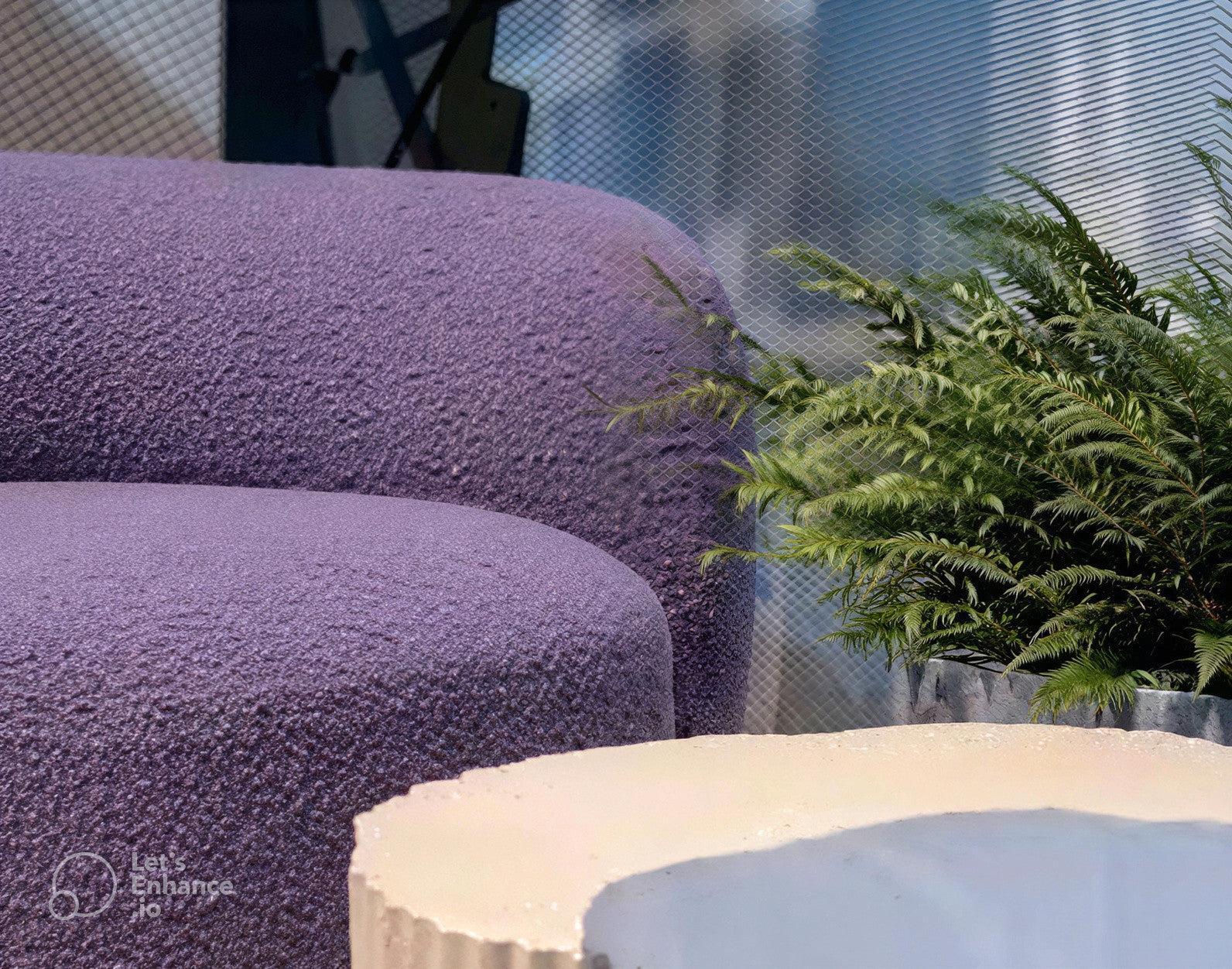
Design unfolds before us as both a vivid declaration and a measured revelation, a language spoken through form, material, and atmosphere that shapes not only how a space appears, but how it feels to inhabit, how it gathers people into moments of intimacy, and how it sustains the rhythms of daily life with grace and intention.
As we move through today’s design landscape in search of works that stir the senses with captivating form, rousing color, and engaging texture, we begin to notice a repetition of elements that draw us in with a sense of harmony, forming patterns that feel at once immediate and enduring.
At Luminaire, these patterns are not simply identified as trends, but are interpreted, refined, and woven into a larger narrative that considers how design lives with us over time, shaping environments that remain relevant, resonant, and deeply human.
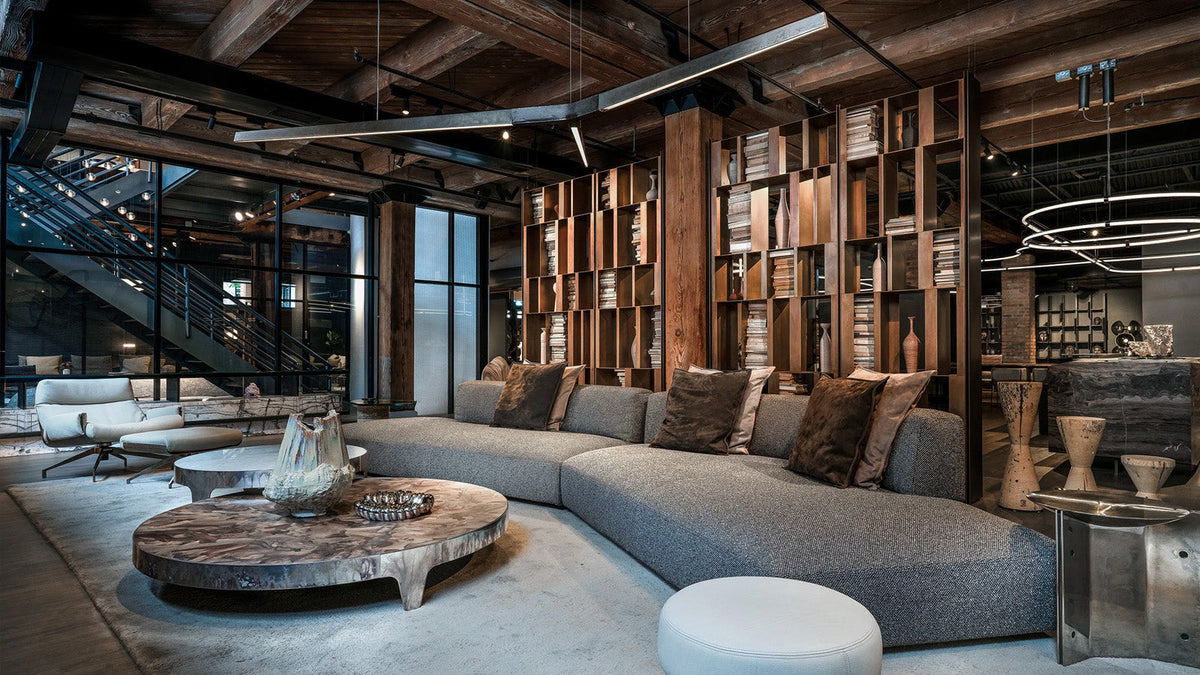
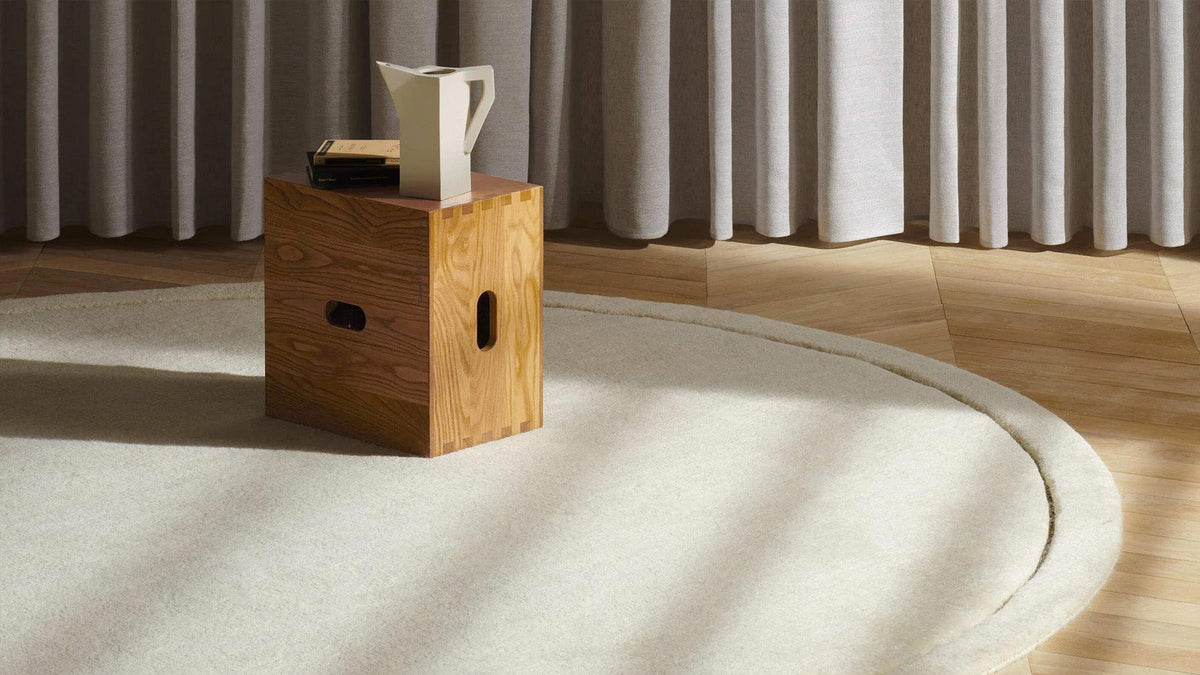
 In a world saturated with the synthetic and the virtual, the return to natural materials feels less like a trend and more like a recalibration of the senses, a movement toward surfaces that carry warmth, weight, and memory. Wood, stone, wool, and ceramics enter the home not as decorative gestures, but as grounding forces, shaping spaces that feel instinctual and alive.
This biophilic sensibility reveals itself across contemporary design, from the tactile ease of the ZigZag pouf for Kettal to the enduring material honesty of the Flag Halyard chair by Hans Wegner, where rope, steel, and sheepskin come together in a composition that feels both engineered and deeply human. It extends into wooden works that celebrate craftsmanship and structure, from Mark Newson’s Wooden Chair to Franco Albini’s Ottoman, each piece revealing the expressive potential of natural material in its purest form.
Within collections from Porro and Cassina, wood becomes sculptural and architectural, its grain and tone unfolding with a quiet richness that invites touch and contemplation.
At the scale of the interior, this connection to nature expands further, as greenery and organic compositions, seen prominently in environments such as those presented at the 2024 Salone del Mobile, transform the home into a living landscape, one that feels both luxurious and serene.
Stone emerges with equal presence, its weight and permanence introducing a sense of calm authority into interiors, adding a layer of indulgence that remains grounded and enduring. These materials do not simply adorn a space; they root it, offering a sensory richness that resists the fleeting nature of aesthetic cycles.

Alongside this return to materiality, a softening of form begins to take hold, as interiors move away from rigid geometries and toward lines that flow, bend, and gather, shaping spaces that feel less prescribed and more inviting. Curves emerge not only as a formal gesture, but as a social one, encouraging movement, conversation, and a sense of ease that unfolds naturally within the room.
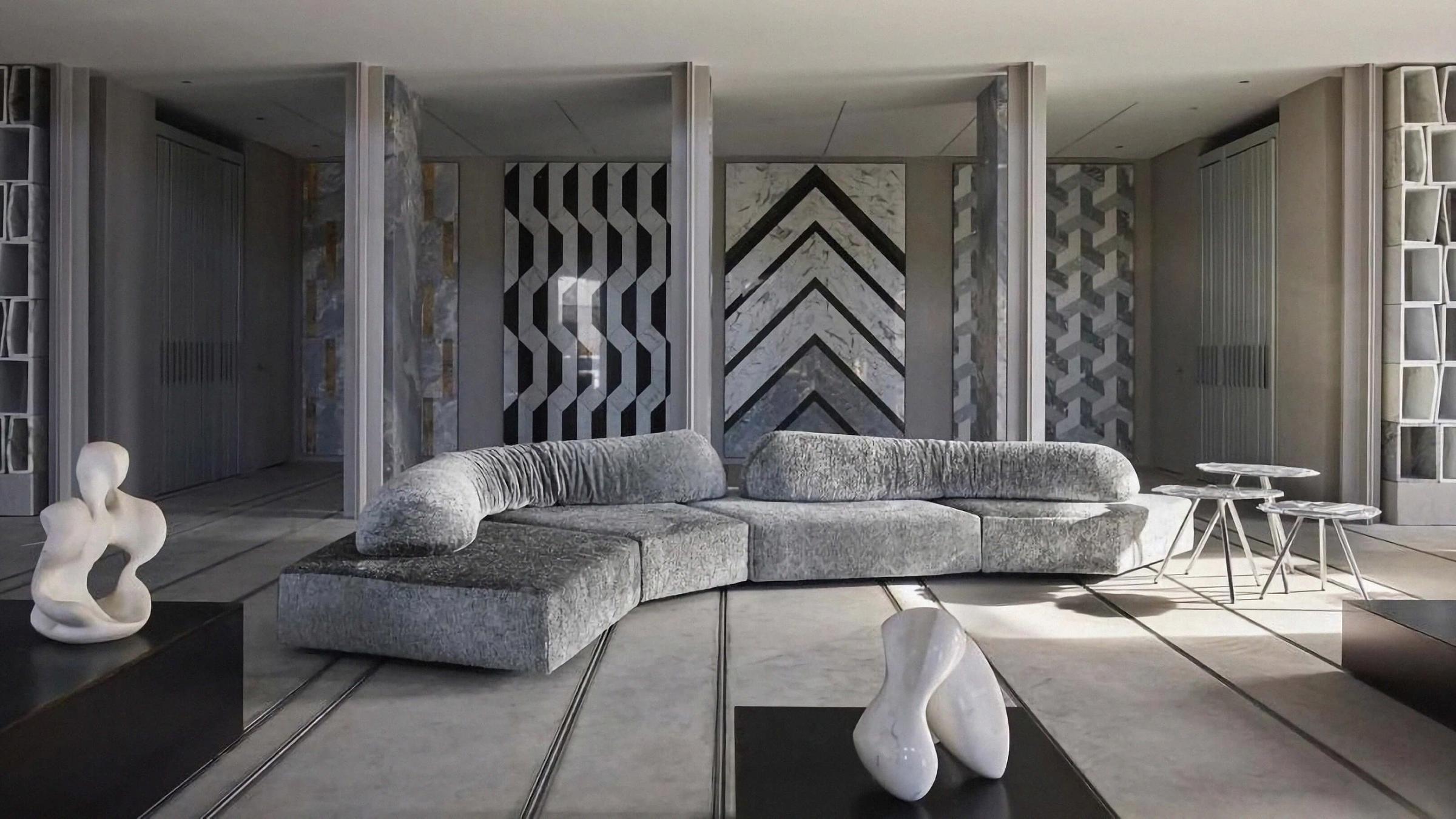
The enveloping forms of the Lunam collection for Kartell and the sculptural presence of the Bubble Rock sofa by Piero Lissoni create spaces that feel as though they are in motion even at rest, their silhouettes offering a gentle invitation to sit, recline, and remain. This language of softness extends into works such as the Baixa bed by Guilherme Wentz, where form and comfort merge into a singular, fluid expression.
These are forms that do not impose themselves upon the body, but instead respond to it, shaping an experience of comfort that is both physical and atmospheric, and reinforcing a broader desire for interiors that support connection and shared experience.

History moves through contemporary interiors as a living presence that continues to inform and enrich the way we design today. The bold, expressive forms of the 1970s return with renewed vitality, seen in the generous contours of the Soriana sofa, where softness and structure coexist in a way that feels both indulgent and deliberate, while vibrant accents such as orange reappear with a sense of playful confidence.
Mid-century works maintain their clarity and composure, with pieces such as the Womb Chair by Eero Saarinen and the Swan chair by Arne Jacobsen continuing to define interiors with their refined silhouettes and considered proportions. Entire environments may draw from this lineage, incorporating works by Charles and Ray Eames, George Nelson, and Florence Knoll, creating spaces that feel cohesive, thoughtful, and enduring.
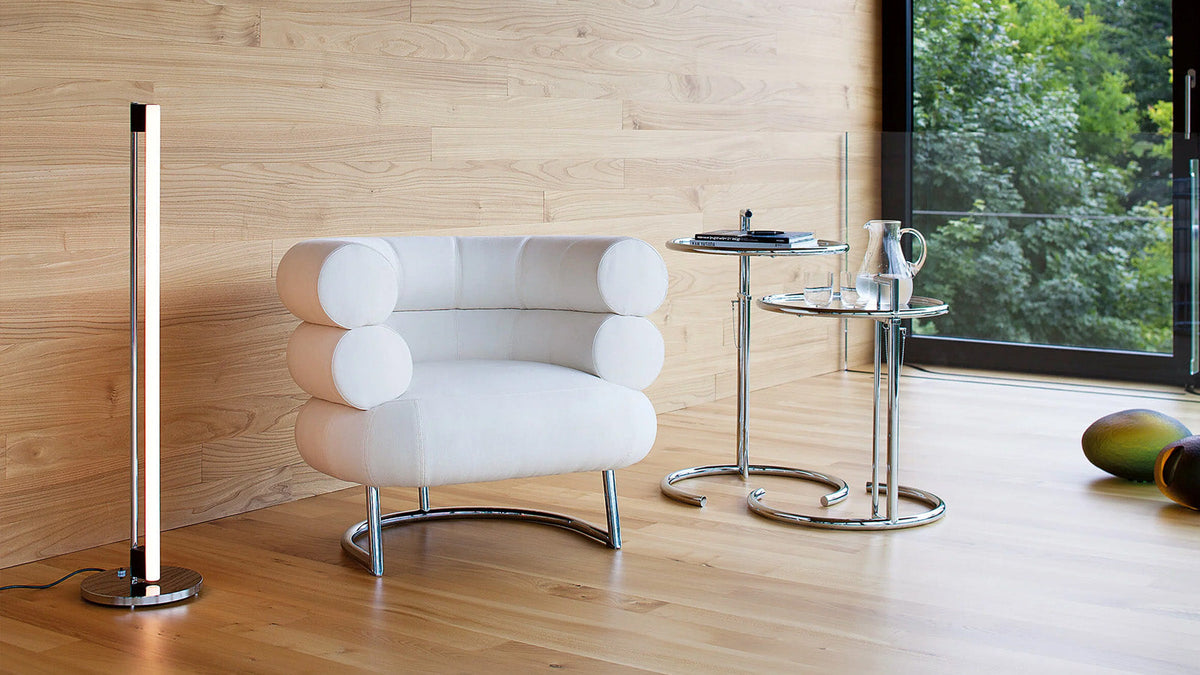
A renewed interest in chrome and silver further extends this dialogue, introducing a reflective quality that feels both modern and timeless. In the precision of the Fritz Hansen PK collection, the modular clarity of USM furnishings, and the enduring elegance of Le Corbusier’s LC1 Sling chair, metal becomes a means of articulation, reflecting light and movement while grounding space with a subtle industrial presence.

As materials become more considered, so too does the intention behind them, with designers and brands increasingly attuned to the impact of their choices, both in how objects are made and how they endure. Sustainability emerges as a guiding principle, shaping a new kind of luxury that values longevity, responsibility, and thoughtful production.
Glass moves to the forefront of this conversation, its clarity offering both visual lightness and a sense of refinement that feels quietly sophisticated. The Compression table by Philippe Starck for Glas Italia captures this balance, where material innovation meets sculptural presence, while Patricia Urquiola’s Shimmer table introduces color and light in a way that feels both delicate and dynamic.
Even smaller elements, such as the Hymn cordless lamp, contribute to this atmosphere, offering moments of luminosity that enhance space with subtlety and grace. These works reflect a broader shift in perspective, where beauty aligns with responsibility, and where objects are chosen not only for how they appear, but for how they exist within the world.

Beyond material and form, a more personal narrative begins to unfold within the home, as interiors move toward a balance of eclecticism and restraint, where individuality is expressed through thoughtful composition rather than excess. Spaces become layered, combining the familiar with the unexpected, the classic with the contemporary, creating environments that feel both curated and deeply lived.
The presence of a piece such as Gerrit Rietveld’s Utrecht chair introduces a moment of bold articulation, while the vibrant textures of Paola Lenti’s Smile lounge chair bring warmth and visual richness into dialogue with more restrained forms. Sculptural works like the Wiggle side chair by Frank Gehry add a sense of experimentation, existing alongside refined pieces such as the 636 Elling Buffet and the Org table by Giulio Cappellini.
When paired with works by designers such as Antonio Citterio or Piero Lissoni, these elements create interiors that feel personal yet composed, expressive yet grounded, reflecting the emotions and experiences of those who inhabit them.
Trends suggest movement, yet the most compelling ones reveal continuity, offering a glimpse into a way of living that values depth, material honesty, and emotional resonance over the fleeting appeal of the new.
At Luminaire, these ideas are brought together through a process of careful curation and thoughtful interpretation, shaping environments that are not bound to a single moment, but that live and breathe alongside those who inhabit them, adapting, enduring, and remaining meaningful over time.
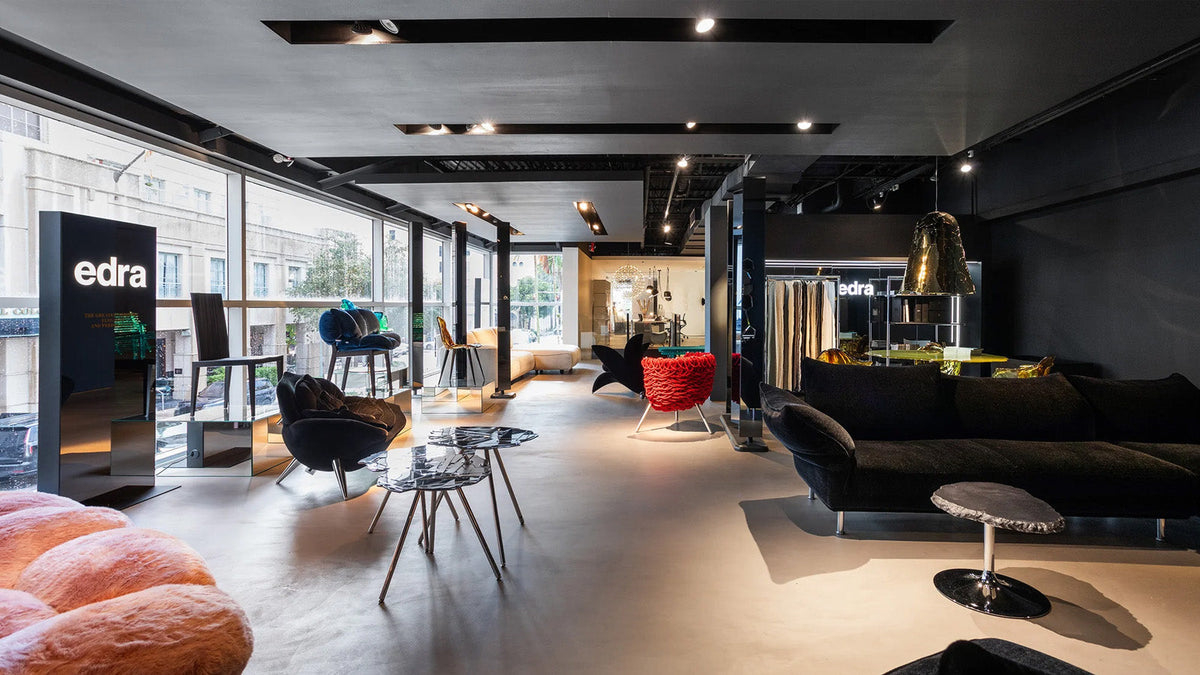
Discover these works within Luminaire’s showrooms, where each piece exists within a fully realized environment, allowing material, form, and atmosphere to be experienced together. Schedule a private consultation to explore how these enduring principles can be translated into your own space with clarity, intention, and a sense of lasting beauty.
Luminaire at Design West Hollywood 2026
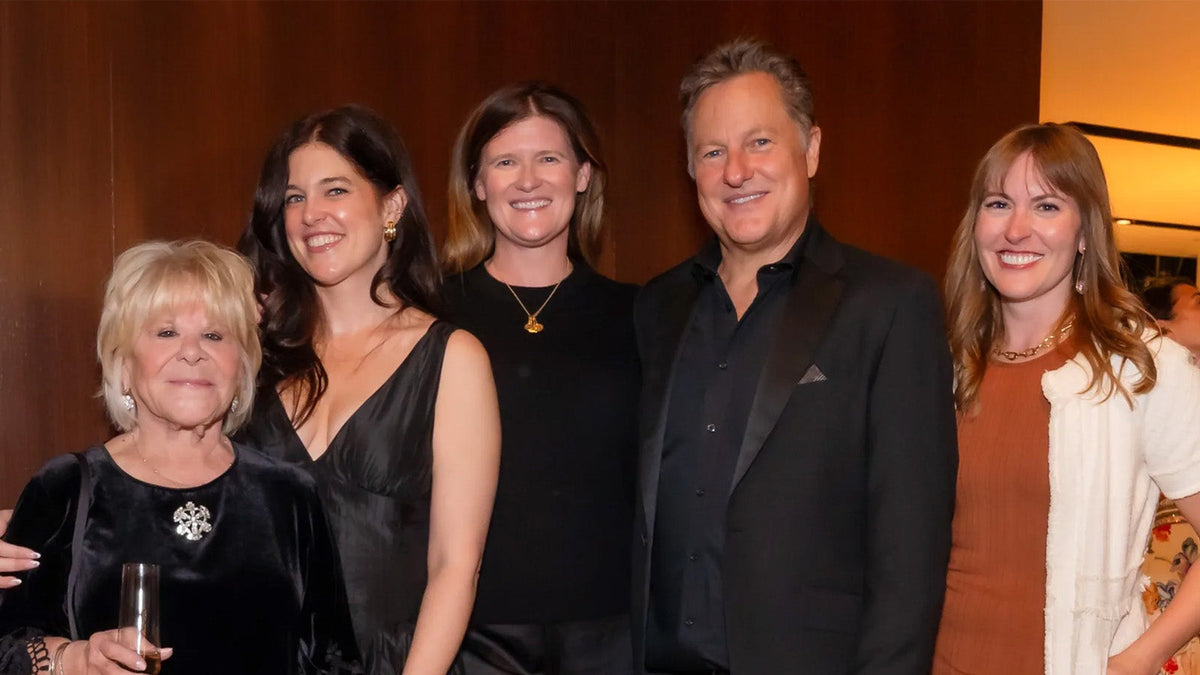
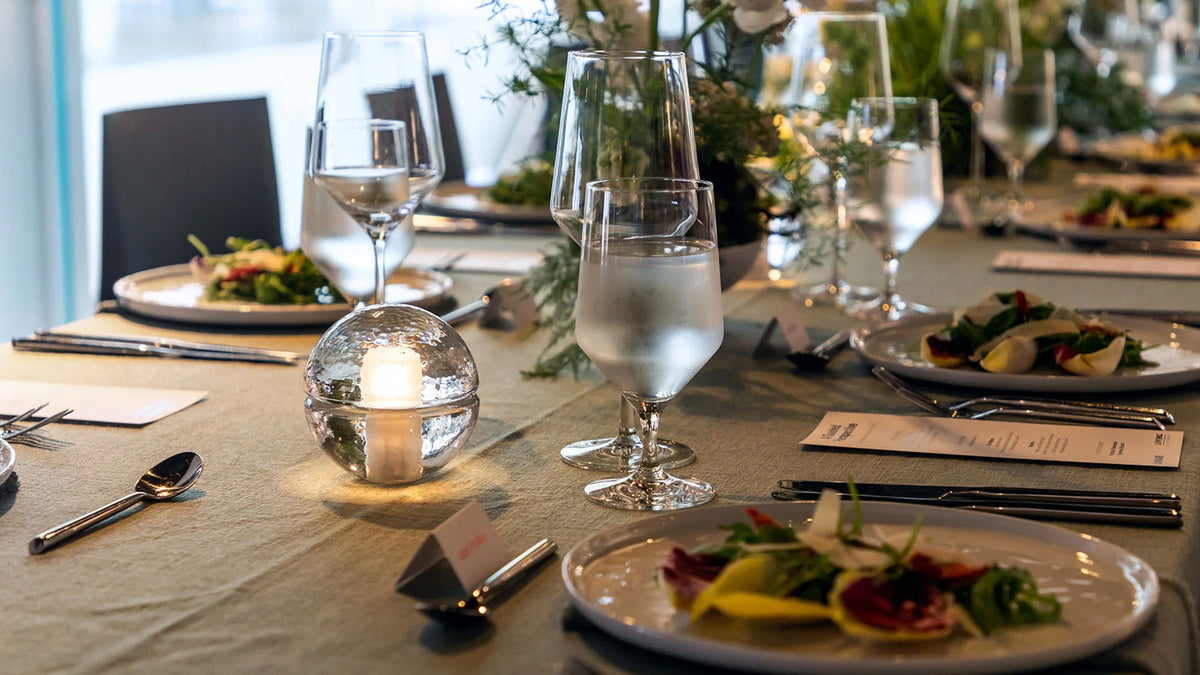
Design West Hollywood 2026 celebrated creativity, connection, and contemporary design, with Luminaire Los Angeles and Arclinea Los Angeles hosting memorable gatherings that brought the design community together.
In Conversation with Sophie Goineau
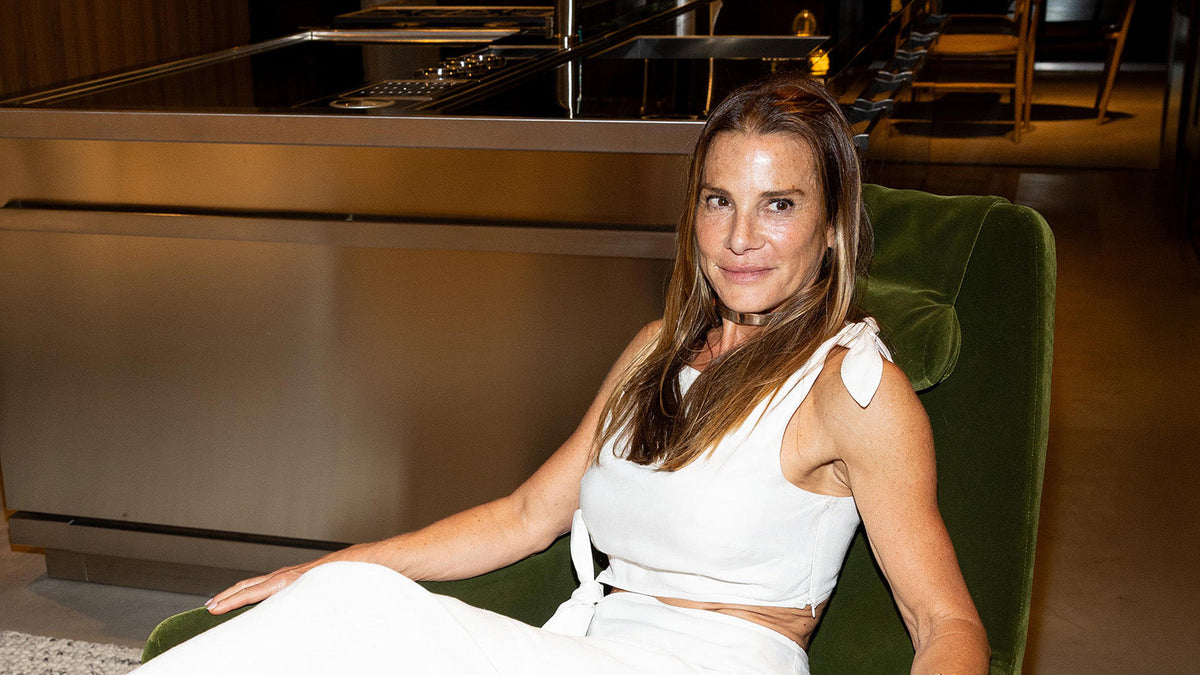
Interior architect Sophie Goineau designs across scales, from a single object to the architecture around it and the land beyond. She discusses composing interiors as one continuous experience, letting each place and its people shape a project's language, and her work on Selby Lane with the San Francisco team.
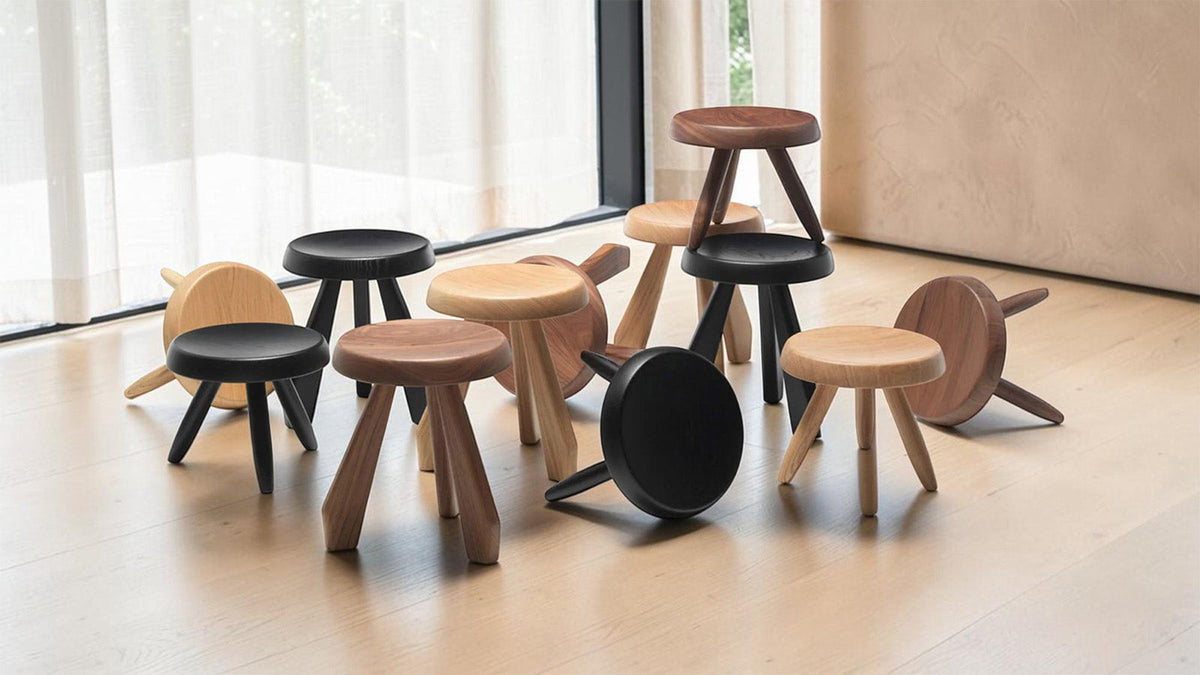
Charlotte Perriand's Tabouret Stools: Alpine Form, Modern Use
Read moreabout Charlotte Perriand's Tabouret Stools: Alpine Form, Modern Use
Inside Luminaire Chicago: Italian Design in River North Since 1989
Read moreabout Inside Luminaire Chicago: Italian Design in River North Since 1989
Eileen Gray's E 1027 Table: A Design Conceived for Living
Read moreabout Eileen Gray's E 1027 Table: A Design Conceived for Living
LC14 Tabouret Cabanon: Le Corbusier's Smallest Architecture
Read moreabout LC14 Tabouret Cabanon: Le Corbusier's Smallest Architecture
Sacco Chair by Zanotta: The 1968 Object That Refused to Be Furniture
Read moreabout Sacco Chair by Zanotta: The 1968 Object That Refused to Be Furniture
Inside Luminaire Coral Gables: The Showroom and Its Design Services
Read moreabout Inside Luminaire Coral Gables: The Showroom and Its Design Services
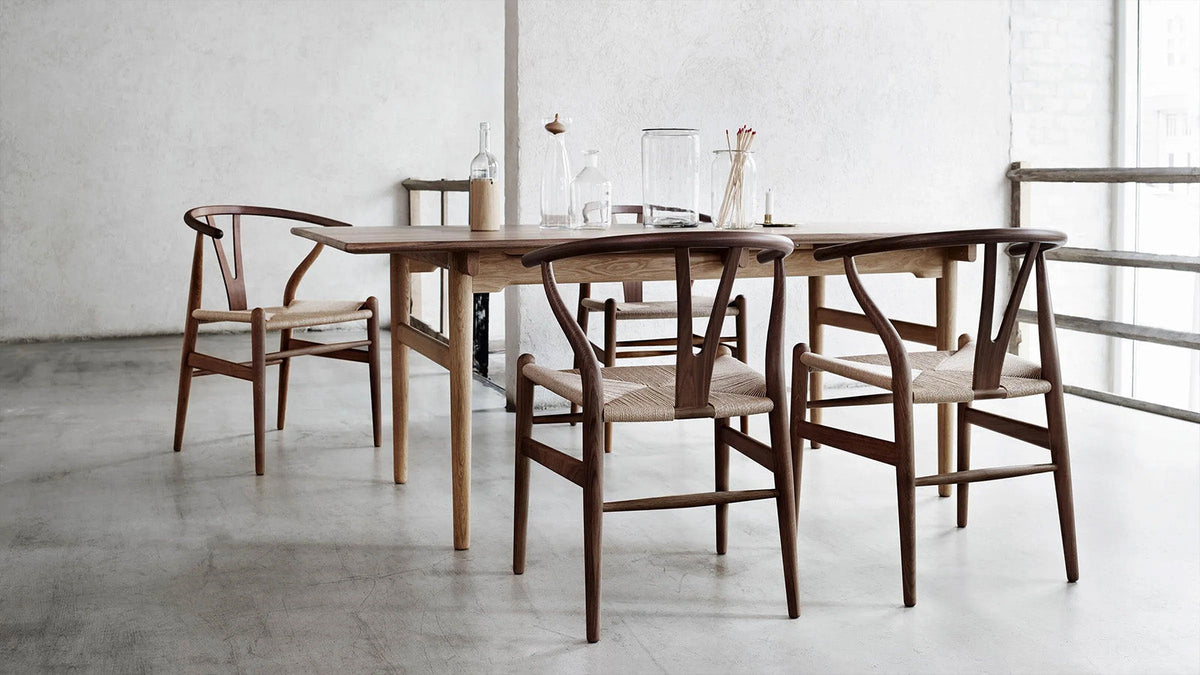
The Wishbone Chair: Hans Wegner's CH24 and the Art of Making
Read moreabout The Wishbone Chair: Hans Wegner's CH24 and the Art of Making
Cassina Chairs - The Collectors' Guide
Few furniture makers have shaped the chair as a cultural object the way Cassina has. From their earliest collaborations with the European avant-garde to their ongoing stewardship of the twentieth century's most consequential seating designs, the Meda-based manufacturer remains the standard against which Italian furniture brands are measured. This guide surveys the Cassina chairs we carry and the ideas embedded in each one.
On the Rocks by Edra: Francesco Binfaré's Geology of Rest
Read moreabout On the Rocks by Edra: Francesco Binfaré's Geology of Rest
The 14p Portable Lamp: Bocci's Cast-Glass Sphere, Untethered
Read moreabout The 14p Portable Lamp: Bocci's Cast-Glass Sphere, Untethered
Our design services cover everything from concept development to installation, including product guidance, material selection, custom configurations, pricing, and lead‑time coordination.
Speak with a Design Consultant
Call 855-341-3620 for assistance during business hours.
Enroll for privileged access to iconic design, emerging trends, exclusive events, and thoughtfully curated offers.

Share:
Celebrating Excellence with Luxe and Luminaire
From Craft to Conscious Living: The Evolution of Design Education