








Design Without Boundaries
Beyond our curated collections lies a world of over 400 iconic brands.
For specific pieces, finishes, or bespoke solutions, our design team is at your disposal.
Frequently Asked Questions
What is the USM Haller system and how does it work?
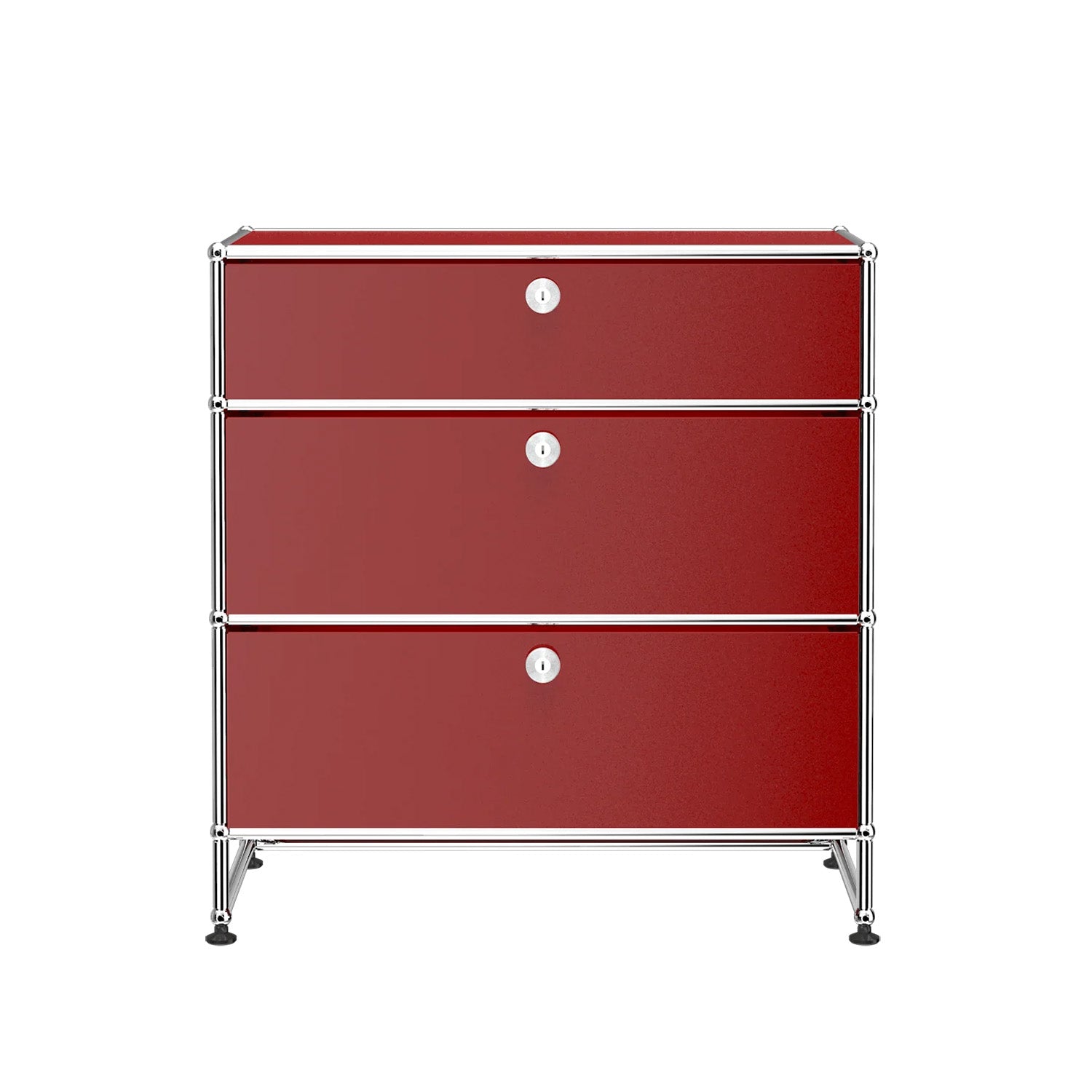
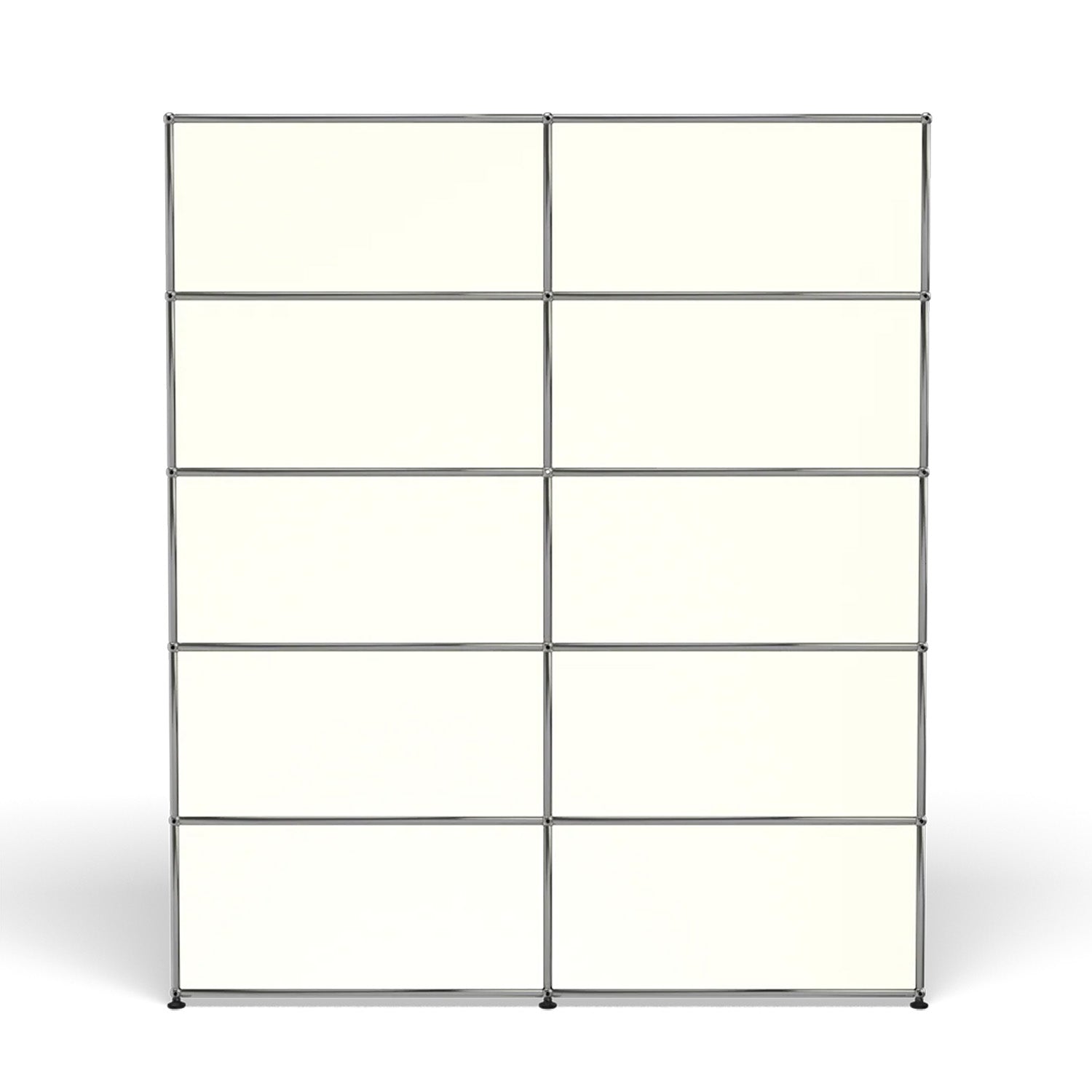
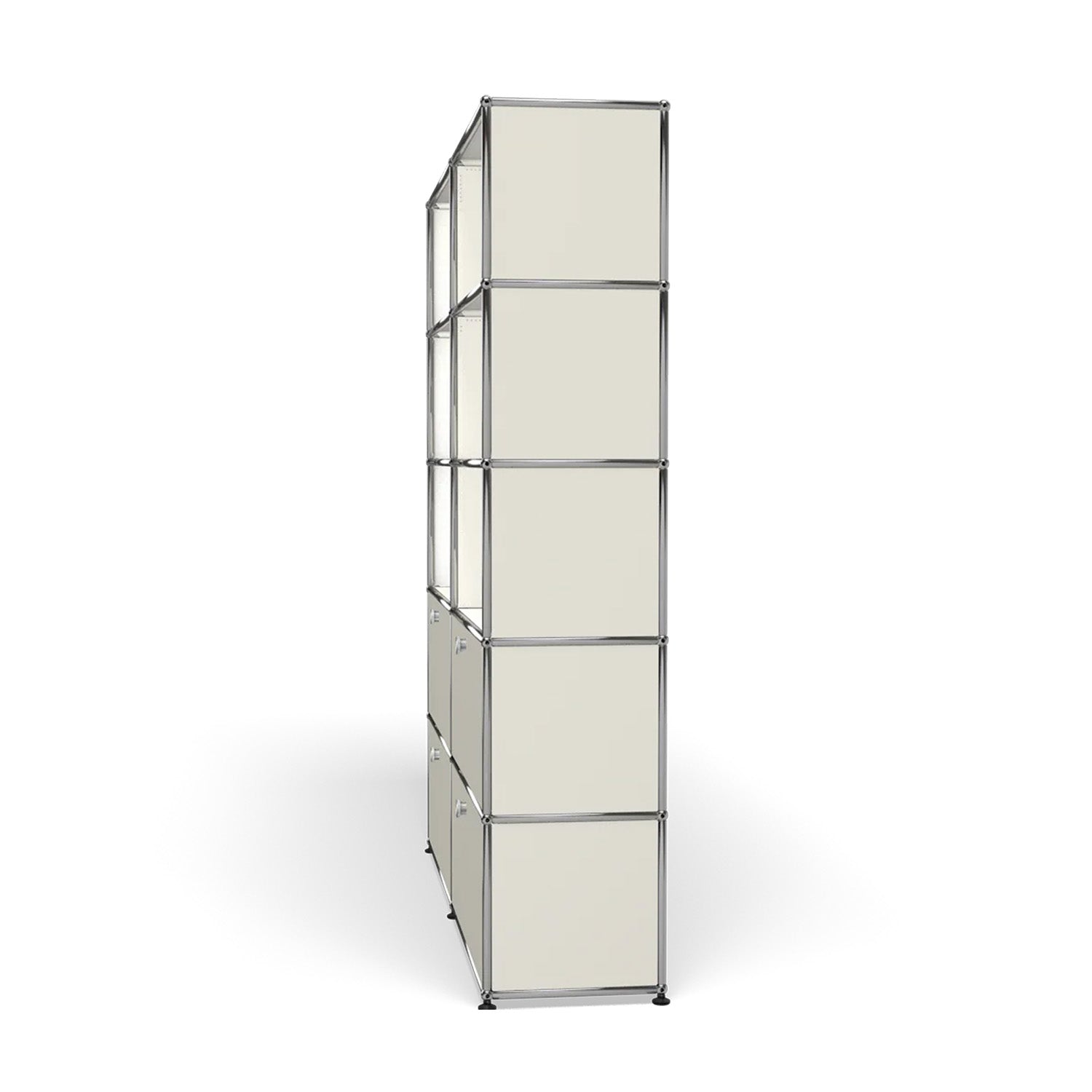
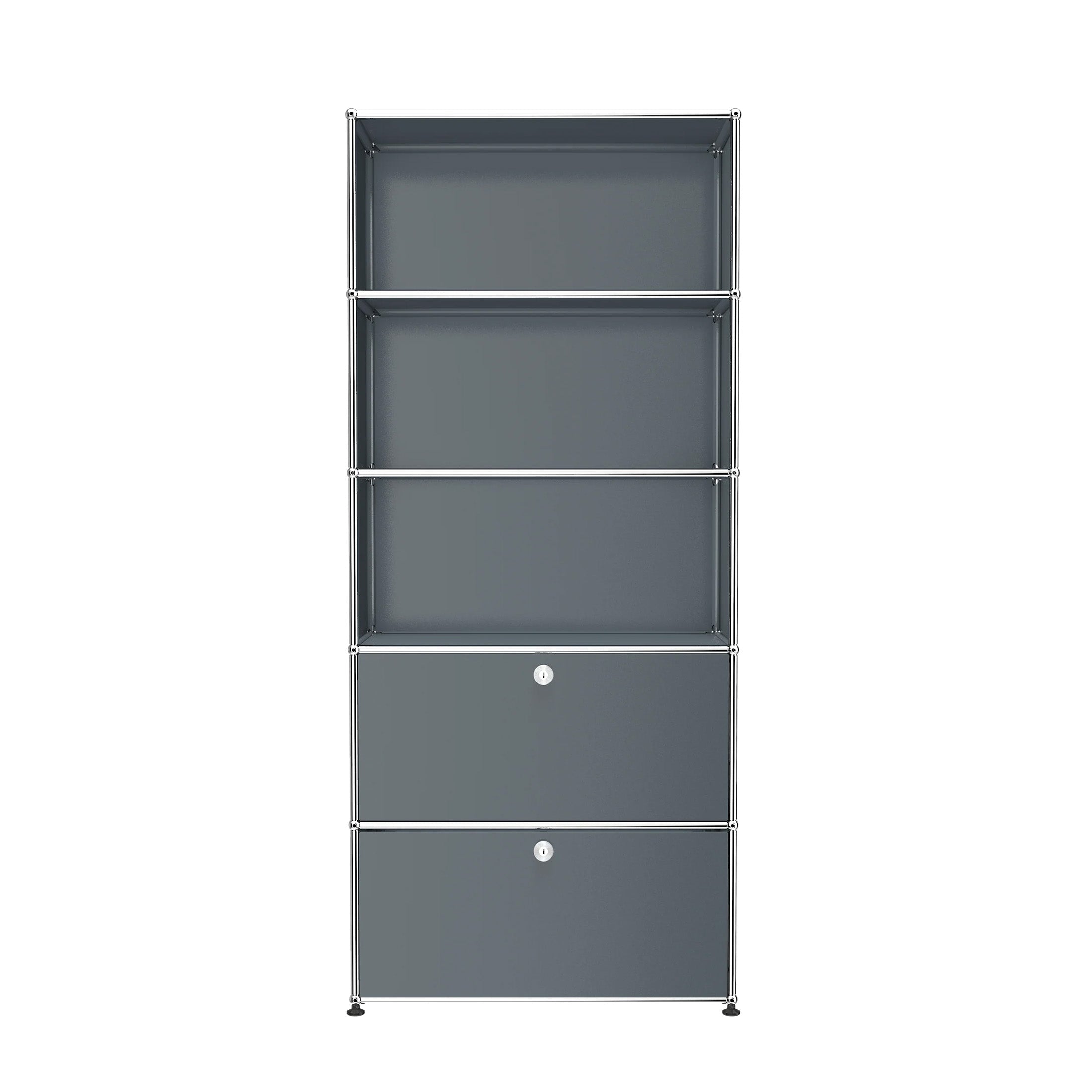
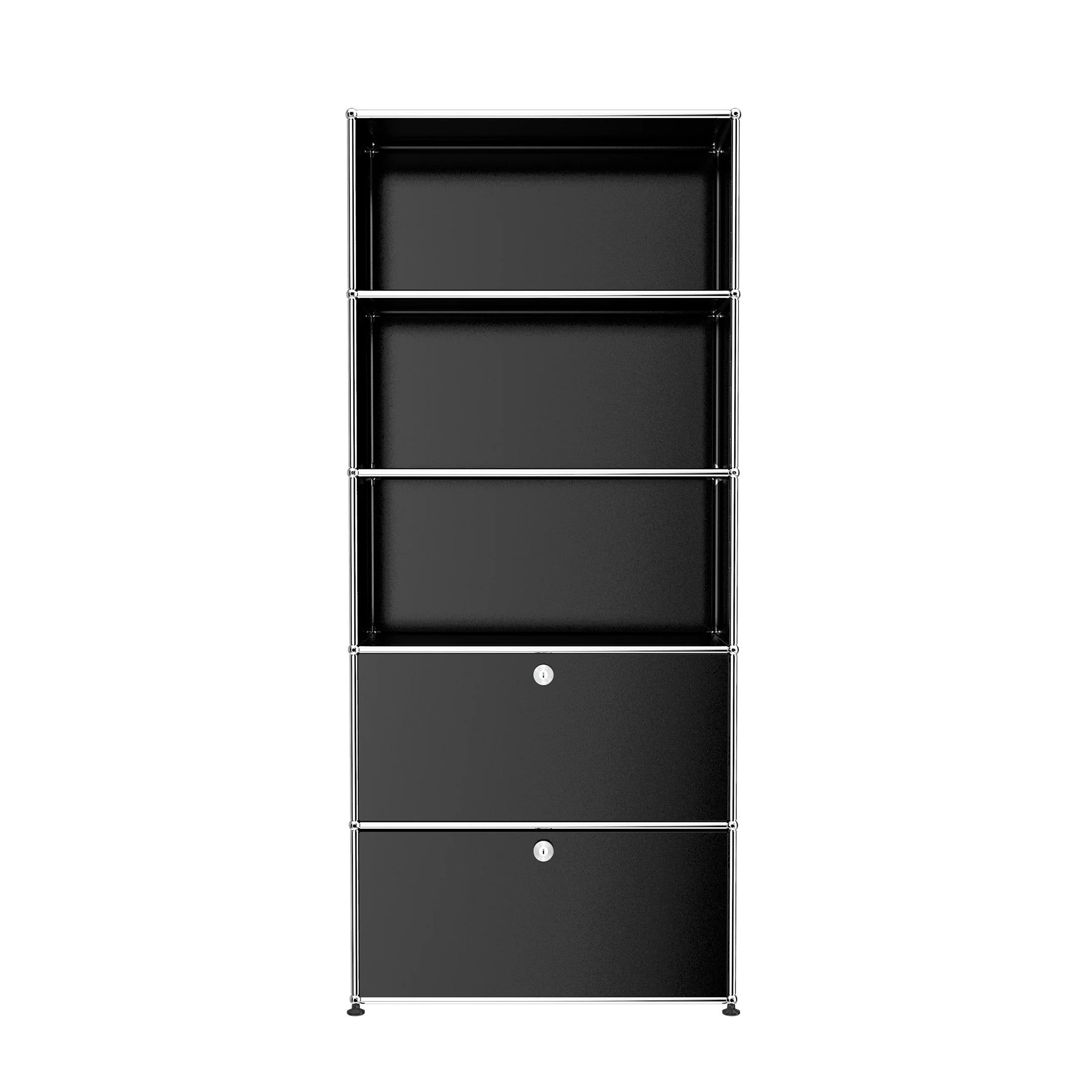
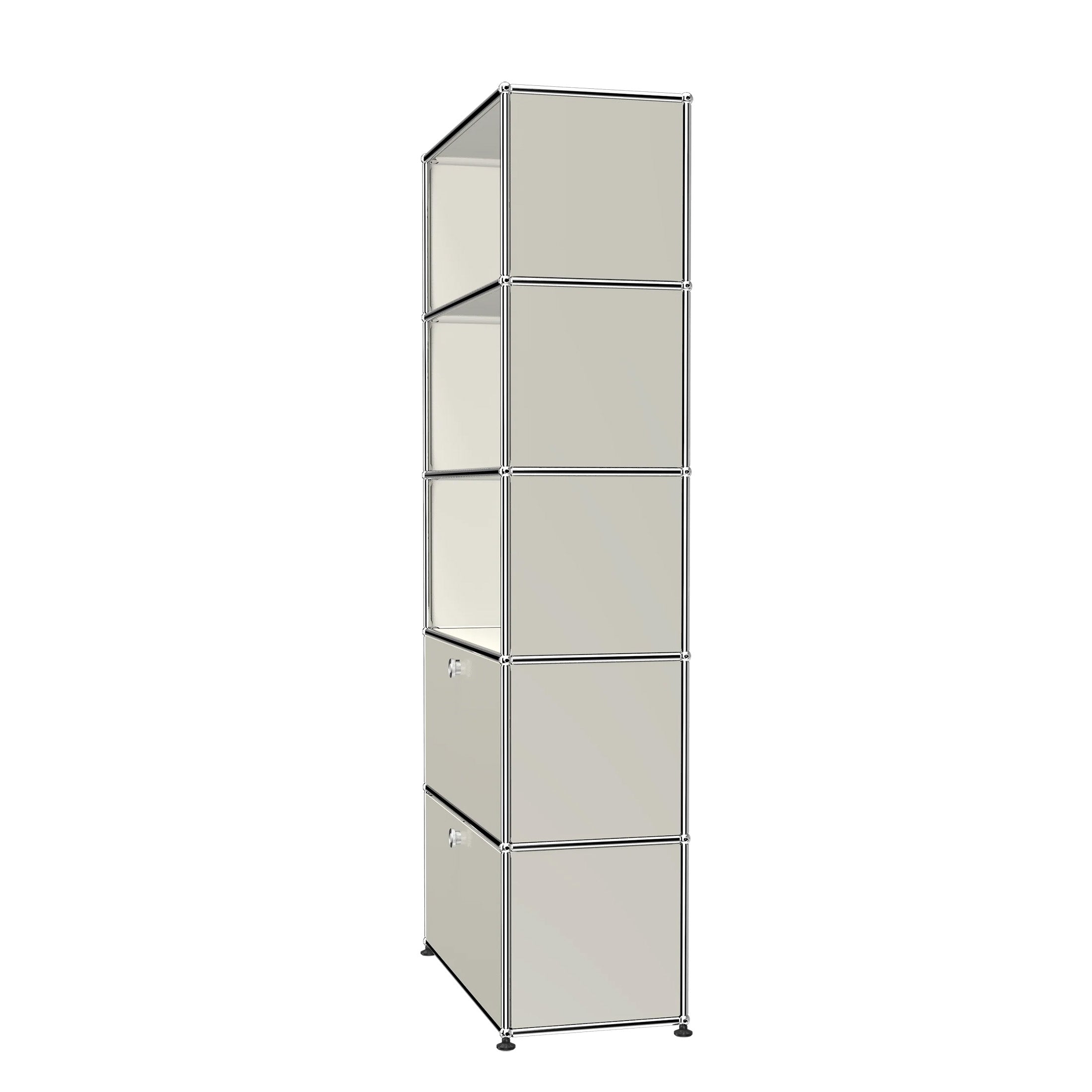
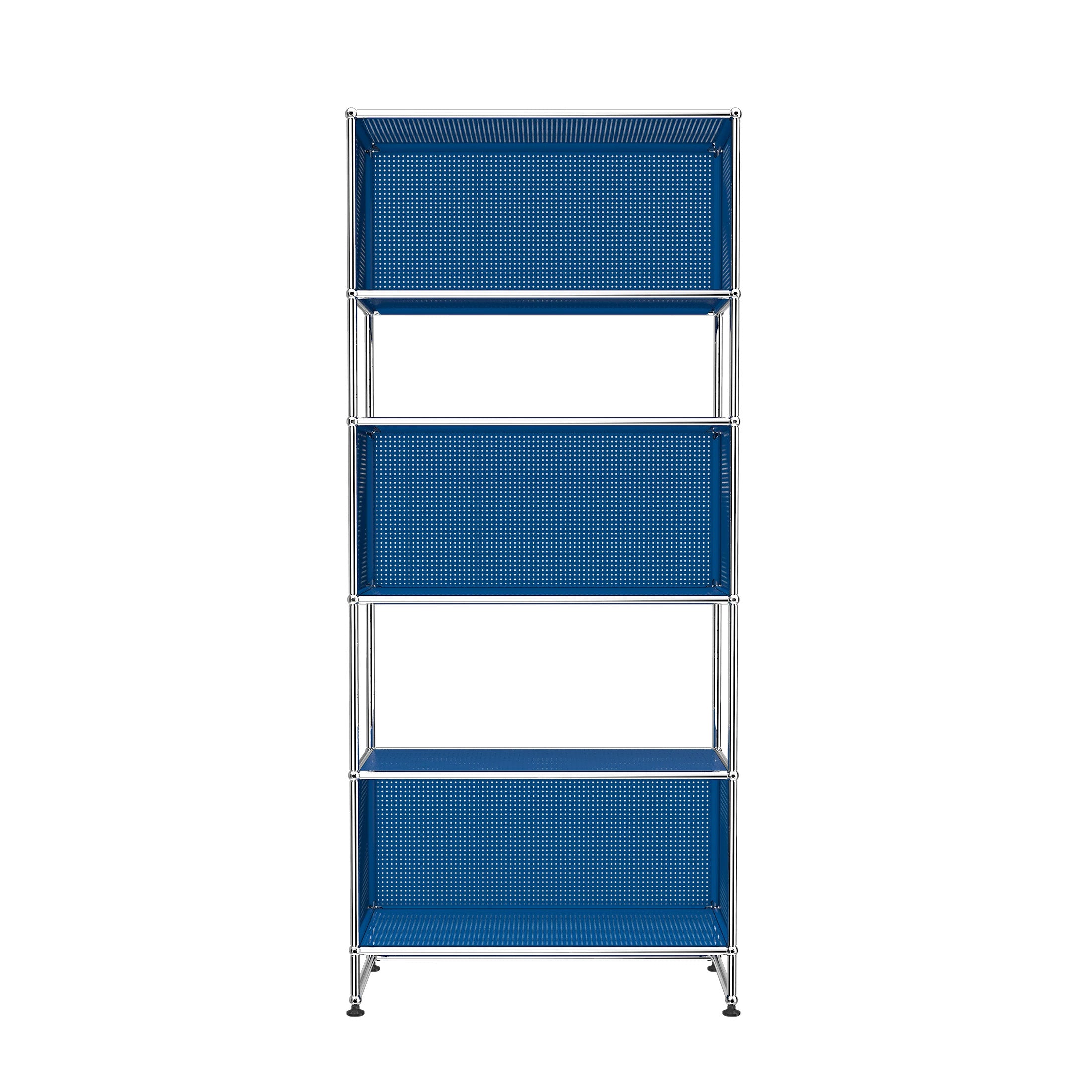
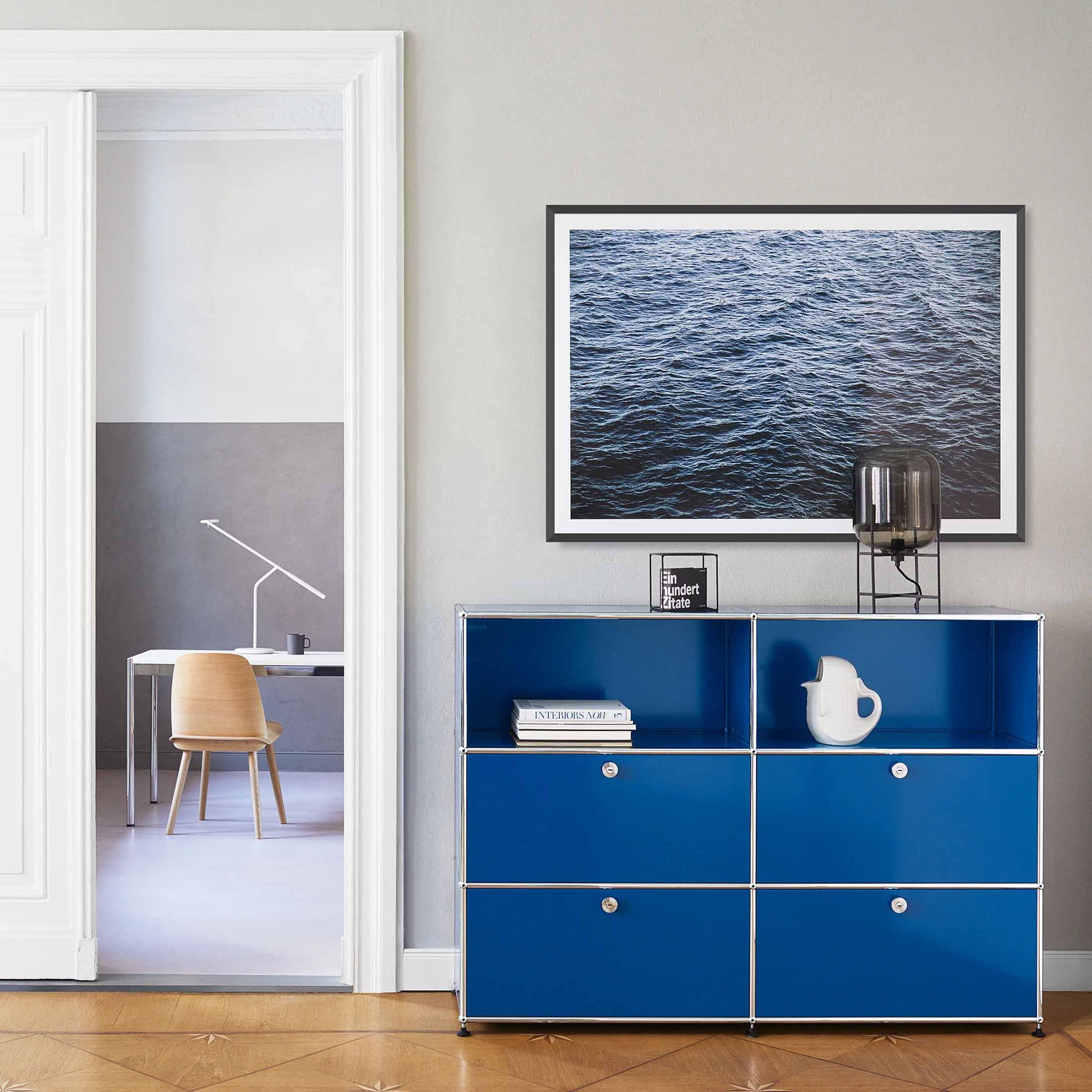
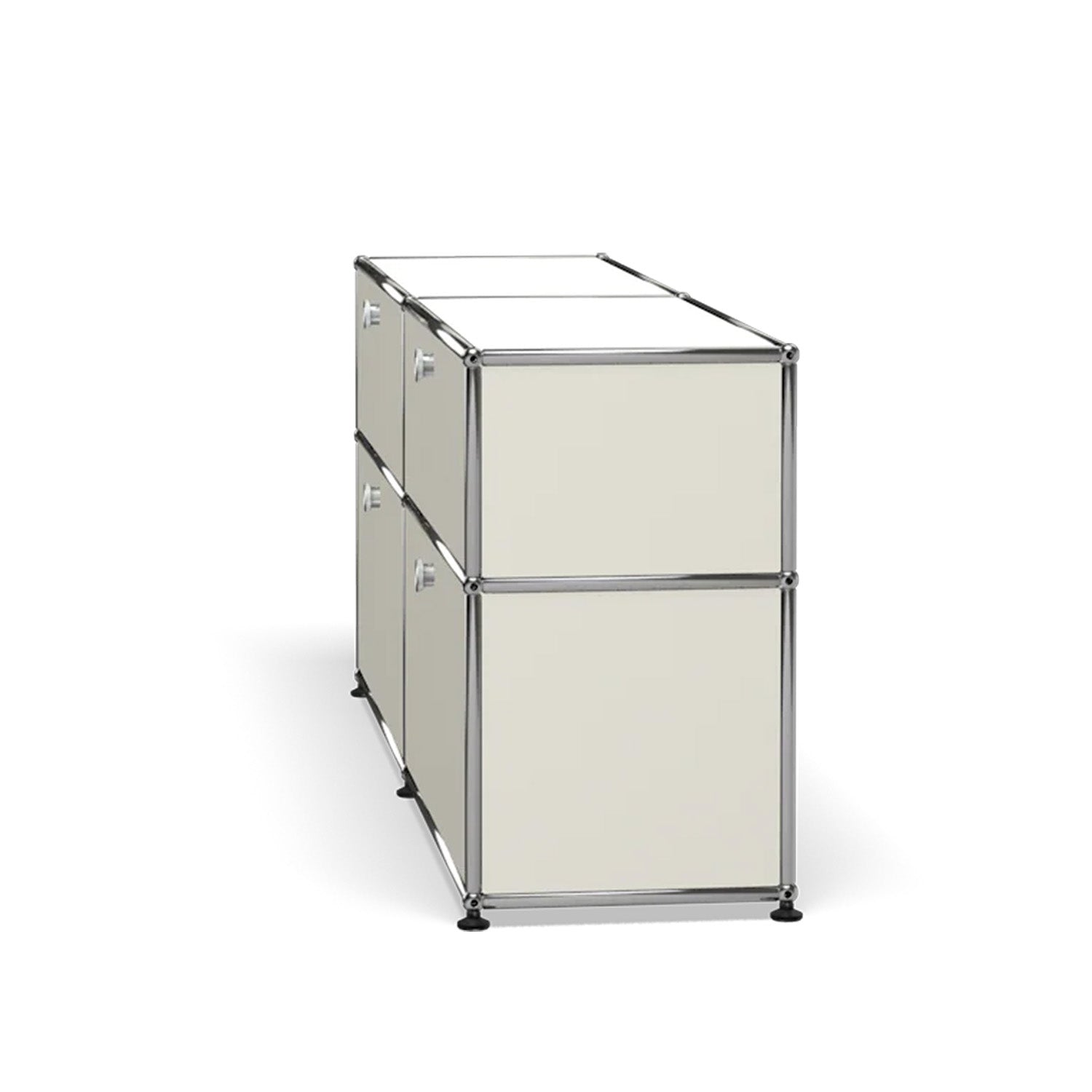
The USM Haller system is a modular furniture language built on a chrome-plated steel ball connector and precision tubular frame. Conceived by Swiss architect Fritz Haller and businessman Paul Schärer in the 1960s, its governing principle is simple: any element can connect to any other at consistent intervals, allowing configurations to grow, recombine, or reduce without visual compromise. The construction logic is the aesthetic. Nothing is concealed, and nothing is ornamental.
Can USM Haller furniture be reconfigured or expanded after purchase?
Yes. The system's core premise is that any configuration is provisional, a starting point rather than a fixed form. Panels, drawers, doors, and frames are all governed by the same connector module, so pieces acquired years apart integrate without adaptation. This structural openness is why institutions, architects, and private collectors have sustained long relationships with the system: it accommodates change without requiring replacement.
What color options are available for USM Haller panels?
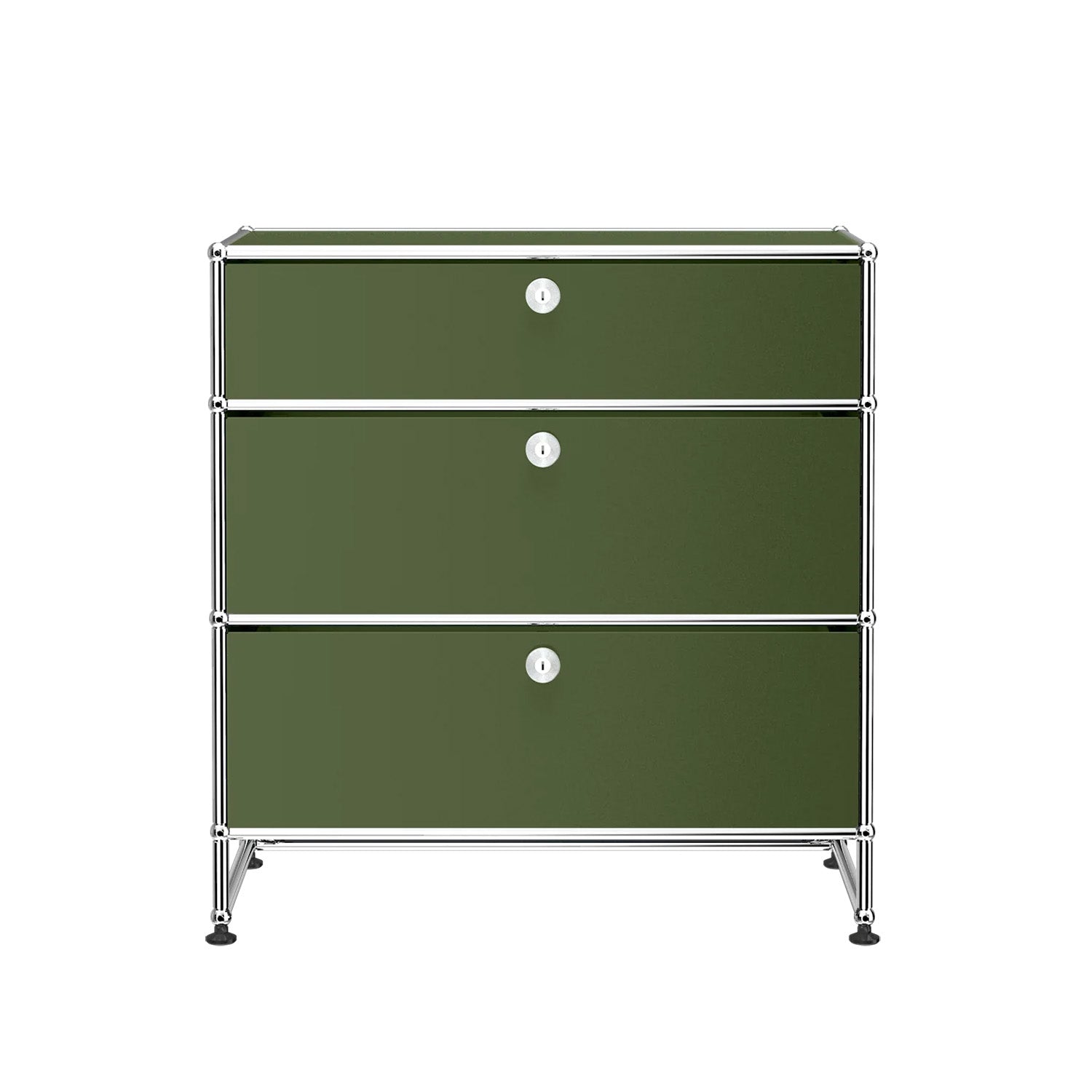
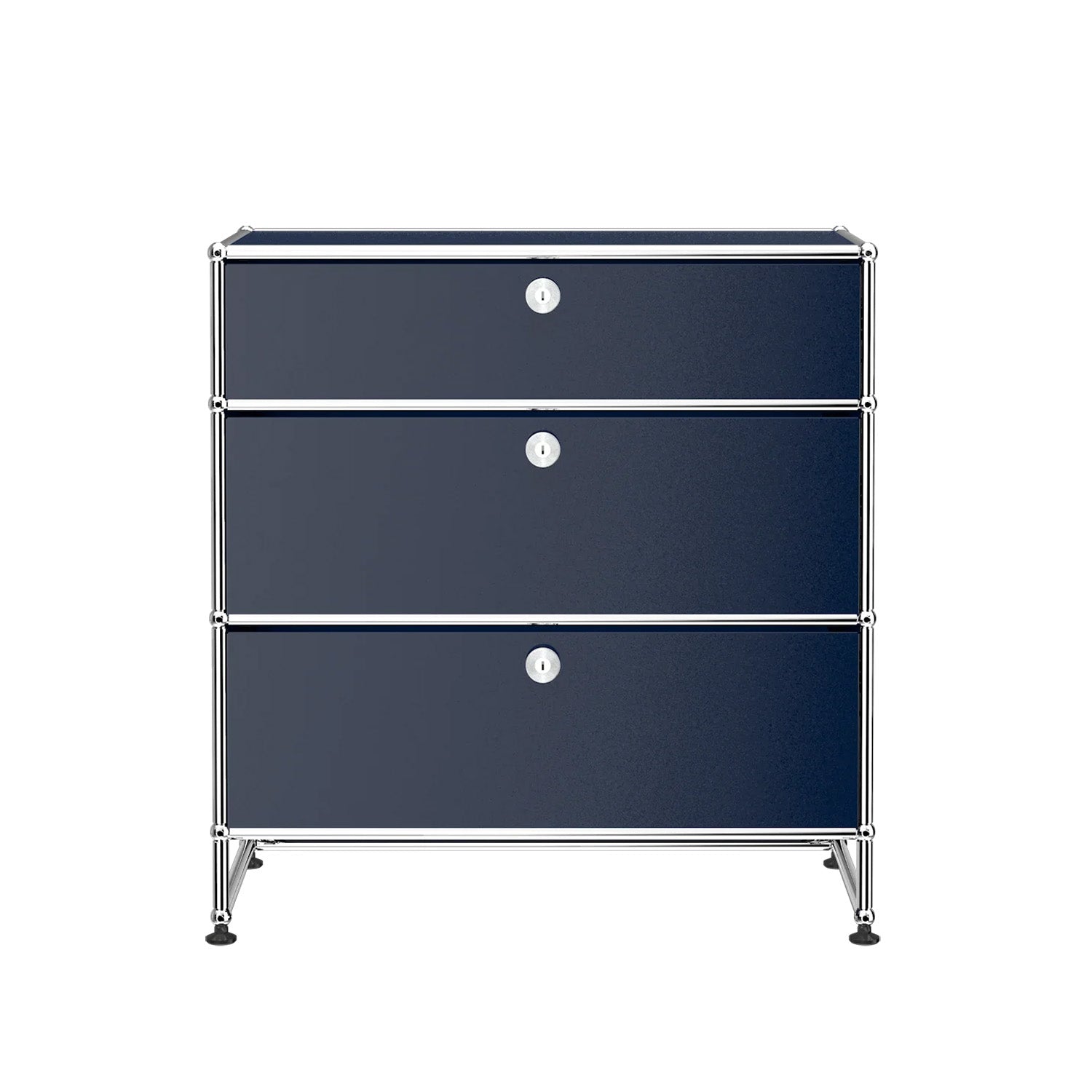
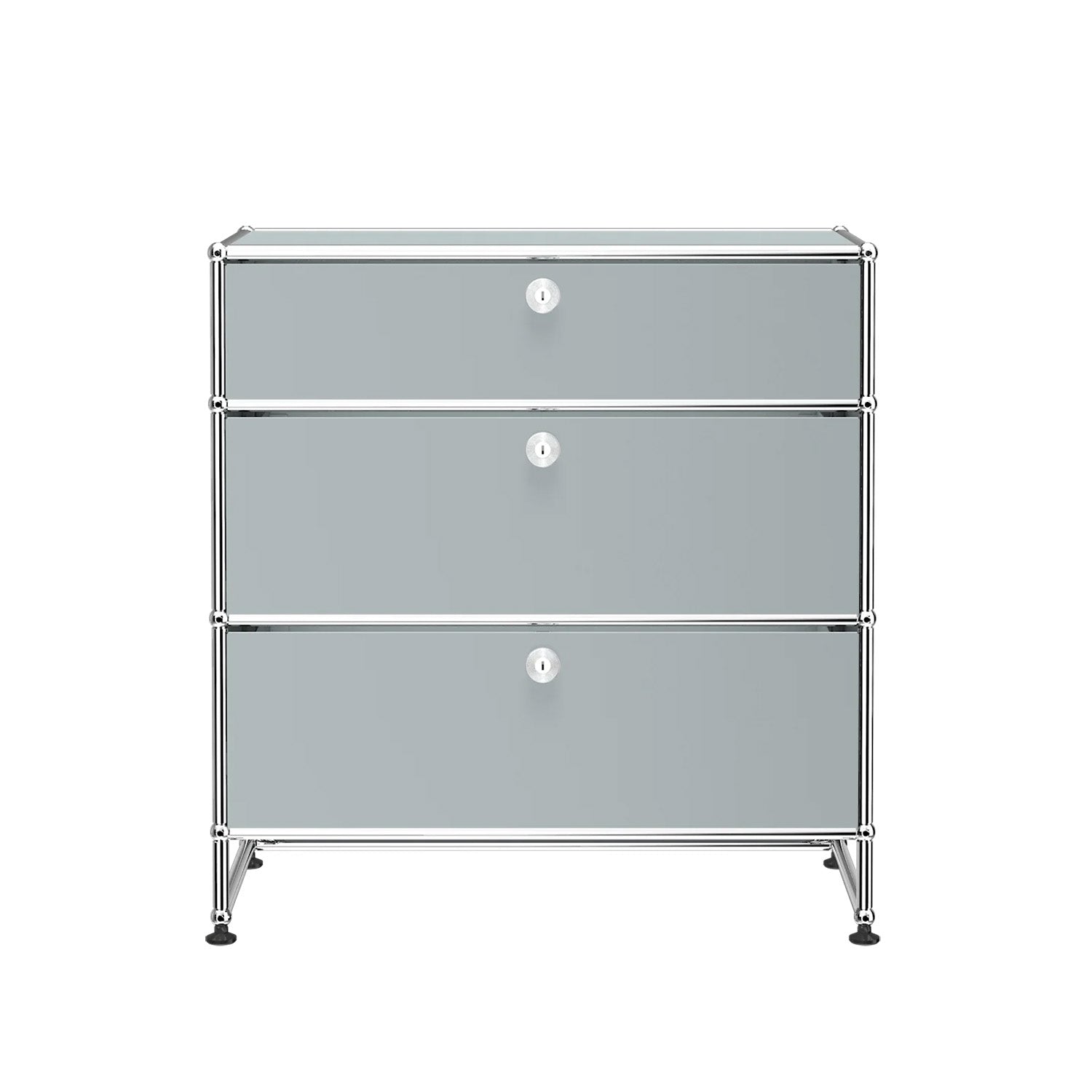
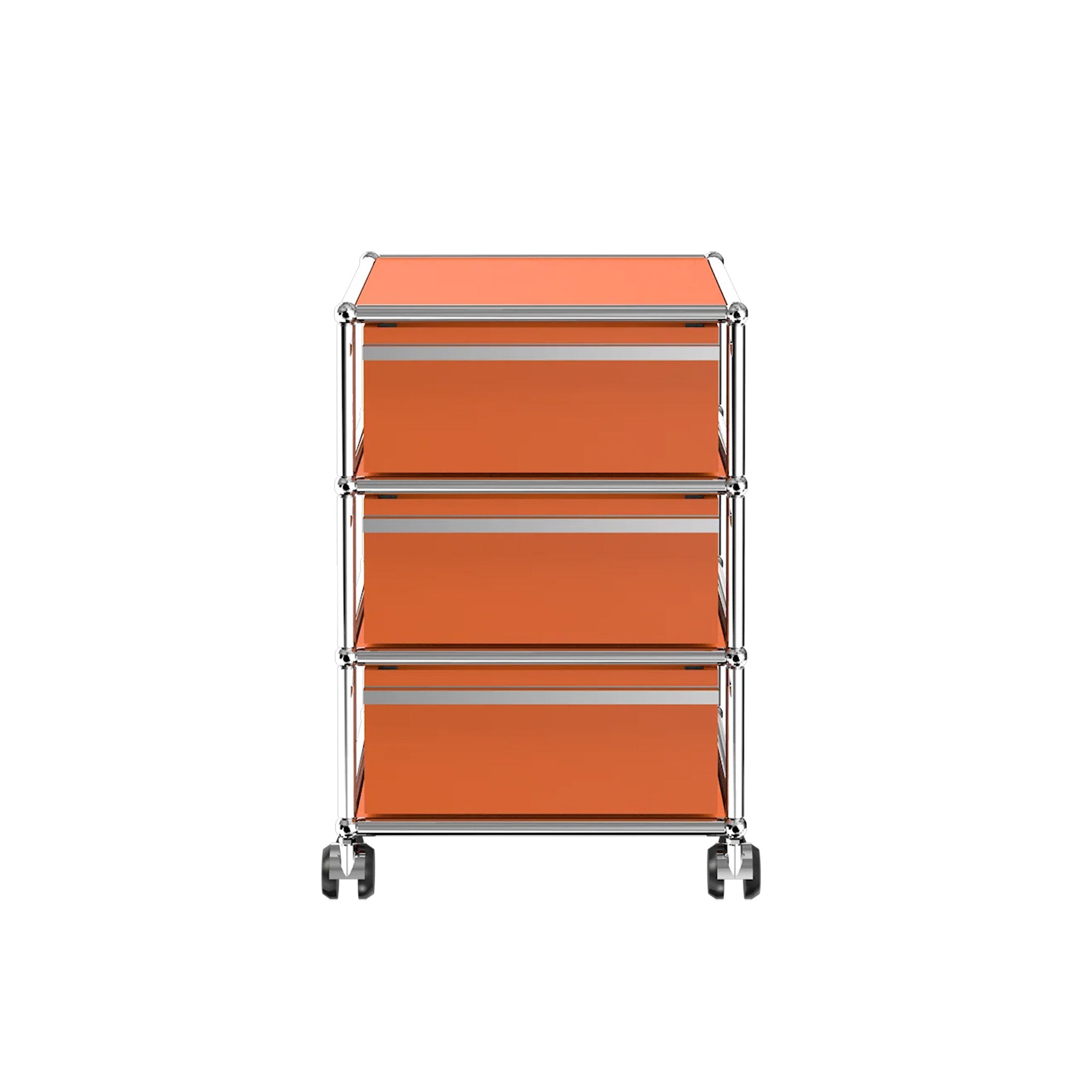
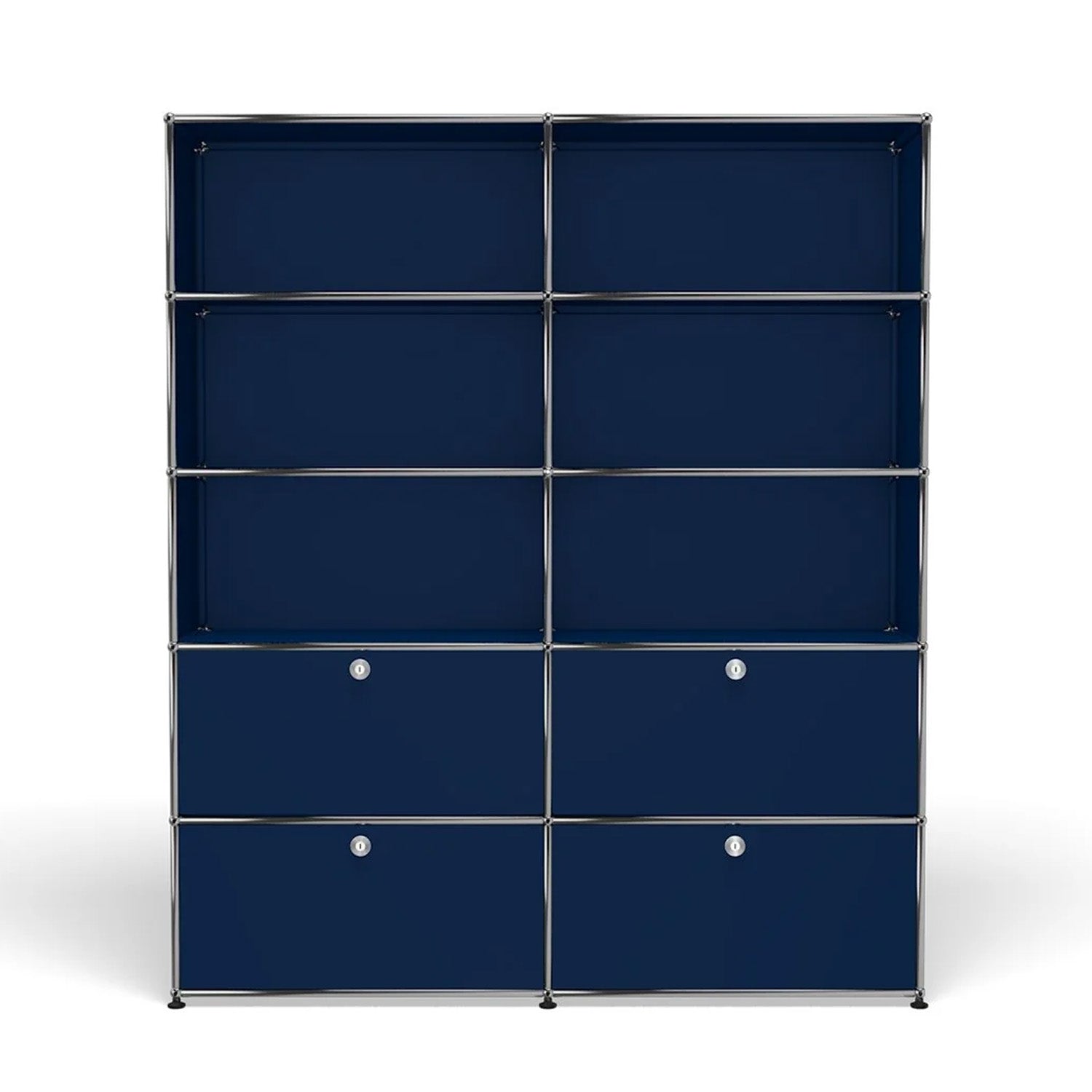
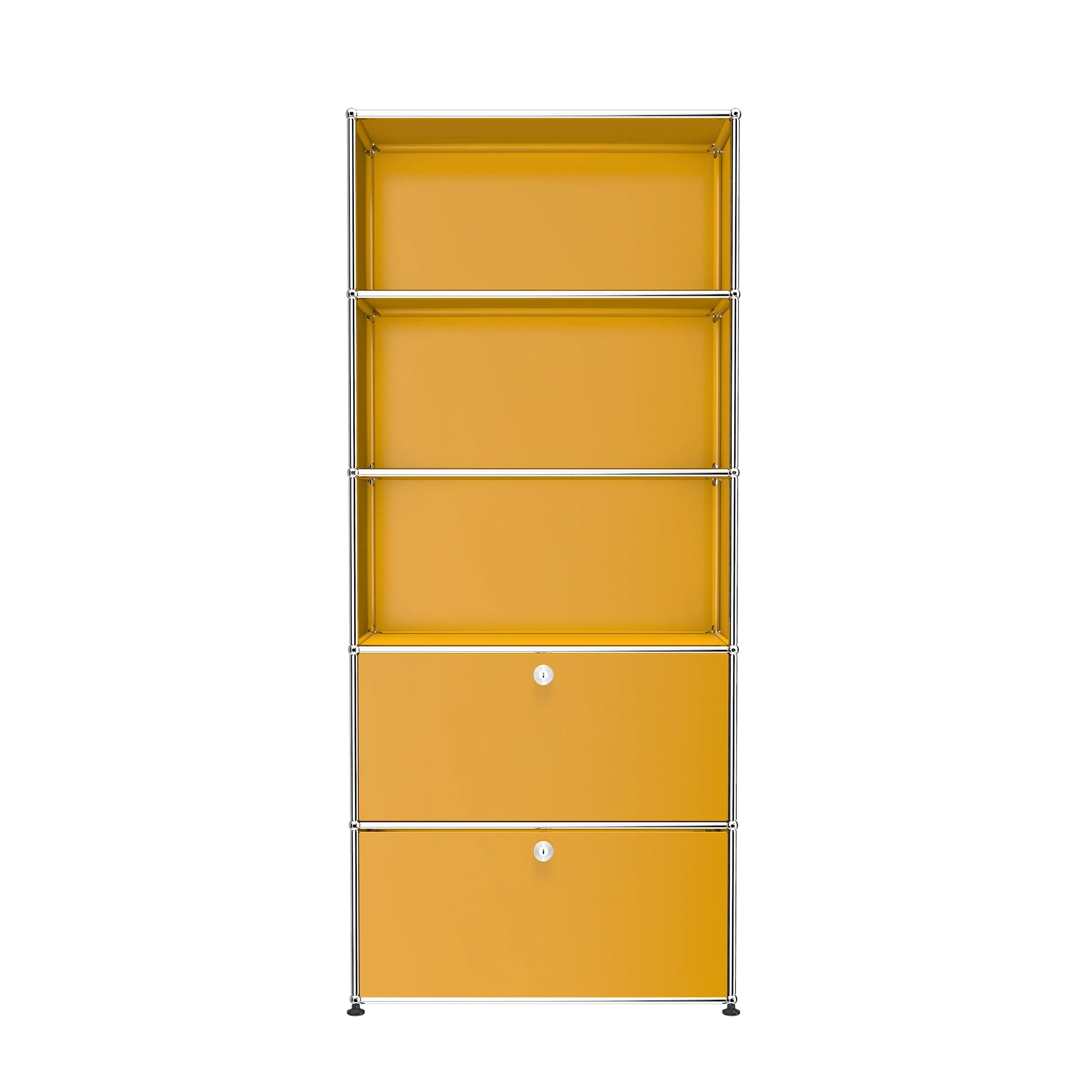
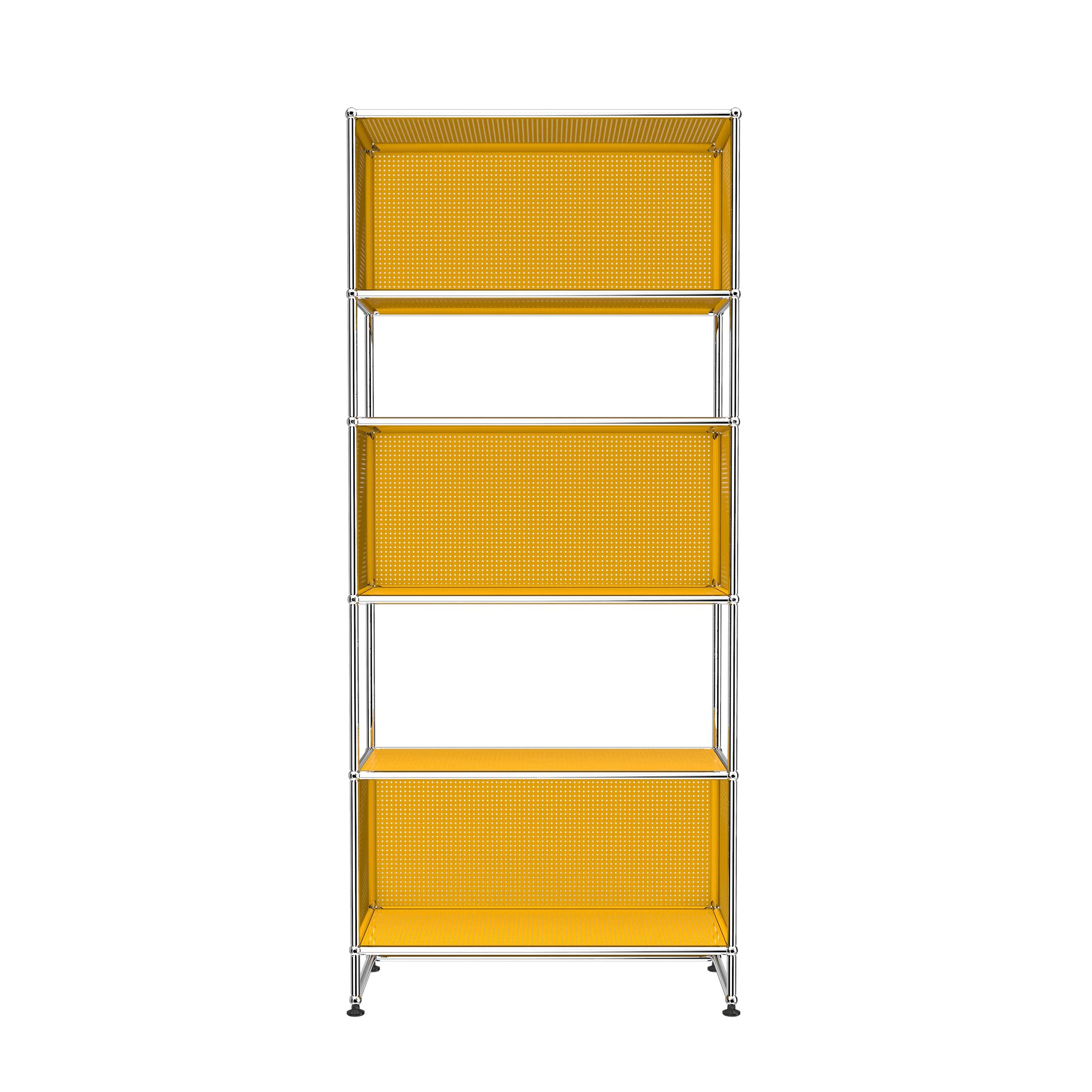
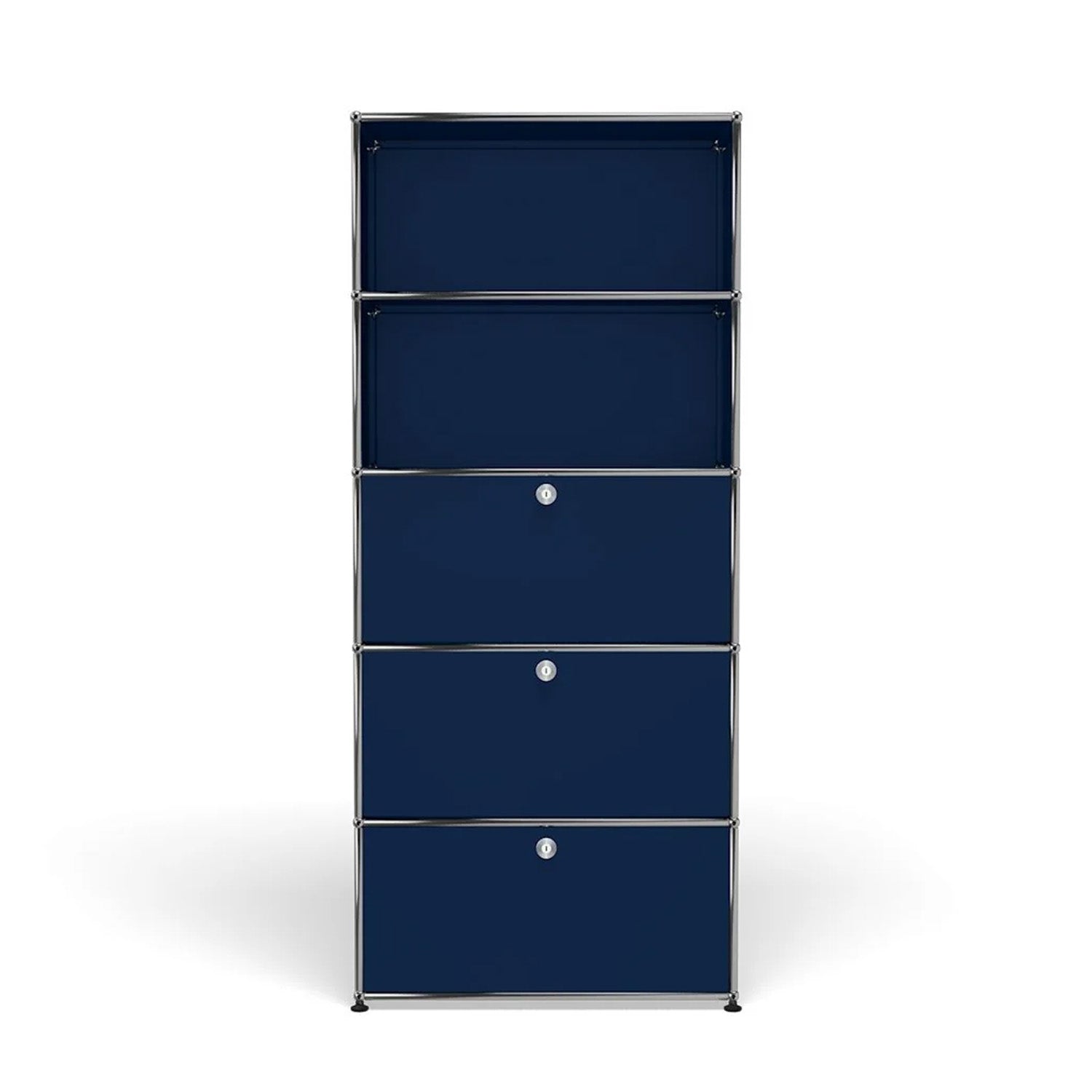
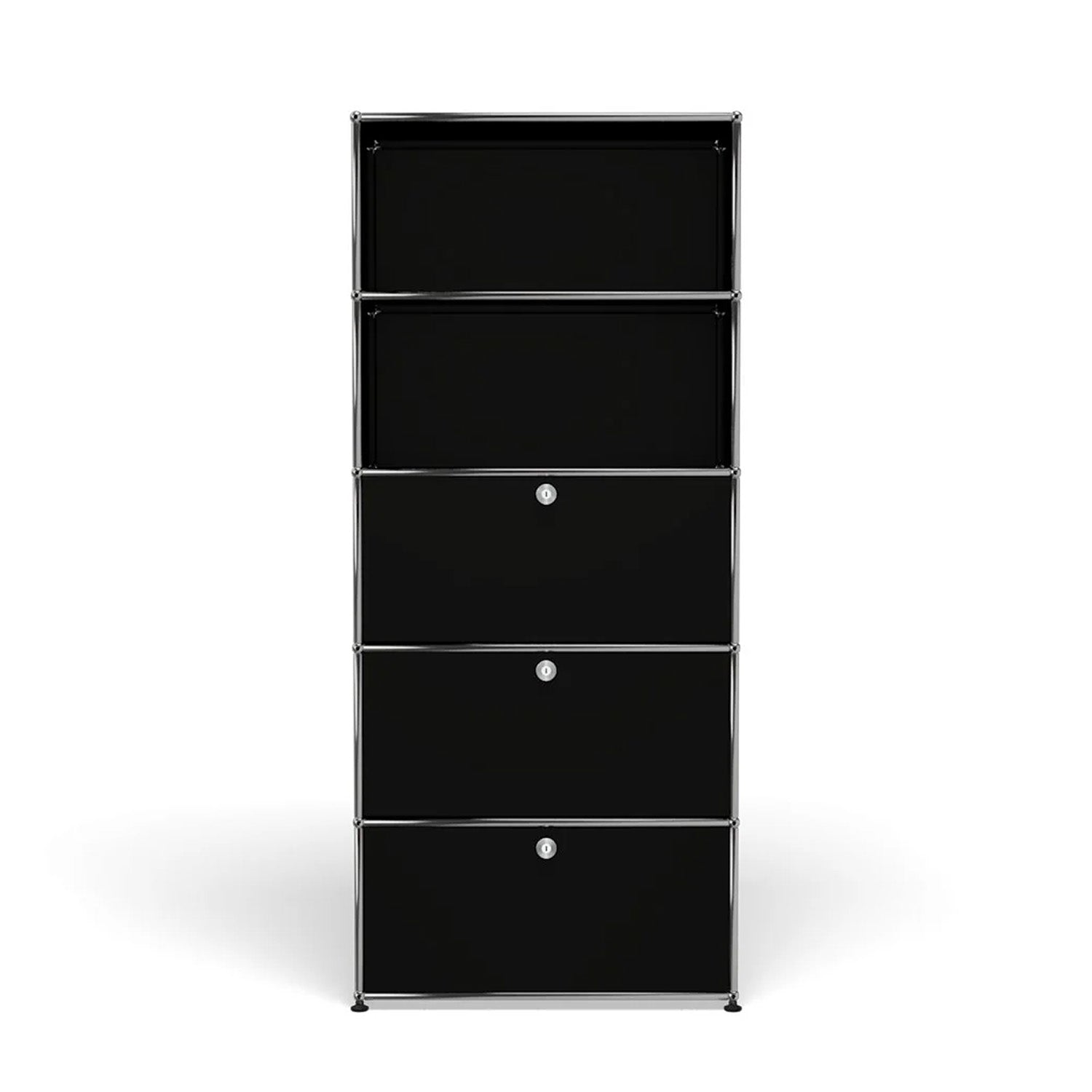
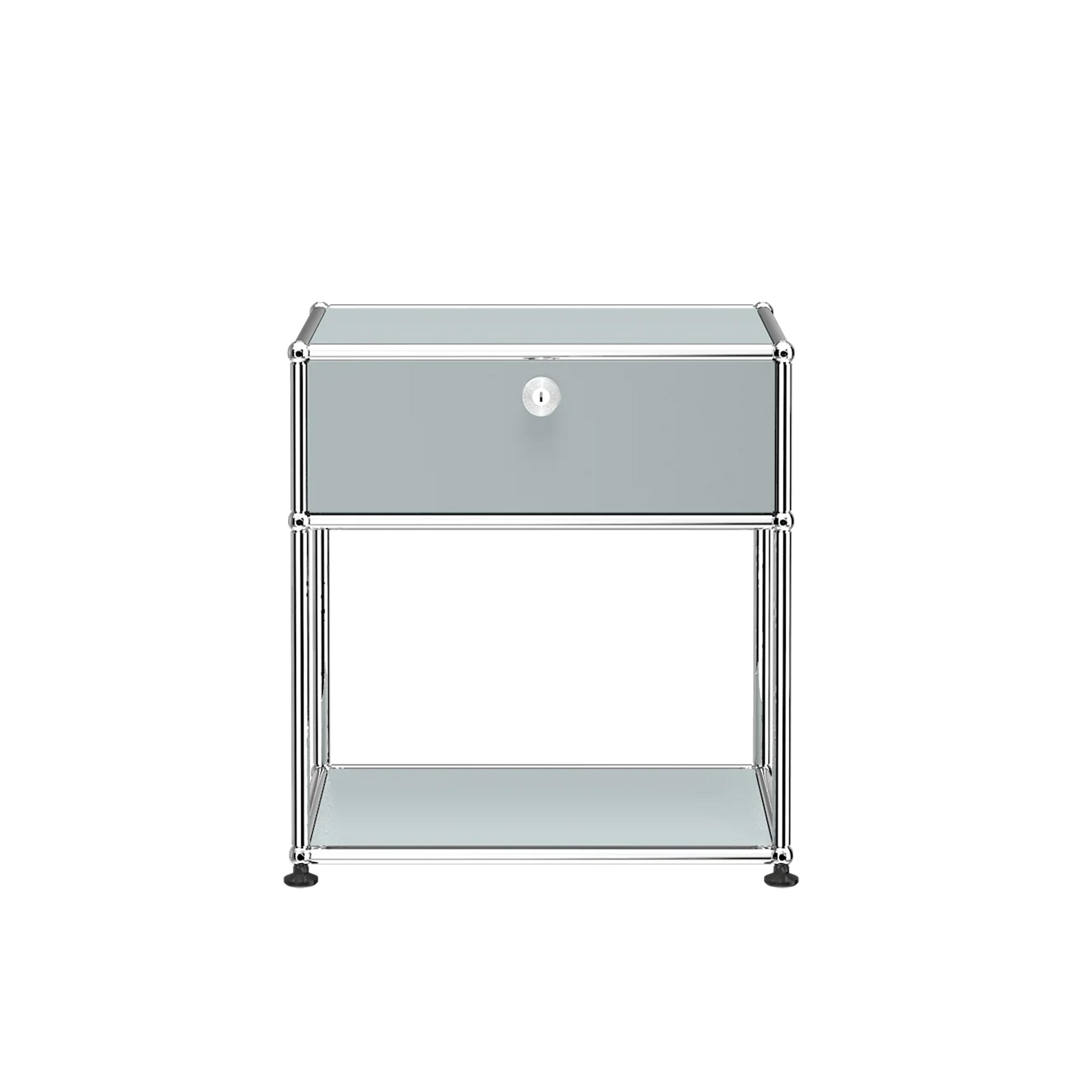
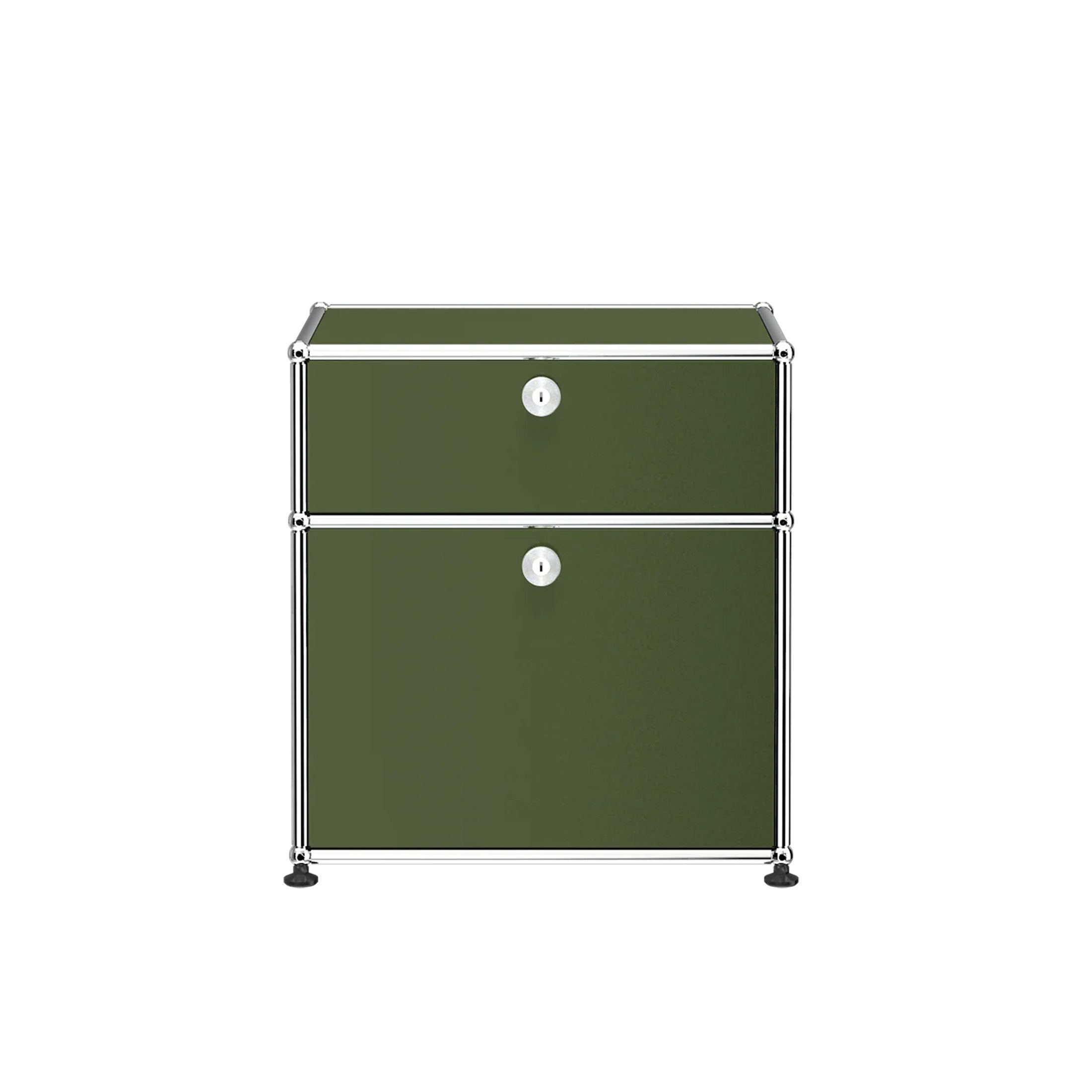
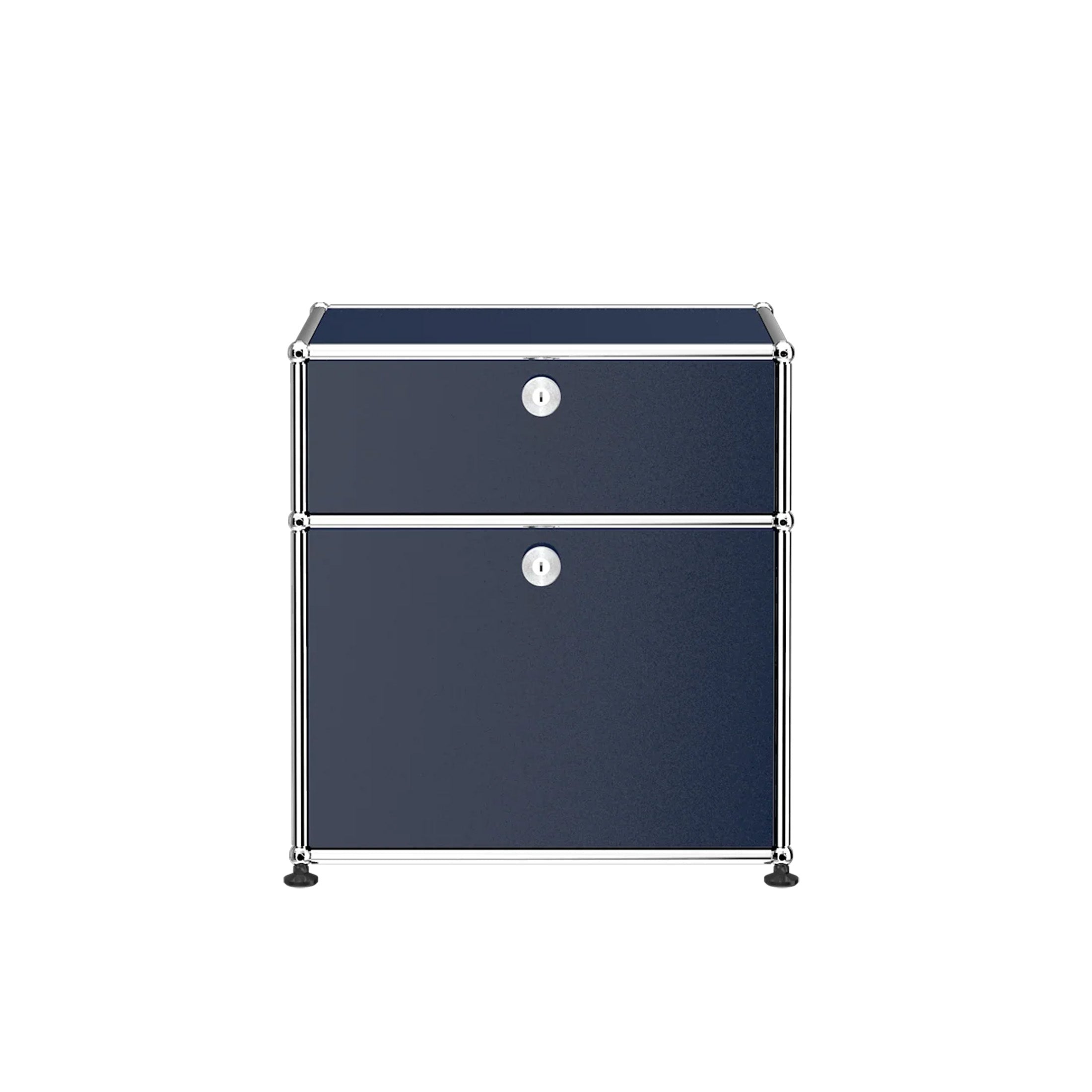
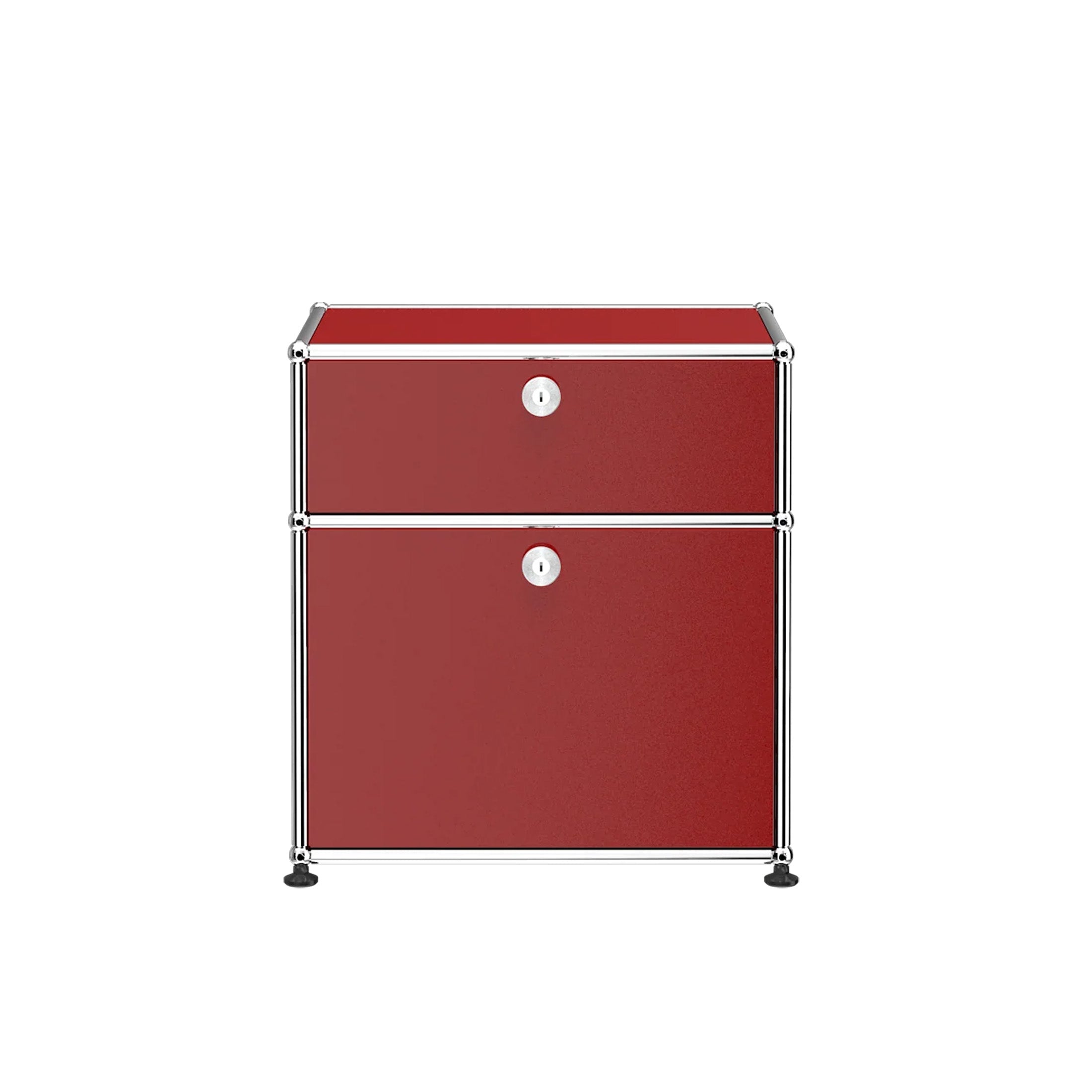
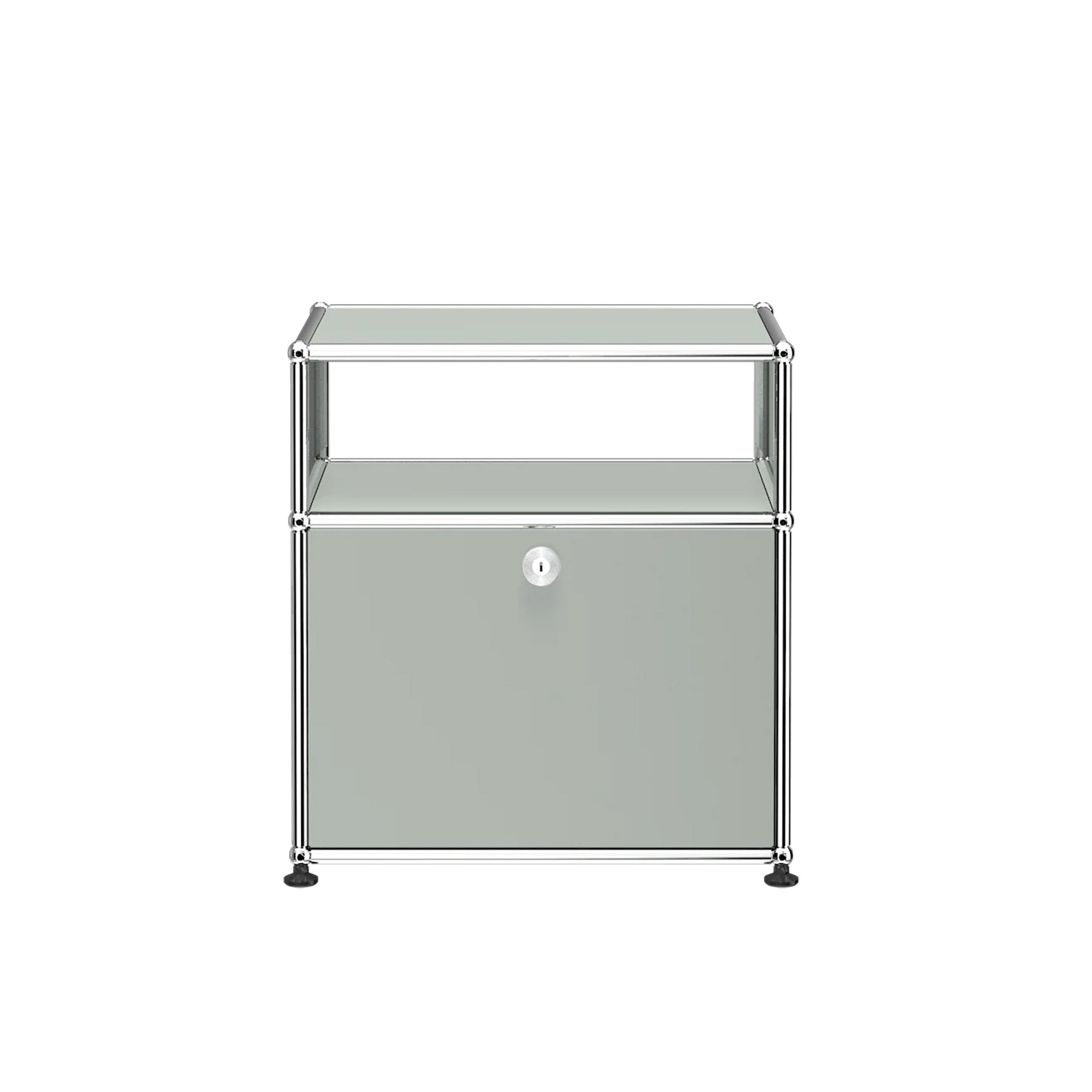
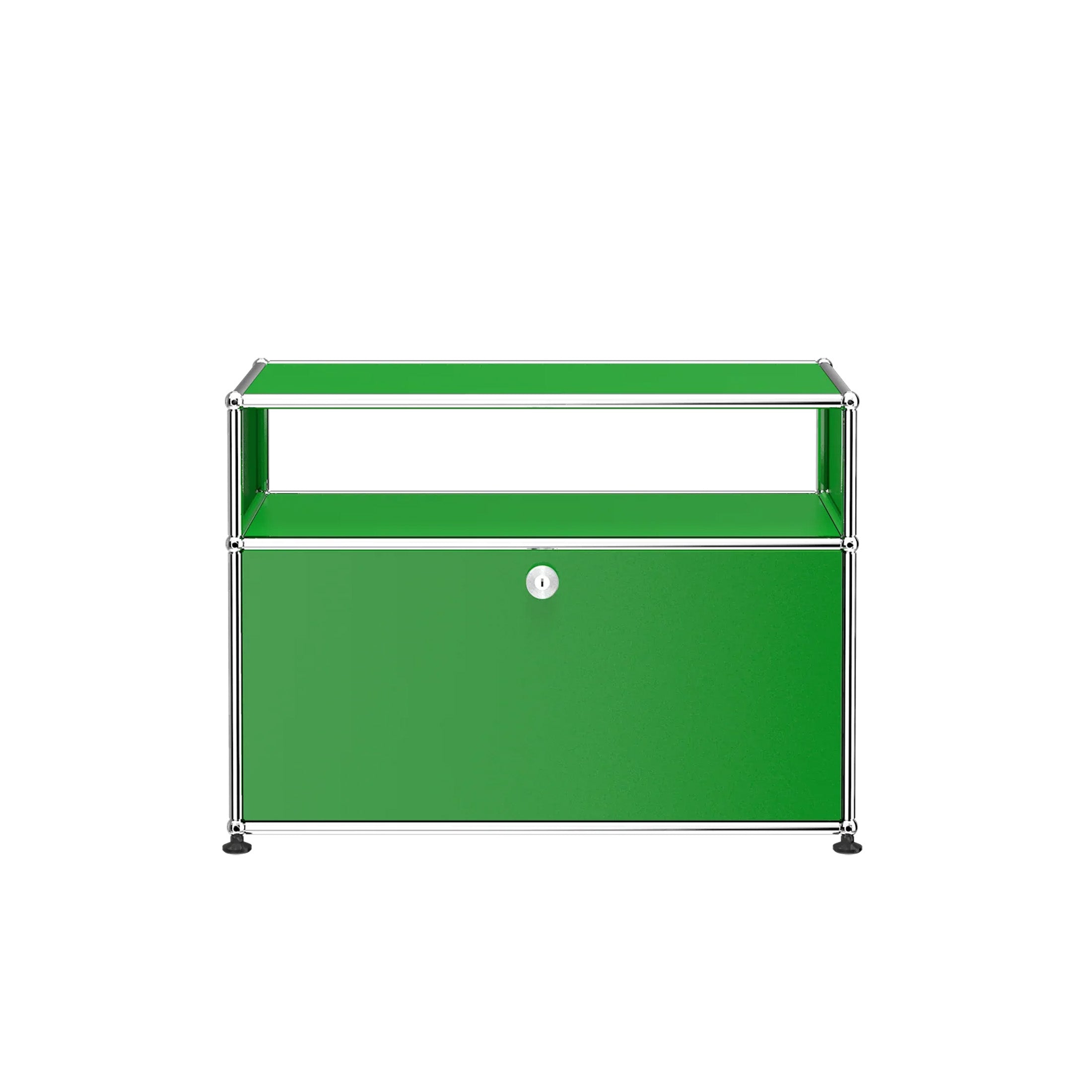
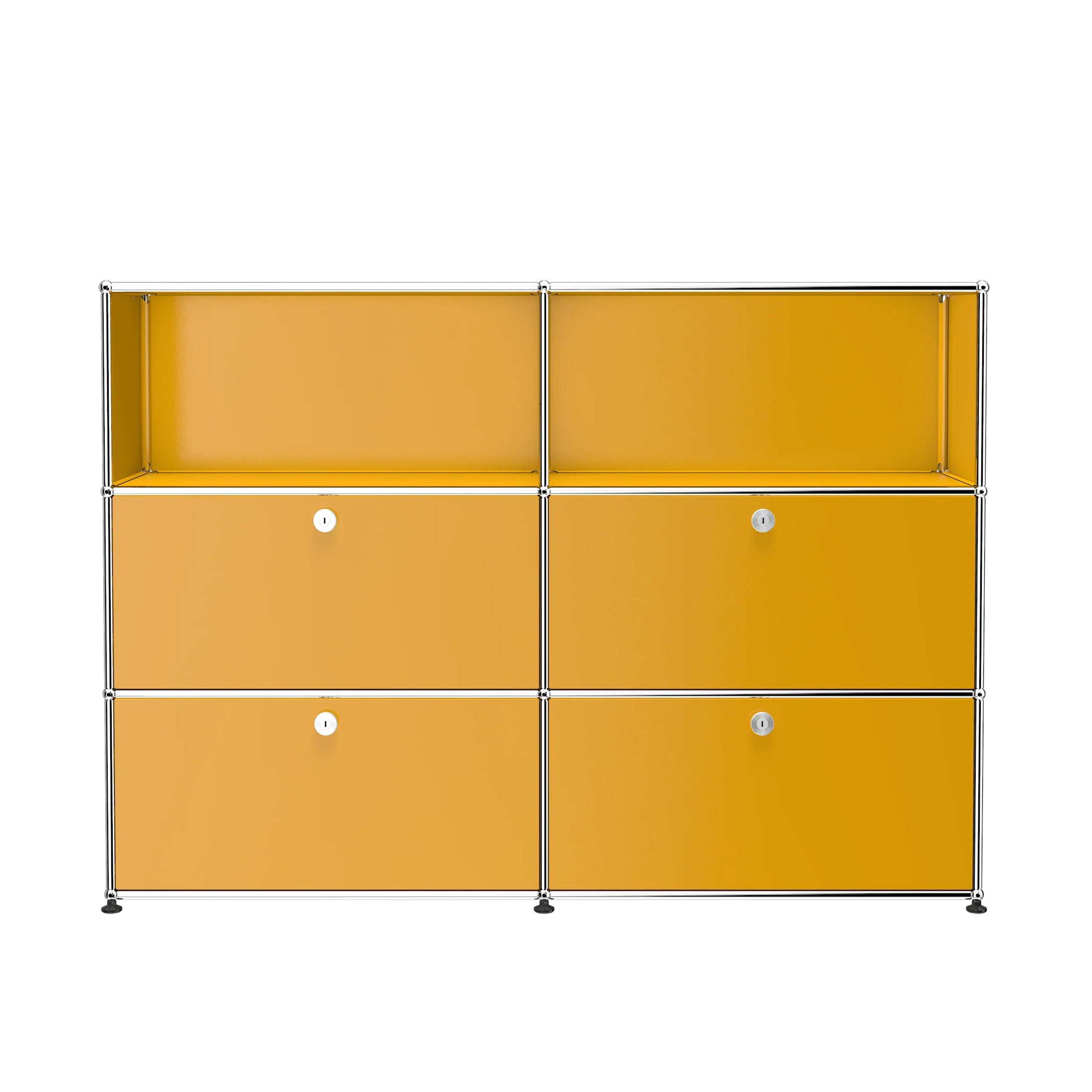
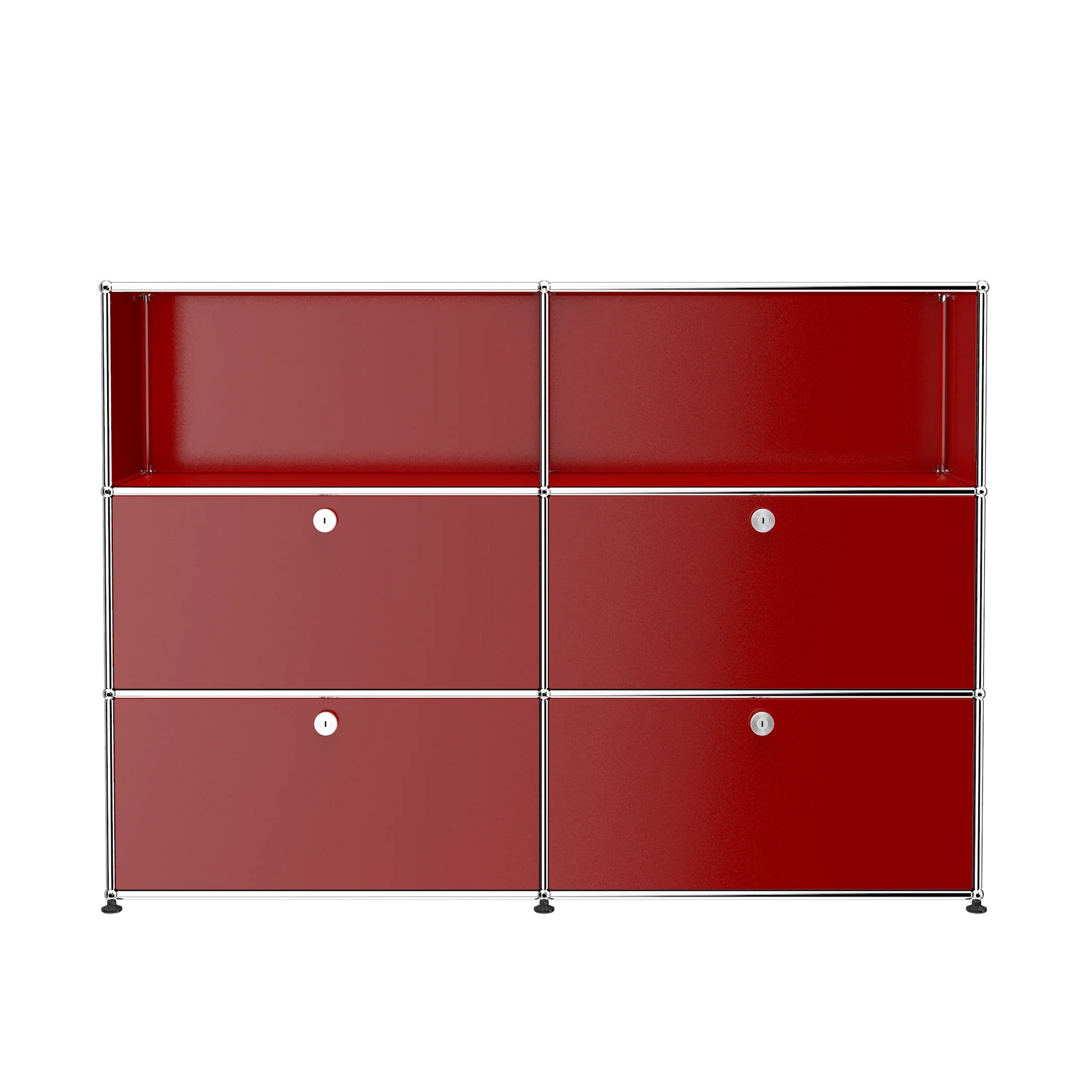
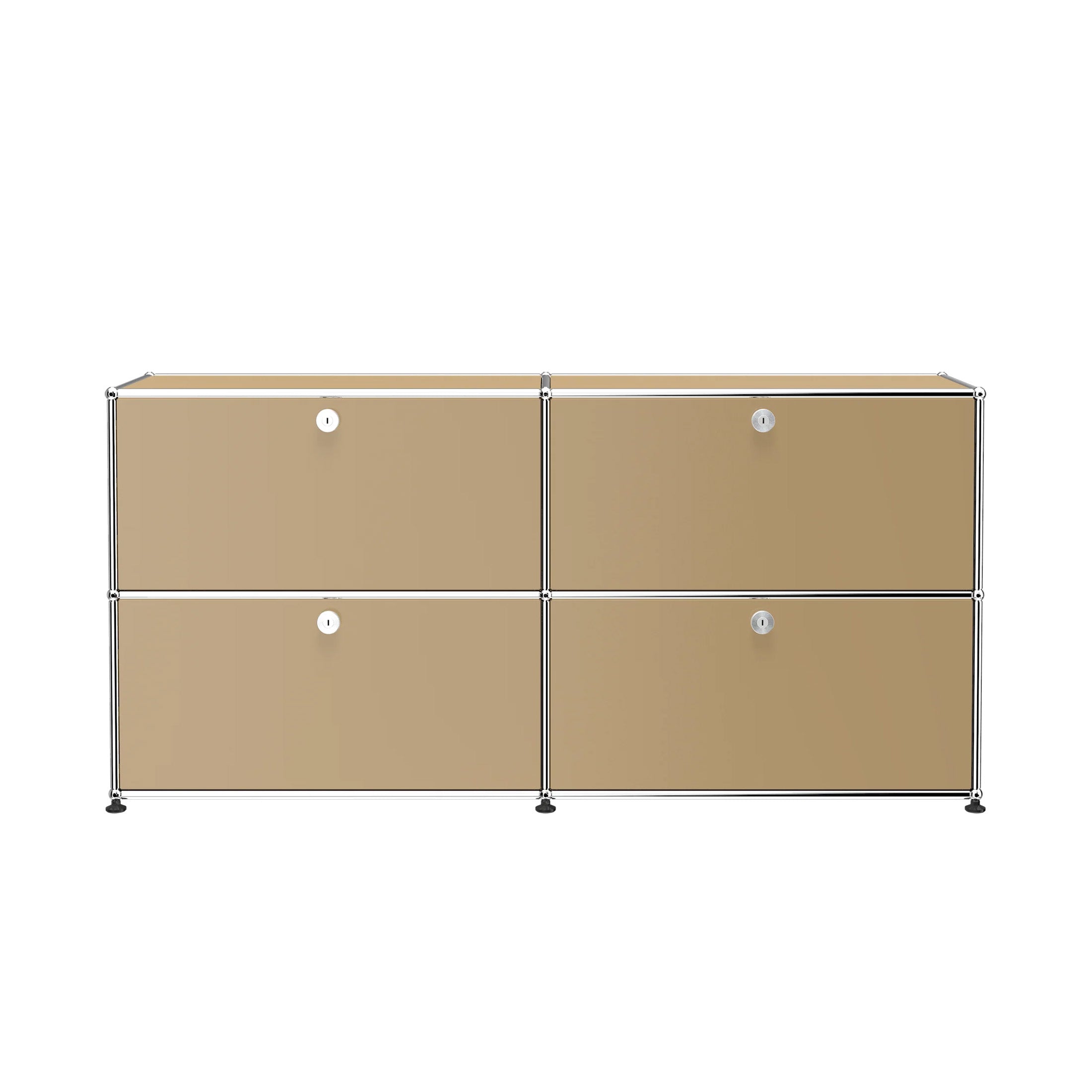
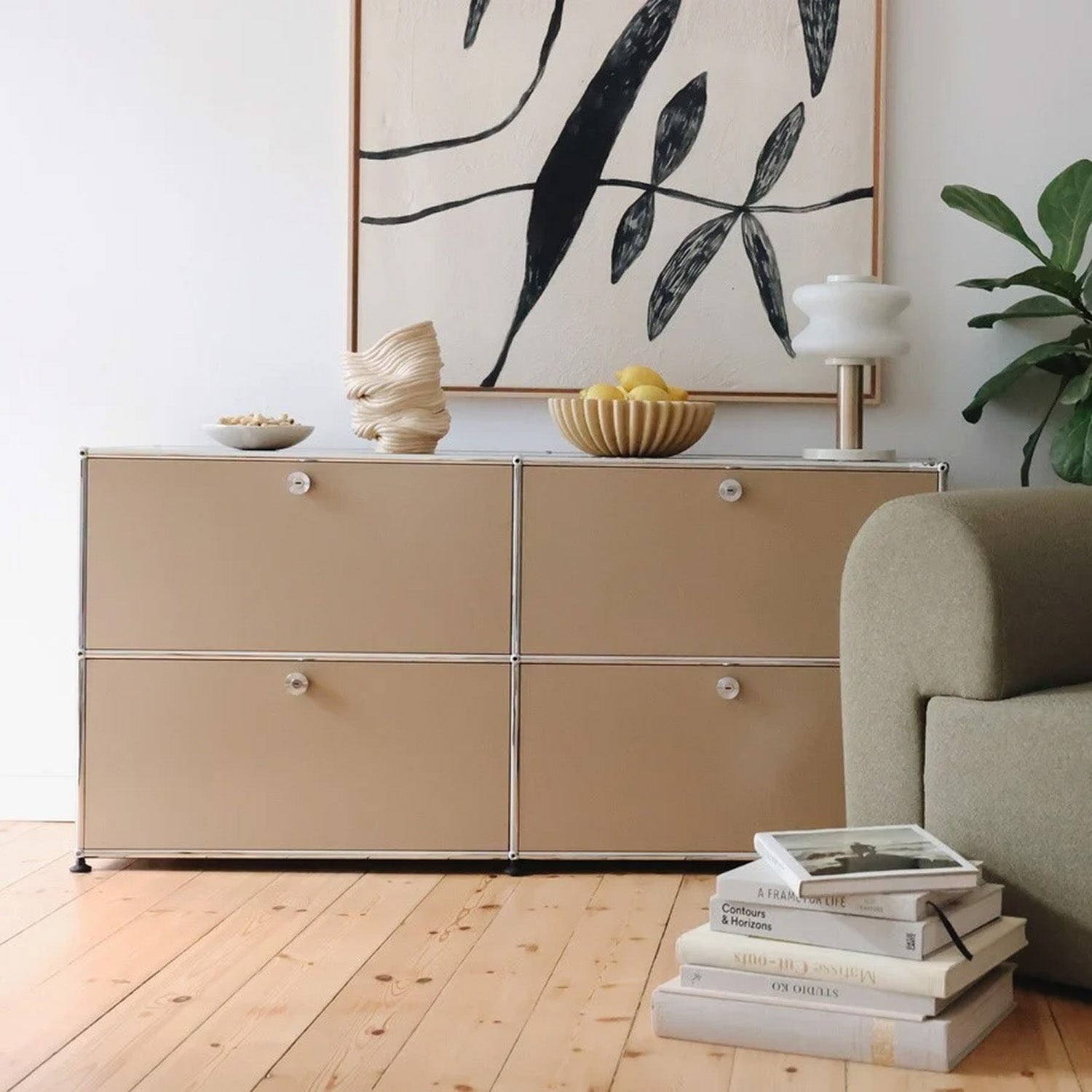
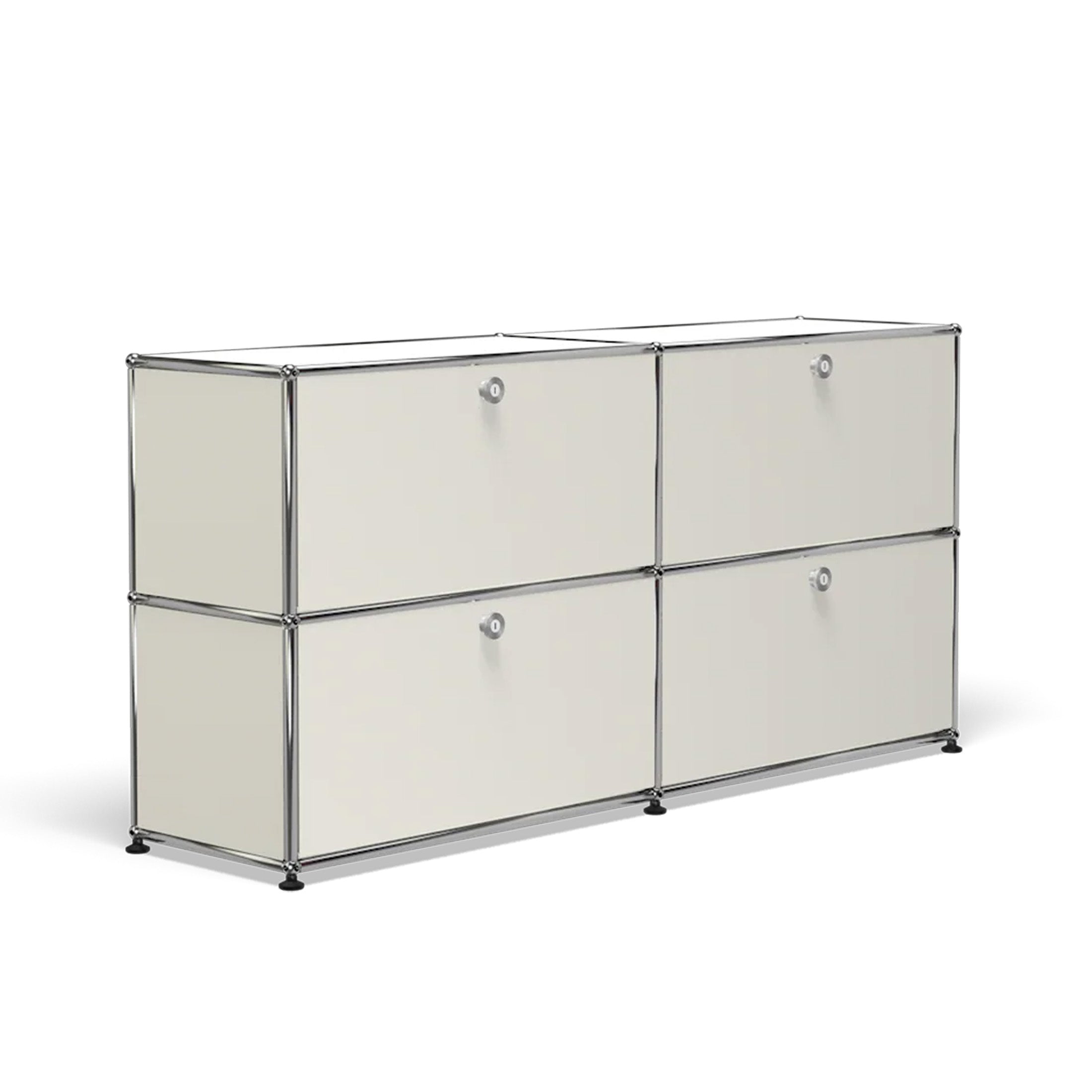
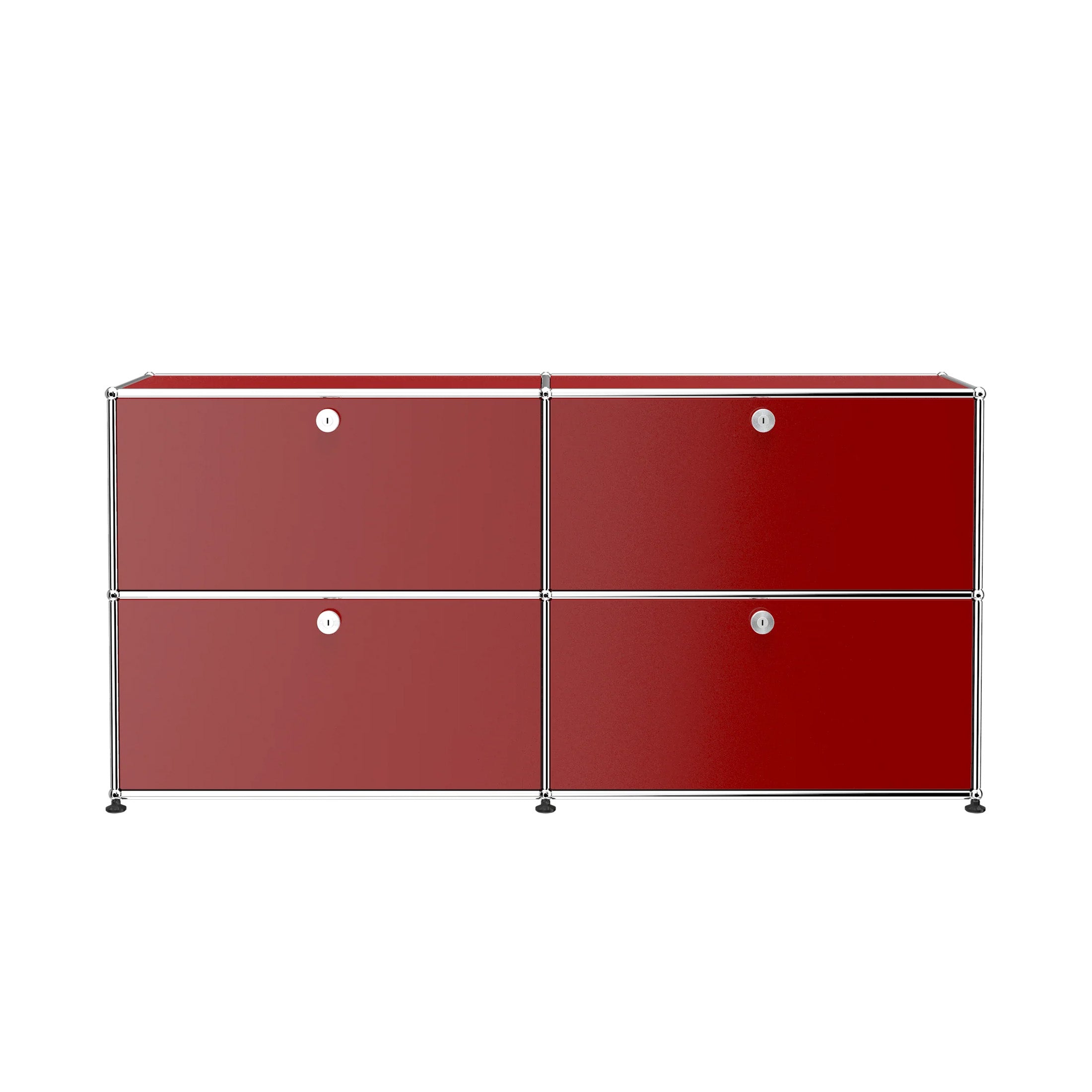
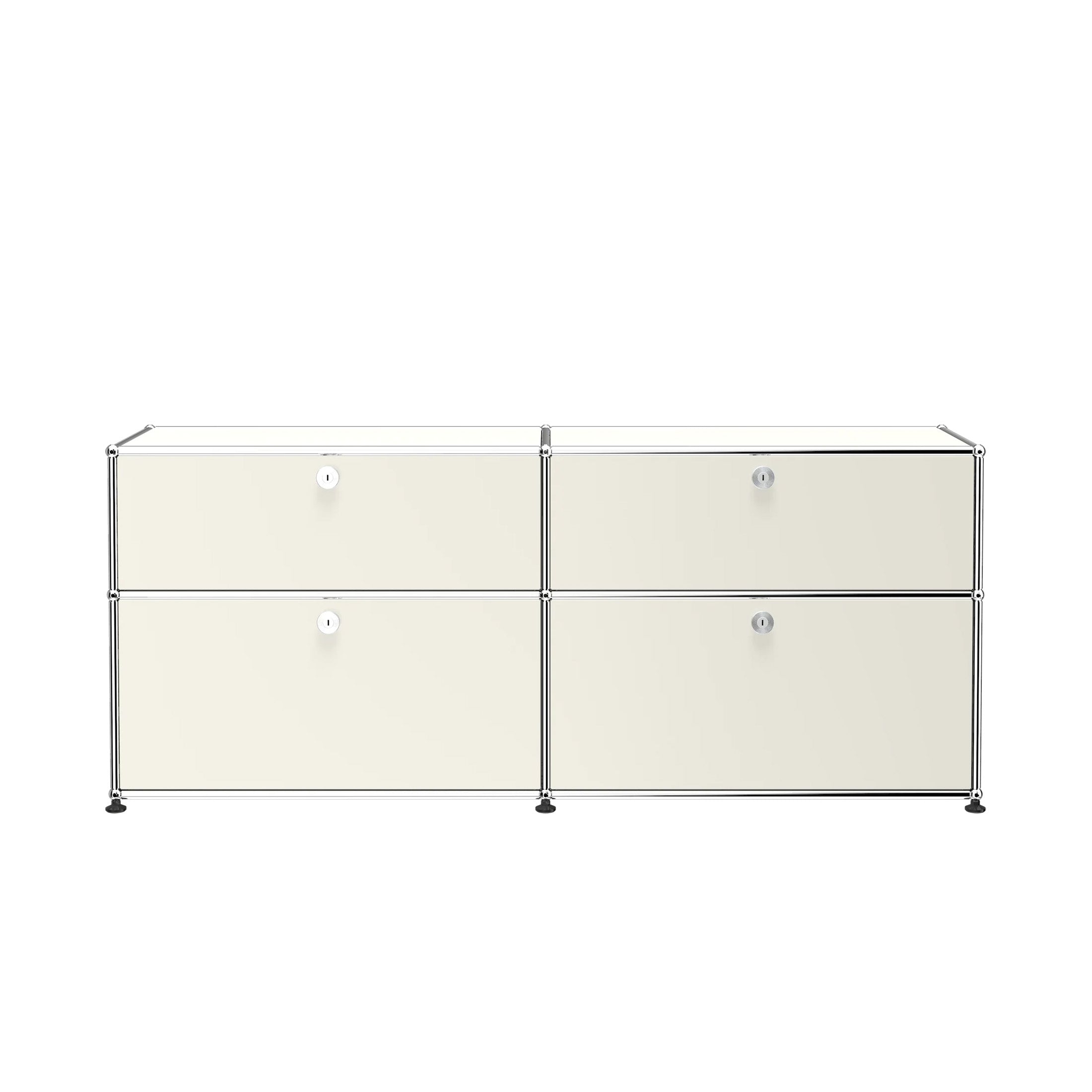
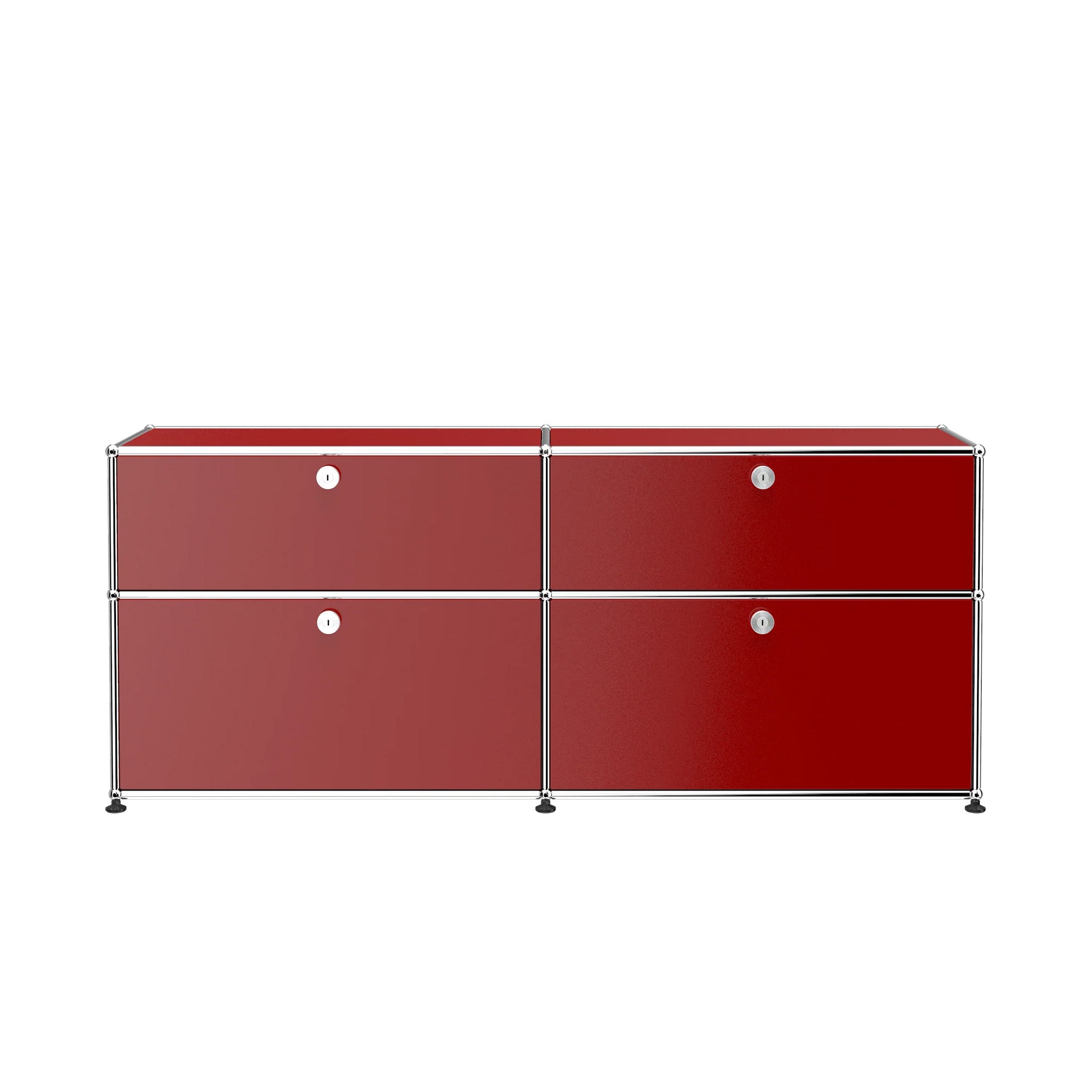
USM Haller panels are finished in powder-coated steel and are available in a curated range of standard colors, from neutral tones to more saturated options. The chrome-plated steel frame remains consistent across the collection, providing a fixed point of visual reference against which panel color is chosen. Because the system is made to order, color selection is part of the configuration process rather than a constraint. Consulting with a design advisor is the most reliable way to explore the full palette and its spatial implications.
Is USM Haller furniture suitable for both residential and office use?
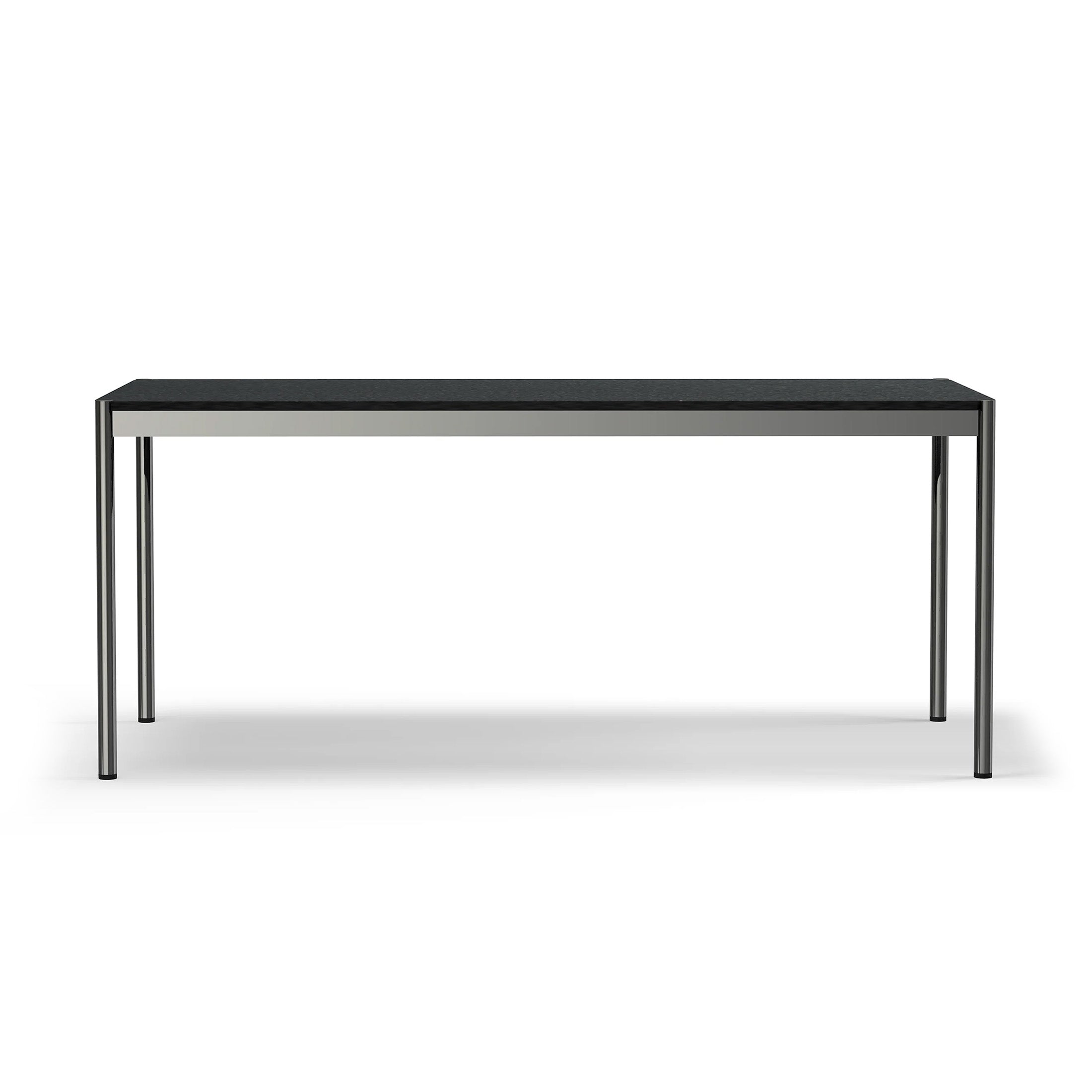
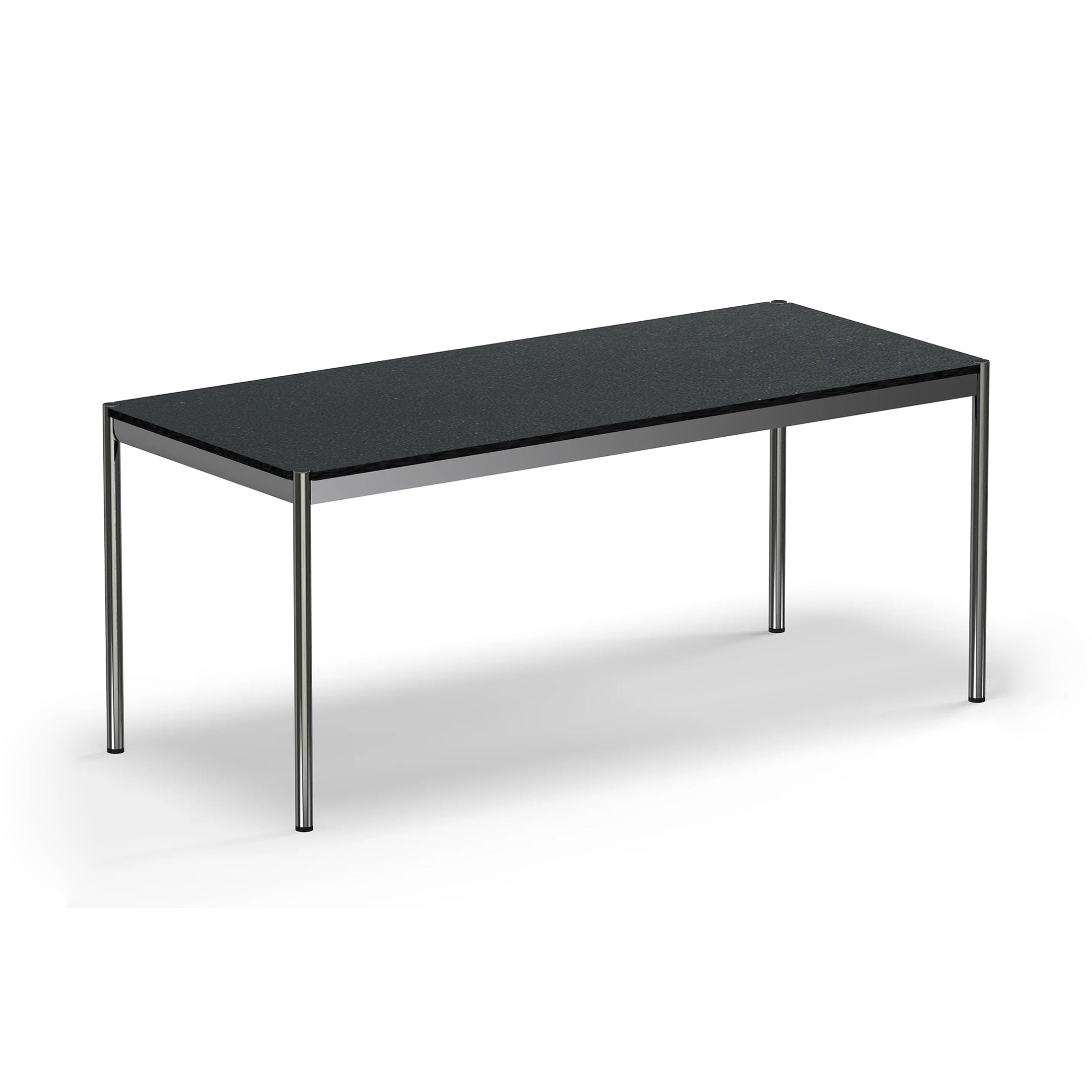
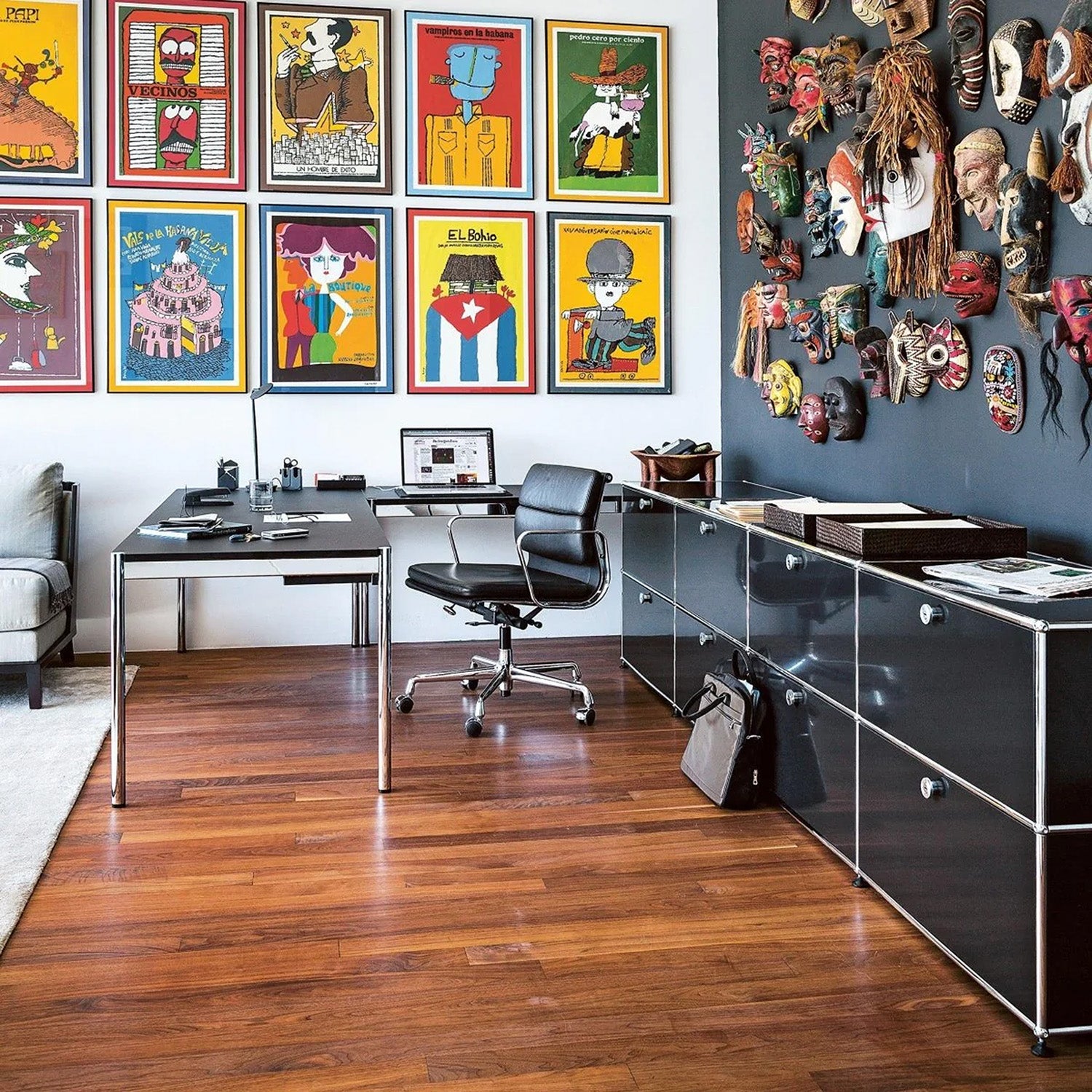
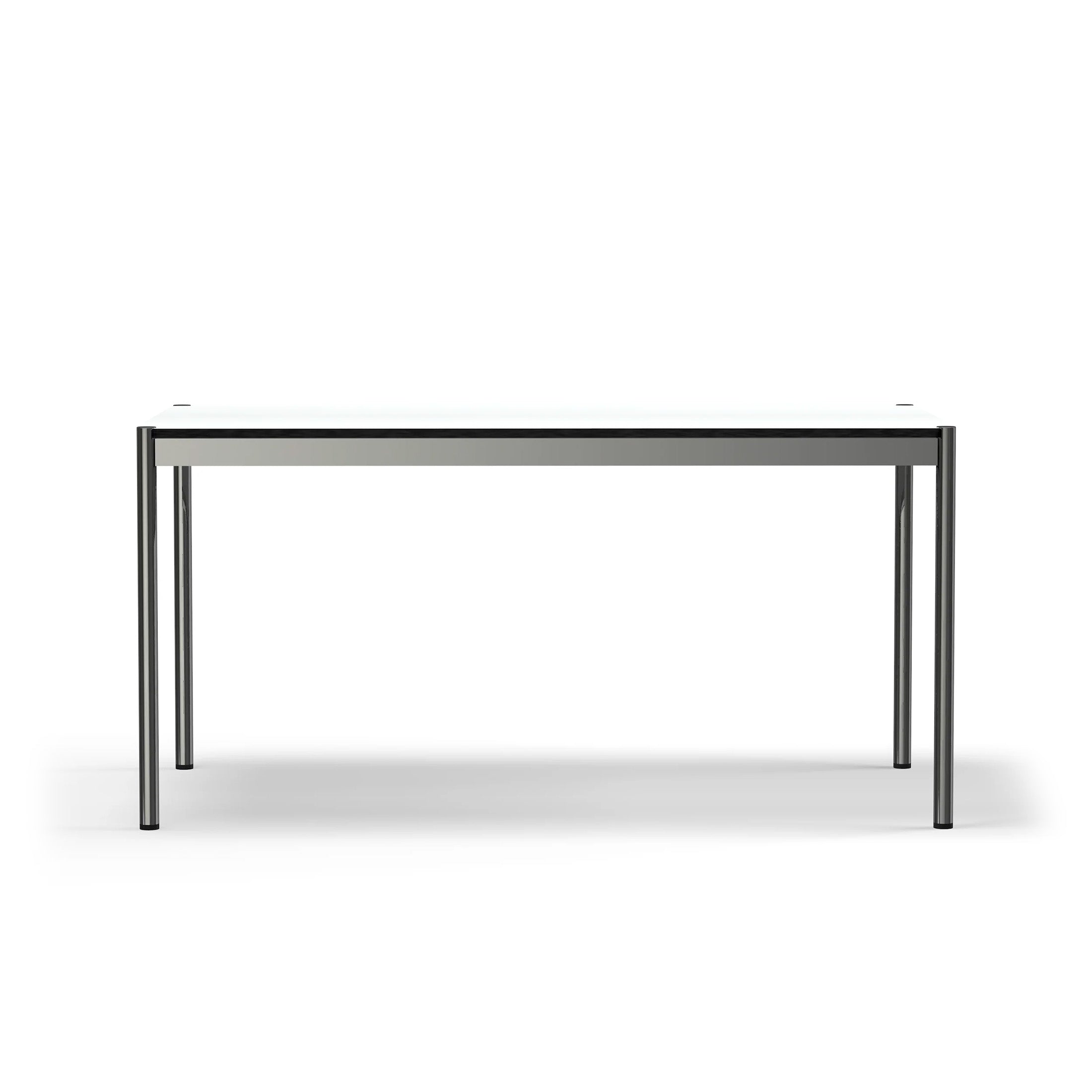
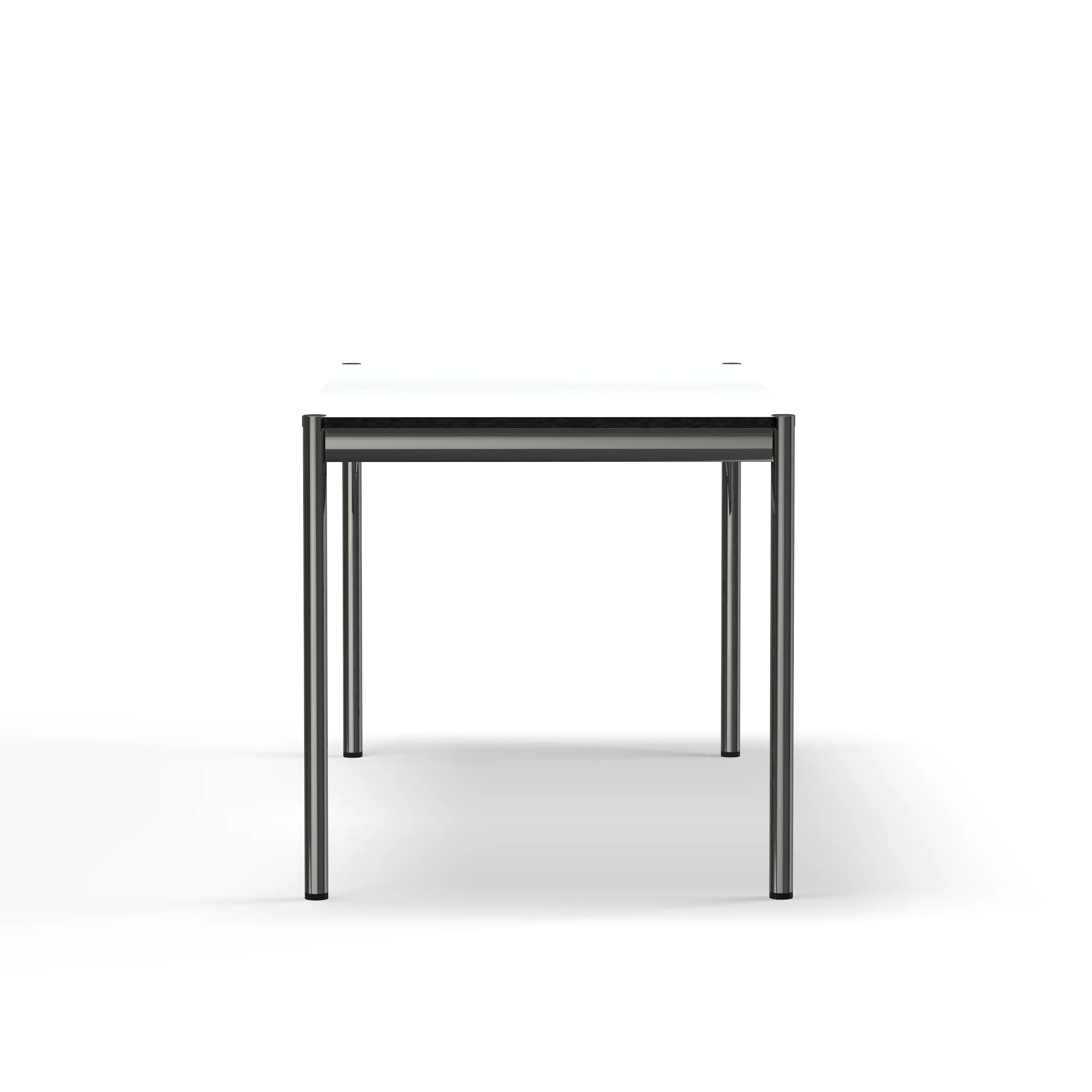
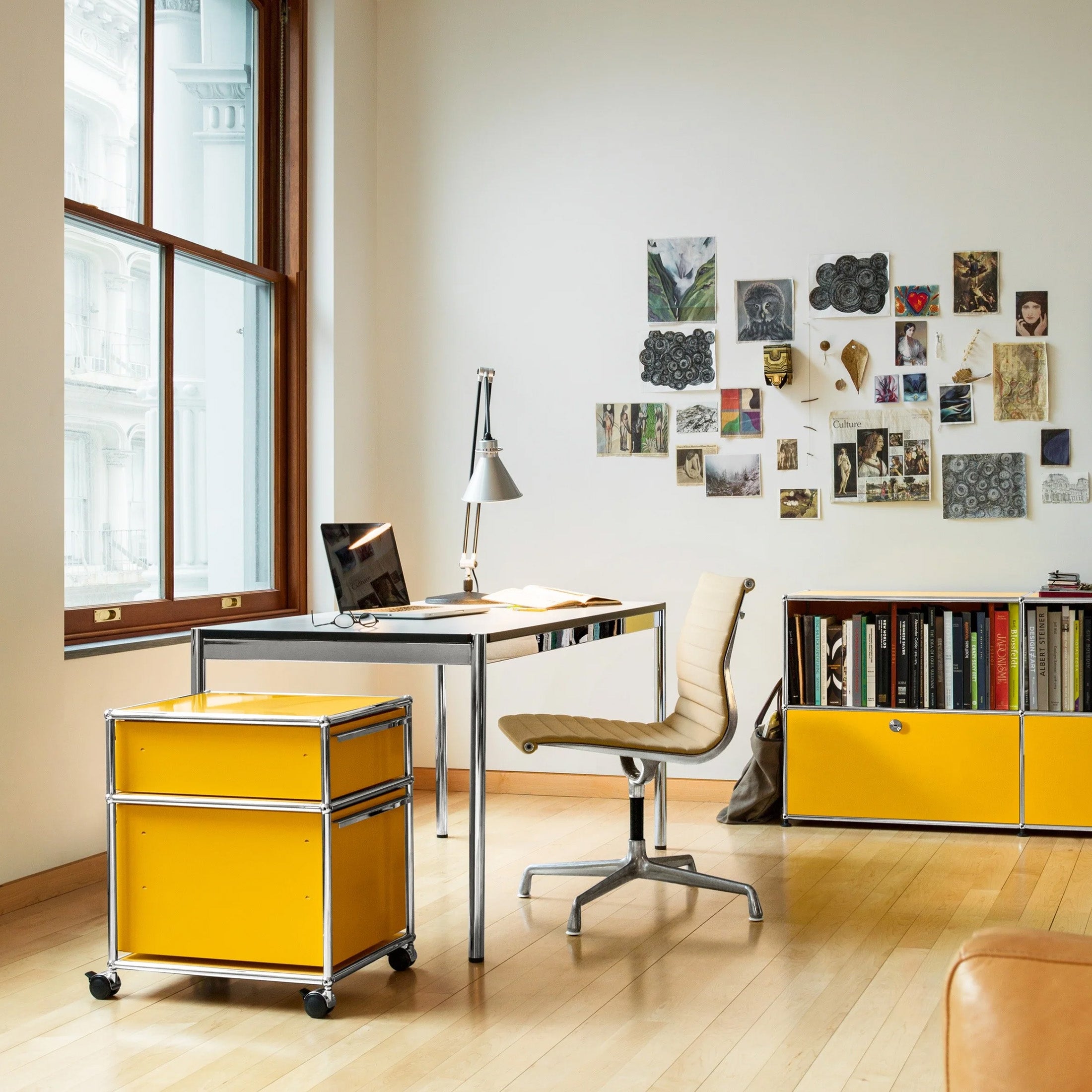
The system was originally conceived as office infrastructure, storage and work surfaces for the USM factory in Münsingen, Switzerland. Its formal rigor translated naturally into the domestic interior, and the same configurations now appear in private studies, living rooms, and bedrooms. Shelving, cabinets, tables, side tables, and serving carts all share the same structural vocabulary, which means a single system can address storage, display, and working needs across very different spatial contexts.
How does USM Haller compare to other modular storage systems?
Few modular systems have remained structurally unchanged for over six decades while staying in continuous production. The USM Haller ball-and-tube connector is not simply a functional joint. It is a precise, patented component that has earned a place in the permanent collections of MoMA and the Vitra Design Museum. Where many systems offer modularity as a marketing feature, USM Haller's flexibility is a direct consequence of its structural logic. The longevity of any single piece is a practical result of that coherence. Experiencing the system's scale and materiality in person adds another dimension to that understanding. Our showroom network can help you assess that quality in person. Confirm what is currently on display before visiting.
What types of storage configurations does USM Haller offer?
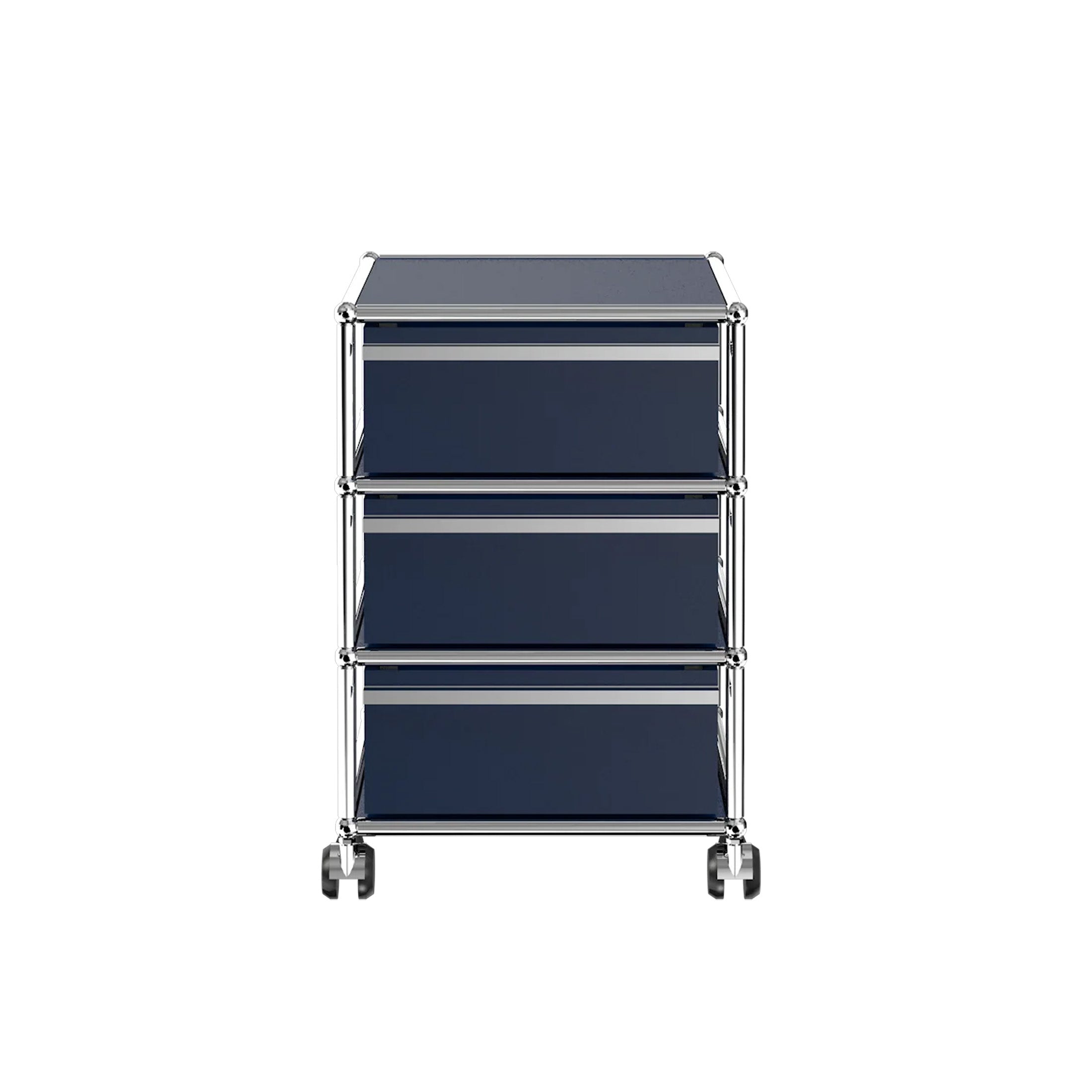
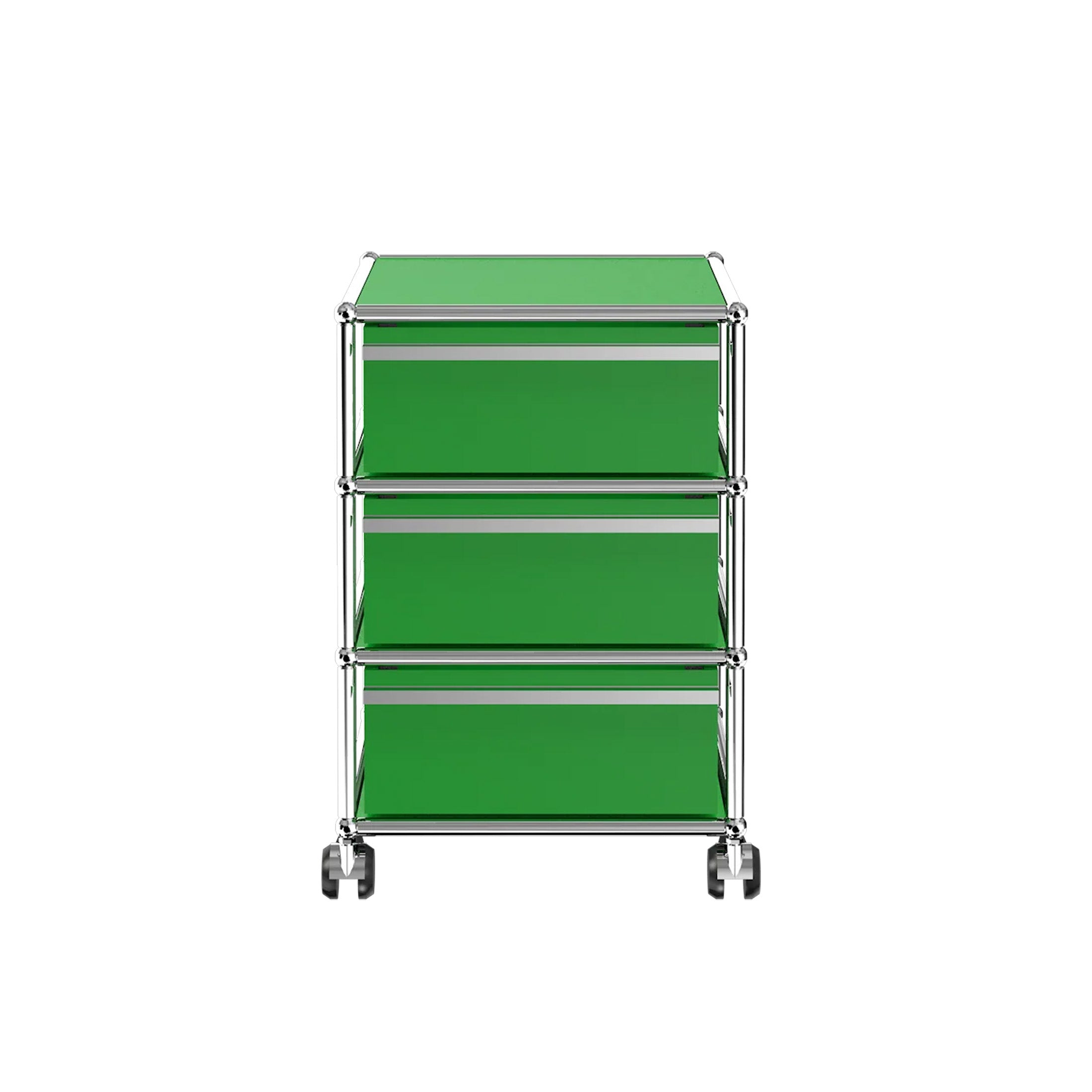
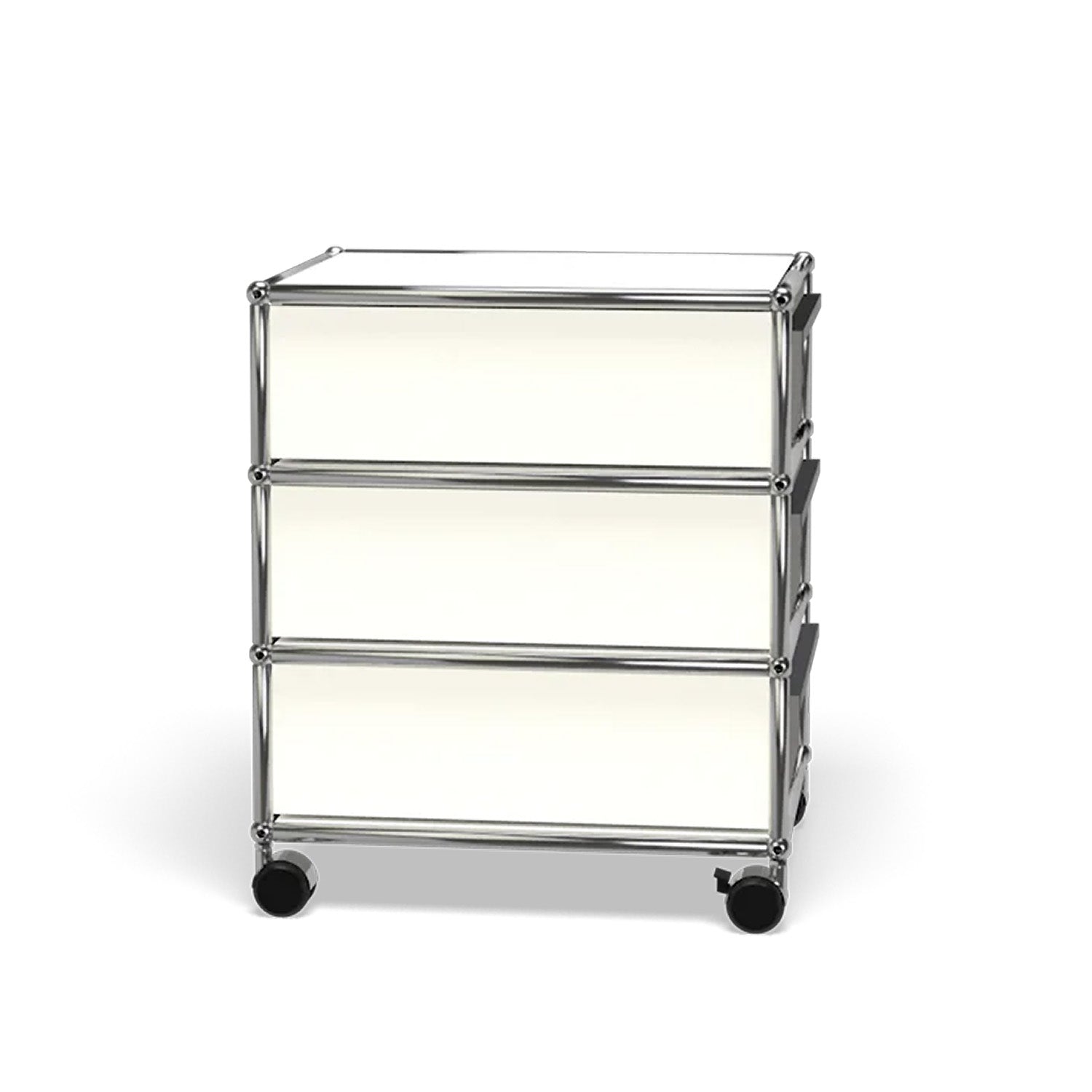
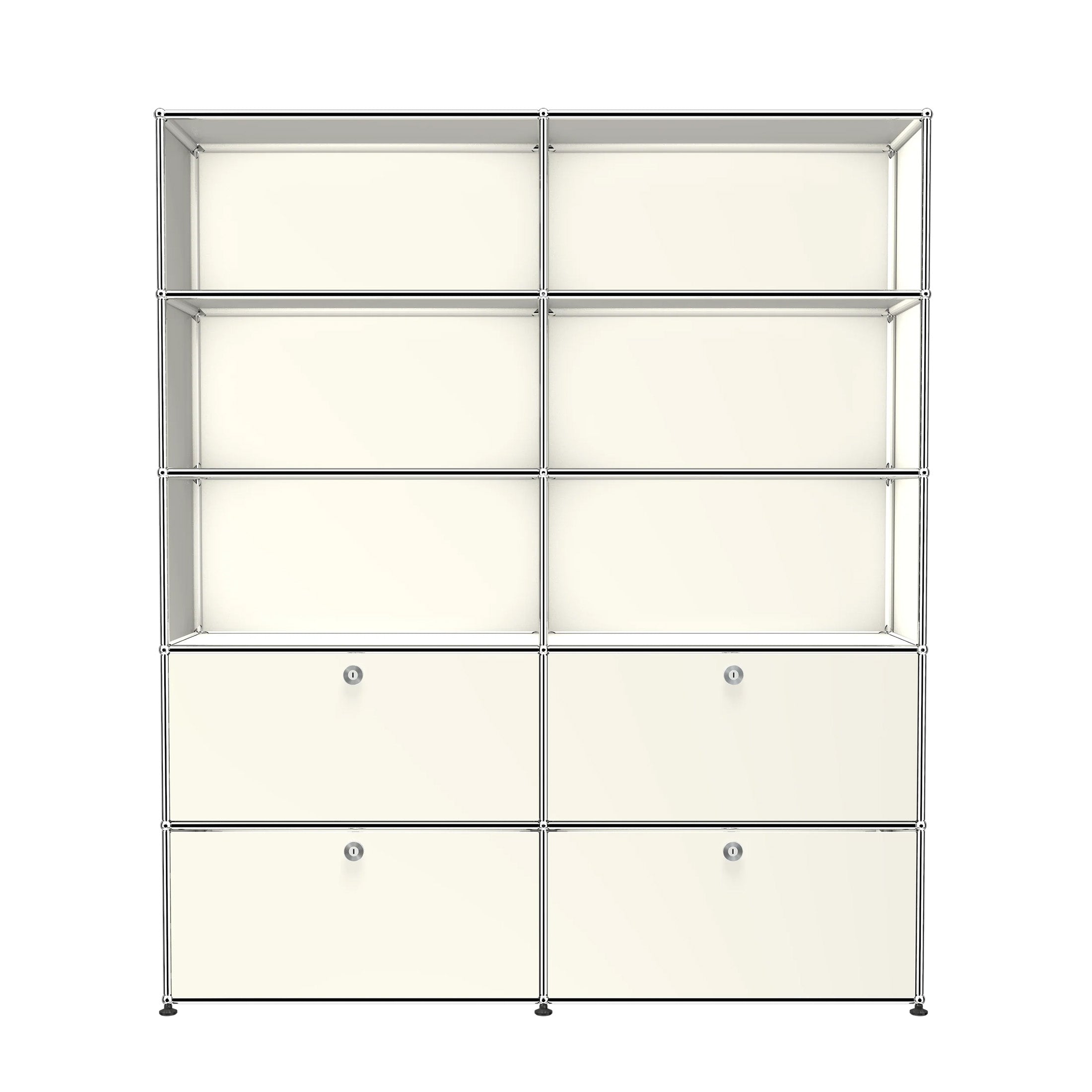
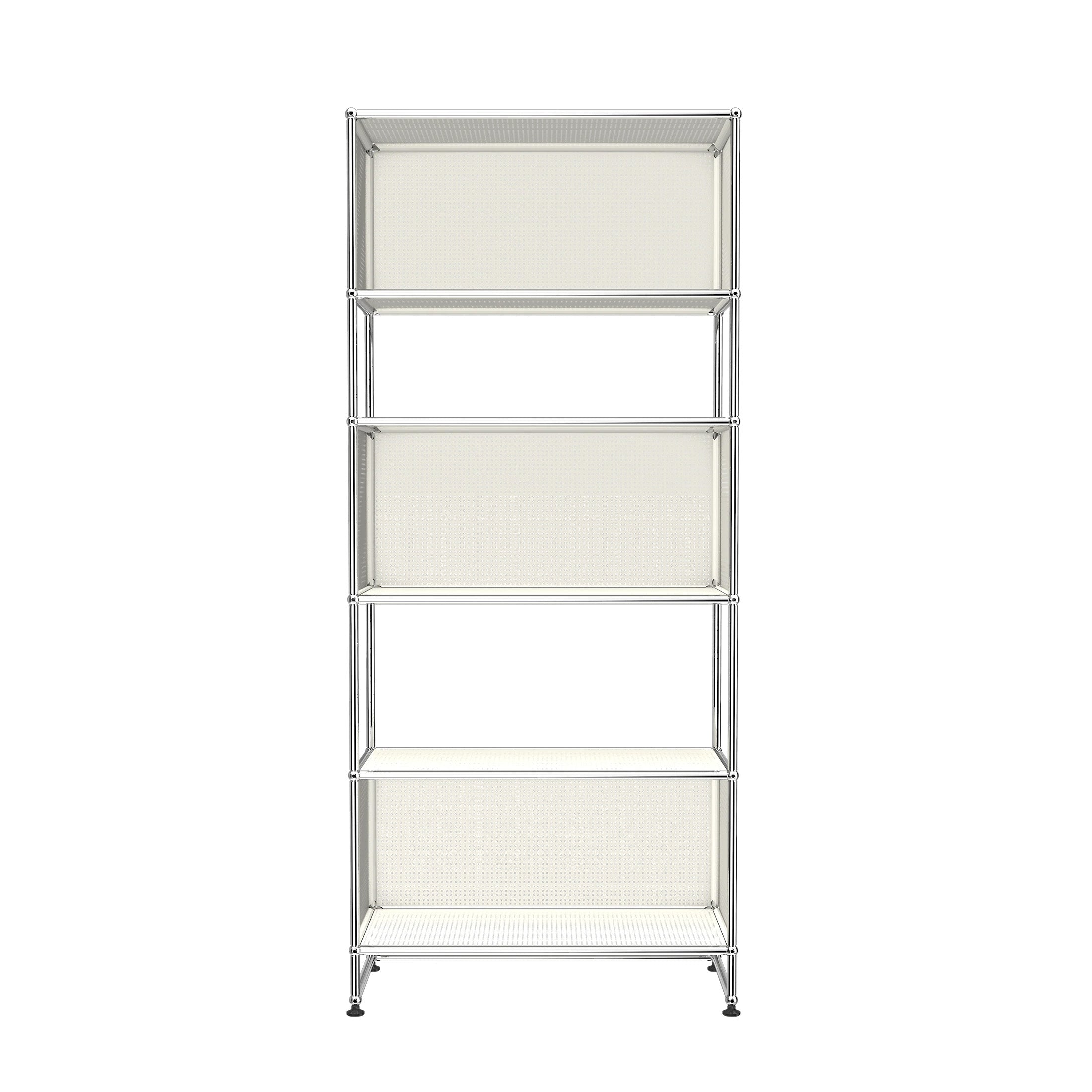
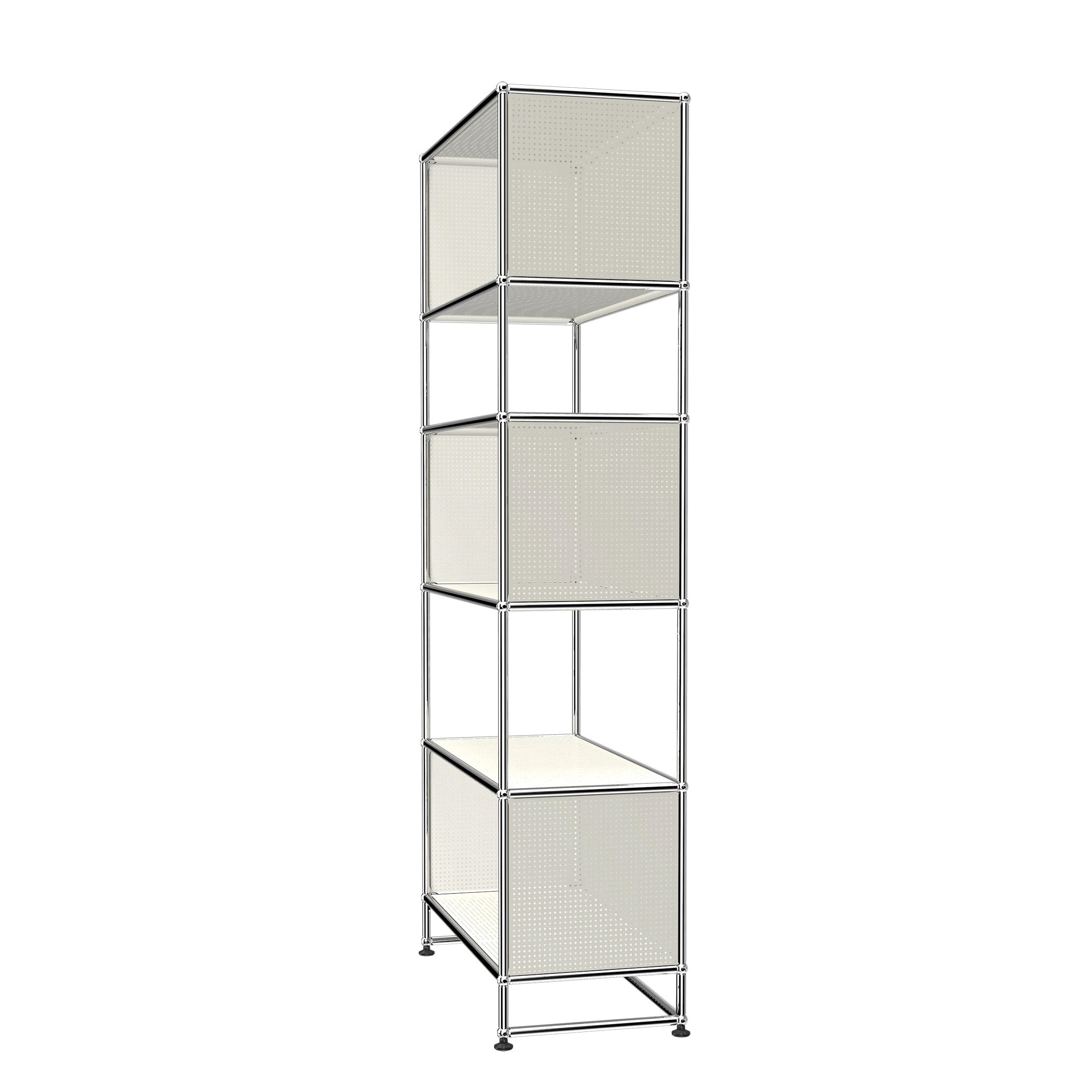
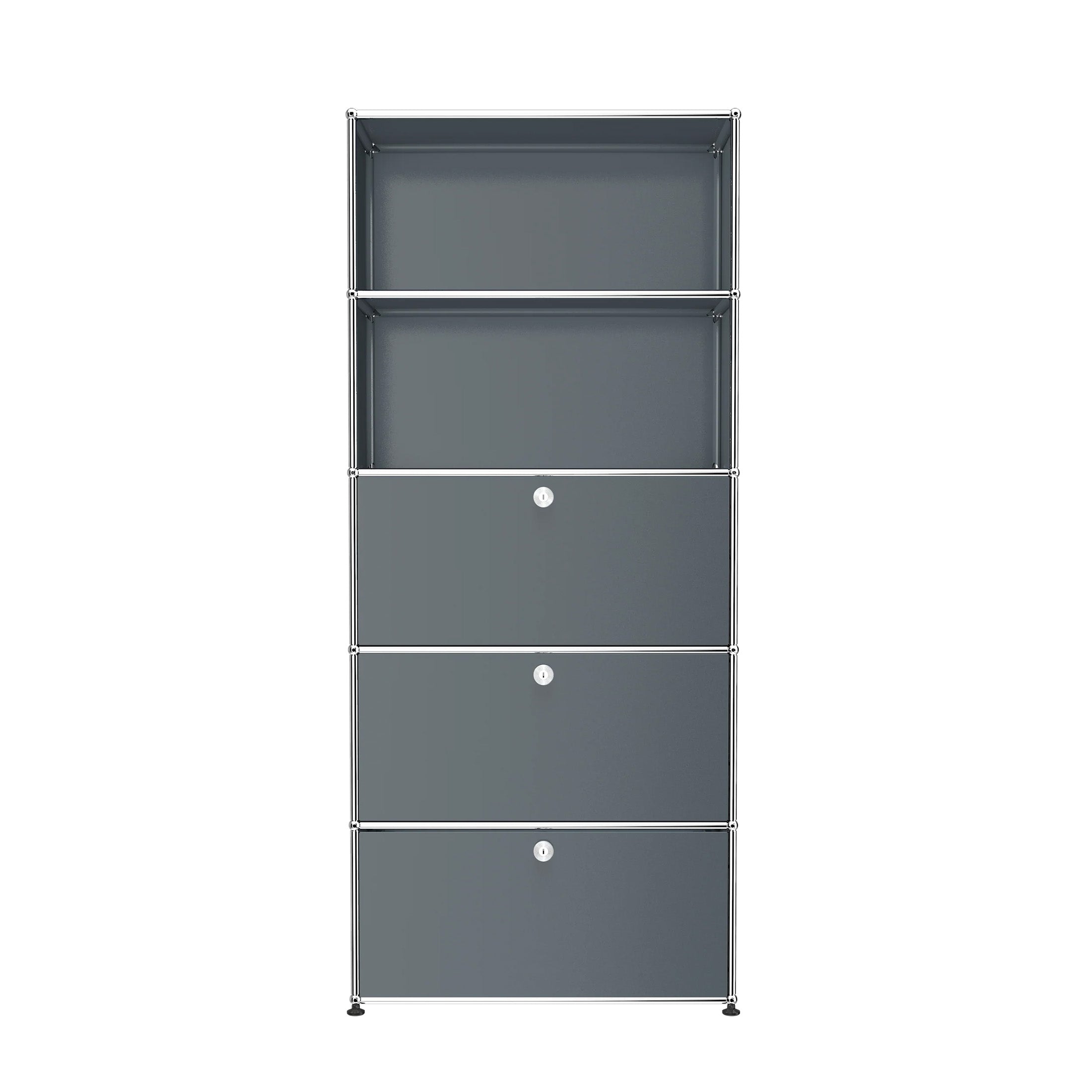
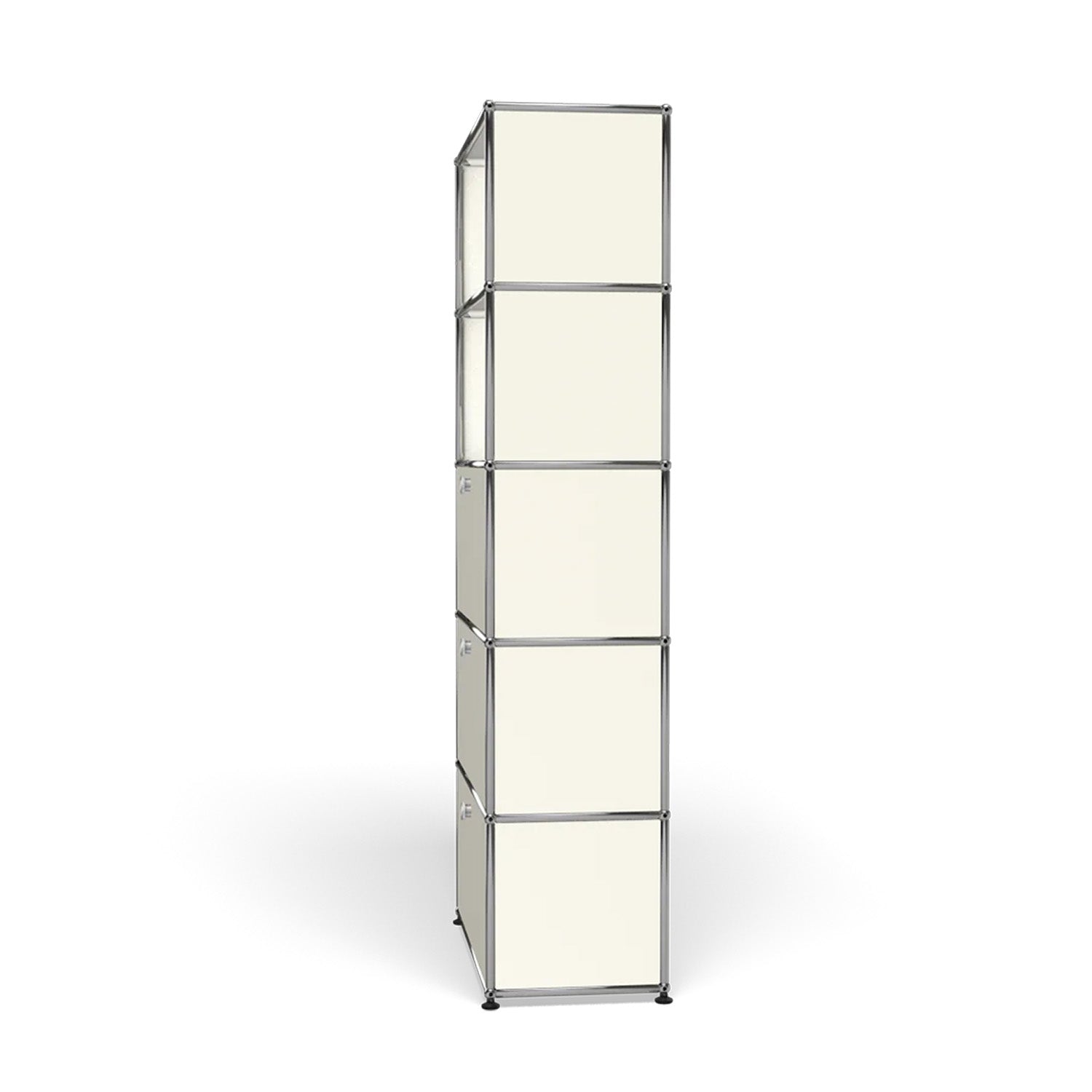
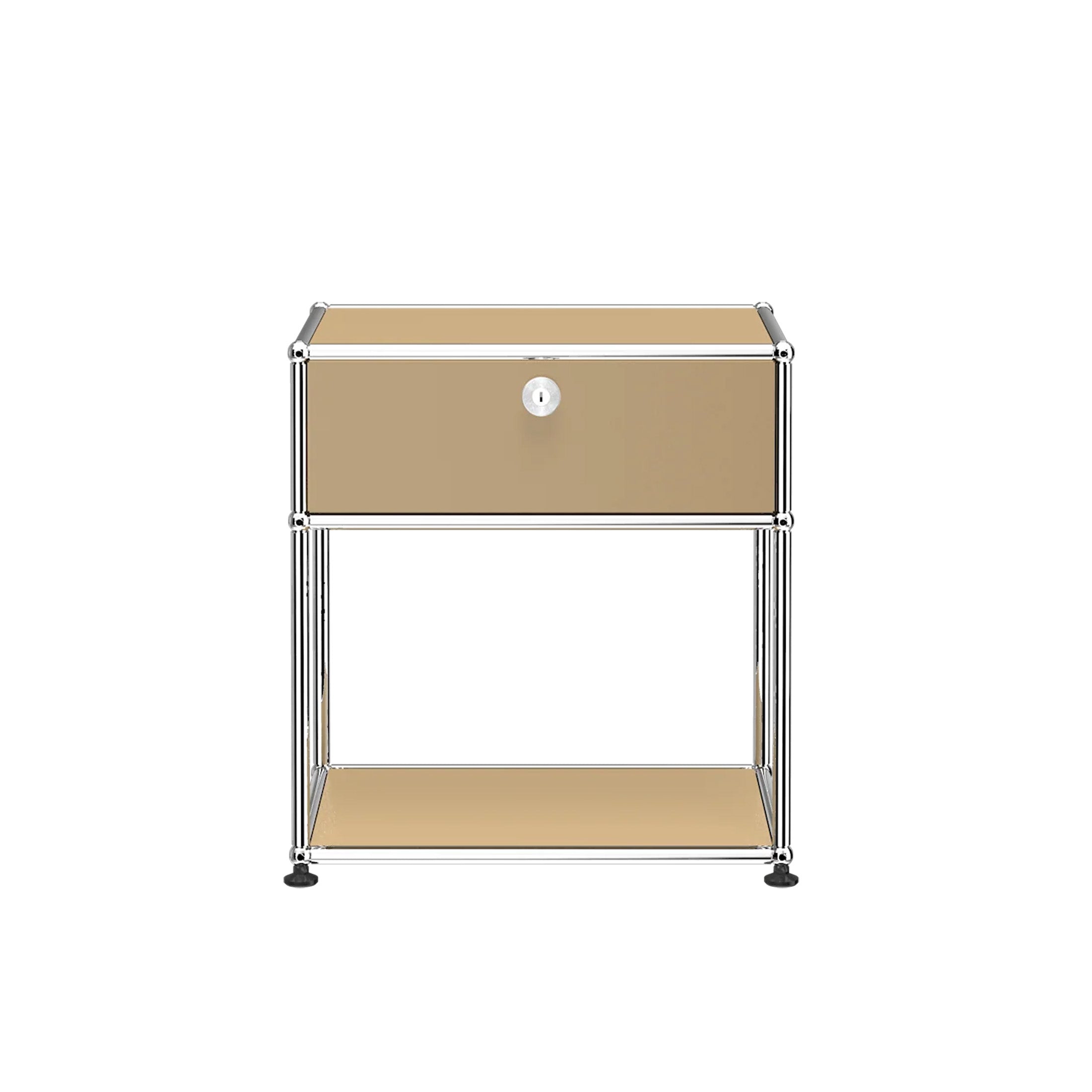
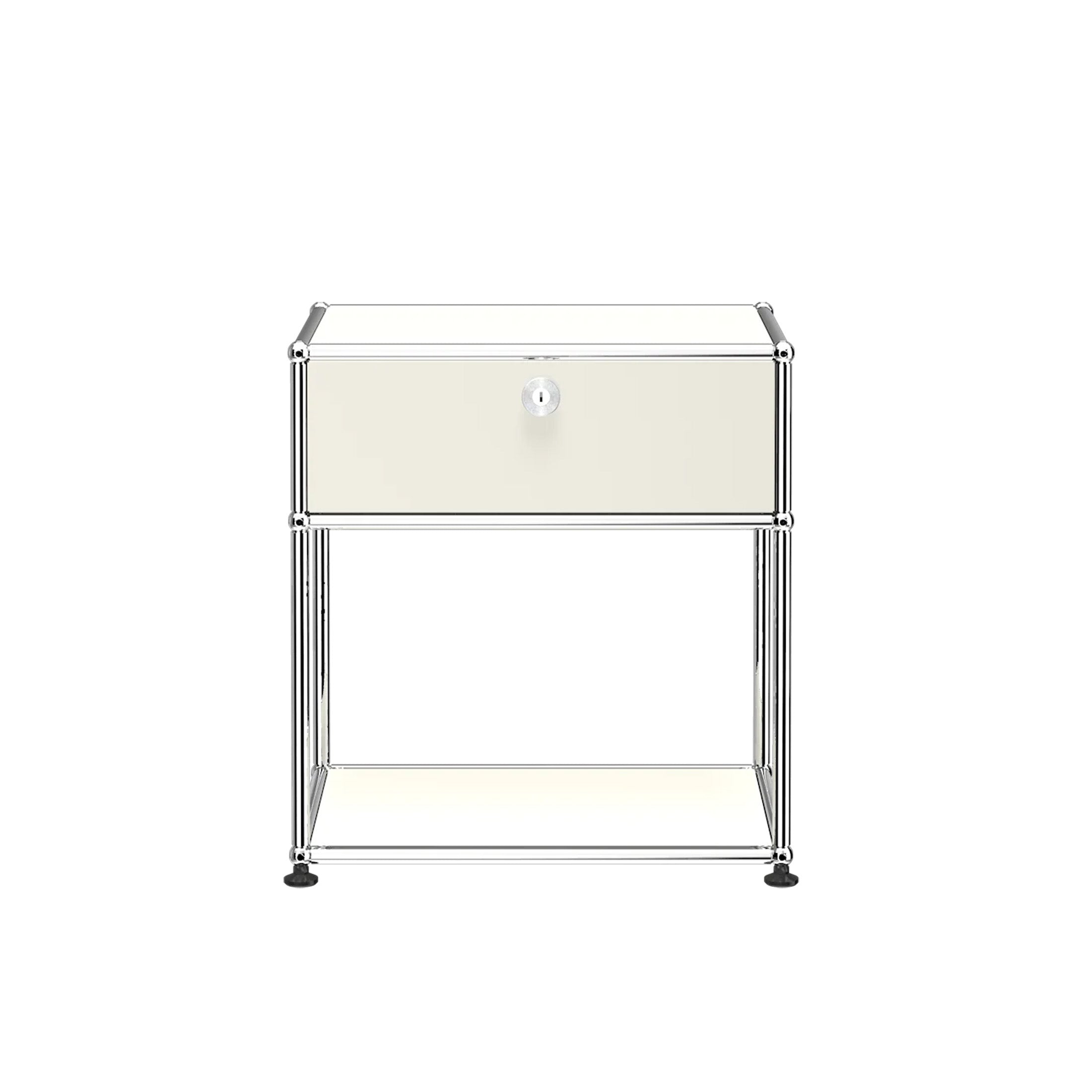
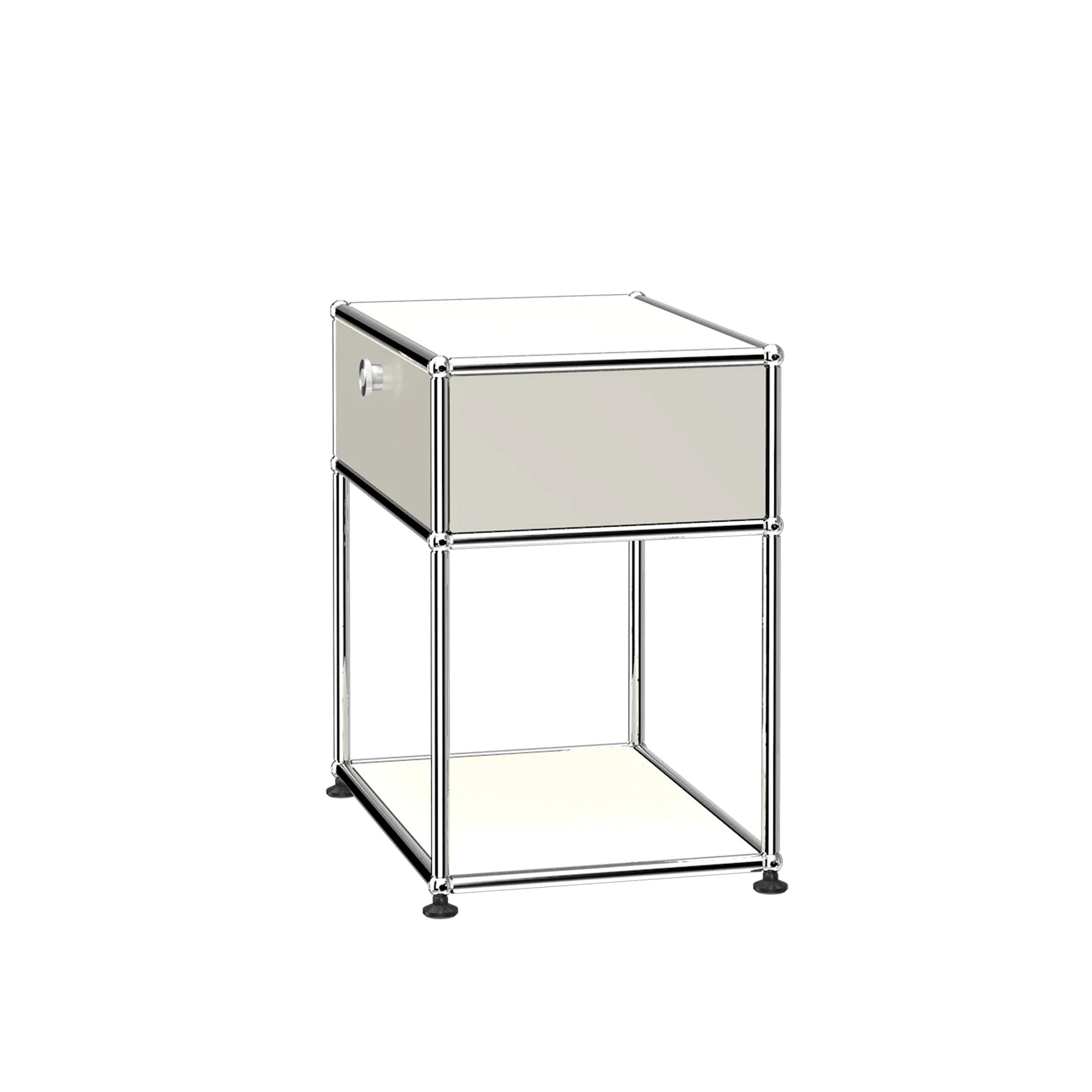
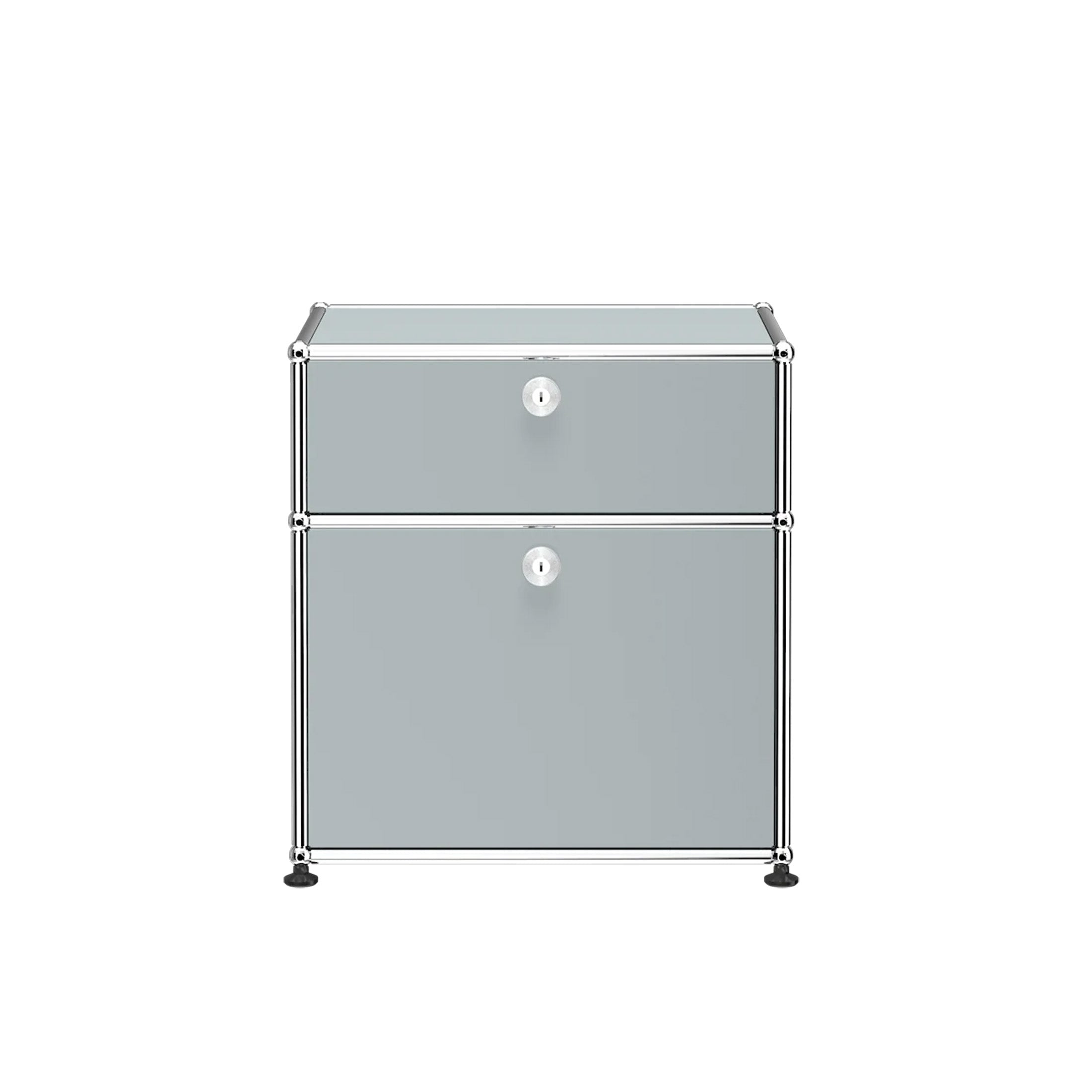
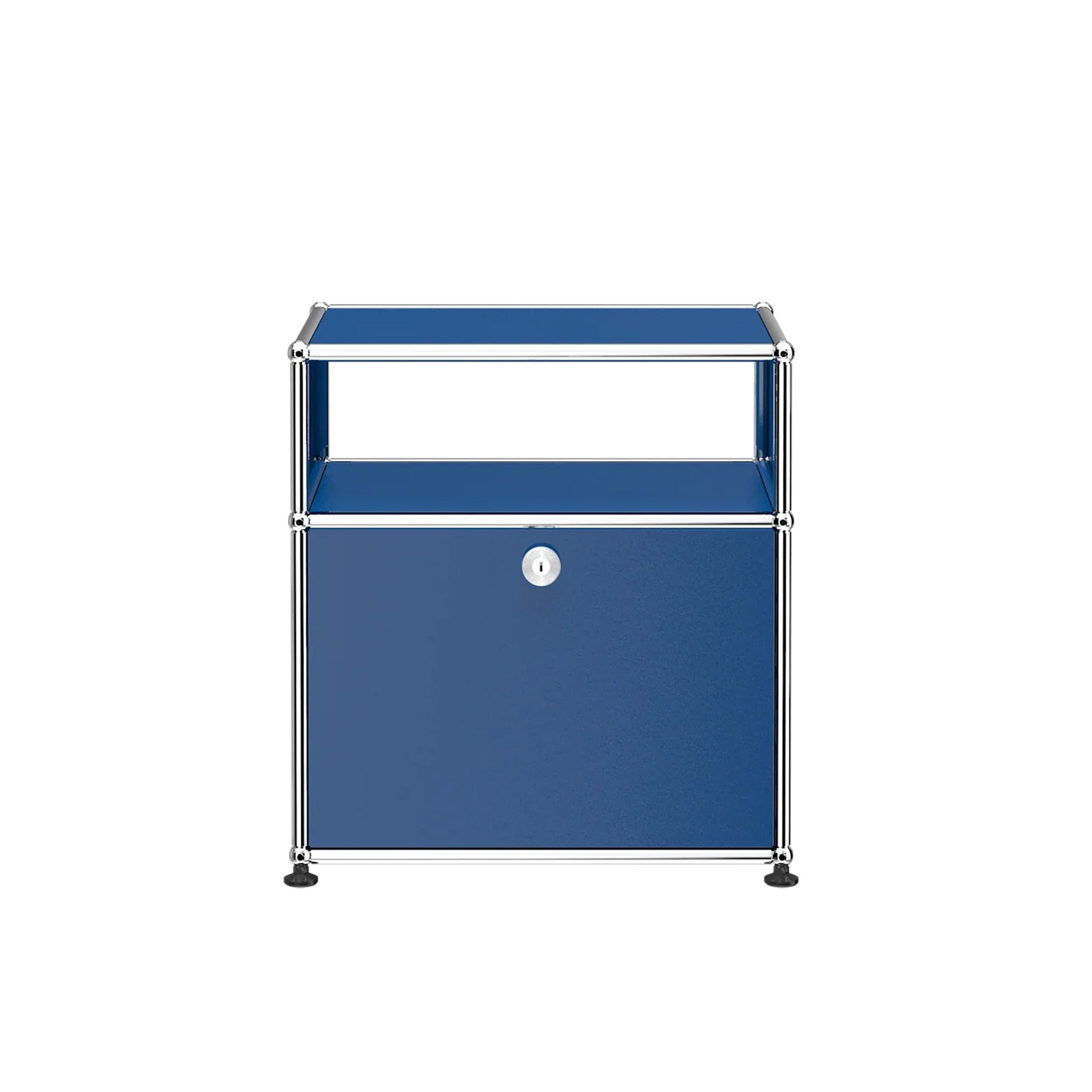
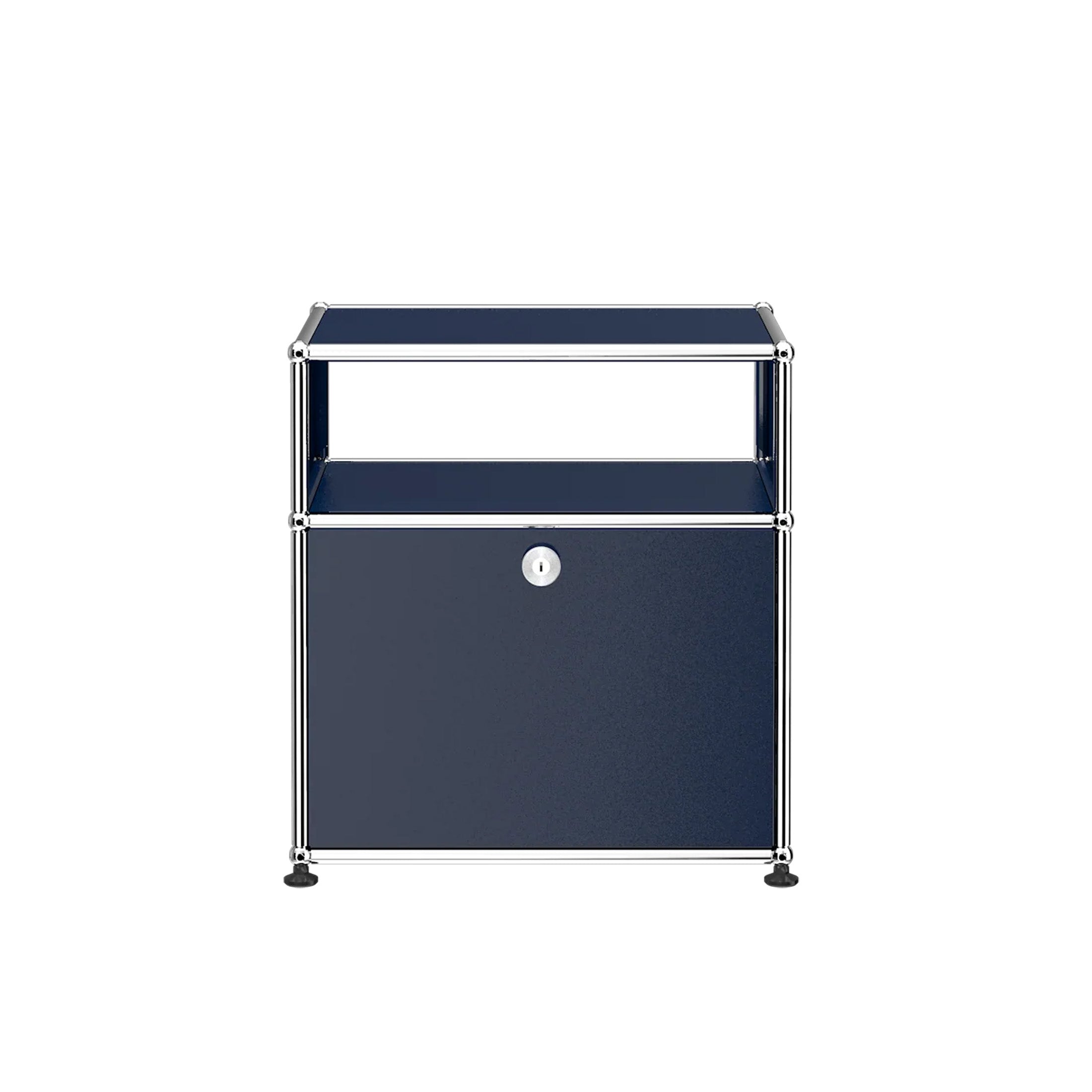
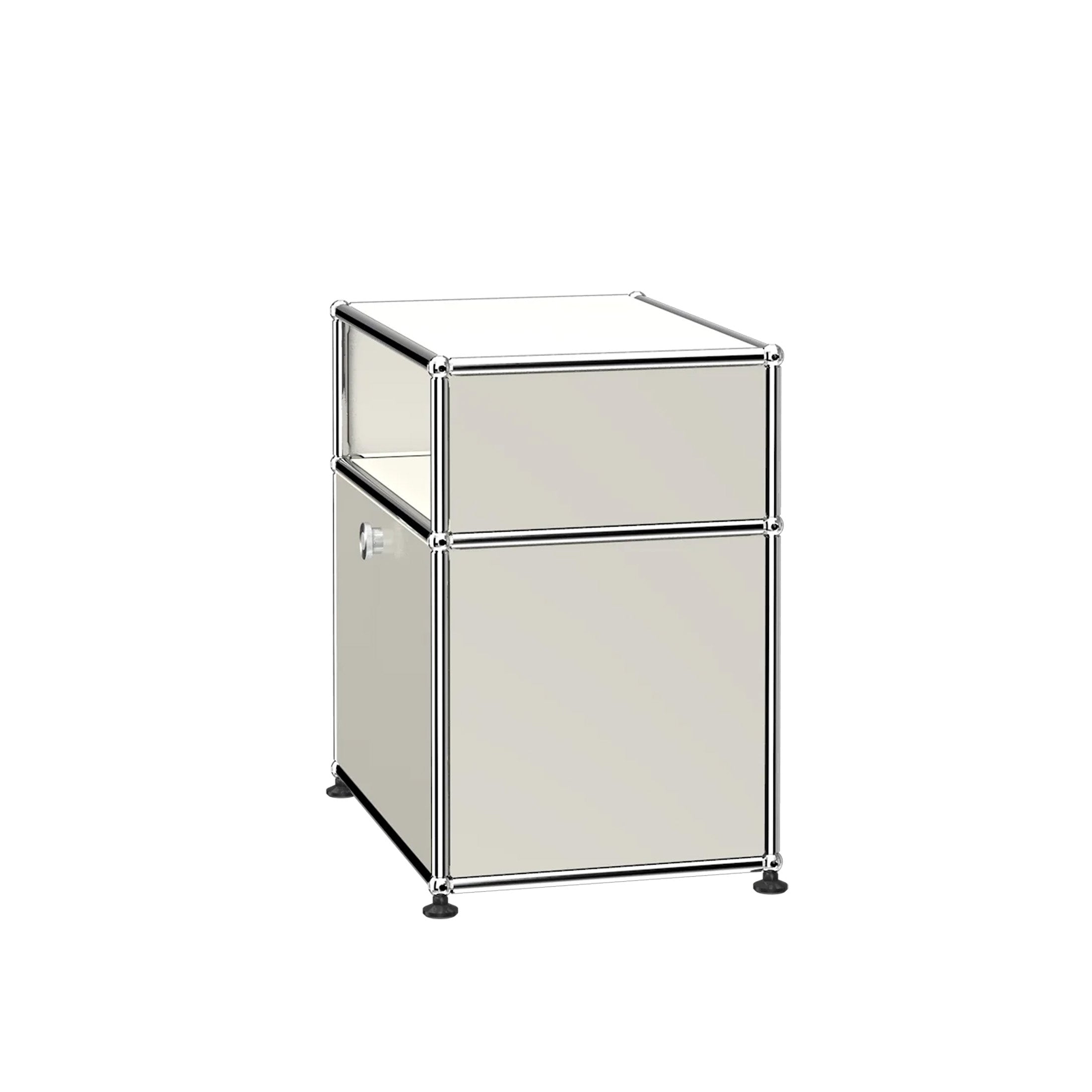
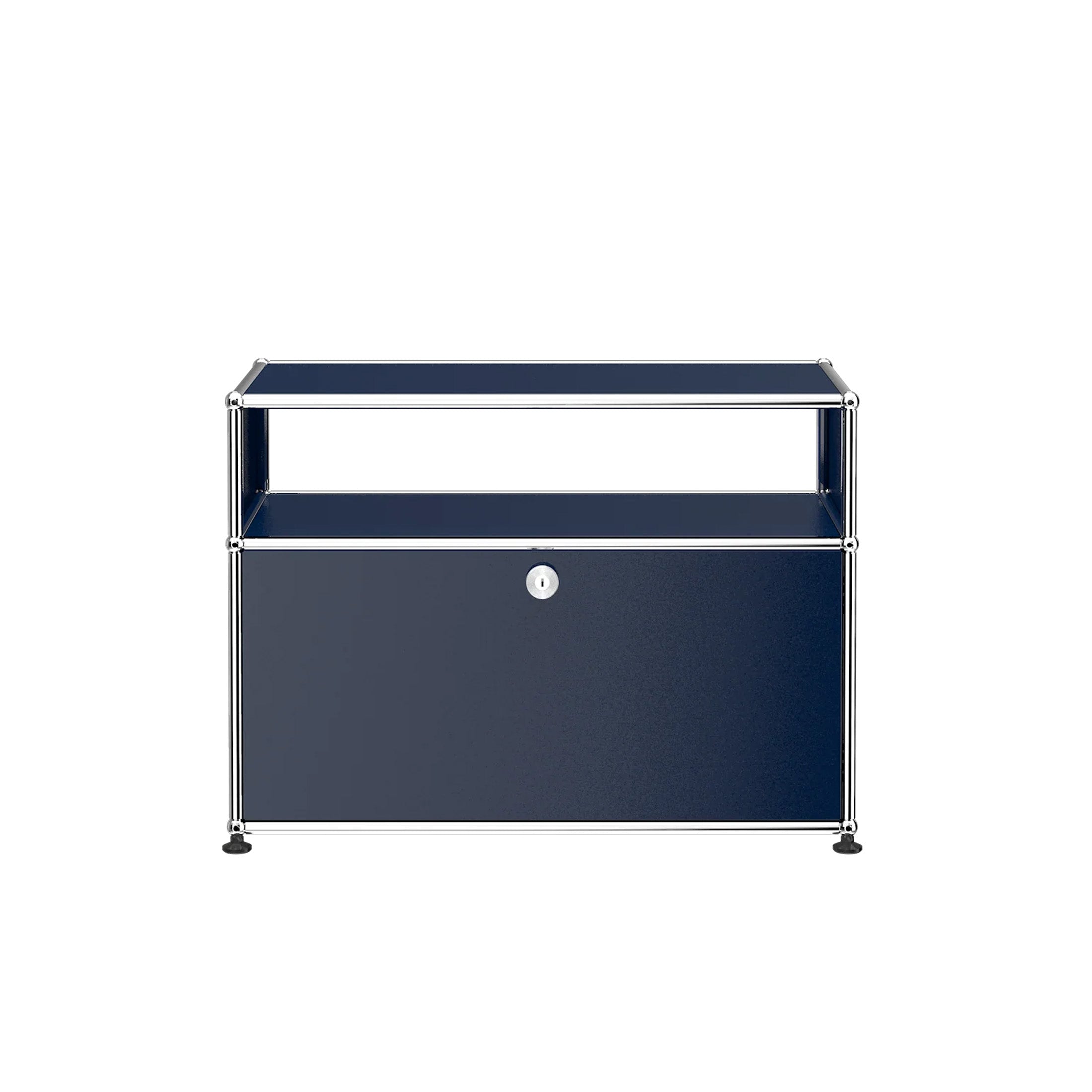
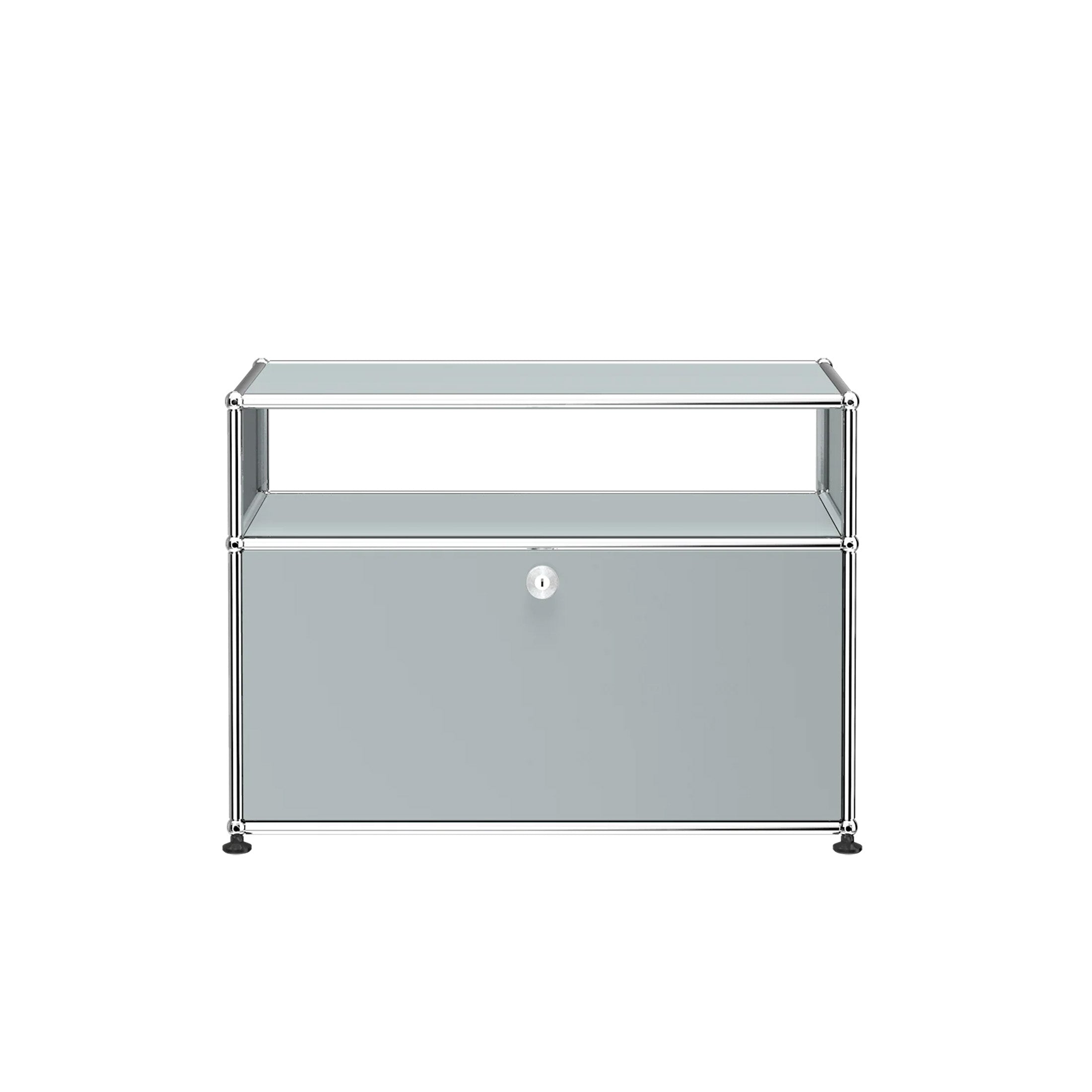
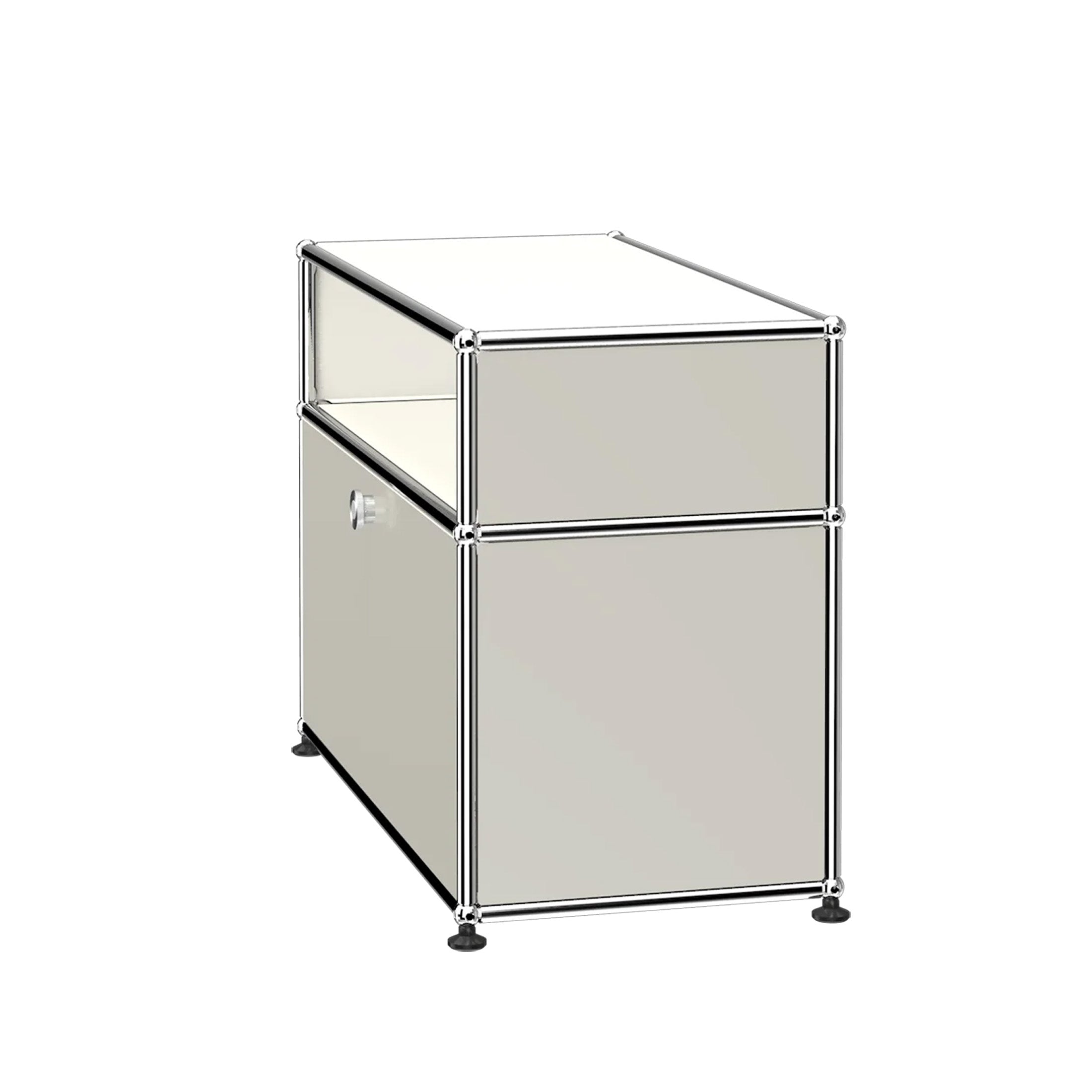
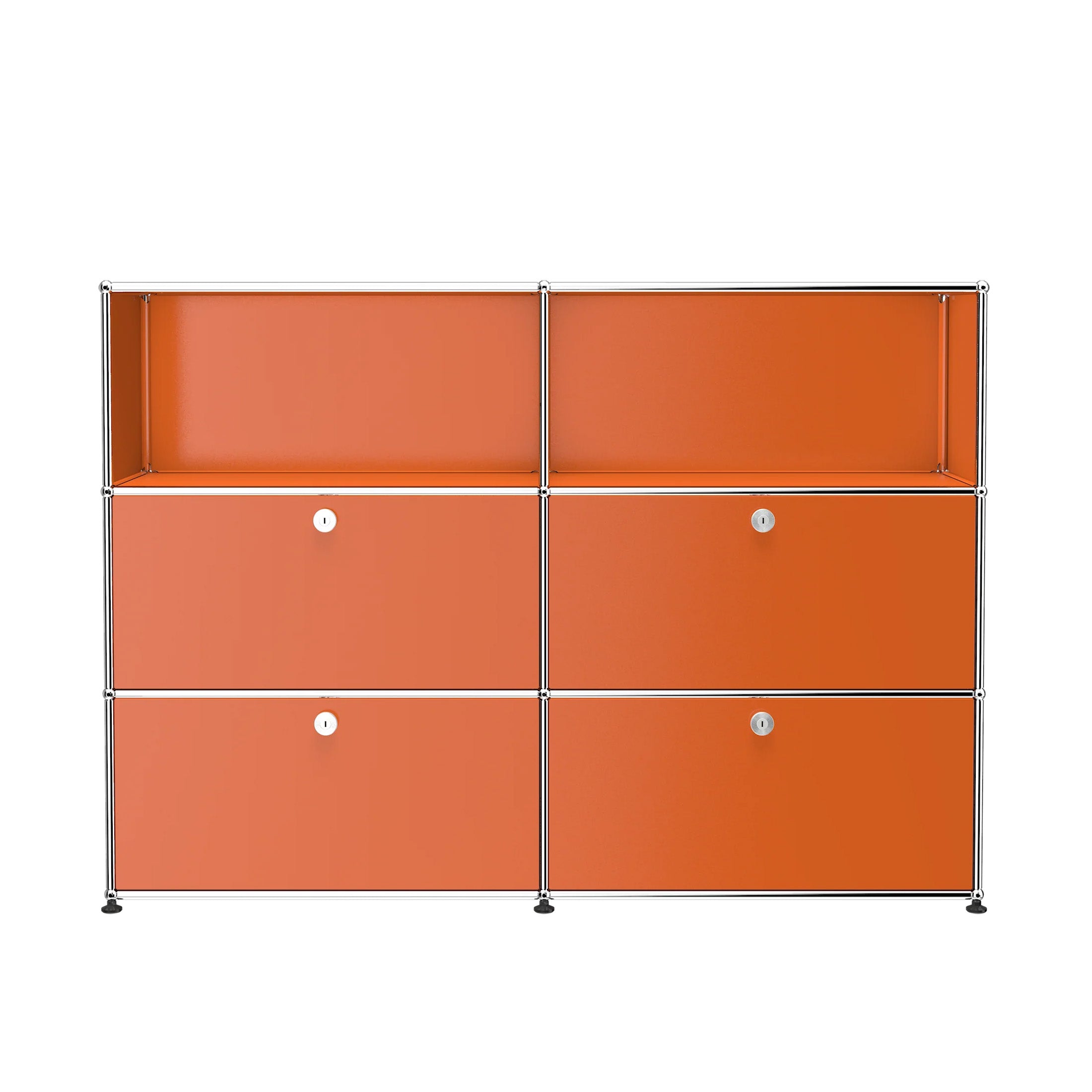
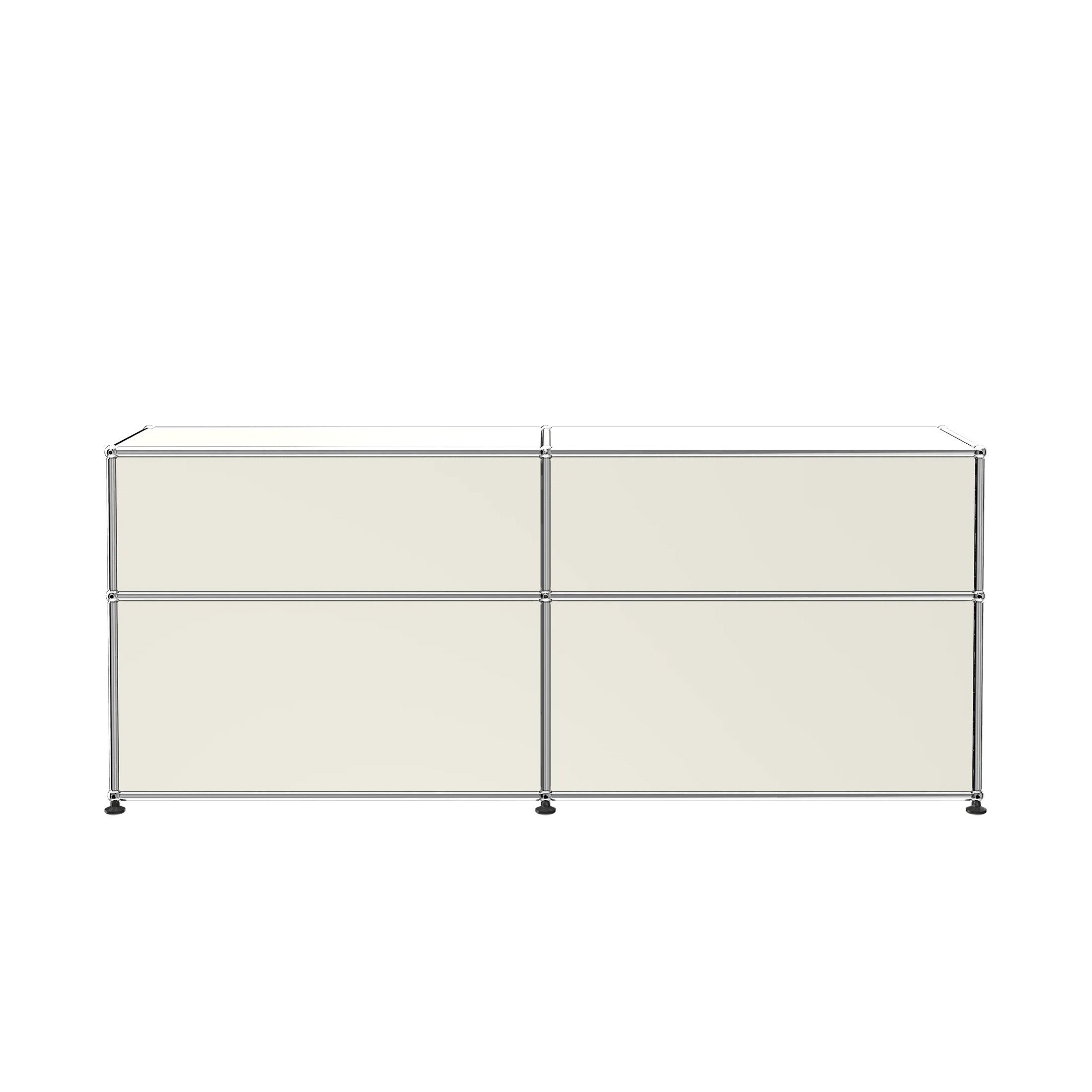
The system addresses a wide range of storage programs. Shelving units span open display configurations to pieces combining drawers, drop-down doors, and cable management for working environments. Cabinet formats include pedestal files, media cabinets, nightstands, and drawer units scaled for documents, personal essentials, or media components. The Serving Cart L18 extends the same structural grammar into more mobile, intimate roles. A single modular logic produces all of these forms, which is why they coexist without visual conflict.
How should I choose the right USM Haller configuration for my space?
Start with the program, what the piece needs to do, before the form. A working desk context calls for different drawer depths and surface heights than a living room display or a bedroom nightstand. Panel color and surface material (laminate, linoleum, lacquer) affect how the piece relates to surrounding architecture. Because USM Haller is made to order, the configuration process benefits from a conversation with a design concierge. Experiencing the system's materiality and scale in person before finalizing is also worthwhile. You can arrange a showroom appointment to confirm what is currently on display before visiting.
Is USM Haller furniture made to order?
Yes. USM Haller pieces are configured and made to order in Switzerland. The system's breadth, spanning panel colors, surface materials, drawer configurations, door types, and overall dimensions, means that no two orders are necessarily identical. Lead times reflect Swiss manufacturing schedules, and a design advisor can provide accurate estimates based on current production. This made-to-order model is consistent with the system's founding premise: furniture as a precise, considered response to a specific spatial need.
Elevate Your Space
Since 1974, we have been at the forefront of innovation in the design sphere, revolutionizing perceptions of good design.


