
 From the earliest moments of human ingenuity, when tools were shaped by hand and shelters rose in response to climate and need, design has quietly guided the rhythms of daily life. It has brought comfort, efficiency, and a sense of order, while also offering something less tangible yet equally vital: a reflection of who we are. Objects and spaces have long carried meaning beyond their function, becoming extensions of identity, memory, and culture.
The desire to understand and refine this relationship gave rise to design education. In its earliest forms, knowledge moved through hands and observation, passed from maker to apprentice in workshops shaped by tradition and proximity. Over time, this informal transmission expanded into something more structured, particularly during the Renaissance, when art, science, and philosophy converged into a shared intellectual pursuit.
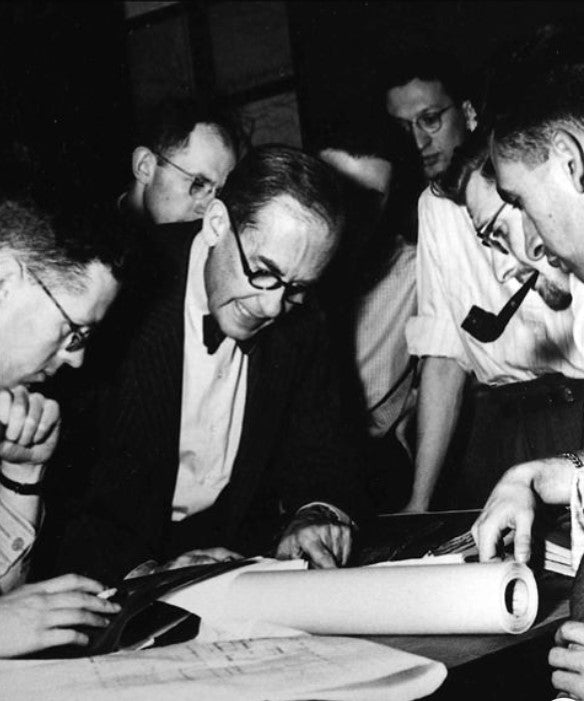
 A defining shift emerged in the early twentieth century with the founding of the Bauhaus in Weimar. Under the direction of Walter Gropius, the school proposed a new model, one that brought fine art and applied design into a unified language. Craft remained essential, yet it was now supported by theory, experimentation, and a belief that design could shape modern life in profound ways. T
his framework established design as both a discipline and a cultural force, opening pathways for fields such as industrial design, furniture design, and architecture to develop with intention and clarity.
In the decades that followed, design entered the public imagination with increasing presence. Through exhibitions, publications, and evolving domestic environments, a broader audience began to recognize the impact of well-considered objects and spaces. Furniture, lighting, and interiors became vehicles for a more thoughtful way of living, where proportion, material, and form contributed to a sense of harmony.
This legacy continues in the work of designers whose pieces are not only functional, but deeply studied and resolved. The lightness and precision of the Superleggera chair by Gio Ponti reflects a commitment to reducing form to its essential expression, while maintaining strength and elegance.
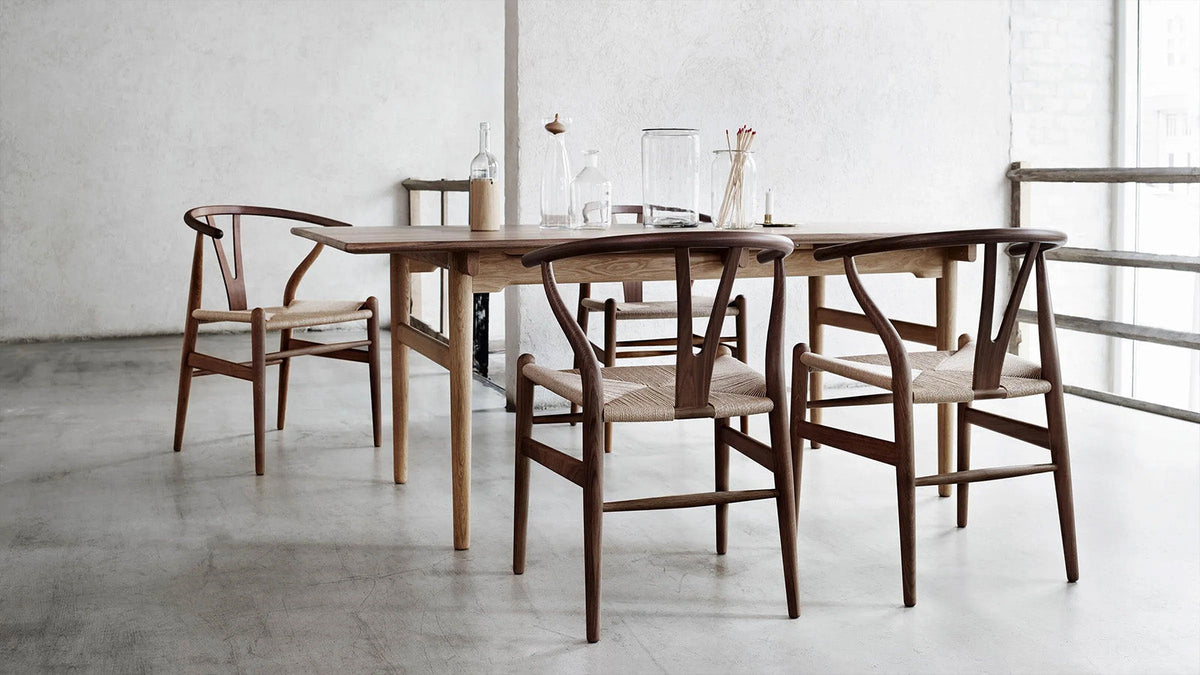
Similarly, the enduring relevance of the Wishbone Chair by Hans J. Wegner reveals how craftsmanship and ergonomic understanding can shape an object that feels both timeless and immediate. These works embody the principles that design education has long sought to articulate, where material, structure, and human experience are brought into alignment.
 As technology reshaped the creative landscape, design education expanded once again.
Digital tools introduced new methods of visualization and production, while contemporary discourse began to integrate sustainability, cultural awareness, and human-centered thinking into the process. Today, design exists within a network of disciplines, engaging with psychology, environmental science, and global systems in ways that reflect the complexity of contemporary life.
Within this evolving framework, the role of design education extends beyond institutions. It lives in the environments we inhabit, the objects we choose, and the experiences that shape our understanding of space. To engage with design is to participate in an ongoing dialogue, one that informs how we live and how we relate to the world around us.
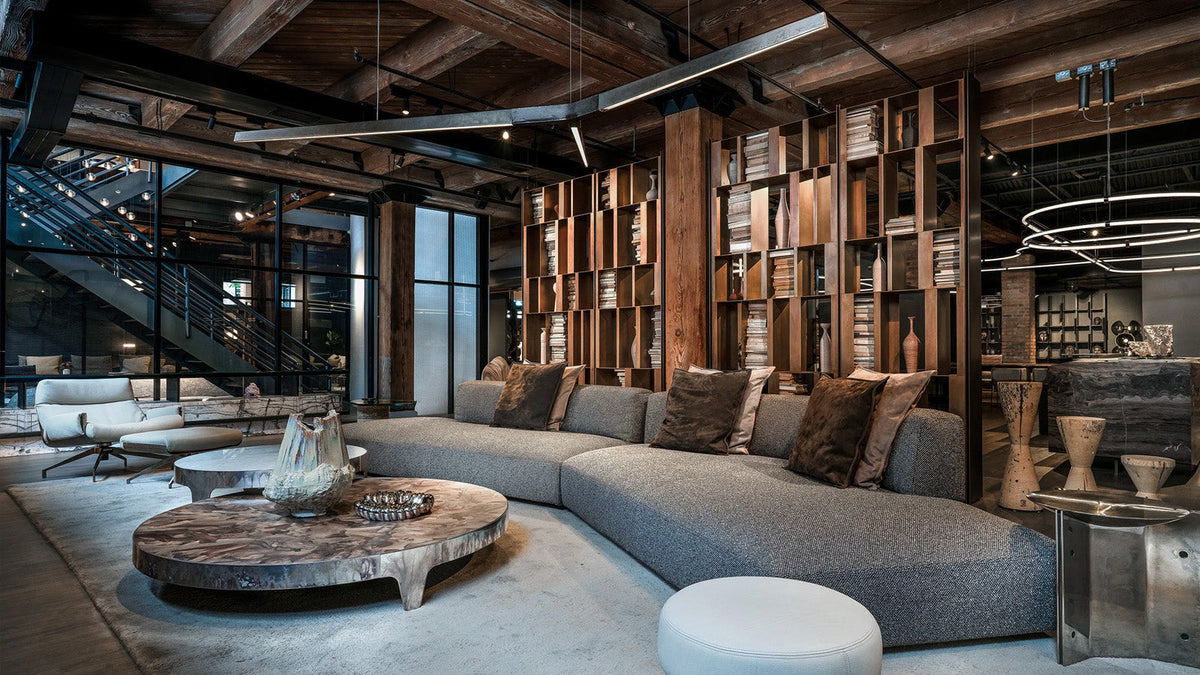
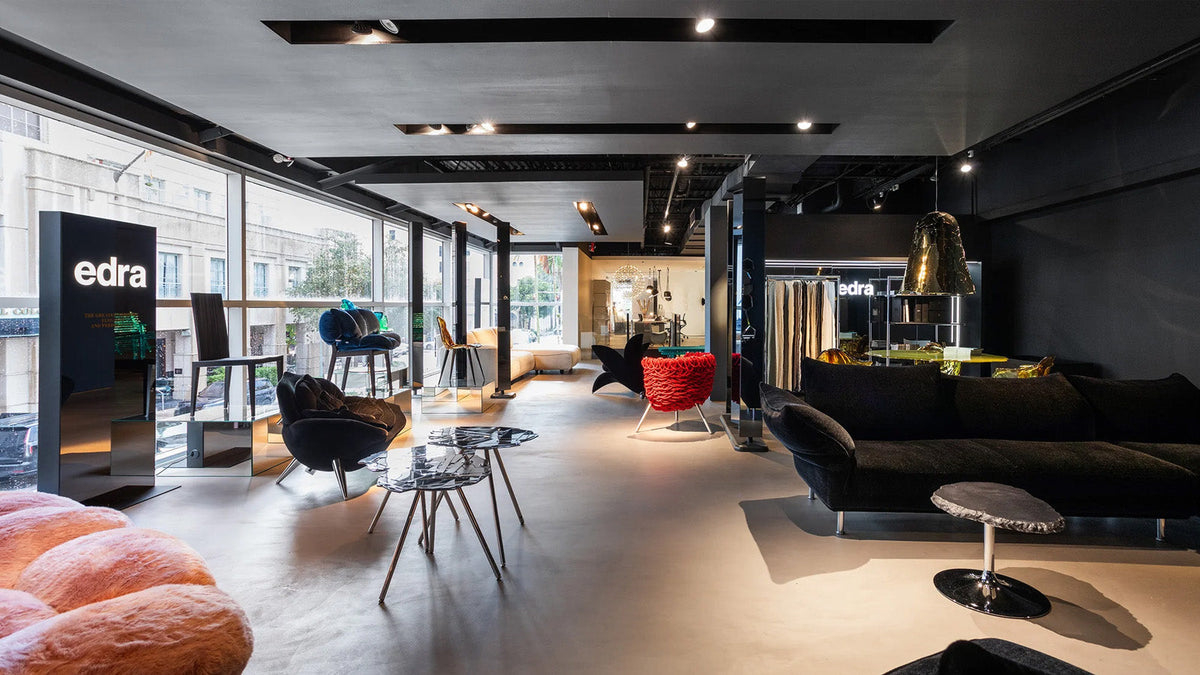
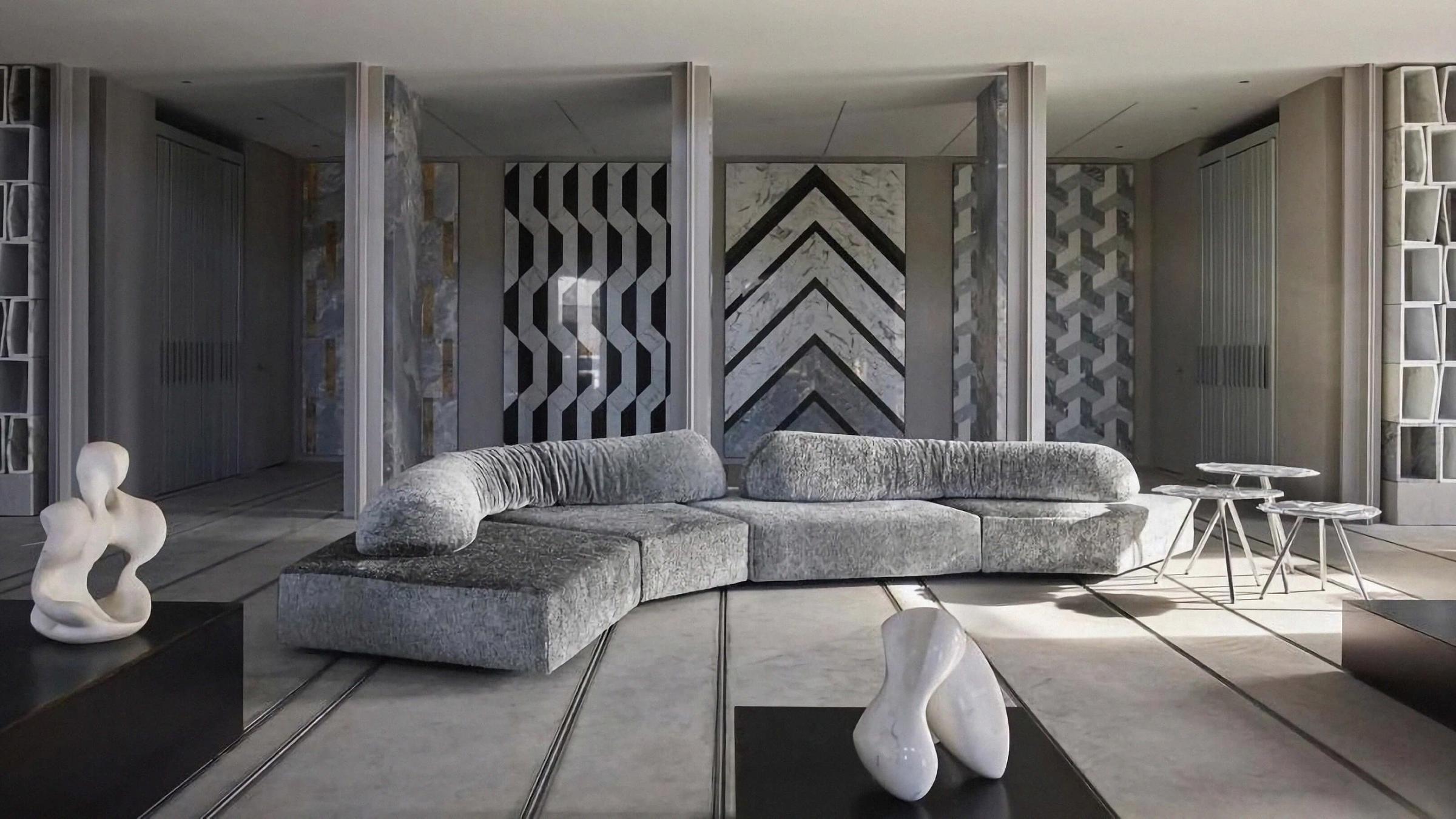
At Luminaire, design is approached as something to be experienced, not only studied. Through carefully curated collections and immersive showroom environments, visitors are invited to encounter design as a living presence, where ideas take form through material, proportion, and light.
We invite you to explore these works in person, to engage with pieces that have emerged from generations of thought and making, and to consider how they might shape the atmosphere and experience of your own space. Through a visit or a private consultation, design becomes not only something to admire, but something to live with.
Luminaire at Design West Hollywood 2026
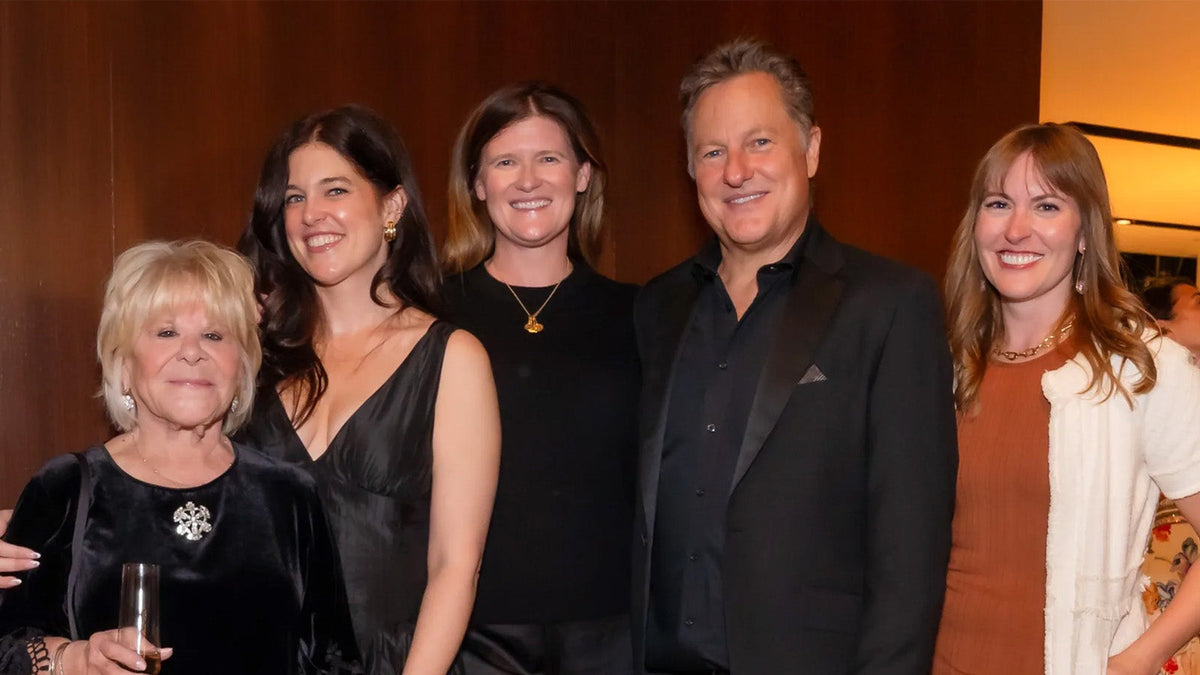
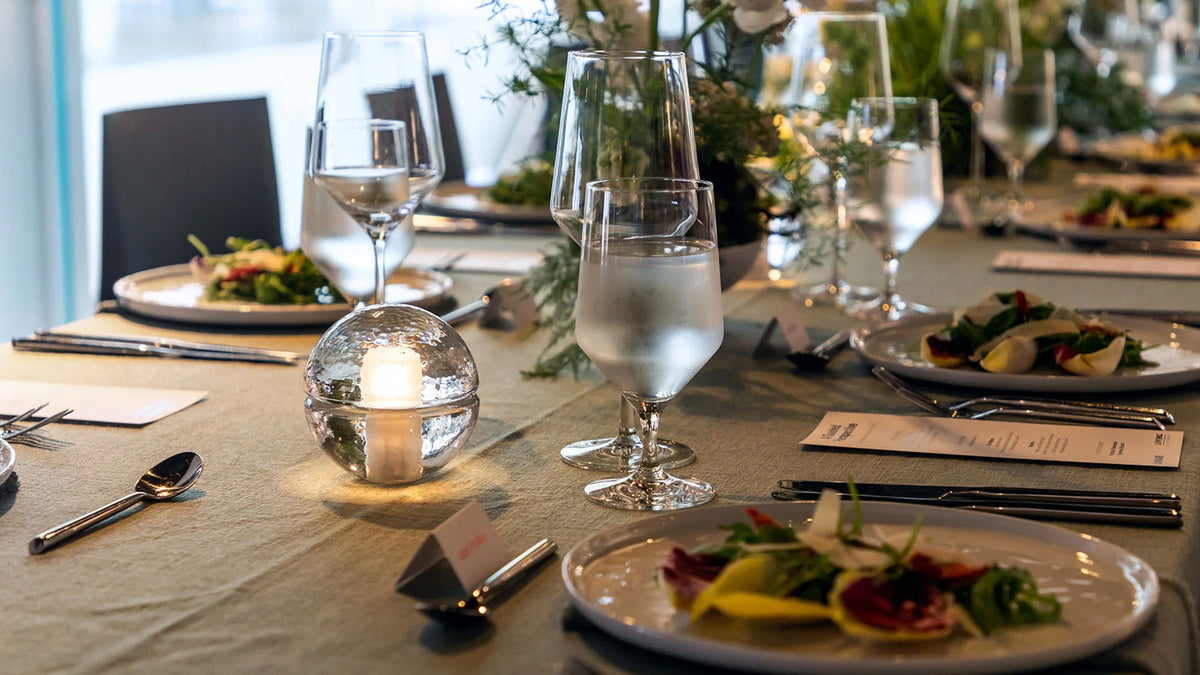
Design West Hollywood 2026 celebrated creativity, connection, and contemporary design, with Luminaire Los Angeles and Arclinea Los Angeles hosting memorable gatherings that brought the design community together.
In Conversation with Sophie Goineau
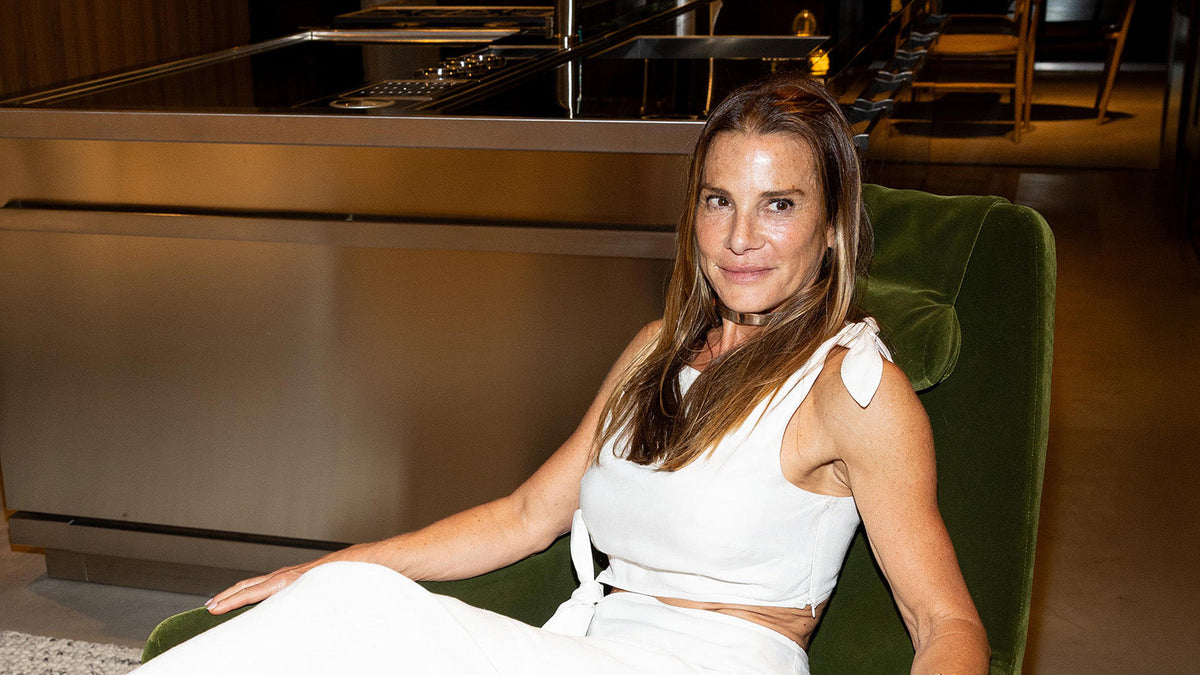
Interior architect Sophie Goineau designs across scales, from a single object to the architecture around it and the land beyond. She discusses composing interiors as one continuous experience, letting each place and its people shape a project's language, and her work on Selby Lane with the San Francisco team.
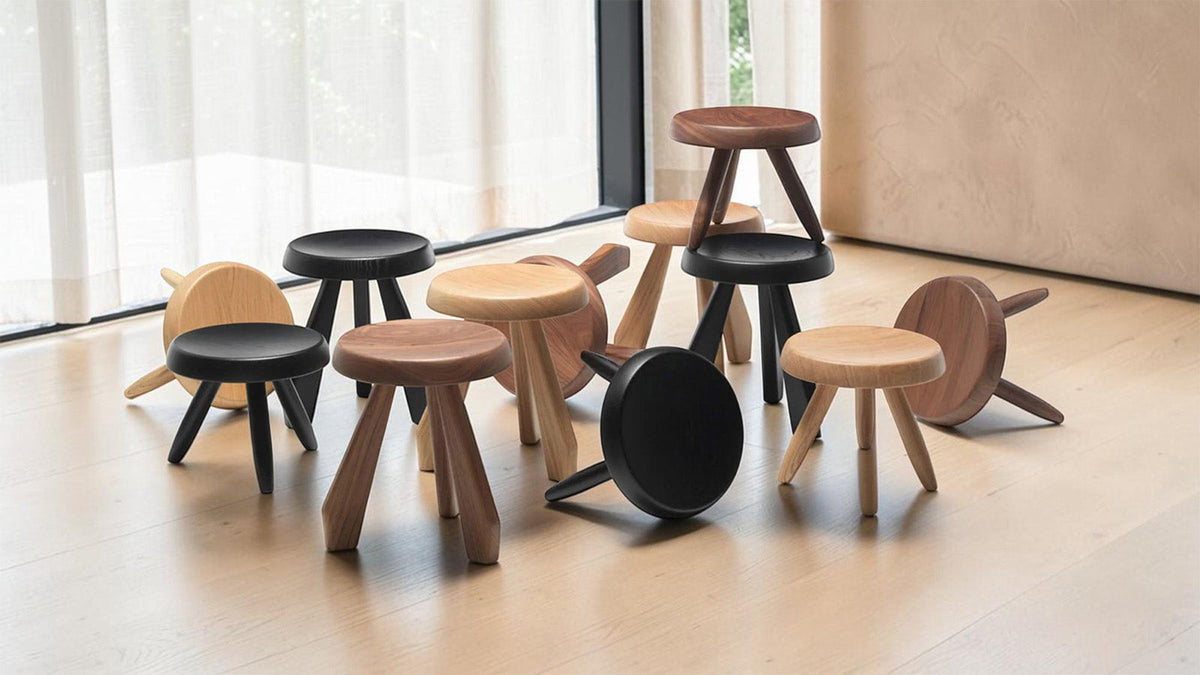
Charlotte Perriand's Tabouret Stools: Alpine Form, Modern Use
Read moreabout Charlotte Perriand's Tabouret Stools: Alpine Form, Modern Use
Inside Luminaire Chicago: Italian Design in River North Since 1989
Read moreabout Inside Luminaire Chicago: Italian Design in River North Since 1989
Eileen Gray's E 1027 Table: A Design Conceived for Living
Read moreabout Eileen Gray's E 1027 Table: A Design Conceived for Living
LC14 Tabouret Cabanon: Le Corbusier's Smallest Architecture
Read moreabout LC14 Tabouret Cabanon: Le Corbusier's Smallest Architecture
Sacco Chair by Zanotta: The 1968 Object That Refused to Be Furniture
Read moreabout Sacco Chair by Zanotta: The 1968 Object That Refused to Be Furniture
Inside Luminaire Coral Gables: The Showroom and Its Design Services
Read moreabout Inside Luminaire Coral Gables: The Showroom and Its Design Services
The Wishbone Chair: Hans Wegner's CH24 and the Art of Making
Read moreabout The Wishbone Chair: Hans Wegner's CH24 and the Art of Making
Cassina Chairs - The Collectors' Guide
Few furniture makers have shaped the chair as a cultural object the way Cassina has. From their earliest collaborations with the European avant-garde to their ongoing stewardship of the twentieth century's most consequential seating designs, the Meda-based manufacturer remains the standard against which Italian furniture brands are measured. This guide surveys the Cassina chairs we carry and the ideas embedded in each one.
On the Rocks by Edra: Francesco Binfaré's Geology of Rest
Read moreabout On the Rocks by Edra: Francesco Binfaré's Geology of Rest
The 14p Portable Lamp: Bocci's Cast-Glass Sphere, Untethered
Read moreabout The 14p Portable Lamp: Bocci's Cast-Glass Sphere, Untethered
Our design services cover everything from concept development to installation, including product guidance, material selection, custom configurations, pricing, and lead‑time coordination.
Speak with a Design Consultant
Call 855-341-3620 for assistance during business hours.
Enroll for privileged access to iconic design, emerging trends, exclusive events, and thoughtfully curated offers.

Share:
As Trends Become Timeless
The Future of Design Retail