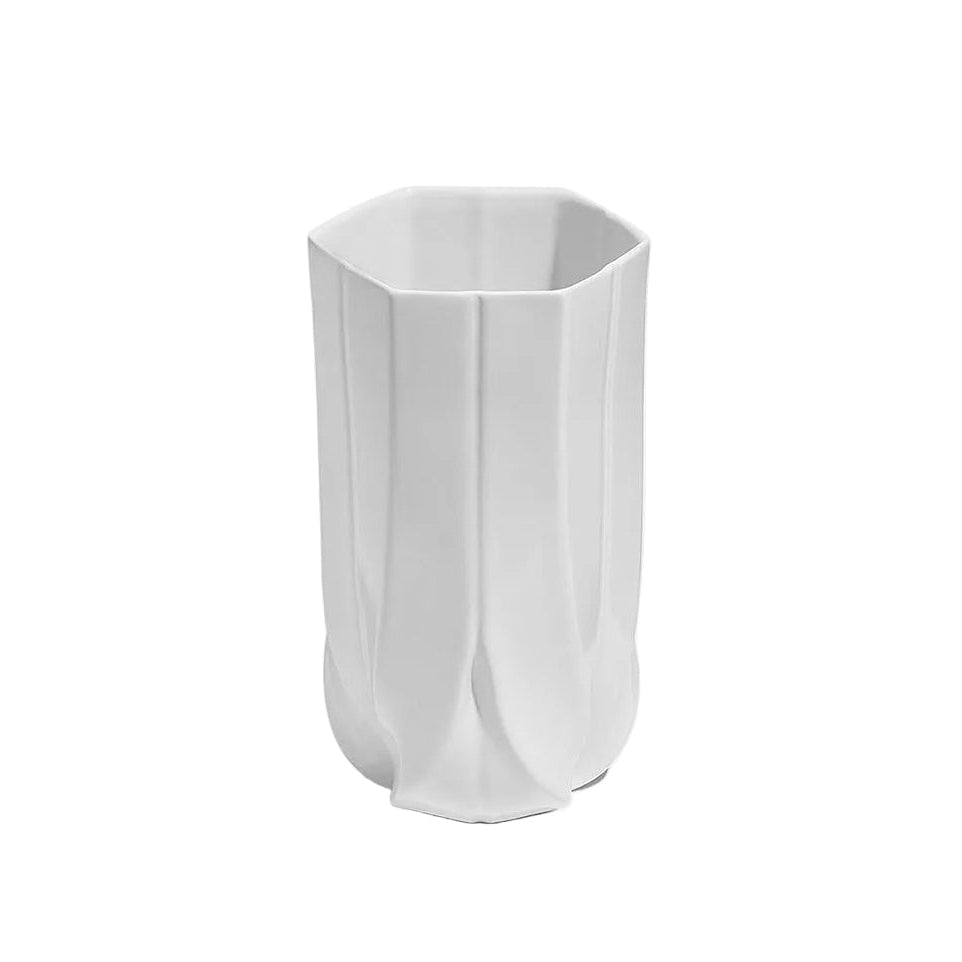
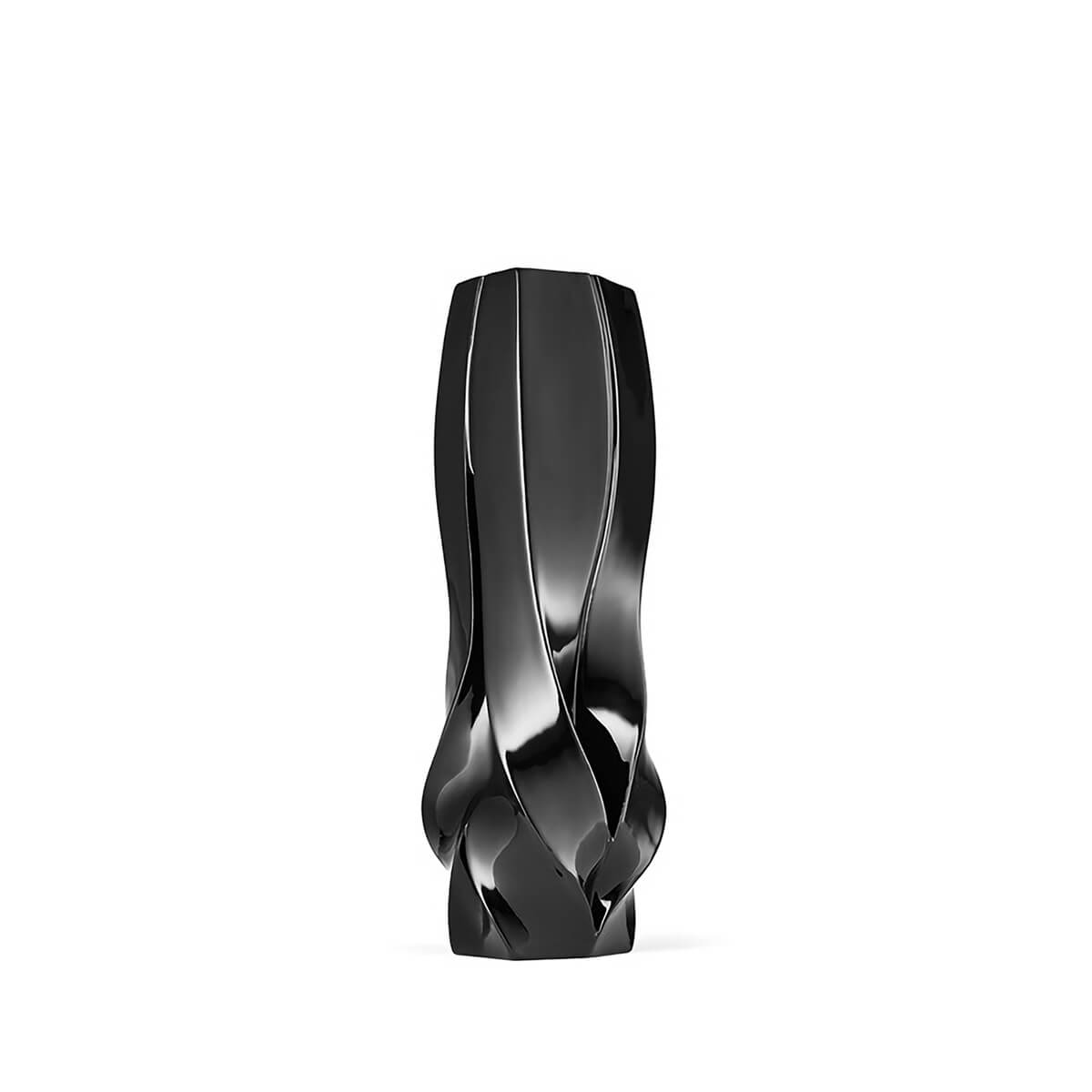
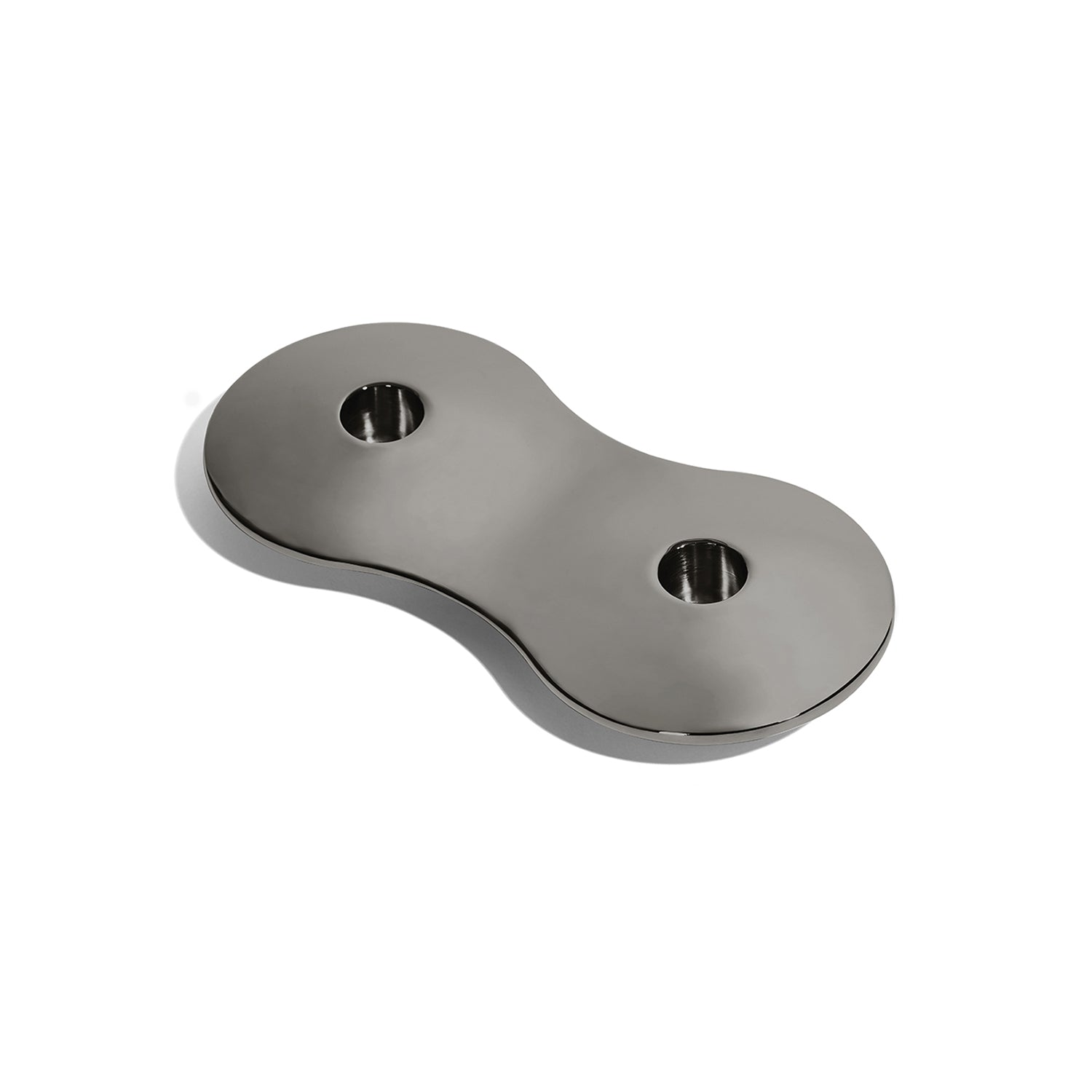
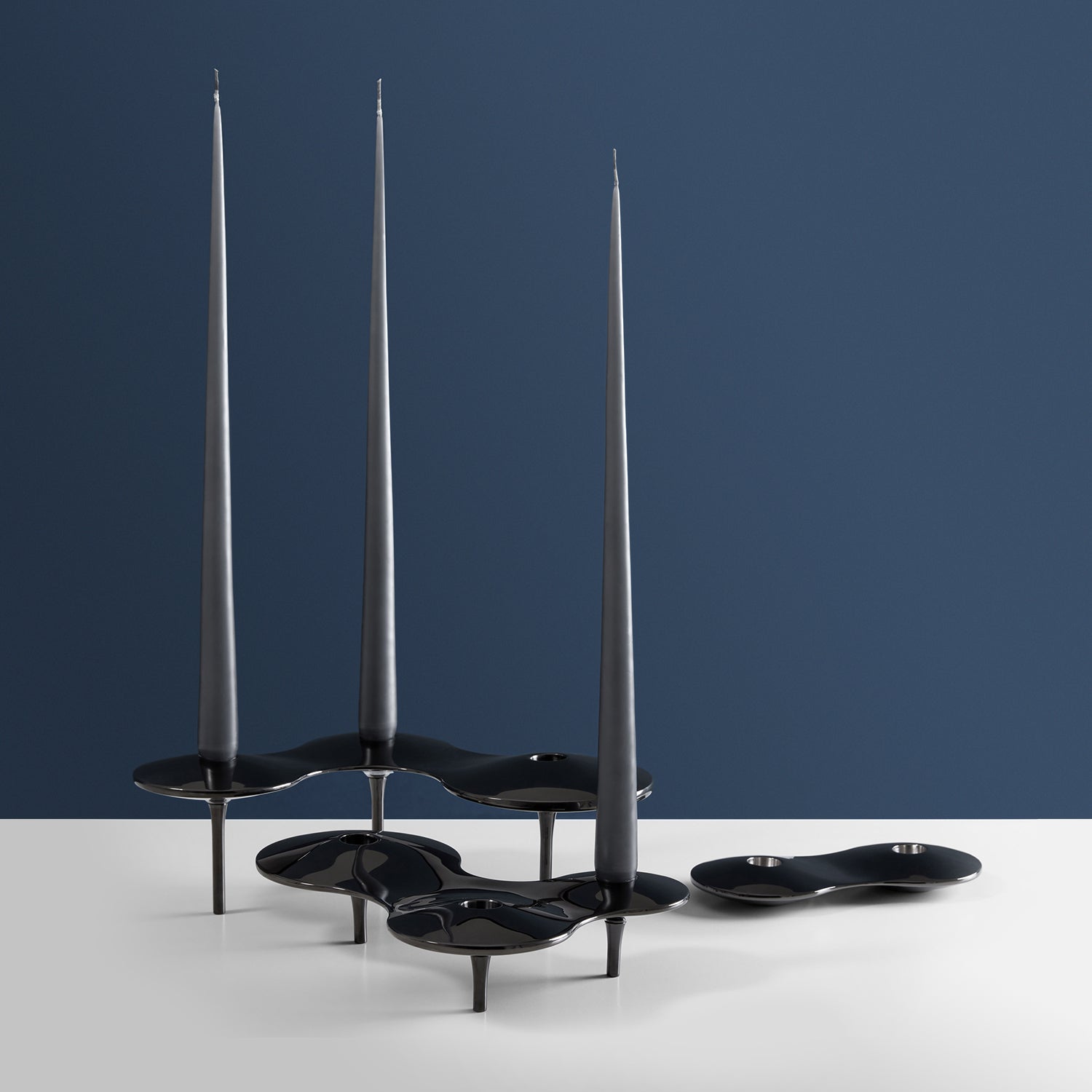
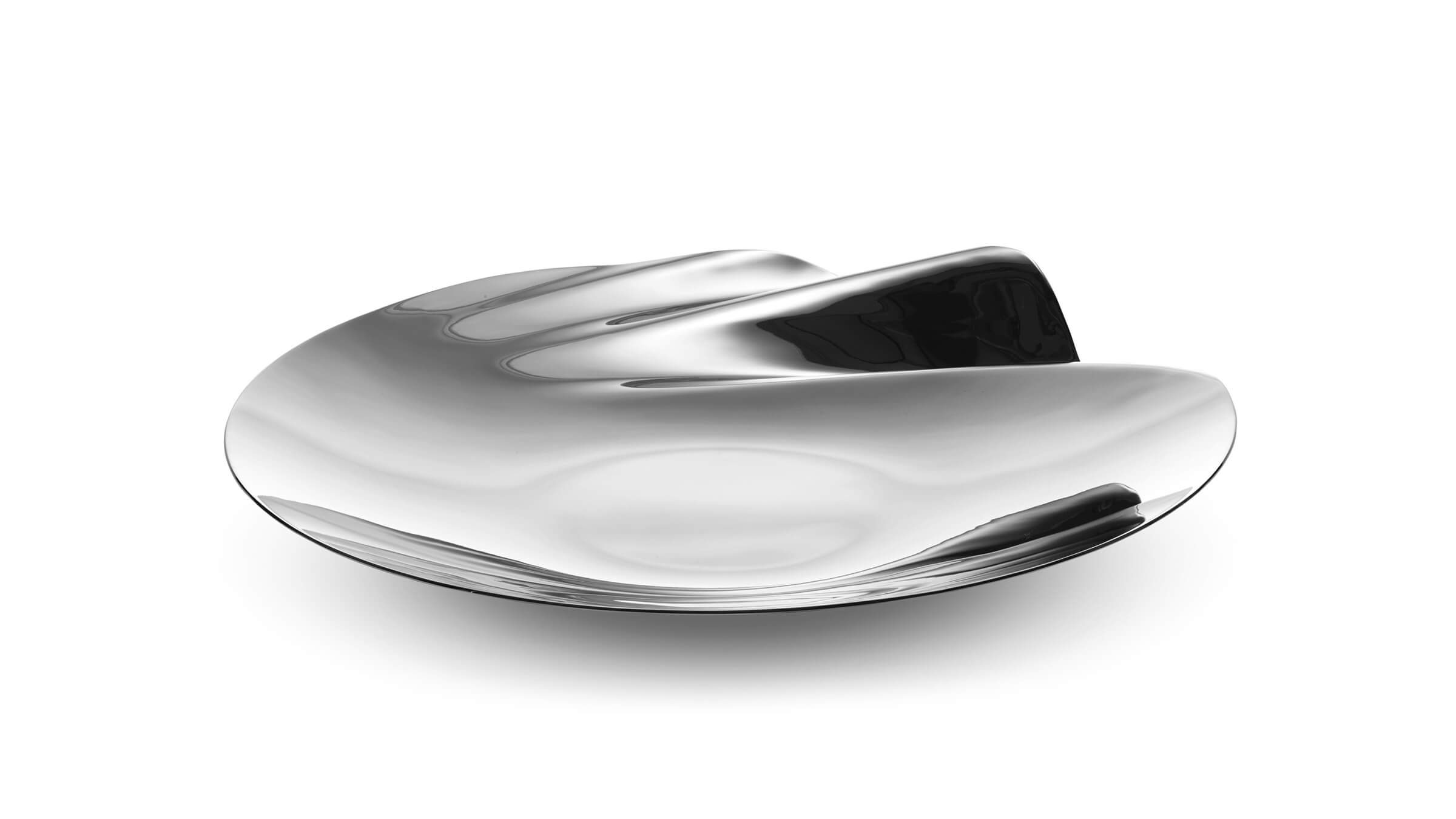
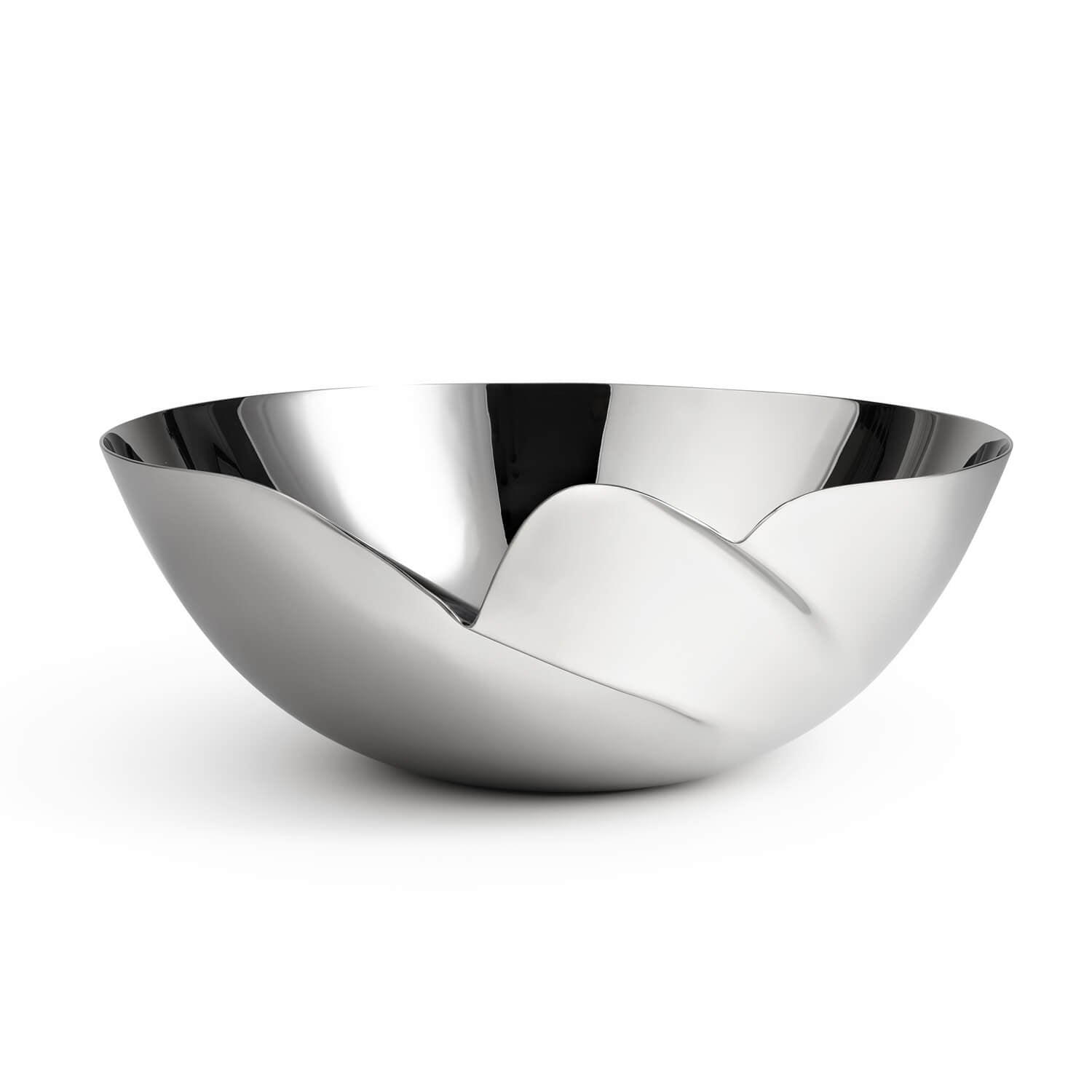
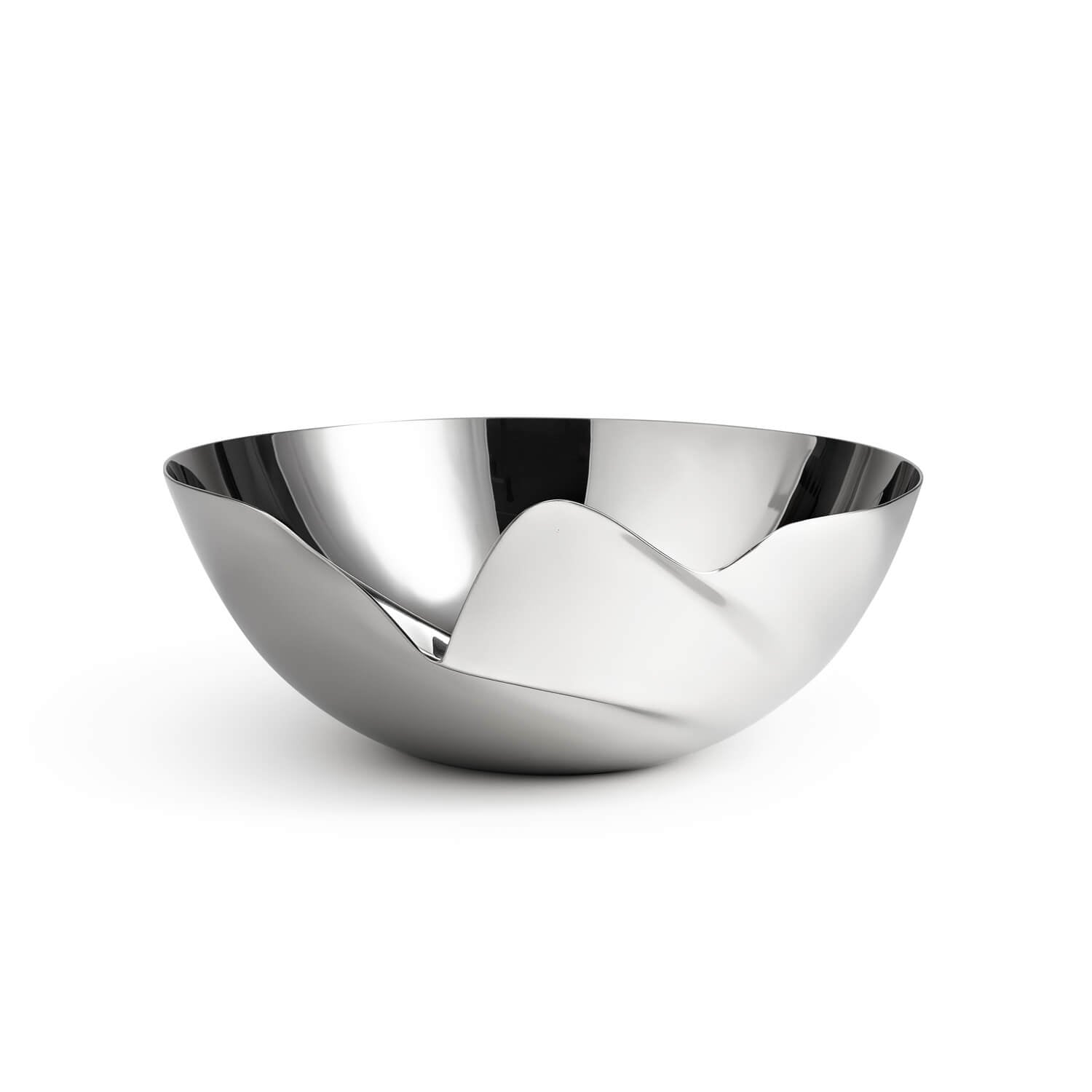
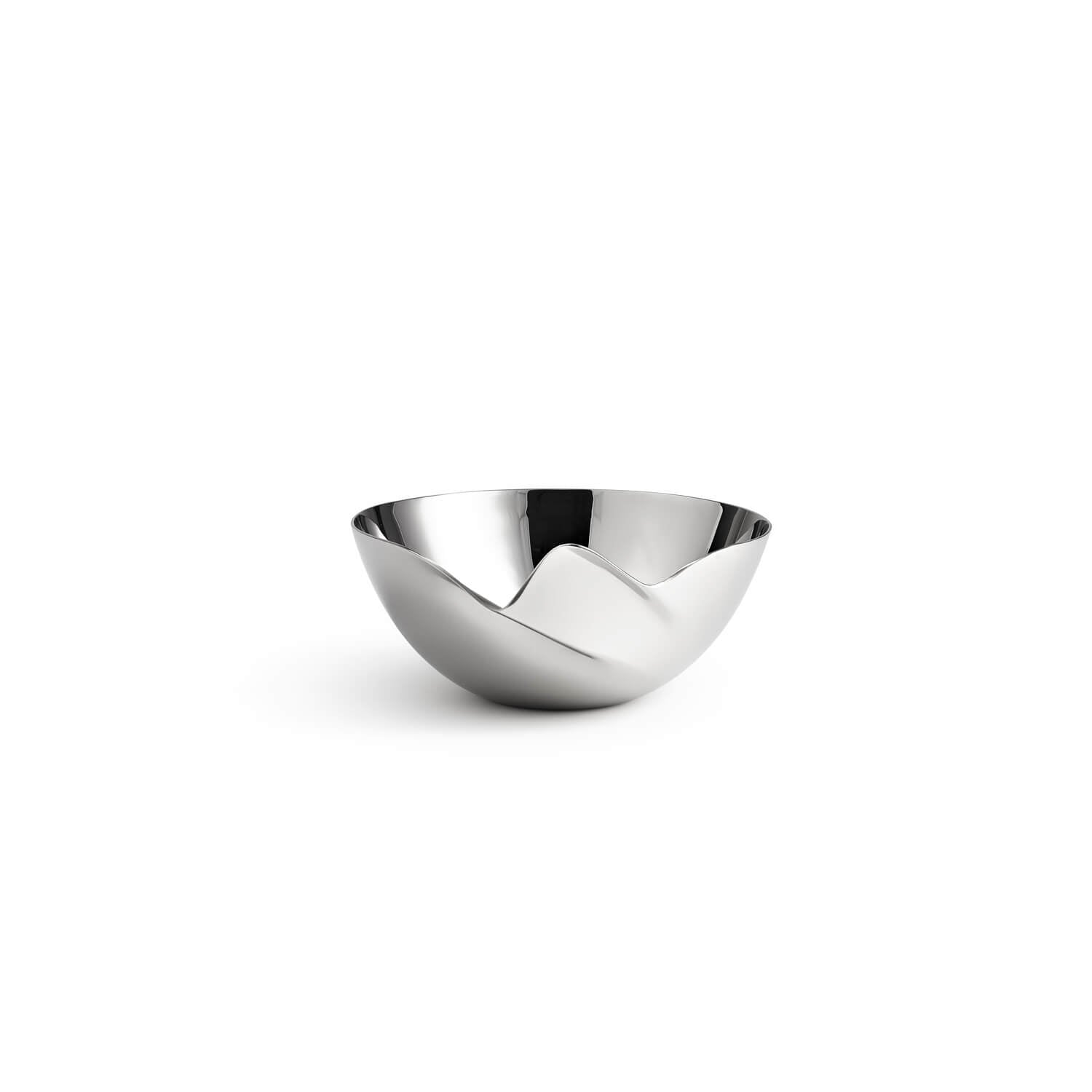
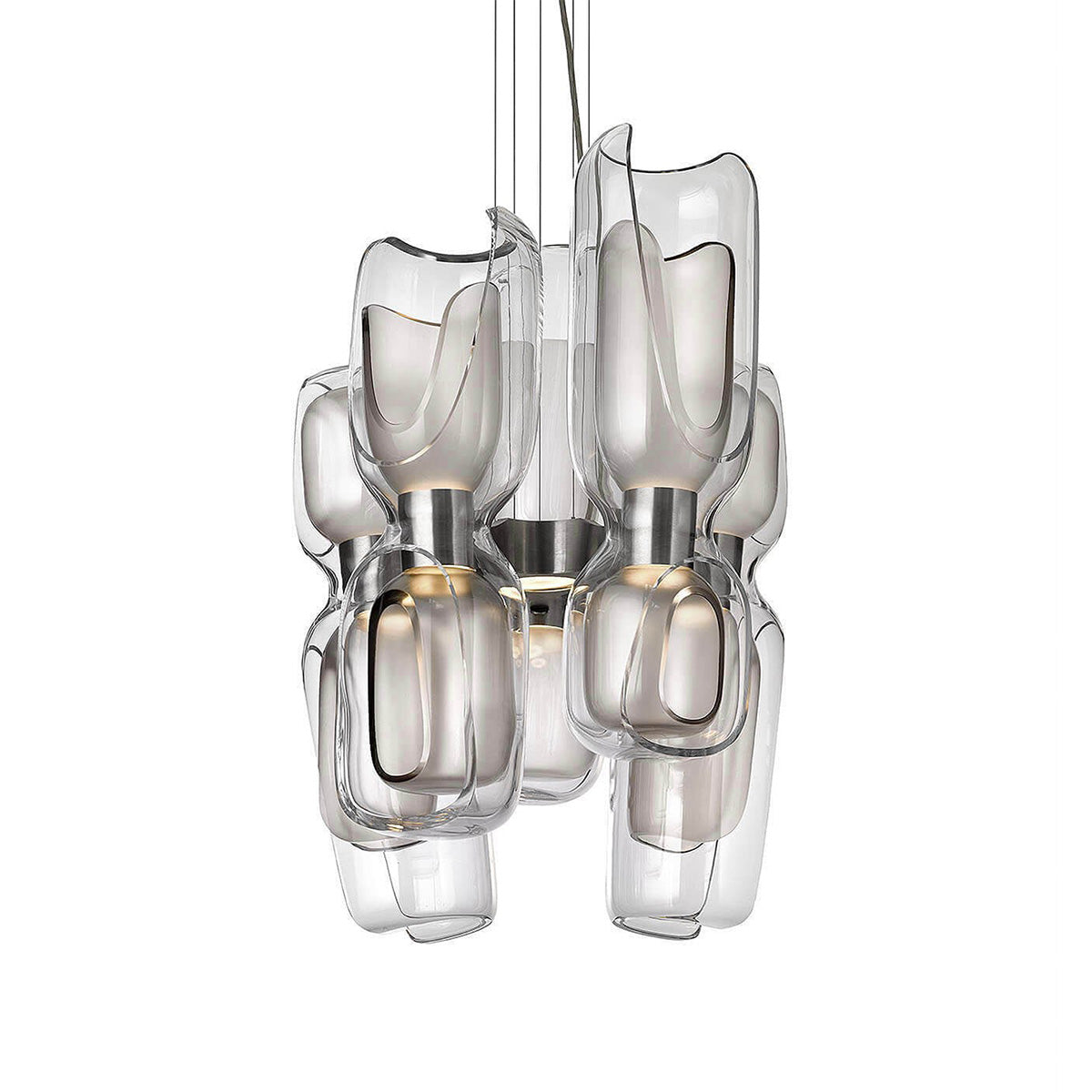
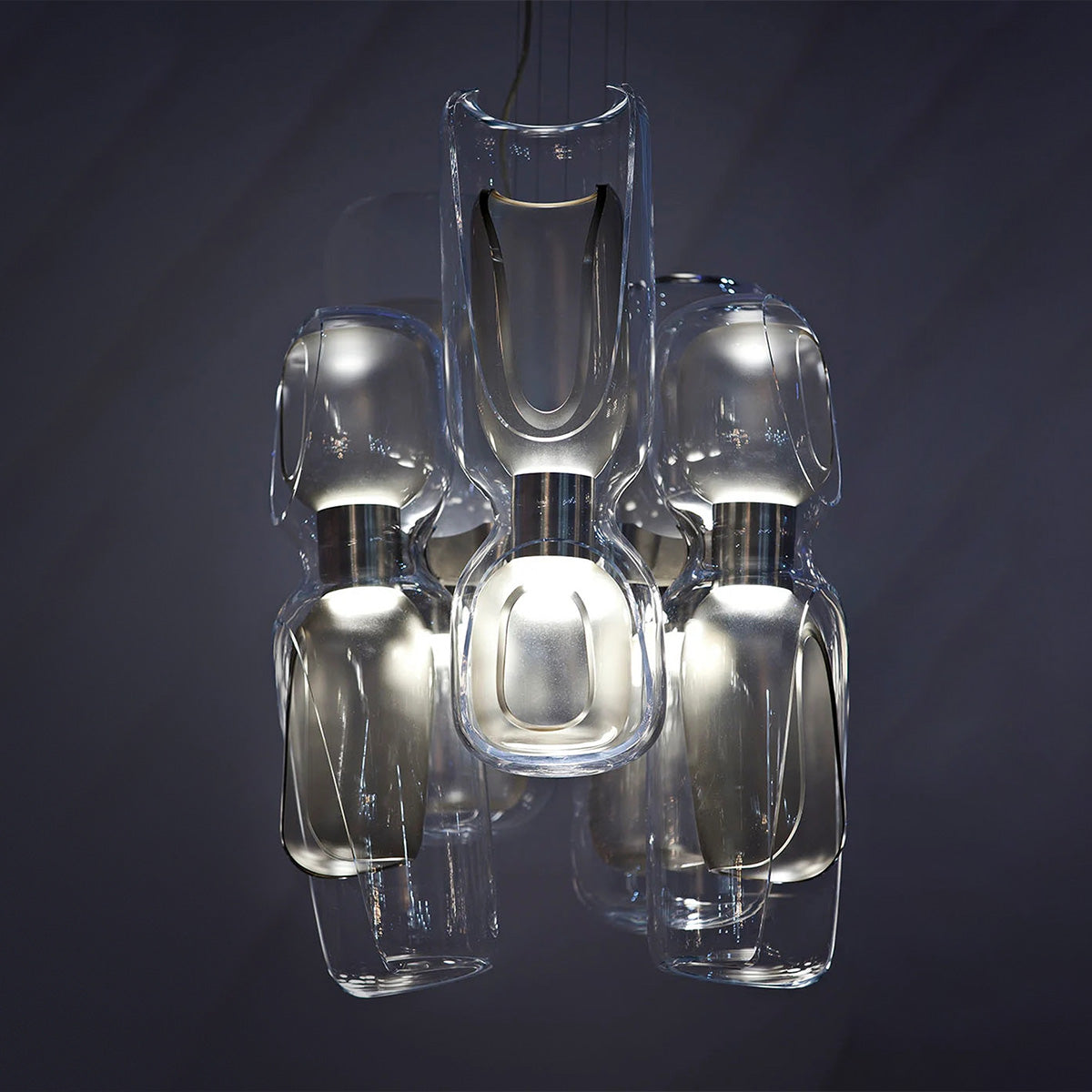
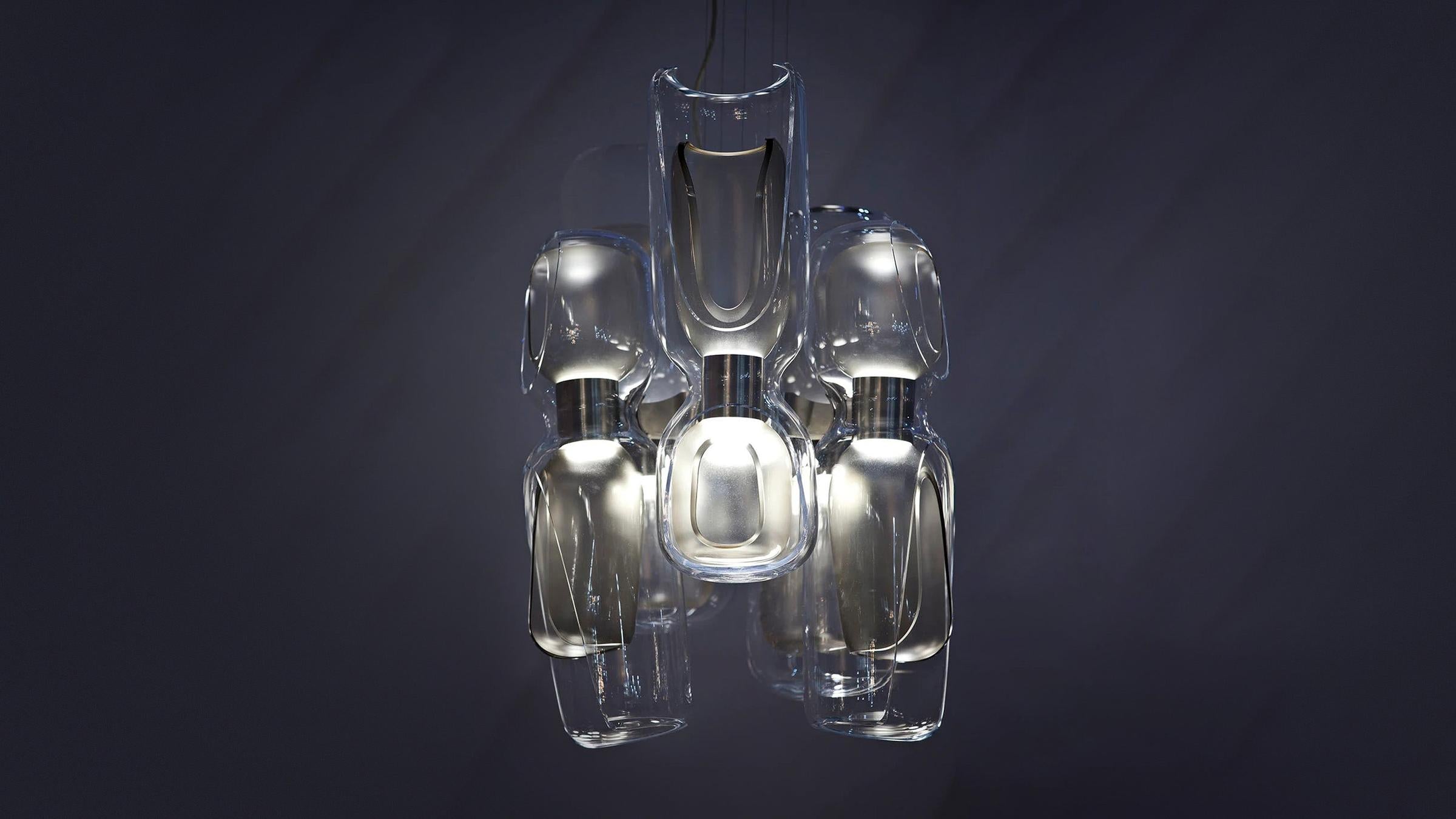
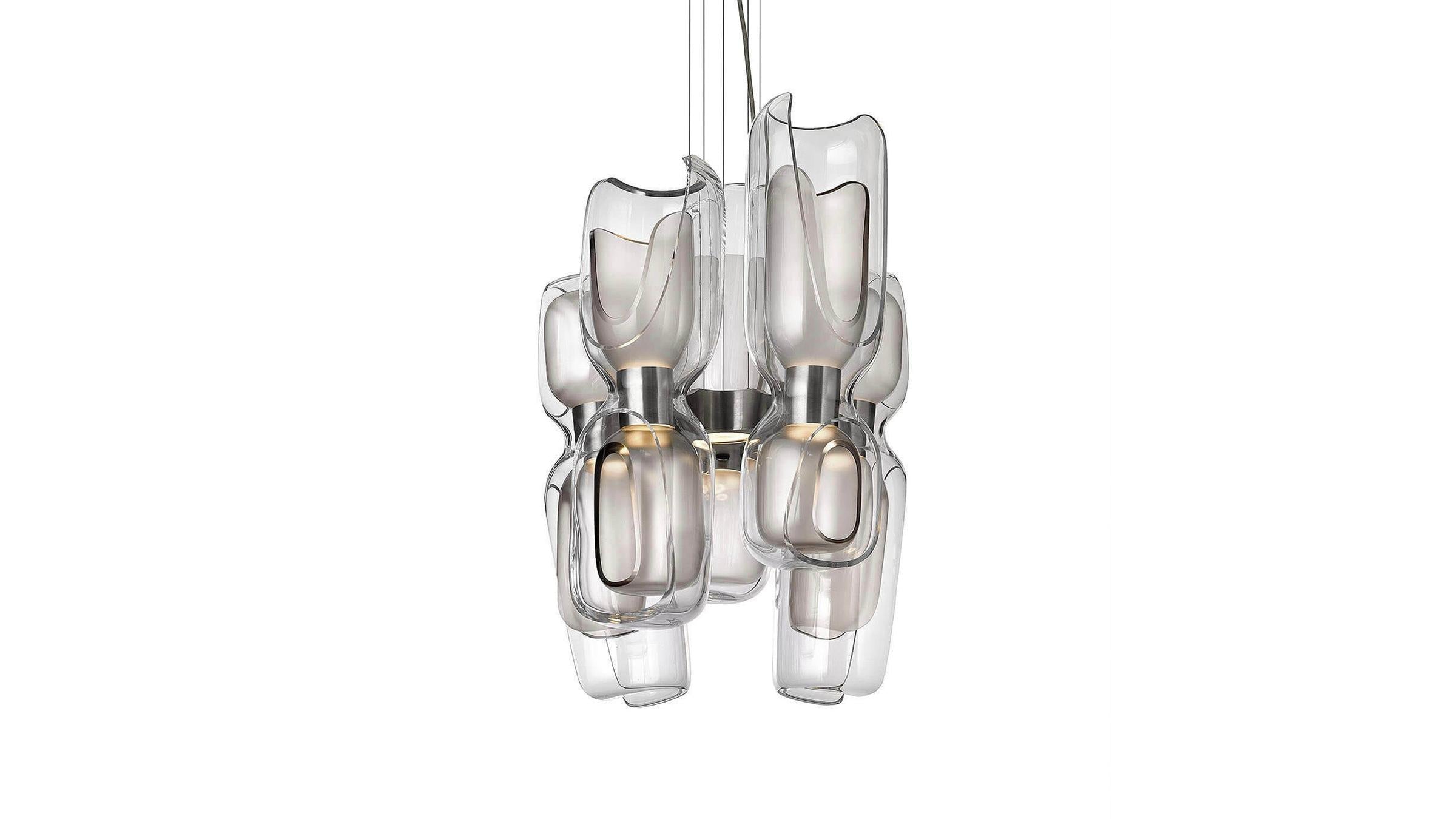
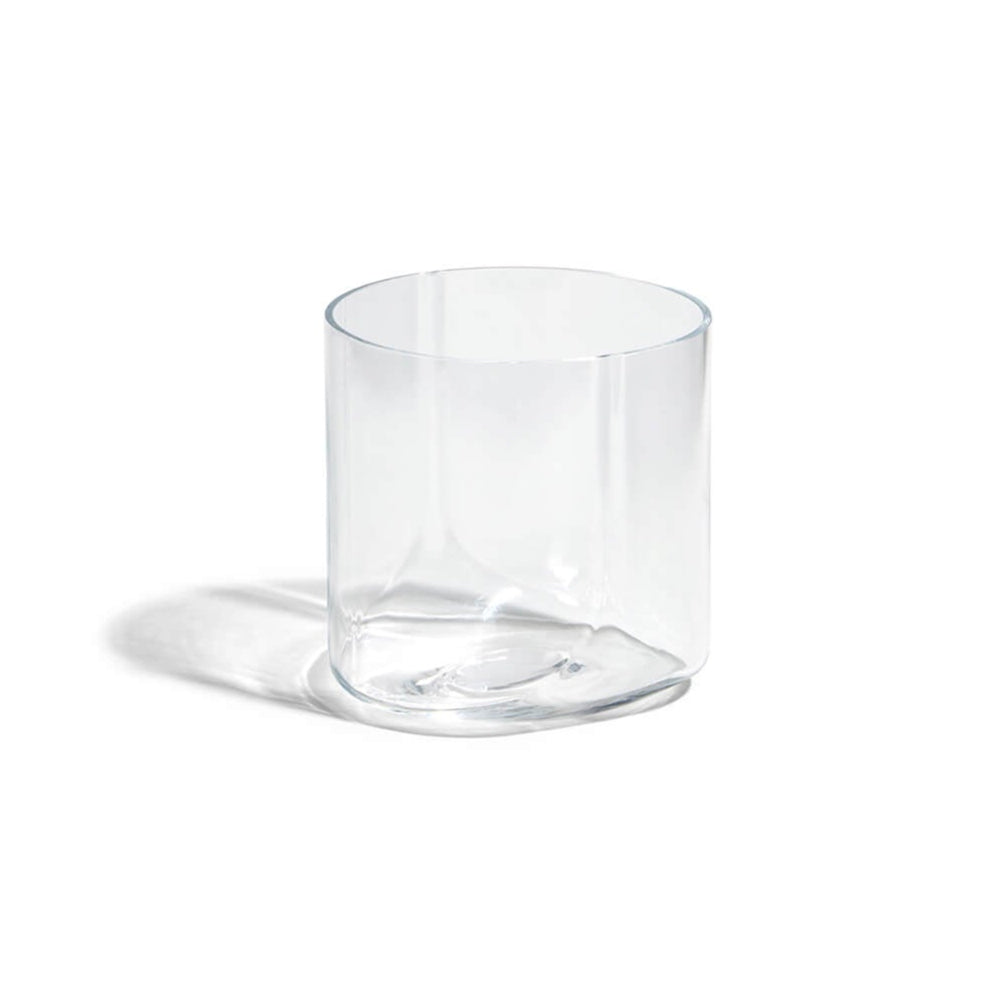
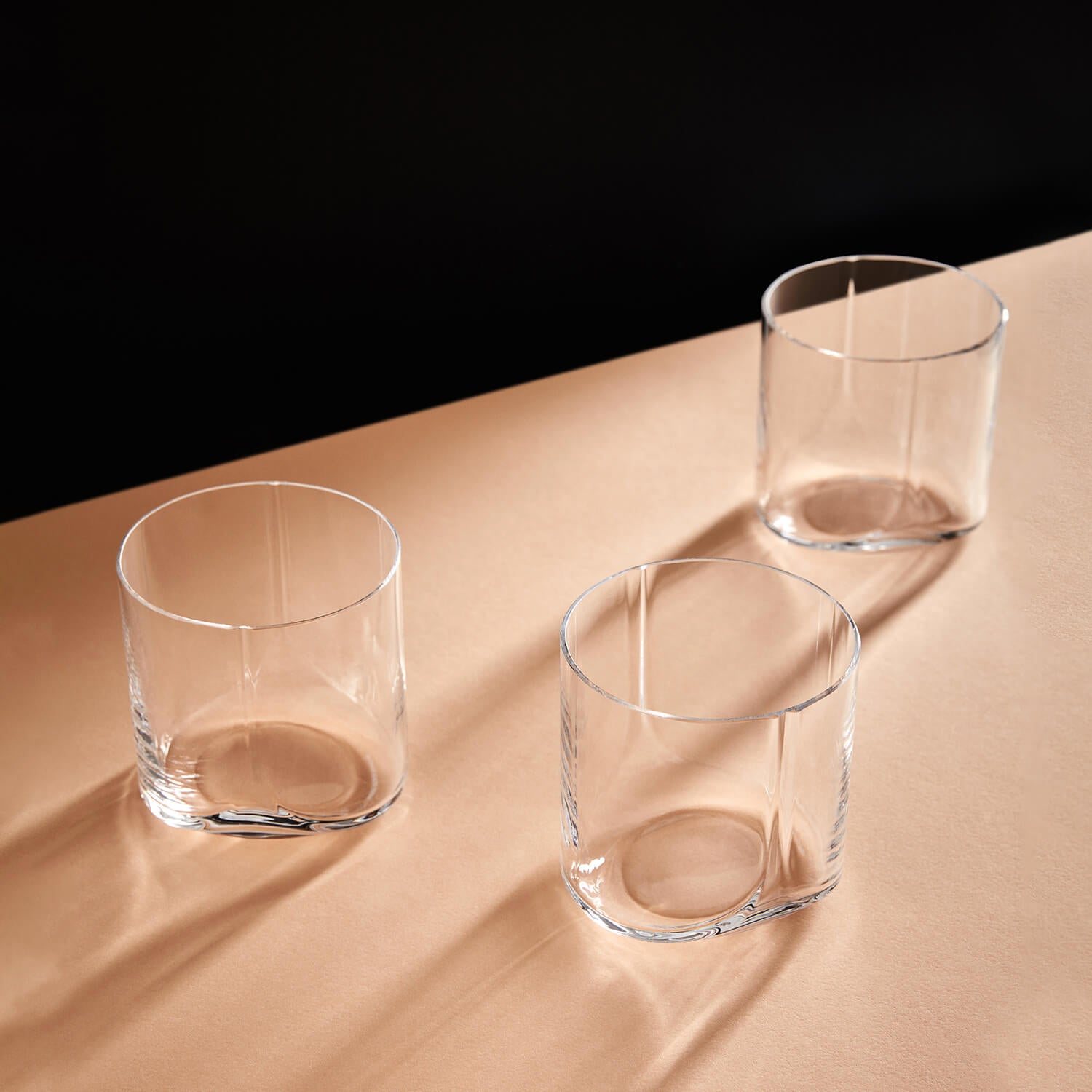
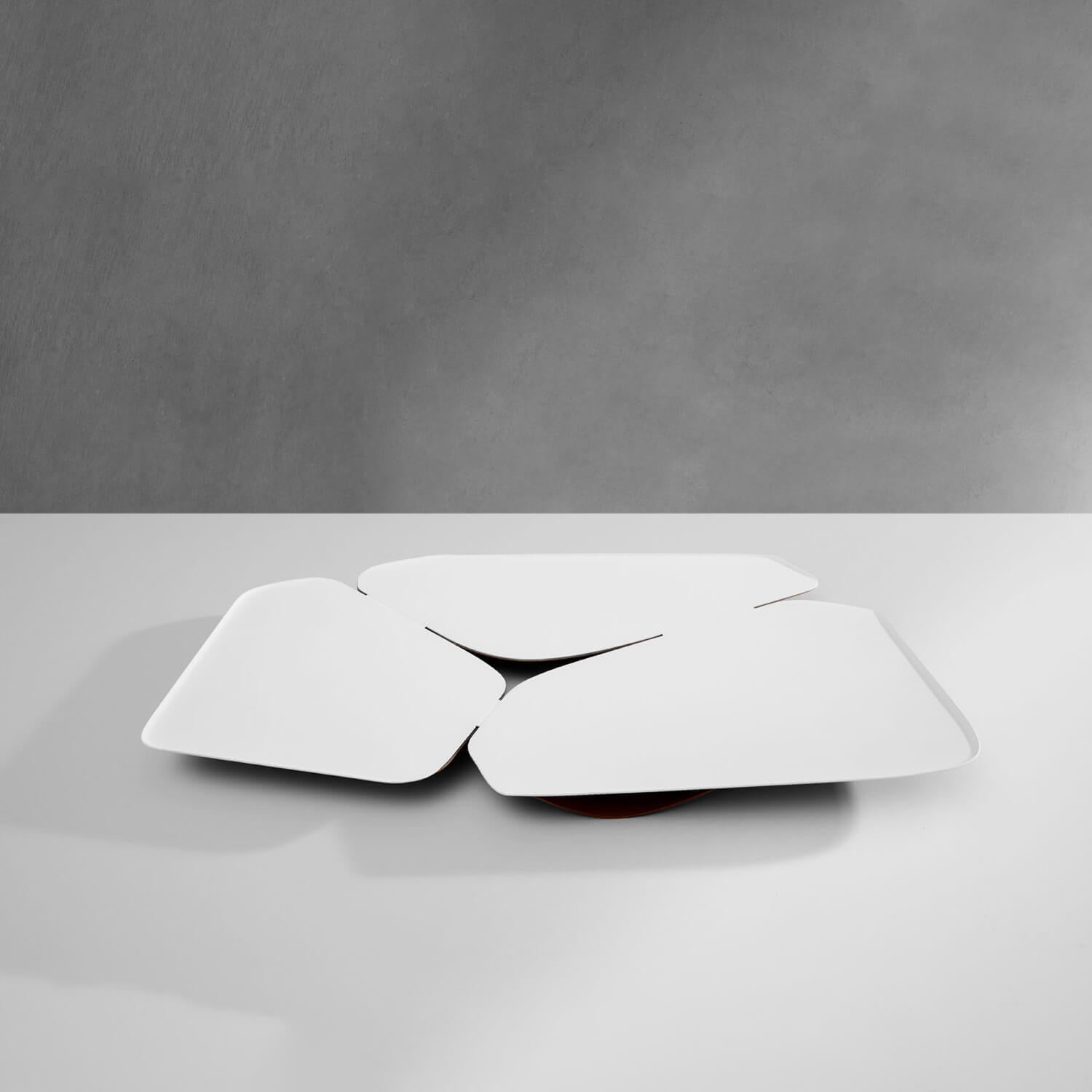
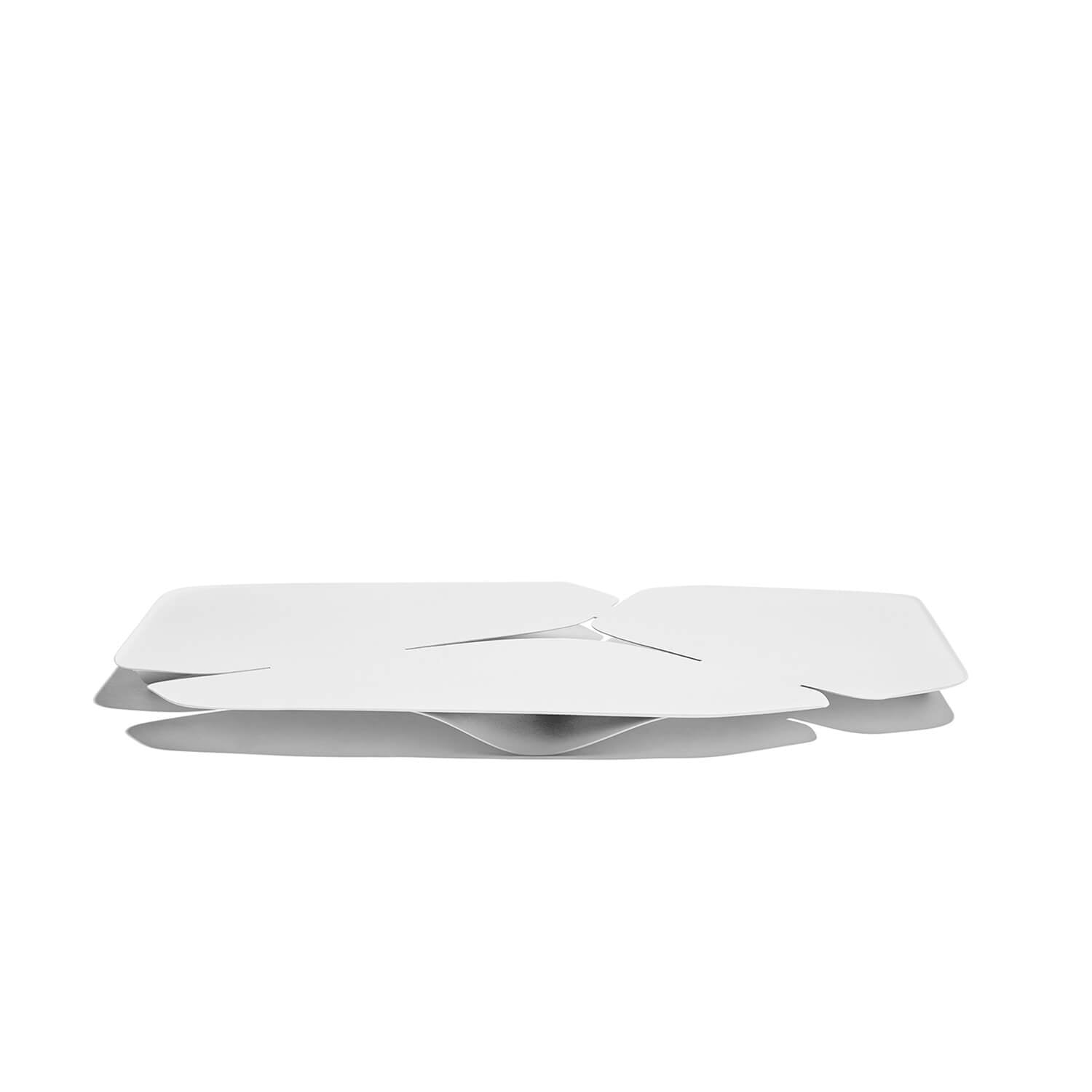
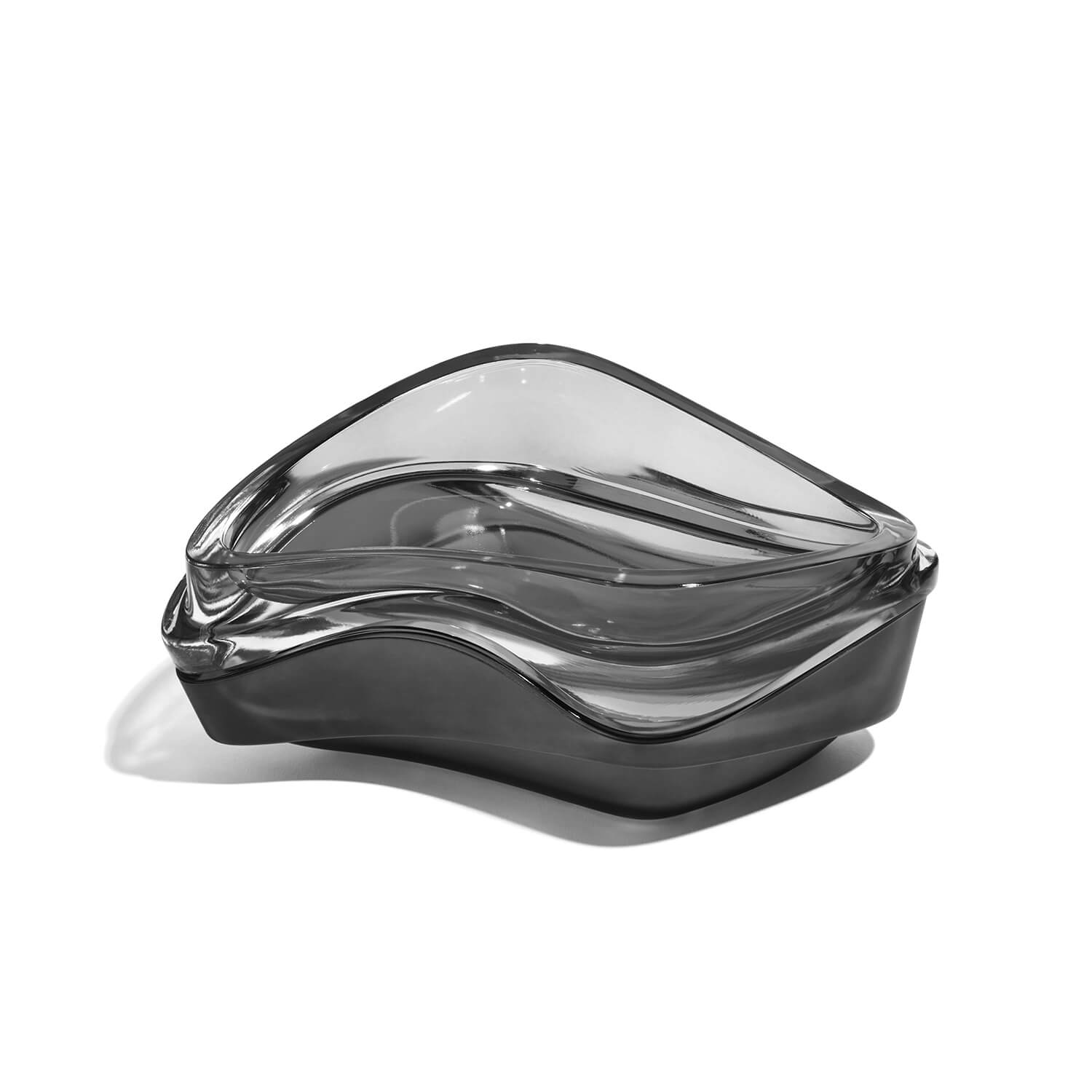
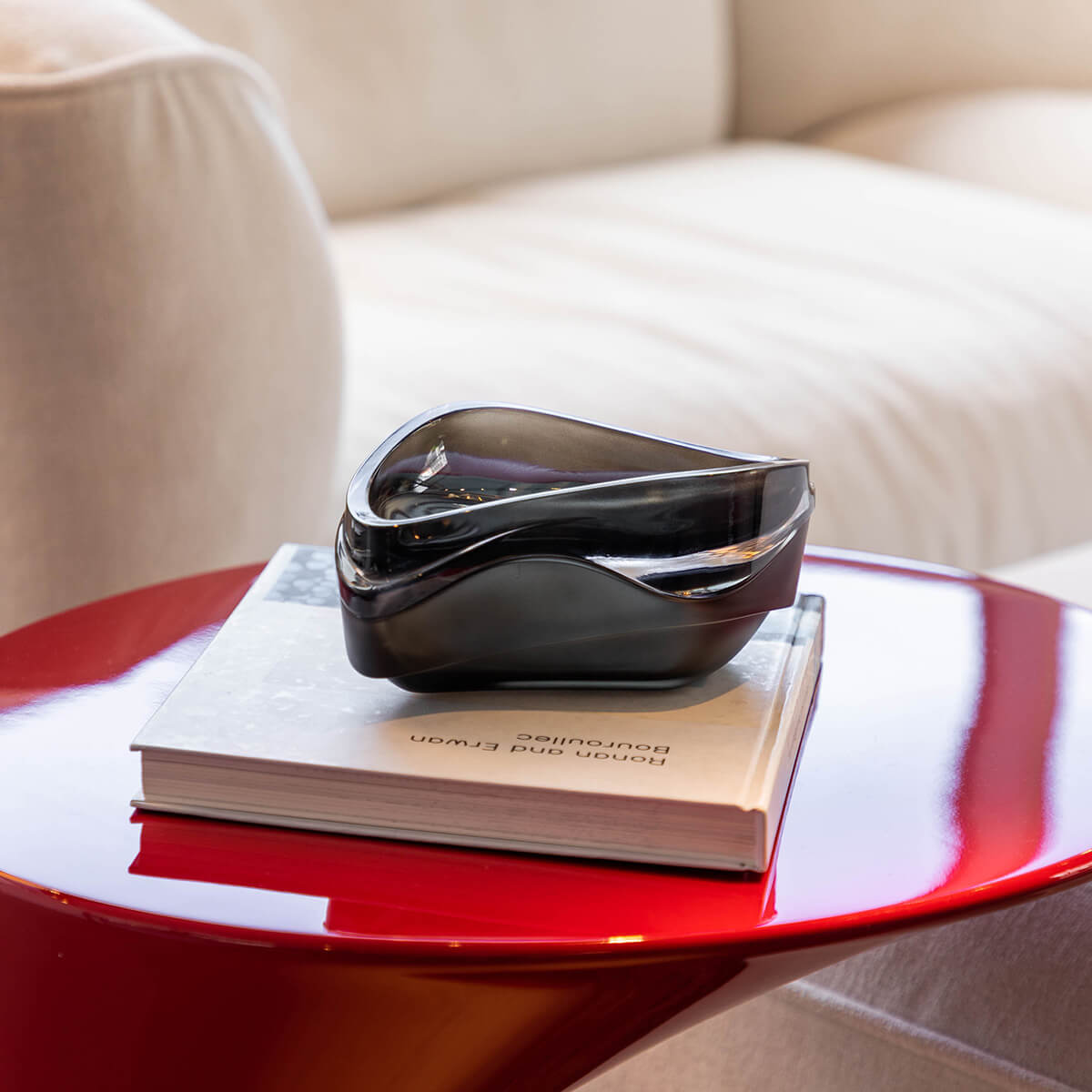
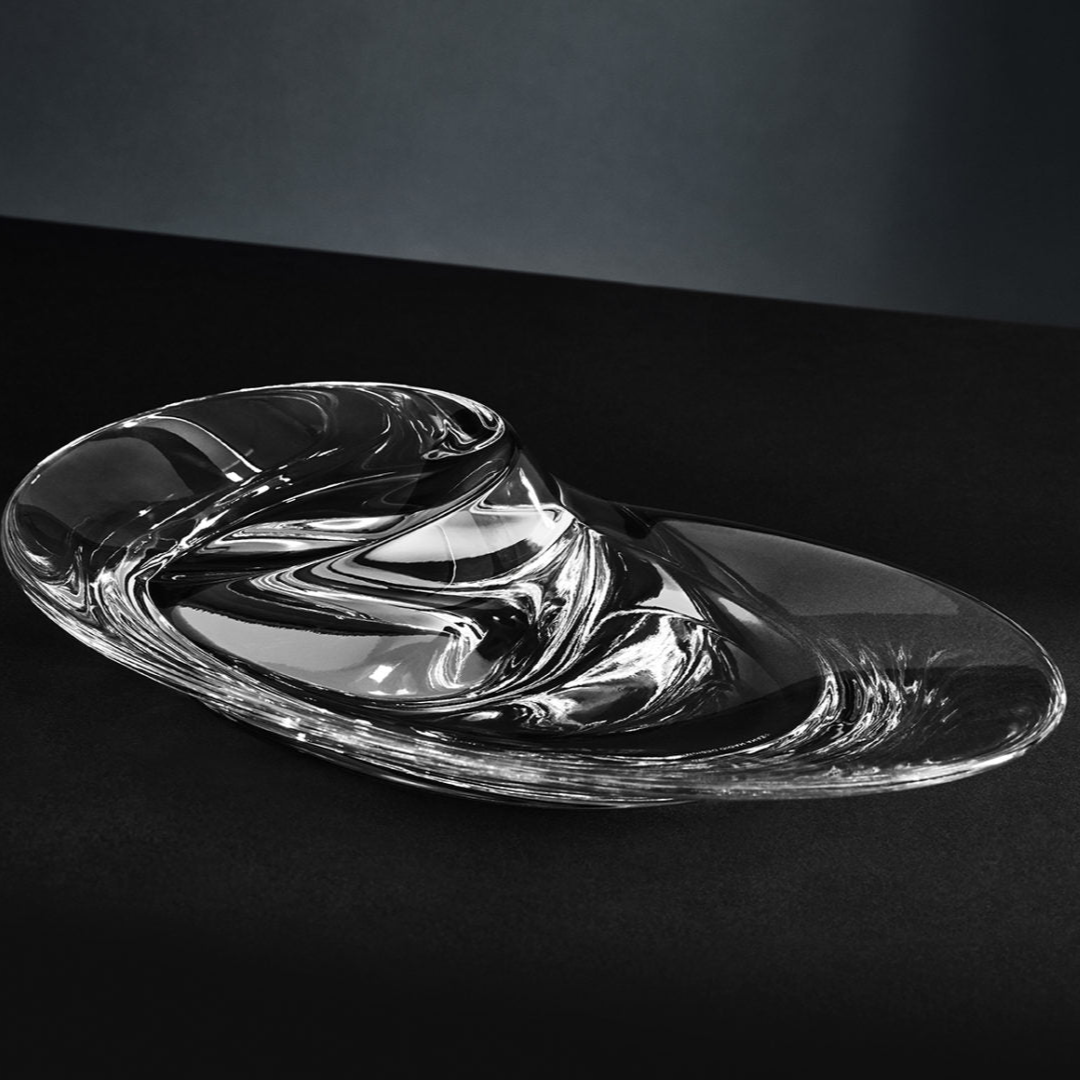
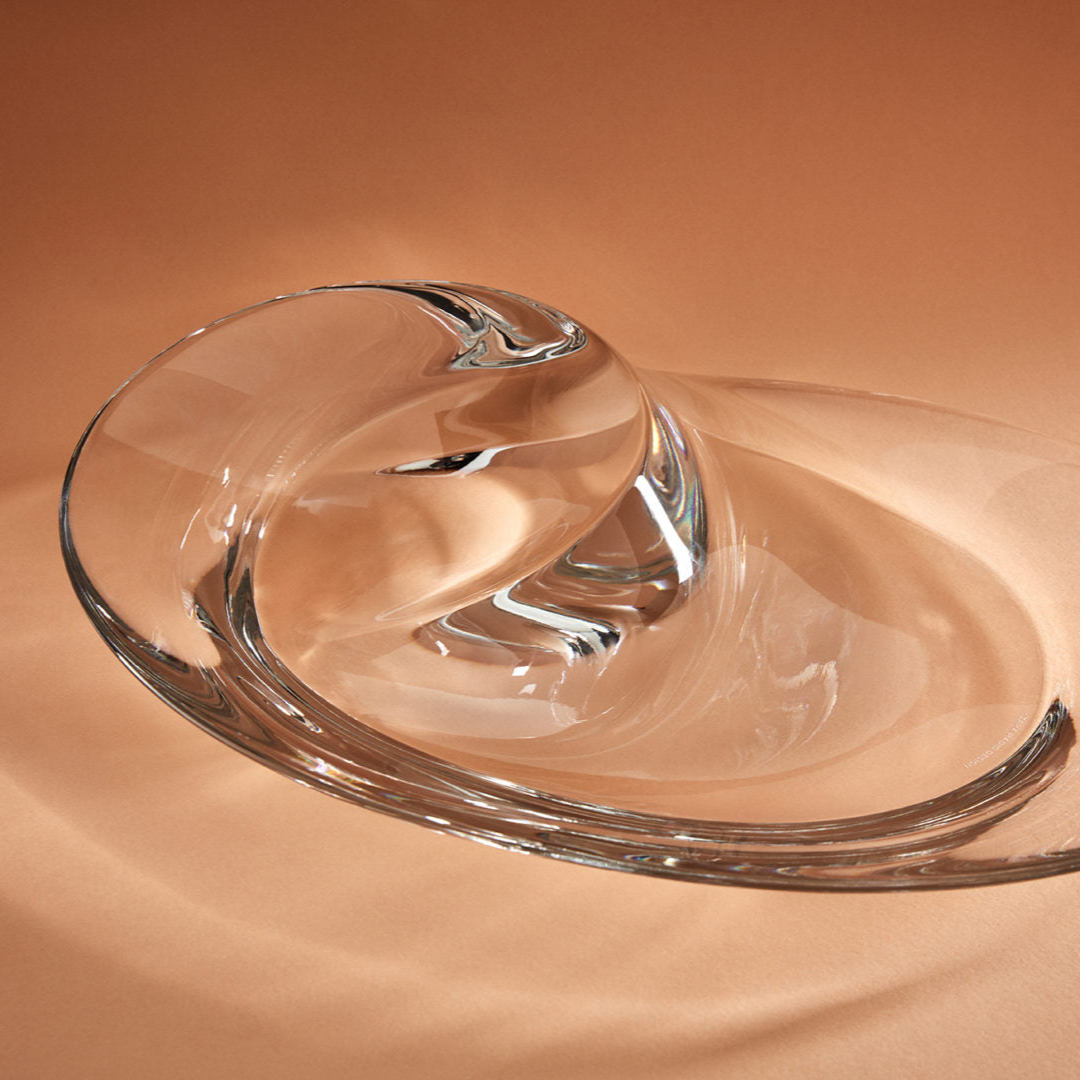
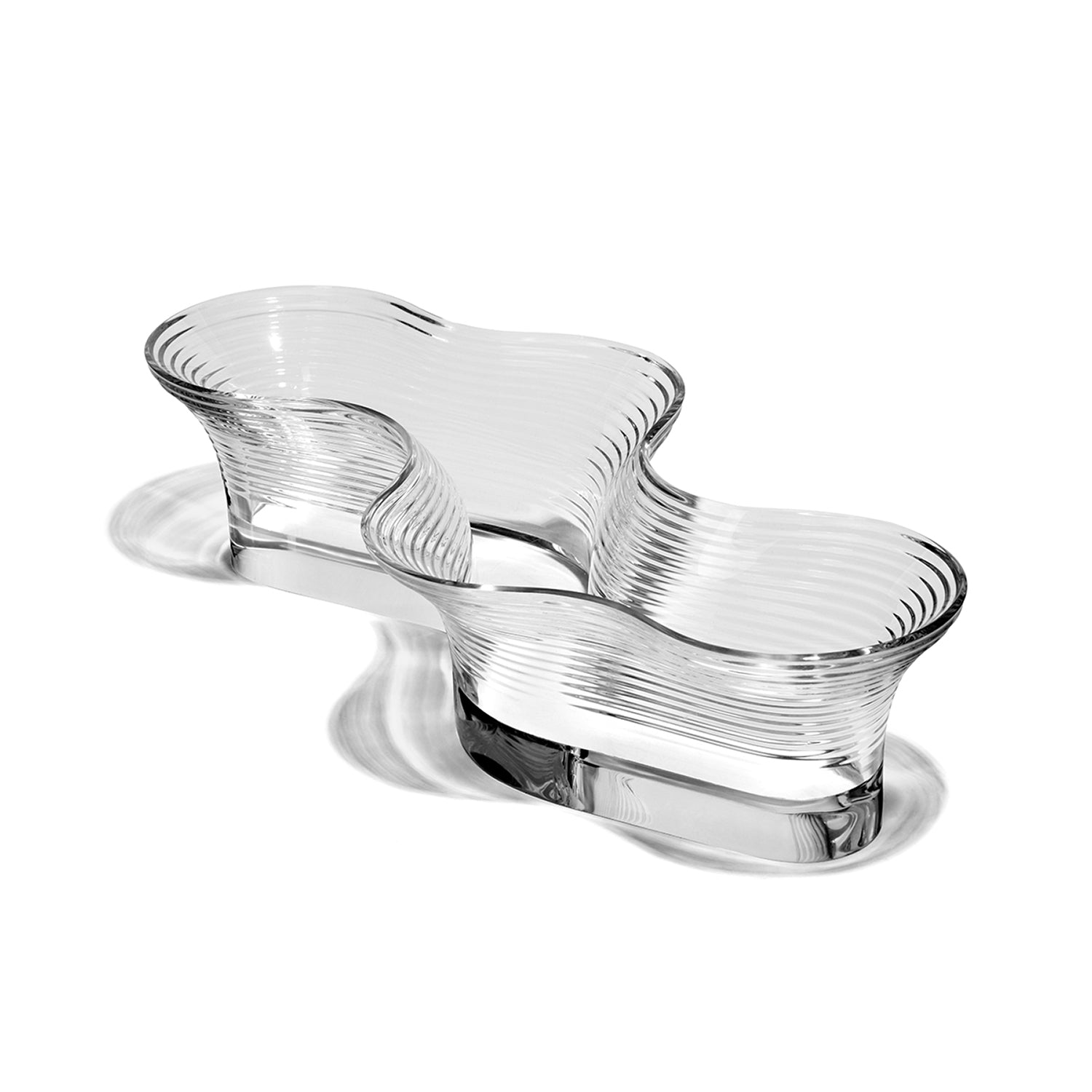
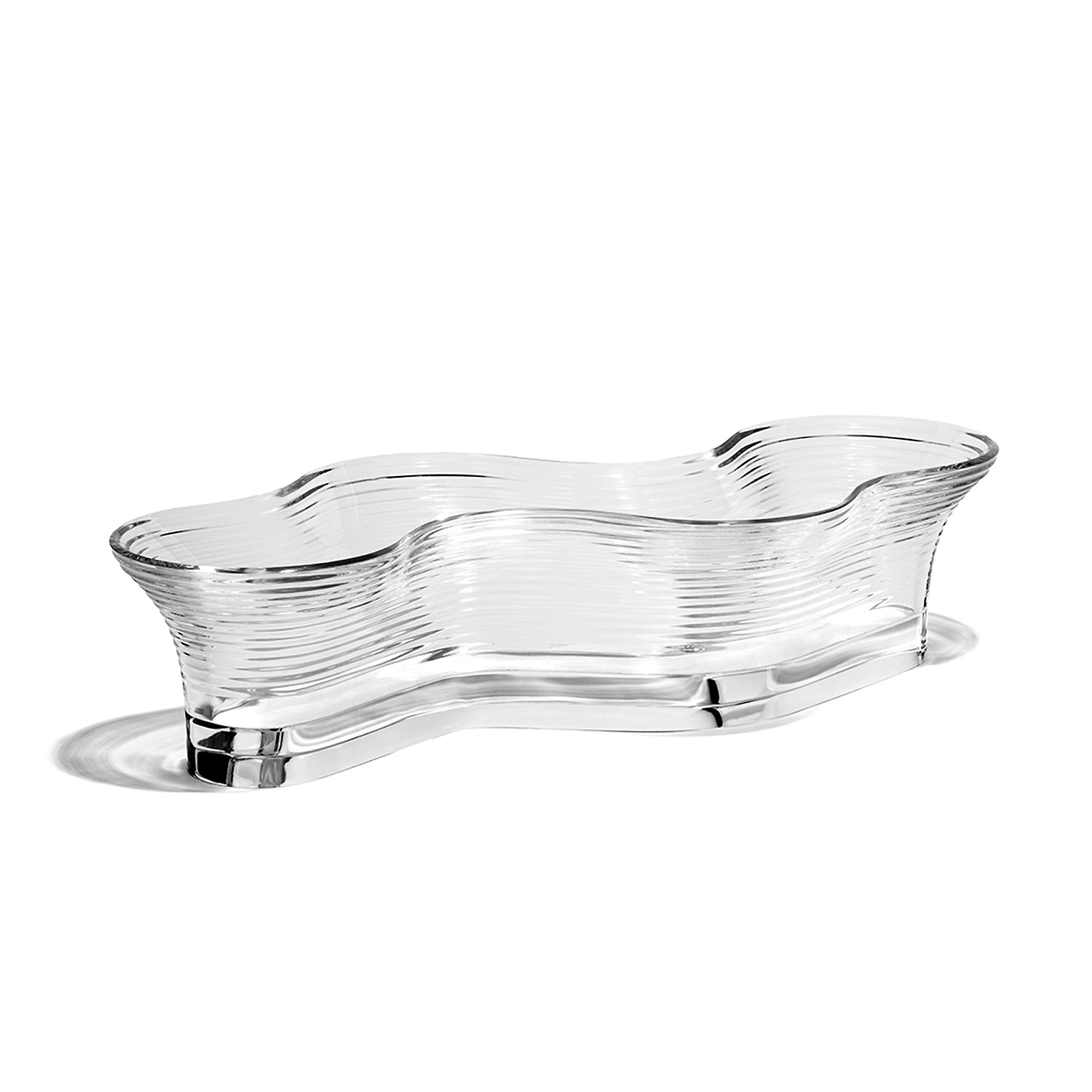
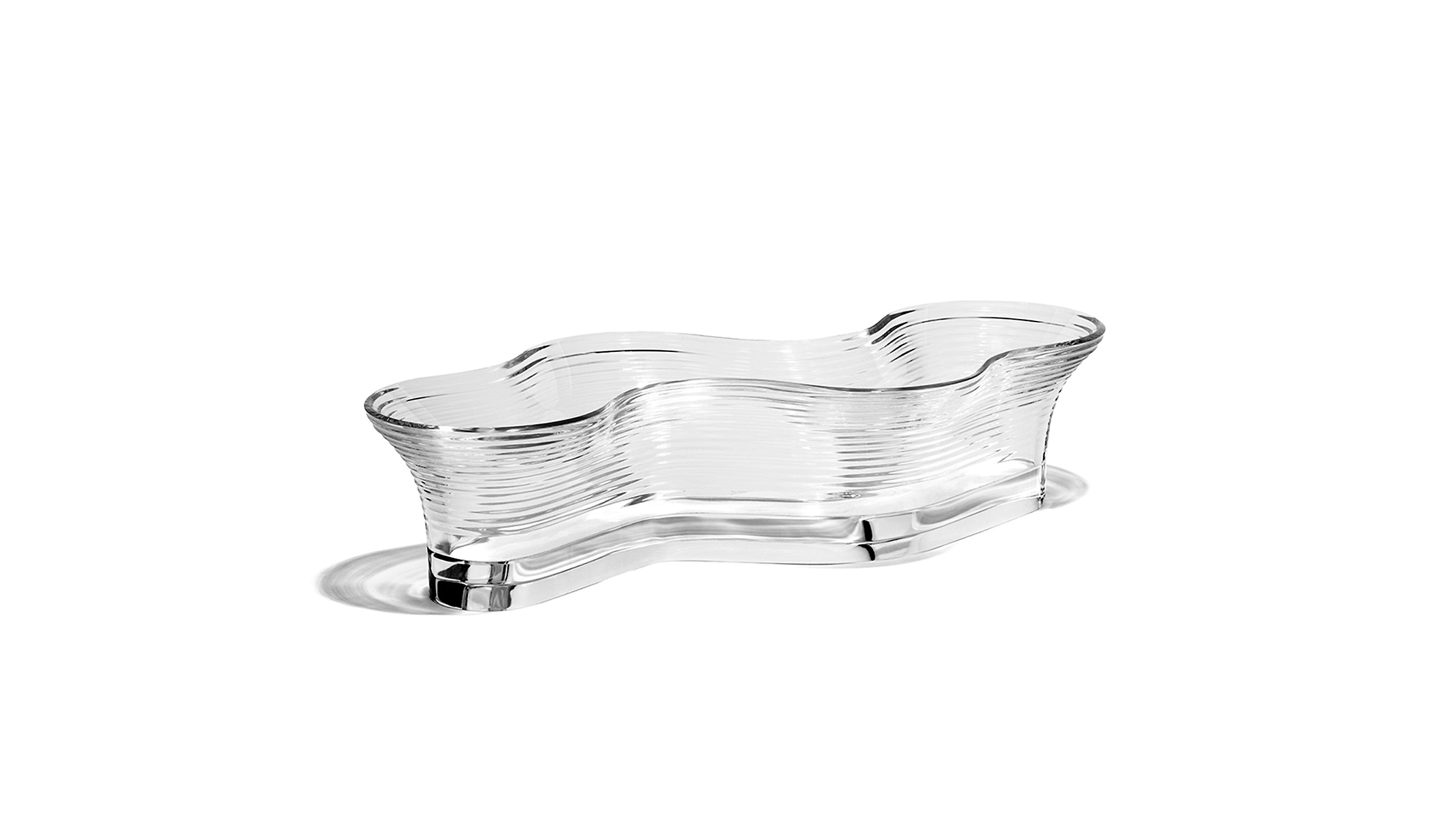
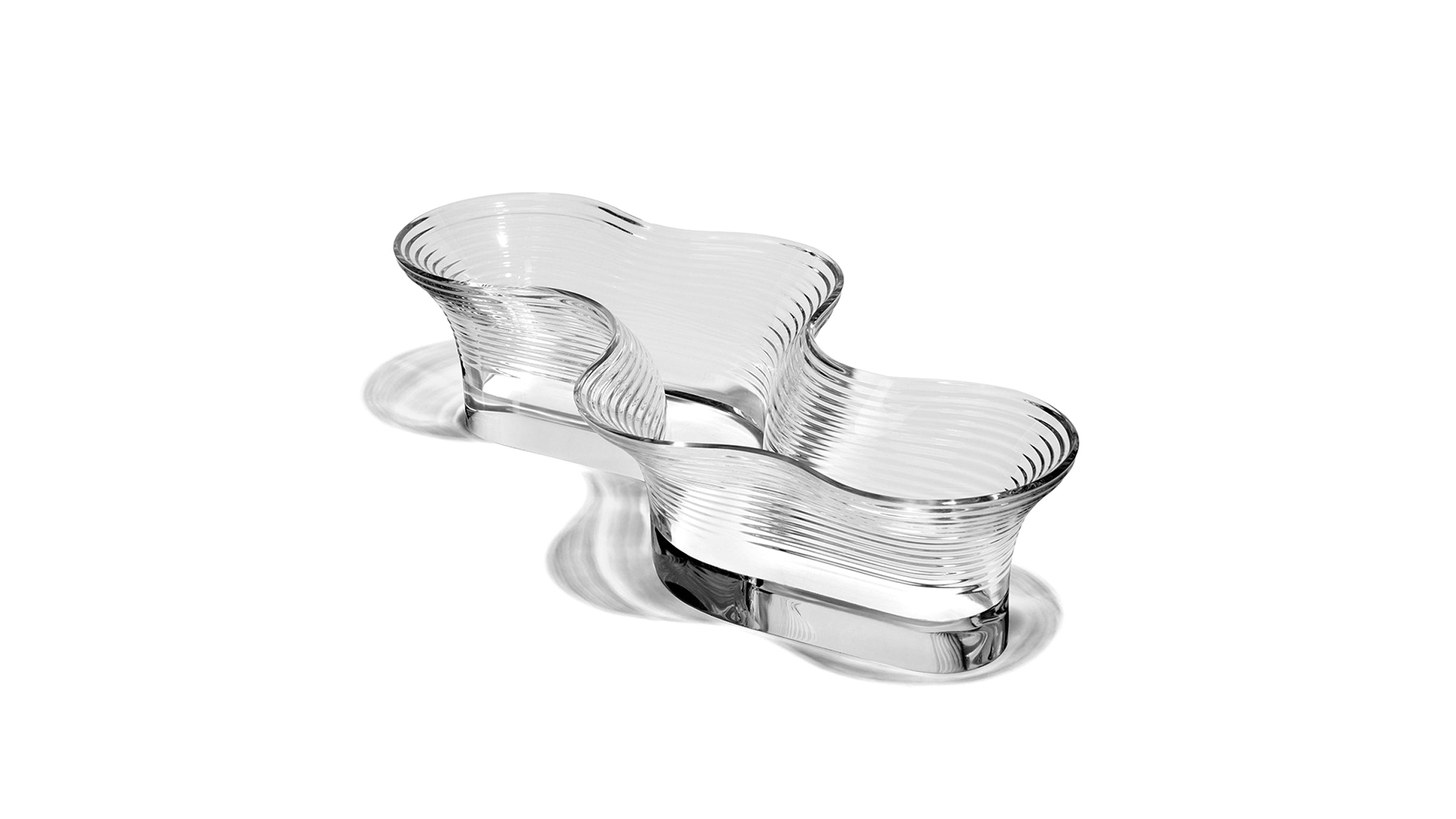
An Iraqi-born British architect and designer whose work redefined contemporary architecture through fluid forms, radical vision, and sculptural precision.
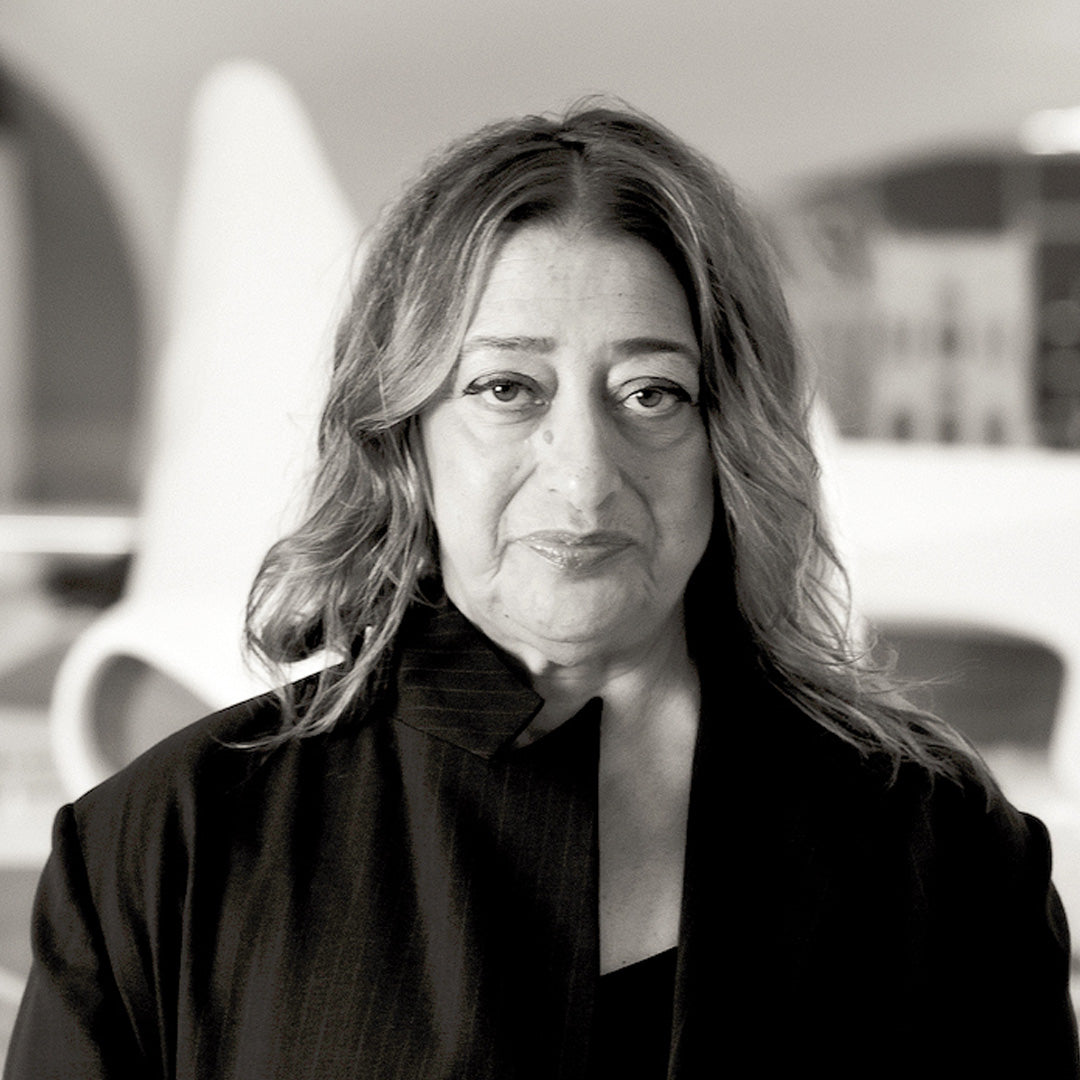
Zaha Hadid was an Iraqi-born British architect and designer whose work transformed the language of contemporary architecture. Born in Baghdad in 1950, she studied mathematics at the American University of Beirut before moving to London in 1972 to attend the Architectural Association, where she graduated in 1977. After working with the Office of Metropolitan Architecture, she founded her own practice in London in 1980 and gradually established a body of work that challenged conventional ideas of structure, geometry, and space.
Over the decades, Hadid became internationally celebrated for buildings and objects defined by movement, complexity, and formal daring. In 2004, she became the first woman to receive the Pritzker Architecture Prize, and her career expanded across architecture, interiors, urbanism, and product design. The Zaha Hadid Foundation describes her as one of the most important architects of the modern period, credited with developing an entirely new architectural language through her pursuit of complex, dynamic, and fluid spaces. She died in 2016, leaving a legacy that continues to shape global design culture through both the foundation and Zaha Hadid Architects.
The ultimate ambition was to create fluid space, in every sense, between inside and out, and there is no boundary for people to move from one space to another.
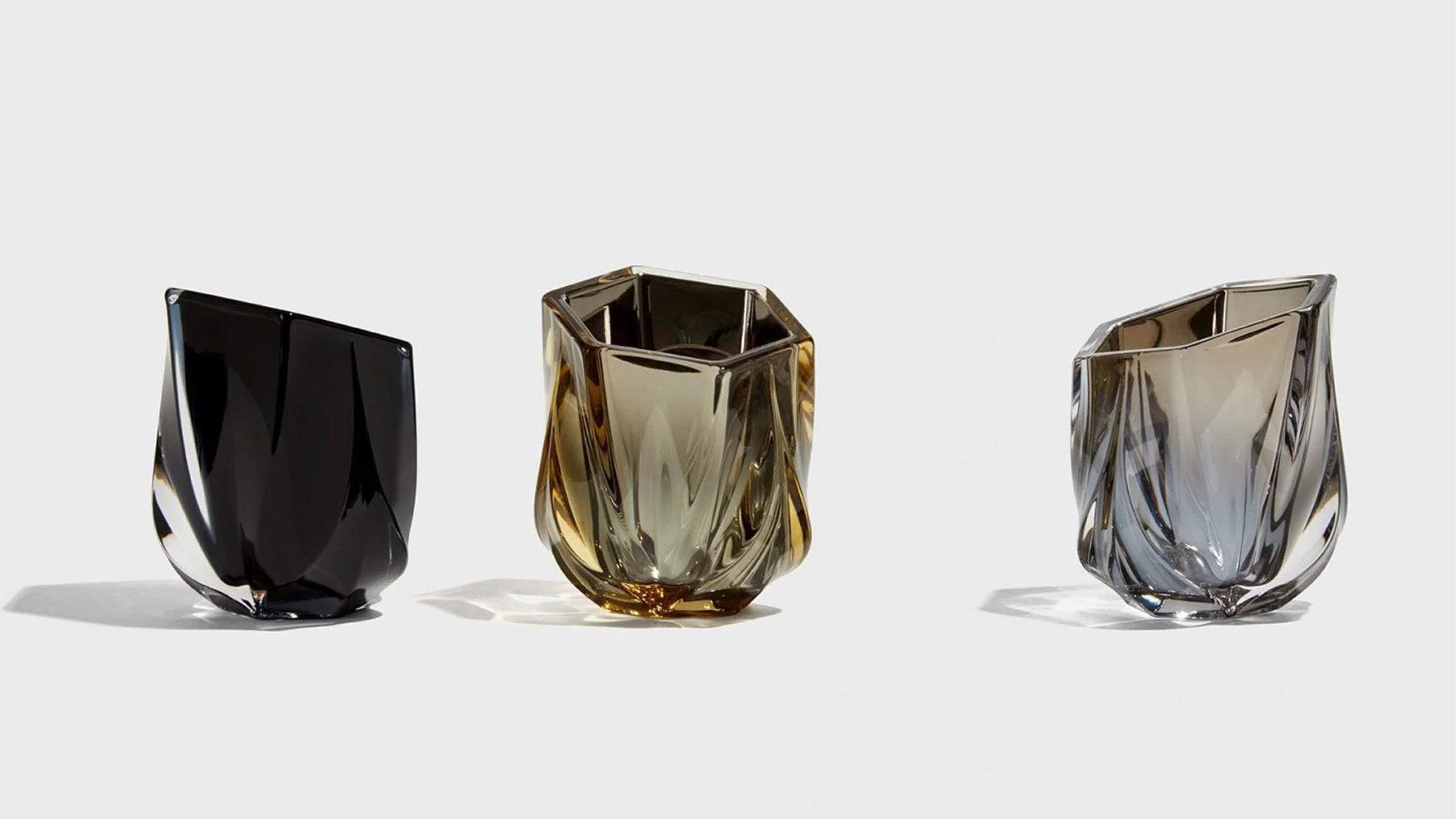
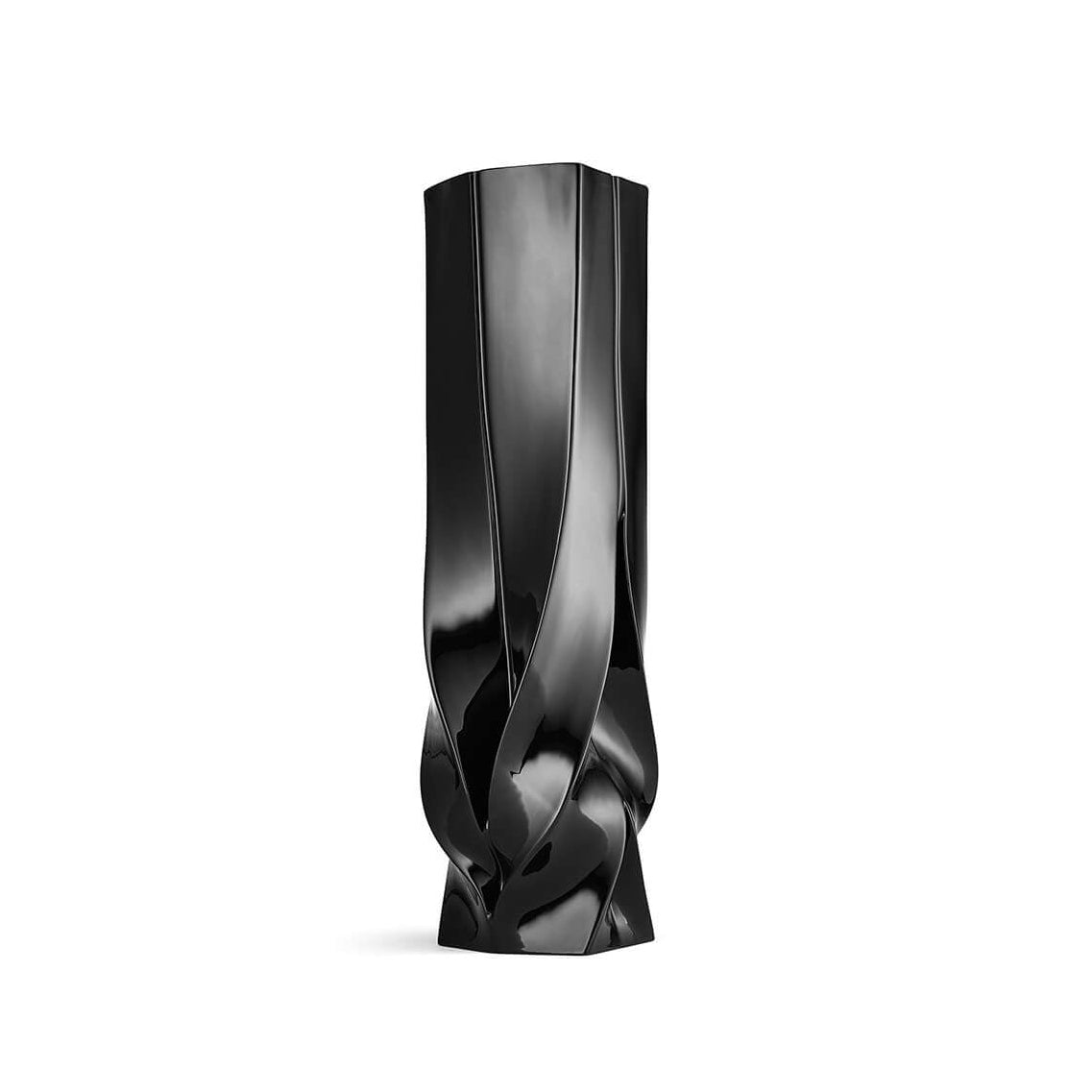
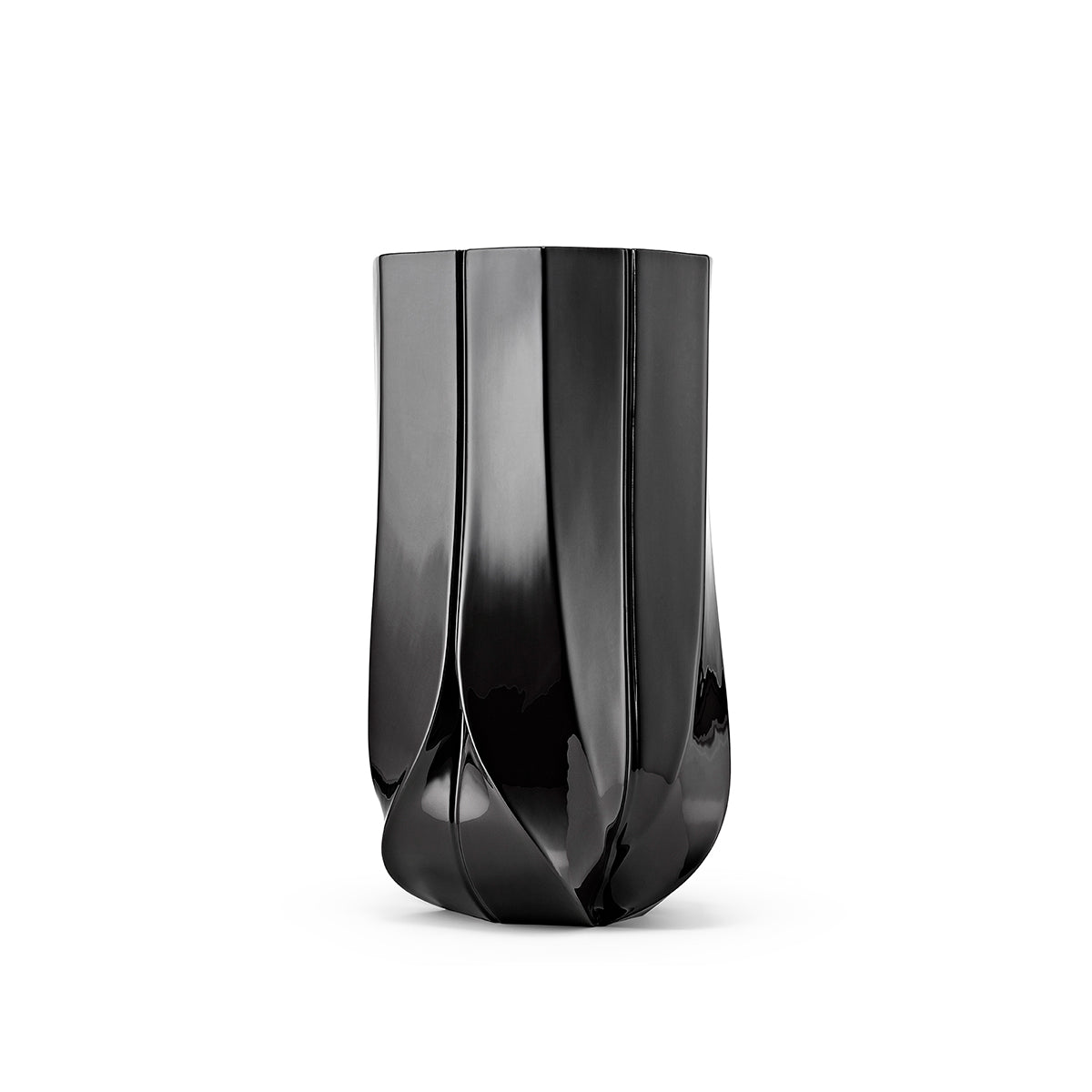
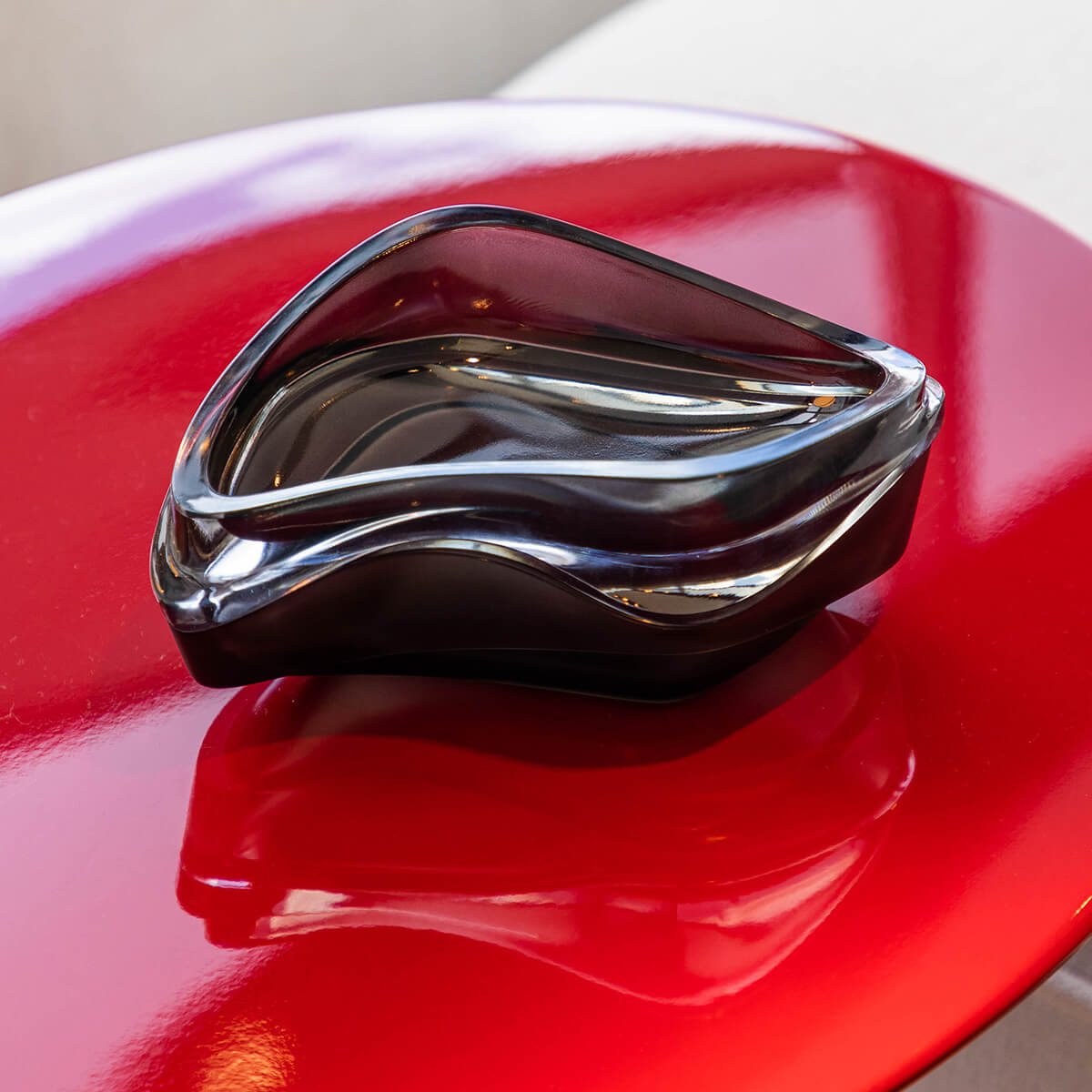
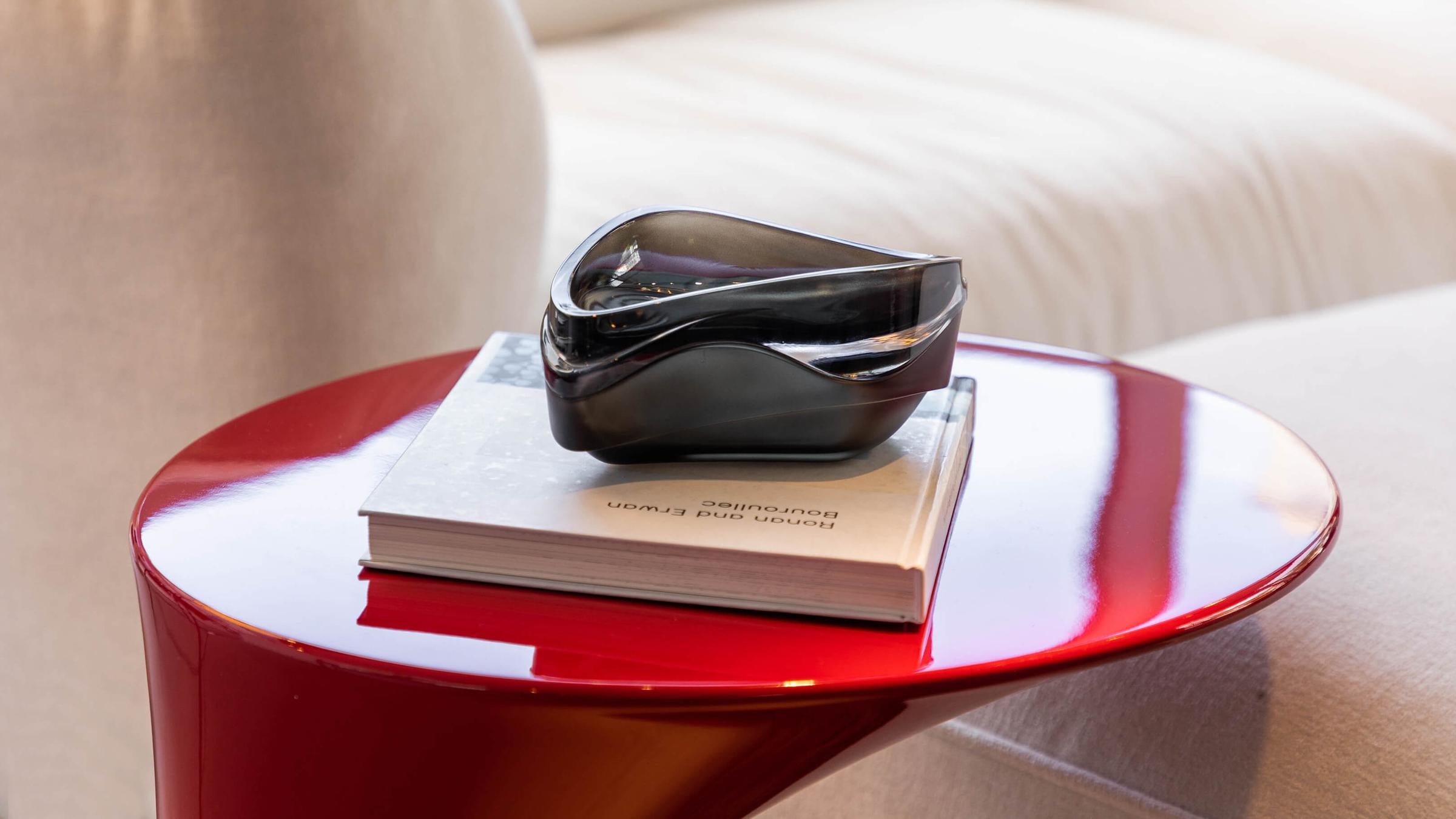
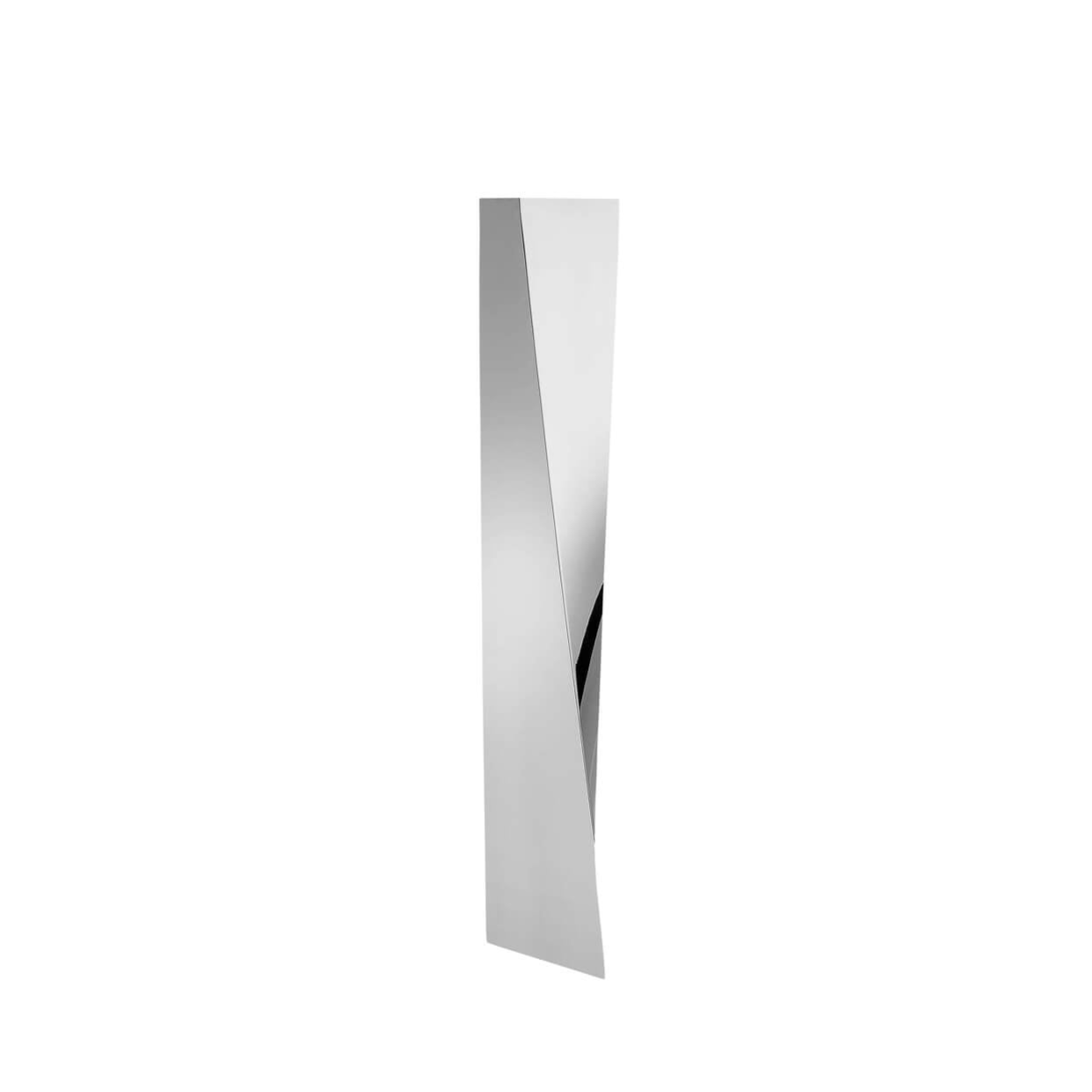
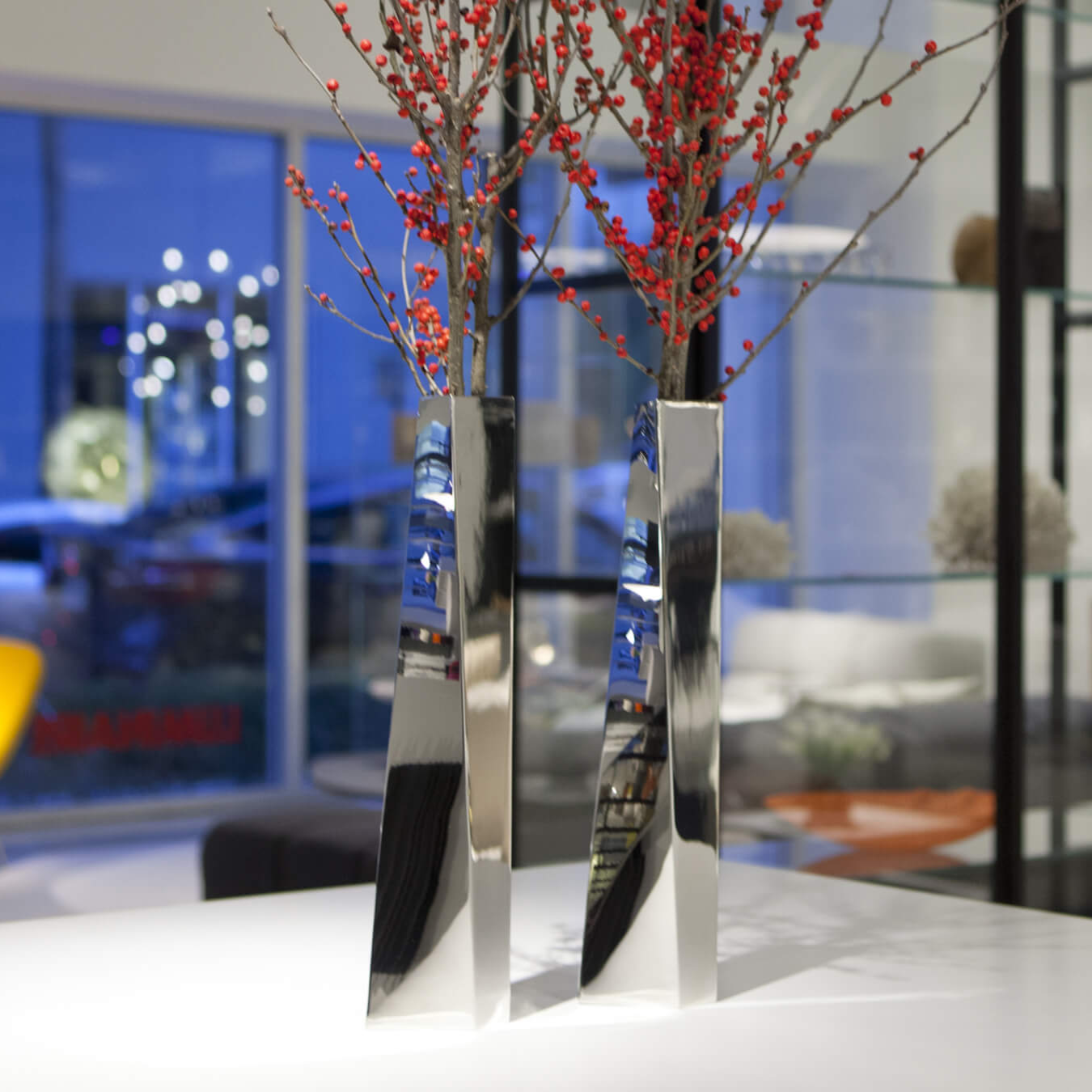
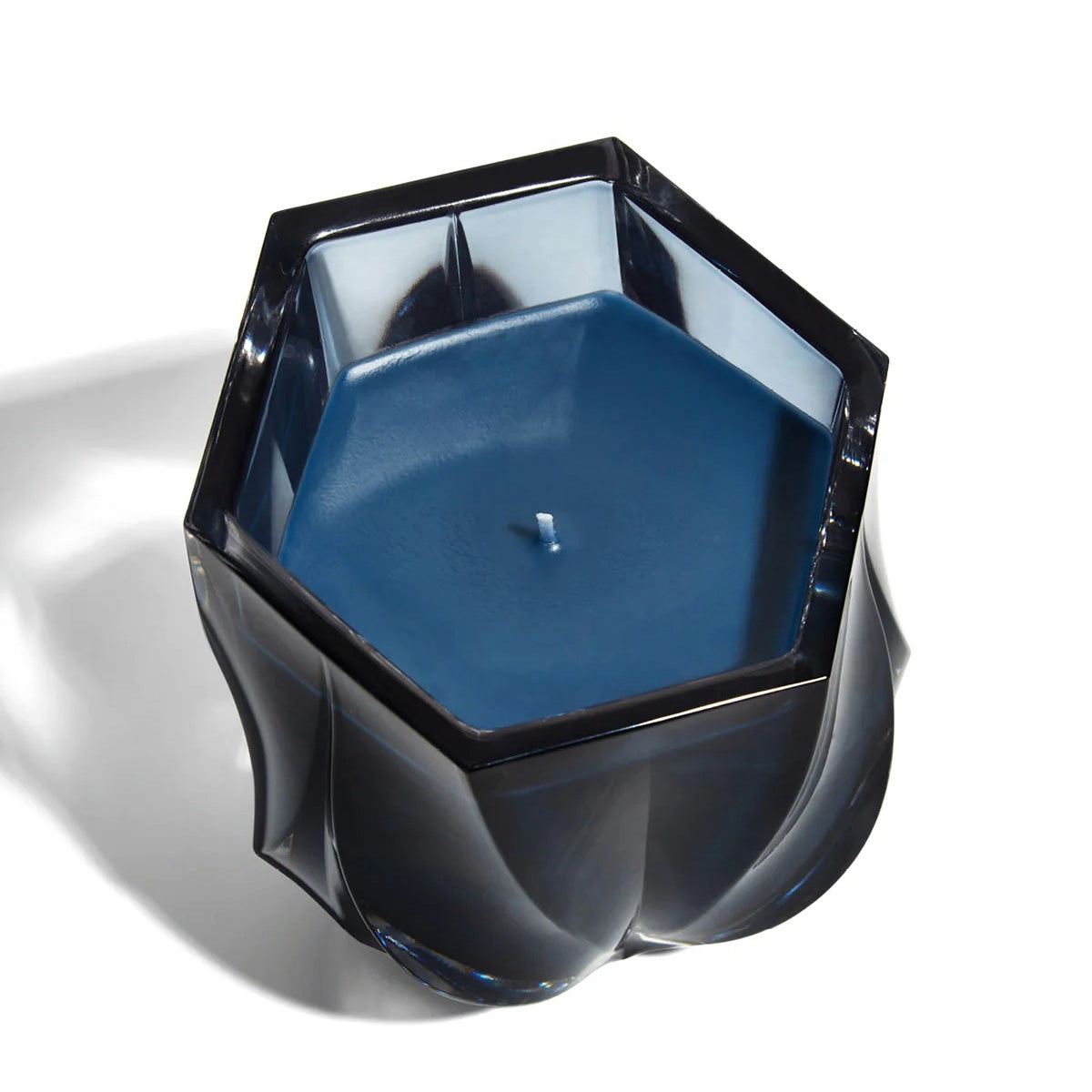
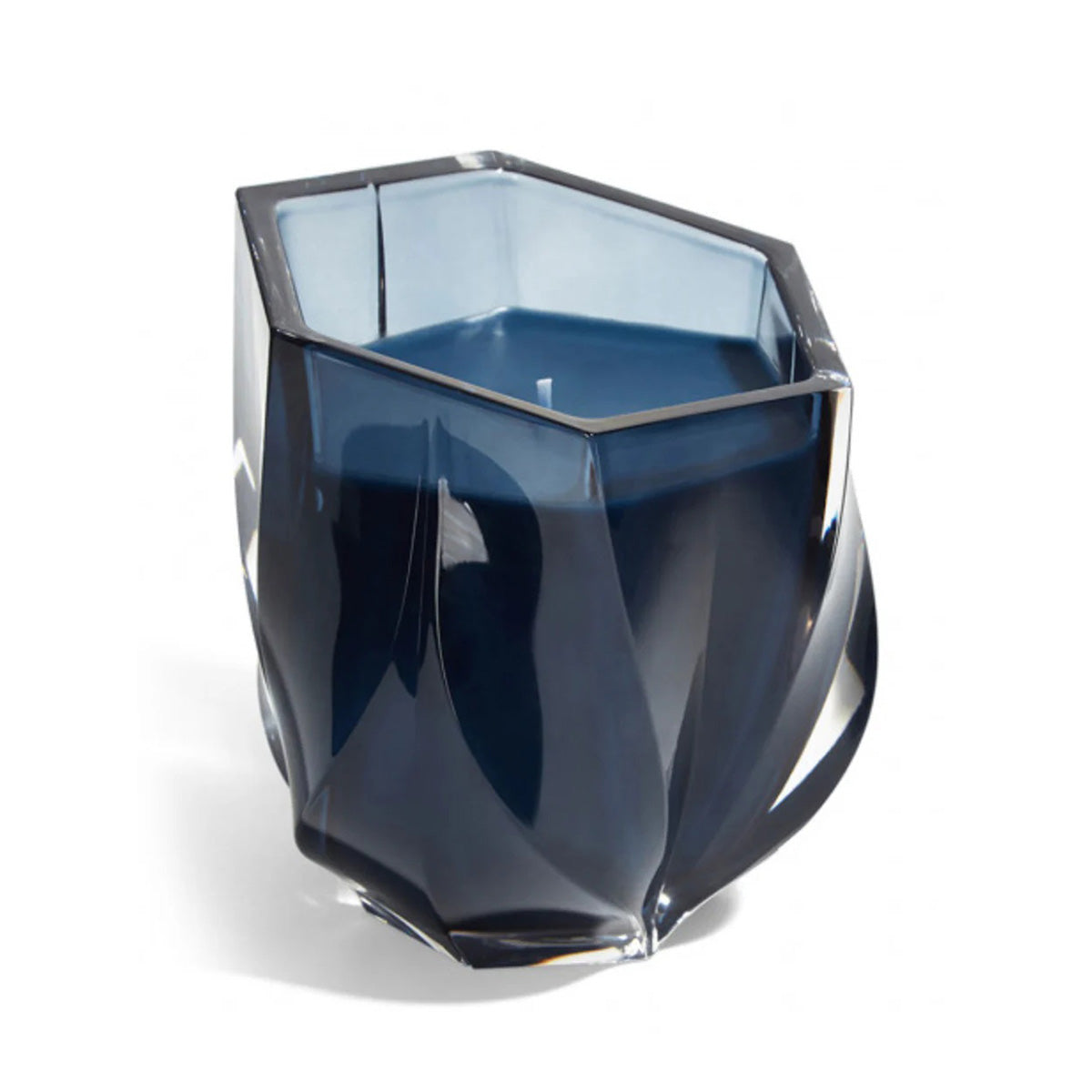
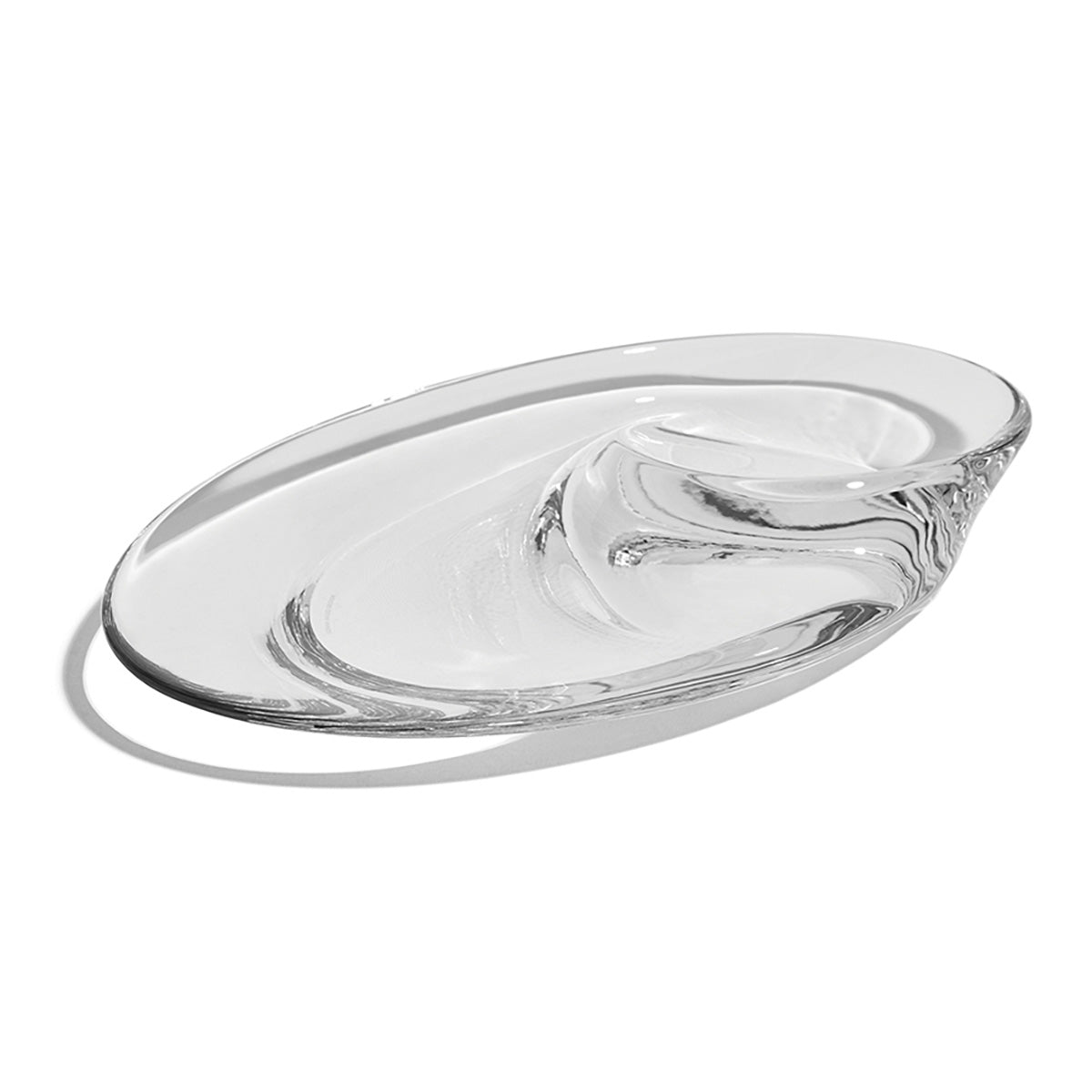
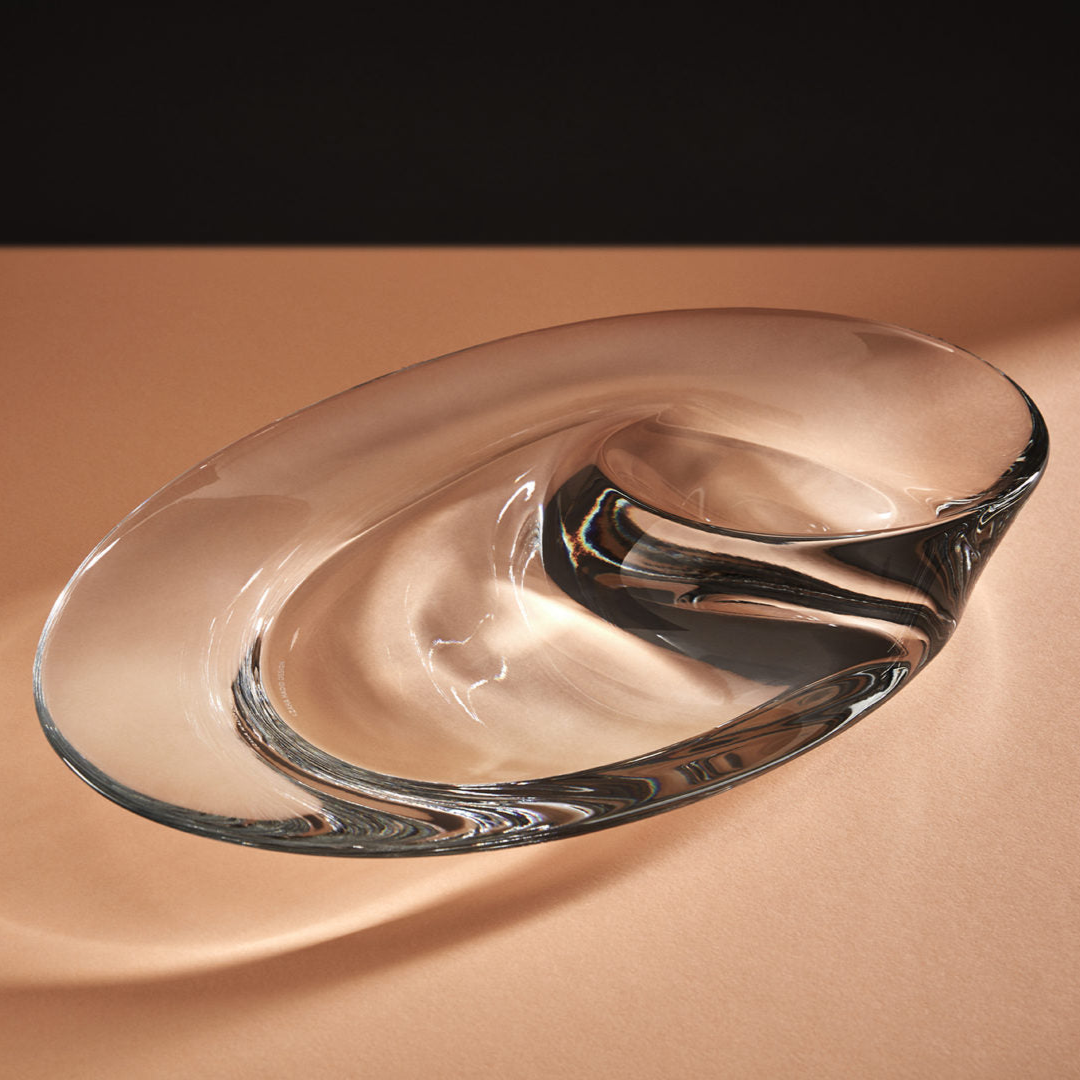
Beyond our curated collections lies a world of Zaha Hadid products to discover. For specific pieces, finishes, or bespoke solutions, our design team is at your disposal.
Our design services cover everything from concept development to installation, including product guidance, material selection, custom configurations, pricing, and lead‑time coordination.
Speak with a Design Consultant
Call 855-341-3620 for assistance during business hours.
Message a Design Consultant
Get a reply within one business day.
We've received your inquiry!
We appreciate your interest. One of our staff members will be in touch with you soon.
In the meantime, feel free to explore more of what Luminaire has to offer.
If you require immediate assistance, please call (855) 341-3620