
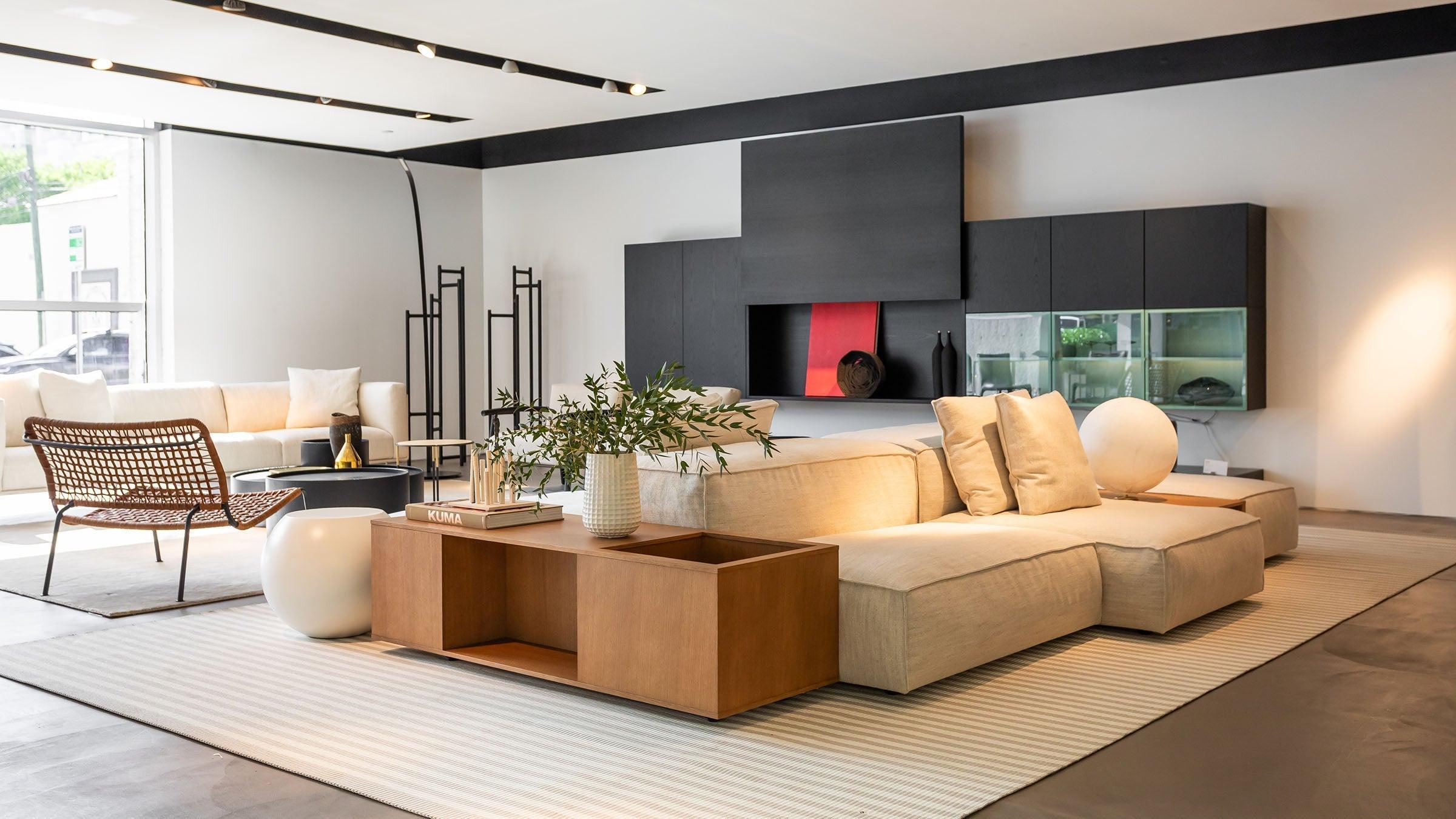
Design begins as an idea, shaped by aspiration and memory, and finds its way into daily life through the objects we choose to live with. These objects bring comfort, clarity, and a sense of identity to our surroundings, quietly shaping the rhythms of home. The act of acquiring them is not simply transactional. It is a process of translation, where intention becomes form, and imagination takes on presence.
Retail exists at this threshold. It is where design moves from concept into lived experience, guiding individuals toward pieces that resonate with how they wish to live.

The global furniture market continues to expand, reflecting a growing awareness of how environments influence well-being and self-expression. As interest deepens, design retail evolves alongside it, refining the ways in which people encounter and understand products.
This evolution is shaped by a more informed and engaged audience, one that seeks not only quality and beauty, but also meaning, longevity, and alignment with personal values. Materials, craftsmanship, and environmental responsibility now carry a presence equal to form and function, shaping a more thoughtful and intentional approach to consumption.

Retail today extends across multiple touchpoints, forming a continuous experience that moves between digital exploration and physical encounter. This integrated approach, often described as omnichannel, allows design to be discovered, studied, and refined across environments.
Online platforms offer access to a broader range of configurations, materials, and finishes, allowing clients to explore possibilities with depth and flexibility. Visualization tools provide a sense of scale and context, helping ideas take shape before they are experienced in person.
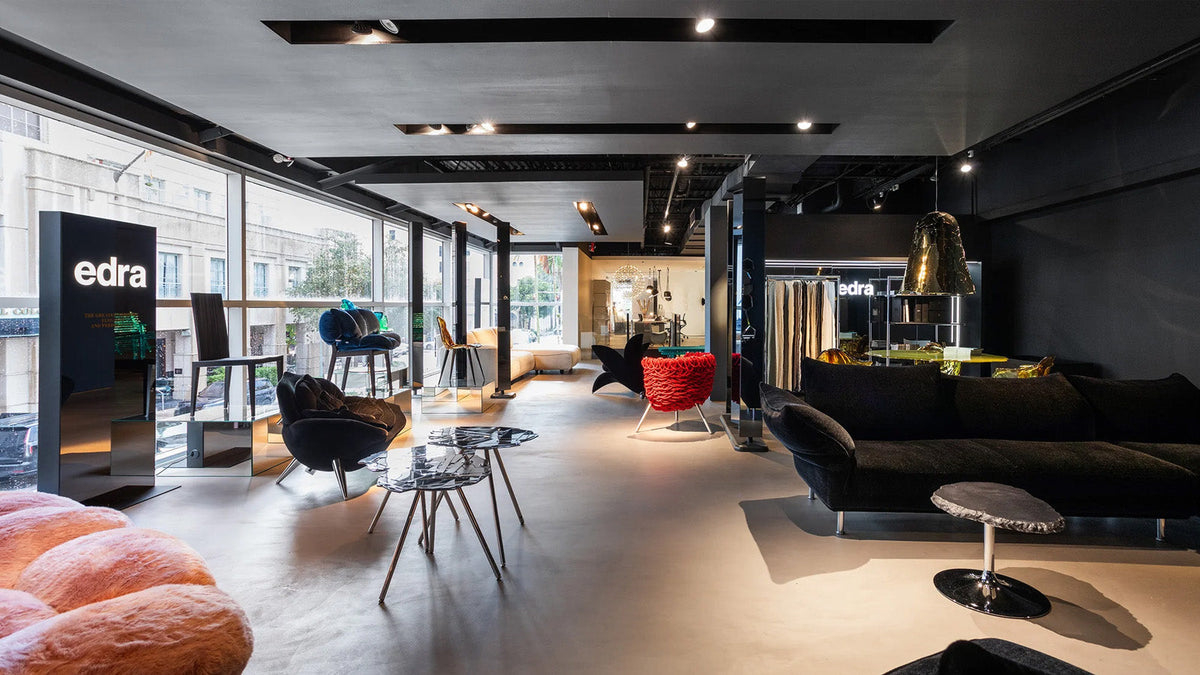
Within this framework, the showroom becomes a destination where design is encountered fully. Materials can be touched, proportions understood, and spatial relationships felt. The transition from screen to space creates a more complete understanding, where design reveals its presence through direct experience.
As the retail experience becomes more integrated, the role of guidance gains importance. Design is best understood through conversation, where ideas are refined and possibilities clarified through dialogue.
Virtual consultations extend this process beyond the showroom, offering a point of connection that supports decision-making with care and expertise. Through shared images, plans, and references, clients can begin to shape their environments with confidence, supported by a deeper understanding of the objects they are considering.
This exchange continues in person, where design professionals help translate these ideas into cohesive environments. The process becomes collaborative, shaped by both expertise and individual perspective.

While digital tools expand access, the physical experience remains essential. To sit within a space, to feel the weight and texture of materials, and to observe how light interacts with form offers a level of understanding that cannot be fully replicated elsewhere.
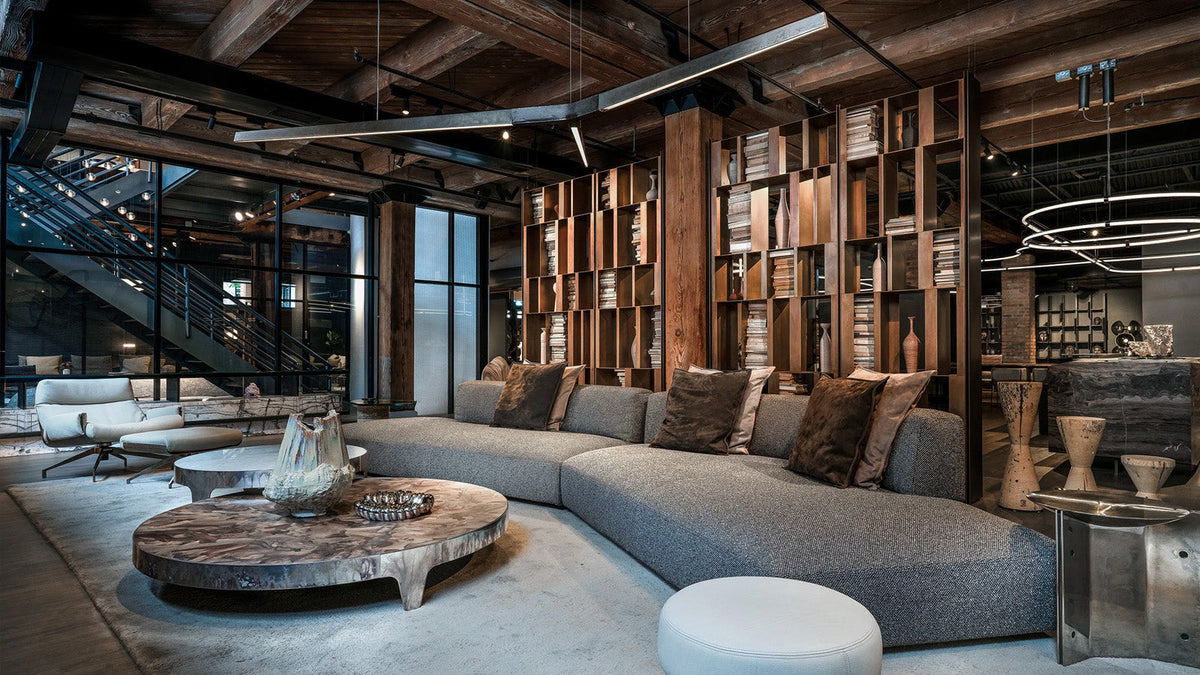
Showrooms are evolving to reflect this. Rather than vast, impersonal spaces, they are becoming more intimate and considered, designed to support exploration at a human scale. These environments encourage movement, reflection, and discovery, allowing visitors to engage with design in a way that feels both personal and immersive.
The future of design retail is shaped not only by how products are sold, but by how they are experienced. It reflects a shift toward environments that support individuality, adaptability, and emotional connection.
Furniture and objects continue to evolve in response to these values. Sustainable materials, inclusive design, and emerging technologies contribute to a landscape where functionality and expression exist in close relationship. Each piece carries both purpose and presence, contributing to a broader sense of how a space is lived.
Retail, in this context, becomes an environment of discovery. It supports a journey that moves fluidly between inspiration and realization, allowing design to enter daily life with clarity and intention.

At Luminaire, this evolving vision of design retail is realized through a seamless integration of digital and physical experience. Online platforms provide access to collections and configurations, while showrooms offer immersive environments where design can be encountered in full.
We invite you to explore this approach through a visit or a private consultation, where ideas can take shape through conversation, material, and space. Here, design becomes more than something to acquire. It becomes something to experience, shaping environments that reflect how you live and what you value.
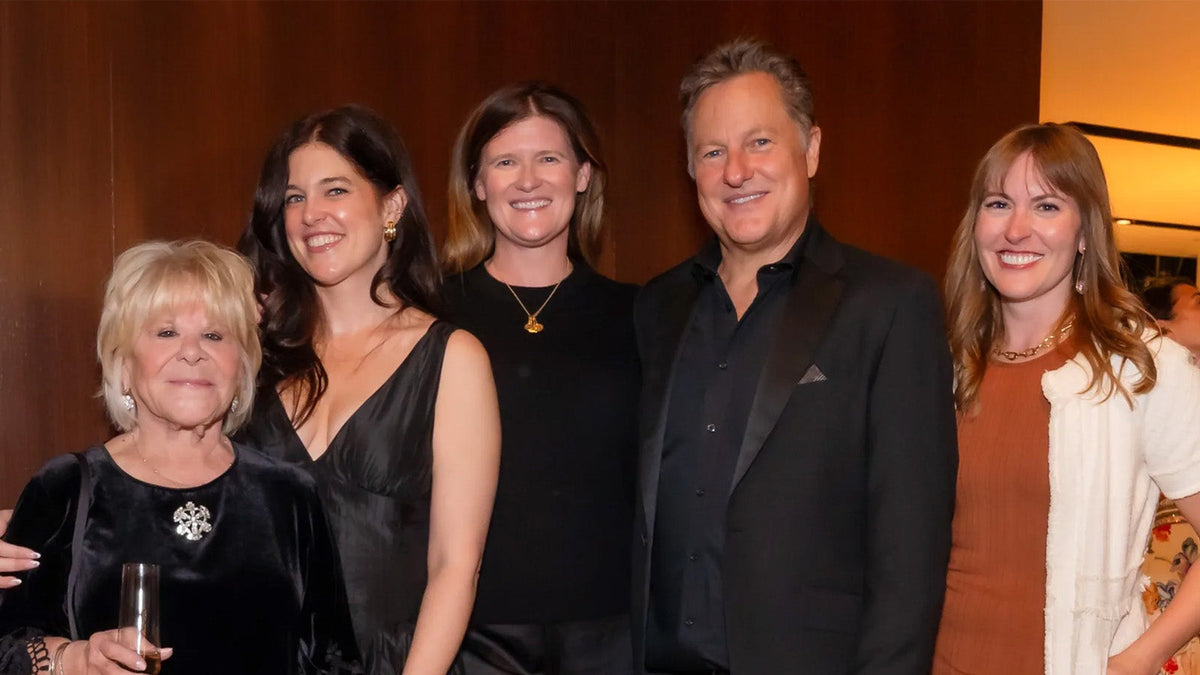
Luminaire at Design West Hollywood 2026
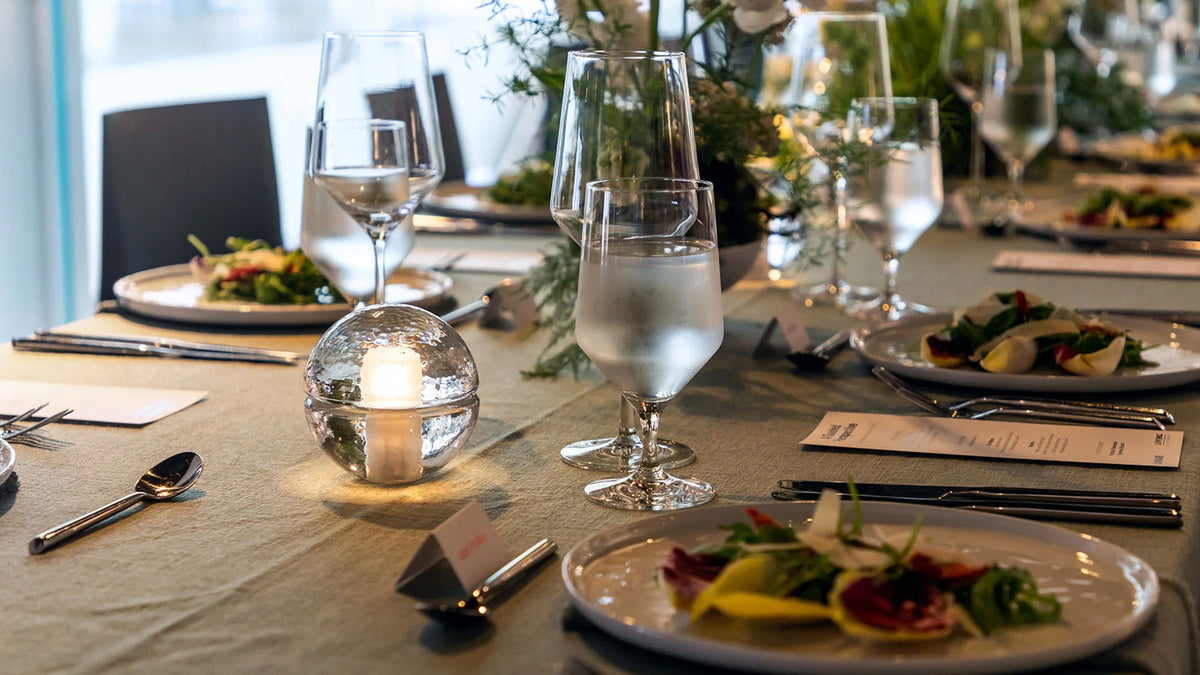
Design West Hollywood 2026 celebrated creativity, connection, and contemporary design, with Luminaire Los Angeles and Arclinea Los Angeles hosting memorable gatherings that brought the design community together.
In Conversation with Sophie Goineau
Interior architect Sophie Goineau designs across scales, from a single object to the architecture around it and the land beyond. She discusses composing interiors as one continuous experience, letting each place and its people shape a project's language, and her work on Selby Lane with the San Francisco team.
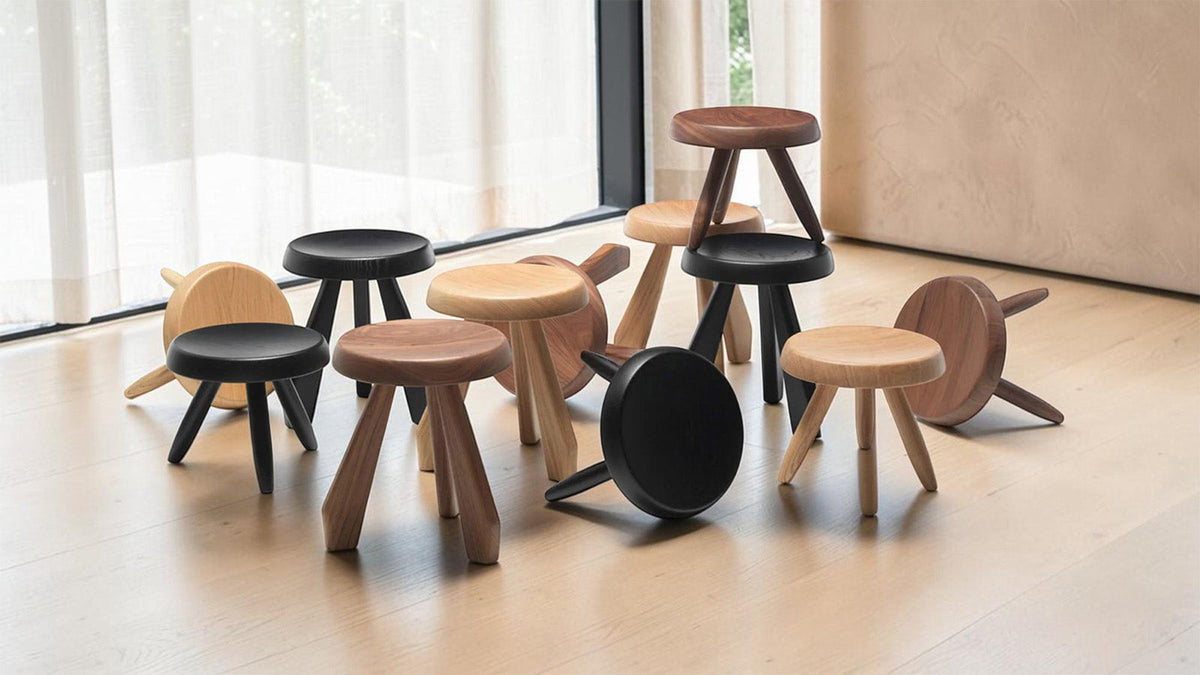
Charlotte Perriand's Tabouret Stools: Alpine Form, Modern Use
Read moreabout Charlotte Perriand's Tabouret Stools: Alpine Form, Modern Use
Inside Luminaire Chicago: Italian Design in River North Since 1989
Read moreabout Inside Luminaire Chicago: Italian Design in River North Since 1989
Eileen Gray's E 1027 Table: A Design Conceived for Living
Read moreabout Eileen Gray's E 1027 Table: A Design Conceived for Living
LC14 Tabouret Cabanon: Le Corbusier's Smallest Architecture
Read moreabout LC14 Tabouret Cabanon: Le Corbusier's Smallest Architecture
Sacco Chair by Zanotta: The 1968 Object That Refused to Be Furniture
Read moreabout Sacco Chair by Zanotta: The 1968 Object That Refused to Be Furniture
Inside Luminaire Coral Gables: The Showroom and Its Design Services
Read moreabout Inside Luminaire Coral Gables: The Showroom and Its Design Services
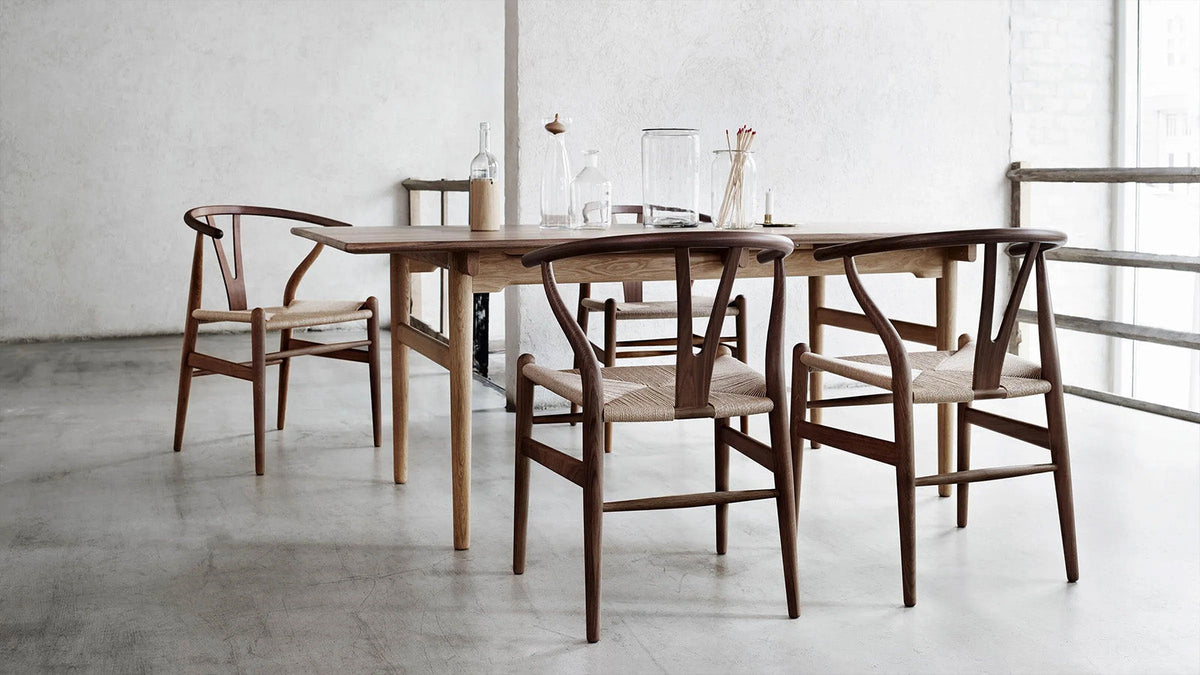
The Wishbone Chair: Hans Wegner's CH24 and the Art of Making
Read moreabout The Wishbone Chair: Hans Wegner's CH24 and the Art of Making
Cassina Chairs - The Collectors' Guide
Few furniture makers have shaped the chair as a cultural object the way Cassina has. From their earliest collaborations with the European avant-garde to their ongoing stewardship of the twentieth century's most consequential seating designs, the Meda-based manufacturer remains the standard against which Italian furniture brands are measured. This guide surveys the Cassina chairs we carry and the ideas embedded in each one.
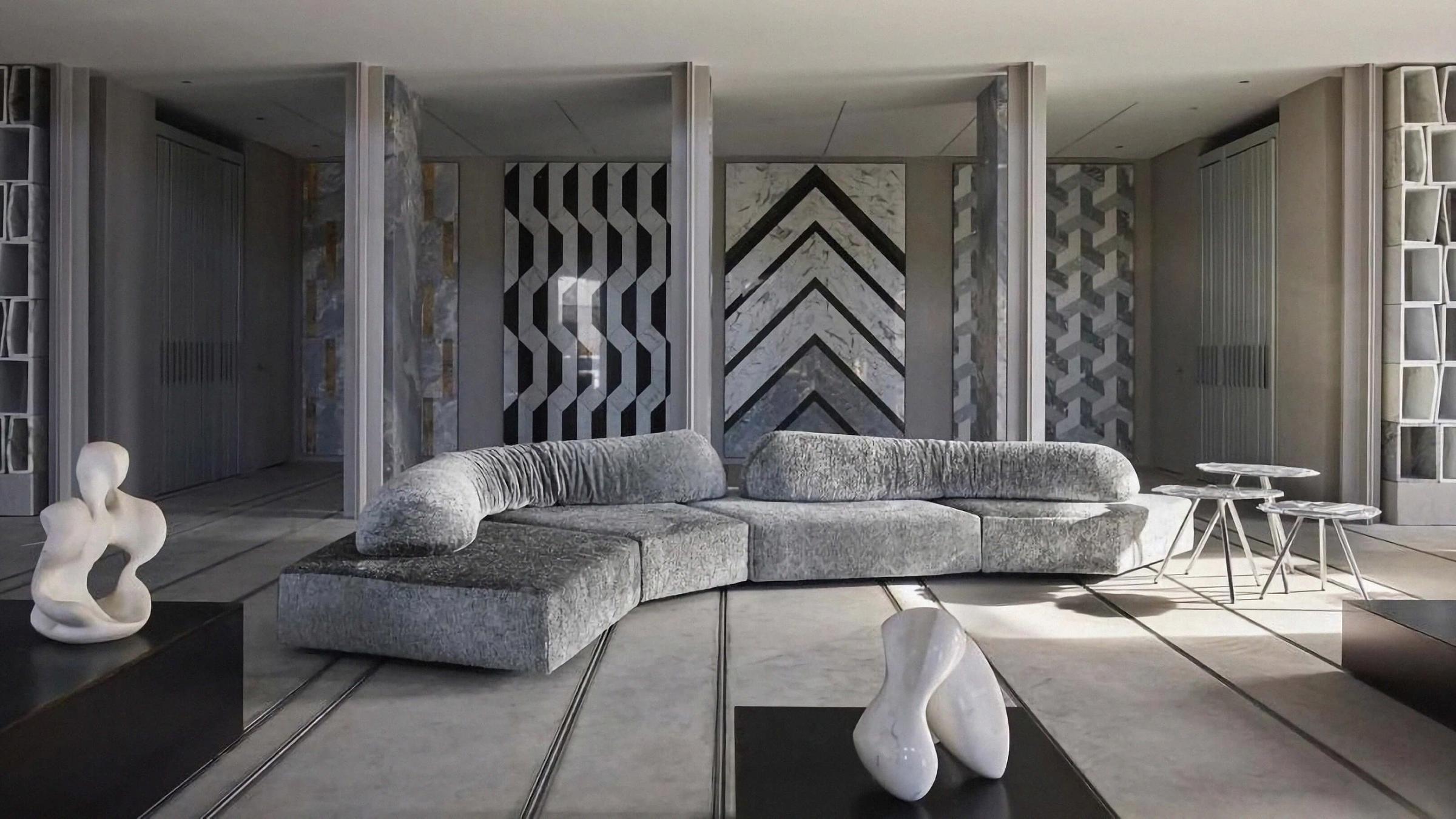
On the Rocks by Edra: Francesco Binfaré's Geology of Rest
Read moreabout On the Rocks by Edra: Francesco Binfaré's Geology of Rest
The 14p Portable Lamp: Bocci's Cast-Glass Sphere, Untethered
Read moreabout The 14p Portable Lamp: Bocci's Cast-Glass Sphere, Untethered
Our design services cover everything from concept development to installation, including product guidance, material selection, custom configurations, pricing, and lead‑time coordination.
Speak with a Design Consultant
Call 855-341-3620 for assistance during business hours.
Enroll for privileged access to iconic design, emerging trends, exclusive events, and thoughtfully curated offers.

Share:
From Craft to Conscious Living: The Evolution of Design Education
The Senses of Design