
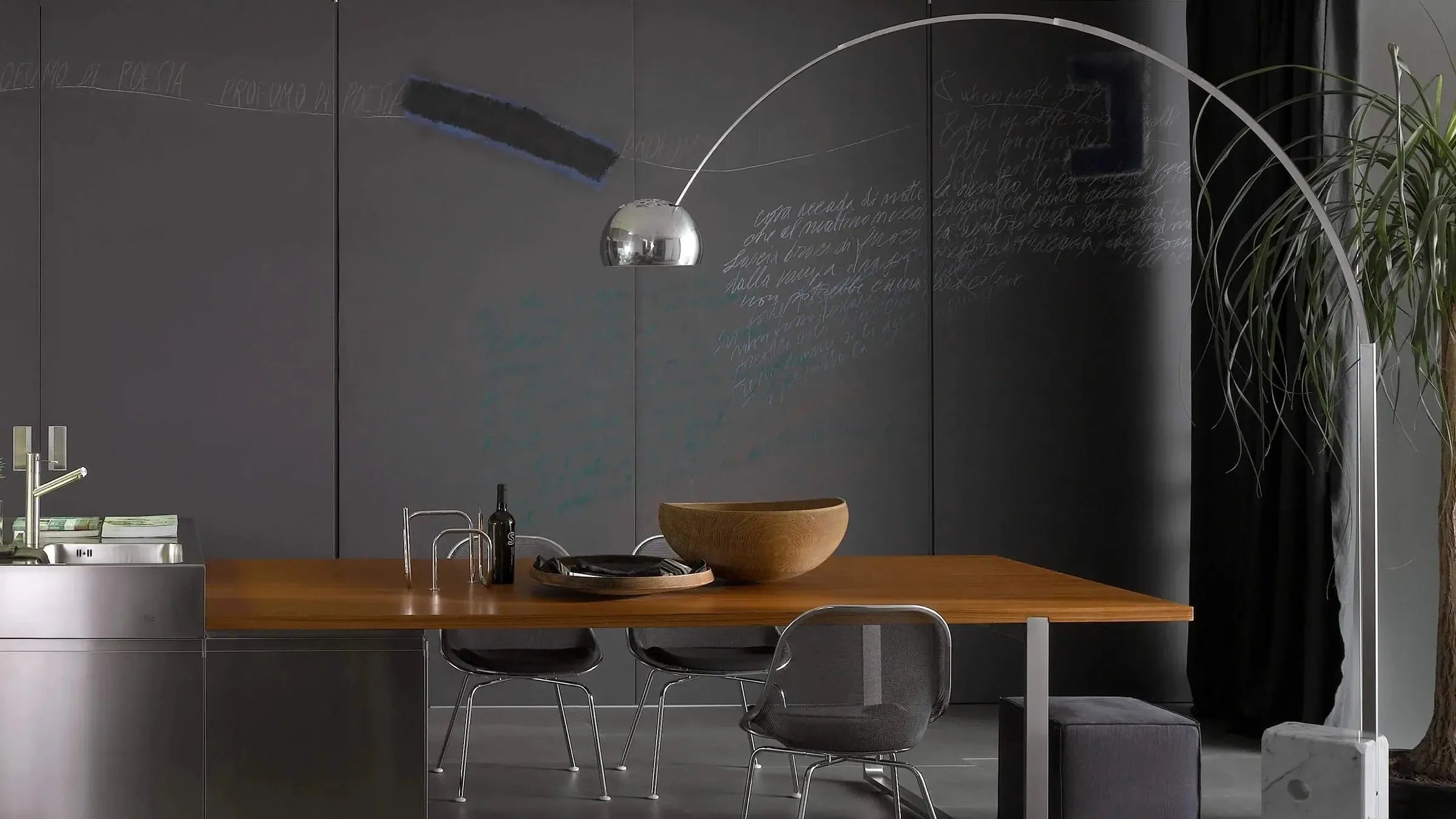
What makes Italian design timeless? It is the quiet union of function and poetic form. Whether shaped by historic movements or the evolving rhythms of modern living, its hallmarks remain unmistakable.
Italian design does not necessarily begin with objects but rather with a way of seeing. It holds steadfast to the belief that beauty and function are not opposing forces, but natural companions. From the Renaissance to today, Italy has nurtured a culture where craftsmanship is both preserved and reimagined, where the artful meets the meticulously detailed.
To call something “Made in Italy” is to recognize more than origin. It speaks to a lineage shaped by passion, precision, and a reverence for tradition infused with the modern flair of innovation, a legacy that continues at Luminaire, influencing how we live with design.

In the hands of Italian masters, design becomes a discreet but powerful language, one where functionality is elevated by a poetic sensibility.
Consider Gio Ponti and the Superleggera chair, an icon of Italian Modernism whose sleek lines and ingenious form feel almost inevitable. It’s a lightness that is not merely technical, but philosophical. It is a reduction to essence. In the D.154.5 chair, that clarity evolves, infusing life into a postwar vision that remains both innovative and enduring.
Then there is Gaetano Pesce, whose work resists convention. His Up chair, inspired by ancient fertility figures, moves beyond function into commentary and reflects on the oppression of women while challenging design norms. Here, Italian design reveals its emotional depth, where objects do not simply serve, but communicate.

If form is language, color is its emotional register.
Italian design draws from its landscape, where the warm neutrals of Umbria and Tuscany are softened by light and time and often punctuated by bold, expressive gestures. These contrasts create interiors that feel both grounded and alive, balancing calm with moments of visual intensity.
In the Allunagio by Achille Castiglioni and Pier Giacomo Castiglioni, a vivid green form introduces a playful, almost unearthly presence, an example of Italian design’s ability to merge rigorous geometry with human insight and humor. By contrast, the Soriana armchair by Afra Scarpa and Tobia Scarpa offers a more restrained expression. In cool Ecru tones, it softens the atmosphere, blending innovation with a sense of ease and tactile comfort, an embodiment of design that feels as intuitive as it is refined.

Material is central to the identity of Italian design. It is an expression of both place and possibility.
From the luminous surface of Carrara marble to the rustic depth of travertine and the rhythmic pattern of terrazzo, materials are chosen not only for their beauty, but for their ability to connect interiors to a broader cultural and natural context. They bring with them a tactility that soothes, grounds, and inspires.
In the Arco Lamp by Achille Castiglioni, marble anchors a sweeping gesture that feels both structural and poetic. In the hands of Franco Albini, material becomes something more elusive. His Veliero bookcase, with its floating glass planes and wooden frame, transforms engineering into an expression of lightness, where structure seems to dissolve into air.

Italian design is defined not by a singular aesthetic, but by its ability to hold opposing ideas in balance. Clean lines and open spaces are often paired with moments of expressive flourish, illuminating an unexpected curve, a bold material, or a gesture of quiet opulence. This interplay creates a design language that is at once experimental yet refined, playful yet deeply considered.
The Maralunga sofa by Vico Magistretti reflects a kind of modest minimalism that is adaptable, understated, and enduring. In contrast, the Cavour desk by Carlo Mollino embraces sculptural complexity, its sinuous form revealing a more dramatic interpretation of modernism.
Together, these works illustrate a distinctly Italian sensibility, one that embraces both restraint and expression, stability and movement, tradition and reinvention.

Italian design endures because it evolves. Never solidly fixed in time, it is continually reinterpreted by each generation. From the visionary experimentation of Joe Colombo to the refined and expansive work of Piero Lissoni, the legacy of Italian masters is one of ongoing dialogue between past and future, craft and innovation.
At its core, this design tradition remains deeply human. It understands that objects shape experience, and that the spaces we inhabit are, in turn, shaped by the objects with which we choose to live.

Engage with a history of remarkable ingenuity and humble beauty by welcoming masterpieces of Italian design into your home. These are objects that elevate one’s space, granting a sense of timelessness that feels both grounded and forward-looking.
At Luminaire, this legacy continues through a curated collection of works by Italy’s most influential designers. Each piece reflects a commitment to artistry, innovation, and enduring relevance, inviting you to experience design not only as something to admire, but as something to live within.
Luminaire at Design West Hollywood 2026
Design West Hollywood 2026 celebrated creativity, connection, and contemporary design, with Luminaire Los Angeles and Arclinea Los Angeles hosting memorable gatherings that brought the design community together.
In Conversation with Sophie Goineau
Interior architect Sophie Goineau designs across scales, from a single object to the architecture around it and the land beyond. She discusses composing interiors as one continuous experience, letting each place and its people shape a project's language, and her work on Selby Lane with the San Francisco team.
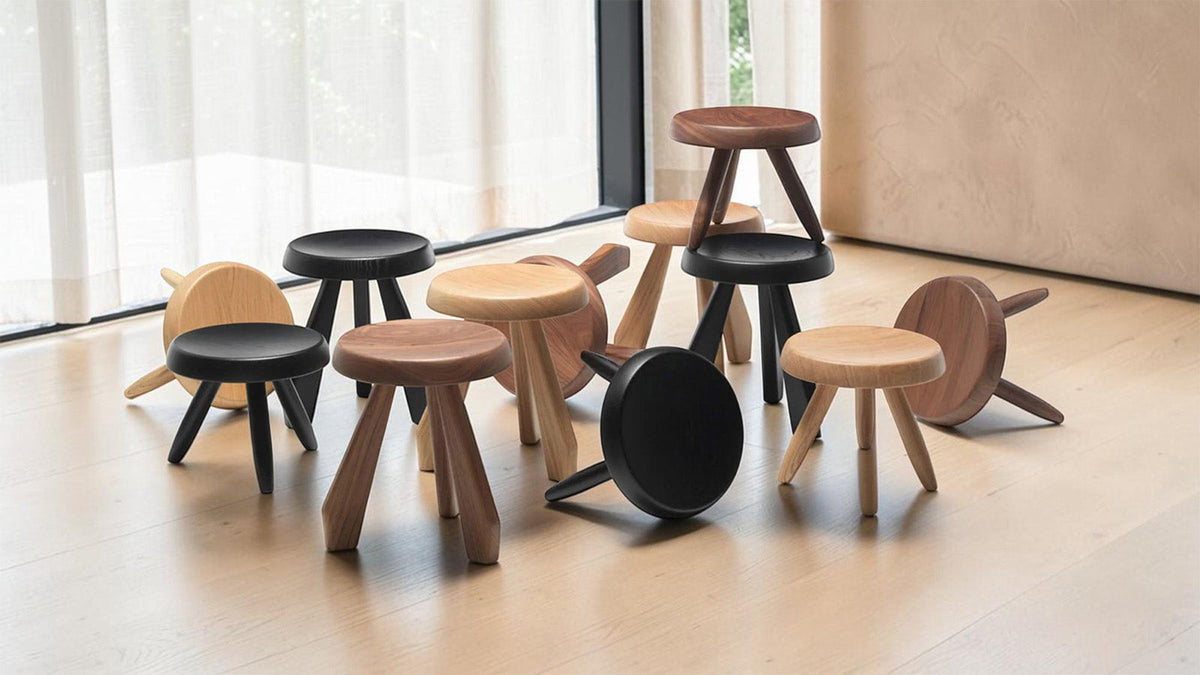
Charlotte Perriand's Tabouret Stools: Alpine Form, Modern Use
Read moreabout Charlotte Perriand's Tabouret Stools: Alpine Form, Modern Use
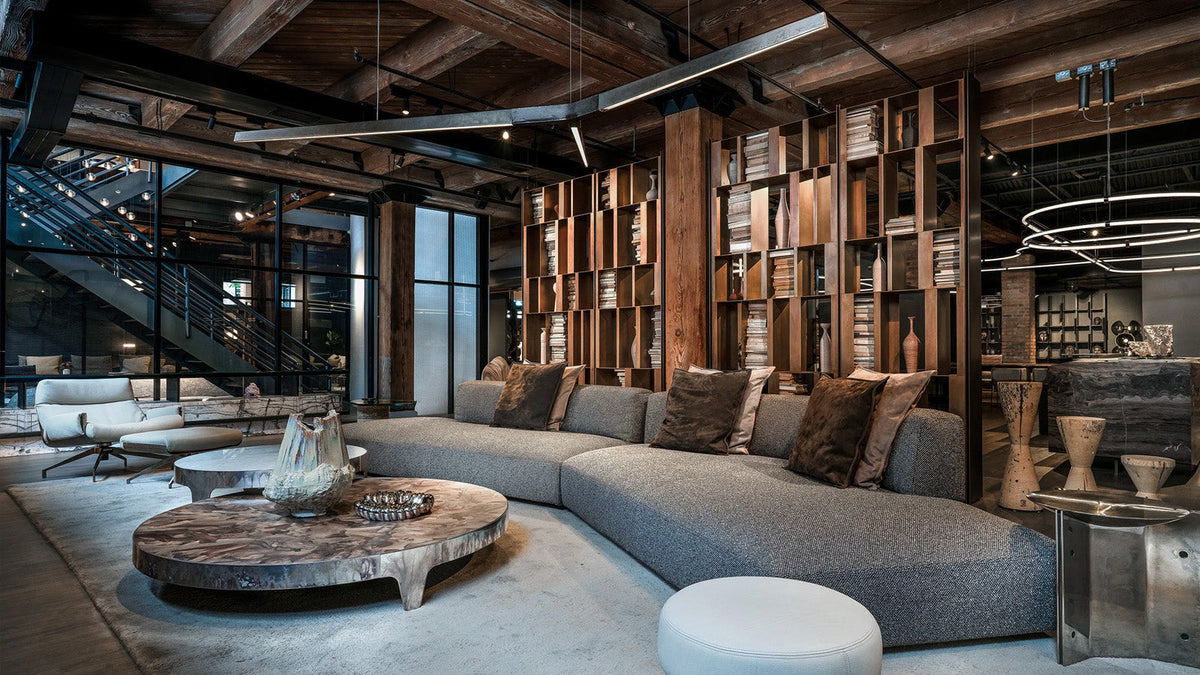
Inside Luminaire Chicago: Italian Design in River North Since 1989
Read moreabout Inside Luminaire Chicago: Italian Design in River North Since 1989
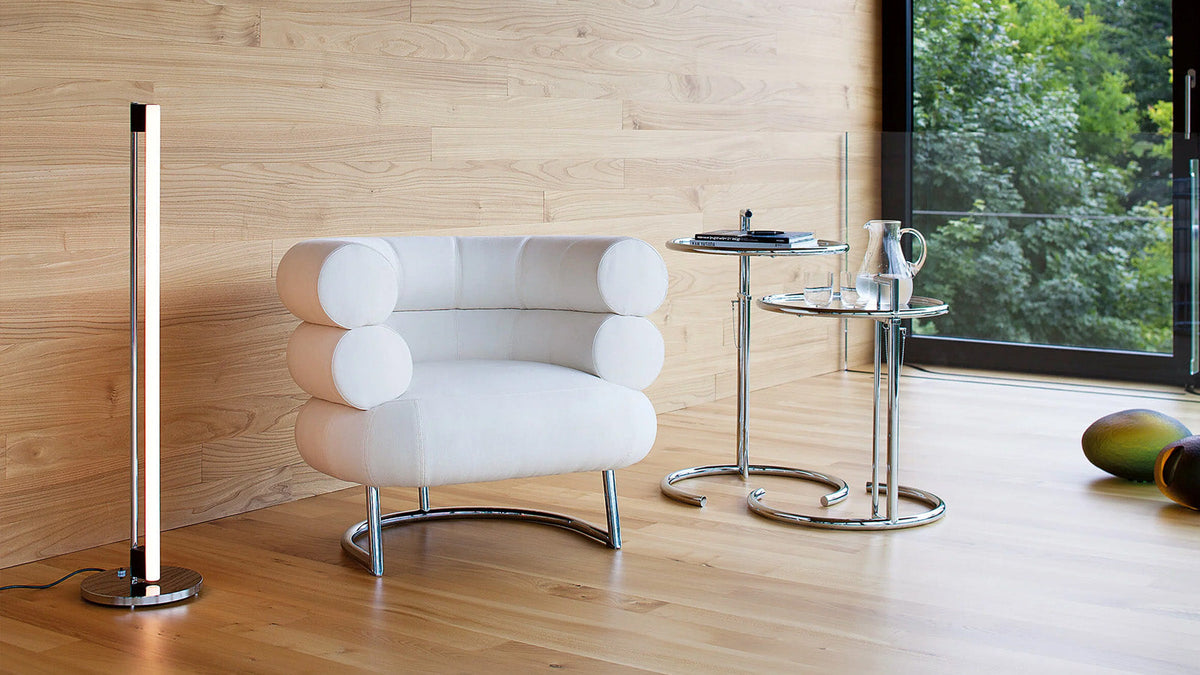
Eileen Gray's E 1027 Table: A Design Conceived for Living
Read moreabout Eileen Gray's E 1027 Table: A Design Conceived for Living
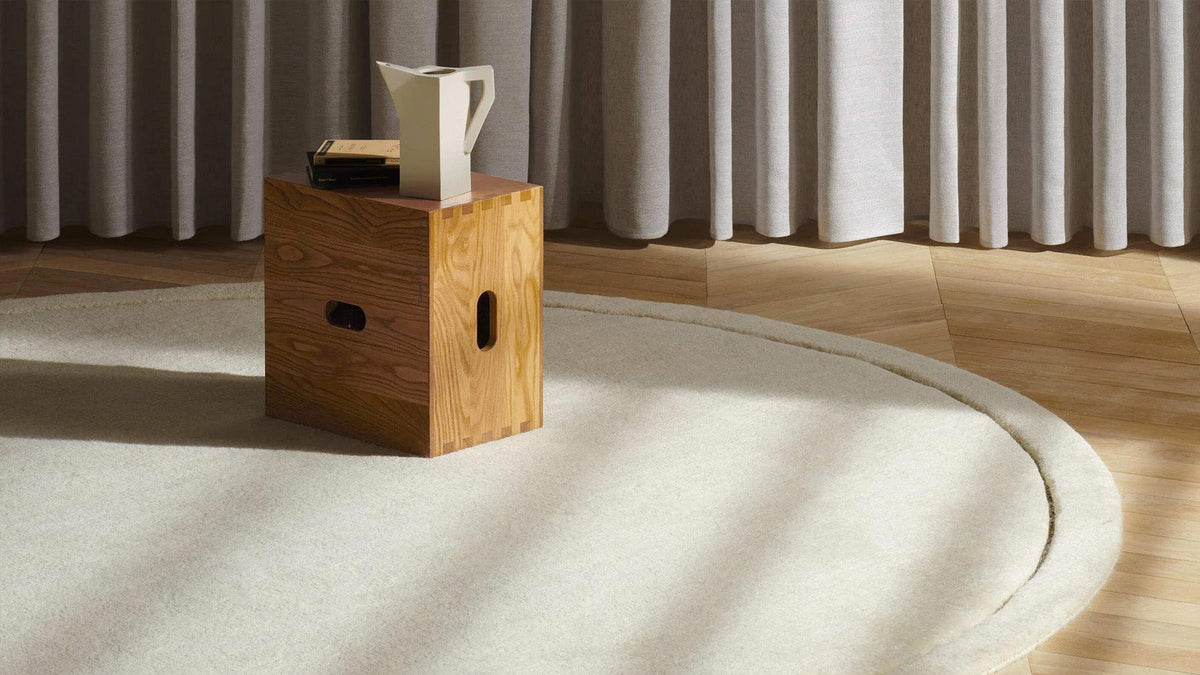
LC14 Tabouret Cabanon: Le Corbusier's Smallest Architecture
Read moreabout LC14 Tabouret Cabanon: Le Corbusier's Smallest Architecture
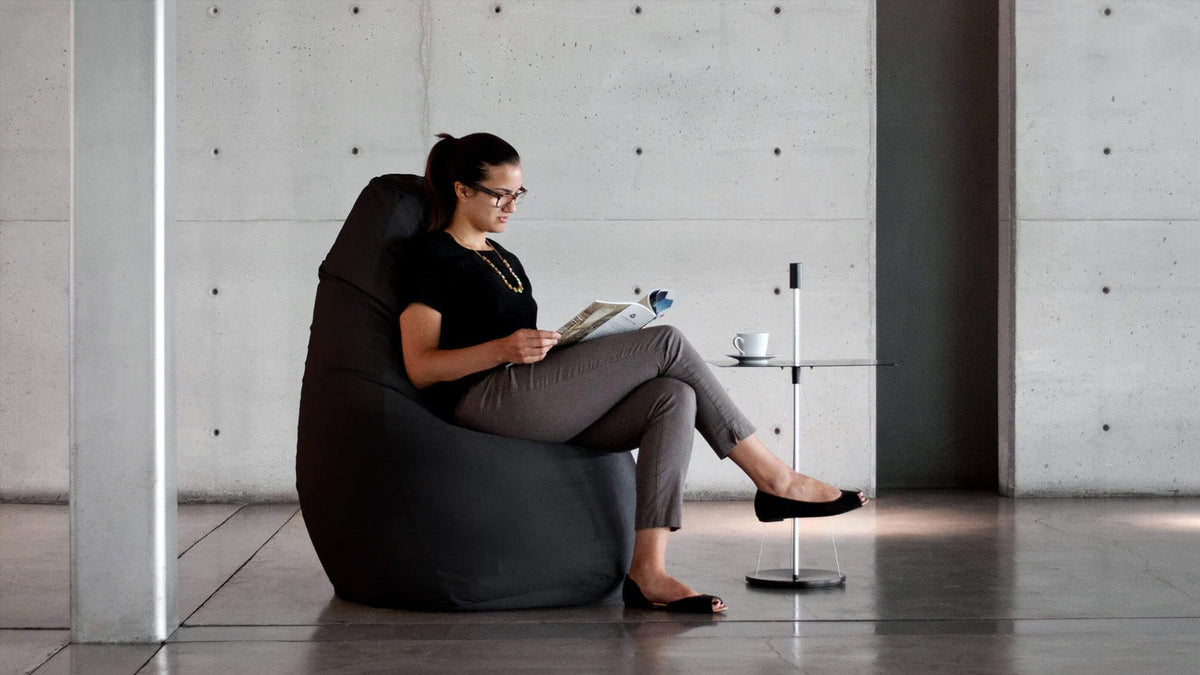
Sacco Chair by Zanotta: The 1968 Object That Refused to Be Furniture
Read moreabout Sacco Chair by Zanotta: The 1968 Object That Refused to Be Furniture
Inside Luminaire Coral Gables: The Showroom and Its Design Services
Read moreabout Inside Luminaire Coral Gables: The Showroom and Its Design Services
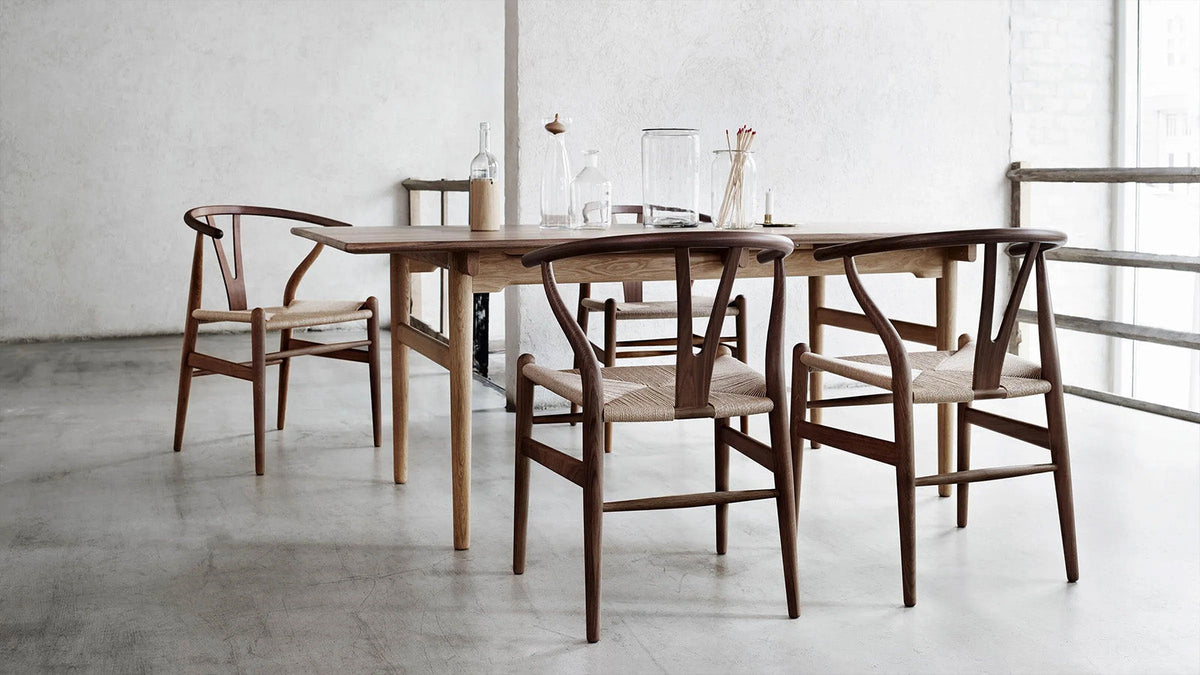
The Wishbone Chair: Hans Wegner's CH24 and the Art of Making
Read moreabout The Wishbone Chair: Hans Wegner's CH24 and the Art of Making
Cassina Chairs - The Collectors' Guide
Few furniture makers have shaped the chair as a cultural object the way Cassina has. From their earliest collaborations with the European avant-garde to their ongoing stewardship of the twentieth century's most consequential seating designs, the Meda-based manufacturer remains the standard against which Italian furniture brands are measured. This guide surveys the Cassina chairs we carry and the ideas embedded in each one.
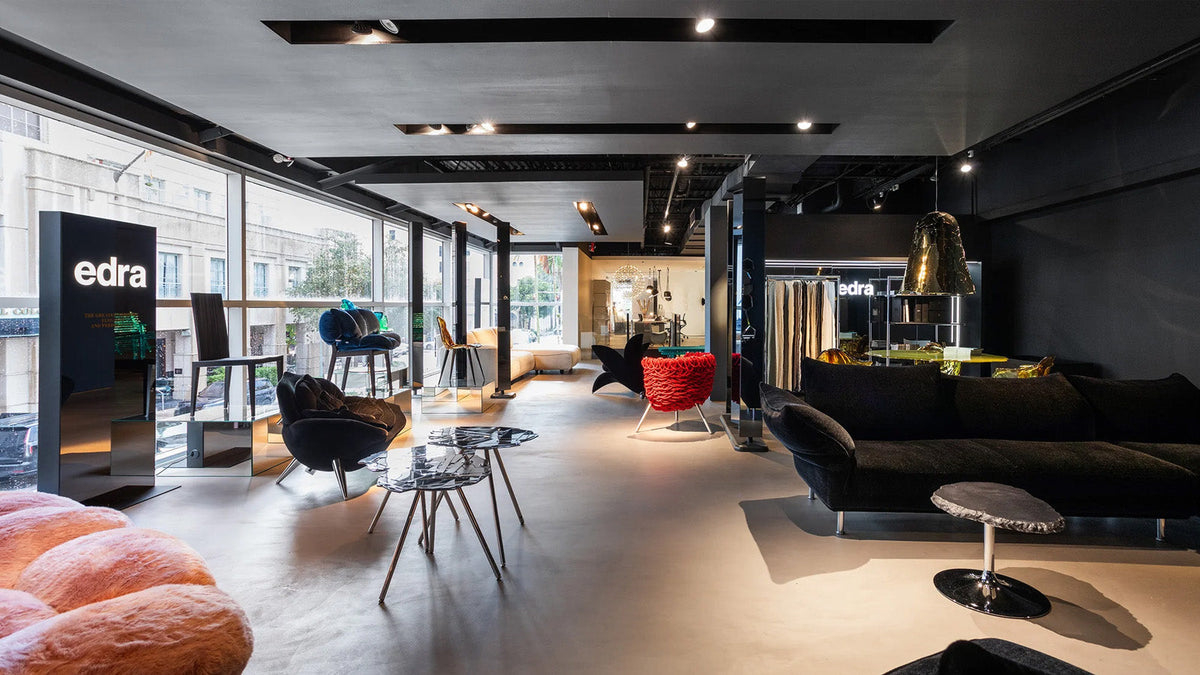
On the Rocks by Edra: Francesco Binfaré's Geology of Rest
Read moreabout On the Rocks by Edra: Francesco Binfaré's Geology of Rest
The 14p Portable Lamp: Bocci's Cast-Glass Sphere, Untethered
Read moreabout The 14p Portable Lamp: Bocci's Cast-Glass Sphere, Untethered
Our design services cover everything from concept development to installation, including product guidance, material selection, custom configurations, pricing, and lead‑time coordination.
Speak with a Design Consultant
Call 855-341-3620 for assistance during business hours.
Enroll for privileged access to iconic design, emerging trends, exclusive events, and thoughtfully curated offers.




Share:
Light Years in Motion: Celebrating 20 Years of Bocci at NeoCon 2025
Henge Arrives in Dubai: A New Chapter in Global Design