
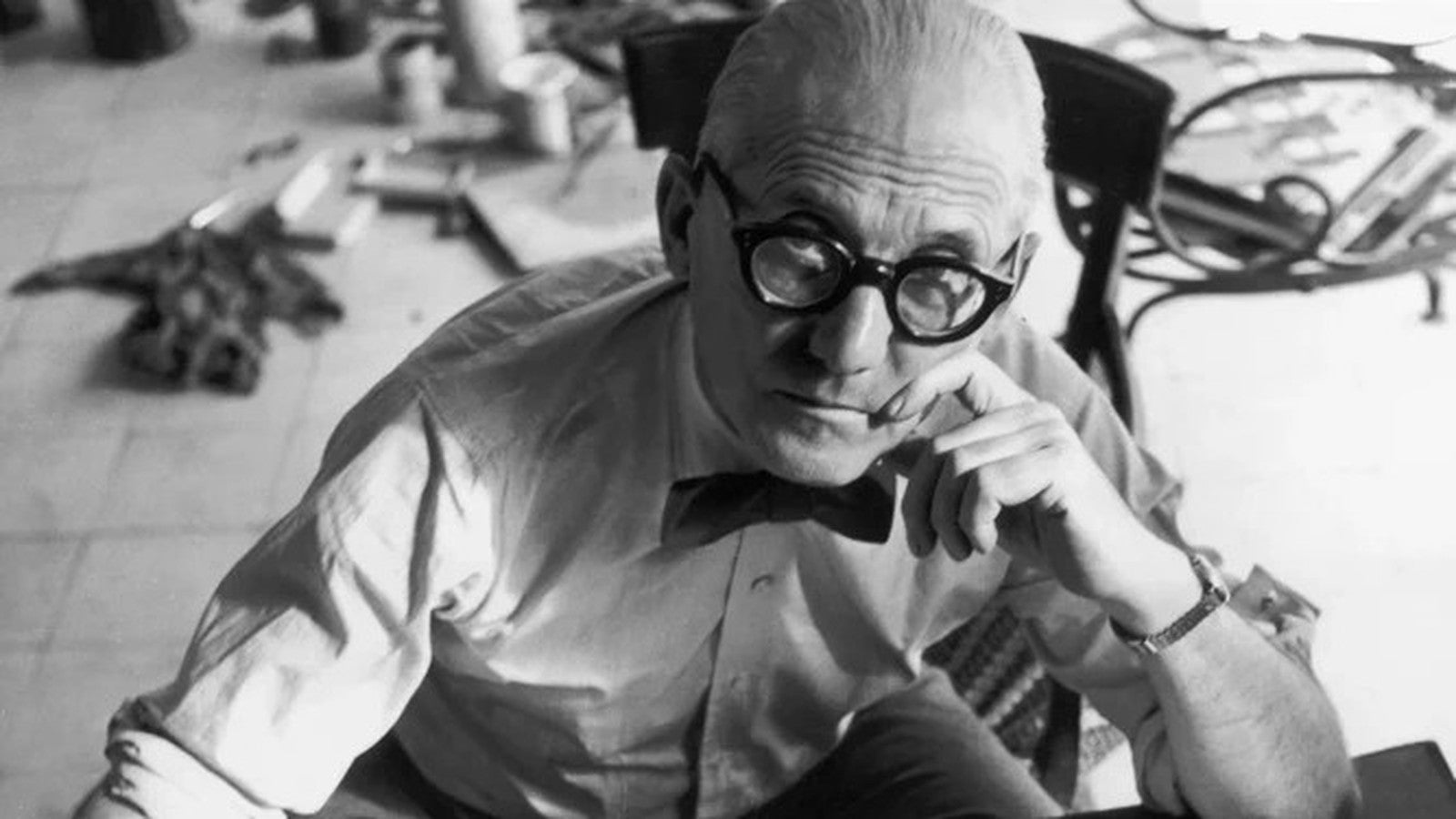
A revolutionary architect and an expansive thinker, Le Corbusier reshaped the language of modern design through a disciplined yet imaginative approach to form. His work continues to resonate, offering a vision of living that feels at once structured and expressive, precise yet open to interpretation.
This year marks two significant milestones. It is the 60th anniversary of his furniture line introduced through Cassina, and the 100th anniversary of Vers Une Architecture, the manifesto that helped define modern architecture.
These moments invite reflection not only on his legacy, but on the continued relevance of his ideas in shaping how we live today, and how design continues to translate those ideas into lived experience.

Born Charles-Édouard Jeanneret-Gris in 1887, Le Corbusier adopted his now-iconic name after arriving in Paris, signaling a belief in reinvention. Around this time, he co-founded L’Esprit Nouveau with Amédée Ozenfant and Paul Dermée, advocating for a new architectural language grounded in clarity and purpose.
By 1922, alongside Pierre Jeanneret and Charlotte Perriand, he began to shape the home as a complete system, where architecture and interior elements work in unison.
This vision came into focus at the 1929 Salon d’Automne in Paris, where the house as a machine for living in took form. The furnishings introduced there were not decorative, but integral. Pieces such as the LC1 Sling Chair and LC6 Table extend architectural ideas into the body, translating structure into experience with precision and ease.
Aligned with the International Style, these works carry a clarity that remains both disciplined and inviting. They function as objects and as ideas, adapting effortlessly to contemporary interiors with an endurance that lies in their flexibility.

In 1965, four of the studio’s foundational furniture designs transitioned from artisanal production into broader circulation through Cassina. This marked a pivotal moment, allowing these works to reach a wider audience while preserving their integrity through a careful reissuing process developed with their original creators.
Today, Cassina celebrates this legacy with a reintroduction of these pieces in updated finishes. Glossy frames in red, blue, and green are paired with tonal mohair velvet upholstery, extending Le Corbusier’s principles into a contemporary palette. The result feels both familiar and newly energized, a continuation rather than a departure.

Presented during Milan Design Week, Staging Modernity marks a compelling new chapter in the ongoing legacy of Cassina and its stewardship of the Le Corbusier®, Pierre Jeanneret®, and Charlotte Perriand® Collection.
Conceived by the research-driven studio Formafantasma and brought to life through a series of live performances directed by Fabio Cherstich, the installation opens the 60th-anniversary celebration with a gesture that is both reflective and forward-looking. Here, modernism is not preserved as a fixed ideal, but reexamined as a living framework.
Through immersive scenography and unfolding performances, the installation invites a reconsideration of the binaries that have long defined modern design. Rationality and intuition begin to blur. The human perspective expands to include broader ecological and material awareness.
Drawing from the writings of Emanuele Coccia, Andrés Jaque, and Feifei Zhou, the work unfolds as a layered dialogue between design, philosophy, and performance.

To engage with Le Corbusier’s work today is to step into a lineage of ideas that continue to shape how we think about space, form, and living.
We invite you to explore this legacy further through select pieces available at Luminaire, or to connect with our design team to better understand how these enduring principles can be translated into spaces that reflect both clarity and individuality.
The conversation that began a century ago continues, shaped by new perspectives and brought to life through design.
Luminaire at Design West Hollywood 2026
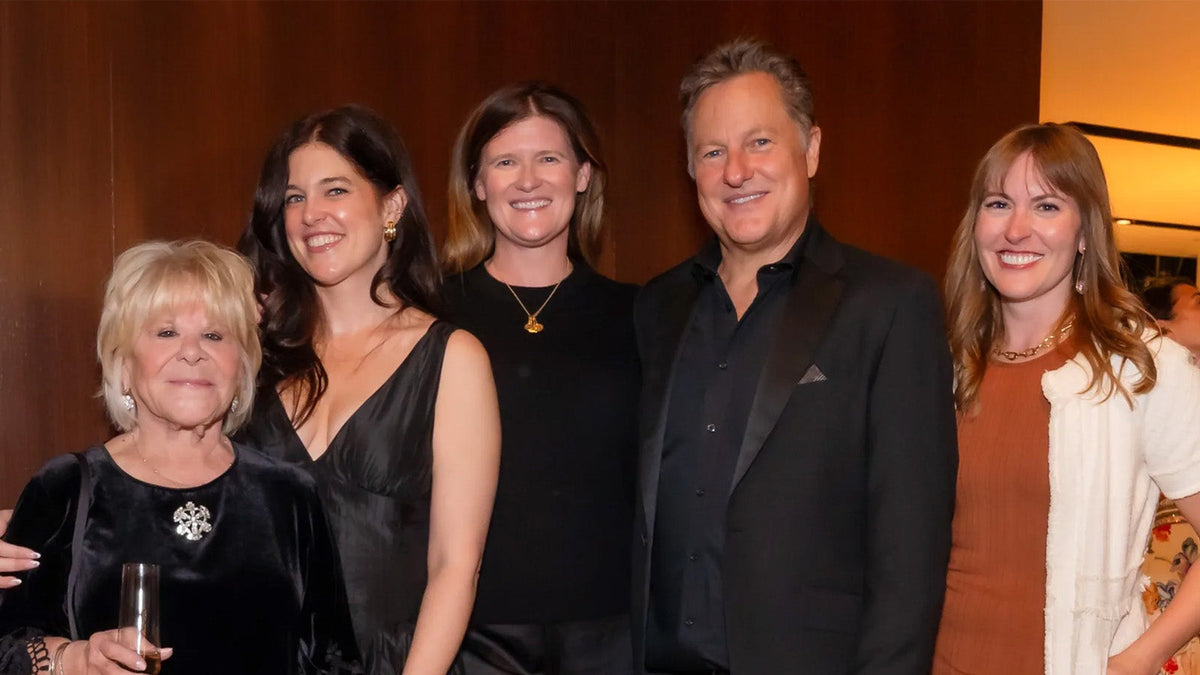
Design West Hollywood 2026 celebrated creativity, connection, and contemporary design, with Luminaire Los Angeles and Arclinea Los Angeles hosting memorable gatherings that brought the design community together.
In Conversation with Sophie Goineau
Interior architect Sophie Goineau designs across scales, from a single object to the architecture around it and the land beyond. She discusses composing interiors as one continuous experience, letting each place and its people shape a project's language, and her work on Selby Lane with the San Francisco team.
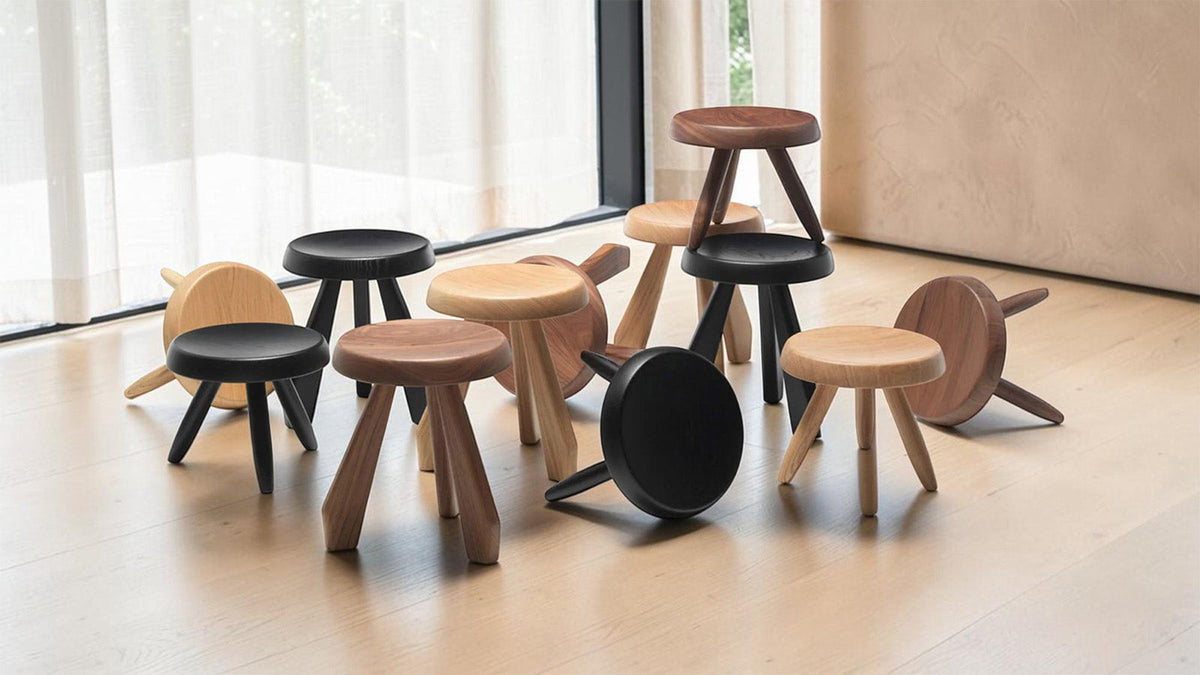
Charlotte Perriand's Tabouret Stools: Alpine Form, Modern Use
Read moreabout Charlotte Perriand's Tabouret Stools: Alpine Form, Modern Use
Inside Luminaire Chicago: Italian Design in River North Since 1989
Read moreabout Inside Luminaire Chicago: Italian Design in River North Since 1989
Eileen Gray's E 1027 Table: A Design Conceived for Living
Read moreabout Eileen Gray's E 1027 Table: A Design Conceived for Living
LC14 Tabouret Cabanon: Le Corbusier's Smallest Architecture
Read moreabout LC14 Tabouret Cabanon: Le Corbusier's Smallest Architecture
Sacco Chair by Zanotta: The 1968 Object That Refused to Be Furniture
Read moreabout Sacco Chair by Zanotta: The 1968 Object That Refused to Be Furniture
Inside Luminaire Coral Gables: The Showroom and Its Design Services
Read moreabout Inside Luminaire Coral Gables: The Showroom and Its Design Services
The Wishbone Chair: Hans Wegner's CH24 and the Art of Making
Read moreabout The Wishbone Chair: Hans Wegner's CH24 and the Art of Making
Cassina Chairs - The Collectors' Guide
Few furniture makers have shaped the chair as a cultural object the way Cassina has. From their earliest collaborations with the European avant-garde to their ongoing stewardship of the twentieth century's most consequential seating designs, the Meda-based manufacturer remains the standard against which Italian furniture brands are measured. This guide surveys the Cassina chairs we carry and the ideas embedded in each one.
On the Rocks by Edra: Francesco Binfaré's Geology of Rest
Read moreabout On the Rocks by Edra: Francesco Binfaré's Geology of Rest
The 14p Portable Lamp: Bocci's Cast-Glass Sphere, Untethered
Read moreabout The 14p Portable Lamp: Bocci's Cast-Glass Sphere, Untethered
Our design services cover everything from concept development to installation, including product guidance, material selection, custom configurations, pricing, and lead‑time coordination.
Speak with a Design Consultant
Call 855-341-3620 for assistance during business hours.
Enroll for privileged access to iconic design, emerging trends, exclusive events, and thoughtfully curated offers.

Share:
Edra at Milan Design Week 2025: A New Language of Comfort and Craft
The Rhythm of Modernism at Commonwealth Promenade