
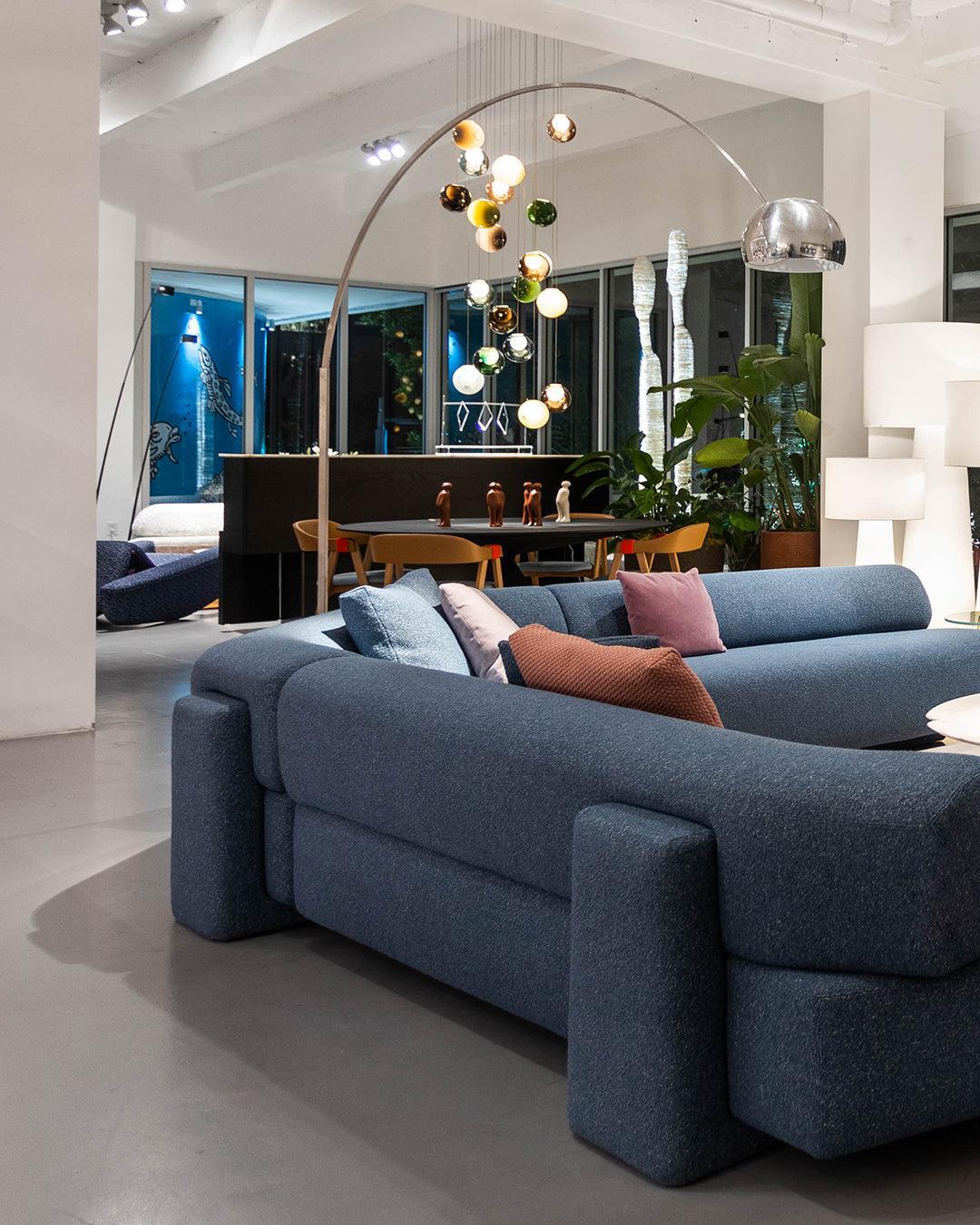
Space is rarely neutral; it is shaped, articulated, and ultimately understood through the objects that inhabit it. Within the spaces of design, certain works rise beyond utility, transforming their surroundings with clarity and intellectual grace. The icons of modern design exist within a realm where furniture becomes a conduit for ideas, for history, for human intention made visible. In their presence, a room begins to speak.
To live among such works is to live within a continuum. These pieces emerge from moments when design redefined how we sit, gather, illuminate, and dwell. They hold within them the optimism of modernism, the experimentation of postwar innovation, and the ongoing dialogue between form and function that continues to shape contemporary life. At Luminaire, this philosophy becomes tangible.
Here we curated the Icons of Design collection as a narrative that bridges generations of designers whose work continues to resonate across cultures and contexts. Each piece is an invitation to see more clearly, to feel more deeply, and to inhabit space with intention.
 A Timeless Invitation
There is a certain luxury, modest yet satisfying, in surrounding oneself with objects that endure, with works that neither shout nor fade, but rather reveal themselves slowly over time. Welcoming an icon into the home engages a legacy of craft and imagination, where beauty is inseparable from purpose.
Through August 31, Luminaire extends an invitation to engage more intimately with this legacy, offering a moment to bring home pieces that embody both historical significance and lived comfort with a 15% discount. These are designs that anchor environments resonating with clarity, balance, and emotional depth.

Navigating the rhythm of this collection, we note a lineage of ideas where each designer contributes a distinct voice to the evolving language of modern design. Beginning with early visionaries like Gerrit Rietveld, whose Red and Blue Chair distilled form into structure and color into philosophy, we then transition to the work of Le Corbusier, alongside Pierre Jeanneret and Charlotte Perriand, whose work reflects a radical rethinking of domestic life.
From this foundation, the narrative opens into the warmth and experimentation of the mid-century with the work of Charles and Ray Eames. In Scandinavia, figures like Hans Wegner and Poul Kjærholm pursued refinement through craftsmanship, while Verner Panton embraced expressive form and material innovation.
Italian modernism enters as both discipline and delight. Gio Ponti brought lightness and clarity, while Achille Castiglioni revealed poetry in the everyday. Designers like Mario Bellini and Vico Magistretti balanced innovation with enduring proportion and ease.

The sculptural energy of Frank Gehry transforms humble materials into dynamic forms, while Zaha Hadid reimagines objects like the Serenity Platter as extensions of architecture itself. In the hands of Ingo Maurer, light becomes something poetic and atmospheric.
Contemporary voices such as Patricia Urquiola, Marcel Wanders, and Konstantin Grcic continue this dialogue with expression grounded in human experience.

There is also a current within the collection that favors restraint and clarity. Designers like Jasper Morrison and Naoto Fukasawa champion what Morrison has described as the “super normal.” Nendo extends this sensibility with subtle wit.
This reverence for form and material can also be found in the work of Jean-Marie Massaud, where balance creates a sense of calm that feels both contemporary and timeless.

Figures such as Shiro Kuramata, Joe Colombo, and Tobia Scarpa challenged convention in ways that still feel radical today. Their work reminds us that design is an evolving inquiry into how we live and what we value.

Emerging voices like Nao Tamura, Sebastian Herkner, and Omer Arbel carry this legacy forward.
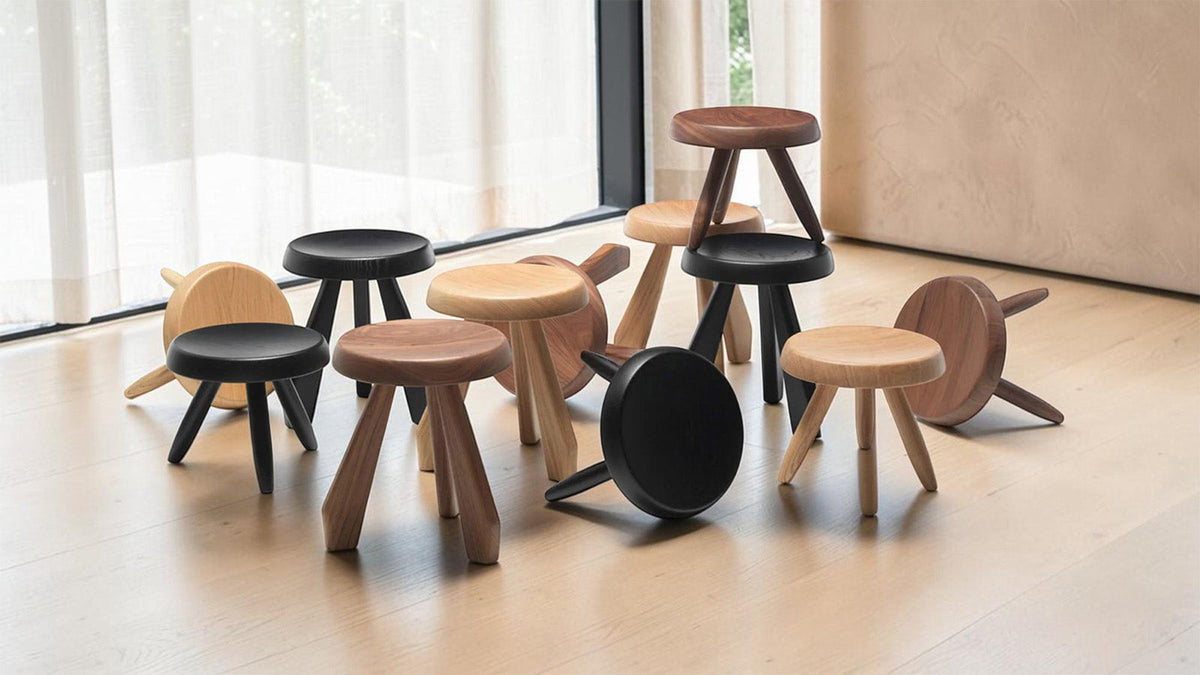
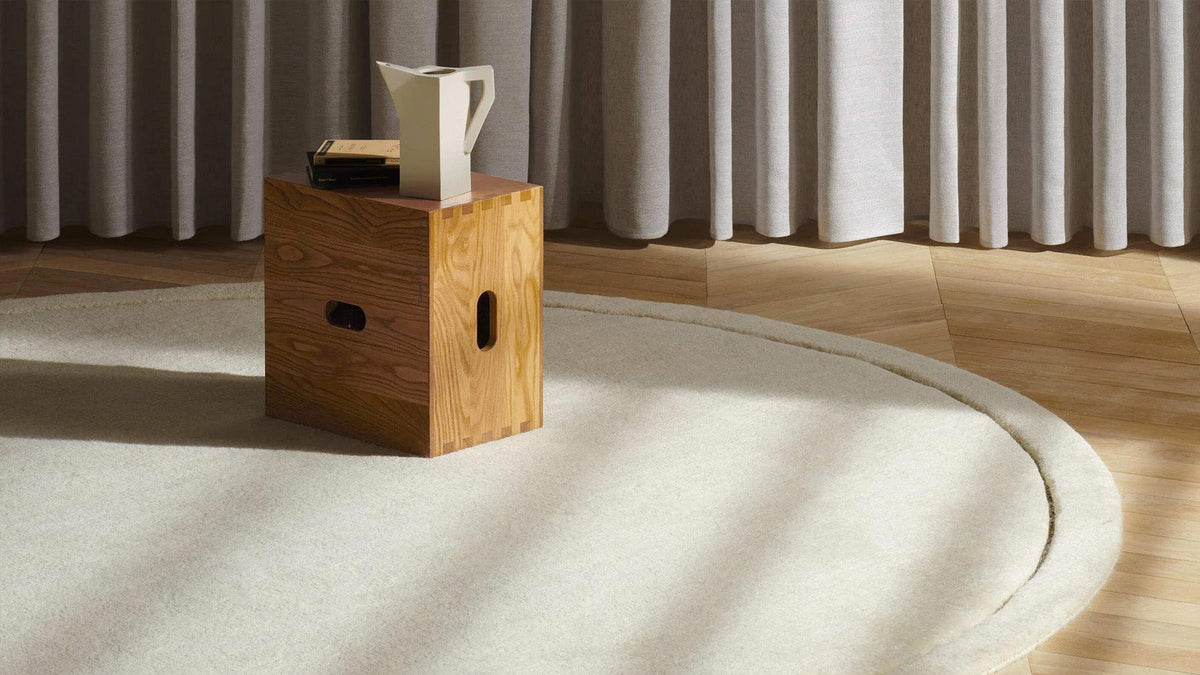
From the architectural clarity of LC14 Tabouret Cabanon to contemporary pieces like Cork Stool, each work within the Icons of Design collection exists as both artifact and possibility.
Available now, in stock at Luminaire, these pieces offer more than presence. They offer participation in a history that continues to unfold, and in a way of living that values design as a meaningful extension of life itself.
Luminaire at Design West Hollywood 2026
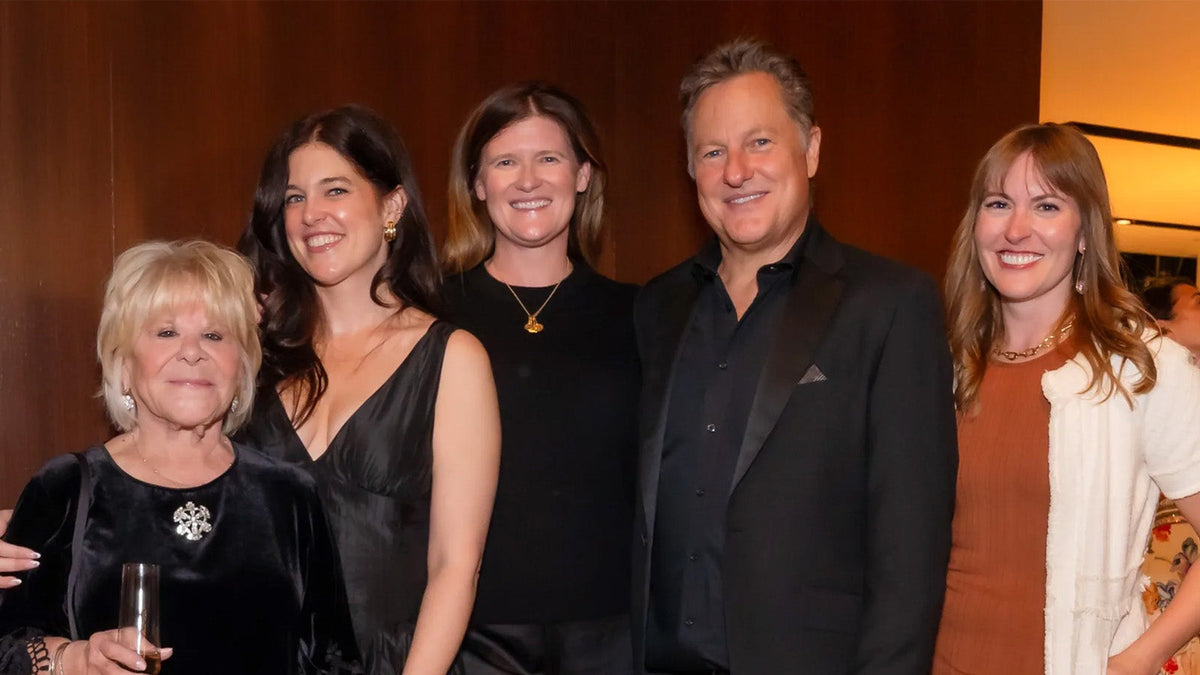
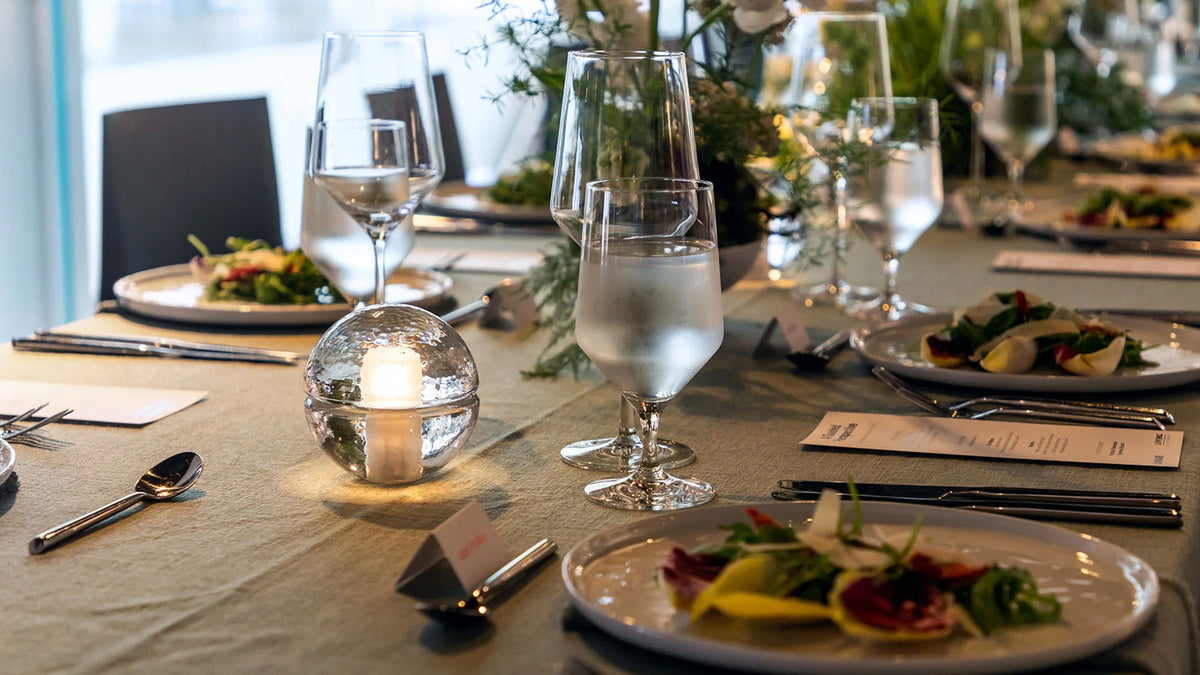
Design West Hollywood 2026 celebrated creativity, connection, and contemporary design, with Luminaire Los Angeles and Arclinea Los Angeles hosting memorable gatherings that brought the design community together.
In Conversation with Sophie Goineau
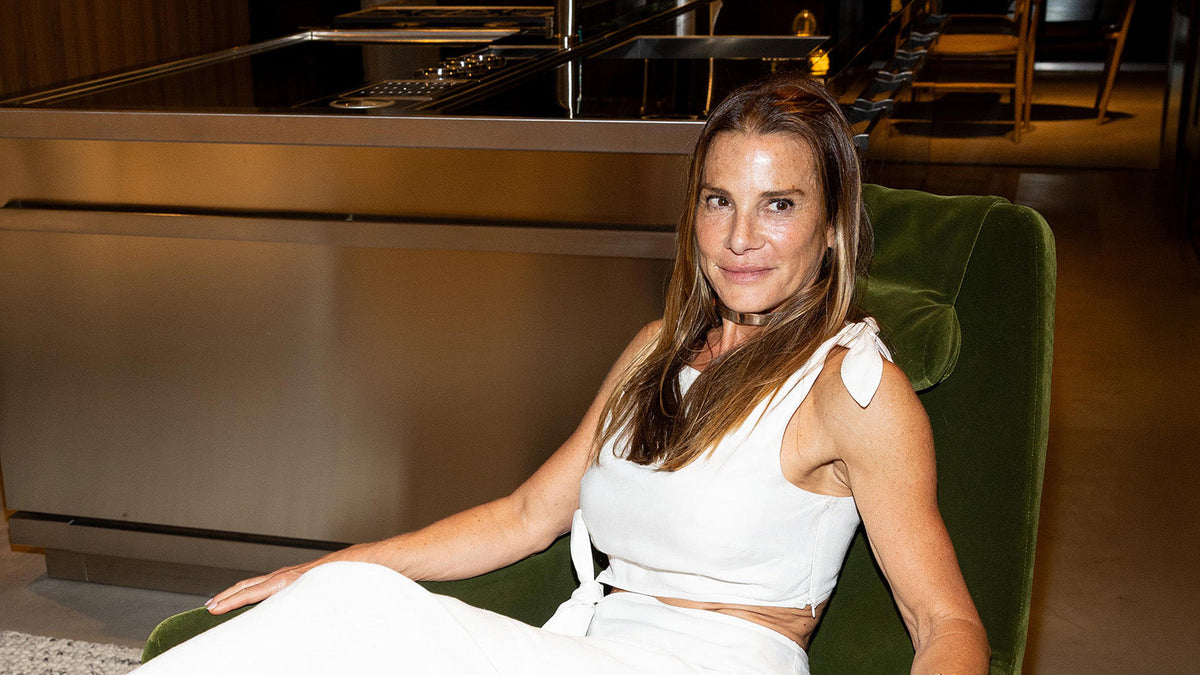
Interior architect Sophie Goineau designs across scales, from a single object to the architecture around it and the land beyond. She discusses composing interiors as one continuous experience, letting each place and its people shape a project's language, and her work on Selby Lane with the San Francisco team.
Charlotte Perriand's Tabouret Stools: Alpine Form, Modern Use
Read moreabout Charlotte Perriand's Tabouret Stools: Alpine Form, Modern Use
Inside Luminaire Chicago: Italian Design in River North Since 1989
Read moreabout Inside Luminaire Chicago: Italian Design in River North Since 1989
Eileen Gray's E 1027 Table: A Design Conceived for Living
Read moreabout Eileen Gray's E 1027 Table: A Design Conceived for Living
LC14 Tabouret Cabanon: Le Corbusier's Smallest Architecture
Read moreabout LC14 Tabouret Cabanon: Le Corbusier's Smallest Architecture
Sacco Chair by Zanotta: The 1968 Object That Refused to Be Furniture
Read moreabout Sacco Chair by Zanotta: The 1968 Object That Refused to Be Furniture
Inside Luminaire Coral Gables: The Showroom and Its Design Services
Read moreabout Inside Luminaire Coral Gables: The Showroom and Its Design Services
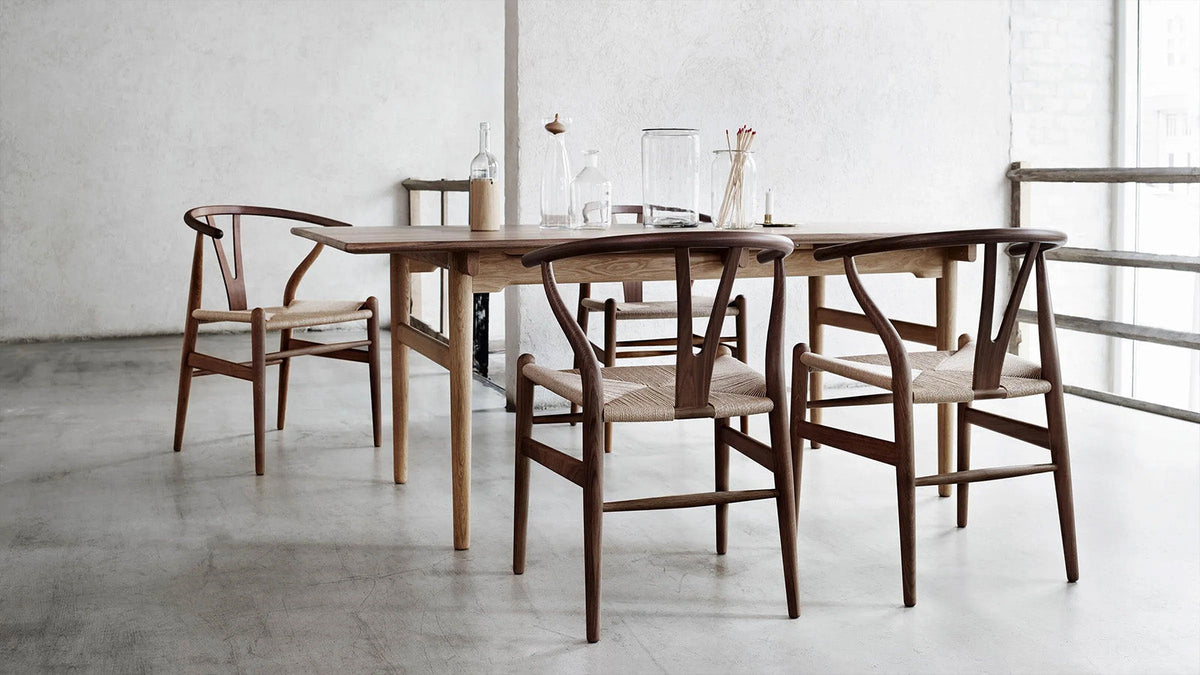
The Wishbone Chair: Hans Wegner's CH24 and the Art of Making
Read moreabout The Wishbone Chair: Hans Wegner's CH24 and the Art of Making
Cassina Chairs - The Collectors' Guide
Few furniture makers have shaped the chair as a cultural object the way Cassina has. From their earliest collaborations with the European avant-garde to their ongoing stewardship of the twentieth century's most consequential seating designs, the Meda-based manufacturer remains the standard against which Italian furniture brands are measured. This guide surveys the Cassina chairs we carry and the ideas embedded in each one.
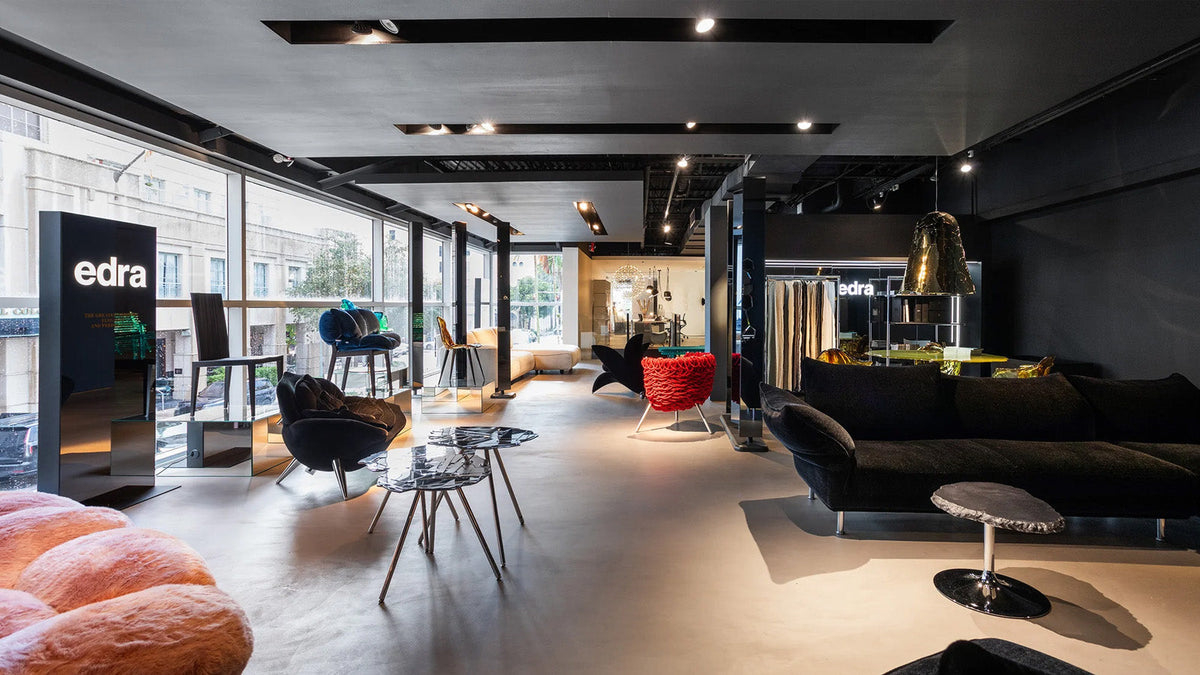
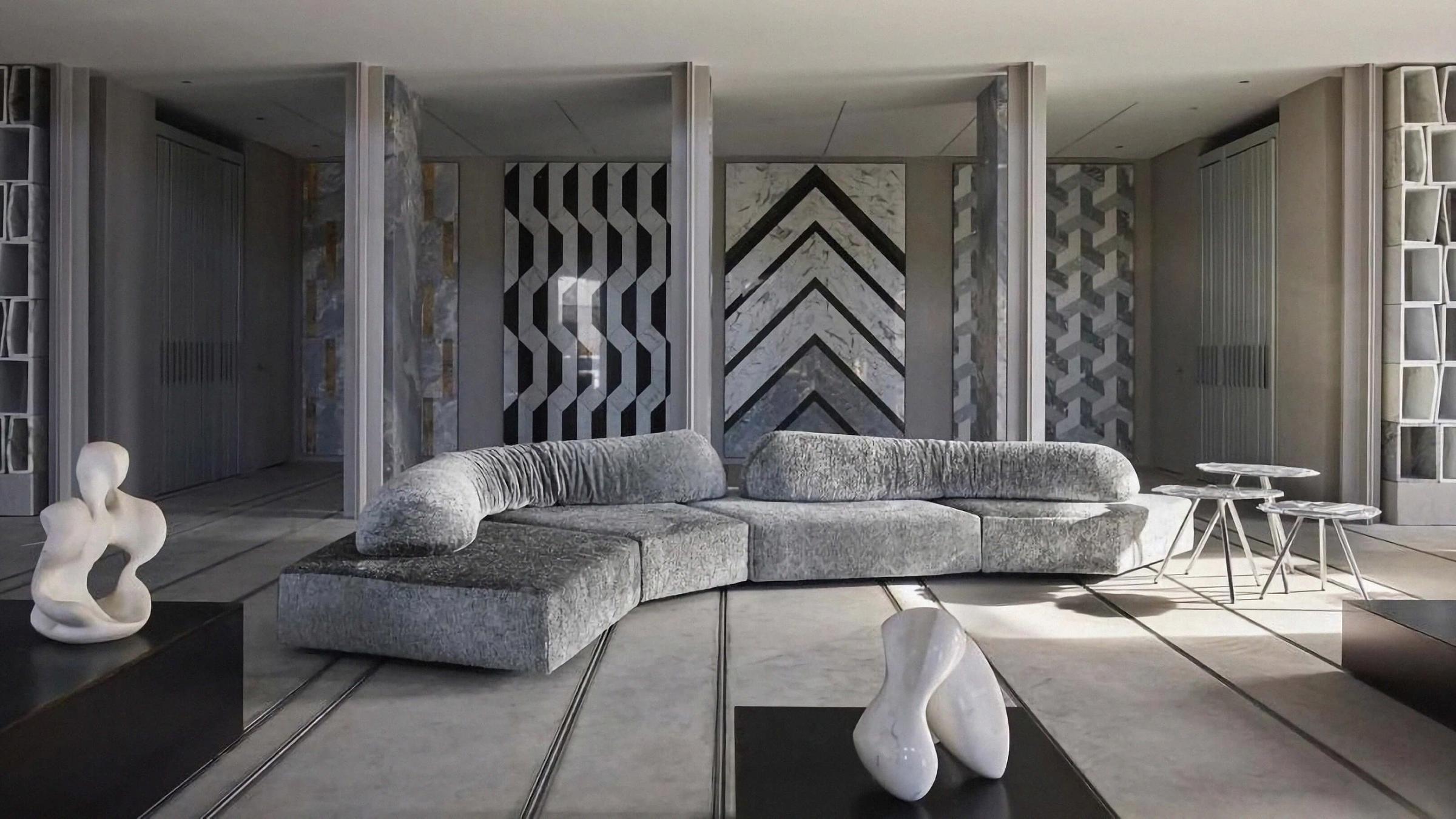
On the Rocks by Edra: Francesco Binfaré's Geology of Rest
Read moreabout On the Rocks by Edra: Francesco Binfaré's Geology of Rest
The 14p Portable Lamp: Bocci's Cast-Glass Sphere, Untethered
Read moreabout The 14p Portable Lamp: Bocci's Cast-Glass Sphere, Untethered
Our design services cover everything from concept development to installation, including product guidance, material selection, custom configurations, pricing, and lead‑time coordination.
Speak with a Design Consultant
Call 855-341-3620 for assistance during business hours.
Enroll for privileged access to iconic design, emerging trends, exclusive events, and thoughtfully curated offers.

Share:
Flexform Reveals Refined Expression at Luminaire Chicago
An Unforgettable Evening in Los Angeles: B&B Italia x Luminaire