
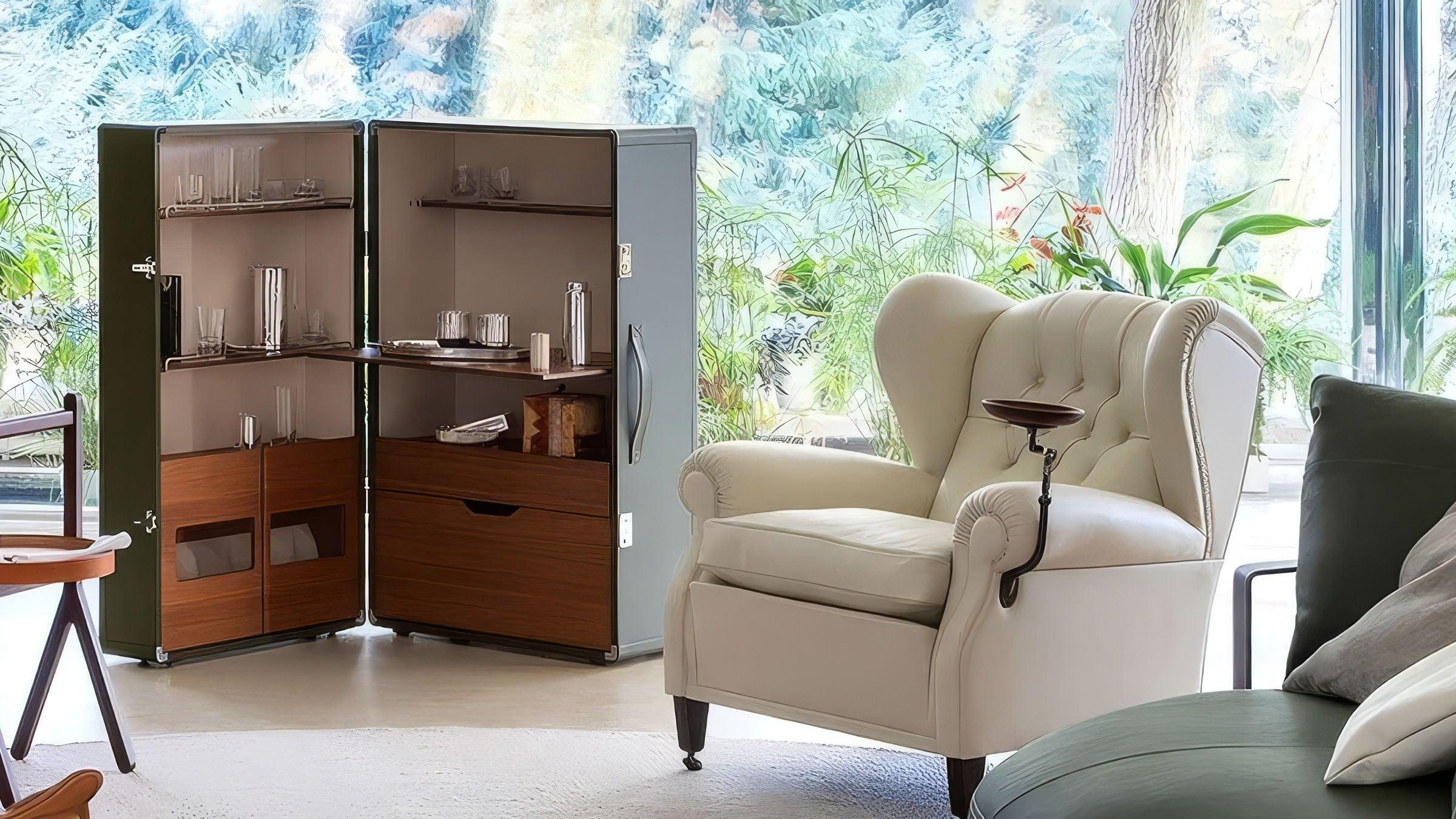
Design, at its most resonant, does more than furnish a space. It reflects the contours of a life lived within it, holding memory, mood, and movement in quiet alignment. Our environments become extensions of the self. They shape how we gather, how we rest, how we begin and end each day. When thoughtfully considered, they offer a sense of continuity between who we are and how we live.
At Luminaire, design is often understood as something akin to a second skin. It surrounds us with presence, absorbing and expressing who we are in ways both subtle and immediate. When a space is carefully tailored, it does not simply function. It responds and becomes attuned, as though it belongs not only to a place, but to a person.
This is where the bespoke begins.
 On the Meaning of Bespoke
Originating in 17th-century tailoring, the term "bespoke" carries with it a lineage of intention. Over time, the concept moved into interiors and furniture, expanding its reach while retaining its essence. Design shaped through dialogue rather than default.
As industrial production widened access to well-designed objects, bespoke offered a counterpoint. It reintroduced nuance, material sensitivity, and the presence of the human hand. In this context, design becomes less about selection and more about authorship.
It invites participation, encouraging individuals to move beyond choosing objects toward shaping environments that reflect how they wish to live.

The emergence of modernism in the early 20th century brought with it a new language of clarity and function. Designers such as Marcel Breuer, Walter Gropius, and Le Corbusier explored the integration of design and daily life with remarkable precision. Later, figures like Mies van der Rohe and Charles and Ray Eames refined this vision through simplicity, proportion, and attention to use.
Yet within this trajectory toward universality, the bespoke quietly endured. It held space for the particular, for the subtle distinctions that resist standardization and give a space its identity. By the late 20th century, this sensibility resurfaced with renewed clarity, as designers and clients alike moved away from homogeneity in search of environments that felt more personal and grounded in lived experience.

Today, the meaning of home has shifted. No longer defined by a single purpose, it now accommodates a multiplicity of roles, whether as a place of work and retreat or of solitude and connection, often unfolding within the same space. In response, there is a growing reluctance to accept interiors that feel generic or unresolved.
Bespoke design offers an alternative. It allows spaces to be shaped in accordance with lived experience, adapting to habits, rhythms, and aspirations. A room becomes more than a setting. It becomes responsive, capable of evolving alongside the people who inhabit it.
This approach also reflects a broader cultural awareness. As sustainability and longevity come to the forefront, the value of well-made, enduring design becomes increasingly apparent. Pieces are chosen not only for how they look, but for how they last and how they continue to serve over time.

Contemporary bespoke design exists in a dynamic relationship between tradition and innovation, where craft remains central, but materials are considered with care and processes retain a sense of tactility and depth that connects object to maker.
At the same time, digital tools expand what is possible. They allow for precision, flexibility, and collaboration across distance, connecting designers, artisans, and clients in new ways. This convergence has fostered a more expansive design dialogue, one that is global in reach yet deeply personal in outcome.
It opens the door to solutions that feel both technically refined and emotionally resonant.

At Luminaire, bespoke design unfolds as a process of attentive composition. Spaces are approached as living systems, where each element is considered in relation to the whole and to the individual who inhabits it.
The process begins with understanding. It evolves through dialogue, refinement, and careful selection. A kitchen may be shaped around rituals of gathering and preparation, and a closet can transform the cadence of daily routine. A bathroom may become a place of quiet restoration.
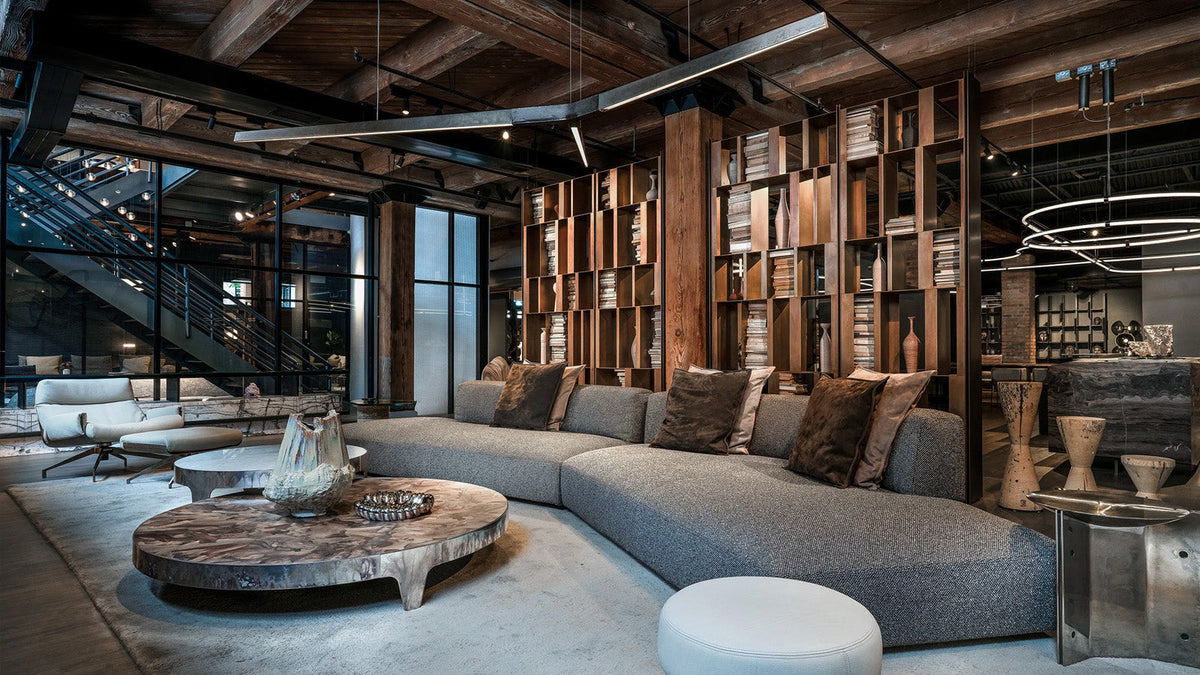
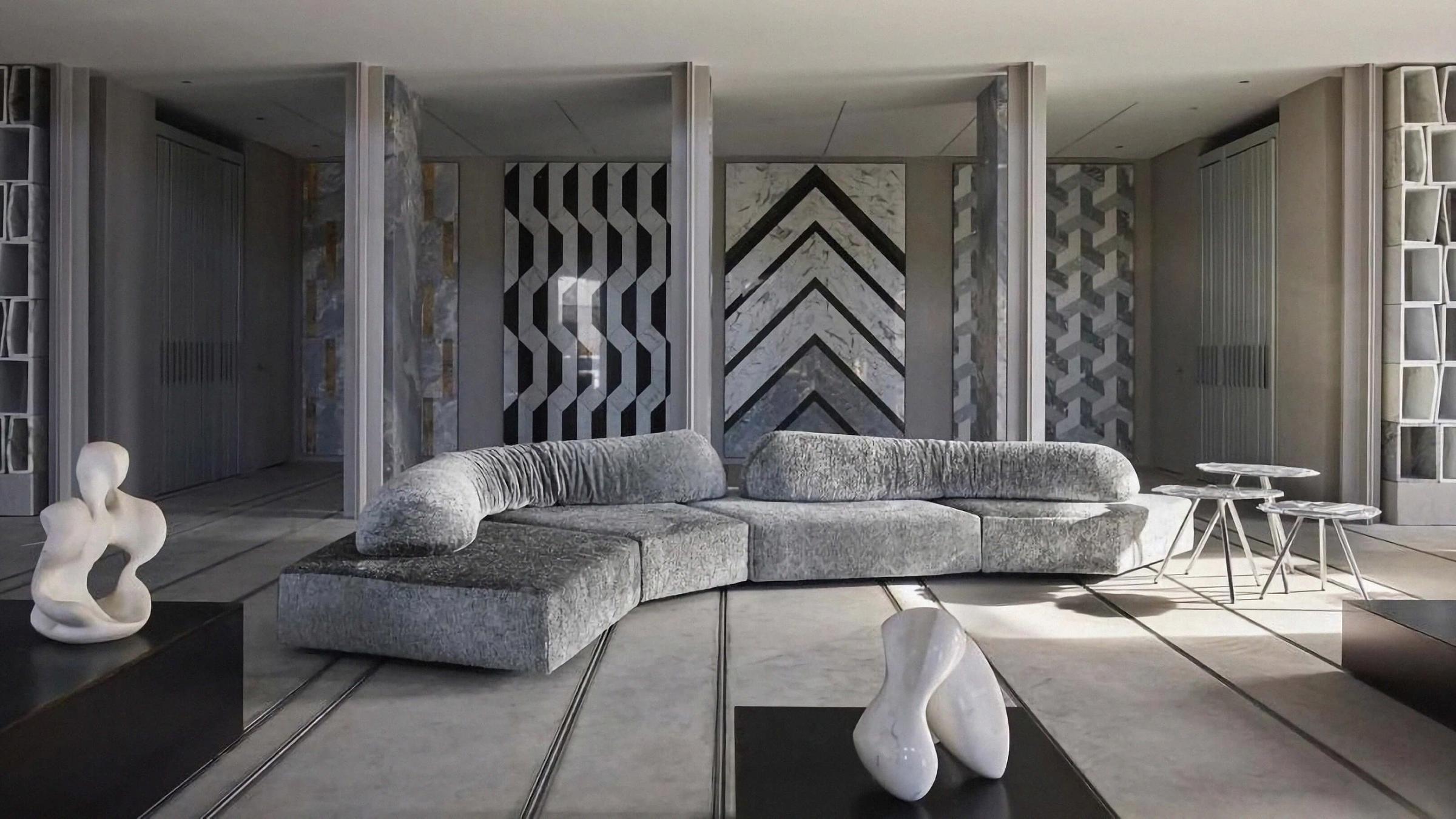
Furnishings are treated as evolving forms rather than fixed solutions. A sofa extends into a modular landscape. Shelving adapts over time. Materials and finishes are selected not only for their visual qualities, but for the way they resonate within a space.
What emerges is customization, coherence, and a sense that each element belongs, contributing to an environment that feels both intentional and deeply lived in. Through this process, Luminaire’s role extends beyond sourcing, becoming a collaborative partner guiding projects from concept through installation.

Within a bespoke environment, objects take on a deeper role. Rather than isolated pieces, they are participants in a larger narrative. A table anchors interaction, while a chair reflects both comfort and proportion. A desk becomes a site of thought as much as function.
Each element contributes to an atmosphere that feels intentional, composed, and distinctly one’s own. Over time, these objects gather meaning, shaped by use, memory, and presence.

Bespoke design is often associated with luxury, yet its significance extends beyond exclusivity. At its core, it is an approach grounded in attention and care. It values the relationship between people and their surroundings, privileging depth over excess and intention over accumulation.
In this way, bespoke invites a shift in perspective toward design that is considered rather than collected, and toward spaces that support not only how we live, but how we feel within them.

Engaging with bespoke design transforms one's perspective as well as one's environment. It brings together craftsmanship and innovation, global knowledge and individual sensibility. It allows design to move beyond aesthetics into experience, creating spaces that feel both refined and deeply human.
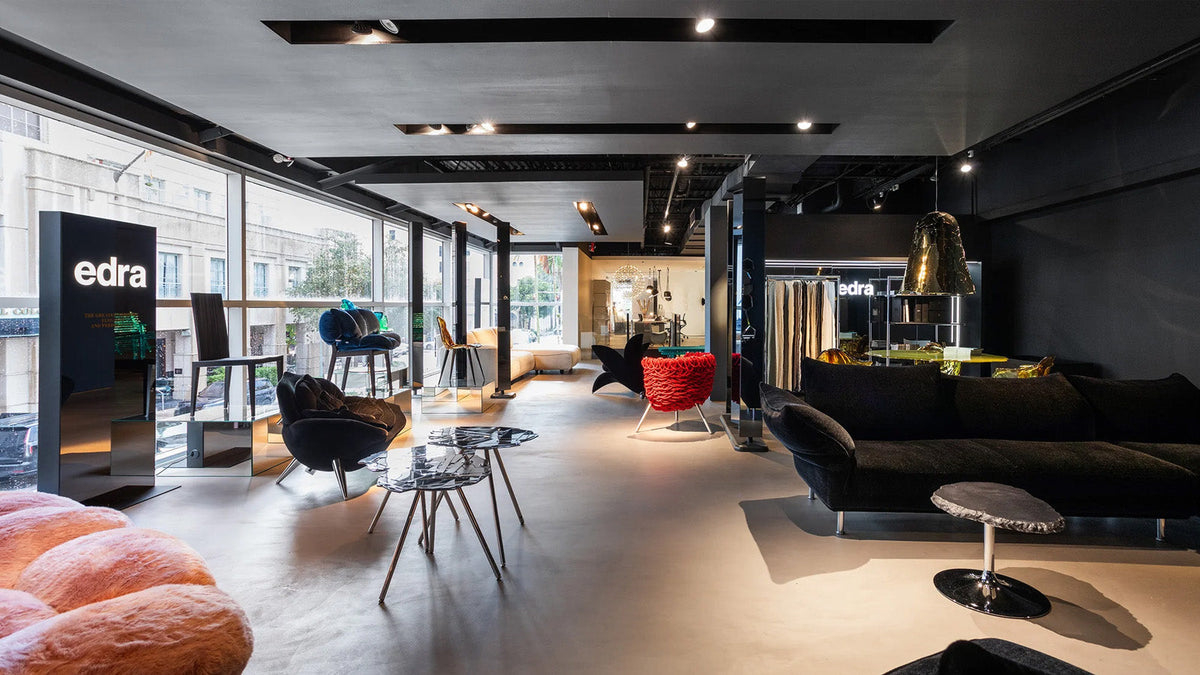
At Luminaire, this approach continues to evolve through curated collections, collaborative design services, and an ongoing dialogue between ideas and application.
For those seeking to explore this approach further, Luminaire’s showrooms and design team offer an opportunity to begin that conversation.
In the end, bespoke design is not simply created. It is inhabited, interpreted, and ultimately, felt.
Luminaire at Design West Hollywood 2026
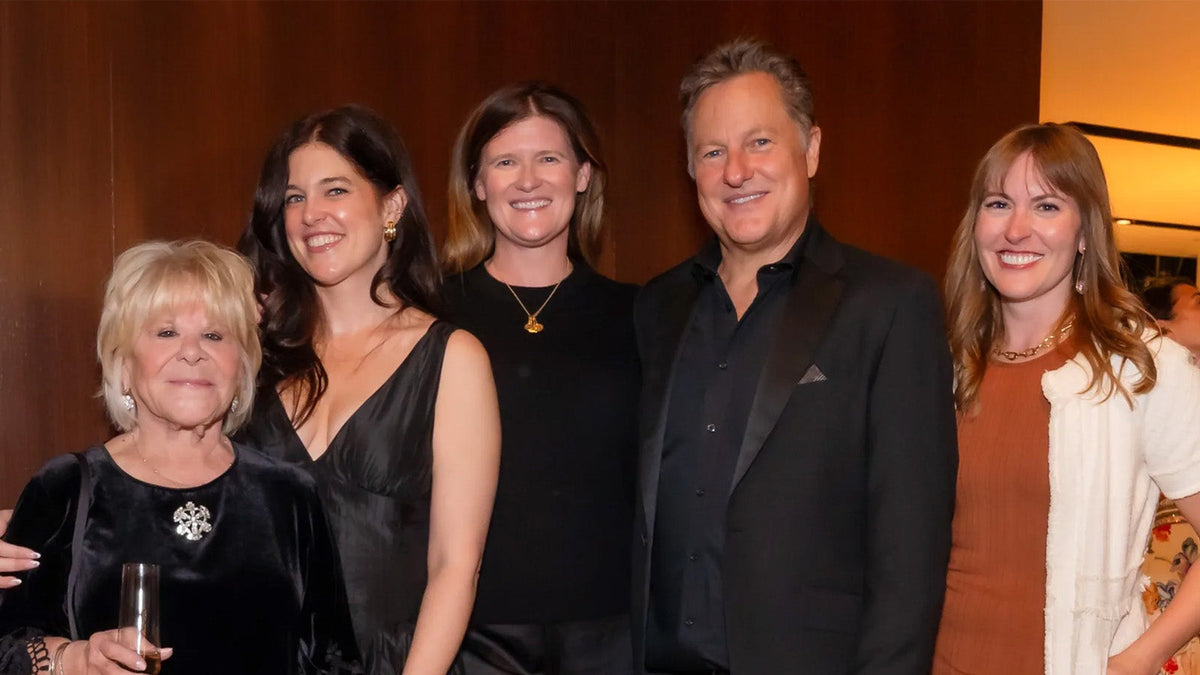
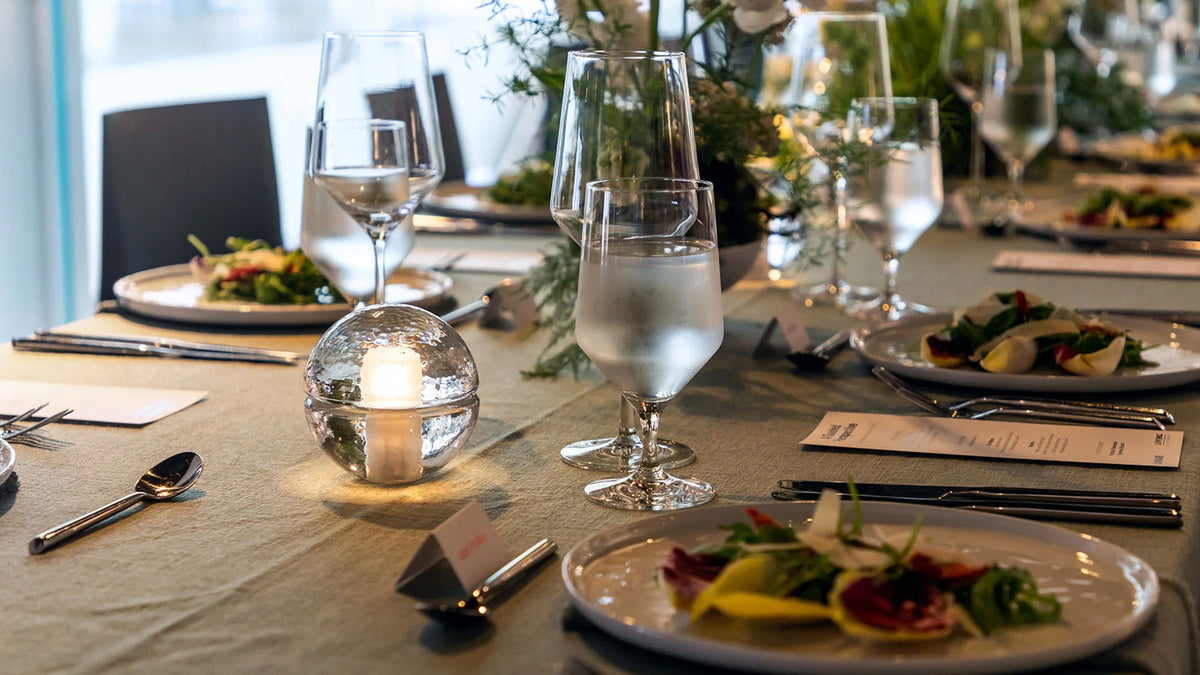
Design West Hollywood 2026 celebrated creativity, connection, and contemporary design, with Luminaire Los Angeles and Arclinea Los Angeles hosting memorable gatherings that brought the design community together.
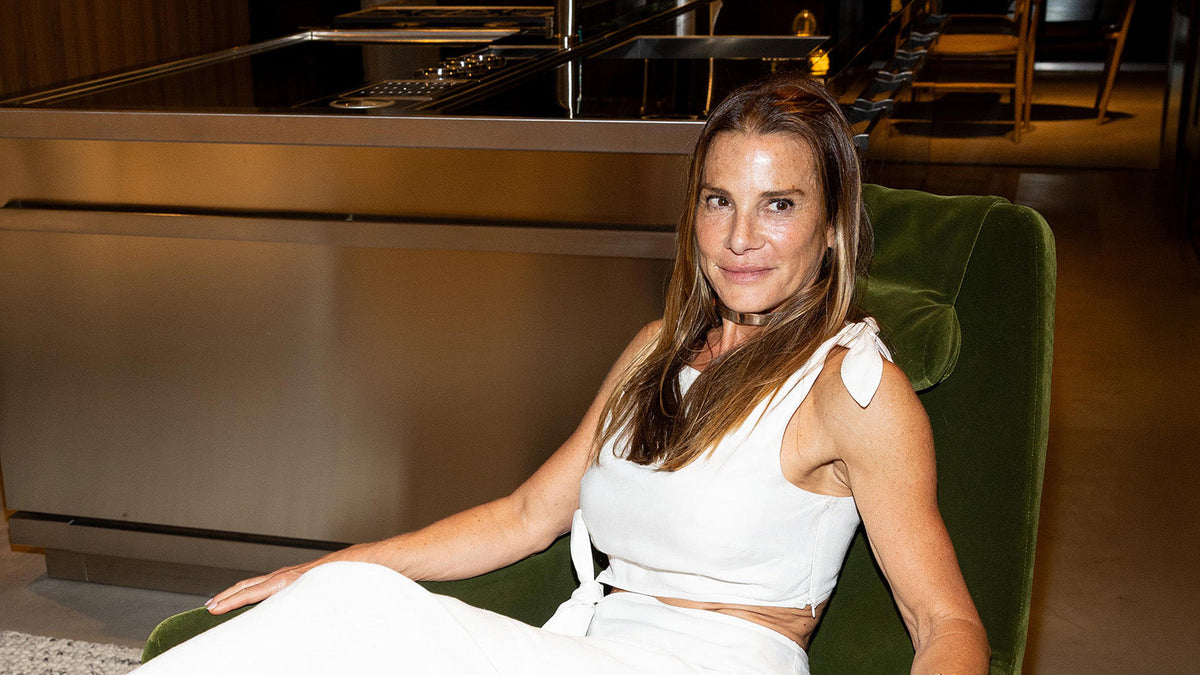
In Conversation with Sophie Goineau
Interior architect Sophie Goineau designs across scales, from a single object to the architecture around it and the land beyond. She discusses composing interiors as one continuous experience, letting each place and its people shape a project's language, and her work on Selby Lane with the San Francisco team.
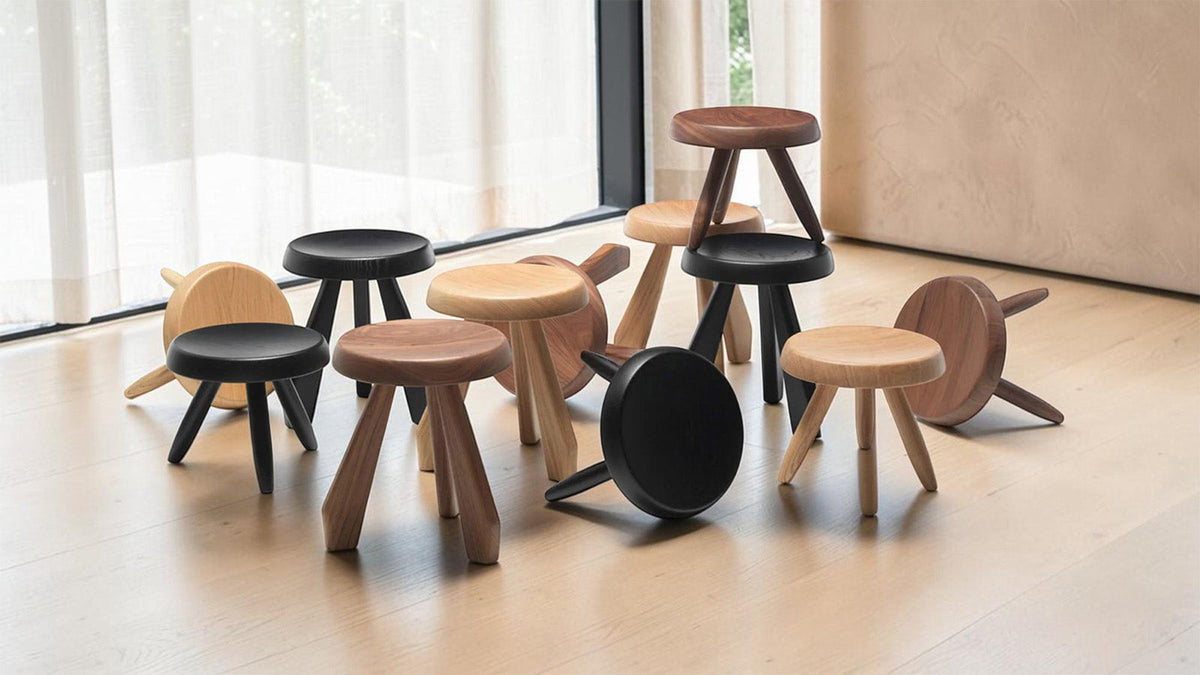
Charlotte Perriand's Tabouret Stools: Alpine Form, Modern Use
Read moreabout Charlotte Perriand's Tabouret Stools: Alpine Form, Modern Use
Inside Luminaire Chicago: Italian Design in River North Since 1989
Read moreabout Inside Luminaire Chicago: Italian Design in River North Since 1989
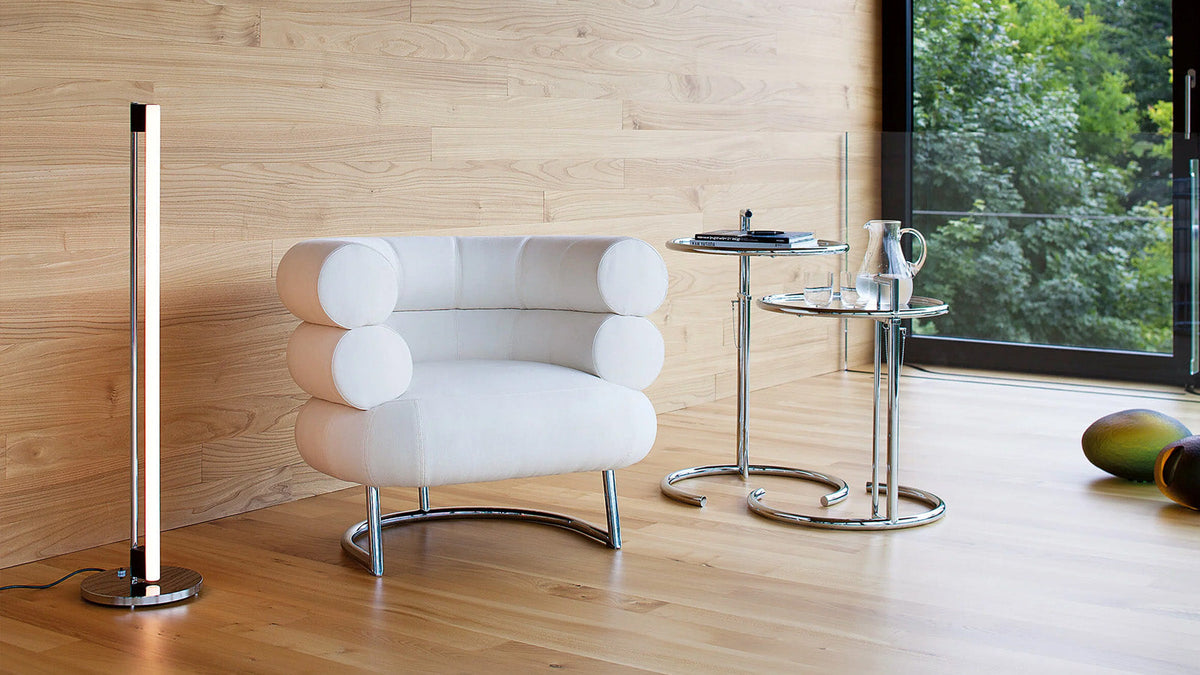
Eileen Gray's E 1027 Table: A Design Conceived for Living
Read moreabout Eileen Gray's E 1027 Table: A Design Conceived for Living
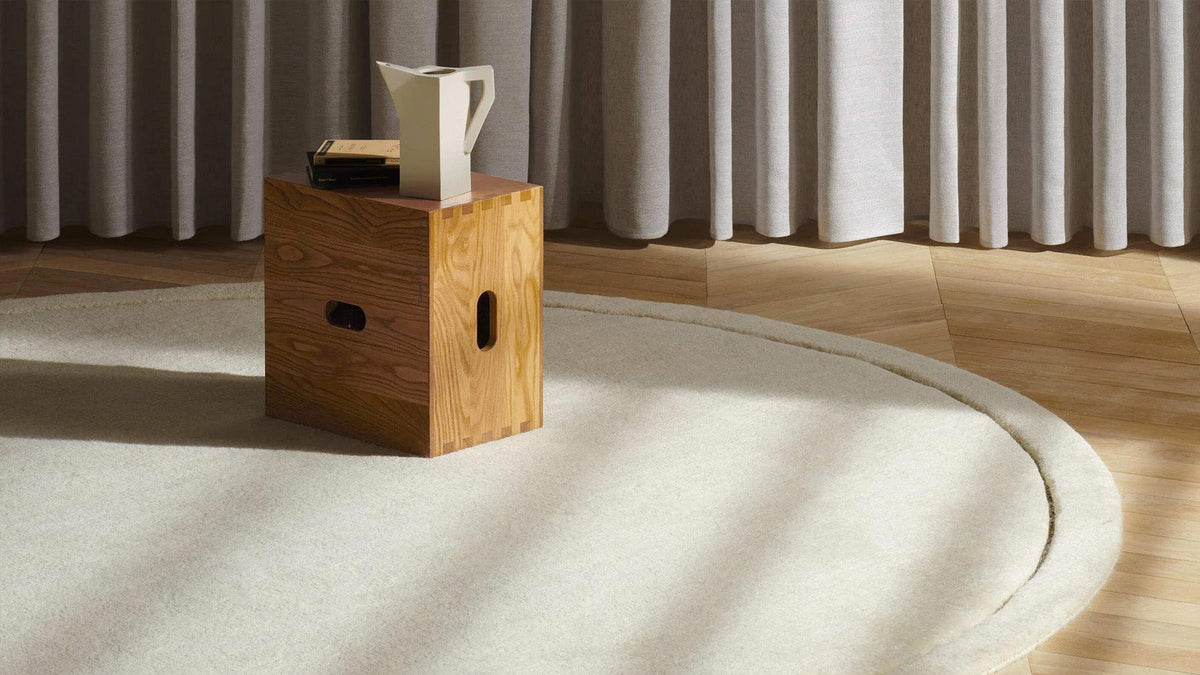
LC14 Tabouret Cabanon: Le Corbusier's Smallest Architecture
Read moreabout LC14 Tabouret Cabanon: Le Corbusier's Smallest Architecture
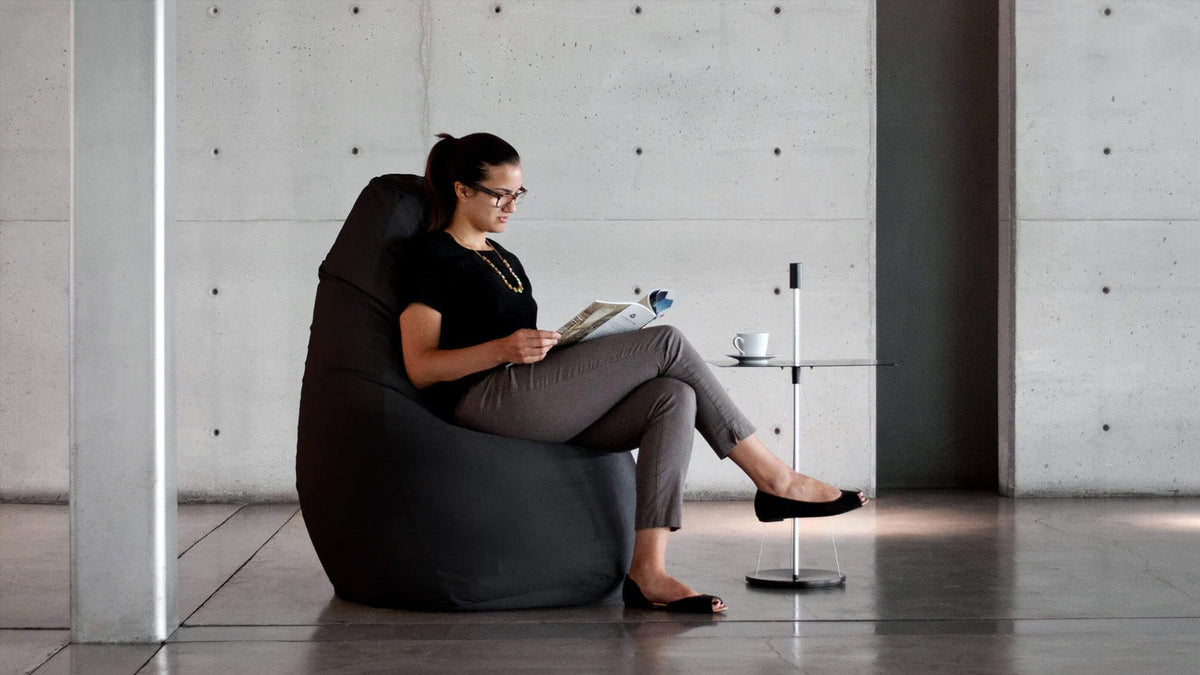
Sacco Chair by Zanotta: The 1968 Object That Refused to Be Furniture
Read moreabout Sacco Chair by Zanotta: The 1968 Object That Refused to Be Furniture
Inside Luminaire Coral Gables: The Showroom and Its Design Services
Read moreabout Inside Luminaire Coral Gables: The Showroom and Its Design Services
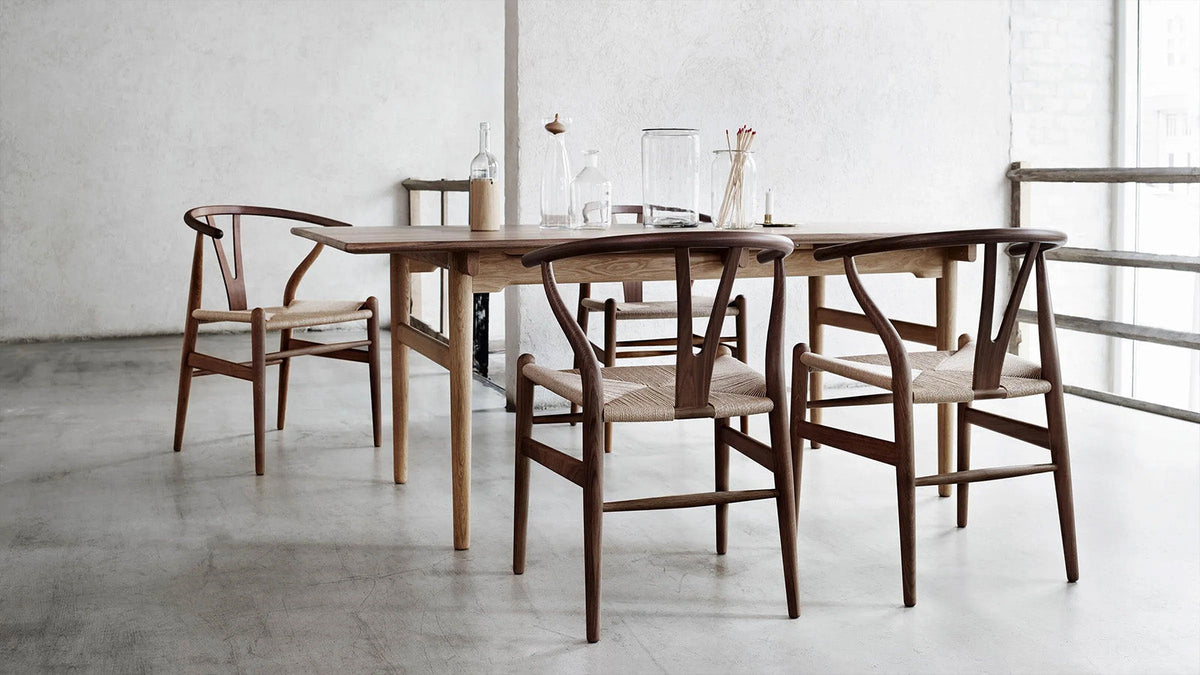
The Wishbone Chair: Hans Wegner's CH24 and the Art of Making
Read moreabout The Wishbone Chair: Hans Wegner's CH24 and the Art of Making
Cassina Chairs - The Collectors' Guide
Few furniture makers have shaped the chair as a cultural object the way Cassina has. From their earliest collaborations with the European avant-garde to their ongoing stewardship of the twentieth century's most consequential seating designs, the Meda-based manufacturer remains the standard against which Italian furniture brands are measured. This guide surveys the Cassina chairs we carry and the ideas embedded in each one.
On the Rocks by Edra: Francesco Binfaré's Geology of Rest
Read moreabout On the Rocks by Edra: Francesco Binfaré's Geology of Rest
The 14p Portable Lamp: Bocci's Cast-Glass Sphere, Untethered
Read moreabout The 14p Portable Lamp: Bocci's Cast-Glass Sphere, Untethered
Our design services cover everything from concept development to installation, including product guidance, material selection, custom configurations, pricing, and lead‑time coordination.
Speak with a Design Consultant
Call 855-341-3620 for assistance during business hours.
Enroll for privileged access to iconic design, emerging trends, exclusive events, and thoughtfully curated offers.

Share:
Thought for Humans: the Poetic and Profound at the Upcoming Salone del Mobile
Where Design Becomes Experience: Luminaire and Interni at Milan Design Week 2025