
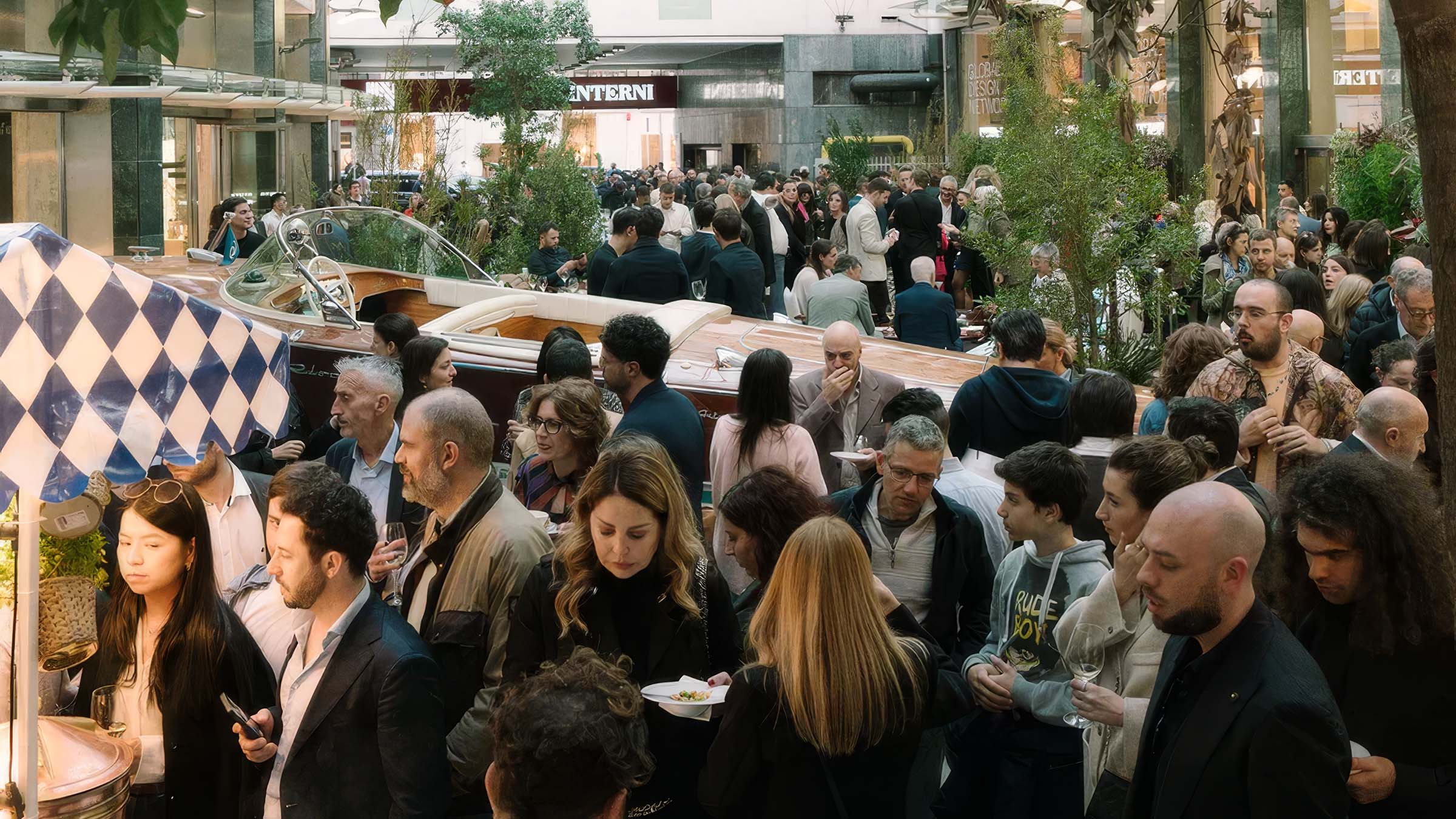
Infused with imagination and grounded in human connection, Luminaire and Interni reflect with gratitude and a sense of awe. Across a series of curated experiences, conversations, and gatherings, the week unfolded as a living expression of what design can do when it brings people together.
Held alongside the internationally celebrated Salone del Mobile, Milan Design Week remains a global meeting point for design-oriented minds. Ideas converge here, and the transformative power of design reveals itself not only through objects, but through exchange, dialogue, and shared curiosity.
It is within this context that Luminaire continues to engage with leading brands and designers, bringing forward perspectives that shape contemporary living.
It was an inspiring week, with a unique opportunity to open the doors of our flagship stores and translate them into spaces for dialogue, exchange, and discovery.

This year, Luminaire and Interni approached Milan Design Week with a broader intention. Rather than presenting design as a series of products, the focus shifted toward creating a holistic journey, one that emphasizes connection, collaboration, and the idea of design as a shared language.
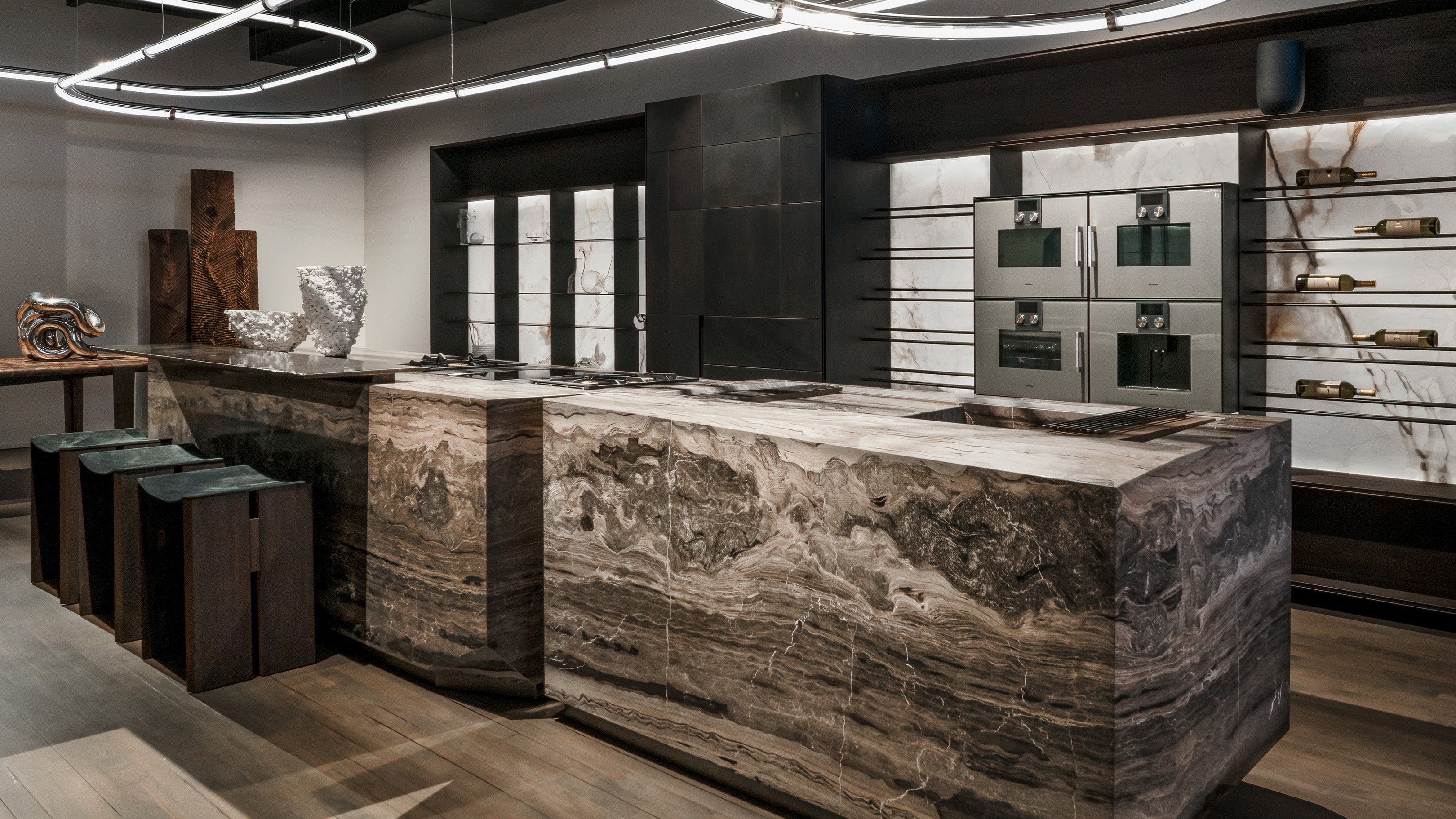
Flagship spaces moved beyond the role of showroom, opening into environments for discovery where visitors could engage more deeply with both the work and one another. Within these settings, collections from Luminaire’s global network of brands were experienced in context, allowing visitors to see how individual pieces contribute to a larger spatial narrative.
Conversations unfolded naturally, ideas moved freely, and design became something experienced rather than simply observed. In this way, the relationship between object and environment became clearer, revealing how thoughtfully curated furnishings and lighting can shape atmosphere, interaction, and daily life.


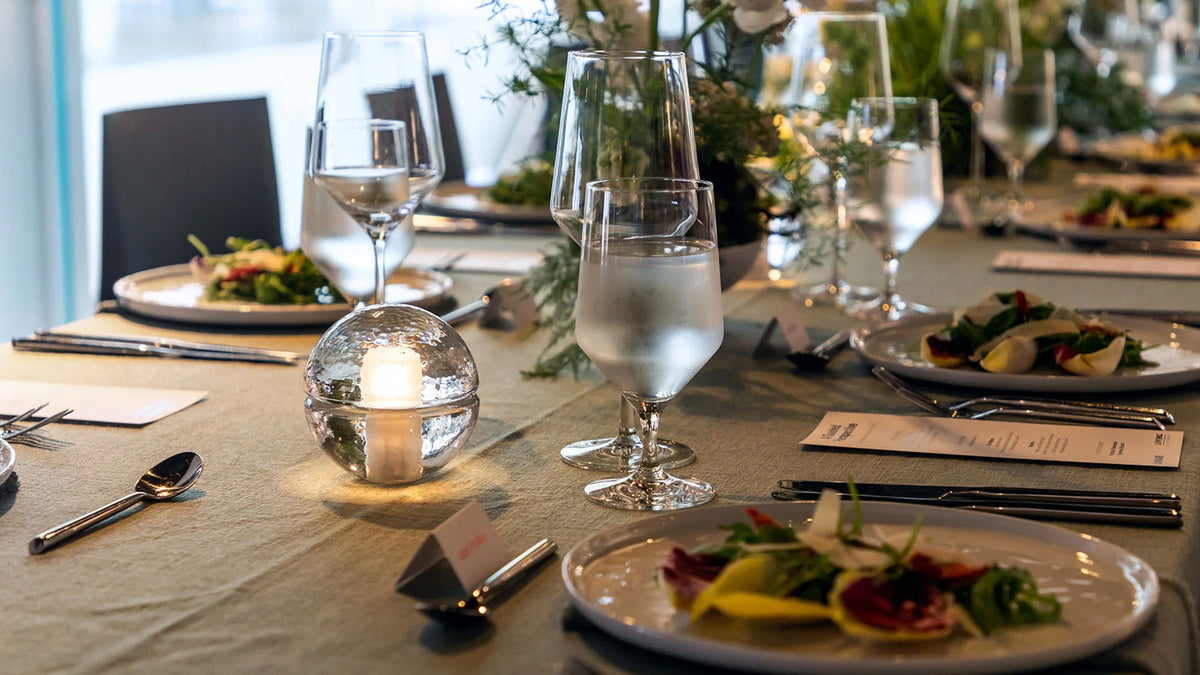
Within the Interni Garden, an evening cocktail gathering brought together a vibrant community of designers, collaborators, and friends. The atmosphere carried both celebration and intimacy as guests moved through the space in a rhythm of conversation and connection, surrounded by thoughtful design and a palpable sense of energy.
A refined menu by Gennaro Esposito paired seamlessly with sparkling selections from Ferrari Trento, creating an experience that felt as carefully composed as the designs themselves.
Moments like these reflect the way Luminaire approaches design, not only as a collection of objects, but as an experience shaped through material, setting, and human presence. The pieces surrounding the gathering supported interaction, encouraged movement, and contributed to an environment that felt both elevated and welcoming.


Throughout Milan Design Week, the presence of partners and the broader design community served as a reminder of what continues to drive this work forward. Meaningful experiences, those that connect people, ideas, and creative visions, remain central.
Ongoing dialogue fuels momentum. With each exchange and shared perspective, a larger conversation extends far beyond a single moment or place. Through these connections and partnerships, Luminaire continues to refine its role as a curator and collaborator, working closely with leading designers and brands to bring considered solutions into everyday environments.
This ongoing engagement allows ideas first encountered in Milan to take shape within Luminaire’s showrooms and projects, where they can be experienced more fully and translated into lived spaces.


Gratitude extends to everyone who joined and contributed their energy, ideas, and presence. The experience was shaped by that collective openness and exchange. The conversation continues within Luminaire’s showrooms, across future collaborations, and in the spaces that bring these ideas into daily life.
Many of the collections and concepts introduced during the week can be explored further through Luminaire’s curated selection of international brands and design partners.
For those inspired by the experience of Milan Design Week, we invite you to continue the dialogue. Visit a Luminaire showroom or connect with our design team to discover how these ideas can be translated into spaces that reflect both intention and individuality.
Inside Luminaire Chicago: Italian Design in River North Since 1989
Read moreabout Inside Luminaire Chicago: Italian Design in River North Since 1989
Eileen Gray's E 1027 Table: A Design Conceived for Living
Read moreabout Eileen Gray's E 1027 Table: A Design Conceived for Living
LC14 Tabouret Cabanon: Le Corbusier's Smallest Architecture
Read moreabout LC14 Tabouret Cabanon: Le Corbusier's Smallest Architecture
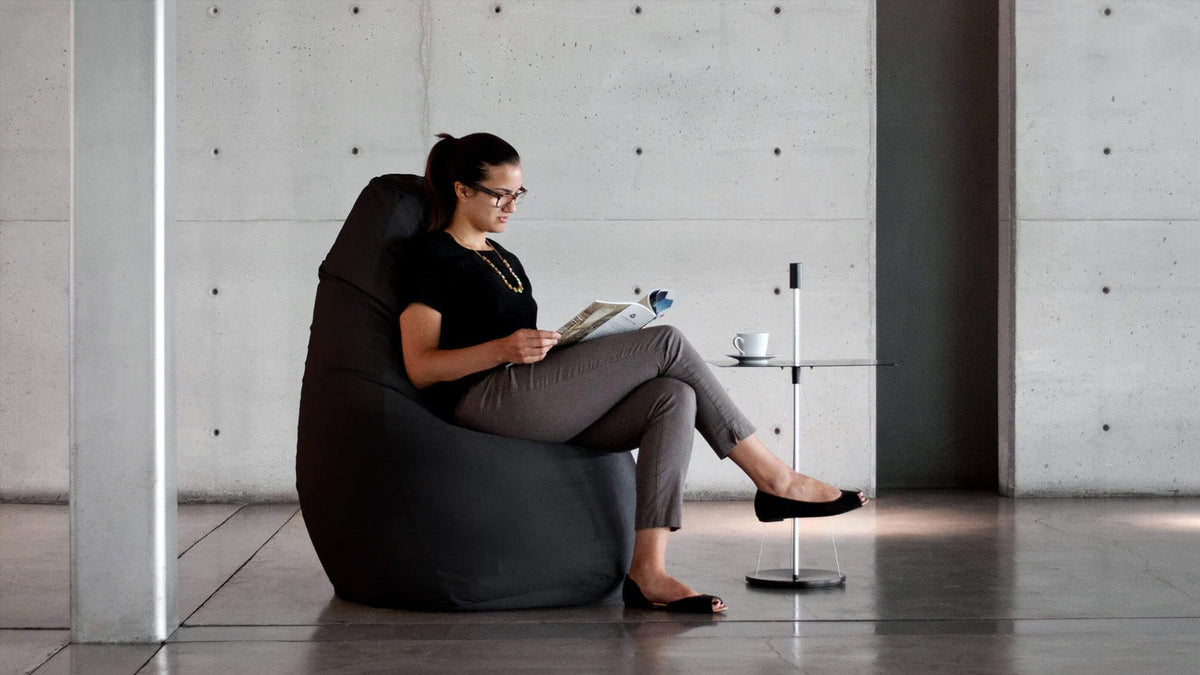
Sacco Chair by Zanotta: The 1968 Object That Refused to Be Furniture
Read moreabout Sacco Chair by Zanotta: The 1968 Object That Refused to Be Furniture
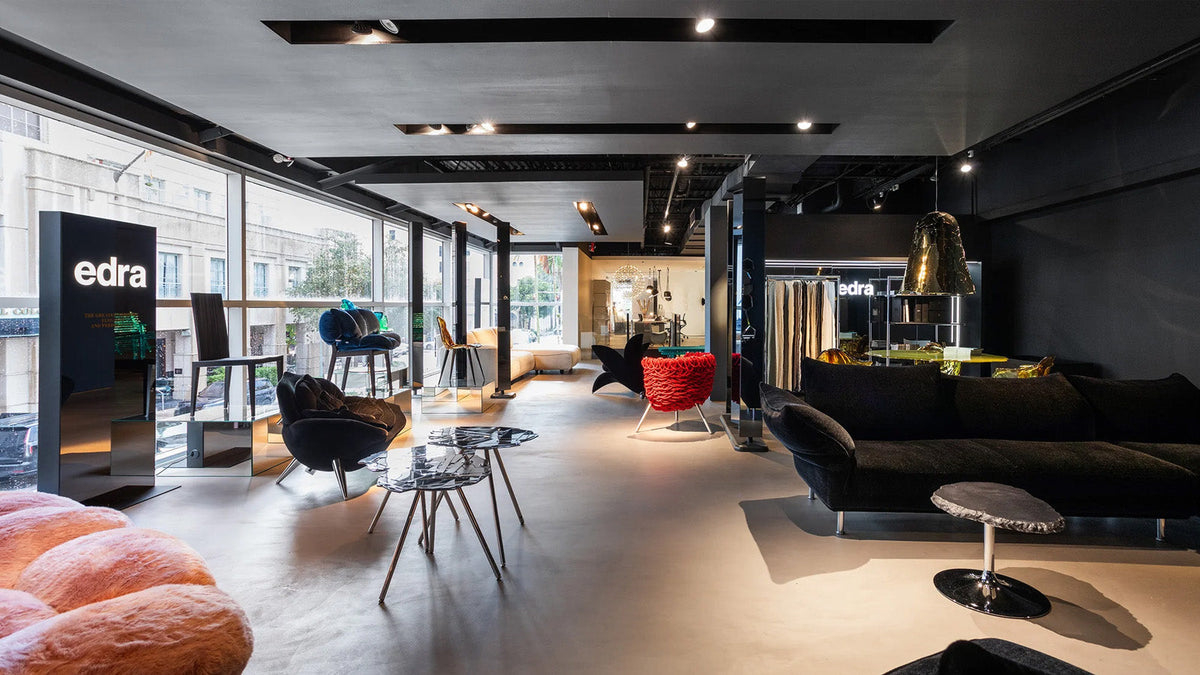
Inside Luminaire Coral Gables: The Showroom and Its Design Services
Read moreabout Inside Luminaire Coral Gables: The Showroom and Its Design Services
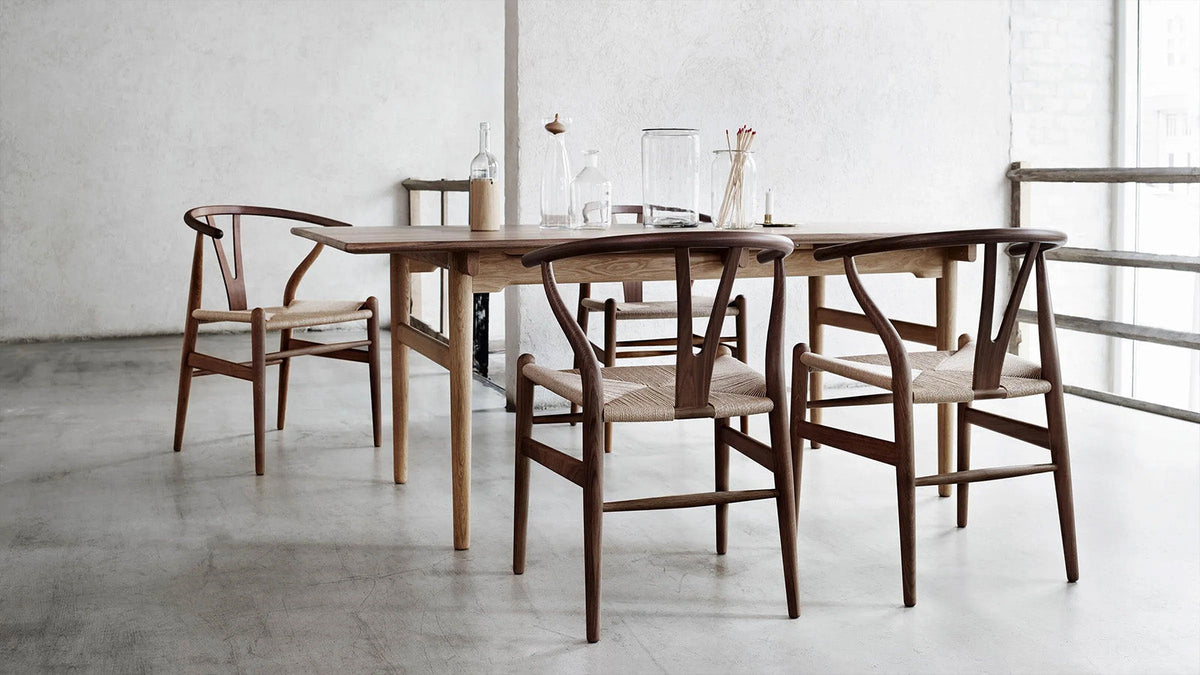
The Wishbone Chair: Hans Wegner's CH24 and the Art of Making
Read moreabout The Wishbone Chair: Hans Wegner's CH24 and the Art of Making
Cassina Chairs - The Collectors' Guide
Few furniture makers have shaped the chair as a cultural object the way Cassina has. From their earliest collaborations with the European avant-garde to their ongoing stewardship of the twentieth century's most consequential seating designs, the Meda-based manufacturer remains the standard against which Italian furniture brands are measured. This guide surveys the Cassina chairs we carry and the ideas embedded in each one.
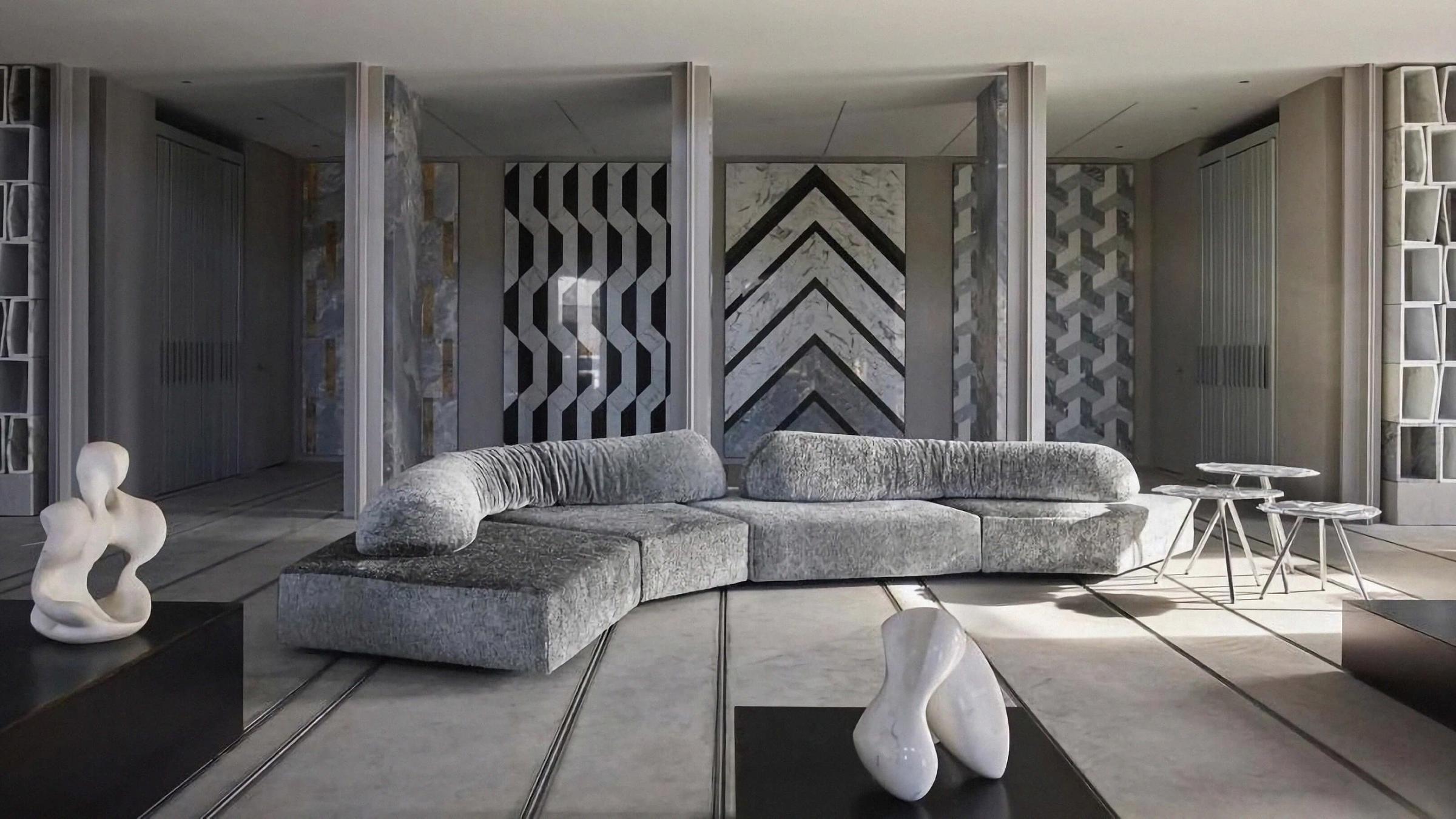
On the Rocks by Edra: Francesco Binfaré's Geology of Rest
Read moreabout On the Rocks by Edra: Francesco Binfaré's Geology of Rest
The 14p Portable Lamp: Bocci's Cast-Glass Sphere, Untethered
Read moreabout The 14p Portable Lamp: Bocci's Cast-Glass Sphere, Untethered
The Arco Lamp: Achille Castiglioni's Arc Over Sixty Years
Read moreabout The Arco Lamp: Achille Castiglioni's Arc Over Sixty Years
Henge Finds a New Home in Chicago at Luminaire
During NeoCon 2026, we welcomed Henge into our Chicago showroom, marking a new chapter in the brand’s growing presence in the United States.
Read moreabout Henge Finds a New Home in Chicago at Luminaire
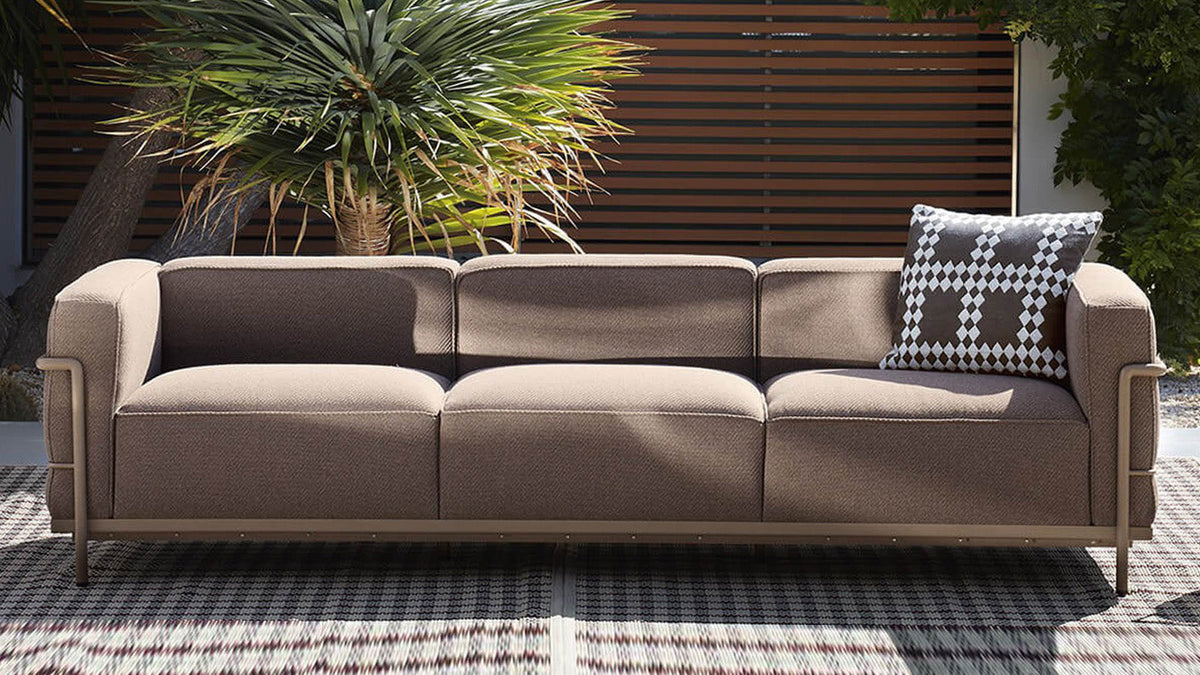
The LC3 Sofa: Le Corbusier, Jeanneret, and Perriand's Grand Confort
Read moreabout The LC3 Sofa: Le Corbusier, Jeanneret, and Perriand's Grand Confort
Our design services cover everything from concept development to installation, including product guidance, material selection, custom configurations, pricing, and lead‑time coordination.
Speak with a Design Consultant
Call 855-341-3620 for assistance during business hours.
Enroll for privileged access to iconic design, emerging trends, exclusive events, and thoughtfully curated offers.


Share:
Dance of the Bespoke
Edra at Milan Design Week 2025: A New Language of Comfort and Craft