

The arco lamp begins with a question, not a form. In 1962, Achille Castiglioni and Pier Giacomo Castiglioni asked whether a floor lamp could reach across a room and position light directly above a table, without a single wire in the ceiling. The question was practical. The answer became a landmark.
Most designers of that era were solving the same problems with the same vocabulary: tripods, shades, switched pendants. The Castiglionis looked outside. They looked at a streetlamp. A municipal fixture on a public street already did exactly what they needed: it cantilevered a light source far beyond its base, over the pavement, over pedestrians, with no overhead support. The logic was already there. All they had to do was bring it indoors and compress the scale.
What followed was not a design exercise. It was a translation of civic infrastructure into domestic space, and the intelligence of the Arco lies in how completely that translation holds together.
Every element of the Arco resolves a structural argument. The arch extends approximately 2.5 meters horizontally from its base. A cantilever of that length, bearing the weight of a steel stem and a cast reflector at its tip, requires an anchor of considerable mass. The Castiglionis chose a block of Carrara marble: solid, dense, and cut from the same quarries that supplied Michelangelo. The base weighs roughly 65 kilograms.

The corners of that marble block are beveled, a detail so quiet it is easy to overlook. It is not decorative refinement. It is a signal that the object was considered at every face, that no surface was left as an afterthought. The stone carries the weight of the design in both senses.
Then there is the hole. Bored through the center of the marble, it is sized precisely to accept a standard broomstick. Two people thread the handle through the stone, lift from either end, and carry the base across a room. No furniture dollies. No disassembly. Pure Castiglioni: a problem solved with an object you already own.
The arch itself is fabricated in sections of polished stainless steel, telescoping so the reach can be adjusted to suit the room. At its apex, a perforated stainless steel bowl diffuses light downward with controlled restraint. The perforation pattern scatters a secondary wash of light upward and outward, softening the boundary between pool and shadow. Nothing in this lamp is decorative. Every element is doing structural or optical work.
Placement is the question most buyers ask first, and it deserves a direct answer. The Arco is primarily a lamp for two situations: over a dining table and over a reading chair or sofa corner. In either case, the base sits behind or beside the furniture, and the arch carries the light source overhead.
For a dining table, position the marble base approximately 1.8 to 2.2 meters behind the head of the table, flush against a wall or behind a sofa if the floor plan allows. The telescoping stem reaches forward to center the reflector above the table surface. The bowl should hang between 1.8 and 2.1 meters from the floor at its lowest point, enough clearance for standing guests and enough intimacy to define the table as a lit zone. The arch clears most standard doorways in its retracted position, which matters when the lamp needs to be repositioned.

For a reading application, the same logic applies at a smaller scale. The base anchors behind a chair or sofa, the arch swings over the shoulder, and the reflector directs light onto a book or lap. Here the adjustable reach becomes essential: a reader seated lower than average can lower the bowl, while a high-backed chair may require more vertical clearance.
The marble mass is not incidental to these placements. A cantilever of this length would tip forward without it. The 65 kilograms of stone provide the moment arm that holds the arch in position through any adjustment. Copies made with resin or lightweight composite bases introduce a fundamental instability that no design revision can correct. The weight is the engineering, not a stylistic choice.
The Flos production of the Arco has continued without interruption since 1962, making it one of the longest-running lamps in the modern canon. The current edition integrates LED technology into the original reflector geometry, preserving the light distribution Achille Castiglioni calibrated for incandescent sources while bringing the lamp into compliance with contemporary energy standards. The shift to LED also reduces heat output at the bowl, which matters for rooms where the reflector descends close to head height.
Among current special editions, the Arco K replaces the standard reflector bowl with one in crystal, altering the quality of the diffused light and the object's presence in a room. Where the standard perforated steel bowl reads as purposeful and industrial, the crystal version introduces a different register entirely, one closer to the decorative tradition that the original lamp so deliberately avoided. Whether that tension reads as productive or contradictory depends on the room and the reader. Both are available through the Arco collection.
The marble base has not changed. Carrara stone from the same region, the same beveled corners, the same broomstick hole. Flos has not redesigned the base because there is no structural or aesthetic argument for doing so. Sixty-plus years of production is a long peer review, and the object has passed it.
The Arco has been copied continuously since the early 1970s. The counterfeit market is mature, and some reproductions are superficially convincing. Three areas of inspection separate an authentic Flos piece from an imitation.
First, the marble. Genuine Carrara marble has a specific veining pattern and a cool, dense surface that cannot be replicated in resin or composite stone. The base of an authentic Arco will feel cold to the touch and will show natural variation in the veining across its faces. The beveling at the corners should be crisp and consistent, not rounded or inconsistent in depth. Look also for the Flos manufacturer's mark on the base itself.

Second, the arch sections. The telescoping stem of a genuine Arco is fabricated in polished stainless steel with tight tolerances at each joint. The sections should slide and lock without play. Copies frequently use chrome-plated steel or aluminum that exhibits flex at the joints, an immediate tell when the lamp is extended to full reach.
Third, the reflector. The perforated bowl of the authentic lamp is formed in stainless steel with a consistent, uniform perforation pattern and a smooth interior that reflects light cleanly. The geometry of the bowl and the angle at which it sits on the stem are precise. Copies often misread the bowl angle, and the light distribution suffers accordingly, casting a halo rather than a defined pool.
Provenance matters here as much as inspection. The Arco Floor Lamp acquired through an authorized channel comes with Flos documentation and the assurance of correct materials throughout.
Achille and Pier Giacomo Castiglioni produced objects across five decades that share a common method: identify the actual problem, find the most direct resolution, and let the resolution be the form. The Arco is the clearest expression of that method at the scale of a room. It does not persuade through decoration or proportion in the classical sense. It persuades through logic made visible.
Pier Giacomo died in 1968, six years after the Arco's introduction. Achille continued until 2002. The lamp outlived them both and shows no sign of obsolescence. That longevity is not a function of trend-resistance or neutral styling. The Arco is not neutral. It is one of the most assertive objects a room can contain, an arch of steel over a table, a marble block on the floor. The reason it remains is that the problem it solves has not changed, and neither has the elegance of the solution.
For a broader view of the Castiglioni approach to light and object, the work of Flos as an institution and the house's treatment of the Italian design legacy are worth exploring alongside the Arco. The Snoopy table lamp, also produced by Flos, offers a different register of the same sensibility: a marble base, a steel arm, a precise reflector, and the conviction that rigorous problem-solving produces objects worth keeping.
Luminaire at Design West Hollywood 2026
Design West Hollywood 2026 celebrated creativity, connection, and contemporary design, with Luminaire Los Angeles and Arclinea Los Angeles hosting memorable gatherings that brought the design community together.
In Conversation with Sophie Goineau
Interior architect Sophie Goineau designs across scales, from a single object to the architecture around it and the land beyond. She discusses composing interiors as one continuous experience, letting each place and its people shape a project's language, and her work on Selby Lane with the San Francisco team.
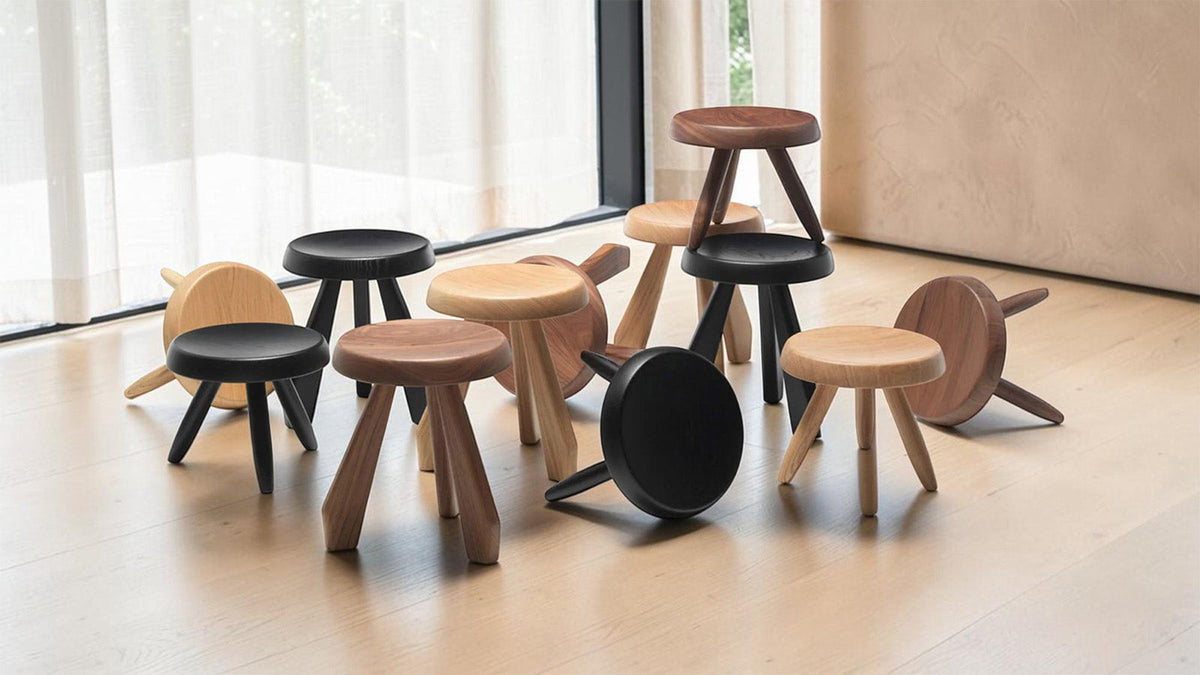
Charlotte Perriand's Tabouret Stools: Alpine Form, Modern Use
Read moreabout Charlotte Perriand's Tabouret Stools: Alpine Form, Modern Use
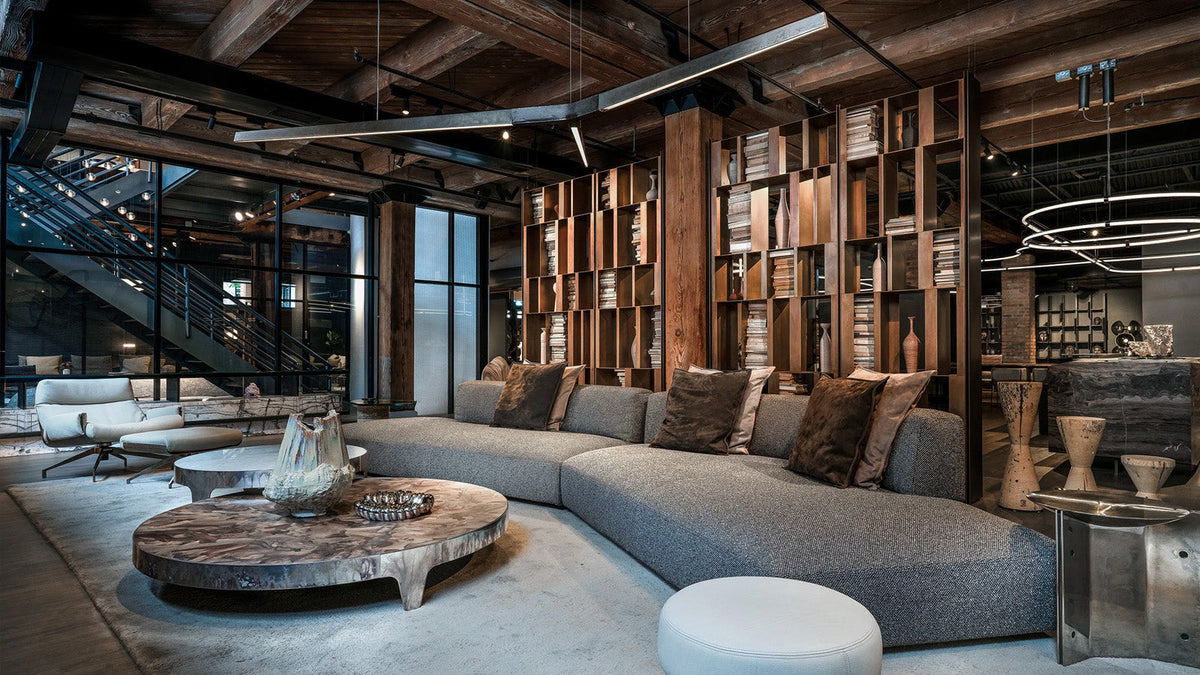
Inside Luminaire Chicago: Italian Design in River North Since 1989
Read moreabout Inside Luminaire Chicago: Italian Design in River North Since 1989
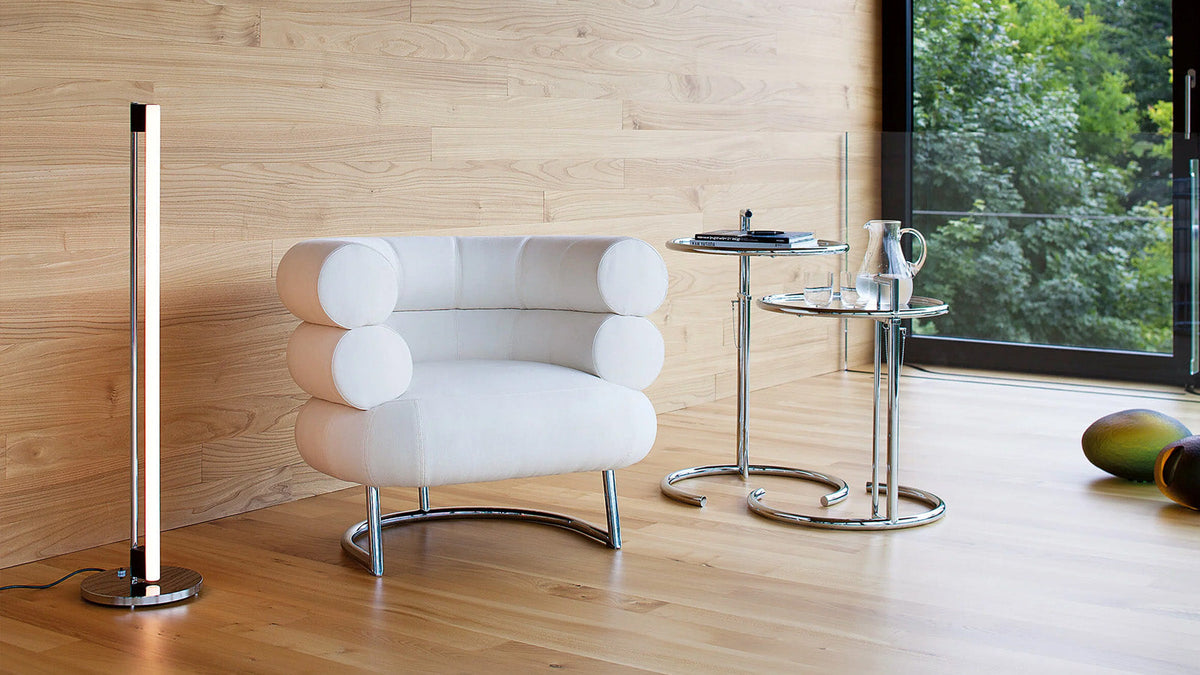
Eileen Gray's E 1027 Table: A Design Conceived for Living
Read moreabout Eileen Gray's E 1027 Table: A Design Conceived for Living
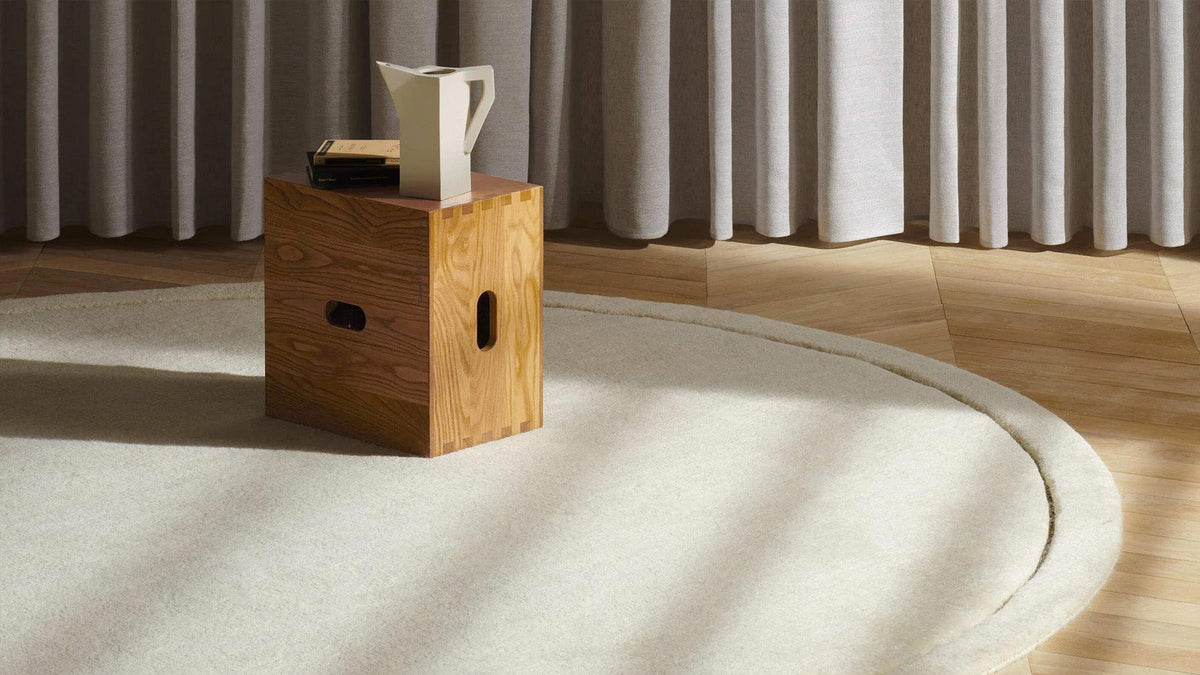
LC14 Tabouret Cabanon: Le Corbusier's Smallest Architecture
Read moreabout LC14 Tabouret Cabanon: Le Corbusier's Smallest Architecture
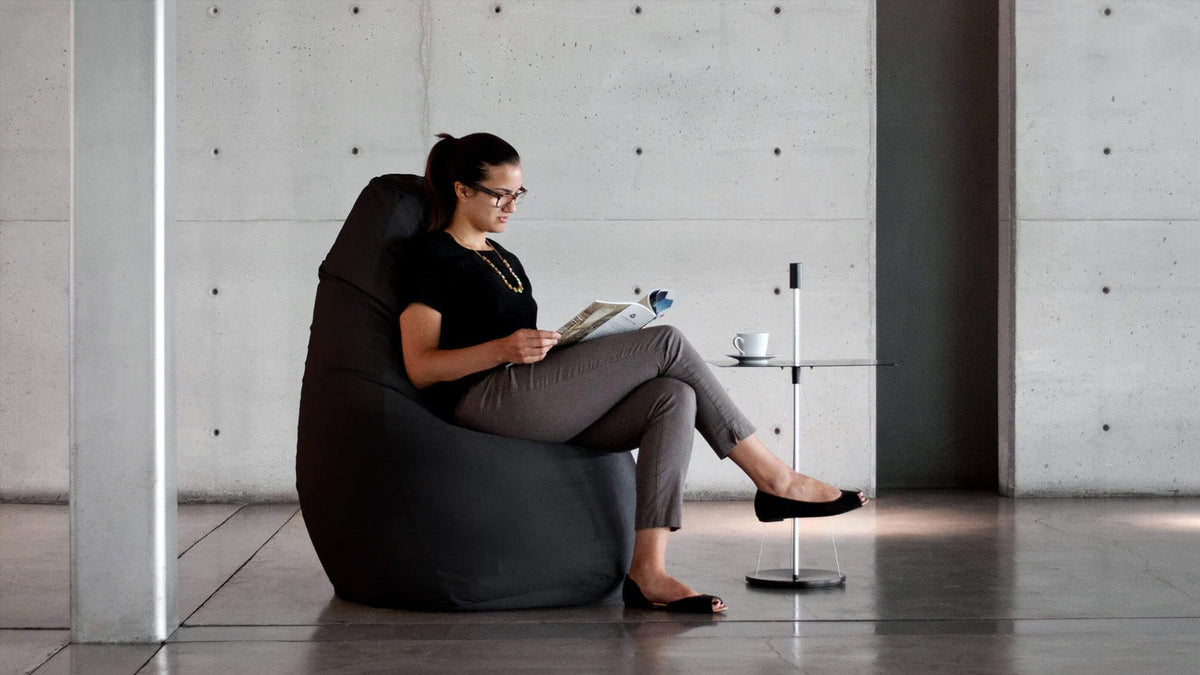
Sacco Chair by Zanotta: The 1968 Object That Refused to Be Furniture
Read moreabout Sacco Chair by Zanotta: The 1968 Object That Refused to Be Furniture
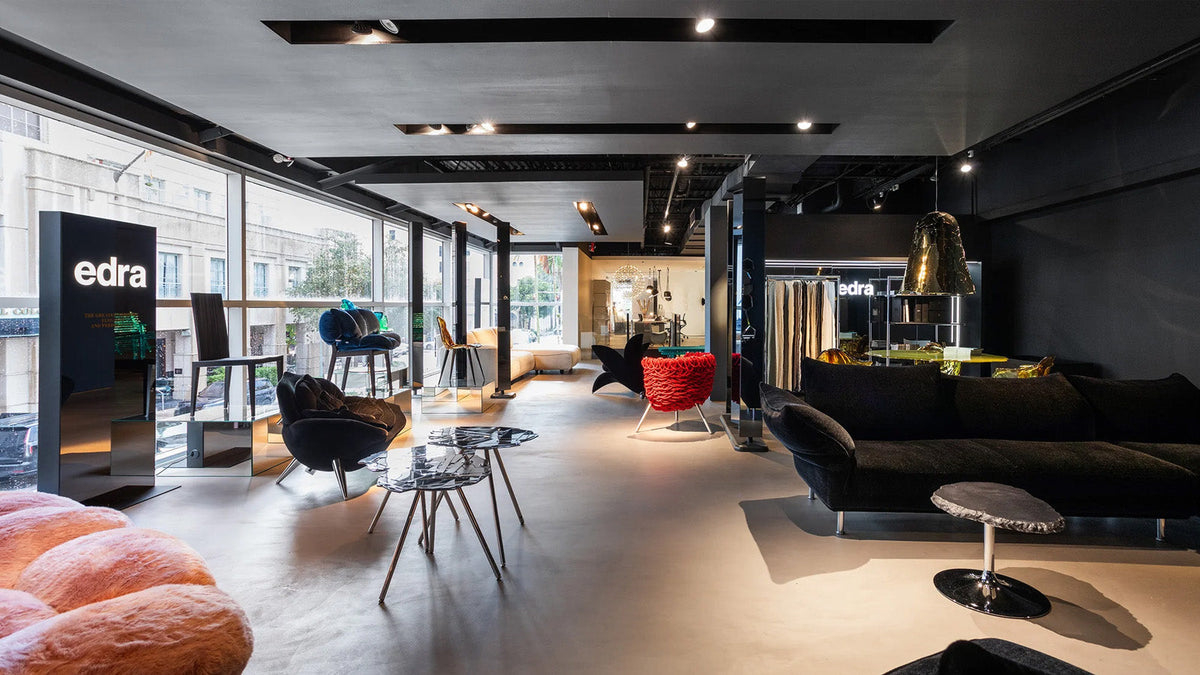
Inside Luminaire Coral Gables: The Showroom and Its Design Services
Read moreabout Inside Luminaire Coral Gables: The Showroom and Its Design Services
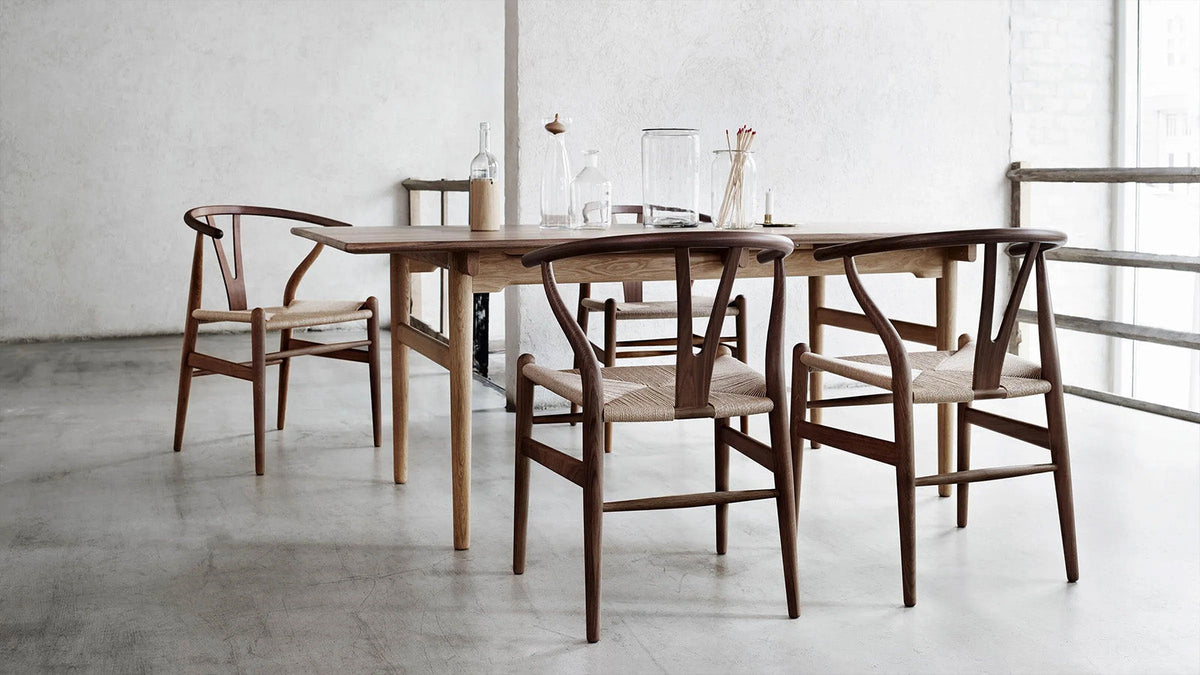
The Wishbone Chair: Hans Wegner's CH24 and the Art of Making
Read moreabout The Wishbone Chair: Hans Wegner's CH24 and the Art of Making
Cassina Chairs - The Collectors' Guide
Few furniture makers have shaped the chair as a cultural object the way Cassina has. From their earliest collaborations with the European avant-garde to their ongoing stewardship of the twentieth century's most consequential seating designs, the Meda-based manufacturer remains the standard against which Italian furniture brands are measured. This guide surveys the Cassina chairs we carry and the ideas embedded in each one.
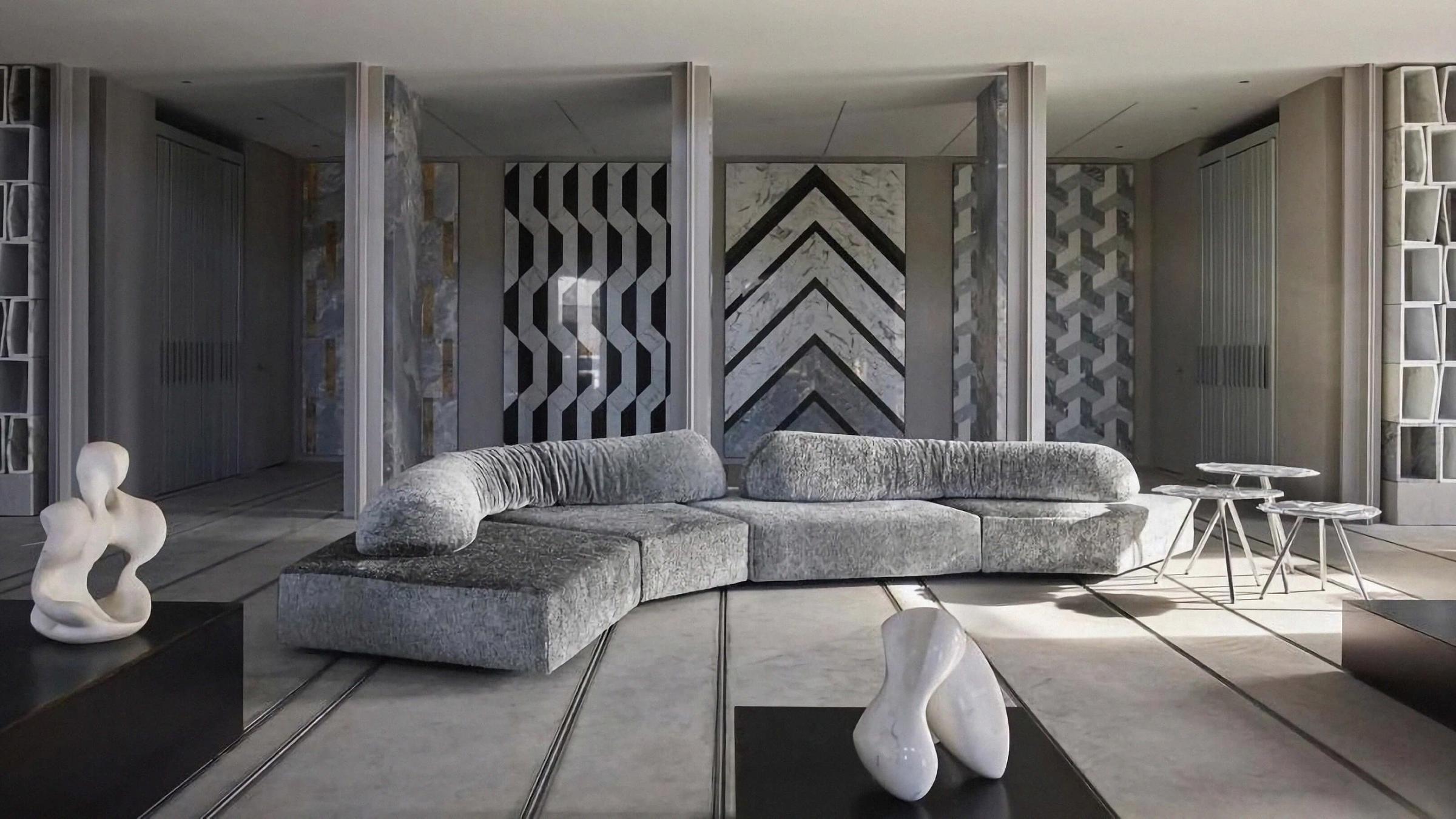
On the Rocks by Edra: Francesco Binfaré's Geology of Rest
Read moreabout On the Rocks by Edra: Francesco Binfaré's Geology of Rest
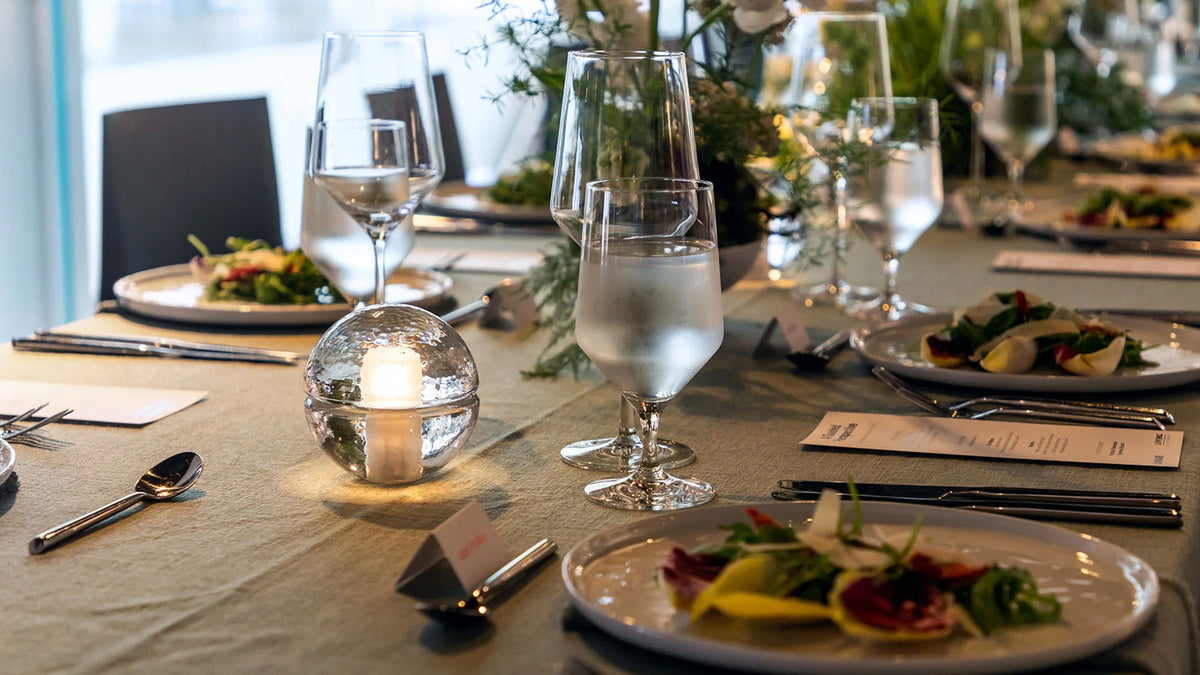
The 14p Portable Lamp: Bocci's Cast-Glass Sphere, Untethered
Read moreabout The 14p Portable Lamp: Bocci's Cast-Glass Sphere, Untethered
Our design services cover everything from concept development to installation, including product guidance, material selection, custom configurations, pricing, and lead‑time coordination.
Speak with a Design Consultant
Call 855-341-3620 for assistance during business hours.
Enroll for privileged access to iconic design, emerging trends, exclusive events, and thoughtfully curated offers.



Share:
Henge Finds a New Home in Chicago at Luminaire
The 14p Portable Lamp: Bocci's Cast-Glass Sphere, Untethered