

Cassina chairs are among the most studied objects in postwar design history. That is not a marketing claim. It is a straightforward description of what happens when a single manufacturer, founded in Meda, Lombardy, in 1927, maintains a continuous relationship with the most rigorous design minds of the twentieth and twenty-first centuries. The archive reads like a syllabus: Le Corbusier, Charlotte Perriand, Pierre Jeanneret, Gerrit Rietveld, Mario Bellini, and Vico Magistretti, among others. No other Italian furniture brand holds rights to that breadth of modernist provenance.
The chairs in the Cassina collection are not reproductions in the dismissive sense. They are authorized productions, made in collaboration with the architects' foundations, using materials and construction methods that align with the original specifications. That distinction matters enormously when you are considering a chair that first appeared in 1929 and is still being made today.
Italy's postwar furniture industry was built on a specific model: small, skilled manufacturers in the Milan hinterland working in close proximity to architects and designers who were simultaneously rebuilding the country's cities and reinventing its domestic culture. Cassina sat at the center of that geography. Their factory in Meda was close enough to Milan that collaboration was a daily reality, not a formal arrangement.
The company's transformation from a regional craftsman workshop into a design institution accelerated in the 1950s and 1960s, when directors Cesare and Umberto Cassina began commissioning original work from architects who had no prior furniture experience. This willingness to treat seating as architecture, rather than upholstery, produced chairs that remain structurally and intellectually unresolved in the best sense: they still provoke a response.
In 1964, Cassina acquired the rights to produce furniture designed by Le Corbusier, Pierre Jeanneret, and Charlotte Perriand, marking the beginning of what would become the I Maestri program, a curated series of authorized editions of twentieth-century masterworks. That decision repositioned the company permanently. Cassina became, simultaneously, a manufacturer and a custodian.
The LC 1 Sling Chair, co-designed by Le Corbusier, Pierre Jeanneret, and Charlotte Perriand and first presented at the 1929 Salon d'Automne in Paris, remains one of the most analyzed chairs ever produced. Its tubular chrome frame holds a pivoting back panel in leather or cowhide, a mechanism that allows the sitter to adjust their posture without moving the chair itself. The engineering is visible. There is nothing hidden, no upholstered body concealing a skeleton. The chair's honesty about its own construction was a manifesto gesture in 1929, and it reads the same way now.

Pierre Jeanneret's Capitol Complex Chair carries a different weight. Designed for the civic buildings of Chandigarh, India, the new capital city that Le Corbusier masterplanned in the early 1950s, this chair was originally produced locally in teak and cane. It was institutional furniture in the most direct sense, made for courtrooms, offices, and government chambers. Cassina's authorized edition preserves the V-shaped armrests and the open weave seat, restoring a design that had largely disappeared from circulation. The chair's connection to a specific political and cultural moment in postcolonial history gives it a depth that purely aesthetic furniture rarely achieves.
Gerrit Rietveld's Zig Zag Chair, originally designed in 1934, belongs to a different tradition entirely. Where the LC 1 is a study in industrial materiality, the Zig Zag is a study in structural paradox. Four flat planes of wood, joined at acute angles, form a cantilever that should not work but does. Rietveld was a member of De Stijl, the Dutch movement that reduced form to its geometric essentials, and the Zig Zag is perhaps his clearest statement on that philosophy applied to seating. Cassina produces it in solid cherry and walnut, materials that emphasize the grain's response to the chair's angular tension.
Mario Bellini designed the Cab chair in 1977, and the concept was genuinely novel. A steel frame is covered in a single piece of saddle leather, stitched at the corners and zipped closed at the legs, so the leather itself becomes the structural skin. It does not wrap a form; it is the form. The distinction is technical and visual at once.
Both the Cab Side Chair and the Cab Armchair sit within this logic.

The side chair reads as a refined dining companion, its silhouette compact and self-contained. The Cab Armchair opens the form slightly, adding a sweeping arm that continues the saddle leather's single-surface logic. Both age with the leather, developing a patina that factory-finished upholstery cannot replicate. This is one of the few contemporary production chairs whose character actively increases with use.
There is an existing deep-dive on the armchair in our archives for readers interested in the full material and historical account. This overview intentionally focuses on how the Cab chairs function within a broader seating program.
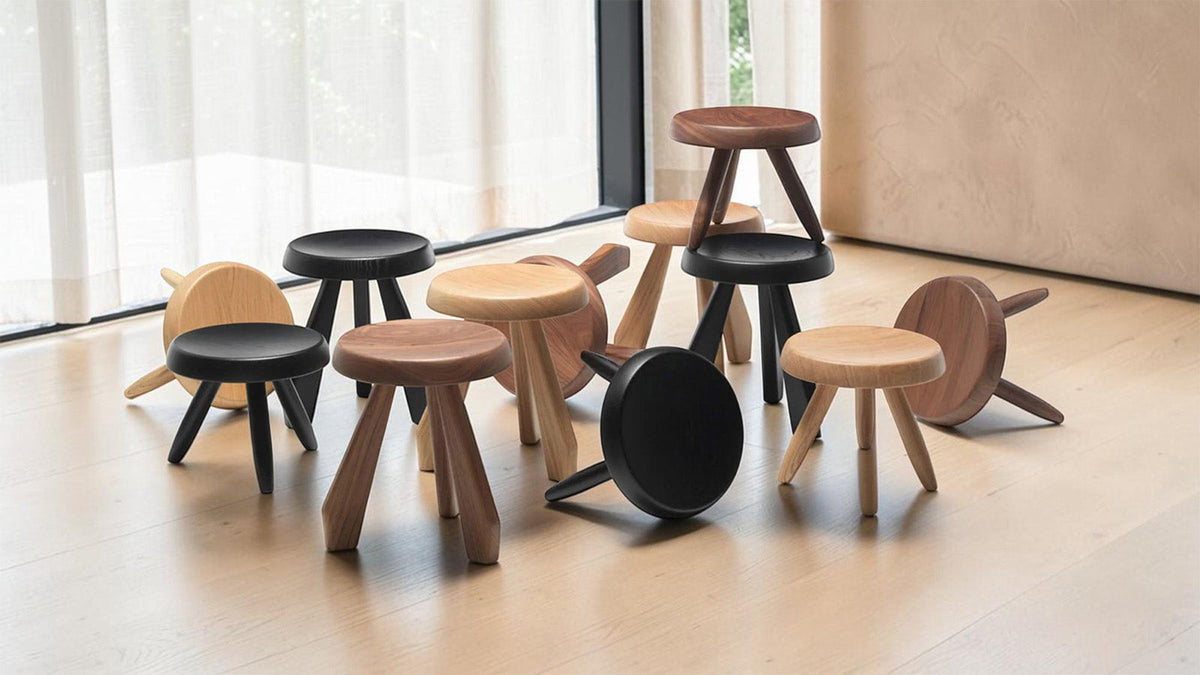
Charlotte Perriand spent several years in Japan beginning in 1940, and the experience recalibrated her already rigorous approach to form. The Tabouret Stools she designed for the ski resort of Méribel in 1950 reflect that synthesis: an alpine vernacular filtered through a sensibility attuned to the logic of Japanese joinery and the economy of peasant craft. The result is a stool of disarming simplicity. Three or four legs, a flat seat, no ornament. But the proportions are exact in a way that lesser stools are not, and the choice of oak or walnut gives each piece its own tonal identity.
These are among the most versatile objects Cassina produces. They work as seating, as side surfaces, as sculptural elements in a room that already contains more declarative furniture. Their restraint is not a limitation. It is their argument.
One useful way to understand Cassina's output is to read it not chronologically but structurally. Some chairs prioritize the frame (LC 1, Zig Zag). Others prioritize the surface (Cab). Still others prioritize the body's relationship to gravity and posture (the Capitol Complex Chair's low-slung seat anticipates a particular way of inhabiting a room). Taken together, the chairs in our chairs collection represent distinct positions on what seating can ask of both maker and sitter.
A question that comes up often among collectors and interior designers: which Cassina chair holds its value best over time? The honest answer is that the I Maestri series, which includes the LC 1 and the Capitol Complex Chair, carries a cultural provenance that resists market fluctuation. These are objects whose meaning is indexed to art history, not to trend cycles. The Bellini pieces, particularly the Cab, occupy a similar position because their material logic is so specific that no obvious substitute exists.
For architects and designers working on residential or hospitality projects, the breadth of the Cassina program is one of its practical advantages. A single manufacturer can provide a dining chair, a lounge chair, a stool, and a statement armchair that all share a commitment to structural honesty and material specificity, without sharing a visual vocabulary. Rooms furnished entirely with Cassina pieces rarely look like showrooms. They look like considered environments.
Our Design Concierge works regularly with clients placing Cassina furniture in both residential and contract interiors. Trade professionals can access additional resources and pricing through the Trade Program. For those interested in seeing the pieces in context before committing, use the Showrooms Navigator to find the nearest location.

The chairs in this collection are not decorative objects that happen to be functional, nor functional objects that happen to be beautiful. They are positions. Each one represents a specific moment when a designer decided that seating could carry an argument about space, material, and the body. Cassina's role, sustained across nearly a century, has been to ensure those arguments remain audible.
Luminaire at Design West Hollywood 2026
Design West Hollywood 2026 celebrated creativity, connection, and contemporary design, with Luminaire Los Angeles and Arclinea Los Angeles hosting memorable gatherings that brought the design community together.
In Conversation with Sophie Goineau
Interior architect Sophie Goineau designs across scales, from a single object to the architecture around it and the land beyond. She discusses composing interiors as one continuous experience, letting each place and its people shape a project's language, and her work on Selby Lane with the San Francisco team.
Charlotte Perriand's Tabouret Stools: Alpine Form, Modern Use
Read moreabout Charlotte Perriand's Tabouret Stools: Alpine Form, Modern Use
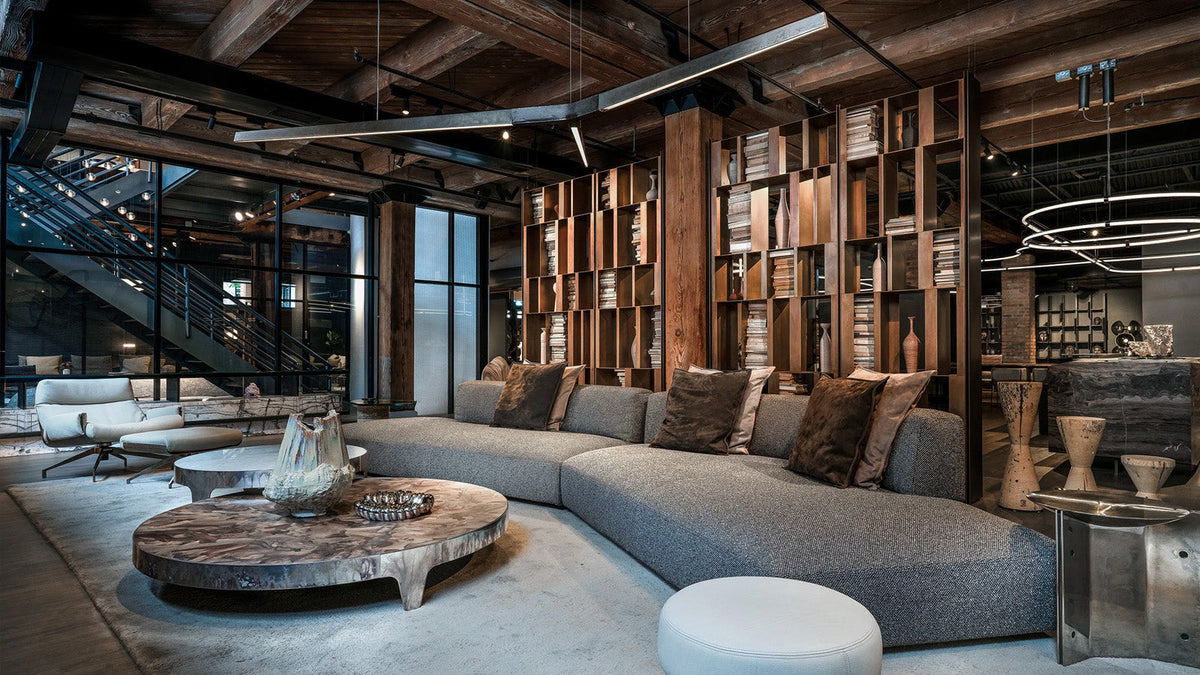
Inside Luminaire Chicago: Italian Design in River North Since 1989
Read moreabout Inside Luminaire Chicago: Italian Design in River North Since 1989
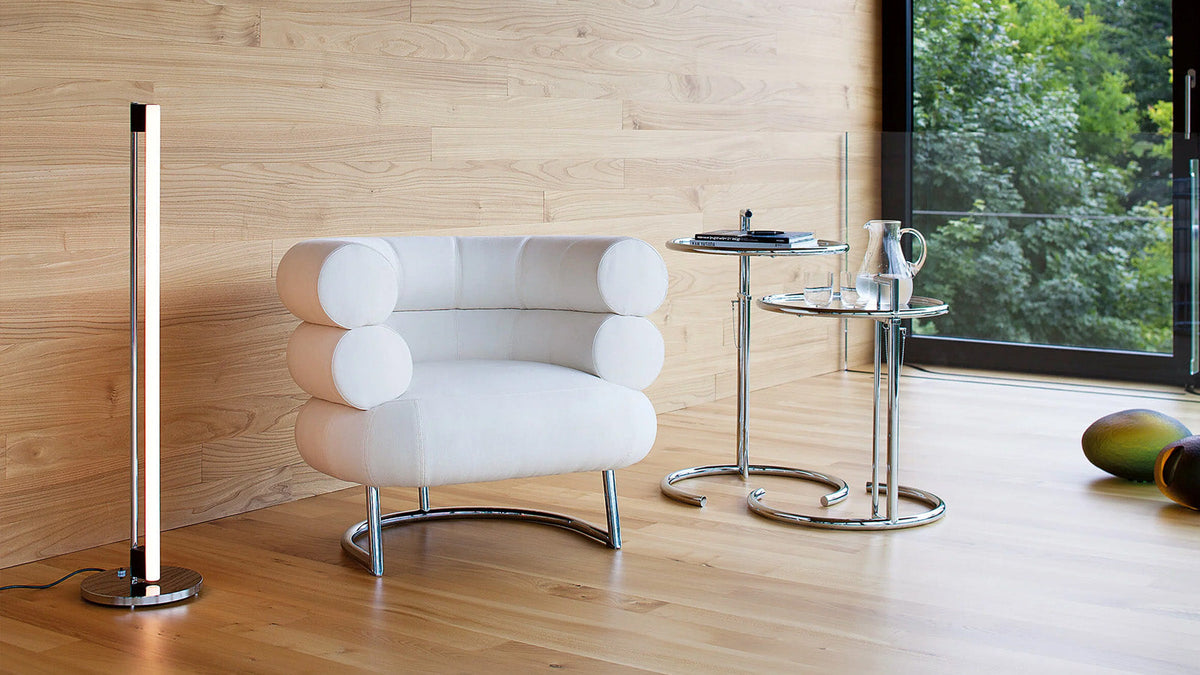
Eileen Gray's E 1027 Table: A Design Conceived for Living
Read moreabout Eileen Gray's E 1027 Table: A Design Conceived for Living
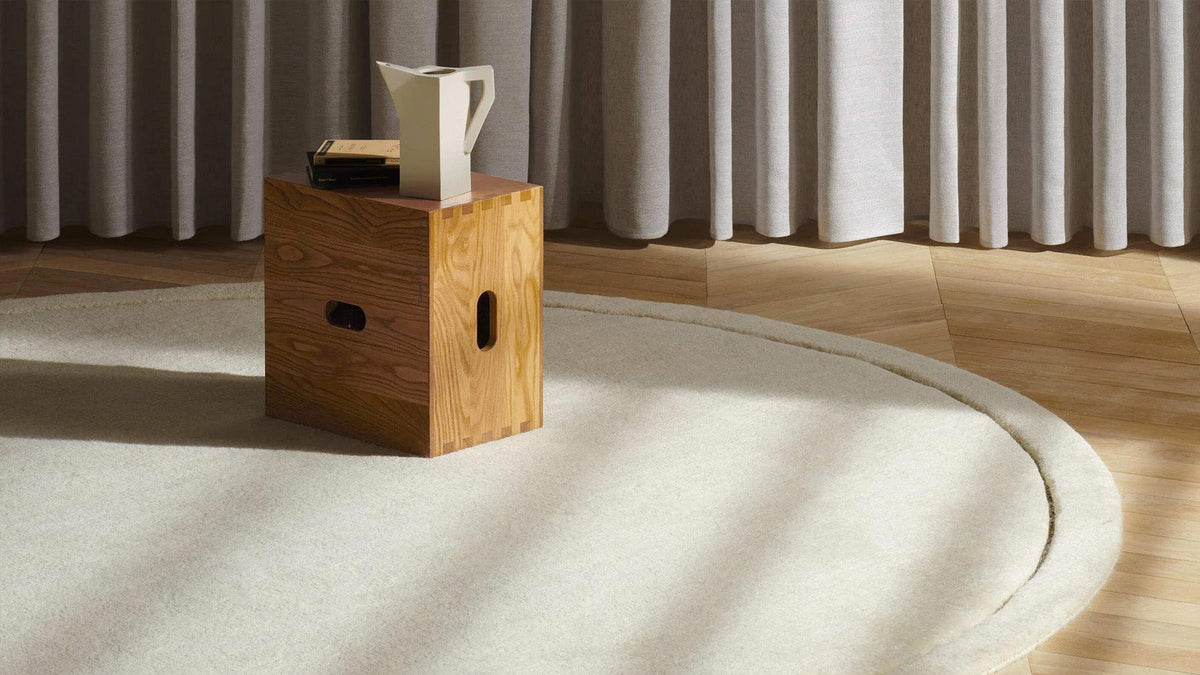
LC14 Tabouret Cabanon: Le Corbusier's Smallest Architecture
Read moreabout LC14 Tabouret Cabanon: Le Corbusier's Smallest Architecture
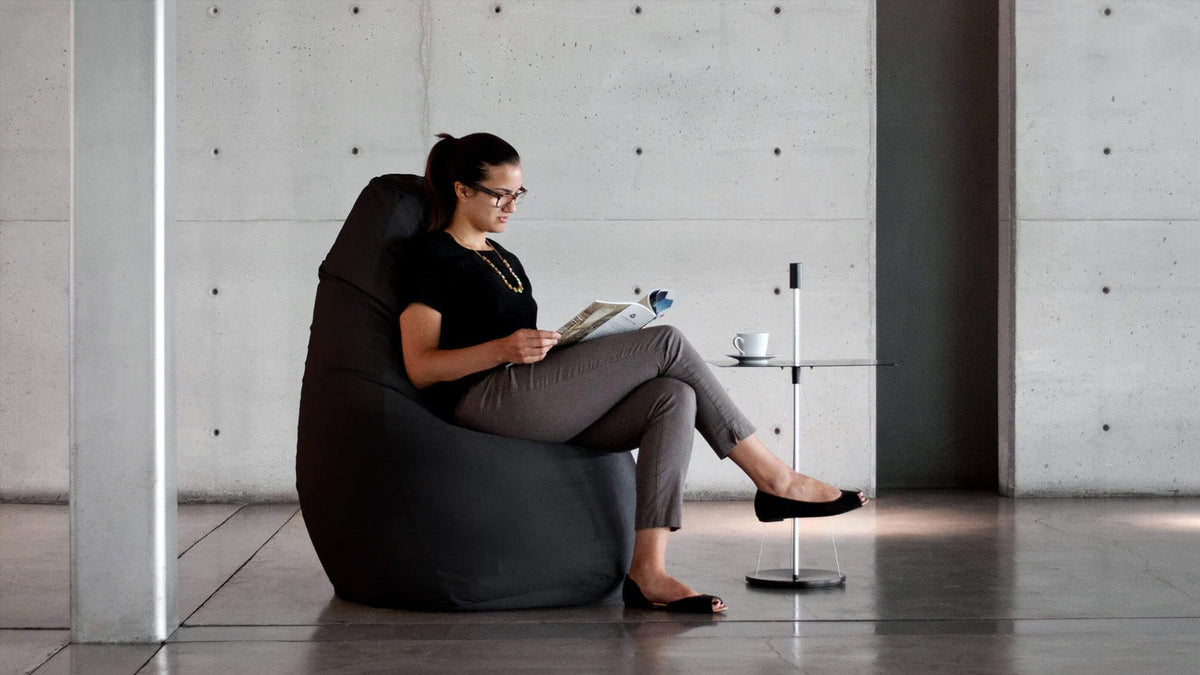
Sacco Chair by Zanotta: The 1968 Object That Refused to Be Furniture
Read moreabout Sacco Chair by Zanotta: The 1968 Object That Refused to Be Furniture
Inside Luminaire Coral Gables: The Showroom and Its Design Services
Read moreabout Inside Luminaire Coral Gables: The Showroom and Its Design Services
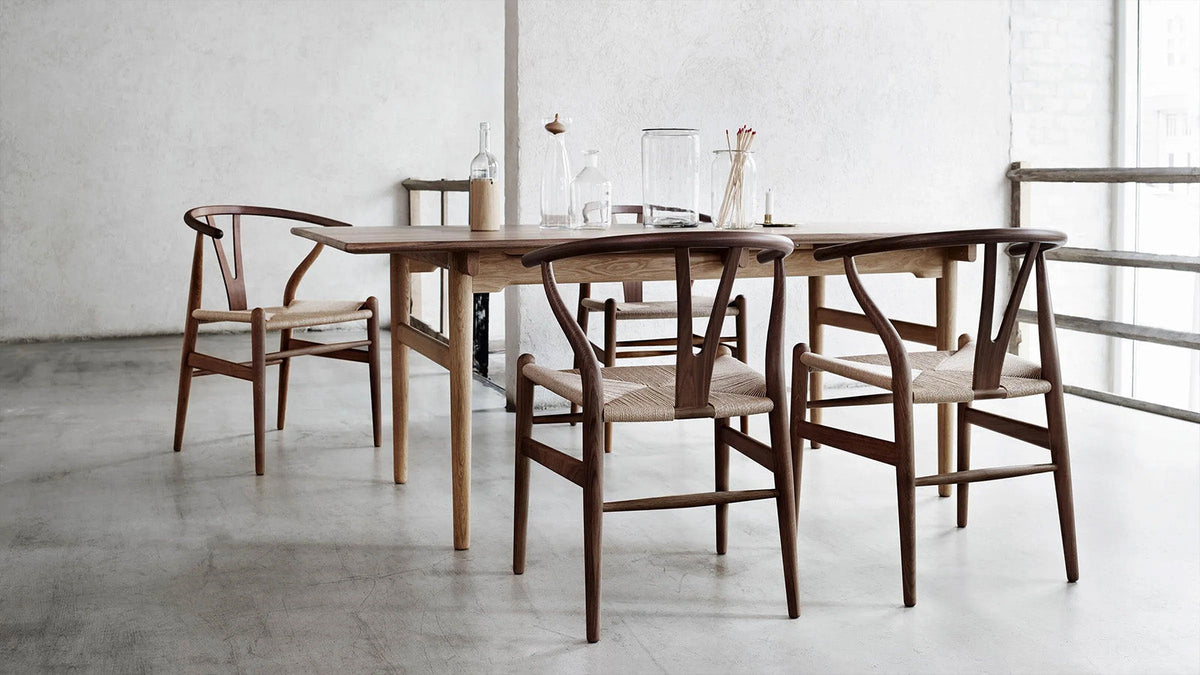
The Wishbone Chair: Hans Wegner's CH24 and the Art of Making
Read moreabout The Wishbone Chair: Hans Wegner's CH24 and the Art of Making
Cassina Chairs - The Collectors' Guide
Few furniture makers have shaped the chair as a cultural object the way Cassina has. From their earliest collaborations with the European avant-garde to their ongoing stewardship of the twentieth century's most consequential seating designs, the Meda-based manufacturer remains the standard against which Italian furniture brands are measured. This guide surveys the Cassina chairs we carry and the ideas embedded in each one.
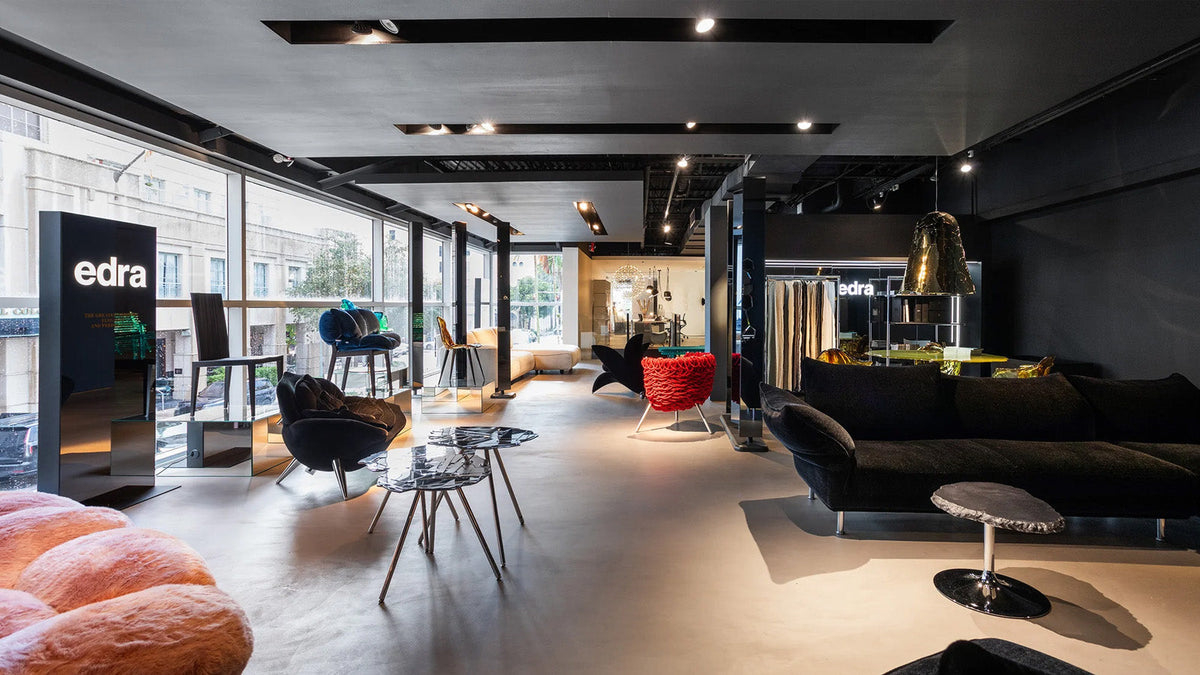
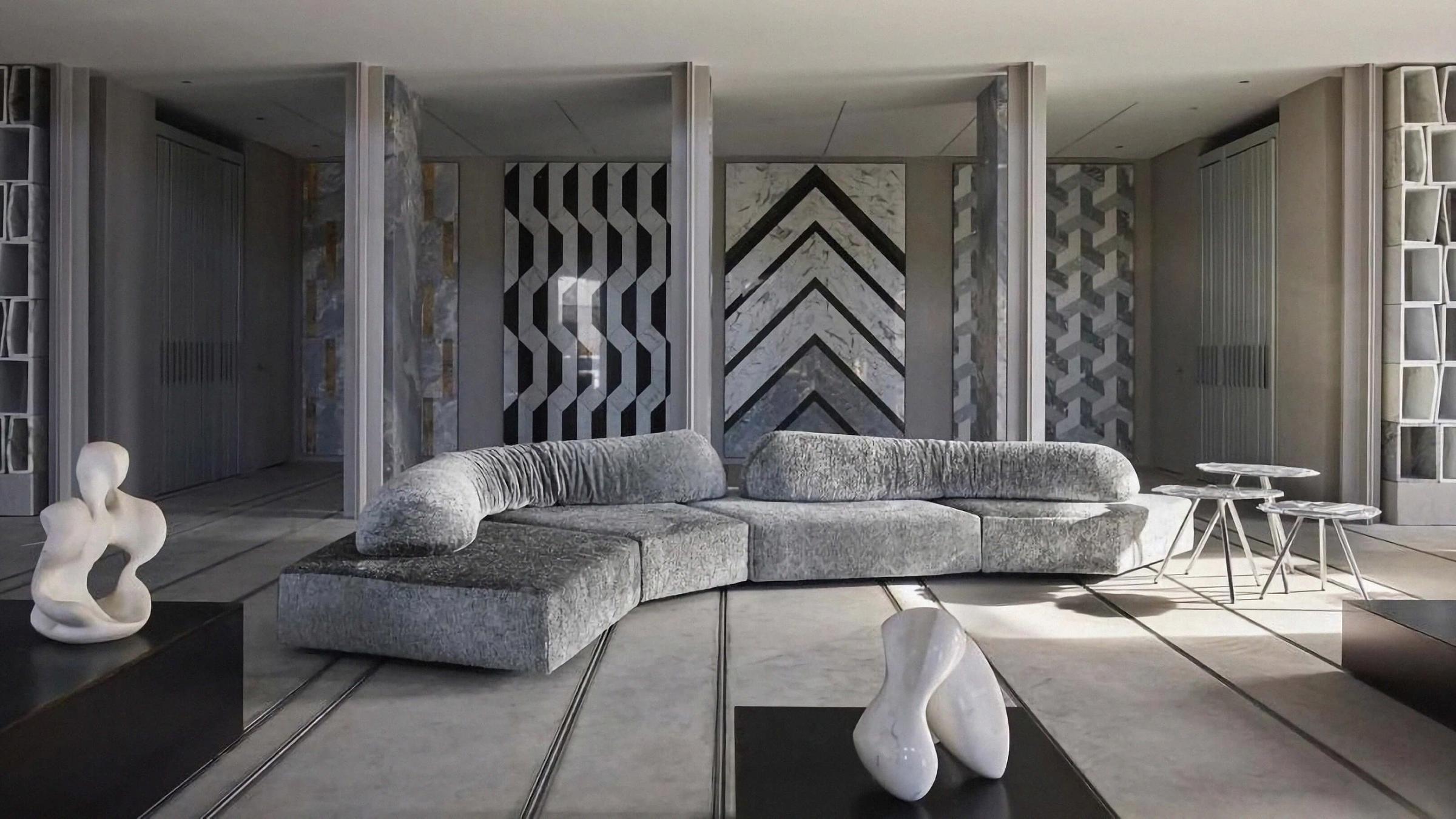
On the Rocks by Edra: Francesco Binfaré's Geology of Rest
Read moreabout On the Rocks by Edra: Francesco Binfaré's Geology of Rest
The 14p Portable Lamp: Bocci's Cast-Glass Sphere, Untethered
Read moreabout The 14p Portable Lamp: Bocci's Cast-Glass Sphere, Untethered
Our design services cover everything from concept development to installation, including product guidance, material selection, custom configurations, pricing, and lead‑time coordination.
Speak with a Design Consultant
Call 855-341-3620 for assistance during business hours.
Enroll for privileged access to iconic design, emerging trends, exclusive events, and thoughtfully curated offers.




Share:
On the Rocks by Edra: Francesco Binfaré's Geology of Rest
The Wishbone Chair: Hans Wegner's CH24 and the Art of Making