
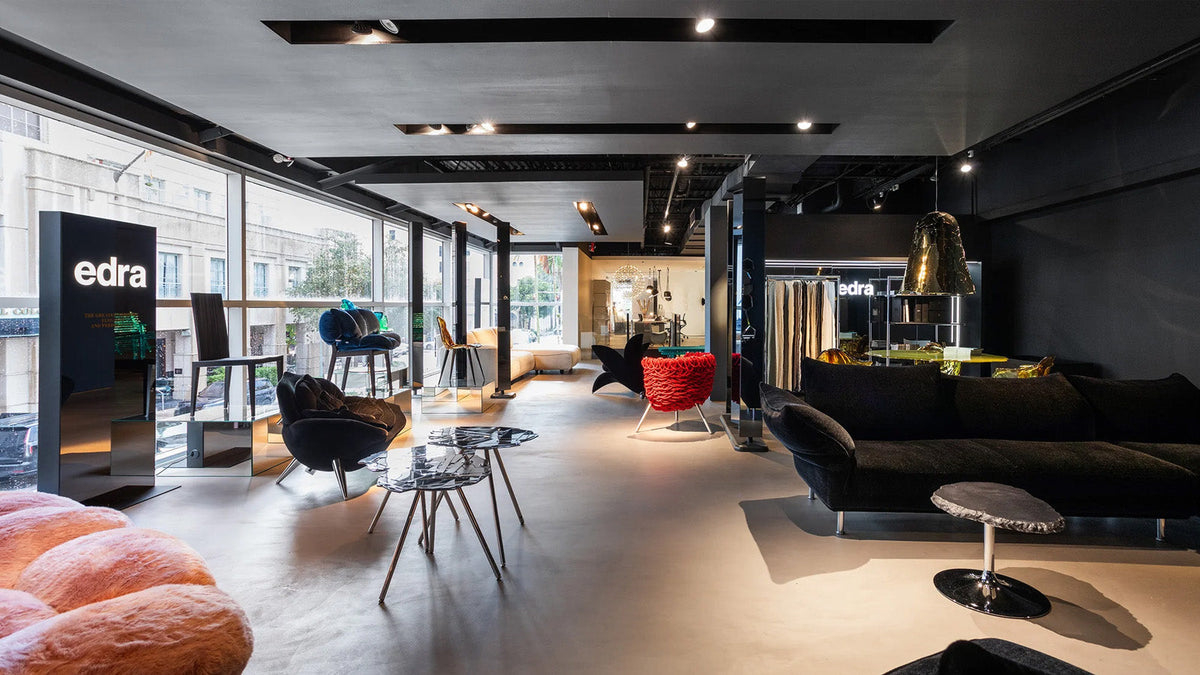
The address is 2331 Ponce de Leon Boulevard, in the shade of Coral Gables' Mediterranean arcade. The showroom that occupies it has been South Florida's primary point of contact with the best of European and international luxury design since 1984. Designed by Mateu Architects, the space was purpose-built to hold serious furniture seriously, and four decades on, that seriousness of intent remains its most legible quality.

Luminaire Coral Gables is the original. A multilingual design team moves through its 18,000 square feet daily, working across projects that range from single estate residences to developer-scale programs spanning multiple towers. The floor is not a retail environment in the conventional sense. It is closer to a permanent exhibition, one whose selections change as the canon of contemporary design evolves.
Coral Gables was platted in the 1920s with a formal Mediterranean vocabulary: arcaded Miami streets, restricted palettes, a civic ambition unusual for South Florida. That architectural seriousness made it a natural home for design at the level the showroom practices. The city's built fabric rewards furniture that carries actual formal intention, and the collections assembled here have always reflected that correspondence.
South Florida's design community is genuinely international. Architects and clients arrive from Buenos Aires, Bogotá, Caracas, and São Paulo with expectations shaped by exposure to European work at its source. The showroom's position in Coral Gables, within reach of Brickell and Miami Beach and the design districts that have grown up around them, gives it a geographic center of gravity that few destinations on the East Coast can match.
The surrounding neighborhood also shapes the tempo of a visit. Ponce de Leon Boulevard is walkable, calm, and commercial in a low-pressure register. An appointment here does not feel like a trip to a furniture district. It feels more like visiting an atelier.
The showroom's selection is anchored by Italian iconic design brands whose histories span the post-war period to the present. Living Divani occupies a place of particular prominence, its seating systems and case goods carrying the restrained geometry that has defined the best of contemporary Brianza production. The brand's approach to proportion, particularly in its sofa programs, rewards the kind of sustained attention that a showroom visit enables in a way that any photograph simply cannot.
Minimal brings a rigorous architectural sensibility to the kitchen, conceived with the exactitude of building components. Its presence in the showroom speaks to the full-residence orientation of the design services practiced here. A kitchen or a room is not an isolated object; it is a system, and Minimal's work is built on that premise.
Cassina grounds the collection in verifiable design history. The LC series, the Maralunga, the 637 Utrecht, the Cab: these are objects with documented lineages, and seeing them in dialogue with contemporary work clarifies both. Poltrona Frau extends that historical depth through its leather atelier tradition, a tradition continuous since 1912, one whose materiality becomes apparent only through touch.
Moroso and Flexform complete the primary register. Moroso brings an expressive range that reflects its long collaborations with designers working outside the Italian mainstream; Flexform holds to a different discipline, one of absolute material quality and formal quietness that distinguishes its seating and bedroom programs.
Beyond these anchors, the floor includes work from Bocci, Desalto, Kettal, MDF Italia, Paola Lenti, Vitra, and Zanotta, among others. These names appear not as secondary choices but as specific solutions to specific problems: outdoor programs, lighting architectures, storage systems, occasional pieces that complete a room's argument rather than initiate it.

The showroom's design services are the most consequential thing it offers, and they are categorically different from the floor experience. Where the floor invites discovery, the design service is a structured professional engagement, beginning with an initial consultation and moving through spatial planning, material specification, procurement, and coordinated delivery and installation.
Engagements operate at the scale of a full residence or estate. The process does not begin with furniture selection. It begins with architecture: understanding the volumes, the light, the circulation, and the client's relationship to their own space before a single piece is proposed. Spatial planning at this level involves measured drawings, furniture layouts, material boards, and finish schedules, all developed in direct correspondence with the client and, where one is engaged, the project architect.
Specification follows from planning. The multilingual team works across the complete catalog, identifying pieces from the showroom's represented brands that answer the spatial and material logic established in the planning phase. Where standard configurations are insufficient, customization and special orders are available across most of the primary brands. This is not an exception to the process; for estate-scale projects, it is routine.
Procurement, logistics, and installation are handled within the same engagement. The team coordinates receiving, white-glove delivery, and placement, ensuring that what arrives corresponds precisely to what was specified. At estate scale, that coordination involves sequencing across multiple manufacturers, shipping origins, and installation phases, a logistical problem that the showroom's supply-chain relationships are structured to solve.
Interior Designers and Architects working on client projects have access to a dedicated path through the Trade Program, which extends exclusive pricing, dedicated consultant support, early access to new arrivals, and the capacity to request material samples and finish swatches. The program has been serving architects and designers since 1974.
The floor is open Monday through Saturday, 10:00 AM to 6:00 PM. Walk-ins are welcome, and the scale of the space rewards unstructured time. For clients with an active project or a specific program to address, an appointment focuses the visit: a consultant engages directly with the project brief, walking the floor with intention rather than at leisure.
The multilingual staff is a material fact of the showroom, not a hospitality detail. In a market where clients and architects arrive with primary languages other than English, the capacity to work in multiple languages determines whether a consultation can actually function. Here it does.
The Coral Gables showroom is South Florida's flagship, and as such it carries the deepest installation of the full catalog. Visitors who have seen the showroom's collections at European trade events will find a comparable depth of presentation here, oriented specifically toward the residential and developer programs that characterize this market.
The showroom is located at 2331 Ponce de Leon Boulevard, Coral Gables, Florida 33134. Parking is available in the surrounding blocks and in nearby structures. The nearest cross-streets place the address within easy reach of the Miracle Mile retail corridor and the civic center of Coral Gables.
To reach the team directly: 305-448-7367. Appointment requests and project inquiries can be initiated through the showroom page. For trade professionals beginning a new engagement, the Trade Program application is the appropriate entry point.
The showroom has been a working institution in South Florida for four decades. The question it answers most reliably is not what furniture exists, but which furniture belongs in a particular room, at a particular scale, for a particular life. That is a harder question to answer than any catalog addresses, and it is the one the design team is there to engage.
Luminaire at Design West Hollywood 2026
Design West Hollywood 2026 celebrated creativity, connection, and contemporary design, with Luminaire Los Angeles and Arclinea Los Angeles hosting memorable gatherings that brought the design community together.
In Conversation with Sophie Goineau
Interior architect Sophie Goineau designs across scales, from a single object to the architecture around it and the land beyond. She discusses composing interiors as one continuous experience, letting each place and its people shape a project's language, and her work on Selby Lane with the San Francisco team.
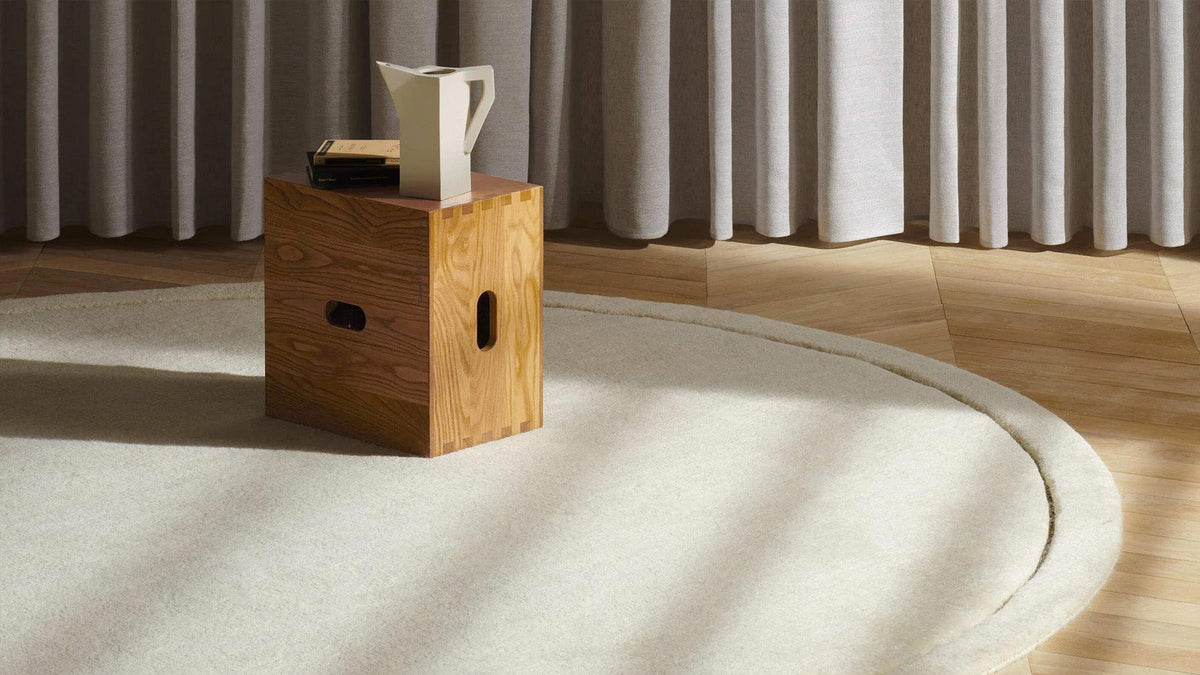
Charlotte Perriand's Tabouret Stools: Alpine Form, Modern Use
Read moreabout Charlotte Perriand's Tabouret Stools: Alpine Form, Modern Use
Inside Luminaire Chicago: Italian Design in River North Since 1989
Read moreabout Inside Luminaire Chicago: Italian Design in River North Since 1989
Eileen Gray's E 1027 Table: A Design Conceived for Living
Read moreabout Eileen Gray's E 1027 Table: A Design Conceived for Living
LC14 Tabouret Cabanon: Le Corbusier's Smallest Architecture
Read moreabout LC14 Tabouret Cabanon: Le Corbusier's Smallest Architecture
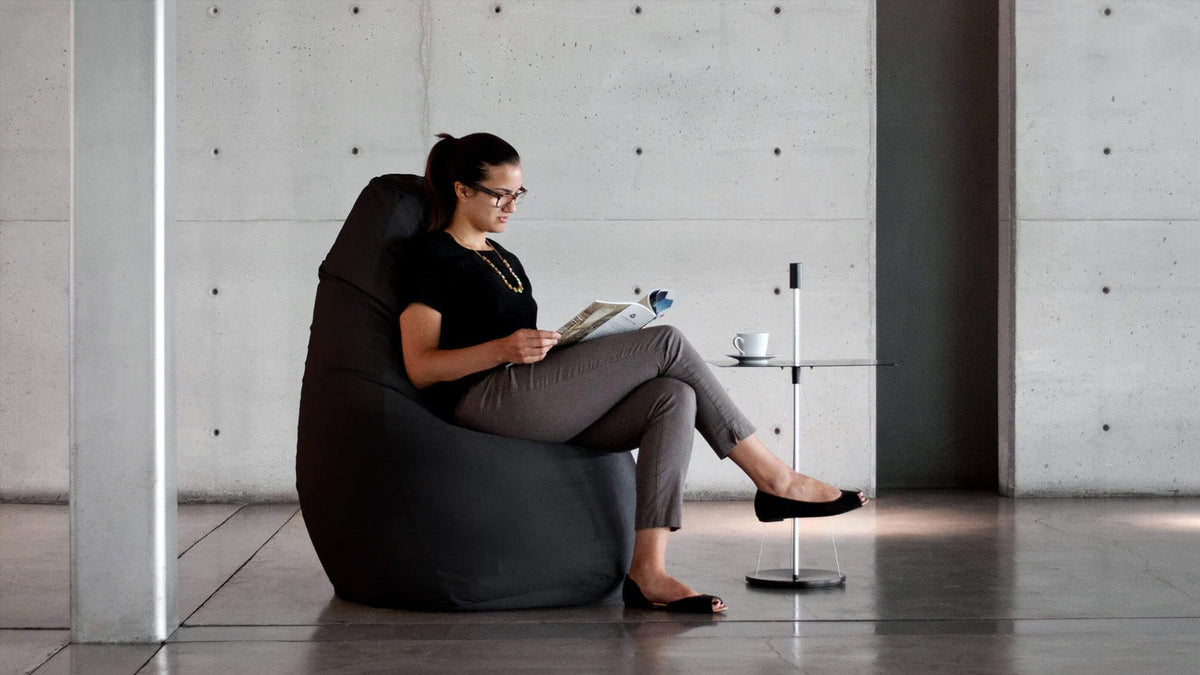
Sacco Chair by Zanotta: The 1968 Object That Refused to Be Furniture
Read moreabout Sacco Chair by Zanotta: The 1968 Object That Refused to Be Furniture
Inside Luminaire Coral Gables: The Showroom and Its Design Services
Read moreabout Inside Luminaire Coral Gables: The Showroom and Its Design Services
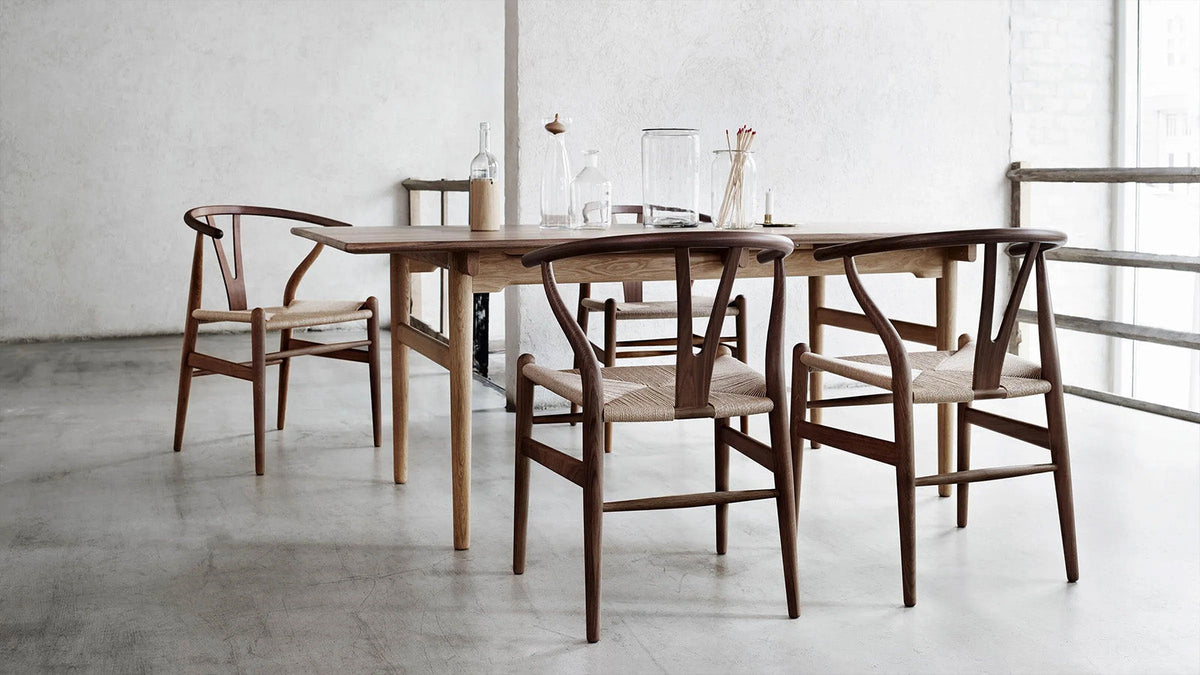
The Wishbone Chair: Hans Wegner's CH24 and the Art of Making
Read moreabout The Wishbone Chair: Hans Wegner's CH24 and the Art of Making
Cassina Chairs - The Collectors' Guide
Few furniture makers have shaped the chair as a cultural object the way Cassina has. From their earliest collaborations with the European avant-garde to their ongoing stewardship of the twentieth century's most consequential seating designs, the Meda-based manufacturer remains the standard against which Italian furniture brands are measured. This guide surveys the Cassina chairs we carry and the ideas embedded in each one.
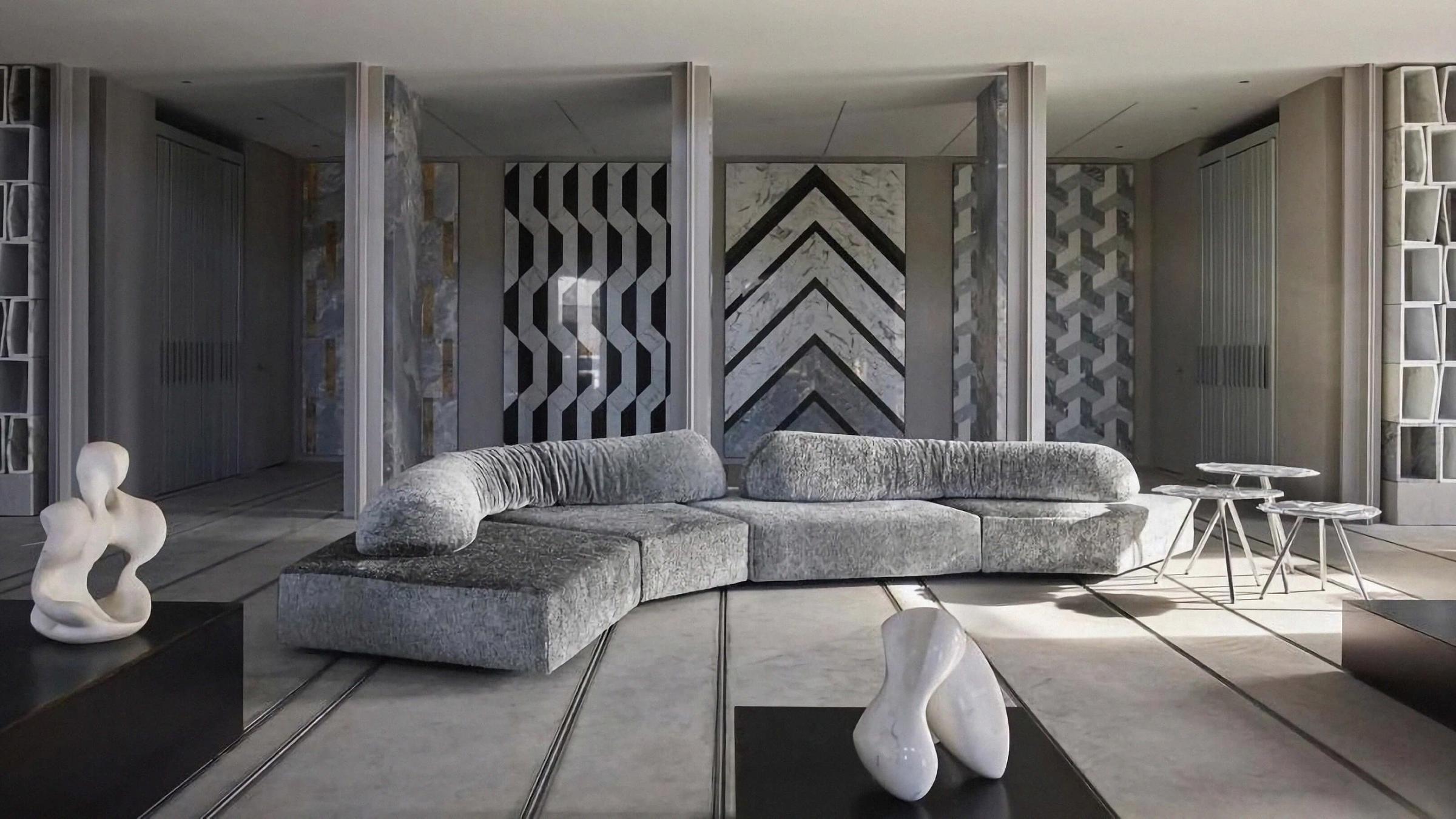
On the Rocks by Edra: Francesco Binfaré's Geology of Rest
Read moreabout On the Rocks by Edra: Francesco Binfaré's Geology of Rest
The 14p Portable Lamp: Bocci's Cast-Glass Sphere, Untethered
Read moreabout The 14p Portable Lamp: Bocci's Cast-Glass Sphere, Untethered
Our design services cover everything from concept development to installation, including product guidance, material selection, custom configurations, pricing, and lead‑time coordination.
Speak with a Design Consultant
Call 855-341-3620 for assistance during business hours.
Enroll for privileged access to iconic design, emerging trends, exclusive events, and thoughtfully curated offers.




Share:
The Wishbone Chair: Hans Wegner's CH24 and the Art of Making
Sacco Chair by Zanotta: The 1968 Object That Refused to Be Furniture