




Black Friday Sale
Up to 25% OFF + Free Shipping on Lighting!




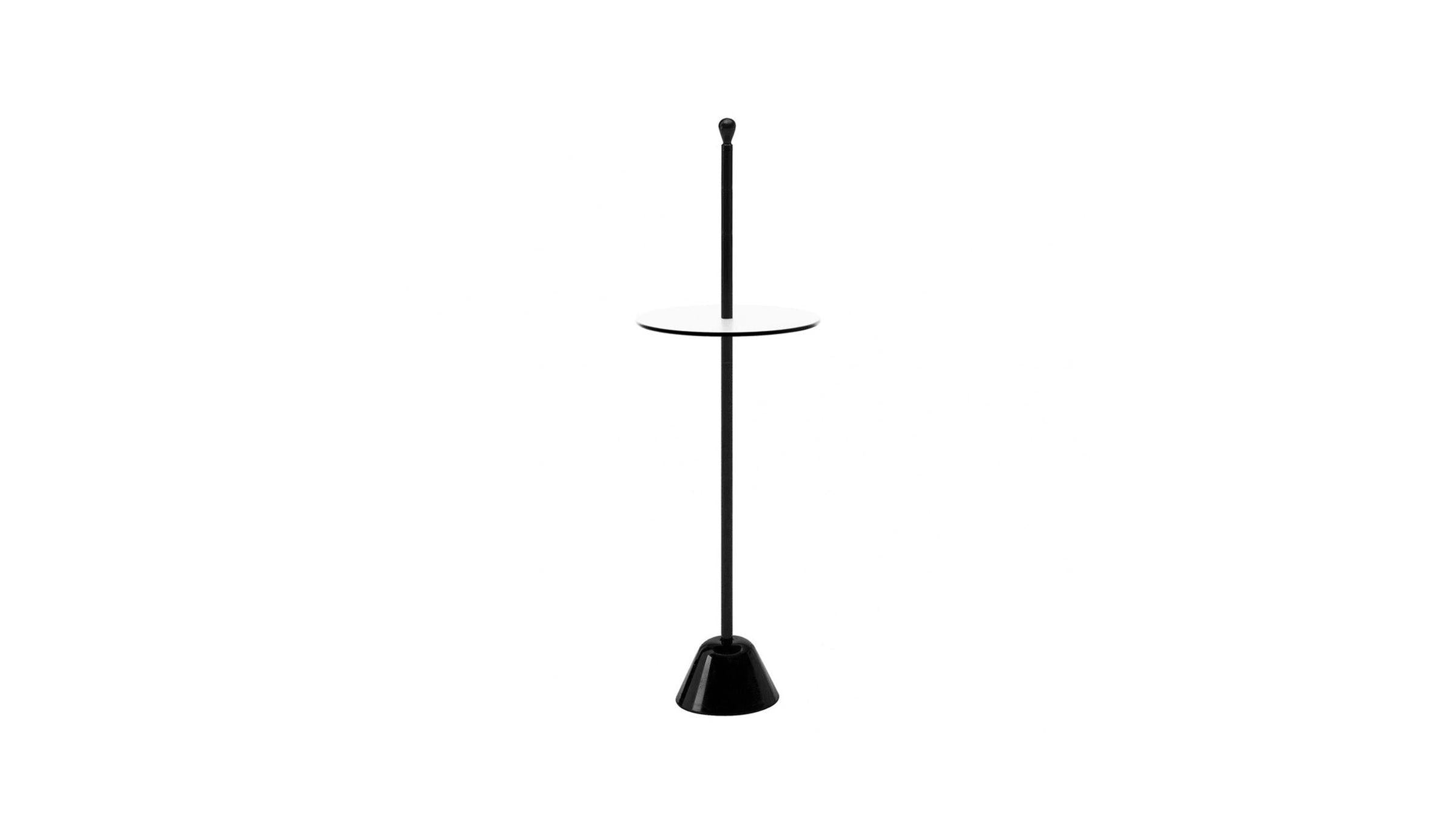


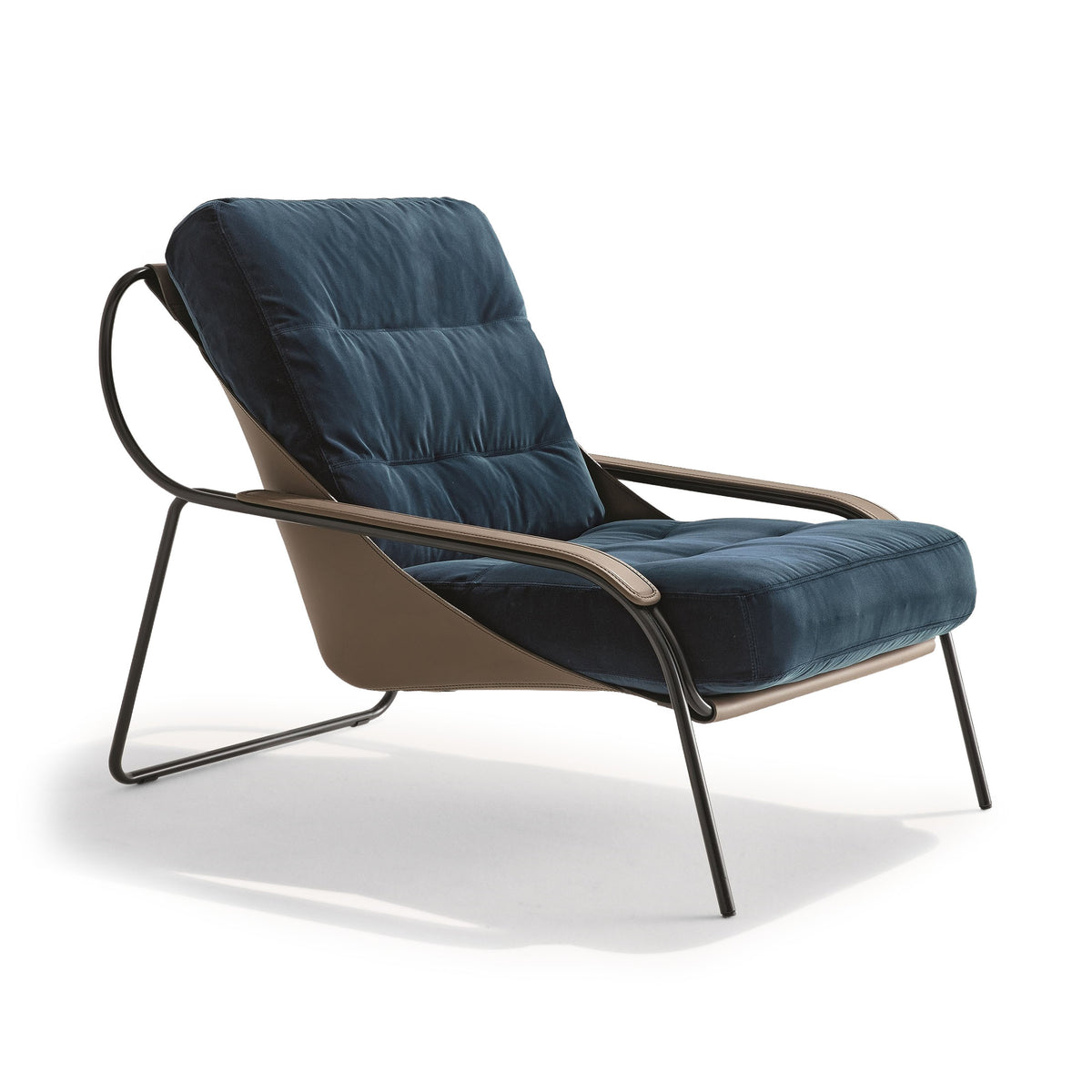
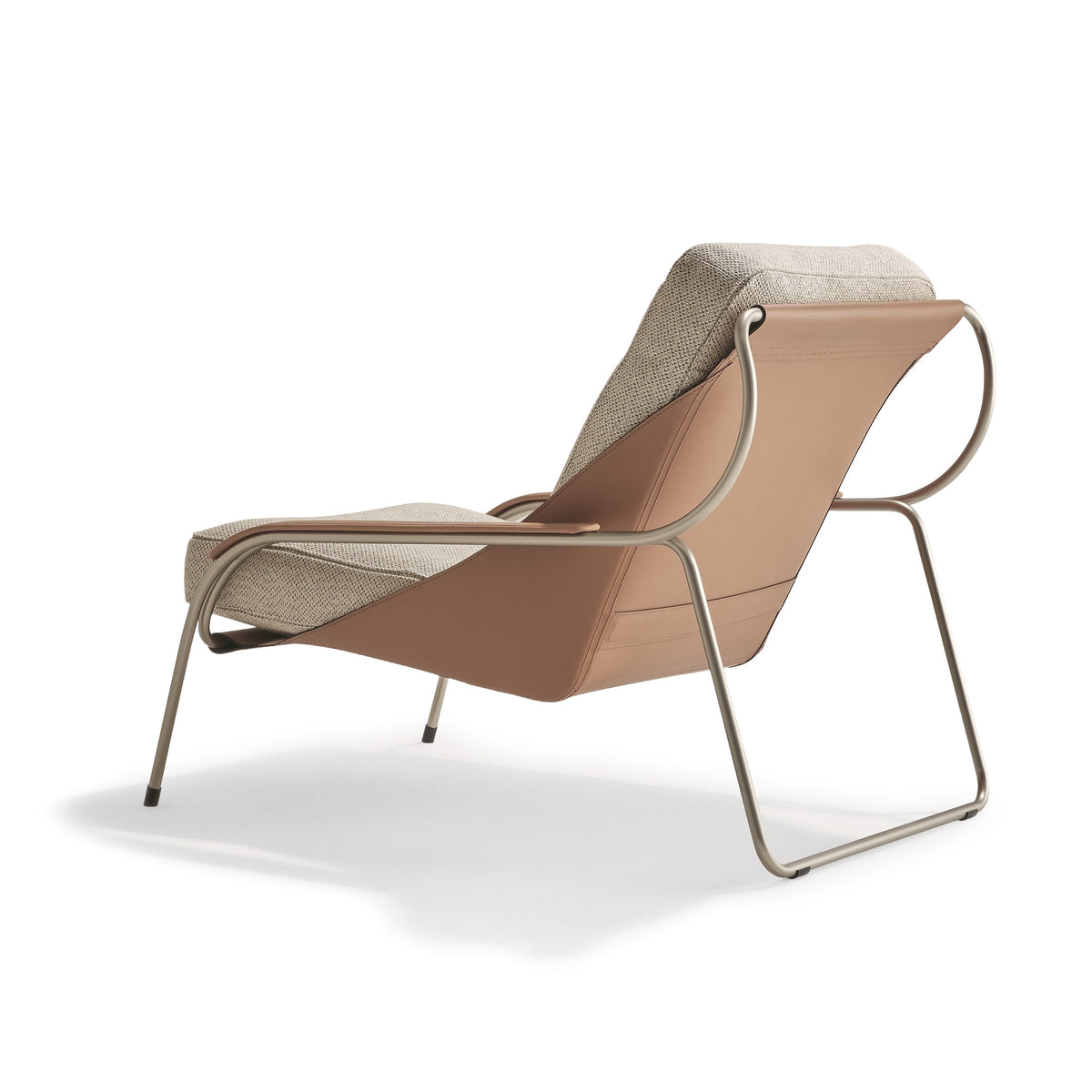
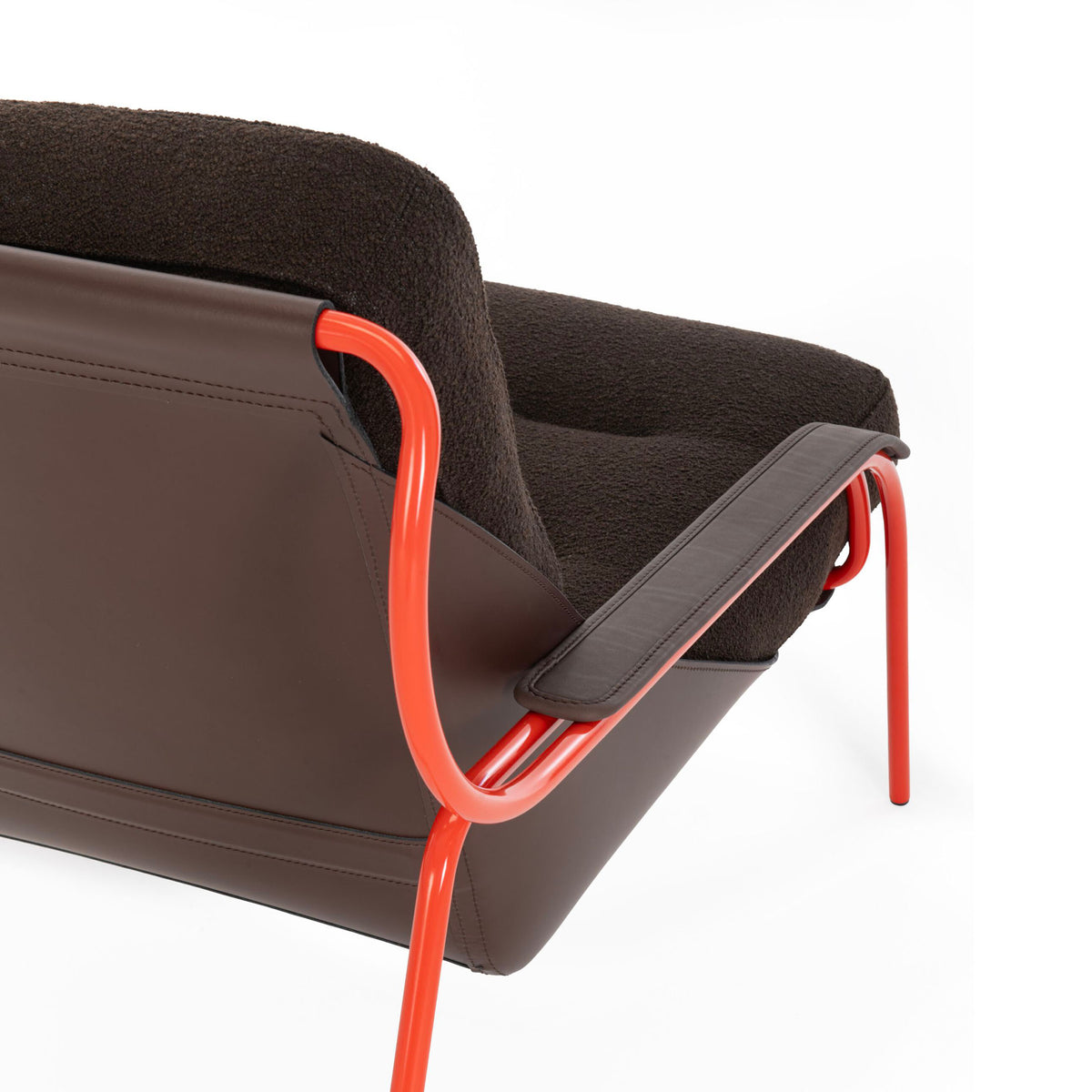


Experience Luminaire in Person
Visit a showroom near you.


Design Without Boundaries
Beyond our curated collections lies a world of over 400 iconic brands.
For specific pieces, finishes, or bespoke solutions, our design team is at your disposal.
Frequently Asked Questions
What design philosophy has defined Zanotta since its founding?
Zanotta was founded on the conviction that furniture could carry cultural weight, not merely fill a room. From its earliest collaborations, the brand gave designers permission to question the conventions of domestic form: to borrow from industry, to work with new materials, to treat the everyday object as a site of inquiry. That sensibility runs through everything from its most iconic seating to its storage pieces and decorative objects, connecting work produced decades apart.
Which designers have collaborated with Zanotta?
Zanotta's history of collaboration spans the full arc of modern Italian design. Achille Castiglioni and his brother Pier Giacomo are among the most recognized names in its catalog, alongside figures like Carlo Mollino, Enzo Mari, and Marco Zanuso, whose work from the mid-twentieth century remains in production today. More recent collaborations extend that tradition into the present, bringing in voices from Belgium, Venice, and beyond. The range reflects a consistent instinct: find designers who approach objects as propositions.
What types of furniture and objects does Zanotta produce?
Zanotta's output covers a wide register: lounge chairs, sofas, dining chairs, side tables, coffee tables, storage pieces, shelving, coat racks, mirrors, and decorative objects. The range is unified less by product category than by a shared approach: each piece is the result of considered design rather than specification by committee. Some objects have become cultural artifacts in their own right; others are recent introductions that extend the same tradition into new formal territory.
How does Zanotta approach material selection and construction?
Zanotta does not impose a single material language across its catalog. Steel, bent plywood, lacquered polypropylene, cast aluminum, glazed clay, veneered MDF, and cowhide leather have all appeared in its work, chosen because a particular design demanded them. What holds the catalog together is not material consistency but fidelity to each form's own logic: each piece uses what its structure requires, with construction methods, rotational molding, die-casting, industrial upholstery, matched to the design's intent rather than selected for appearance.
Are any Zanotta pieces considered design icons or held in museum collections?
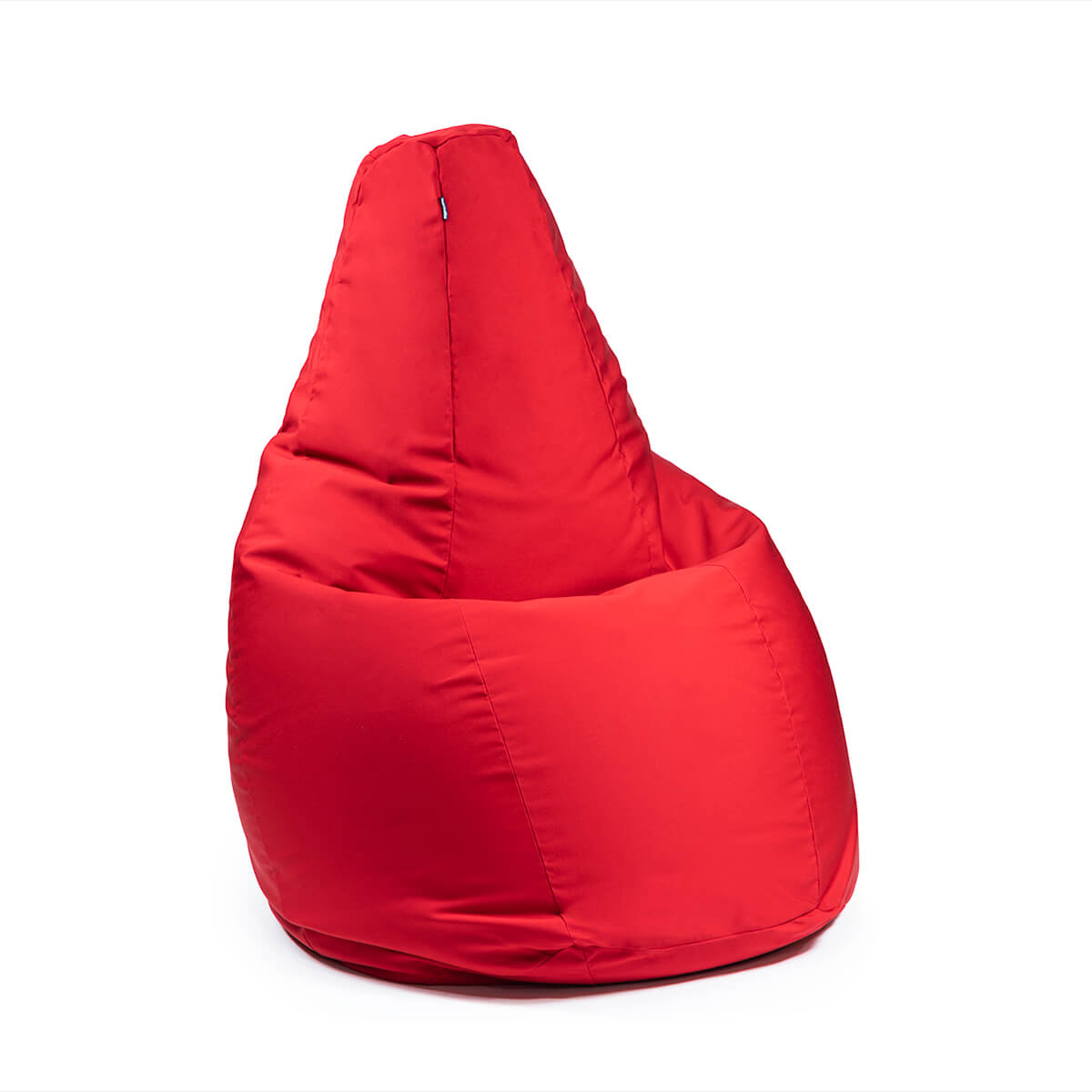
Several Zanotta pieces have entered permanent museum collections, including MoMA in New York. The brand's history of working with designers who treated furniture as cultural proposition, rather than commercial object, produced work that critics and curators have recognized as significant beyond its domestic function. These objects did not become icons by accident; they emerged from a specific cultural moment in Italian design and proposed something that had not existed before. The Sacco's story is one of the clearest examples: a 1968 proposal that entered MoMA's permanent collection and has never left production.
How should I assess the scale, upholstery, and finish options of a Zanotta piece before purchasing?
Zanotta's catalog spans a wide range of proportions, from compact side chairs to generous modular sofas, and many pieces are available in multiple finishes, upholstery options, and colorways that read quite differently in person than on screen. Seeing the construction quality, testing the seating comfort, and comparing finish options against your own materials in a showroom setting tends to resolve decisions that photography cannot. Our showrooms carry a rotating selection of Zanotta pieces; confirm what is currently on display before visiting, and consider scheduling an appointment with a designer to work through configurations and finishes.
Does Zanotta offer made-to-order or customizable configurations?
Many pieces in the Zanotta catalog are available with meaningful variation: upholstery in fabric or leather, frame finishes across multiple colorways, and in some cases modular configurations that can be assembled to suit a specific space. Certain pieces are produced to order rather than held as standard stock. The degree of customization varies by piece. When a project has precise requirements, dimensions, material specifications, contract quantities, working through our design concierge is the most direct path to a resolved outcome.
How does Zanotta's recent work relate to its mid-century legacy?
Zanotta has never treated its history as a template. New collaborations introduce designers whose formal languages differ entirely from the studio's mid-century output, yet the underlying attitude remains consistent: furniture as a vehicle for ideas, not just comfort. Recent introductions have brought modular systems, geometric storage, and objects that engage with current questions of material responsibility, without framing that engagement as a departure from the work that preceded them. The catalog holds both periods without one diminishing the other.
Elevate Your Space
Since 1974, we have been at the forefront of innovation in the design sphere, revolutionizing perceptions of good design.


