

From ancient ritual to modern life, seating has long offered a much-desired reprieve. It is where the body settles and the mind softens. It is a place for gathering, for reflection, for the gentle unfolding of daily life.
Over time, the chair has moved beyond utility. A presence that shapes the atmosphere of a home and the rhythm of those who inhabit it, it becomes intimate and familiar.
The 20th century marked a profound shift as new materials and evolving technologies gave rise to forms that feel both visionary and deeply human. Chairs became vessels of thought, refinement, and quiet luxury. They reflect cultural change while guiding more considered ways of living.
What follows is a curated study of ten enduring works, all available at Luminaire. Each carries the spirit of its moment. Each offers a distinct way to experience comfort, beauty, and design at its most elevated.
 4 Chaise Longue à Réglage Continu (1928)
The early modernist movement sought purity. Ornament receded as designers turned toward function, proportion, and the logic of the human body. Emerging from this shift, the LC4 Chaise Longue embodies the principles of modernism with a humble authority.
First exhibited at the Salon d’Automne in Paris in 1929, the chair introduced a new vision of repose, one shaped by industrial materials and ergonomic precision. Its steel frame and reclining form follow the natural arc of the body, conceived as what Le Corbusier described as a “machine for rest.”
Today, it remains a defining icon of modern design, where intellect and comfort meet in perfect balance.
 Zig Zag Chair (1934)
With the De Stijl movement came a radical clarity of vision. Form was reduced to line, plane, and proportion, rejecting ornament in favor of pure abstraction. The Zig Zag Chair distills this philosophy into a single, continuous gesture.
Constructed from a single plane of wood and recognized as one of the earliest cantilevered chairs, it challenged conventional ideas of structure and support. Its angular silhouette feels both rigorous and unexpectedly graceful.
There is a quiet audacity in its simplicity, an exploration of how far form can be reduced while still holding presence.
 Standard Chair (1934)
Jean Prouvé approached design with the discipline of an engineer and the sensitivity of a craftsman. The Standard Chair reveals his logic with clarity. The rear legs, designed to bear weight, are strengthened and refined. Their form recalls the aerodynamic grace of an aircraft wing. Wood and steel meet in a deliberate and balanced harmony.
There is distinct confidence in its presence. It speaks to a belief that beauty emerges from purpose. Within a well-appointed space, it offers both utility and an understated architectural elegance.
 Eames La Chaise (1948)
As modernism evolved into the mid-century, rigid geometries gave way to more fluid, expressive forms. Designers began exploring the relationship between sculpture and furniture, balancing industrial production with organic sensibility.
Created for the Museum of Modern Art’s International Competition for Low-Cost Furniture Design, La Chaise by mid-century pioneers Charles and Ray Eames reflects this shift. Its sweeping, biomorphic form was inspired by Gaston Lachaise’s Floating Figure, and appears almost weightless while grounded in careful engineering and material innovation.
It remains a defining work of organic modernism, where comfort and sculpture converge.
 Wishbone Chair (1950)
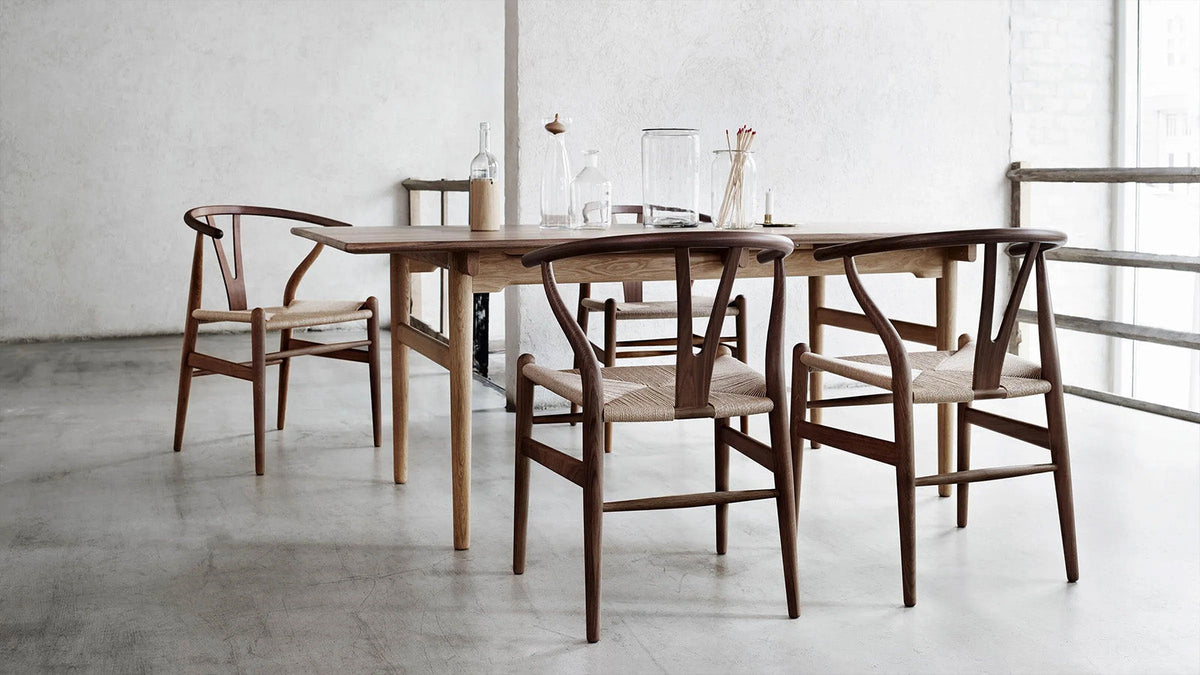
Enduring, elegant, and attractive, the Wishbone Chair celebrates the triumph of craftsmanship. Rooted in the Danish modern movement, it reflects a philosophy that merges craftsmanship with clarity of form. Hans J. Wegner drew inspiration from the refined elegance of Chinese Ming Dynasty seating, translating tradition into a distinctly modern expression.
Its gently curved back and signature Y-shaped support create both structural integrity and visual openness, while the handwoven paper cord seat introduces warmth and tactility. The result is a chair that feels both timeless and deeply human.
One of Wegner’s most celebrated works, the Wishbone continues to resonate today as a best seller for homes that value sophisticated luxury and effortless detailing.
 Panton Chair (1960s)
The 1960s ushered in a new design language shaped by Pop Art, space-age optimism, and advances in synthetic materials. Designers began to experiment with bold forms that reflected a more expressive and futuristic vision of living.
The Panton Chair stands at the forefront of this movement as the first chair to be produced from a single piece of molded plastic. Its continuous, cantilevered form creates a seamless and dynamic silhouette. Both playful and revolutionary, it remains a landmark in modern design.
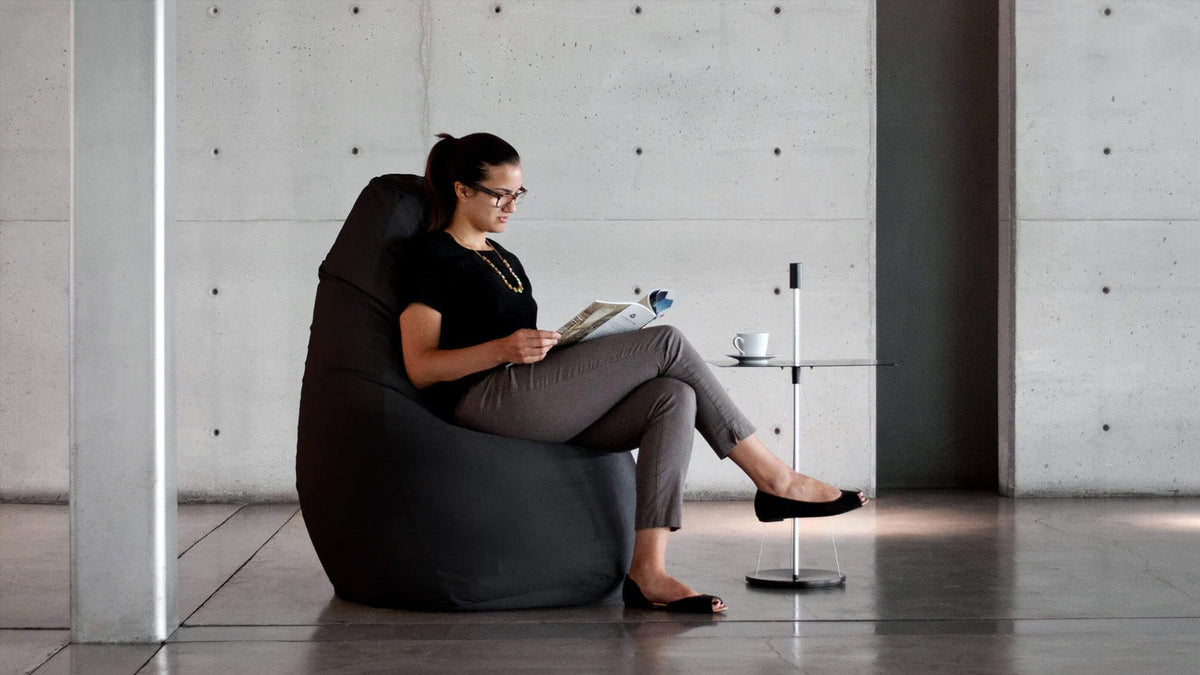
 Sacco Bean Bag Chair (1968)
As the 1960s gave way to a more liberated cultural landscape, design began to reflect a spirit of informality and personal freedom. In Italy, the Radical Design movement challenged convention, embracing flexibility and user-driven experience.
The Sacco chair embodies this shift. Its unstructured form adapts to the body, rejecting rigid frameworks in favor of comfort and spontaneity. It remains an emblem of a moment when design moved closer to life.
 Cab Chair (1977)
By the late 20th century, design began to explore more intimate relationships between object and body. Mario Bellini approached the chair as a living structure, informed by both architecture and anatomy.
The Cab Chair was the first to feature a self-supporting leather skin stretched over a steel frame. This innovation created a form that feels both seamless and refined.
It is at once structured and supple, an elegant synthesis of craft and human-centered design.
 Wink Chair (1980)
Postmodernism introduced a playful expressiveness to design. Function remained important, but expression took on new prominence.
Wink captures this spirit through its adaptable form. With adjustable components that allow it to shift in posture, it creates a dynamic interaction between user and object. Its low profile draws from traditional Japanese seating.
There is a distinct personality in its design, reflecting a moment when furniture became more expressive and open to interpretation.
 Air Chair (1999)
By the close of the century, design returned to clarity. Simplicity re-emerged with renewed intention, with a focus on efficiency and refined minimalism.
The Air Chair exemplifies this shift. Produced using gas injection molding, it achieves lightness and durability while maintaining a clean, understated form. It stands as a reflection of modern living at its most distilled.
Each of these chairs carries a distinct voice. Together, they form a layered narrative of design in motion as materials evolve and ideas shift. They introduce depth, beauty, and a sense of continuity that defines considered interiors.
We invite you to experience these icons within Luminaire’s We Have Your Back campaign. Discover how these enduring works can bring clarity, comfort, and quiet luxury into your own space.
Luminaire at Design West Hollywood 2026
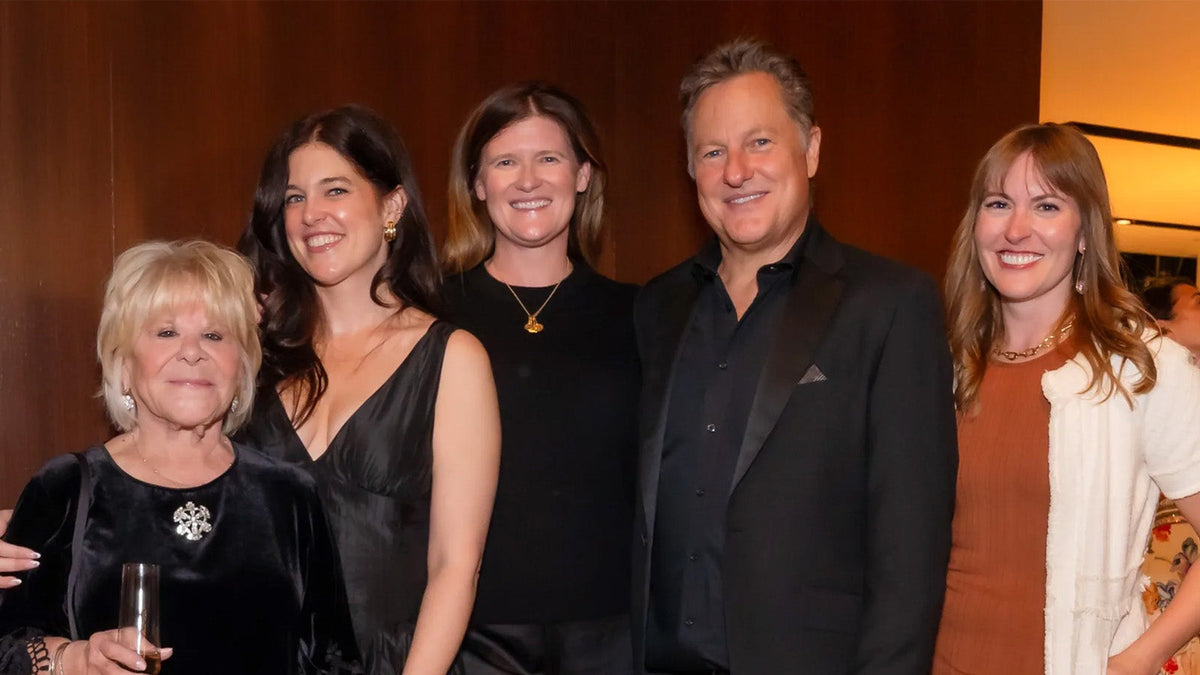
Design West Hollywood 2026 celebrated creativity, connection, and contemporary design, with Luminaire Los Angeles and Arclinea Los Angeles hosting memorable gatherings that brought the design community together.
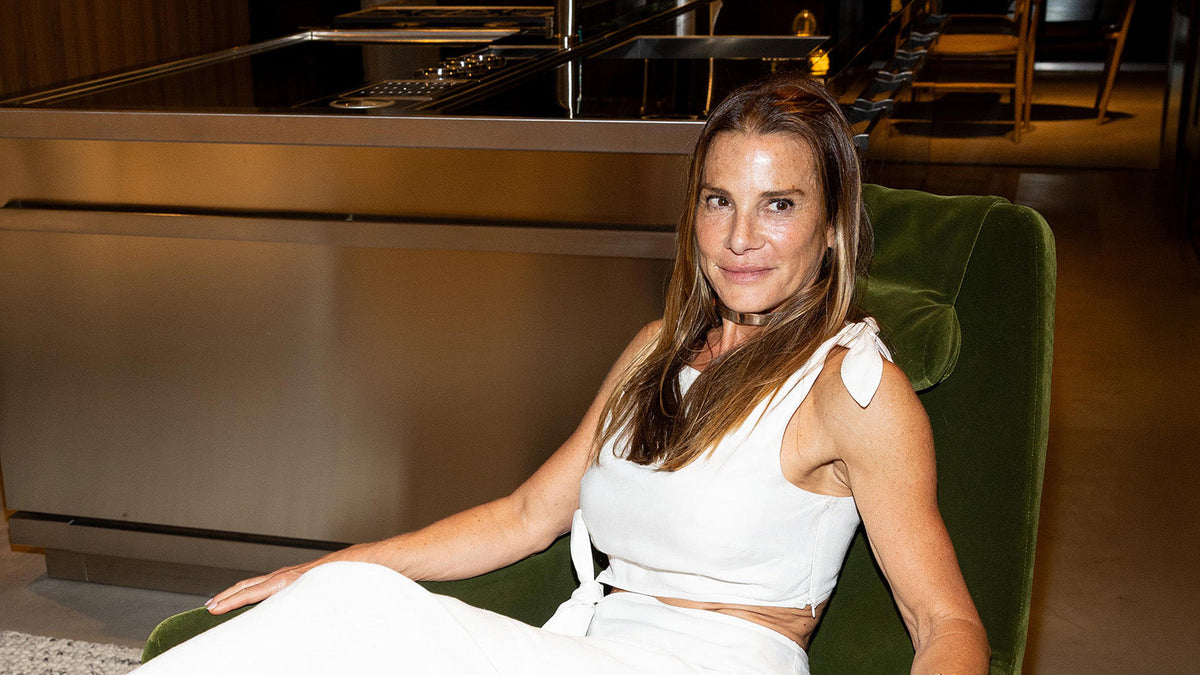
In Conversation with Sophie Goineau
Interior architect Sophie Goineau designs across scales, from a single object to the architecture around it and the land beyond. She discusses composing interiors as one continuous experience, letting each place and its people shape a project's language, and her work on Selby Lane with the San Francisco team.
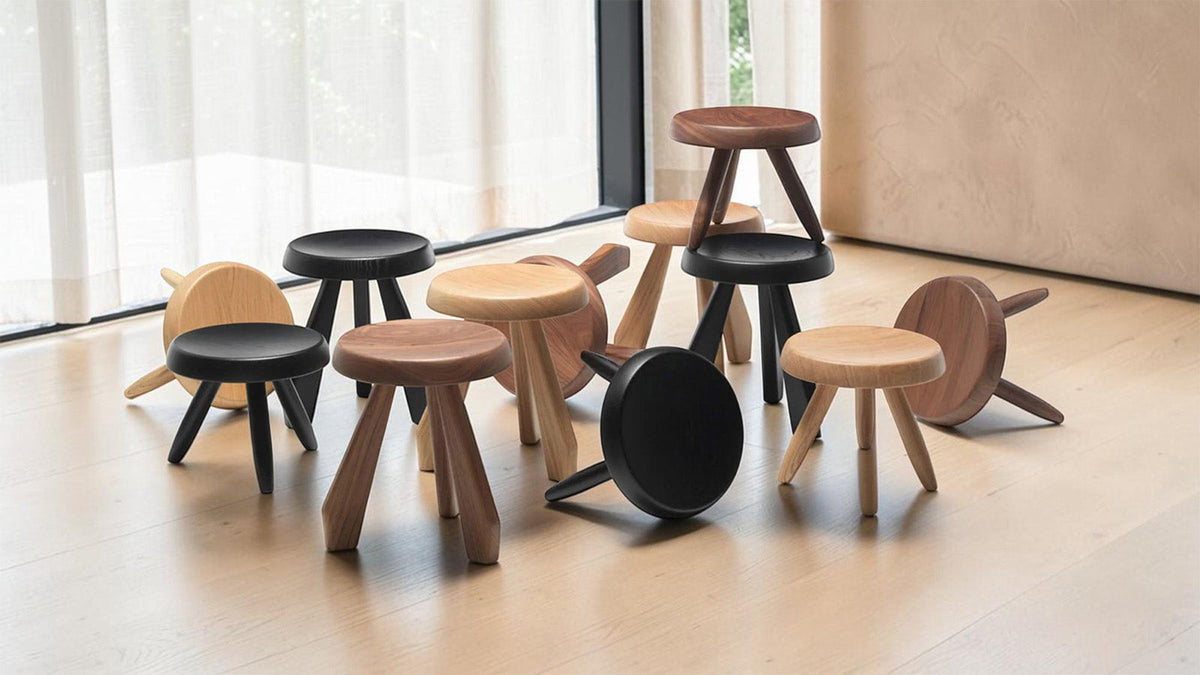
Charlotte Perriand's Tabouret Stools: Alpine Form, Modern Use
Read moreabout Charlotte Perriand's Tabouret Stools: Alpine Form, Modern Use
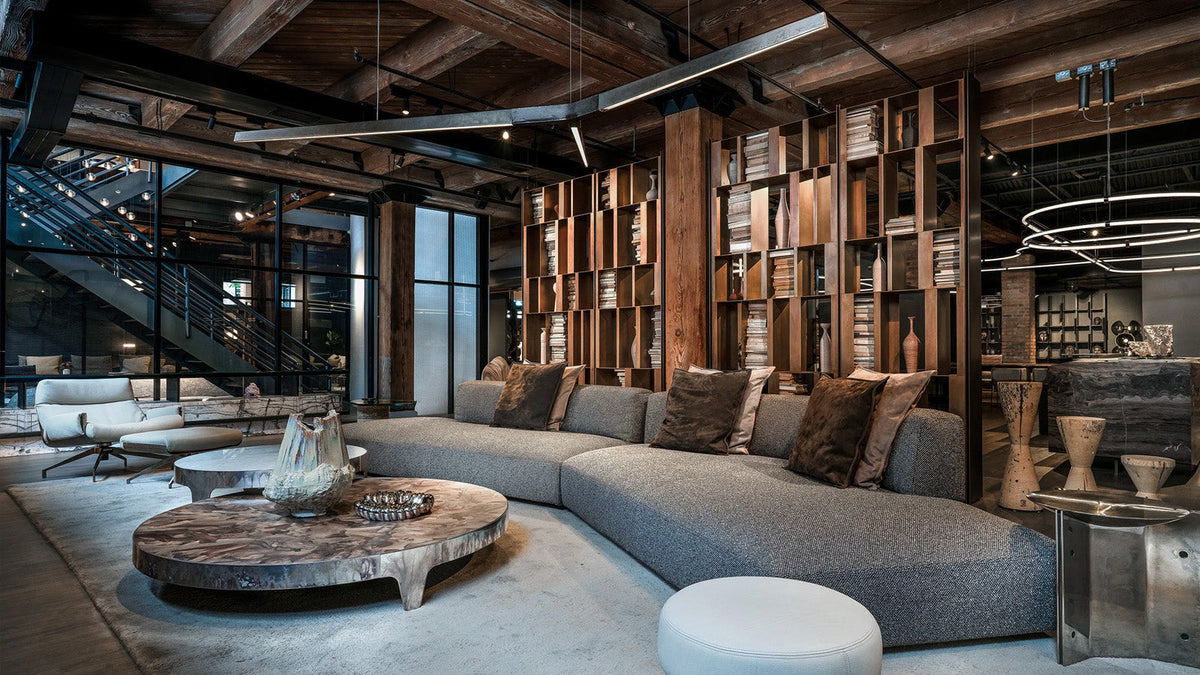
Inside Luminaire Chicago: Italian Design in River North Since 1989
Read moreabout Inside Luminaire Chicago: Italian Design in River North Since 1989
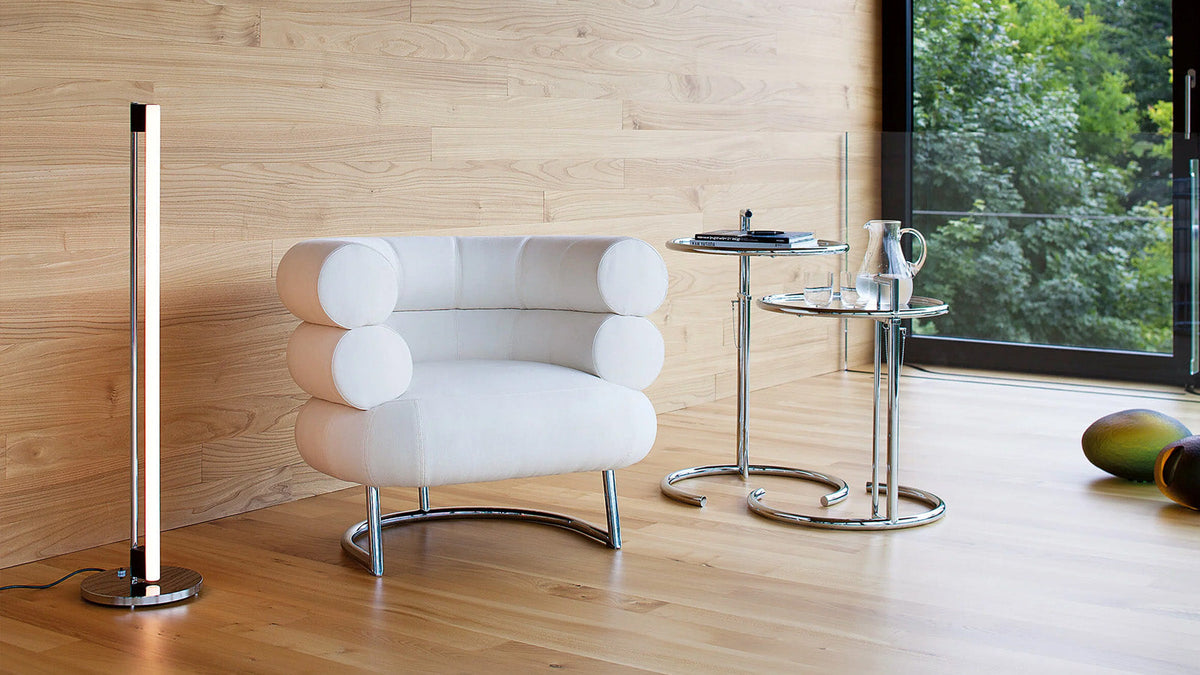
Eileen Gray's E 1027 Table: A Design Conceived for Living
Read moreabout Eileen Gray's E 1027 Table: A Design Conceived for Living
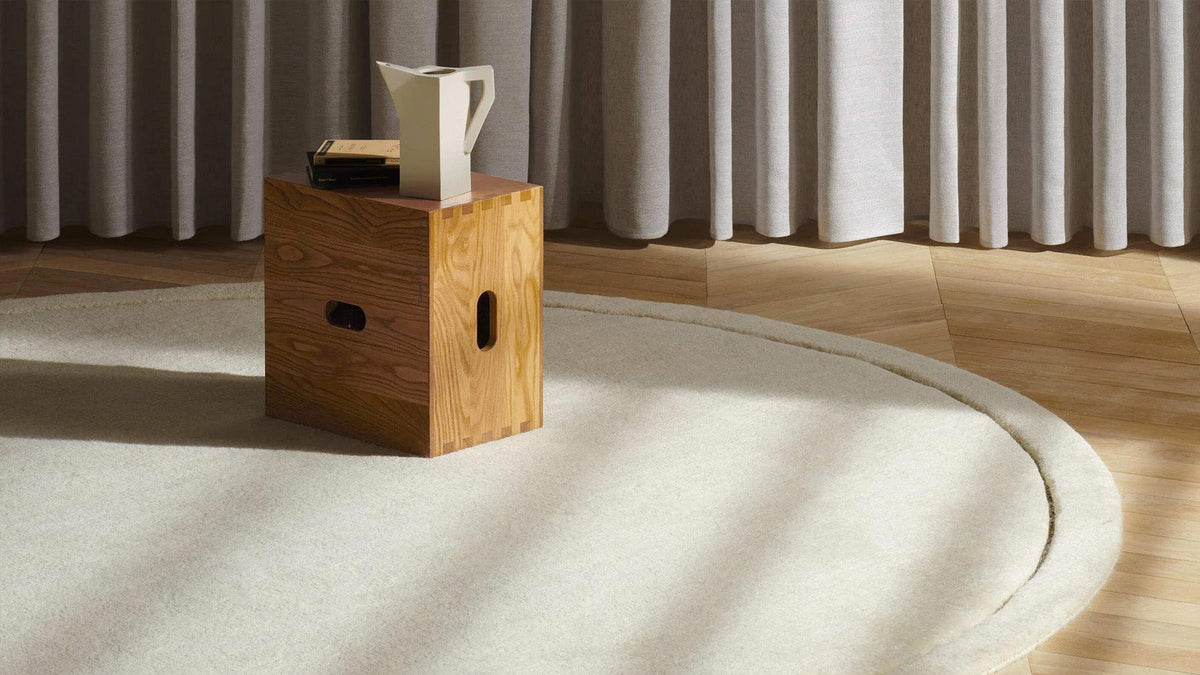
LC14 Tabouret Cabanon: Le Corbusier's Smallest Architecture
Read moreabout LC14 Tabouret Cabanon: Le Corbusier's Smallest Architecture
Sacco Chair by Zanotta: The 1968 Object That Refused to Be Furniture
Read moreabout Sacco Chair by Zanotta: The 1968 Object That Refused to Be Furniture
Inside Luminaire Coral Gables: The Showroom and Its Design Services
Read moreabout Inside Luminaire Coral Gables: The Showroom and Its Design Services
The Wishbone Chair: Hans Wegner's CH24 and the Art of Making
Read moreabout The Wishbone Chair: Hans Wegner's CH24 and the Art of Making
Cassina Chairs - The Collectors' Guide
Few furniture makers have shaped the chair as a cultural object the way Cassina has. From their earliest collaborations with the European avant-garde to their ongoing stewardship of the twentieth century's most consequential seating designs, the Meda-based manufacturer remains the standard against which Italian furniture brands are measured. This guide surveys the Cassina chairs we carry and the ideas embedded in each one.
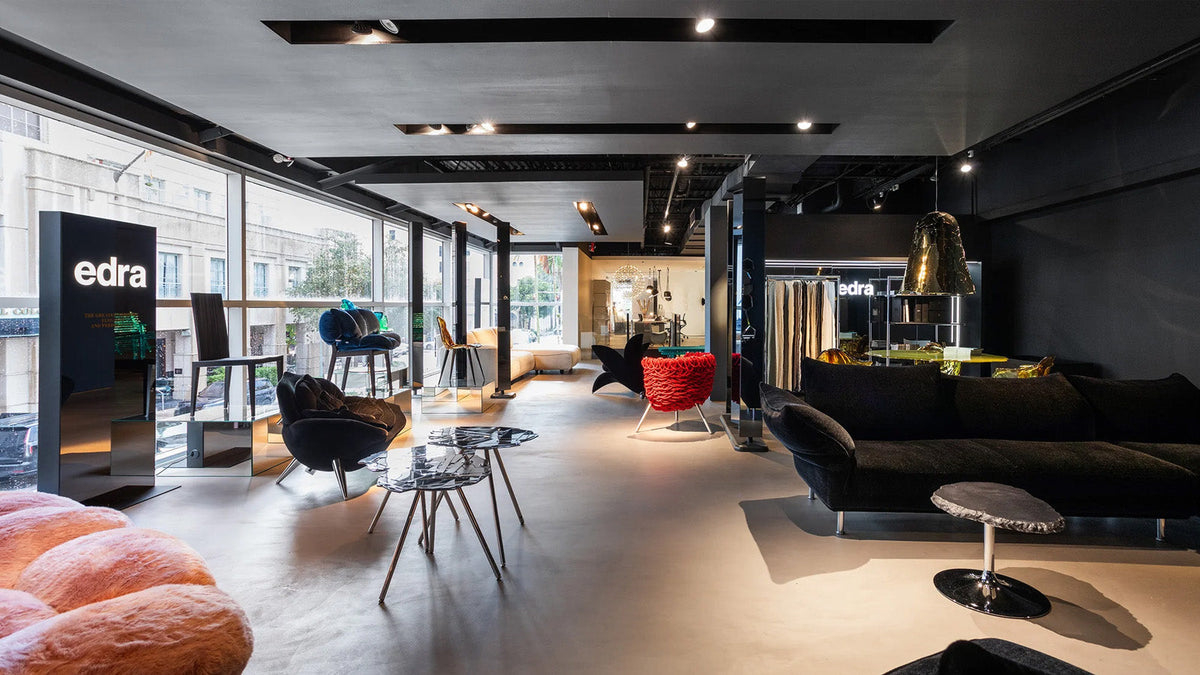
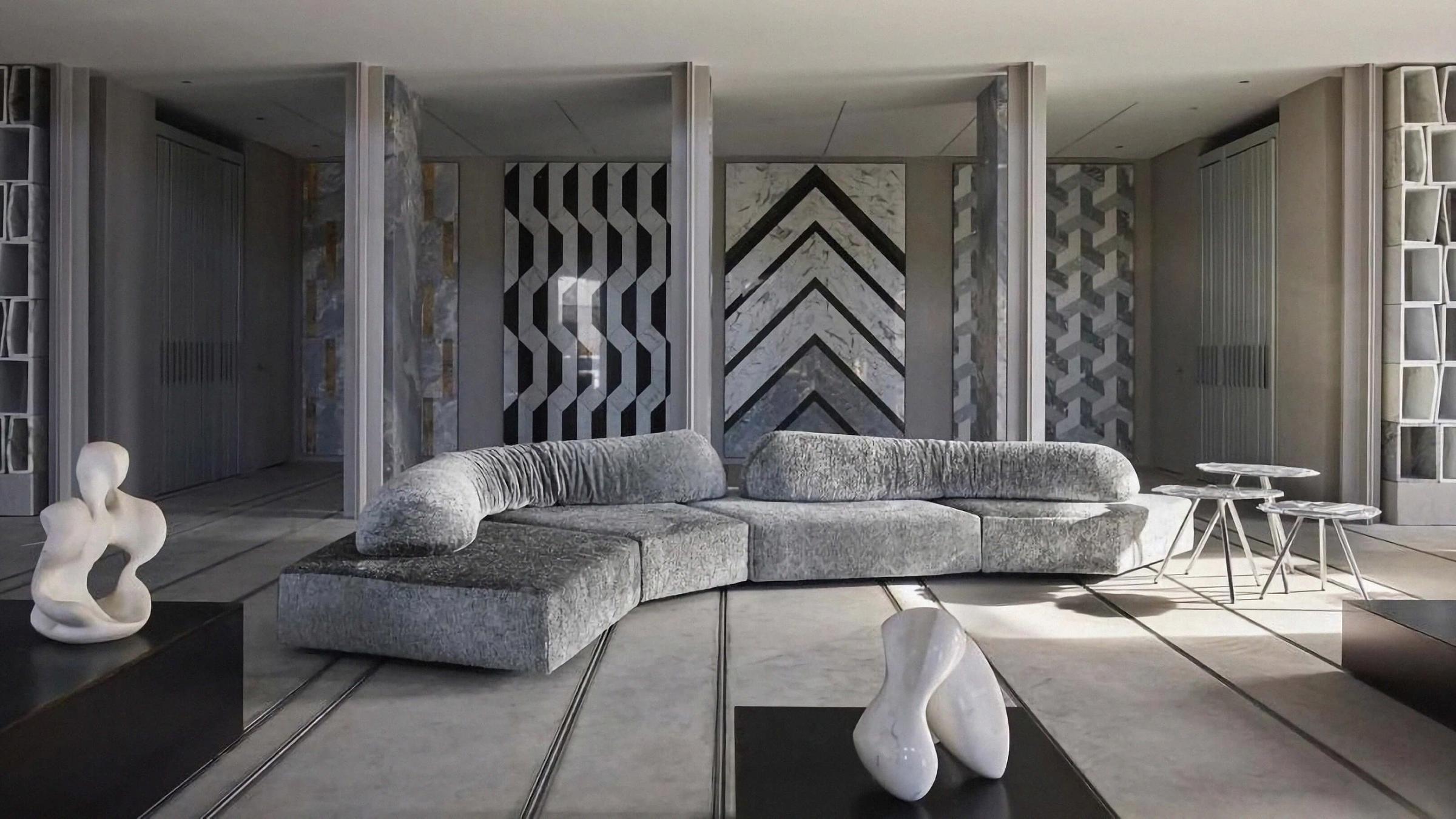
On the Rocks by Edra: Francesco Binfaré's Geology of Rest
Read moreabout On the Rocks by Edra: Francesco Binfaré's Geology of Rest
The 14p Portable Lamp: Bocci's Cast-Glass Sphere, Untethered
Read moreabout The 14p Portable Lamp: Bocci's Cast-Glass Sphere, Untethered
Our design services cover everything from concept development to installation, including product guidance, material selection, custom configurations, pricing, and lead‑time coordination.
Speak with a Design Consultant
Call 855-341-3620 for assistance during business hours.
Enroll for privileged access to iconic design, emerging trends, exclusive events, and thoughtfully curated offers.


Share:
We Have Your Back: Iconic Seating for Inspired Living
A Tale of Two Cities: Luminaire Celebrates Design and Art on the West Coast