
Design is rarely experienced through a single sense. It unfolds gradually, through the softness of wool under the hand, the cool composure of stone beneath the fingertips, the subtle scent of wood, and the quiet resonance of materials moving within space. A well-considered environment gathers these impressions into a cohesive atmosphere, one that supports both stillness and vitality.
Engaging with design in this way recognizes that objects participate in daily life through texture, sound, light, and presence, shaping how we feel within a space as much as how we move through it.

Visual experience often provides the first encounter. Color, proportion, and form establish a rhythm that draws the eye and invites attention to linger. Through these elements, a space begins to communicate its character.
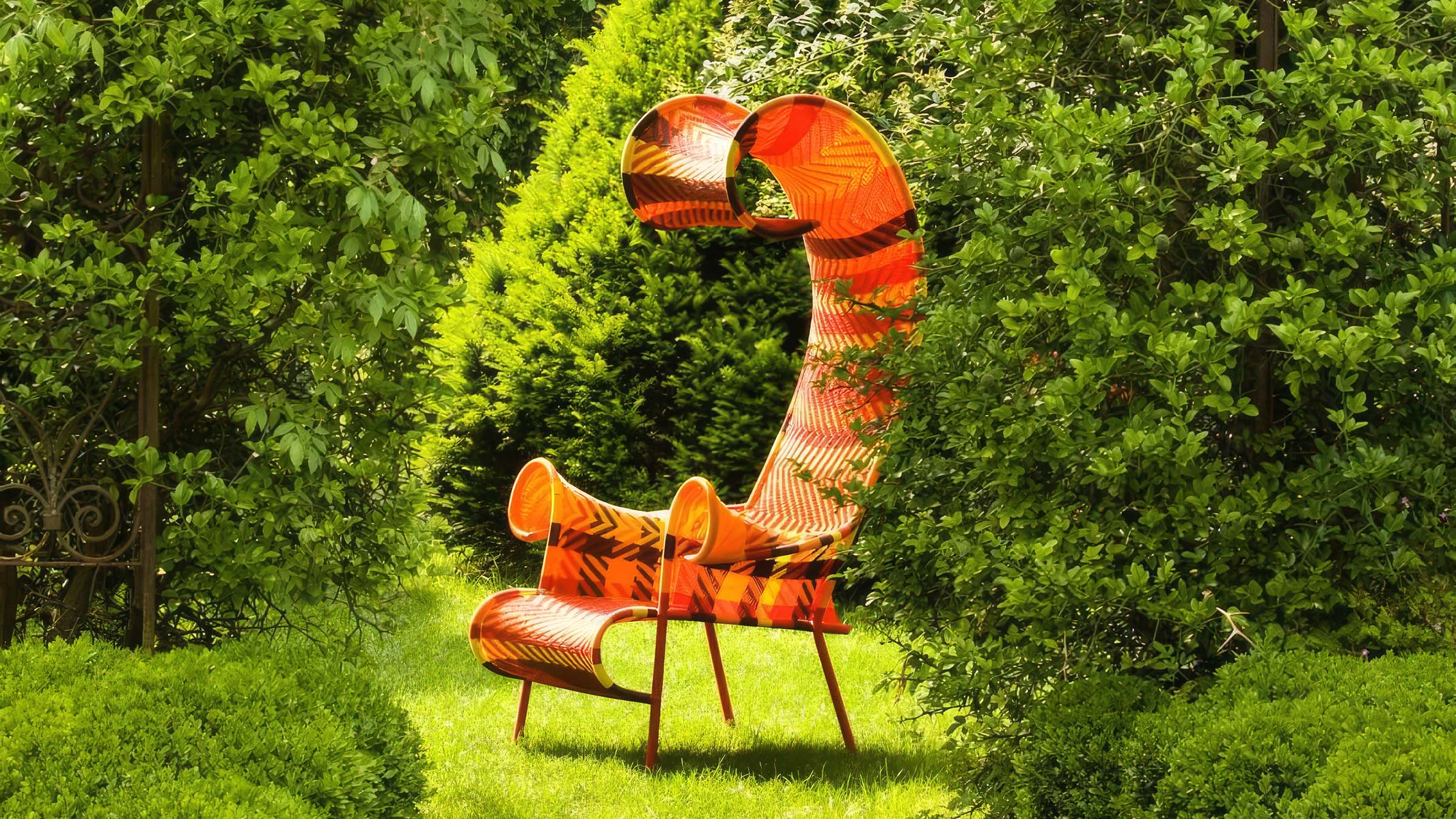
The expressive surfaces of the Moroso M’Afrique collection introduce a vibrant interplay of pattern and craft, where woven structures create a dynamic visual field. In contrast, the fluid geometries explored by Zaha Hadid translate movement into form, allowing objects to appear as though they are in a continuous state of transformation. The composed clarity of designs by Piero Lissoni offers another perspective, where proportion and restraint bring a sense of balance and ease.
Through these varied approaches, sight becomes more than observation. It becomes an entry point into atmosphere.

If sight draws us in, touch allows us to understand. Materials reveal themselves through contact, offering sensations that range from soft and enveloping to structured and cool.
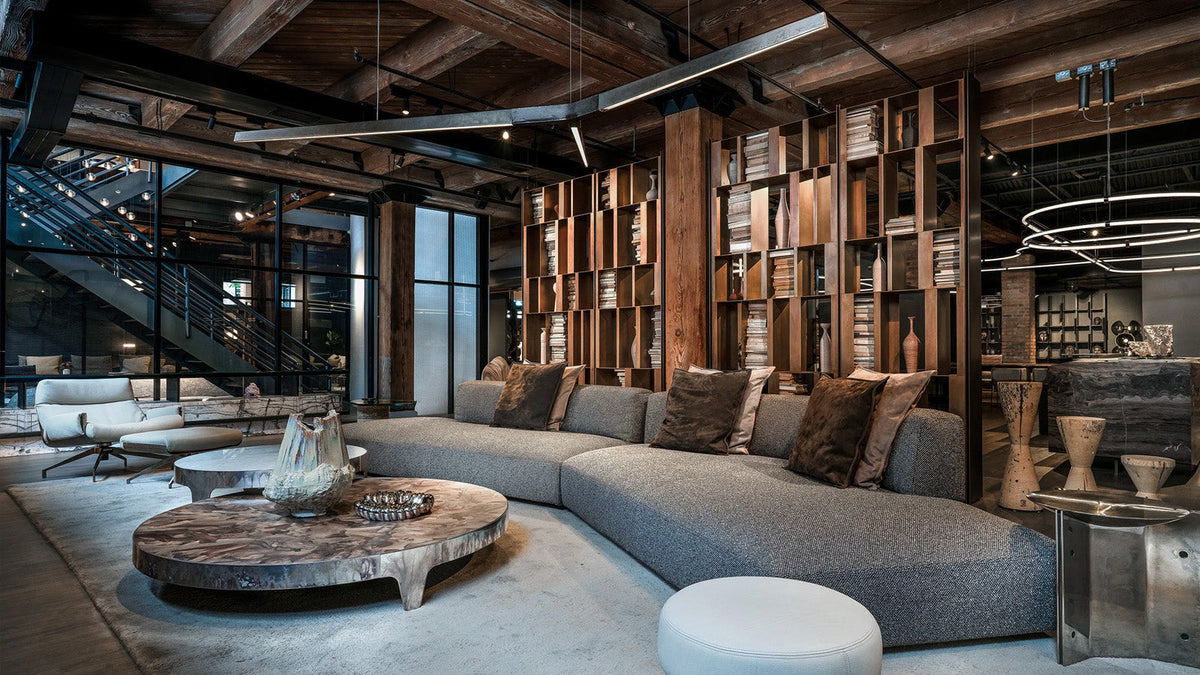
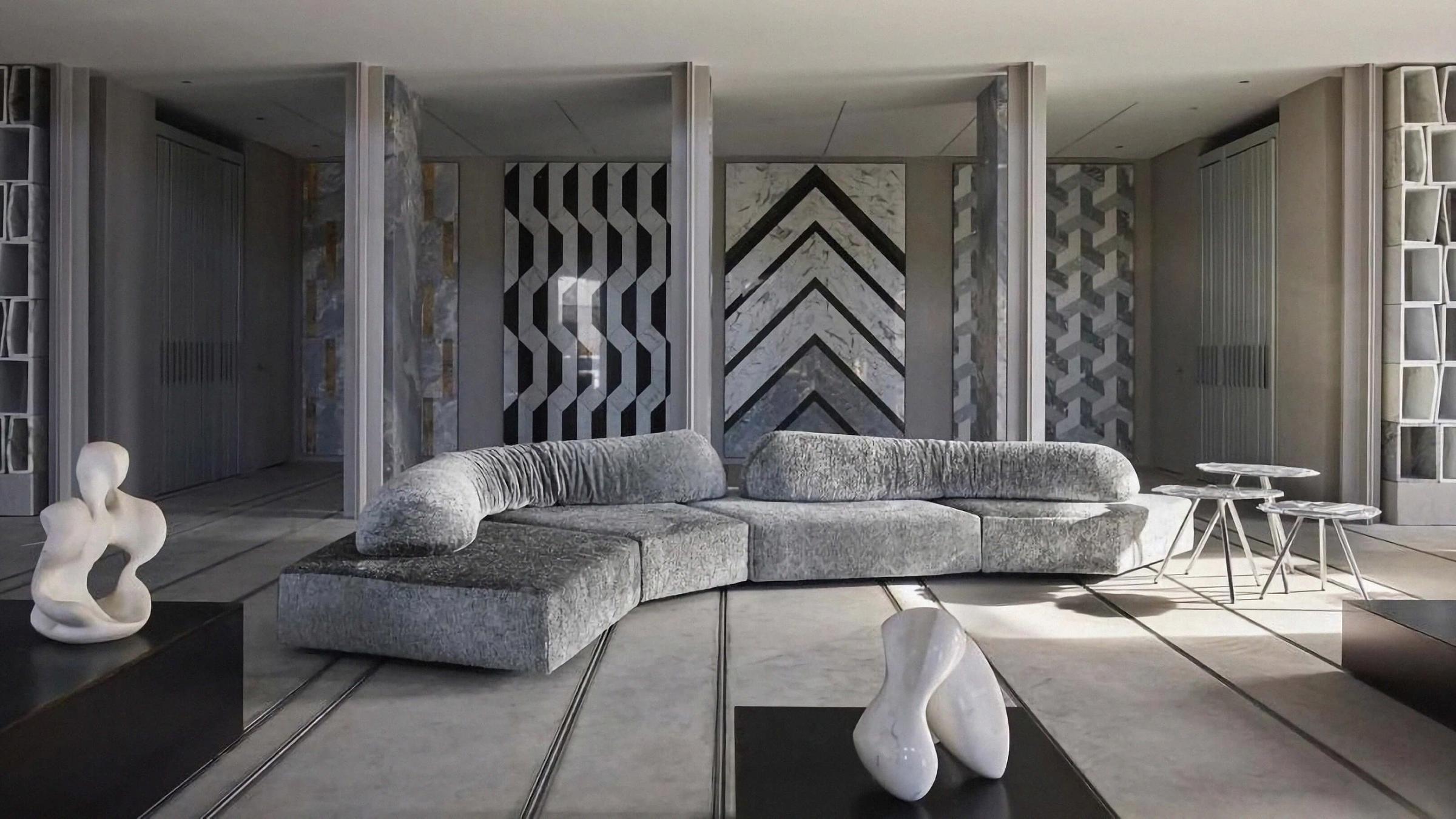
The generous volumes of the Extrasoft Sofa by Piero Lissoni invite the body into a state of ease, where form and cushioning work together to support rest without rigidity. In more intimate settings, the refined surfaces of Agape environments bring a quiet tactility to daily rituals, where water, stone, and light interact with precision and calm.
These encounters with material create a dialogue between body and object, one that unfolds through use and repetition.

Beyond what is seen and touched, design continues to shape experience through sound and scent. These elements often operate in subtle ways, yet they contribute deeply to the emotional quality of a space.
The clarity of sound produced by the Transparent speaker allows music to inhabit a room without visual weight, while classic pieces like the Eames Radio demonstrate how even compact objects can carry a distinct auditory presence. Materials themselves contribute to this atmosphere, whether through the soft movement of textiles or the natural scent released from wood and leather over time.
Together, these sensory layers form an environment that feels cohesive and responsive, where each element contributes to a larger sense of harmony.

When these sensory dimensions align, a space begins to feel complete. It supports daily life not only through function, but through a deeper sense of connection, where objects and surroundings respond to both physical needs and emotional states.
Living with design in this way engages with it fully, allowing each material, form, and detail to contribute to an experience that evolves over time.
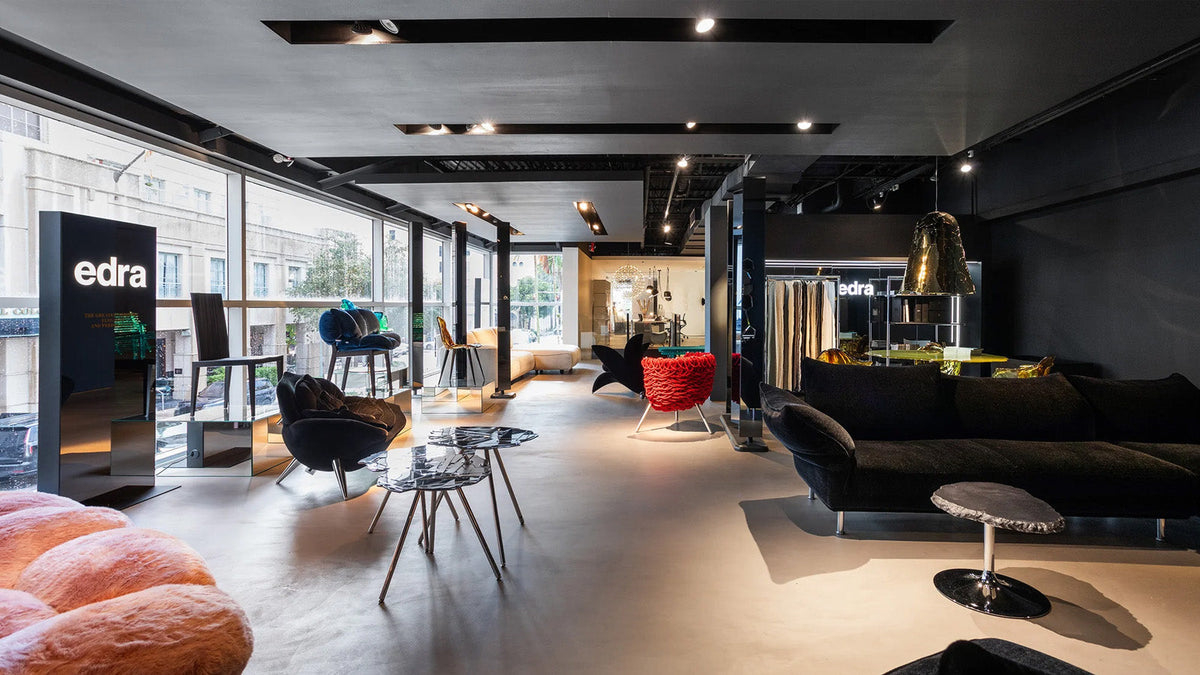
At Luminaire, design is presented as a multi-sensory experience, where collections are curated to engage sight, touch, sound, and atmosphere in equal measure. Showrooms are conceived as environments to move through, where materials can be felt, proportions understood, and objects encountered in context.
We invite you to explore these spaces, to experience how design reveals itself through use and presence, and to discover pieces that resonate with the way you live. Through a visit or a private consultation, design becomes something to engage with directly, shaping environments that feel both considered and deeply personal.
Luminaire at Design West Hollywood 2026
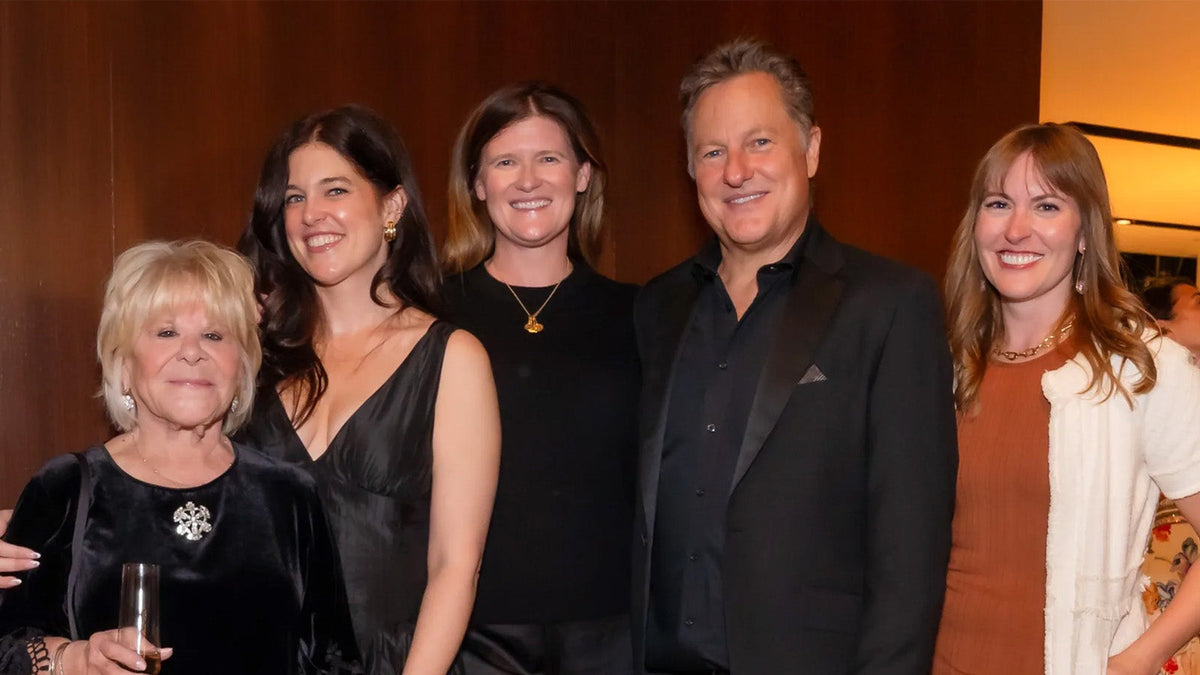
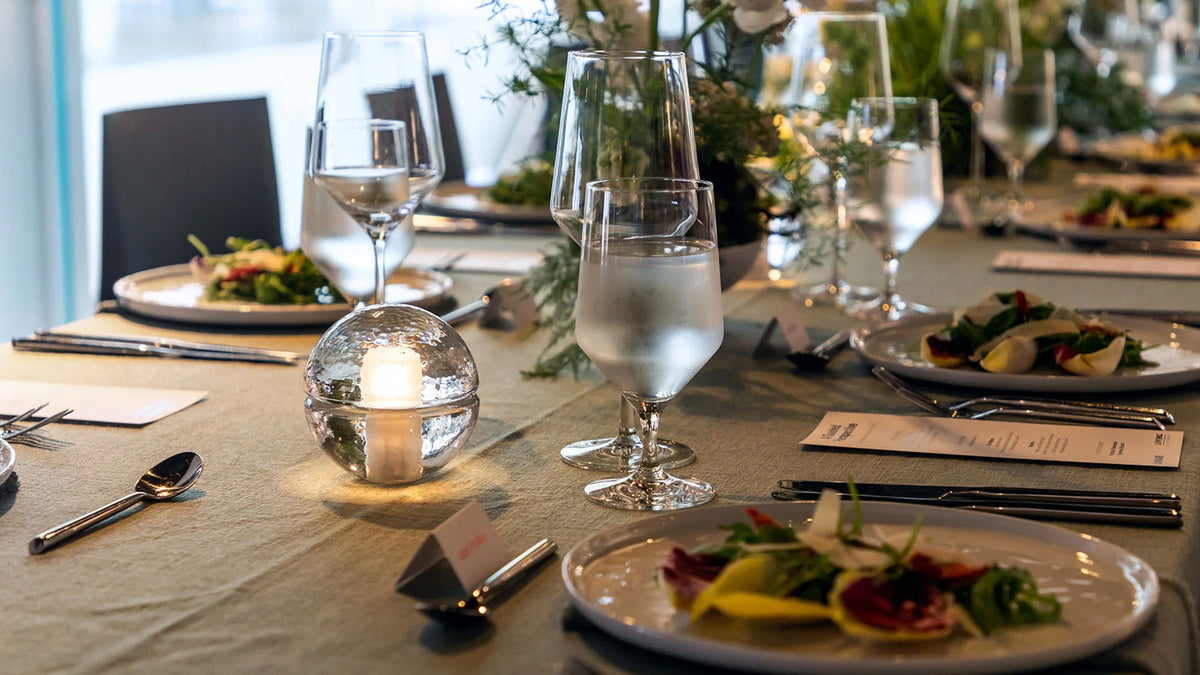
Design West Hollywood 2026 celebrated creativity, connection, and contemporary design, with Luminaire Los Angeles and Arclinea Los Angeles hosting memorable gatherings that brought the design community together.
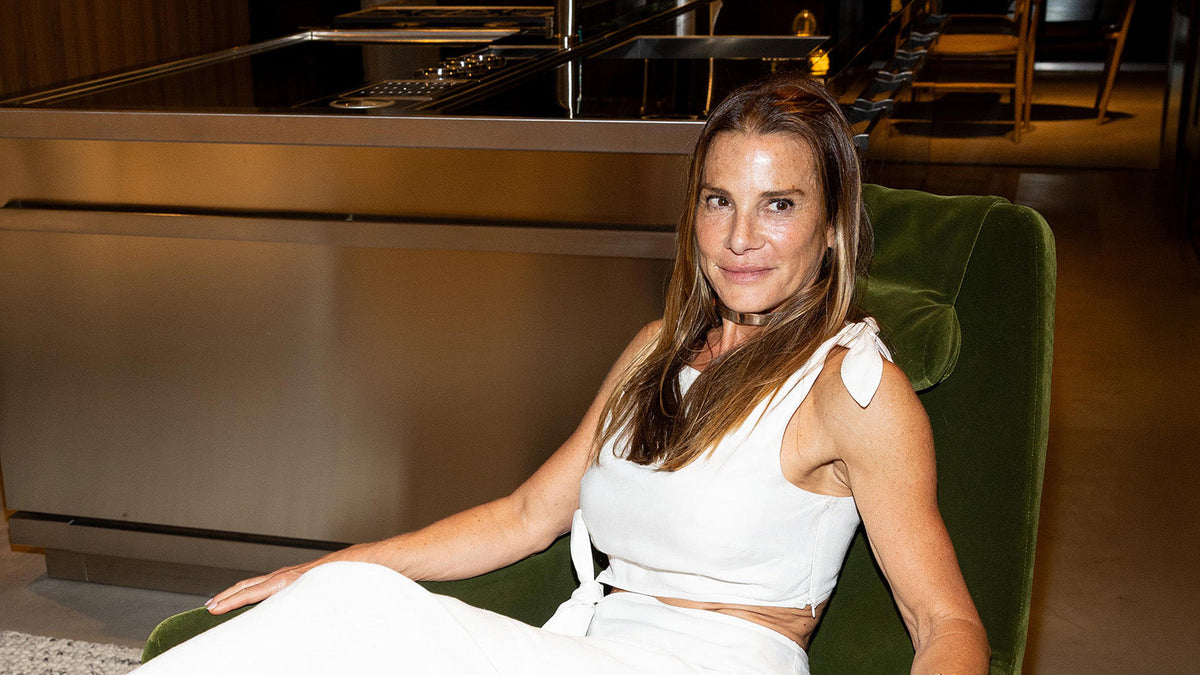
In Conversation with Sophie Goineau
Interior architect Sophie Goineau designs across scales, from a single object to the architecture around it and the land beyond. She discusses composing interiors as one continuous experience, letting each place and its people shape a project's language, and her work on Selby Lane with the San Francisco team.
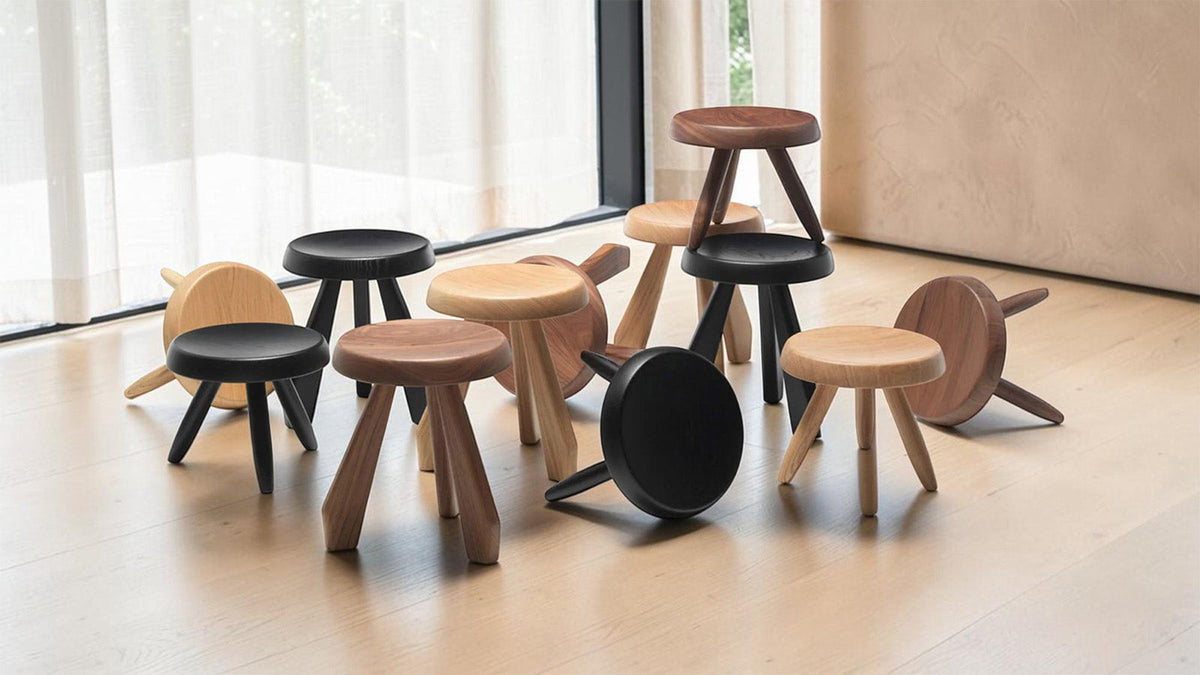
Charlotte Perriand's Tabouret Stools: Alpine Form, Modern Use
Read moreabout Charlotte Perriand's Tabouret Stools: Alpine Form, Modern Use
Inside Luminaire Chicago: Italian Design in River North Since 1989
Read moreabout Inside Luminaire Chicago: Italian Design in River North Since 1989
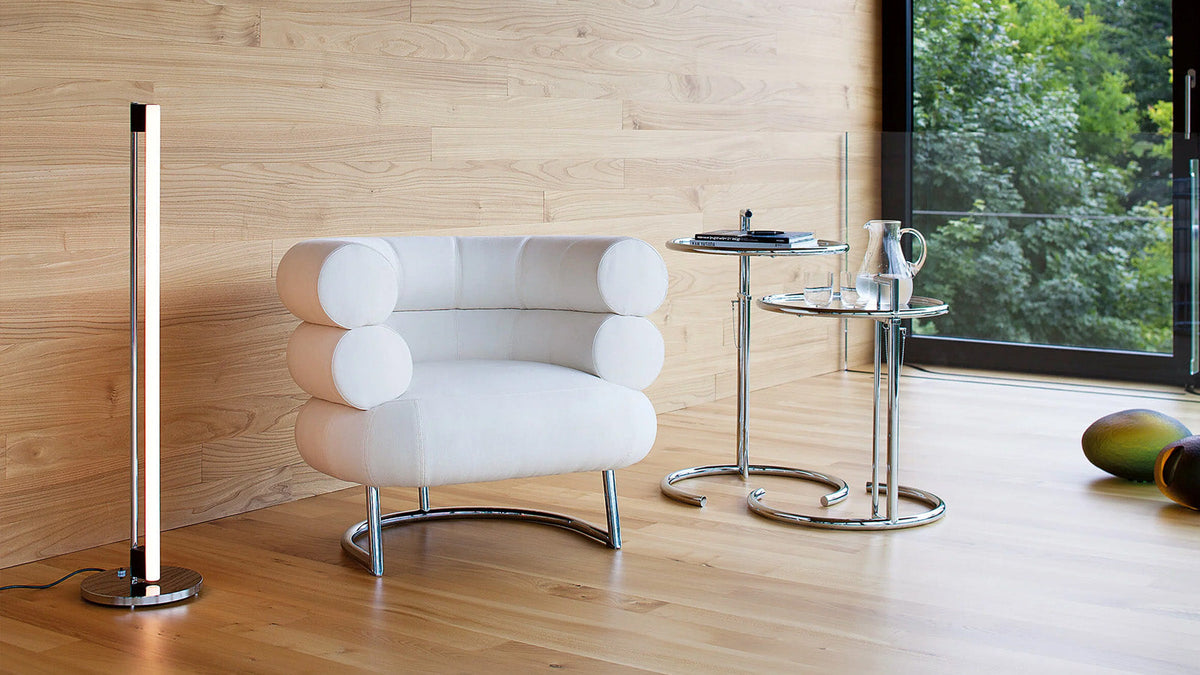
Eileen Gray's E 1027 Table: A Design Conceived for Living
Read moreabout Eileen Gray's E 1027 Table: A Design Conceived for Living
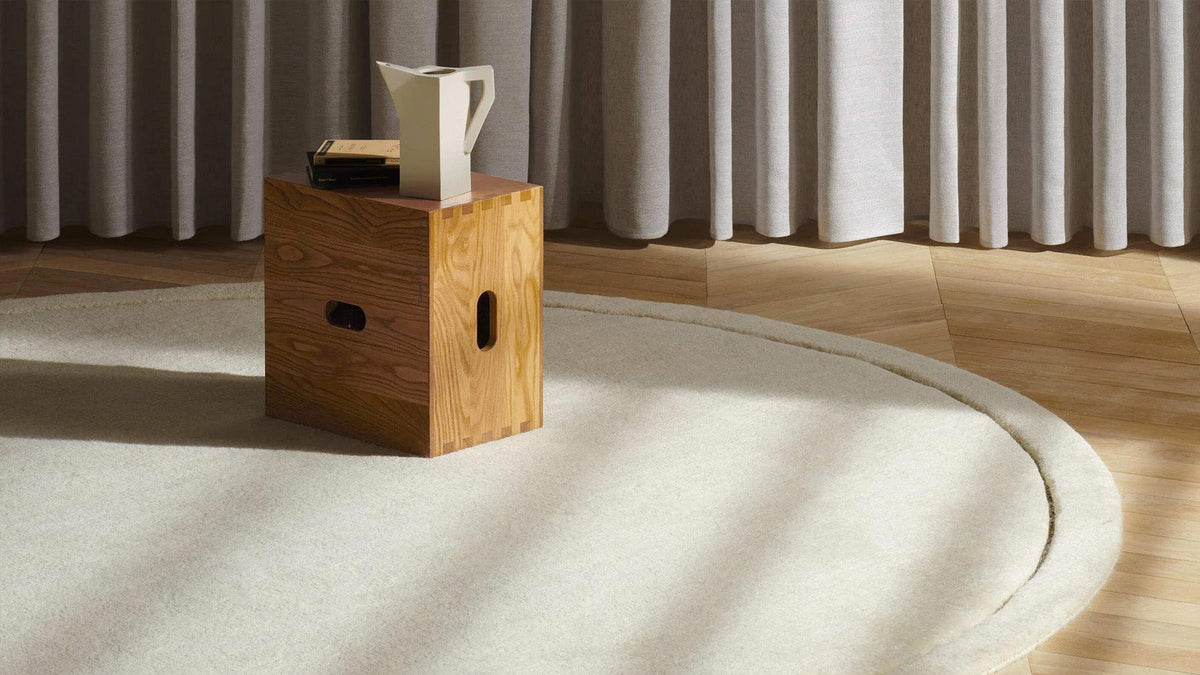
LC14 Tabouret Cabanon: Le Corbusier's Smallest Architecture
Read moreabout LC14 Tabouret Cabanon: Le Corbusier's Smallest Architecture
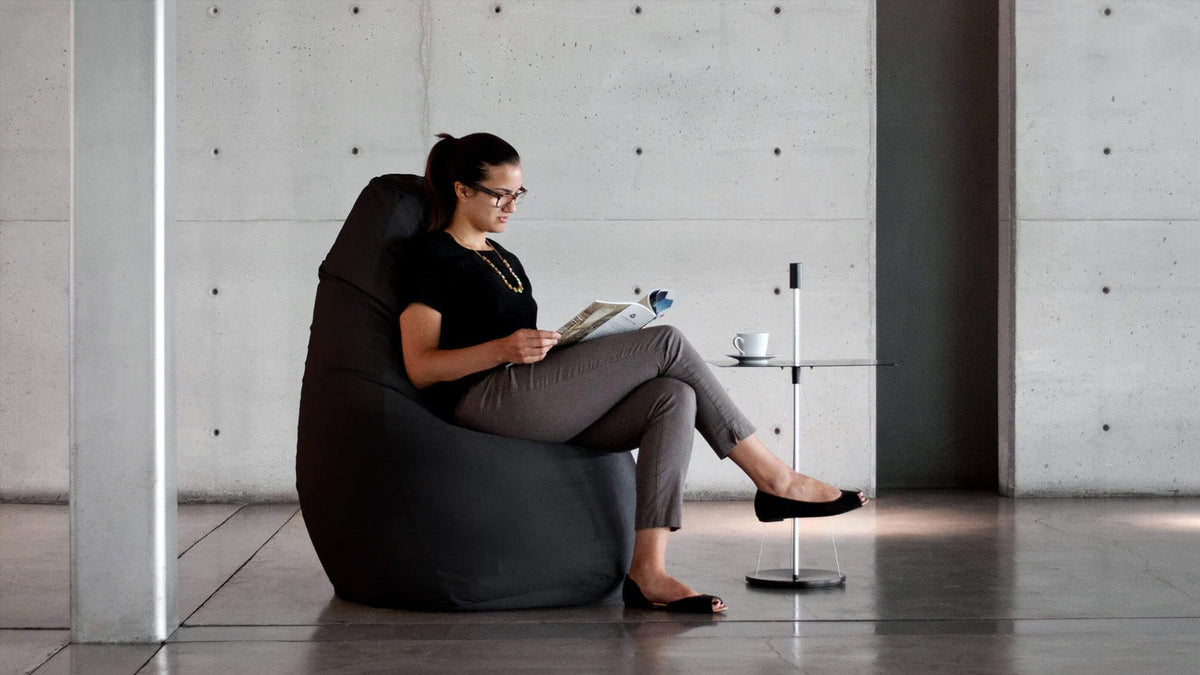
Sacco Chair by Zanotta: The 1968 Object That Refused to Be Furniture
Read moreabout Sacco Chair by Zanotta: The 1968 Object That Refused to Be Furniture
Inside Luminaire Coral Gables: The Showroom and Its Design Services
Read moreabout Inside Luminaire Coral Gables: The Showroom and Its Design Services
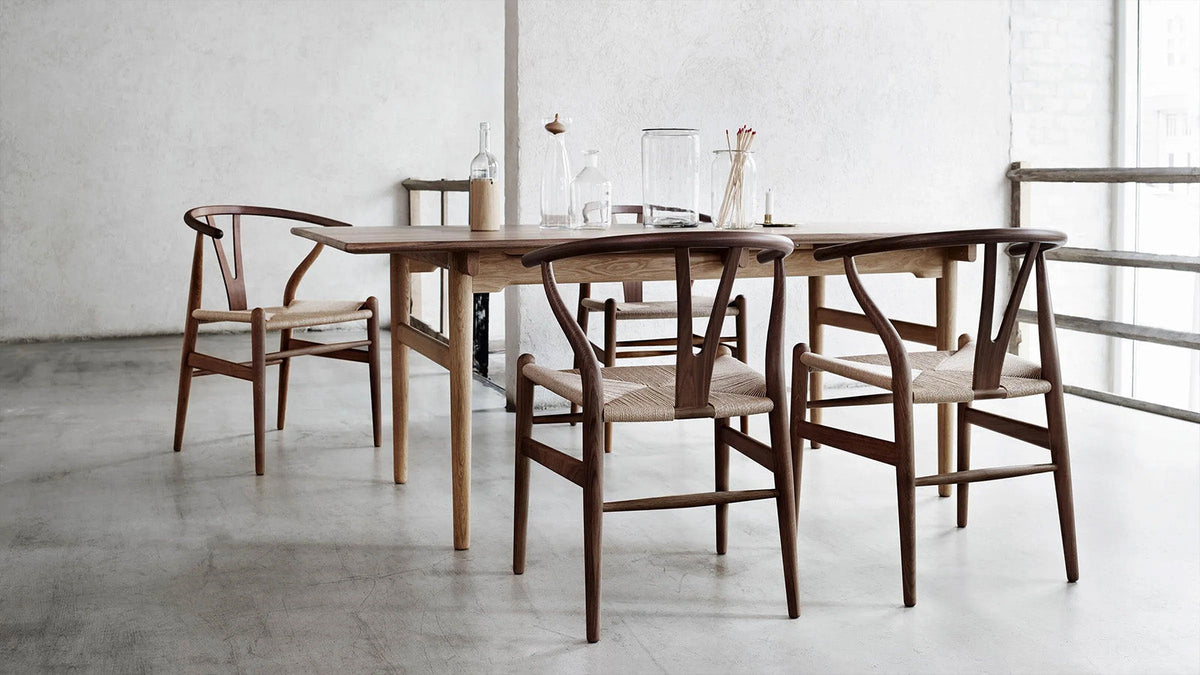
The Wishbone Chair: Hans Wegner's CH24 and the Art of Making
Read moreabout The Wishbone Chair: Hans Wegner's CH24 and the Art of Making
Cassina Chairs - The Collectors' Guide
Few furniture makers have shaped the chair as a cultural object the way Cassina has. From their earliest collaborations with the European avant-garde to their ongoing stewardship of the twentieth century's most consequential seating designs, the Meda-based manufacturer remains the standard against which Italian furniture brands are measured. This guide surveys the Cassina chairs we carry and the ideas embedded in each one.
On the Rocks by Edra: Francesco Binfaré's Geology of Rest
Read moreabout On the Rocks by Edra: Francesco Binfaré's Geology of Rest
The 14p Portable Lamp: Bocci's Cast-Glass Sphere, Untethered
Read moreabout The 14p Portable Lamp: Bocci's Cast-Glass Sphere, Untethered
Our design services cover everything from concept development to installation, including product guidance, material selection, custom configurations, pricing, and lead‑time coordination.
Speak with a Design Consultant
Call 855-341-3620 for assistance during business hours.
Enroll for privileged access to iconic design, emerging trends, exclusive events, and thoughtfully curated offers.

Share:
The Future of Design Retail
Talk to Design