
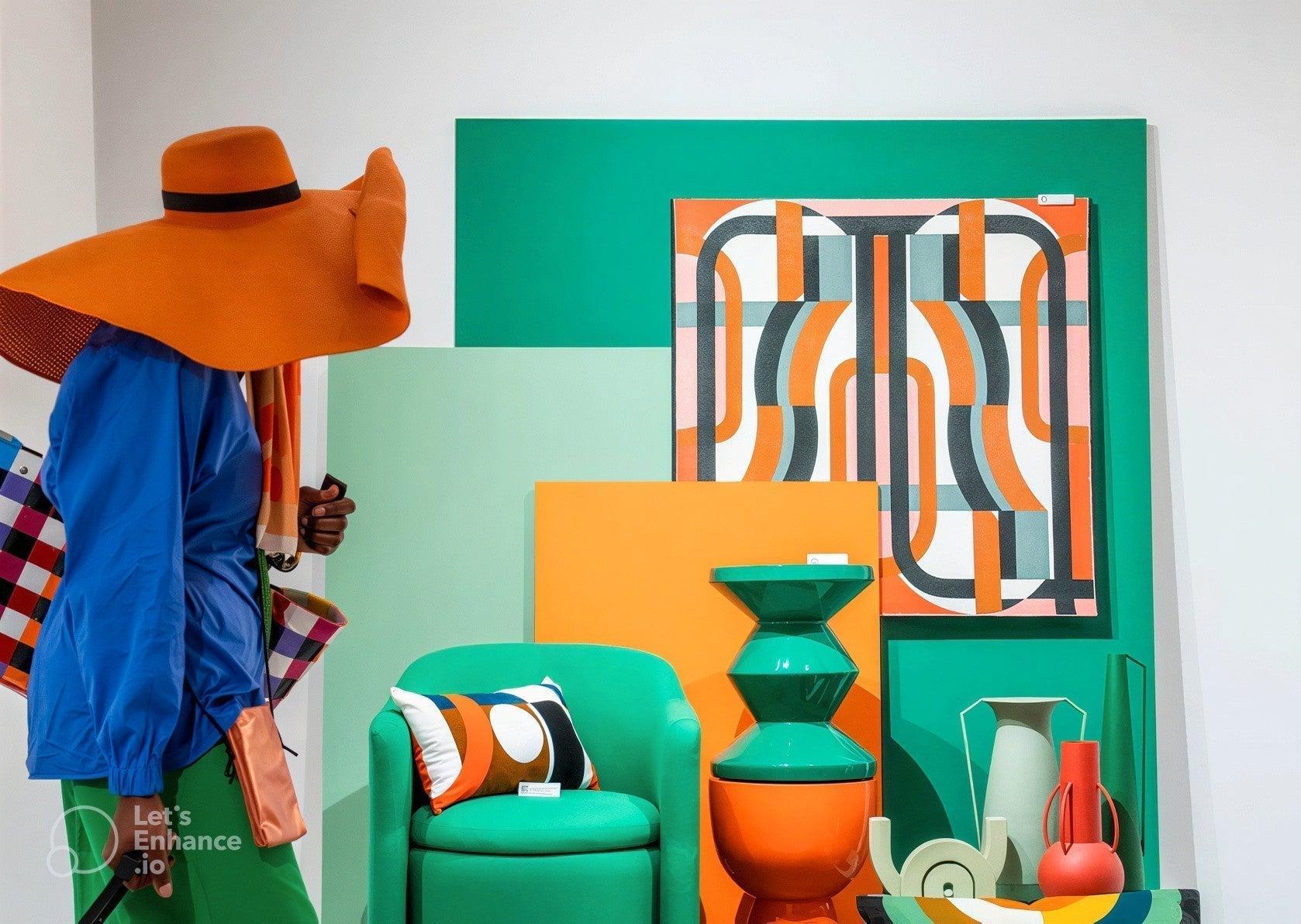
Fantasies of space and immersive experiences unfolded in Paris at this year’s Maison et Objet, where exuberant color, expressive pattern, and evolving materiality converged in celebration of the fair’s thirtieth anniversary. Under the theme Terra Cosmos, the exhibition proposed a dialogue between the earthly and the celestial, where design moves between grounded substance and imaginative possibility.
Across the halls of Paris Nord Villepinte, creativity revealed itself in layers, where emerging voices stood alongside established names, and where new ideas in home and interior design reflected both experimentation and refinement. The fair offered more than a survey of trends. It presented design as an evolving language, one that shapes how we live, how we gather, and how we understand the spaces we inhabit.
At first encounter, the fair revealed a richly eclectic visual landscape, where contrasting styles and materials found a natural harmony. Terracotta tones and softened pastels appeared across collections, while chrome and reflective finishes introduced a sharper, more industrial clarity. Designers such as Sebastian Herkner explored these tensions through Bauhaus-inspired forms, while brands like ImperfettoLab introduced sculptural seating with the Beetle stool that felt both playful and enigmatic.
Elsewhere, organic forms drew from nature, with mushroom-like silhouettes and softened geometries appearing in objects and furnishings. Materials such as linen, bouclé, and alpaca wool emphasized tactility and comfort, echoing a continued interest in biophilic design, responsive to a growing desire for spaces that offer both sensory richness and emotional ease.
A shift toward bespoke design was evident throughout the fair, as visitors sought objects that reflect individual identity and personal narrative. At the same time, sustainability remained central, with a focus on durability, circularity, and responsible material use. Within this landscape, even the more playful expressions, including the vibrant and surreal gestures of the Joyconomy movement, carried an underlying intention. Design here was not simply about breaking rules, it was about rethinking why rules exist at all.
Beyond the exhibition halls, Maison et Objet extended into the city, where galleries and showrooms offered their own interpretations of contemporary design. Luminaire partners including Cassina and Poltrona Frau presented collections that bridged heritage and innovation, demonstrating how enduring forms continue to evolve through new material and conceptual frameworks.
Cassina’s Mediterranean-inspired outdoor collection reflected a grounded yet expansive sensibility, where designers such as Antonio Citterio, Rodolfo Dordoni, Piero Lissoni, and Patricia Urquiola explored the relationship between environment and form. At Poltrona Frau, the 2024 Imagine Collection introduced new expressions across furniture and tableware, including collaborations with GioBagnara, Faye Toogood, and the duo Draga and Aurel, where imagination was approached as both process and outcome.
In parallel, exhibitions throughout the city offered moments of reflection and reduction. At Galerie Kreo, Ronan Bouroullec presented works that distilled material and form to their essence, where granite, steel, and glass conveyed a sense of balance that felt both precise and deeply affecting.

Maison et Objet continues to cultivate new directions in design through its support of emerging talent. Programs such as Future on Stage and the Rising Talent Awards highlighted designers working at the intersection of innovation and responsibility, while Maison et Objet Factory presented experimental approaches that challenge conventional boundaries.
Belgian designer Lionel Jadot, named Designer of the Year, embodies this shift through his use of sustainable and recycled materials, creating objects that reflect both ecological awareness and a refined aesthetic sensibility. His work suggests a future in which durability and imagination exist in tandem, where design responds to both environmental and cultural change.
Elsewhere in the city, installations such as Paul Cocksedge’s intervention at the Hôtel de Sully explored perception and illusion, inviting visitors to reconsider the boundaries between surface and depth, image and object.

Maison et Objet 2024 honored its 30th anniversary in a luminous and compelling way, merging the old with the new and revealing the trends of today that will become the classics of tomorrow.
At Luminaire, the significance of Maison et Objet extends beyond observation. It becomes part of a broader curatorial practice, one that interprets global design movements and translates them into environments that can be experienced in a personal and meaningful way. Through a careful selection of objects, materials, and collaborations, Luminaire reveals how design moves from exhibition into everyday life, where it shapes atmosphere, perception, and connection.
We invite you to encounter the objects and collections that reflect this moment in design, and to experience how thoughtful curation can transform the way a space is understood and lived.
Luminaire at Design West Hollywood 2026
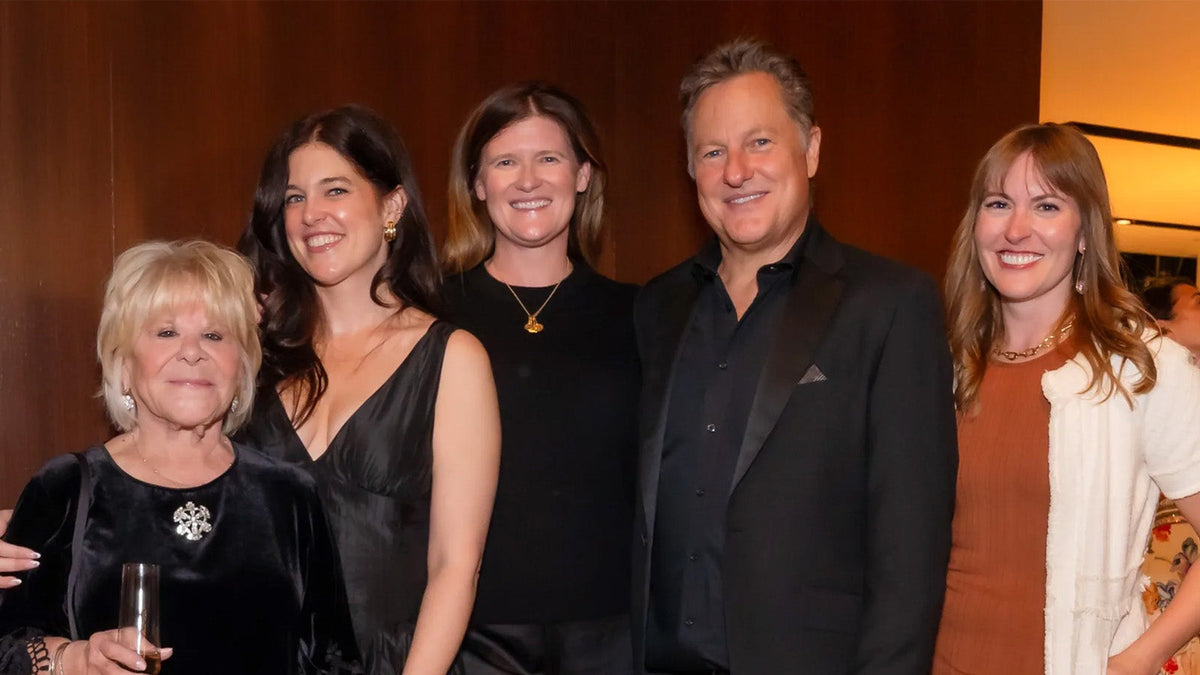
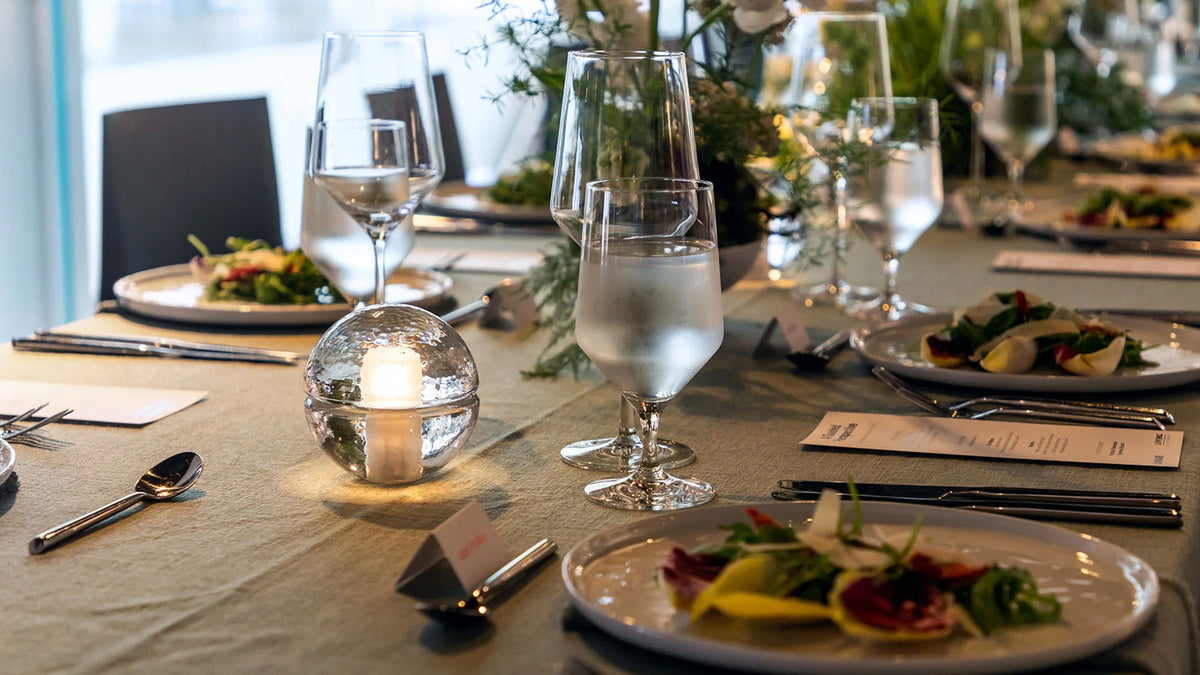
Design West Hollywood 2026 celebrated creativity, connection, and contemporary design, with Luminaire Los Angeles and Arclinea Los Angeles hosting memorable gatherings that brought the design community together.
In Conversation with Sophie Goineau
Interior architect Sophie Goineau designs across scales, from a single object to the architecture around it and the land beyond. She discusses composing interiors as one continuous experience, letting each place and its people shape a project's language, and her work on Selby Lane with the San Francisco team.
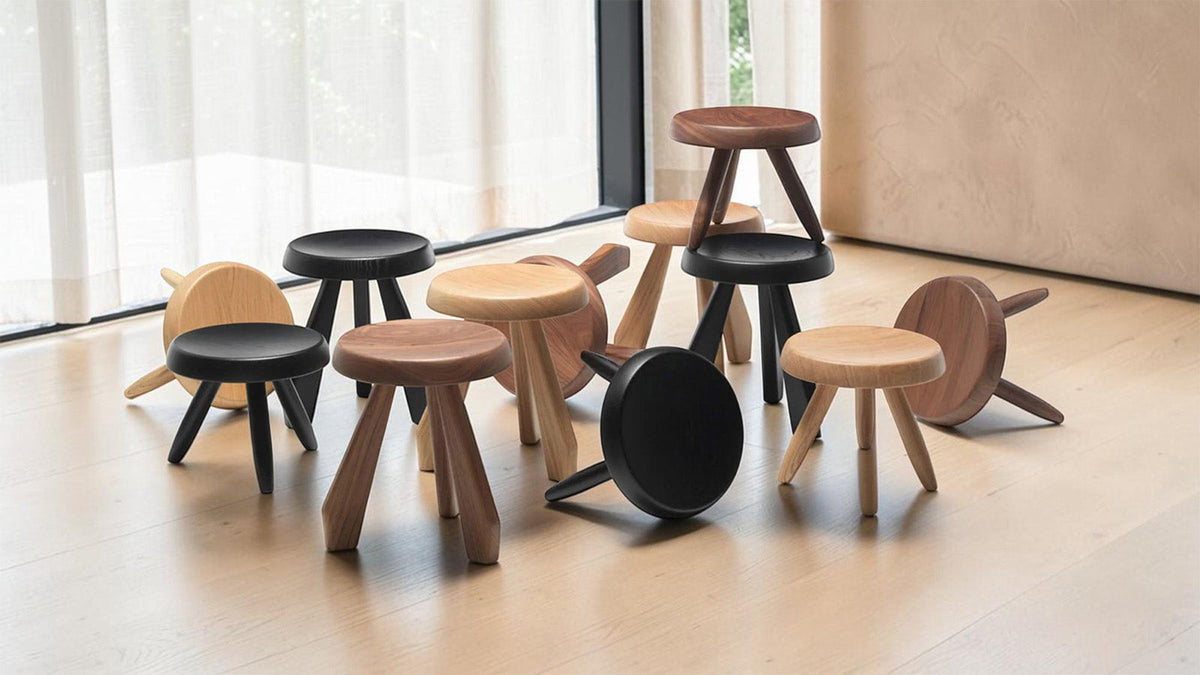
Charlotte Perriand's Tabouret Stools: Alpine Form, Modern Use
Read moreabout Charlotte Perriand's Tabouret Stools: Alpine Form, Modern Use
Inside Luminaire Chicago: Italian Design in River North Since 1989
Read moreabout Inside Luminaire Chicago: Italian Design in River North Since 1989
Eileen Gray's E 1027 Table: A Design Conceived for Living
Read moreabout Eileen Gray's E 1027 Table: A Design Conceived for Living
LC14 Tabouret Cabanon: Le Corbusier's Smallest Architecture
Read moreabout LC14 Tabouret Cabanon: Le Corbusier's Smallest Architecture
Sacco Chair by Zanotta: The 1968 Object That Refused to Be Furniture
Read moreabout Sacco Chair by Zanotta: The 1968 Object That Refused to Be Furniture
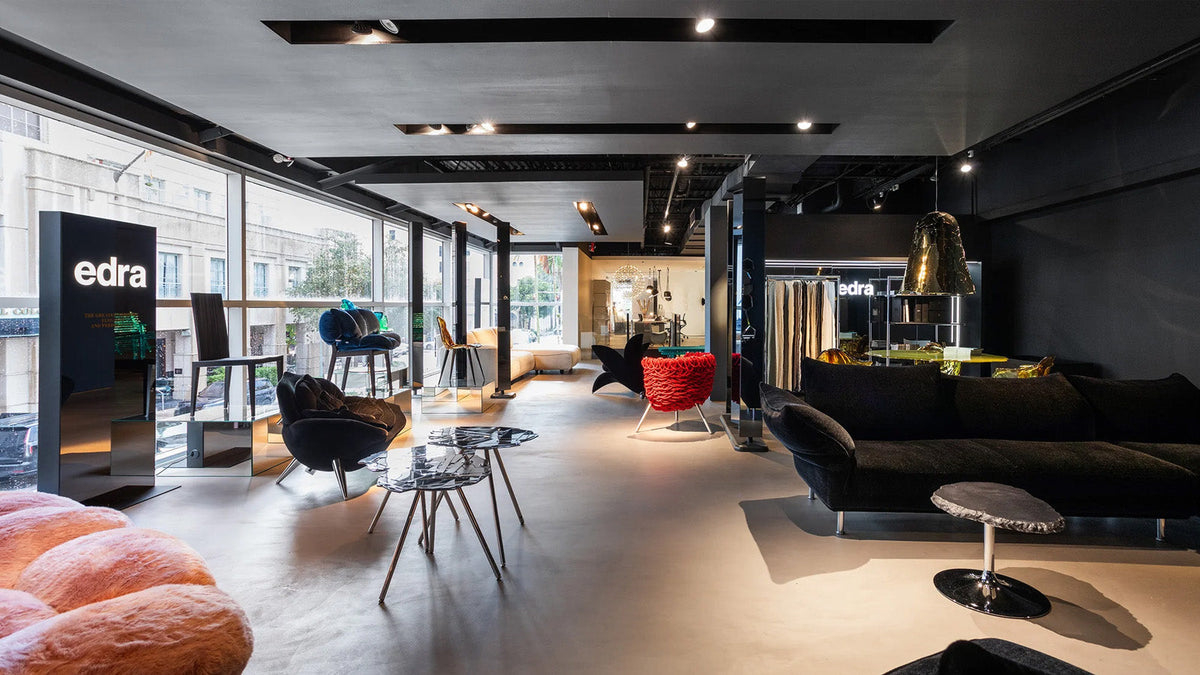
Inside Luminaire Coral Gables: The Showroom and Its Design Services
Read moreabout Inside Luminaire Coral Gables: The Showroom and Its Design Services
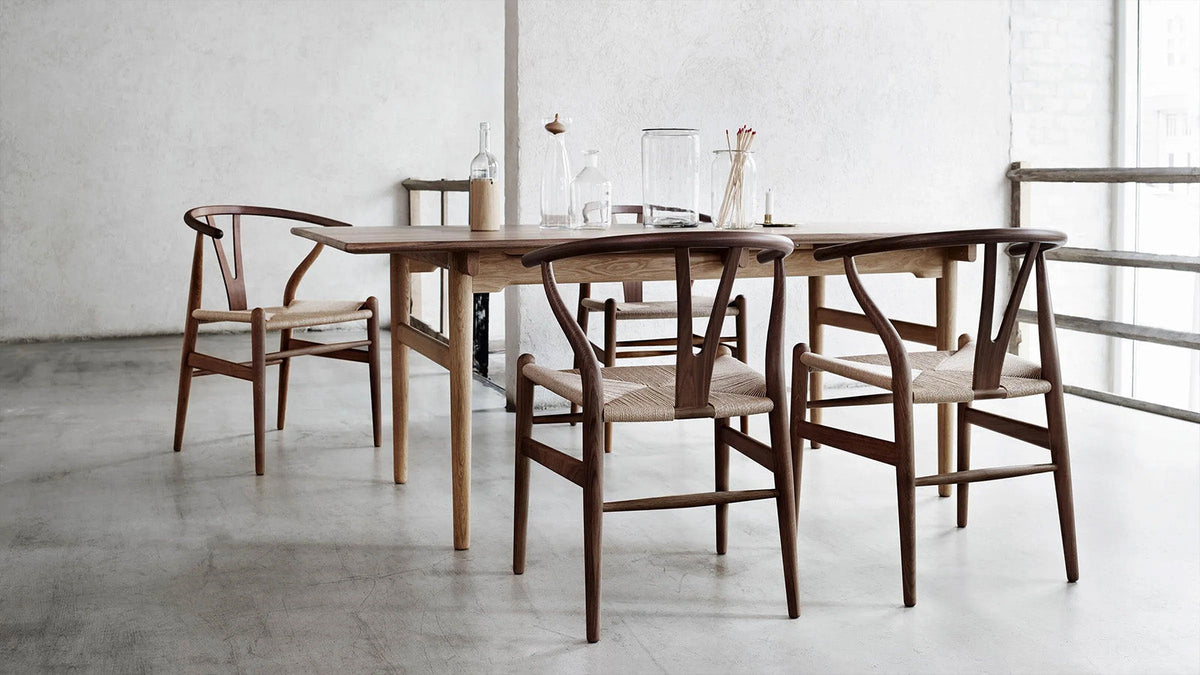
The Wishbone Chair: Hans Wegner's CH24 and the Art of Making
Read moreabout The Wishbone Chair: Hans Wegner's CH24 and the Art of Making
Cassina Chairs - The Collectors' Guide
Few furniture makers have shaped the chair as a cultural object the way Cassina has. From their earliest collaborations with the European avant-garde to their ongoing stewardship of the twentieth century's most consequential seating designs, the Meda-based manufacturer remains the standard against which Italian furniture brands are measured. This guide surveys the Cassina chairs we carry and the ideas embedded in each one.
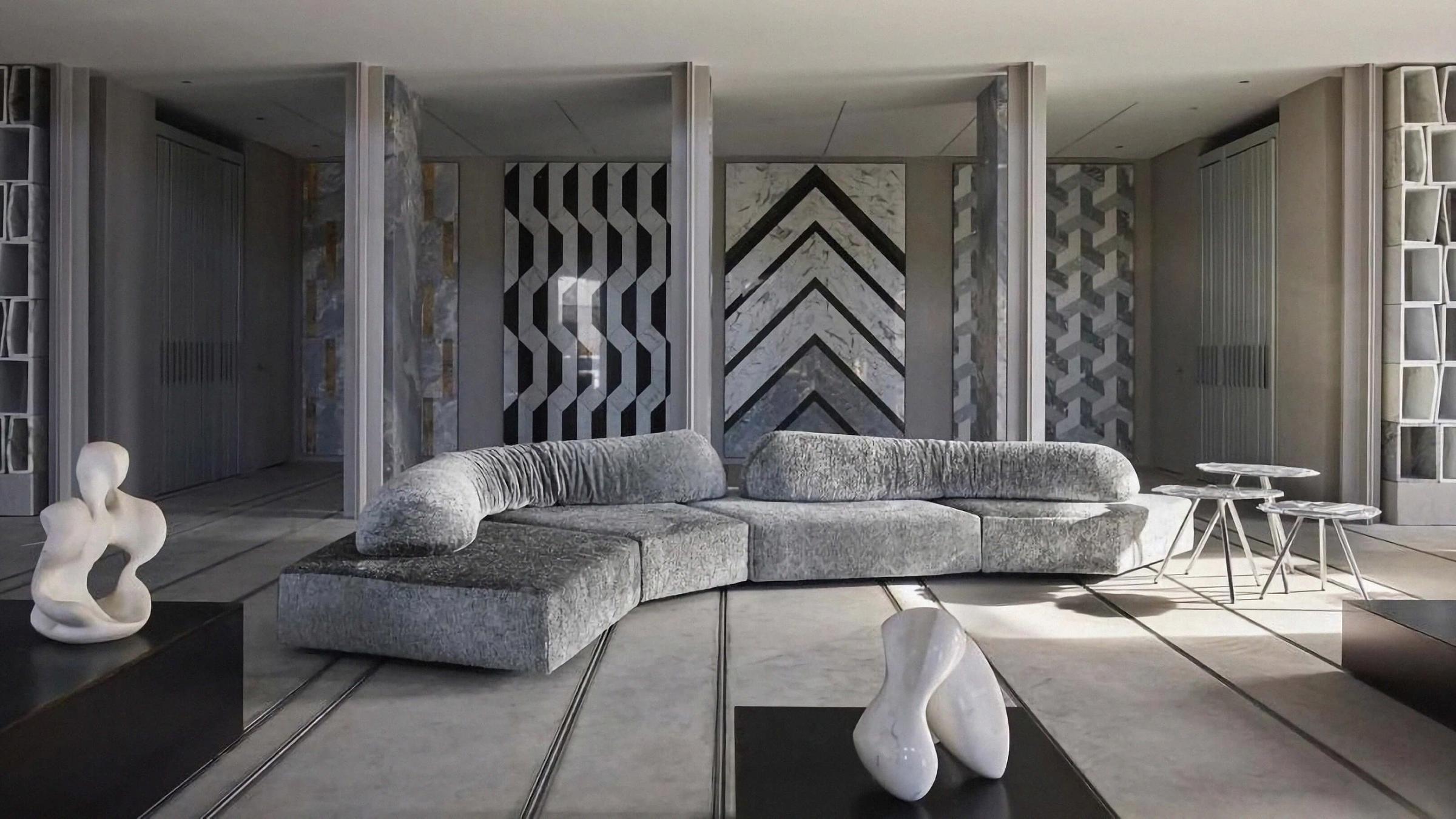
On the Rocks by Edra: Francesco Binfaré's Geology of Rest
Read moreabout On the Rocks by Edra: Francesco Binfaré's Geology of Rest
The 14p Portable Lamp: Bocci's Cast-Glass Sphere, Untethered
Read moreabout The 14p Portable Lamp: Bocci's Cast-Glass Sphere, Untethered
Our design services cover everything from concept development to installation, including product guidance, material selection, custom configurations, pricing, and lead‑time coordination.
Speak with a Design Consultant
Call 855-341-3620 for assistance during business hours.
Enroll for privileged access to iconic design, emerging trends, exclusive events, and thoughtfully curated offers.

Share:
Souvenirs of a Forgotten Past
Enlightened Connections at Luminaire Lounge