
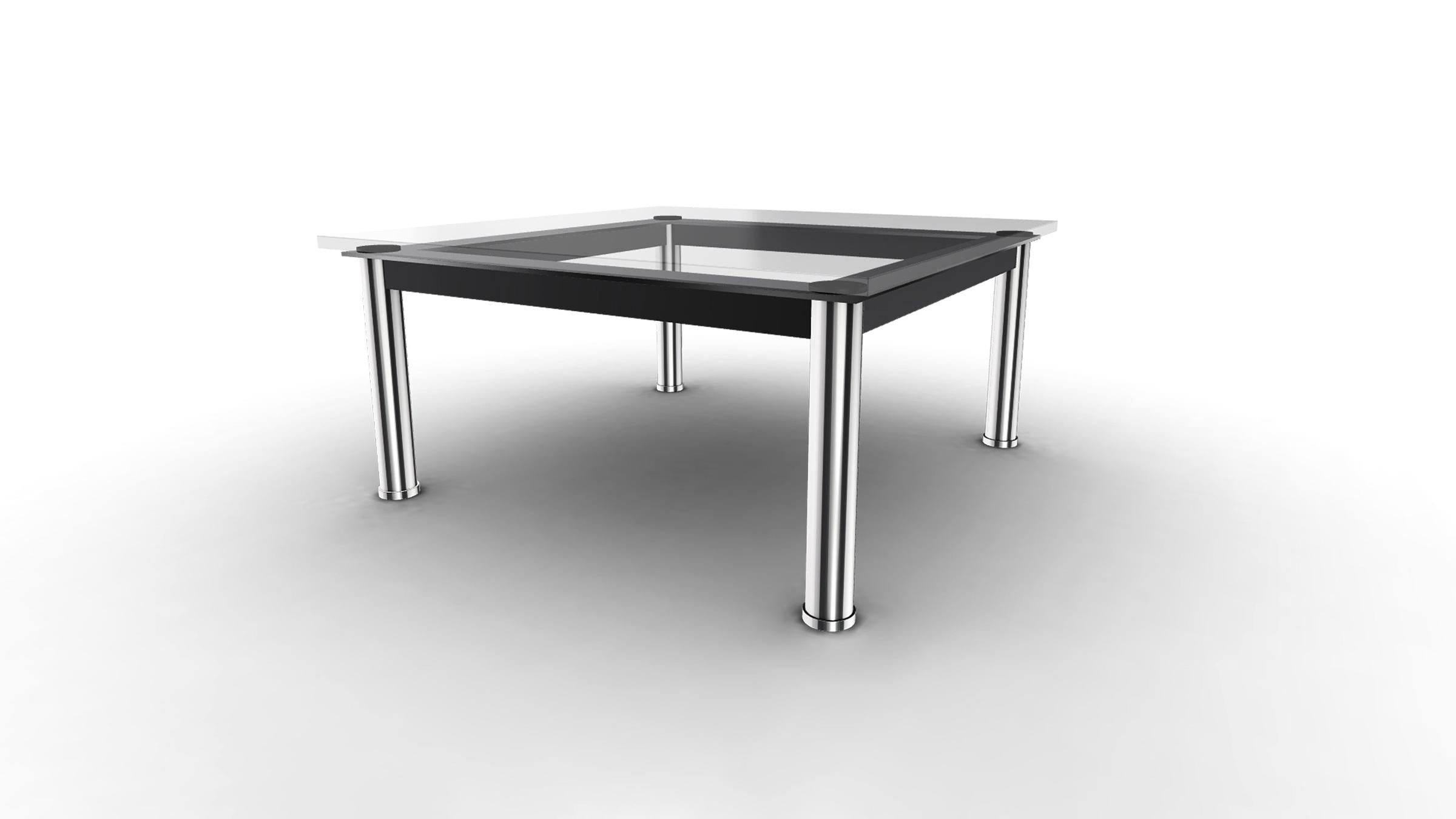
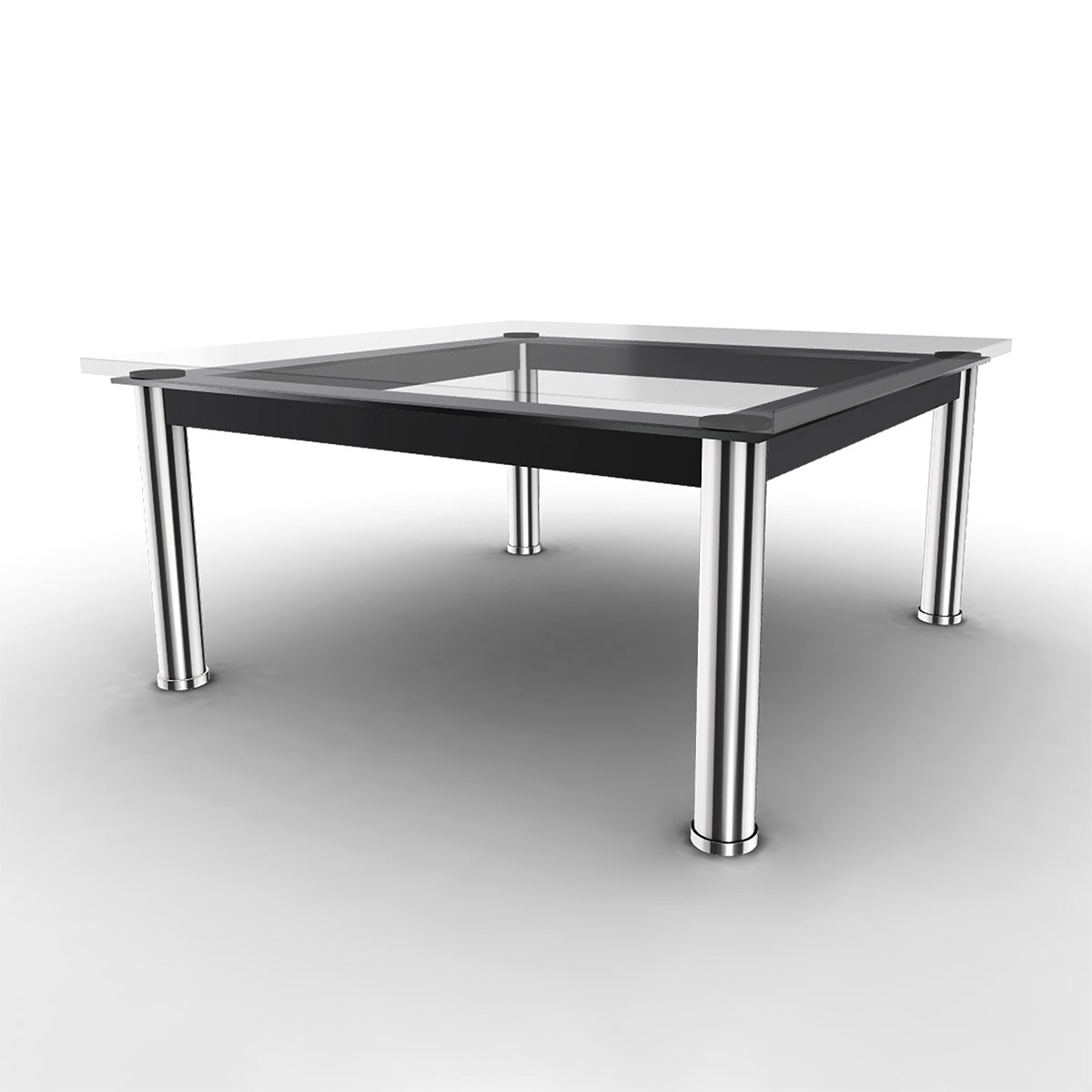
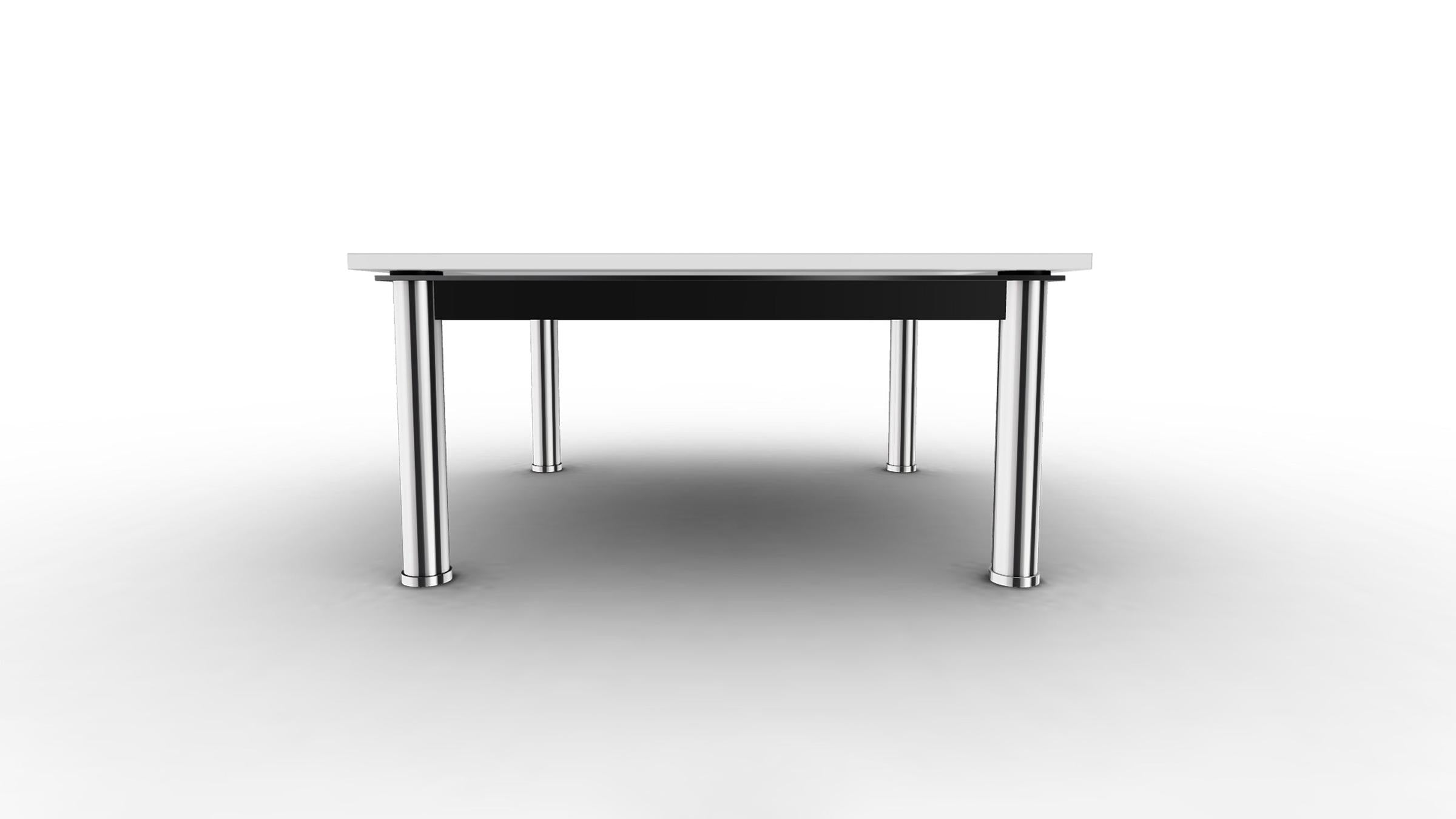
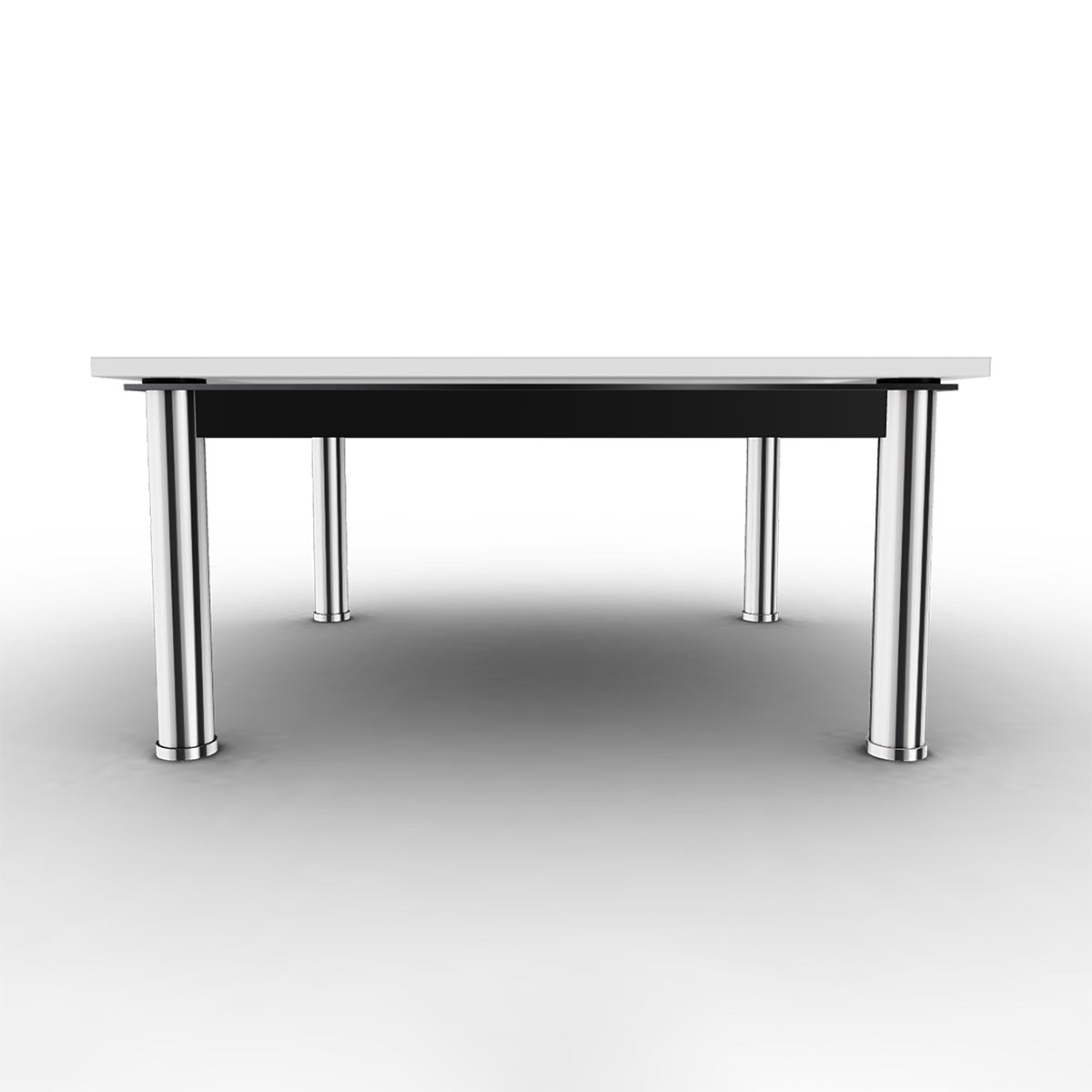
LC10-p Square Low Table
Made by Cassina
Designed by Le Corbusier, Pierre Jeanneret, and Charlotte Perriand
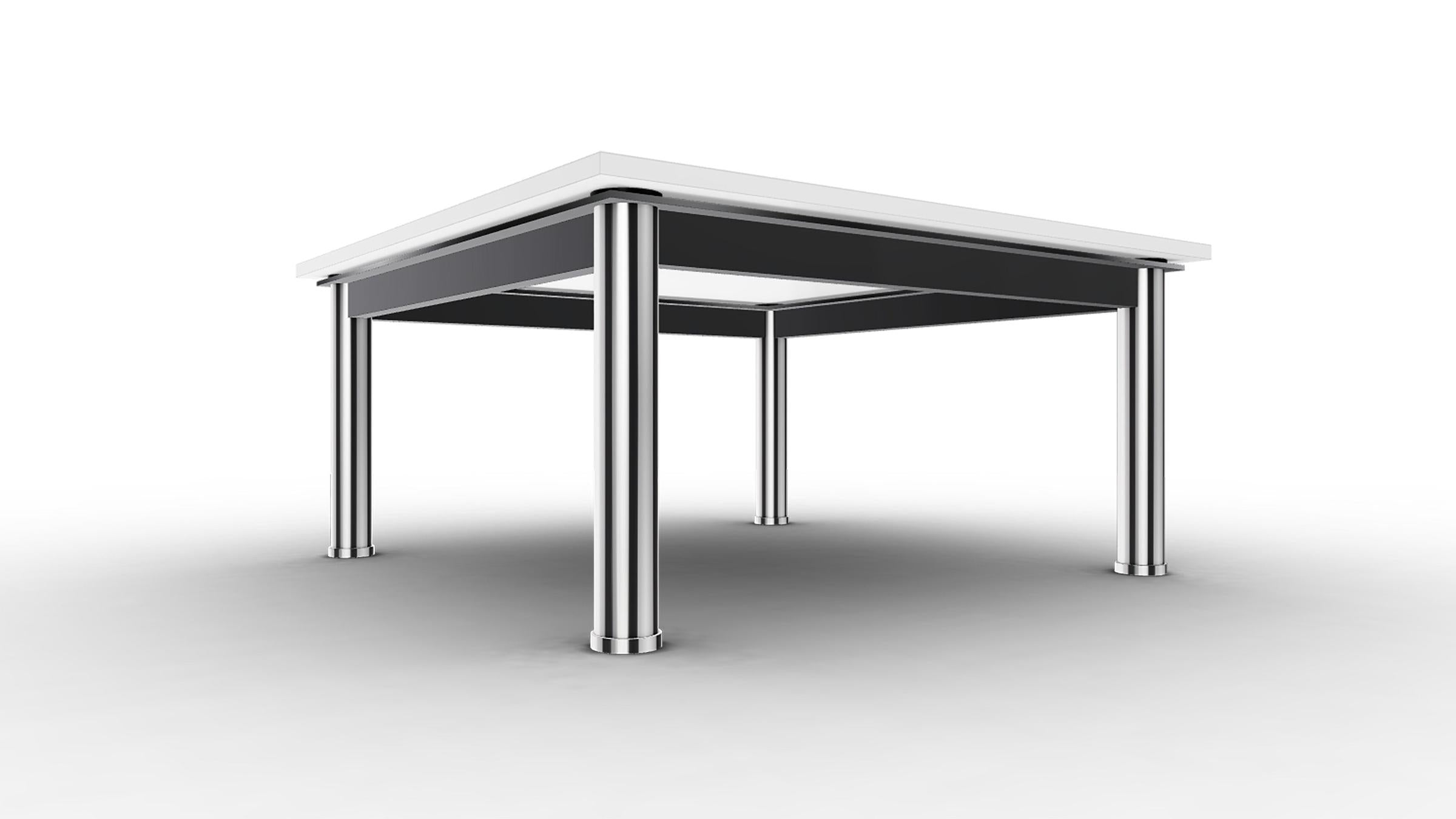
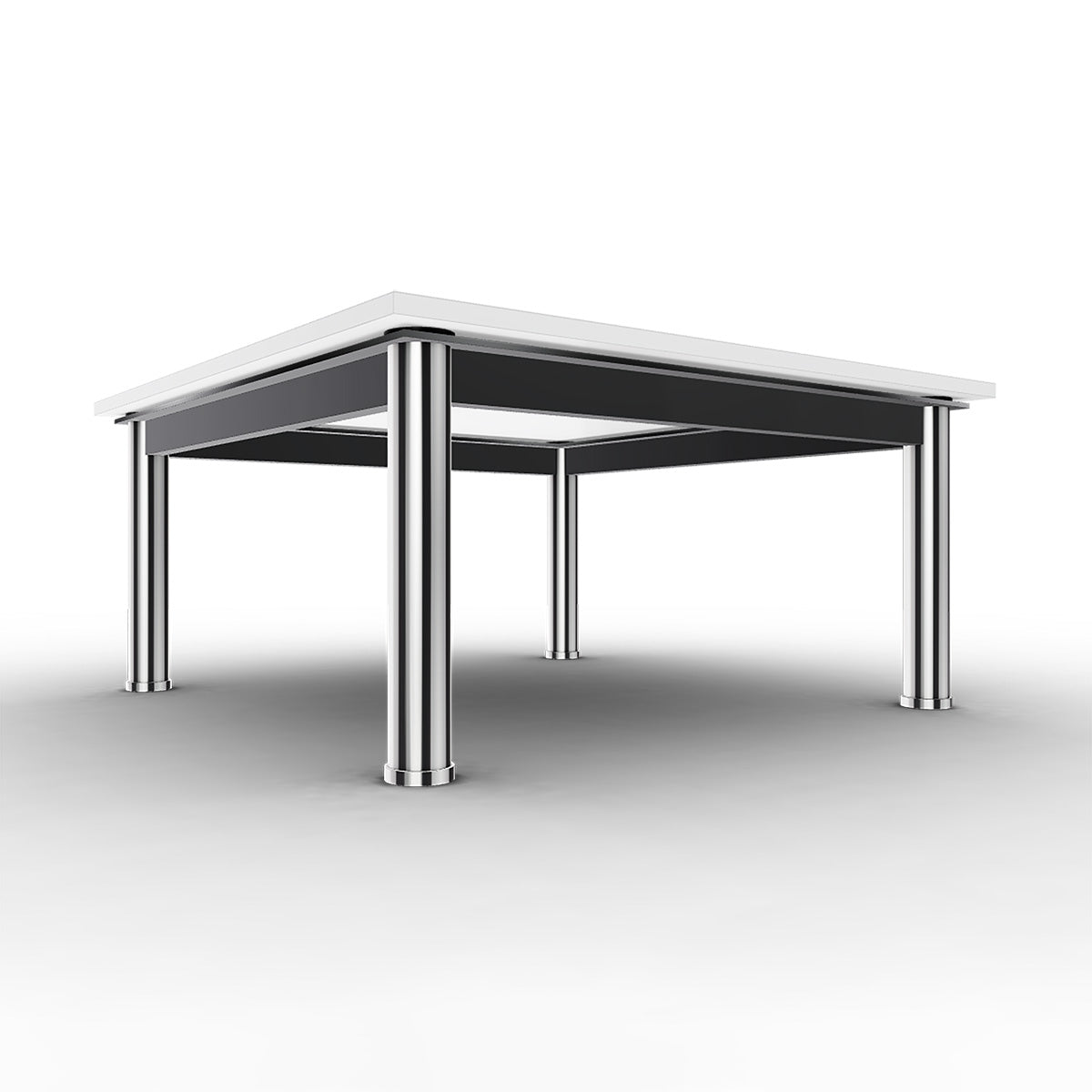
Conceived in 1929 as part of a systematic study of furniture as built architecture, the LC10-p Square Low Table distills modernist conviction into a single, resolved form. Le Corbusier, Pierre Jeanneret, and Charlotte Perriand approached every piece in their furniture program the way they approached a building: through proportion, structural honesty, and the elimination of anything incidental.
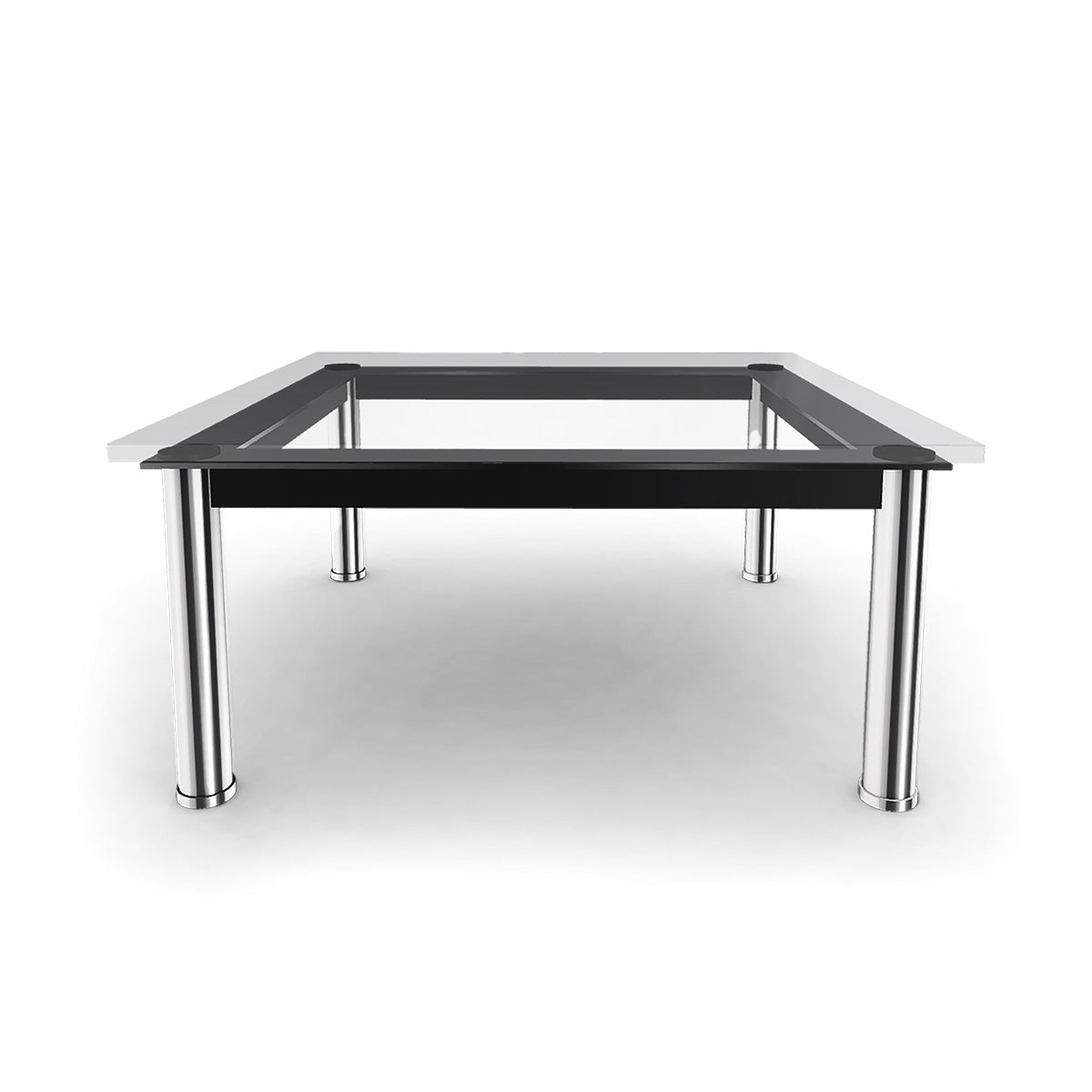
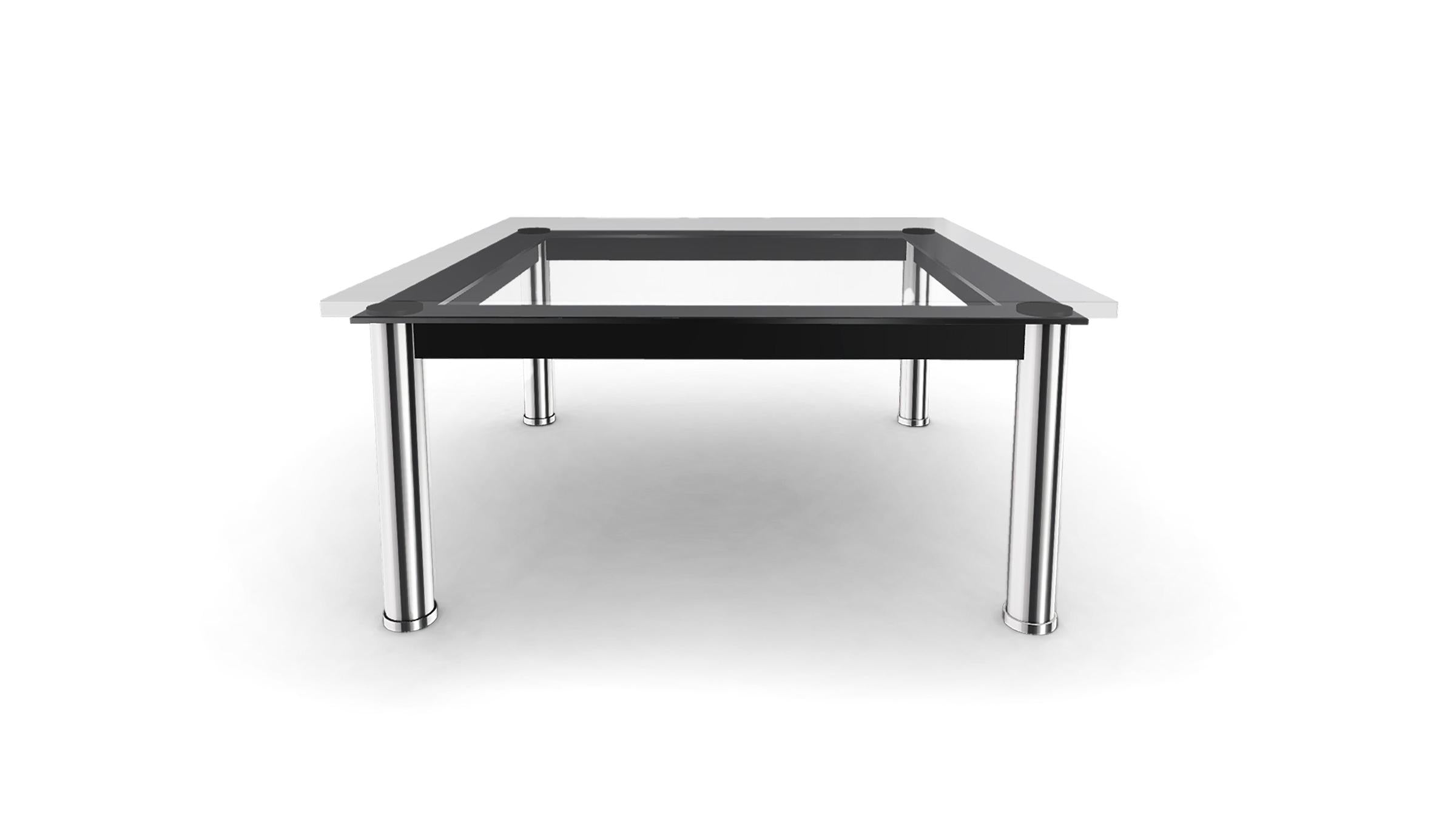
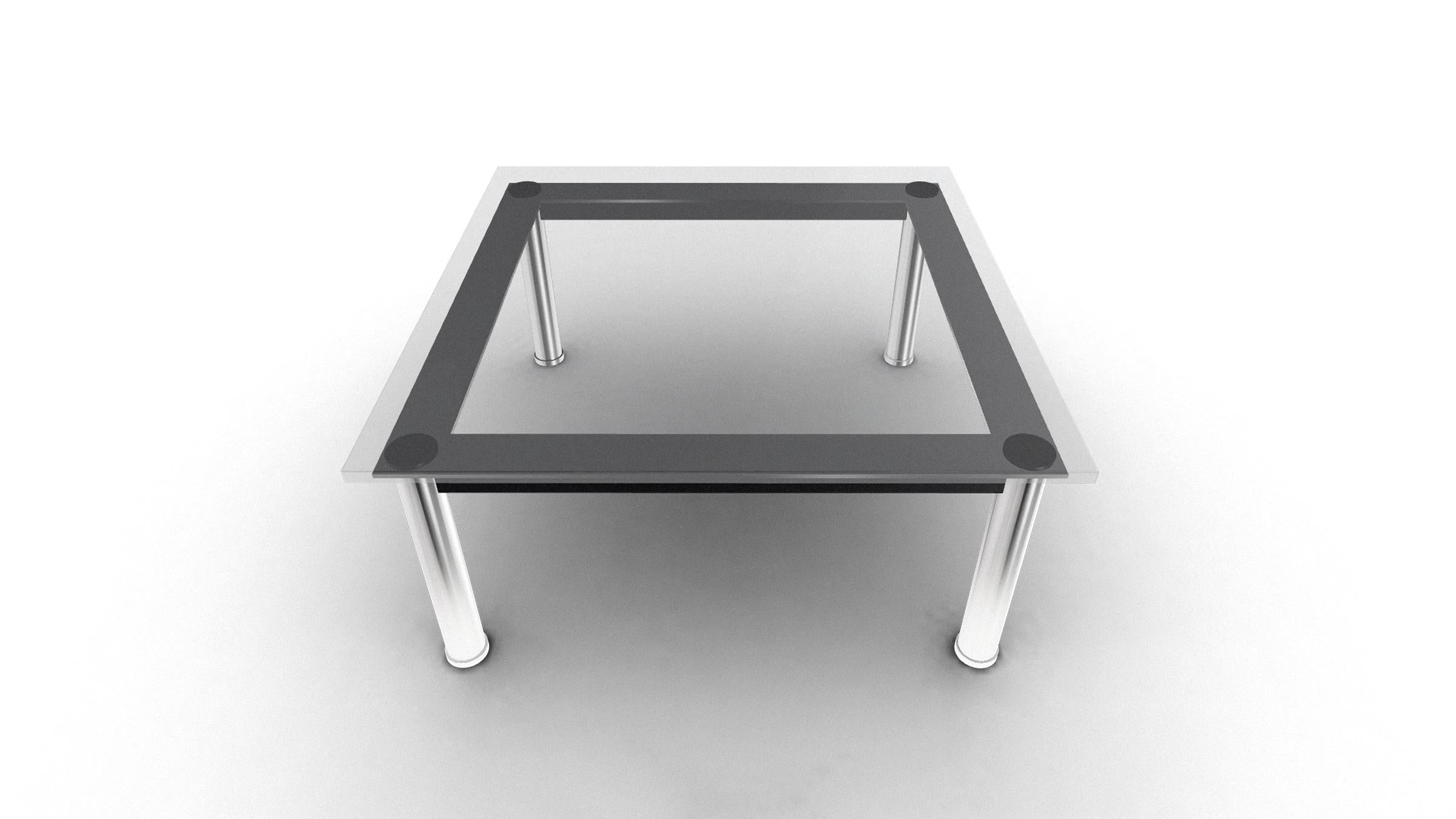
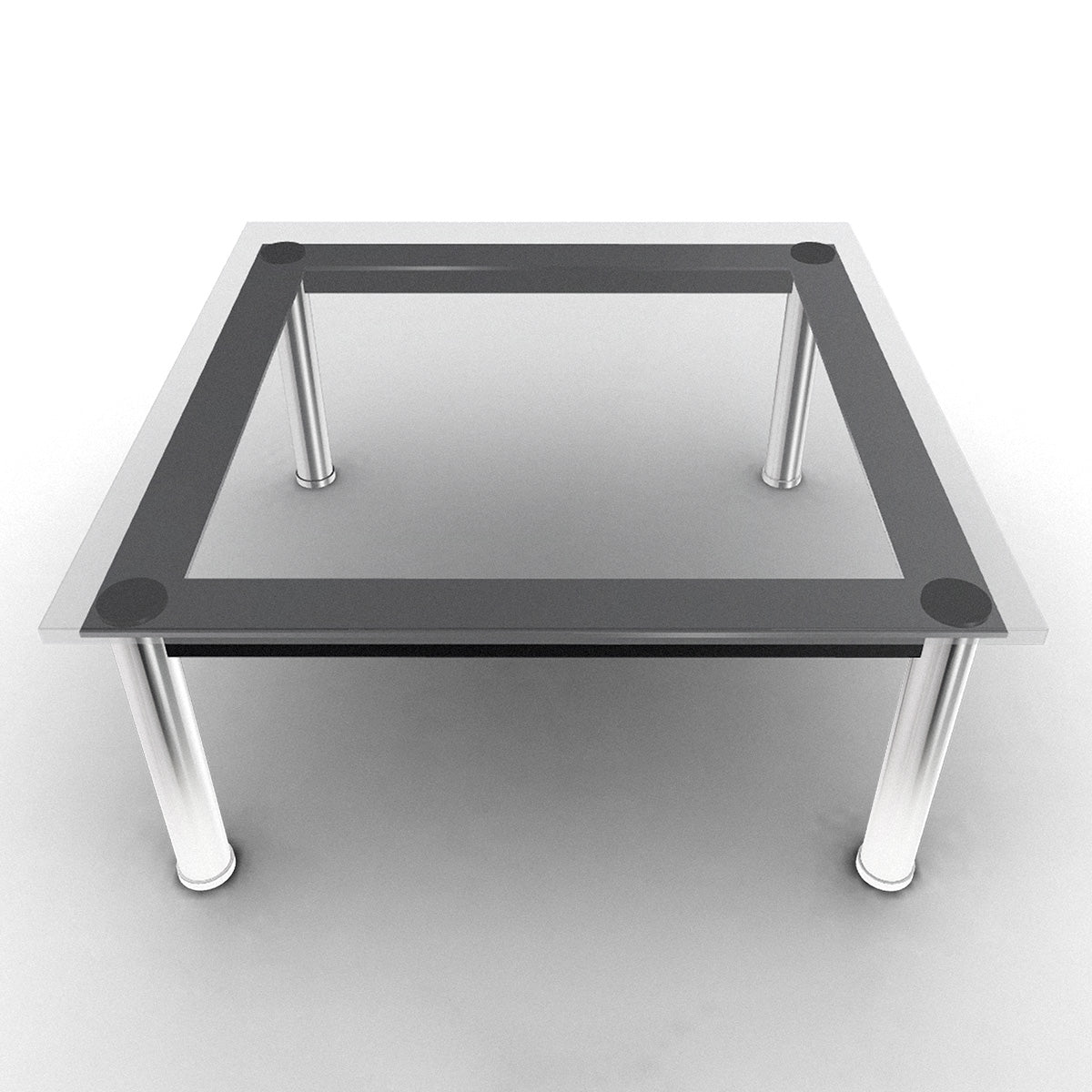
A crystal-clear glass top rests on a frame of slender enameled tubular steel. The relationship between transparency and precision is the design's central gesture. Nothing mediates between the two materials. Nothing decorates the joint. The geometry is absolute.
- Designed 1929, reissued under Cassina's i Maestri collection
- Crystal glass top on an enameled tubular steel base
- Square format conceived for spatial flexibility within a strict geometric language
- Cassina has held the exclusive production license for this collection since 1964, in collaboration with the Fondation Le Corbusier
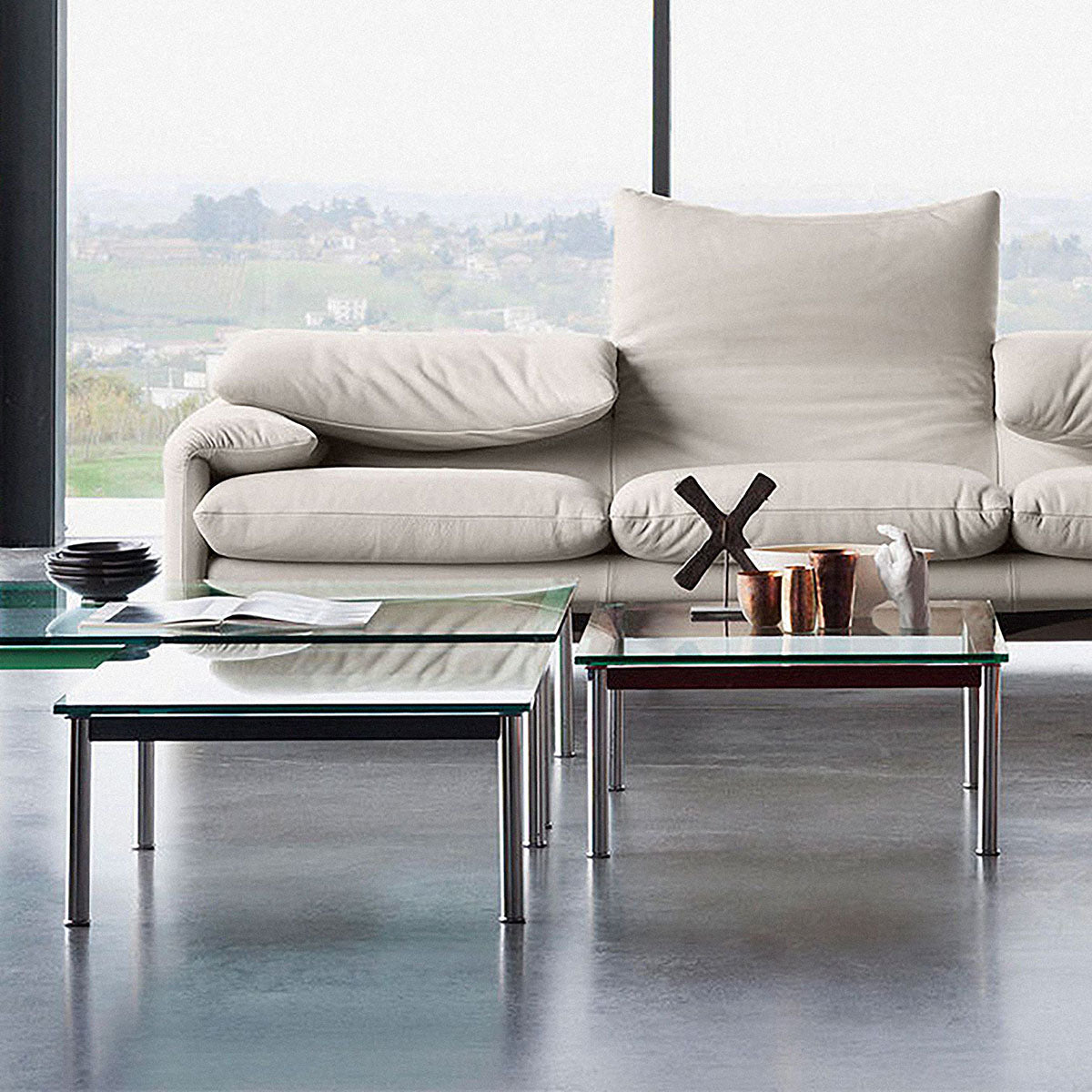
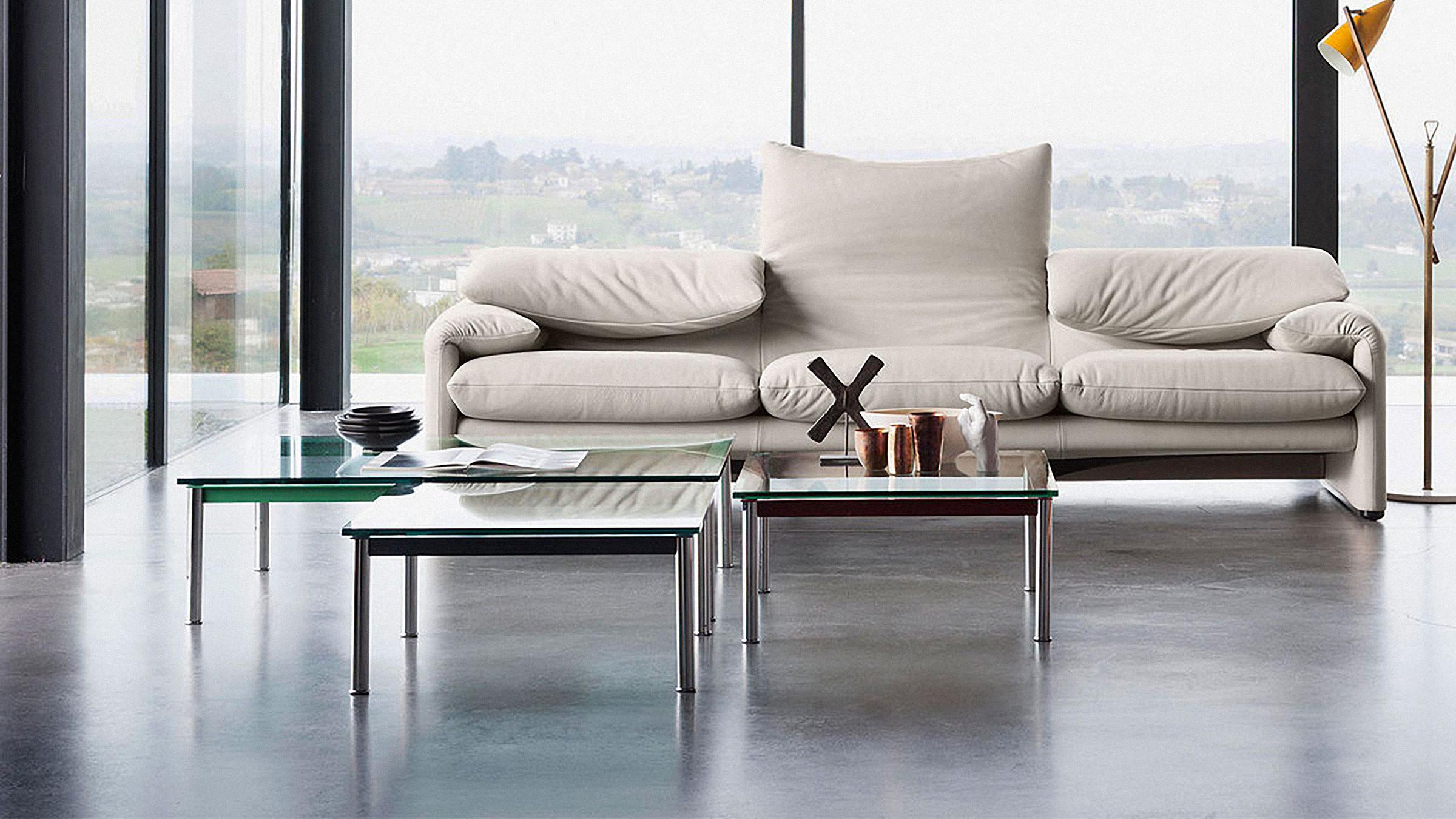
The square plan, rather than the more common rectangle, enforces a particular discipline in a room. It resists casual placement. It asks the surrounding furniture to respond to it, making it as much a compositional tool as a functional surface.
Contact us for availability and lead time.
Pairs well with
Product Details
Details
Measurements
Tear Sheet
Shipping, Returns, & Warranty
Please refer to our shipping and return & exchange policy.
The product comes with a full manufacturer warranty. Luminaire is an authorized retailer of Cassina.
Authenticity guaranteed. LC10-p Square Low Table is a genuine product, sourced directly from Cassina.
Frequently Asked Questions
Who designed the Cassina LC10-p table?
The LC10-p was designed in 1929 by the trio of Le Corbusier, Pierre Jeanneret, and Charlotte Perriand, whose collaboration produced some of the most enduring works of the modernist canon.
What is the LC10-p table made of?
The LC10-p features a tempered crystal glass top supported by a tubular steel frame finished in enamel, a material pairing chosen to express lightness and structural clarity.
What is Cassina's relationship to the Le Corbusier furniture collection?
Cassina has held the exclusive worldwide license to produce Le Corbusier, Jeanneret, and Perriand furniture since 1964, collaborating with the Fondation Le Corbusier to maintain the integrity of original designs.
How does the LC10-p differ from the LC10 rectangular table?
The LC10-p is the square-format variant, offering a more compact and symmetrical footprint that works equally well as a central coffee table or a paired side element within a larger seating arrangement.
Is the LC10-p suitable for use alongside other Le Corbusier pieces?
The LC10-p was conceived as part of a cohesive furniture system and pairs naturally with pieces such as the LC2 or LC3 seating units, sharing the same tubular steel vocabulary and modernist sensibility.


We love Cassina too!
Have any questions about this product or any other product by Cassina, get in touch! We are here to help.
-
Speak with a design consultant
We can help answer any questions you have. Give us a call.
-
Send us a message
Prefer to get an answer to your question via email? Drop us a line.