
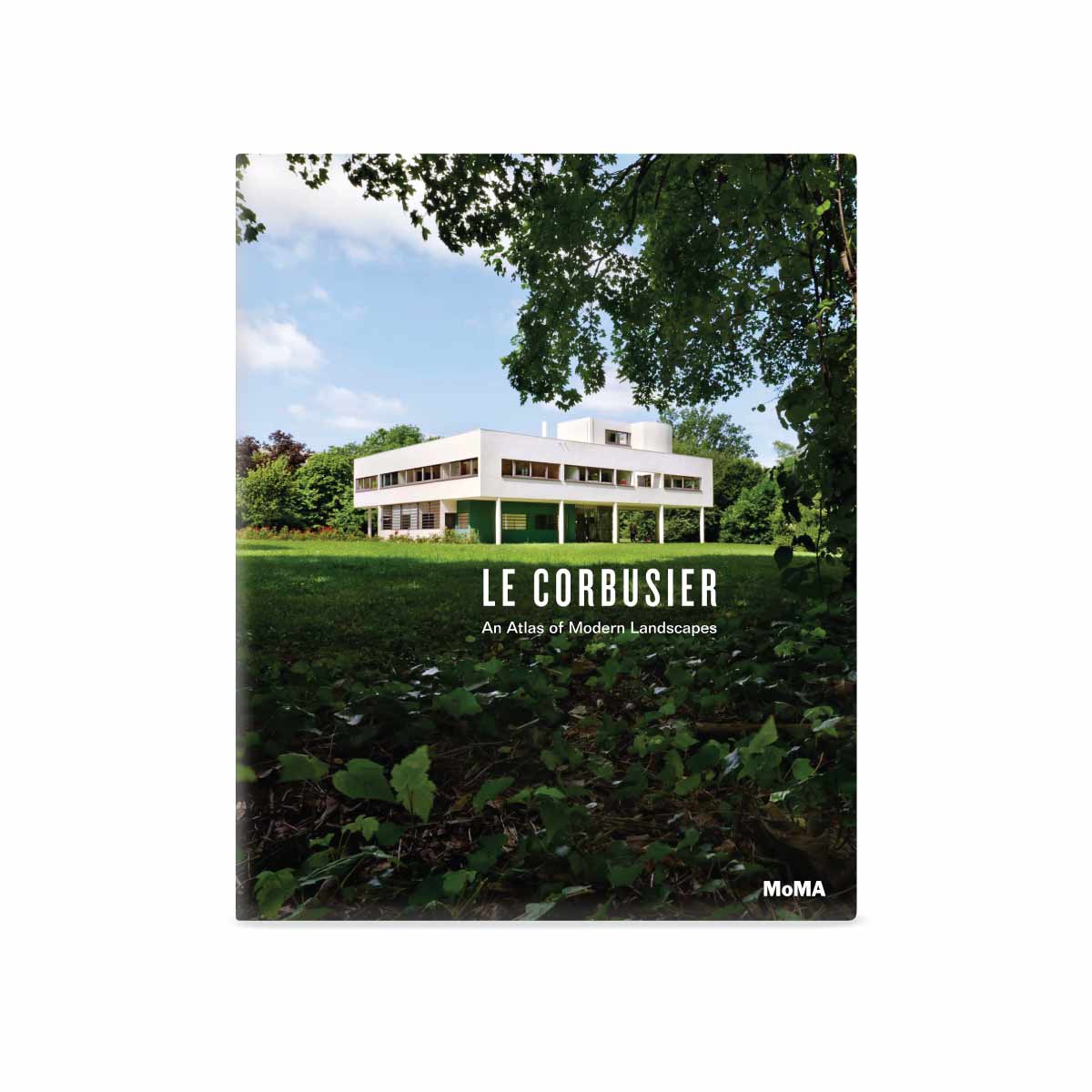
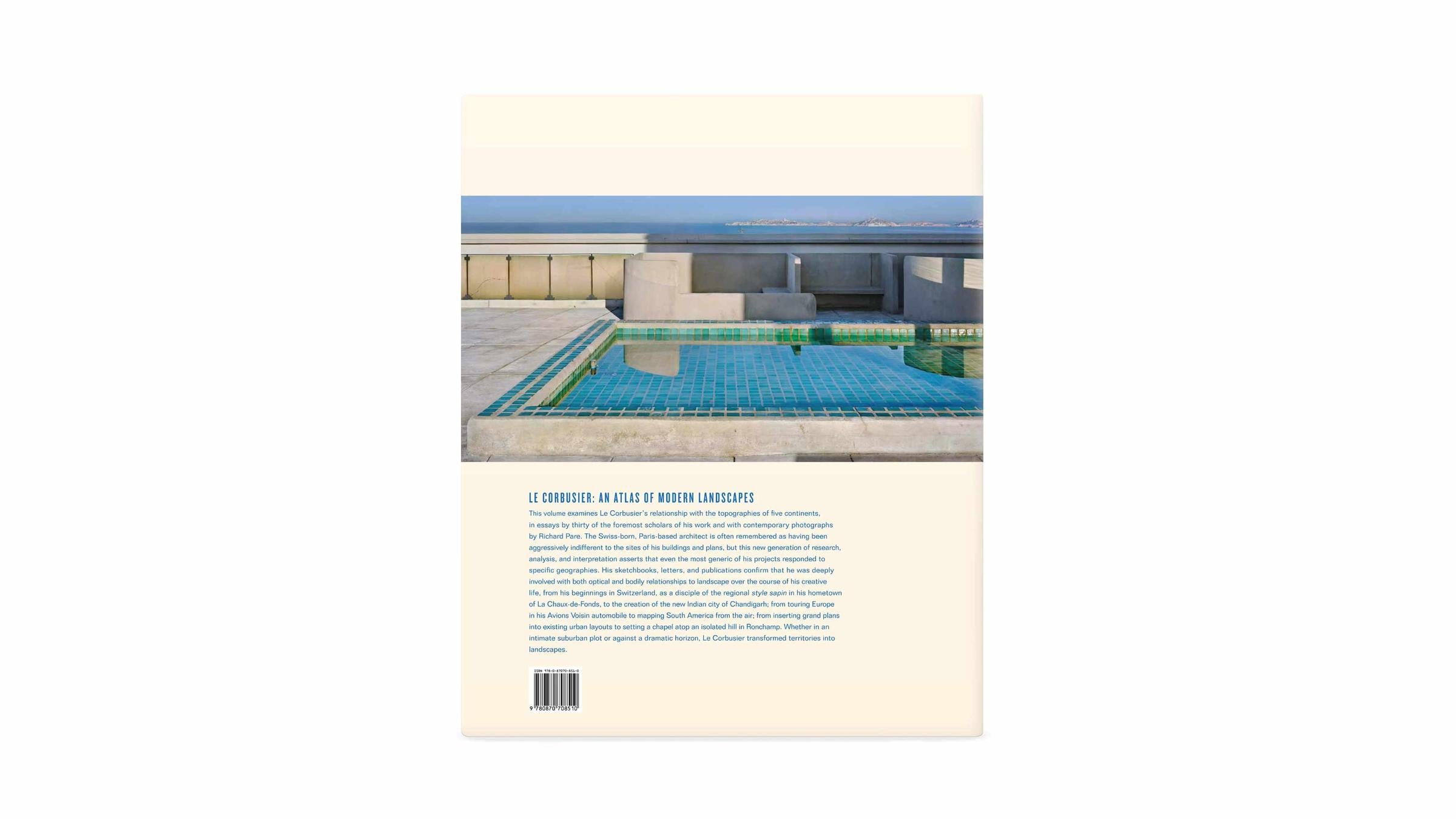
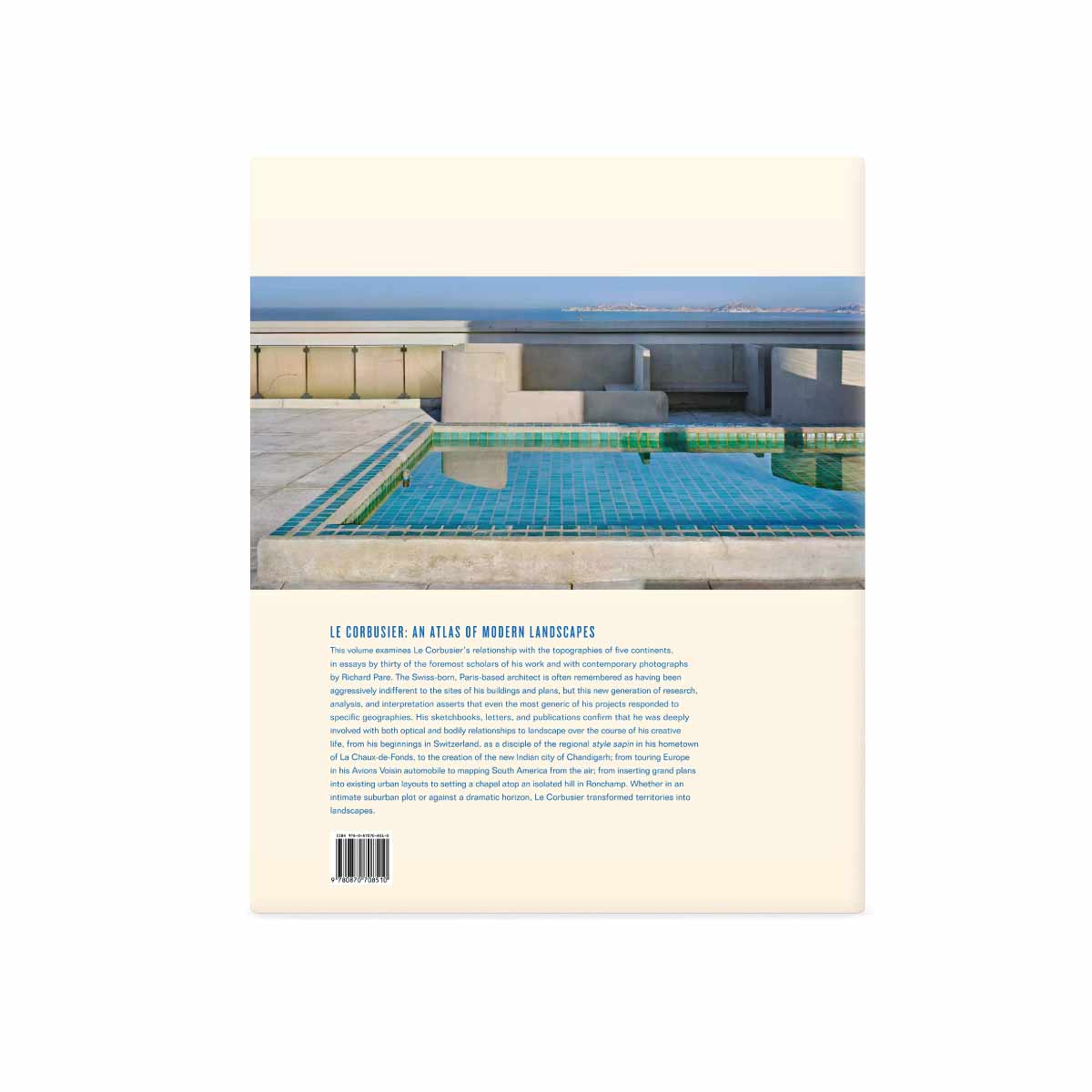
Le Corbusier: An Atlas Of Modern Landscape
Designed by Le Corbusier
When the Museum of Modern Art organized its 2013 retrospective on Le Corbusier, it chose landscape as its lens, recognizing that the architect's relationship to land, territory, and horizon was as formative as any building he ever designed. This volume is the exhibition's companion publication, and it arrives as a work of scholarship in its own right.
Structured as an atlas, the book traces Le Corbusier's movements across continents and decades, mapping how geography shaped his vision. Watercolors, sketches, photographs, paintings, and architectural models are gathered here not as illustration but as primary evidence of a restless, searching intelligence. The scope is genuinely global, reflecting a generation of international research conducted in the quarter-century since the Centre Pompidou's landmark catalogue.
- Published by The Museum of Modern Art, New York
- Documents the 2013 MoMA retrospective exhibition
- Organized thematically and geographically as an atlas
- Draws on Le Corbusier's watercolors, sketches, paintings, photographs, and architectural models
- Incorporates current global scholarship on Le Corbusier's practice
Le Corbusier worked across architecture, urbanism, painting, and writing for six decades. A book that holds all of those modes together, with landscape as the organizing idea, offers a perspective that monographs focused on individual buildings rarely can.
Typically ships in 12-14 weeks.
Pairs well with
Le Corbusier: An Atlas Of Modern Landscape
Product Details
Tear Sheet
Shipping, Returns, & Warranty
Please refer to our shipping and return & exchange policy.
The product comes with a full manufacturer warranty. Luminaire is an authorized retailer of MoMA.
Authenticity guaranteed. Le Corbusier: An Atlas Of Modern Landscape is a genuine product, sourced directly from MoMA.
Frequently Asked Questions
What is the focus of this MoMA Le Corbusier publication?
The book uses landscape as its organizing theme, examining how Le Corbusier's engagement with geography, terrain, and horizon informed his work across architecture, urban planning, painting, and photography over six decades. It was published to accompany the 2013 MoMA retrospective of the same name.
How does this book differ from other Le Corbusier monographs?
Rather than focusing on individual buildings or a single discipline, this volume is structured as an atlas, tracing Le Corbusier's movements and ideas geographically. It incorporates a generation of international scholarly research produced since the Centre Pompidou's 1987 encyclopedic catalogue.
What types of primary materials are reproduced in the book?
The publication draws on a wide range of Le Corbusier's own output, including watercolors, sketches, oil paintings, photographs, and architectural models, presenting them as evidence of his evolving relationship to landscape and place.
Is this book appropriate for architecture and design professionals?
Yes. The scholarly depth and breadth of the atlas make it a serious research resource for architects, designers, and historians, while the quality of its visual material and production make it equally compelling for collectors and serious design enthusiasts.
Who was Le Corbusier, and why does his work remain relevant?
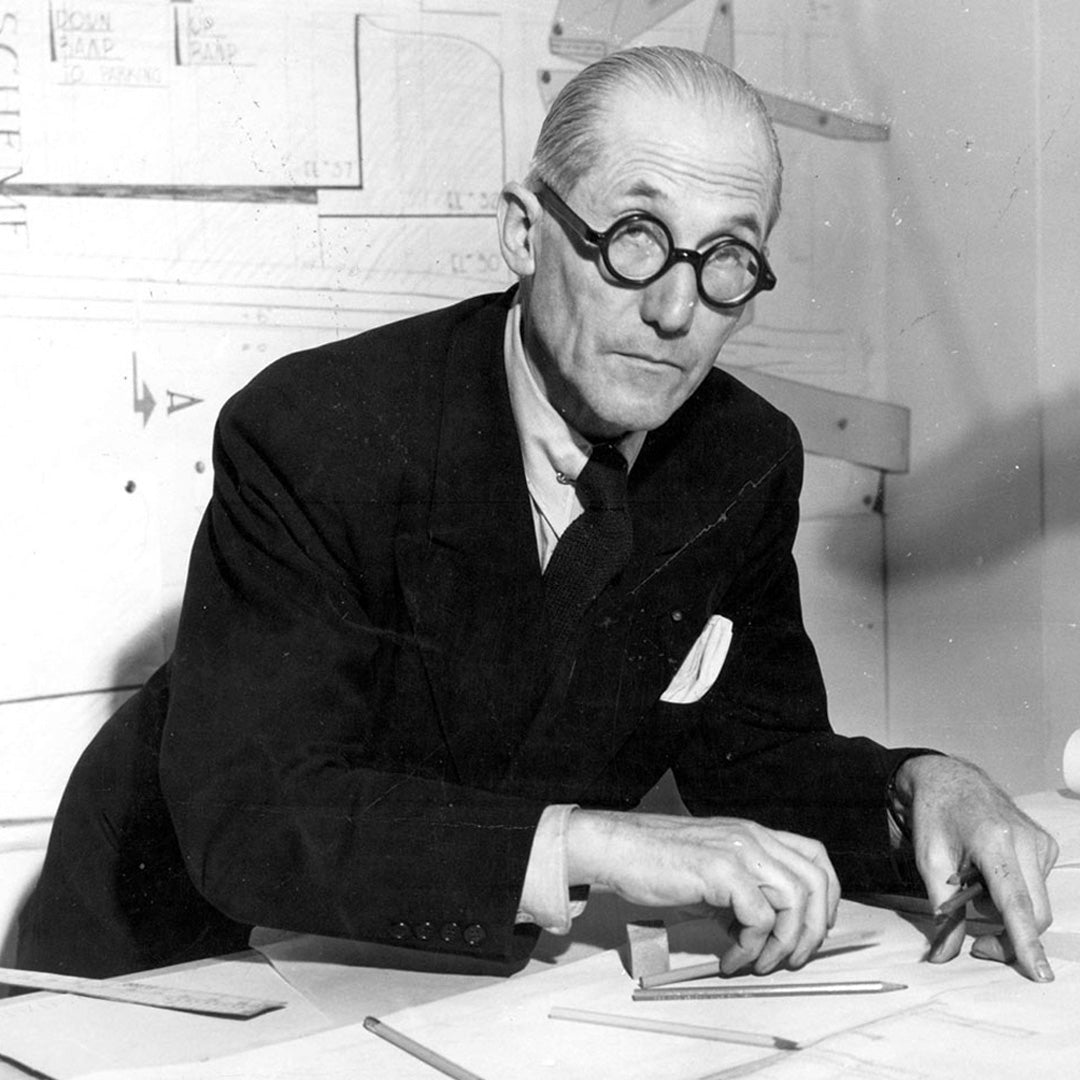
Charles-Édouard Jeanneret, known as Le Corbusier, was a Swiss-French architect, urbanist, and artist whose ideas about space, light, and the relationship between buildings and landscape fundamentally reshaped twentieth-century architecture. His influence on modernism in both Europe and the Americas continues to be felt in architectural education and practice today.
We love MoMA too!
Have any questions about this product or any other product by MoMA, get in touch! We are here to help.
-
Speak with a design consultant
We can help answer any questions you have. Give us a call.
-
Send us a message
Prefer to get an answer to your question via email? Drop us a line.