
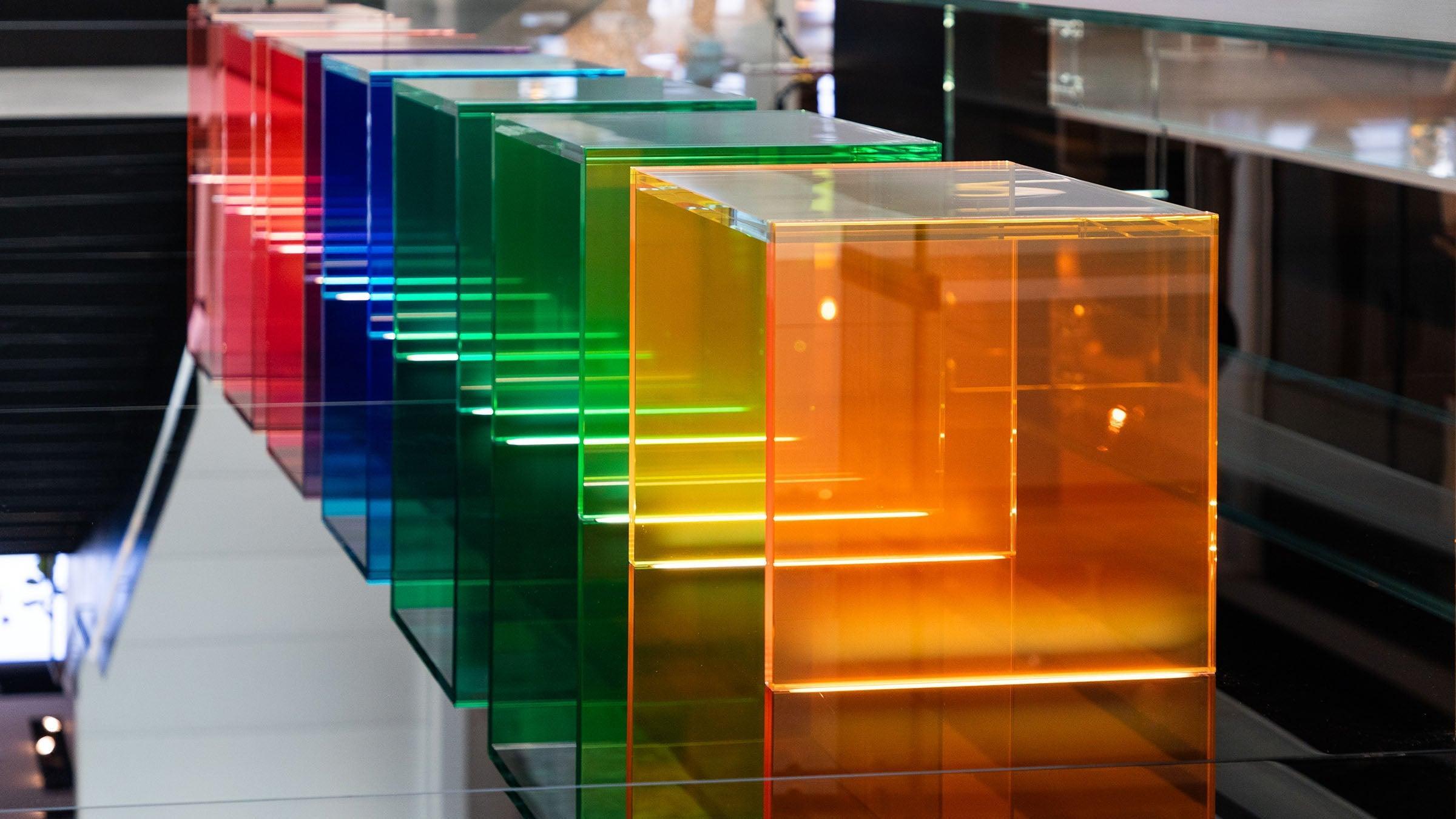
In early December, the Luminaire Lab will come alive with environments shaped to inspire both awe and serenity, marking fifty years of presenting modern and contemporary design through spaces that invite discovery, reflection, and connection. Across two days, the city becomes a setting for encounter, where design is not simply observed, but experienced as something that moves between people, ideas, and atmosphere.
What began as a modest kiosk devoted to lighting concepts in North Miami Beach has, over five decades, evolved into a presence that resonates far beyond its origins. Luminaire has grown into a voice that speaks through environments, shaping how design is understood and lived, and offering not only objects, but a way of engaging with the world through form, material, and intention.
As this milestone unfolds, it carries with it a sense of continuity, where past, present, and future remain in quiet dialogue, each moment informing the next.

This anniversary also marks a new chapter, as Luminaire enters into a meaningful convergence with Interni, a design leader whose global reach extends across Europe, the Middle East, and the United States. This connection reflects a shared belief that design is most powerful when it is experienced as a total environment, where service, material, and vision come together with clarity and purpose.
Together, Luminaire and Interni form a network that moves fluidly across cultures, bringing access to artisans, collaborators, and ideas that shape both residential and commercial spaces. This relationship does not rest on scale alone. It is grounded in a shared commitment to craftsmanship, to thoughtful curation, and to the creation of environments that feel considered, immersive, and deeply connected to the people who inhabit them.


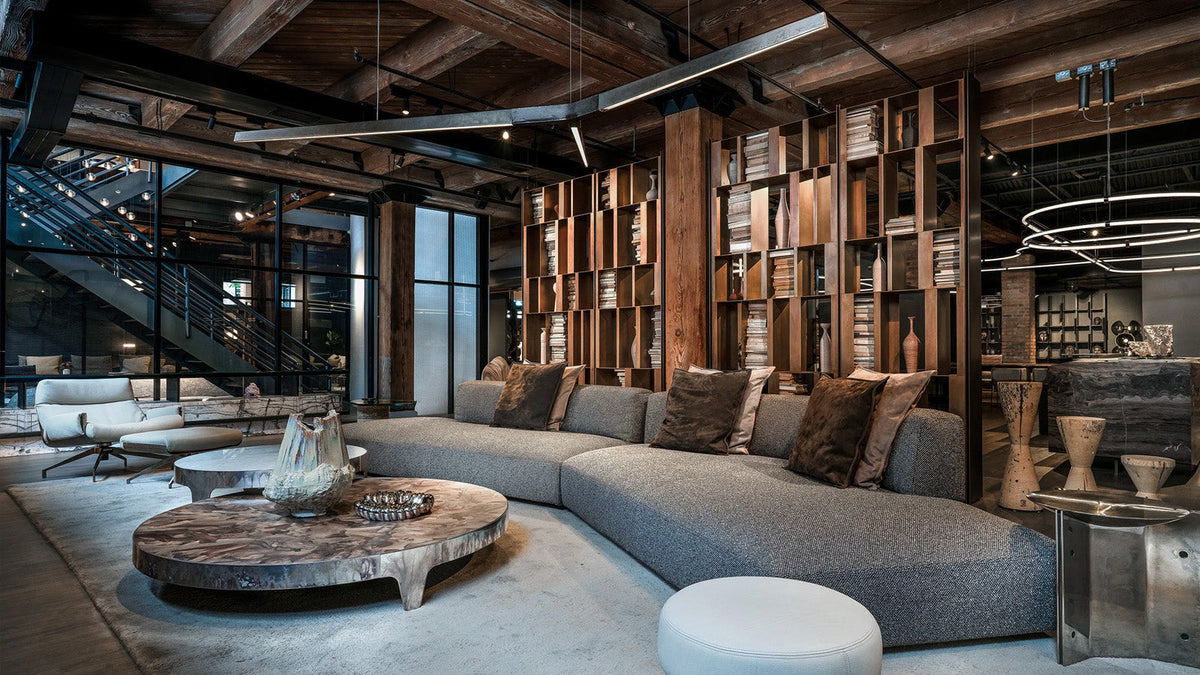
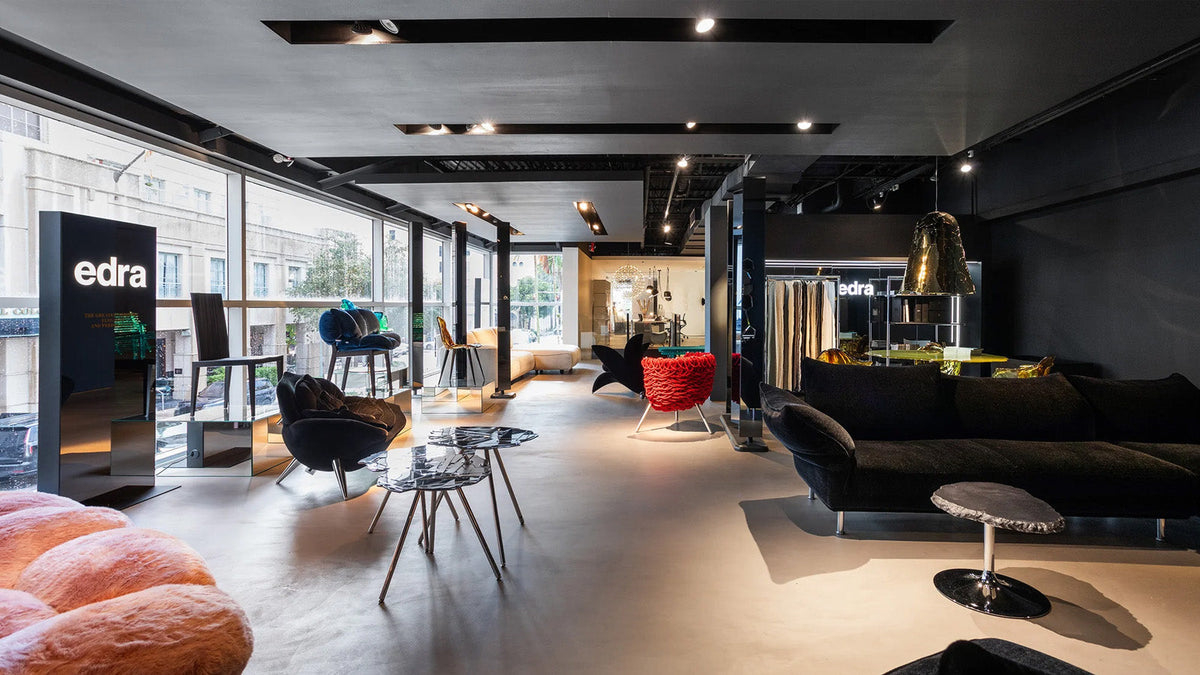
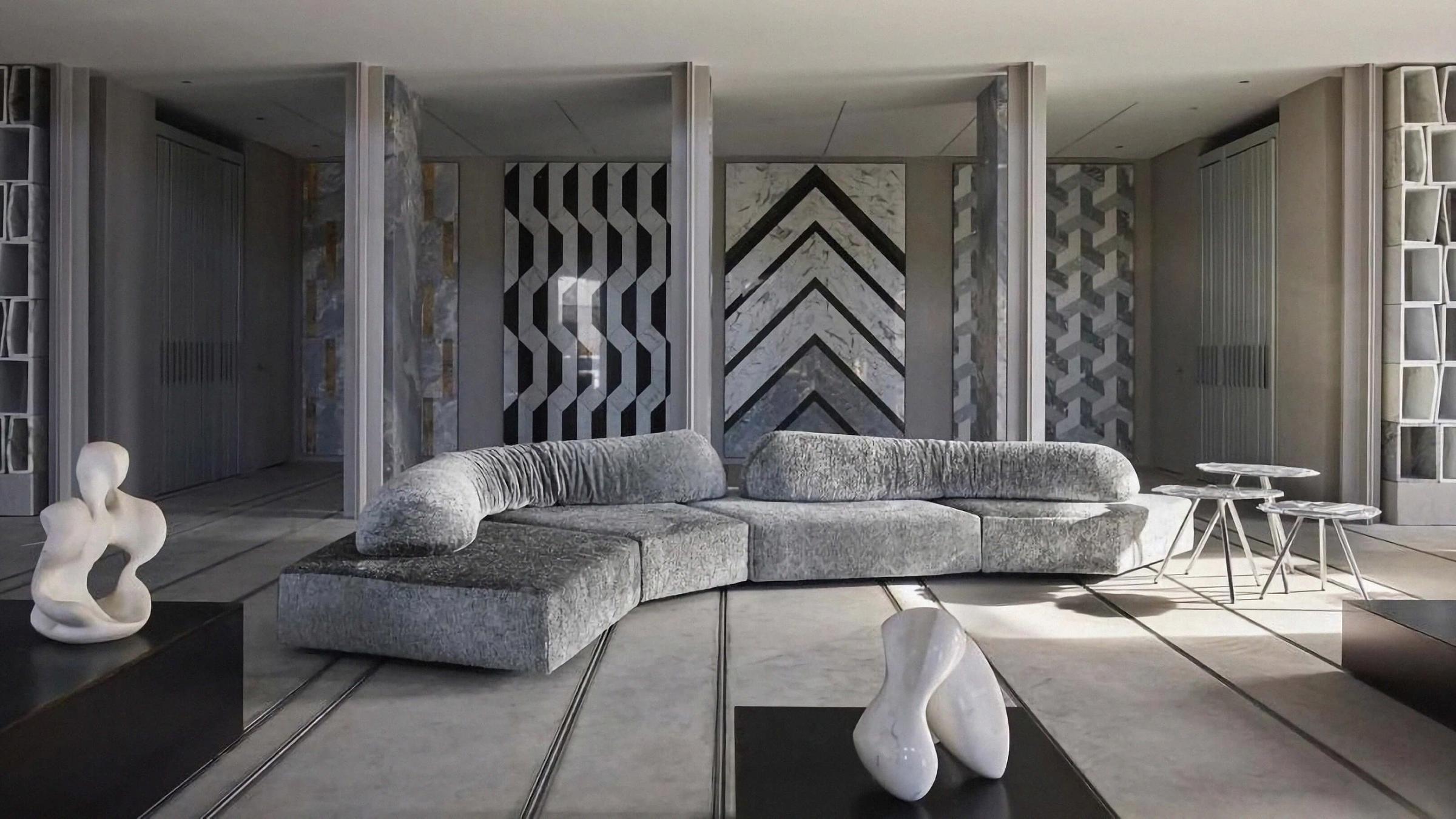
At the Luminaire Lab in the Miami Design District, Array of Emotions unfolds as an immersive environment shaped by MDF Italia and Acerbis, where design is experienced through a sequence of forms, textures, and spatial gestures. The installation draws from collaborations such as MDF Italia’s work with Pitsou Kedem, first presented in Milan, and introduces new perspectives through the contributions of designers including Sabine Marcelis and Pietro Russo.
Within this setting, the space becomes a field of perception, where each object participates in a larger composition, and where visitors move through an environment that invites both curiosity and reflection. Encounters feel personal, shaped by the interplay of light, material, and proportion, and guided by conversations that reveal how design can influence the rhythms of everyday life.


At the Luminaire flagship showroom in Coral Gables, A Scent of Glass reveals the expressive potential of transparency through an installation by SantambrogioMilano.
Here, glass moves beyond its expected role, taking on a presence that is both structural and atmospheric, where clarity becomes a medium through which form is reimagined.
Objects such as fully transparent billiard and ping pong tables appear almost suspended, their material presence defined as much by what is seen as by what is implied.
The installation invites a closer look, where durability and delicacy coexist, and where the familiar is transformed through a shift in perception.


At fifty years, Luminaire continues to shape a vision of design that is both expansive and intimate, where environments are curated with intention and experienced through presence. These celebrations offer more than a moment of reflection. They extend an invitation to engage with design as a living language, one that evolves through time while remaining grounded in human experience.
We invite you to join Luminaire Miami this December, to move through these spaces, to encounter the ideas and materials that define this moment, and to experience how design can shape not only what we see, but how we feel, connect, and imagine what comes next.

Luminaire at Design West Hollywood 2026
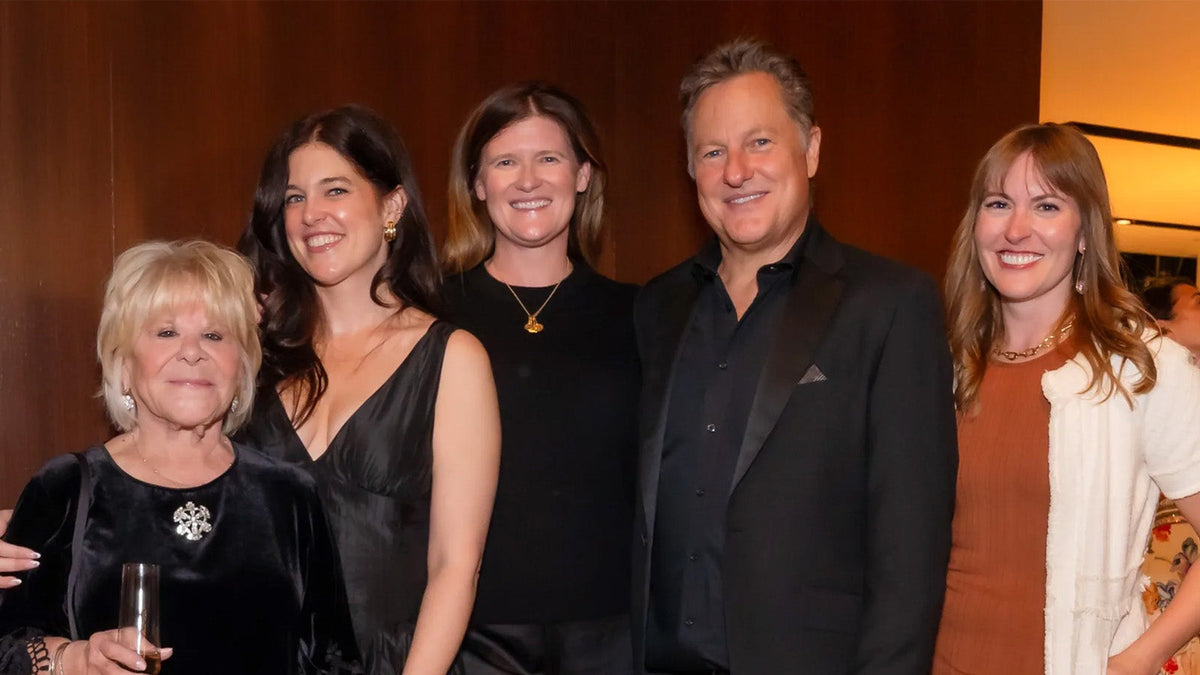
Design West Hollywood 2026 celebrated creativity, connection, and contemporary design, with Luminaire Los Angeles and Arclinea Los Angeles hosting memorable gatherings that brought the design community together.
In Conversation with Sophie Goineau
Interior architect Sophie Goineau designs across scales, from a single object to the architecture around it and the land beyond. She discusses composing interiors as one continuous experience, letting each place and its people shape a project's language, and her work on Selby Lane with the San Francisco team.
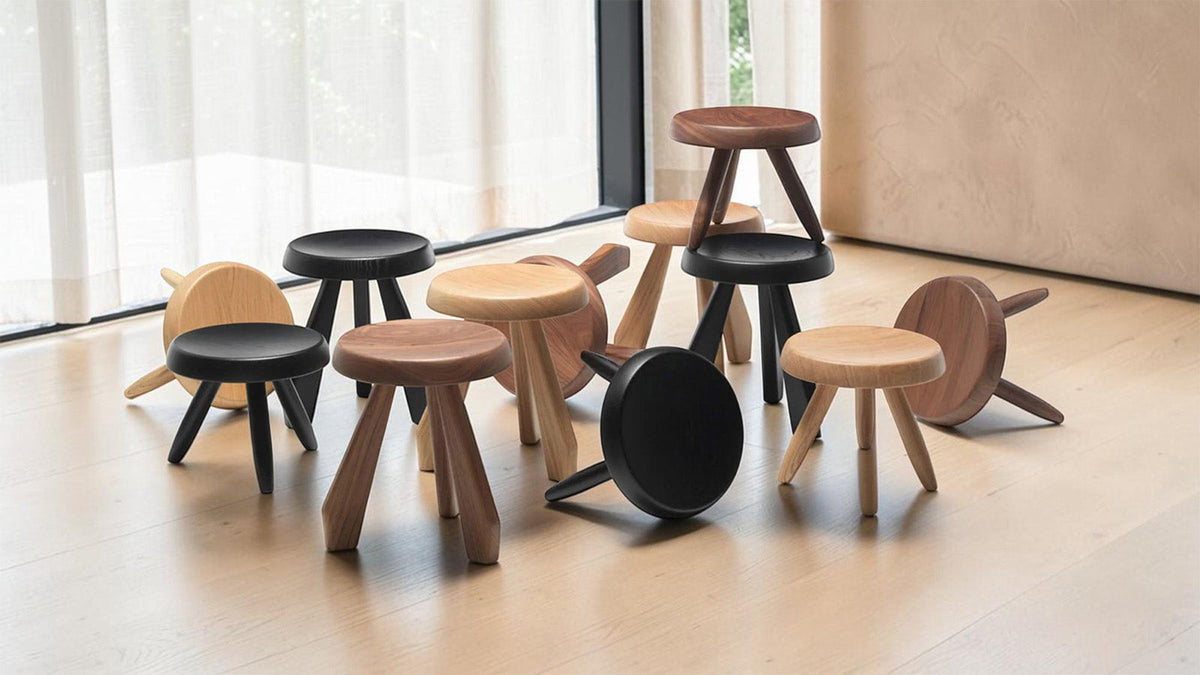
Charlotte Perriand's Tabouret Stools: Alpine Form, Modern Use
Read moreabout Charlotte Perriand's Tabouret Stools: Alpine Form, Modern Use
Inside Luminaire Chicago: Italian Design in River North Since 1989
Read moreabout Inside Luminaire Chicago: Italian Design in River North Since 1989
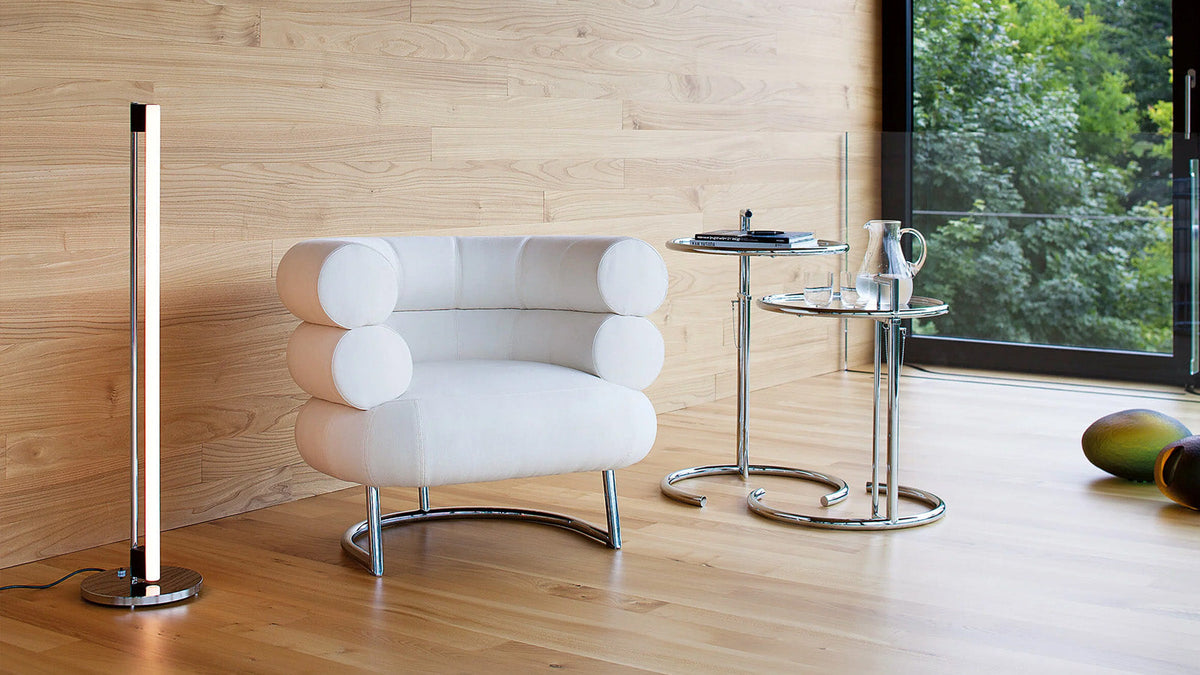
Eileen Gray's E 1027 Table: A Design Conceived for Living
Read moreabout Eileen Gray's E 1027 Table: A Design Conceived for Living
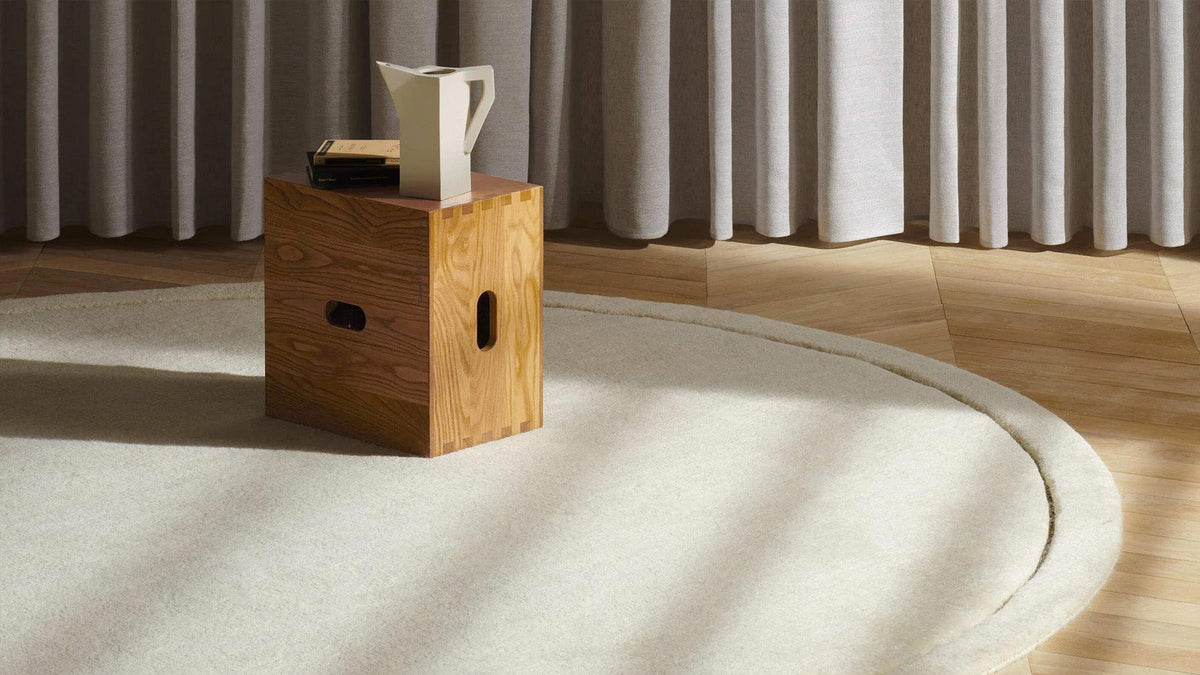
LC14 Tabouret Cabanon: Le Corbusier's Smallest Architecture
Read moreabout LC14 Tabouret Cabanon: Le Corbusier's Smallest Architecture
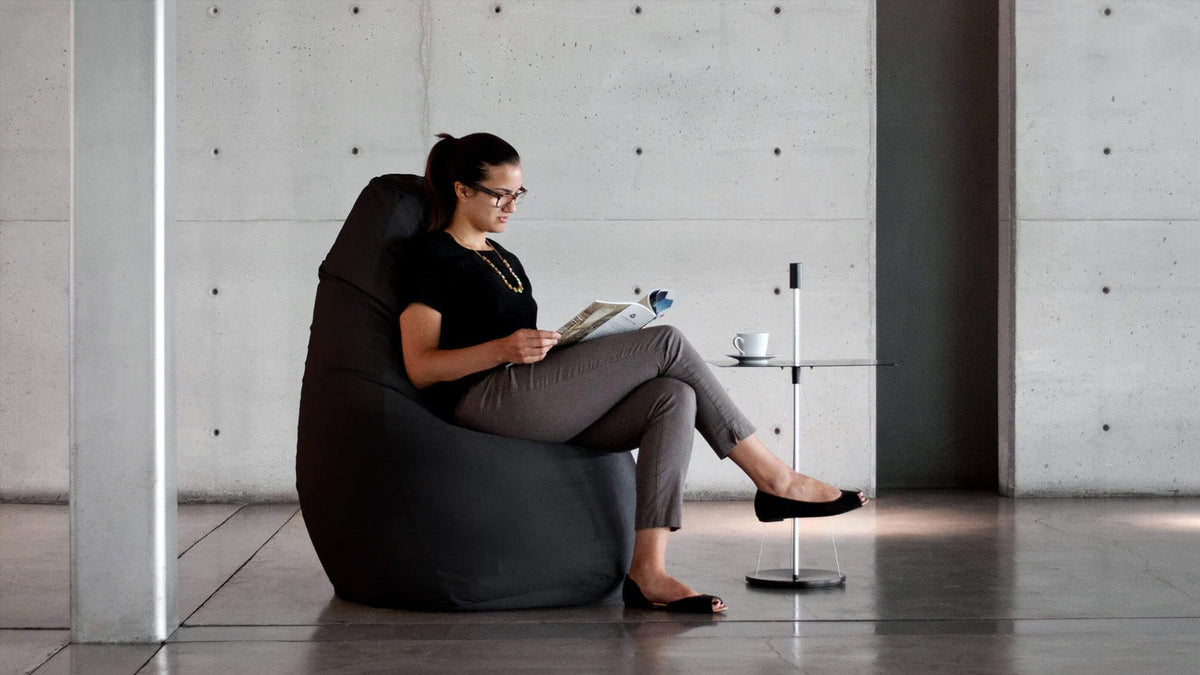
Sacco Chair by Zanotta: The 1968 Object That Refused to Be Furniture
Read moreabout Sacco Chair by Zanotta: The 1968 Object That Refused to Be Furniture
Inside Luminaire Coral Gables: The Showroom and Its Design Services
Read moreabout Inside Luminaire Coral Gables: The Showroom and Its Design Services
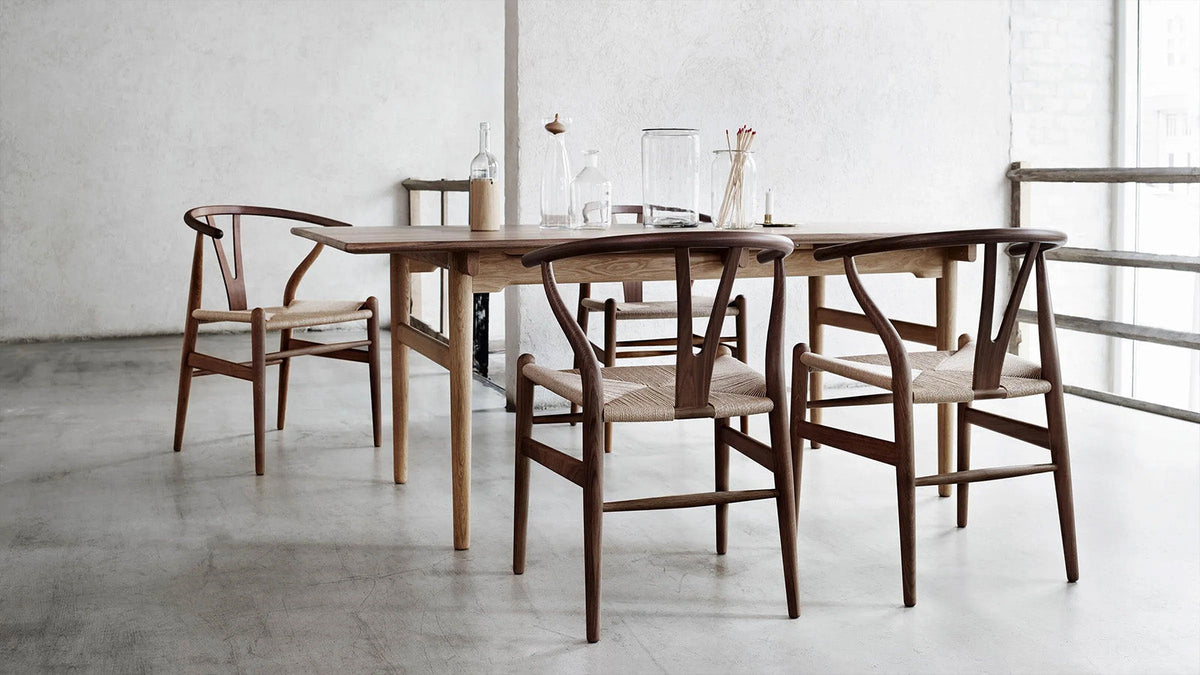
The Wishbone Chair: Hans Wegner's CH24 and the Art of Making
Read moreabout The Wishbone Chair: Hans Wegner's CH24 and the Art of Making
Cassina Chairs - The Collectors' Guide
Few furniture makers have shaped the chair as a cultural object the way Cassina has. From their earliest collaborations with the European avant-garde to their ongoing stewardship of the twentieth century's most consequential seating designs, the Meda-based manufacturer remains the standard against which Italian furniture brands are measured. This guide surveys the Cassina chairs we carry and the ideas embedded in each one.
On the Rocks by Edra: Francesco Binfaré's Geology of Rest
Read moreabout On the Rocks by Edra: Francesco Binfaré's Geology of Rest
The 14p Portable Lamp: Bocci's Cast-Glass Sphere, Untethered
Read moreabout The 14p Portable Lamp: Bocci's Cast-Glass Sphere, Untethered
Our design services cover everything from concept development to installation, including product guidance, material selection, custom configurations, pricing, and lead‑time coordination.
Speak with a Design Consultant
Call 855-341-3620 for assistance during business hours.
Enroll for privileged access to iconic design, emerging trends, exclusive events, and thoughtfully curated offers.

Share:
Enlightened Connections at Luminaire Lounge
Dreaming Outdoors: A Night of Joy and Wonder