
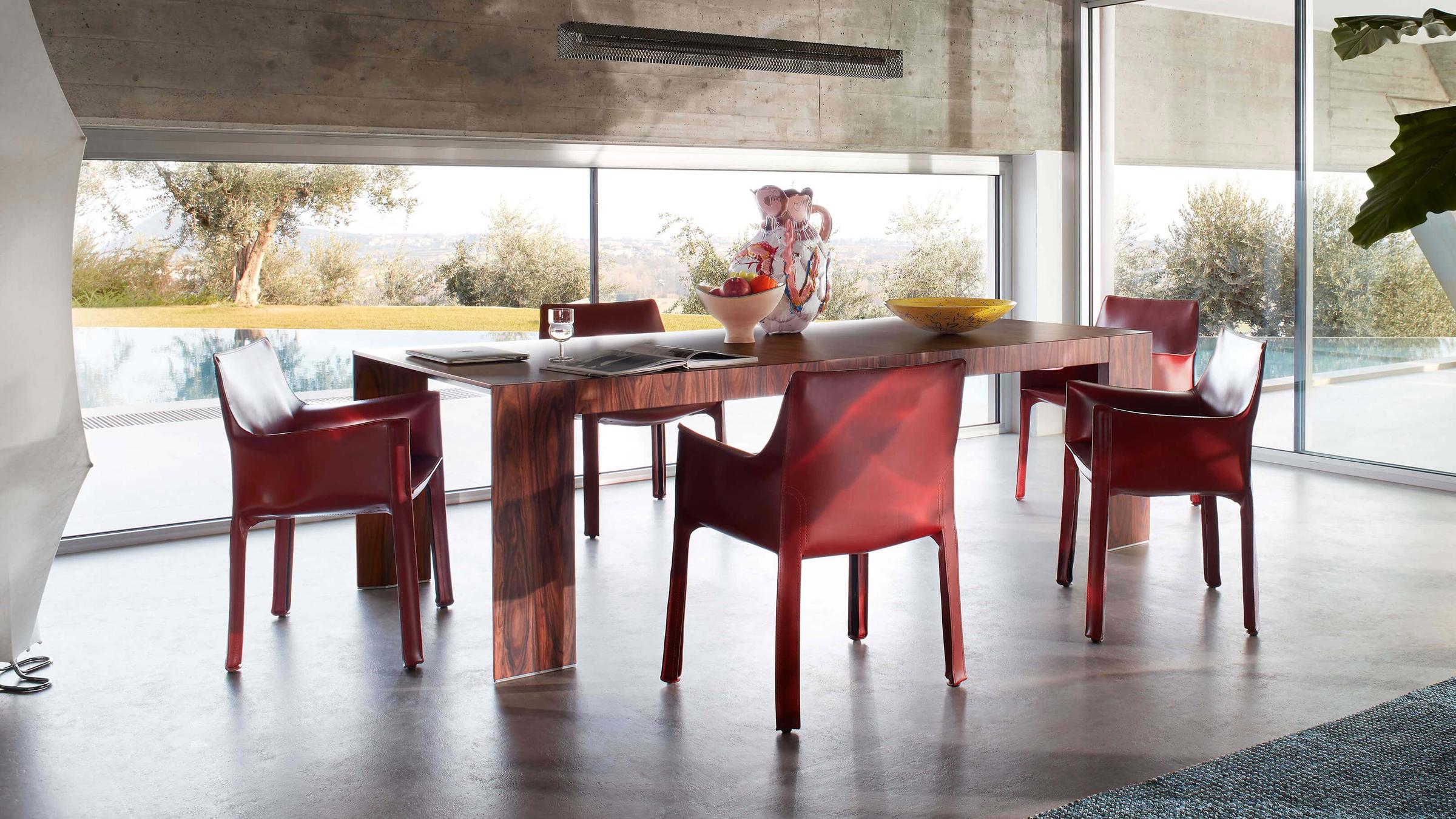
La poltrona Cab di Cassina è arrivata nel 1977 come una rottura silenziosa ma definitiva nel design del mobile italiano. Mario Bellini non ha semplicemente ripensato l'imbottitura. Ha invertito l'intera relazione tra la struttura di una sedia e la sua superficie, assegnando alla pelle un ruolo che non aveva mai avuto prima. Il risultato non è stato una sedia con la pelle sopra. Era una sedia che era, nel senso più letterale, pelle.
Verso la metà degli anni '70, Bellini si era già affermato come uno dei designer più analiticamente rigorosi d'Italia. La sua pratica si muoveva tra architettura, design di prodotto e metodologia industriale con una facilità rara anche nel denso ambiente creativo milanese. Pensava in sistemi. Laddove molti dei suoi contemporanei perseguivano la provocazione visiva, Bellini perseguiva l'onestà strutturale, l'idea che una forma dovesse essere leggibile come diretta conseguenza della sua realizzazione.
Il decennio stesso era carico di indagine materiale. Il modernismo italiano negli anni '70 non era un unico movimento ma un campo conteso, con designer che tiravano in direzioni opposte: verso forme morbide e reattive al corpo da un lato, e verso una chiarezza geometrica e di derivazione industriale dall'altro. Bellini operava nella tensione tra questi poli. Era attratto dall'organico, ma lo disciplinava con precisione. La poltrona Cab ha cristallizzato questa sensibilità in un unico oggetto.
Il suo più ampio corpo di lavoro per Cassina tornava costantemente a questa domanda: come la logica materiale genera la forma, piuttosto che riceverla? La Cab è stata il luogo in cui quella domanda ha prodotto la sua risposta più concentrata.
L'innovazione distintiva della Cab è di carattere architettonico. Un telaio in tubolare d'acciaio, essenziale e angolare, fornisce l'armatura interna. Su di esso, pannelli di spessa pelle di selleria vengono tirati tesi e chiusi con cerniere lungo cuciture nascoste. La pelle non drappeggia. Non imbottisce. Si tende sul telaio, contribuendo attivamente alla rigidità della sedia e determinandone la silhouette finale.

La cucitura a sella visibile sulle cuciture non è un abbellimento decorativo. È funzionale: la cucitura tiene insieme i pannelli di pelle e distribuisce la tensione su tutta la superficie. Questa è una tecnica presa in prestito dalla lavorazione della pelle equestre, da una tradizione di realizzazione di oggetti che devono sopportare carichi, resistere all'usura e mantenere la loro geometria per anni di utilizzo. Bellini non ha importato quella tradizione come riferimento estetico. Ha importato la sua logica.
La cerniera è il dettaglio che più chiaramente annuncia la partenza concettuale della sedia dalla tappezzeria convenzionale. Nella produzione di mobili standard, la tappezzeria viene applicata a un telaio, spesso permanentemente, spesso con strati di schiuma e tessuto che oscurano la struttura sottostante. Nella Cab, la cerniera rende la pelle rimovibile e sostituibile, dichiarando al contempo apertamente il metodo di assemblaggio. È un gesto di trasparenza industriale: la sedia ti mostra come è fatta.
Questo approccio ha posto la Cab in dialogo con la pratica del design industriale piuttosto che con la tradizione del mobile. Bellini pensava alla relazione tra un guscio e un telaio, una logica più vicina all'ingegneria di prodotto che all'officina del tappezziere. La pelle è diventata il corpo della sedia allo stesso modo in cui un involucro diventa il corpo di uno strumento di precisione.
Vista in pianta e in alzato, la poltrona Cab mantiene la sua geometria con una disciplina insolita. Il piano del sedile è orizzontale e solido. Lo schienale si alza con un angolo controllato, né reclinato né rigidamente verticale. I braccioli si estendono come elementi orizzontali puliti, il loro profilo è costante dalla spalla alla terminazione. Non c'è rigonfiamento, nessun volume in eccesso. Ogni piano è una decisione intenzionale.

La curvatura che appare nella Cab non è espressiva. È funzionale, il raggio minimo necessario per avvolgere la pelle attorno agli angoli del telaio senza crepe da stress. Bellini non ha imposto morbidezza per calore visivo. La curvatura è arrivata come conseguenza del comportamento del materiale, e l'ha conservata esattamente come il materiale richiedeva.
Questa è la disciplina che separa la Cab dalle sedie che sembrano semplicemente minimali. Il minimalismo, così come era spesso praticato, riduceva la complessità visiva lasciando la logica strutturale in gran parte invariata. Bellini ha ridotto entrambi simultaneamente, e così facendo è arrivato a una forma di economia volumetrica in cui ogni superficie fa esattamente una cosa.
La sedia Cab, complemento della poltrona, estende la stessa logica in un profilo più leggero e lineare. Insieme, i due pezzi costituiscono un sistema coerente, non una famiglia di varianti ma un'unica proposta espressa su due scale.
La poltrona Cab è entrata a far parte della collezione permanente del Museum of Modern Art di New York, tra gli altri, entro pochi anni dalla sua introduzione. Questo riconoscimento istituzionale rifletteva qualcosa di più della qualità della produzione. Rifletteva lo status della sedia come proposta, un ripensamento di ciò che la pelle potesse significare e fare nel mobile industriale.
Prima della Cab, la pelle nei mobili funzionava principalmente come materiale di superficie: morbida, ricca di associazioni, applicata su strutture interne che svolgevano il lavoro effettivo. La pelle di sella aveva una storia più lunga come materiale strutturale in oggetti come valigie, finimenti e attrezzature equestri, ma la sua traduzione in mobili domestici non era stata perseguita con l'impegno sistematico di Bellini. La Cab ha ridefinito la categoria.
Questa ridefinizione ha tracciato una linea tra la lavorazione artigianale della pelle e la produzione industriale, e poi si è deliberatamente posizionata su entrambi i lati di essa. Le cuciture a sella e il materiale stesso portavano il peso di una lunga tradizione artigianale. L'assemblaggio con cerniera e il telaio in acciaio appartenevano alla metodologia industriale. Bellini non li trattava come contraddizioni da risolvere. Li trattava come registri complementari dello stesso oggetto.
Il catalogo più ampio di Cassina ha sempre operato in questo modo, mantenendo patrimonio e innovazione in una tensione produttiva. La sedia LC 1 Sling di Le Corbusier, Pierre Jeanneret e Charlotte Perriand, e la sedia Capitol Complex di Pierre Jeanneret, portano entrambe la stessa duplice identità: oggetti prodotti con mezzi industriali che tuttavia conservano la specificità di una mano particolare e di un momento particolare. La Cab appartiene a quella stirpe senza esserne riducibile.
Altrove nel canone delle sedute del XX secolo, i pari della Cab sono pochi. La poltrona Bibendum di Eileen Gray ha elevato in modo simile una decisione materiale a principio strutturale. La sedia Zig Zag di Gerrit Rietveld ha reso la logica costruttiva il soggetto visibile del design. Queste sono sedie che sostengono una posizione. La Cab sostiene la sua posizione attraverso la pelle.
Quasi cinque decenni dopo la sua introduzione, la poltrona Cab mantiene una presenza in interni seri che non ha nulla a che fare con la nostalgia. Le sue proporzioni sono compatte senza essere diminutive. Mantiene la sua geometria in ambienti di quasi ogni carattere architettonico, sia che la stanza sia spoglia e bianca o densa di materiali e motivi.

La pelle di sella sviluppa una patina nel tempo che pochi materiali nella produzione di mobili possono eguagliare. Non si deteriora. Si accumula. Si formano pieghe alle cuciture dove la pelle si flette con l'uso, approfondendo la definizione visiva della cucitura. La superficie cambia tono man mano che gli oli si trasferiscono e la luce cade in modo diverso su una grana ammorbidita. La sedia a vent'anni è un oggetto diverso dalla sedia a due, ed entrambe sono versioni corrette di ciò che Bellini ha progettato.
Questa capacità di invecchiamento onesto è rara nella produzione contemporanea, dove i materiali sono spesso selezionati per la loro resistenza al cambiamento piuttosto che per la loro reattività ad esso. La Cab è stata progettata per una filosofia diversa: che un oggetto dovrebbe guadagnare la sua identità attraverso l'uso, non preservare un aspetto fisso contro di esso.
Per architetti e interior designer che lavorano all'intersezione tra specificità materiale e disciplina formale, la Cab rimane un riferimento primario. Può essere posizionata con un Tavolo LC6 in un interno rigorosamente modernista o accanto alla venatura più calda del Tavolo Ventaglio di Charlotte Perriand senza perdere coerenza. La sua neutralità è guadagnata, non imposta.
I professionisti del settore che lavorano con pezzi di questo calibro sono invitati a esplorare il Programma per i Professionisti, che fornisce accesso alla profondità completa del catalogo. Coloro che perseguono un'installazione specifica possono iniziare una conversazione tramite il Servizio di Consulenza Progetti, dove la guida del progetto è disponibile dalla prima considerazione fino al posizionamento finale.
Bellini una volta descrisse il suo processo come una ricerca di forme che non avrebbero potuto essere altrimenti. La poltrona Cab è quella ricerca resa concreta, una sedia la cui ogni superficie è stata raggiunta, non applicata.
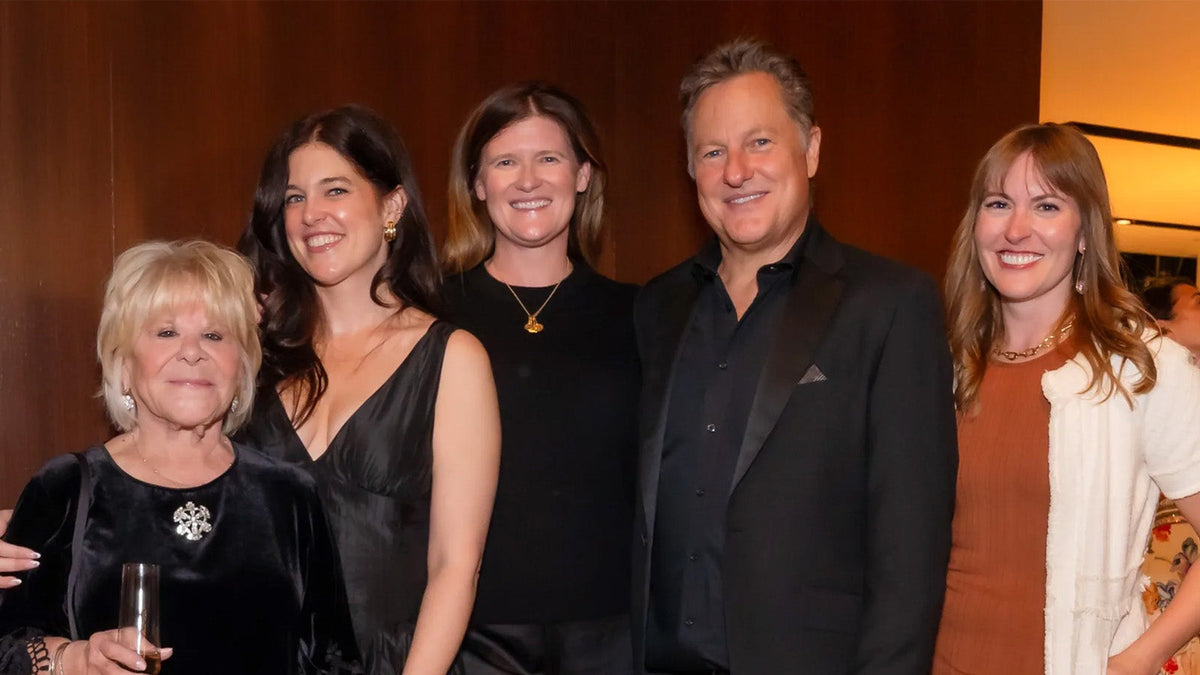
Luminaire at Design West Hollywood 2026
Design West Hollywood 2026 celebrated creativity, connection, and contemporary design, with Luminaire Los Angeles and Arclinea Los Angeles hosting memorable gatherings that brought the design community together.
Continua a leggeresu Luminaire at Design West Hollywood 2026
In Conversation with Sophie Goineau
Interior architect Sophie Goineau designs across scales, from a single object to the architecture around it and the land beyond. She discusses composing interiors as one continuous experience, letting each place and its people shape a project's language, and her work on Selby Lane with the San Francisco team.
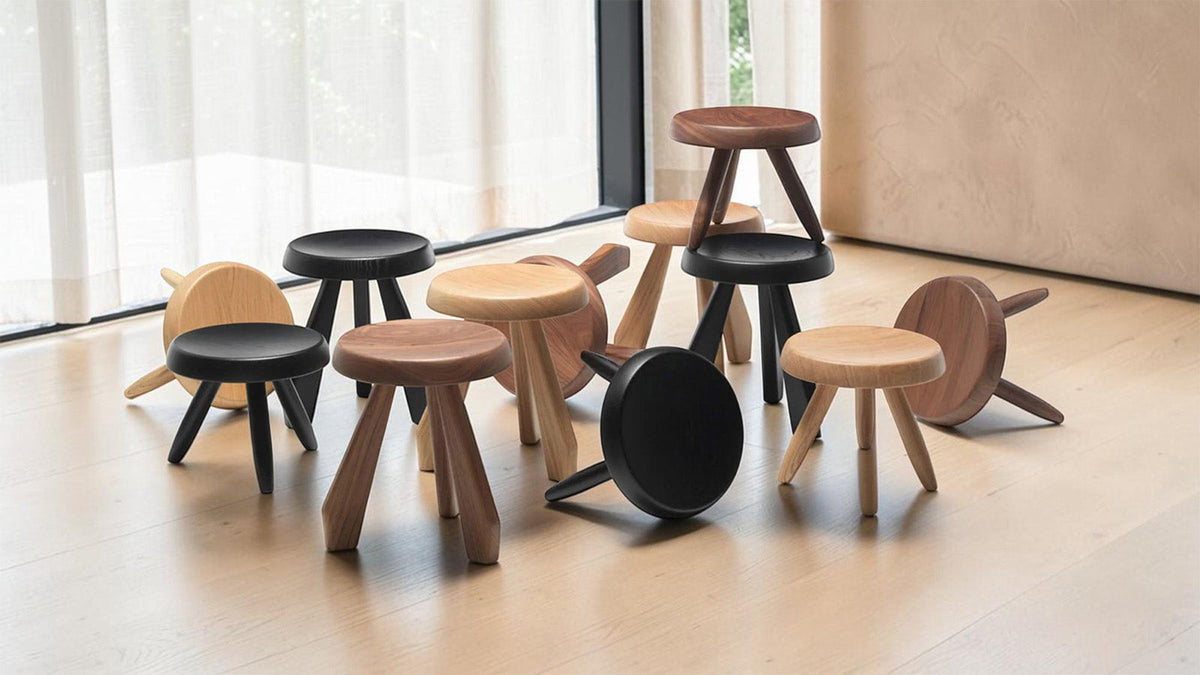
Charlotte Perriand's Tabouret Stools: Alpine Form, Modern Use
Continua a leggeresu Charlotte Perriand's Tabouret Stools: Alpine Form, Modern Use
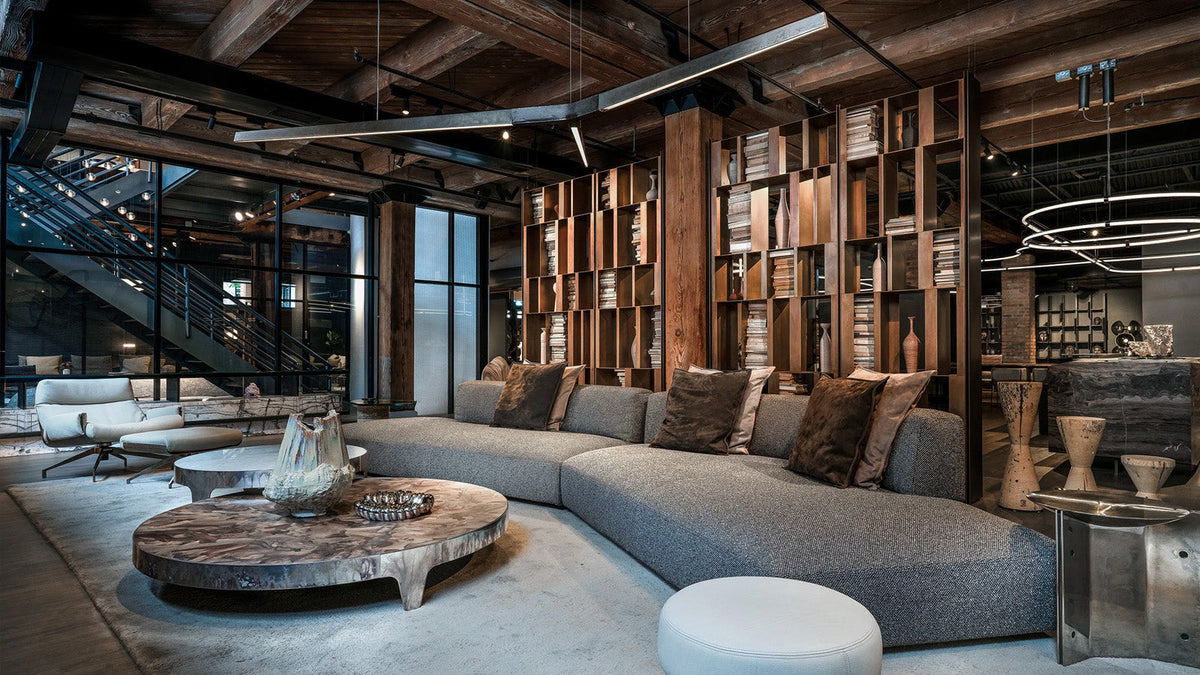
Inside Luminaire Chicago: Italian Design in River North Since 1989
Continua a leggeresu Inside Luminaire Chicago: Italian Design in River North Since 1989
Eileen Gray's E 1027 Table: A Design Conceived for Living
Continua a leggeresu Eileen Gray's E 1027 Table: A Design Conceived for Living
LC14 Tabouret Cabanon: Le Corbusier's Smallest Architecture
Continua a leggeresu LC14 Tabouret Cabanon: Le Corbusier's Smallest Architecture
Sacco Chair by Zanotta: The 1968 Object That Refused to Be Furniture
Continua a leggeresu Sacco Chair by Zanotta: The 1968 Object That Refused to Be Furniture
Inside Luminaire Coral Gables: The Showroom and Its Design Services
Continua a leggeresu Inside Luminaire Coral Gables: The Showroom and Its Design Services
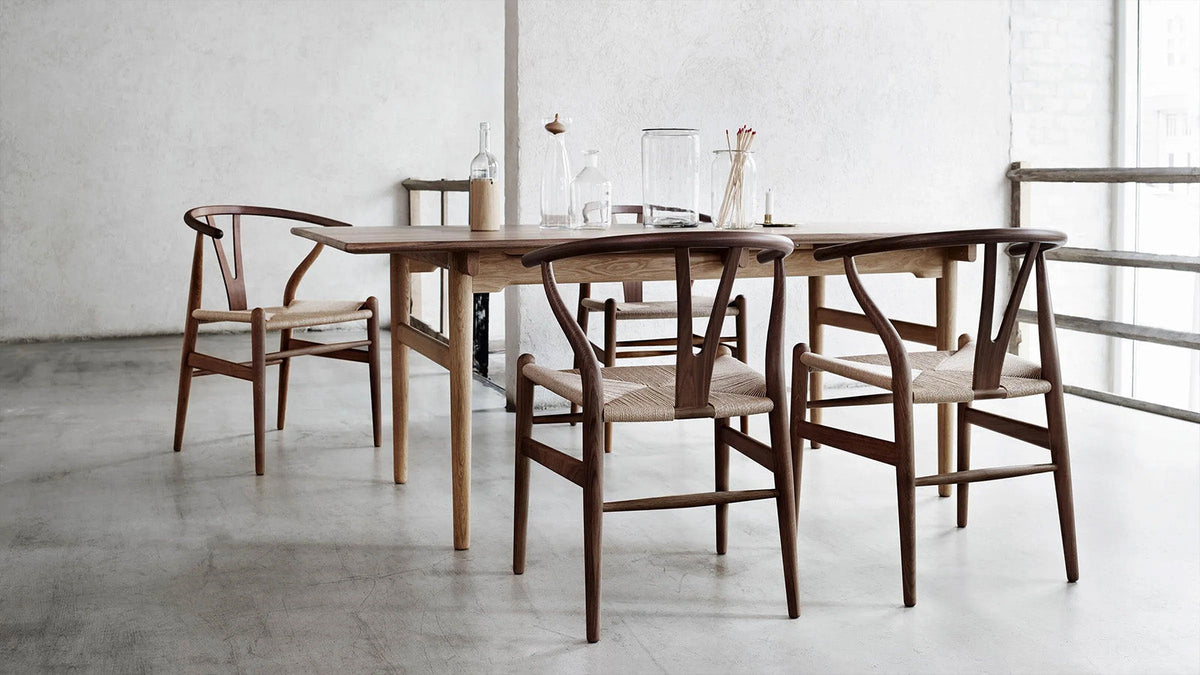
The Wishbone Chair: Hans Wegner's CH24 and the Art of Making
Continua a leggeresu The Wishbone Chair: Hans Wegner's CH24 and the Art of Making
Cassina Chairs - The Collectors' Guide
Few furniture makers have shaped the chair as a cultural object the way Cassina has. From their earliest collaborations with the European avant-garde to their ongoing stewardship of the twentieth century's most consequential seating designs, the Meda-based manufacturer remains the standard against which Italian furniture brands are measured. This guide surveys the Cassina chairs we carry and the ideas embedded in each one.
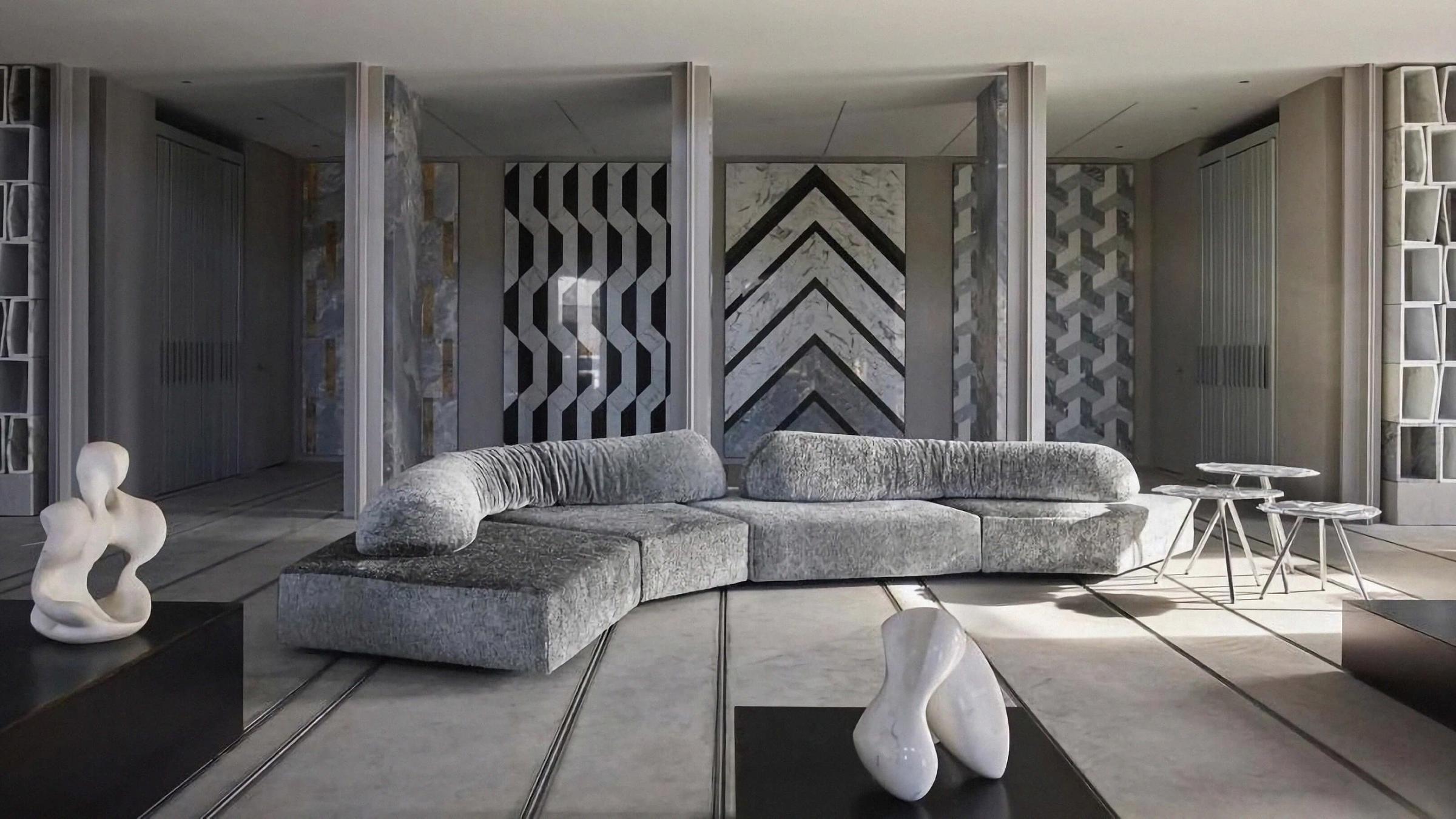
On the Rocks di Edra: la geologia del riposo di Francesco Binfaré
Continua a leggeresu On the Rocks di Edra: la geologia del riposo di Francesco Binfaré
The 14p Portable Lamp: Bocci's Cast-Glass Sphere, Untethered
Continua a leggeresu The 14p Portable Lamp: Bocci's Cast-Glass Sphere, Untethered
I nostri specialisti vi assisteranno con informazioni sui prodotti, selezione dei materiali, configurazioni personalizzate, prezzi e tempi di consegna.
Parla con un consulente di design
Assistenza in tempo reale durante l'orario d'ufficio. Chiama il numero 855-341-3620
Ricevi una risposta entro un giorno lavorativo.
We've received your inquiry!
We appreciate your interest. One of our staff members will be in touch with you soon.
In the meantime, feel free to explore more of what Luminaire has to offer.
If you require immediate assistance, please call (855) 341-3620
To ensure that you receive communications from us to your Inbox, please add Luminaire to your contacts.
Have a great day!
Iscriviti per accedere a privilegi esclusivi in termini di design iconico, nuove tendenze, eventi esclusivi e offerte accuratamente selezionate.



Condividi:
The Hiroshima Chair: Naoto Fukasawa's Continuous Gesture in Wood
Un Gesto di Gratitudine: Milano Design Week 2026