
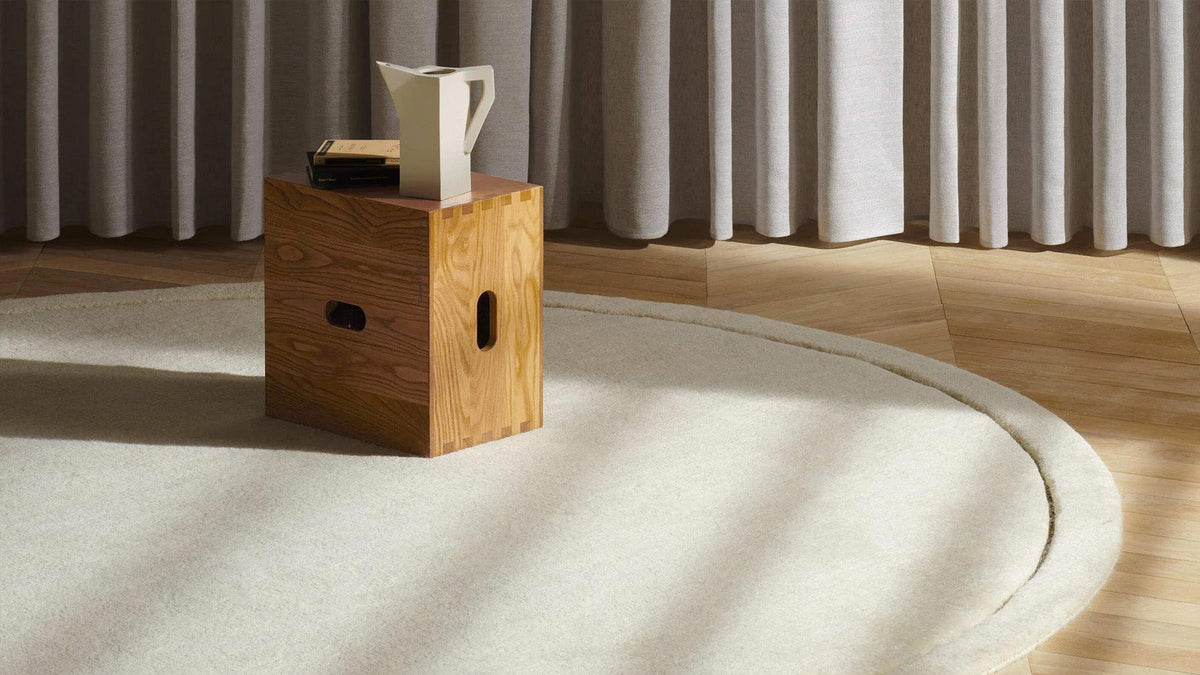
There is a particular discipline that emerges when space is absolute. Le Corbusier understood this not as a theoretical position but as a lived condition. In 1952, he designed and built the Cabanon: a timber cabin at Roquebrune-Cap-Martin on the French Riviera. It was his summer retreat, his hermitage, and his most concentrated act of architecture. Every object inside it was chosen and, in many cases, designed specifically for that geometry. The LC14 Tabouret Cabanon was one of those objects.
Reissued by Cassina as part of its I Maestri collection, a series dedicated to preserving the authenticated designs of modern architecture's central figures, the LC14 carries the full weight of its origin. This is not a stool that became important. It was important from the moment it was conceived, because the conditions that produced it demanded nothing less.
The Cabanon is often described as the smallest significant building of the modern movement. That description is accurate, and also slightly misleading, because it implies the cabin's importance comes from what it lacks. In fact, the Cabanon is a precision instrument. Its every dimension was derived from Le Corbusier's Modulor, his system of measurement based on the proportions of the human body, specifically a six-foot man with his arm raised. The cabin does not feel small inside. It feels calibrated.
The story of the cabin's inspiration varies in its telling, but one version holds that Le Corbusier took his measurements from a whisky crate, drawing the interior layout on a paper bag. Whether apocryphal or not, the anecdote captures something true about how the Cabanon was made: from first principles, from immediate necessity, with an almost aggressive simplicity. Nothing was included that had not been reasoned.

The LC14 sits within this logic. Its box form was not a stylistic choice. It was the form most efficient for a room in which every cubic centimeter had been accounted for. Seat height, surface area, the weight a human body exerts when seated: all of it folded into a single closed volume. Le Corbusier designed a stool that could serve as a seat, a surface for objects, or a step. In a cabin where a dedicated step stool, side table, and chair would have been three pieces too many, the LC14 is one answer to three questions at once.
The LC14's construction centers on exposed dovetail joinery. In most furniture, dovetail joints are either hidden inside an upholstered form or treated as decorative flourishes on drawer fronts. Here, they are neither hidden nor decorative. They are structural and visible simultaneously, each interlocking wedge of wood a record of both the hand that shaped it and the logic that required it. The joint is the form. There is no casing over it, no surface treatment to smooth it into something else.

Cassina offers the piece in three finishes. Chestnut stained natural brings the warmest, darkest reading to the grain, suited to rooms where wood already anchors the palette. Natural oak is the lightest option, closer to the raw material, with a clean and almost architectural blondness. The third finish, oak lacquered brown and light blue, is the most unexpected: a two-tone treatment that references the original cabin's painted interior surfaces and gives the LC14 a sculptural, almost graphic presence distinct from its all-wood siblings.
All three versions carry the same proportions derived from the Modulor. The dimensions are not arbitrary or approximated. They are the specific measurements Le Corbusier calculated for the human body occupying a 3.66 by 3.66 meter room. That fidelity is part of what the I Maestri designation means in practice: not nostalgia for a historical object, but ongoing commitment to the reasoning behind it.
Cassina's I Maestri collection began with the idea that certain twentieth-century designs are not vintage objects to be approximated but architectural documents to be maintained. The collection holds authenticated licenses from the estates and foundations of the designers it represents. For Le Corbusier, that means Cassina works from the original drawings and specifications, not from surviving examples that may have drifted from the source over decades of production.
Within the Le Corbusier line, the LC14 occupies a different register than the upholstered pieces. The Grand Confort sofas and lounge chairs, the LC3 among them, are collaborative works with Pierre Jeanneret and Charlotte Perriand, conceived for salons and pavilions, scaled for reception. The LC14 was designed alone, for a space Le Corbusier used himself, at a scale of almost radical intimacy. It is closer to a tool than to furniture in the conventional sense, and that distinction gives it a particular kind of authority.
The LC14's geometry does not commit to a single reading. Place it beside a deep sofa and it becomes a side table with the structural presence that a glass-topped tray stand cannot match. Position it at the edge of a freestanding bath and it holds a book, a candle, a glass, without apology for the weight of what surrounds it. At a bedside, especially in a room where the rest of the furniture sits low, the LC14's cube form reads as an intentional counterpoint, solid where other surfaces are thin.

The two-tone lacquered version earns particular consideration in contemporary interiors where the all-wood options might read as too referential, too museum-adjacent. The light blue plane introduces color without pattern, which keeps the piece integrated rather than isolated as a curiosity. Used alongside other Cassina pieces from the Le Corbusier line, it creates an internal dialogue between objects that share a system of measurement but occupy very different formal registers.
For design professionals building interiors where provenance is part of the brief, the LC14 functions as an anchor of intellectual credibility. Its origin story is specific and verifiable, its proportions documentable, its material logic visible in the joints at every corner. Clients who understand design history read it immediately. Those who do not will still sense the difference between a stool arrived at by convention and one arrived at by argument. The Trade Program is worth consulting for access to the full range of Cassina finishes and any customization questions that arise at the project level.
Le Corbusier spent time in the Cabanon every summer until 1965, the year he died swimming in the sea at Roquebrune-Cap-Martin. The cabin still stands. The LC14 that sat inside it has been in continuous Cassina production since the I Maestri collection established its authenticated status, and the object carries that continuity without ceremony.
There is a tendency to speak of such pieces as distillations, as though great design works by subtraction until only the essential remains. The LC14 is more specific than that. It is not a reduced stool. It is a precise answer to a precise set of conditions, and those conditions were as demanding as any Le Corbusier ever set for himself. The Modulor measurements, the visible joinery, the box form that refuses ornament: none of it is the result of editing. It is the result of a discipline that began with the question of what a human body needs, and refused to answer it loosely.
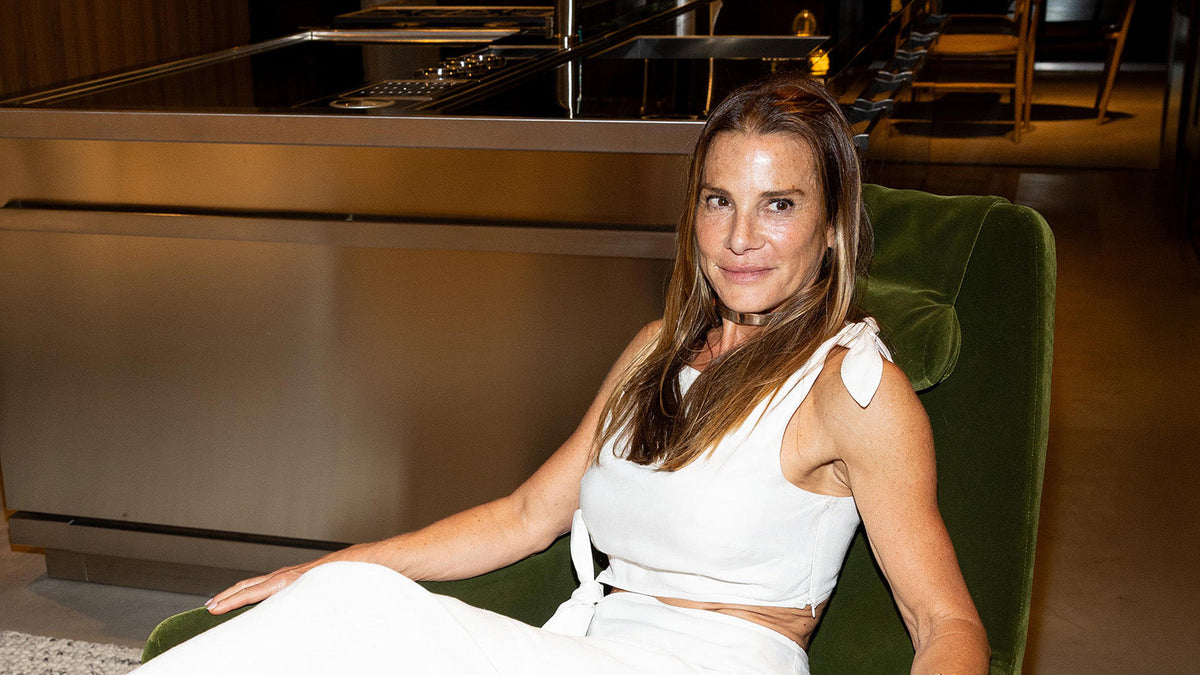
In Conversation with Sophie Goineau
Interior architect Sophie Goineau designs across scales, from a single object to the architecture around it and the land beyond. She discusses composing interiors as one continuous experience, letting each place and its people shape a project's language, and her work on Selby Lane with the San Francisco team.
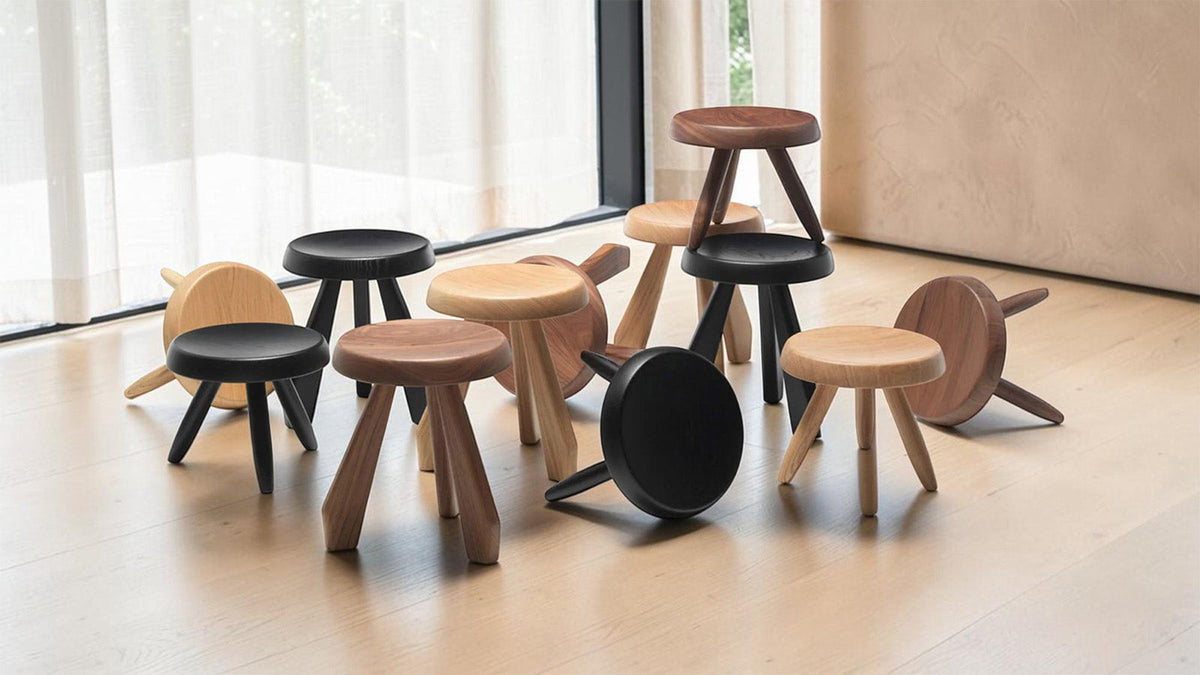
Charlotte Perriand's Tabouret Stools: Alpine Form, Modern Use
Continua a leggeresu Charlotte Perriand's Tabouret Stools: Alpine Form, Modern Use
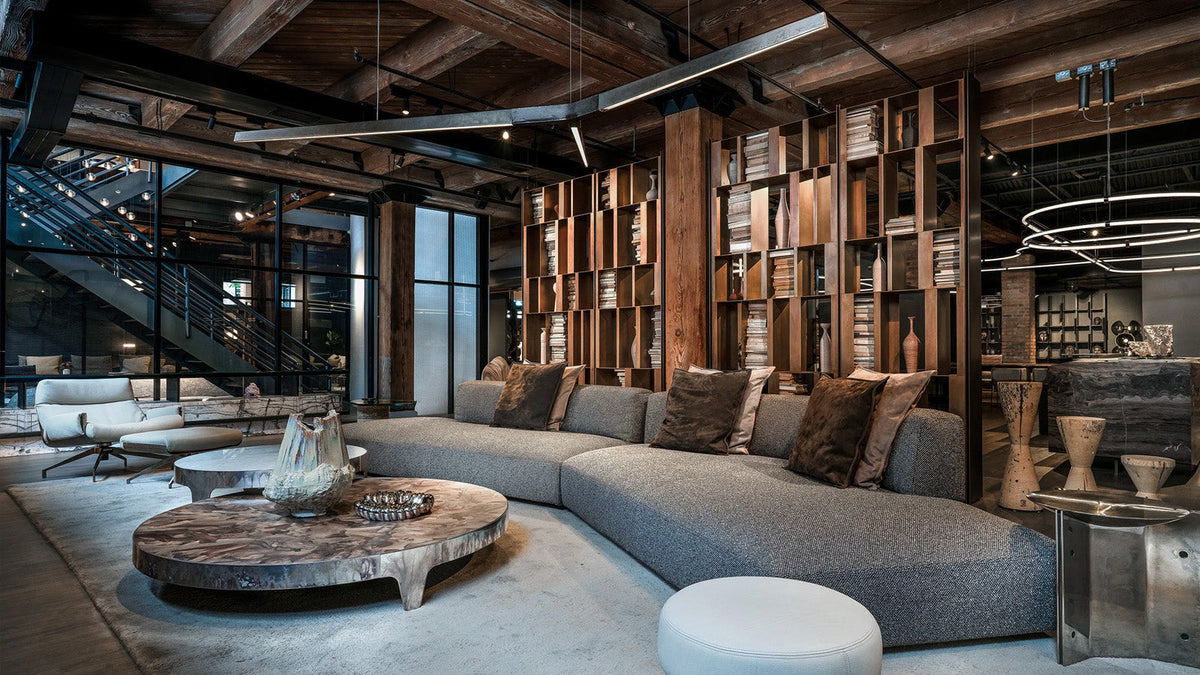
Inside Luminaire Chicago: Italian Design in River North Since 1989
Continua a leggeresu Inside Luminaire Chicago: Italian Design in River North Since 1989
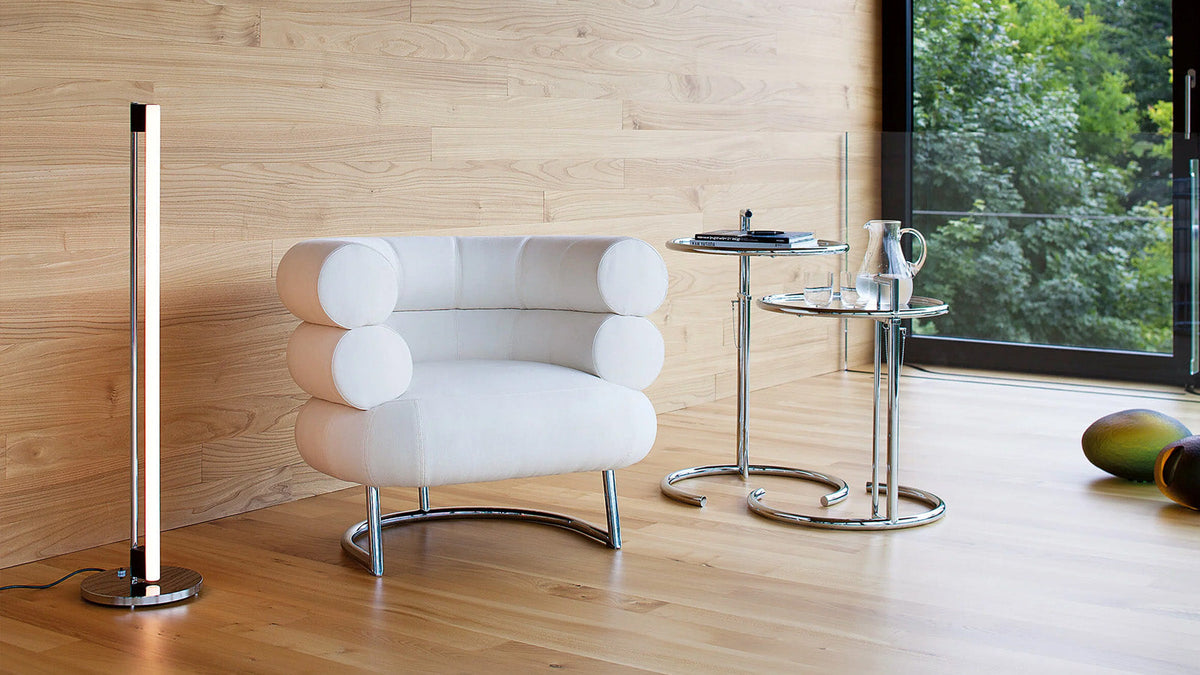
Eileen Gray's E 1027 Table: A Design Conceived for Living
Continua a leggeresu Eileen Gray's E 1027 Table: A Design Conceived for Living
LC14 Tabouret Cabanon: Le Corbusier's Smallest Architecture
Continua a leggeresu LC14 Tabouret Cabanon: Le Corbusier's Smallest Architecture
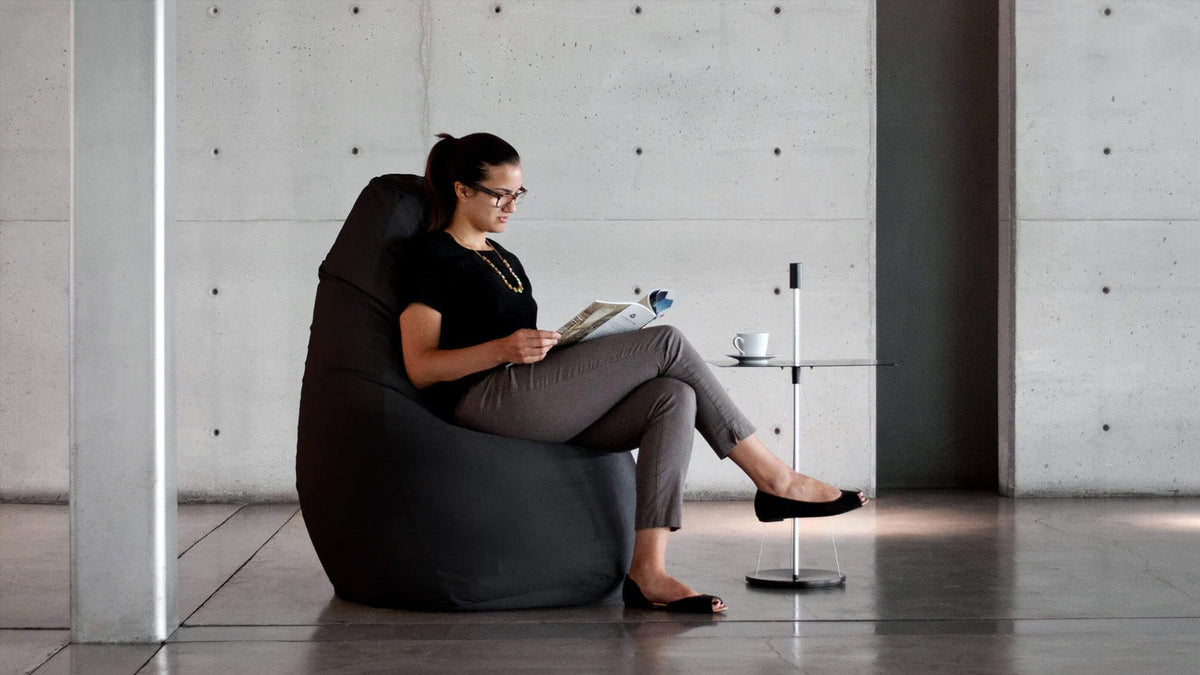
Sacco Chair by Zanotta: The 1968 Object That Refused to Be Furniture
Continua a leggeresu Sacco Chair by Zanotta: The 1968 Object That Refused to Be Furniture
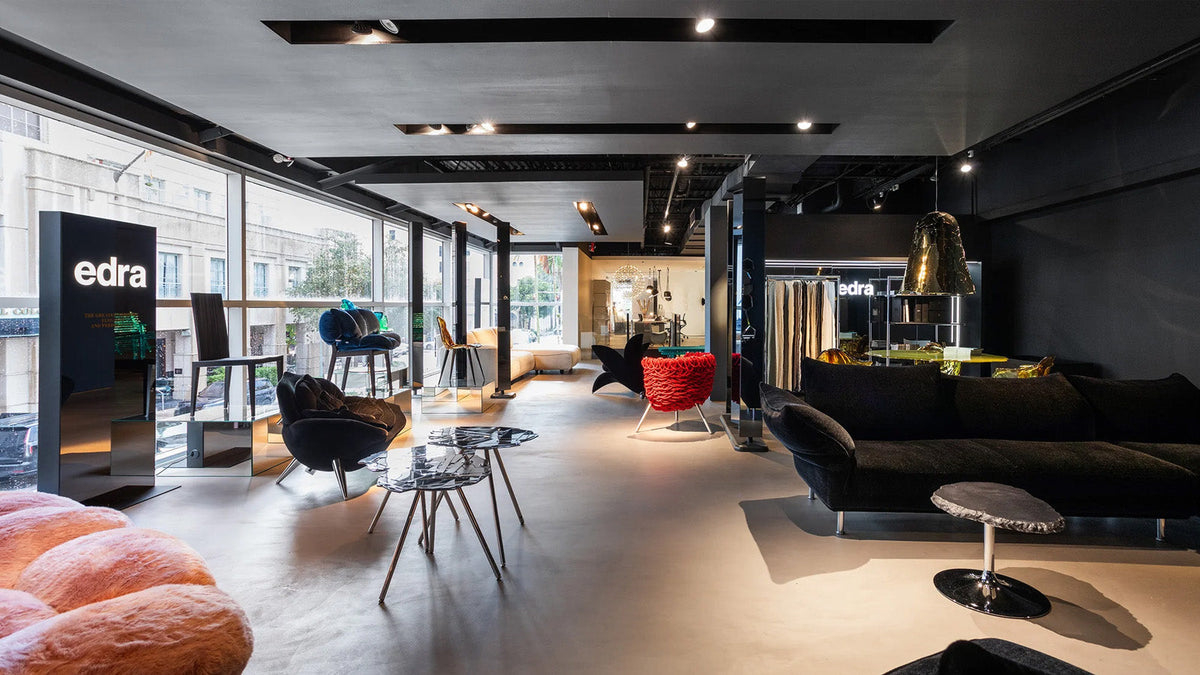
Inside Luminaire Coral Gables: The Showroom and Its Design Services
Continua a leggeresu Inside Luminaire Coral Gables: The Showroom and Its Design Services
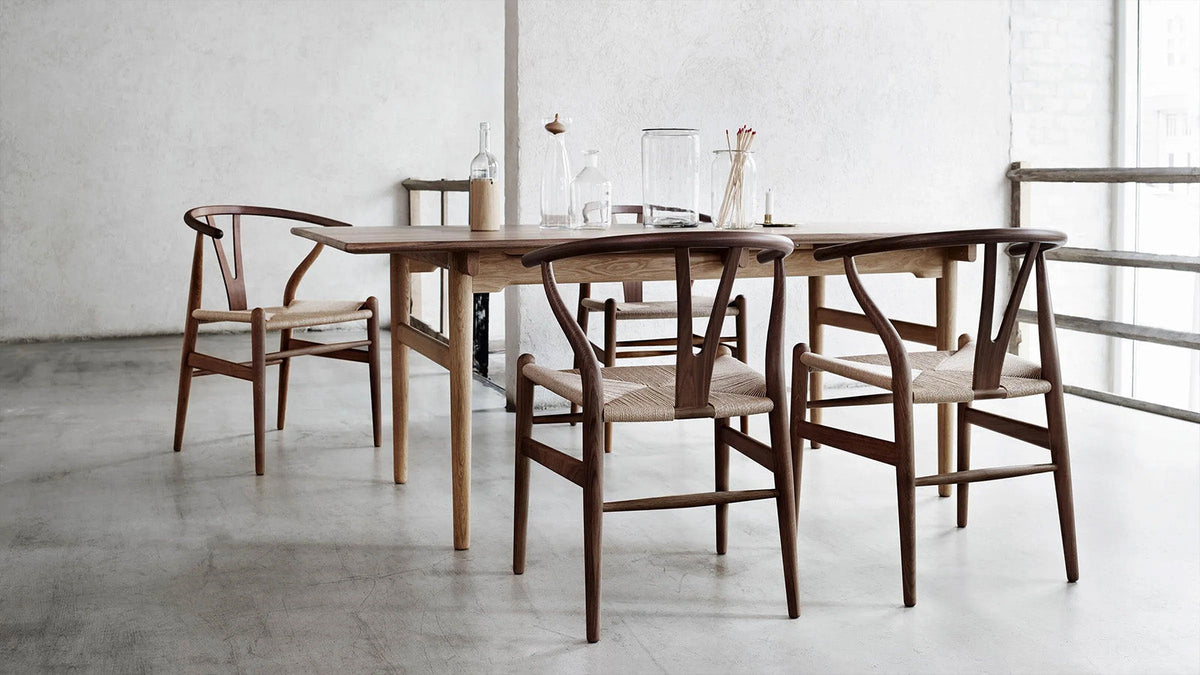
The Wishbone Chair: Hans Wegner's CH24 and the Art of Making
Continua a leggeresu The Wishbone Chair: Hans Wegner's CH24 and the Art of Making
Cassina Chairs - The Collectors' Guide
Few furniture makers have shaped the chair as a cultural object the way Cassina has. From their earliest collaborations with the European avant-garde to their ongoing stewardship of the twentieth century's most consequential seating designs, the Meda-based manufacturer remains the standard against which Italian furniture brands are measured. This guide surveys the Cassina chairs we carry and the ideas embedded in each one.
On the Rocks di Edra: la geologia del riposo di Francesco Binfaré
Continua a leggeresu On the Rocks di Edra: la geologia del riposo di Francesco Binfaré
The 14p Portable Lamp: Bocci's Cast-Glass Sphere, Untethered
Continua a leggeresu The 14p Portable Lamp: Bocci's Cast-Glass Sphere, Untethered
The Arco Lamp: Achille Castiglioni's Arc Over Sixty Years
Continua a leggeresu The Arco Lamp: Achille Castiglioni's Arc Over Sixty Years
I nostri specialisti vi assisteranno con informazioni sui prodotti, selezione dei materiali, configurazioni personalizzate, prezzi e tempi di consegna.
Parla con un consulente di design
Assistenza in tempo reale durante l'orario d'ufficio. Chiama il numero 855-341-3620
Ricevi una risposta entro un giorno lavorativo.
We've received your inquiry!
We appreciate your interest. One of our staff members will be in touch with you soon.
In the meantime, feel free to explore more of what Luminaire has to offer.
If you require immediate assistance, please call (855) 341-3620
To ensure that you receive communications from us to your Inbox, please add Luminaire to your contacts.
Have a great day!
Iscriviti per accedere a privilegi esclusivi in termini di design iconico, nuove tendenze, eventi esclusivi e offerte accuratamente selezionate.




Condividi:
Sacco Chair by Zanotta: The 1968 Object That Refused to Be Furniture
Eileen Gray's E 1027 Table: A Design Conceived for Living