


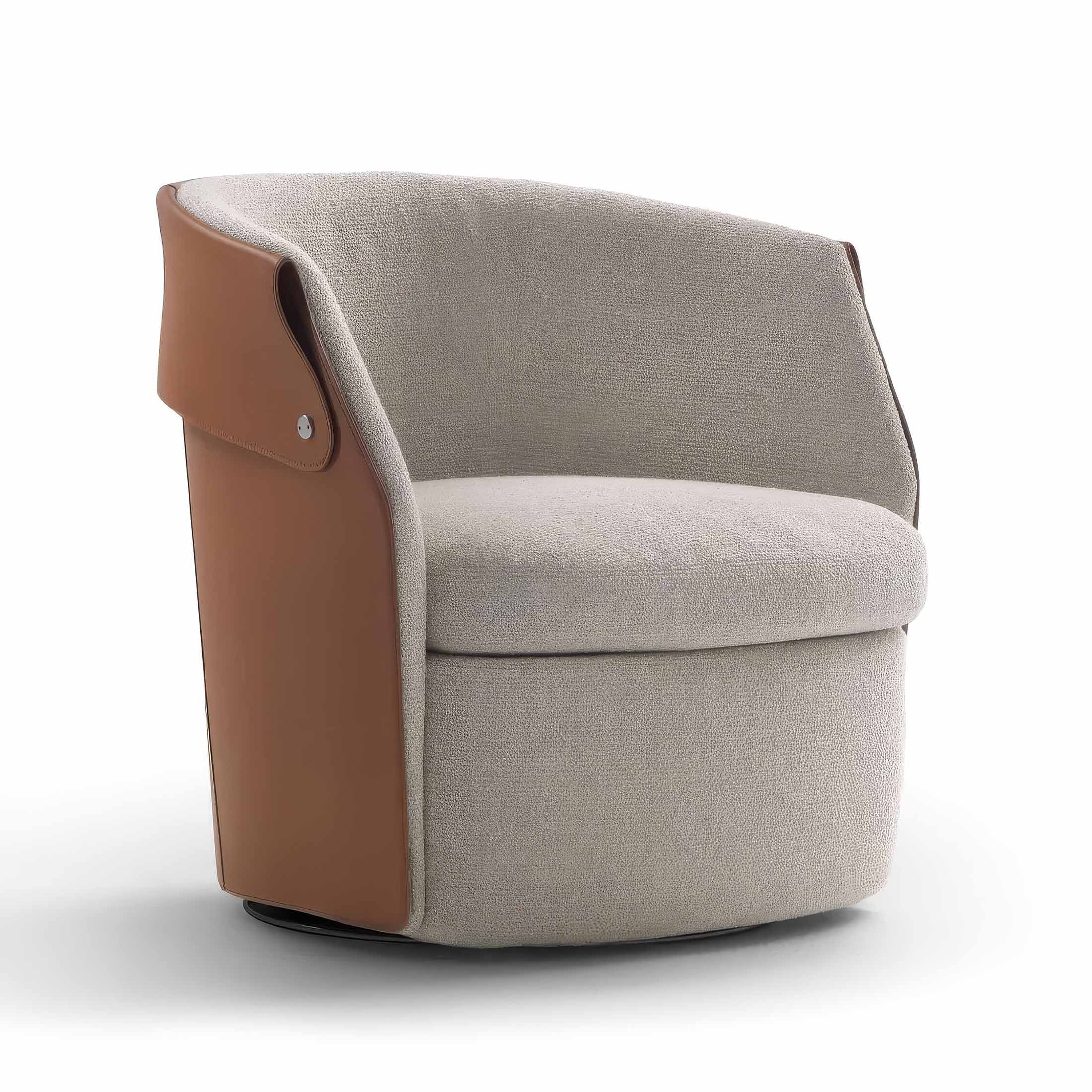
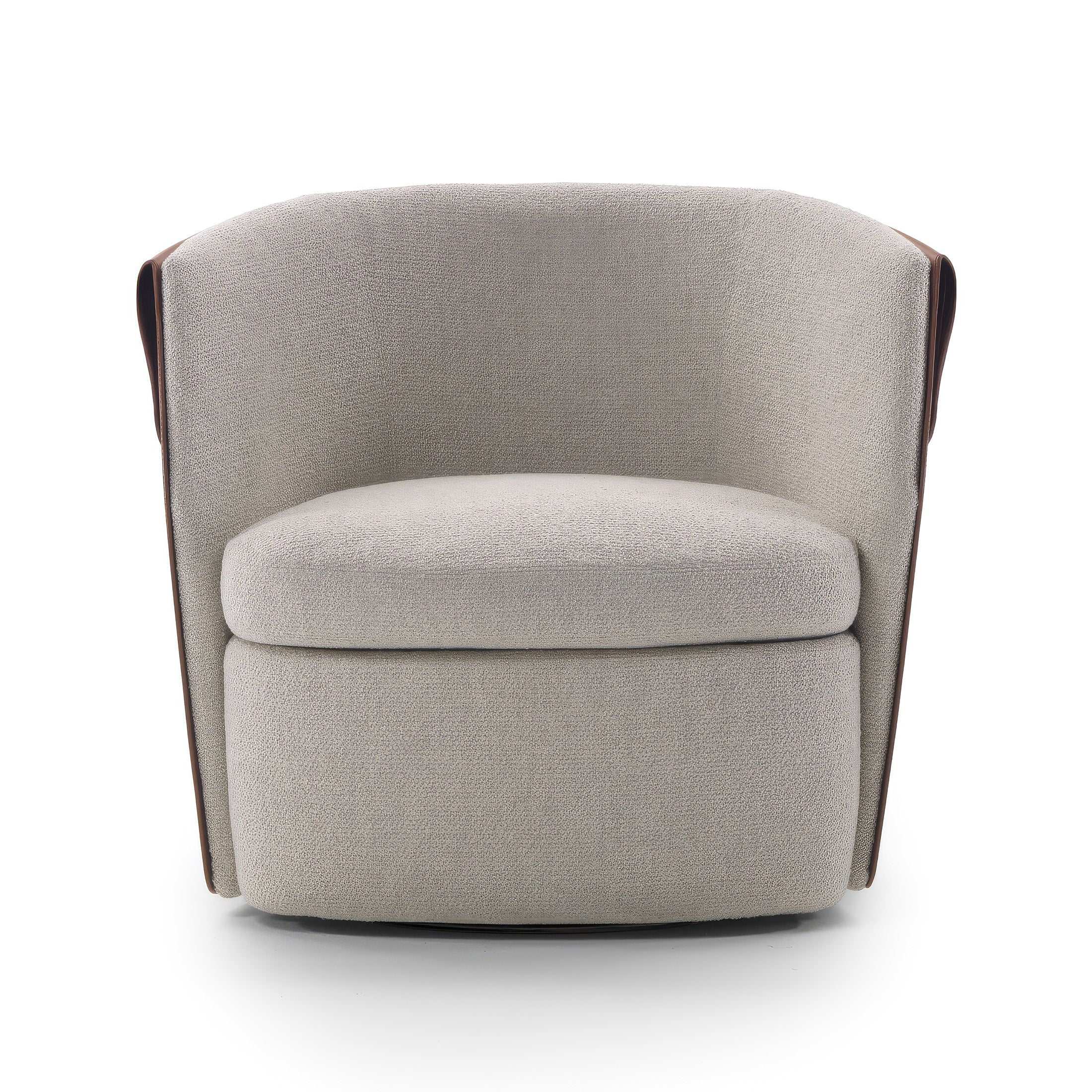
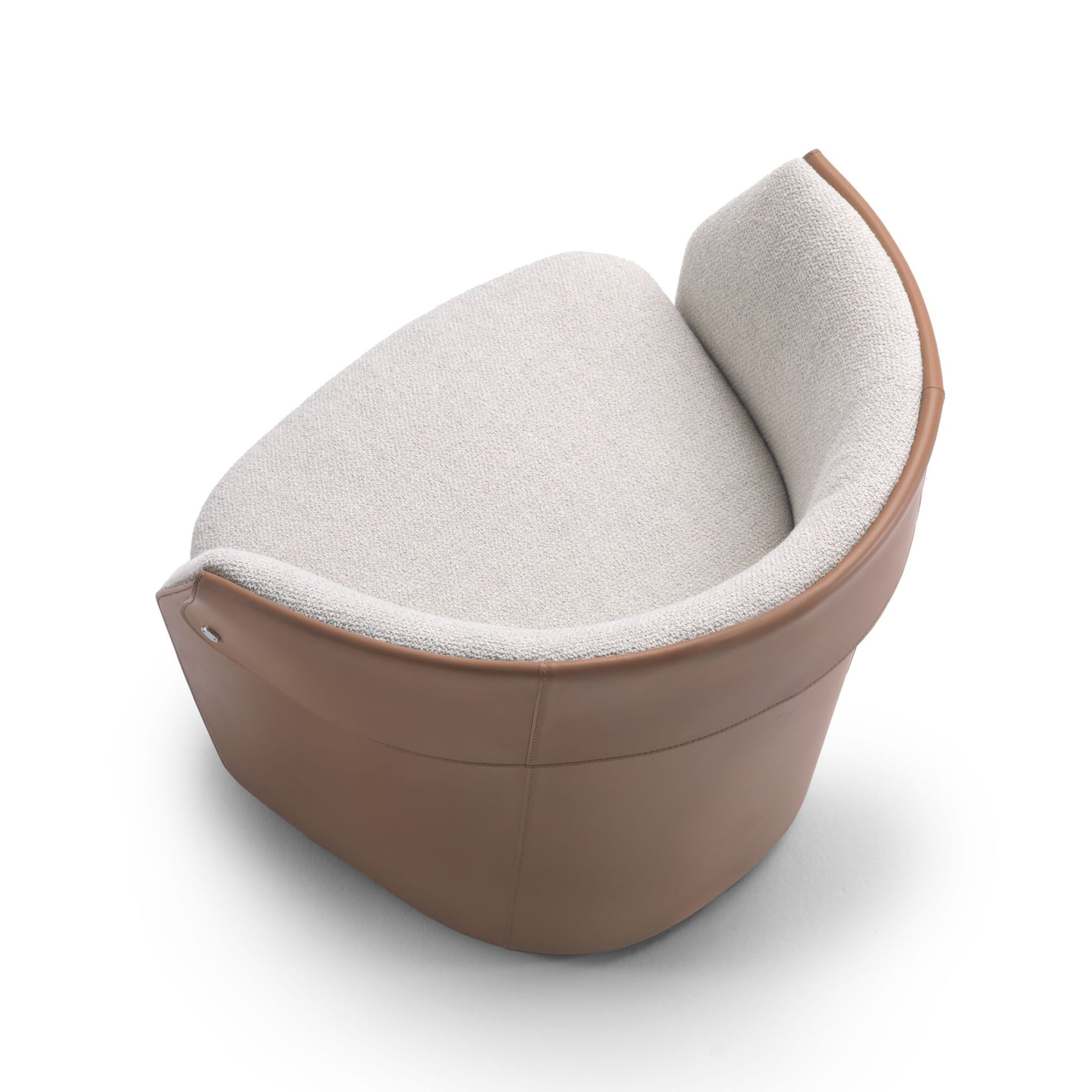
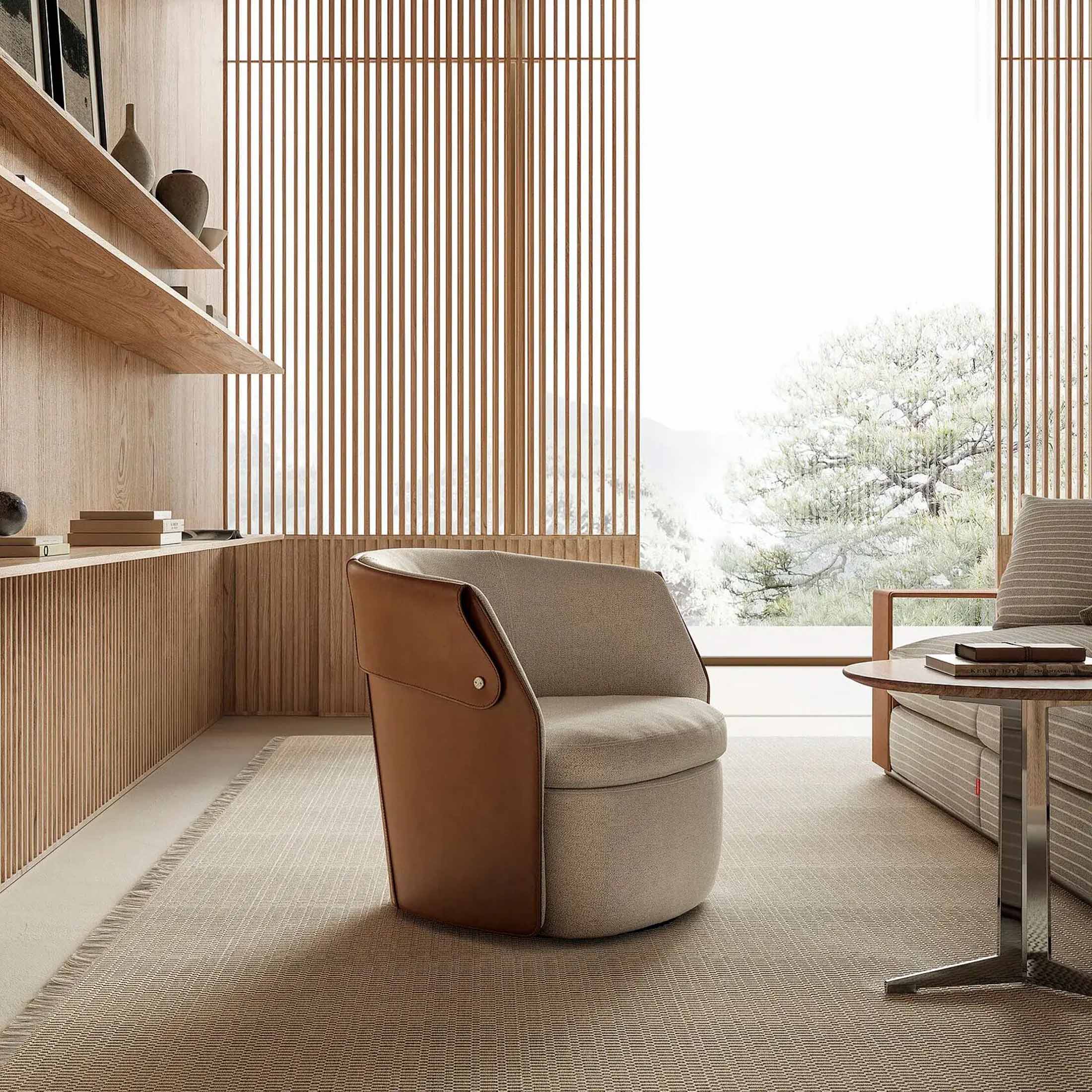
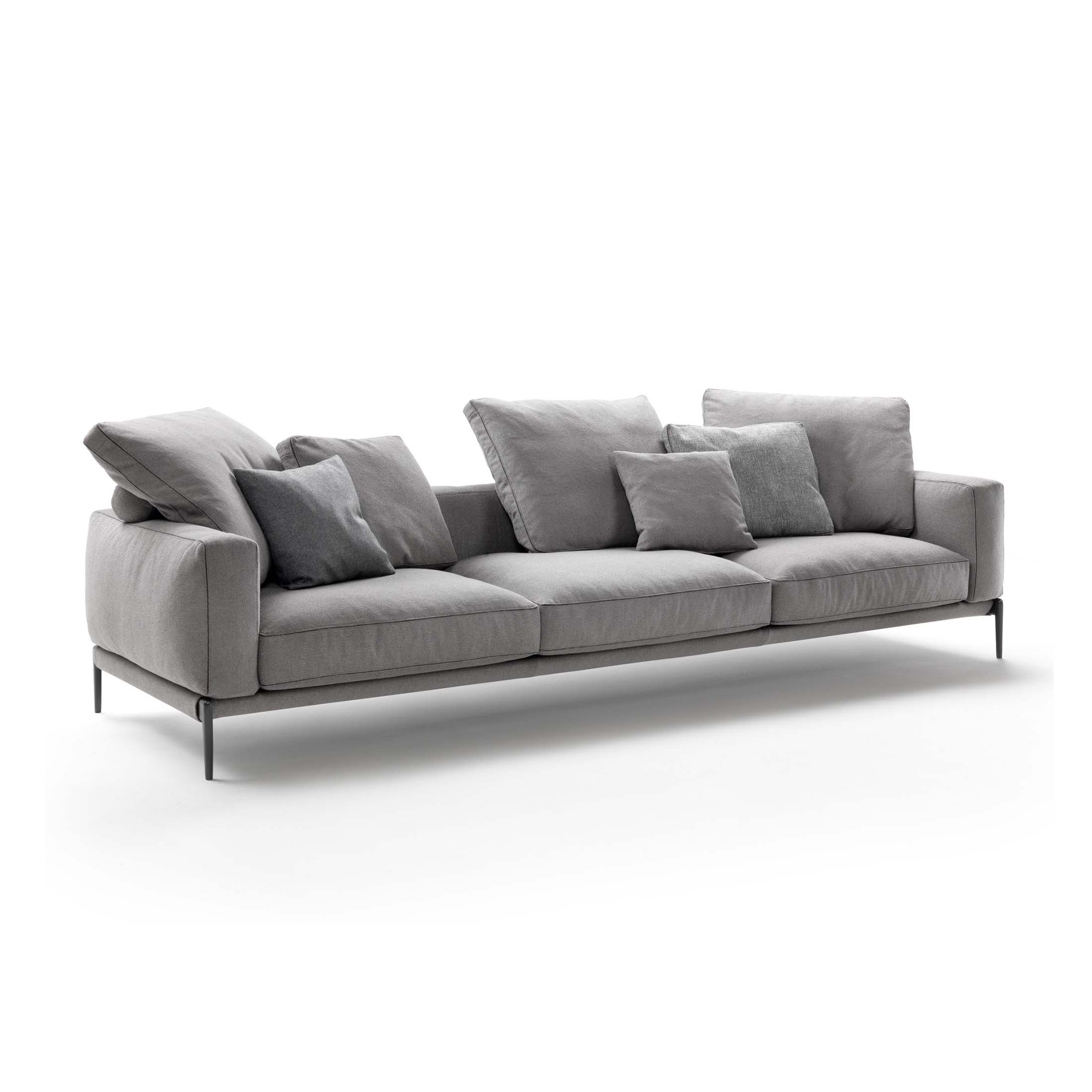
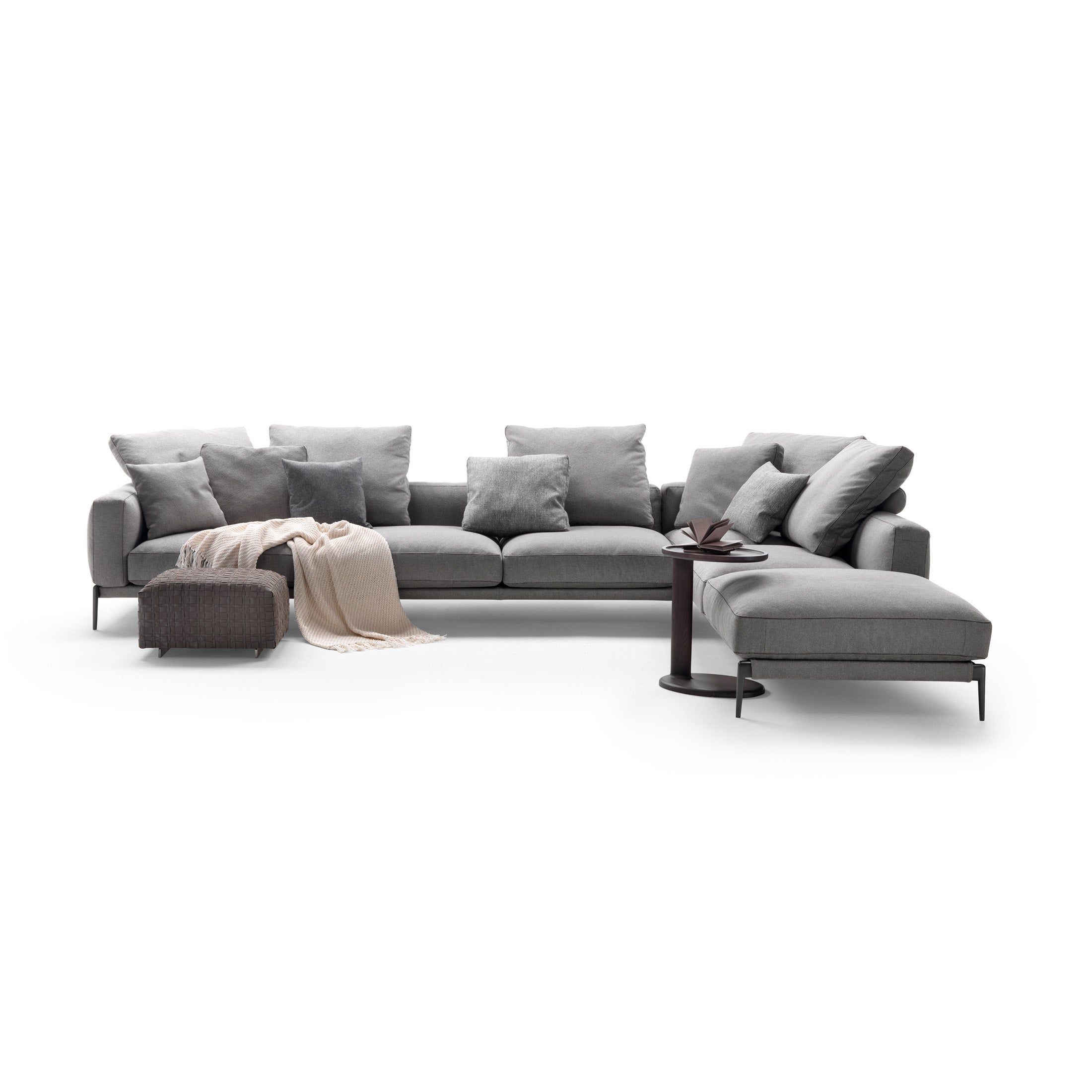
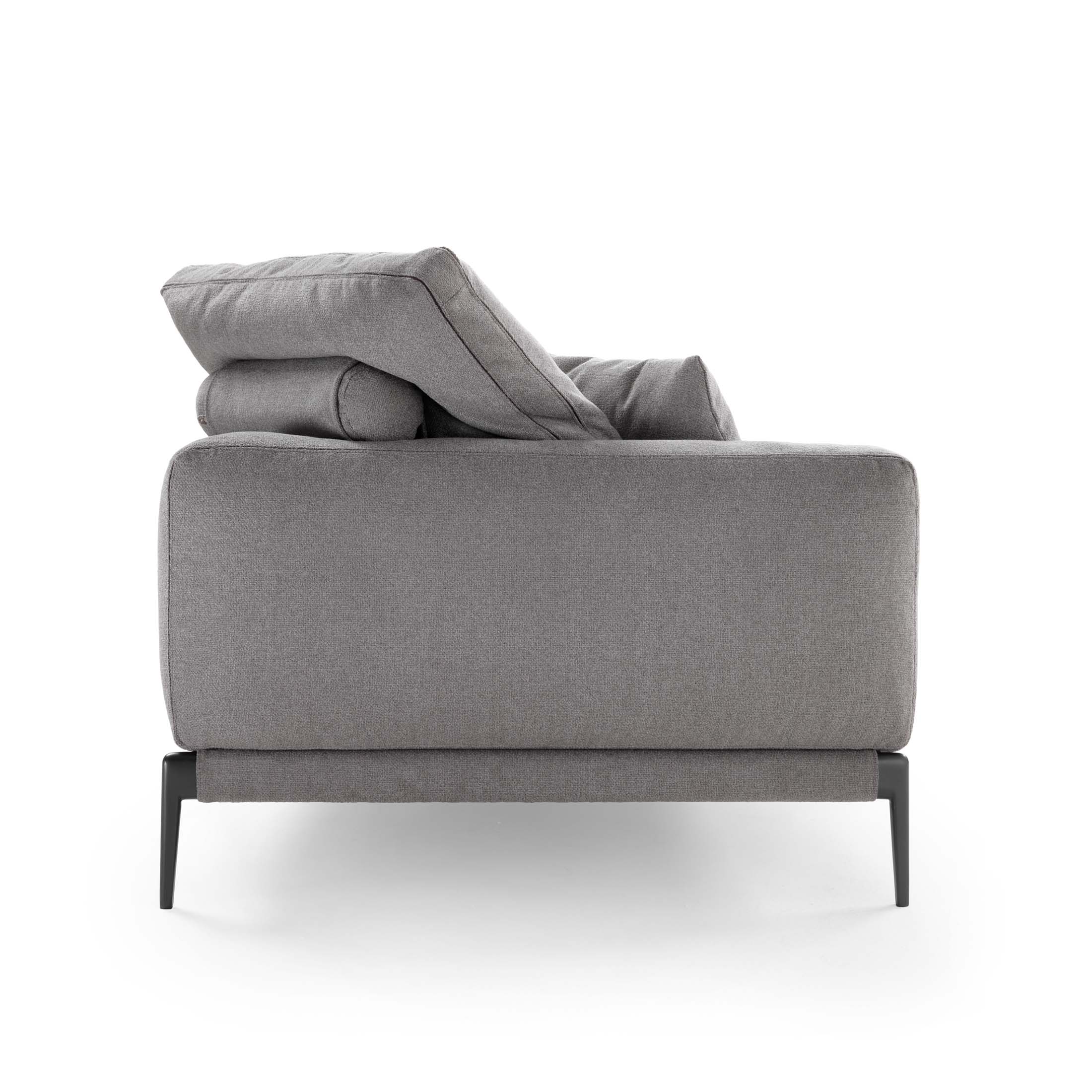
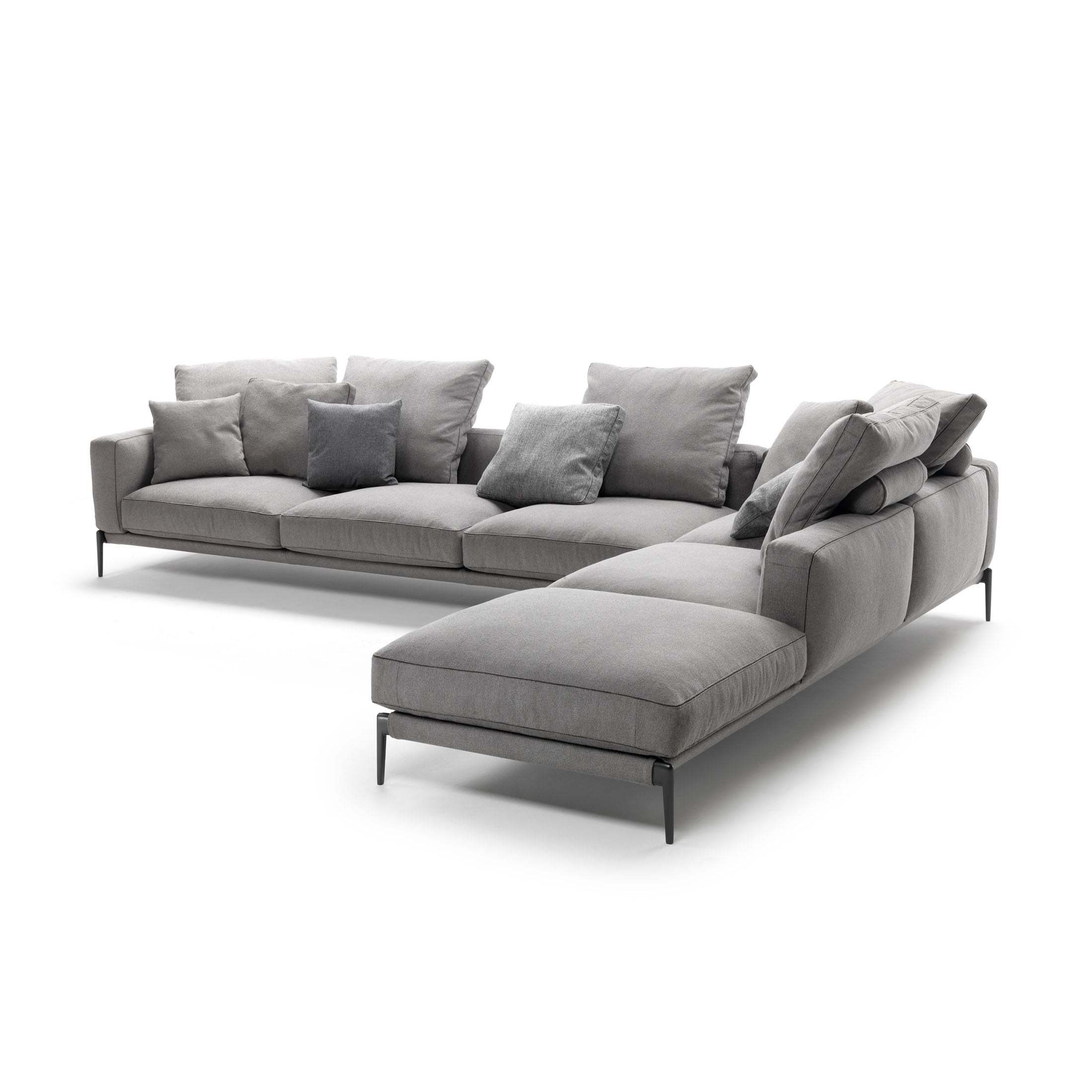
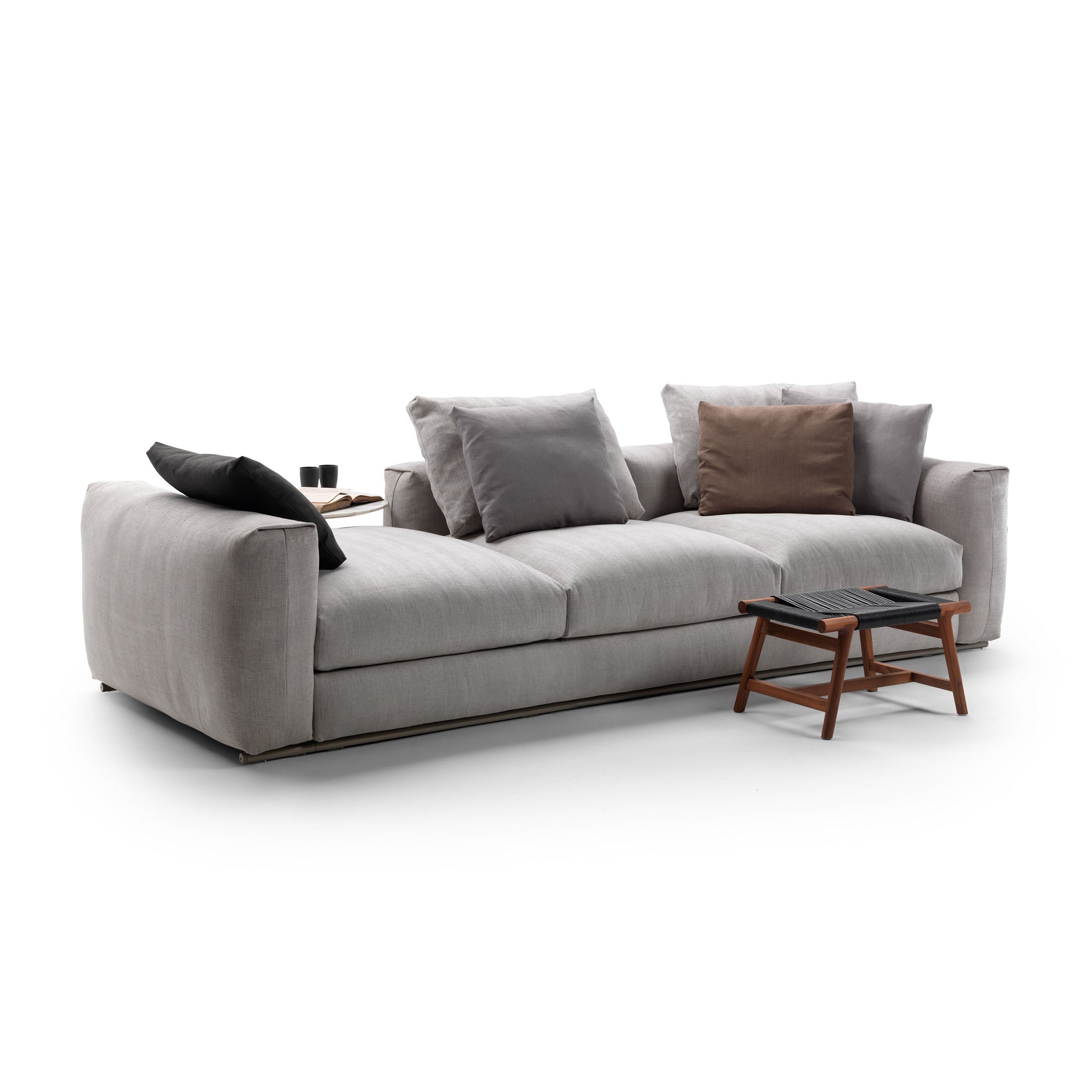
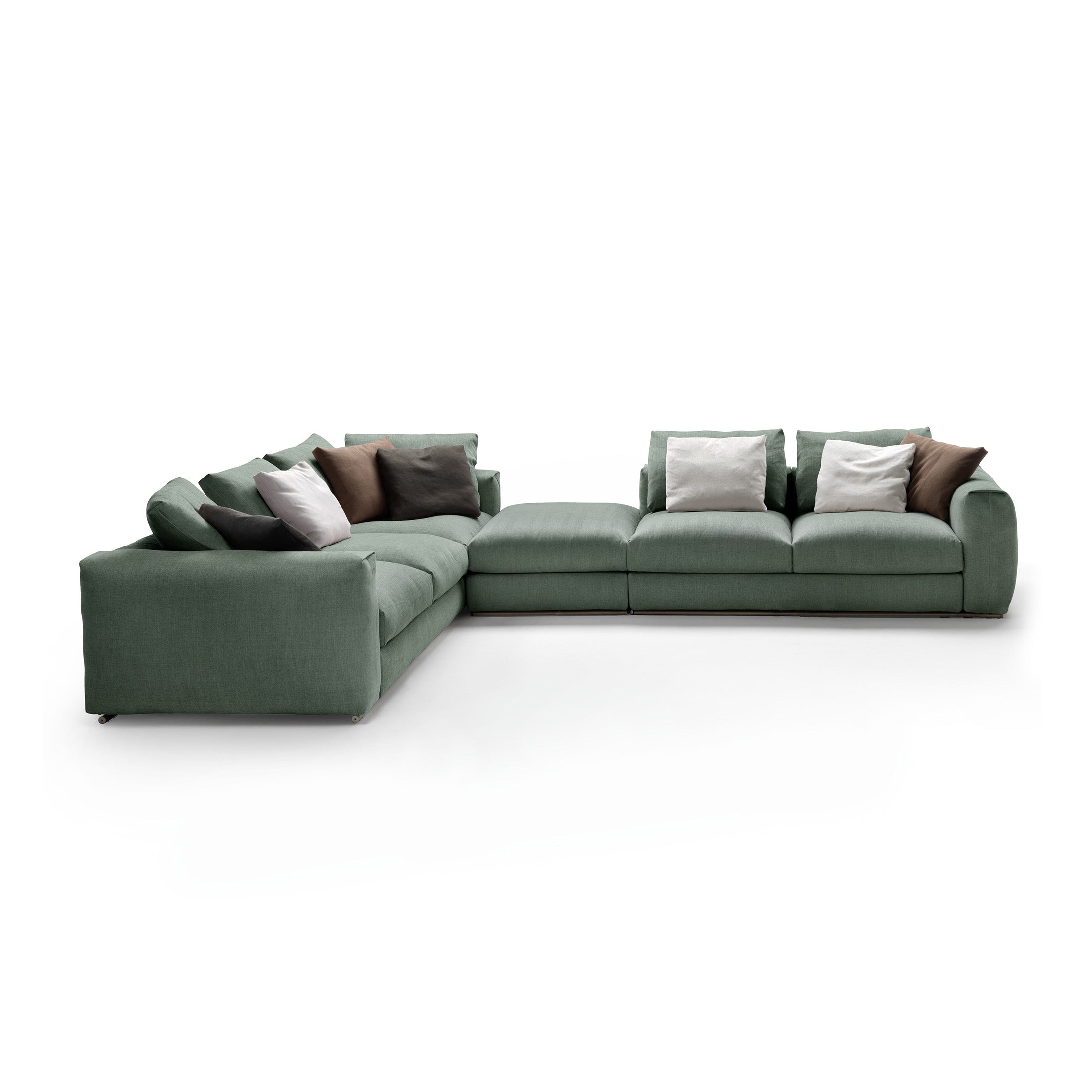
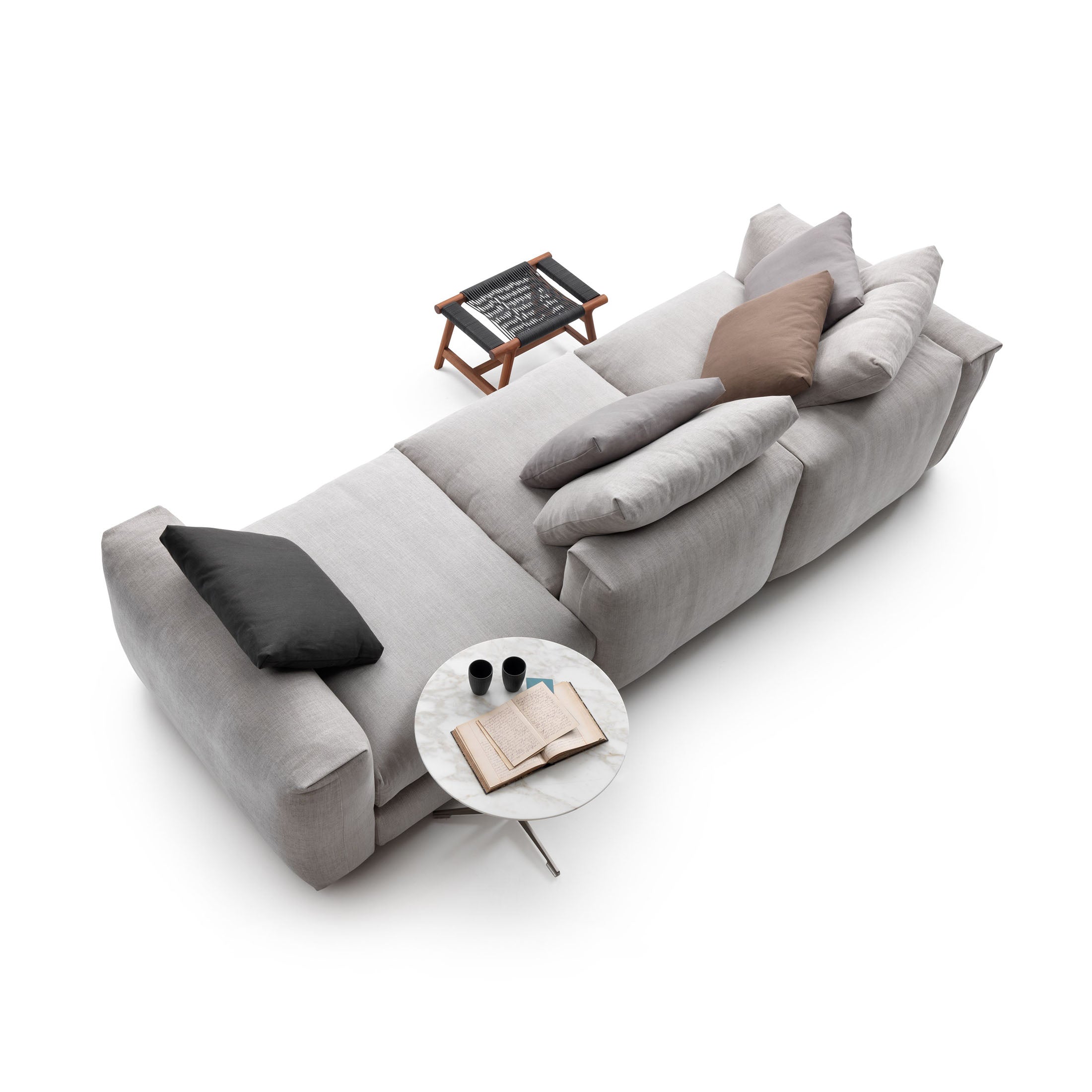
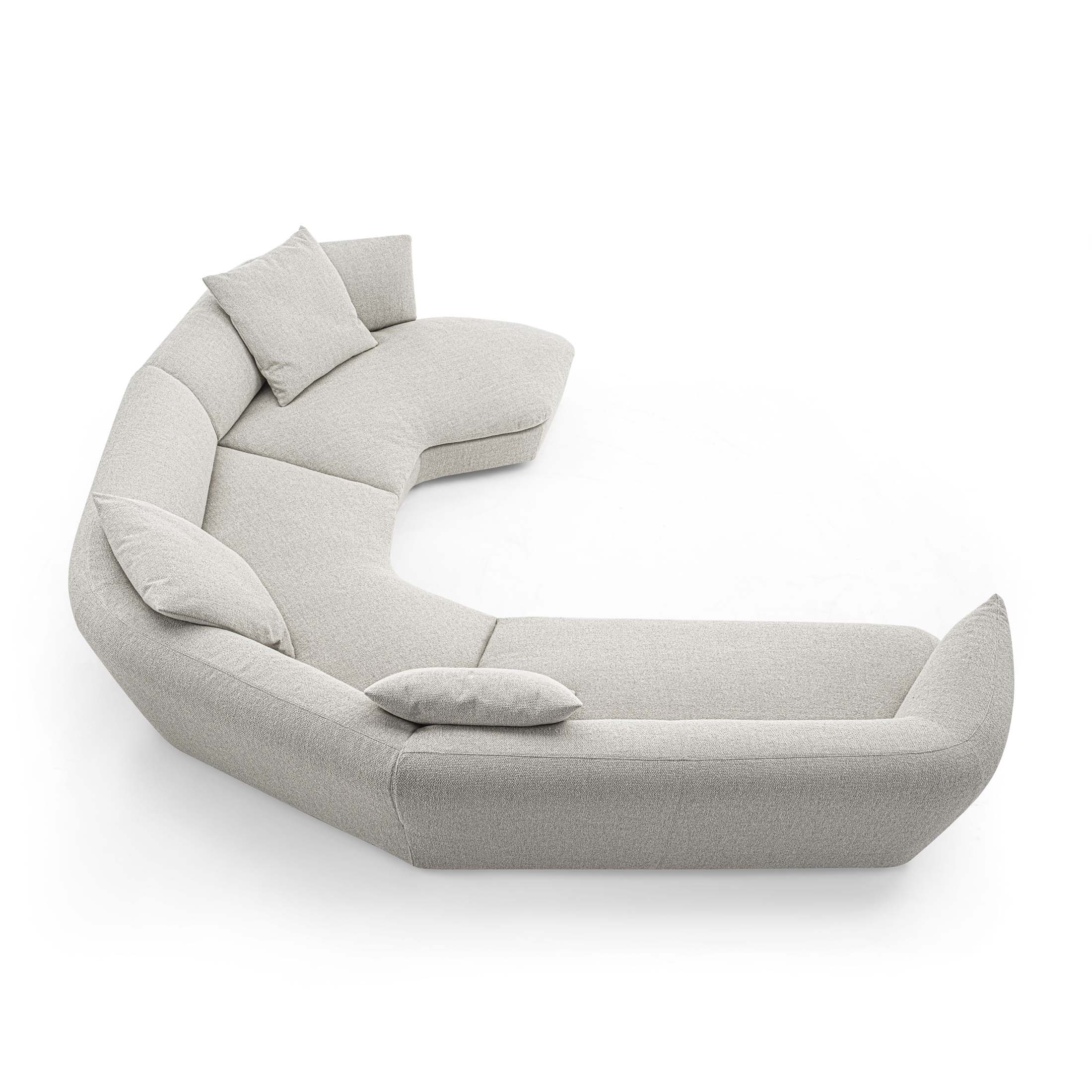
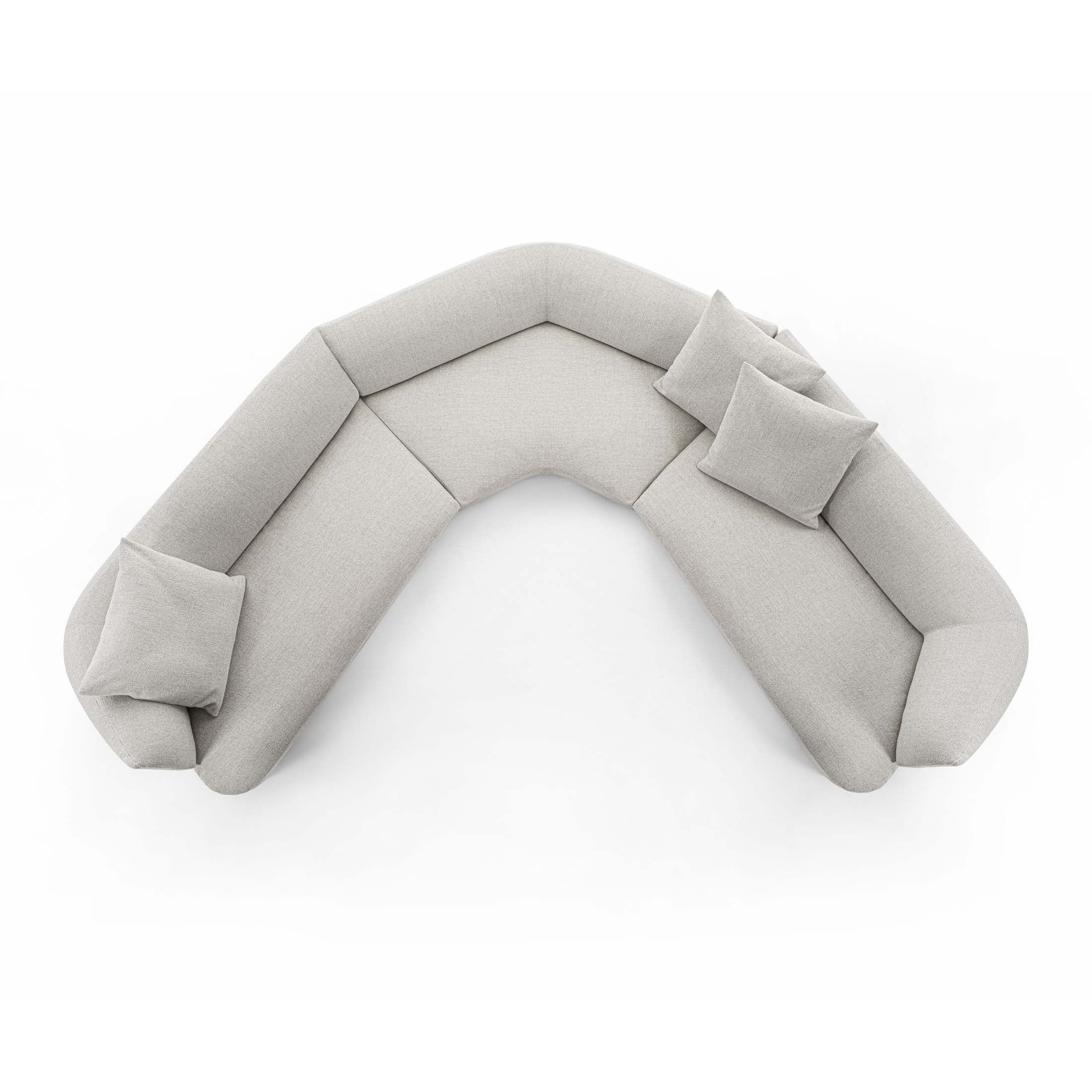
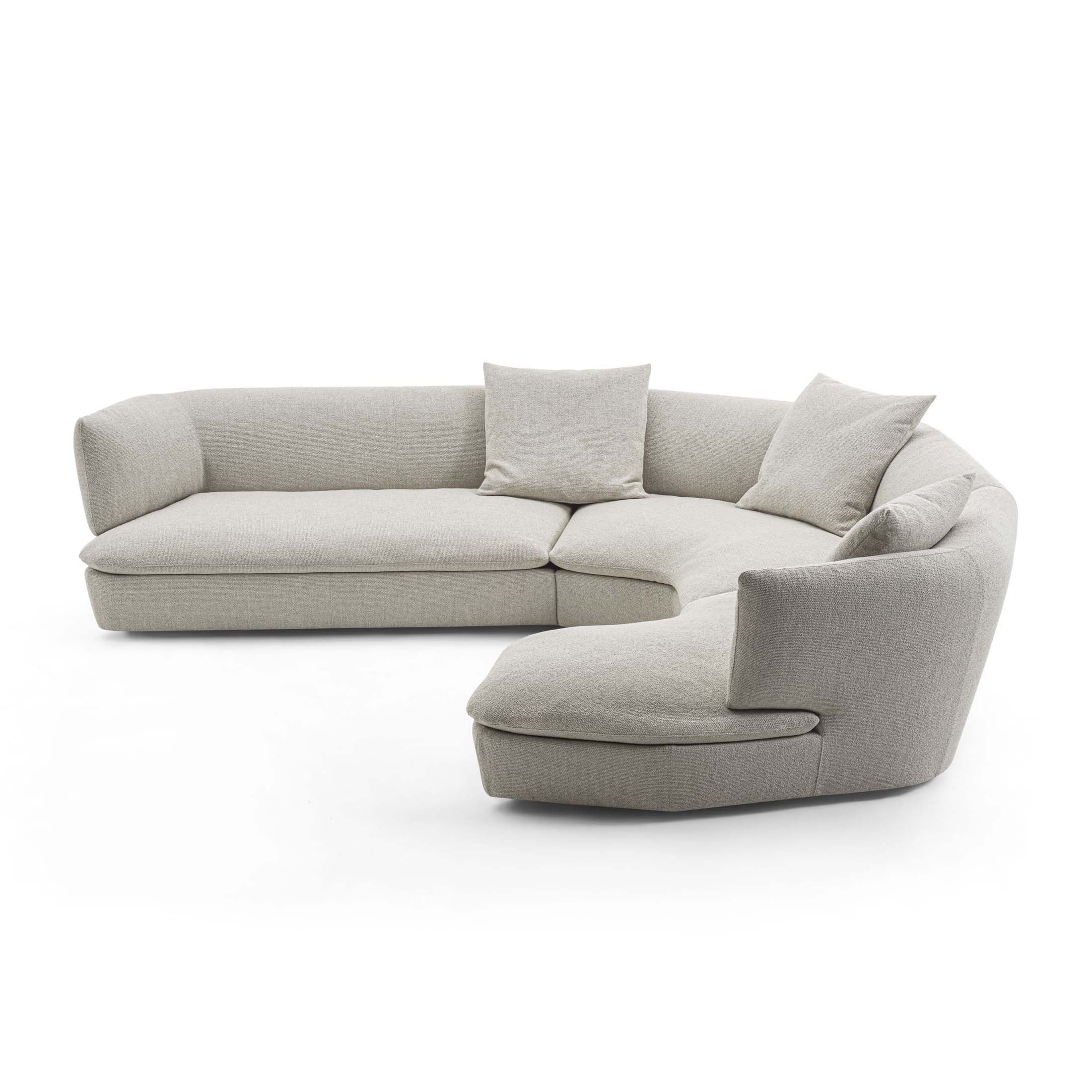
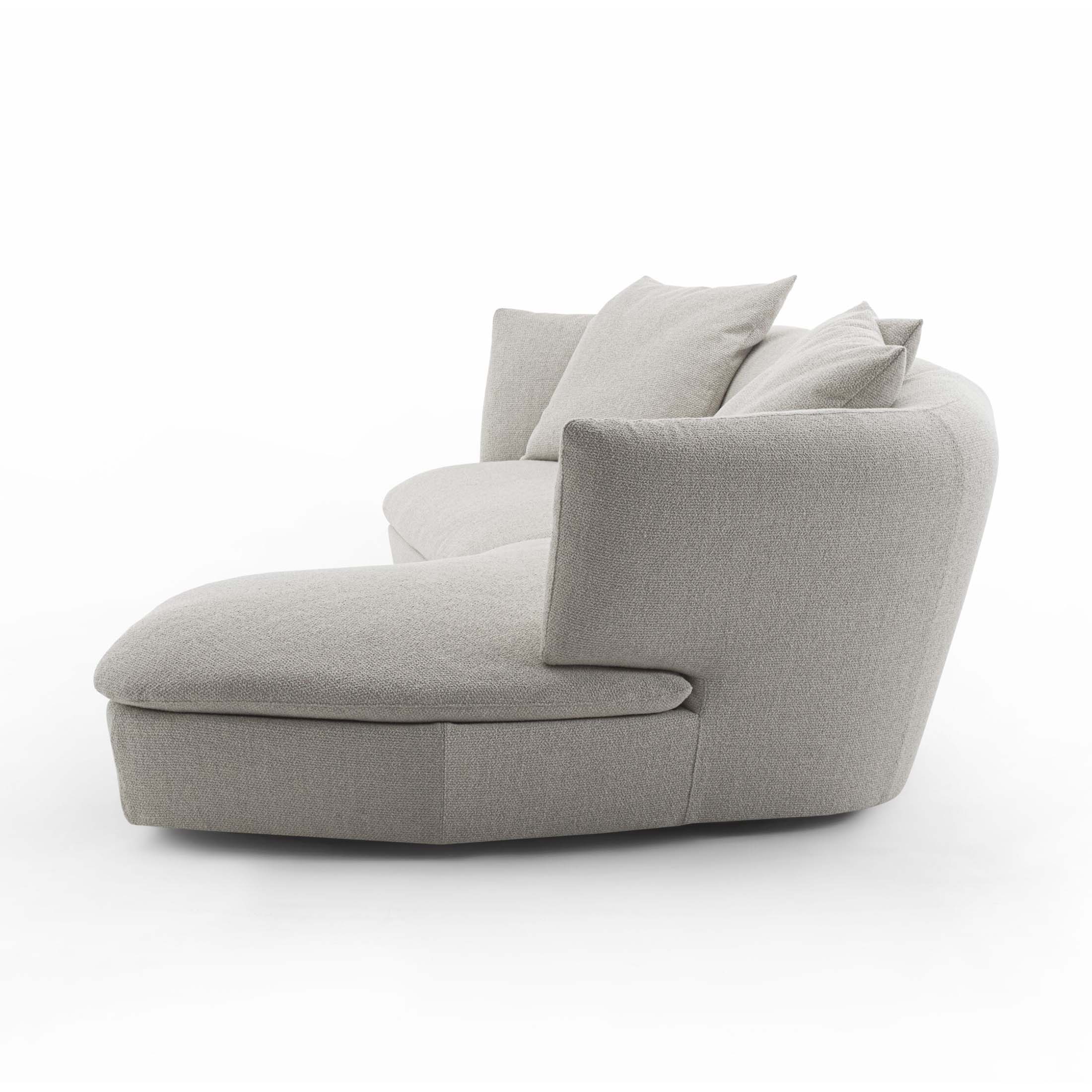






Design Without Boundaries
Beyond our curated collections lies a world of over 400 iconic brands.
For specific pieces, finishes, or bespoke solutions, our design team is at your disposal.
Frequently Asked Questions
What design philosophy defines Flexform furniture?
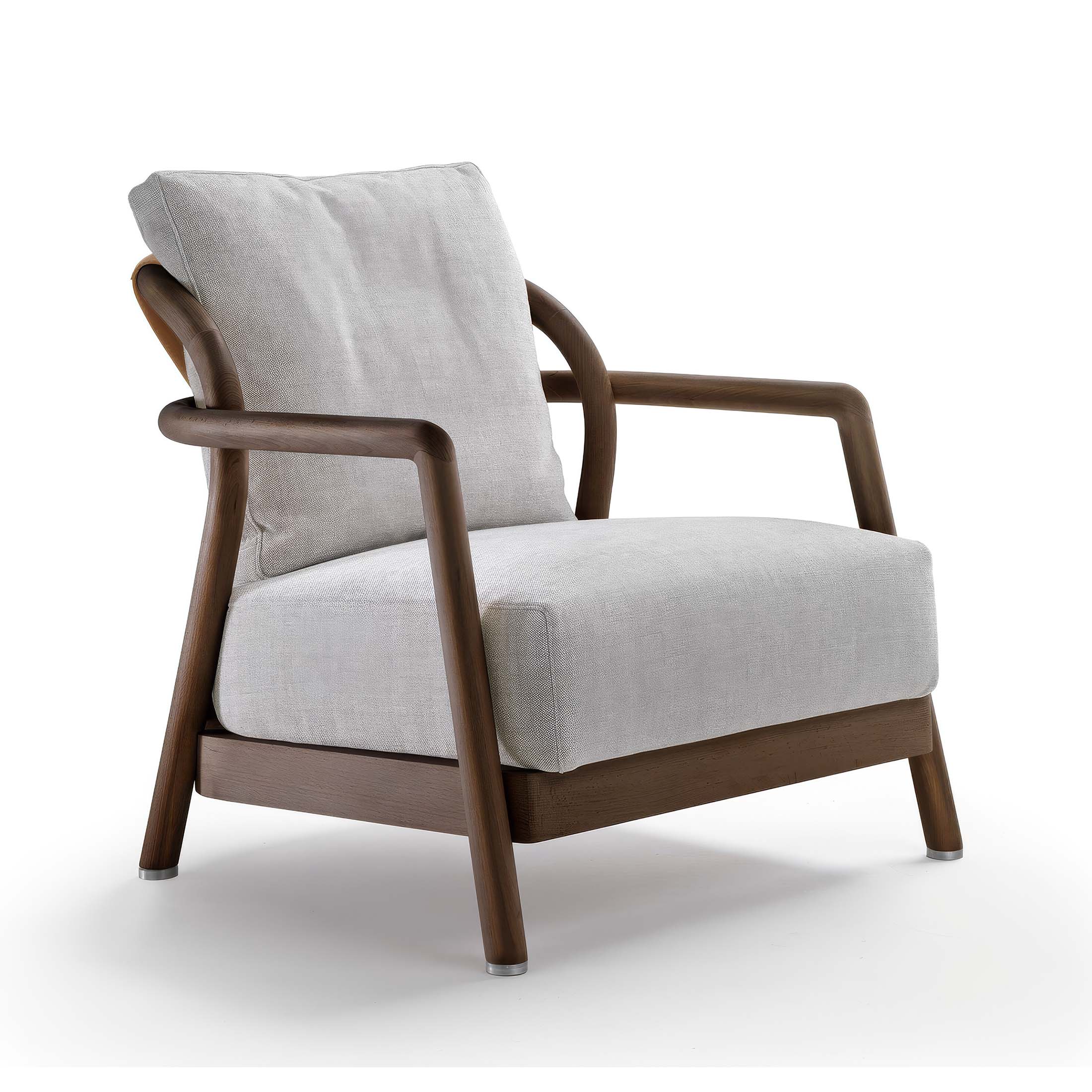
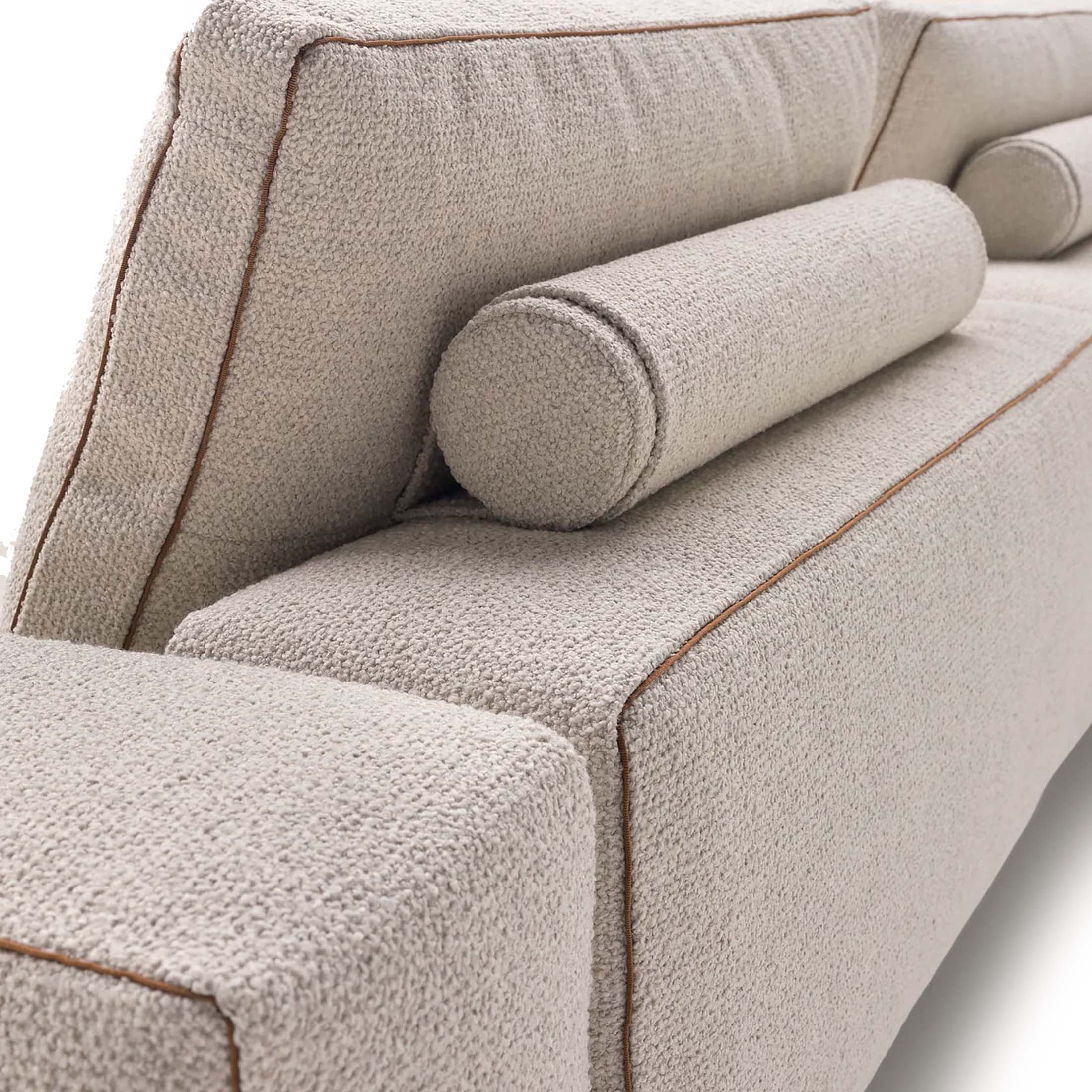
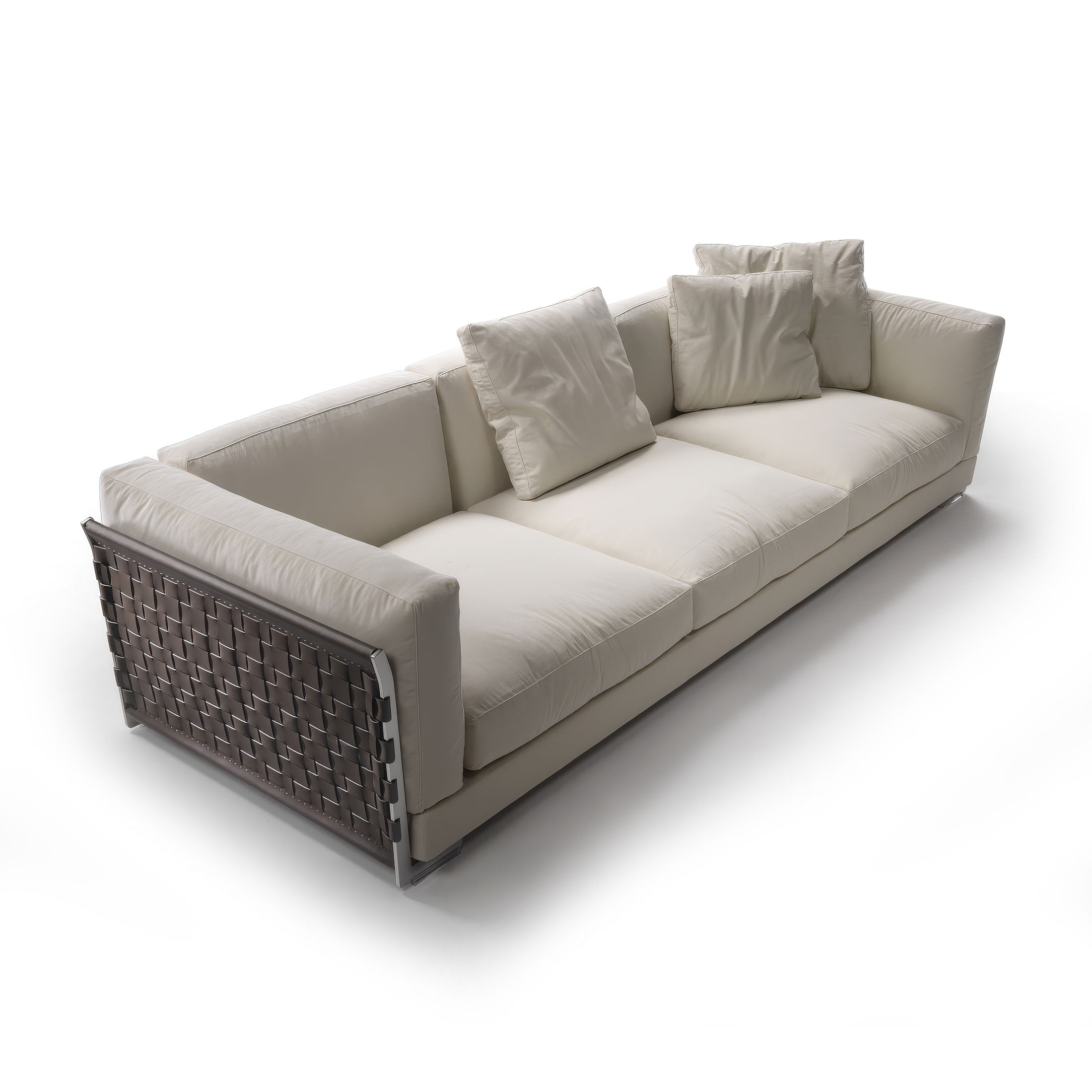
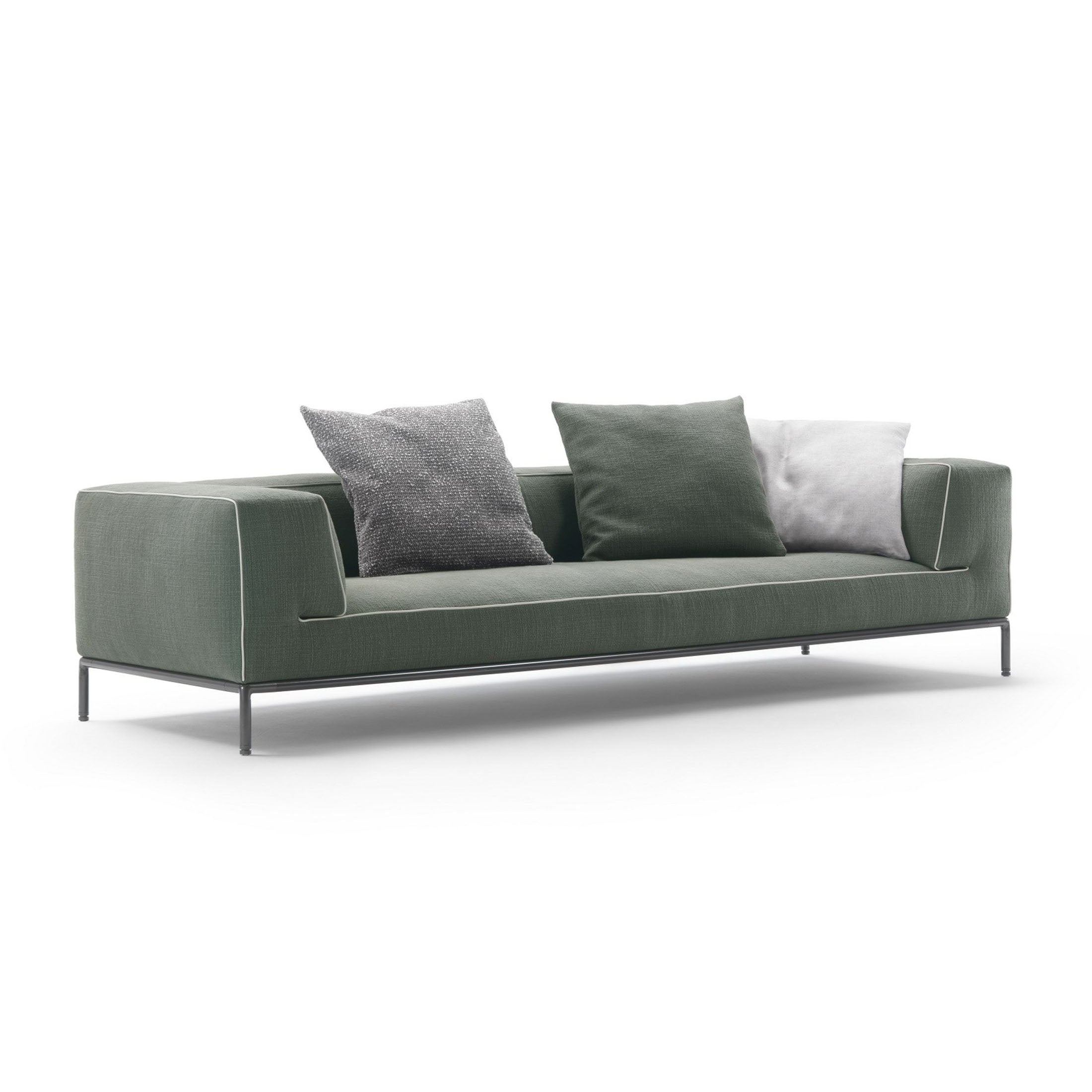
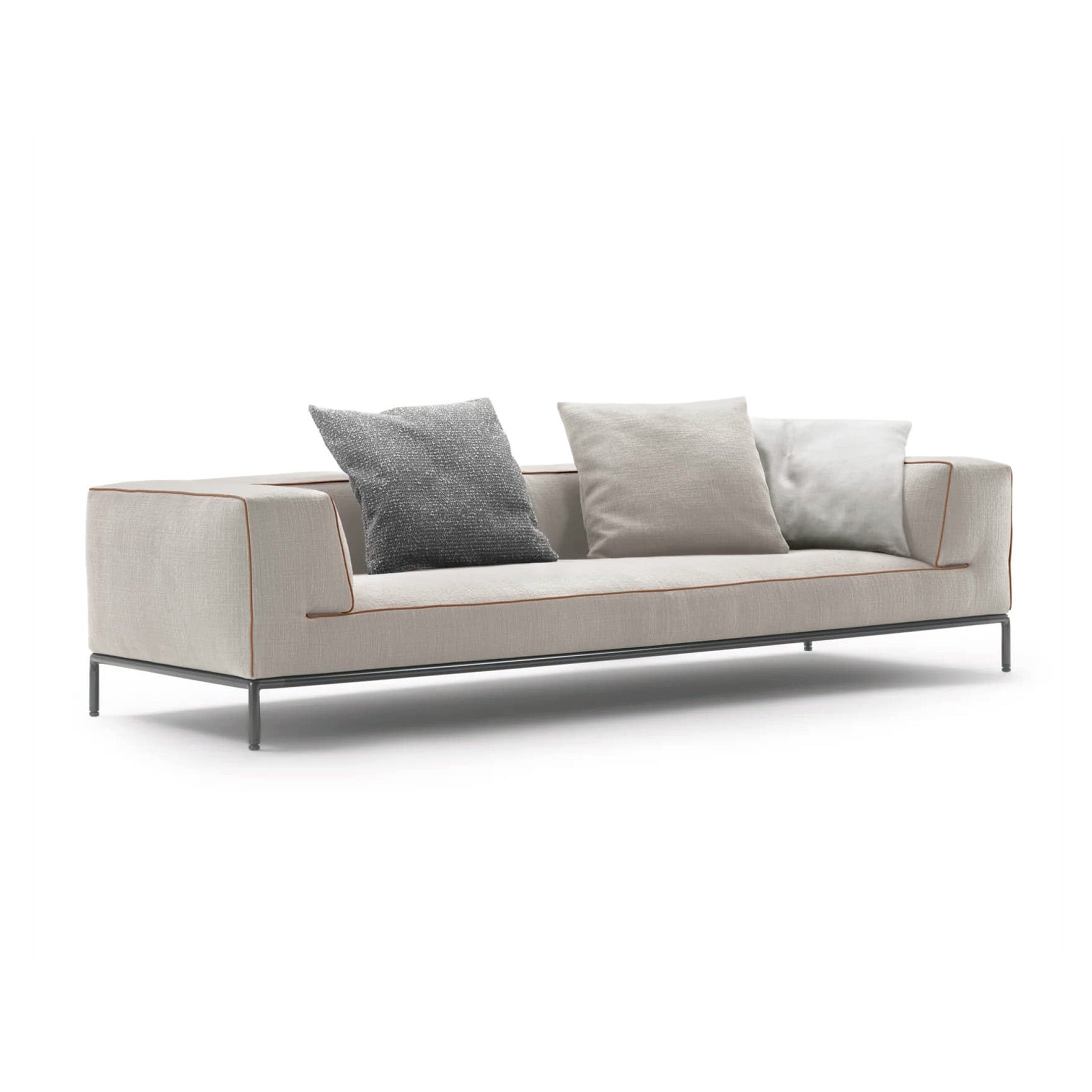
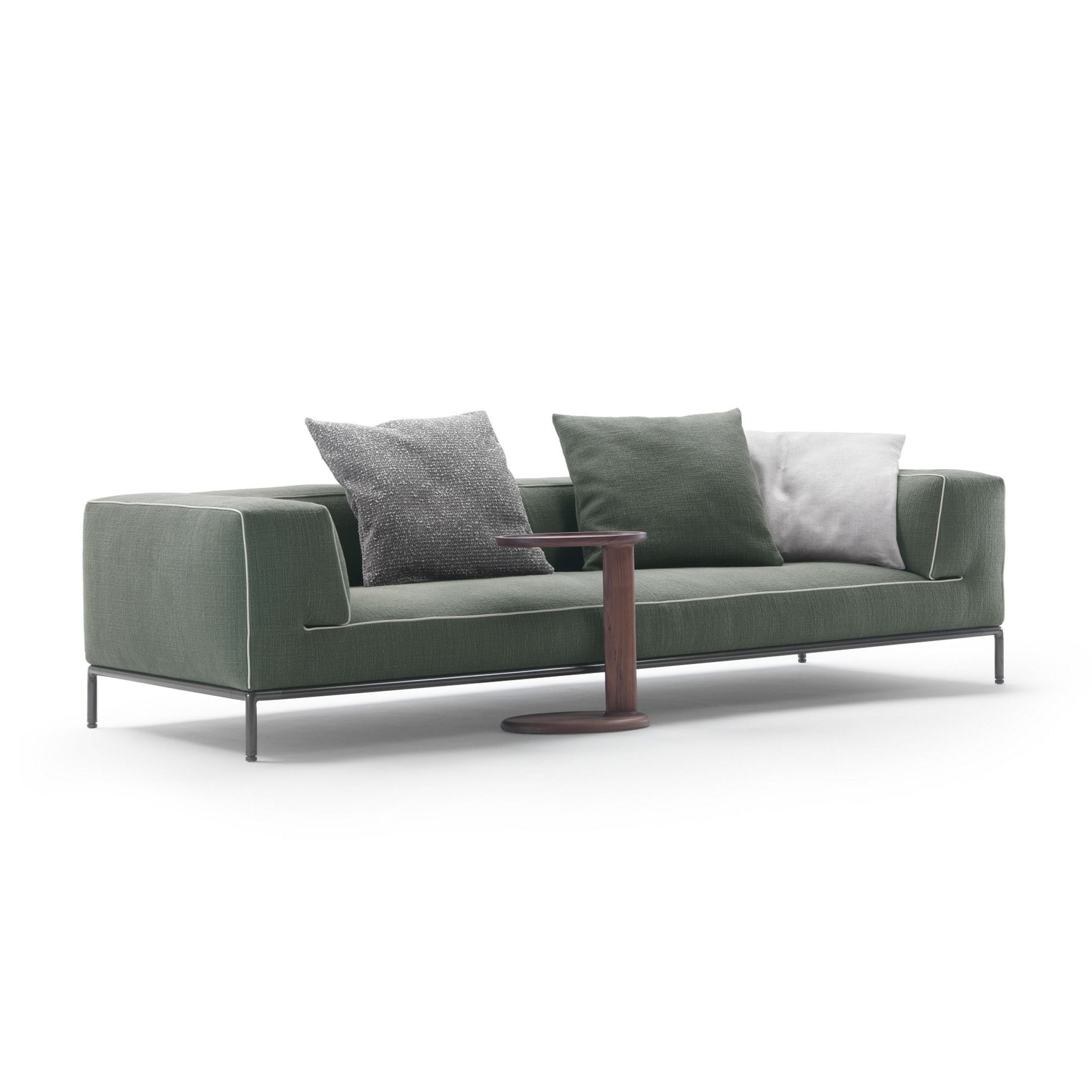
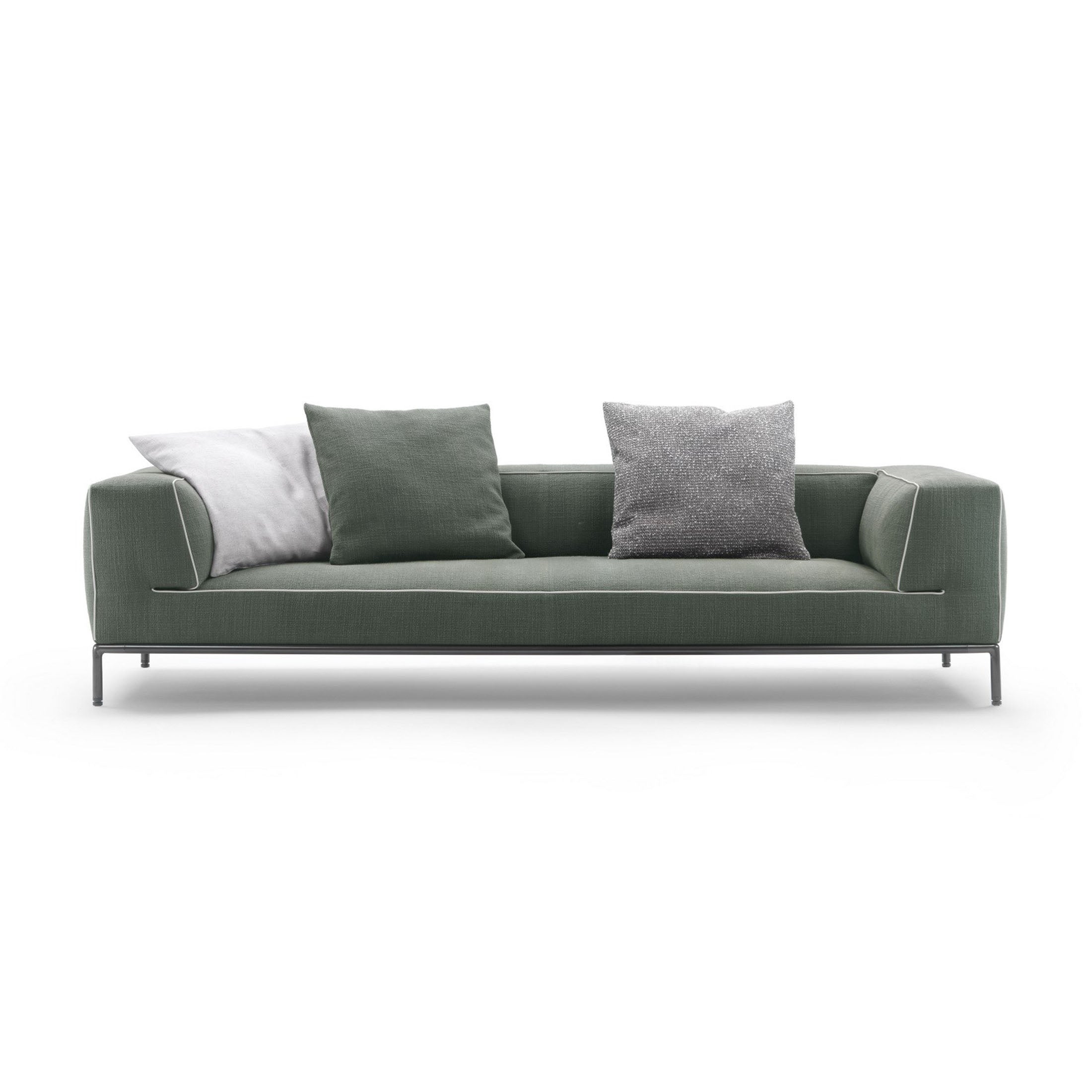
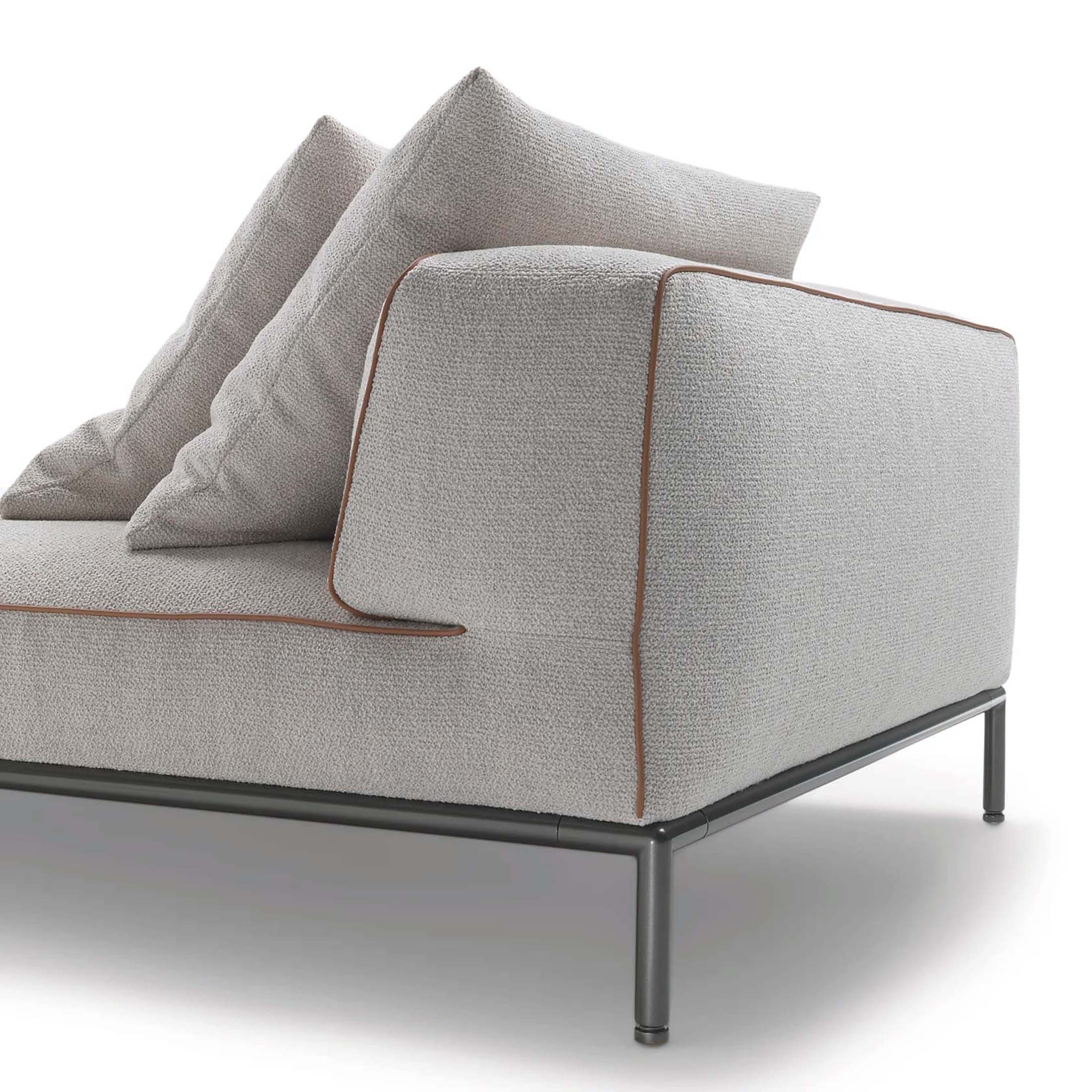
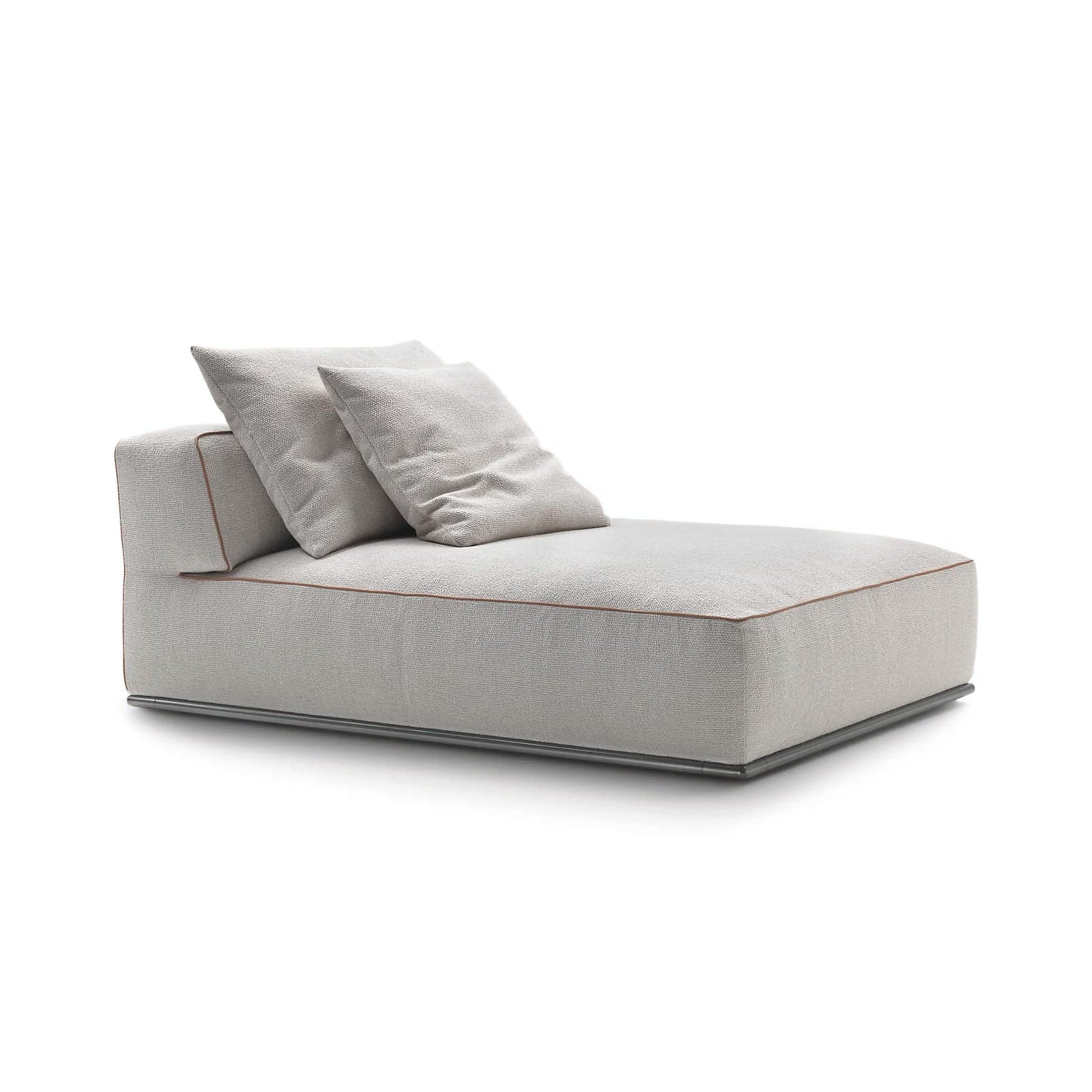
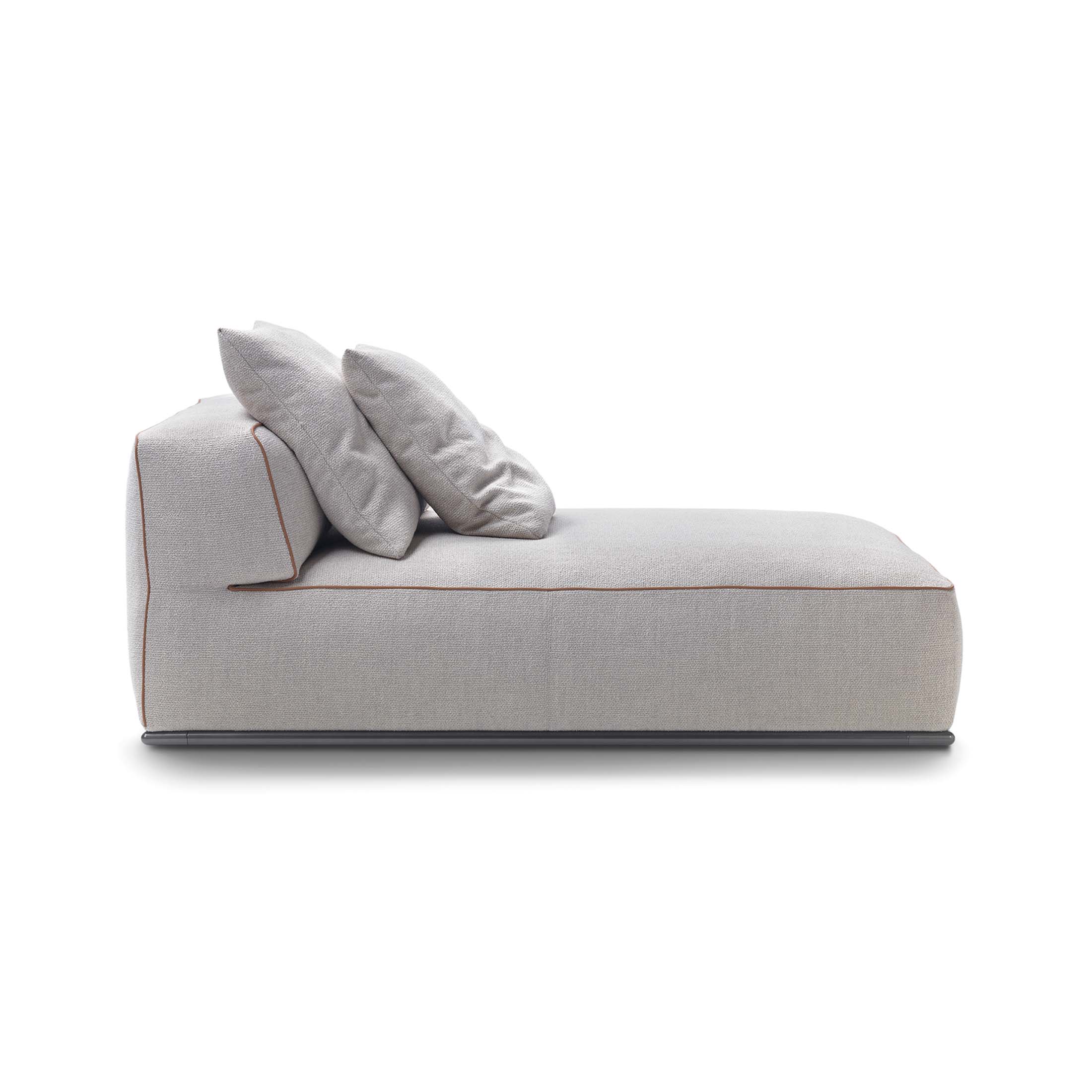
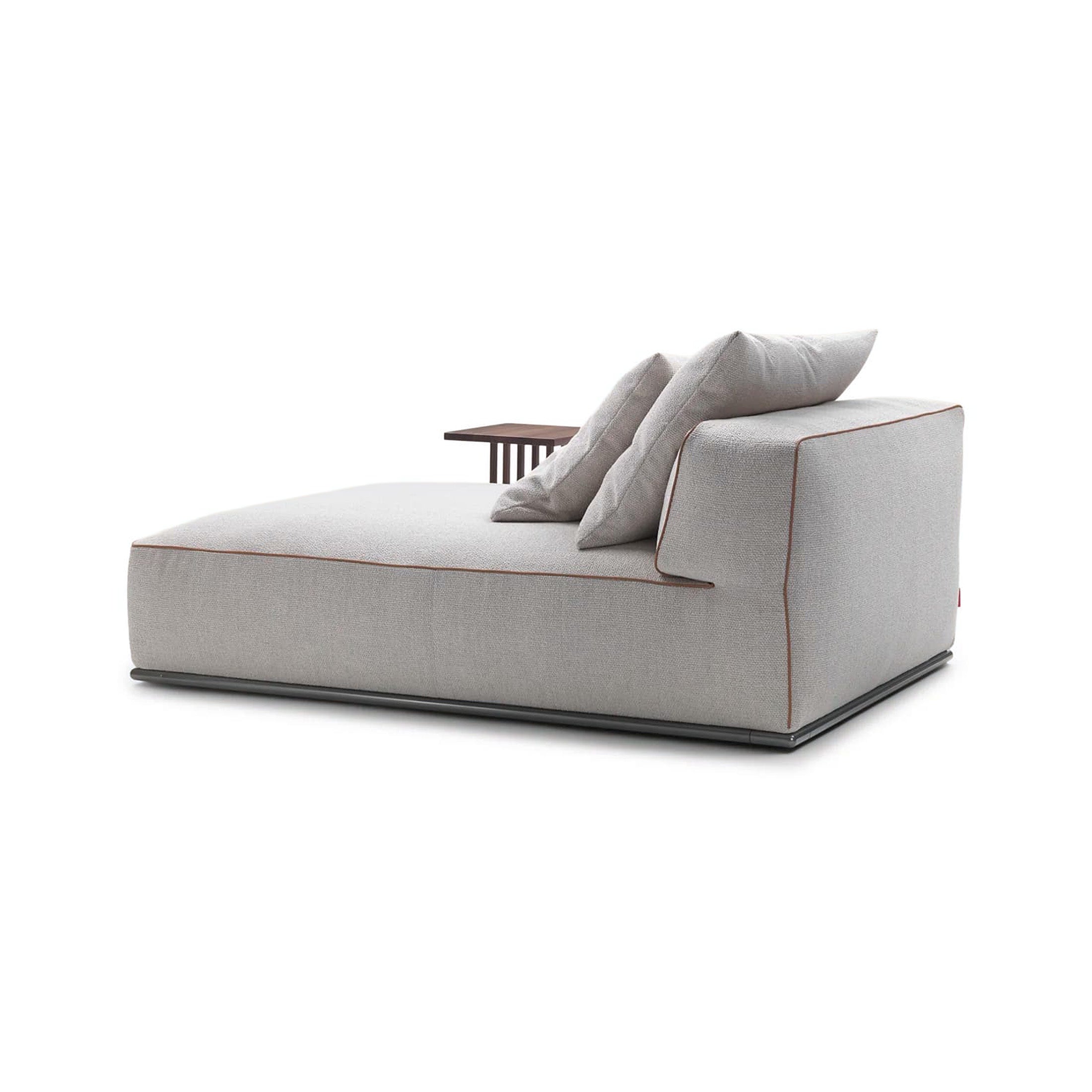
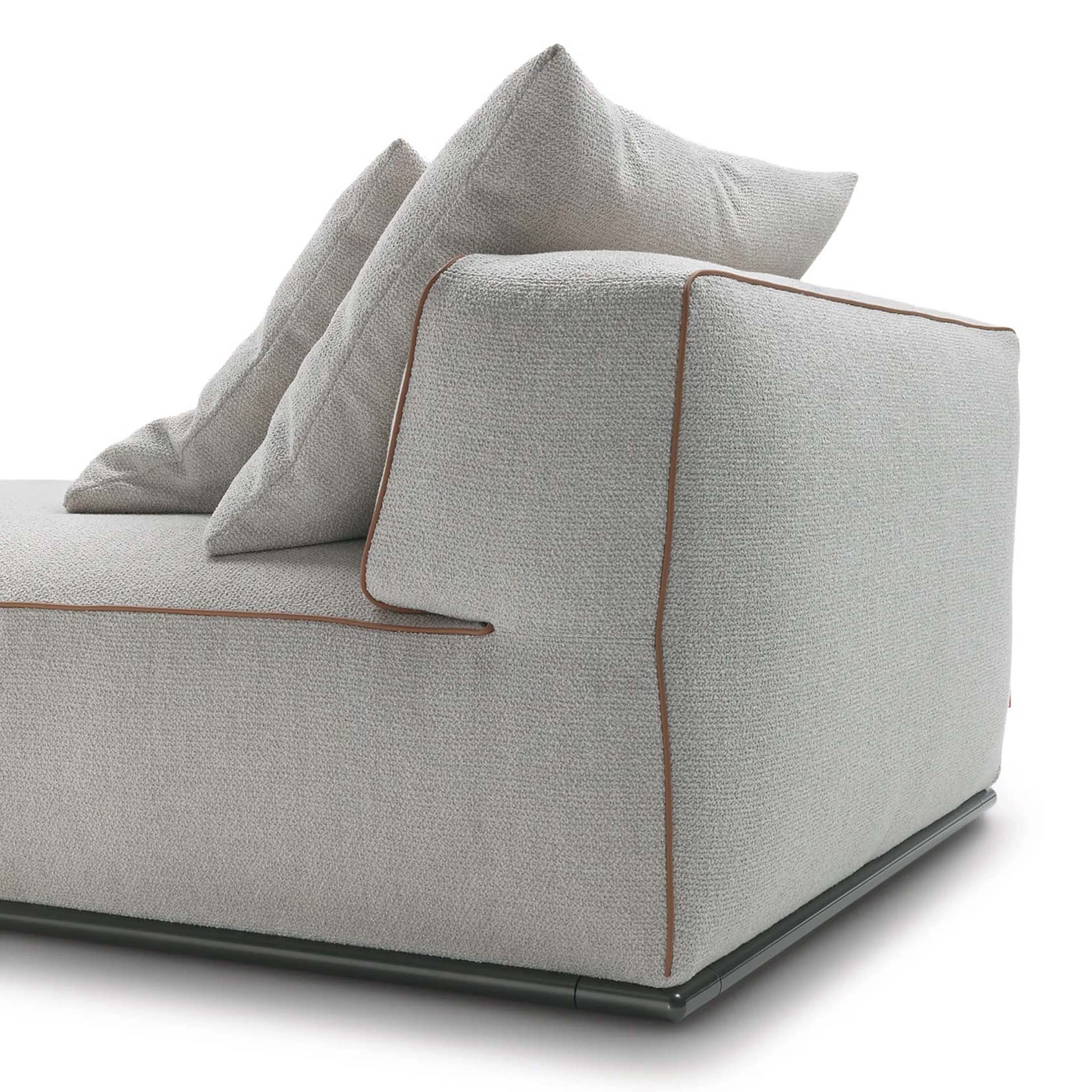
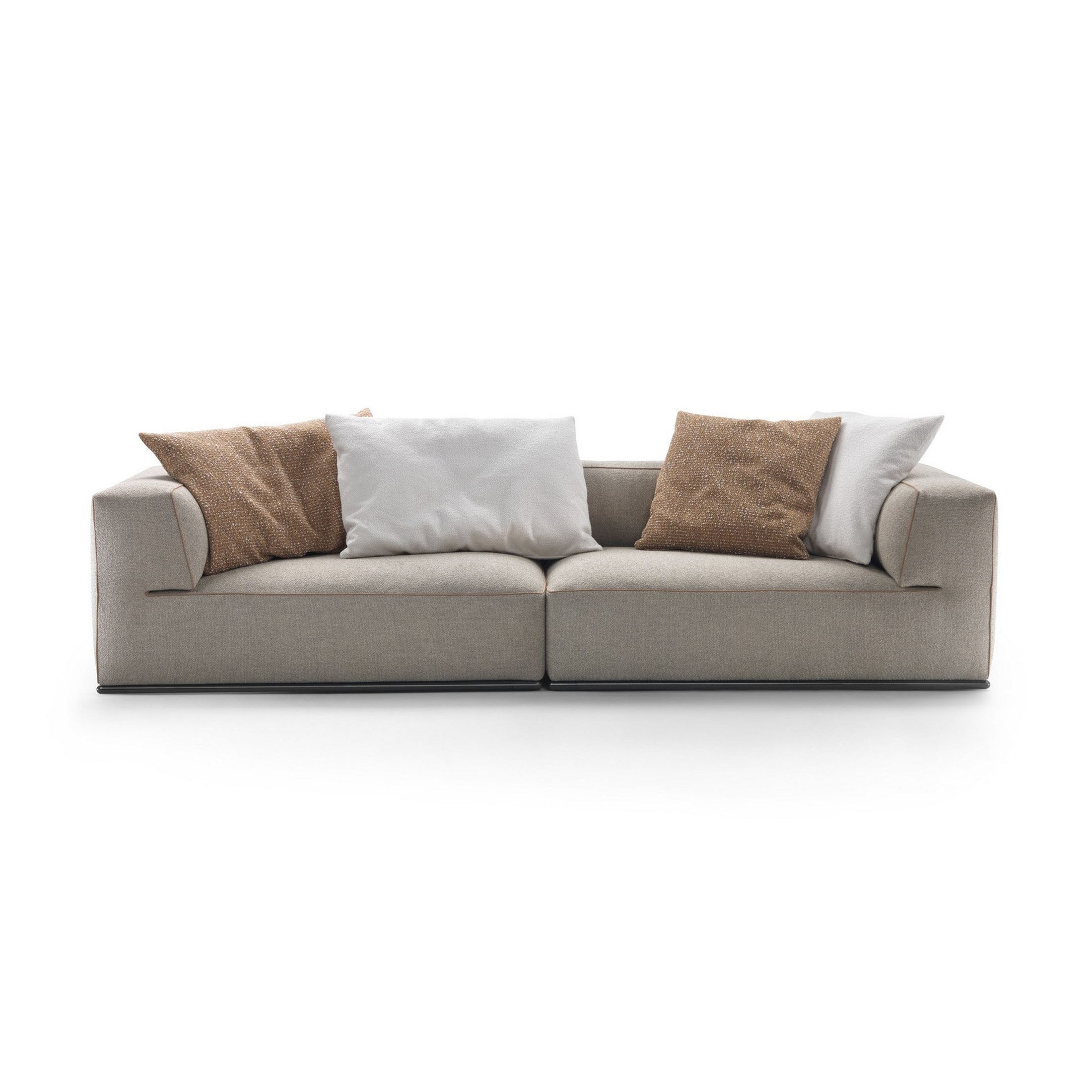
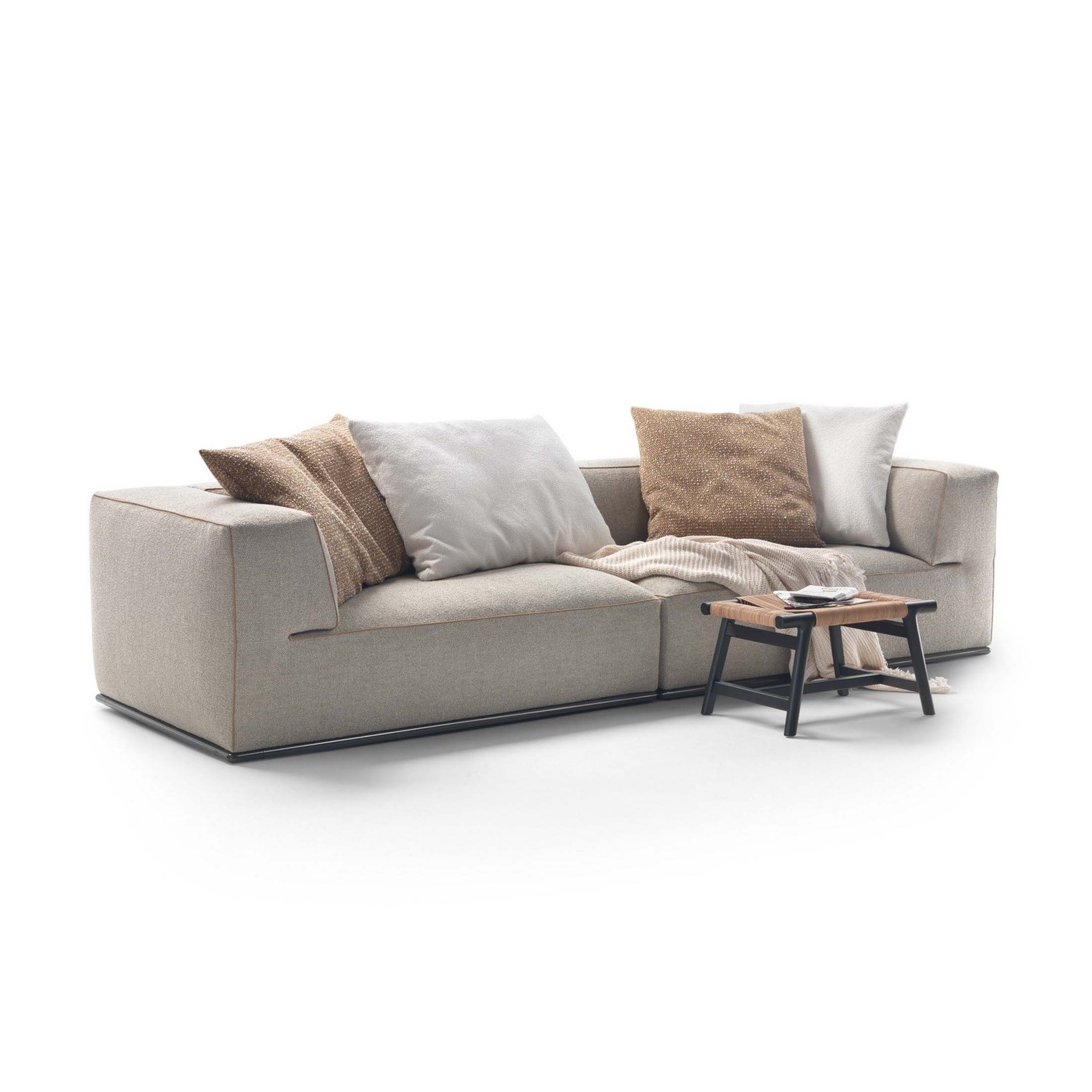
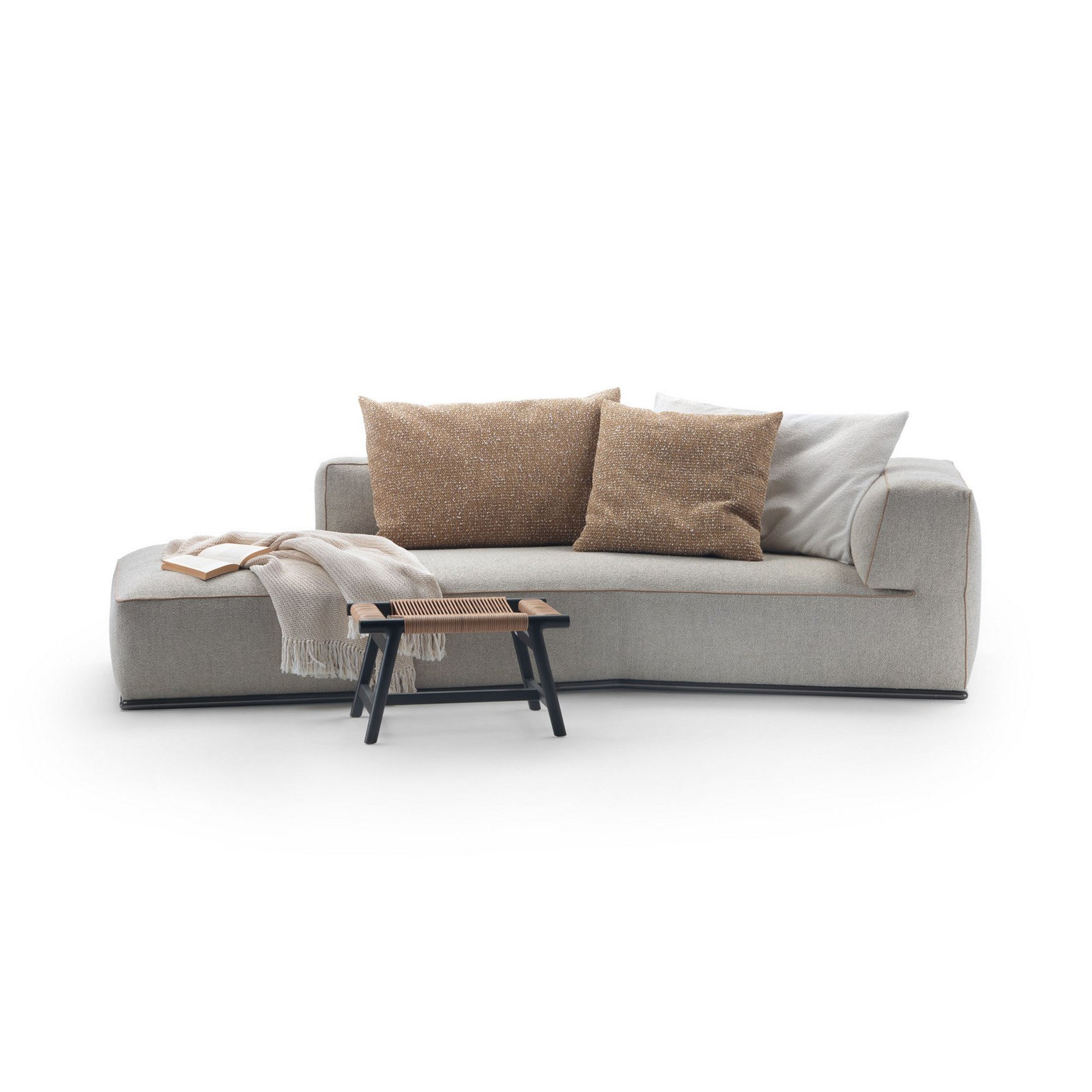
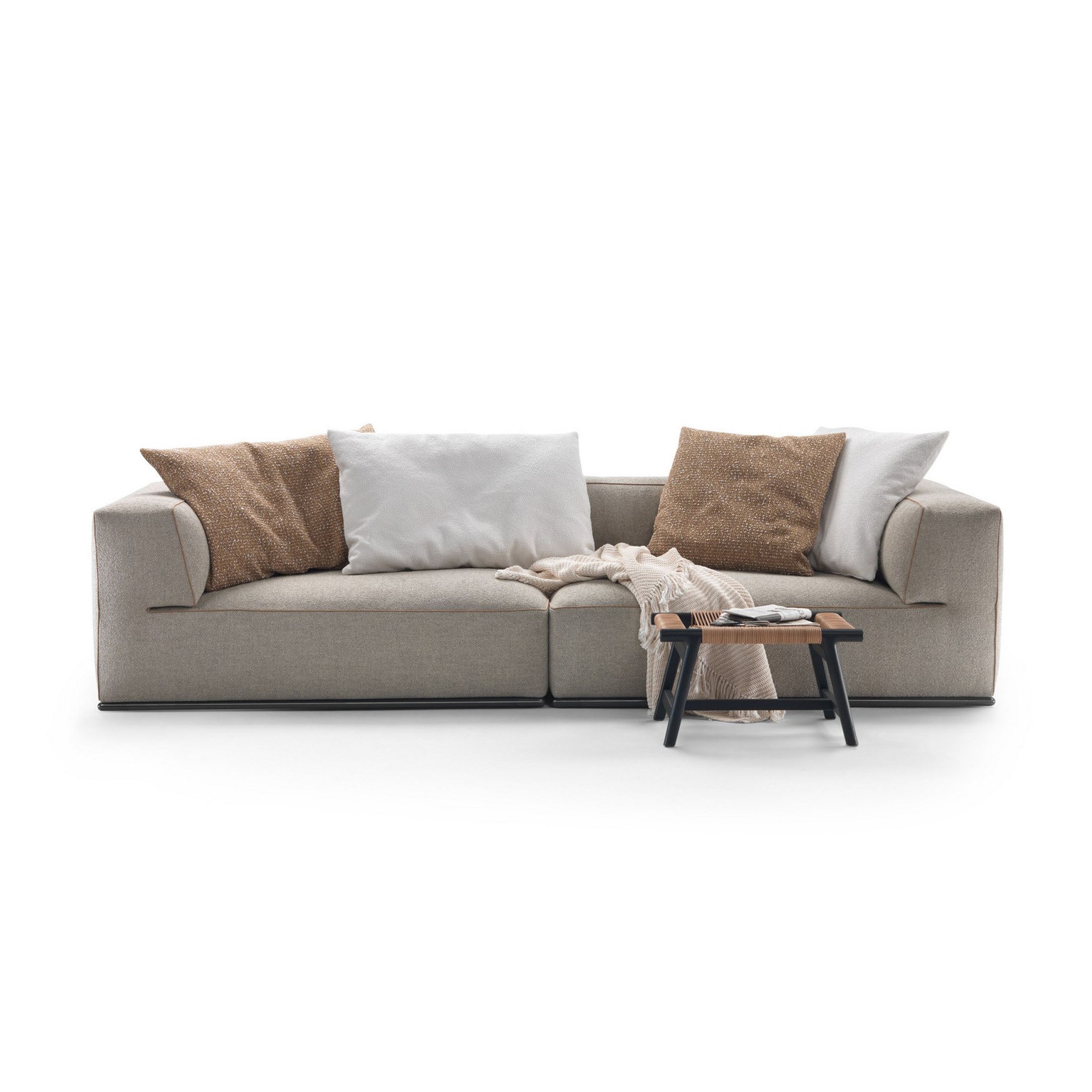
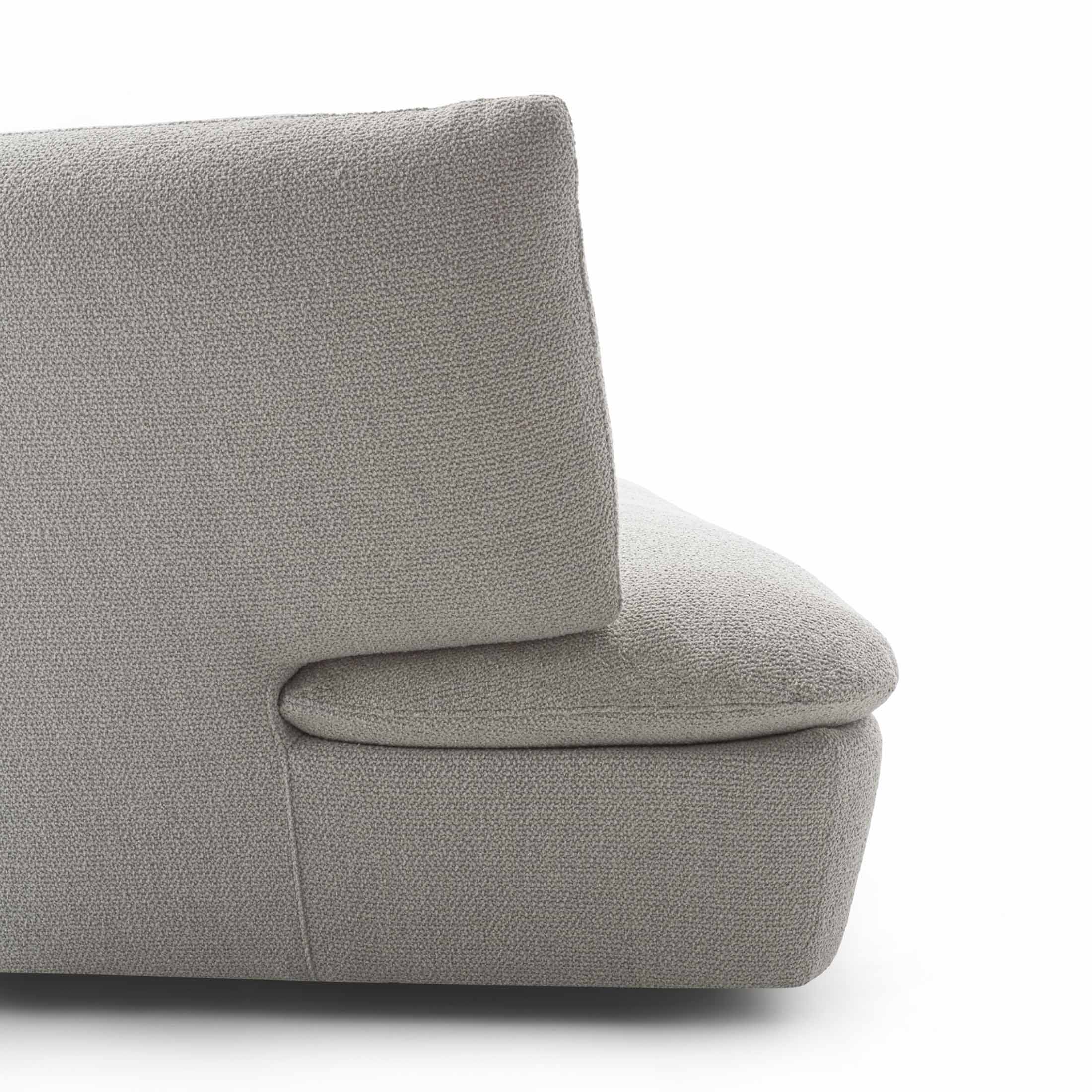
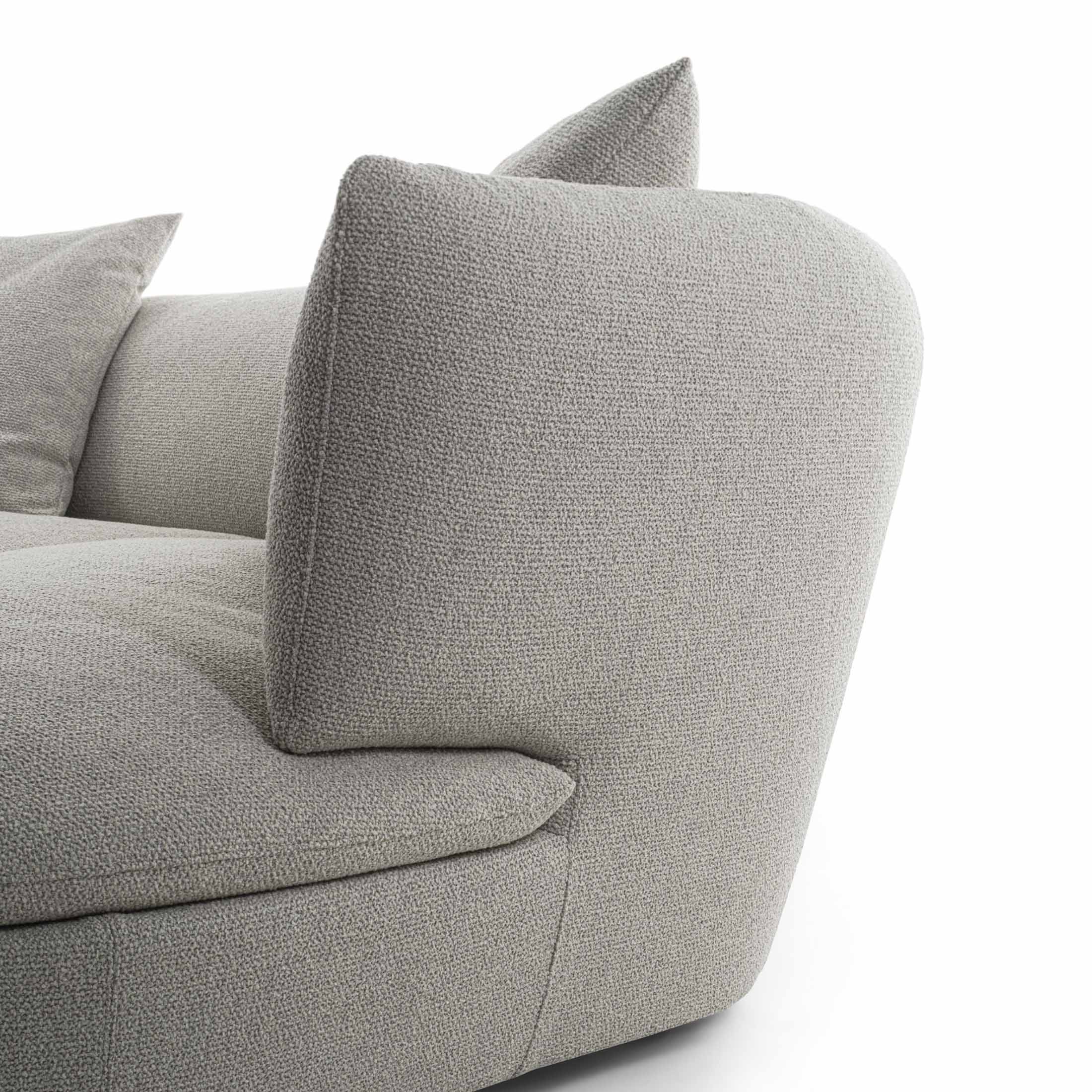
Flexform's work is grounded in restraint rather than gesture. Founded in Meda, in the heart of Italy's furniture-making region, the house has spent decades refining the relationship between structural precision and physical comfort. Proportion governs every decision: silhouettes are kept low and deliberate, materials are chosen for how they age rather than how they photograph, and details like grosgrain piping or woven cowhide exteriors signal intention without ornament.
What materials are commonly used in Flexform seating?
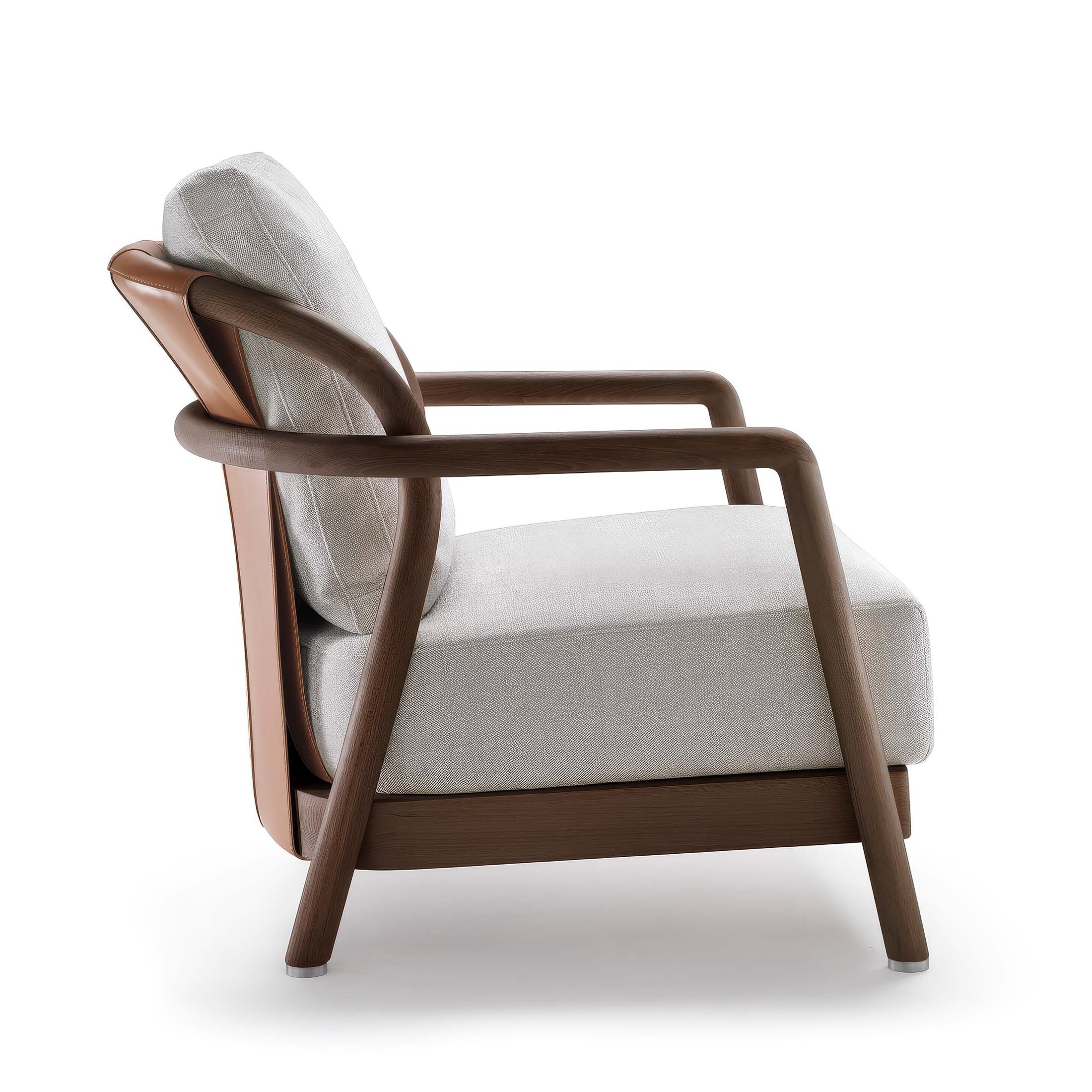
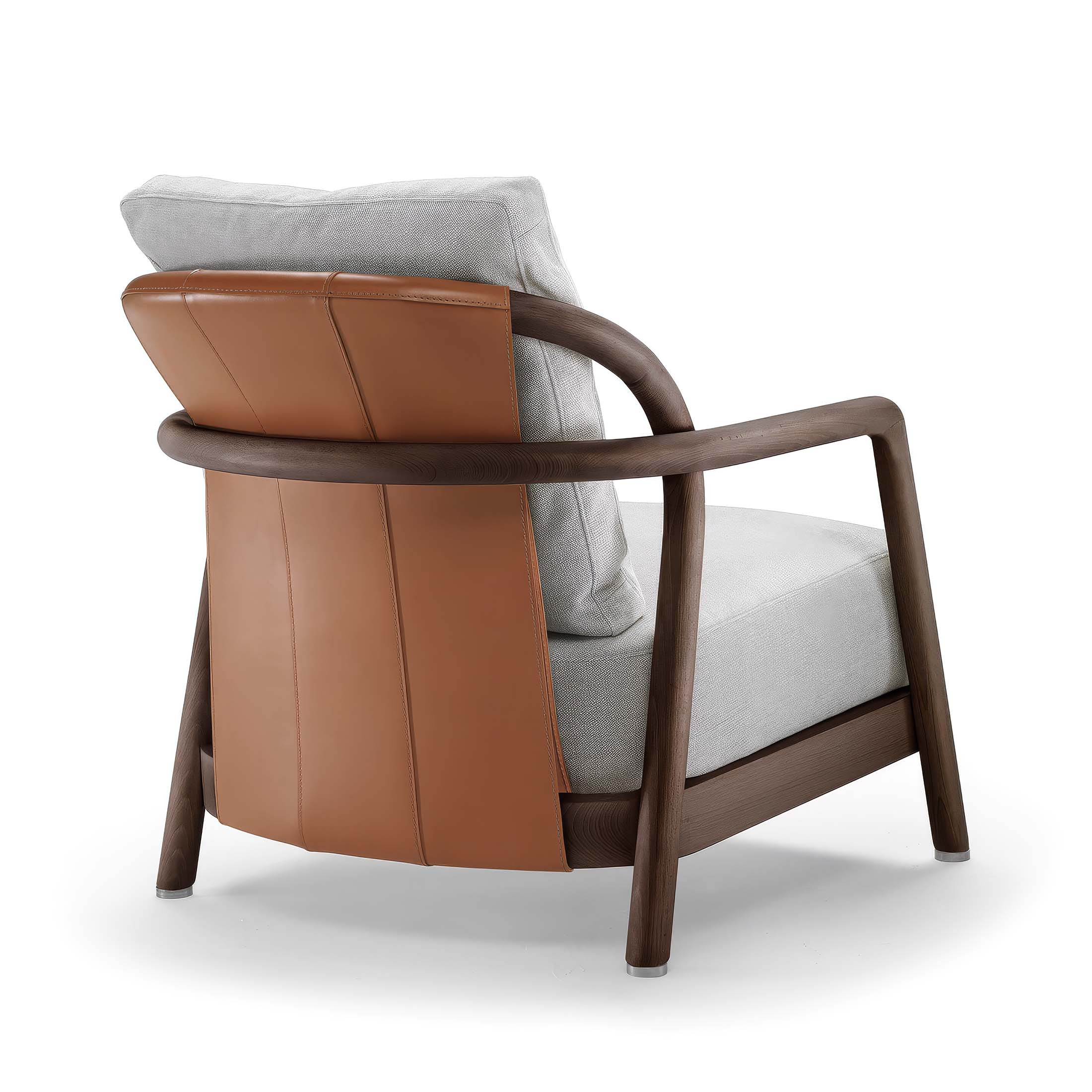
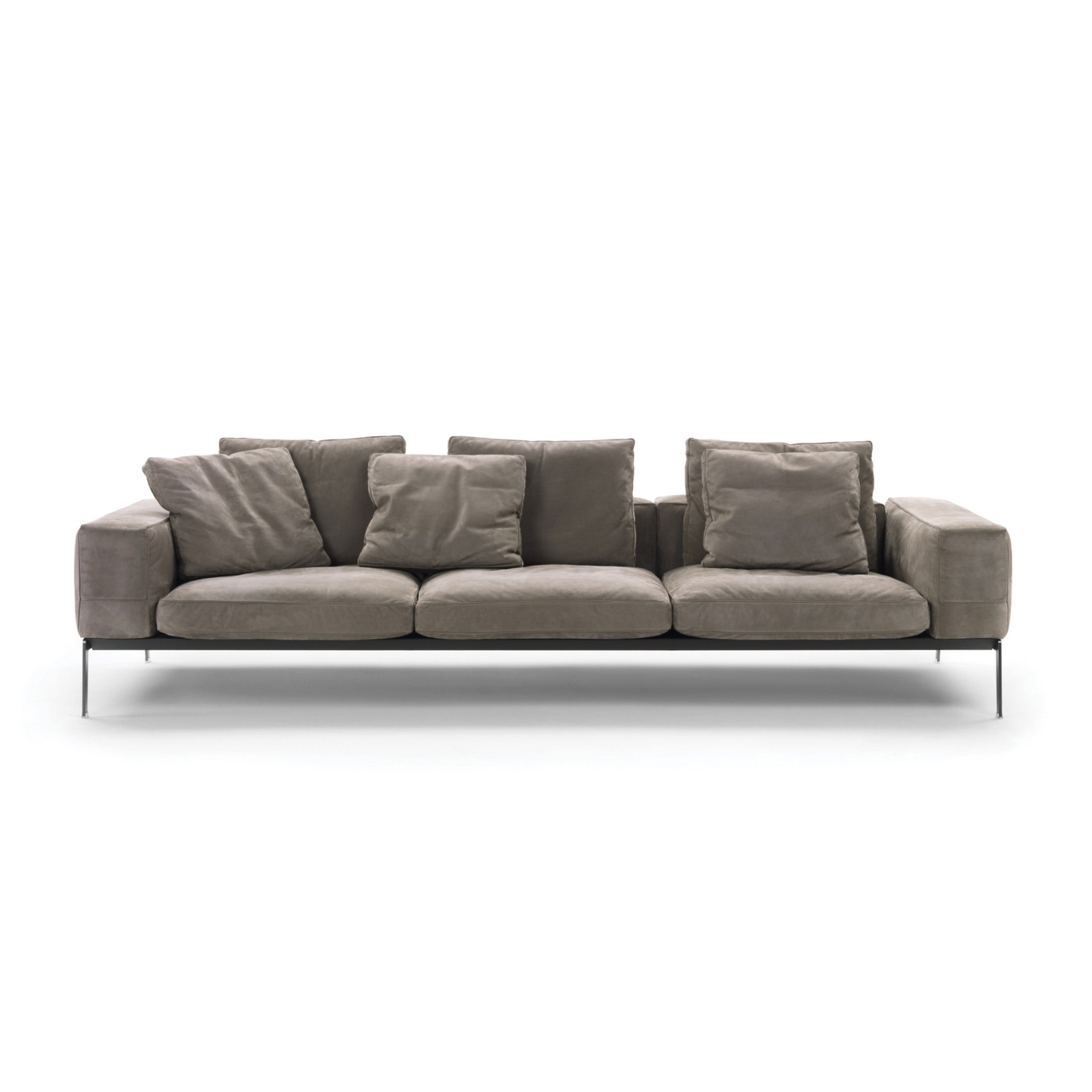
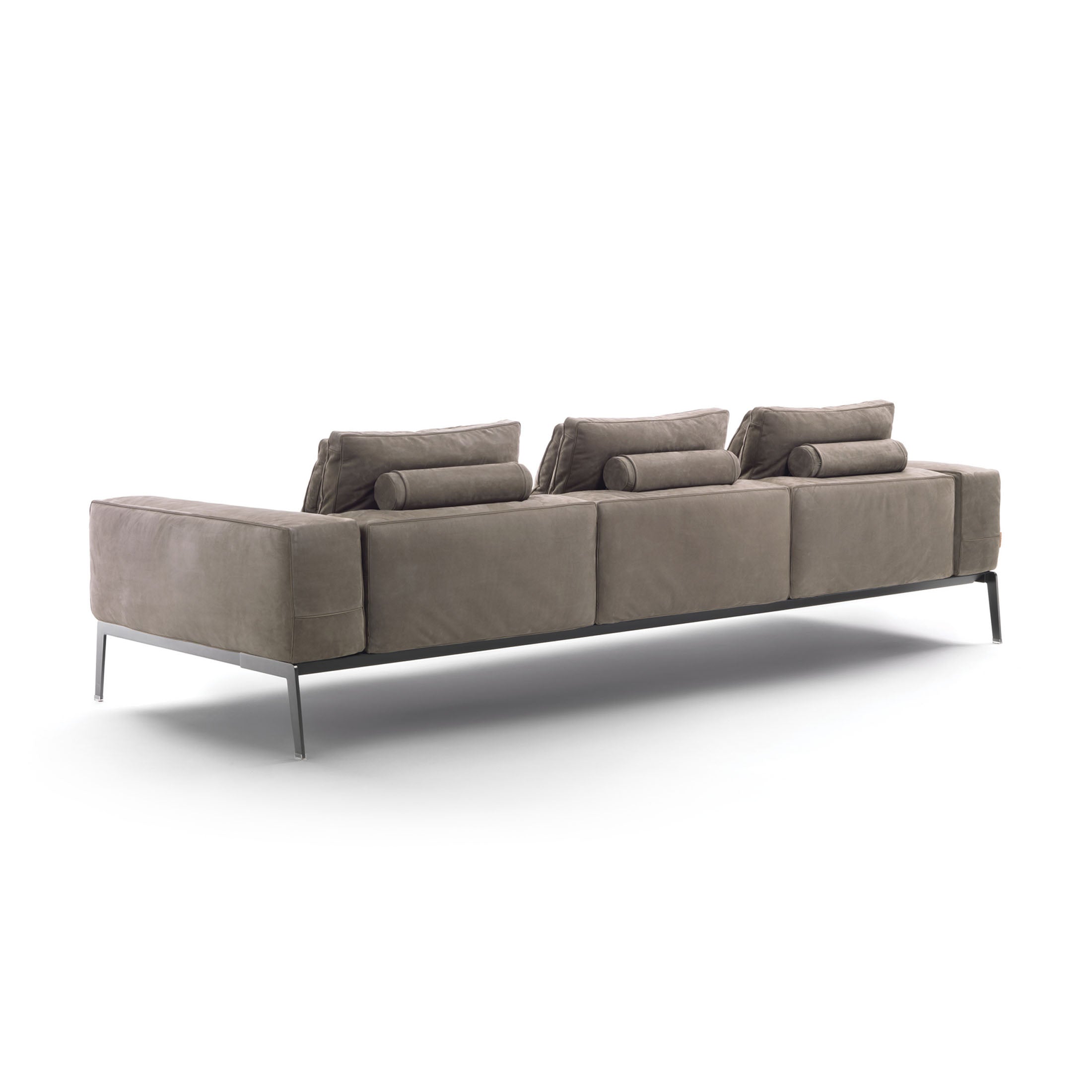
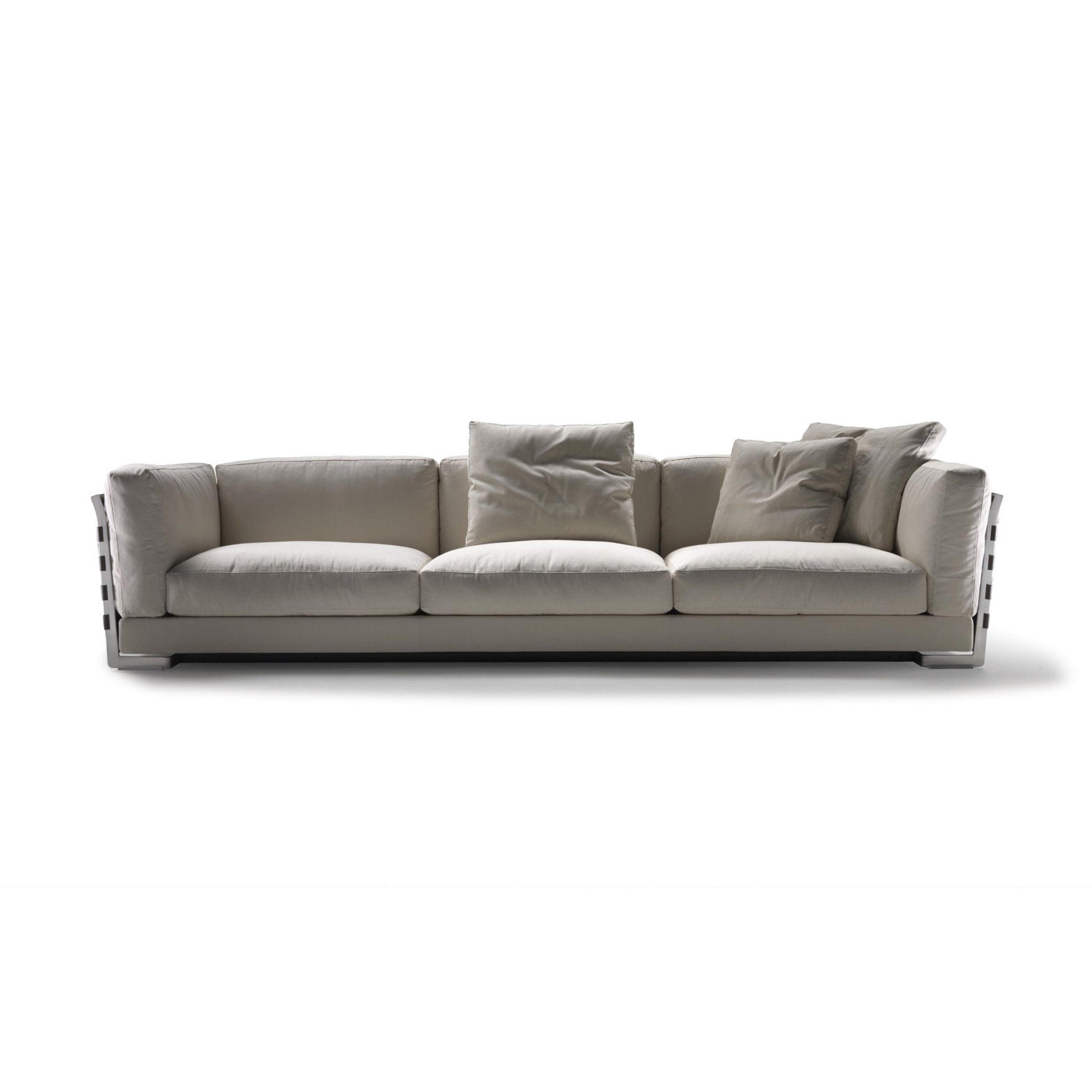
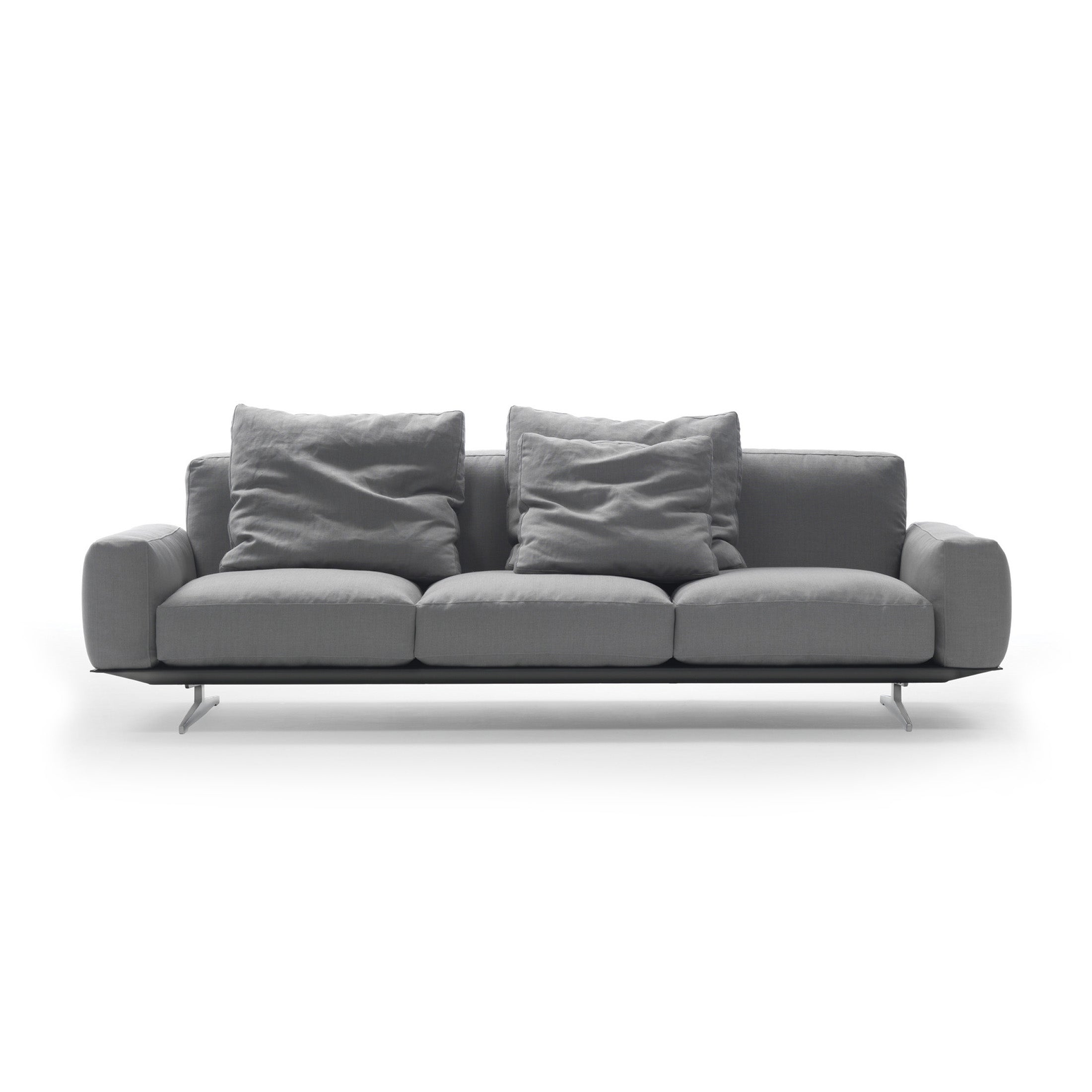
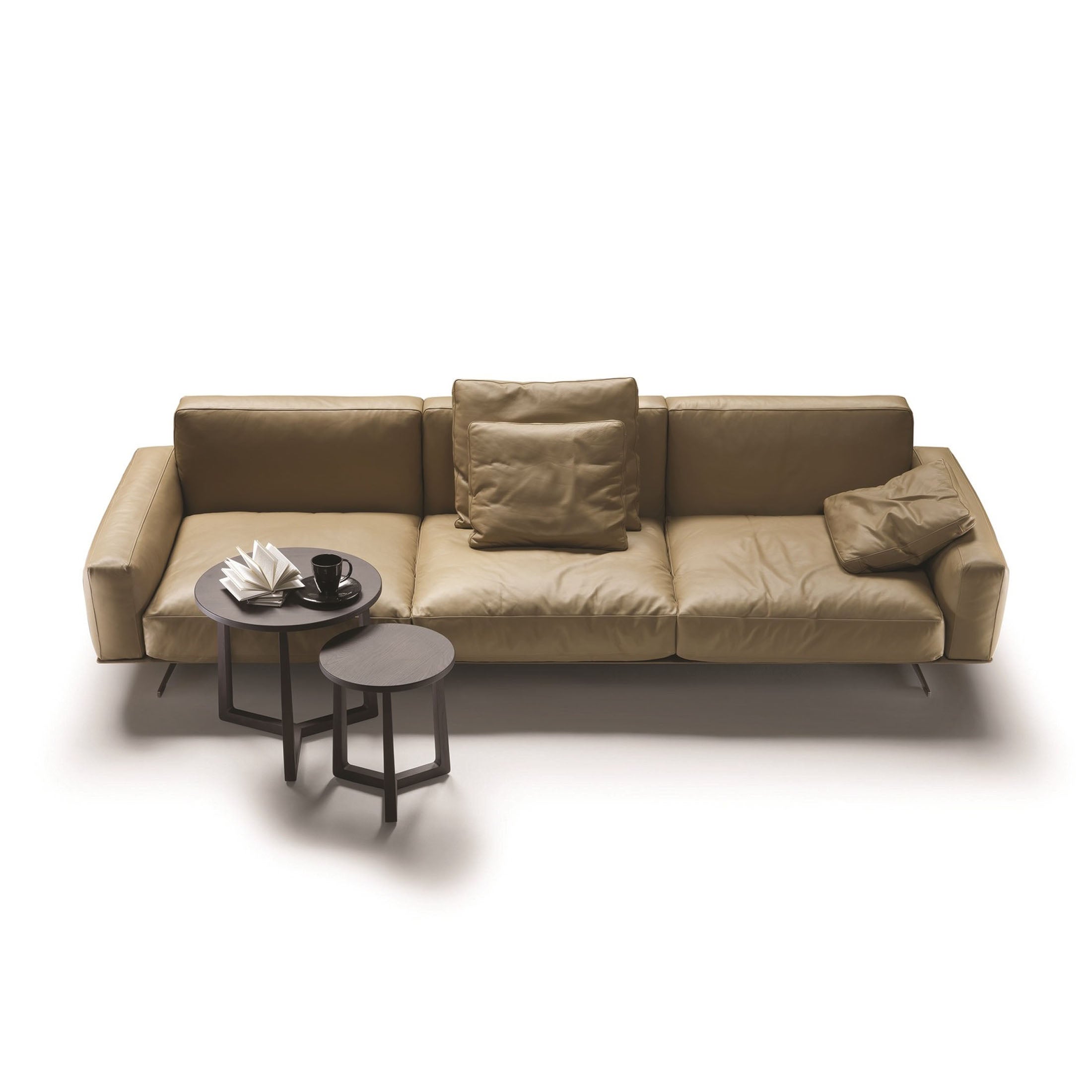
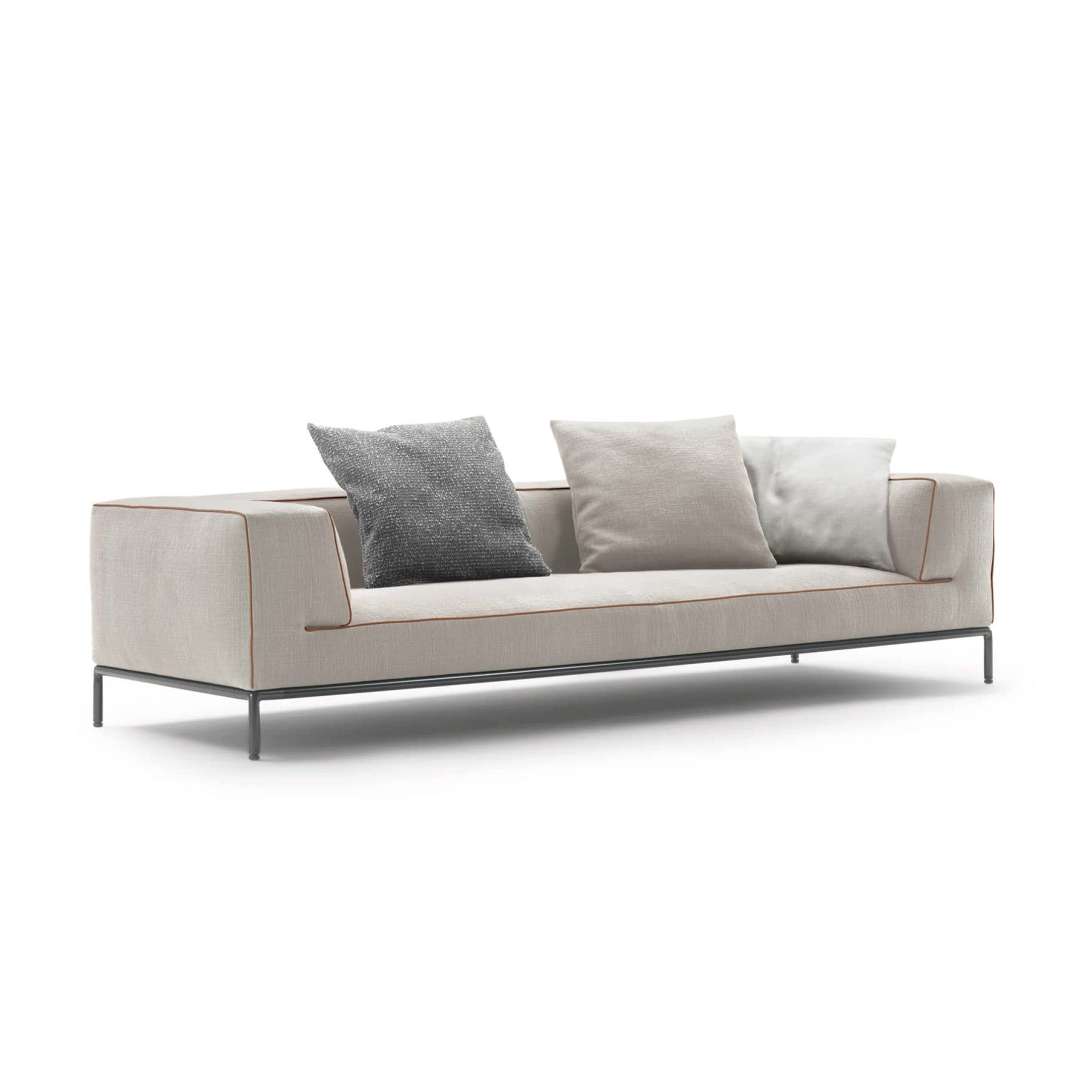
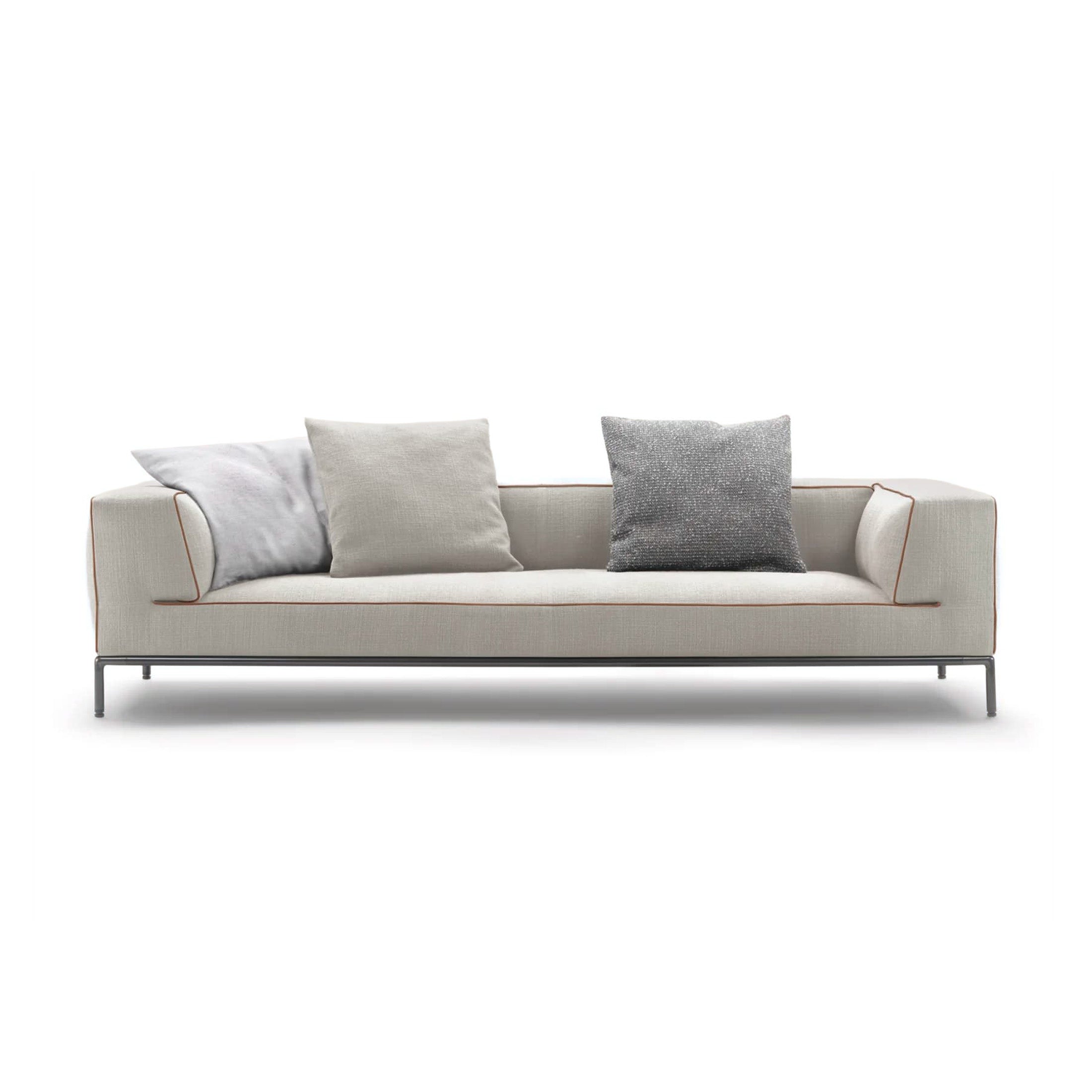
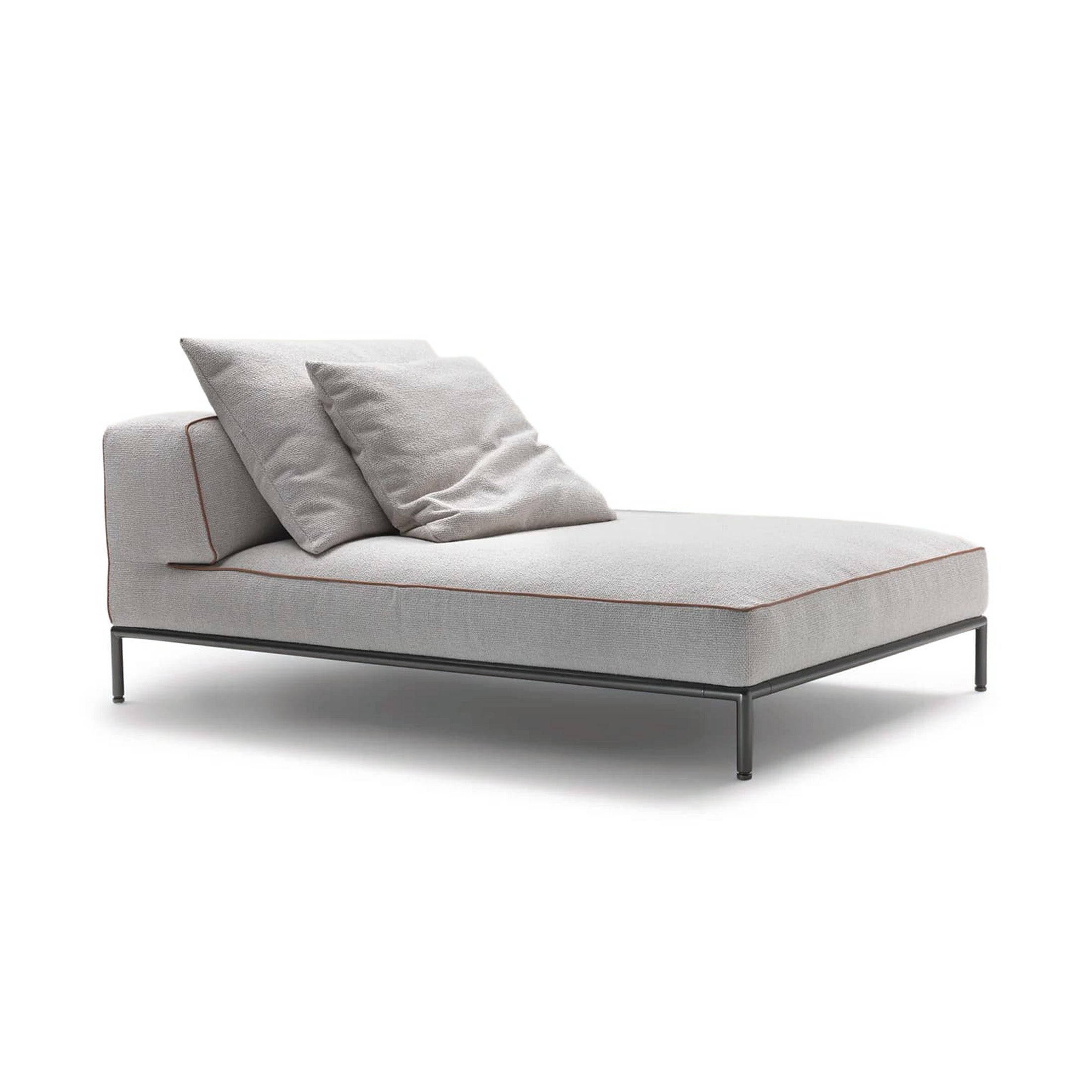
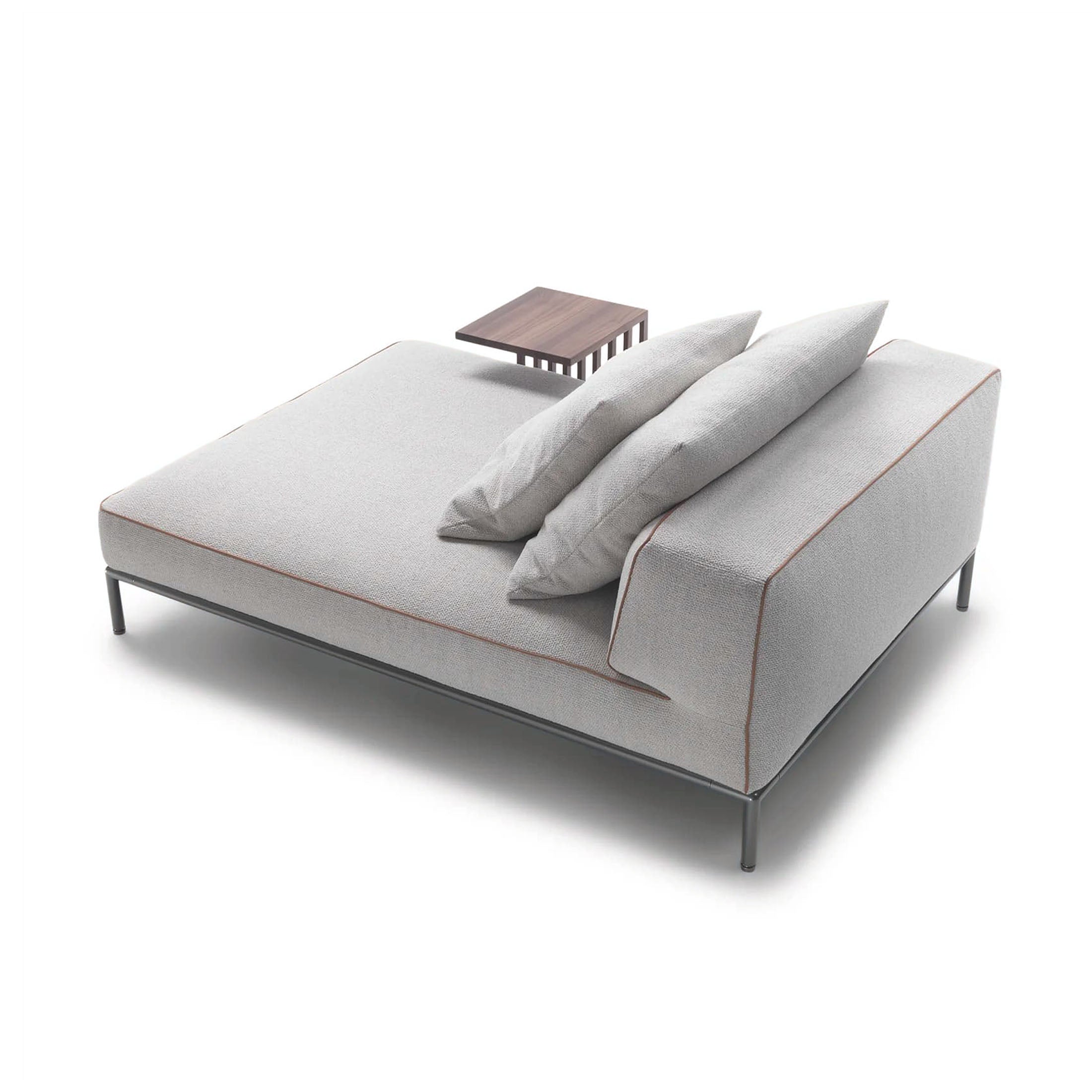
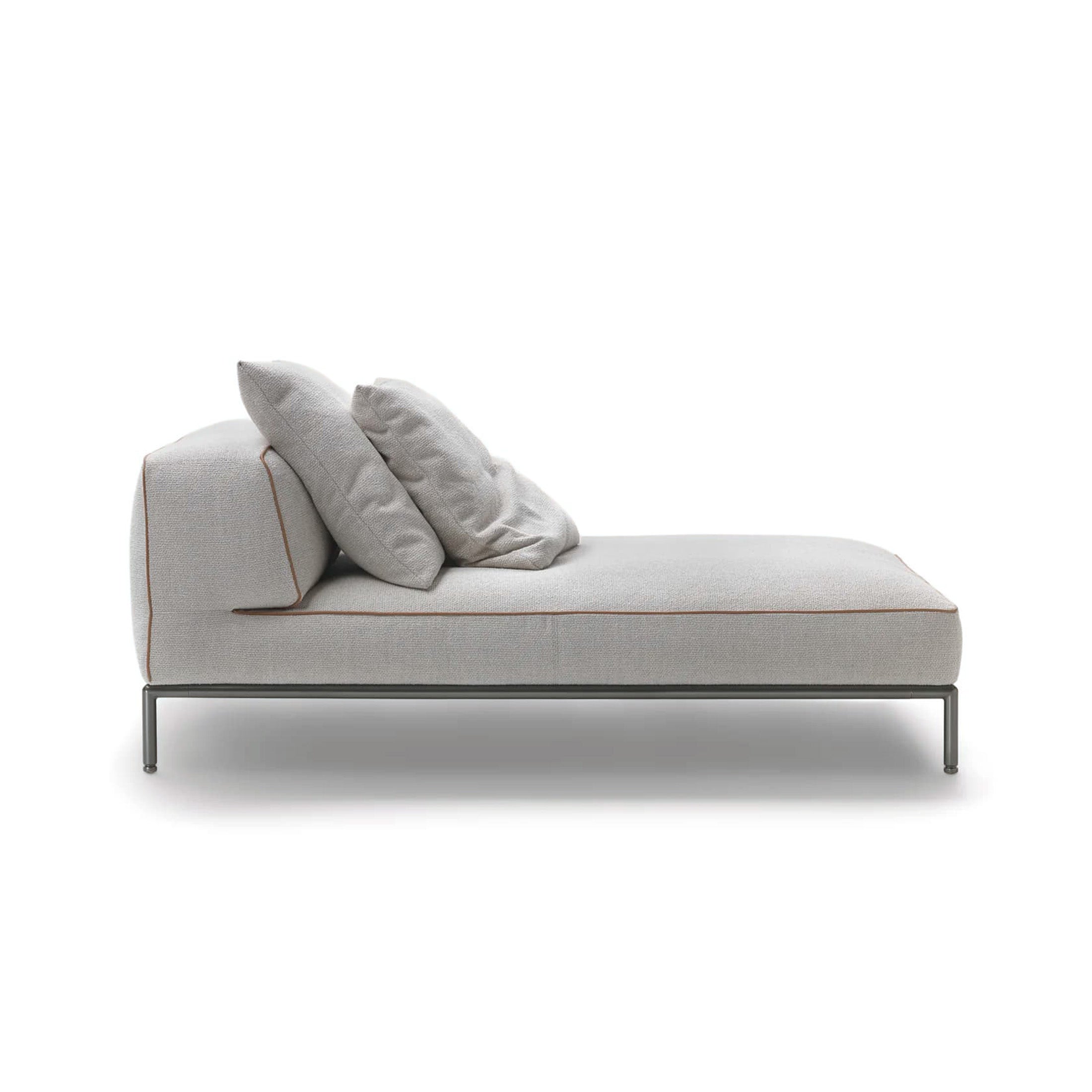
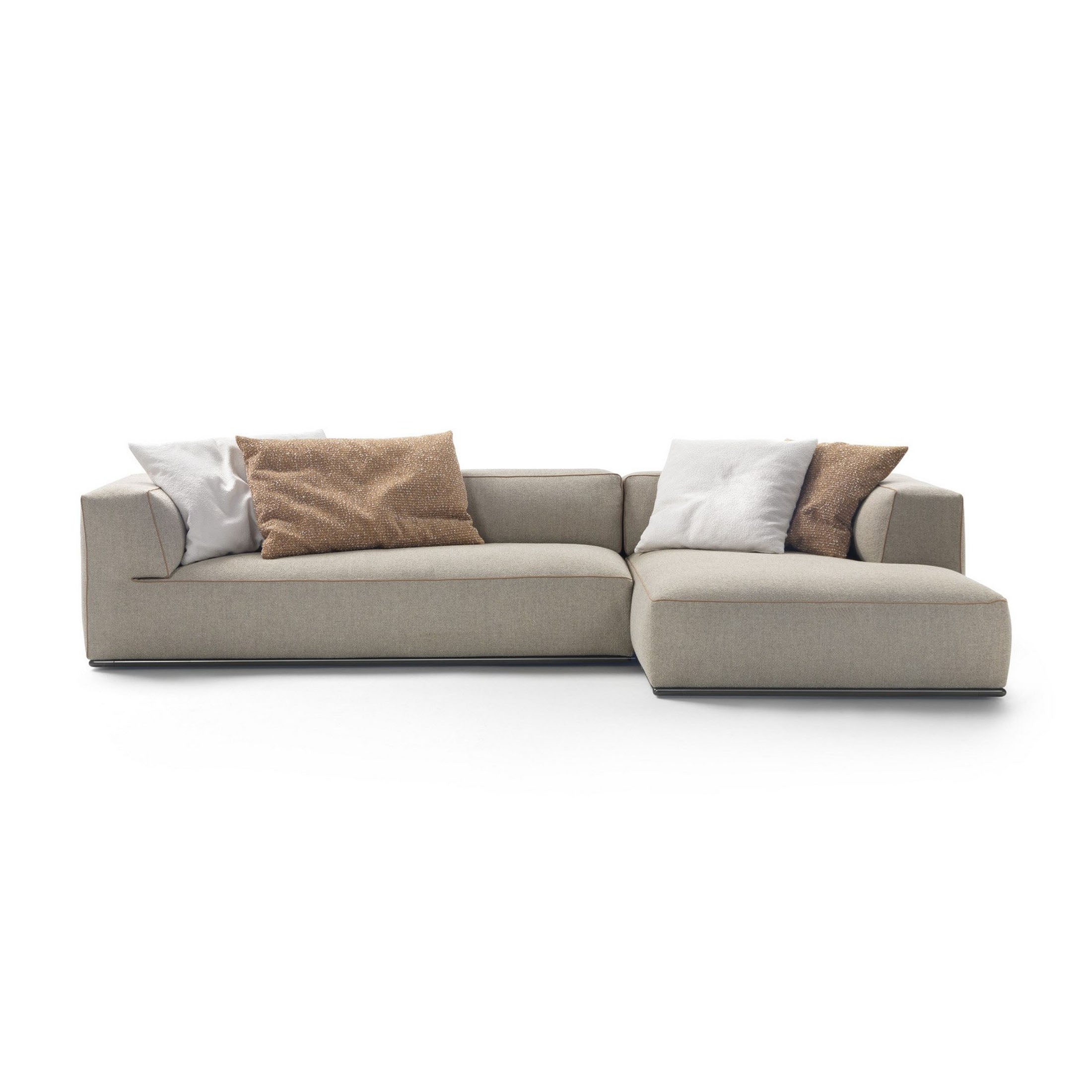
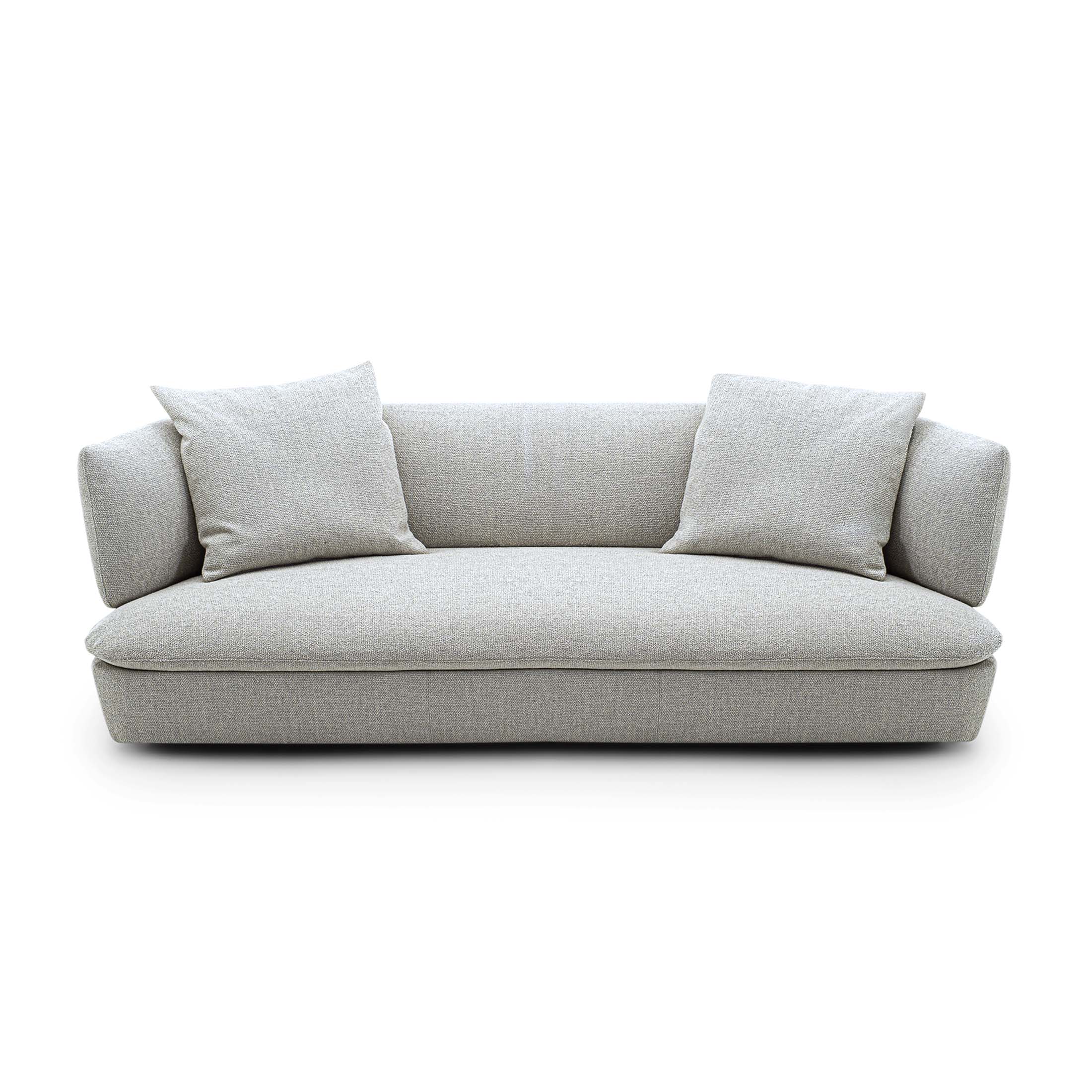
Flexform seating draws from a consistent material vocabulary: goose-down cushioning over polyurethane foam, solid wood frames in ash, oak, or Canaletto walnut, cast aluminum or tubular metal bases, and upholstery in leather, cowhide, or fabric. Goose down used across the collection is frequently Assopiuma-certified, a standard that verifies the origin, quality, and processing of the fill. One example is the Soft Dream sofa, which pairs an Assopiuma-certified down fill with a cowhide-upholstered metal base. Woven cowhide and grosgrain piping appear as recurring craft details across sofas and armchairs.
What is Assopiuma certification and why does it matter for Flexform sofas?
Assopiuma is an Italian industry consortium that certifies the traceability, quality, and processing standards of down and feather fills. When a Flexform piece carries Assopiuma certification, it confirms that the goose down inside meets defined standards for origin and hygiene, not simply that the fill is labeled as down. For furniture built around the idea of sustained comfort, that distinction is substantive. It is a detail worth asking about when specifying a piece intended for long-term use.
Are Flexform sofas and seating systems modular?
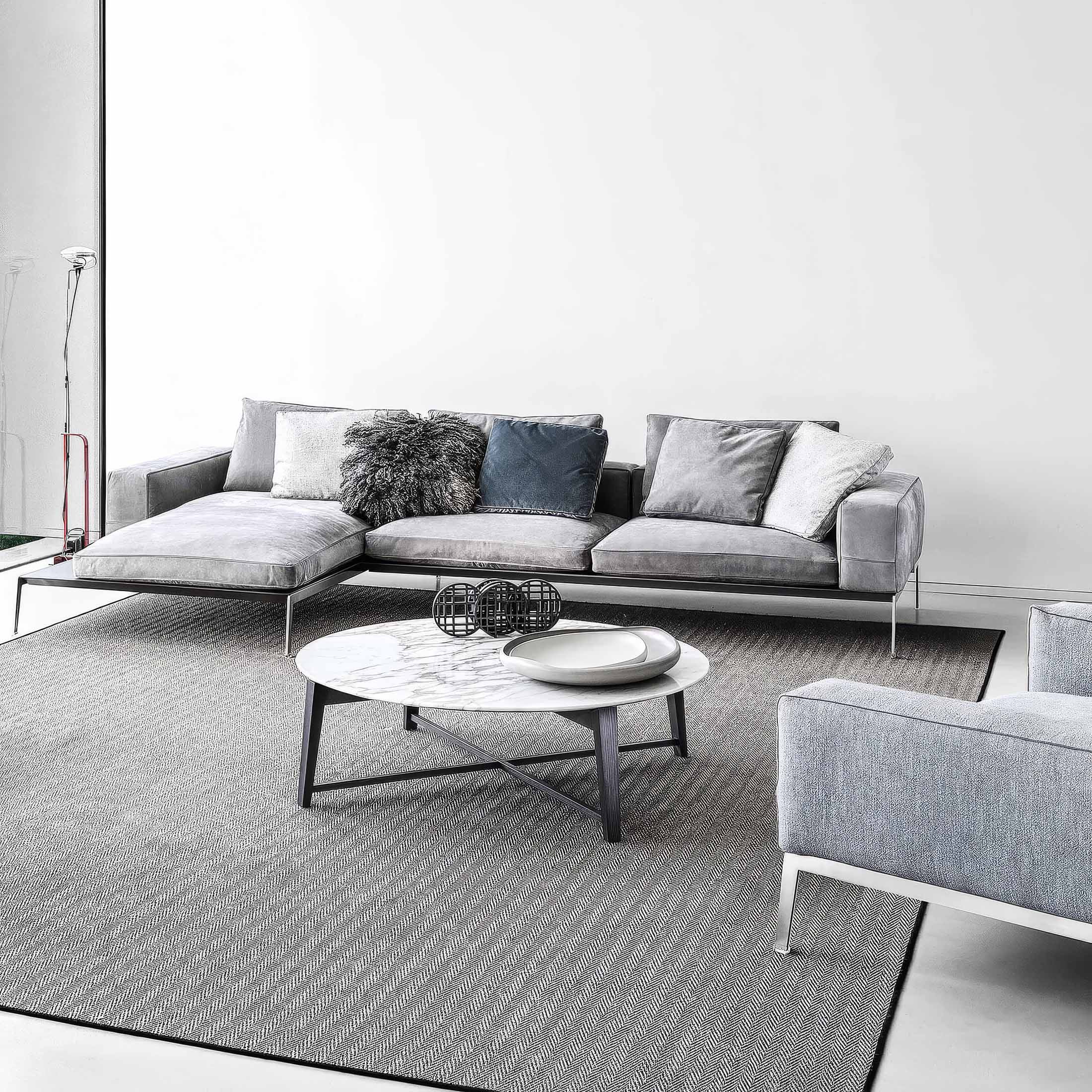
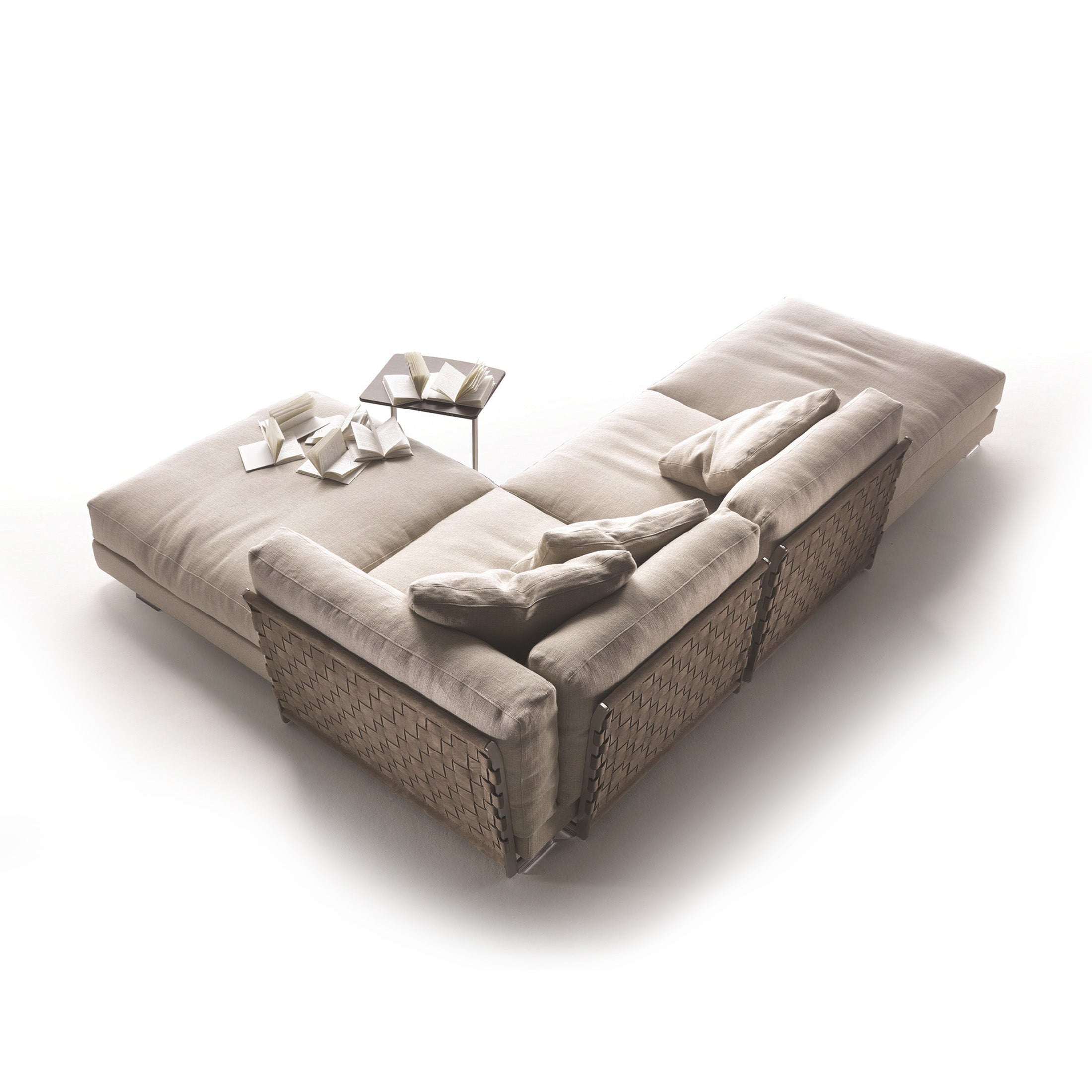
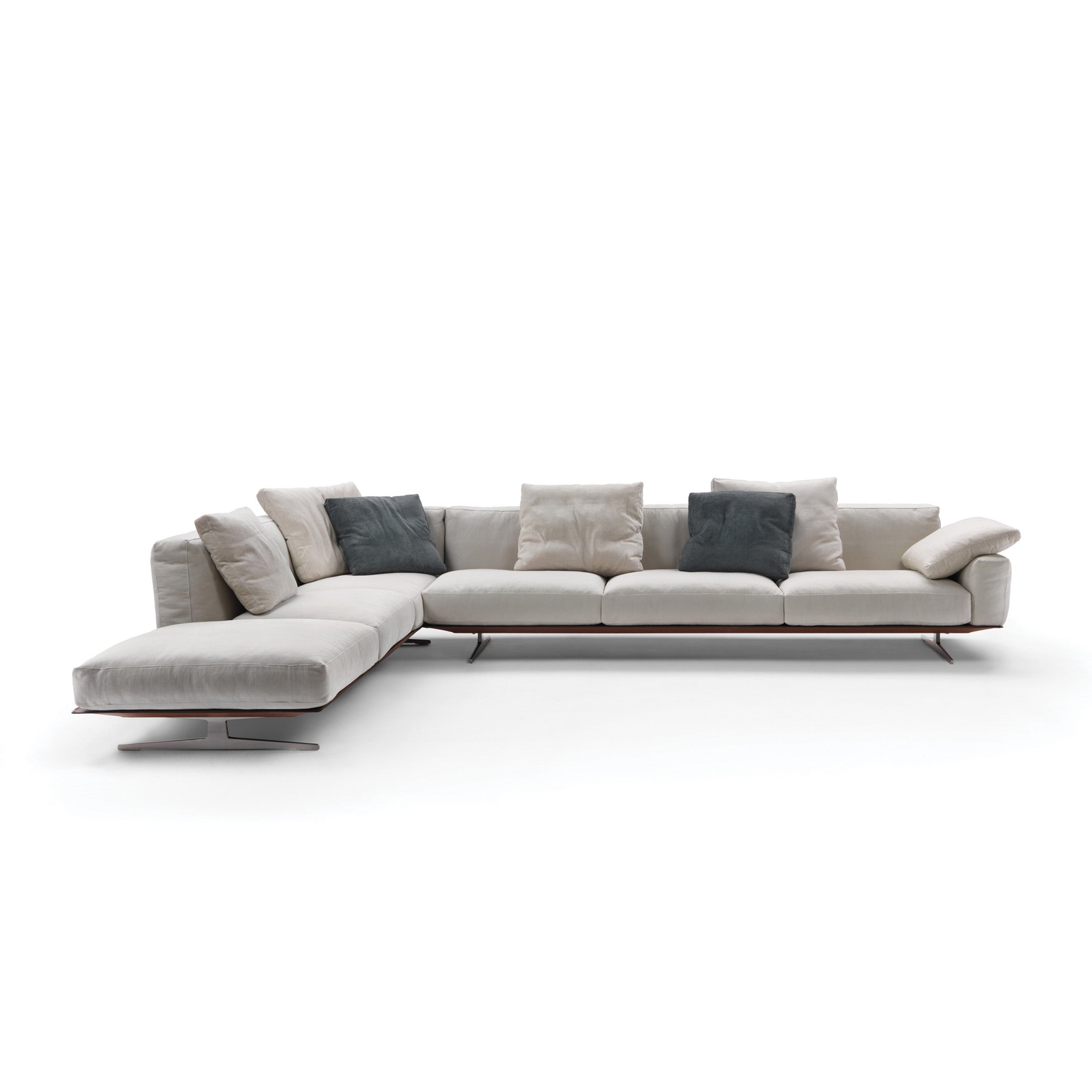
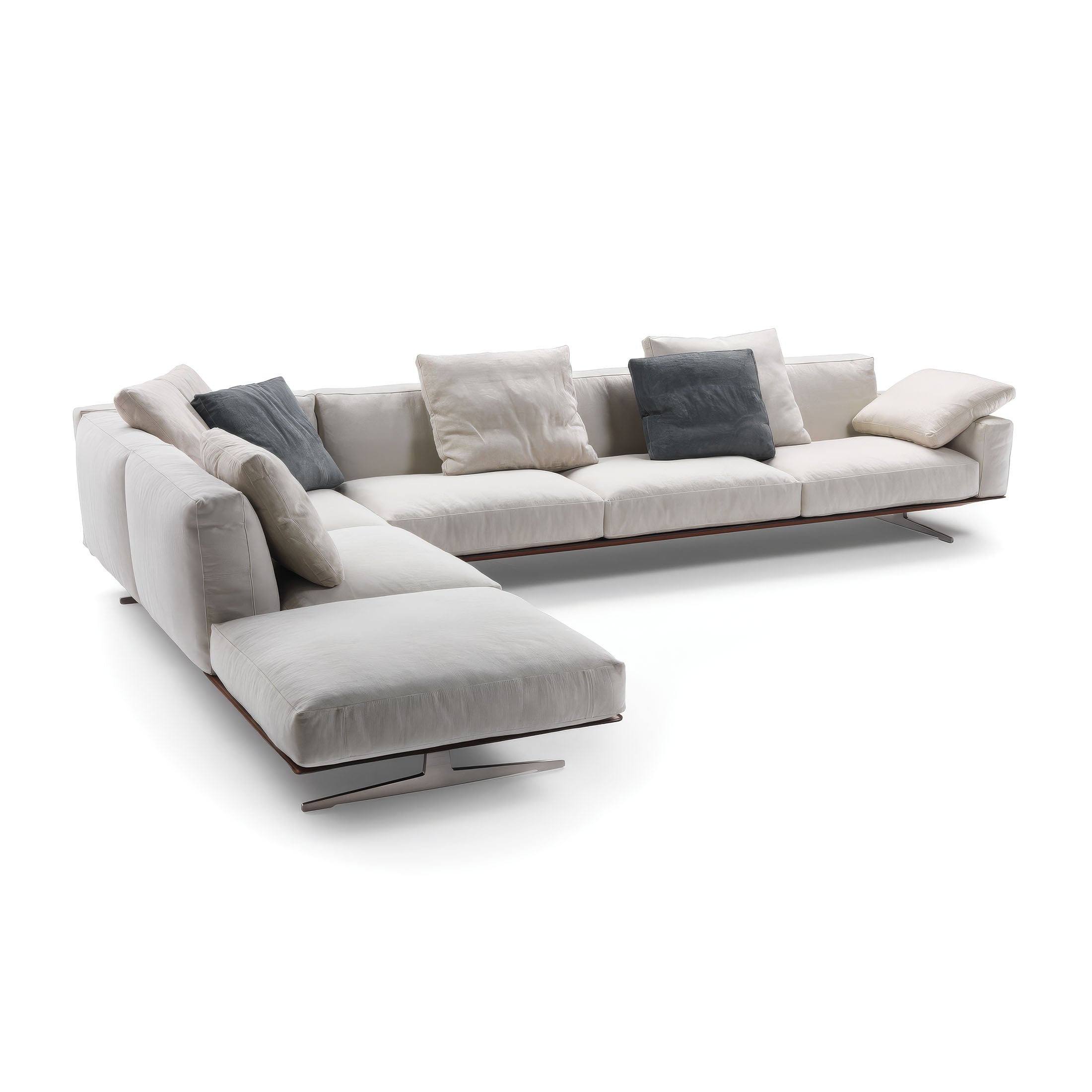
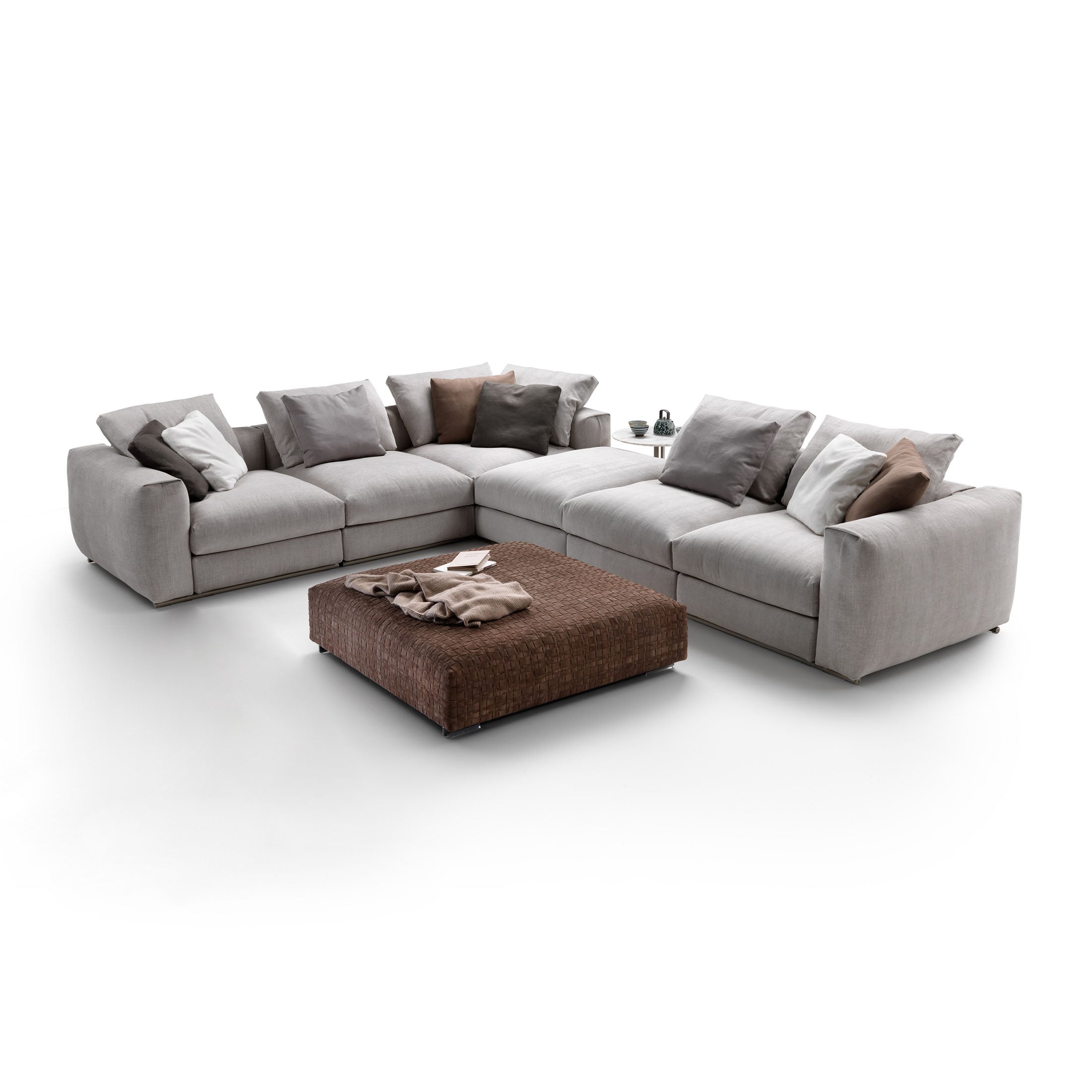
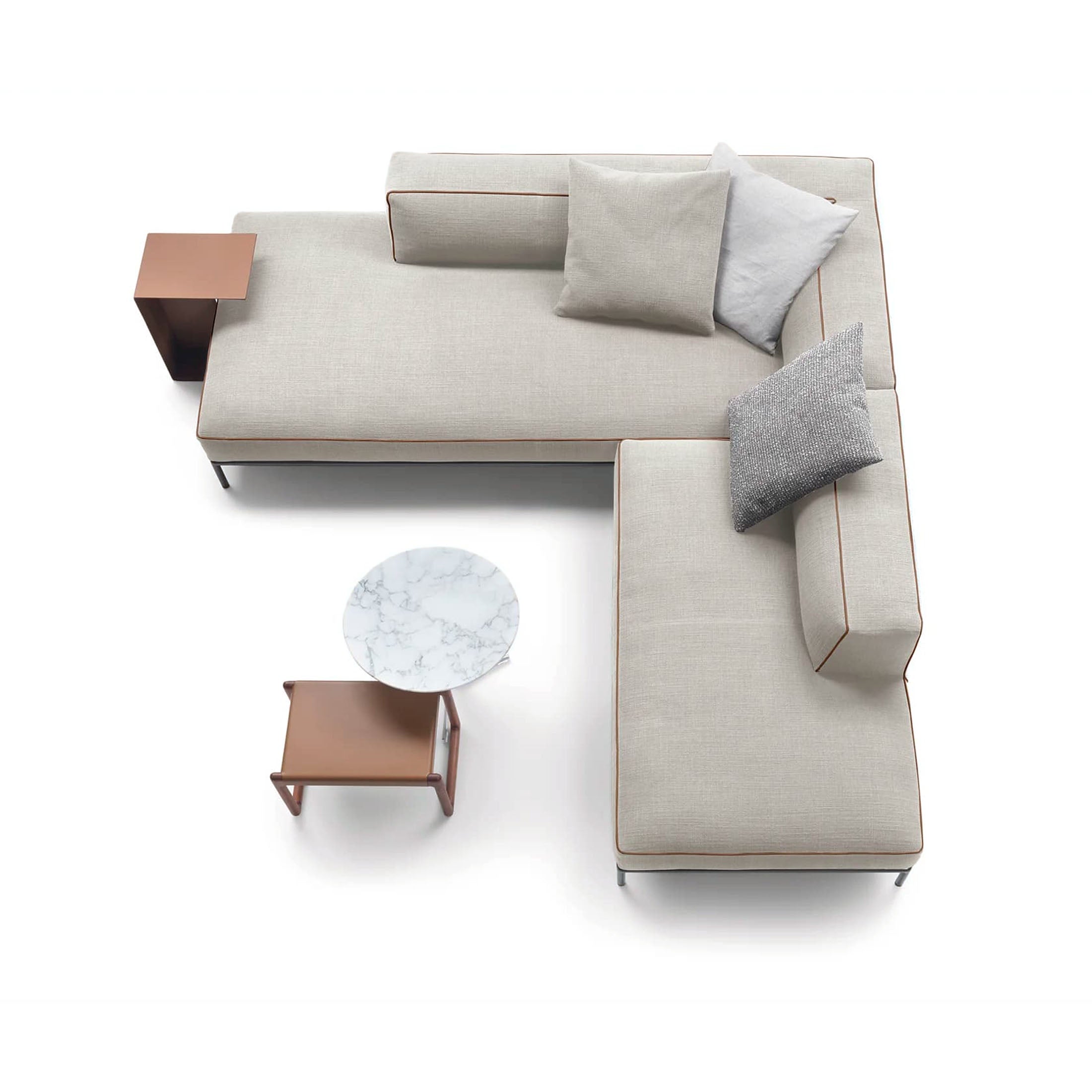
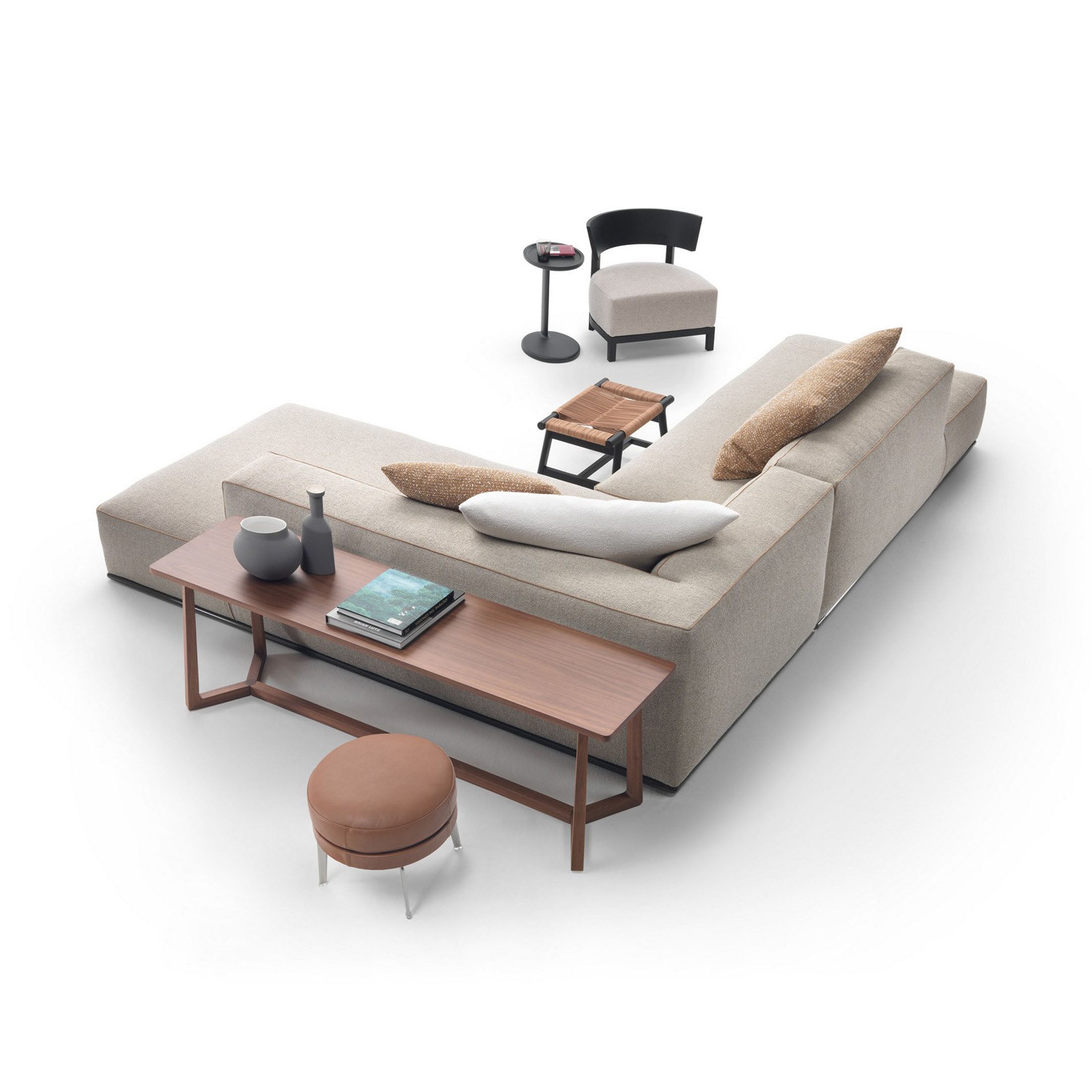
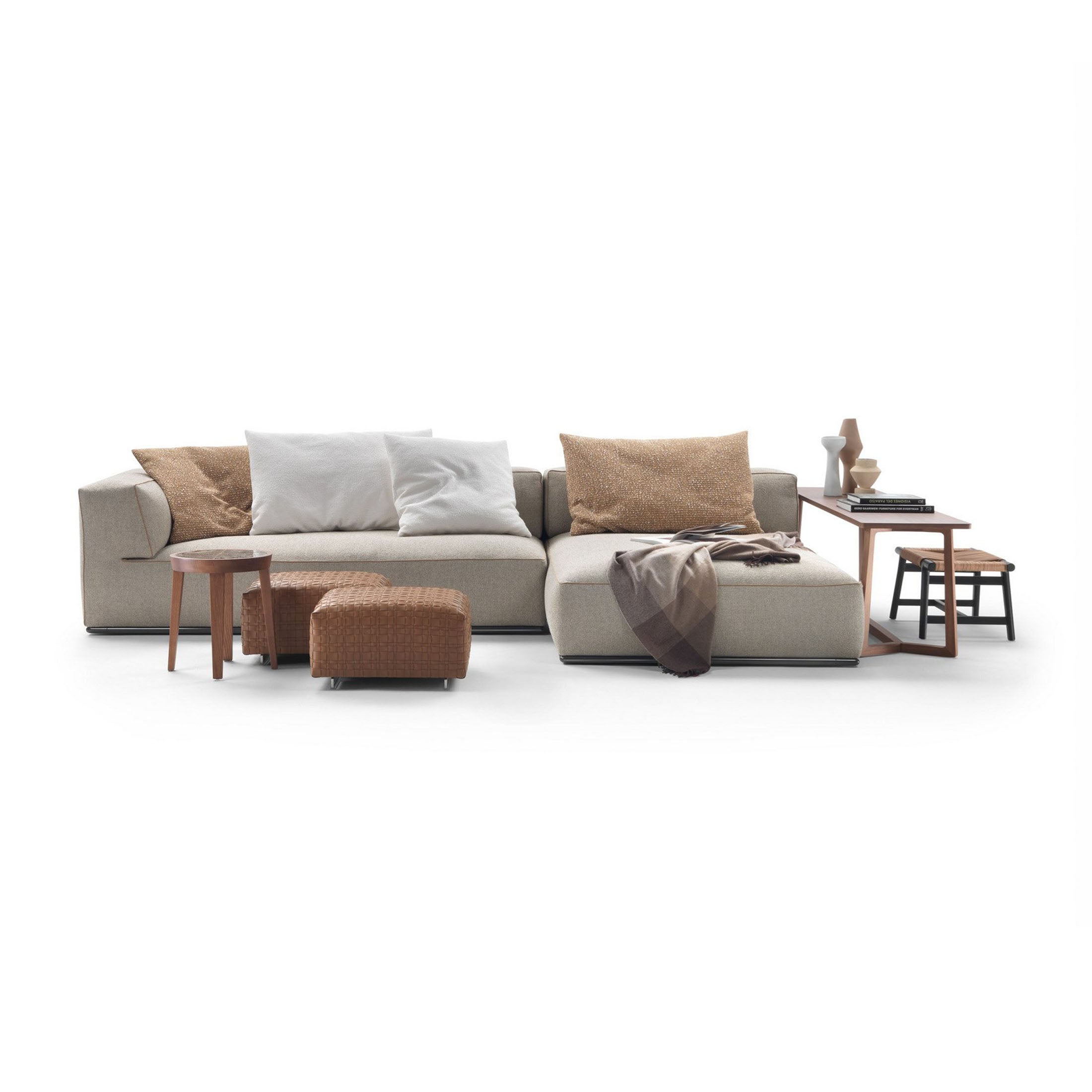
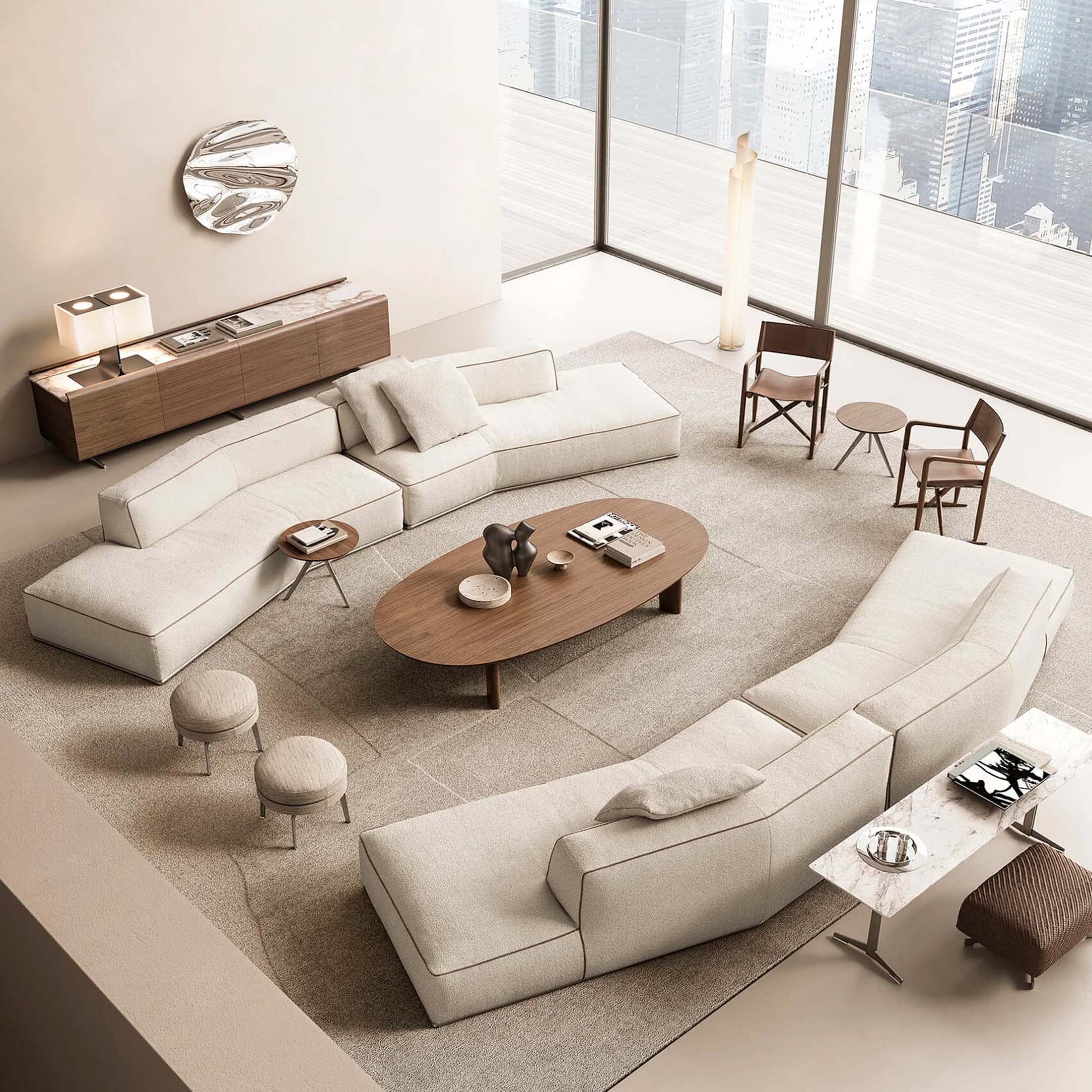
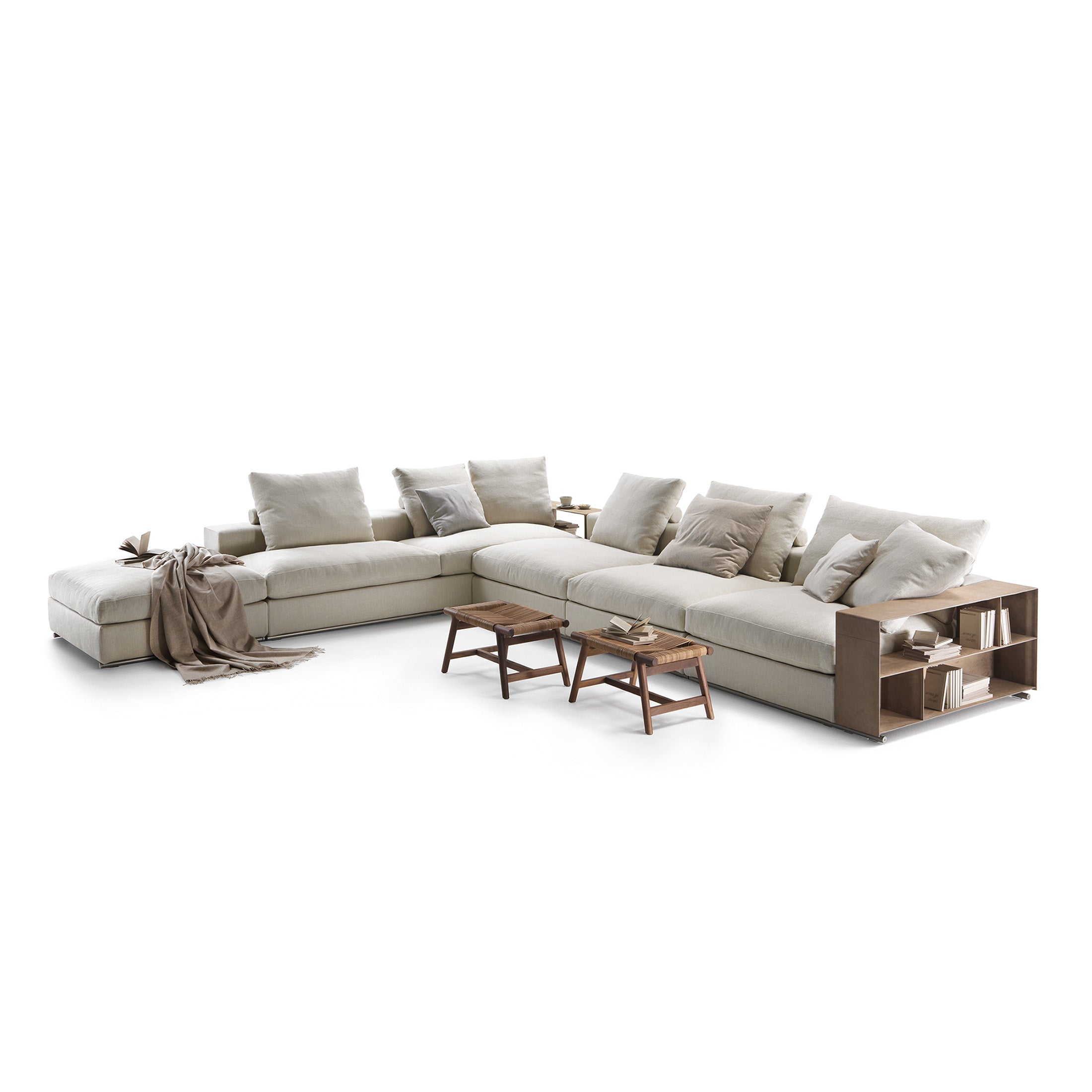
Modularity is central to many of Flexform's seating systems. Configurations can be composed and reconfigured across a range of floor plans, from compact arrangements in a private study to expansive sectional layouts in a formal living room. The modular approach does not sacrifice formal coherence: each element is designed so that combinations read as a resolved whole rather than assembled parts. Upholstery is typically removable across modular systems, allowing pieces to evolve over time without requiring full replacement. Our design services team can assist with configuration planning and spatial coordination for more complex arrangements.
Who designs Flexform furniture?
Antonio Citterio has been the principal designer associated with Flexform for decades, shaping the house's direction across sofas, seating systems, and beds. His approach consistently prioritizes structural logic and material precision over surface effect. The design process at Flexform is research-led: proportions are tested over time, and details are resolved at the level of the seam and the joint rather than applied afterward. Other designers have contributed pieces to the collection, each working within the same disciplined formal framework.
How do I choose between a Flexform sofa and a Flexform armchair for a living room?
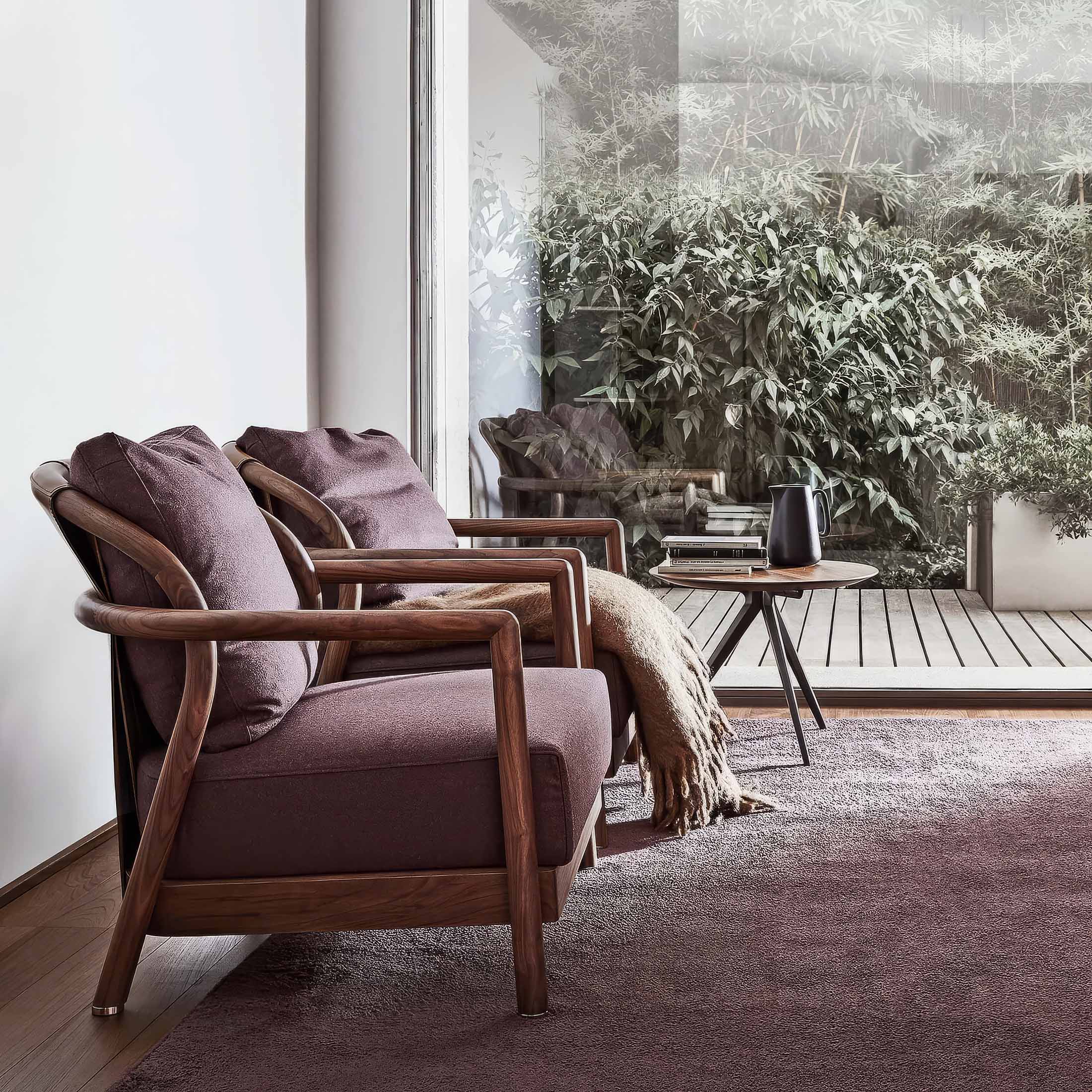
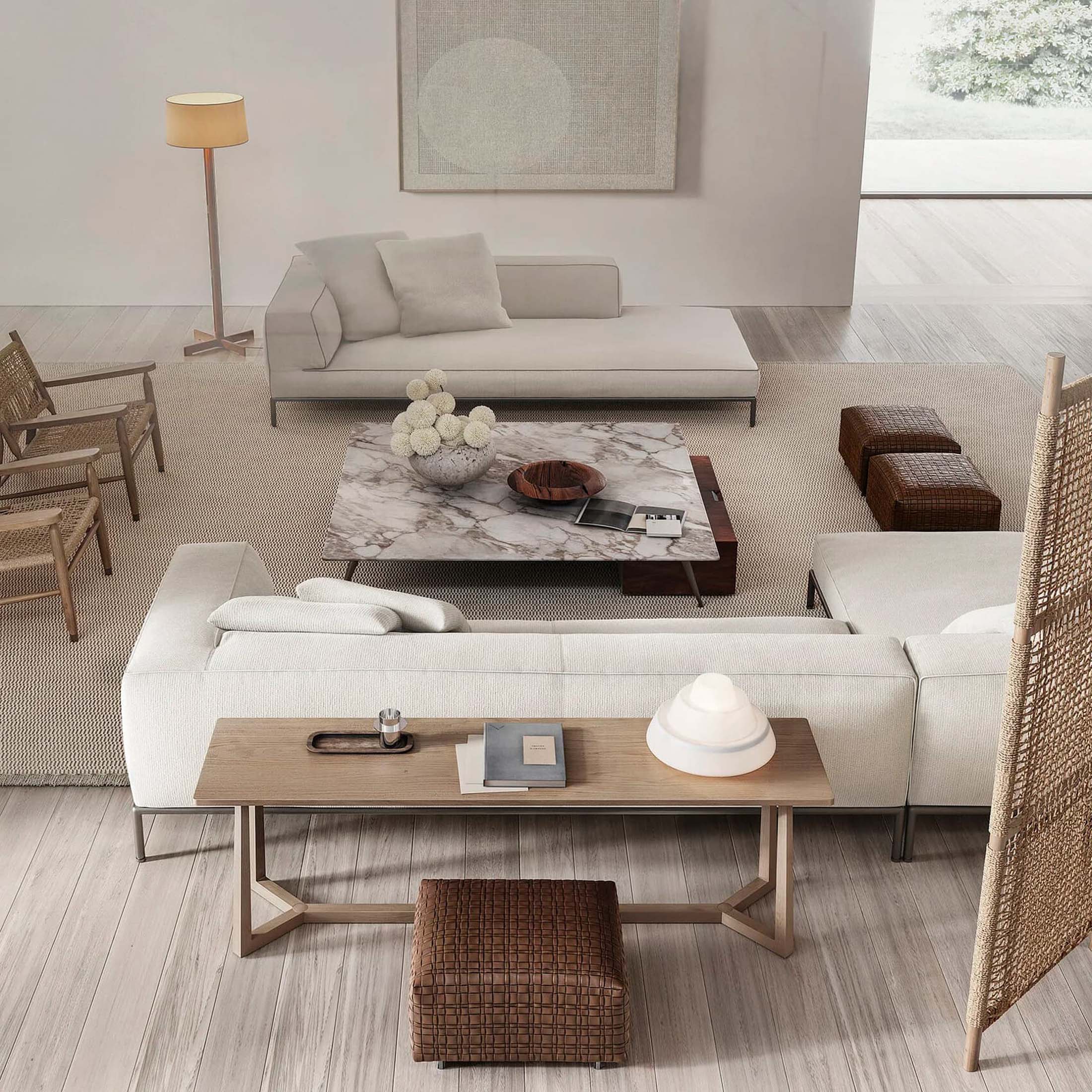
Scale and spatial role are the primary considerations. Flexform sofas, particularly the modular systems, are designed to anchor a room and define its geometry. Armchairs in the collection tend to occupy more precise positions: beside a reading corner, adjacent to a dining arrangement, or as a counterpoint to a larger seating group. Many Flexform armchairs are compact in footprint but full in presence, making them effective in rooms where a second sofa would crowd the plan. Upholstery and base finishes can be coordinated across both categories to create a resolved interior.
What wood finishes are available across the Flexform collection?
Canaletto walnut appears most consistently across Flexform's frames, legs, and structural elements, valued for its density and the depth of its grain. Ash and oak are offered on selected pieces, each available in a range of stain finishes that allow the same silhouette to read differently depending on interior context. Wood in Flexform furniture typically carries structural as well as visual weight: frames and substructures in solid wood or plywood contribute to the long-term stability of each piece rather than serving as surface detail alone.
Is Flexform furniture made in Italy?
Flexform produces its furniture in Meda, a town in Brianza, the region north of Milan that has been Italy's center of high-end furniture production for generations. Made in Italy carries specific meaning in this context: it refers to production methods, material sourcing, and a lineage of furniture-making knowledge concentrated in a small geographic area. For Flexform, that origin is not a marketing designation but a description of where the design research, prototyping, and manufacture actually take place. For a broader account of that Italian design lineage, the article Innovation in Tradition traces the broader history of Italian design and its enduring formal standards.
Elevate Your Space
Since 1974, we have been at the forefront of innovation in the design sphere, revolutionizing perceptions of good design.


