Design Without Boundaries
Beyond our curated collections lies a world of over 400 iconic brands.
For specific pieces, finishes, or bespoke solutions, our design team is at your disposal.
Frequently Asked Questions
What defines the architectural approach of these Italian kitchens?
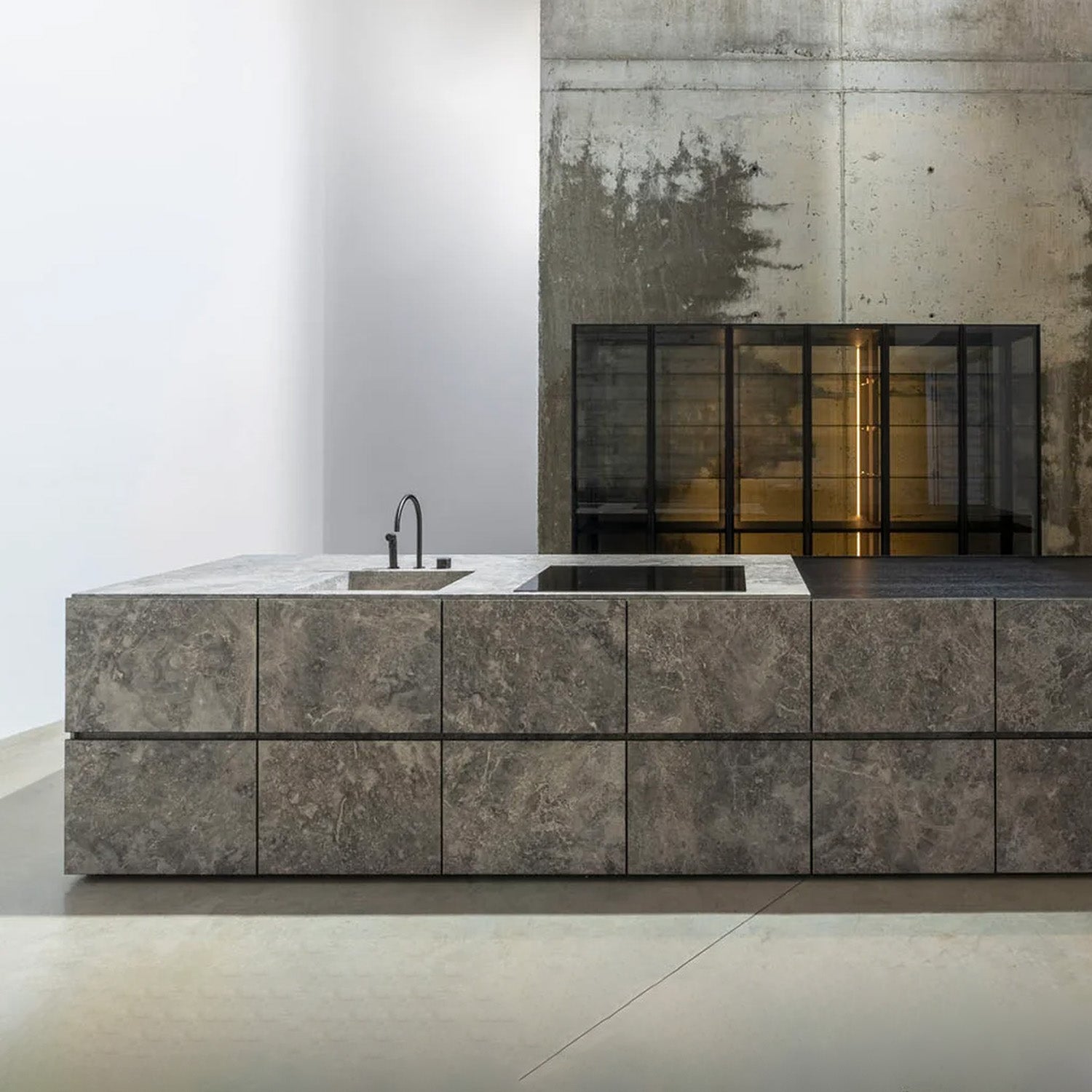
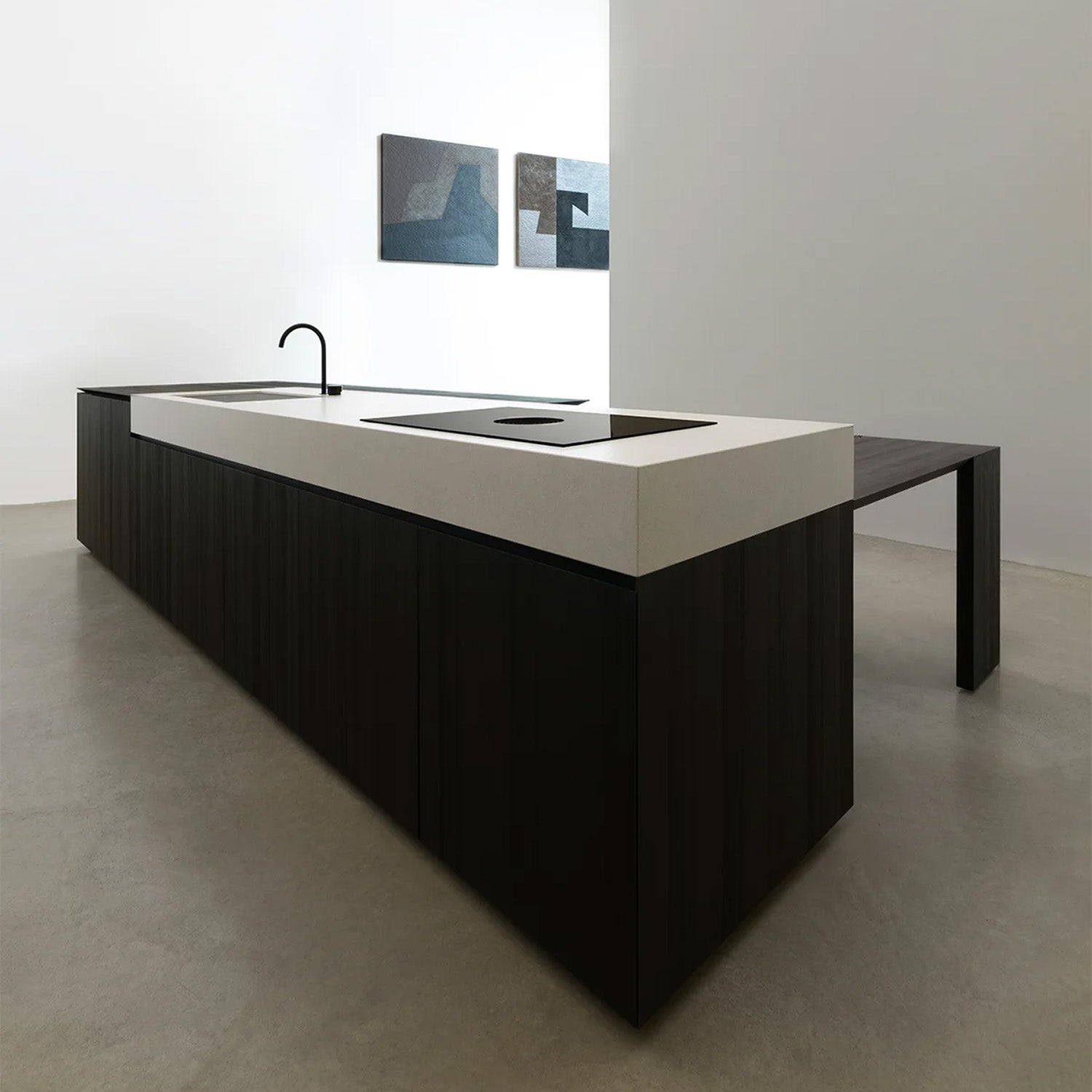
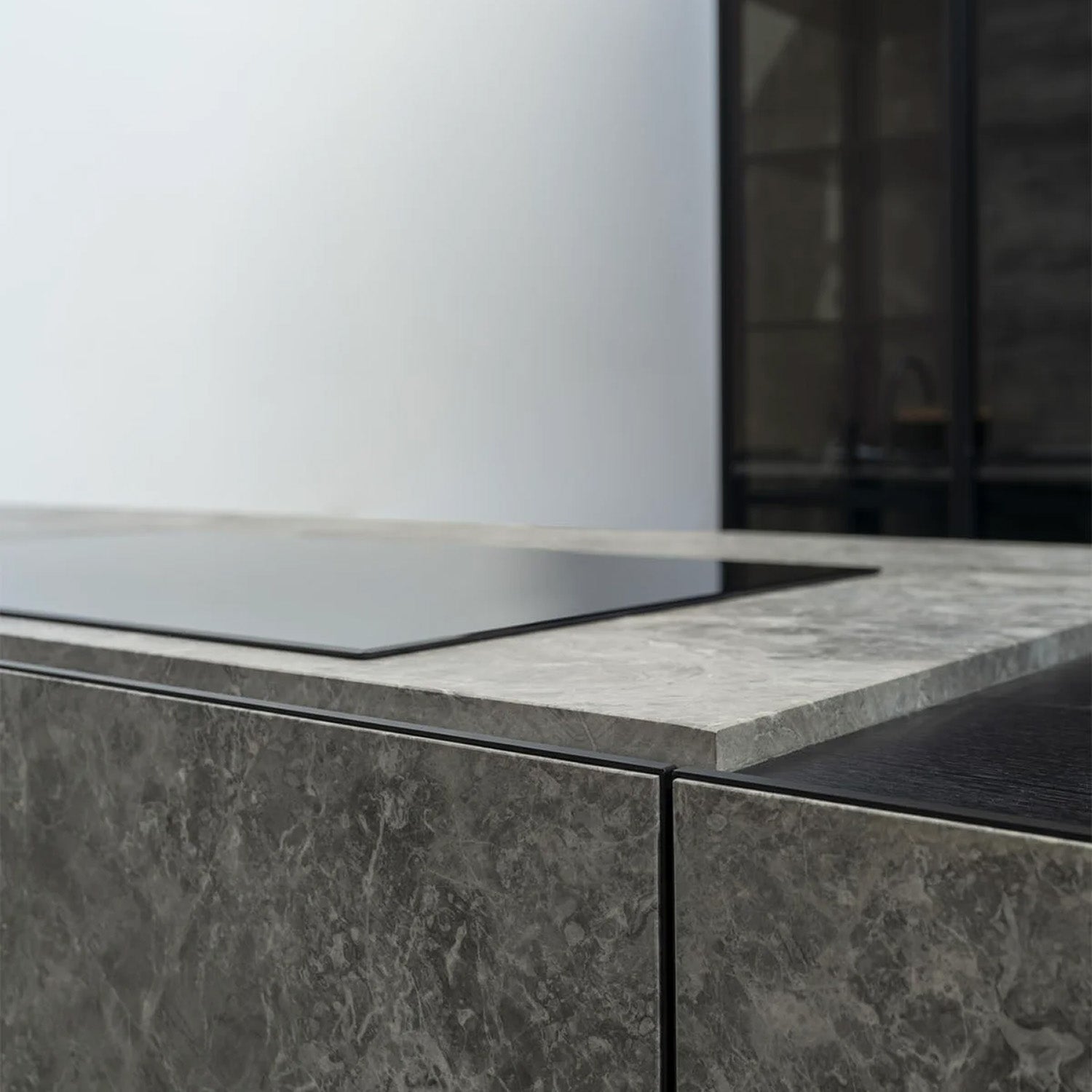
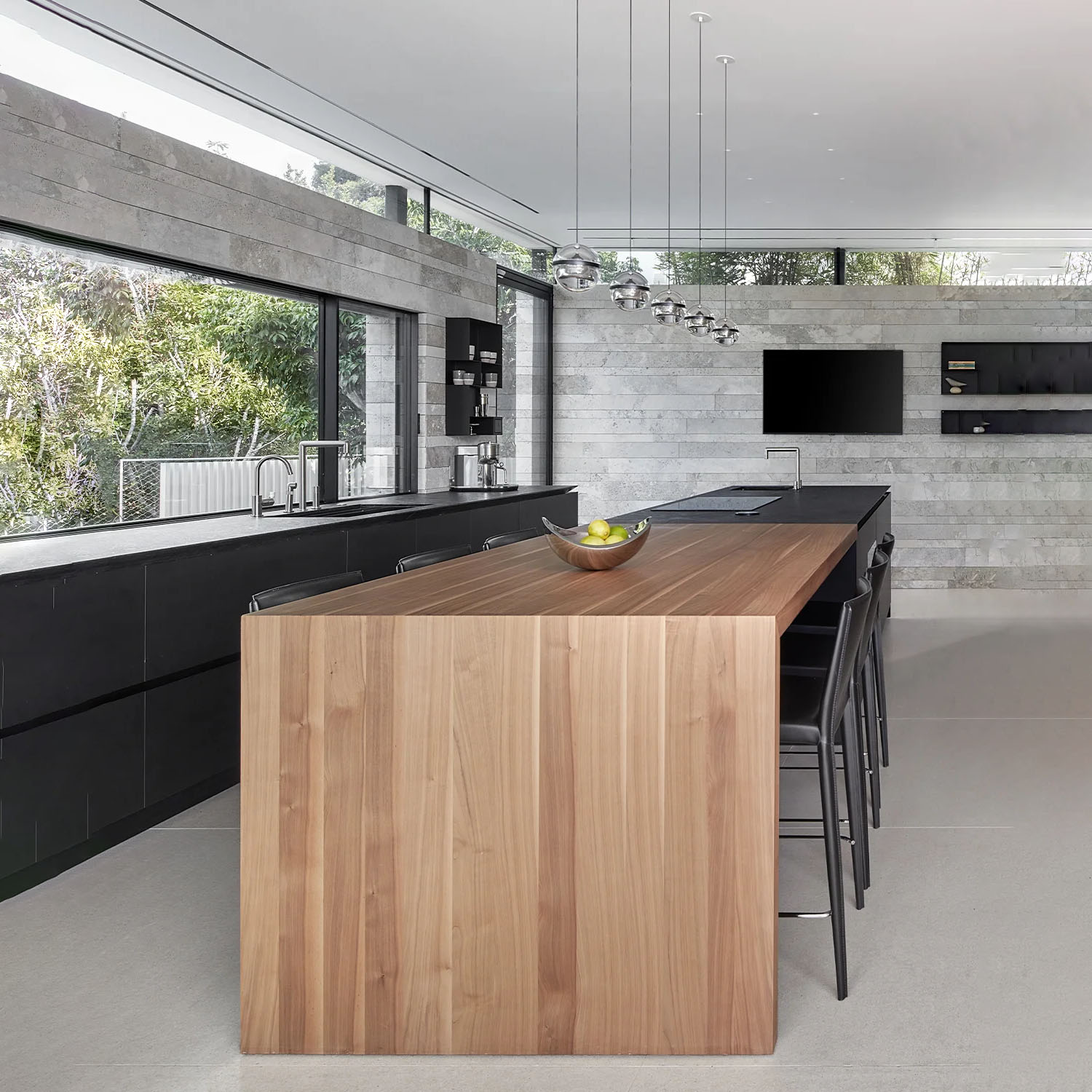
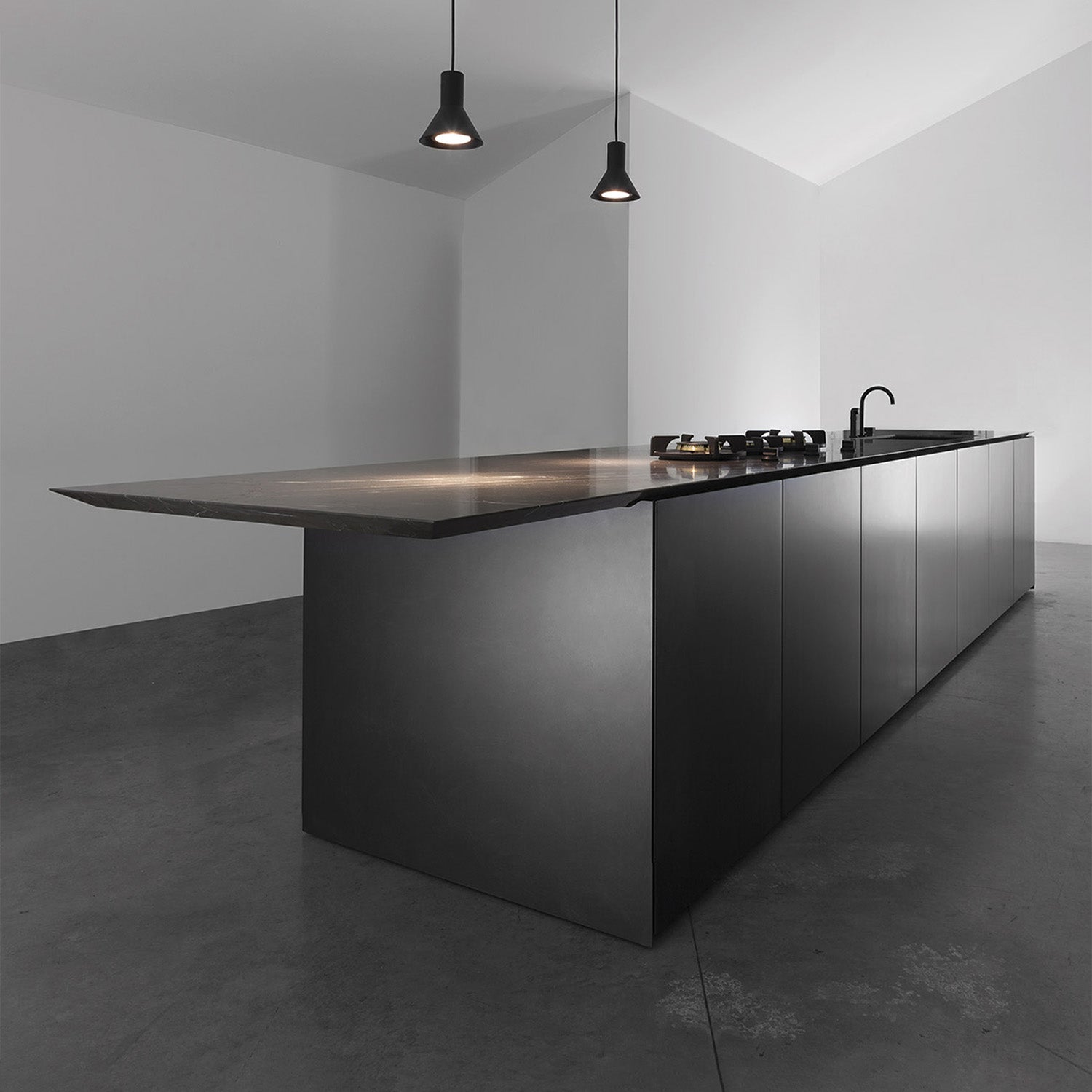
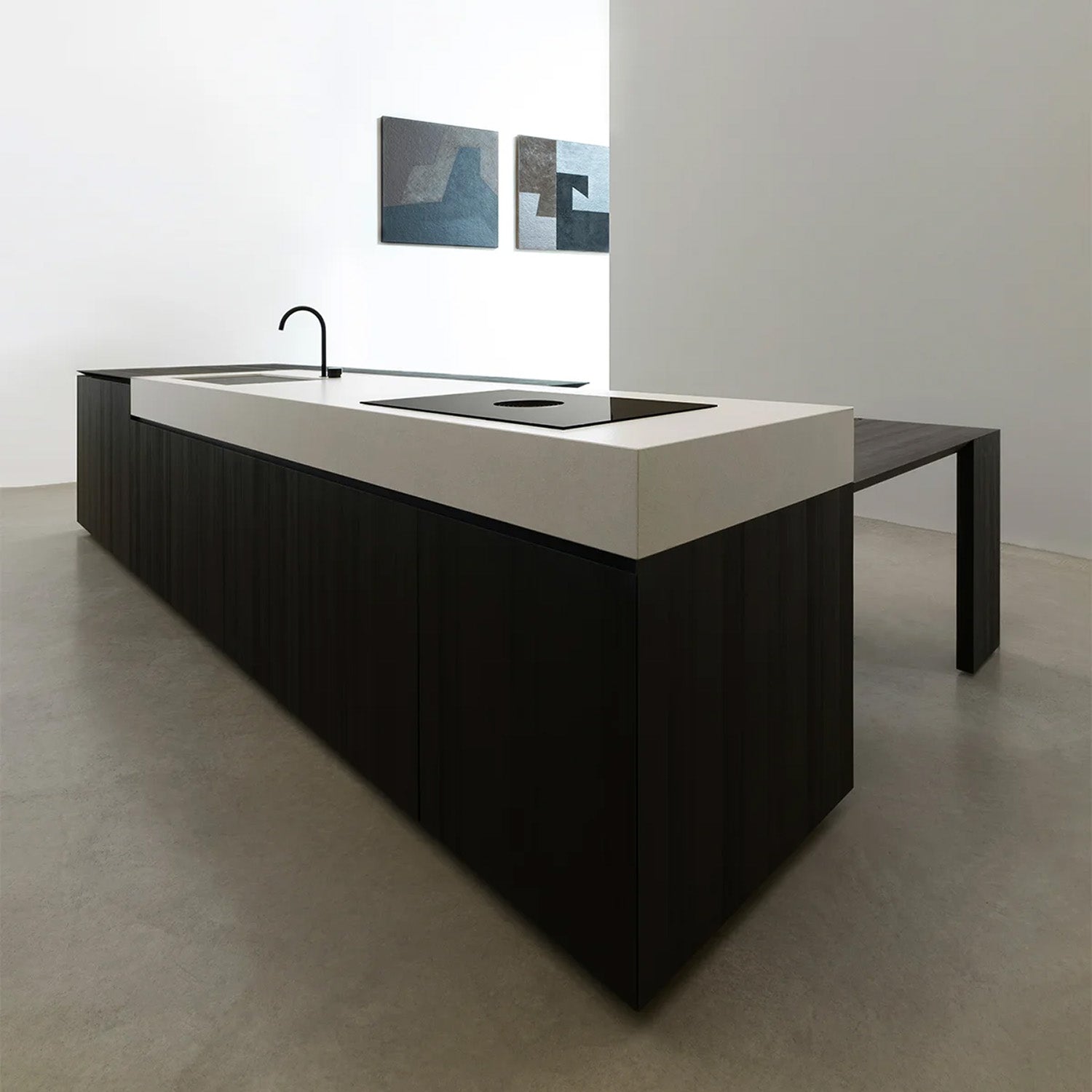
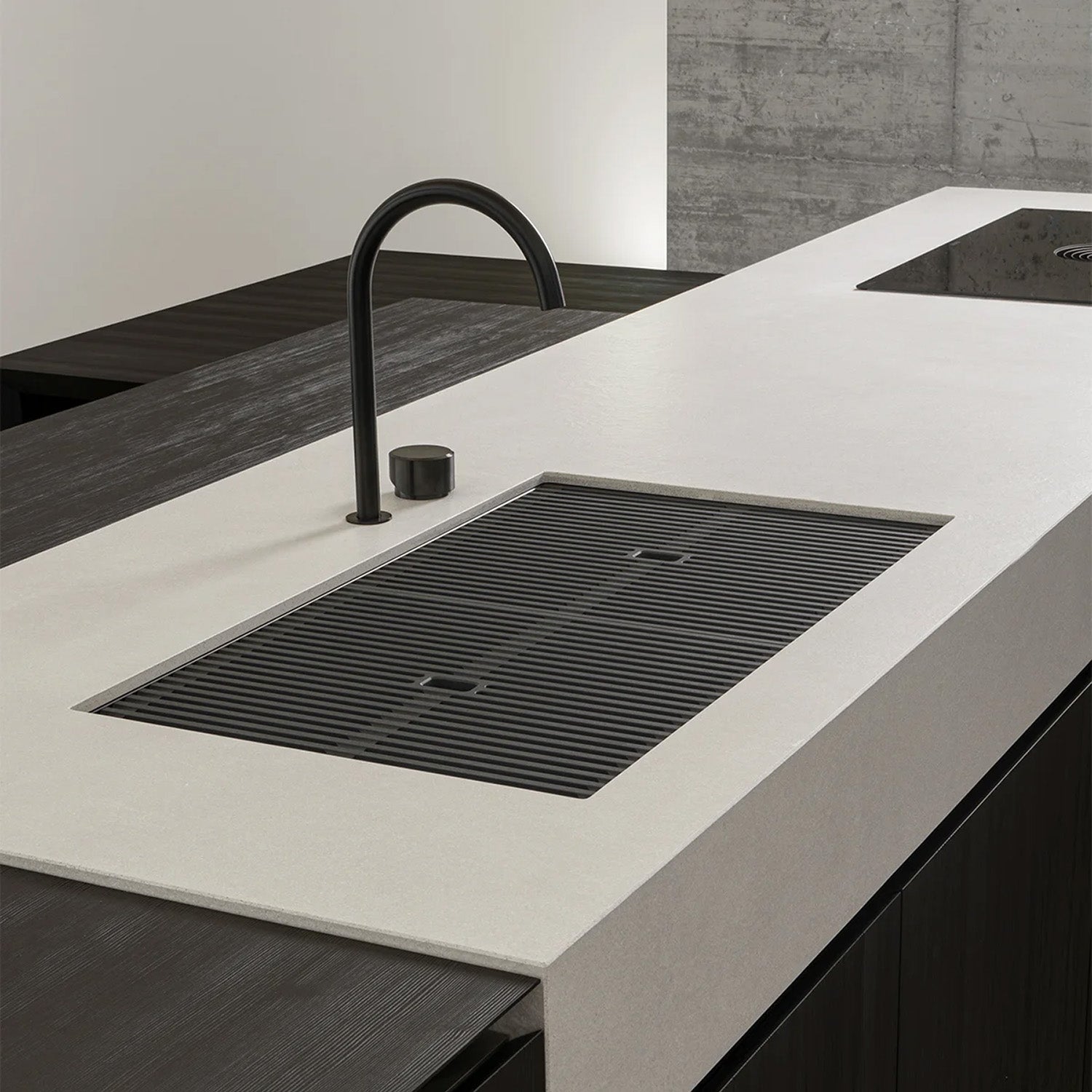
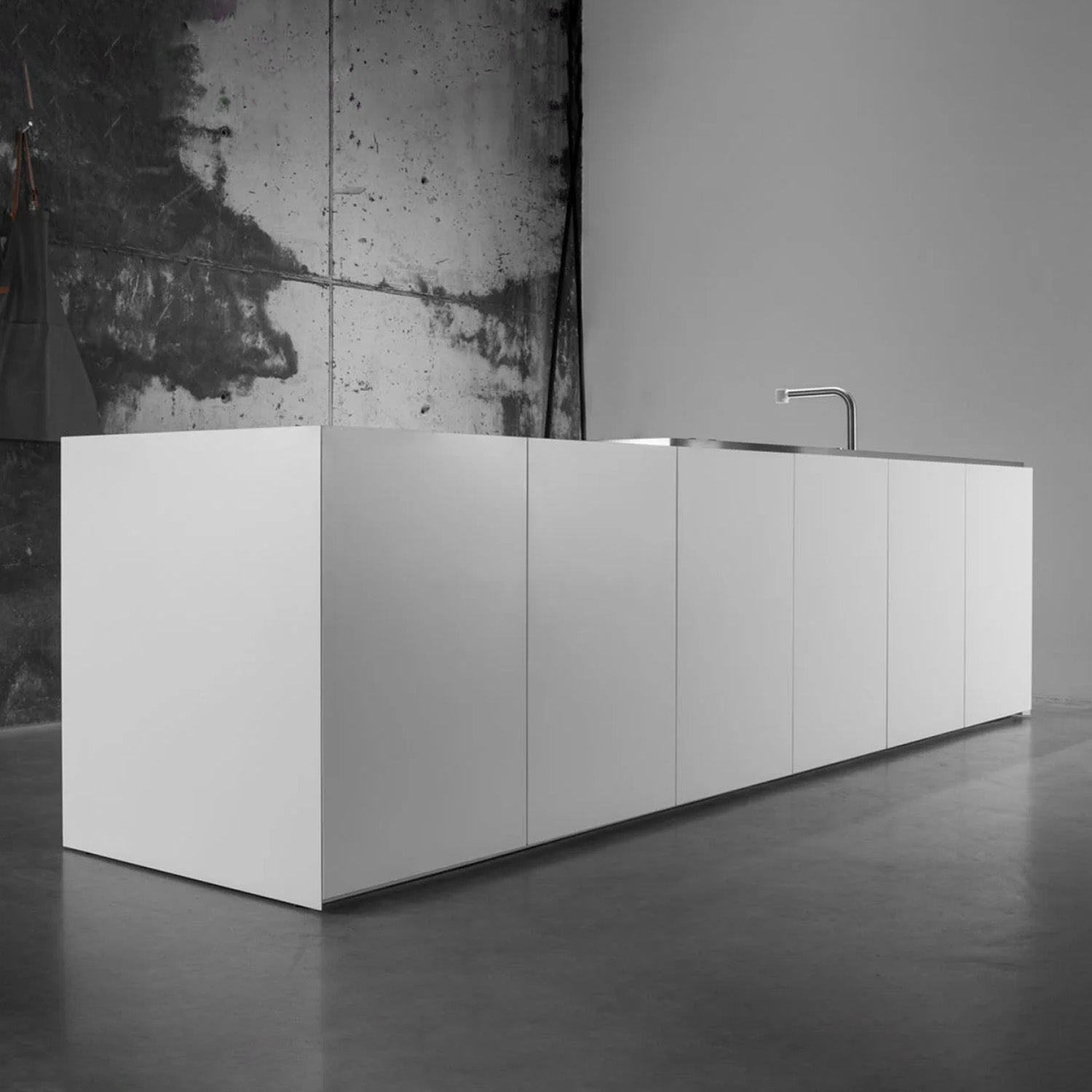
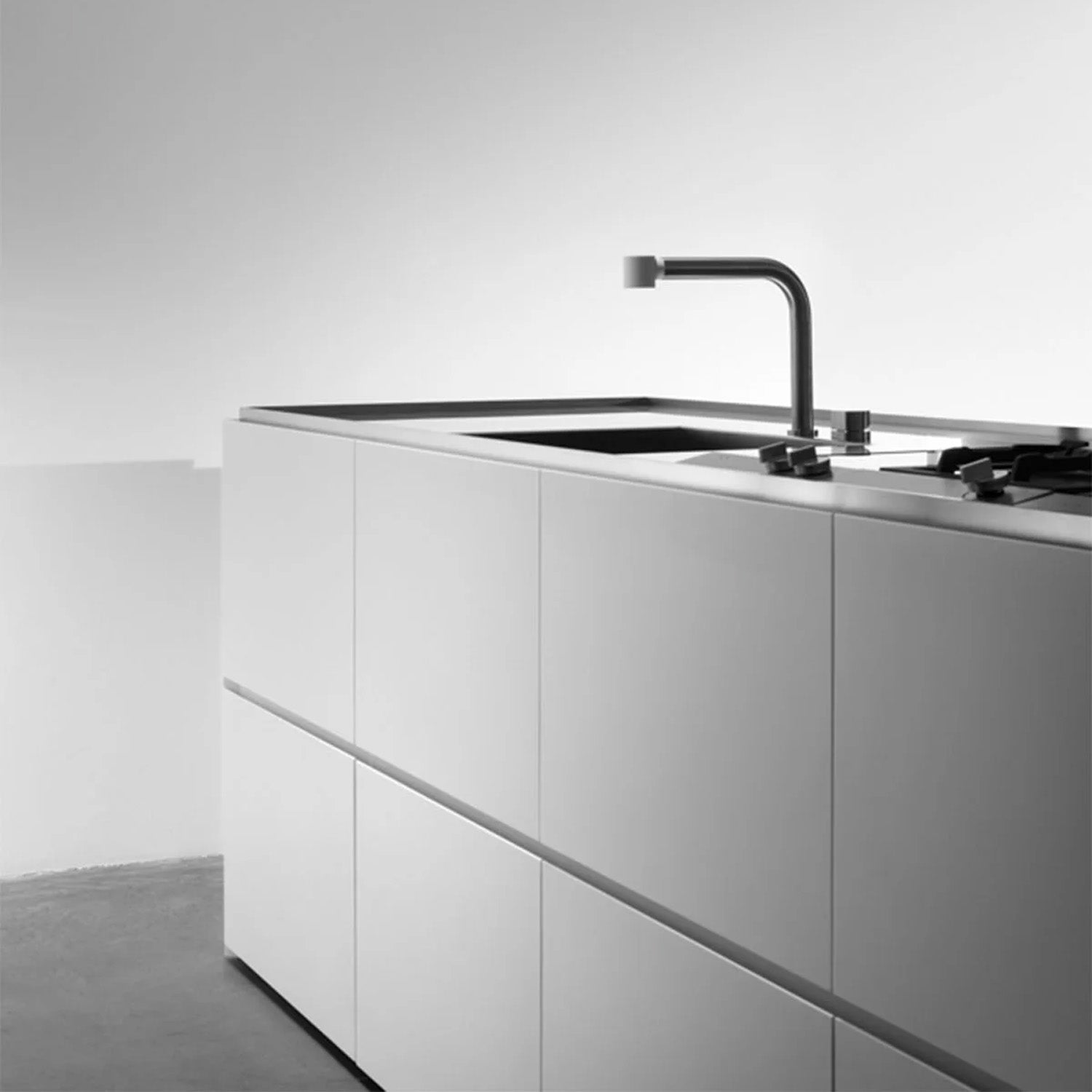
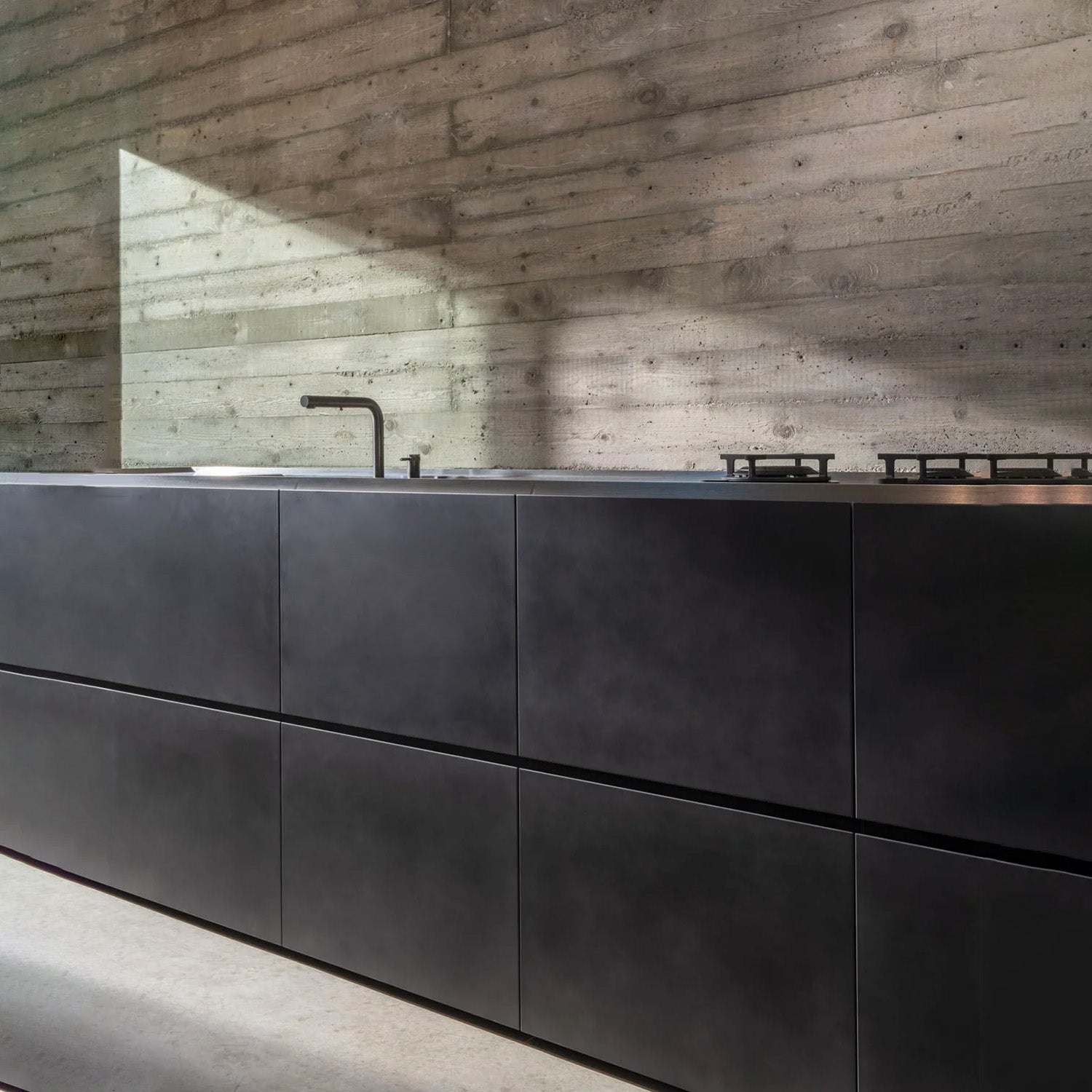
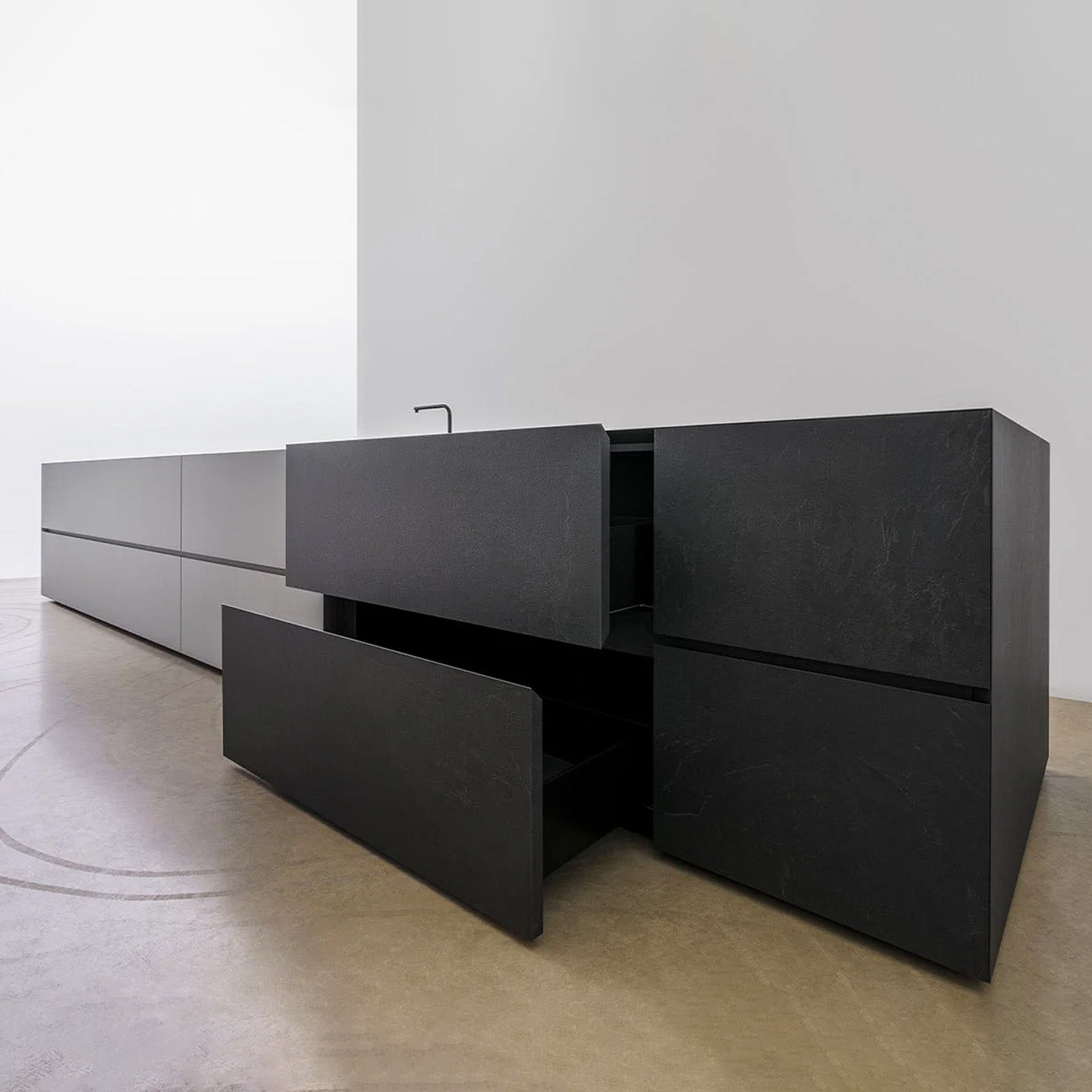
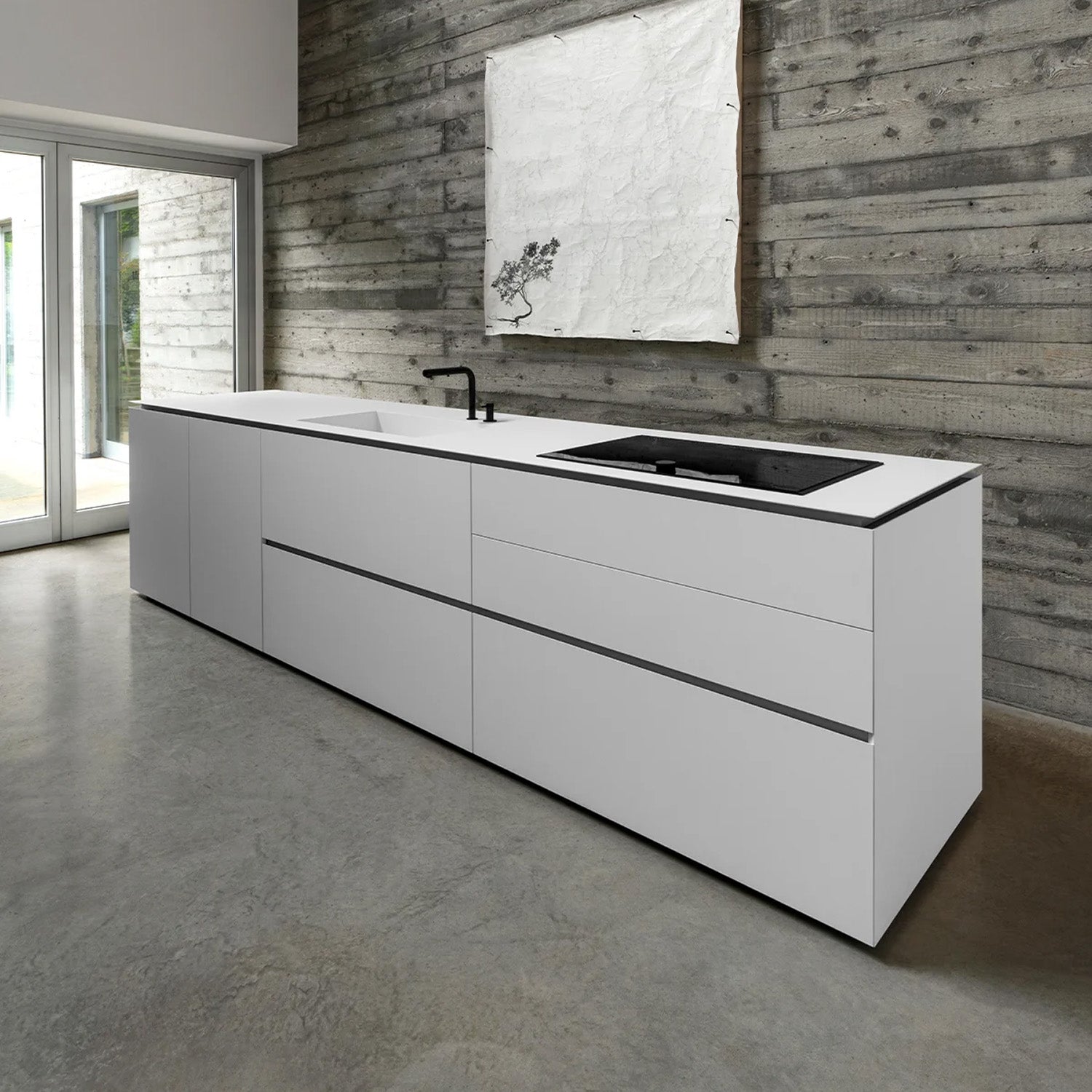
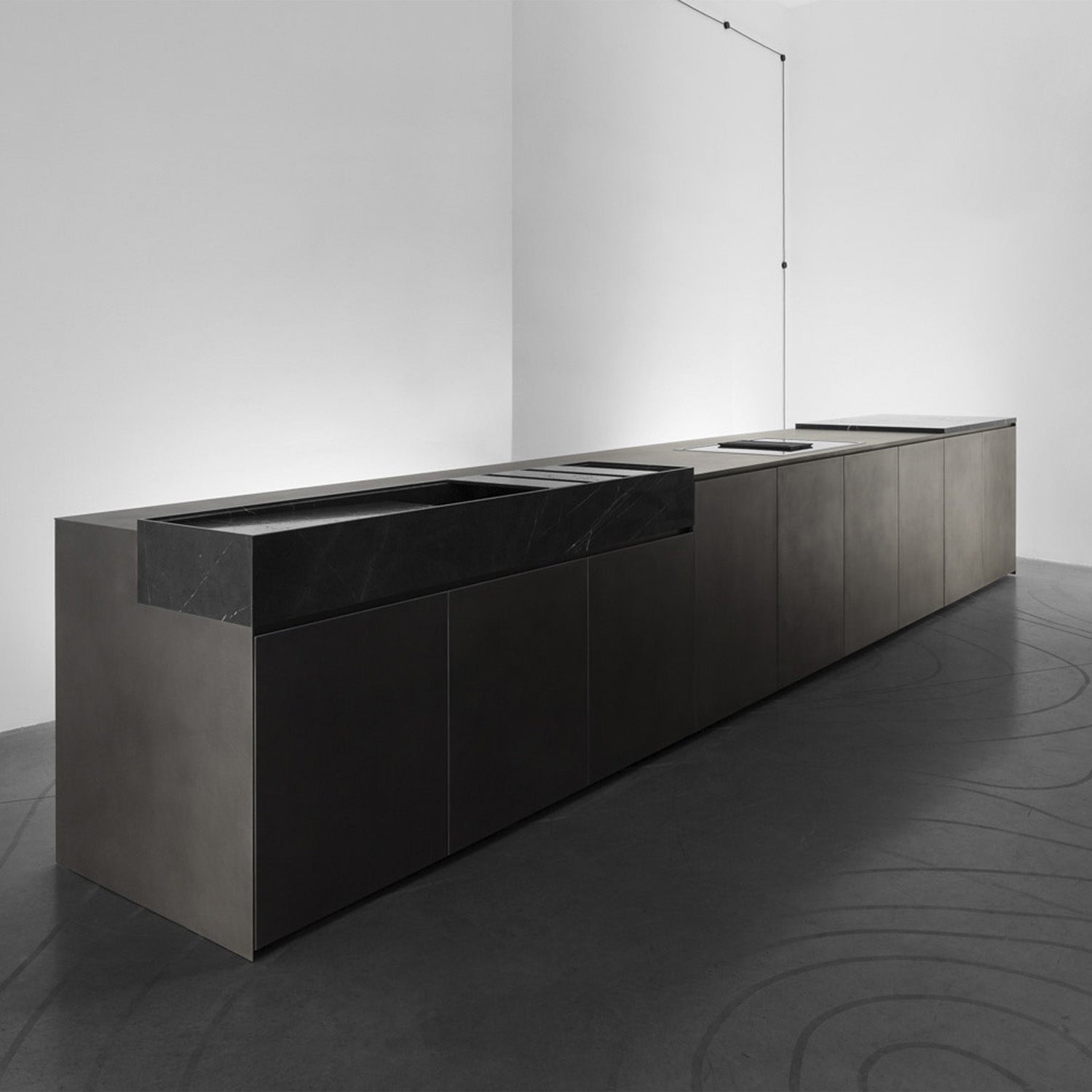
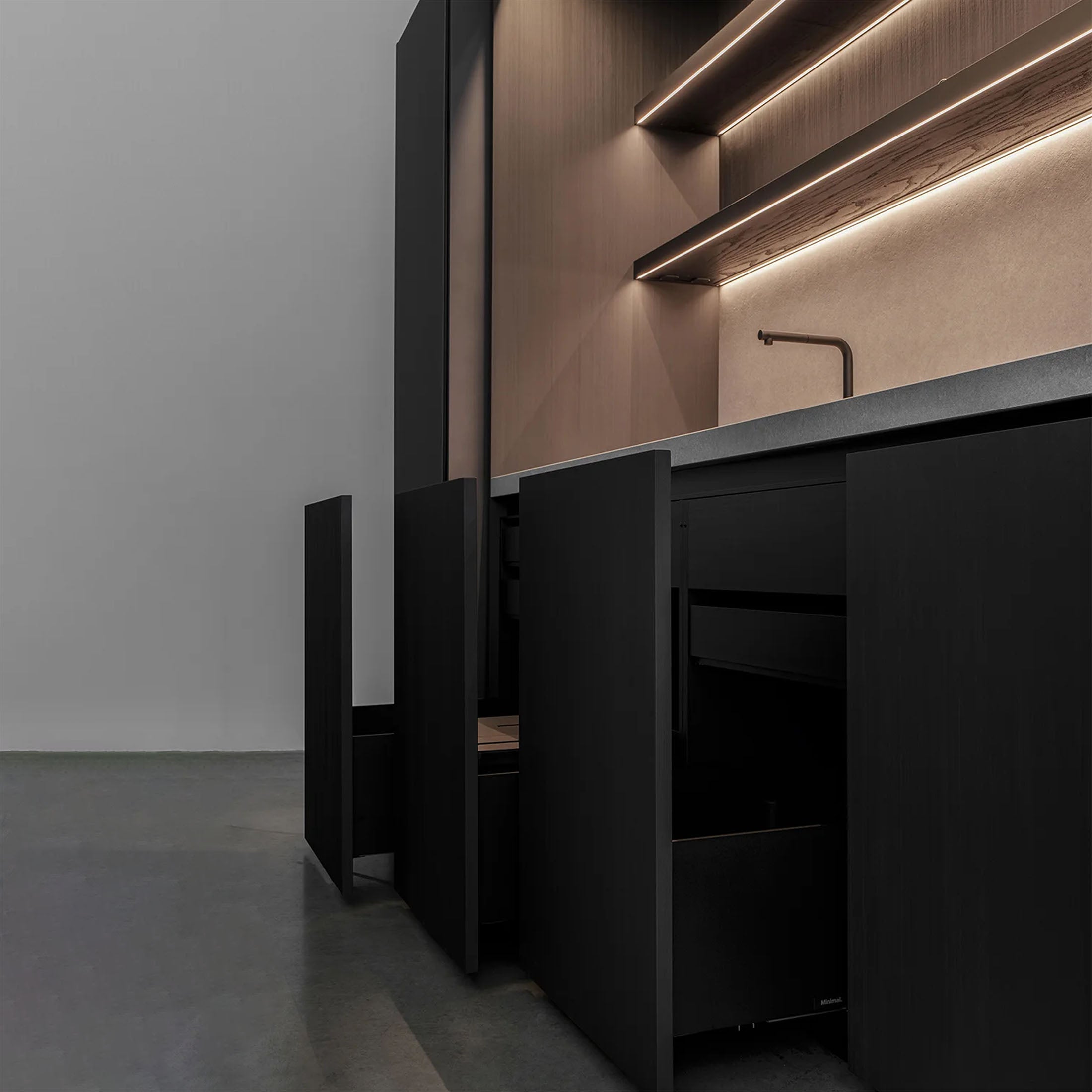
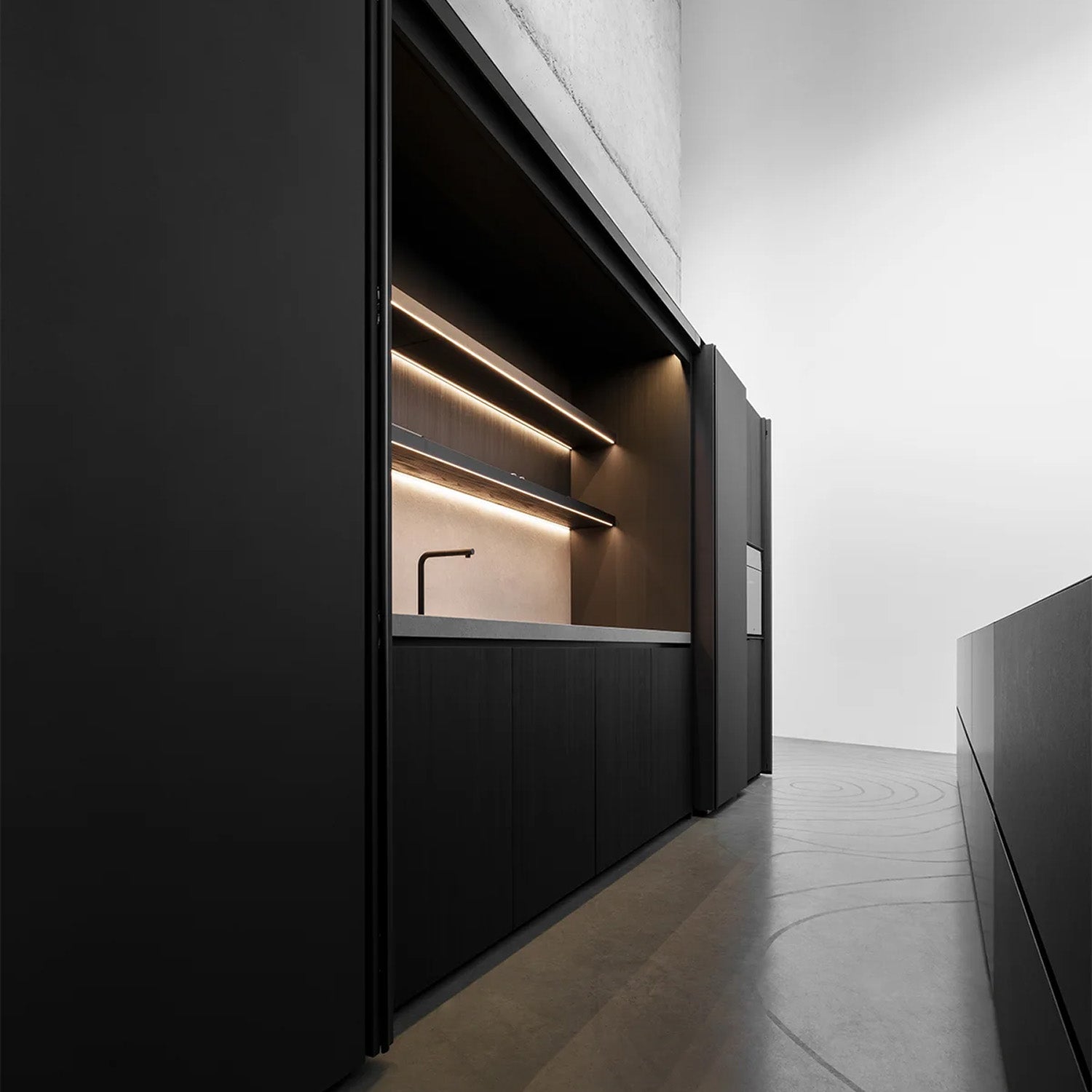
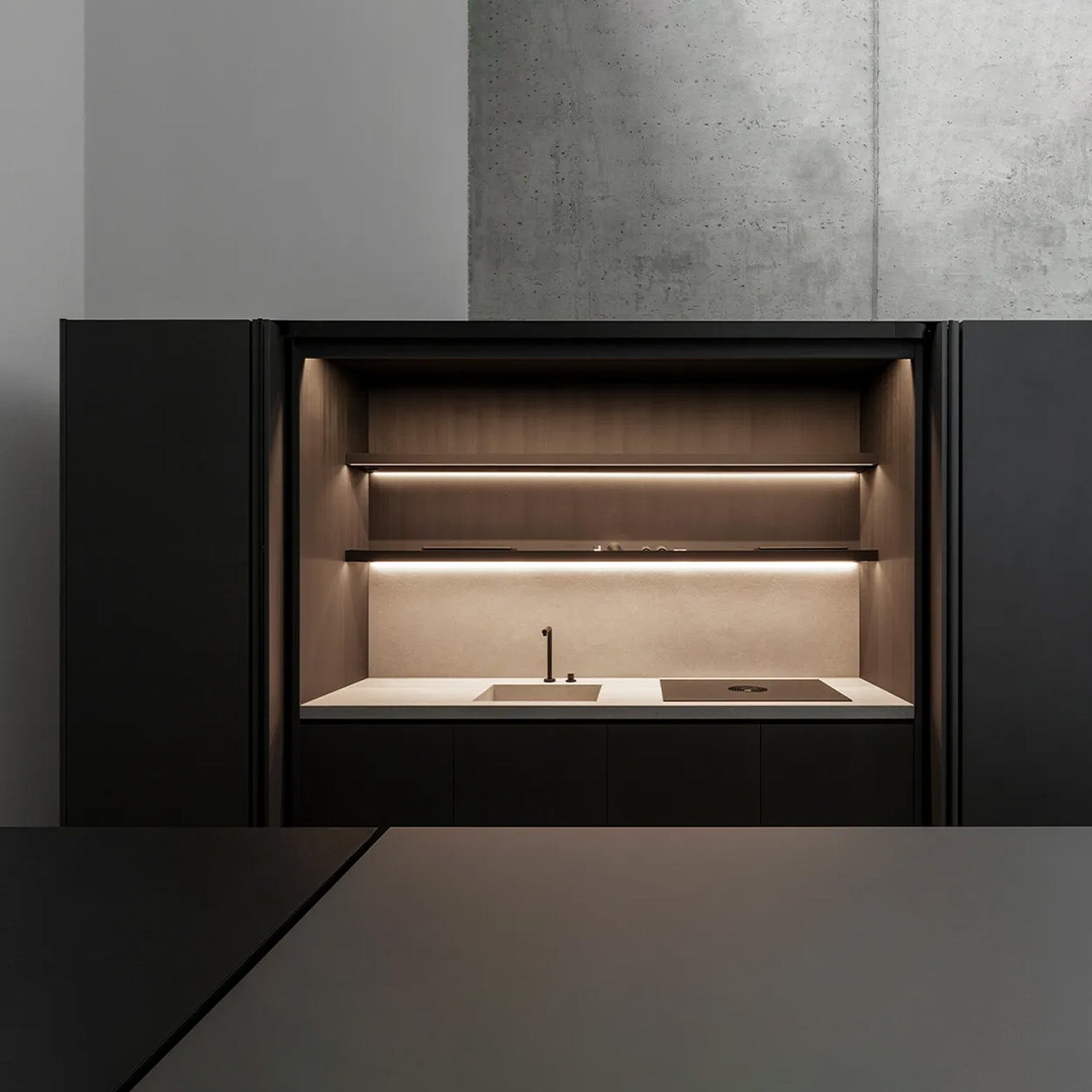
These kitchens are built around a philosophy of subtraction: concealed structure, deliberate material transitions, and door profiles machined to tolerances that make precision the visible gesture. Details such as 45-degree welded corners, slanted door edges, and groove systems replace ornament with geometry. The kitchen reads as architecture, each surface resolved, each boundary considered.
What finish and material options are available for these kitchens?
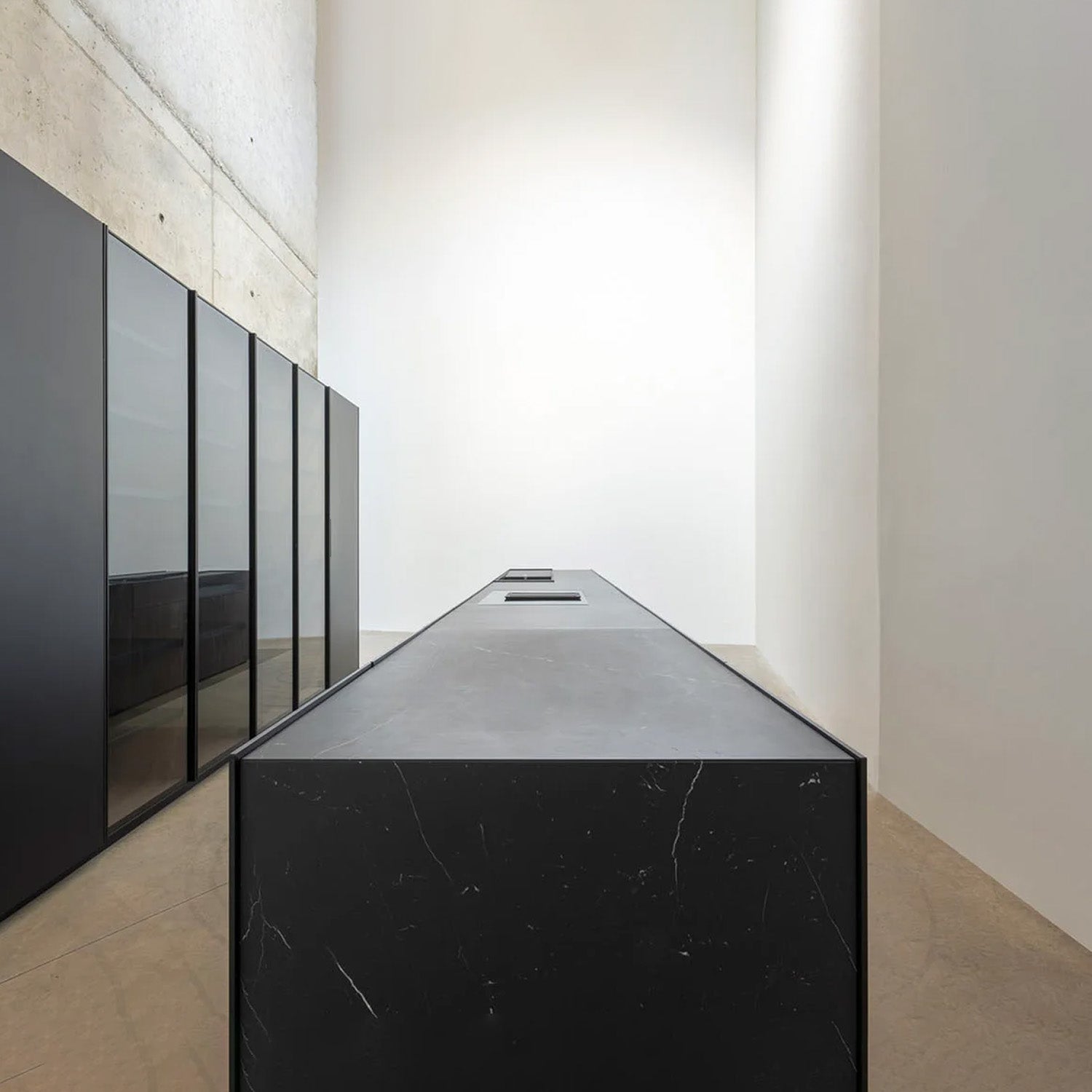
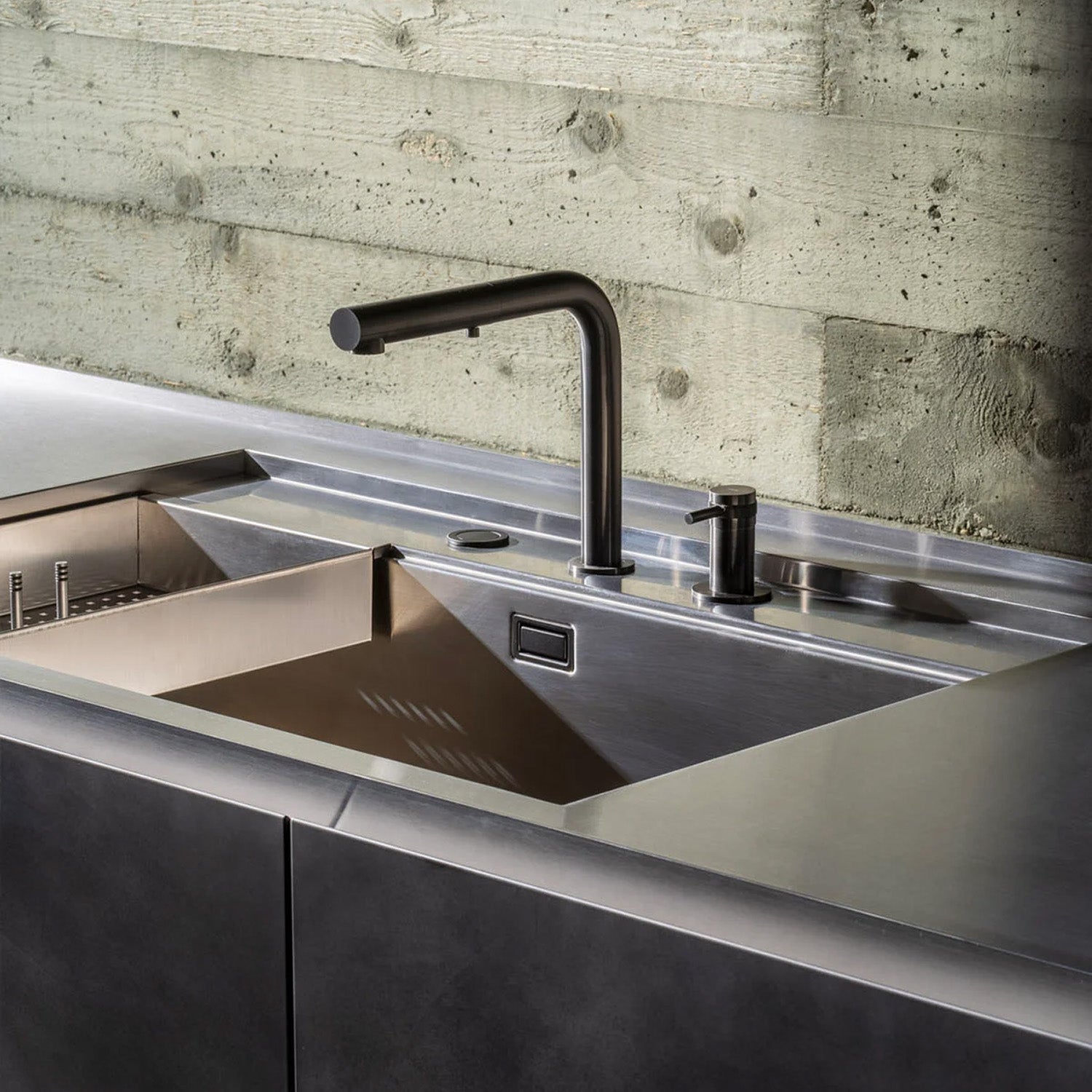
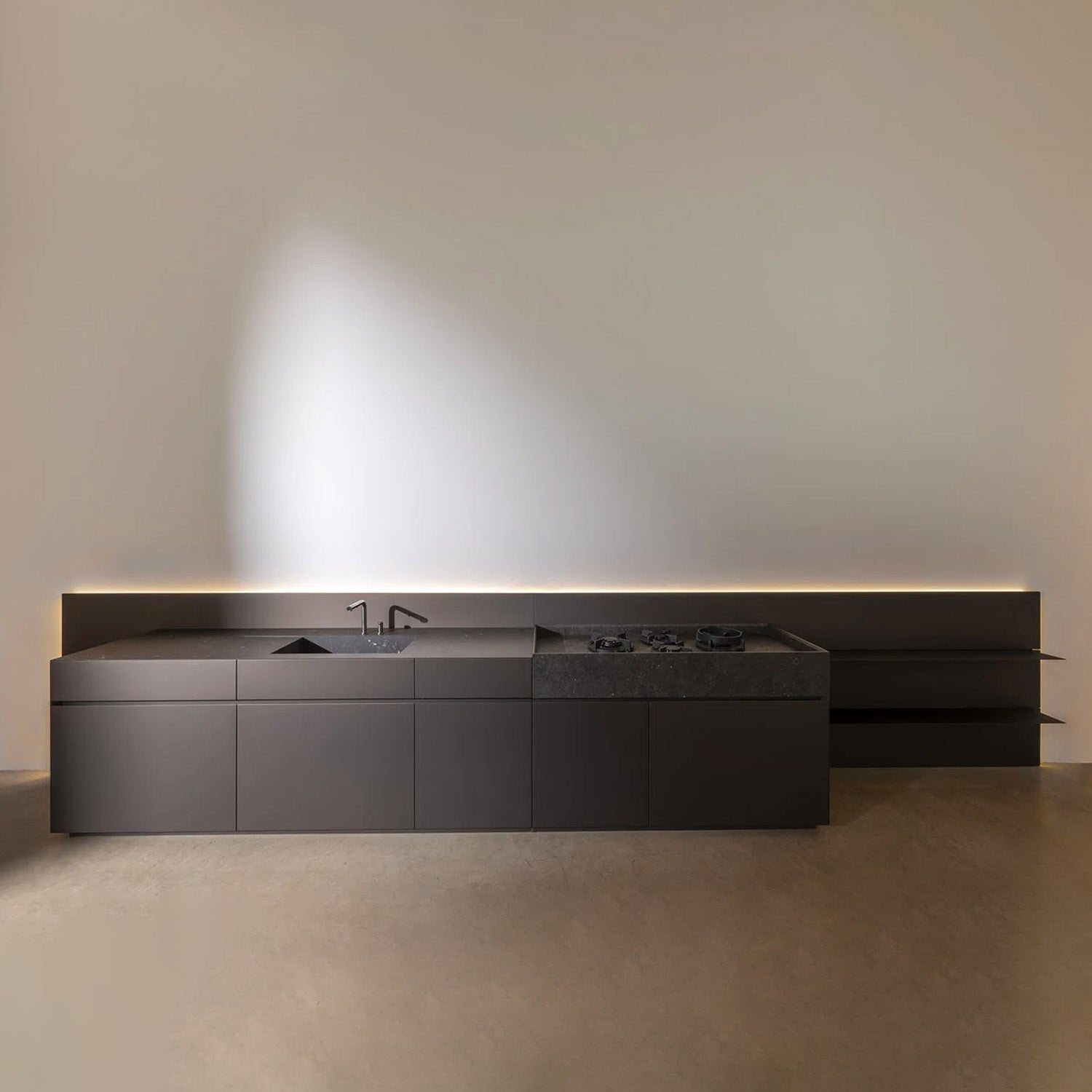
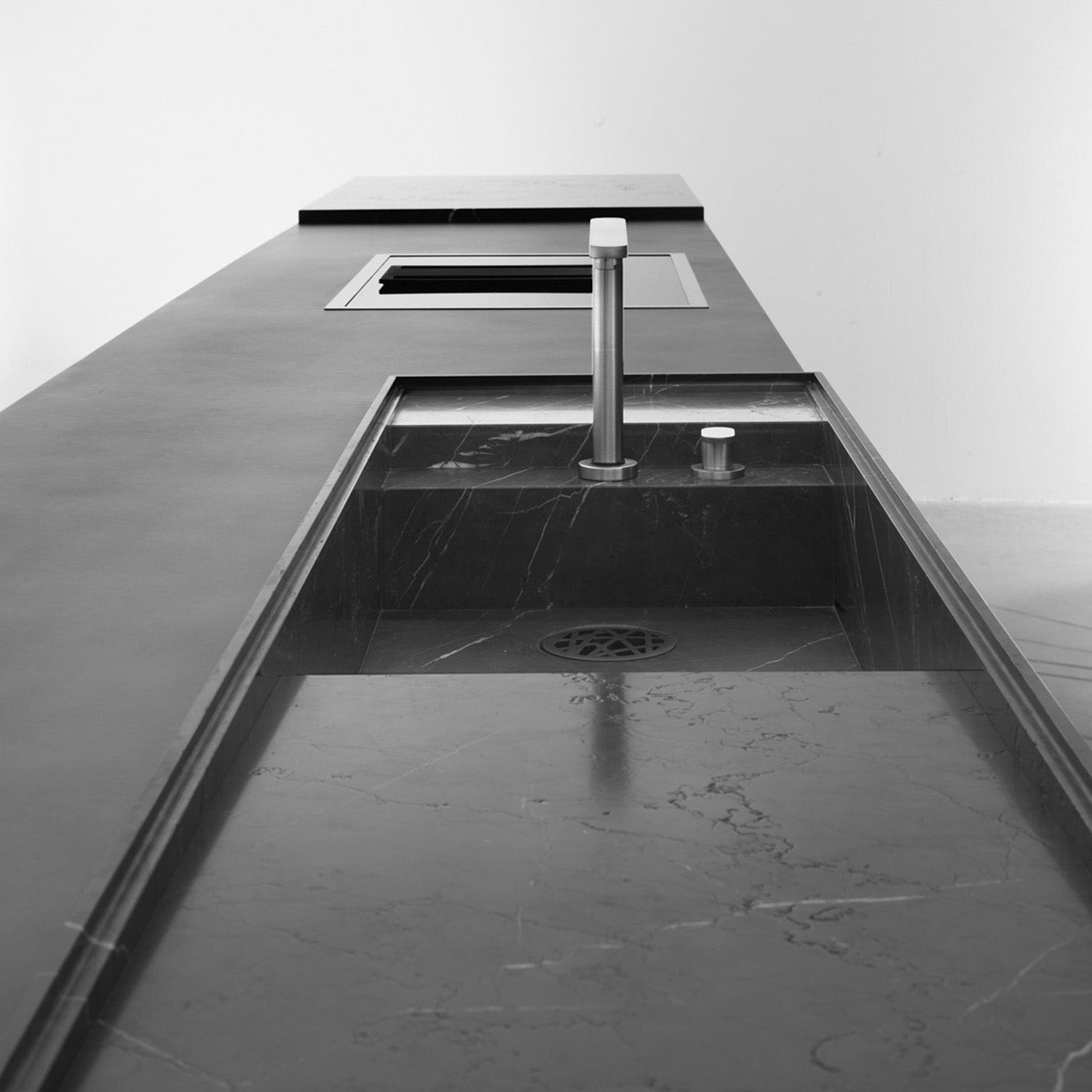
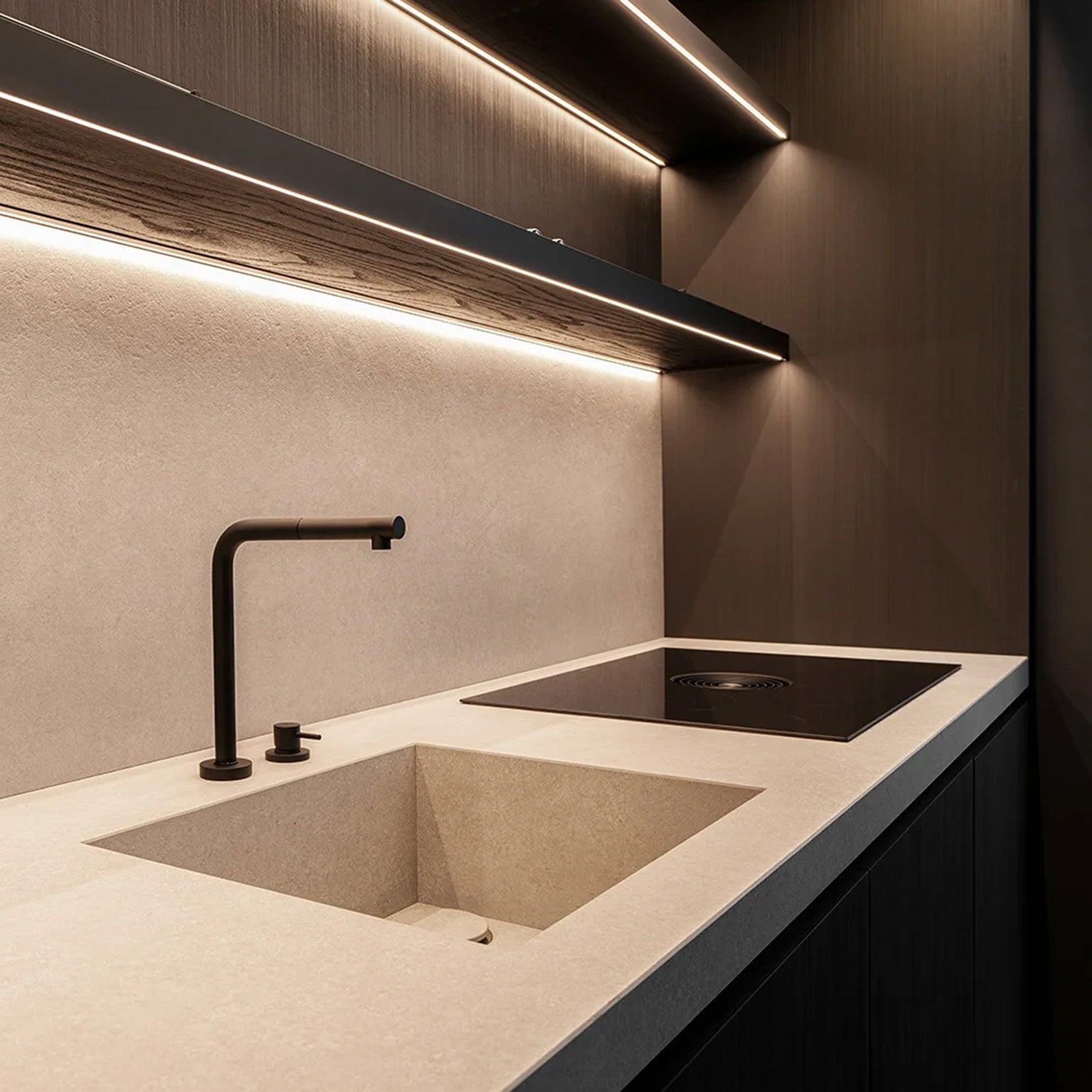
The range spans natural stone (including Nero Marquinia and sintered stone), solid wood such as ash, hemlock, and elm, metal lacquers in tonal palettes from graphite to bronze, FENIX nanotechnology surfaces, DuPont Corian, HPL, and extruded aluminum. Countertop thickness can range from 4mm to 200mm depending on the model and architectural intent. Materials are selected for their depth and how they evolve over time, not for decorative effect alone. Experiencing finish depth and material weight in person is often the most reliable step before committing to a selection. Our showrooms across Miami, Chicago, San Francisco, and Menlo Park carry Italian kitchen design and can support a material consultation. Confirm what is currently on display before your visit by reviewing our showroom locations, or book a showroom appointment for dedicated time with a designer.
Are these kitchens made to order, and how does the configuration process work?
Yes, these kitchens are made to order in Italy. Each project begins with a design consultation to determine configuration, finish selection, and spatial requirements. L-shaped, linear, and custom layouts are available, and proprietary accessory and storage systems are integrated within the architecture of the piece. Working with a designer is part of the process. These are not off-the-shelf products.
What does a handleless kitchen design offer that handled cabinetry does not?
A handleless design allows the kitchen to read as an unbroken plane rather than a collection of parts. Push-pull door systems, groove details, and recessed profiles keep the visual composition calm and continuous. The trade-off is precision: tolerances must be tighter, and the hardware integrated into the architecture rather than applied to it. For spaces where the kitchen is part of a larger architectural language, this approach is often the more coherent choice.
How does material selection affect the long-term character of an architectural kitchen?
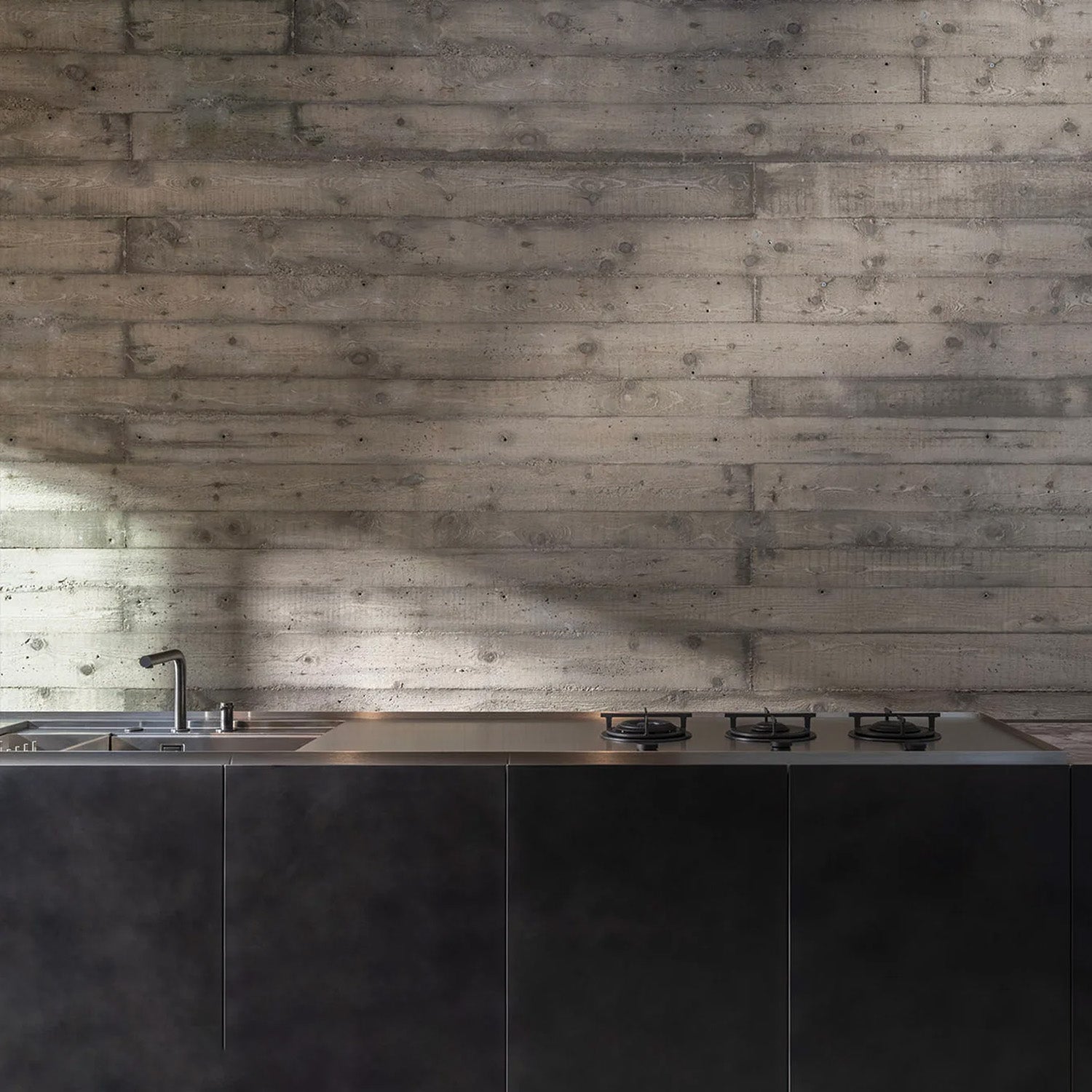
Natural stone, solid wood, and metal lacquers each develop a patina over time that factory finishes do not. Stone surfaces acquire depth with use; solid wood responds to its environment; oxidized steel carries a quiet tension that remains consistent. In these kitchens, materials are chosen as much for how they age as for their appearance on first encounter. That consideration distinguishes a kitchen intended to last decades from one designed for a single aesthetic moment.
What is the difference between sintered stone and natural stone in a kitchen context?
Natural stone offers unique veining and a depth that cannot be replicated. Each slab is singular. Sintered stone is engineered from minerals under extreme heat and pressure, producing a surface with consistent patterning, high resistance to heat and staining, and thinner slab profiles. Both appear in these kitchens, selected according to the architectural weight the design requires. Your designer can help determine which suits the specific configuration and use of your space.
Can I see these kitchens in person before beginning a project?
Experiencing the scale, material weight, and finish depth of an architectural kitchen in person is the most reliable way to understand it. Our showrooms across Miami, Chicago, San Francisco, and Menlo Park feature Italian kitchen design and can support a design consultation. Display configurations change, so confirming what is currently shown before your visit is recommended. Scheduling an appointment ensures dedicated time with a designer who can guide material and configuration decisions.
How does aluminum construction change the design possibilities of a kitchen?
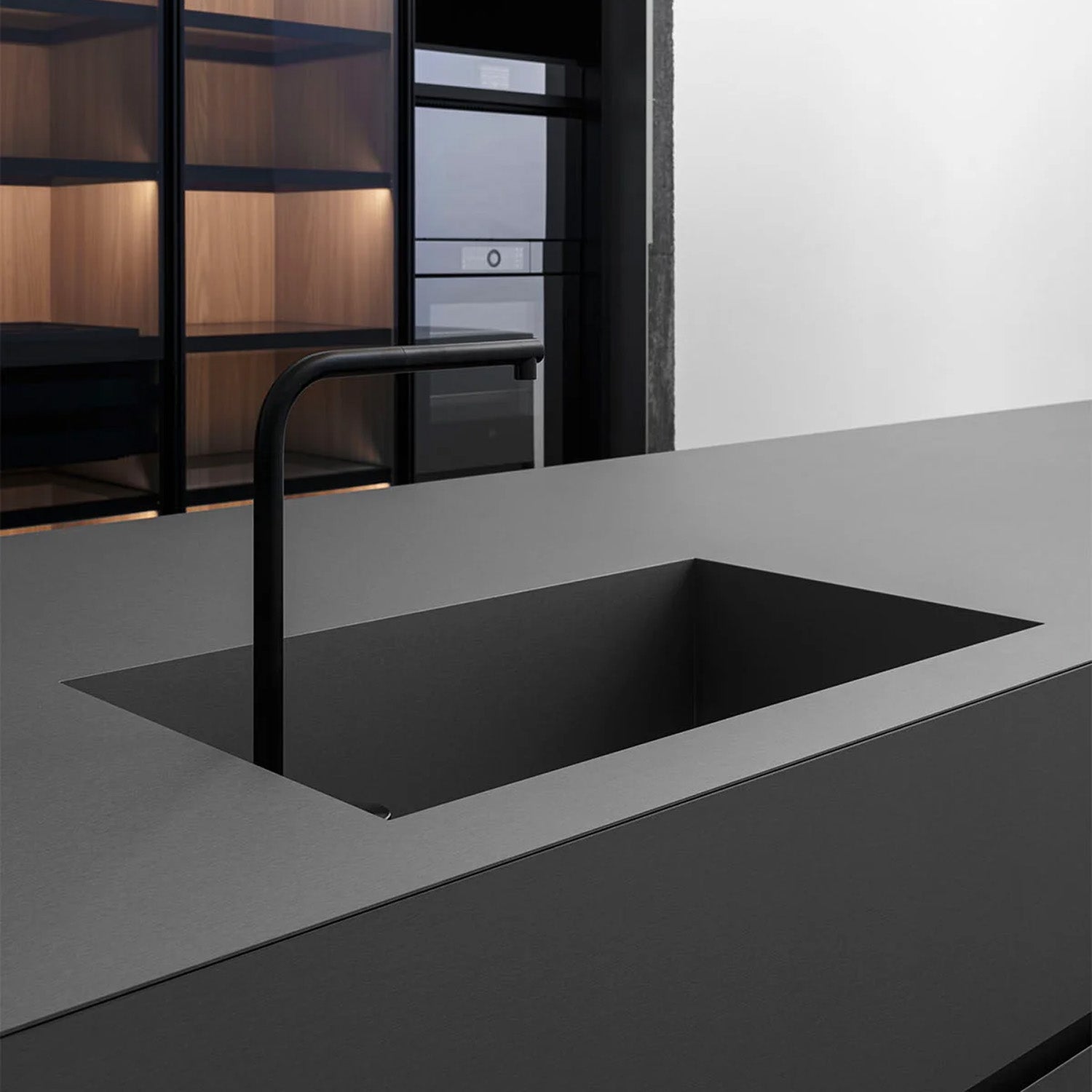
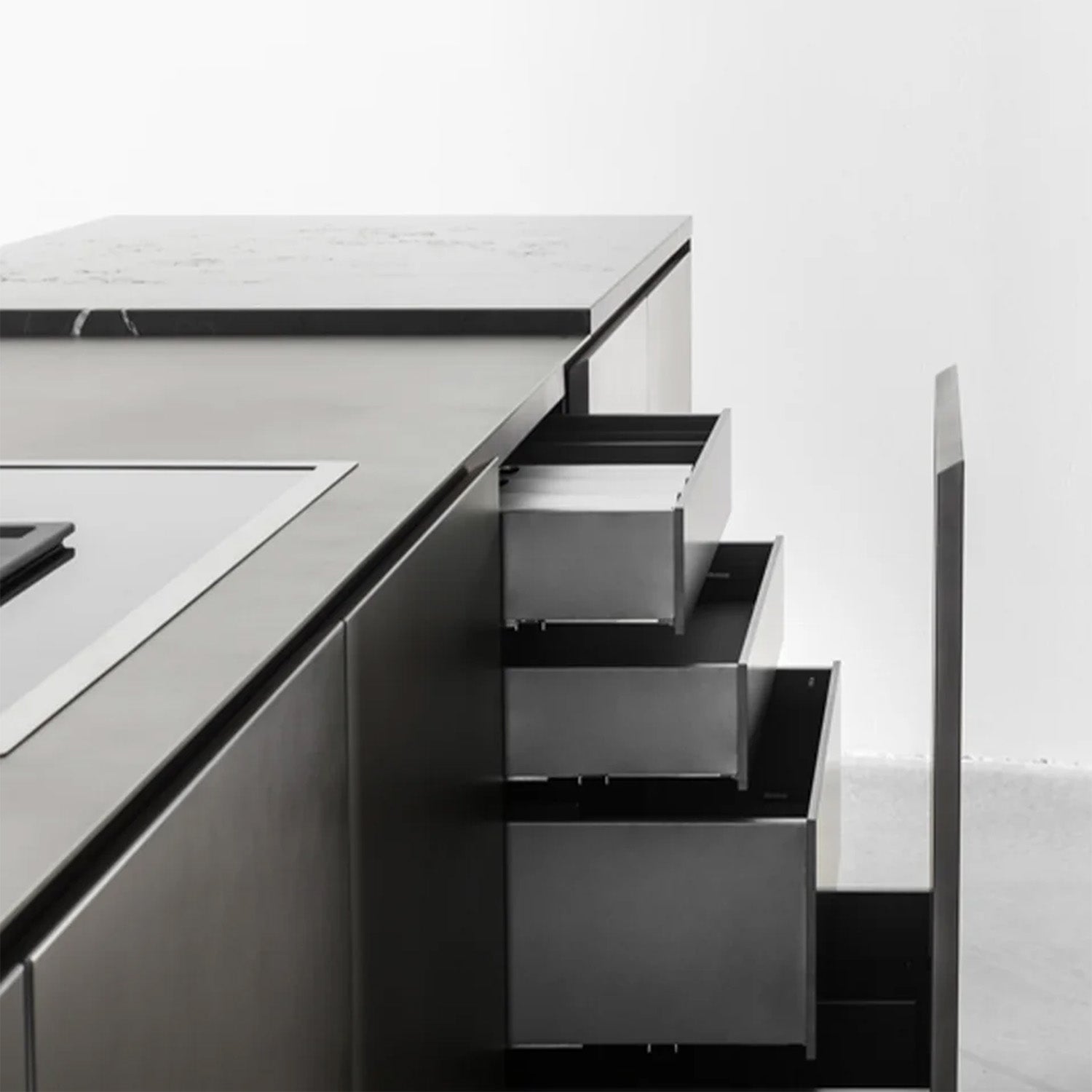
Aluminum allows door and frame profiles to be machined to a thinness that wood-based construction cannot achieve. A 9mm or 10mm aluminum front panel can carry natural stone, glass, ceramics, or wood with the precision of an engineered component. Because aluminum is fully recyclable, it also aligns with a longer view of material responsibility. The structural frame recedes behind the surface it supports, making the material composition, not the construction, the visible statement. The M6 Kitchen by Minimal demonstrates this approach: a 9mm black aluminum profile that extends just beyond the countertop edge, carrying the entire composition at the smallest possible scale.
Elevate Your Space
Since 1974, we have been at the forefront of innovation in the design sphere, revolutionizing perceptions of good design.