Design Without Boundaries
Beyond our curated collections lies a world of over 400 iconic brands.
For specific pieces, finishes, or bespoke solutions, our design team is at your disposal.
Frequently Asked Questions
What makes Maruni's approach to wood furniture distinct from other Japanese furniture makers?
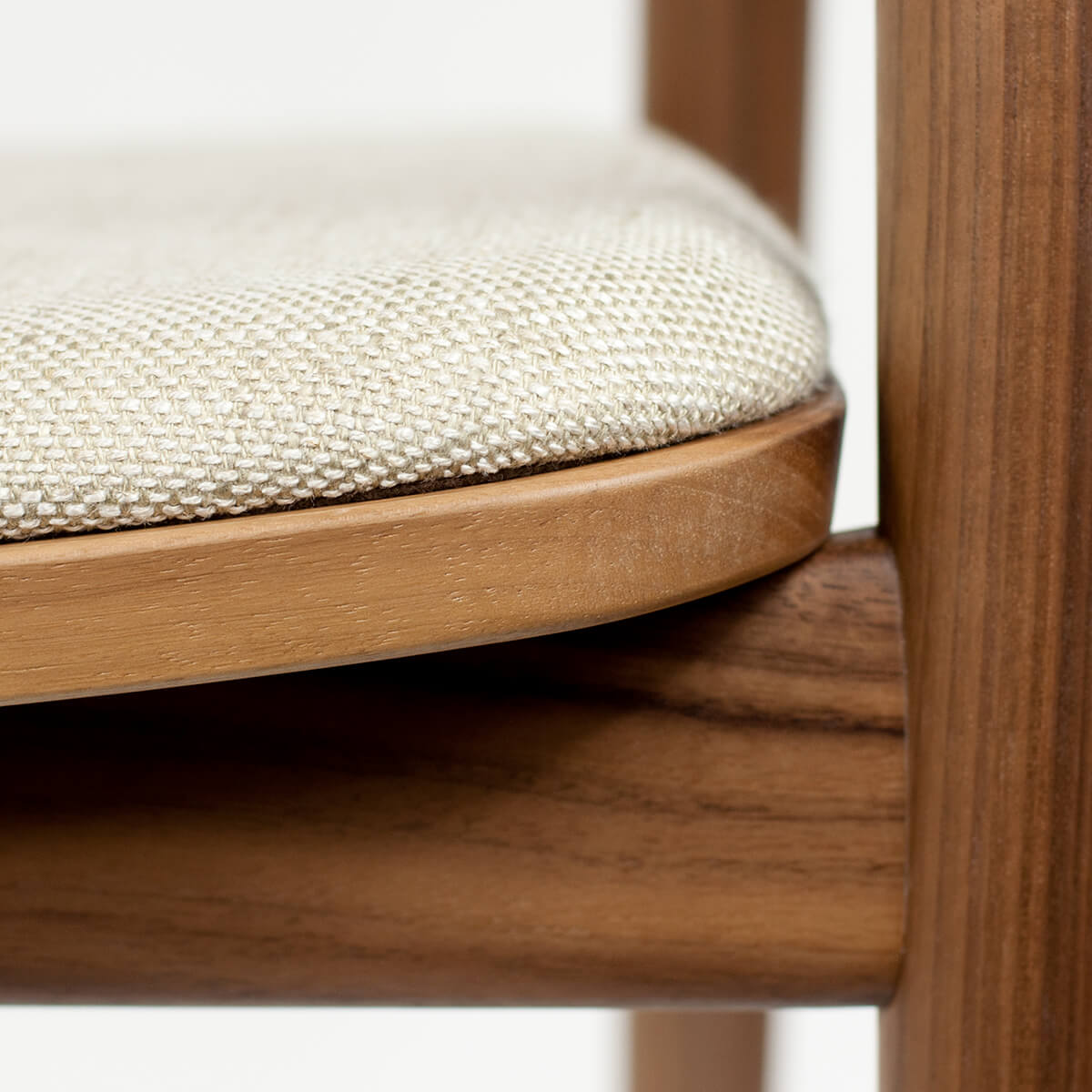
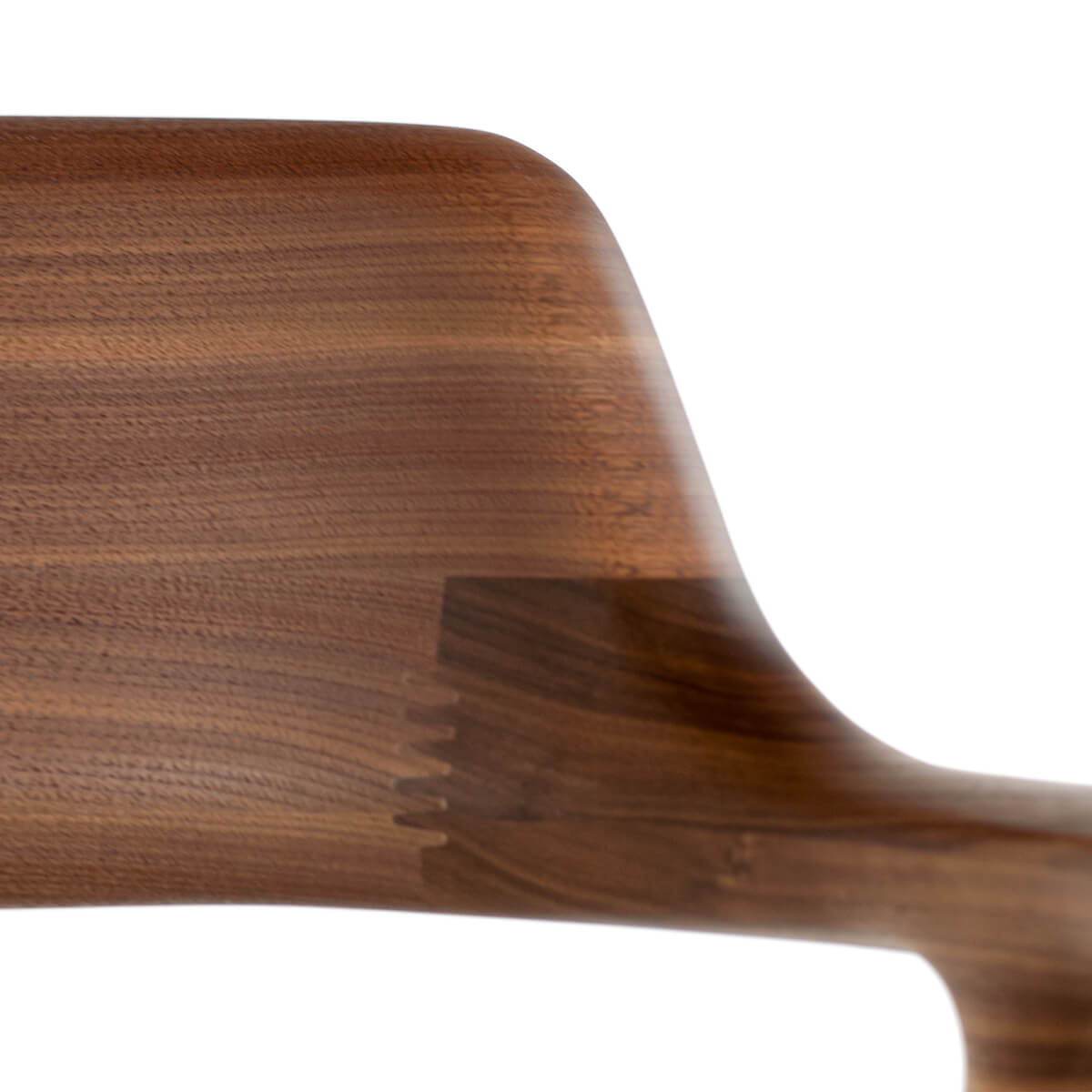
Maruni's distinction lies in the pairing of industrial precision with hand finishing. Founded in Hiroshima in 1928, the company developed proprietary machining techniques, including computer-controlled milling and steam-bending, that allow consistent, tight tolerances across every joint. Hand-finishing follows, adding judgments that no machine replicates. The outcome is furniture where joinery seems to disappear entirely, and where wood's natural grain and warmth remain the primary material statement.
Which designers have collaborated with Maruni, and how does each shape the collection's character?
Naoto Fukasawa serves as Maruni's art director and is the most sustained creative voice in the collection, contributing designs built around restrained observation of how the body actually inhabits a chair. Jasper Morrison brings a parallel sensibility, a conviction that good form should feel inevitable rather than conspicuous. Nendo's Oki Sato has extended Maruni's precision into smaller objects. Each designer works within Maruni's craft culture rather than against it, so the pieces share a coherent quietness despite their different authorship.
What wood species does Maruni use, and how do I choose between them?
Maruni works primarily in beech, oak, walnut, ash, and maple, depending on the design. Beech is finer and more uniform in figure, lending itself to clean, graphic silhouettes. Oak is more expressive in grain and carries a warmer, more textured presence. Walnut reads darker and richer, with a depth that suits interiors of a quieter, more enveloping character. Ash is lighter in tone and weight. The choice is partly visual and partly tactile: species affect how light reads across a chamfered edge or curved surface, so the same form can carry a different emotional register in each wood. Experiencing these differences in person is worthwhile before committing. You can browse Luminaire's showroom locations and confirm which pieces are currently on display before visiting.
Are Maruni pieces suitable for contract or commercial settings, or are they designed for residential use only?
Several designs in the Maruni collection are explicitly resolved for both residential and contract environments. The precision joinery and solid wood construction, developed over nearly a century of manufacturing in Hiroshima, produce frames built to absorb extended, repeated use. Stackable configurations exist within the range, which matters in contract contexts. That said, individual suitability depends on the specific piece and its specification. Consulting a designer before specifying for commercial projects is worth the extra step. Our design services can assist with specifying pieces across a contract project.
How does Maruni's production process balance machine precision with hand finishing?
Maruni's Hiroshima workshops combine computer-controlled milling with traditional hand-finishing in deliberate sequence. Machining establishes the dimensional consistency and joinery tolerances that define the piece's structural integrity. Hand-finishing follows: craftsmen refine surfaces, resolve transitions, and bring out the wood's grain in ways that respond to the particular character of each piece of timber. The two processes are not in tension. Each disciplines the other, and the result is furniture whose precision reads as warmth rather than coldness.
Can I see and sit in Maruni furniture before purchasing?
Experiencing the weight, warmth, and proportion of solid wood furniture in person is genuinely worthwhile before committing. Luminaire's showroom network spans Miami, Chicago, Los Angeles, San Francisco, and Menlo Park, and some locations display Maruni pieces. Because what is on the floor changes, confirming which pieces are currently displayed before visiting is recommended. You can reach any showroom directly or schedule a consultation to plan your visit.
What is the difference between upholstered and non-upholstered versions of Maruni seating?
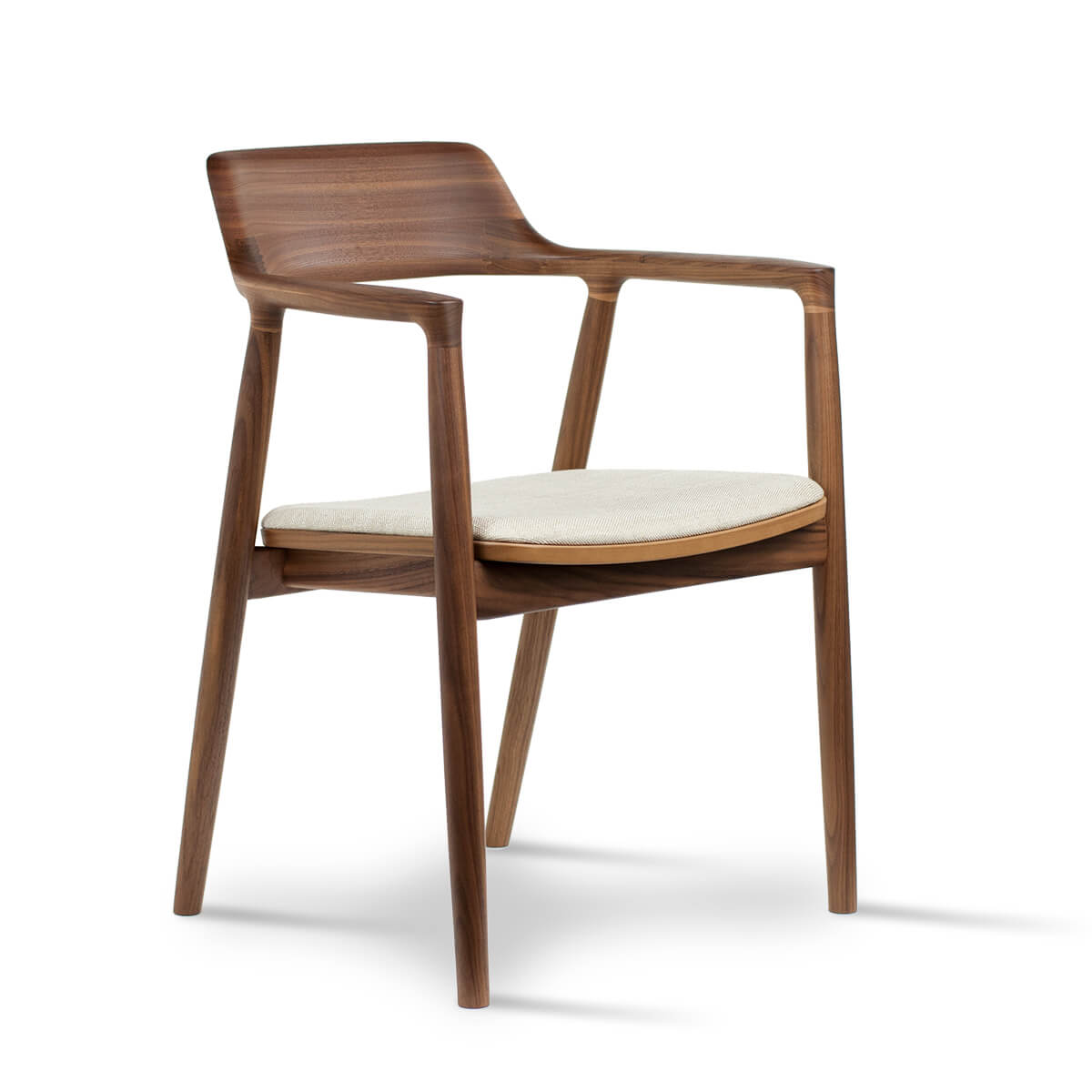
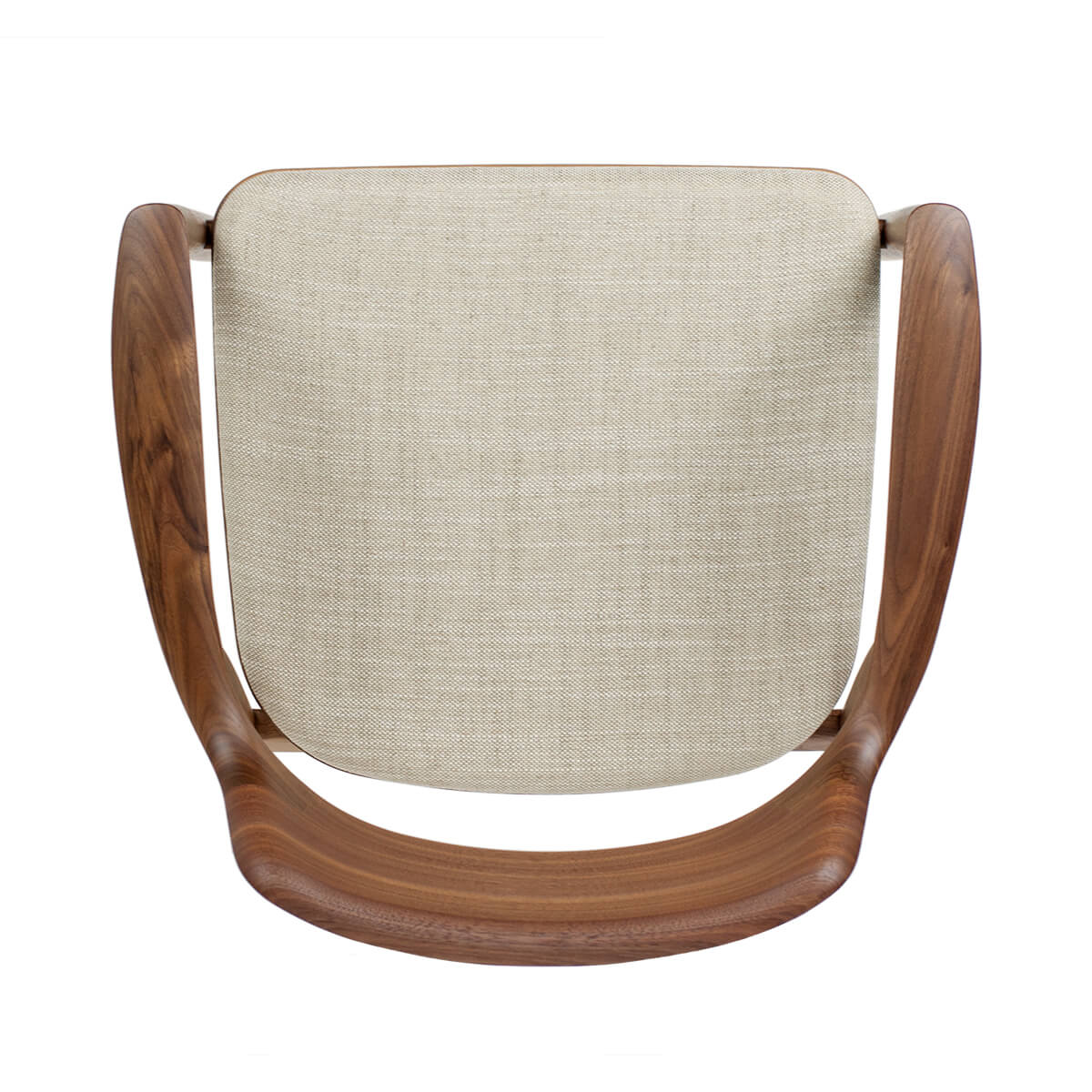
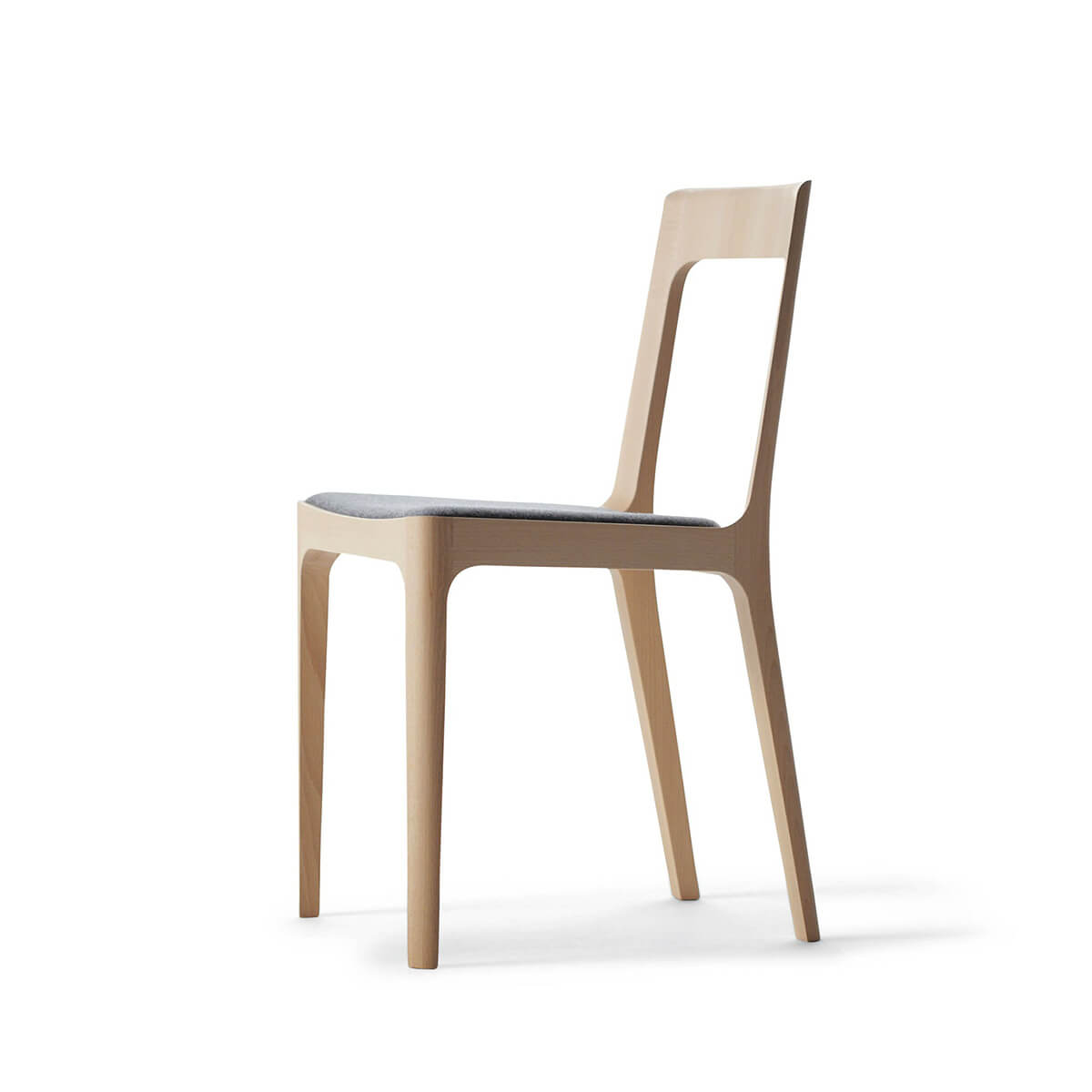
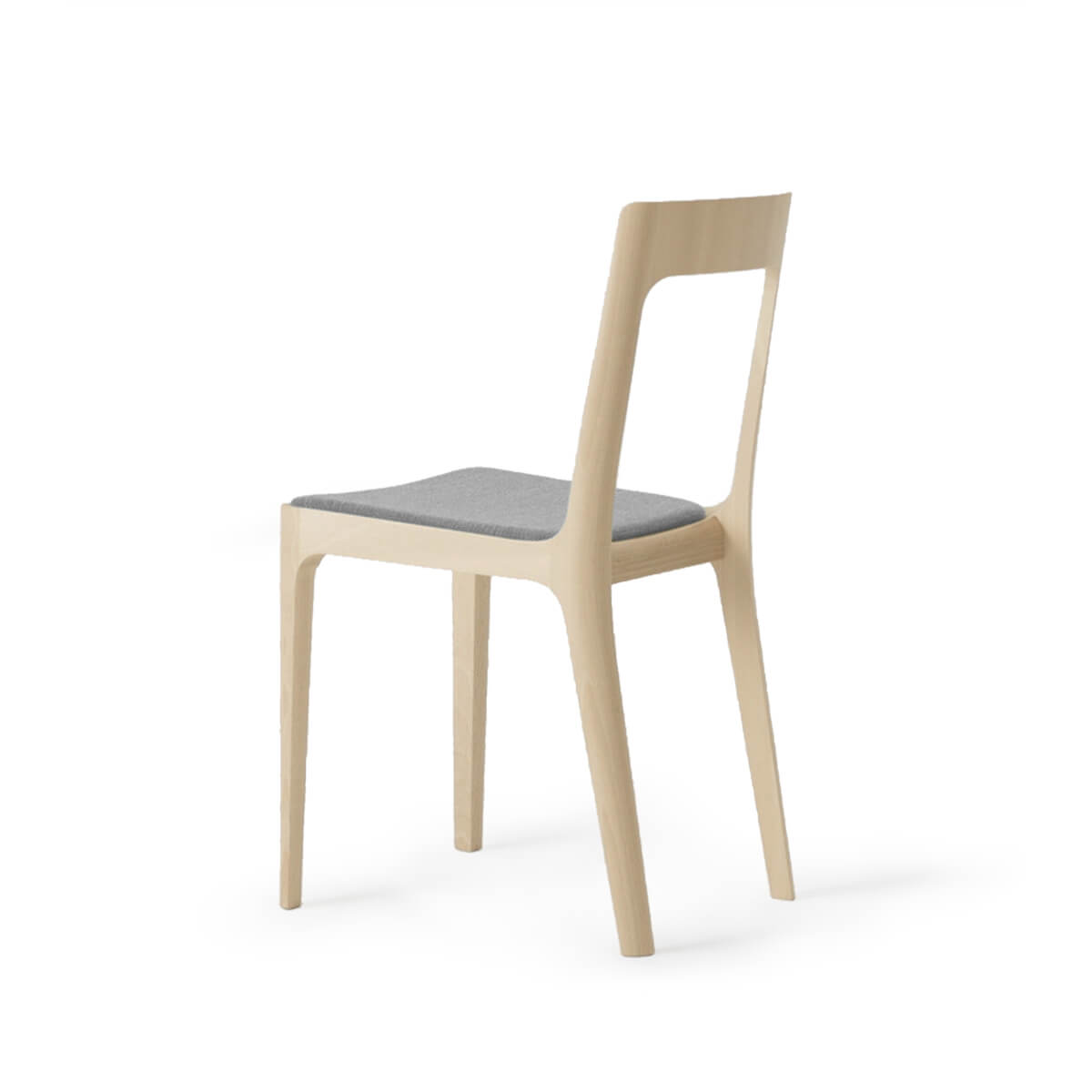
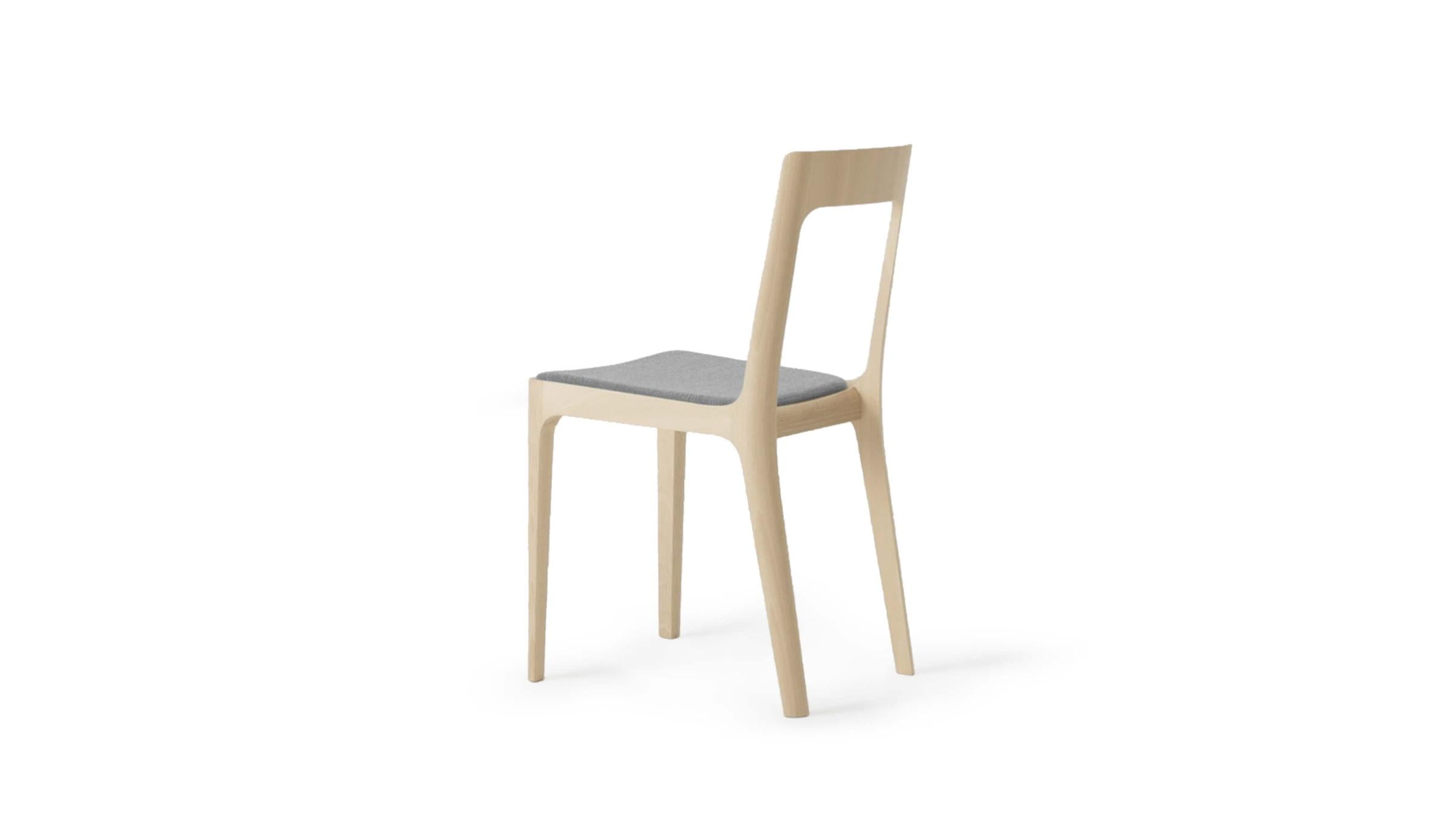
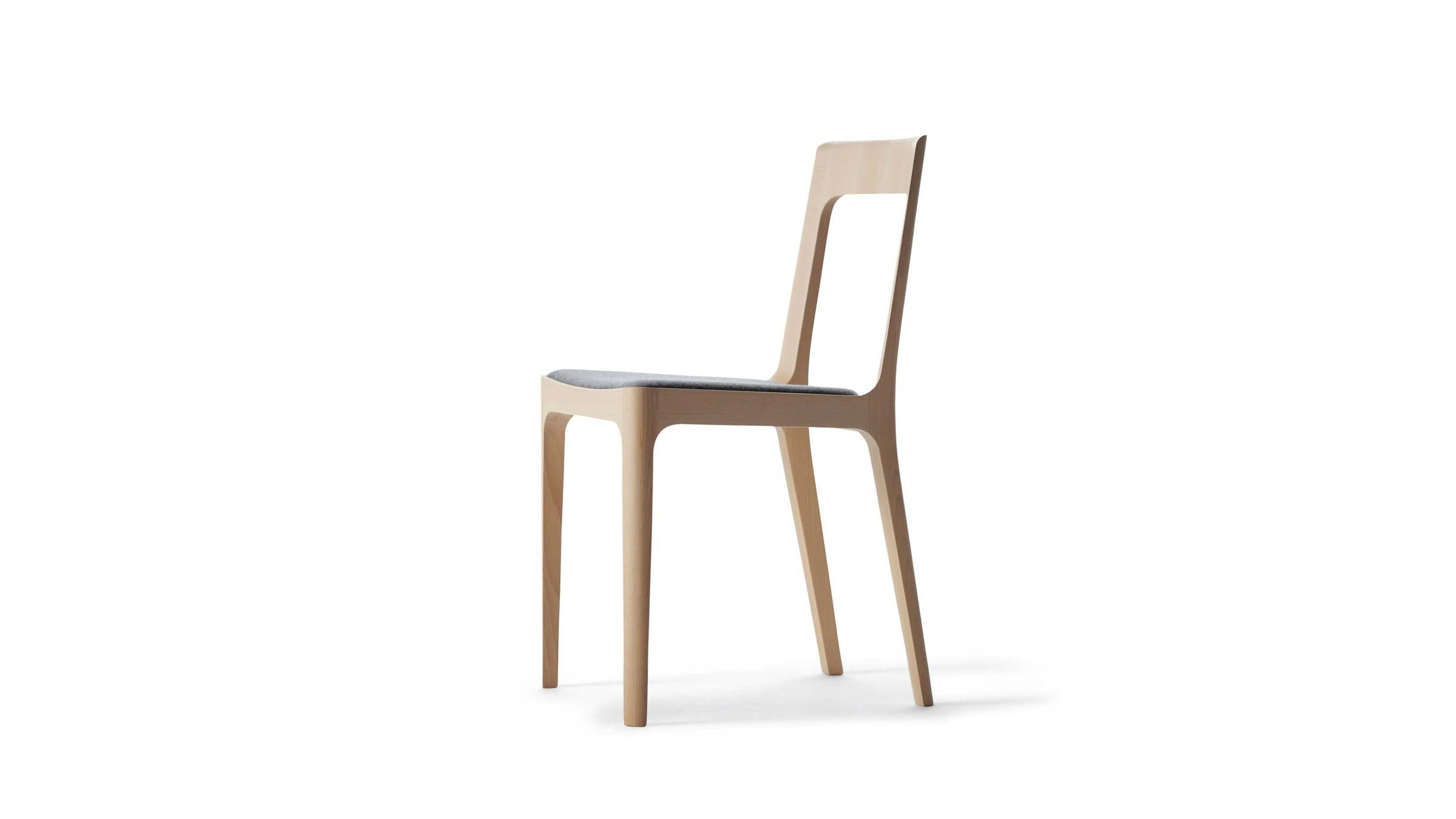
Some Maruni designs offer both a bare solid wood seat and an upholstered seat pad option. The unupholstered version emphasizes the sculptural character of the wood itself: the carved geometry does the work of comfort, often more than first appearances suggest. An upholstered pad softens the tactile experience and can introduce color or textile contrast into a scheme. The choice affects the visual weight of the piece as much as its physical comfort. In many cases the wood-only version reads as purer to the design's original intent.
How does Maruni furniture work within a broader interior scheme - does it suit contemporary or more traditional interiors?
Maruni's pieces occupy a position between traditions rather than belonging to one. The forms are modern in their reduction and precision, but the material, solid wood, grain-forward, warm in hand, carries a continuity with craft far older than the 20th century. In practice this means the furniture reads comfortably within spare, contemporary interiors without feeling clinical, and within more layered or material-rich schemes without competing. The restraint in each silhouette is, in effect, a form of versatility.
Elevate Your Space
Since 1974, we have been at the forefront of innovation in the design sphere, revolutionizing perceptions of good design.