







Design Without Boundaries
Beyond our curated collections lies a world of over 400 iconic brands.
For specific pieces, finishes, or bespoke solutions, our design team is at your disposal.
Frequently Asked Questions
What design philosophy defines Henge's furniture and lighting?
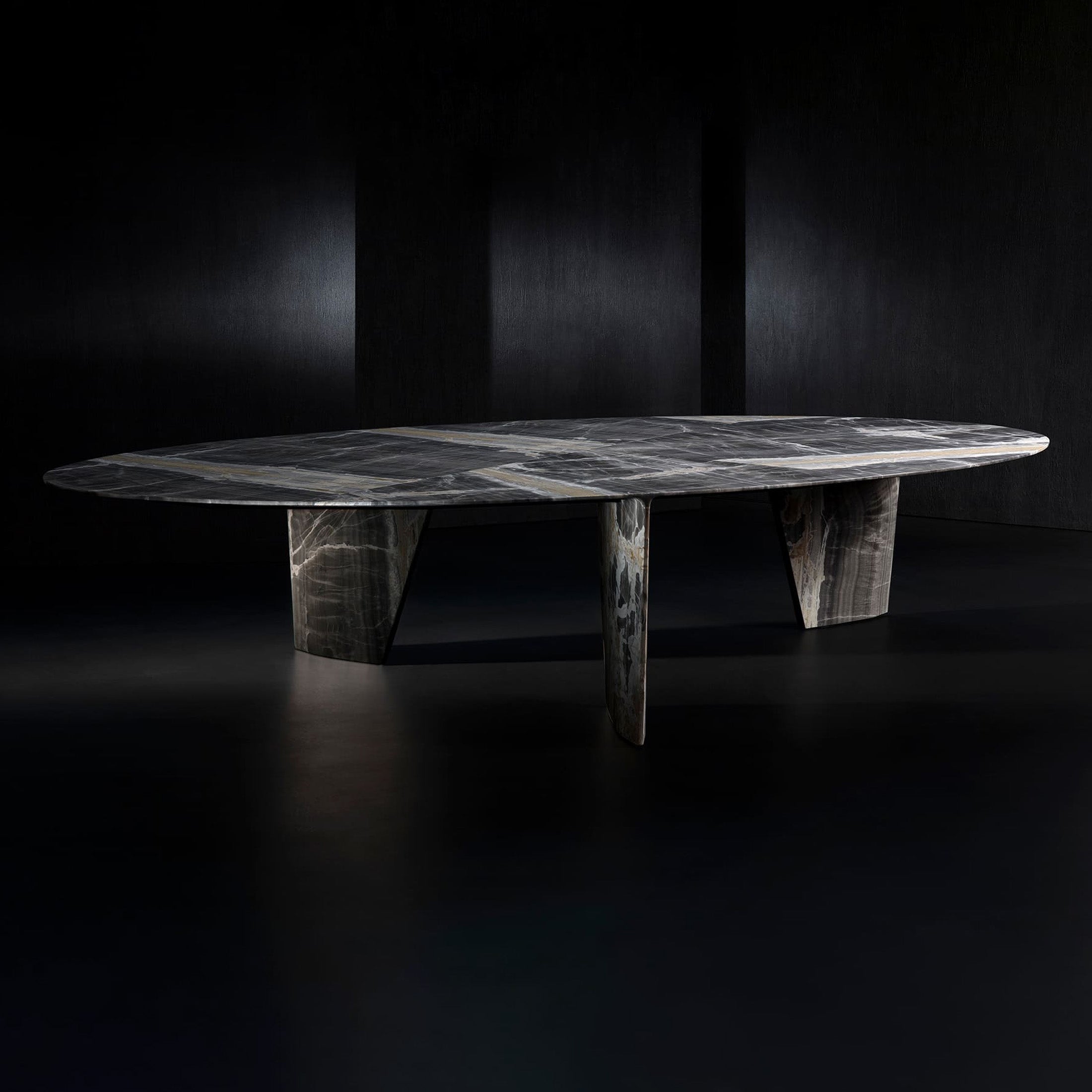
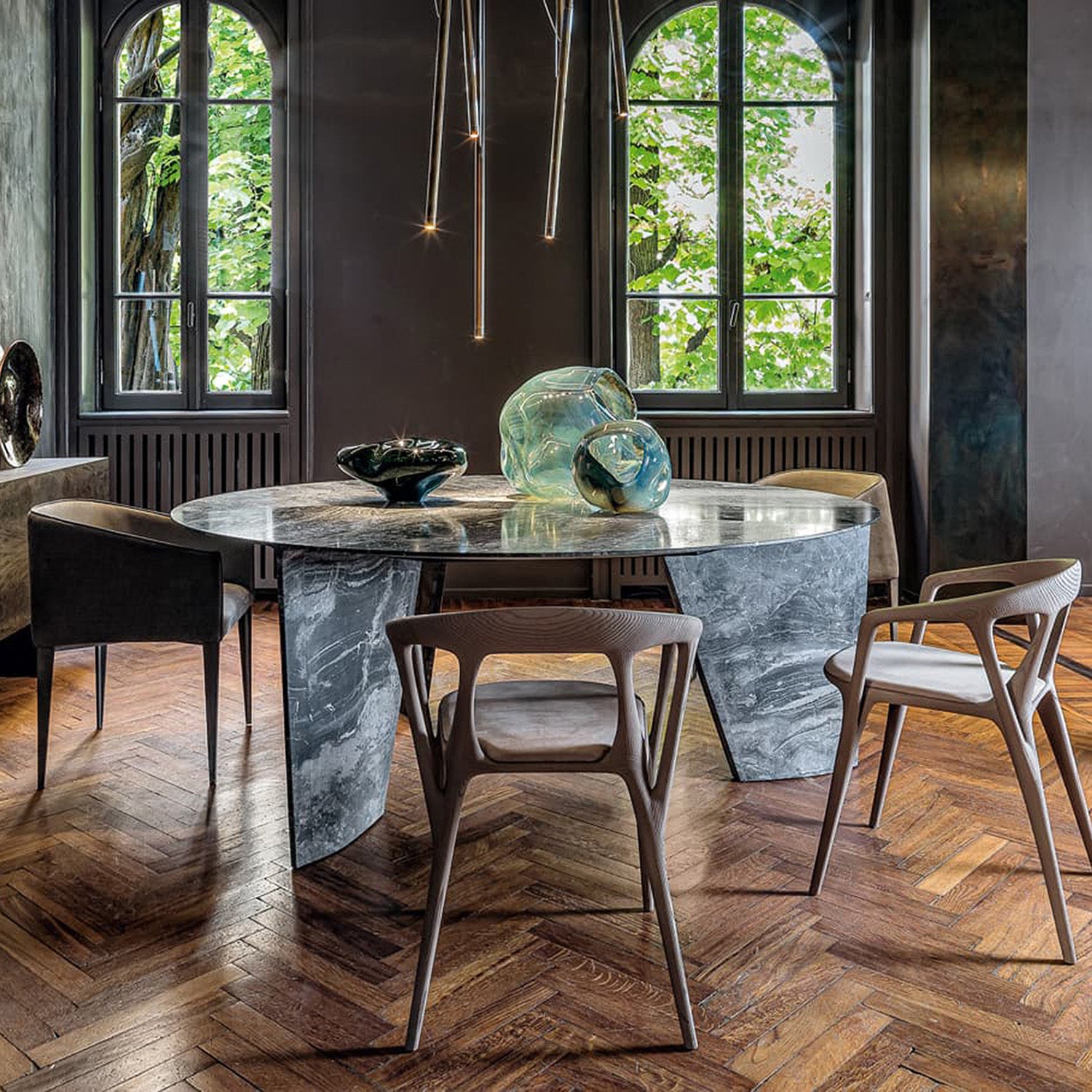
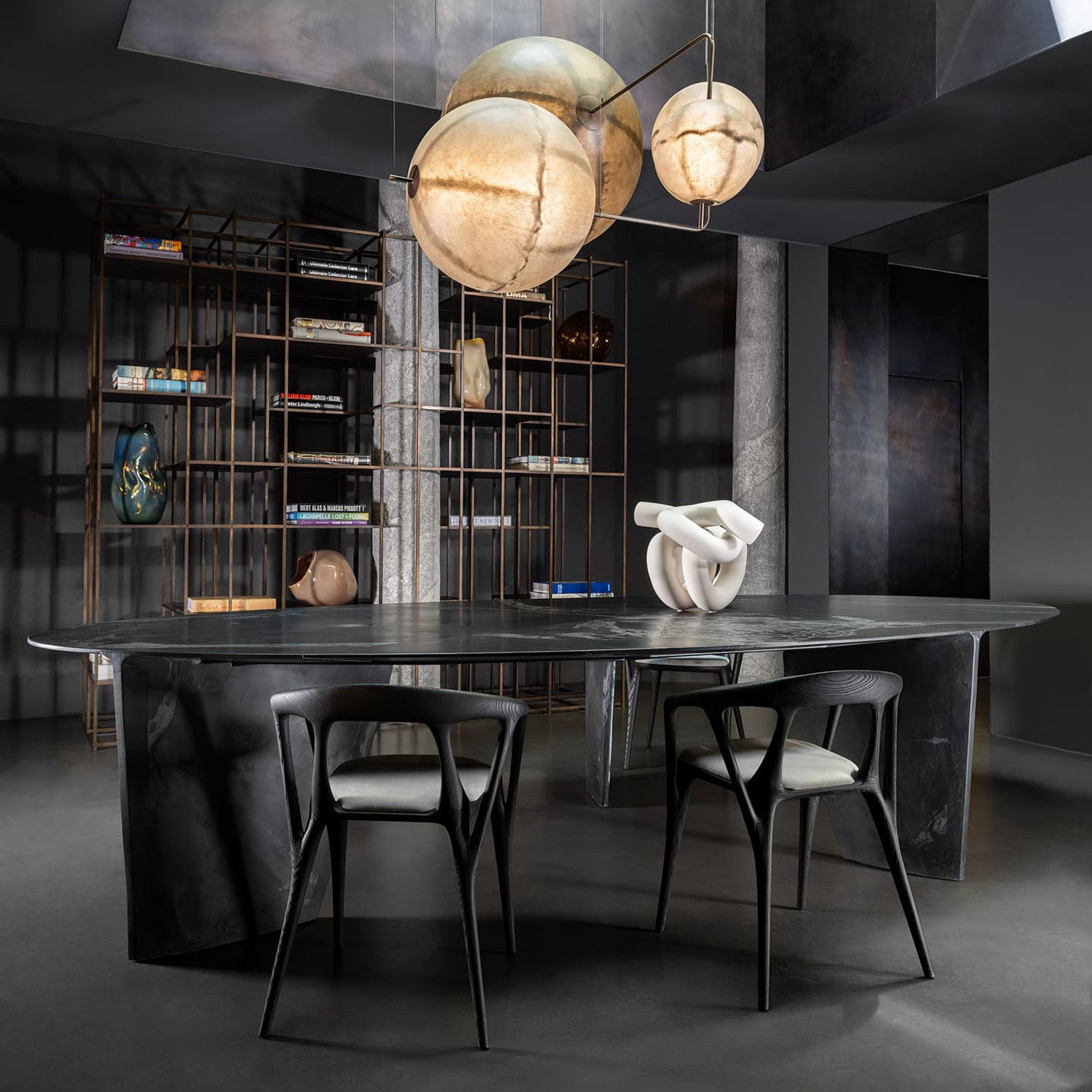
Henge was founded in Milan on a single governing idea: that furniture and lighting are spatial objects first, functional ones second. Every piece is conceived at the intersection of industrial precision and artisanal process, where proportion, material selection, and surface finish are treated as design decisions of equal weight. The atelier works across seating, tables, storage, lighting, and architectural systems, maintaining a consistent commitment to objects that hold their presence through restraint rather than decoration.
Who are the designers behind Henge's collections?
Henge's catalog is shaped by a close circle of designers whose practices converge on similar values. Massimo Castagna, the studio's creative anchor, approaches each object as a drawn composition: proportion and geometry resolved before material is introduced. Ugo Cacciatori brings a goldsmith's training to furniture, where surface tension and material contrast carry the visual argument. Isabella Genovese contributes formal restraint and a sensitivity to volume. Davide Nascimbeni extends the sensibility into lighting of architectural scale.
Are Henge pieces made to order, and what does that mean for a project?
Virtually every object in the Henge collection is produced to order from the brand's Milan atelier. This means dimensions, material combinations, and finishes can be calibrated to a specific interior rather than selected from fixed inventory. For residential and hospitality projects where scale, lighting conditions, and material palette vary considerably, made-to-order production is a functional advantage as much as a craft distinction. Lead times are longer than stock furniture, so project planning timelines should account for production and delivery from Italy.
What materials does Henge work with across its collections?
Stone, metal, glass, wood, and leather form the core material vocabulary, but the way Henge combines them is what defines the work. Stone surfaces, including marble, onyx, and other natural selections, are paired with hand-finished metal bases and frames. Hand-blown Murano glass appears in lighting. Plywood, solid walnut, and other woods introduce warmth against metal's structural candor. Each finish is designed to develop a natural patina over time rather than maintain the uniform surface of a manufactured object.
How does Henge approach lighting design differently from its furniture?
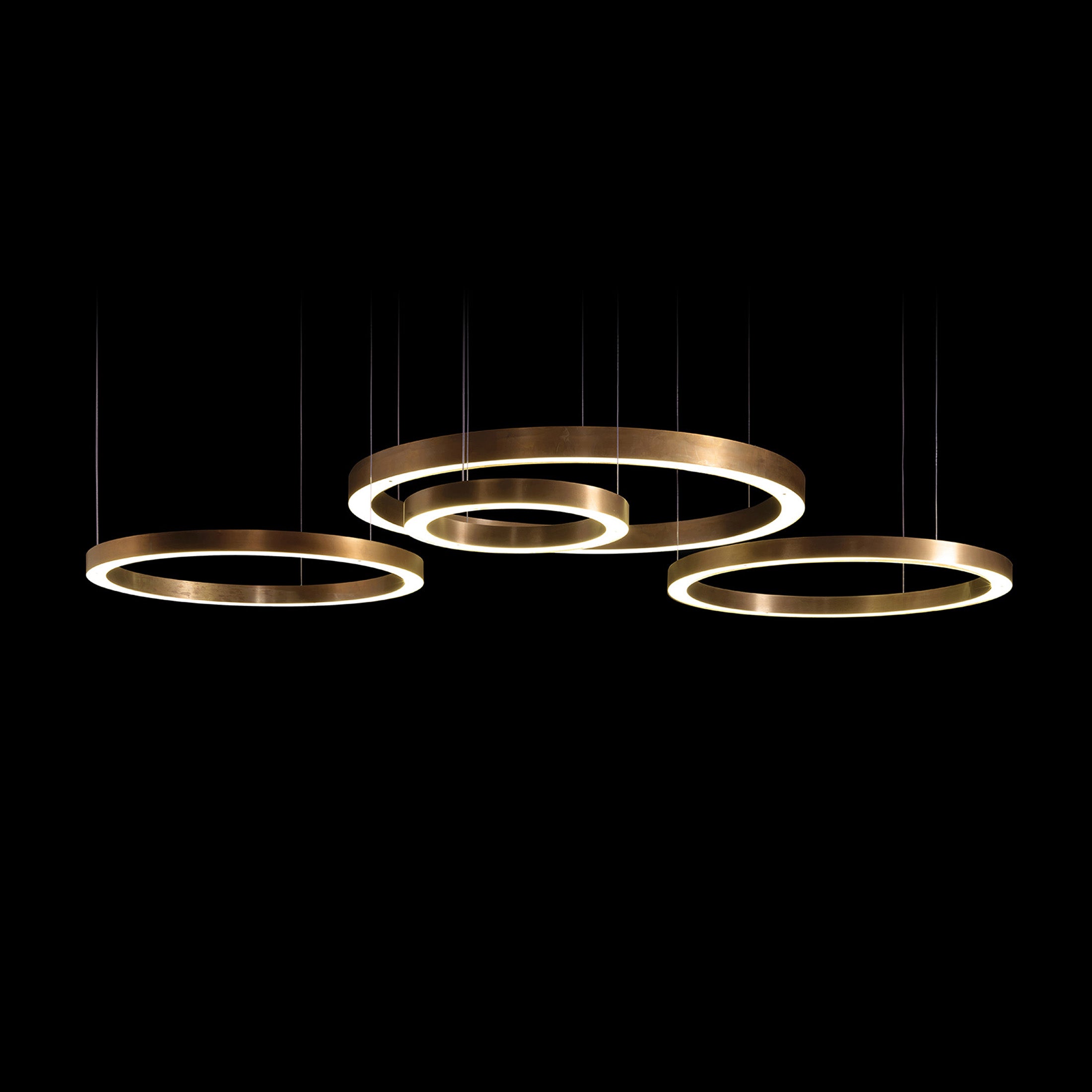
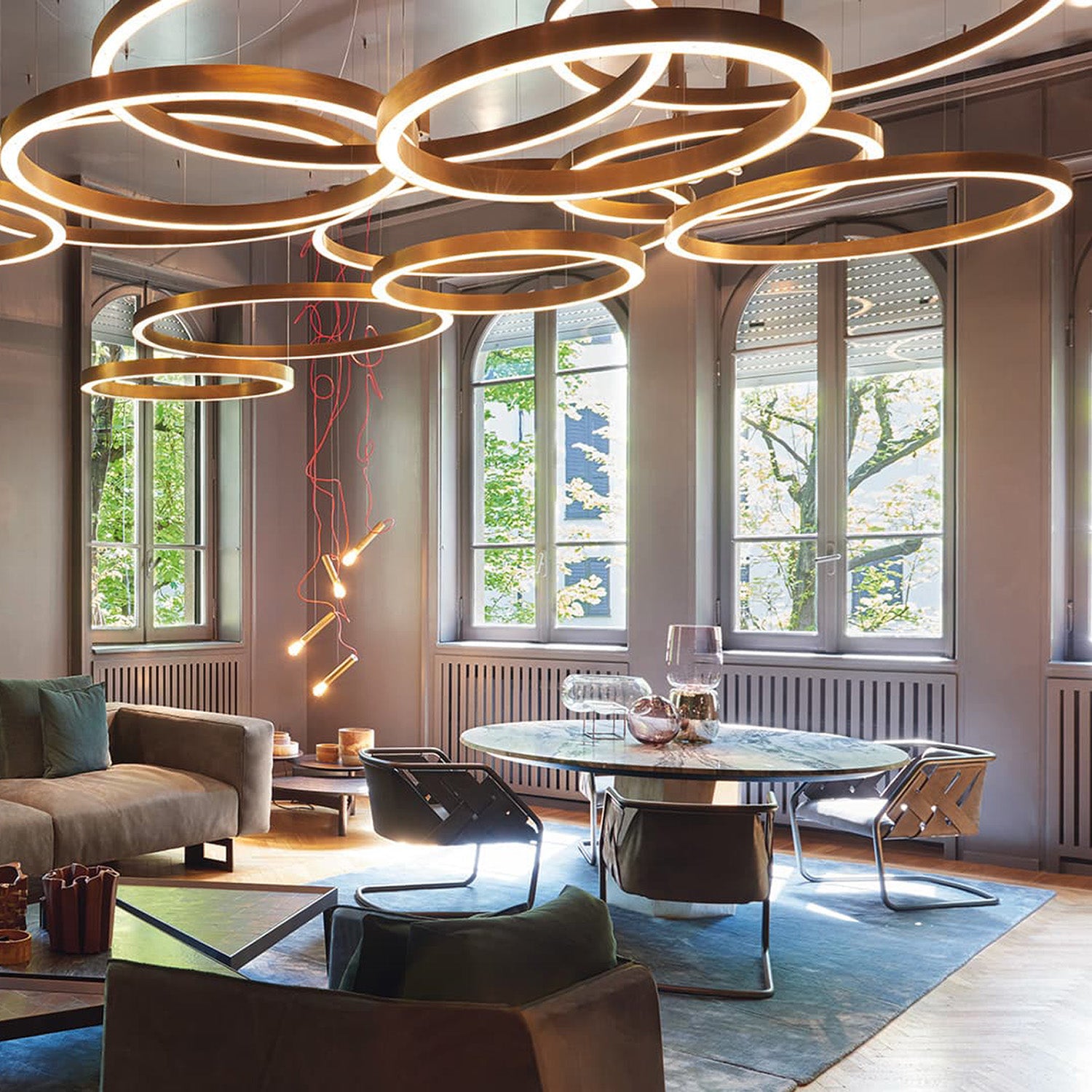
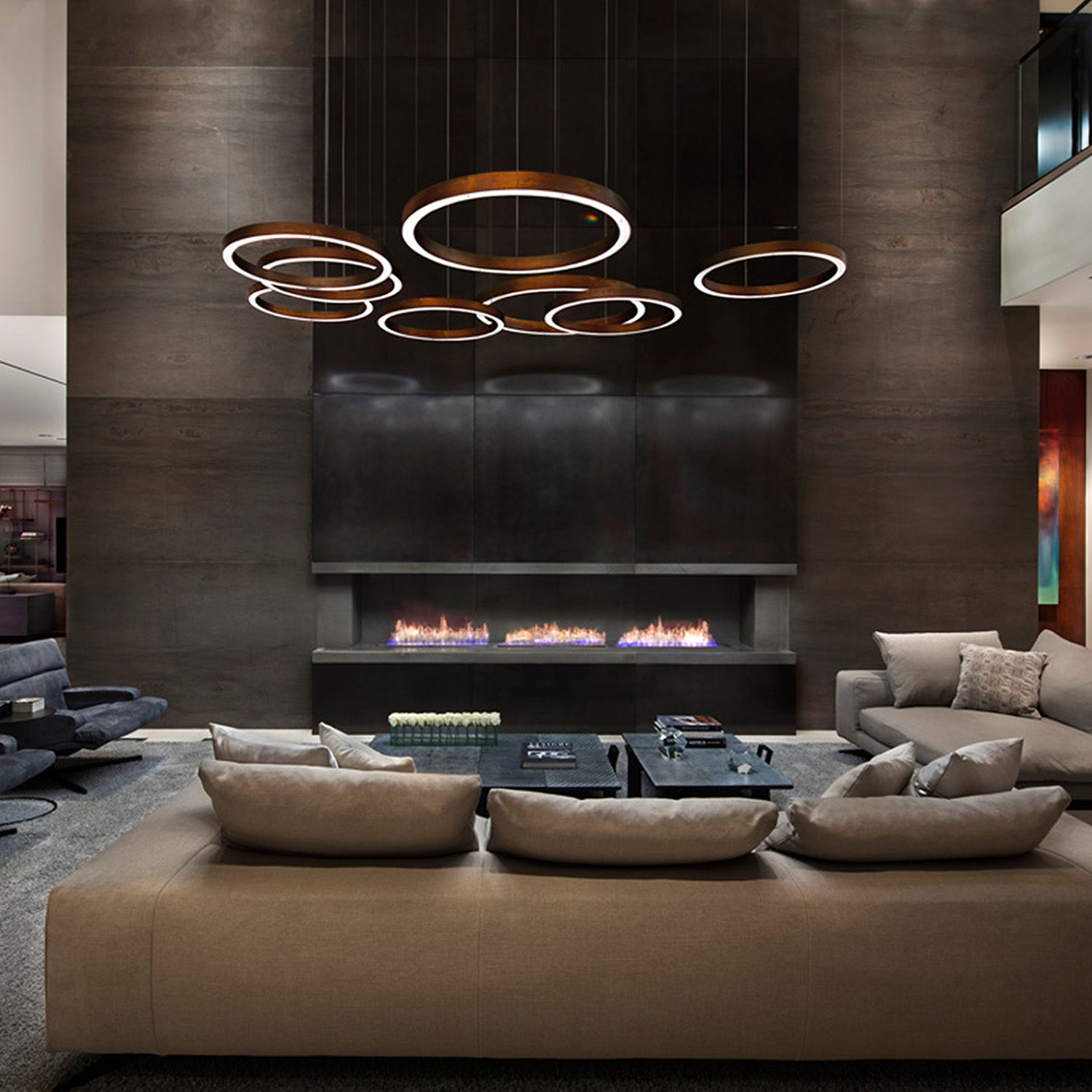
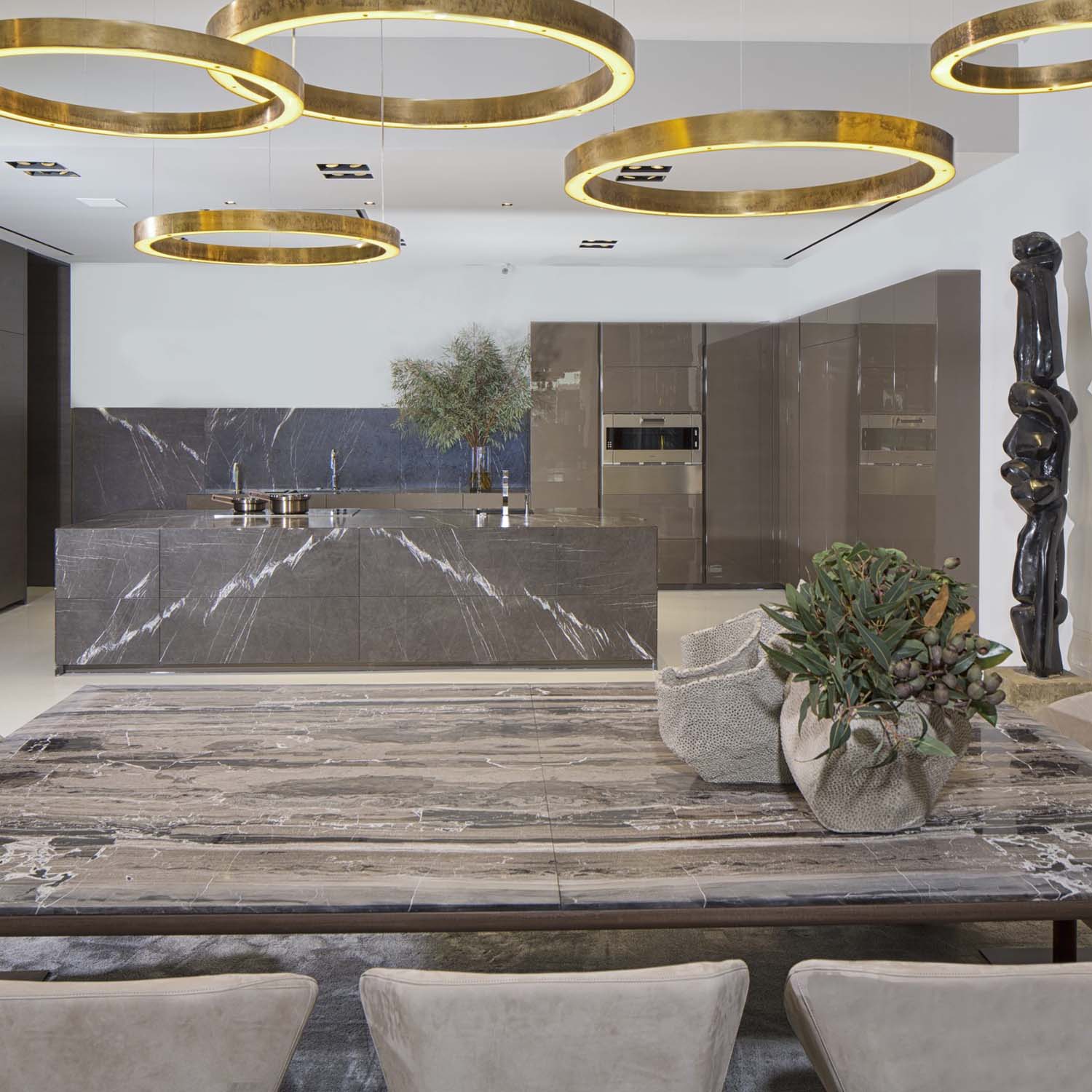
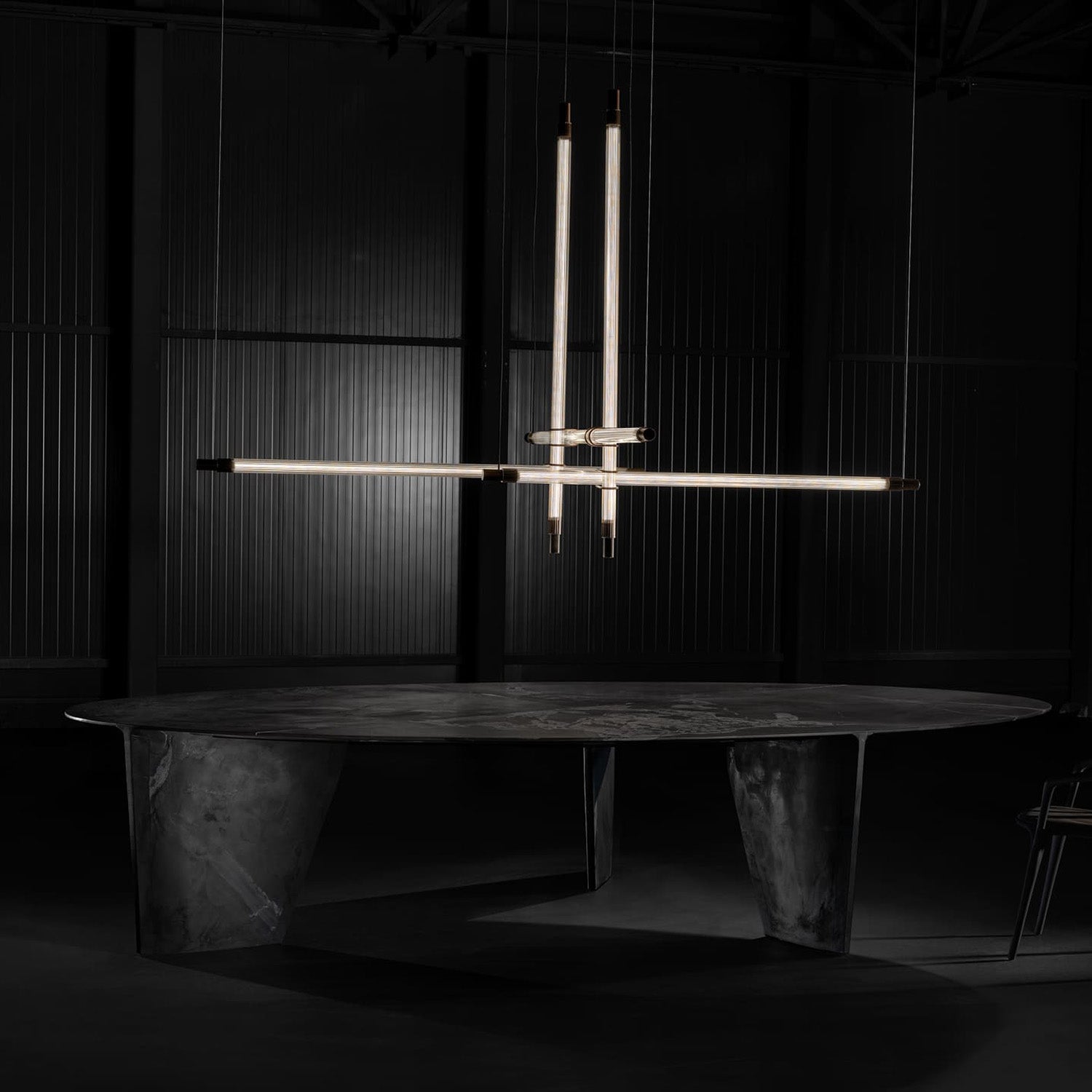
Henge treats lighting as a sculptural proposition, not a utility. Pendant and floor lamp forms are resolved with the same material rigor applied to tables and seating: metal is hand-finished, glass is hand-blown in Murano, and configurations are often modular to serve both intimate residential rooms and double-height architectural volumes. The light output is calibrated for atmosphere rather than task illumination. A Henge pendant reads as an object when unlit and as a spatial gesture when switched on. The Light Ring Horizontal by Massimo Castagna, with its sequence of hand-finished metal rings, is one example of how a geometric idea becomes a room-defining gesture.
Is Henge appropriate for large-scale hospitality and contract projects?
Yes. Much of Henge's collection is explicitly designed for architecture-scaled environments. Modular lighting systems can be configured for double-height volumes. Dining chairs and sofas carry contract-grade structural consideration. Kitchen and storage systems are produced as architectural objects with dimensions adaptable to project-specific requirements. The made-to-order model supports bespoke specification, and the atelier's output is regularly found in residential, hotel, and institutional interiors where scale and material integrity are equally non-negotiable. Our design services include space planning and material coordination for projects of this scale.
How should Henge pieces be cared for and maintained over time?
Henge finishes, whether hand-burnished metal, natural stone, or hand-blown glass, are designed to age rather than resist change. Metal surfaces develop a patina particular to their environment and use, which the brand considers part of the object's identity. Stone tops should be treated according to the specific material: marble and onyx are sensitive to acidic substances and benefit from periodic sealing. Upholstered pieces in leather or fabric respond to standard care appropriate to the material grade. For specific maintenance guidance, consulting the brand's atelier or your project contact is recommended.
How does Henge fit within the broader tradition of Italian furniture design?
Henge sits apart from the rationalist and postmodern lineages that dominate Italian furniture history. Where many Italian studios have worked through formal experimentation or pop provocation, Henge's reference is closer to architecture and material culture. Its objects do not argue with a room; they anchor it. The atelier's use of geological materials, hand-applied finishes, and made-to-order production positions it within a tradition of Italian fabrication where process and result are inseparable, closer in spirit to an artisan's workshop than a manufacturer's catalog. For a broader view of that tradition, our Italian design heritage article traces that lineage through objects in the Luminaire collection.
Elevate Your Space
Since 1974, we have been at the forefront of innovation in the design sphere, revolutionizing perceptions of good design.


