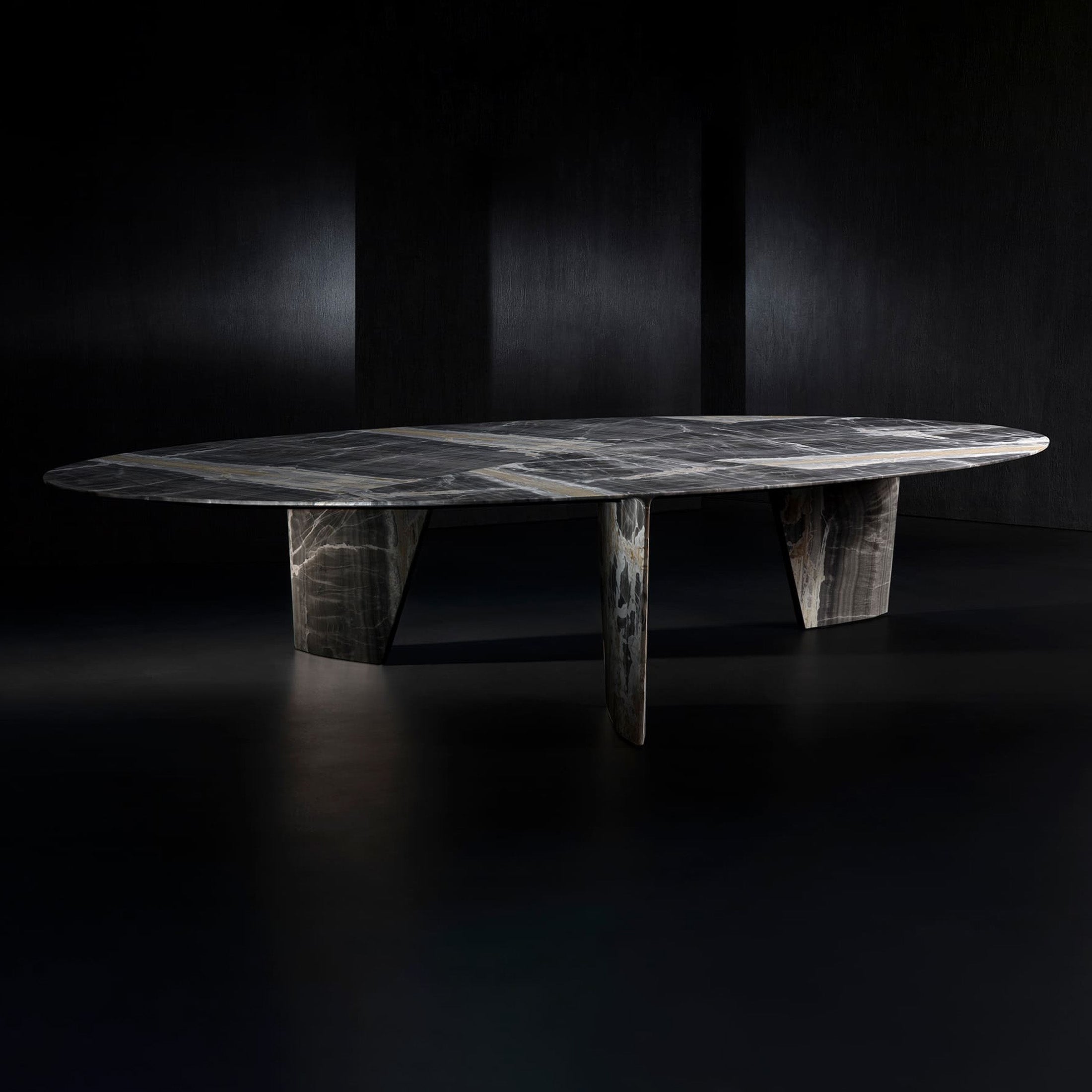
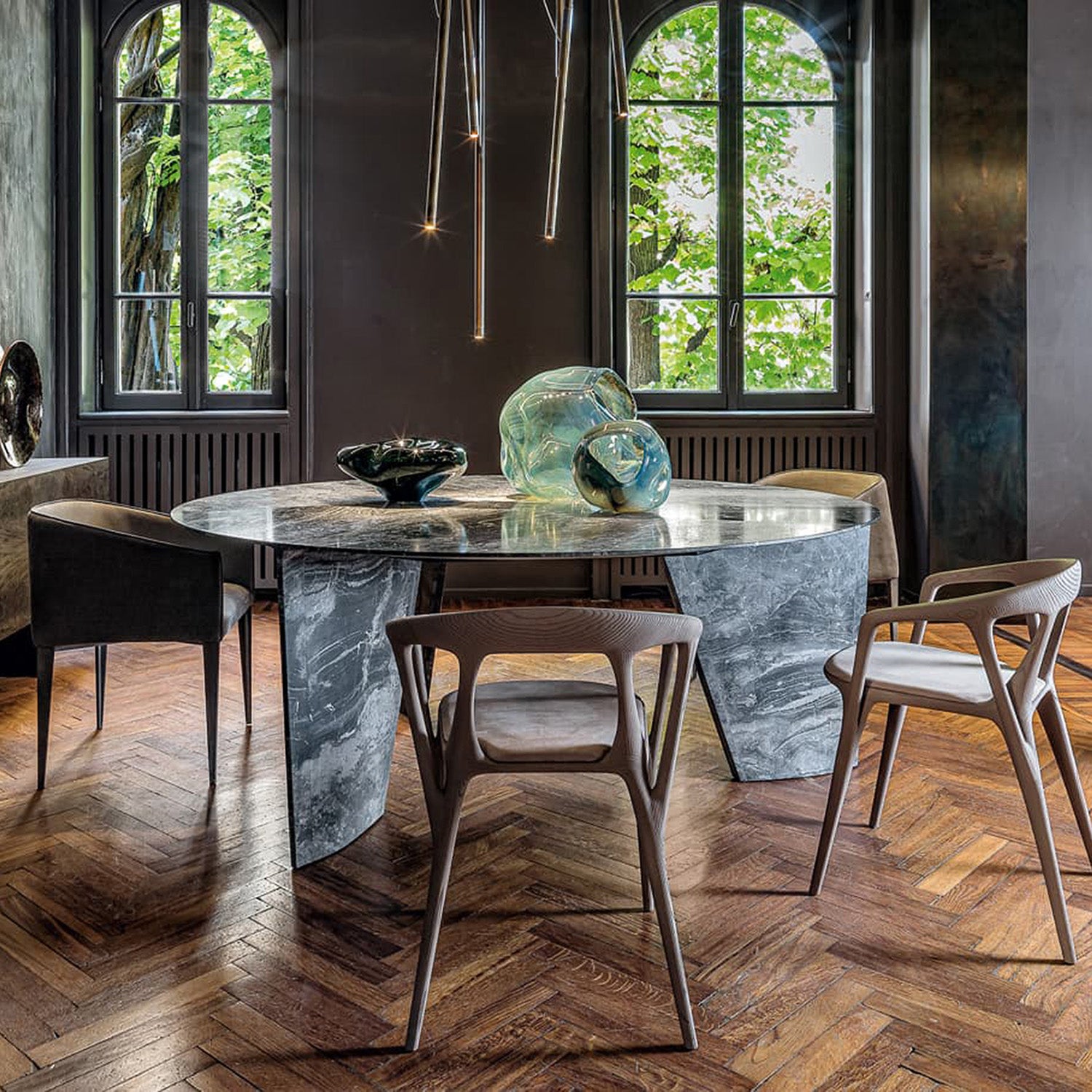
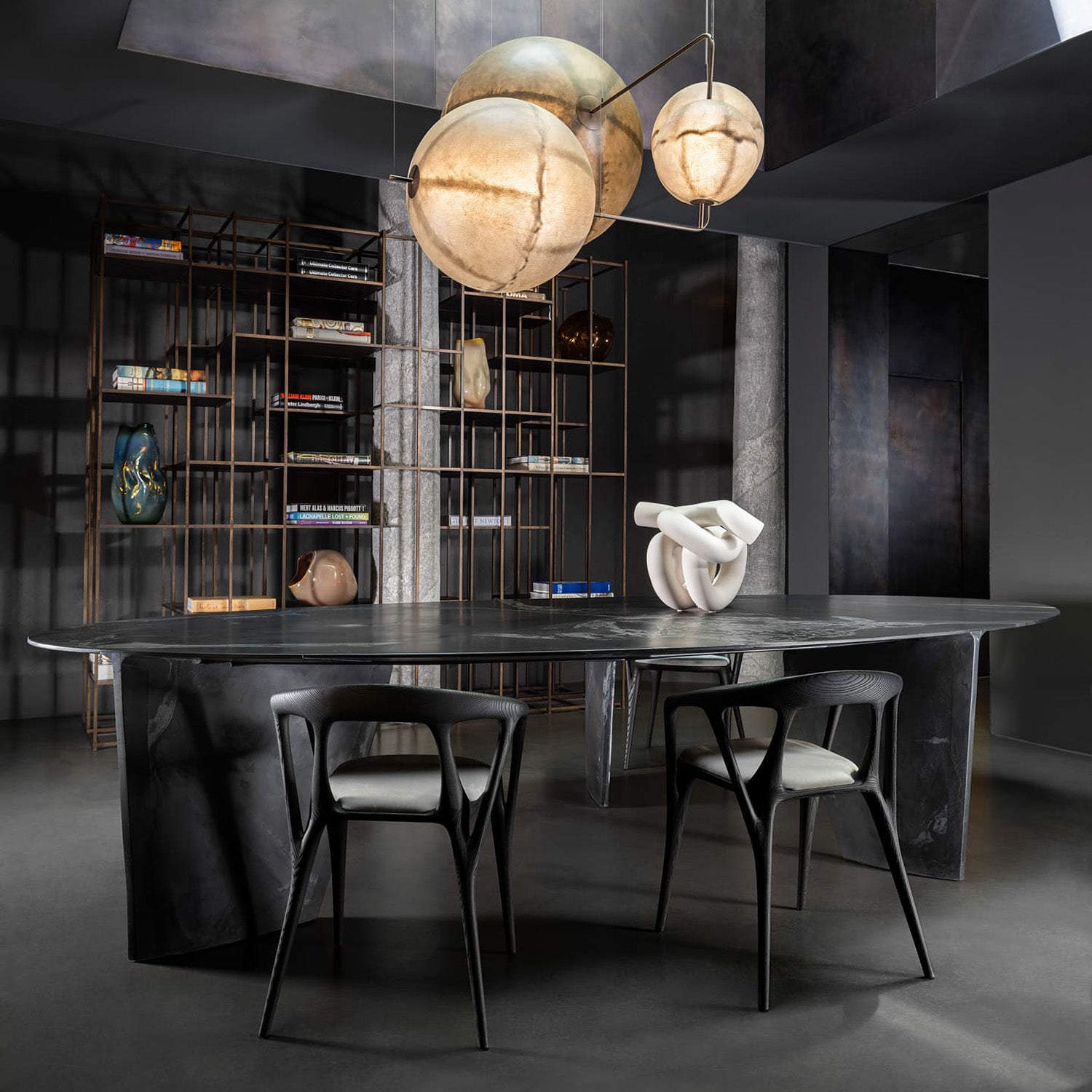
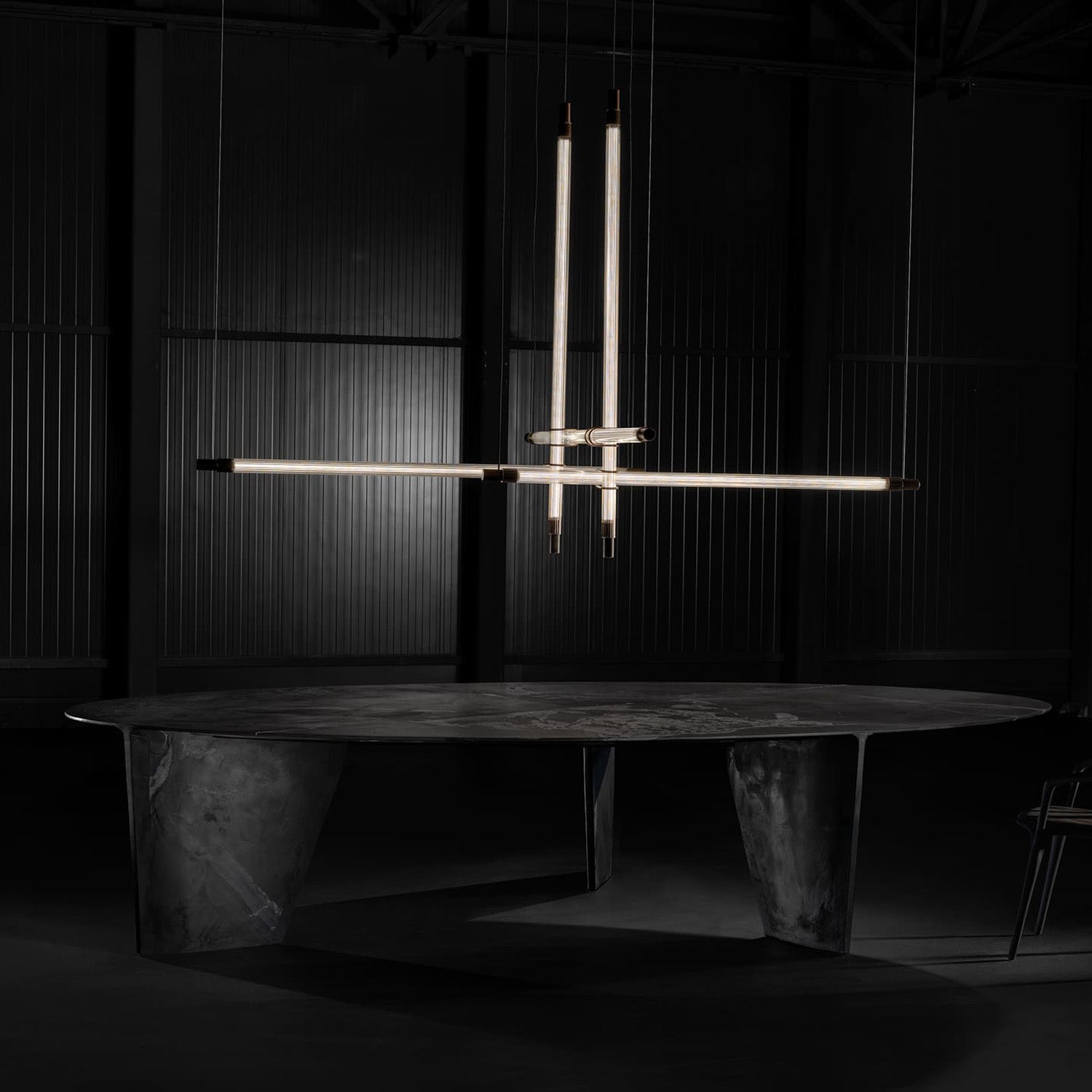
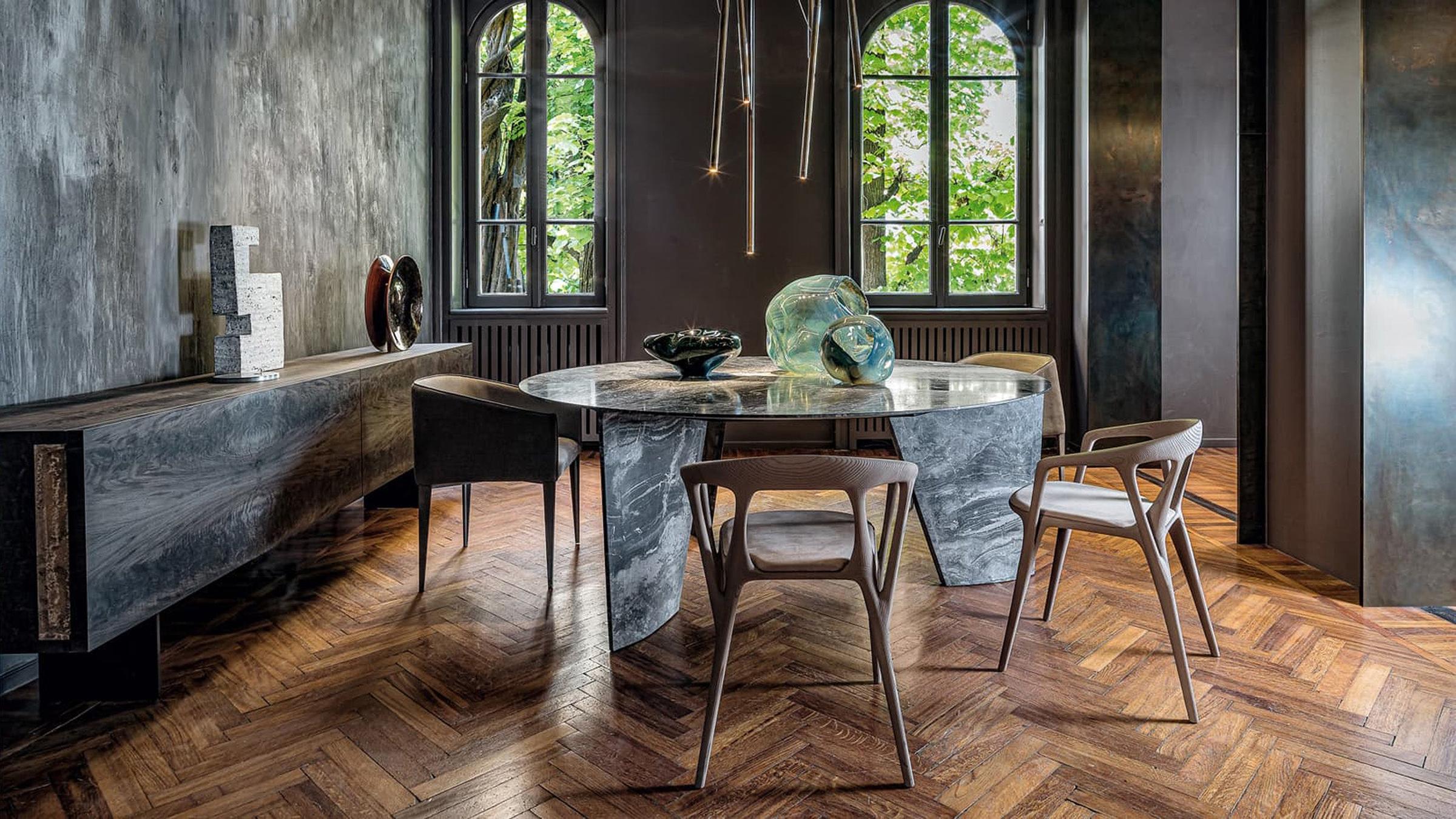
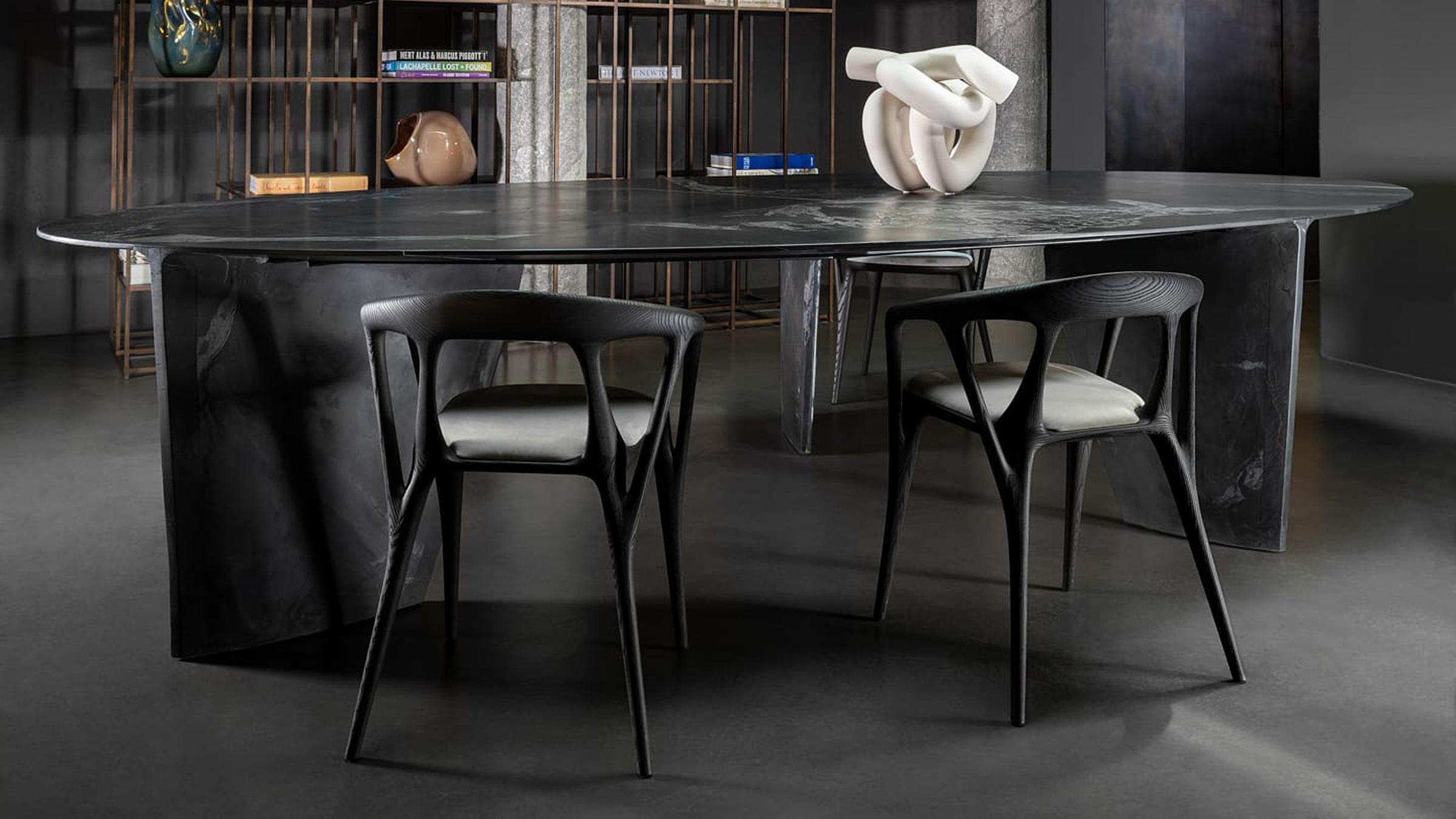
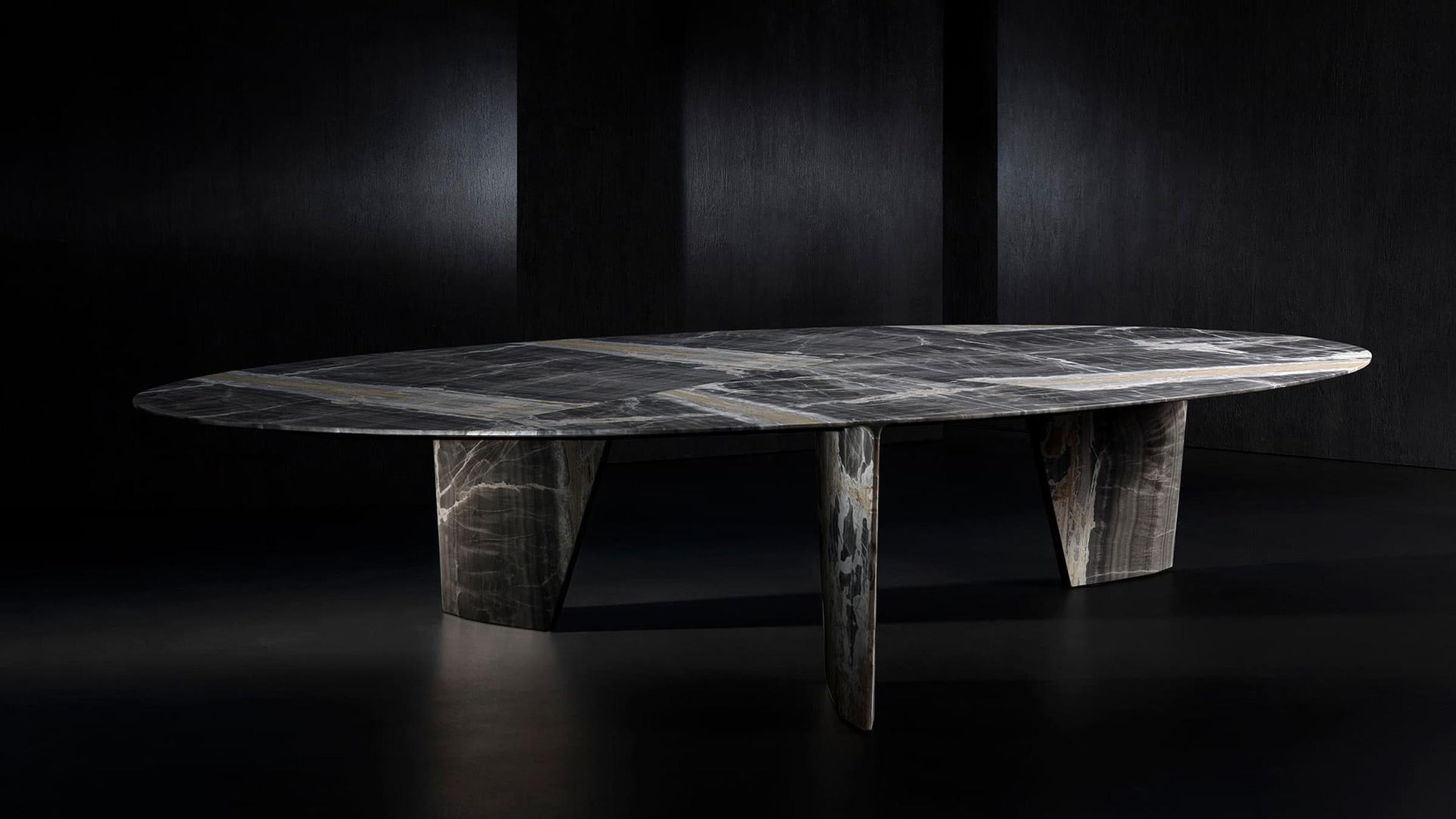
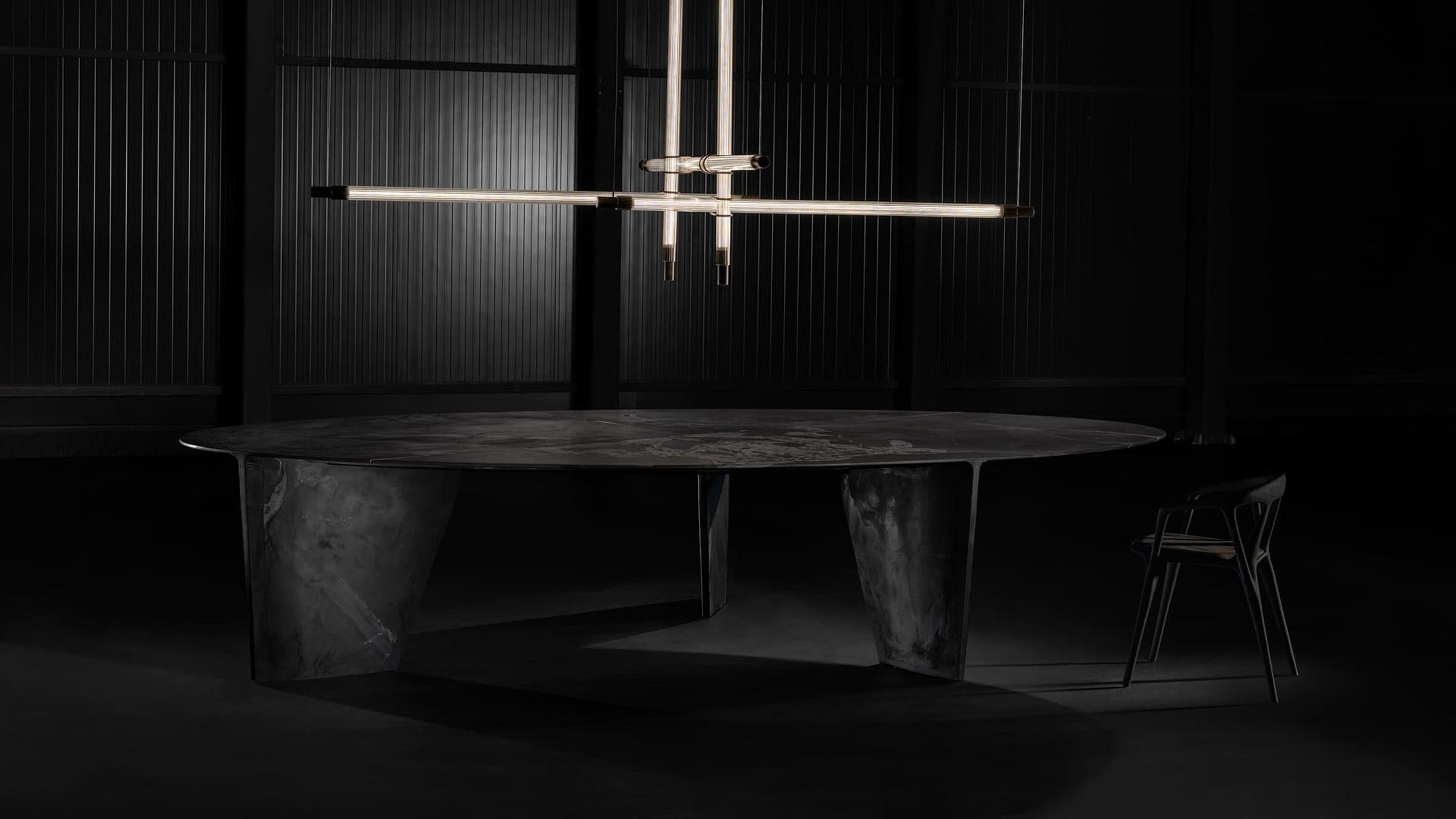
Tavolo da pranzo Synapse
Made by Henge
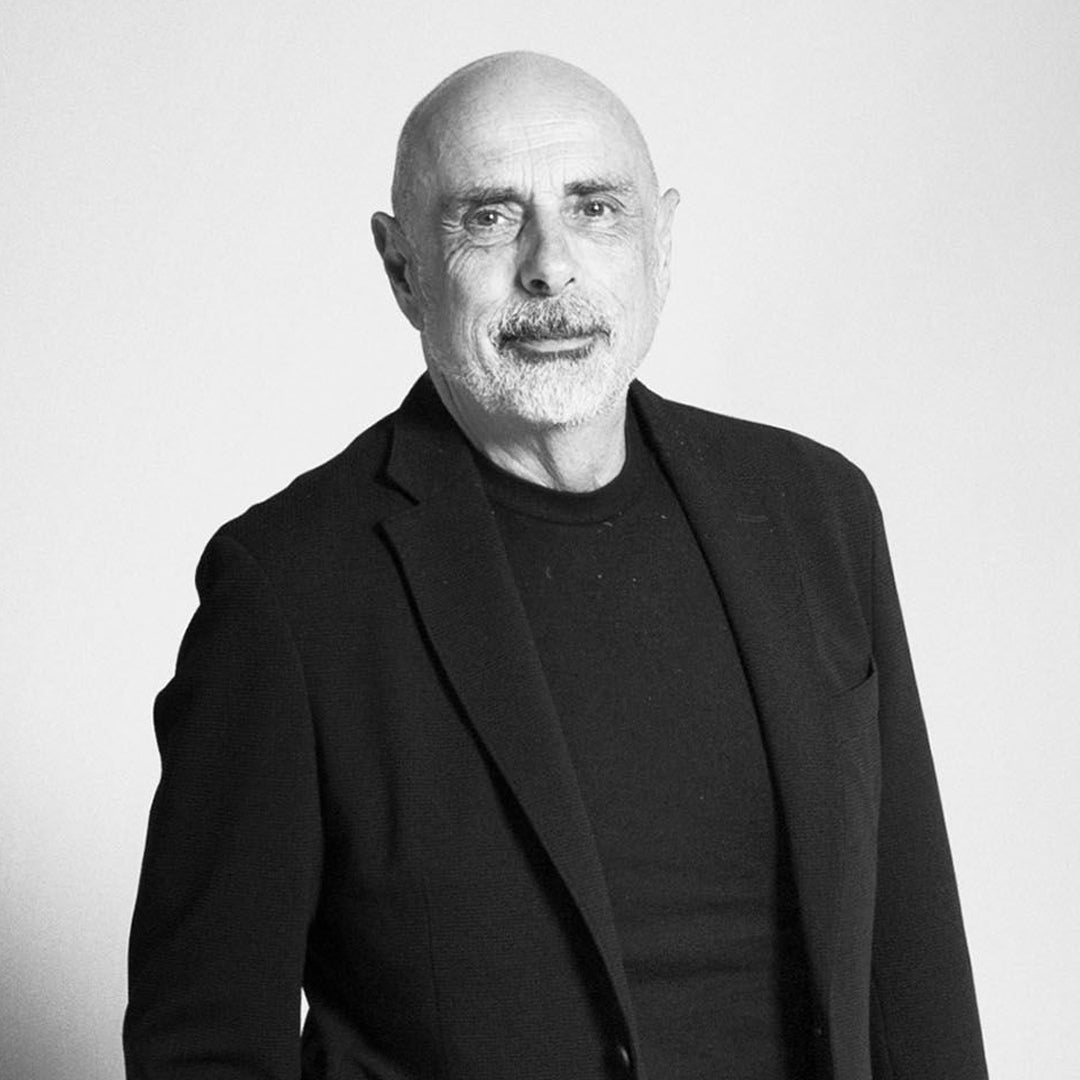
Designed by Massimo Castagna
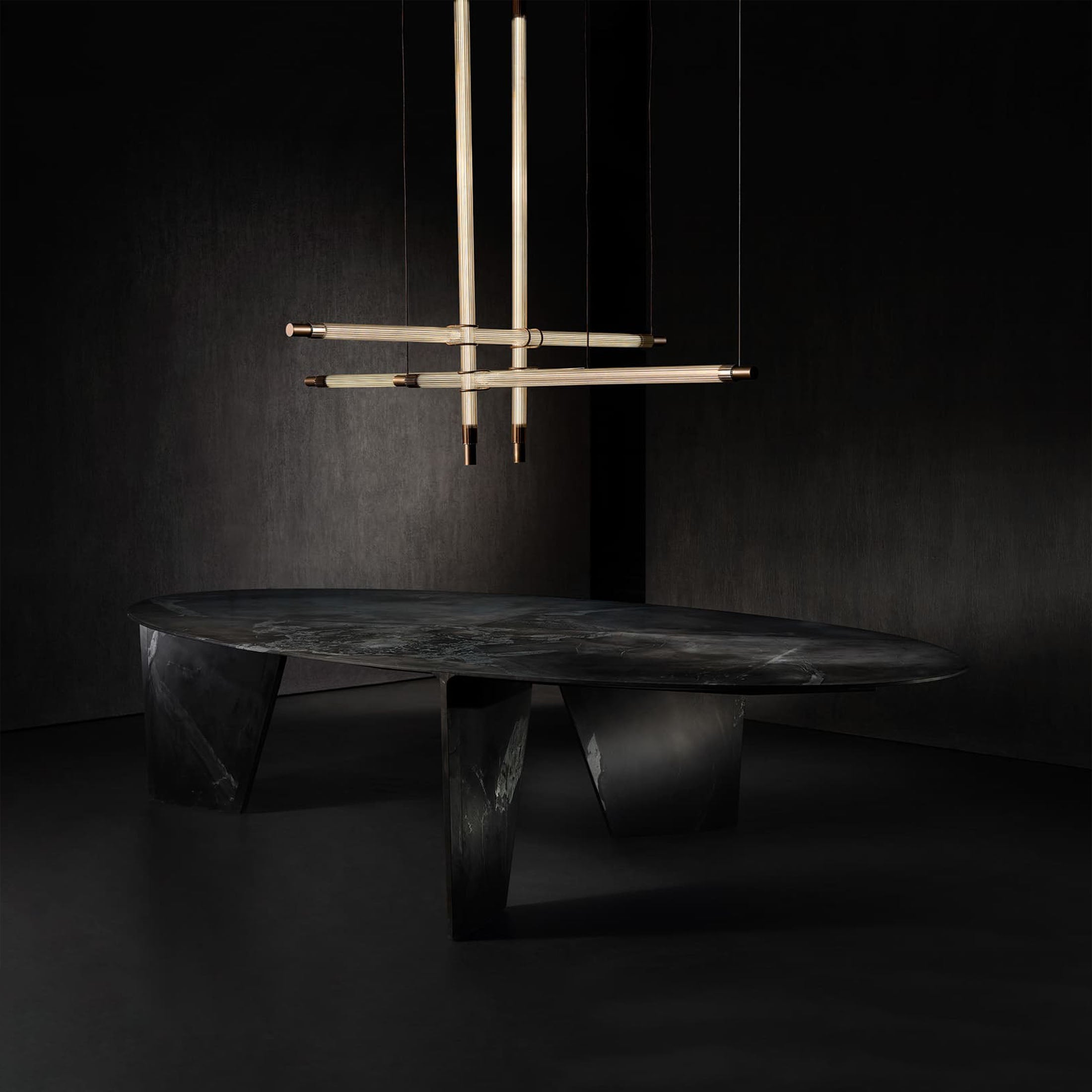
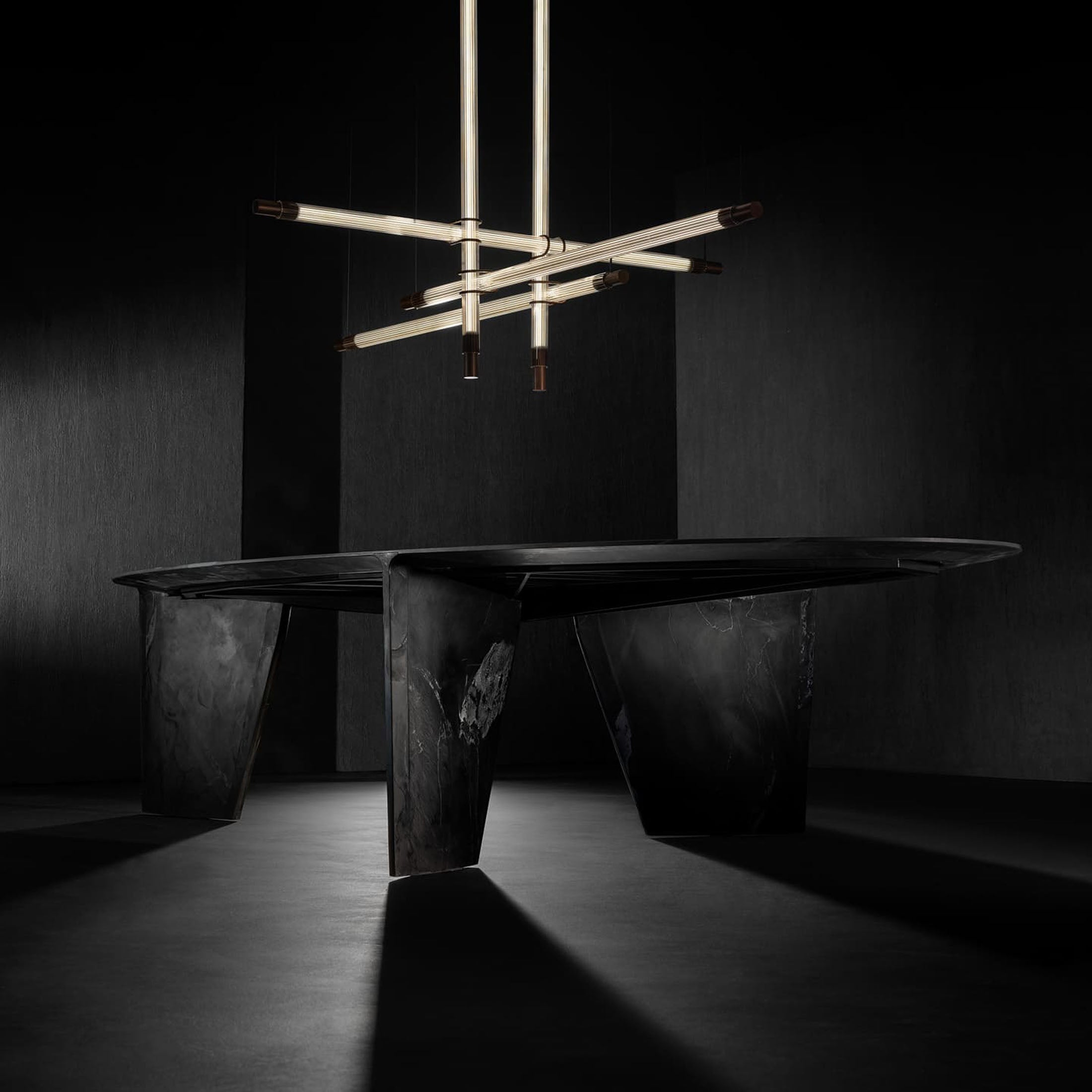
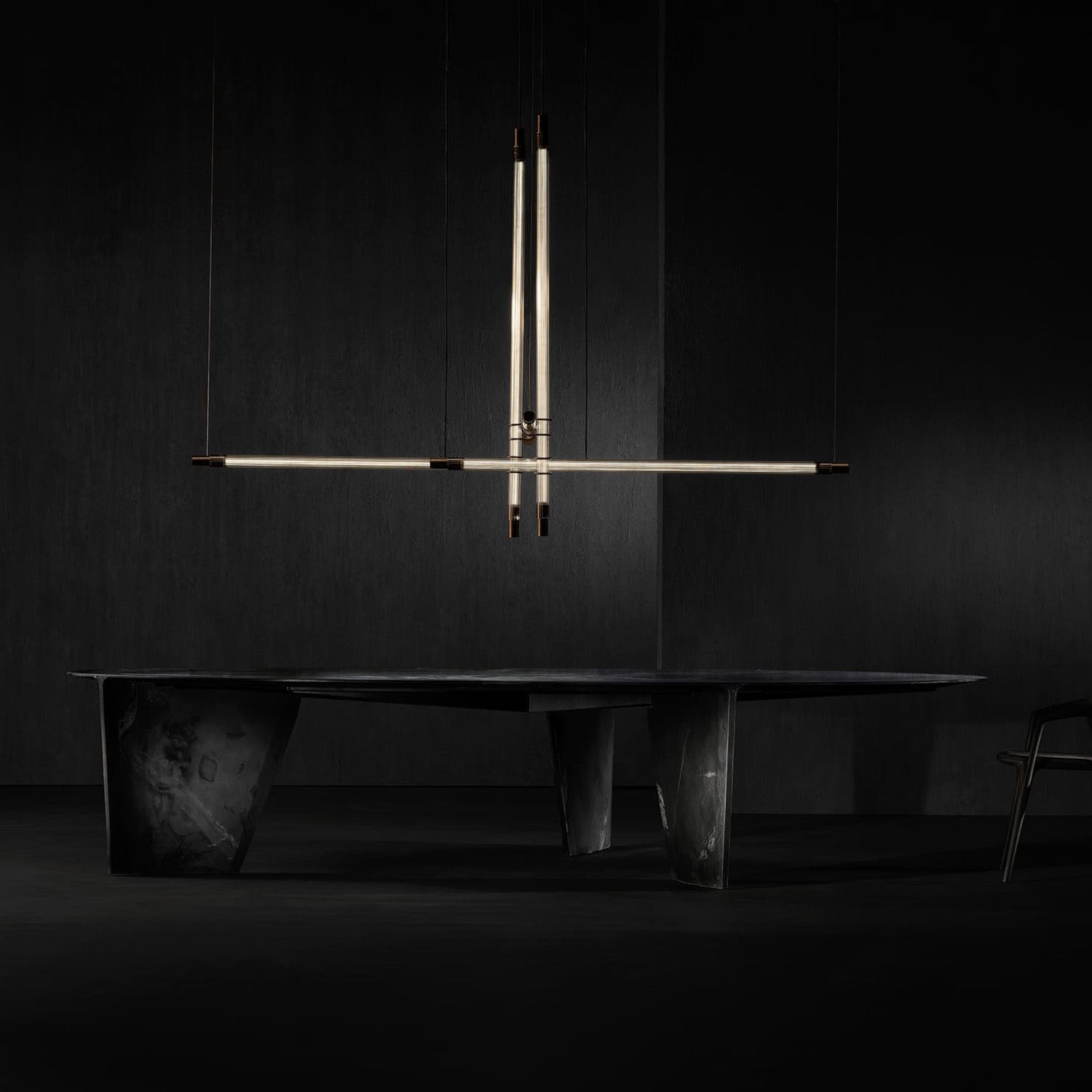
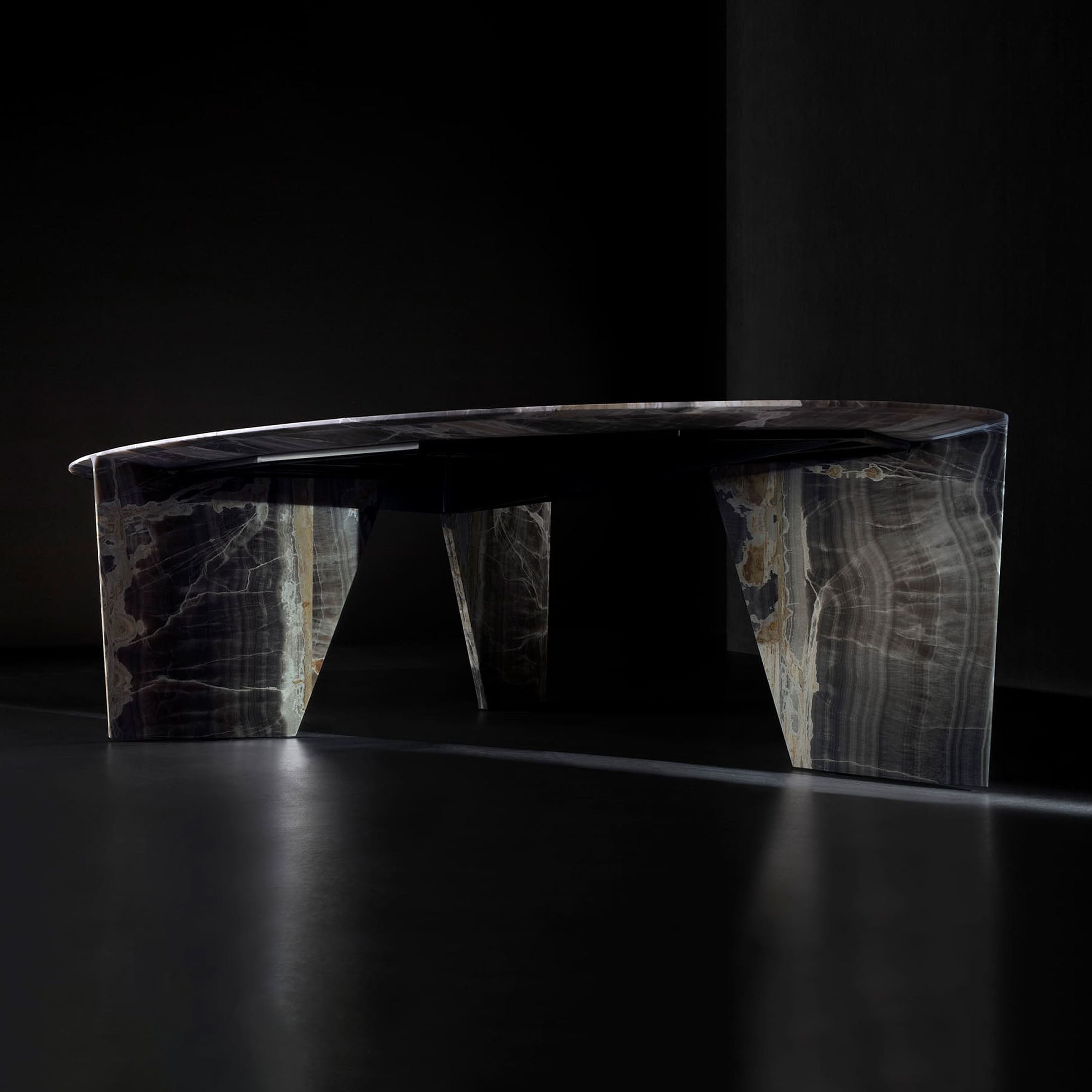
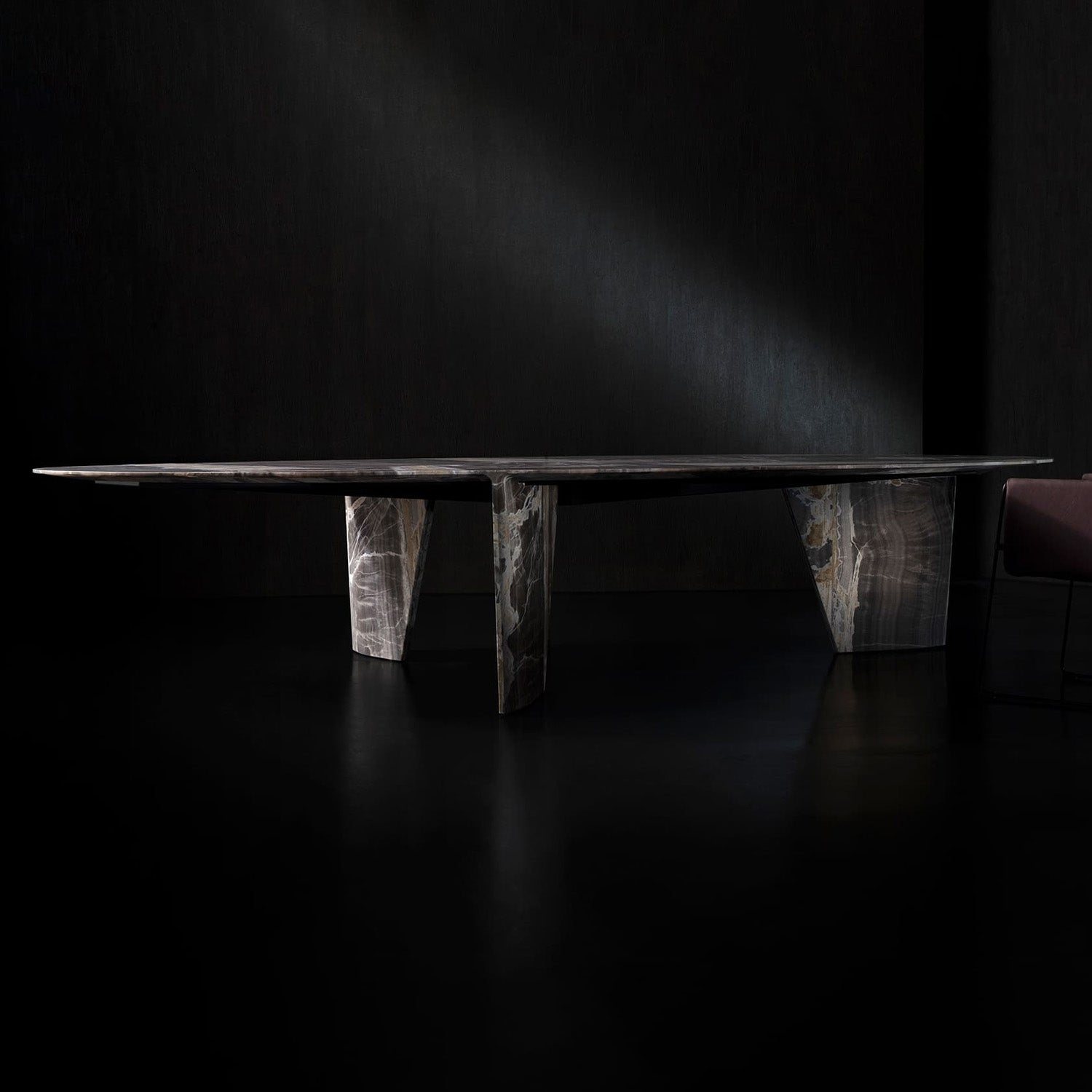
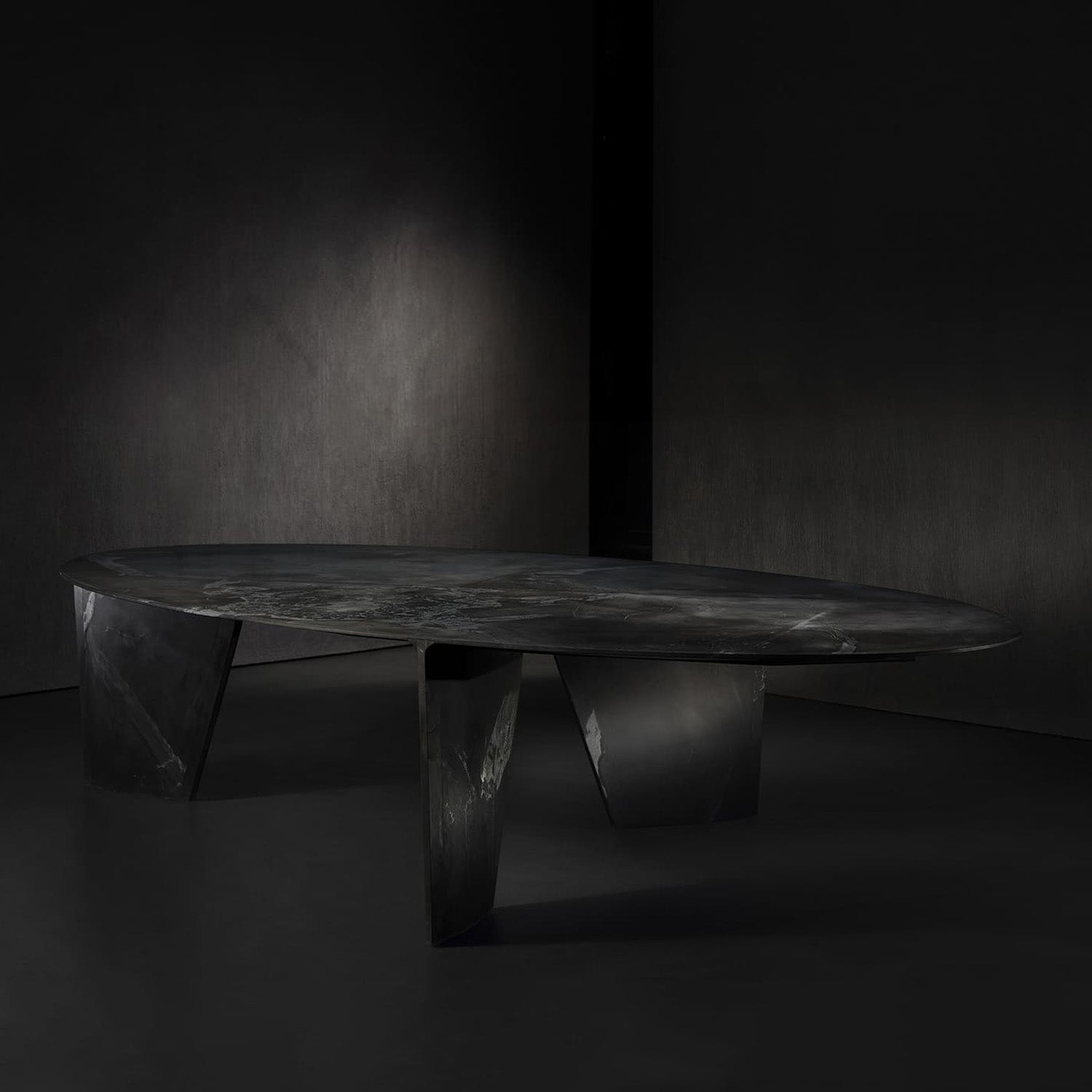
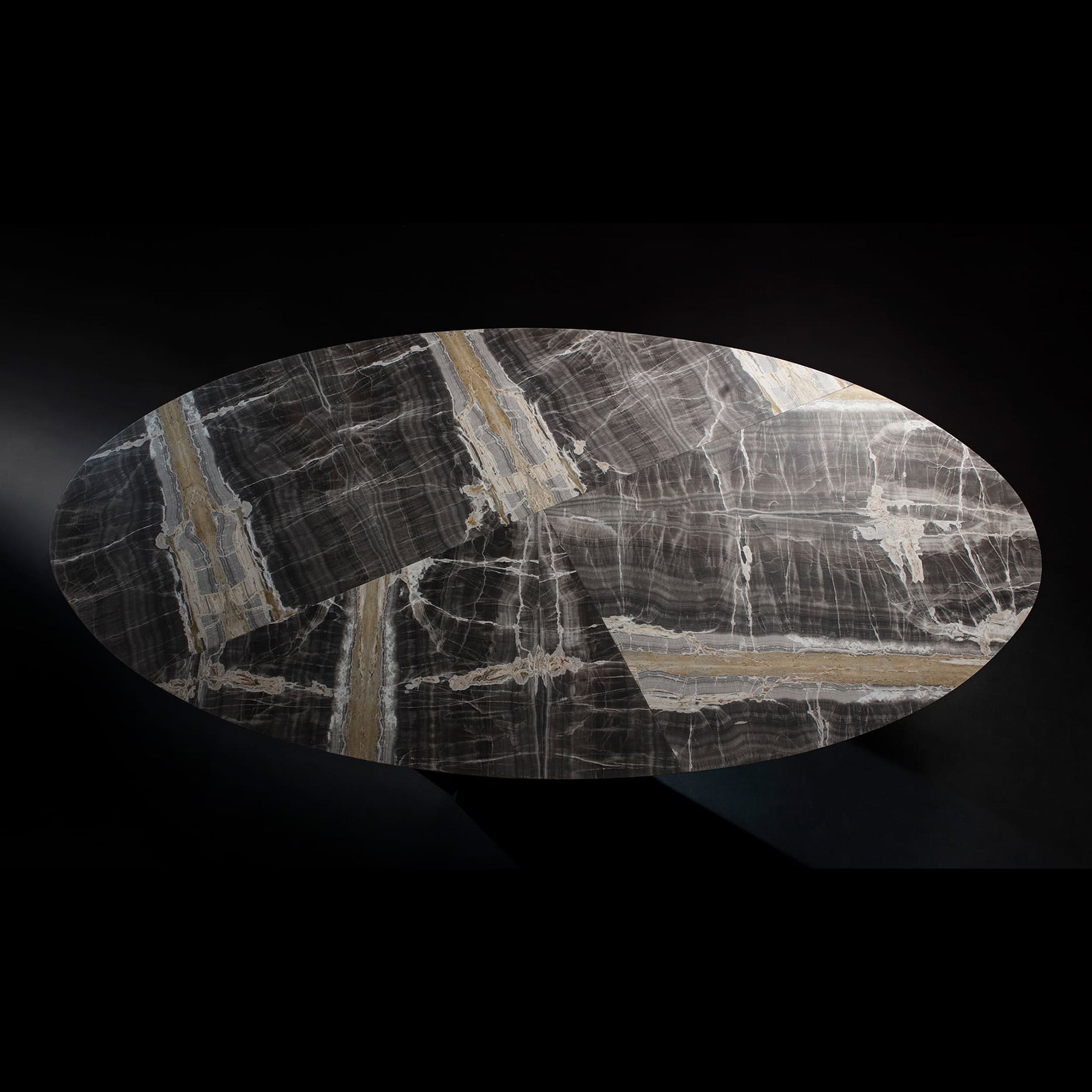
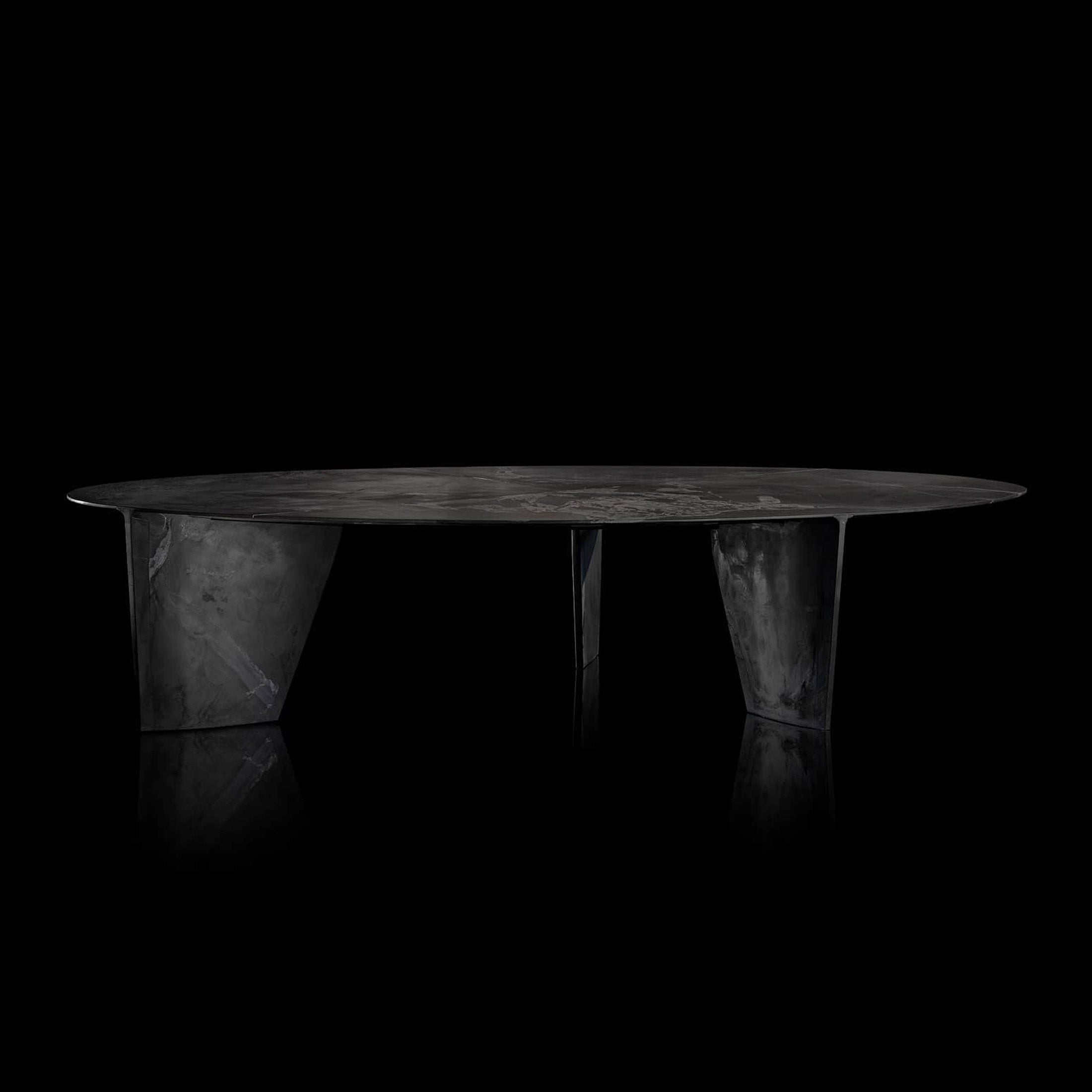
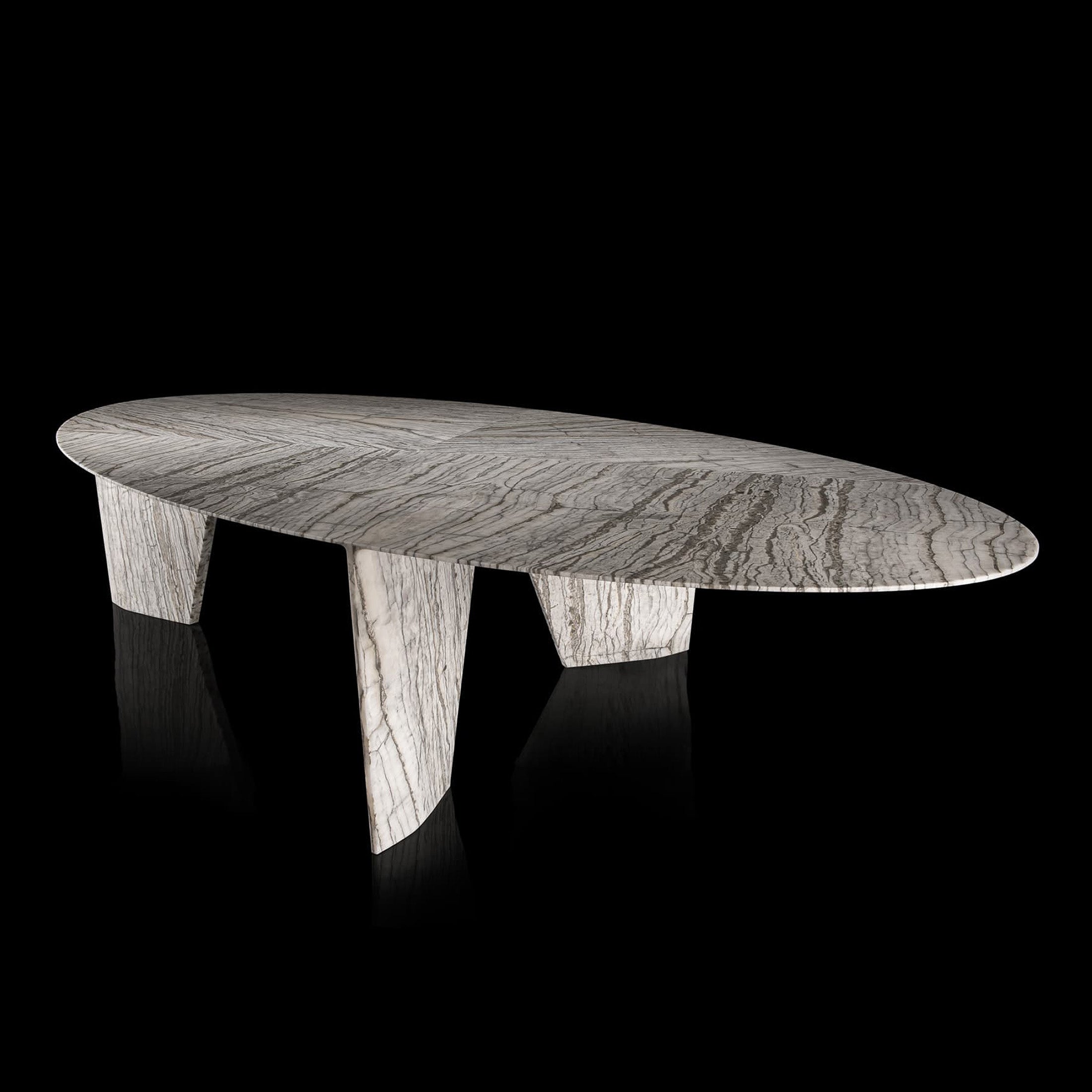
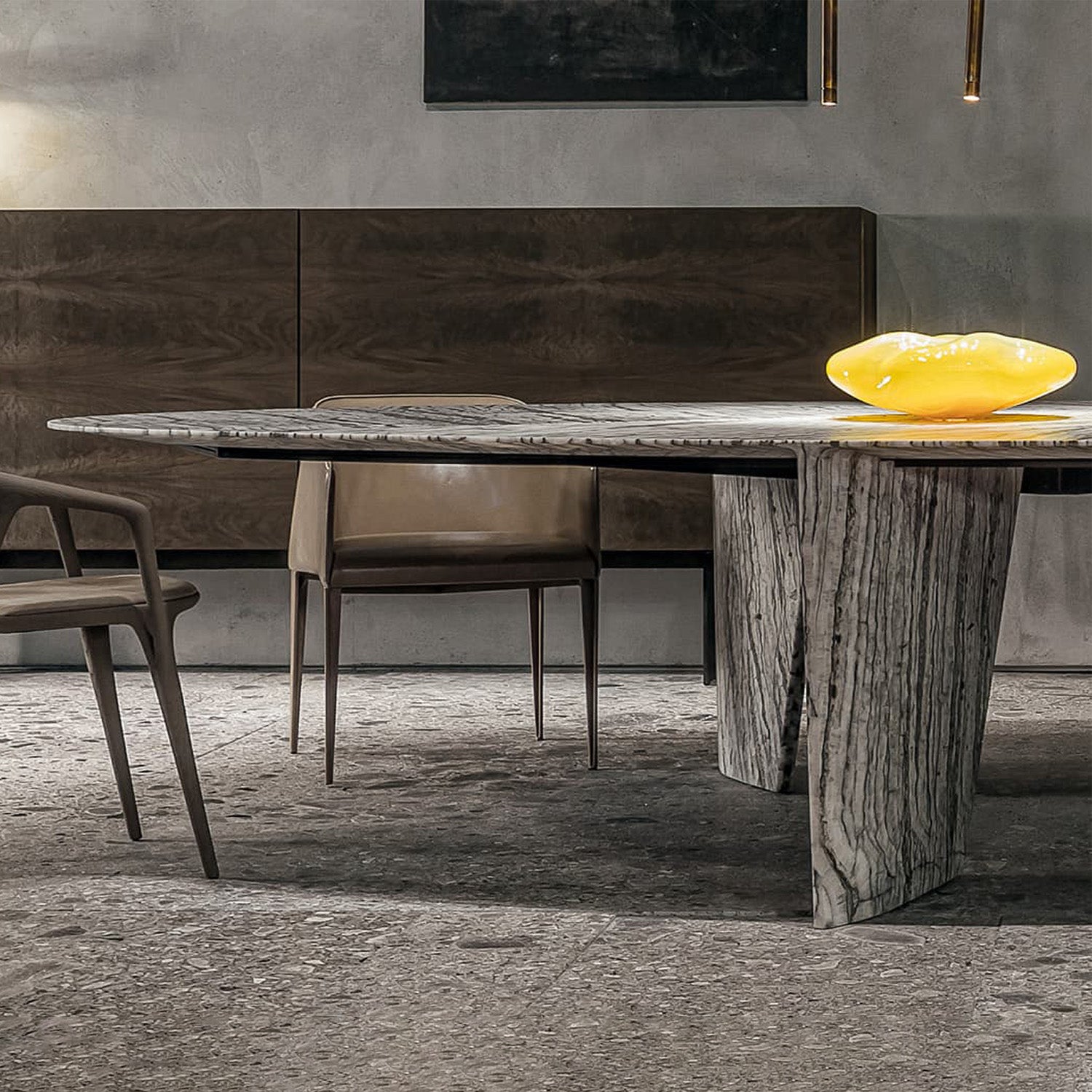
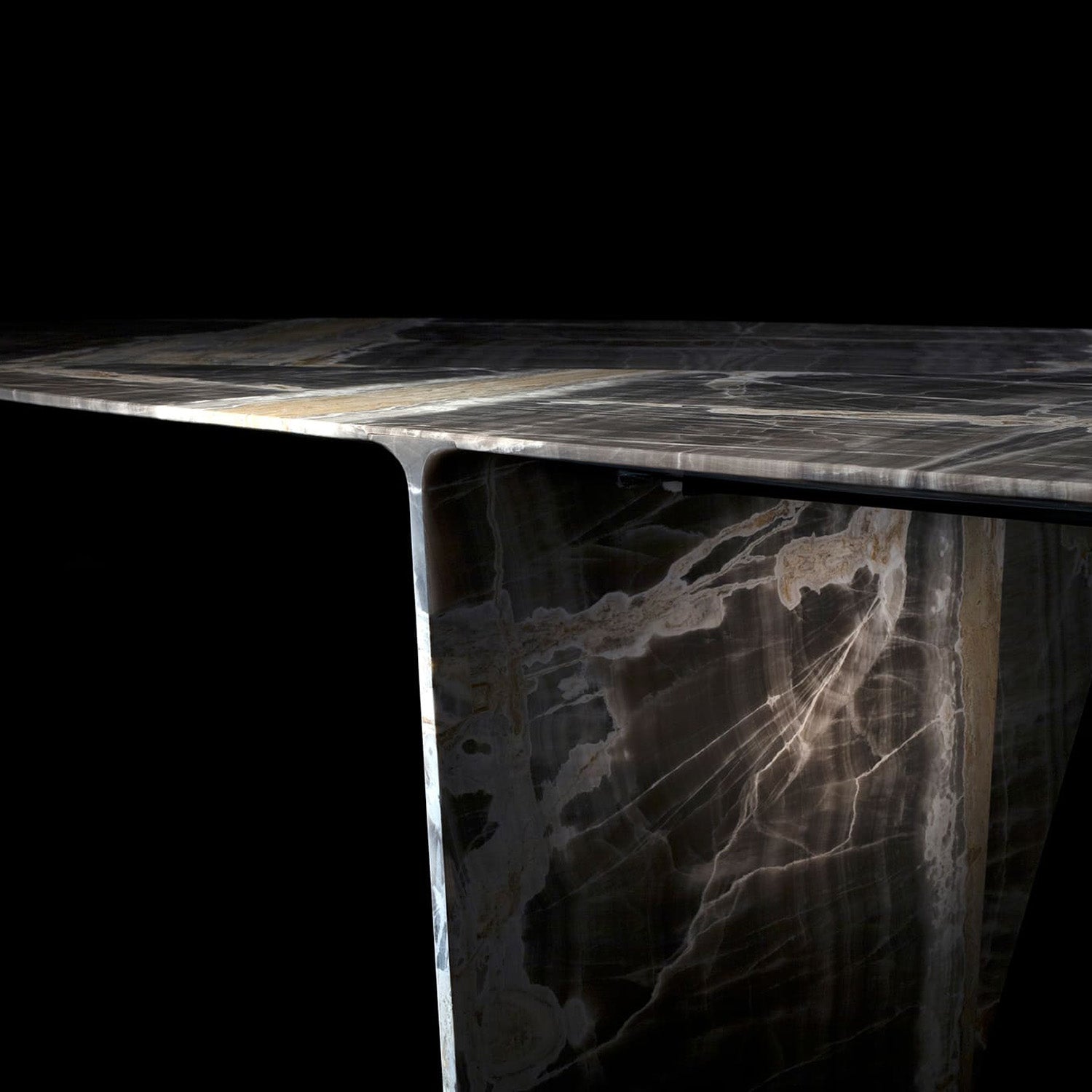
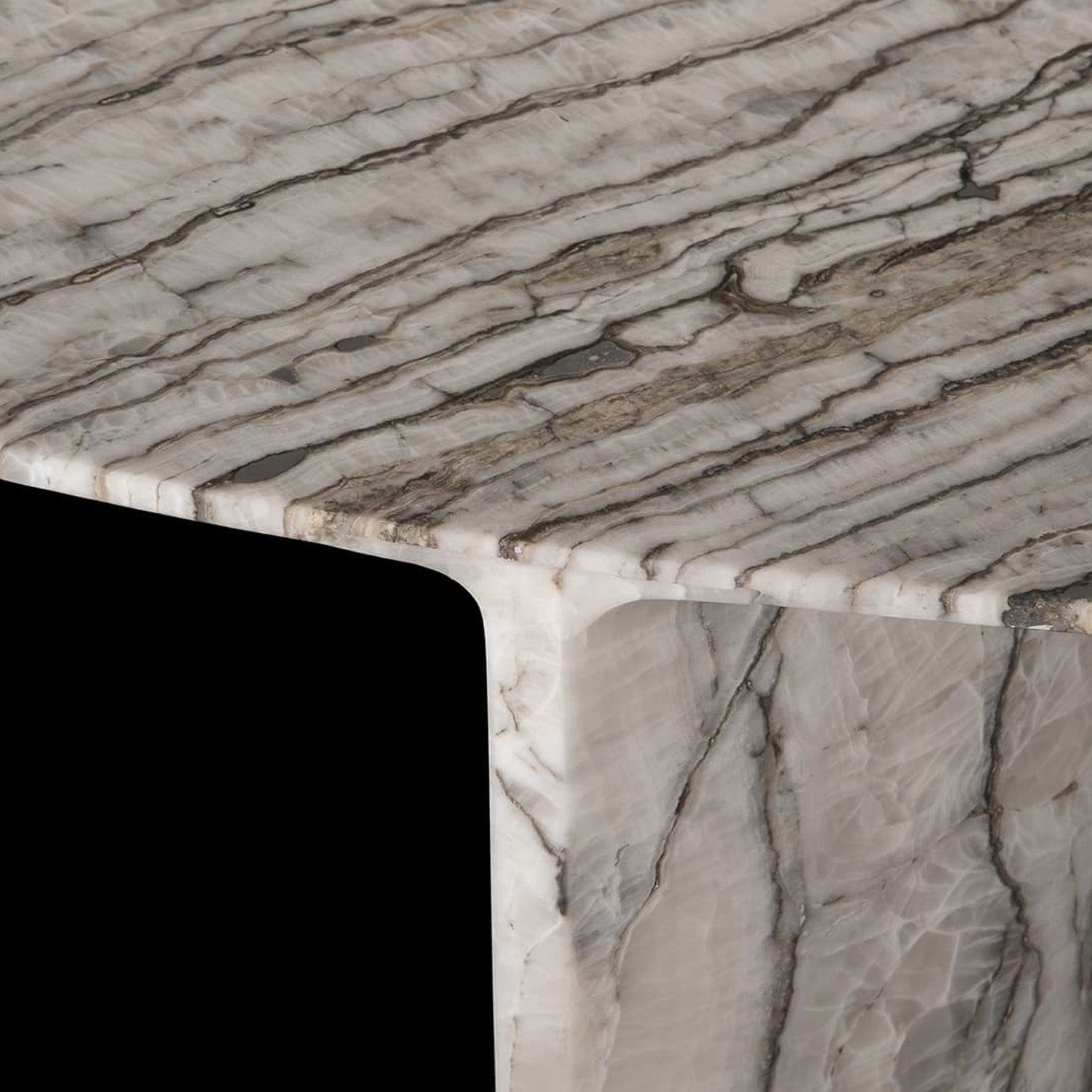
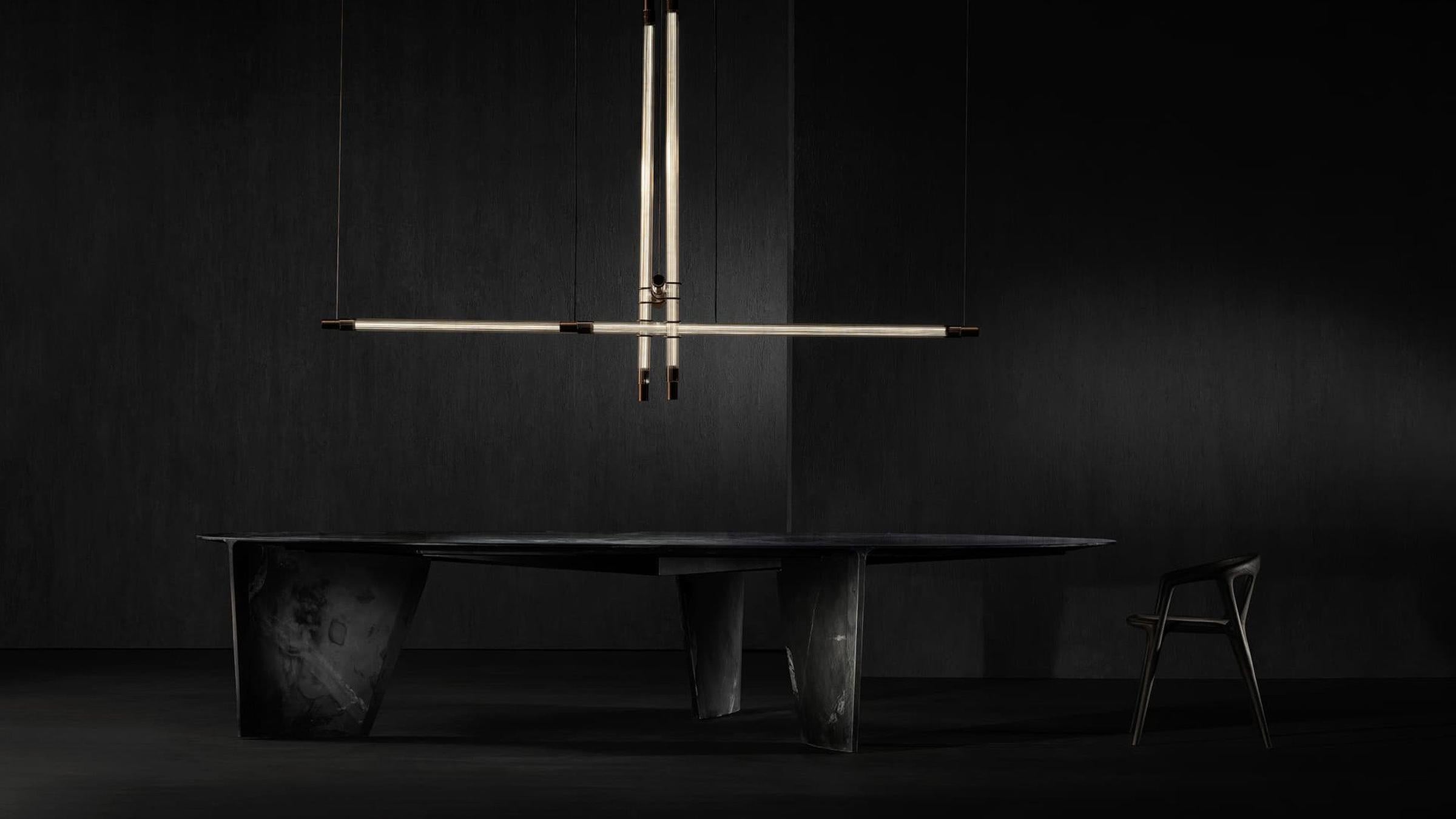
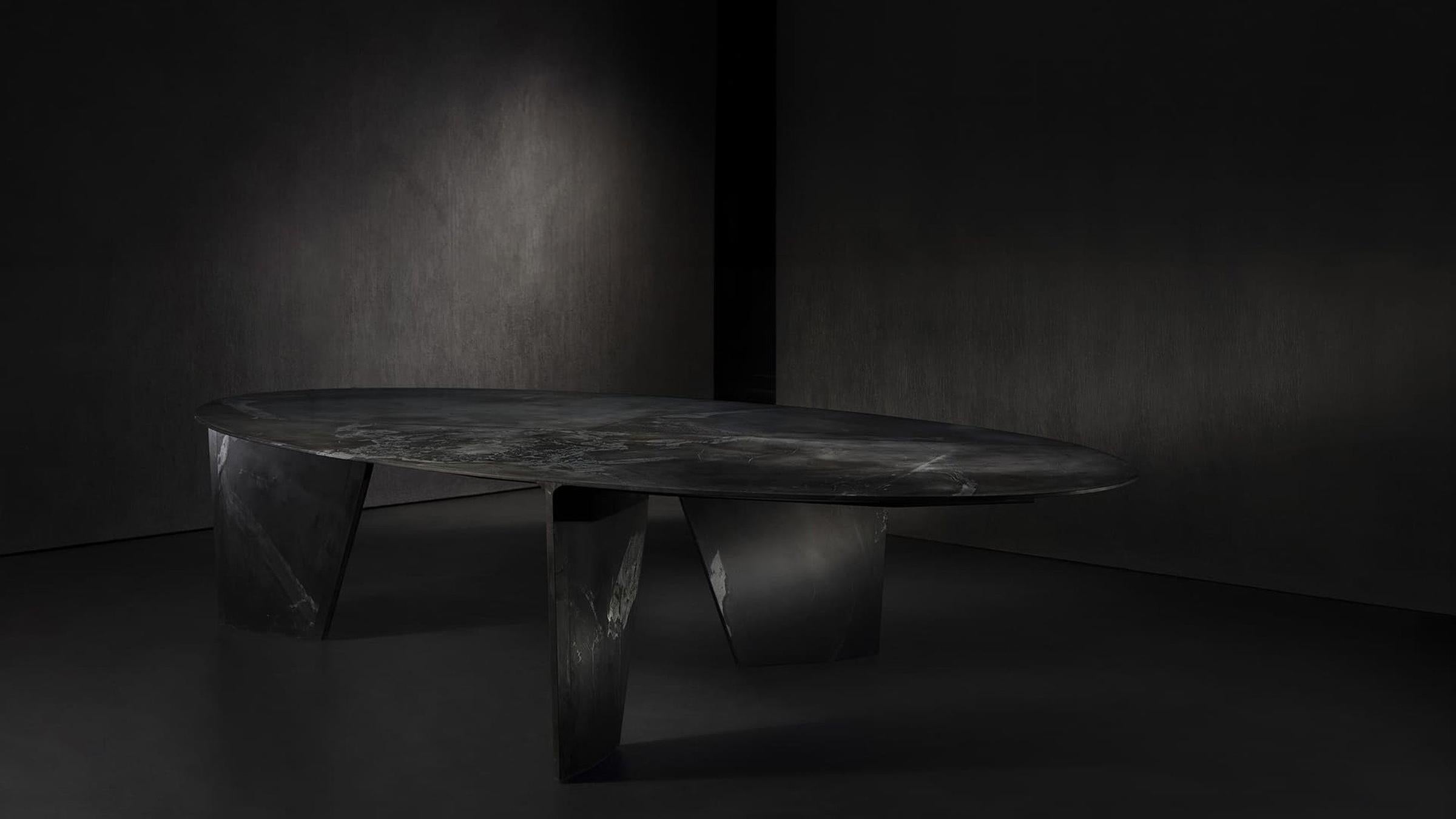
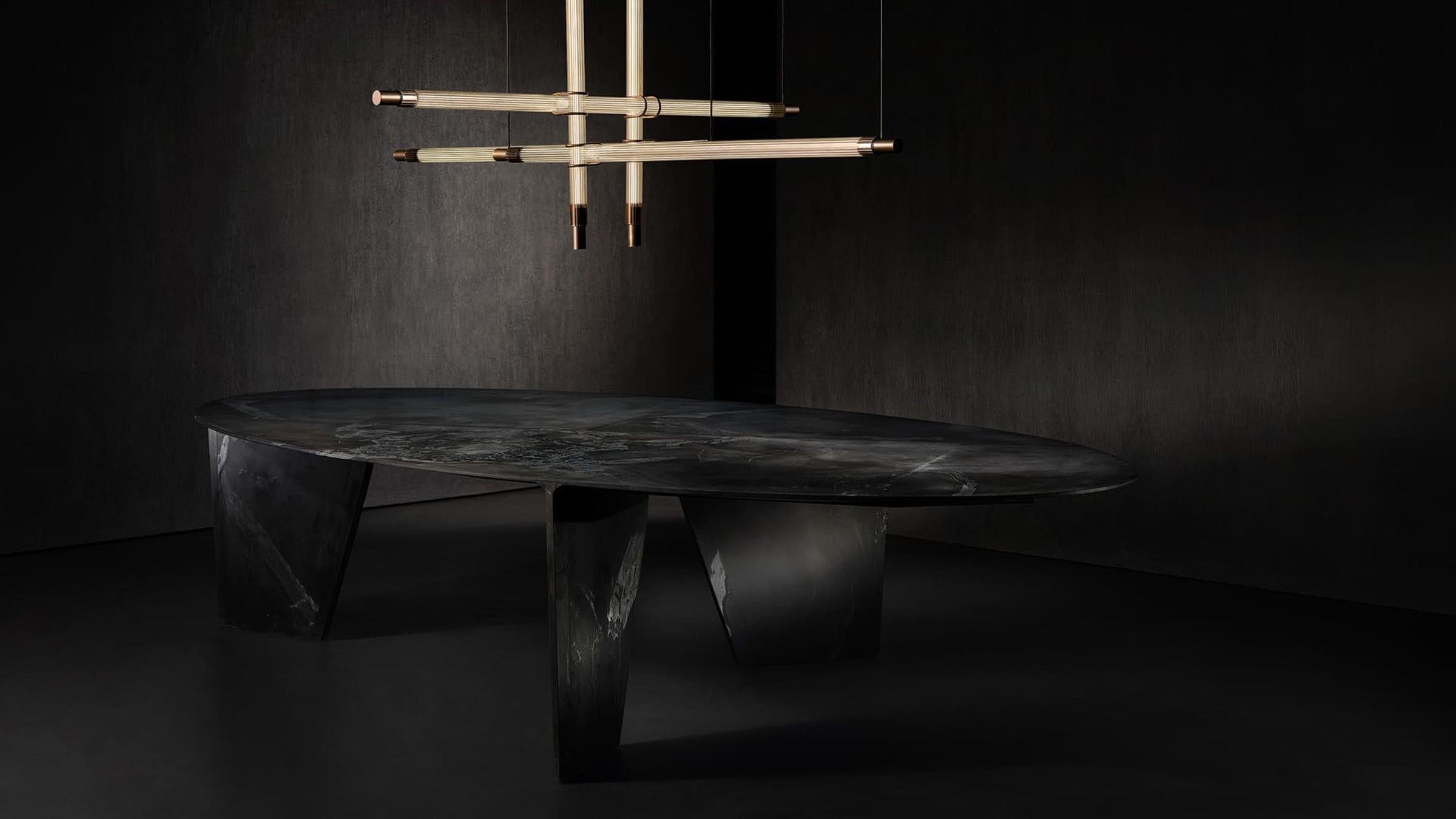
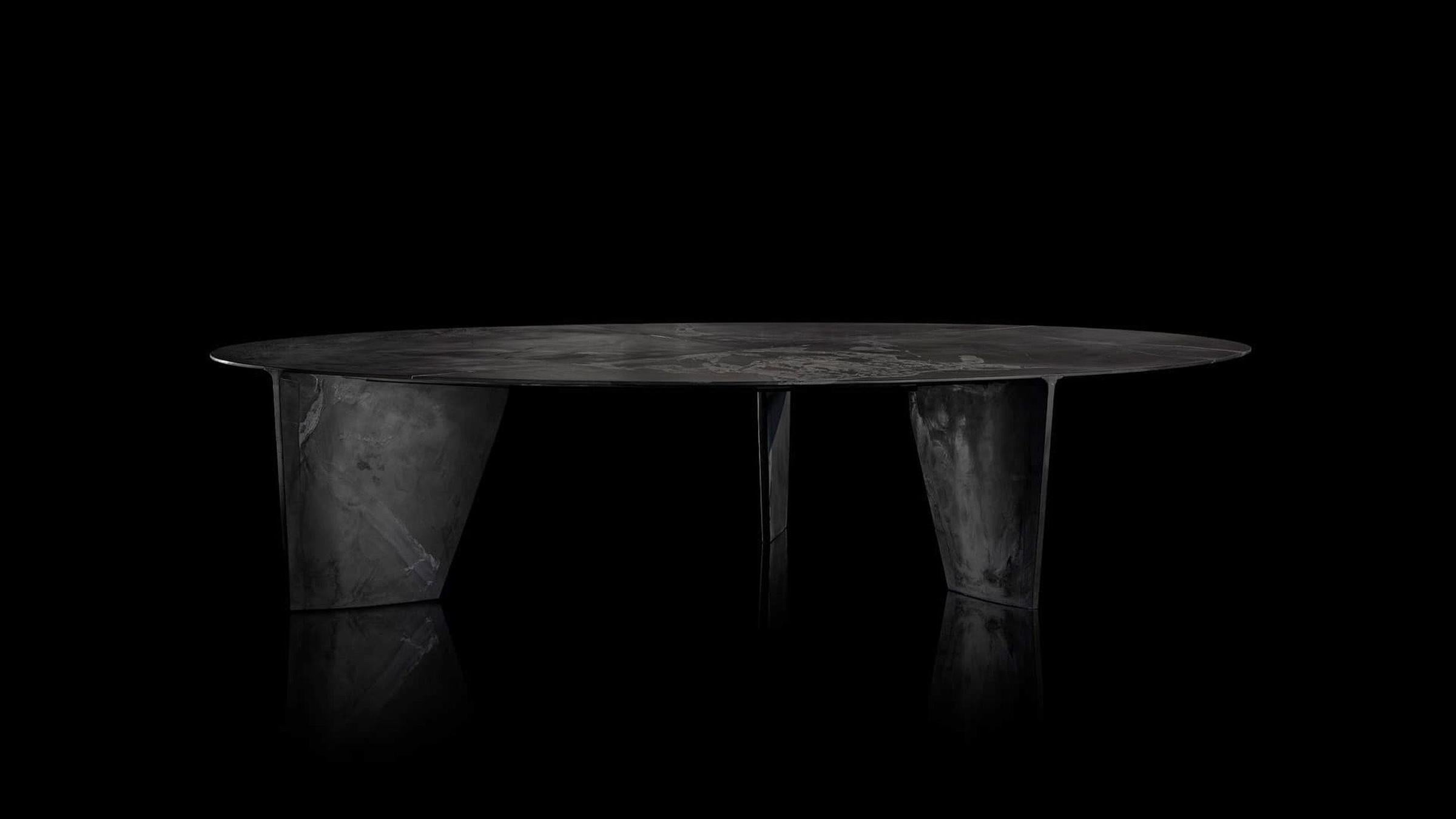
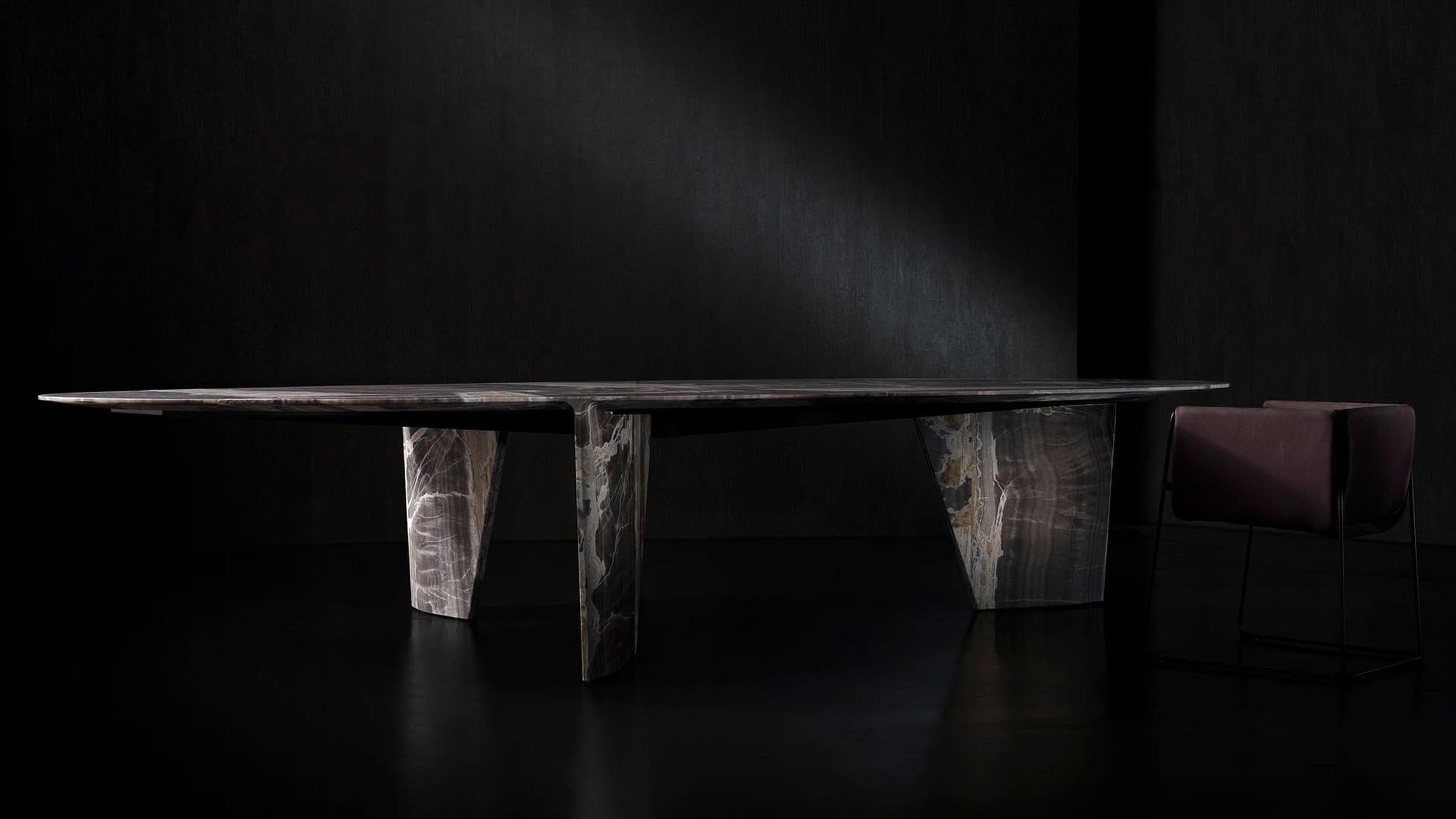
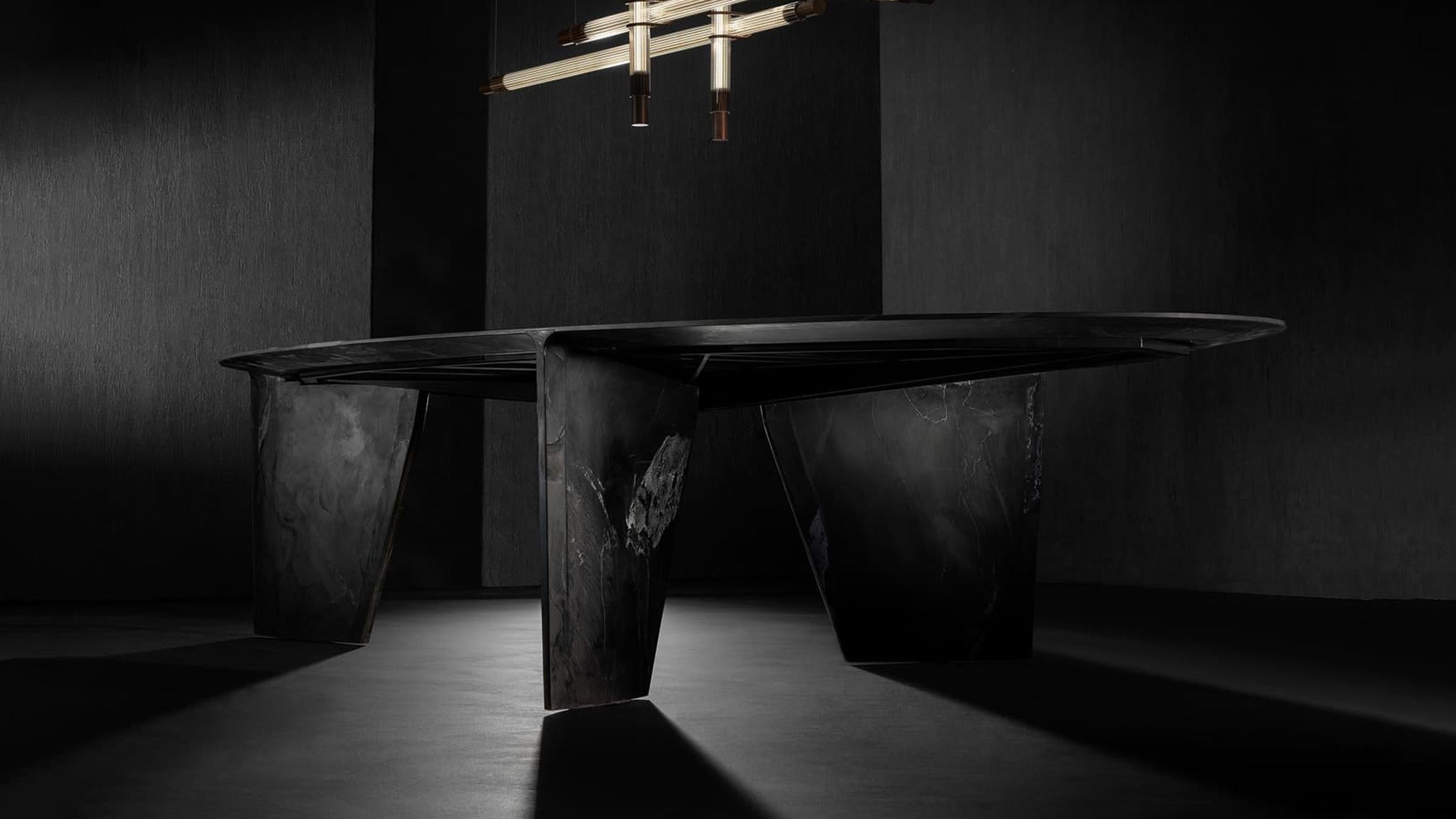
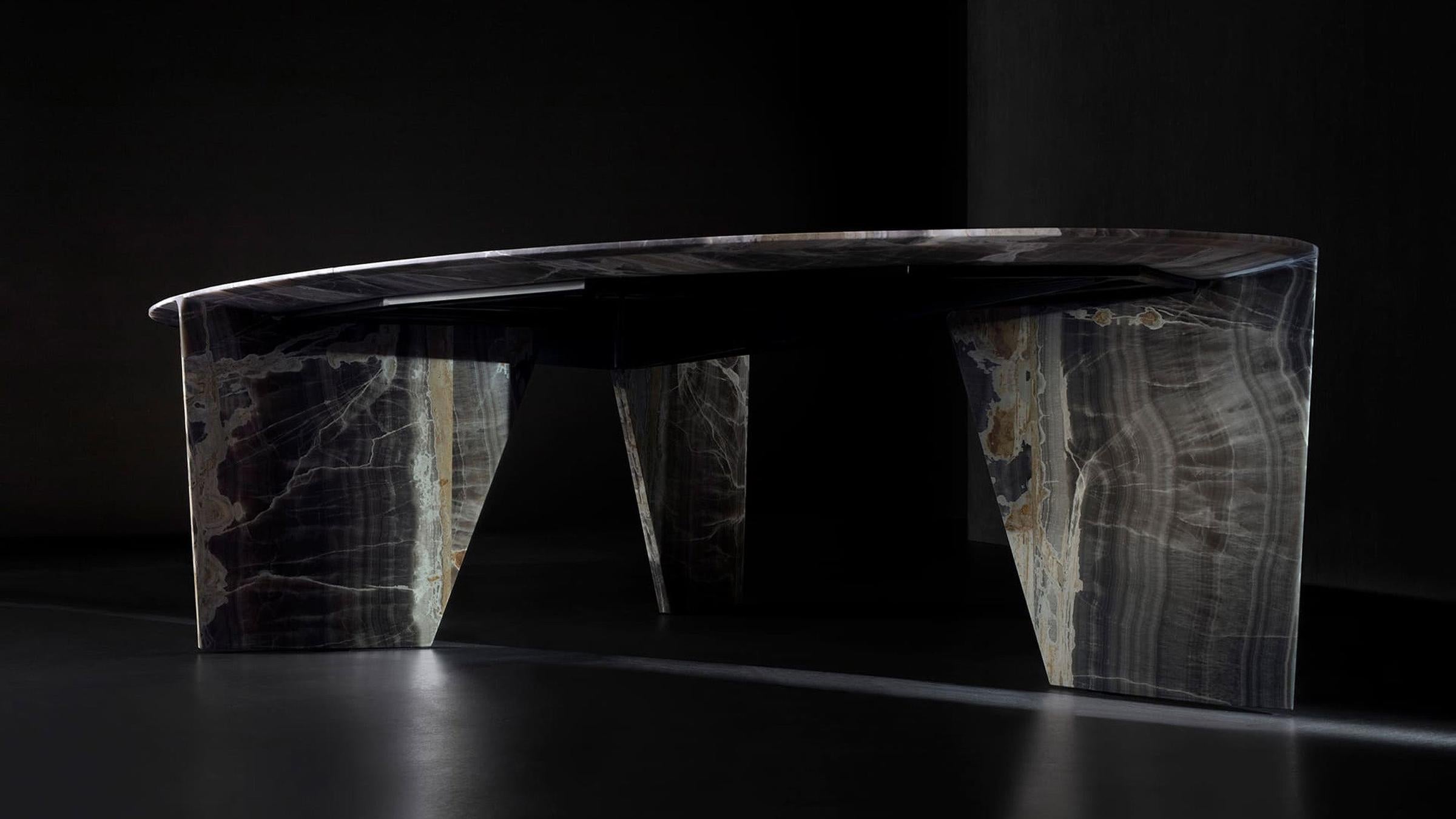
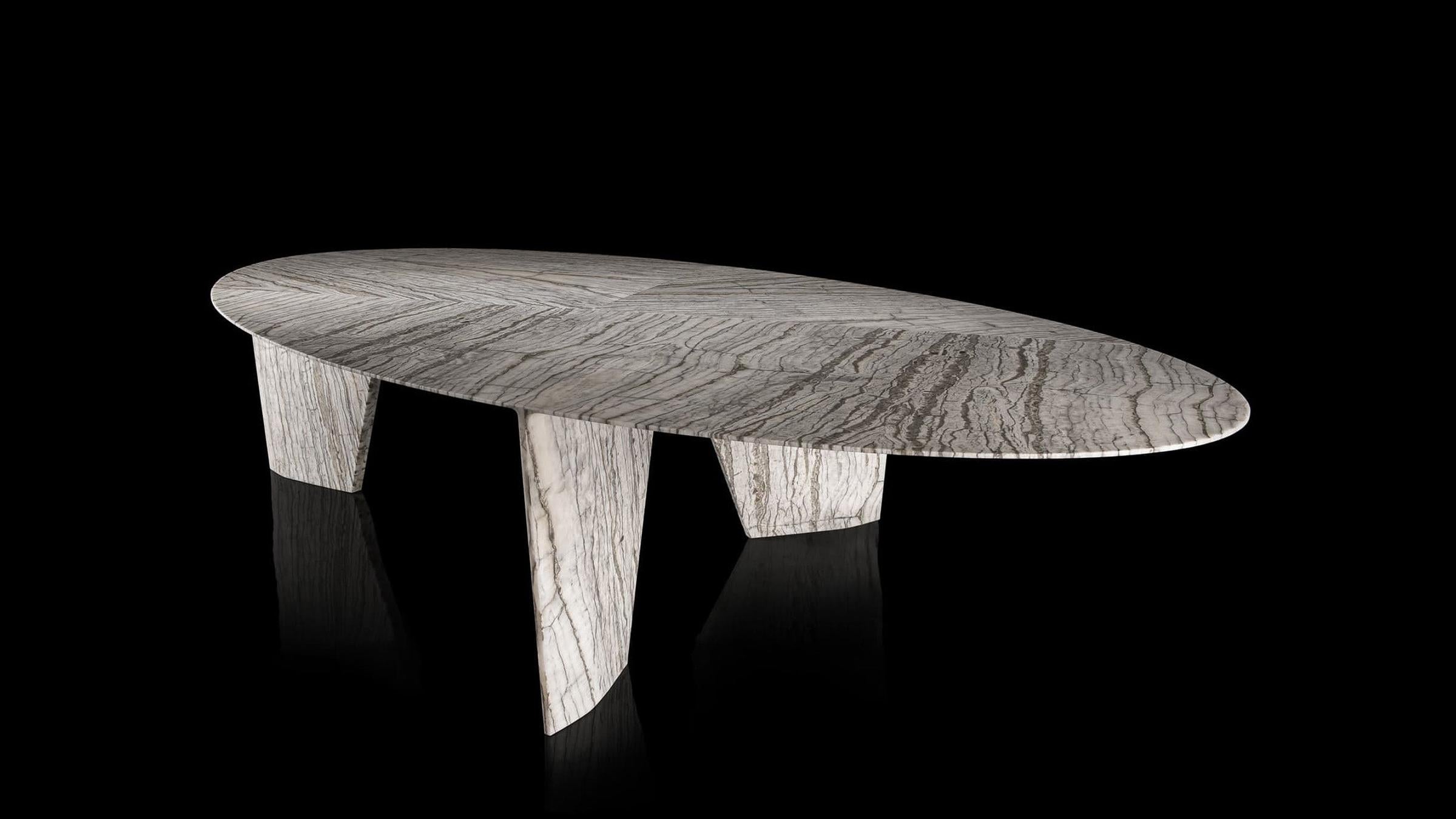
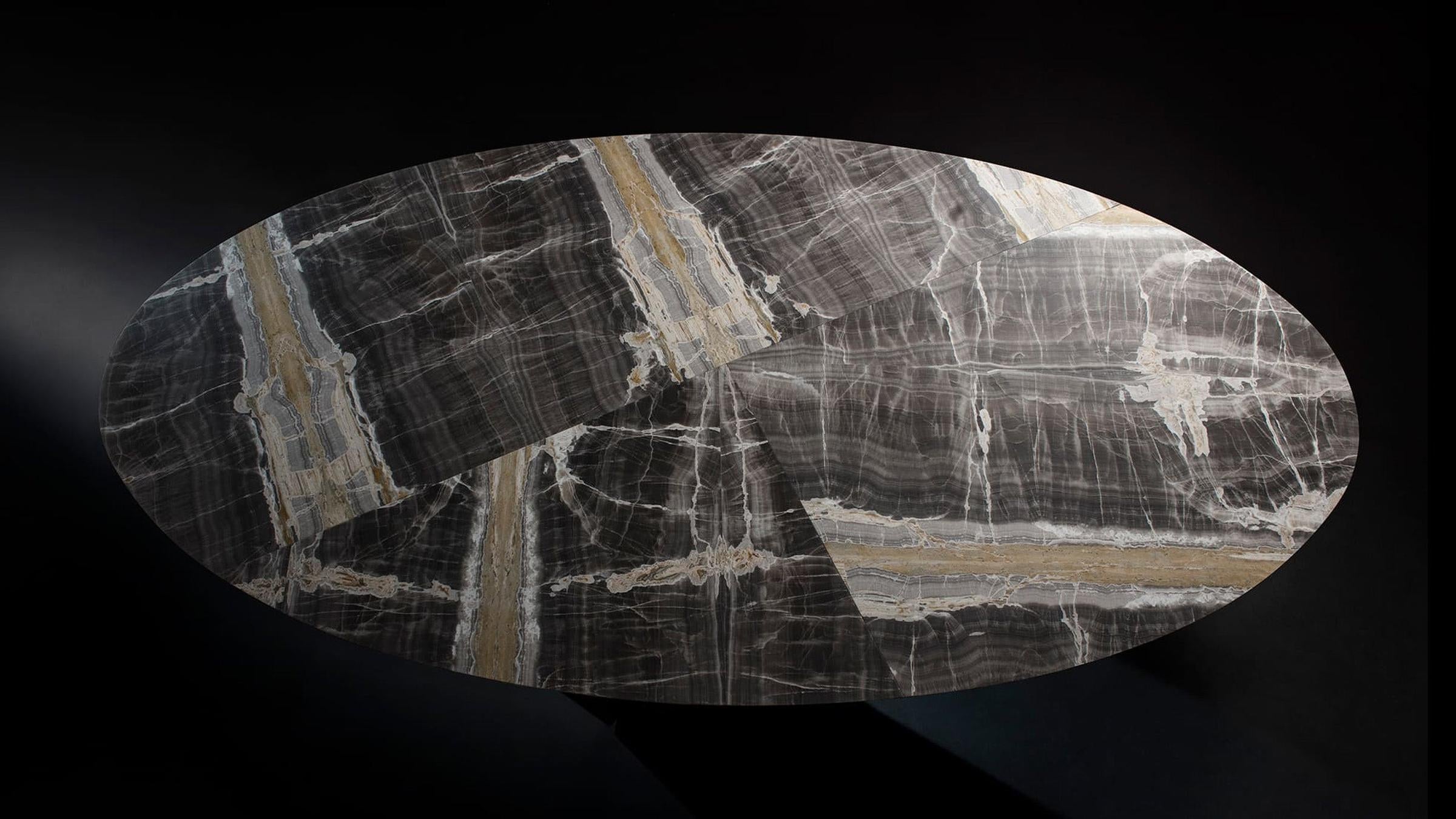
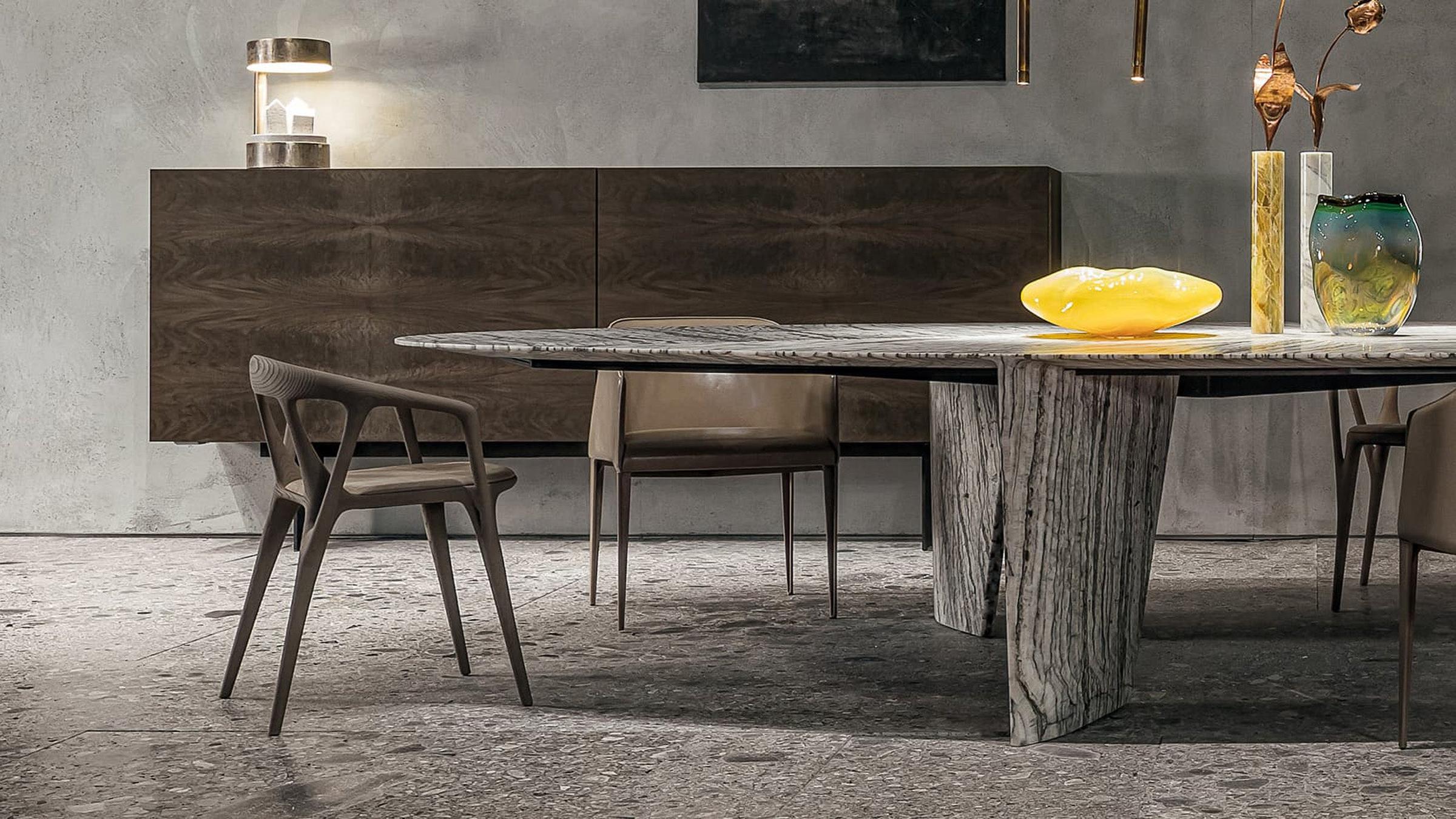
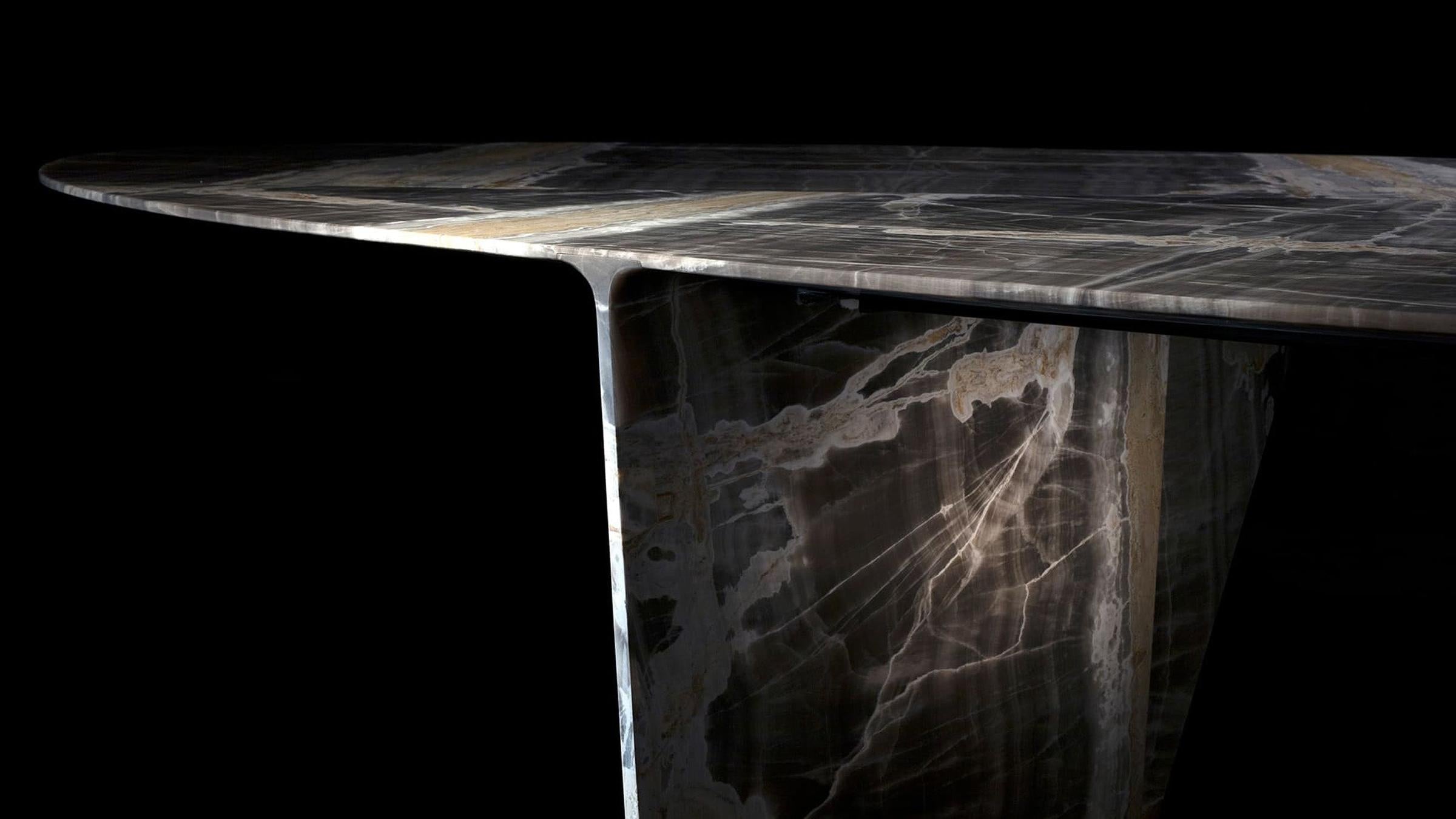
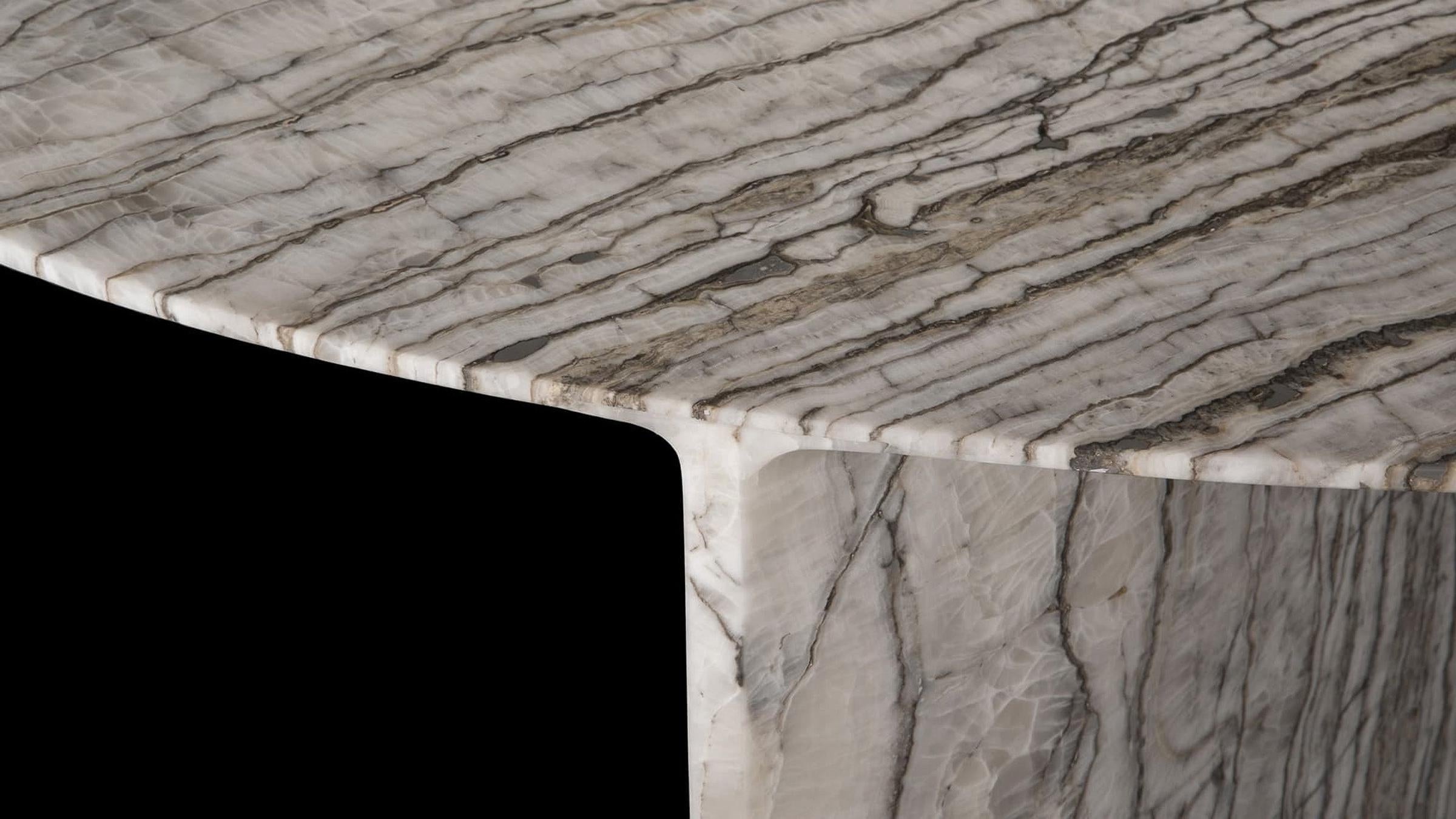
Il tavolo da pranzo Synapse, disegnato da Massimo Castagna per Henge, mette in mostra la naturale profondità della pietra in una silhouette fluida e architettonica. La forma ovale esalta la convivialità enfatizzando la purezza materica. Personalizzabile nella scelta della pietra e nelle dimensioni, diventa un raffinato centrotavola su misura per le sale da pranzo di lusso contemporanee.
Made to order by Henge, tailored to you.
Get customization options, swatch samples and pricing for your project.
Si abbina bene a
Tavolo da pranzo Synapse
Product Details
Resources
Pricing & Warranty
Pricing for made-to-order items varies based on configuration, finishes, and customization options. Please contact one of our design consultants or visit a showroom near you for current pricing and personalized assistance.
Luminaire is an authorized retailer of Henge. The product comes with a full manufacturer warranty.
Authenticity guaranteed. Genuine product, authenticated and sourced directly from the manufacturer.
Domande Frequenti
What stone options are available for the Synapse Dining Table?
Henge offers the Synapse Dining Table in a curated selection of natural stones, which varies by collection. Because the piece is made to order, stone selection is confirmed during the specification process, allowing the surface to be chosen for its particular veining, tone, and geological character.
Can the Synapse Dining Table be customized in size?
Yes. As a made-to-order piece, the Synapse can be specified in dimensions suited to the dining environment. It is advisable to work with a design professional or the brand's team to confirm proportions relative to the room and seating configuration.
Who is Massimo Castagna and what defines his design approach?
Massimo Castagna is a Milan-based designer and the creative director of Henge. His work is characterized by a rigorous reduction of form, a preference for raw and natural materials, and a consistent interest in the relationship between architectural space and the objects within it.
What is Henge's production philosophy?
Henge produces all of its pieces in Italy to order, with a focus on material integrity and craft precision. The brand positions its work at the intersection of furniture and interior architecture, and many of its pieces are specified directly by architects and interior designers for high-end residential and hospitality projects.
How long does lead time typically run for a Henge made-to-order table?
Lead times for Henge pieces vary depending on the material selection and current production schedule, but made-to-order stone furniture generally requires several months from order confirmation. Confirming the timeline early in a project is recommended, particularly for deadline-sensitive installations.