Bistrot
Made by Henge
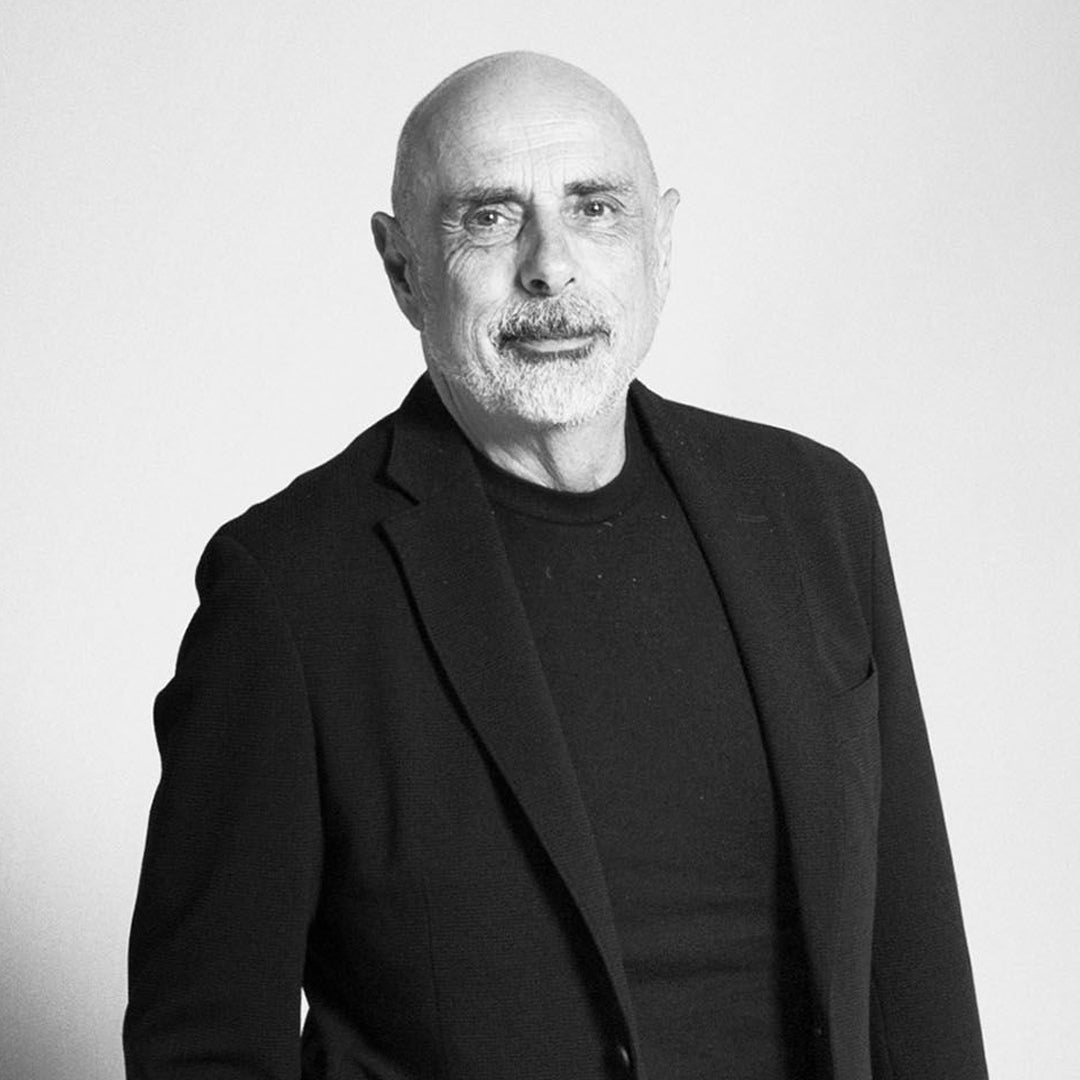
Designed by Massimo Castagna
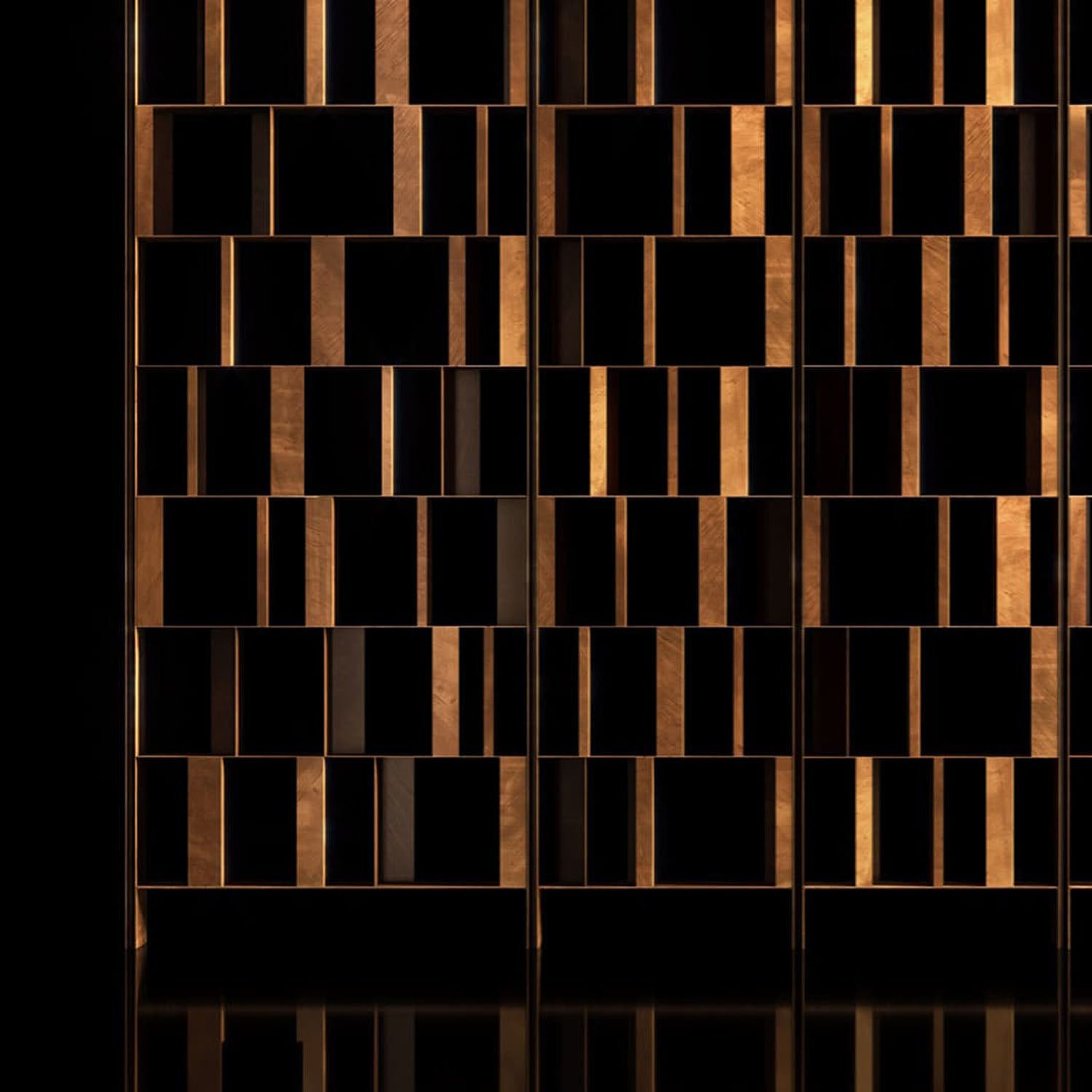
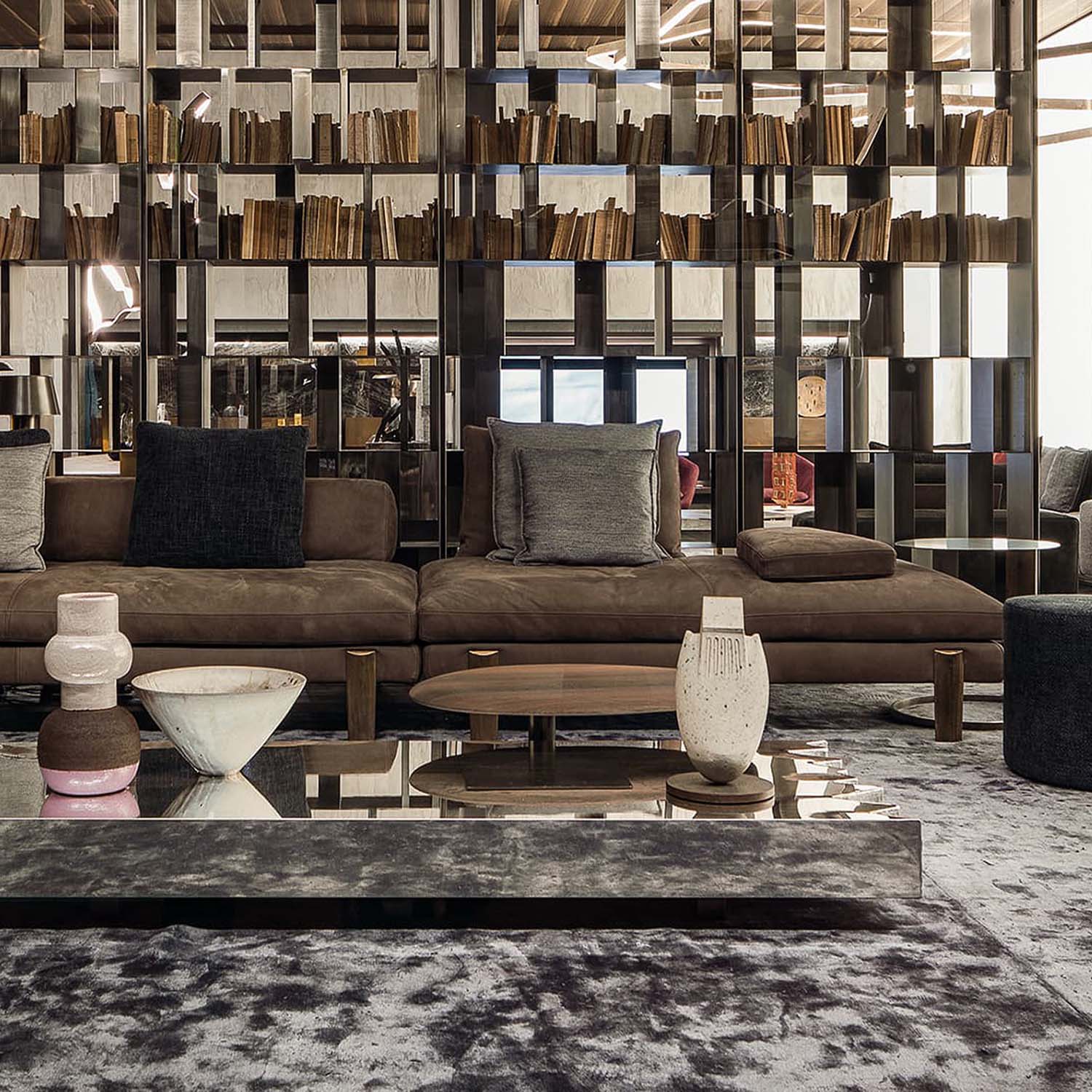
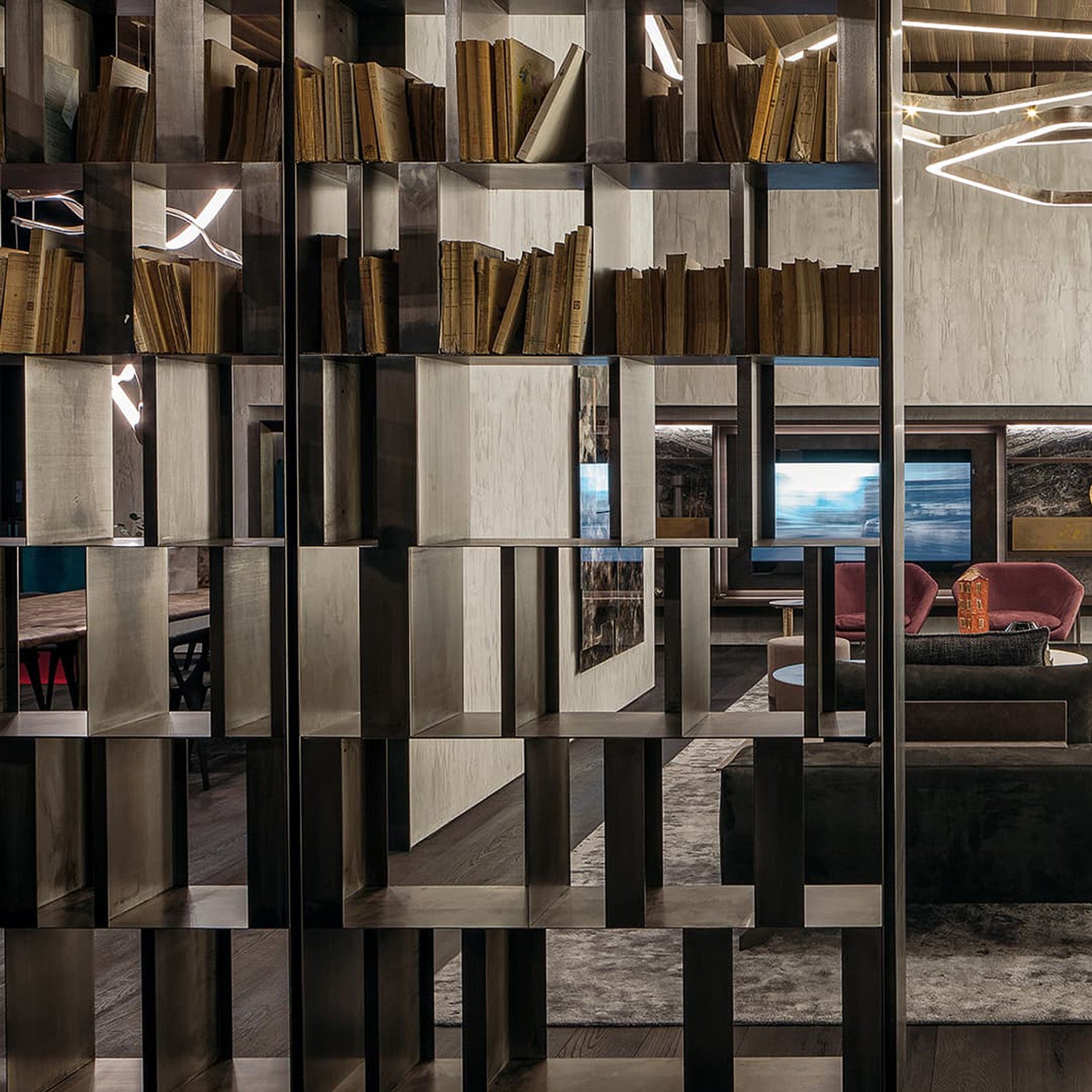
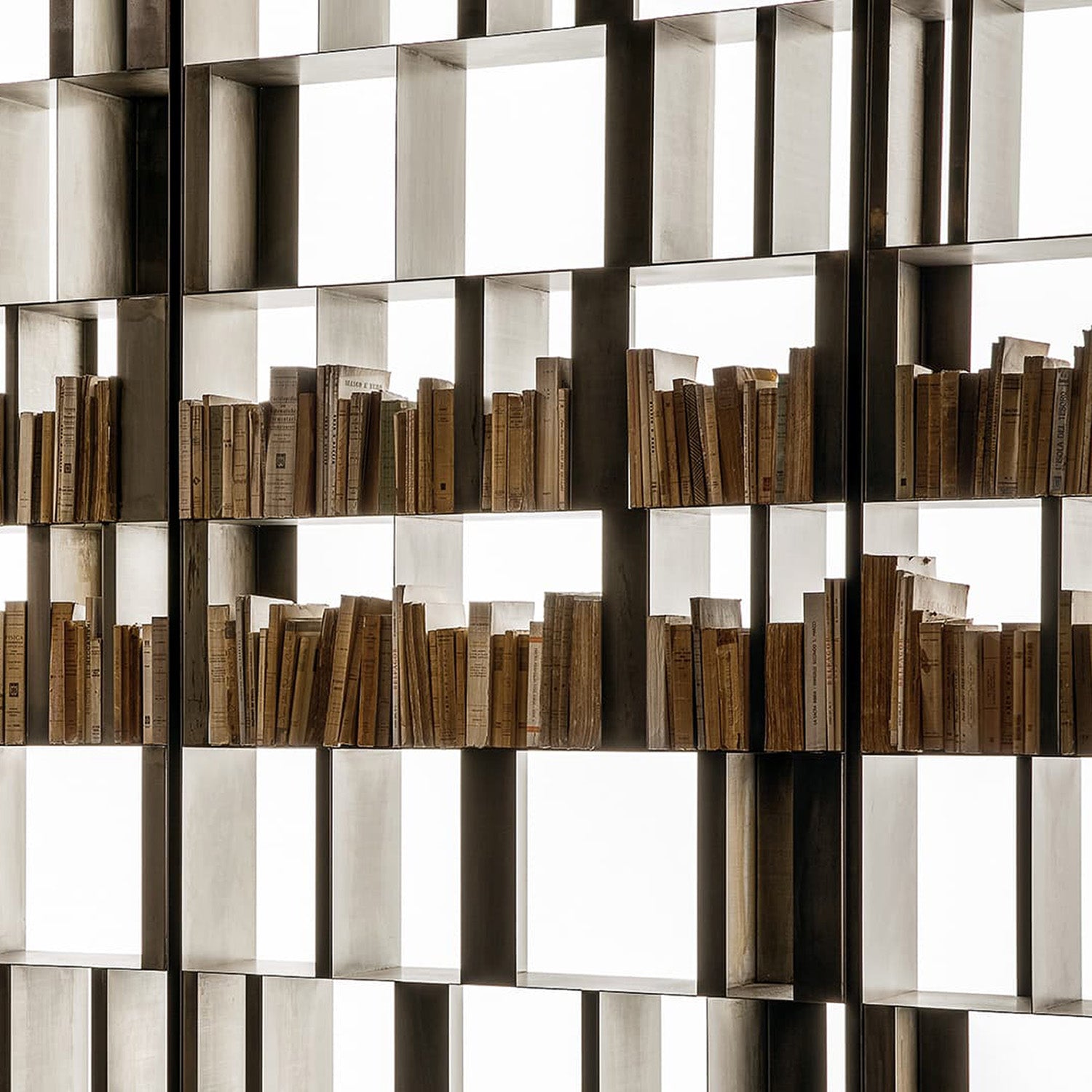
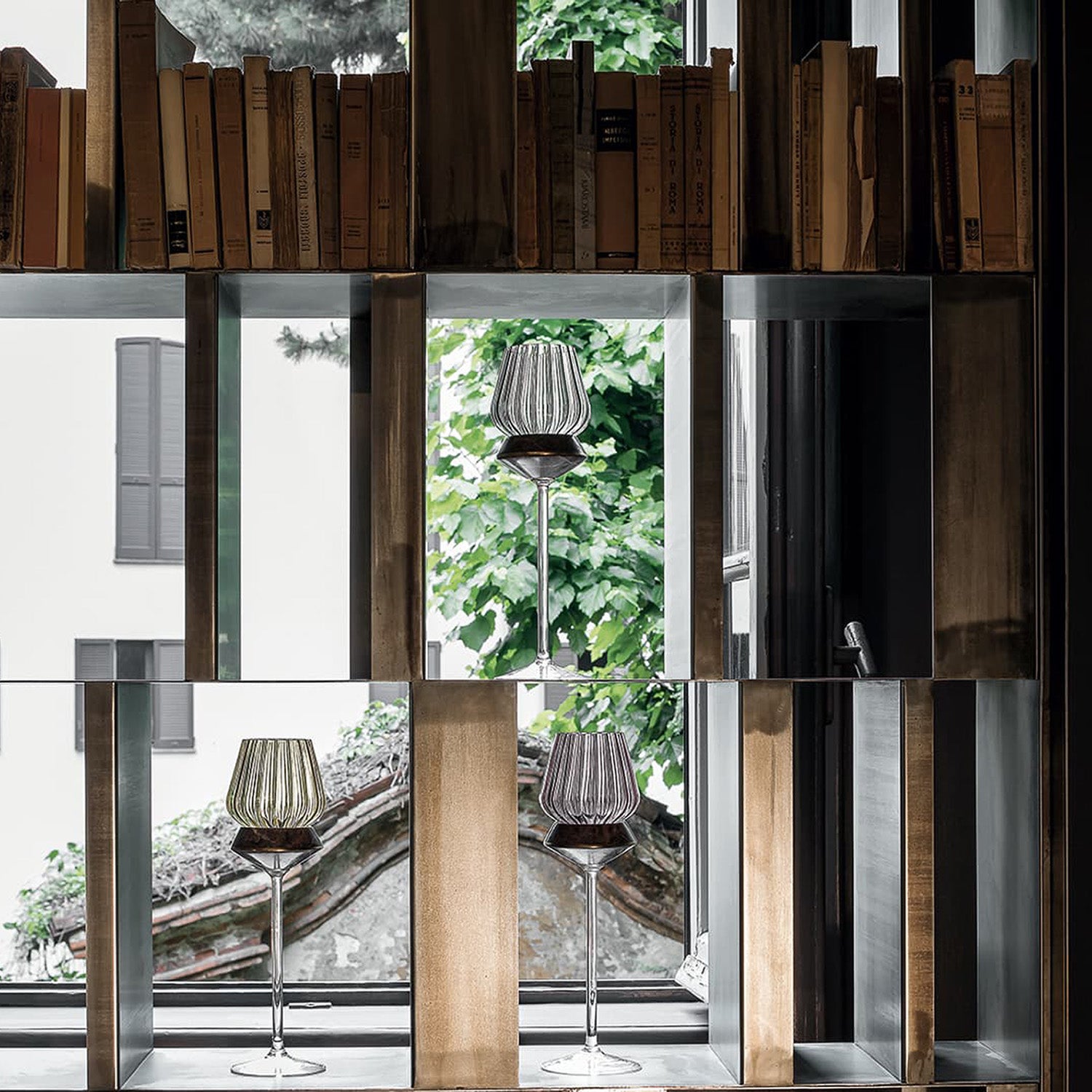
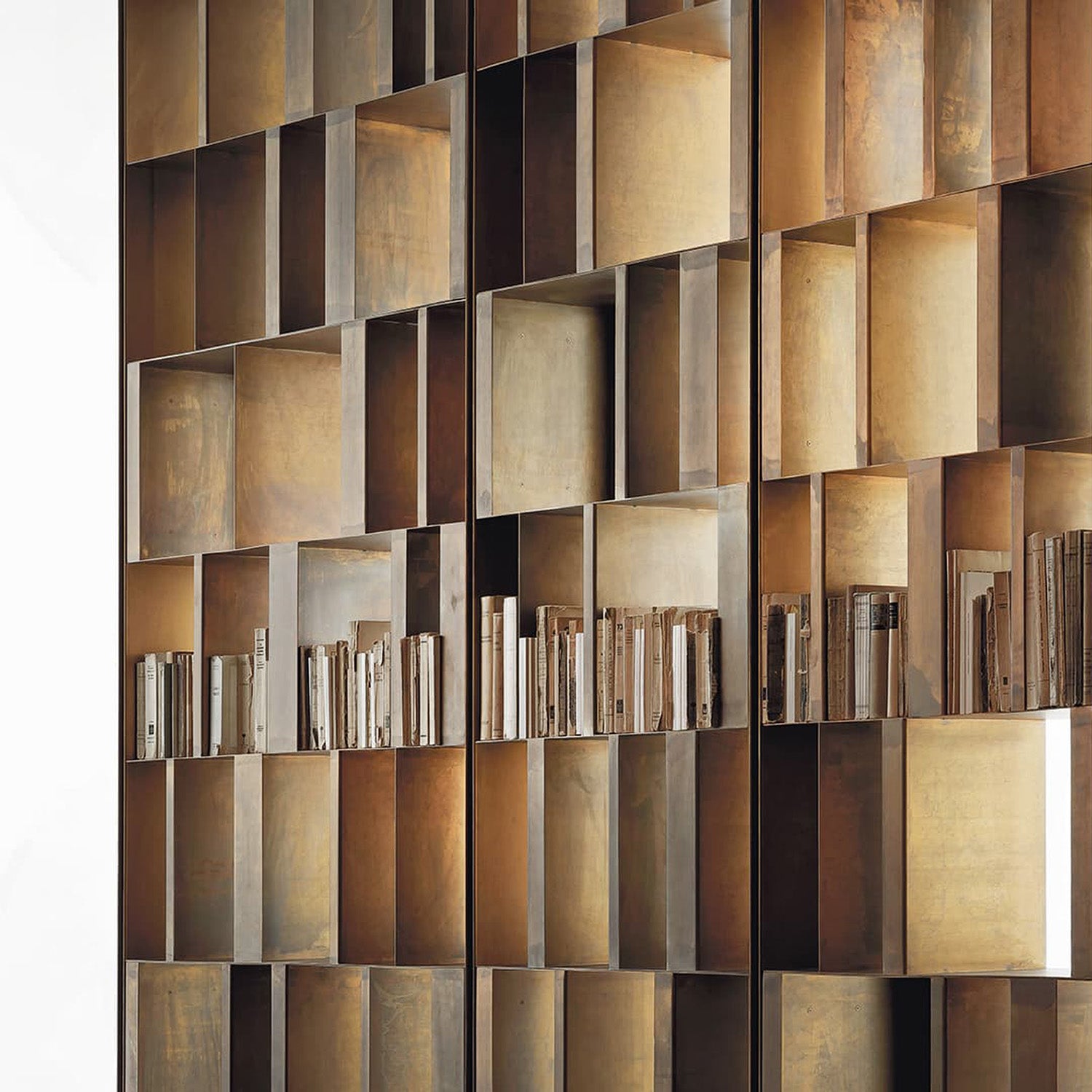
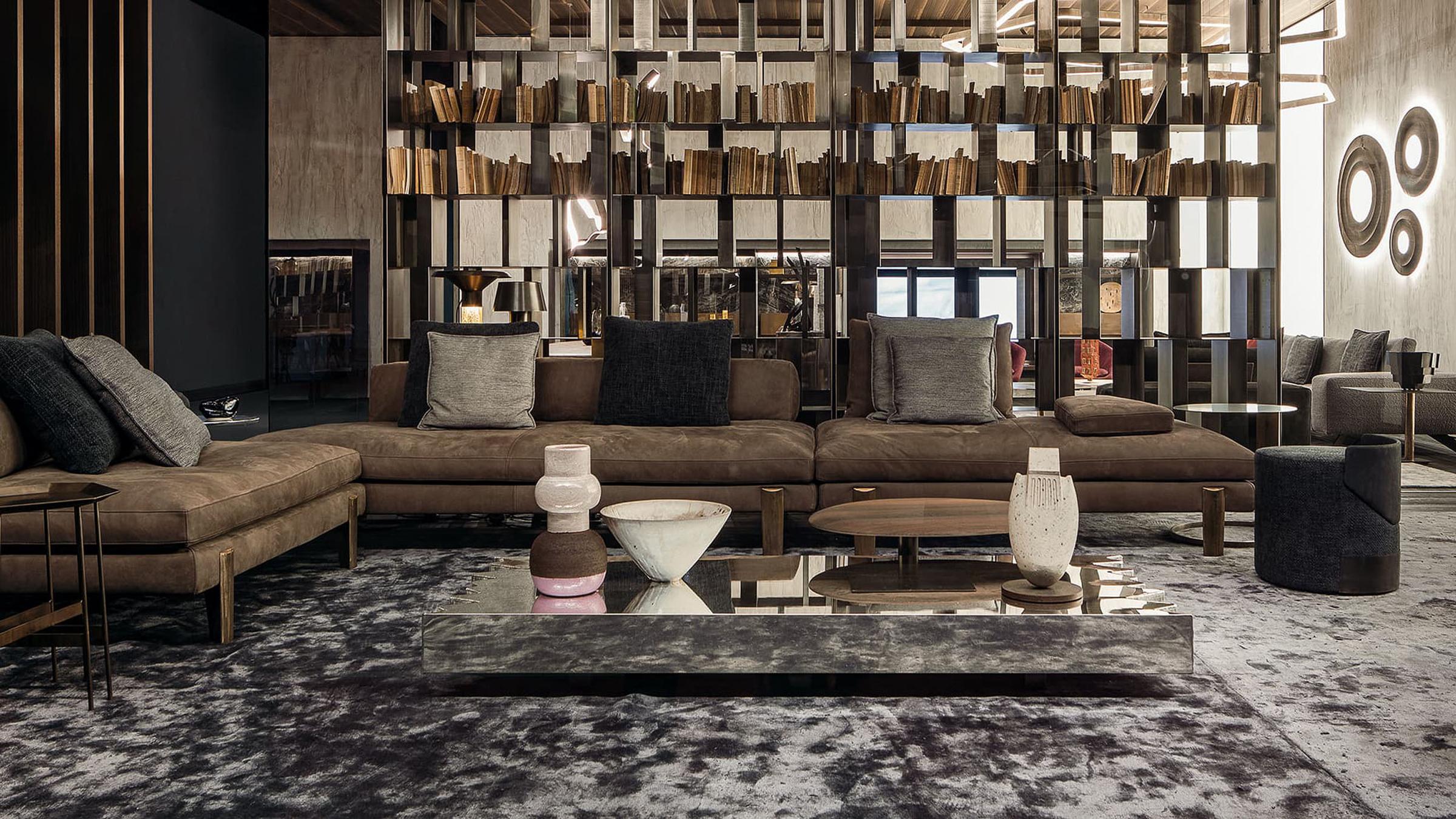
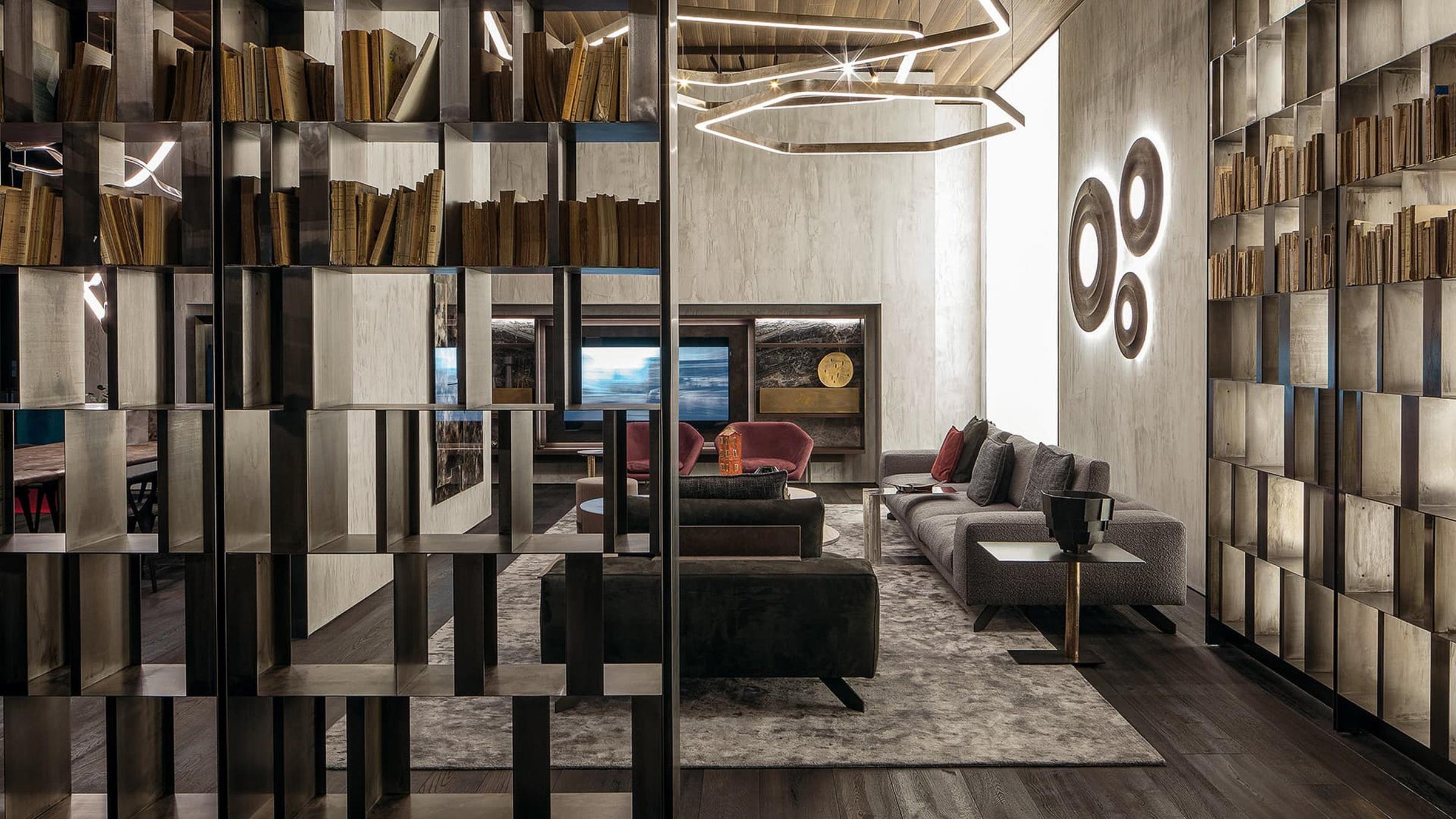
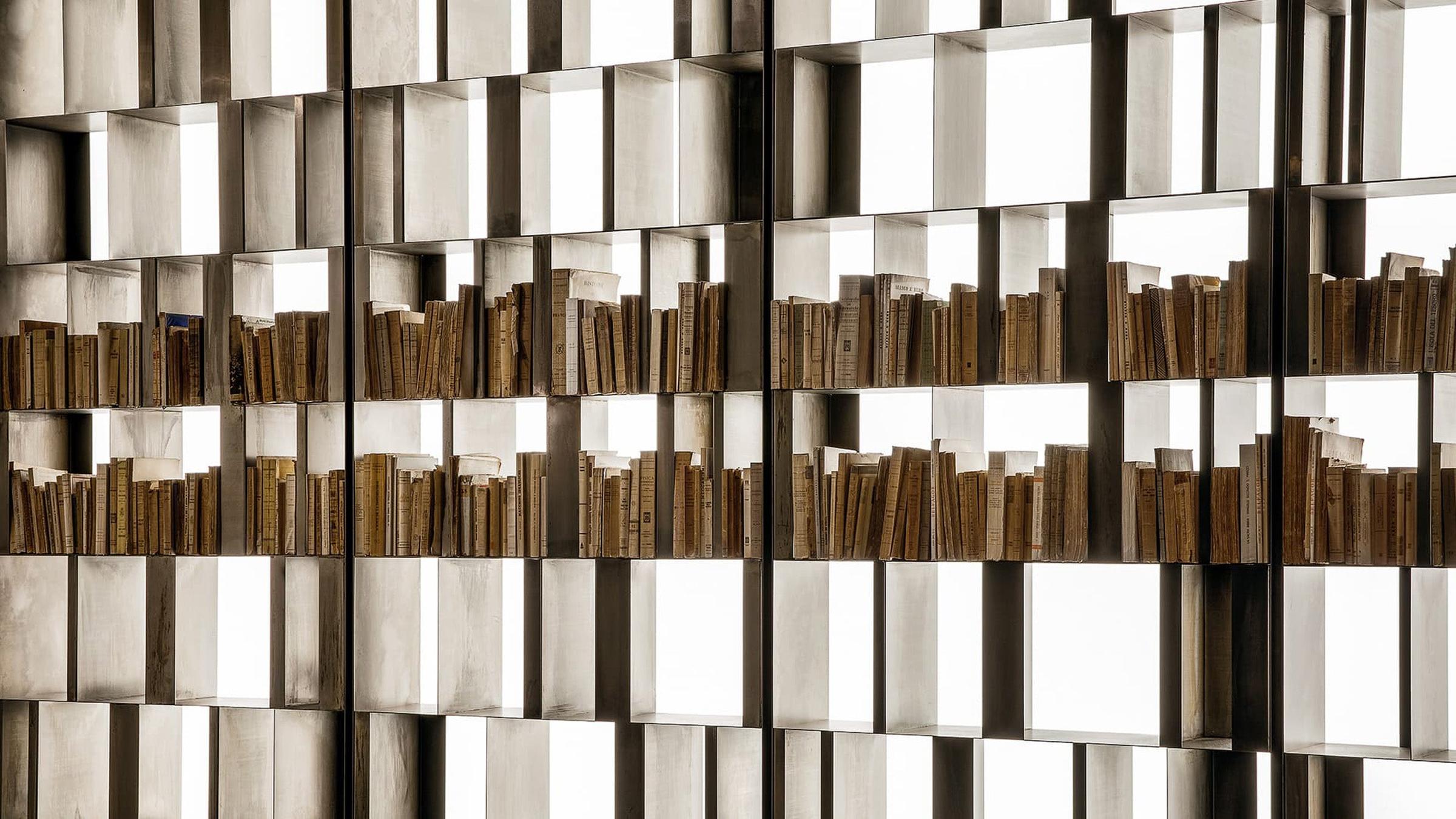
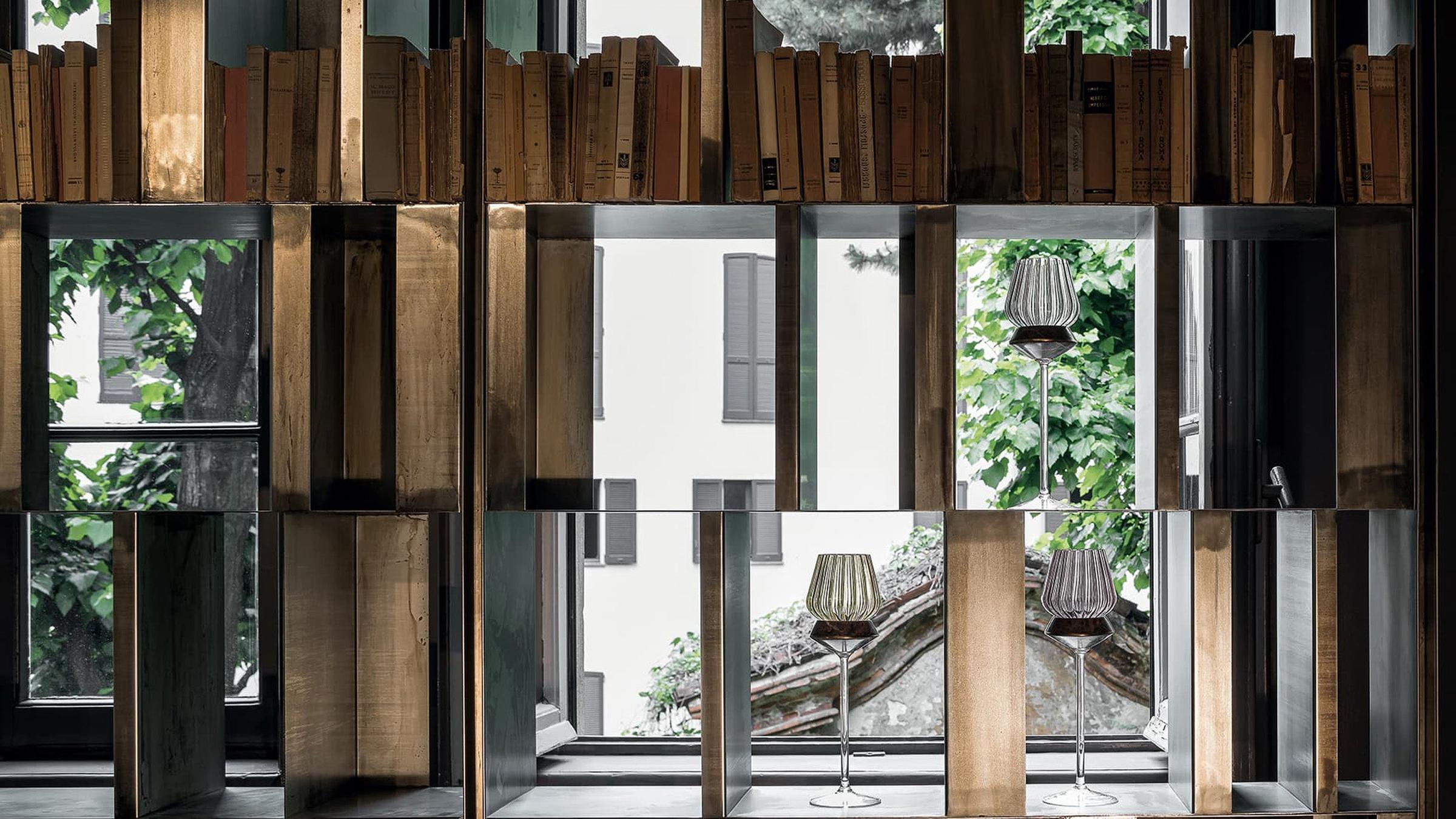
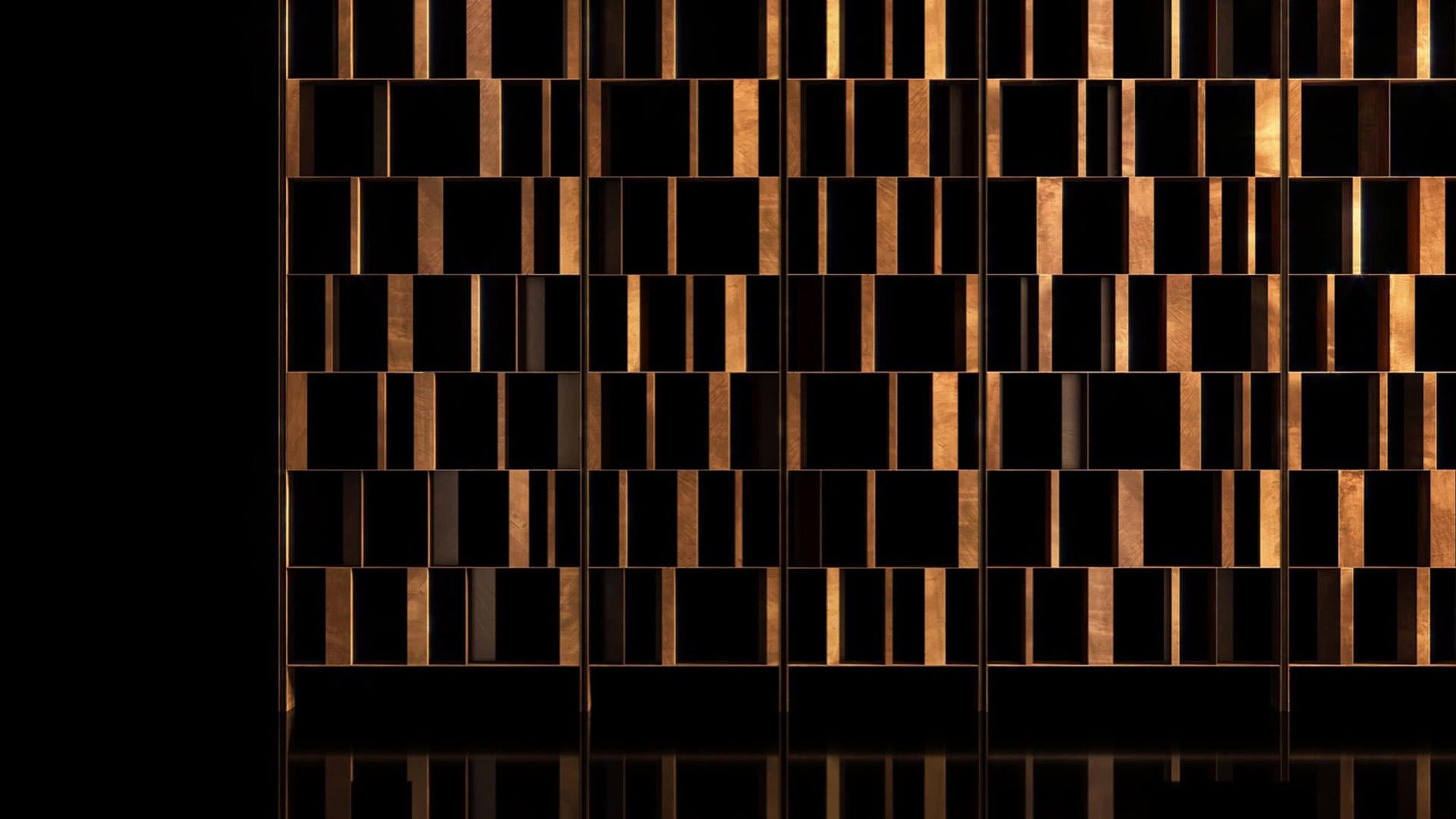
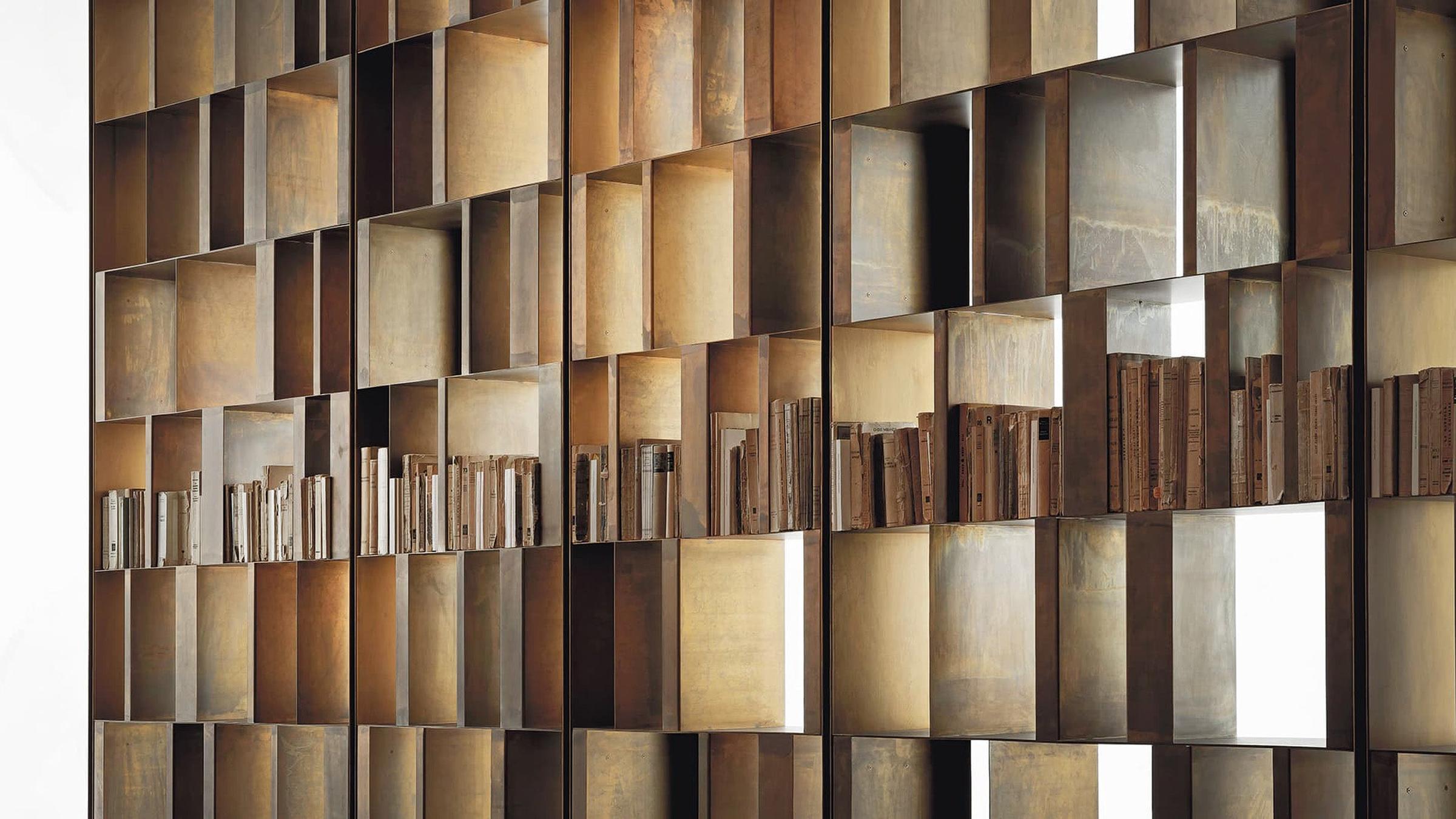
Bistrot Shelving, disegnata da Massimo Castagna per Henge, reimmagina lo spazio contenitivo come espressione architettonica. Che sia configurata come sistema modulare orizzontale in compensato e metallo o come libreria verticale in metallo, Bistrot celebra un ritmo di volumi aperti e materiali raffinati. Il suo linguaggio modulare si adatta a layout su misura, invitando a una disposizione curata e a un'organizzazione personalizzata all'interno degli interni contemporanei.
Made to order by Henge, tailored to you.
Get customization options, swatch samples and pricing for your project.
Si abbina bene a
Bistrot
Product Details
Tear Sheet
Pricing & Warranty
Pricing for made-to-order items varies based on configuration, finishes, and customization options. Please contact one of our design consultants or visit a showroom near you for current pricing and personalized assistance.
Luminaire is an authorized retailer of Henge. The product comes with a full manufacturer warranty.
Authenticity guaranteed. Genuine product, authenticated and sourced directly from the manufacturer.
Domande Frequenti
What configurations is the Henge Bistrot available in?
The Bistrot is available in two primary configurations: a horizontal modular system and a freestanding upright bookcase. Both share the same design language of open volumes and considered negative space, and are produced to order to accommodate specific spatial requirements.
What materials are used in the Henge Bistrot?
The Bistrot combines plywood and metal, each finished to Henge's exacting tactile standards. The pairing balances architectural precision with organic warmth, creating a dialogue between materials that shifts with light and scale.
Who is Massimo Castagna?
Massimo Castagna is an Italian architect and designer who founded Henge in 2010. His work consistently explores the boundary between furniture and architecture, with a focus on materiality, proportion, and spatial atmosphere rather than purely decorative gesture.
Is the Henge Bistrot made to order?
Yes, the Bistrot is a made-to-order piece. This allows for consultation on configuration, finish, and scale to suit a specific interior, and is typical of Henge's approach to bespoke production.
How does the Bistrot integrate into an architectural interior?
Castagna designed the Bistrot to function as a compositional element within a room rather than a purely functional object. Its open structure and modular logic allow it to define zones, frame views, and respond to the proportions of a given space without imposing a fixed visual boundary.