

Black Friday Sale
Up to 25% OFF + Free Shipping on Lighting!
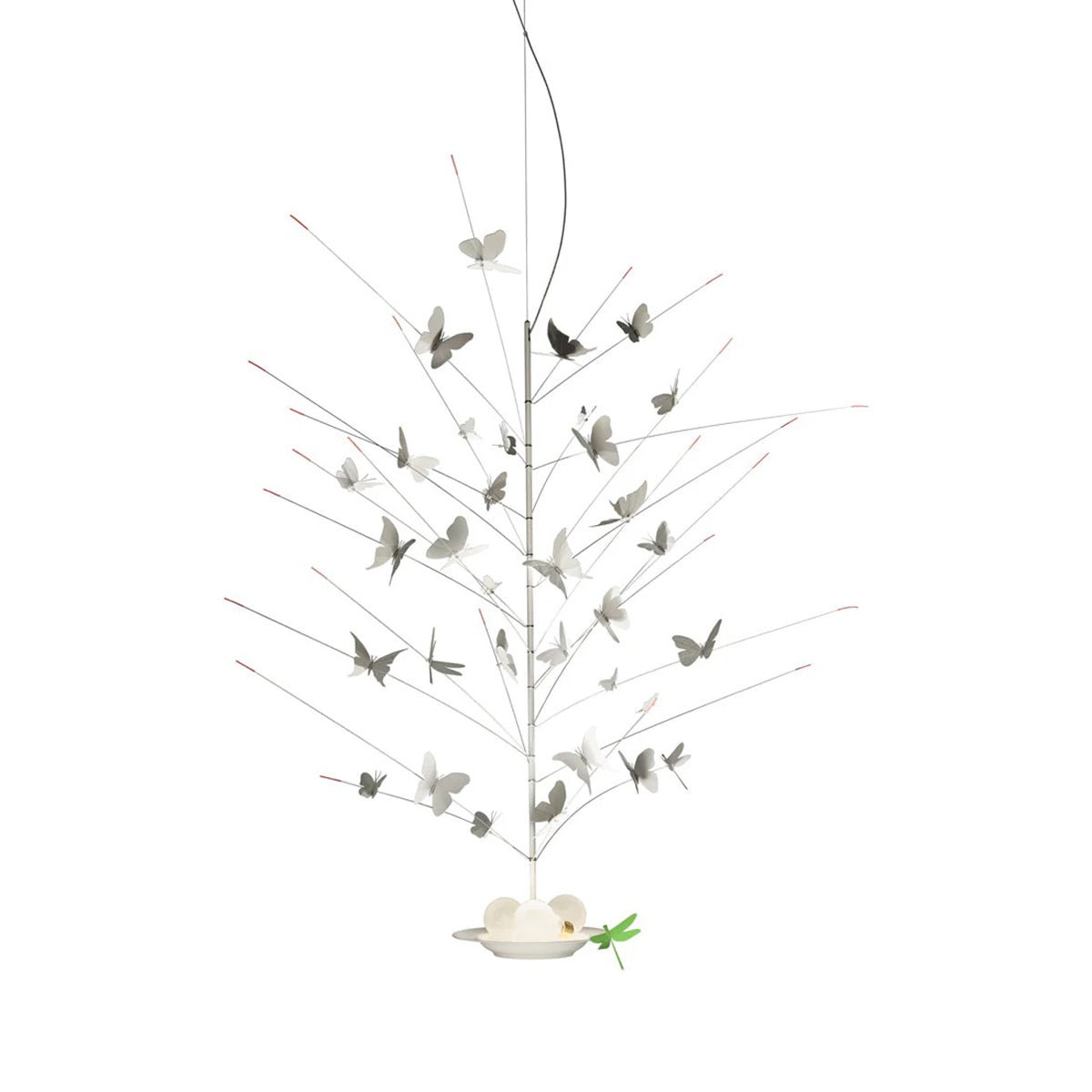
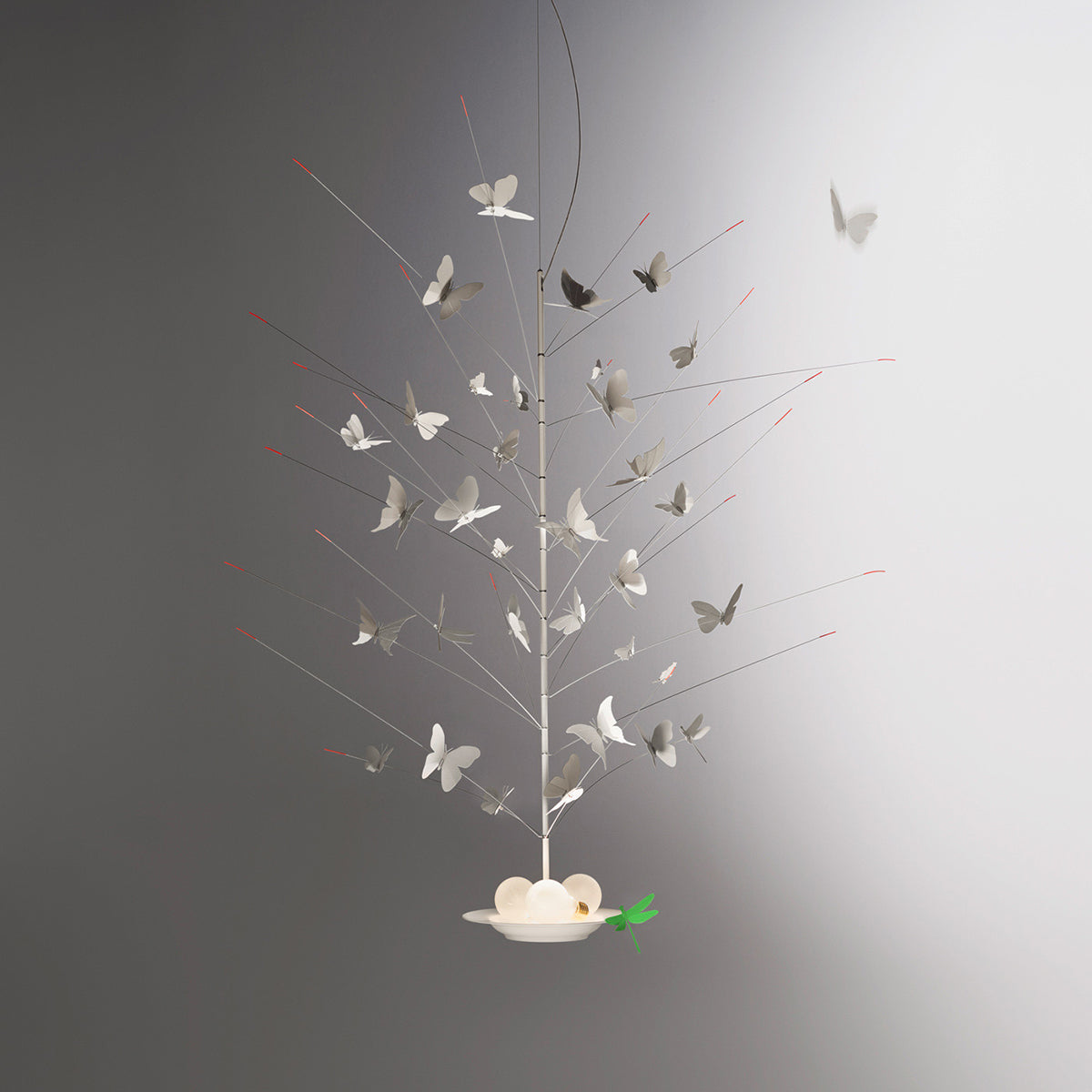
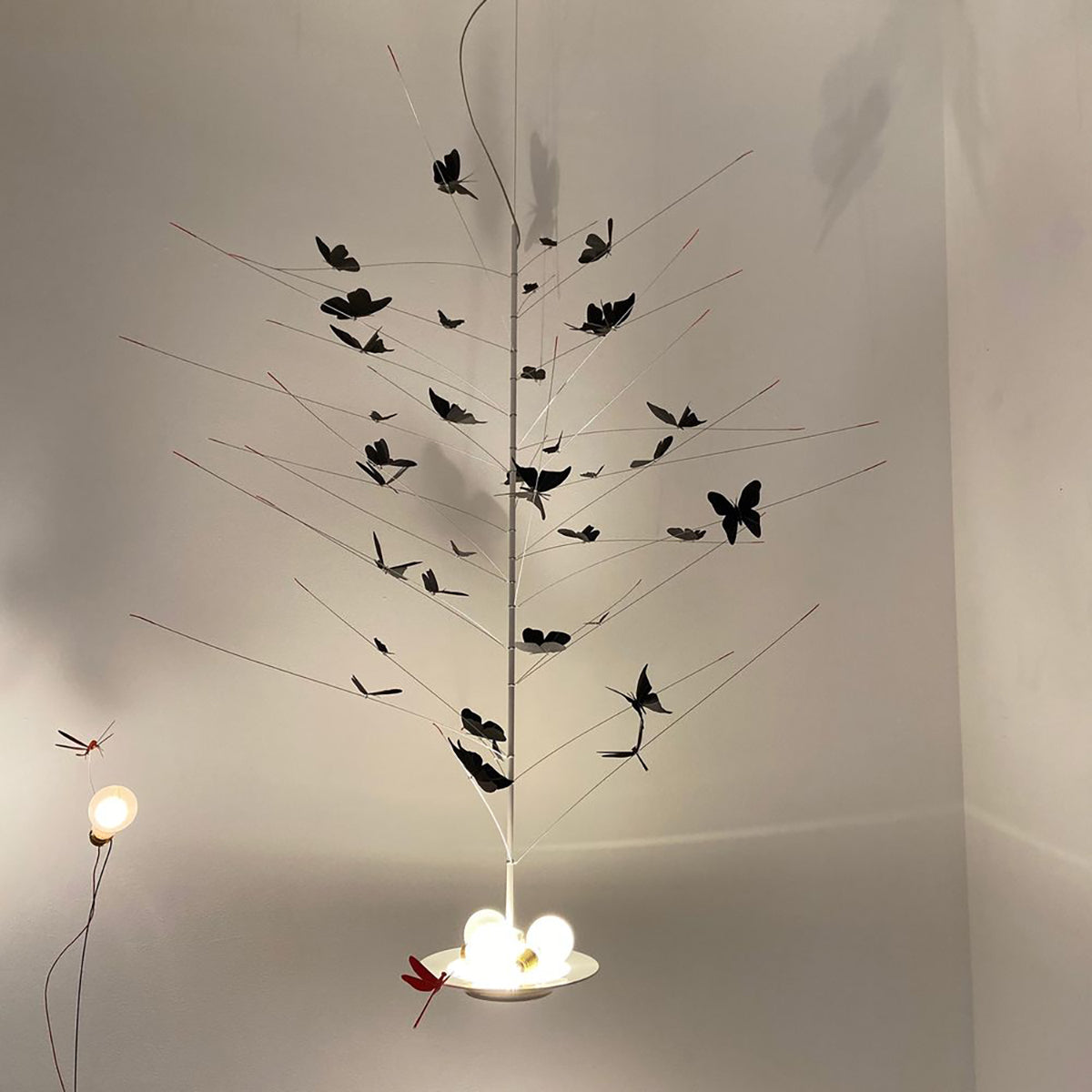
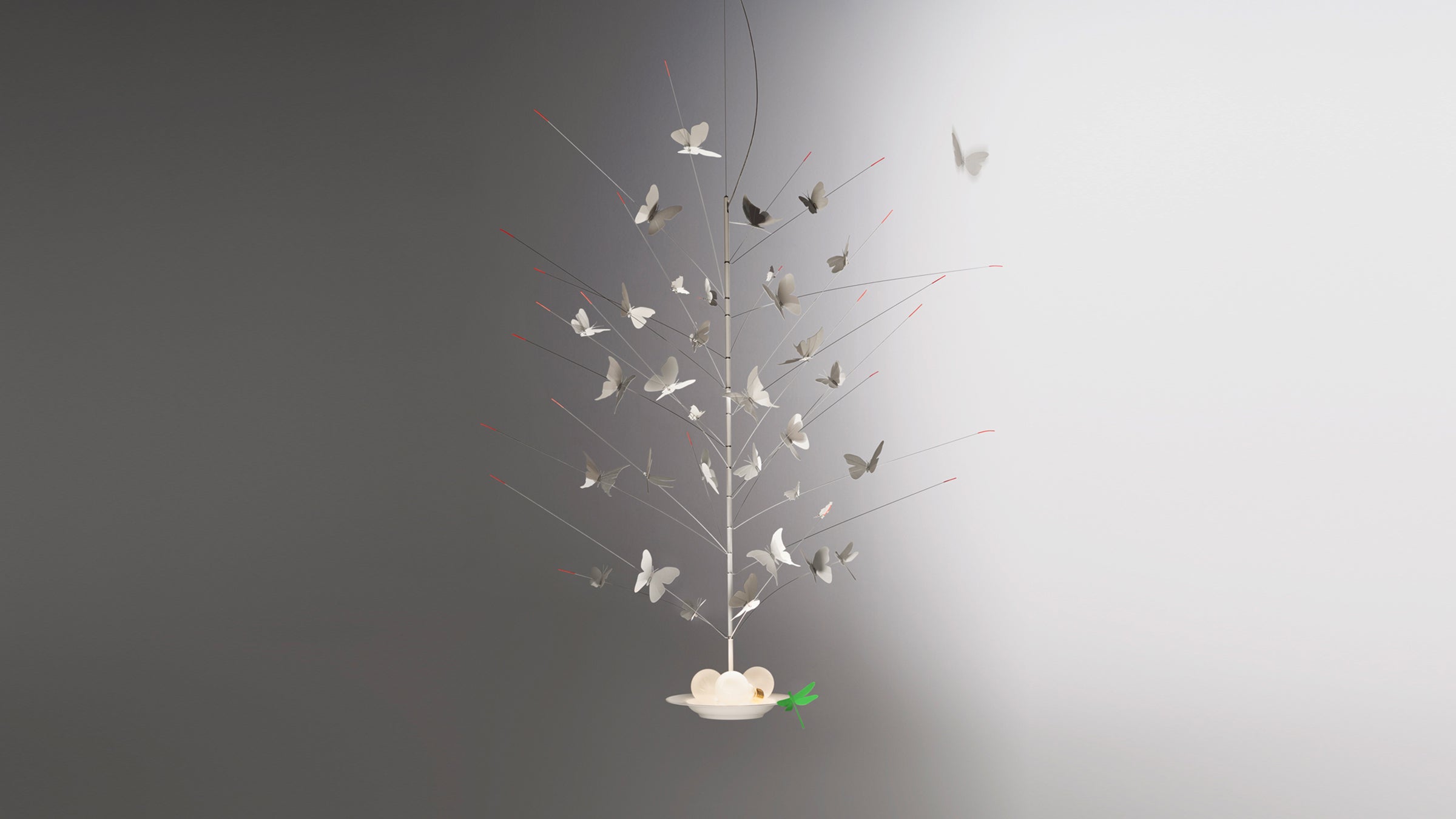
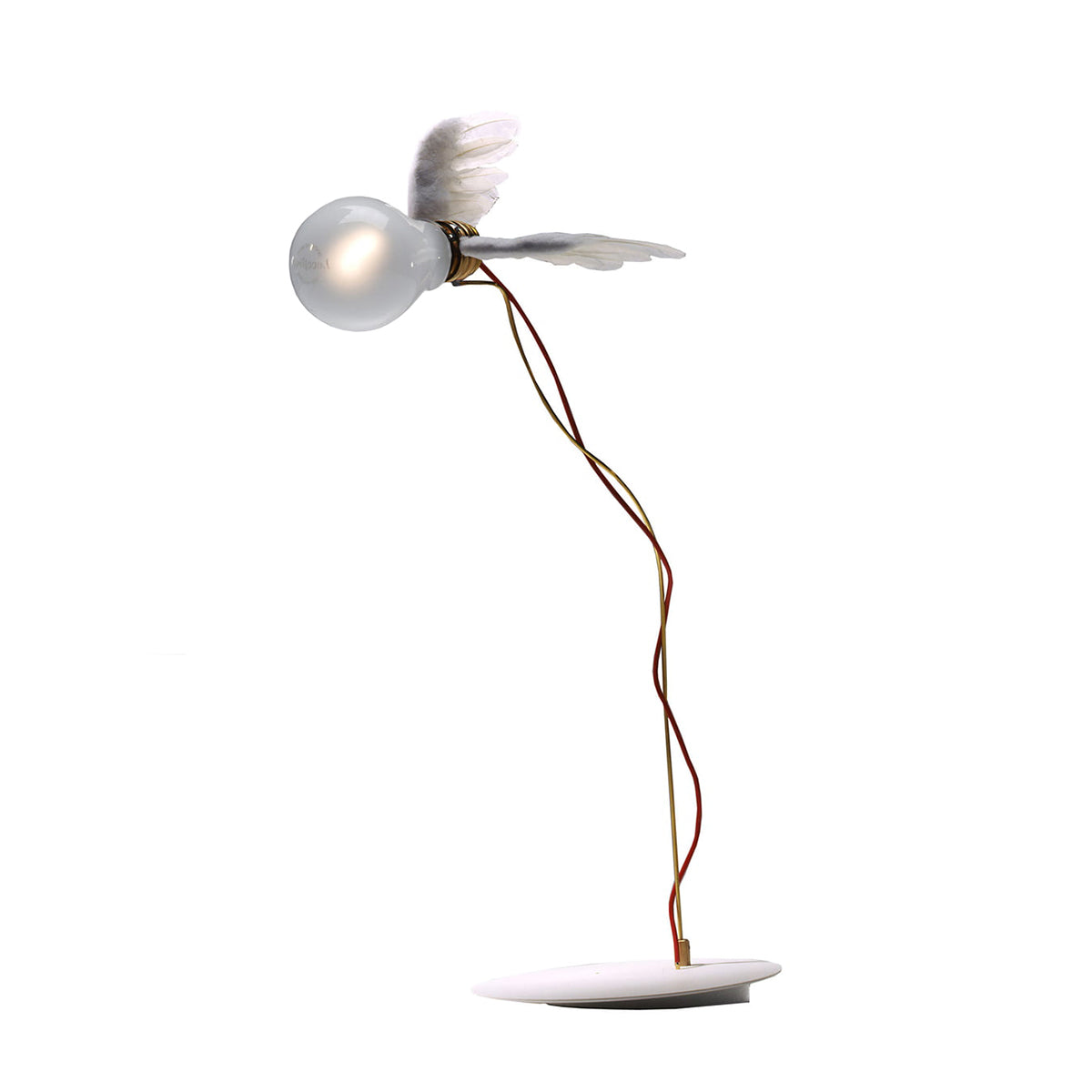
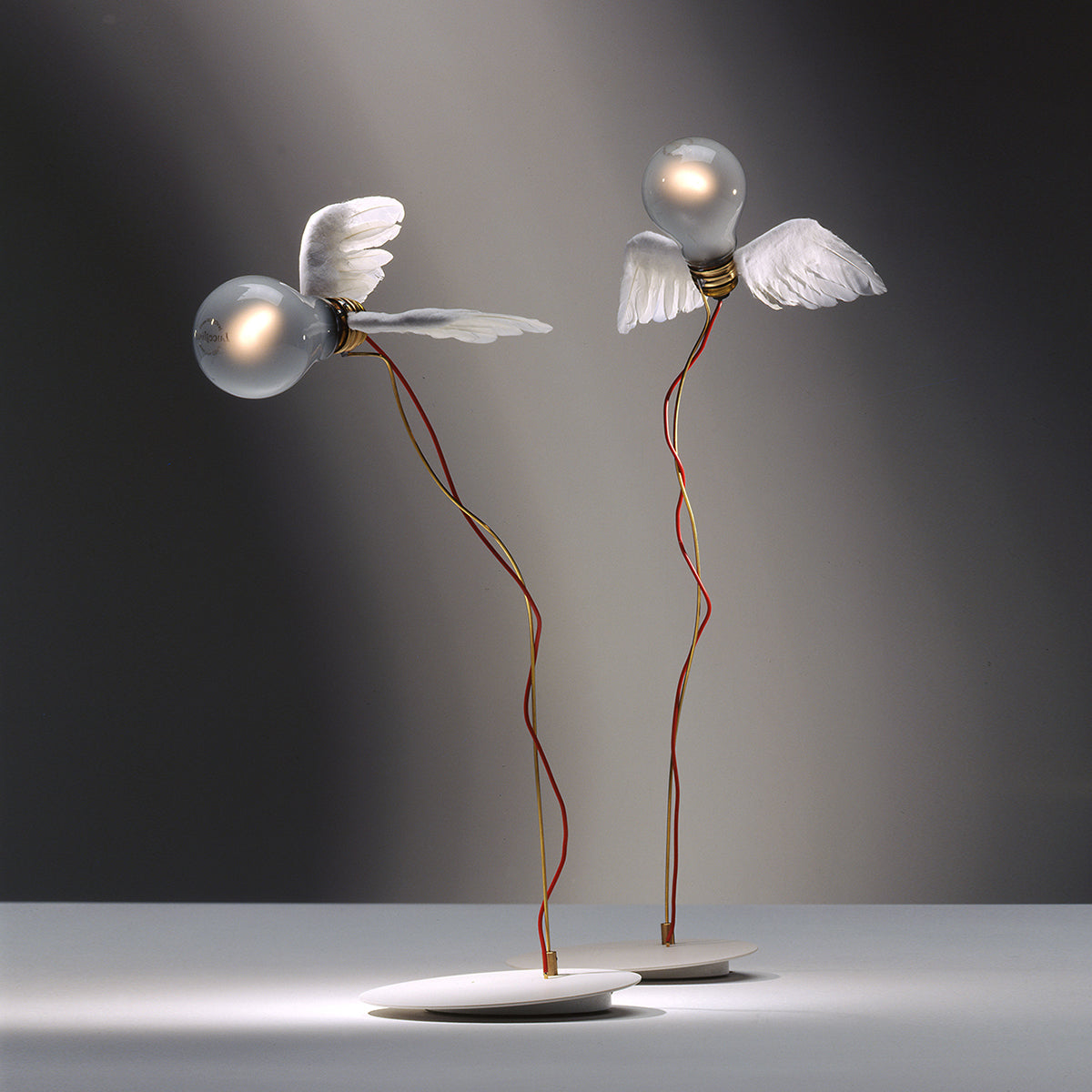
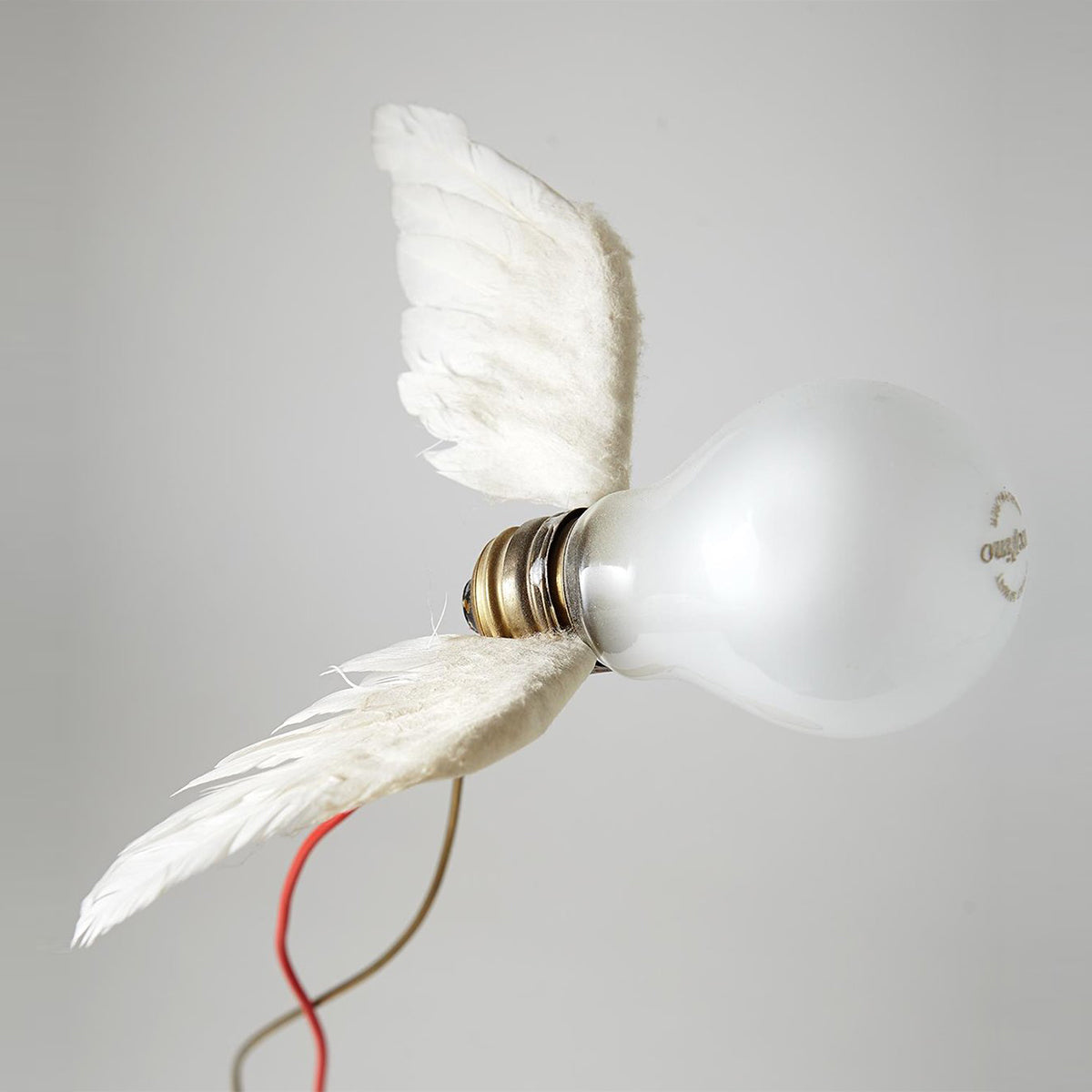
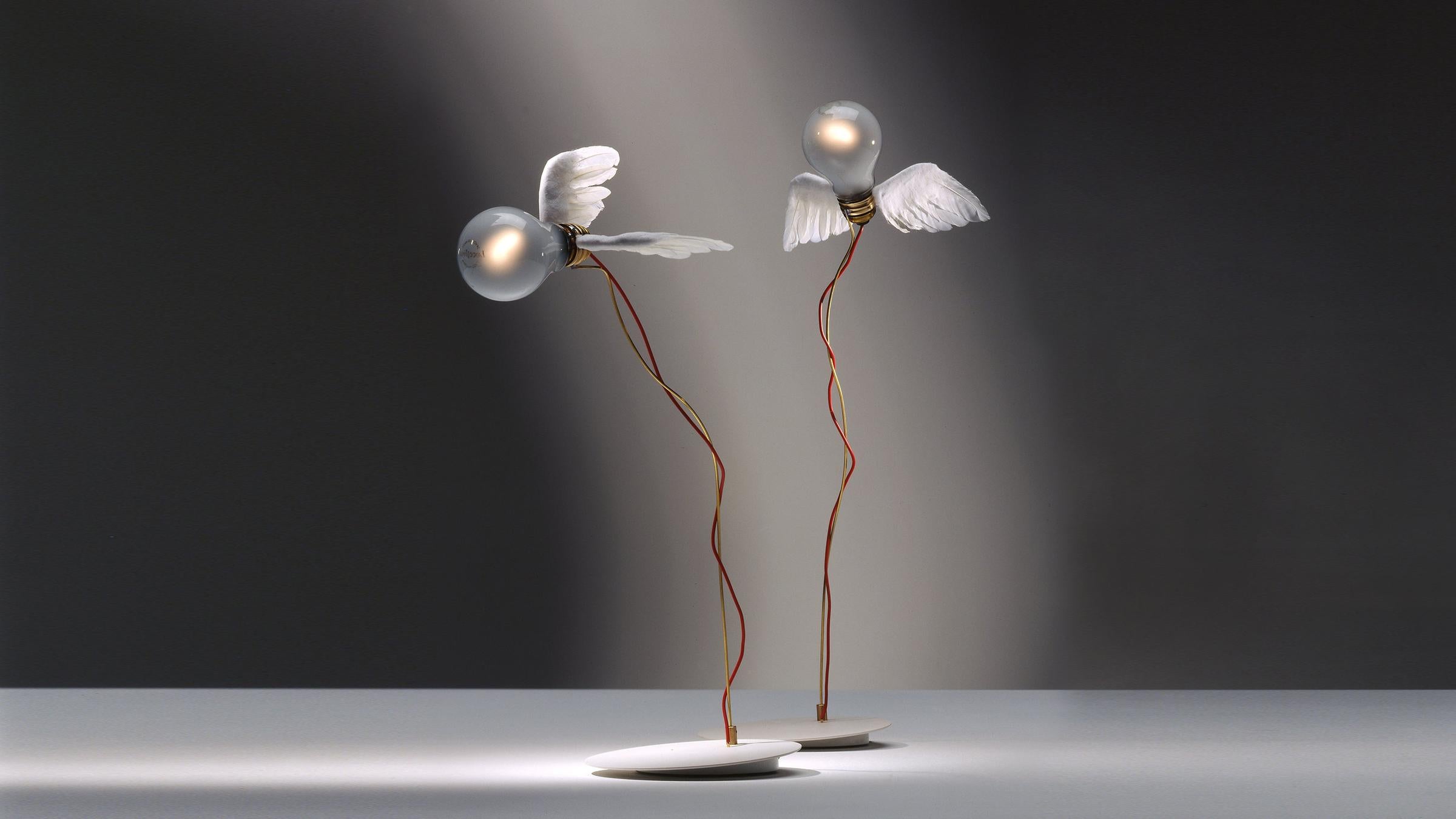
Lucellino LED - lampada da tavolo
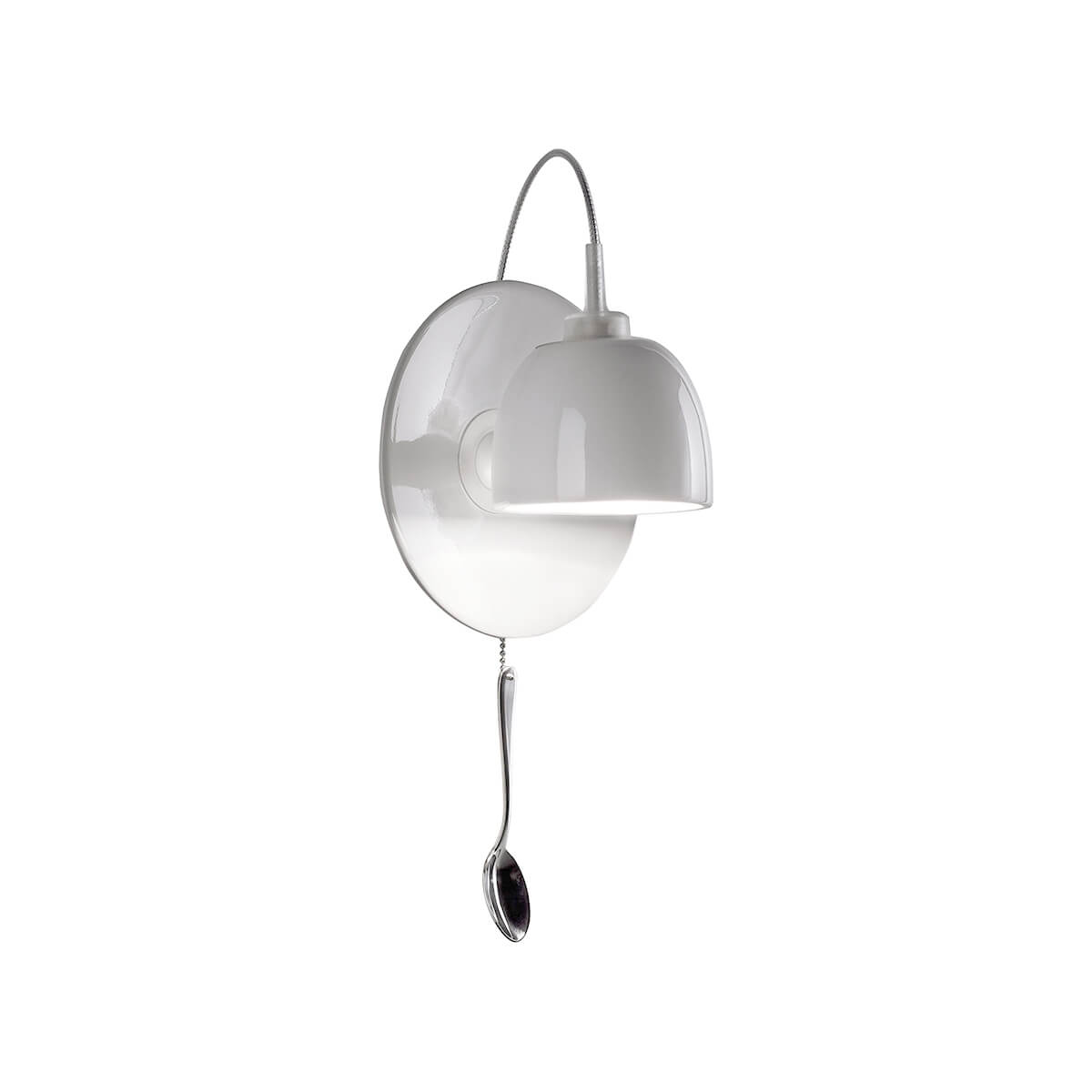
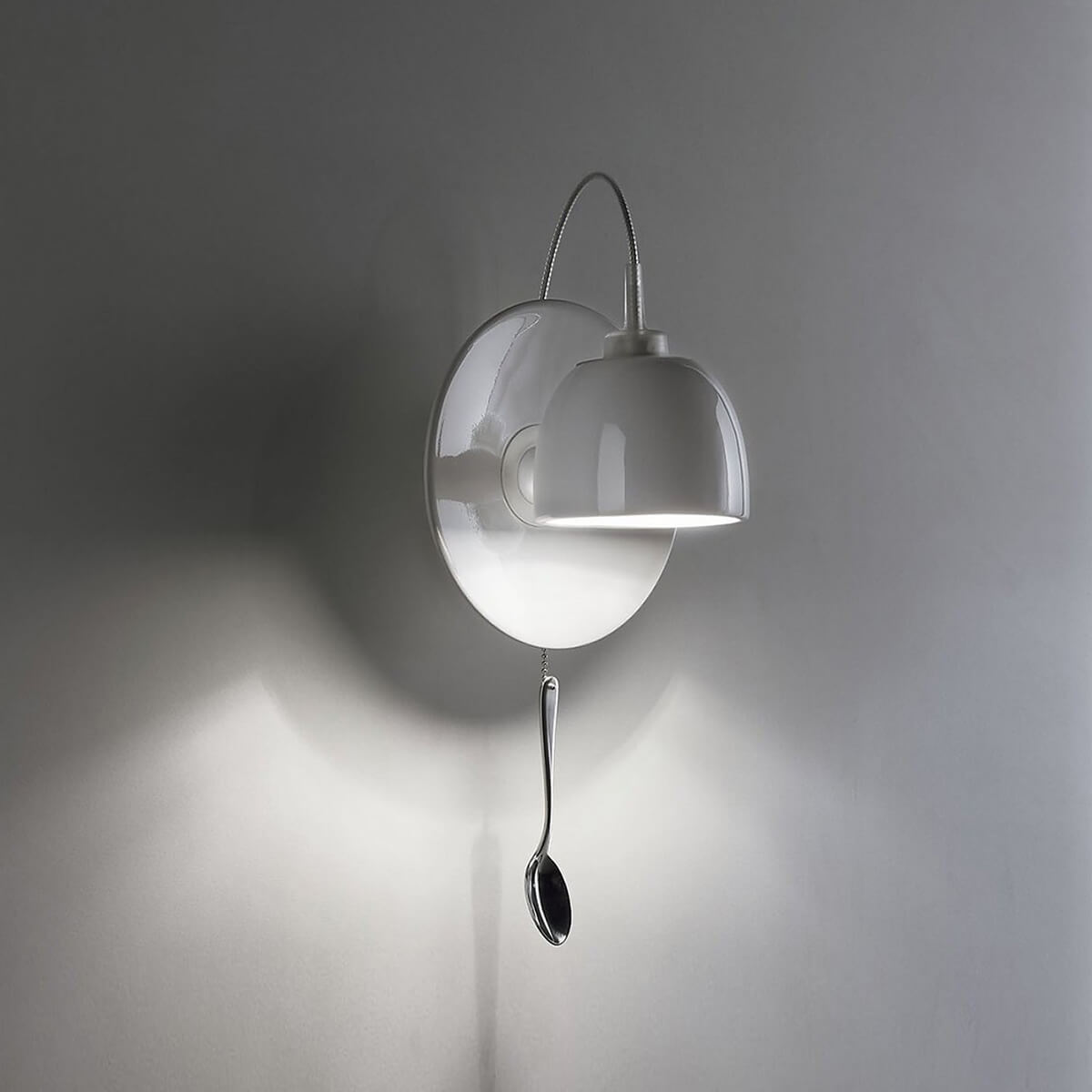
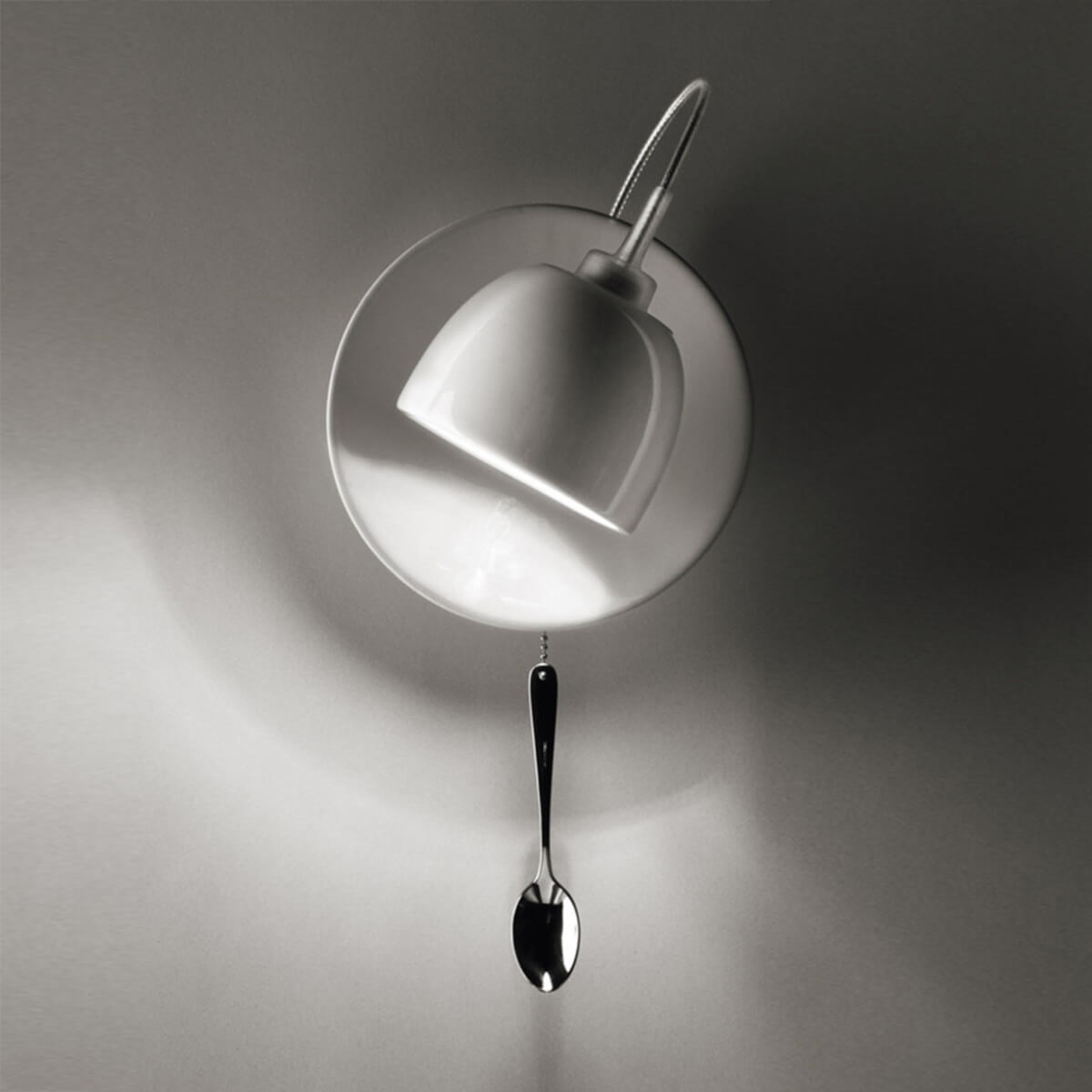
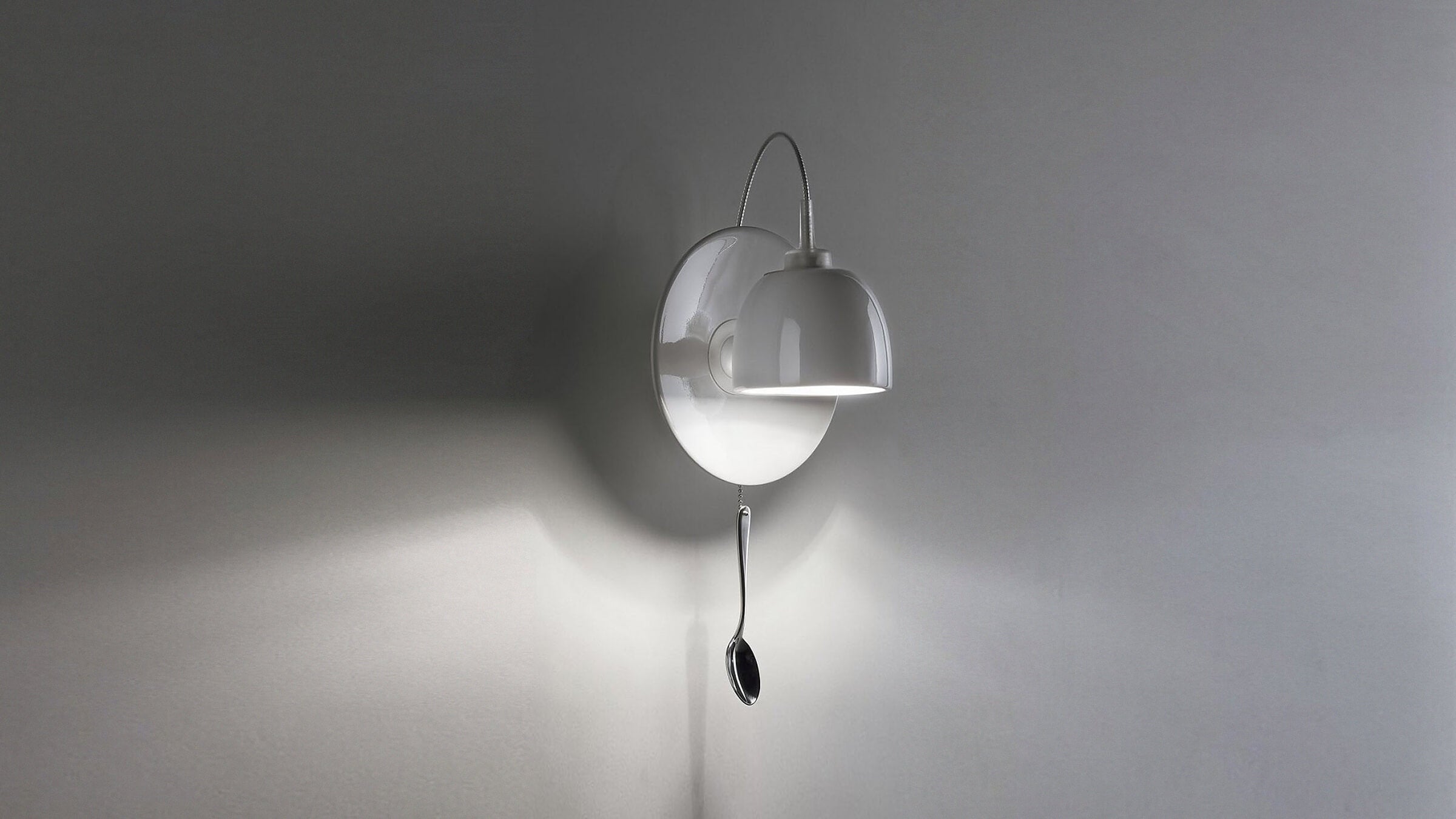
Lampada da Parete Light au Lait
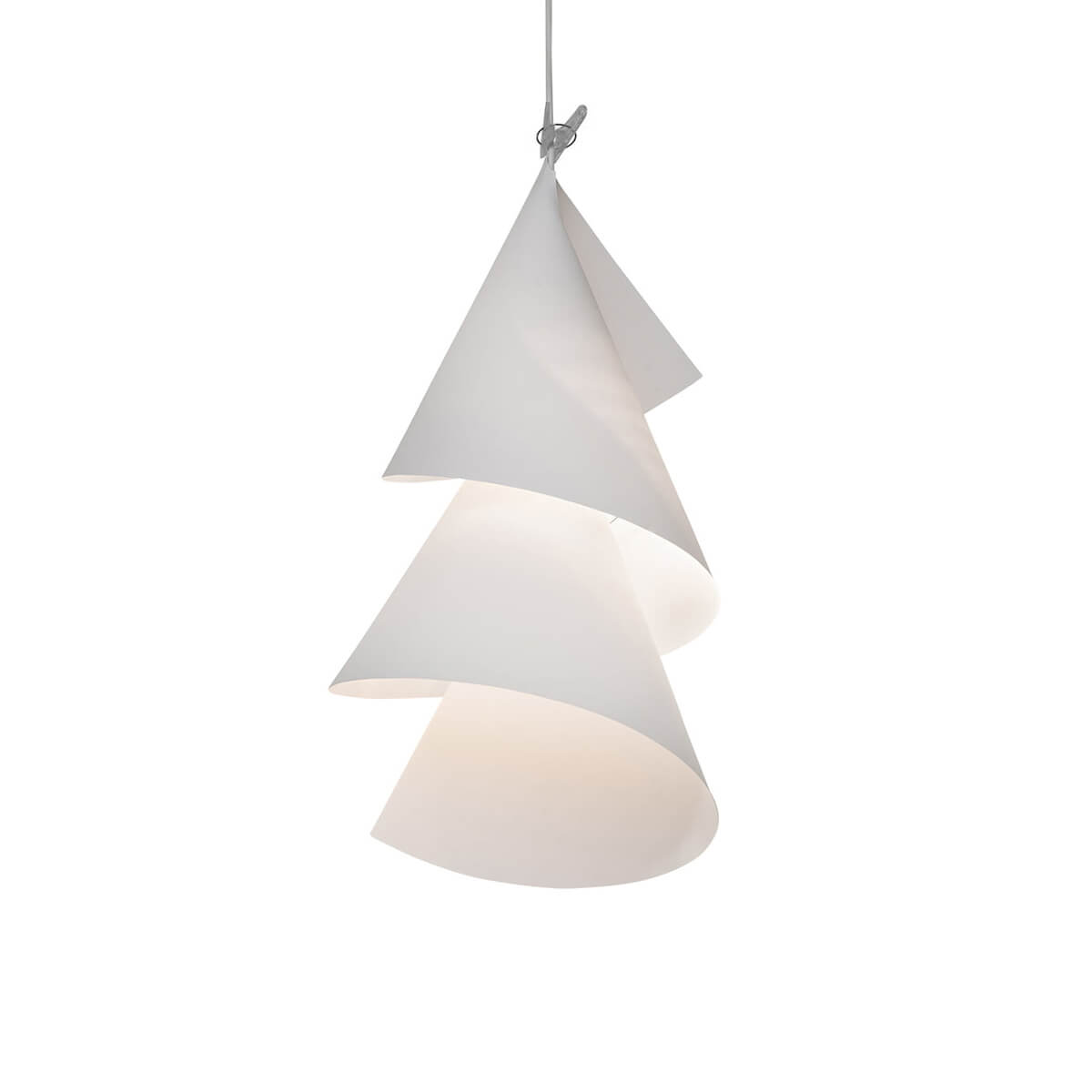
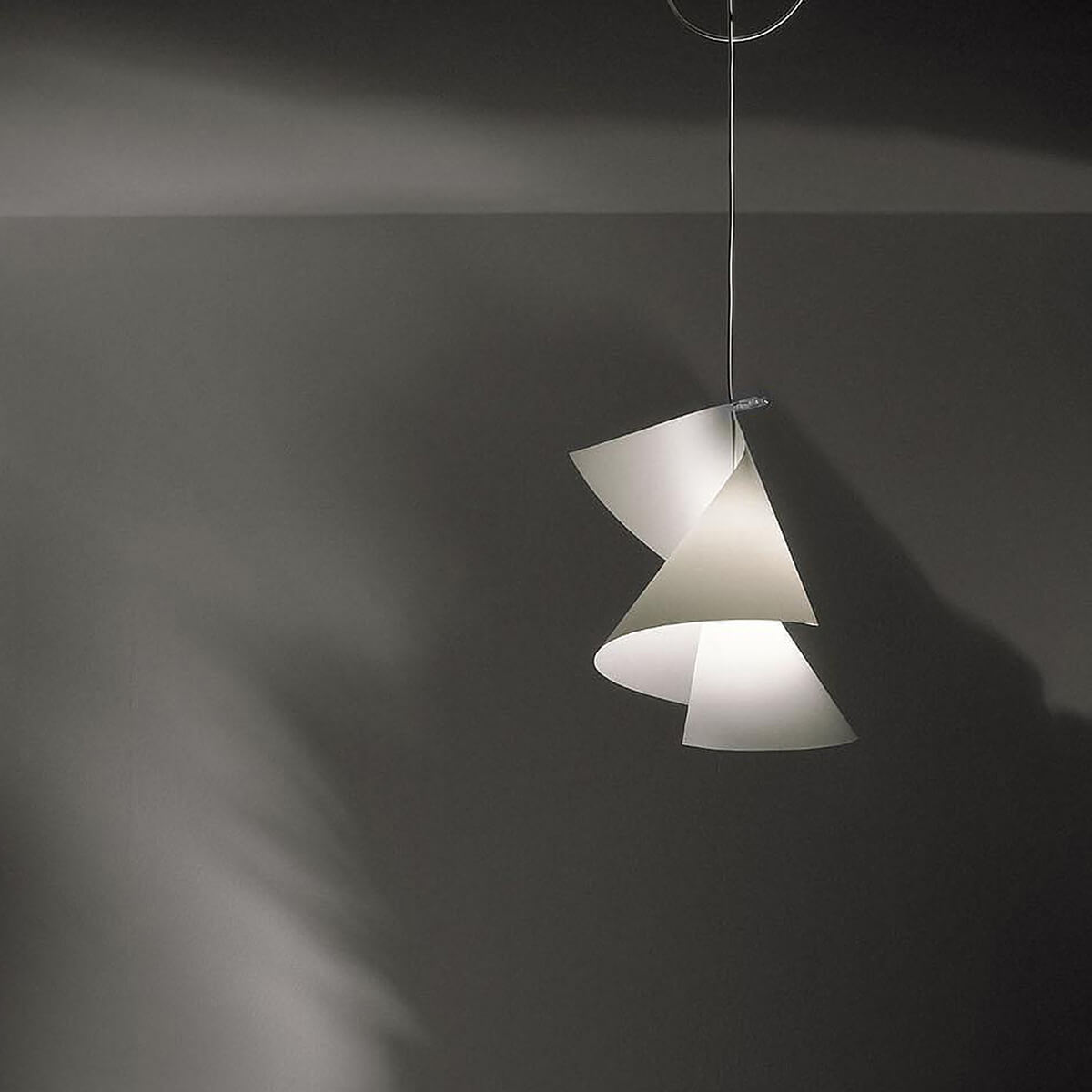
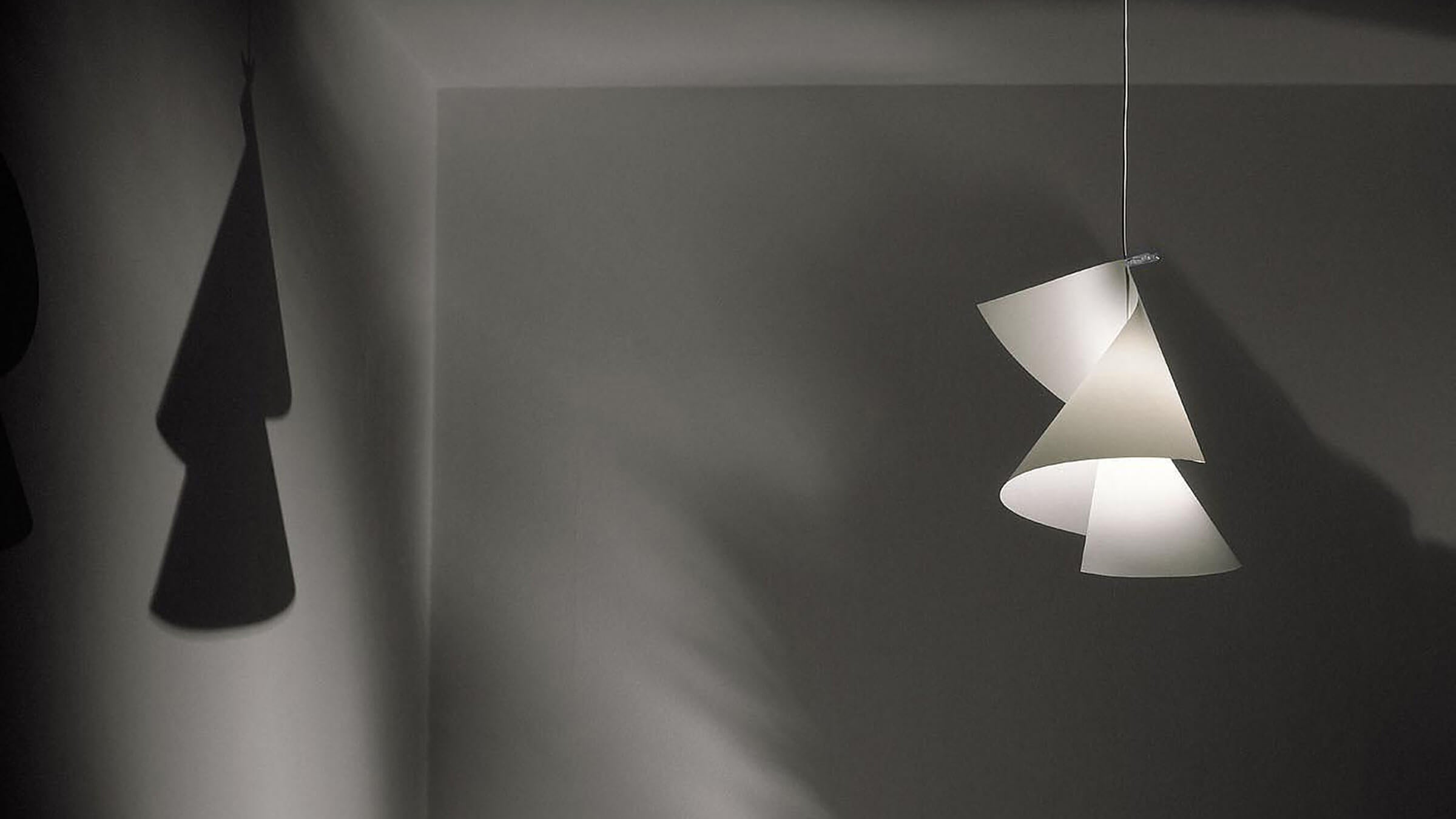
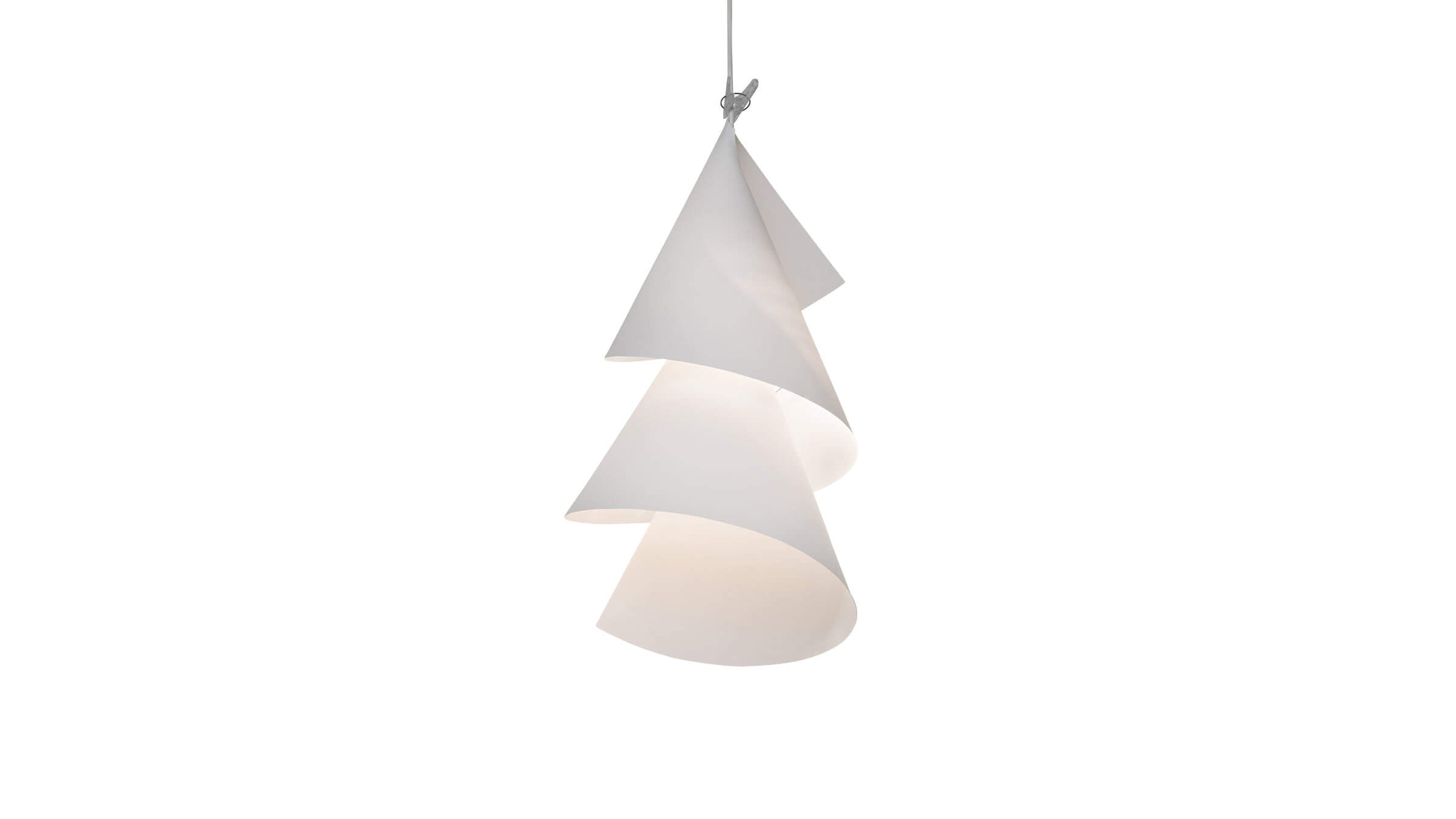
Lampada a sospensione Willydilly
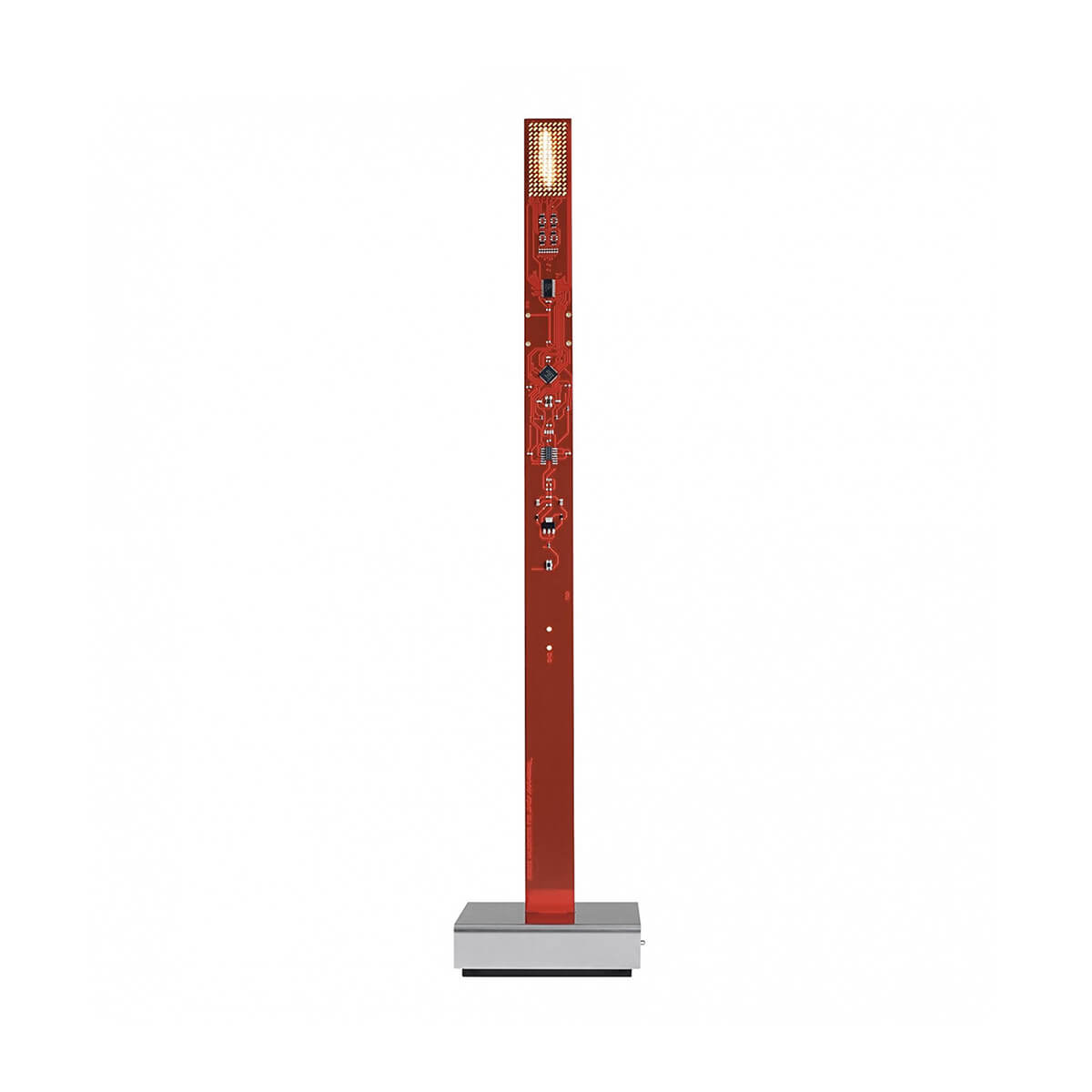
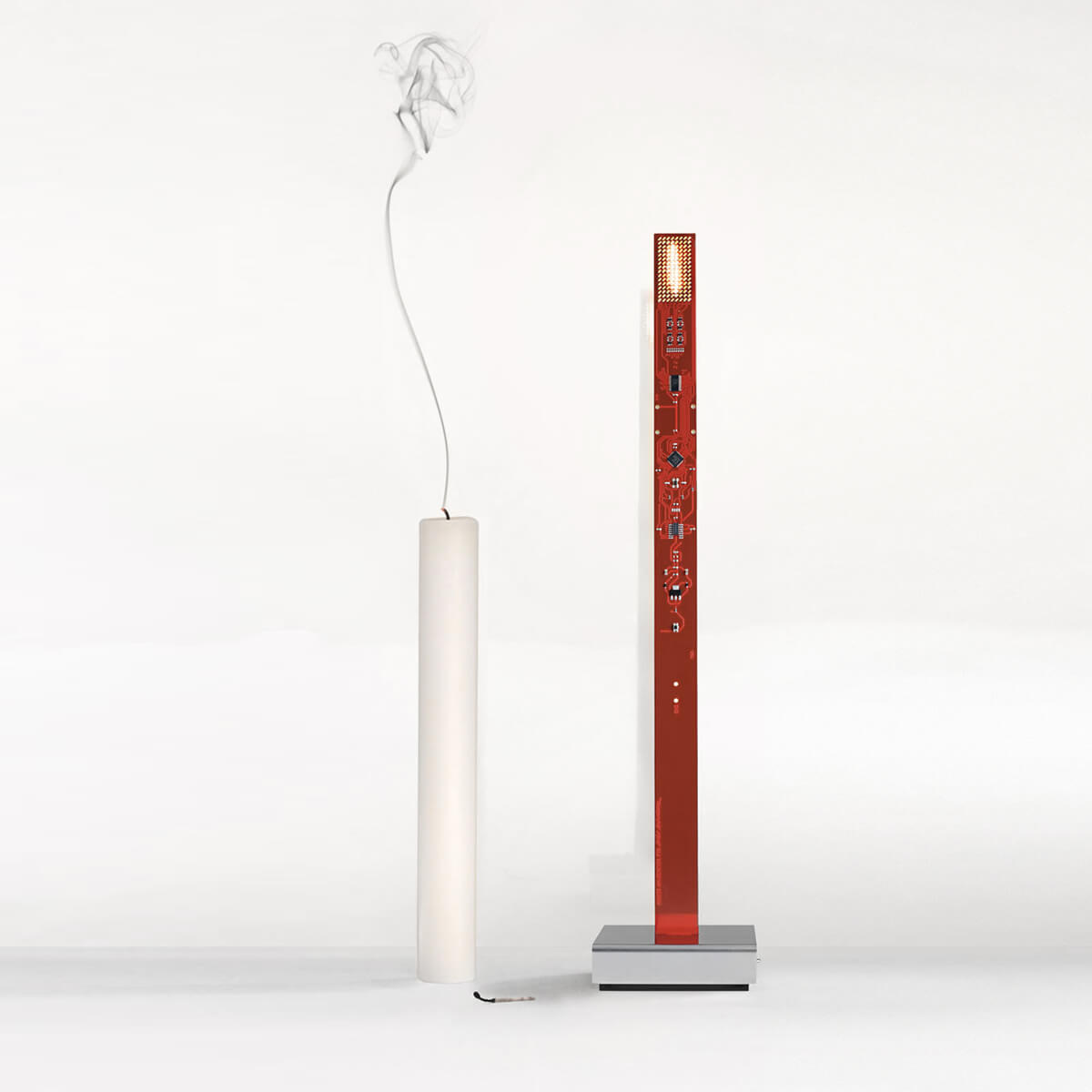
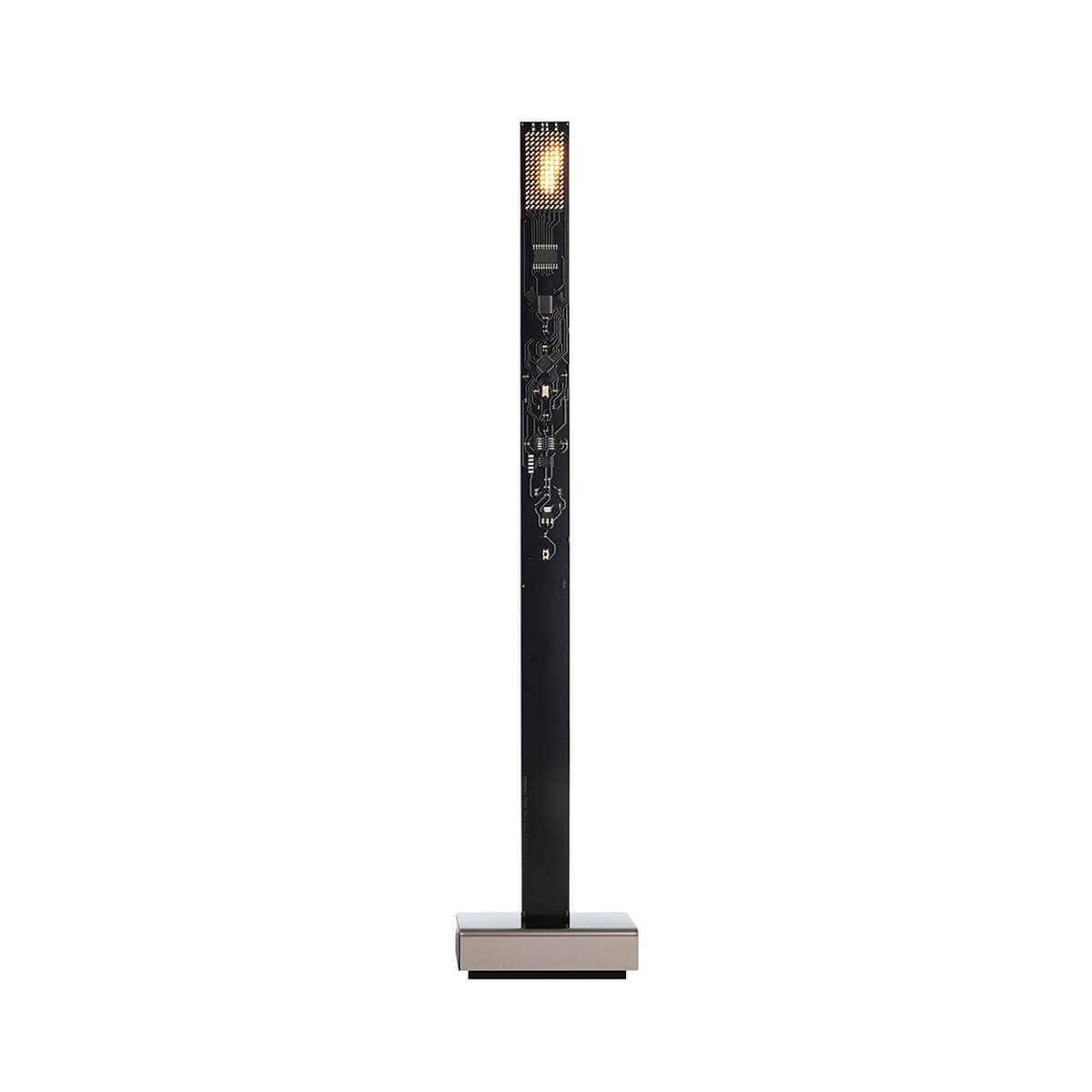
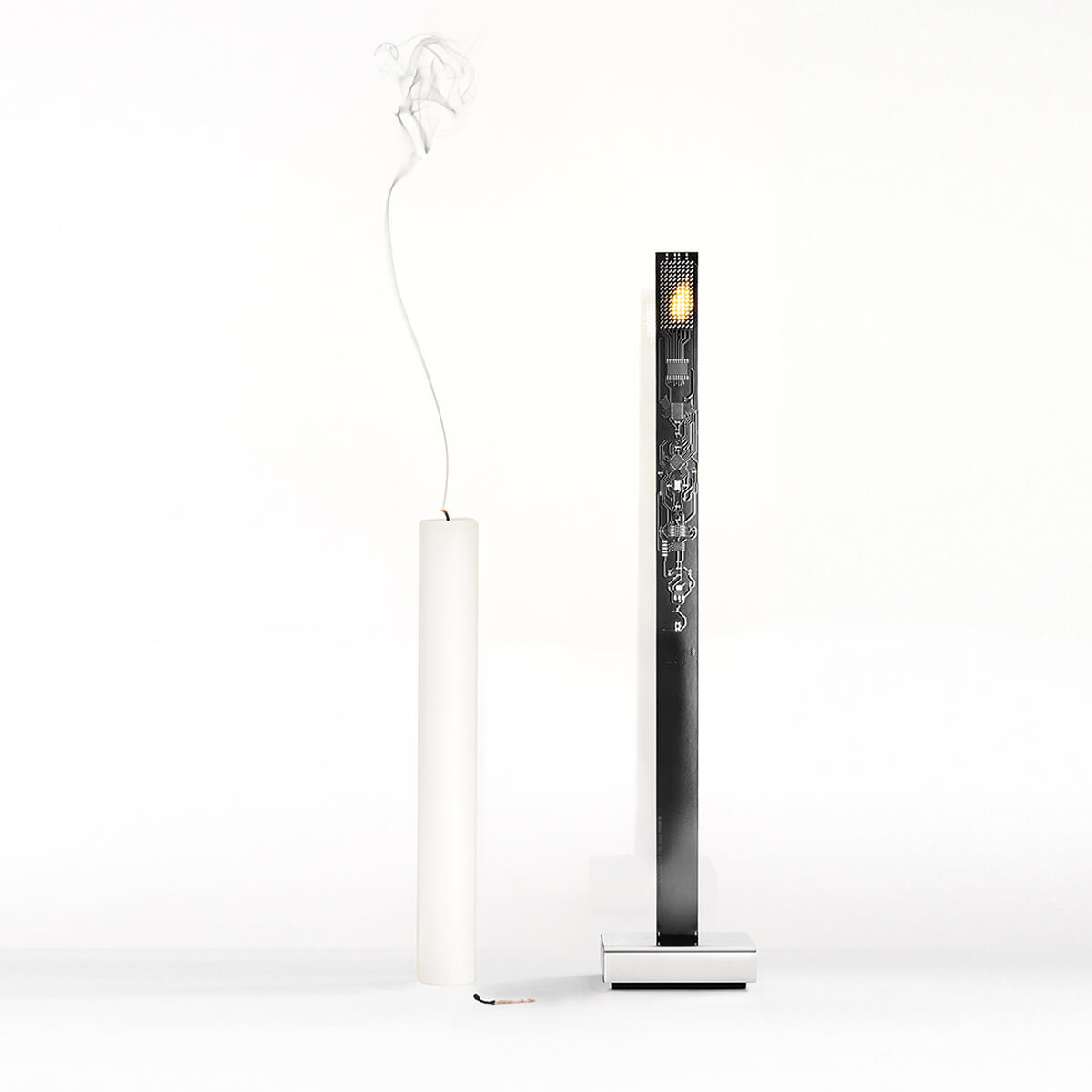
La mia lampada da tavolo My New Flame LED
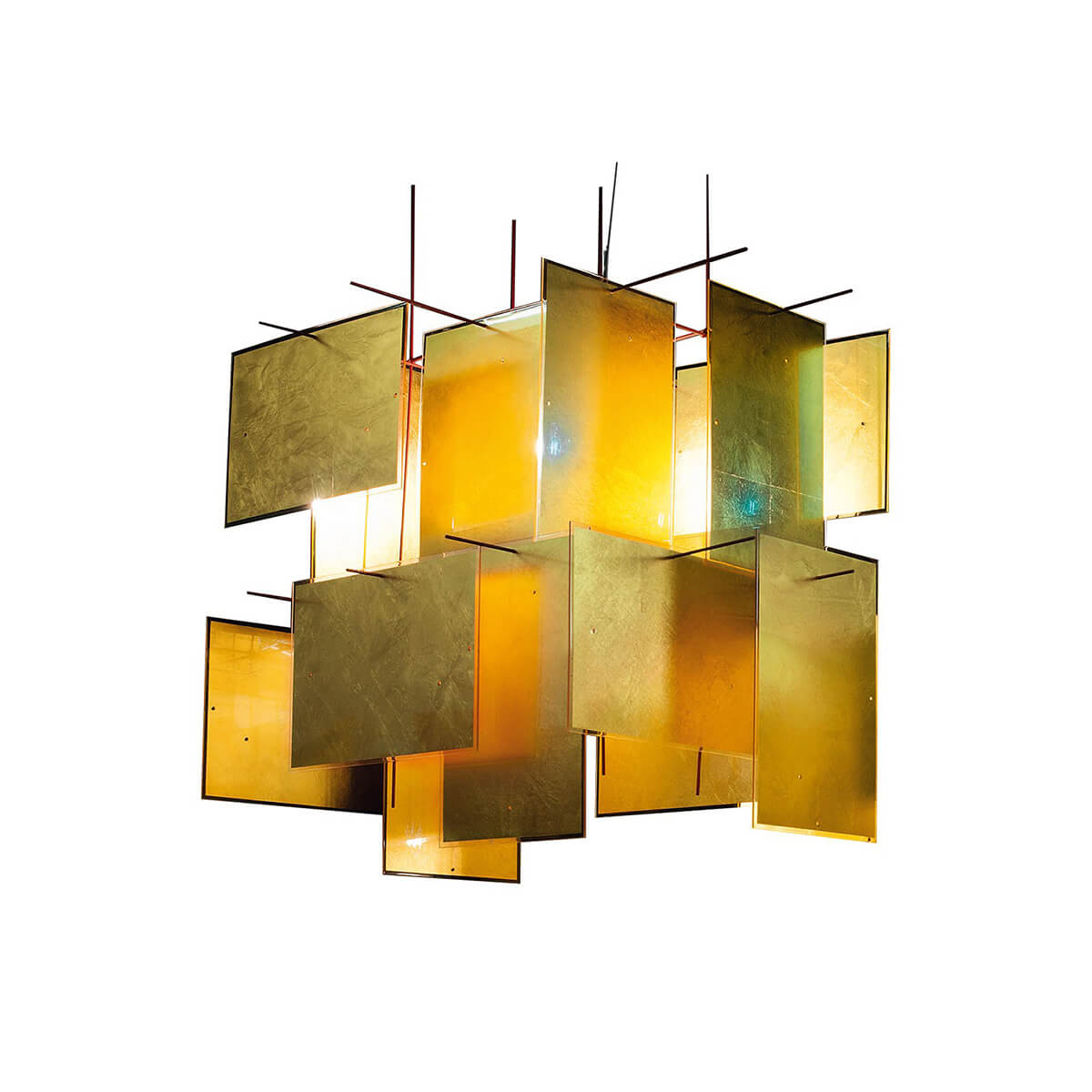
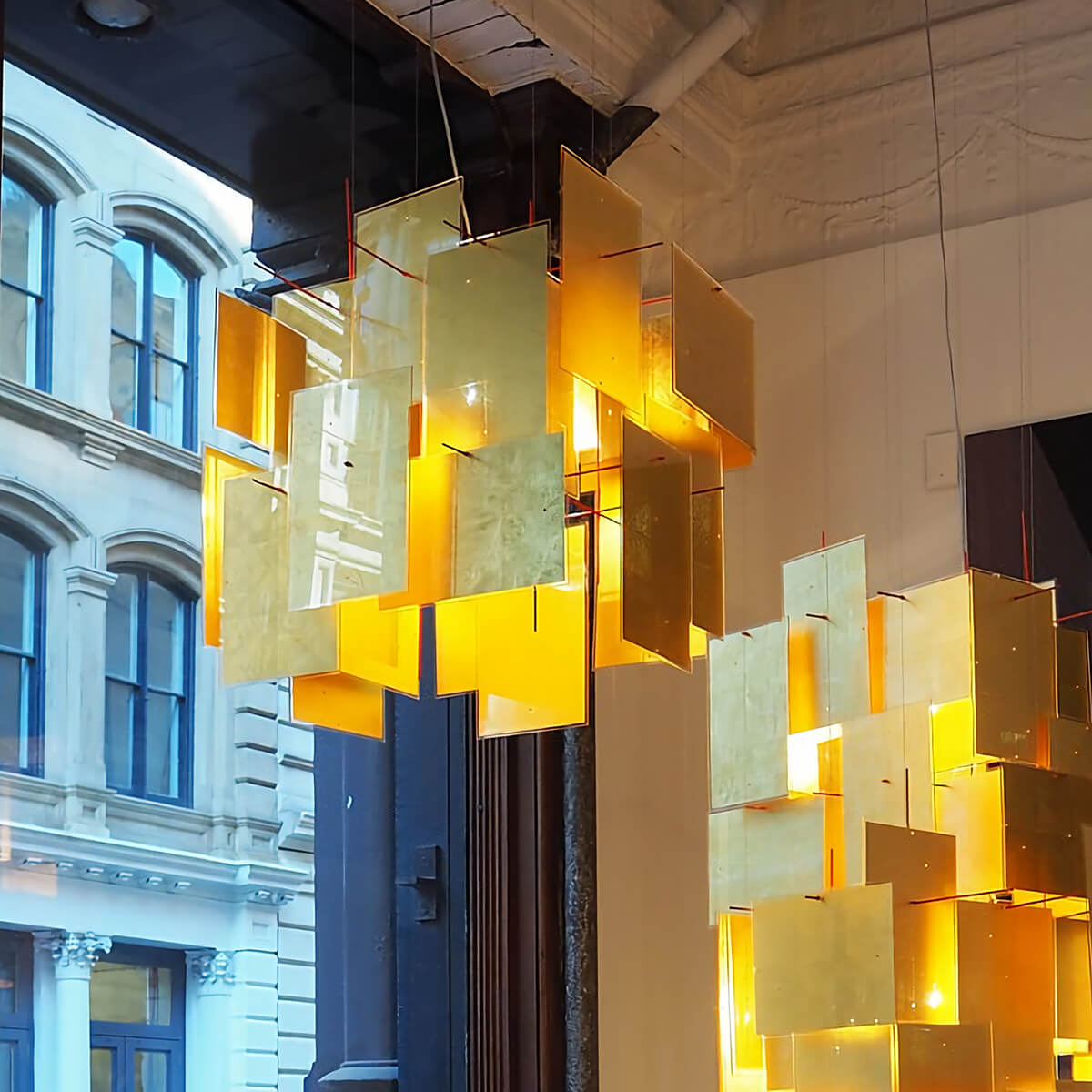
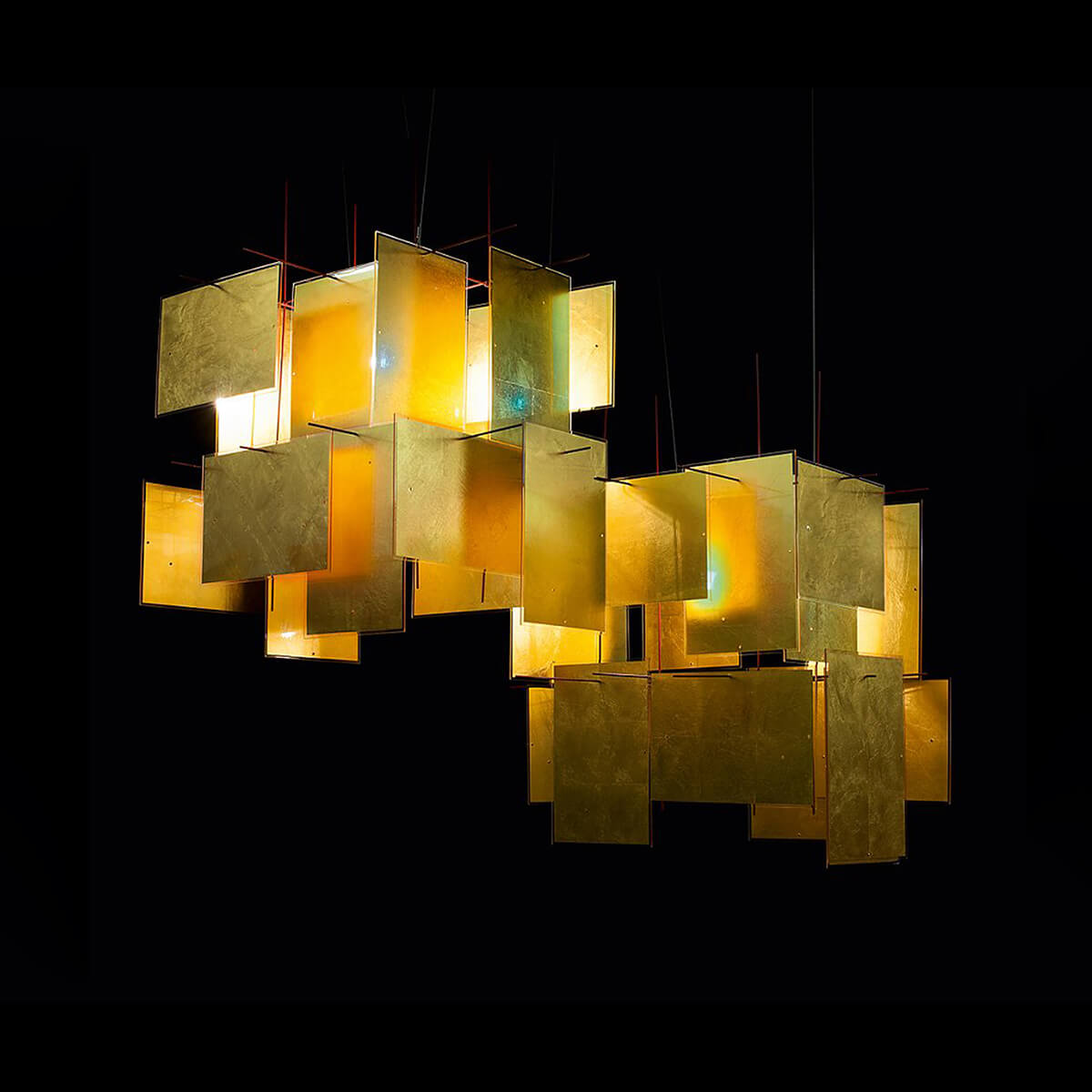
Lampada a Sospensione 1000 Karat Blau
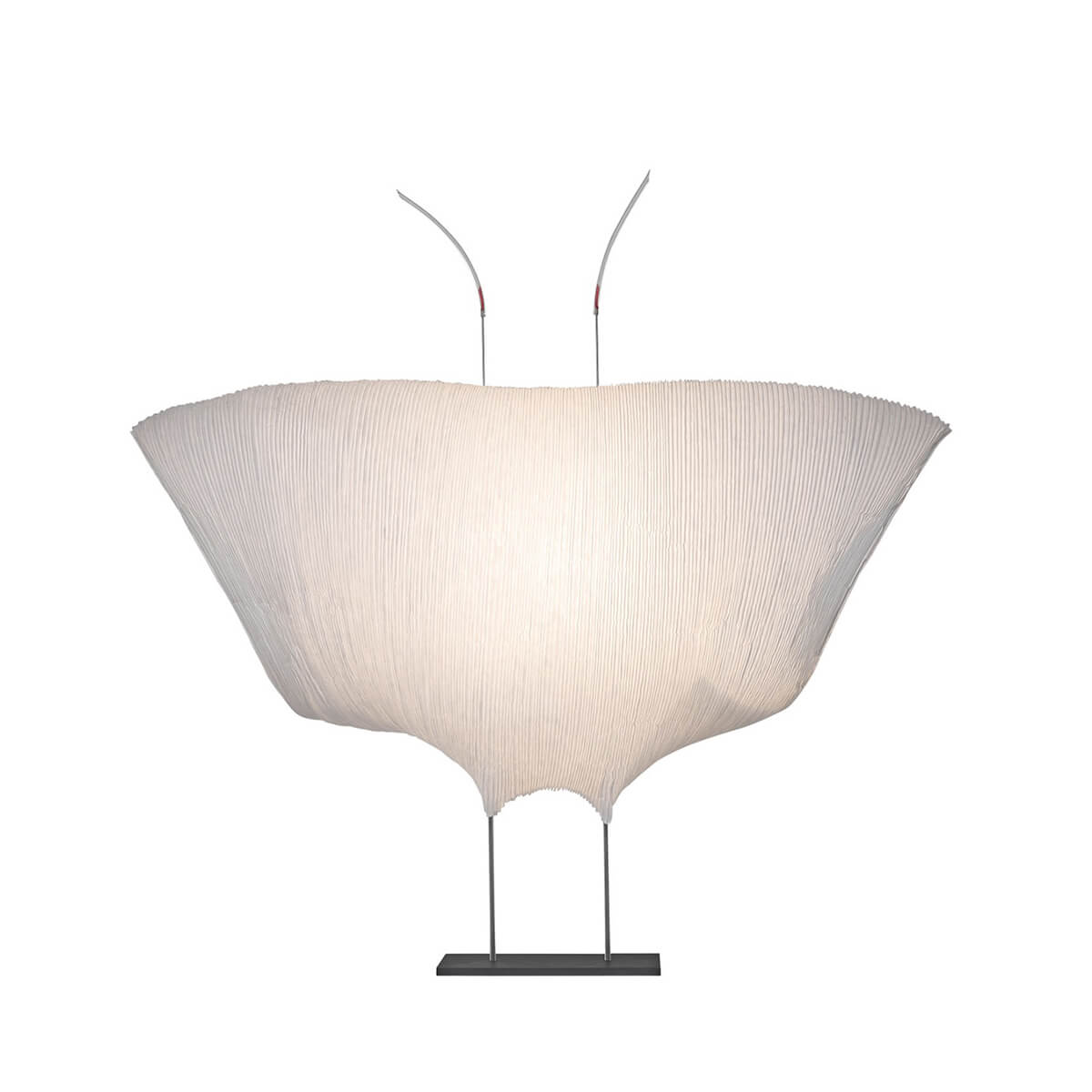
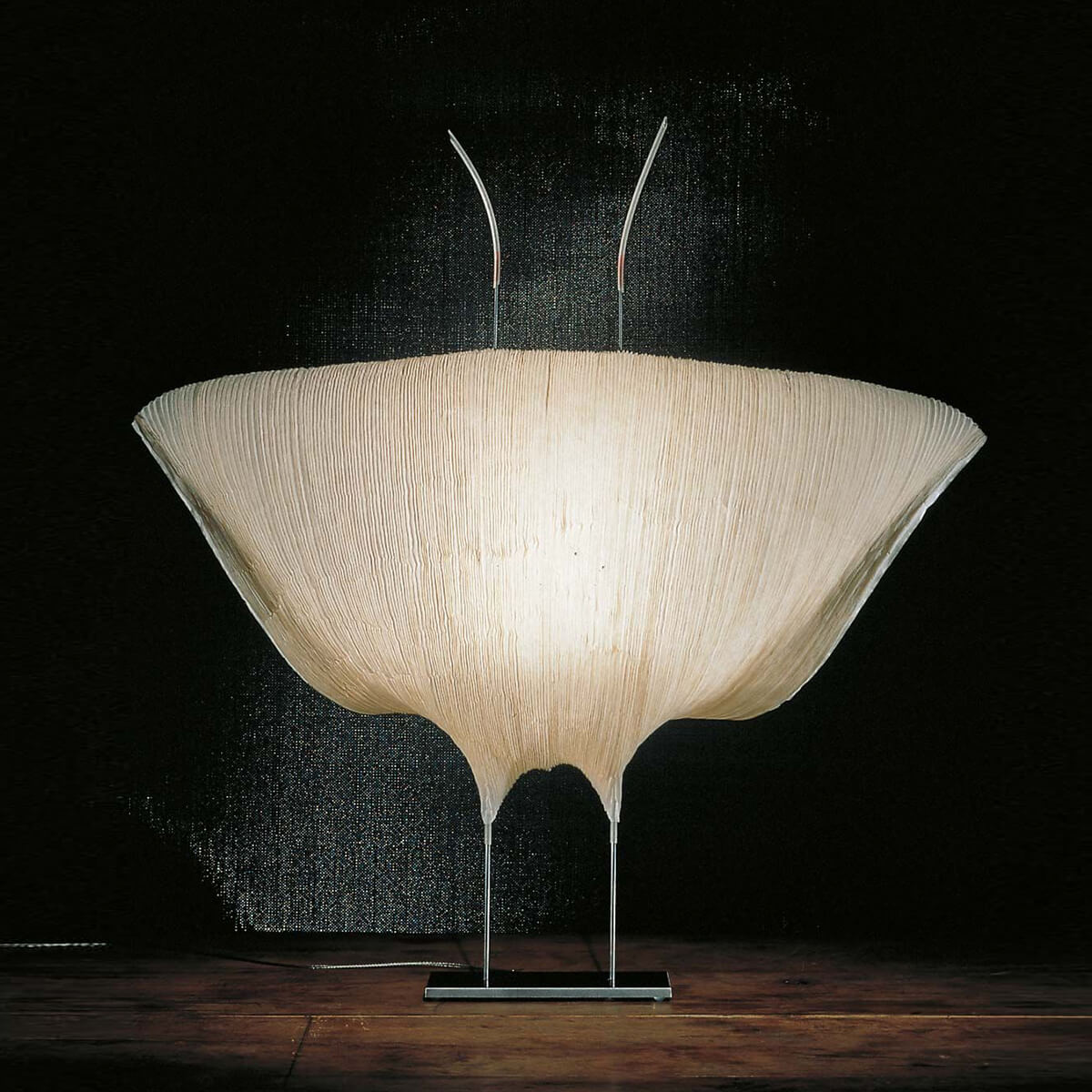
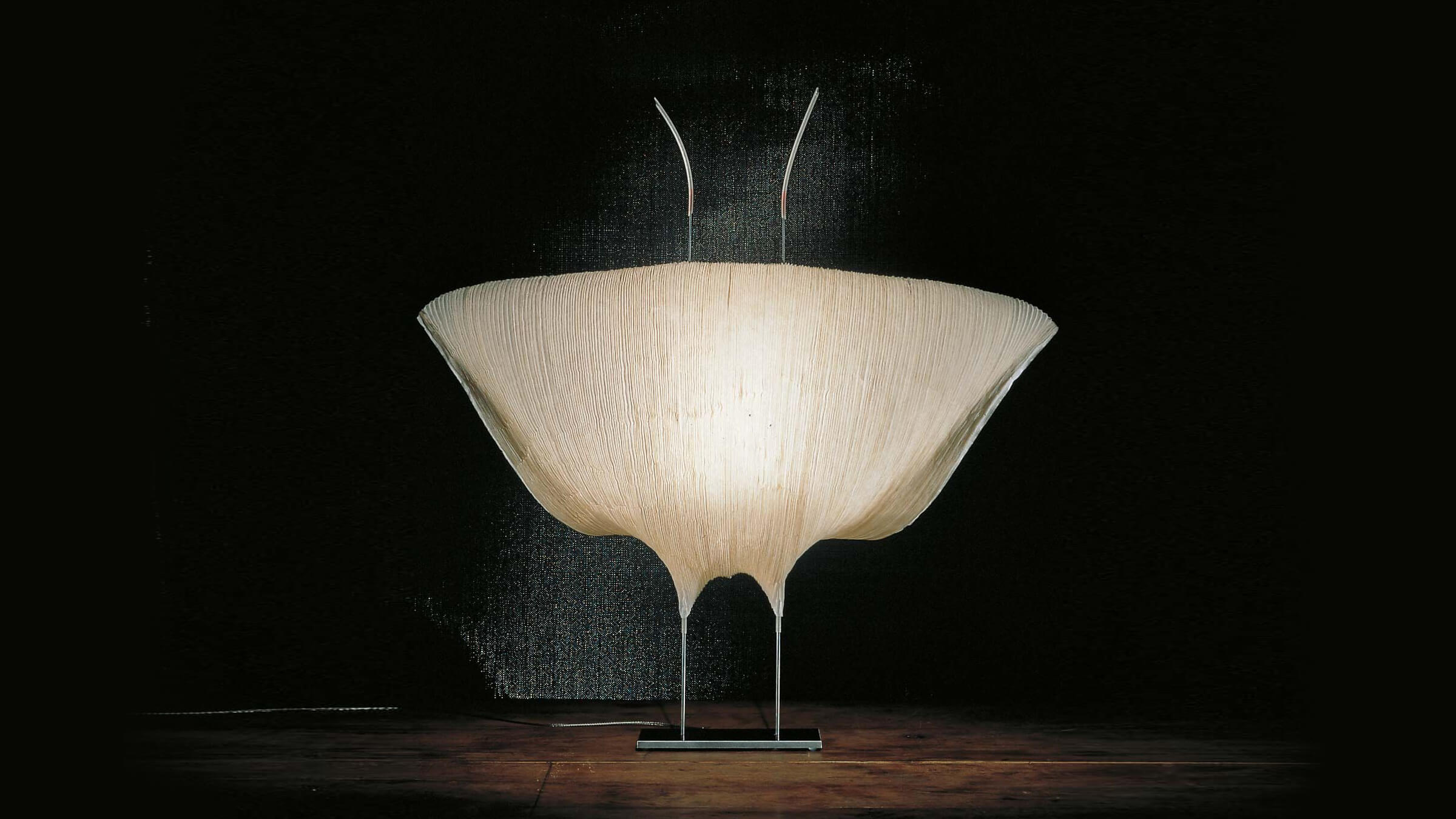
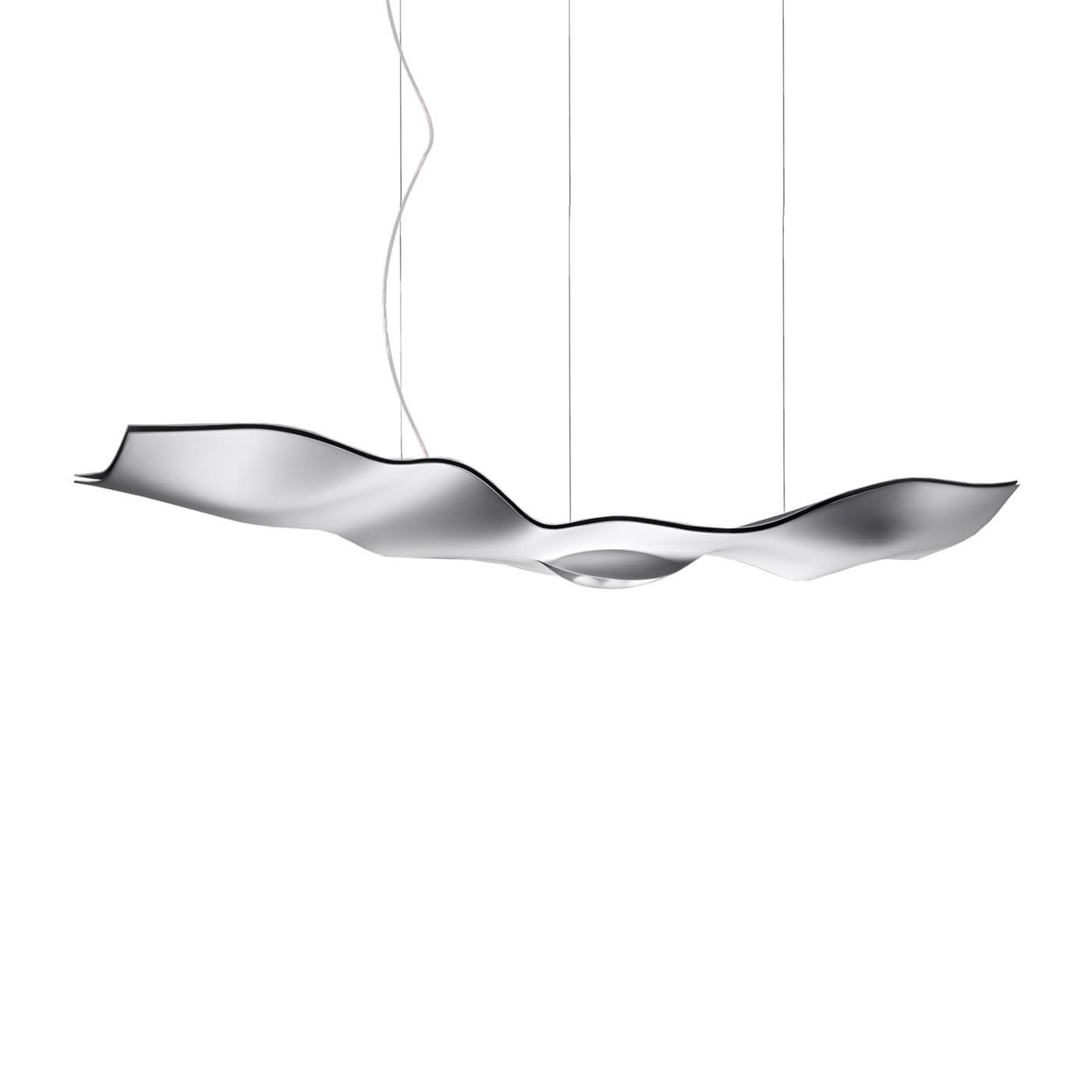
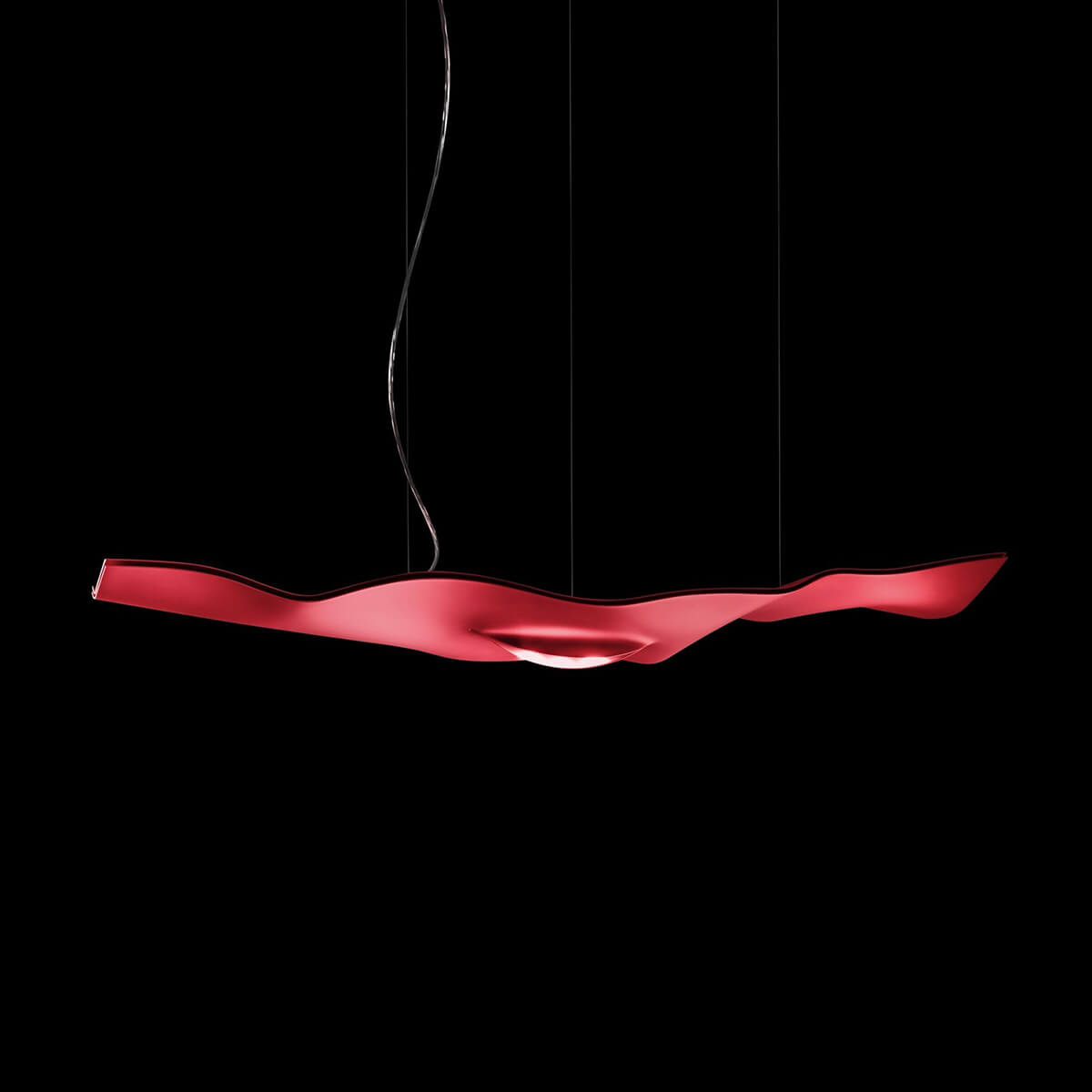
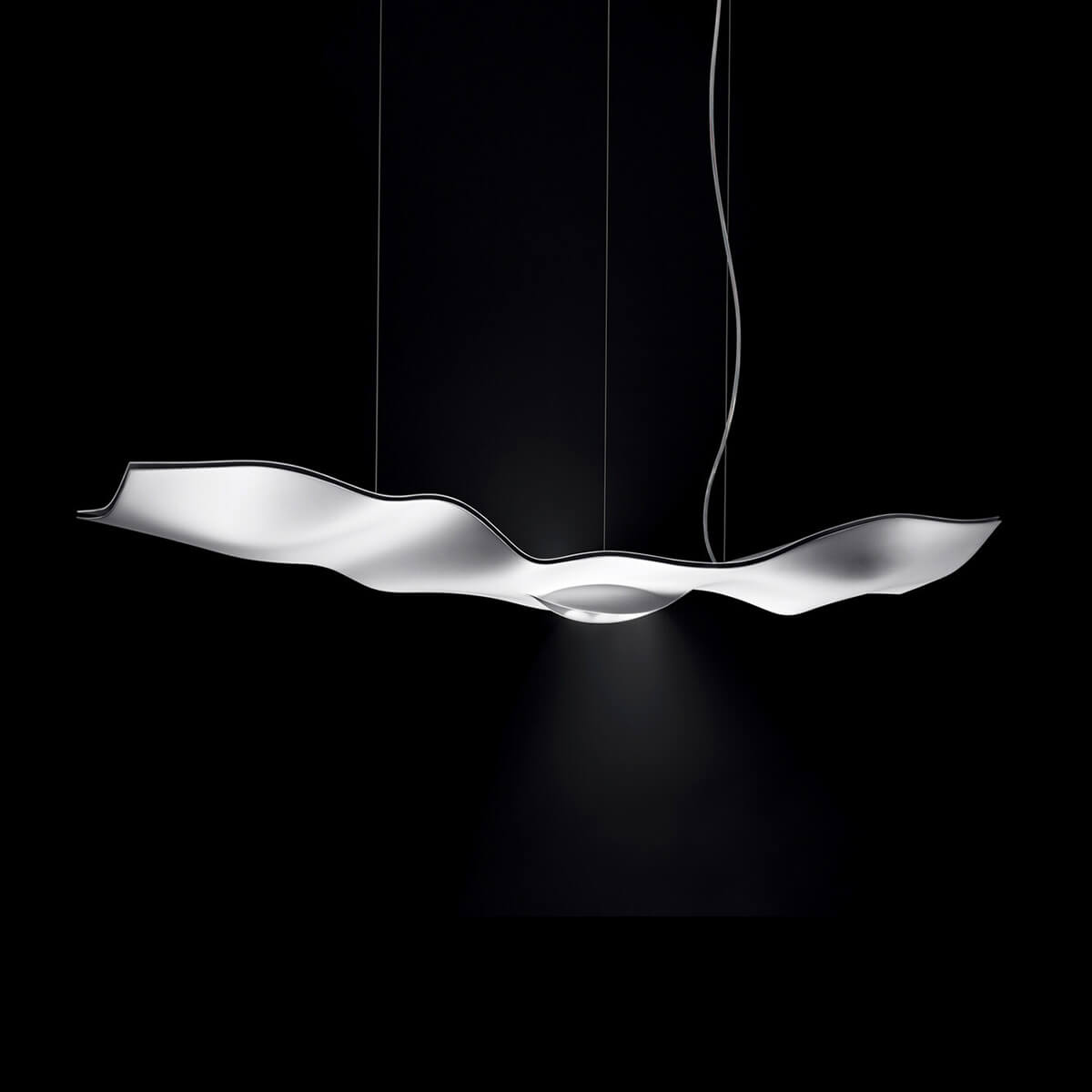
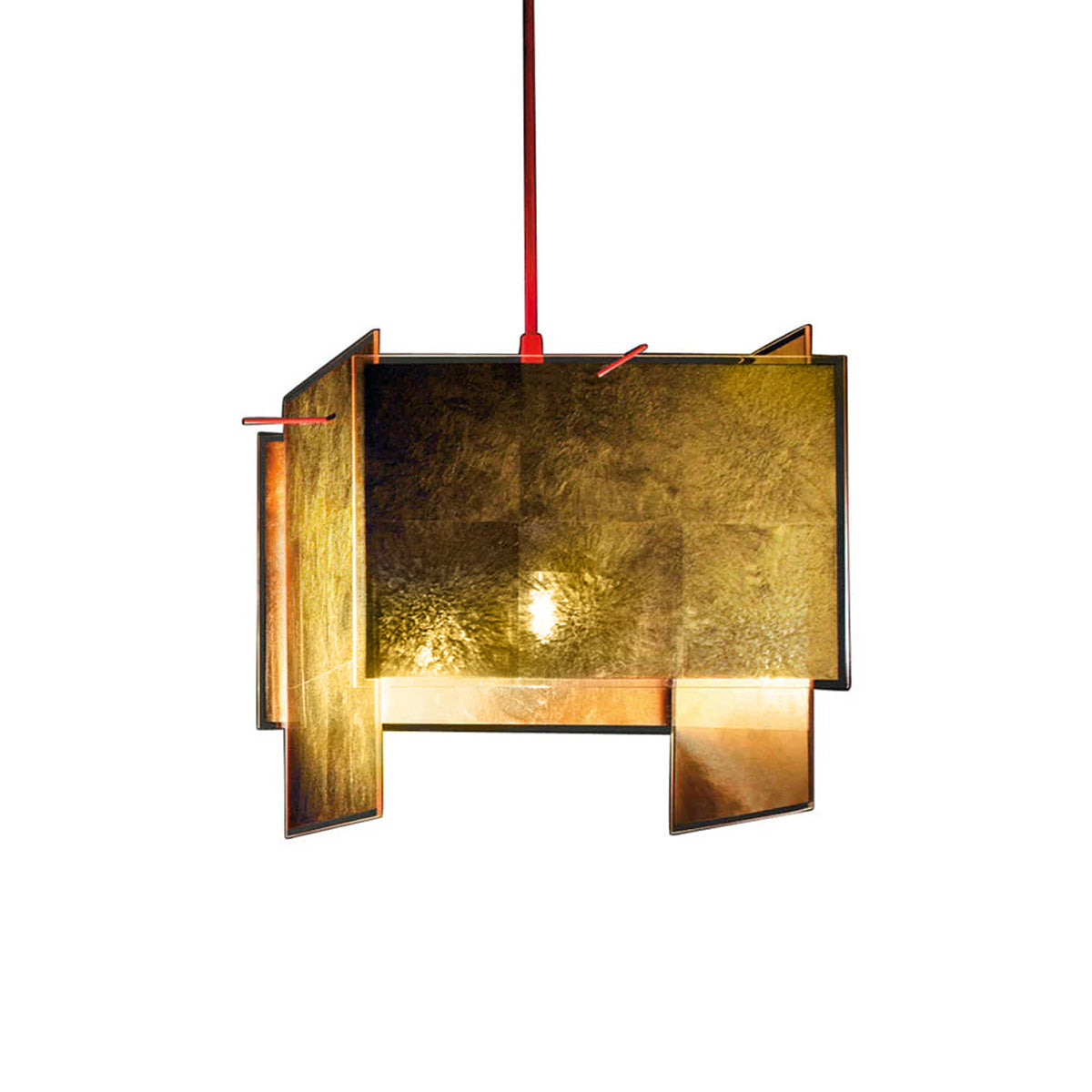
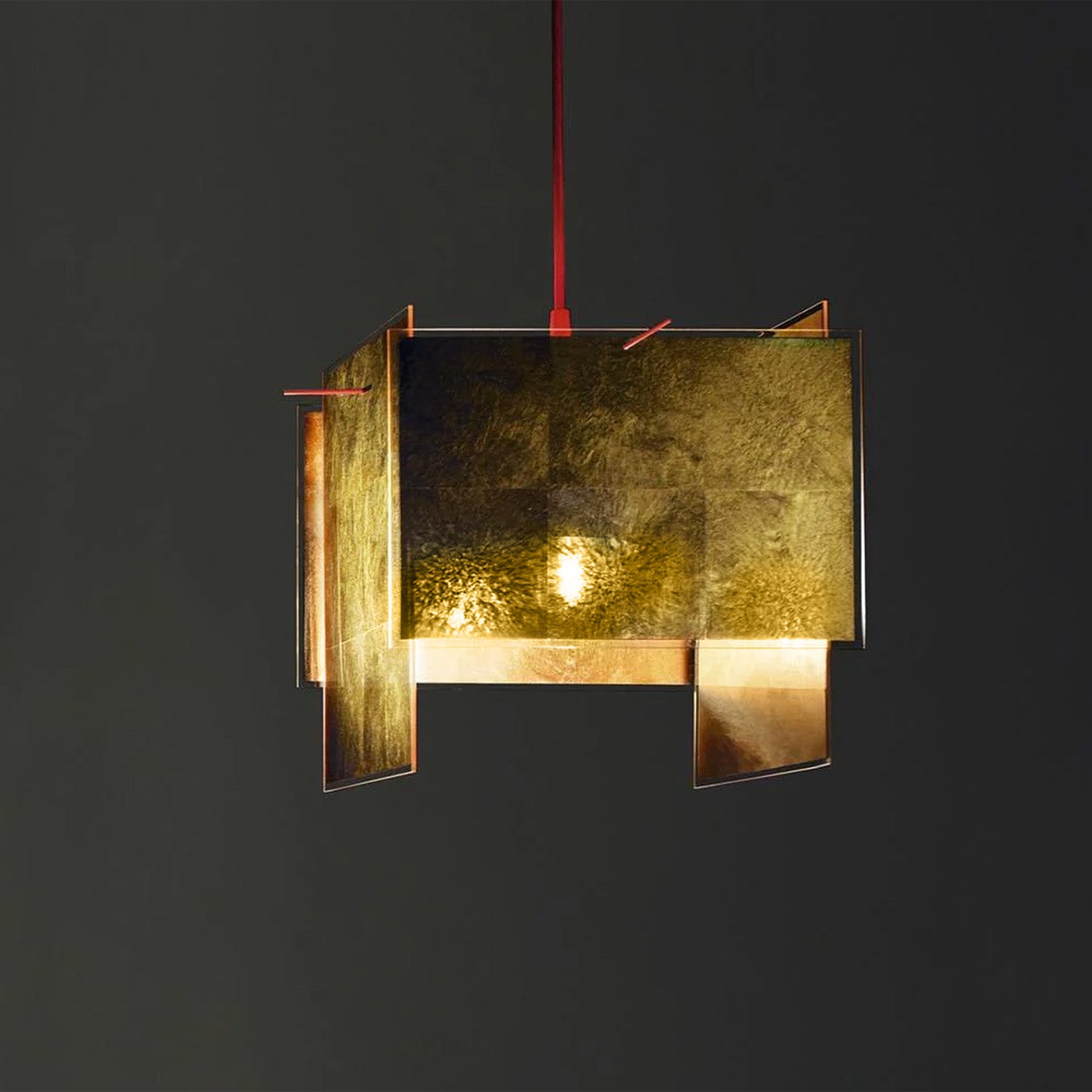
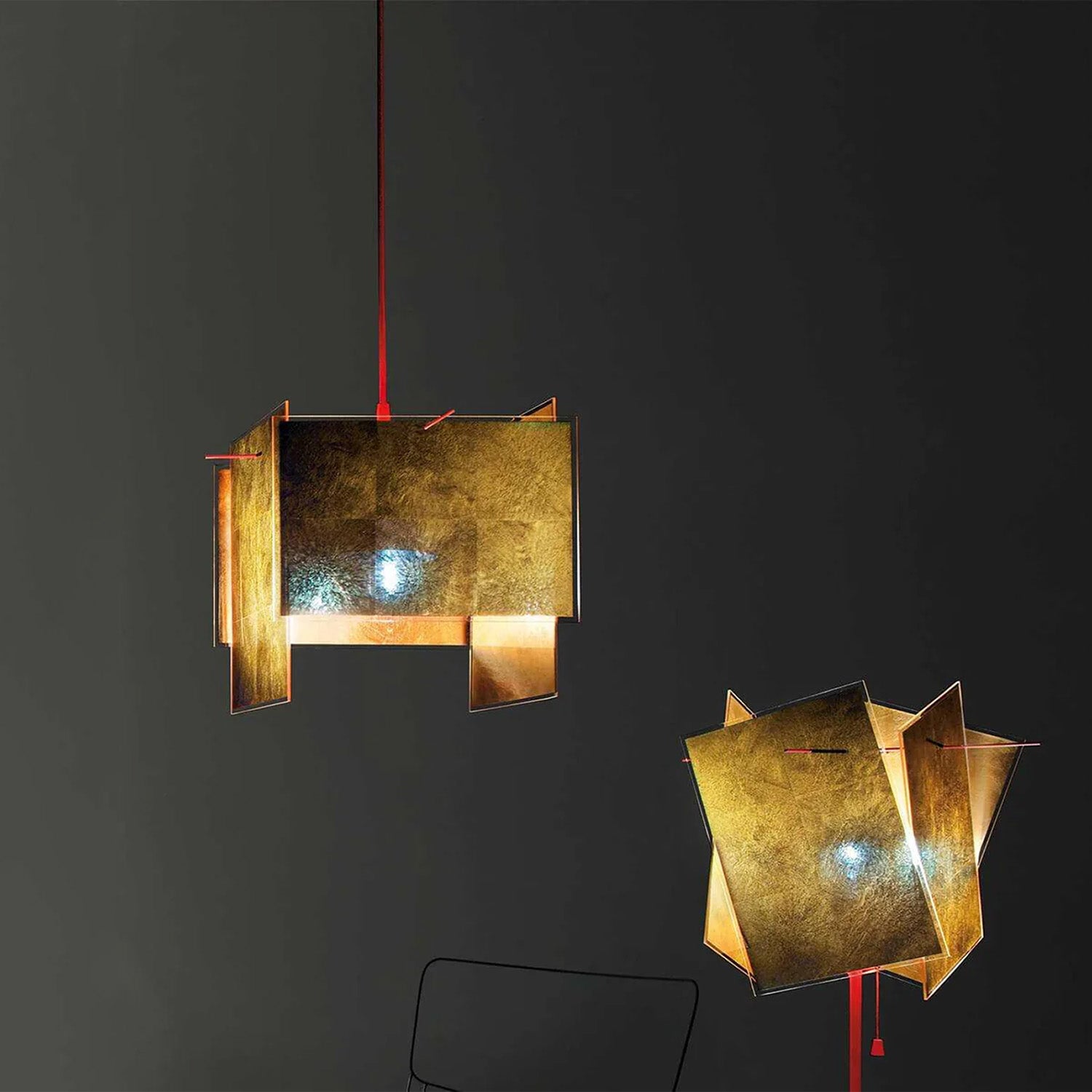
Lampada a sospensione 24 Karat Blau
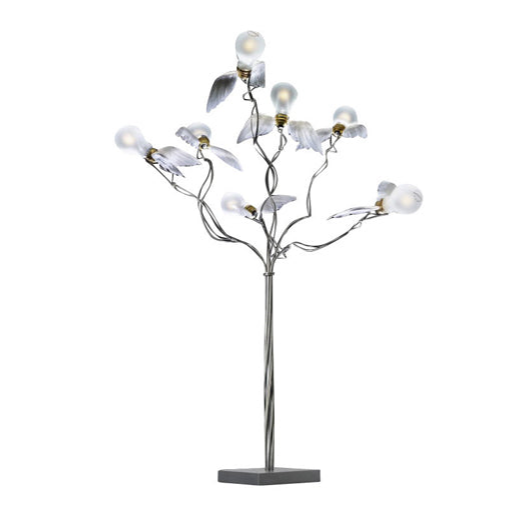
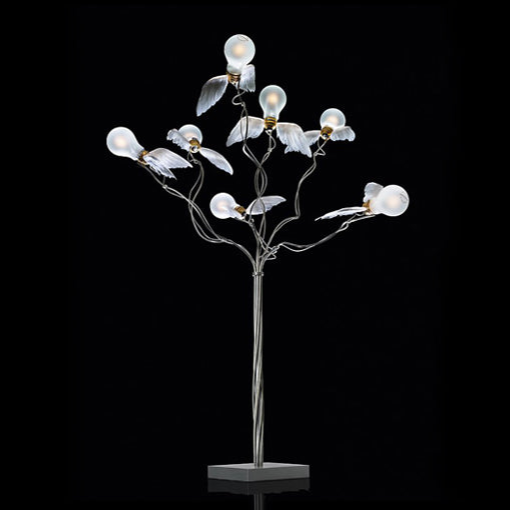
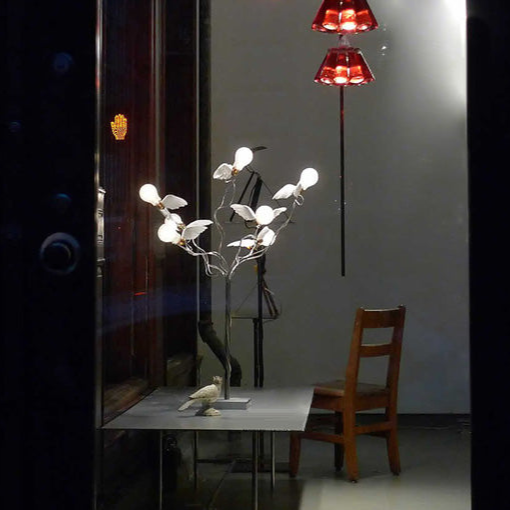
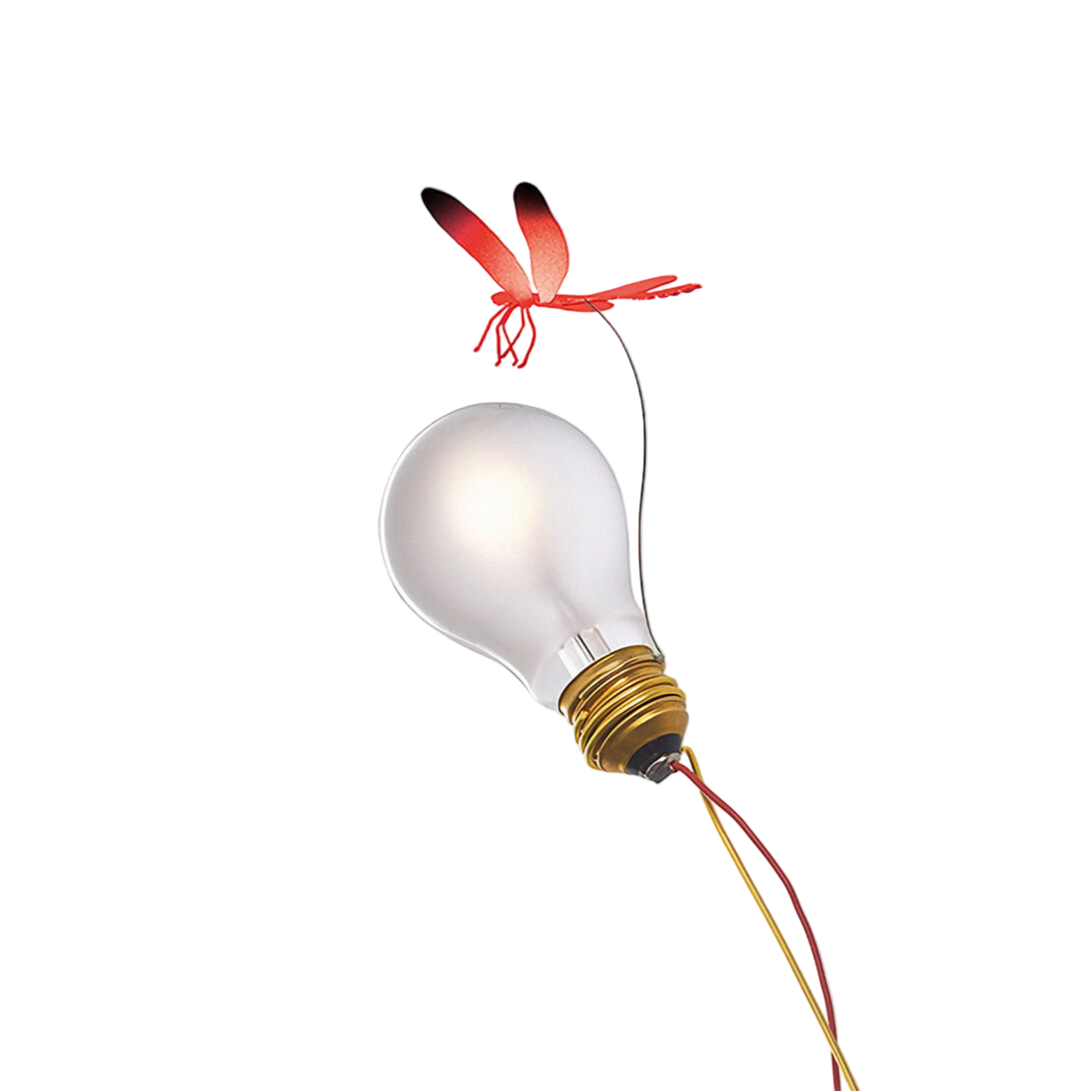
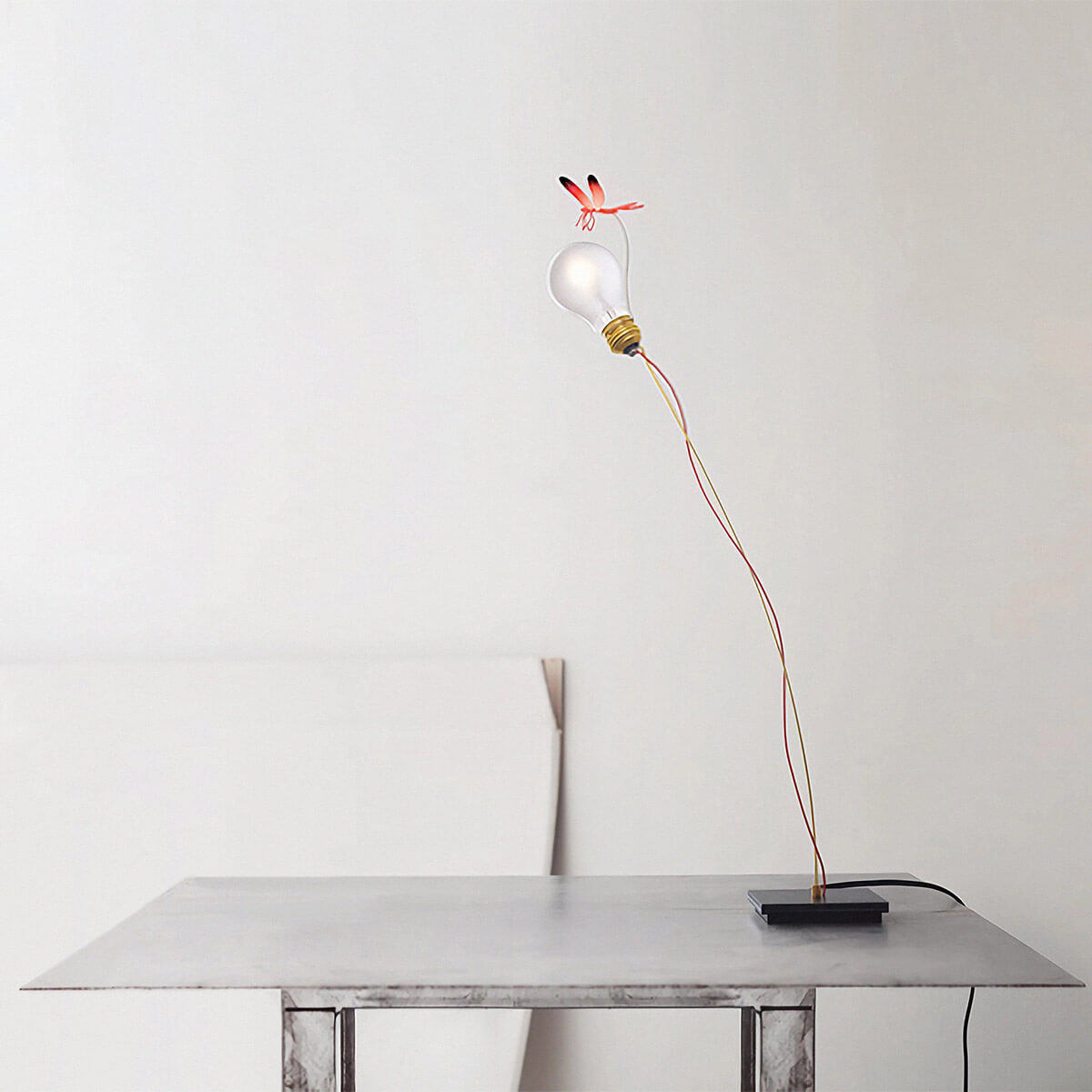
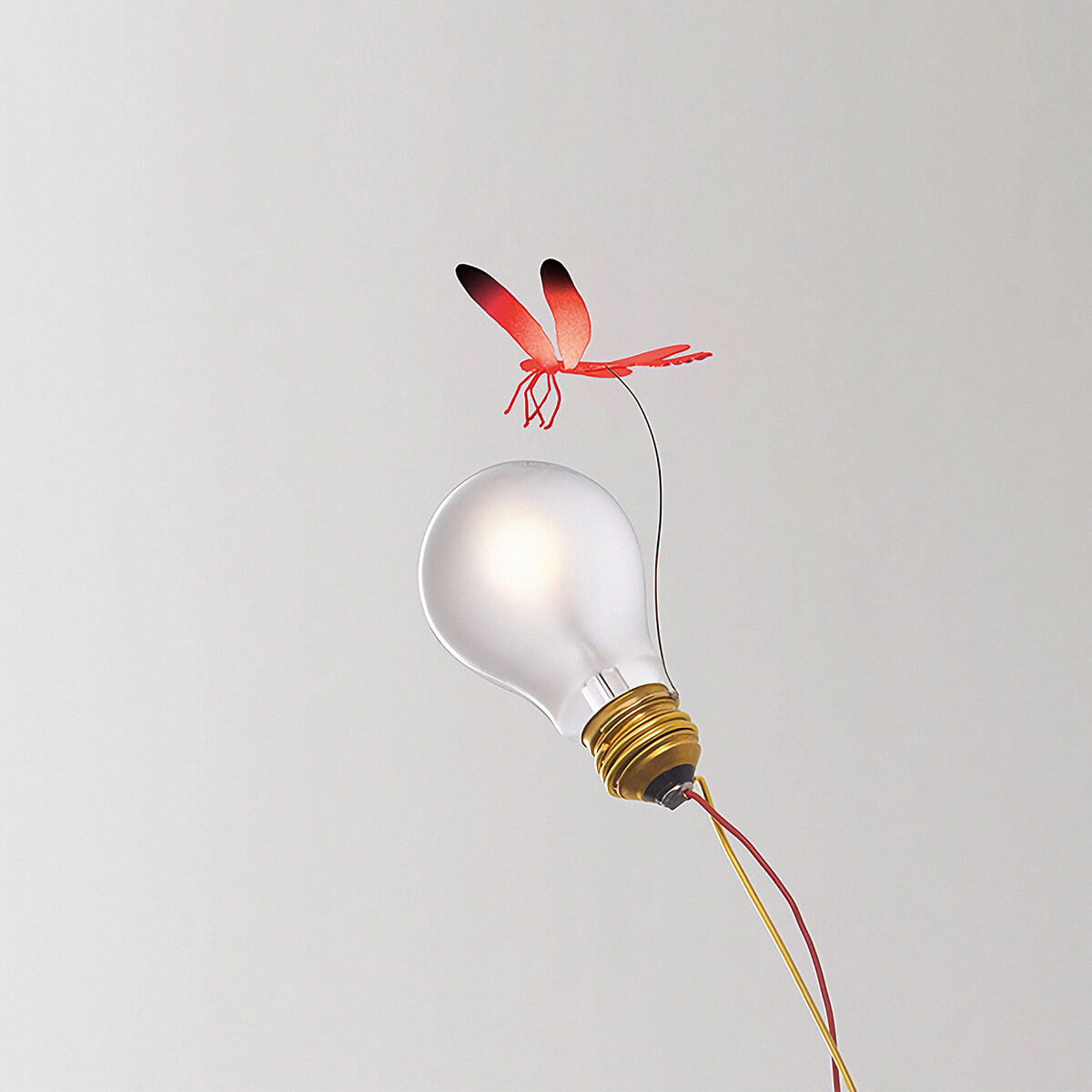
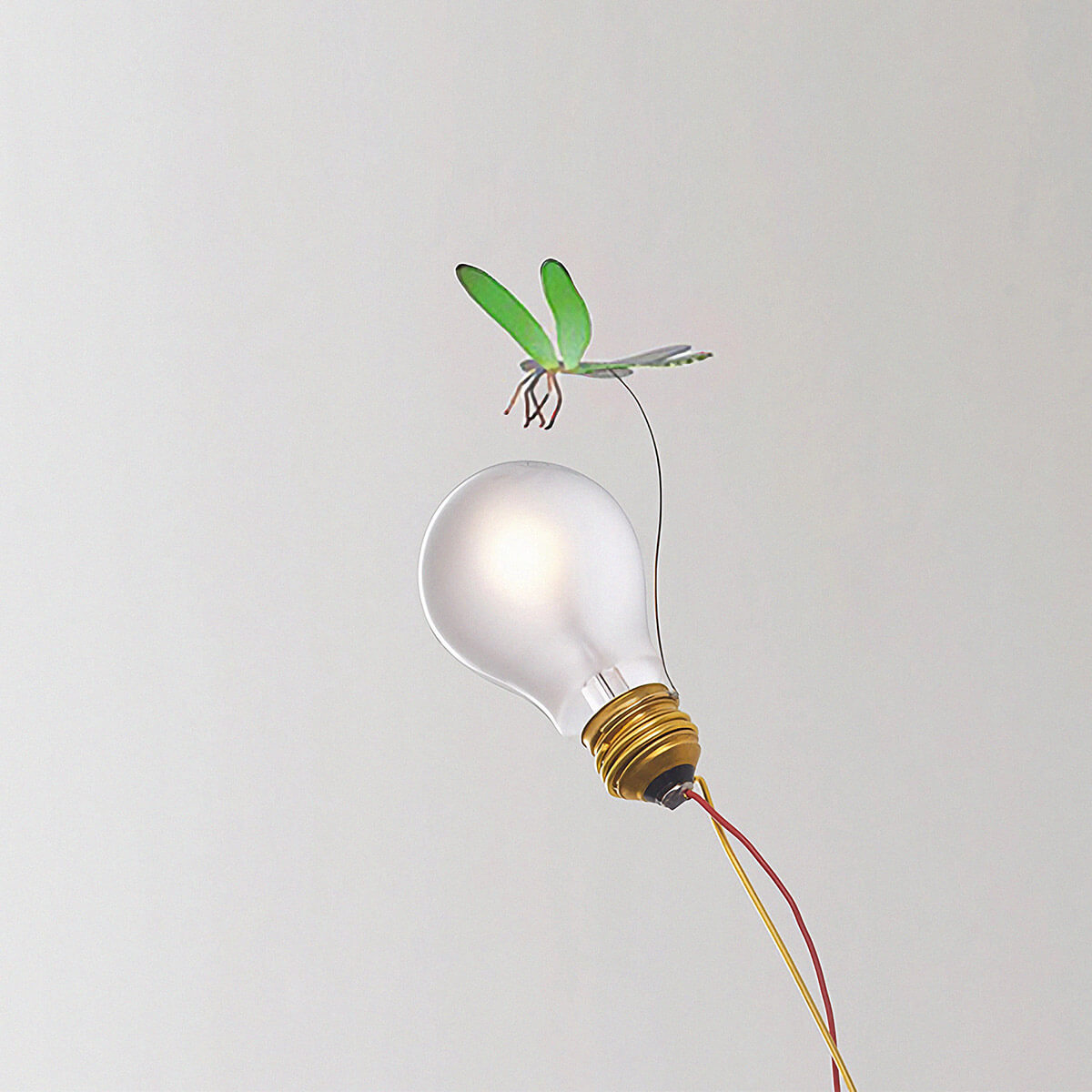
Lampada da Tavolo Bzzzz I Ricchi Poveri
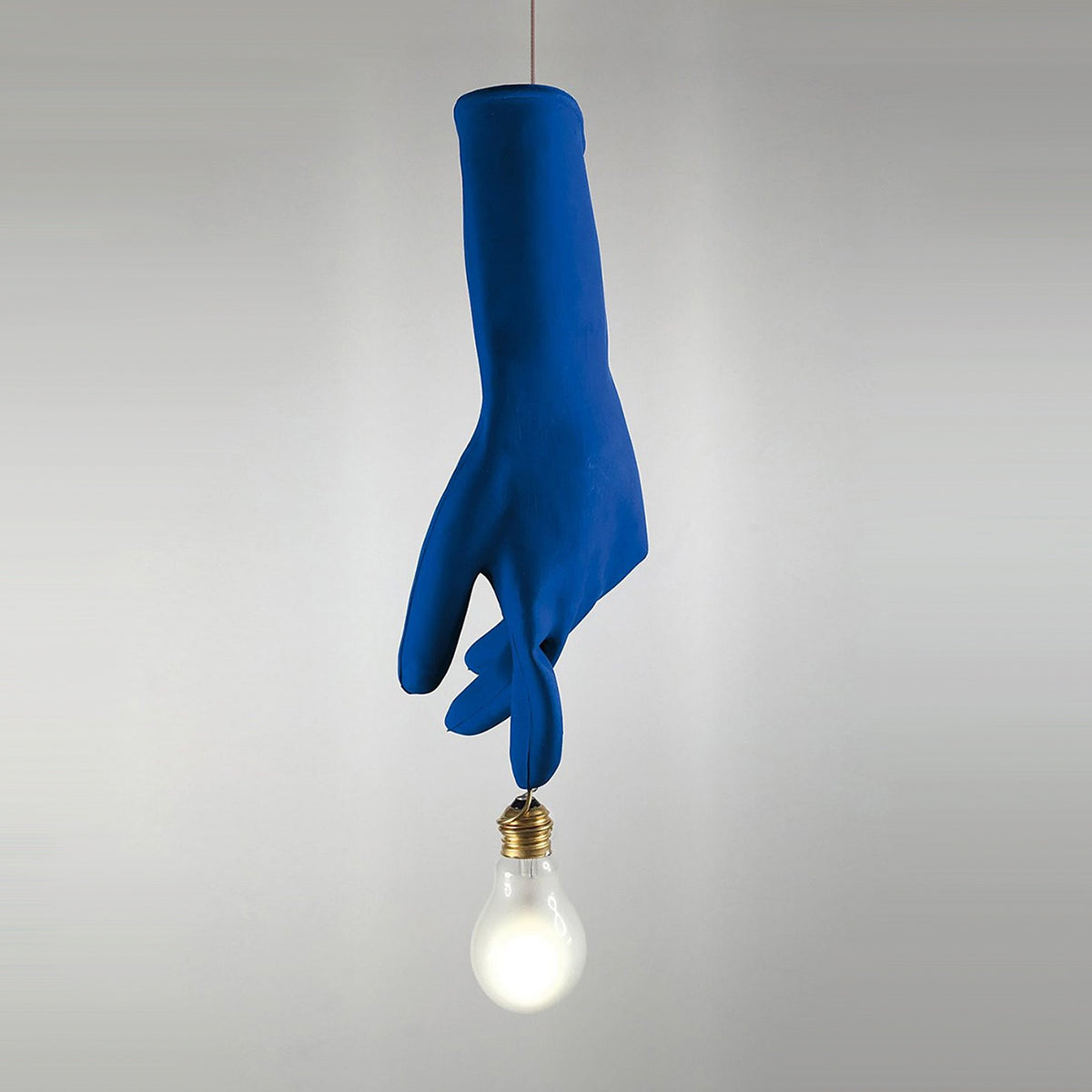
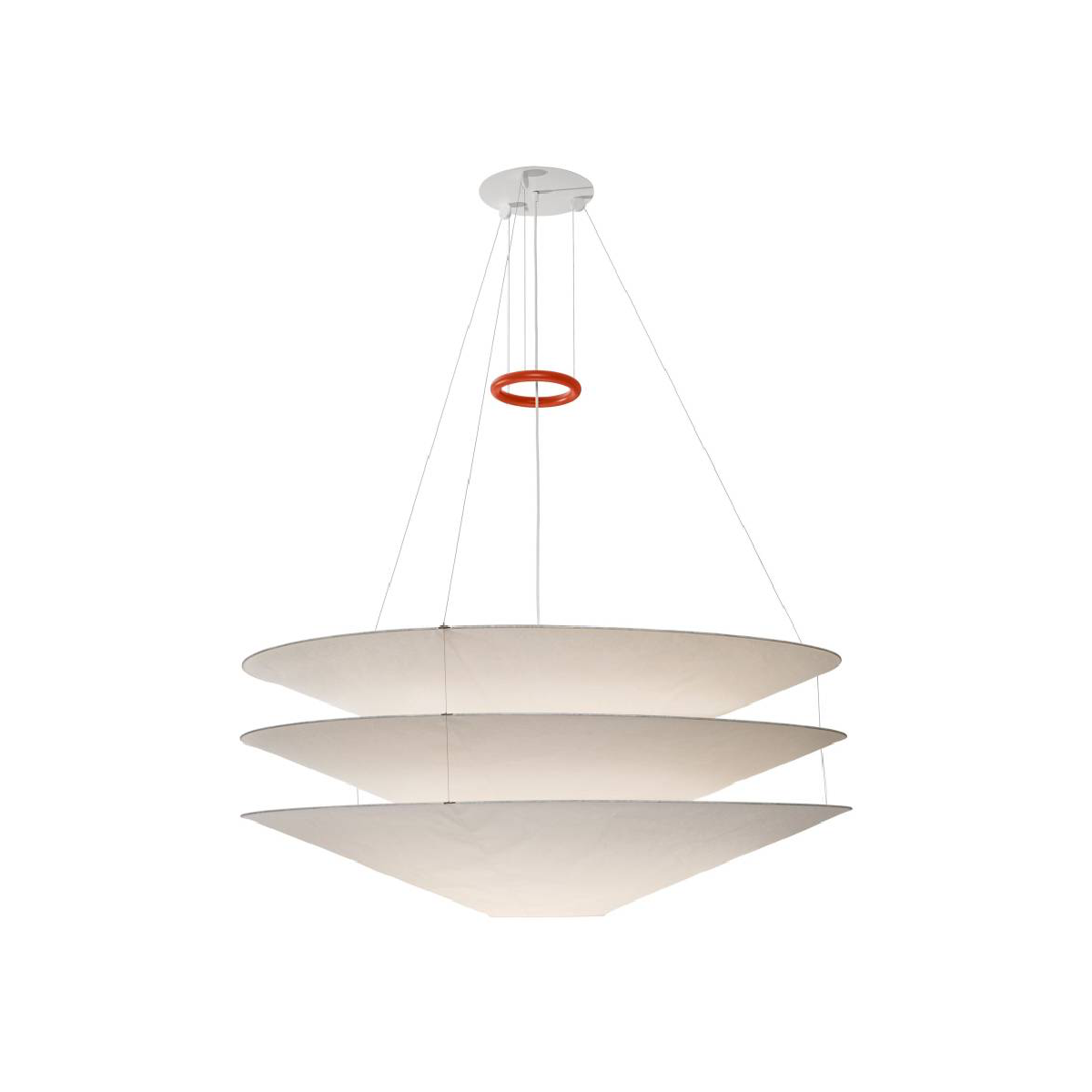
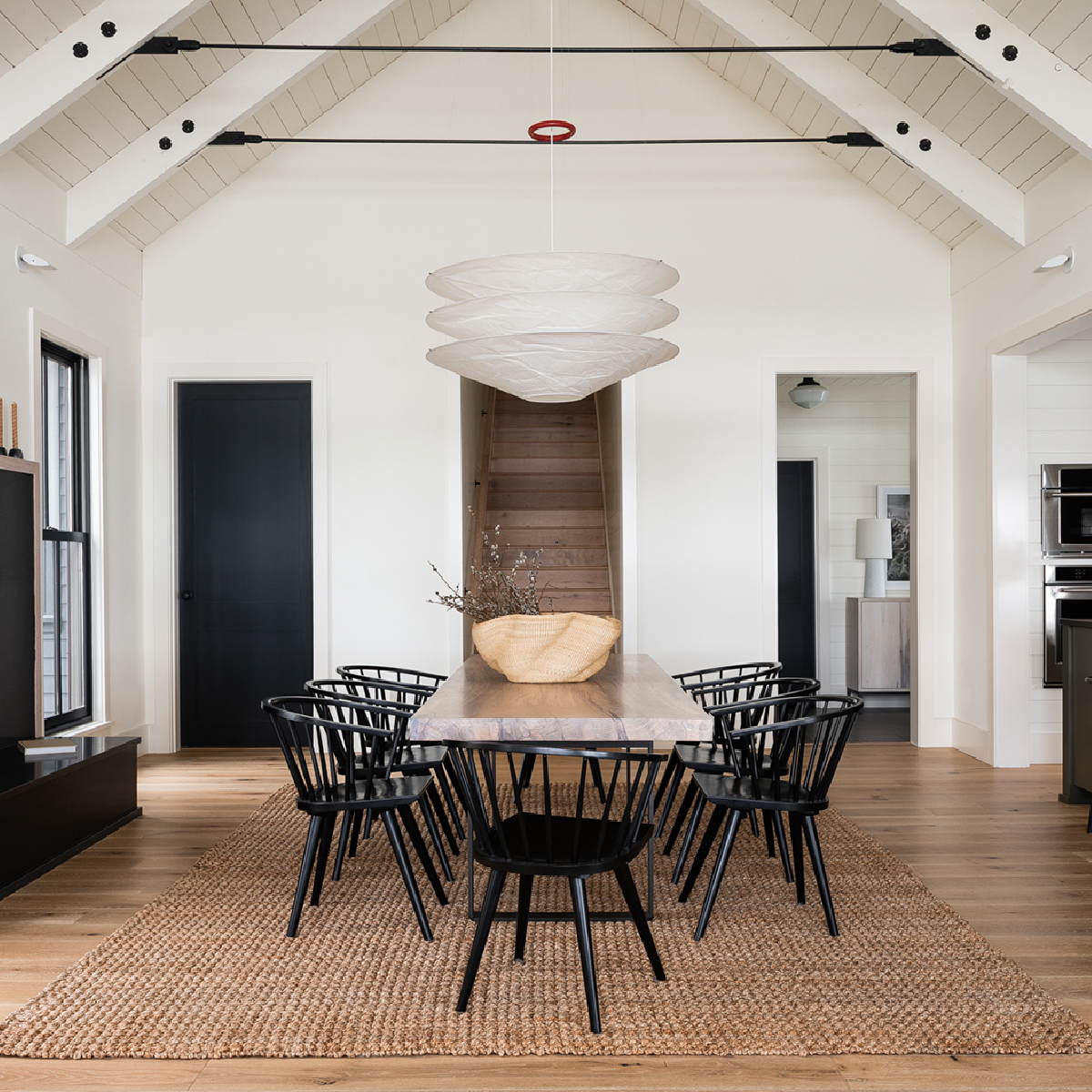


Progettare senza confini
Oltre alle nostre collezioni curate, ti aspetta un mondo di oltre 400 marchi iconici.
Per pezzi specifici, finiture o soluzioni su misura, il nostro team di progettazione è a tua disposizione.
Frequently Asked Questions
What design philosophy defines Ingo Maurer's lighting?
Ingo Maurer, who founded his Munich studio in 1966, approached light as a medium for poetry rather than a problem to be solved. His work drew freely from Dada, theater, and material experimentation, treating the bulb itself as an expressive form. Across pendant lamps, floor lamps, wall lamps, and table lamps, the through-line is the same: illumination as gesture, sculpture, and sometimes outright provocation.
What materials appear most often in Ingo Maurer lighting?
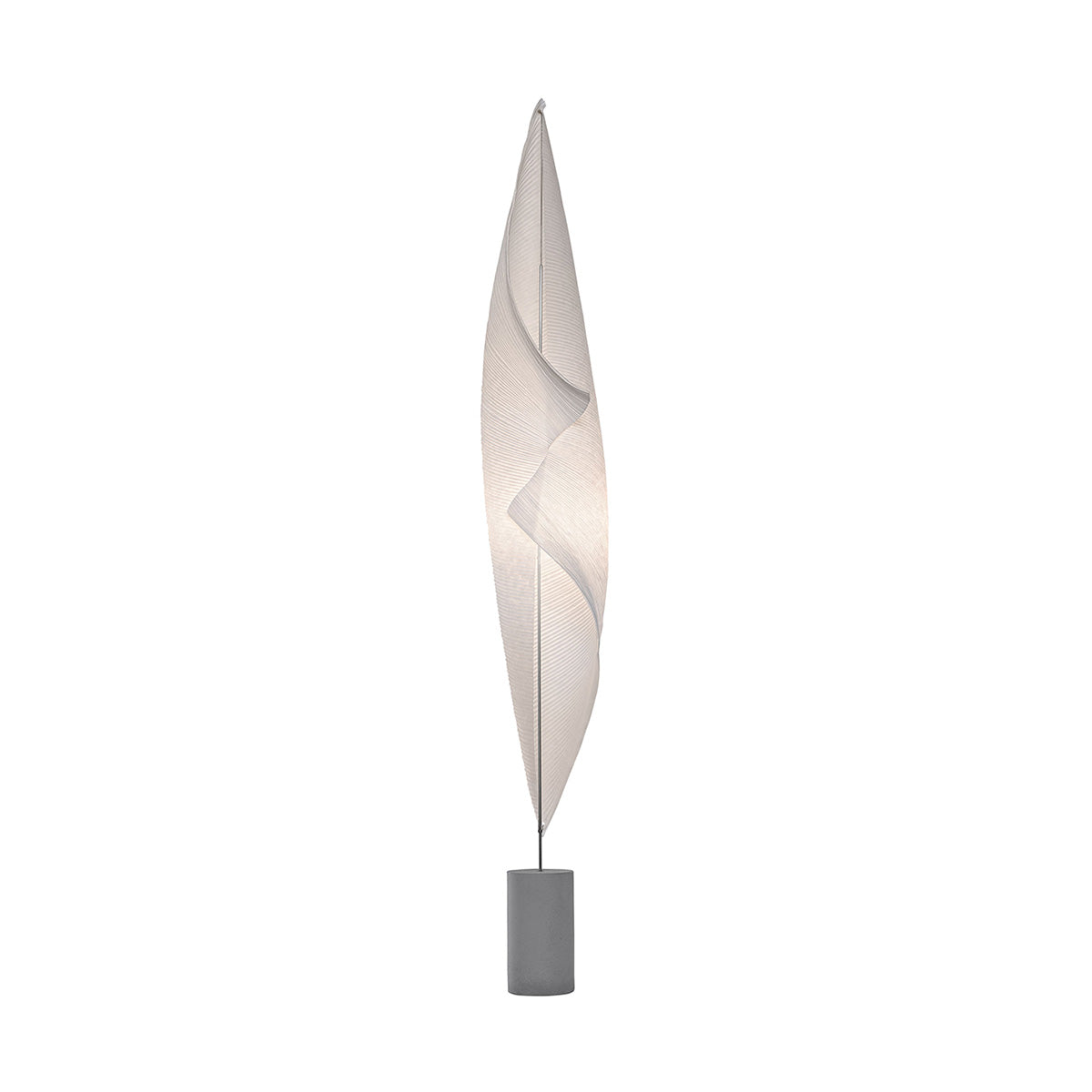
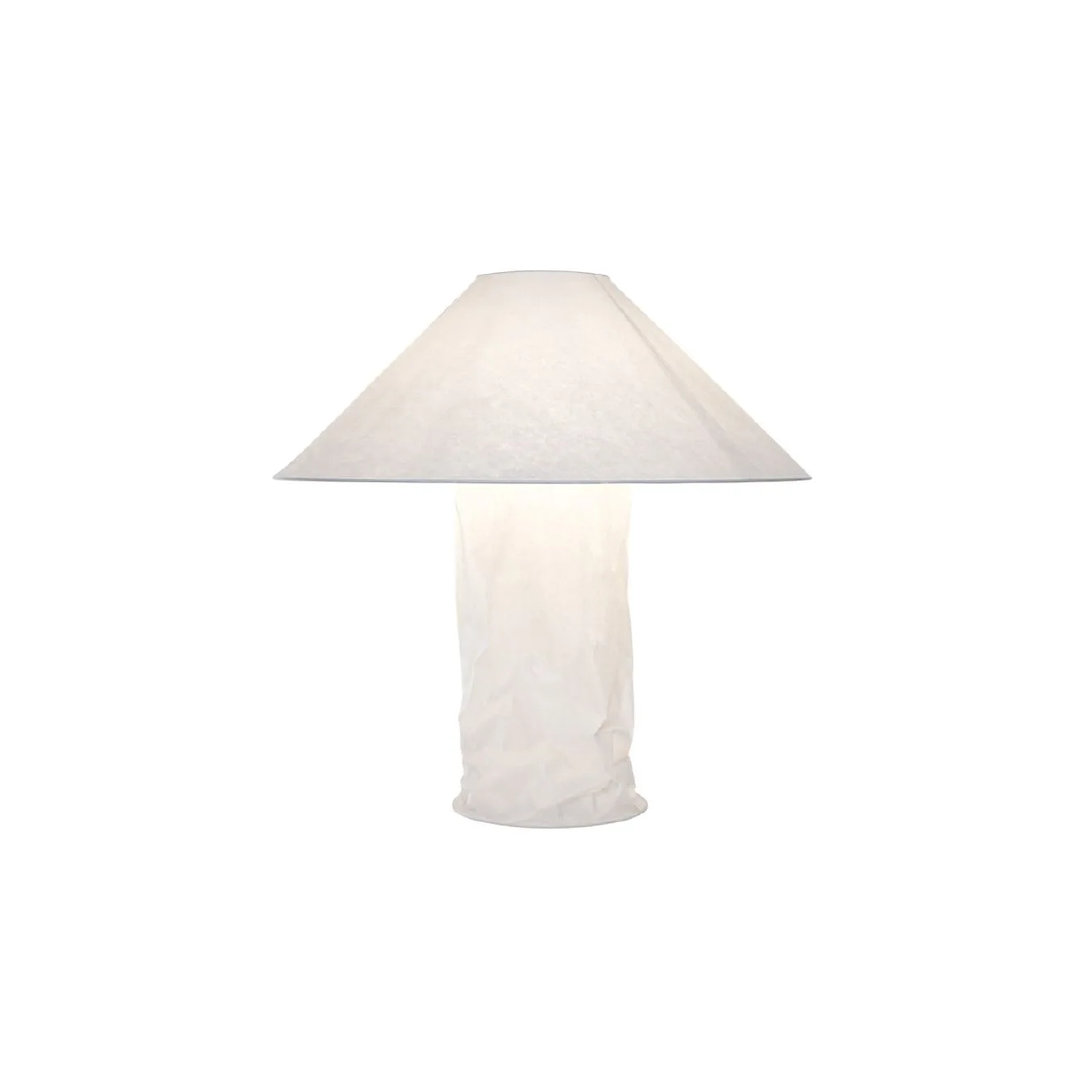
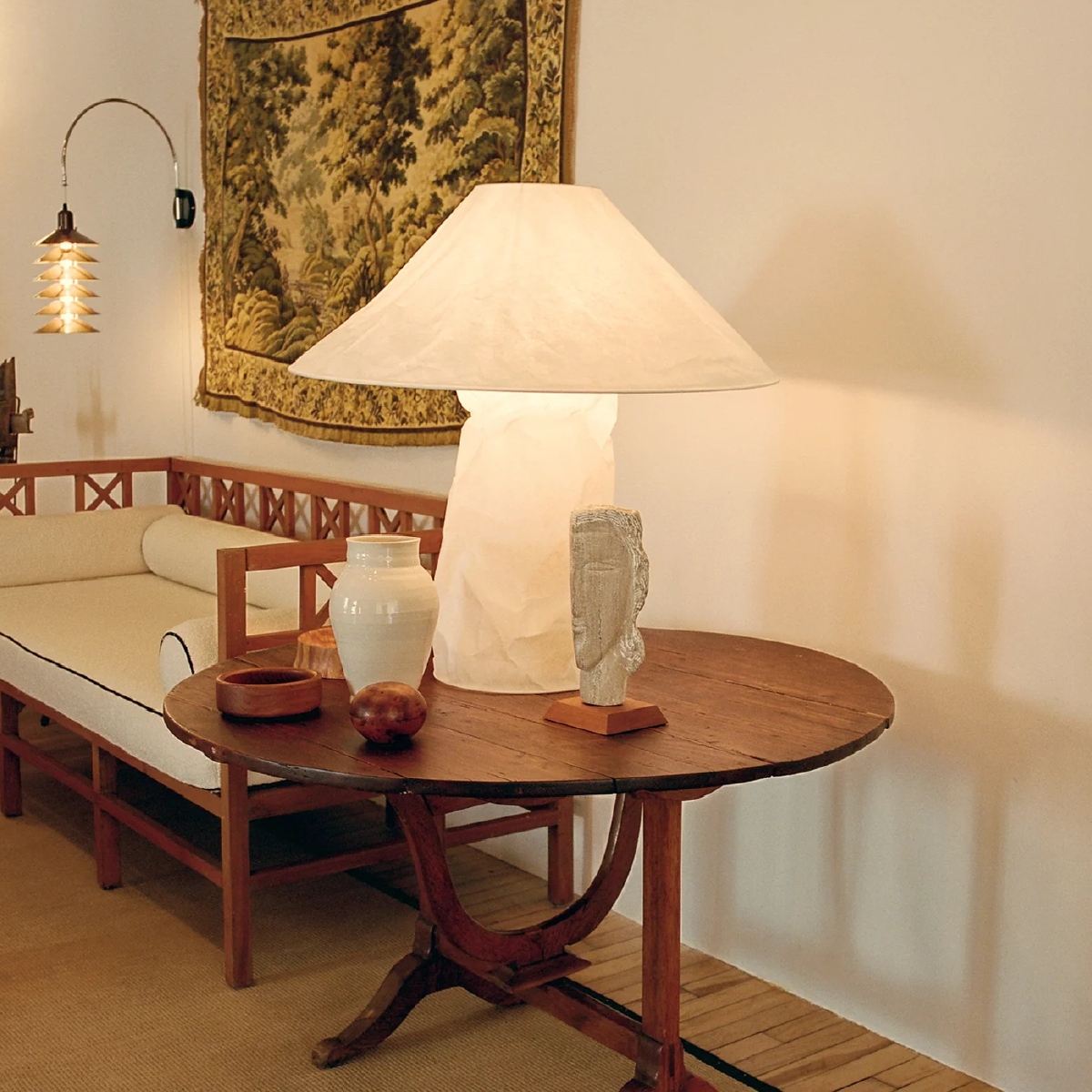
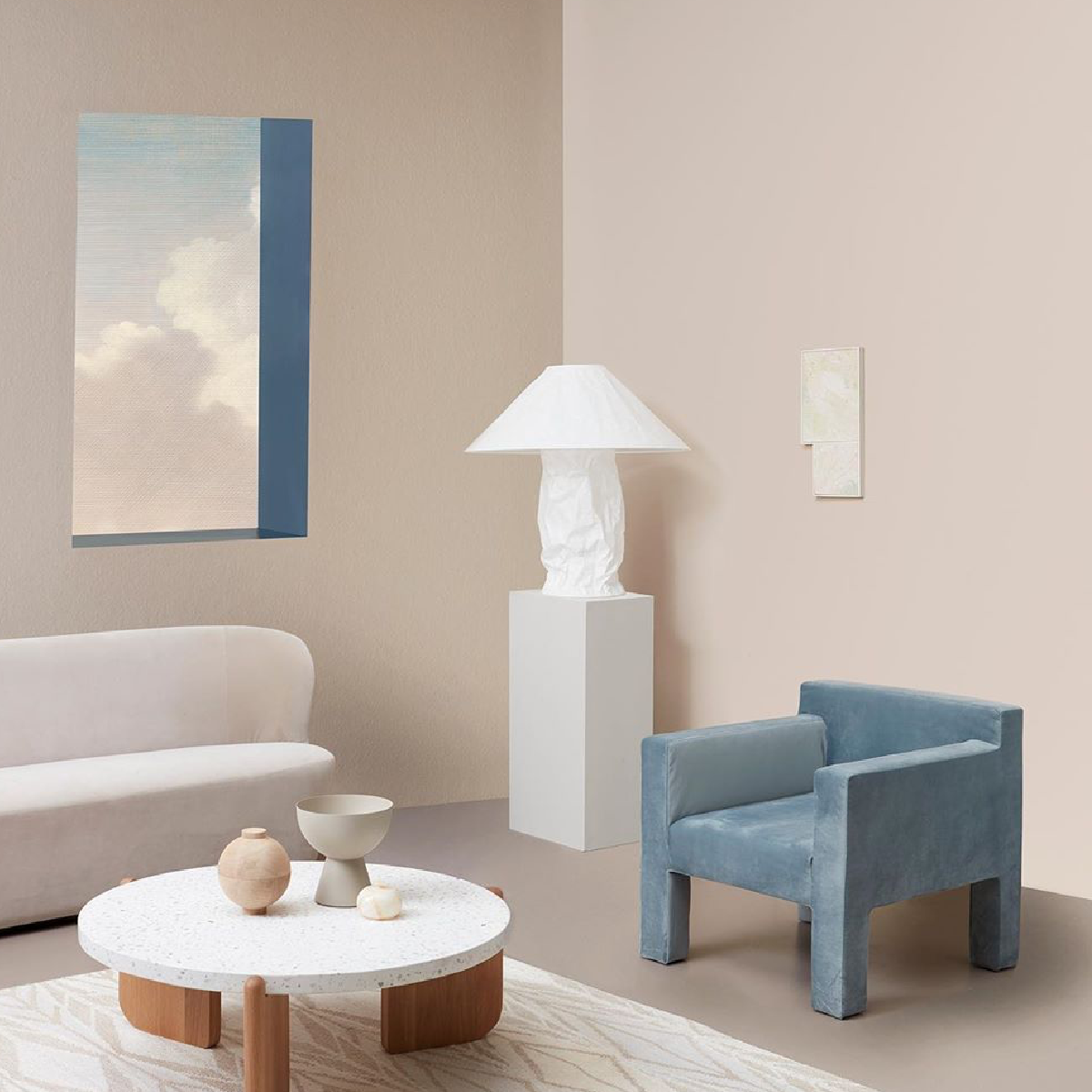
Japanese washi paper is a recurring material across the collection, prized for its translucency, organic texture, and capacity to diffuse light with warmth that synthetic shades rarely achieve. The Lampampe is a clear example: its shade is hand-crumpled at the Munich studio, producing completely glare-free, warm light alive with the subtle topography of the paper itself. Other works incorporate goose feathers, acrylic panels with encapsulated gold leaf, glass fiber, aluminum, and rubber. The material choices are never arbitrary: each one is selected for its specific relationship to light, whether it absorbs, diffuses, reflects, or transforms it.
Which types of lighting does the Ingo Maurer collection include?
The collection spans pendant lamps, chandeliers, floor lamps, table lamps, and wall lamps. Within each category, the range of form is wide: some pieces are meditative and quietly domestic, others are openly theatrical. Many works are collaborations between Maurer's studio and individual designers, each bringing a distinct sensibility while remaining grounded in Maurer's core conviction that light is a poetic, not merely functional, medium.
Are Ingo Maurer lighting pieces suitable for residential interiors?
Most pieces in the collection are designed with residential environments in mind, from intimate table lamps and wall fixtures suited to bedrooms and living rooms, to pendant chandeliers scaled for dining spaces and double-height volumes. Several works have also been specified for hospitality settings. Scale, light quality, and installation method vary by piece, so confirming the specifics of a given fixture with a design consultant before specifying is always advisable.
How participatory are Ingo Maurer lighting pieces - do owners interact with them?
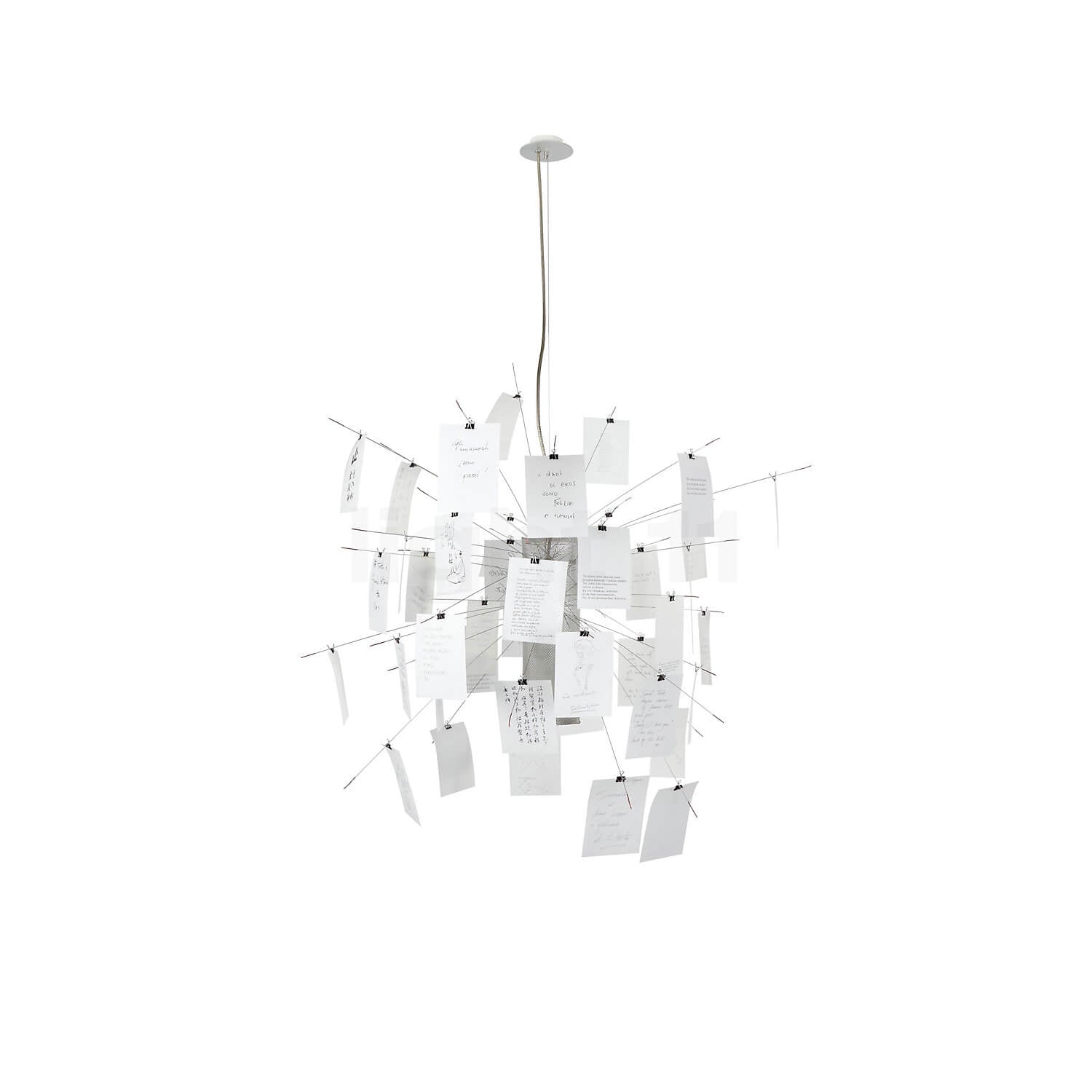
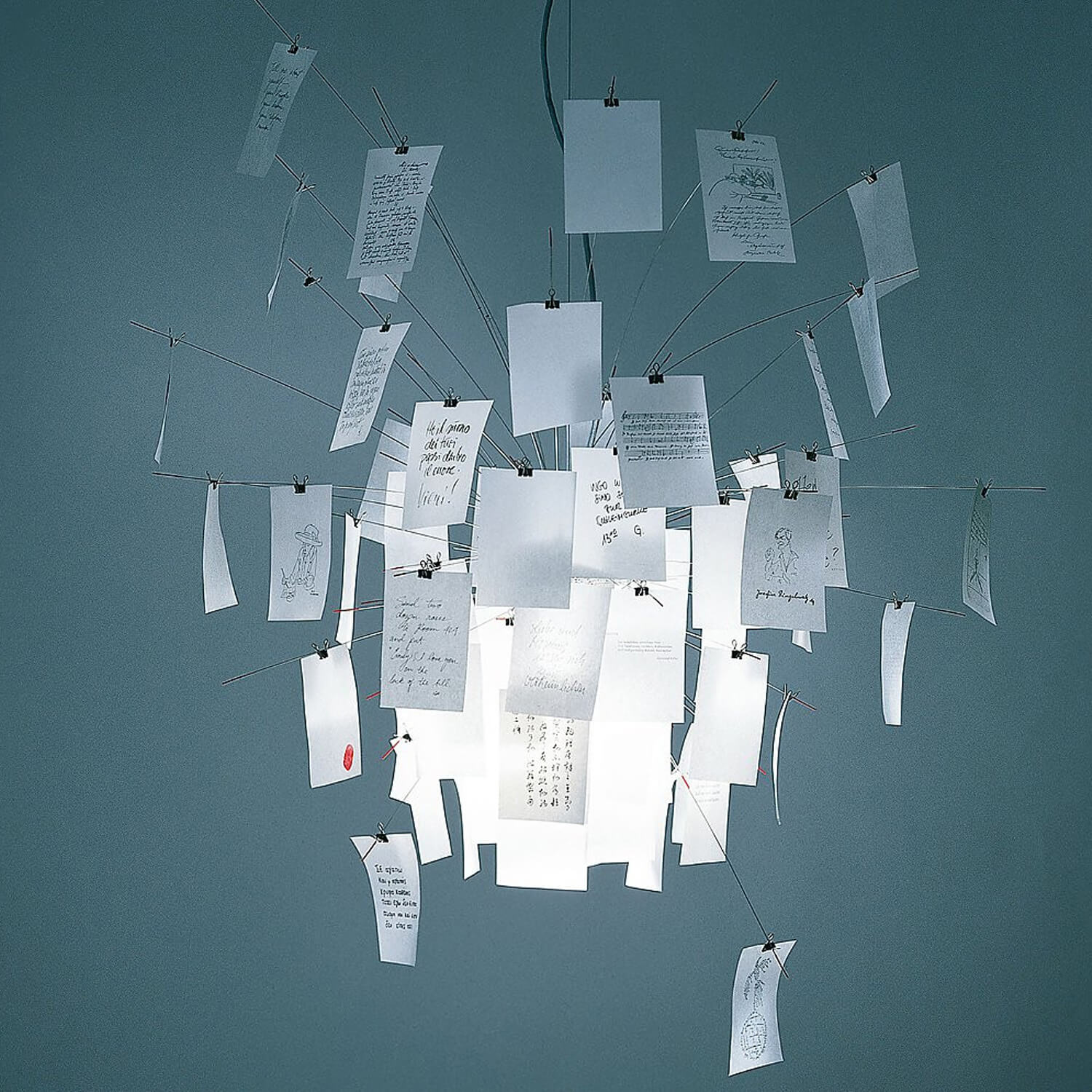
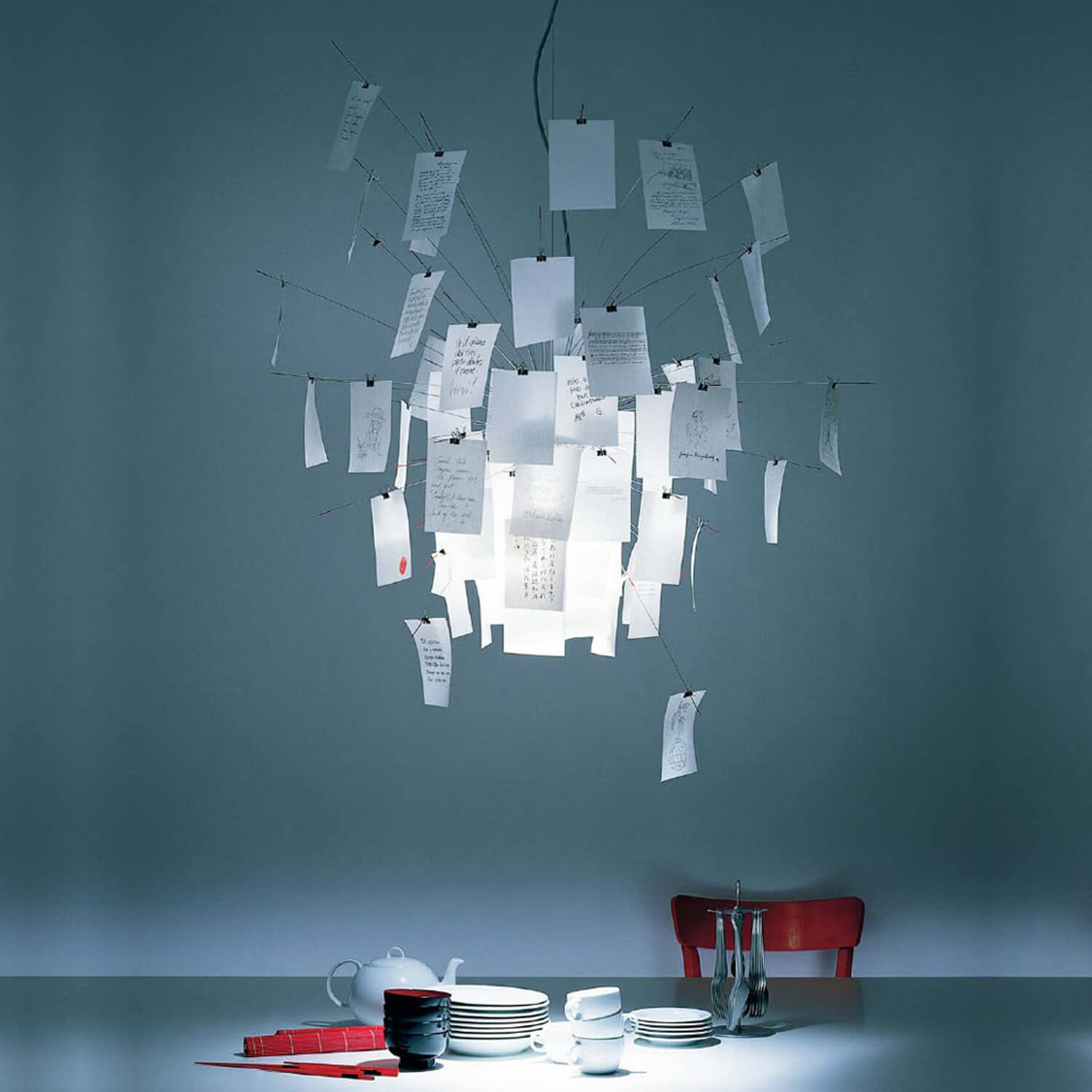
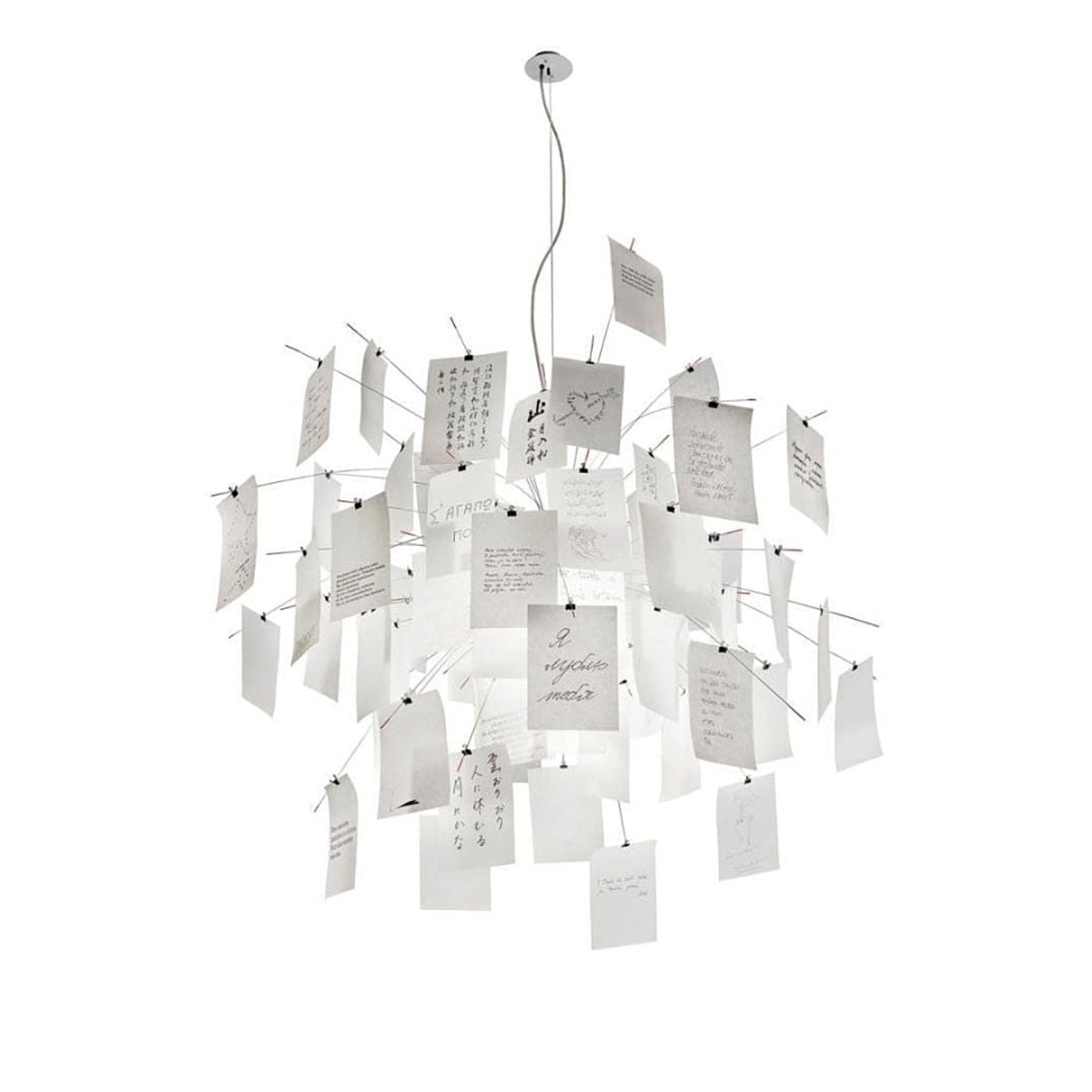
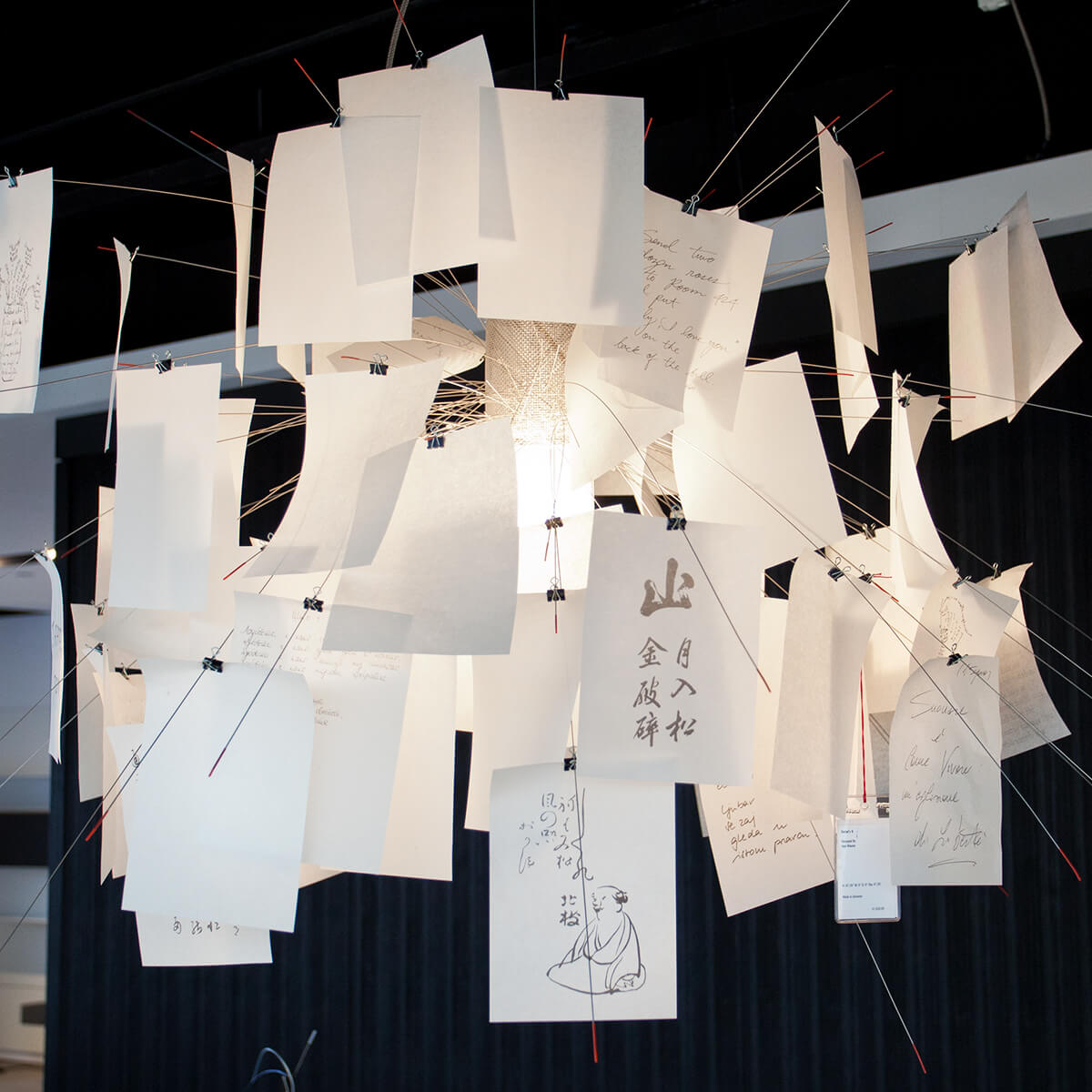
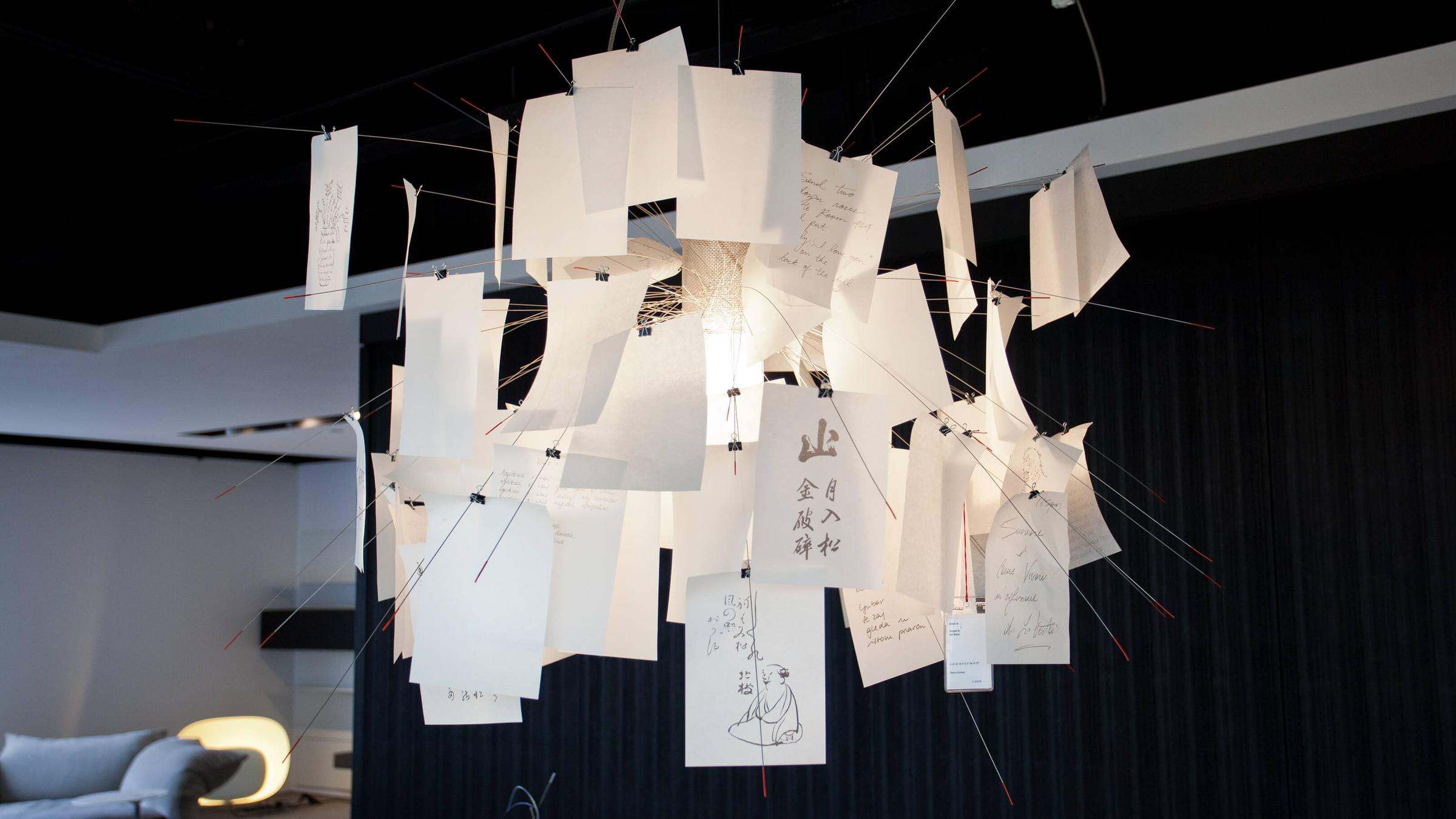
Participation is a recurring theme in Maurer's practice. Several pieces arrive partially unfinished by design, inviting the owner to contribute writing, drawings, or their own arrangement to the form. Others allow physical reconfiguration after installation. Some wall lamps include adjustable elements that change the pattern of light cast onto surrounding surfaces. This participatory quality is intentional: Maurer believed that a lamp should develop a relationship with the person living with it.
What should I consider when choosing between a pendant, floor lamp, or table lamp from this collection?
The choice typically comes down to the role you want light to play in a specific space. Pendant lamps and chandeliers make strong compositional statements and work well in dining areas, entries, or double-height rooms where the fixture will be seen from below. Floor lamps anchor seating areas and contribute ambient or accent light at a human scale. Table lamps are often the most intimate, best suited to reading, bedside, or surfaces where the object's detail can be appreciated up close. Visiting a showroom to assess scale in person is worthwhile before deciding; confirm what is currently on display before your visit.
Are Ingo Maurer lamps handmade, and does that affect lead times?
Many pieces in the collection involve handwork at some stage of production: hand-applied feathers, hand-crumpled or hand-dyed paper shades, hand-assembled cardboard forms, and hand-manipulated wire structures. The degree of handwork varies by piece. Because production is often limited and techniques resist full mechanization, some pieces carry longer lead times or are made to order. A design consultant can confirm current availability and lead time for any specific fixture you are considering.
How has the Ingo Maurer studio approached the transition to LED technology?
The studio has updated many of its most recognized pieces for LED light sources while maintaining the original silhouette and emotional character of each design. In several cases, the transition required custom engineering: specific LED modules were developed to preserve the warmth, flicker, or diffusion quality that defined the original incandescent version. The guiding principle was preservation of gesture, not simply substitution of source. Most contemporary editions remain true to the spirit of the original work.
Valorizza il Tuo Spazio
Dal 1974, siamo all'avanguardia dell'innovazione nel campo del design, rivoluzionando le percezioni del buon design.