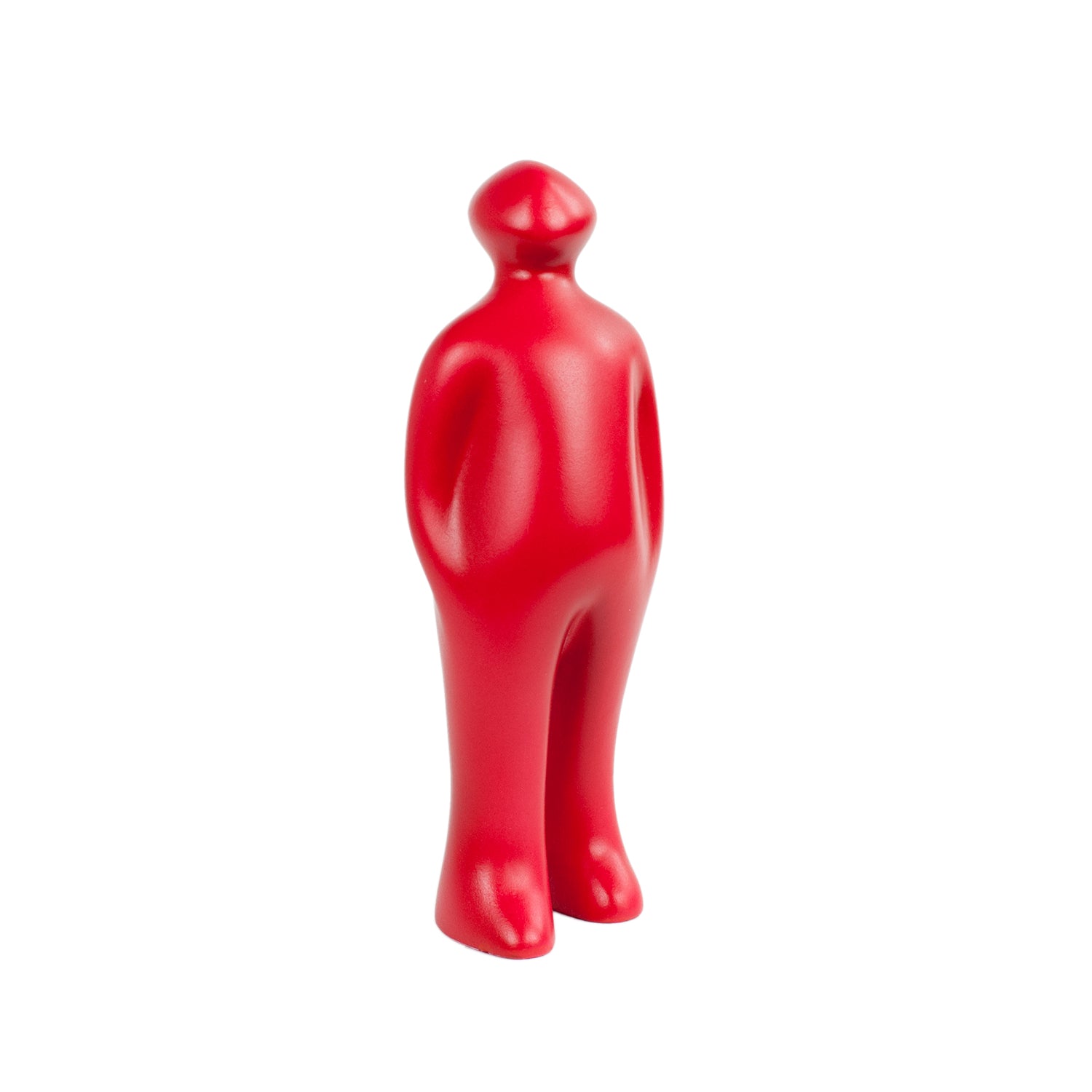
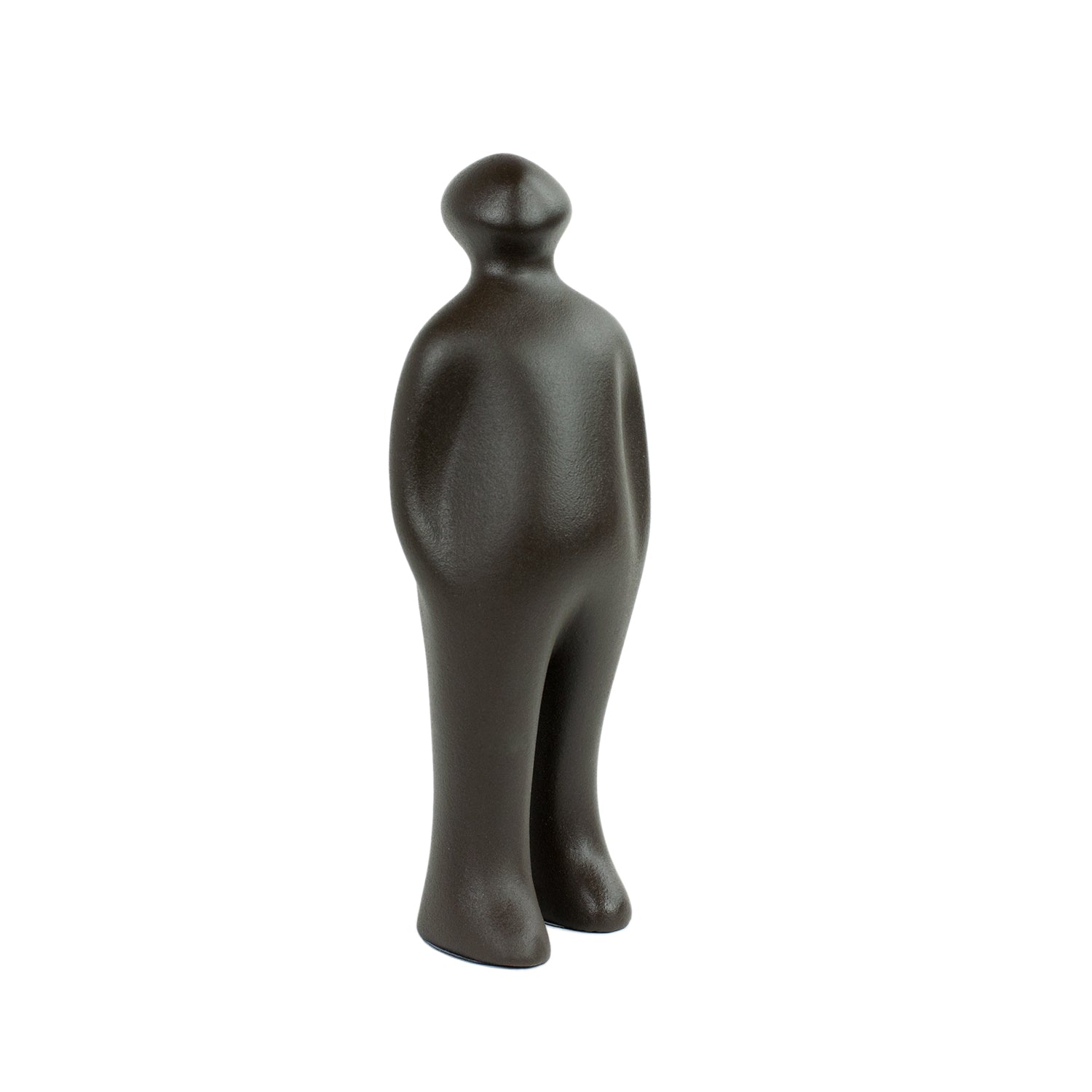
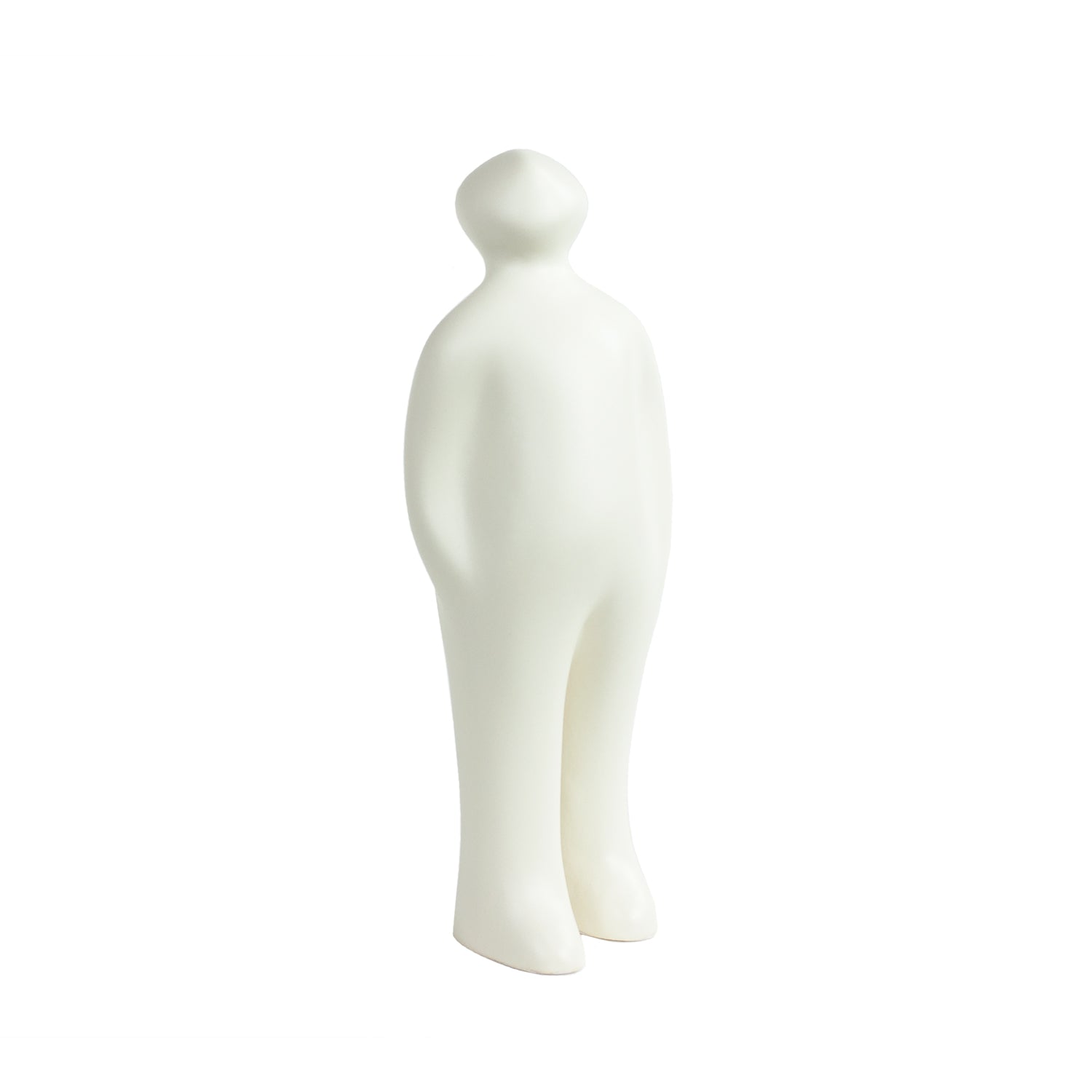
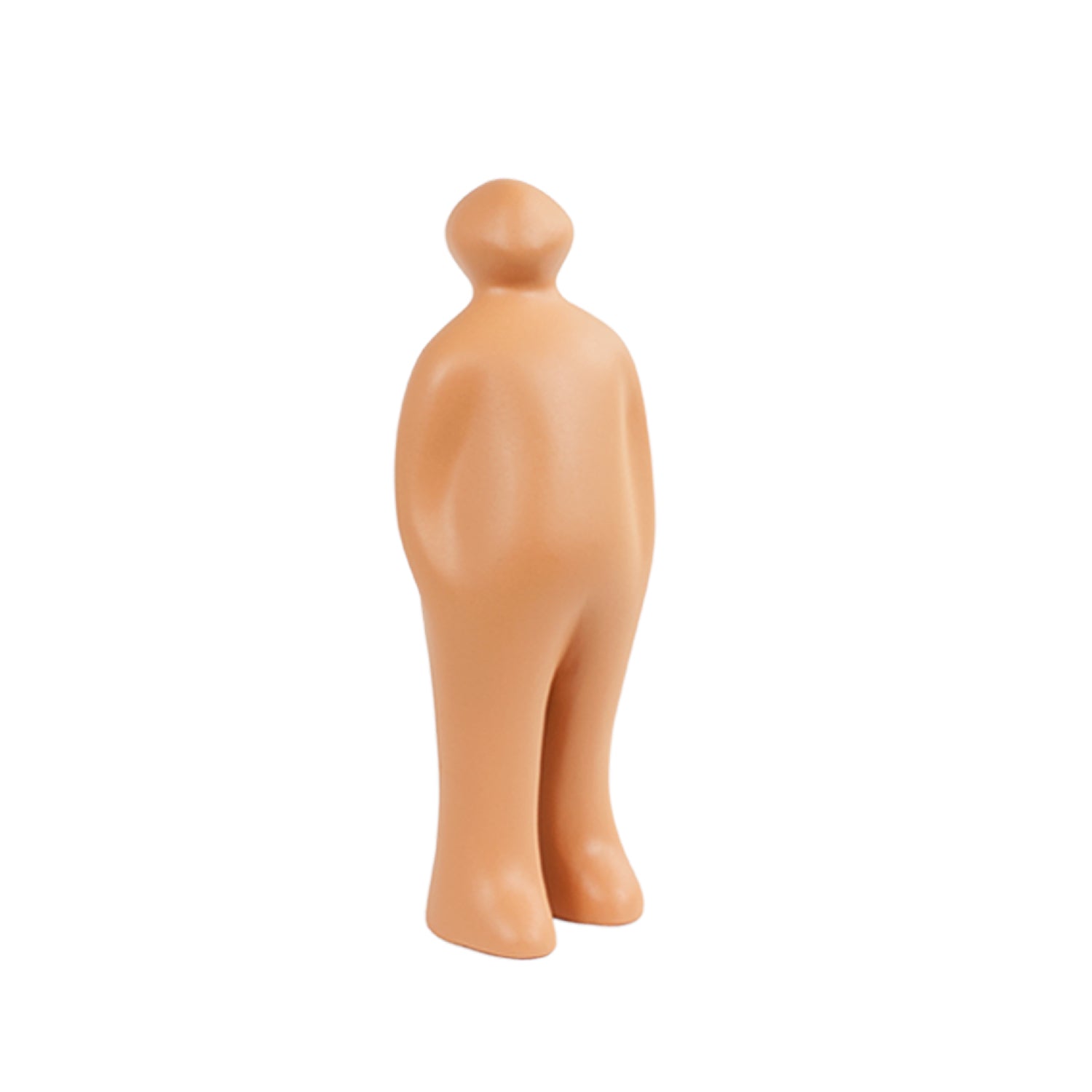
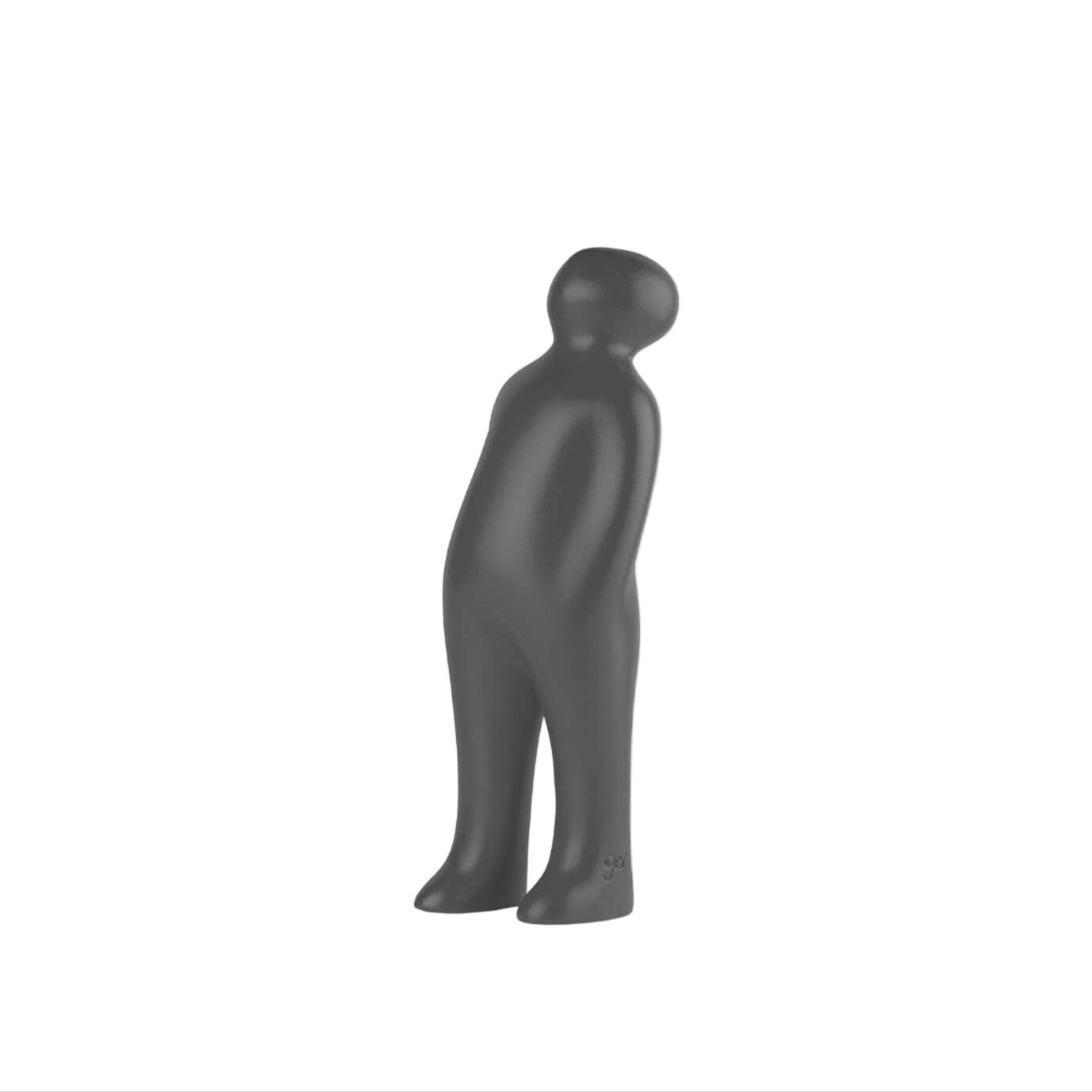
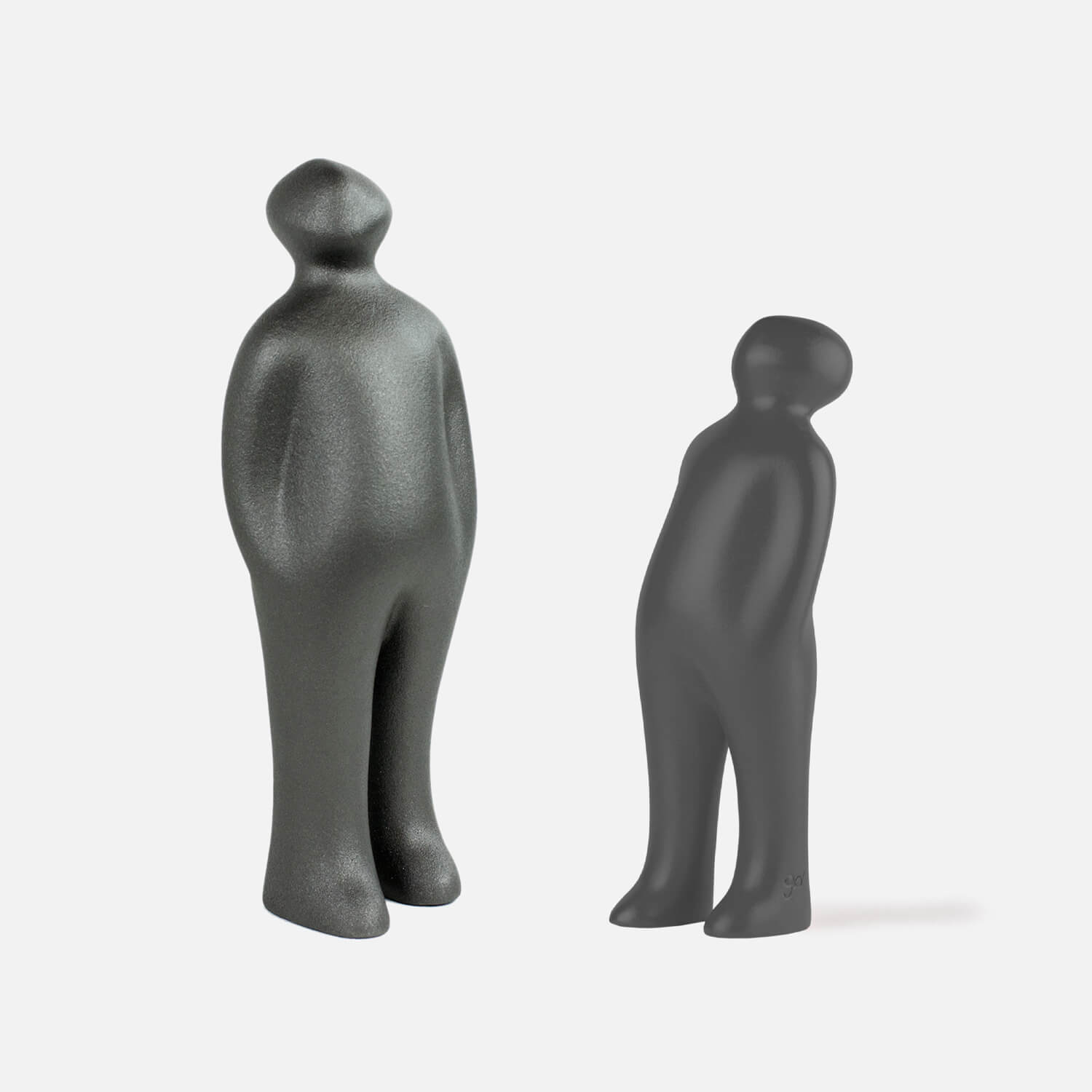
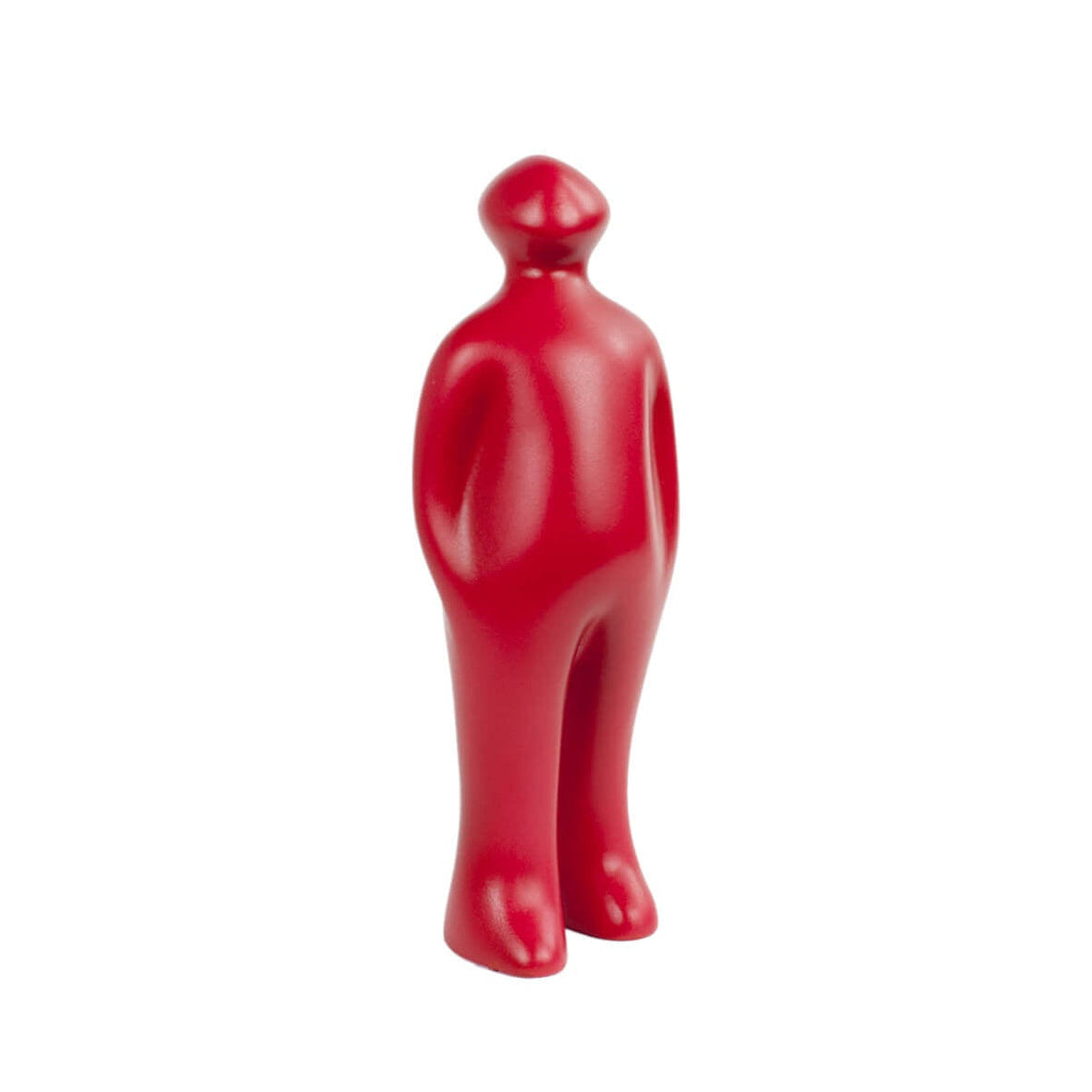
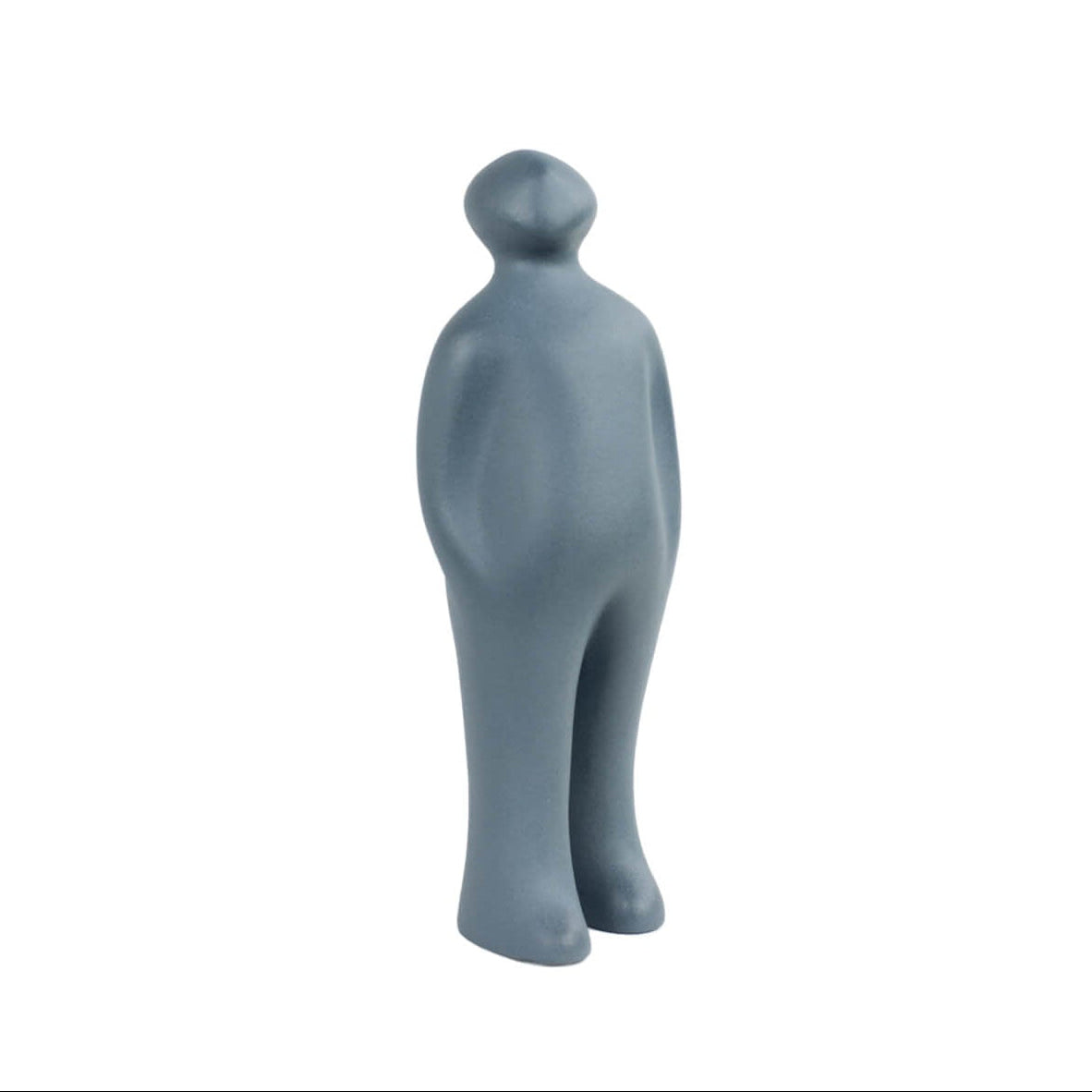
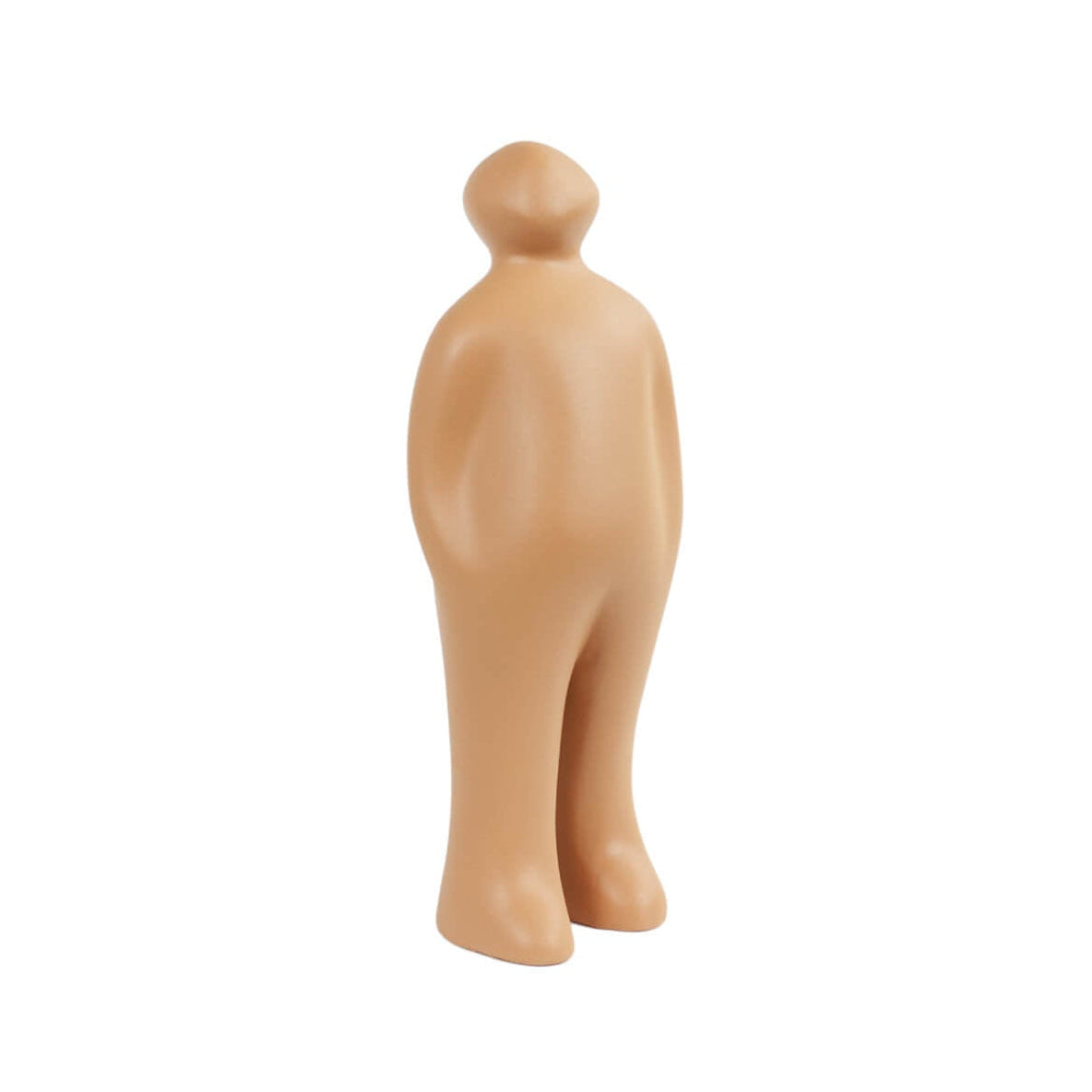
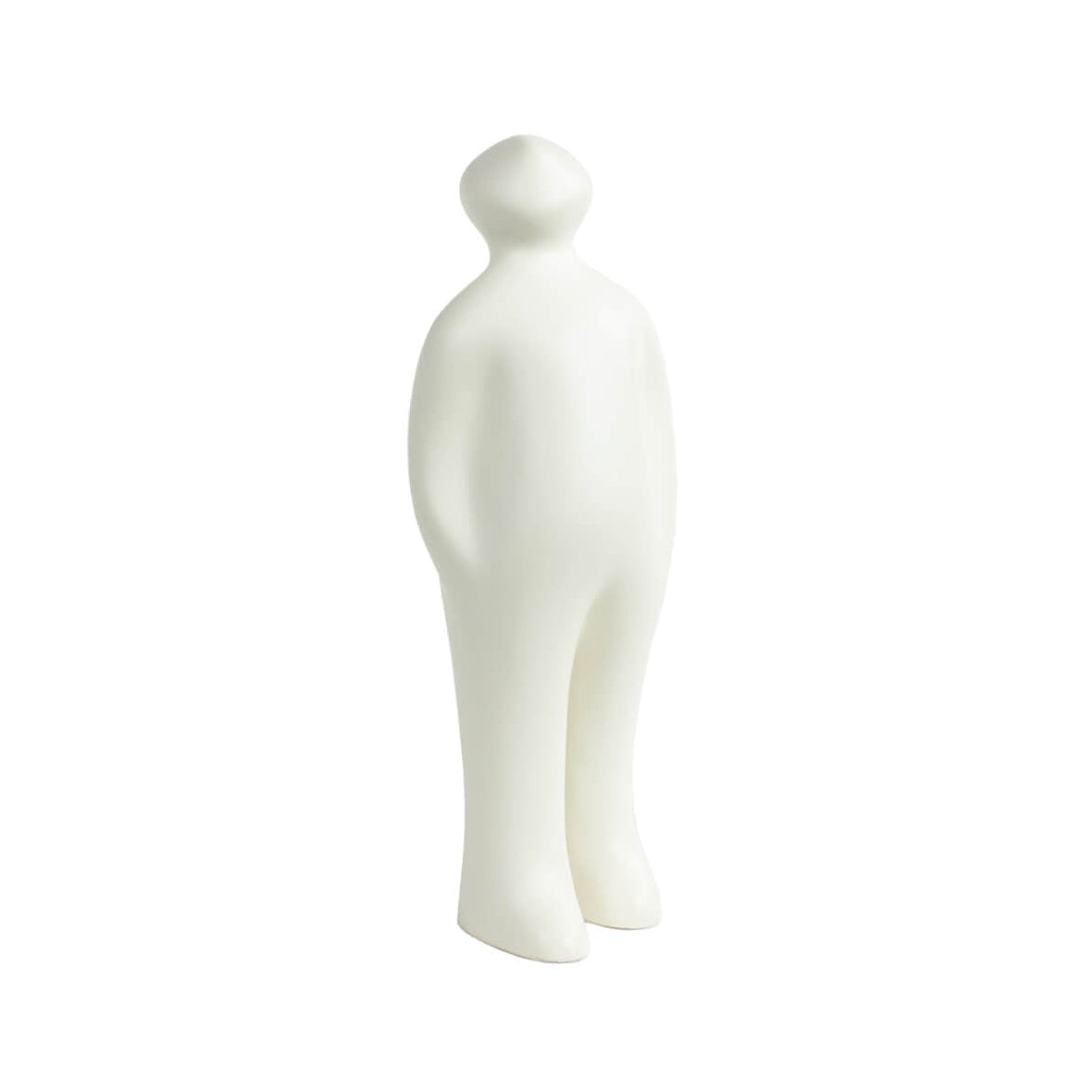
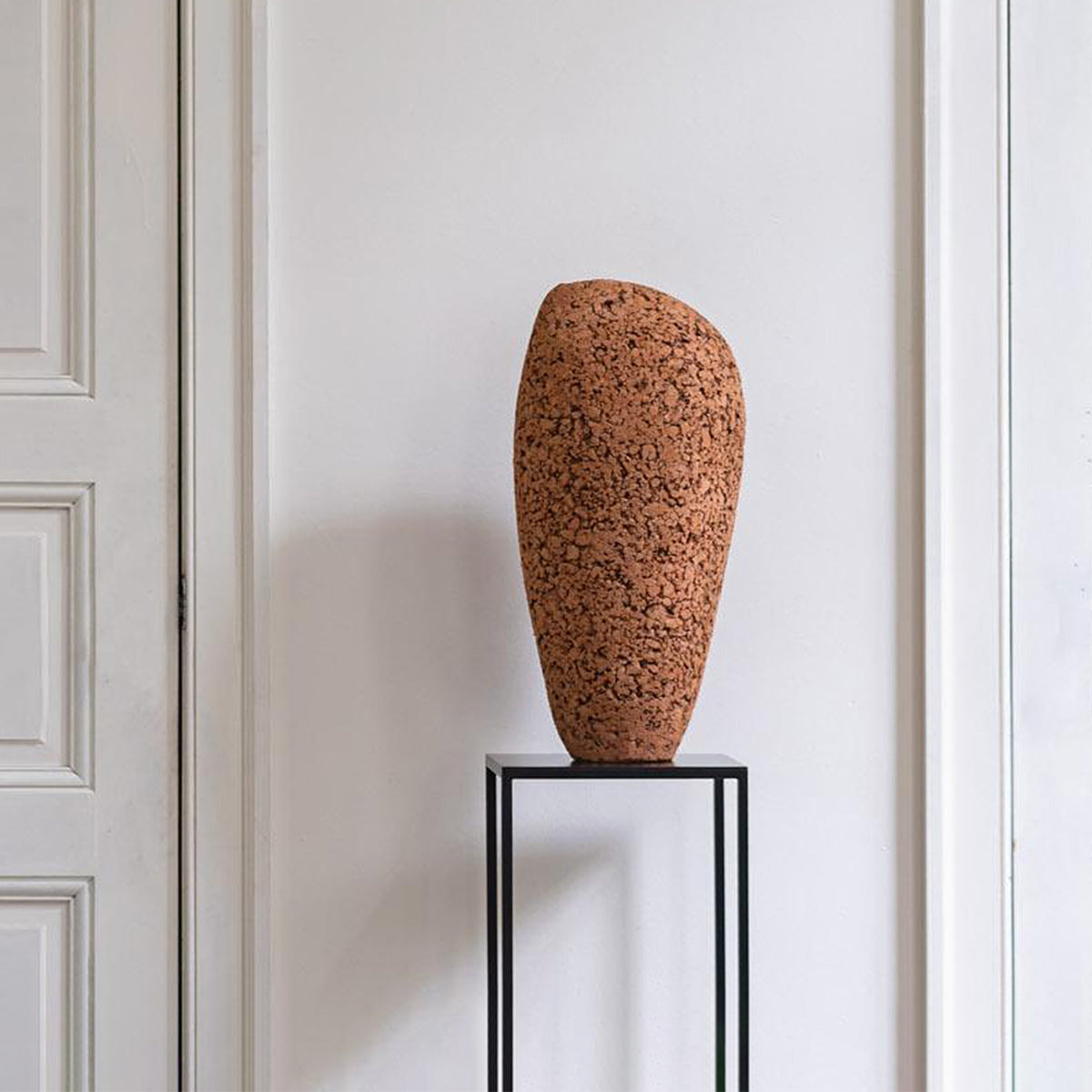
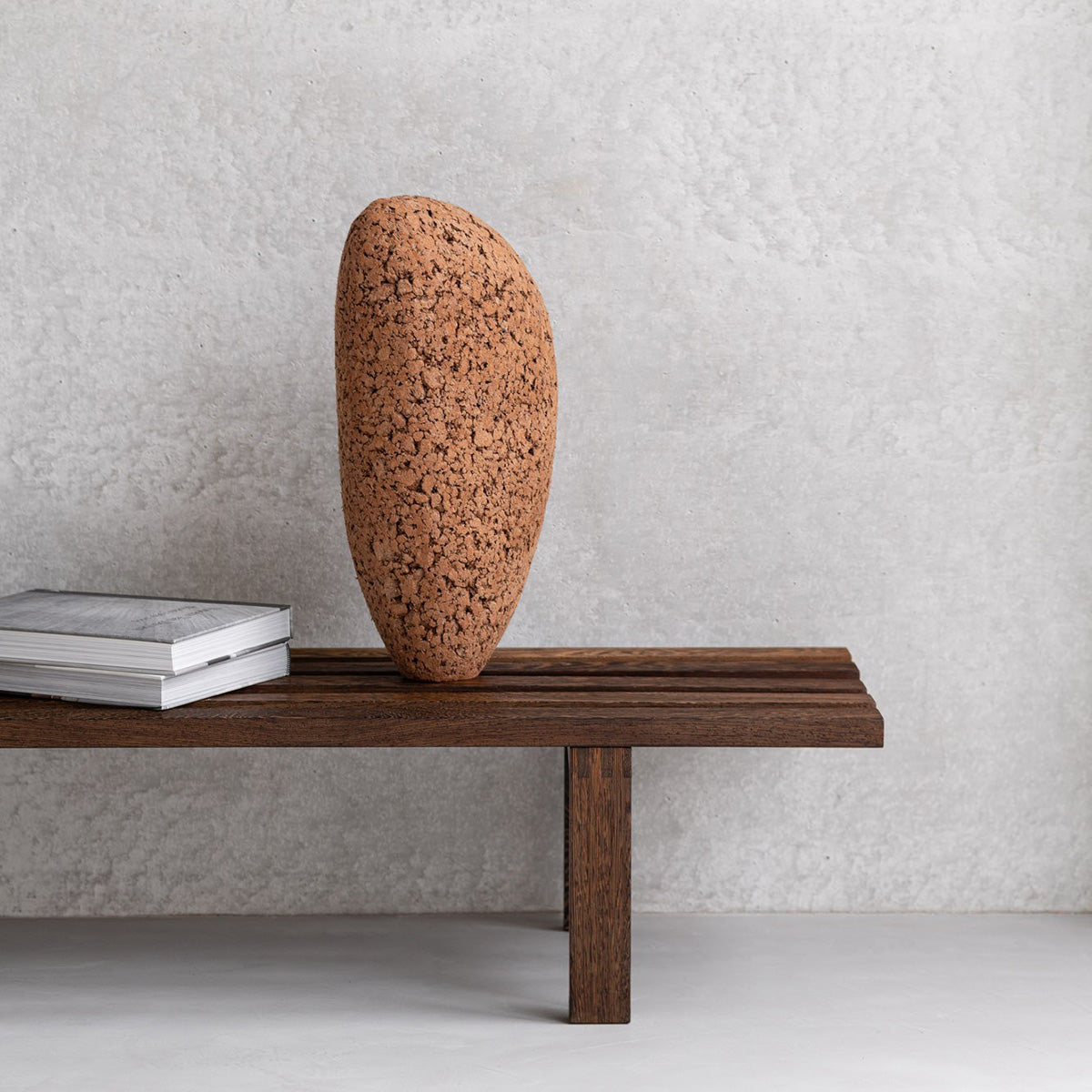
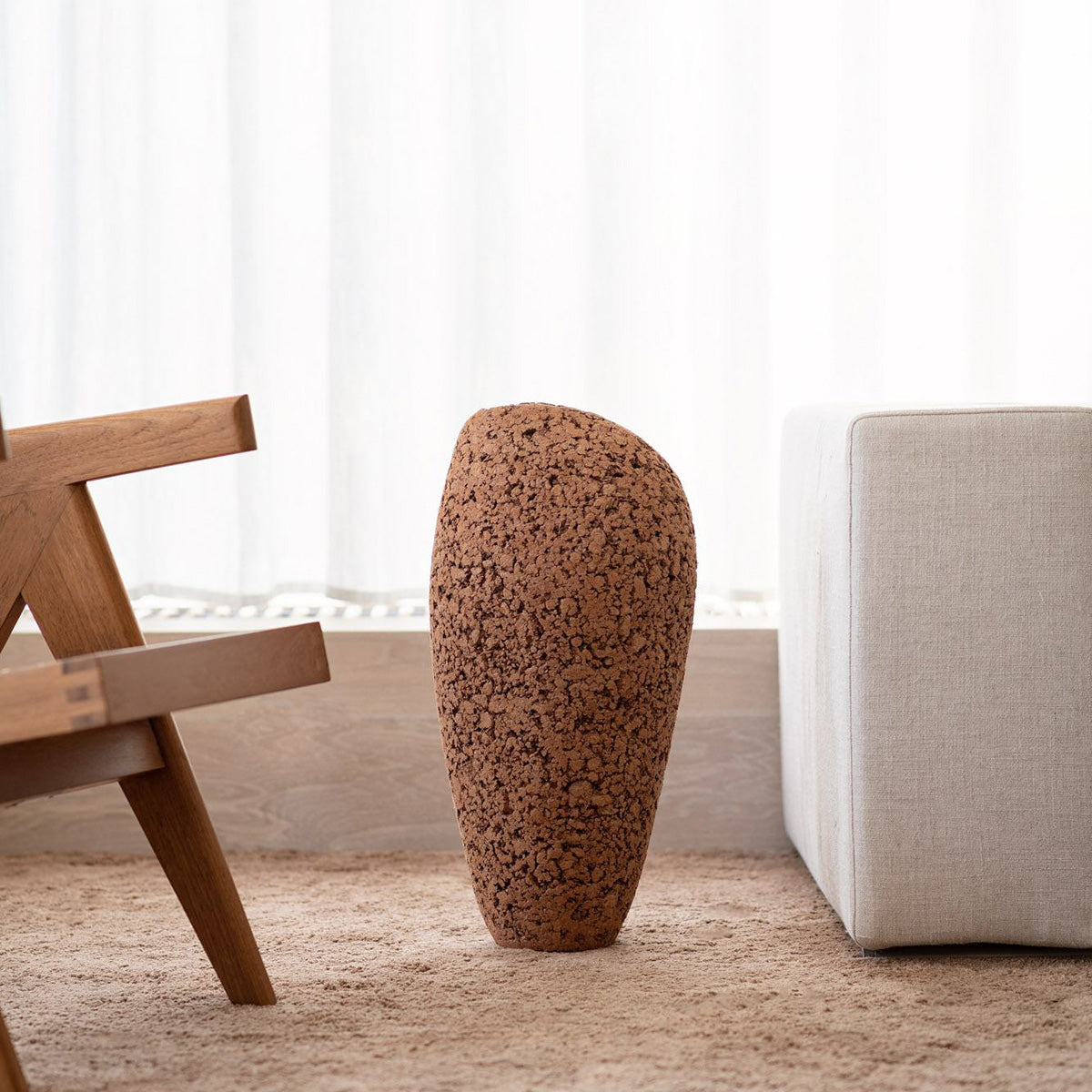
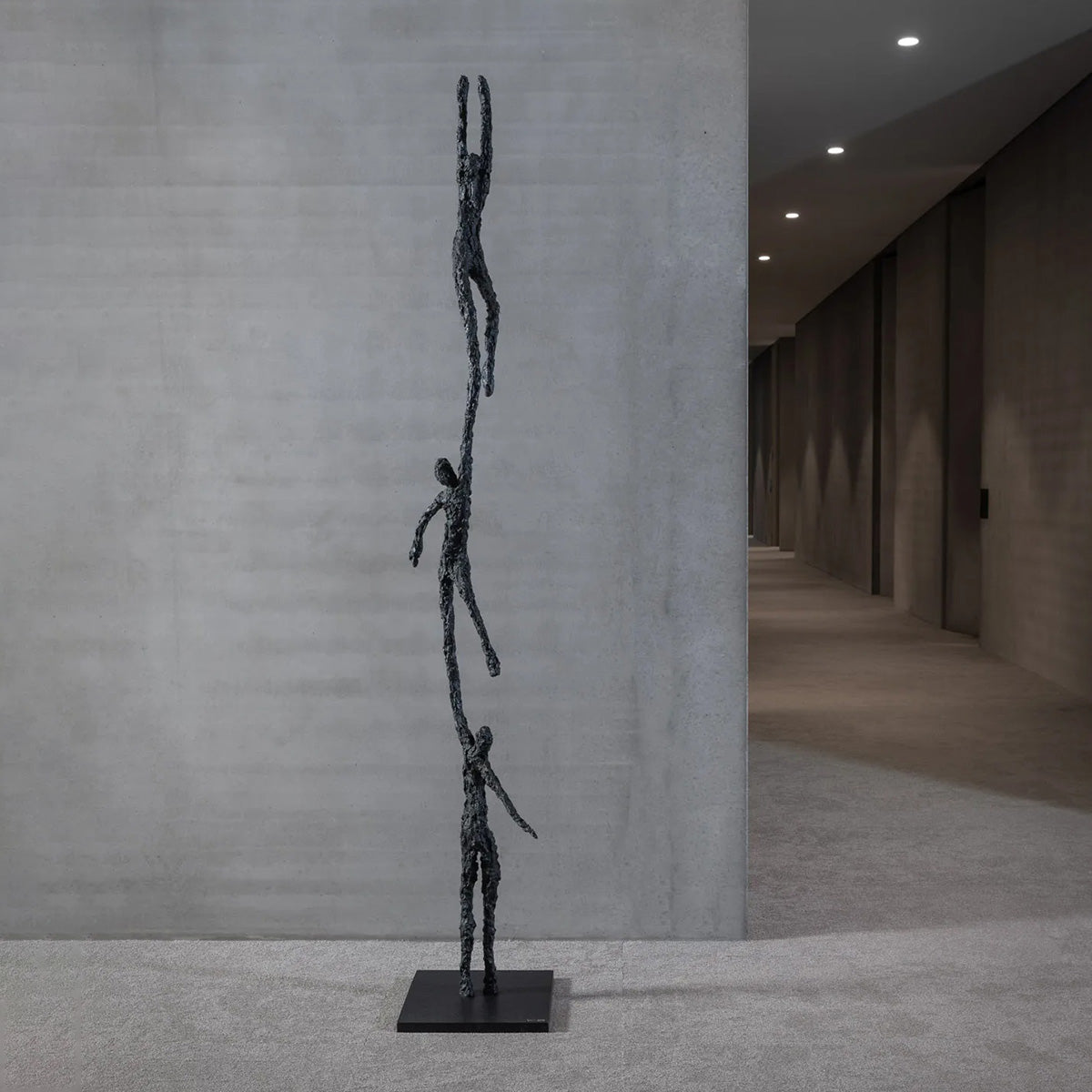
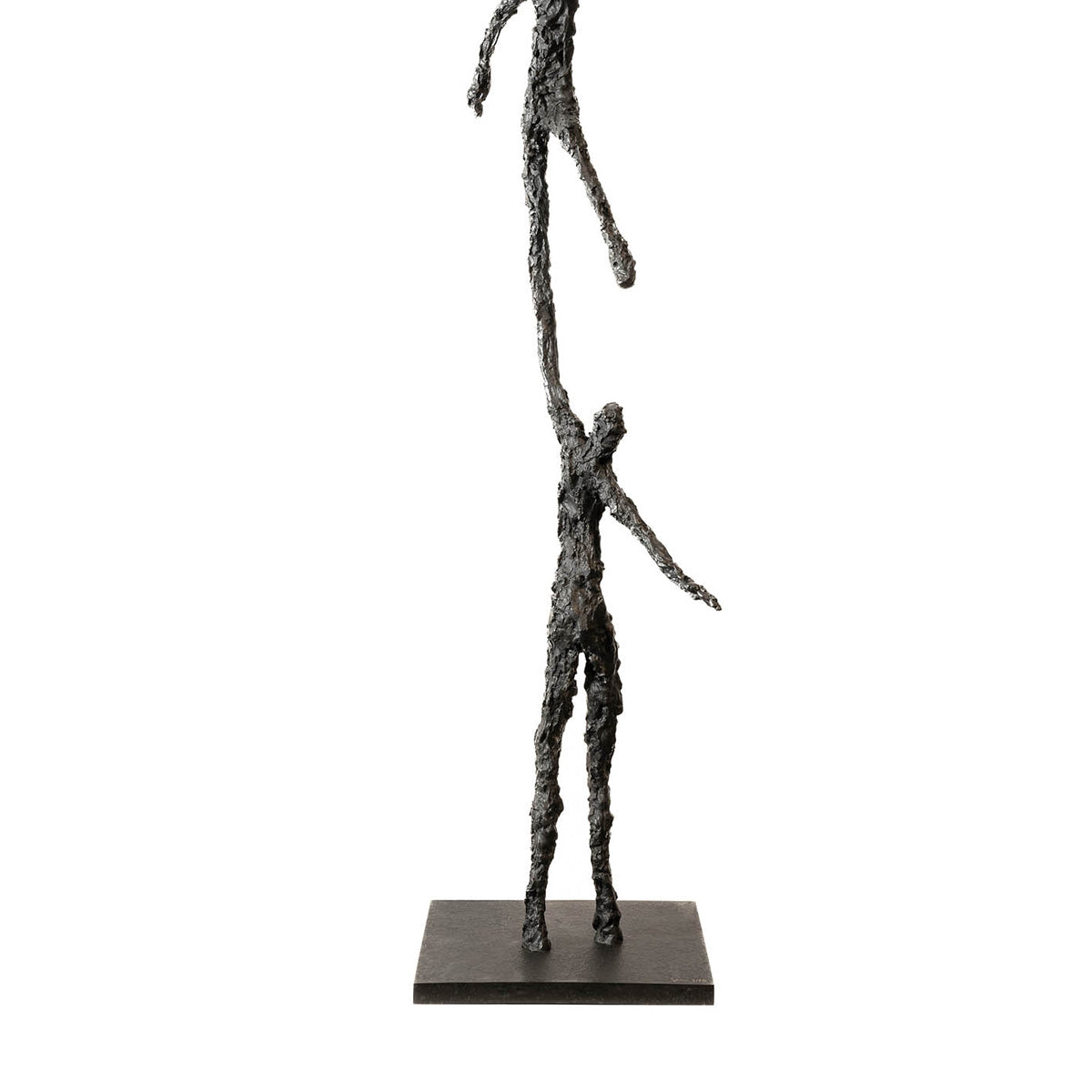
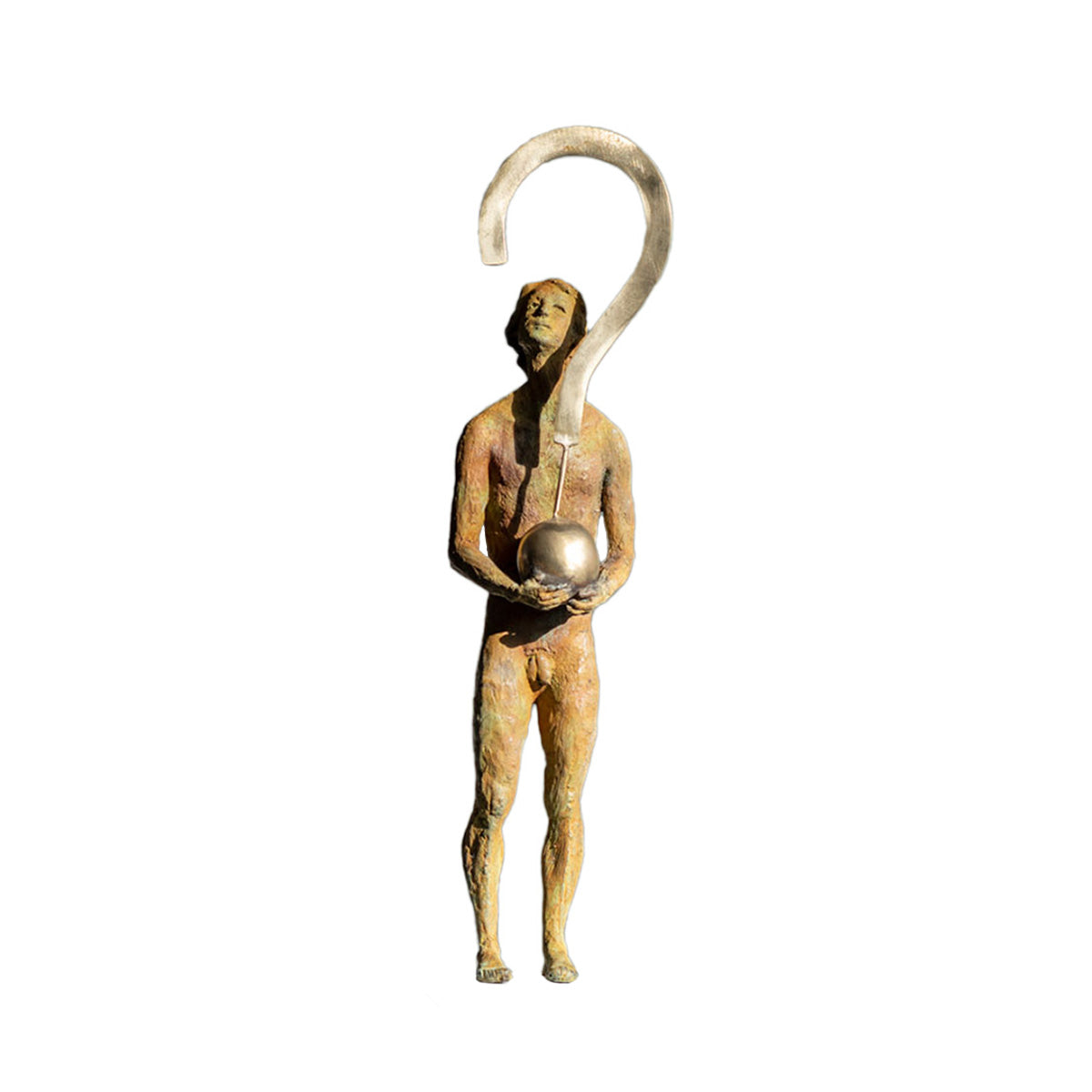
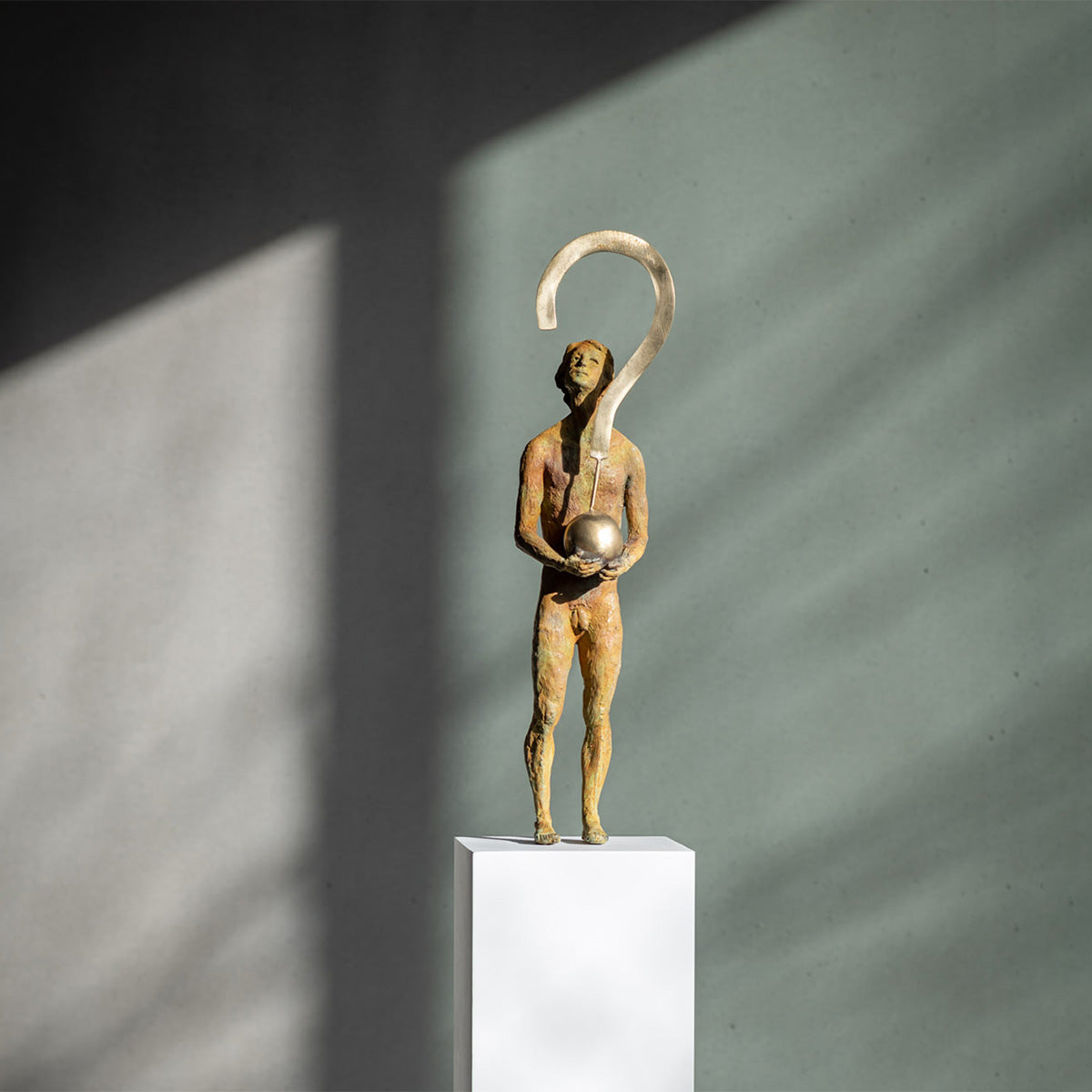
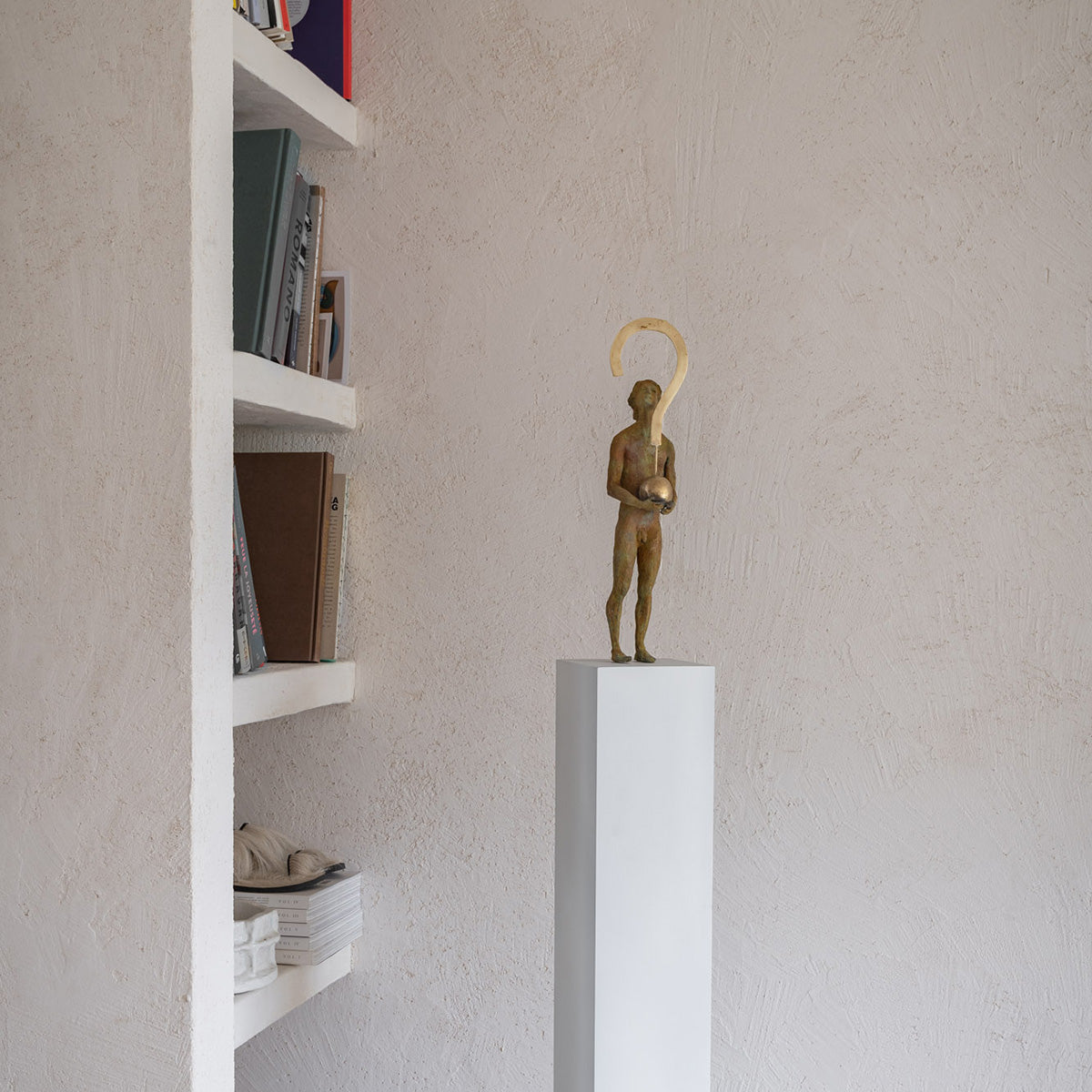
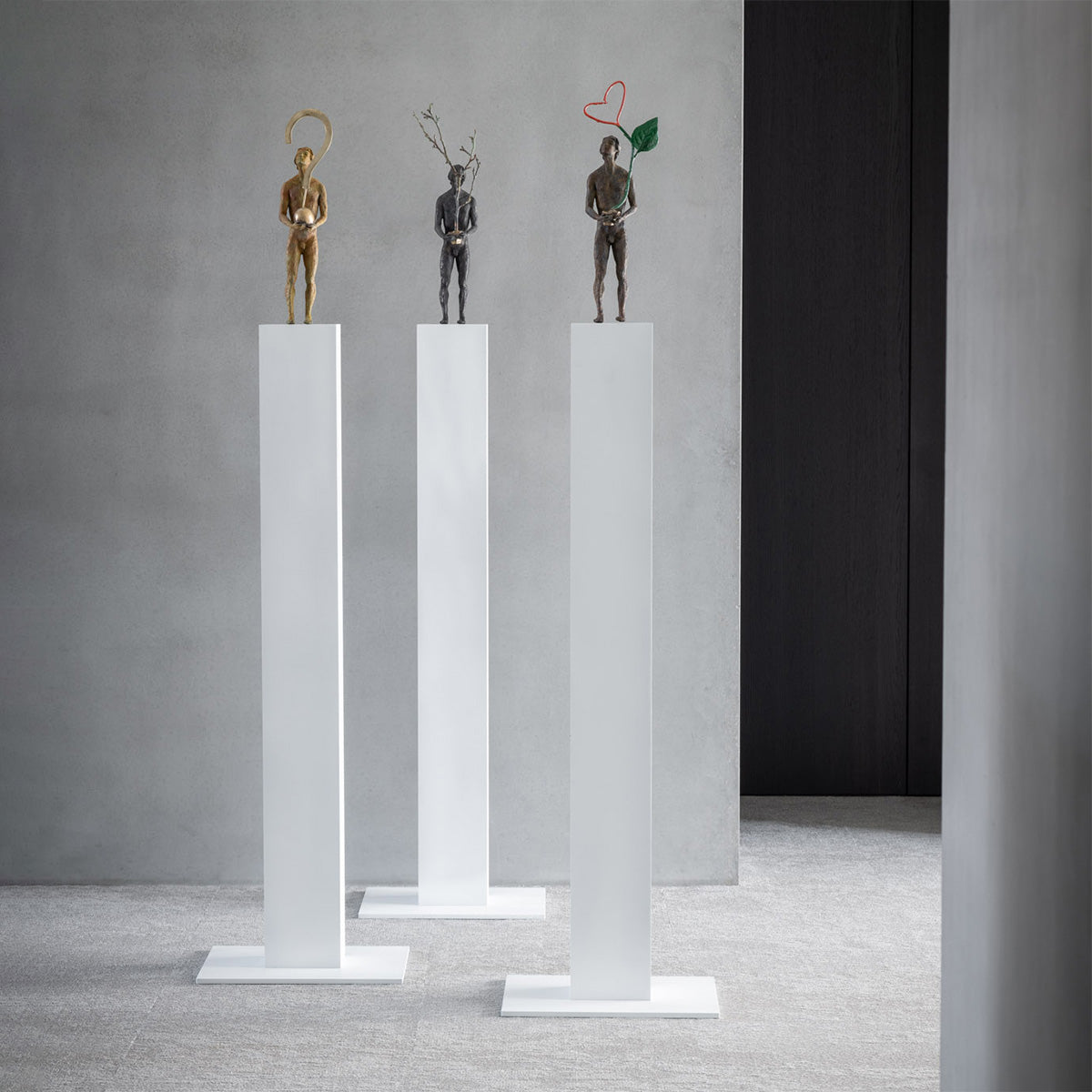
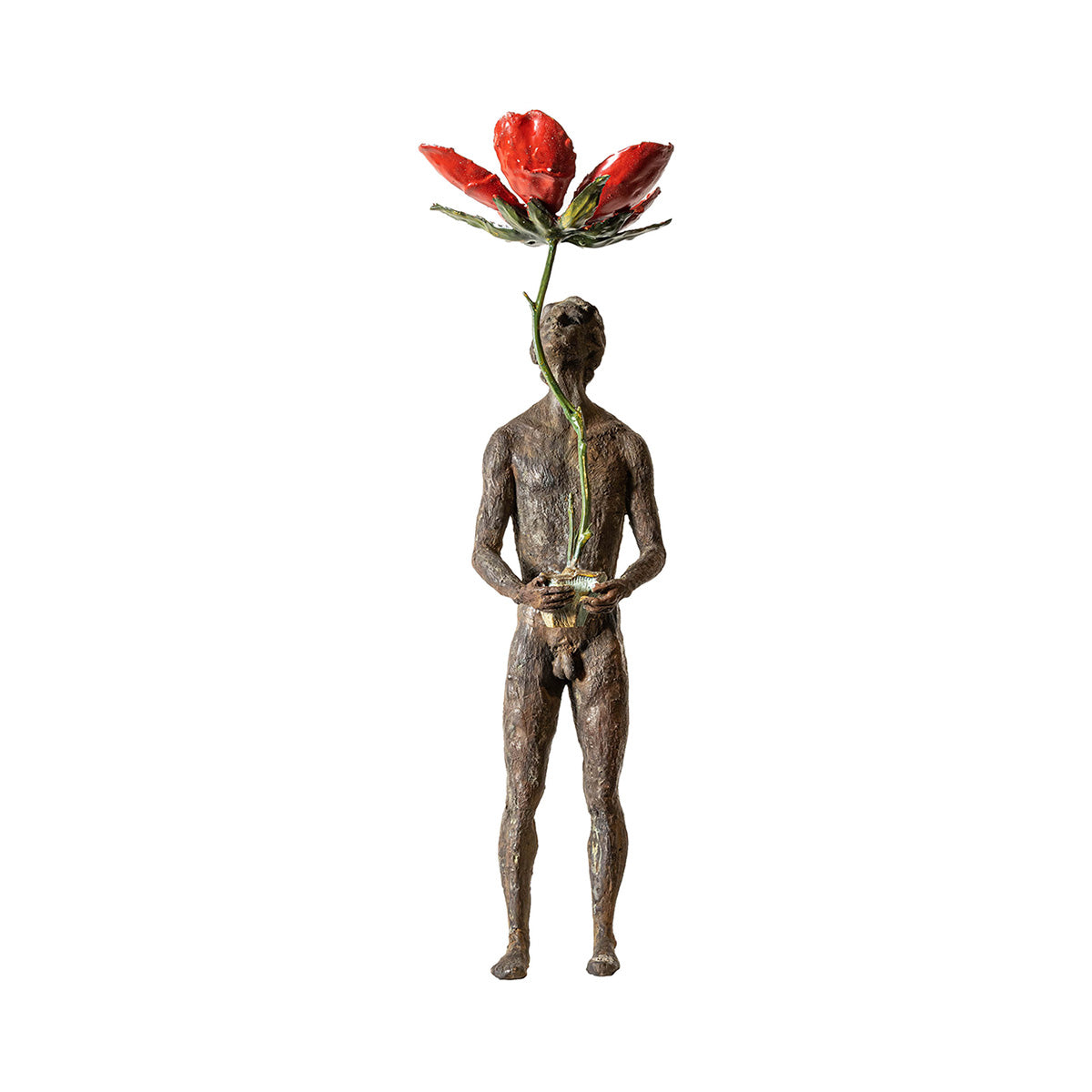
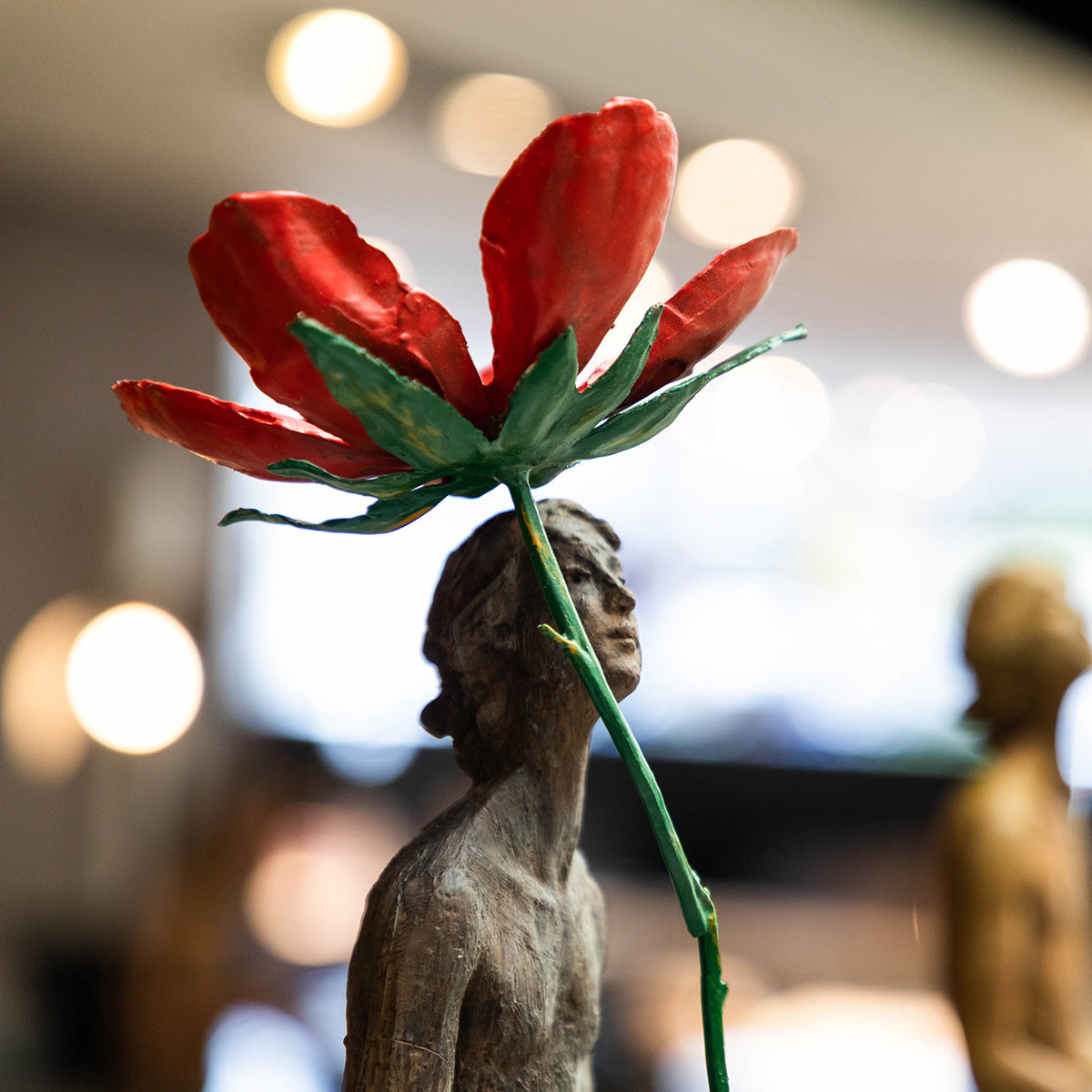
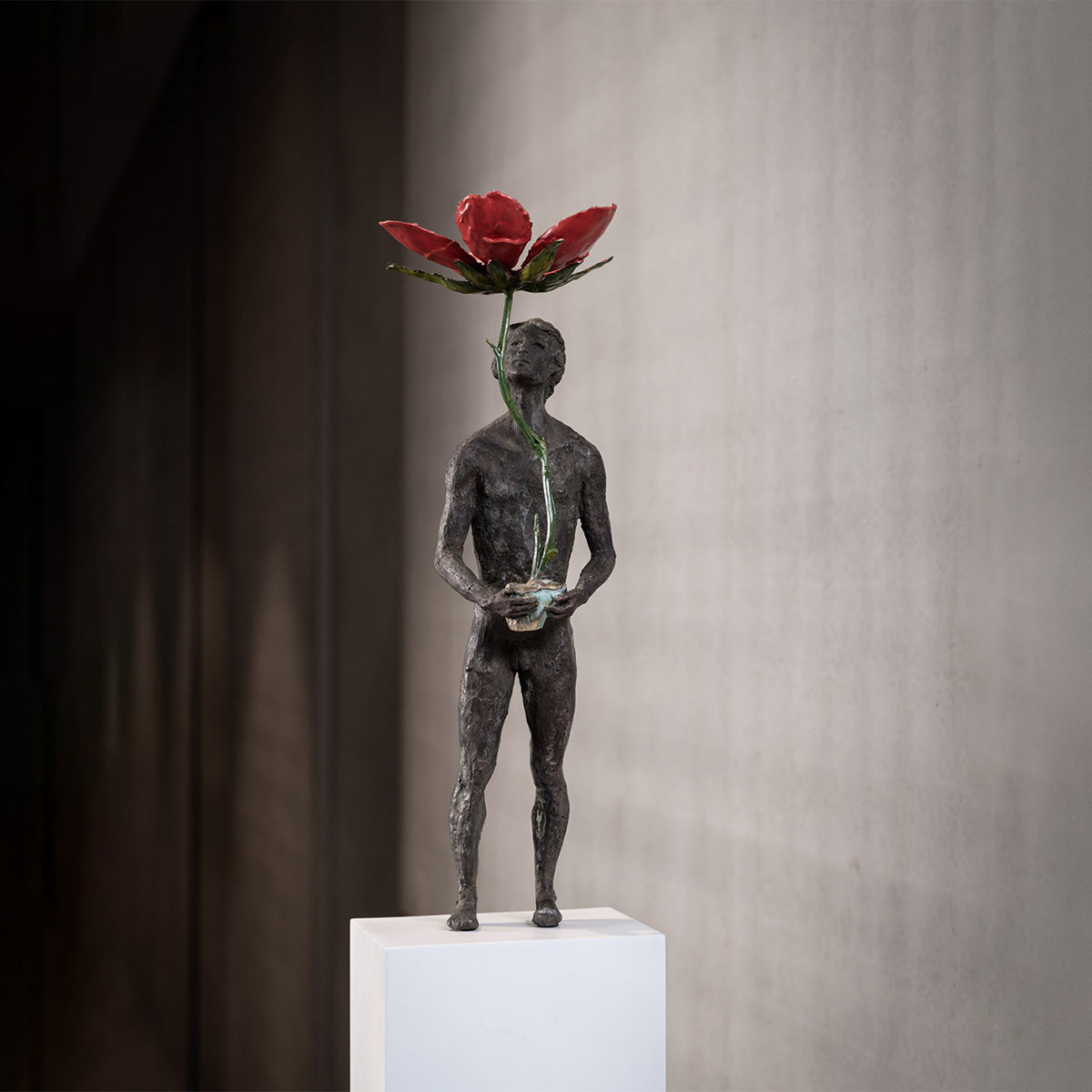
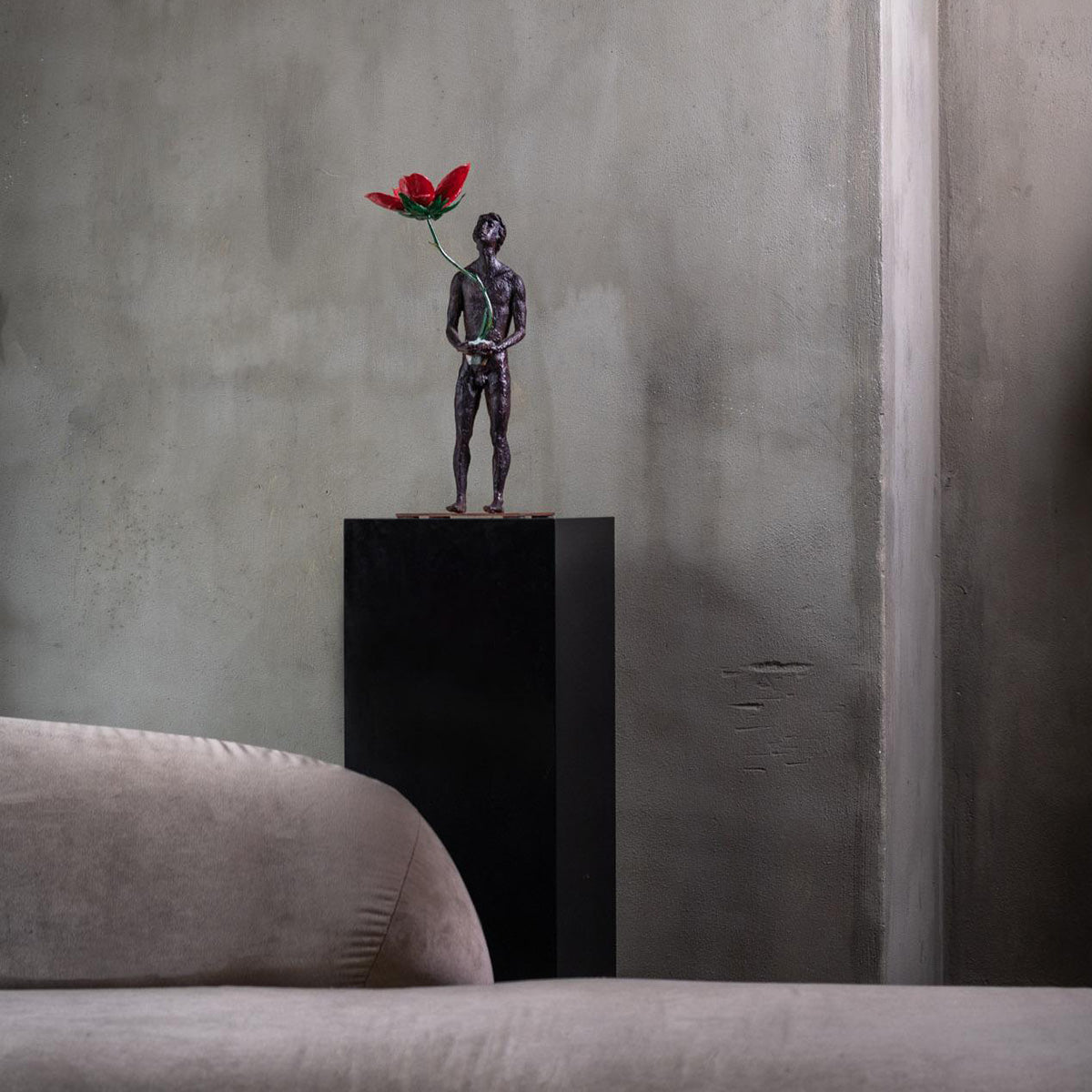
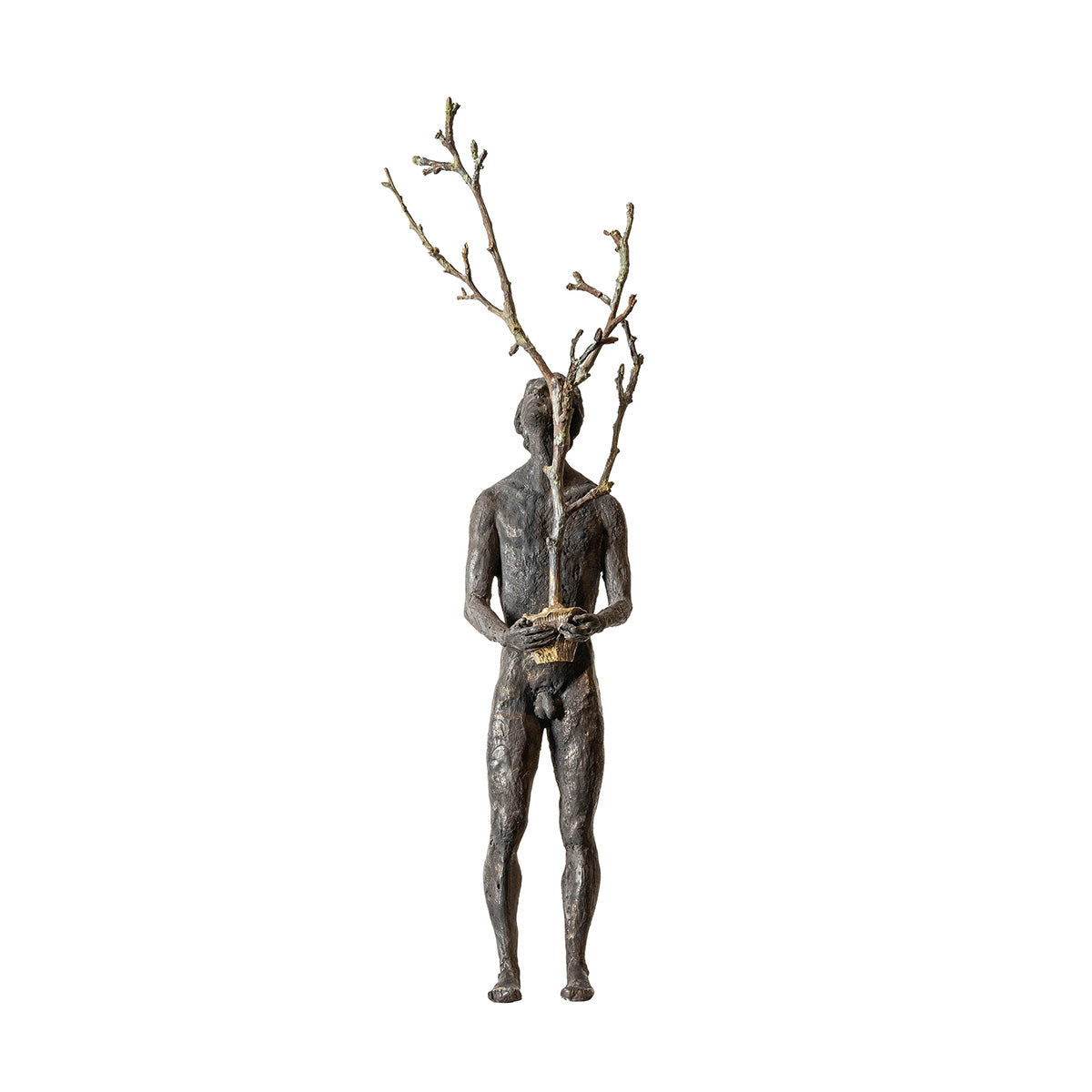
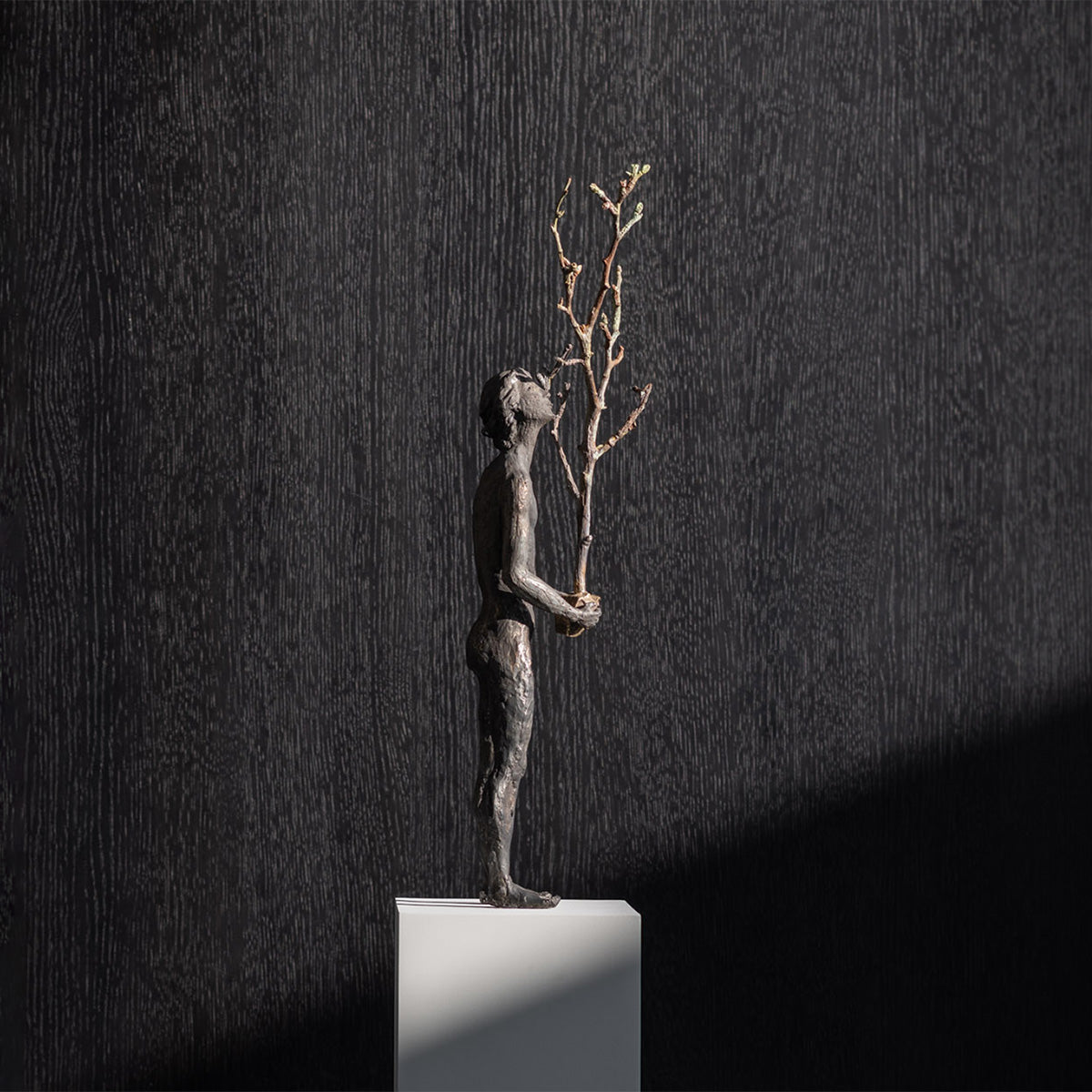
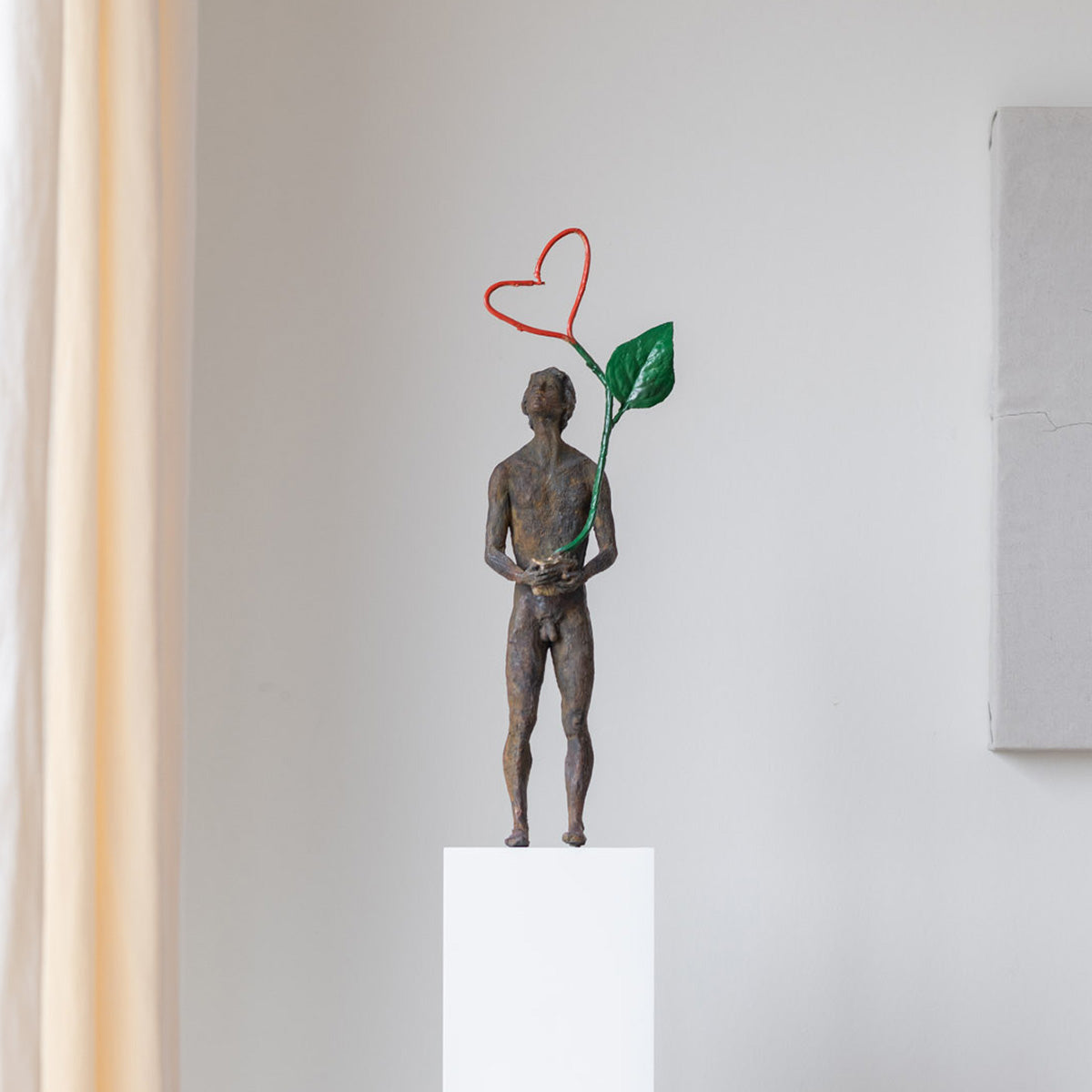
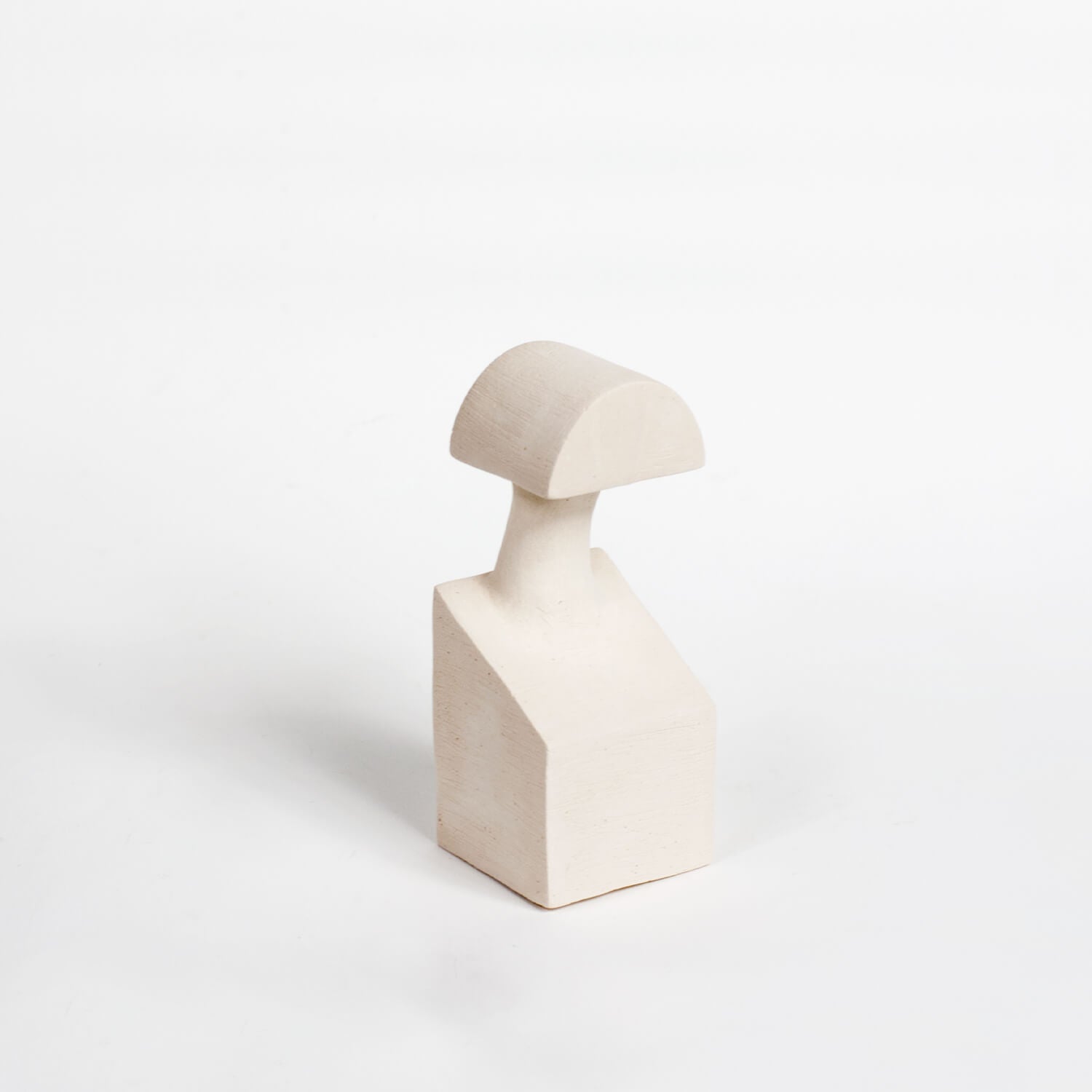
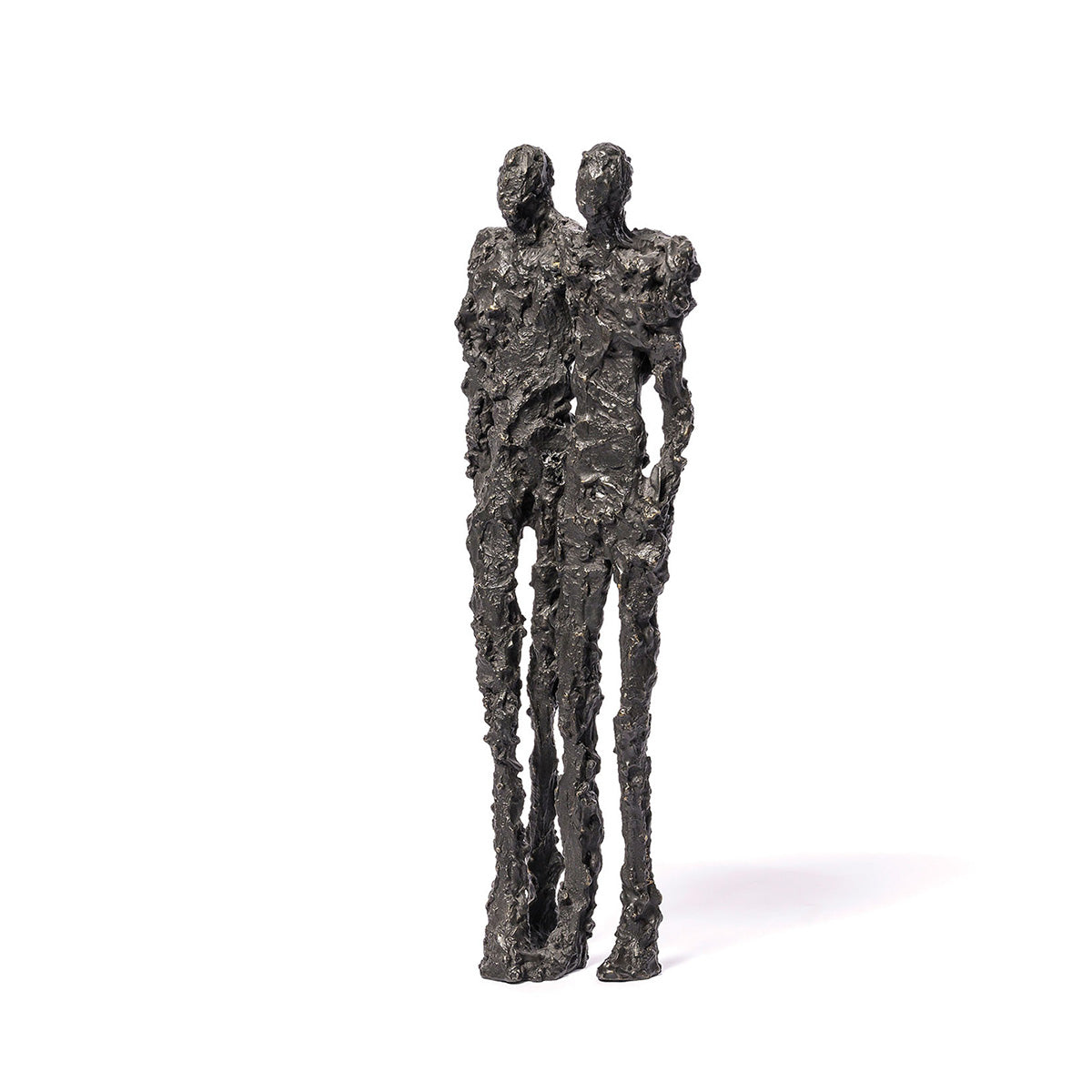
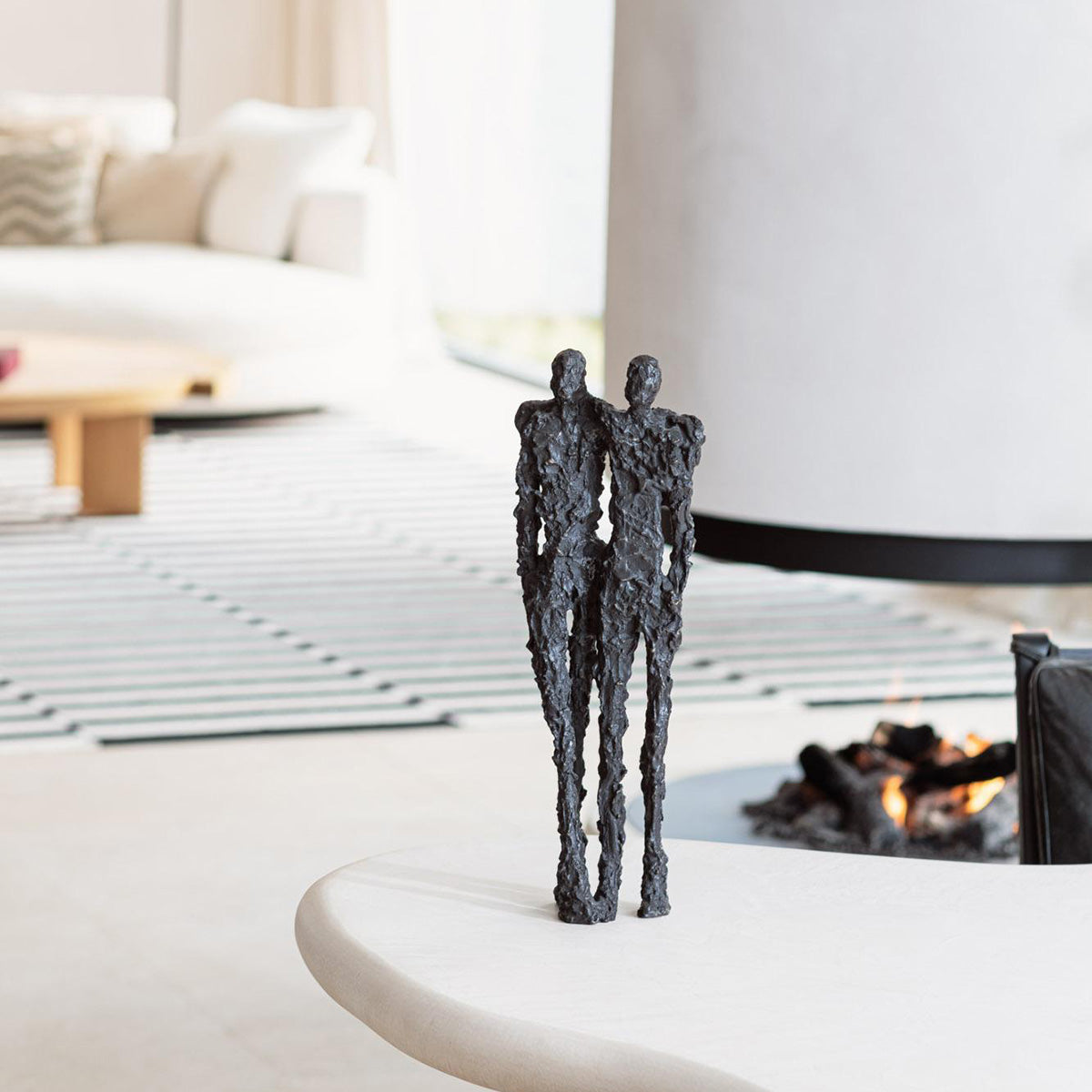
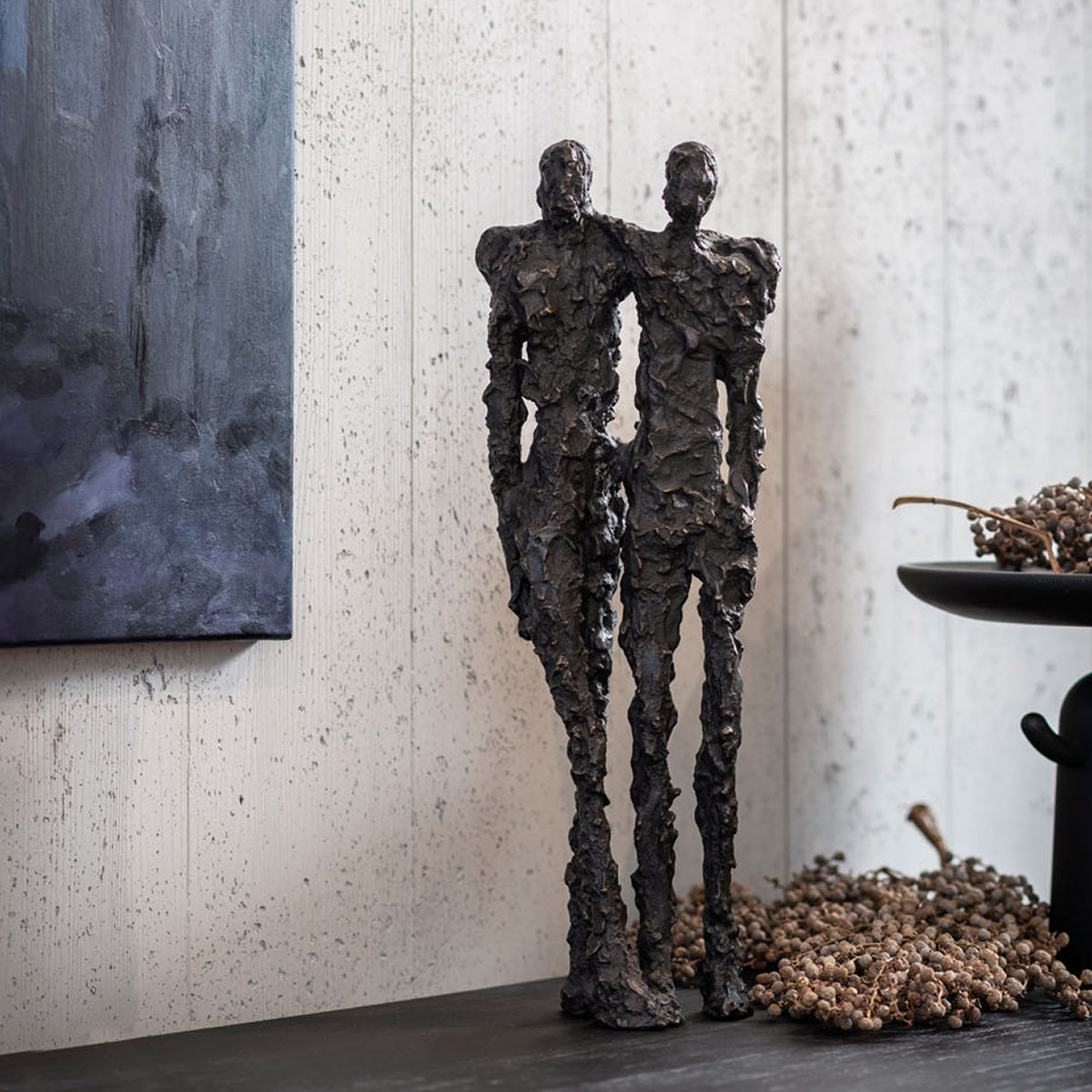
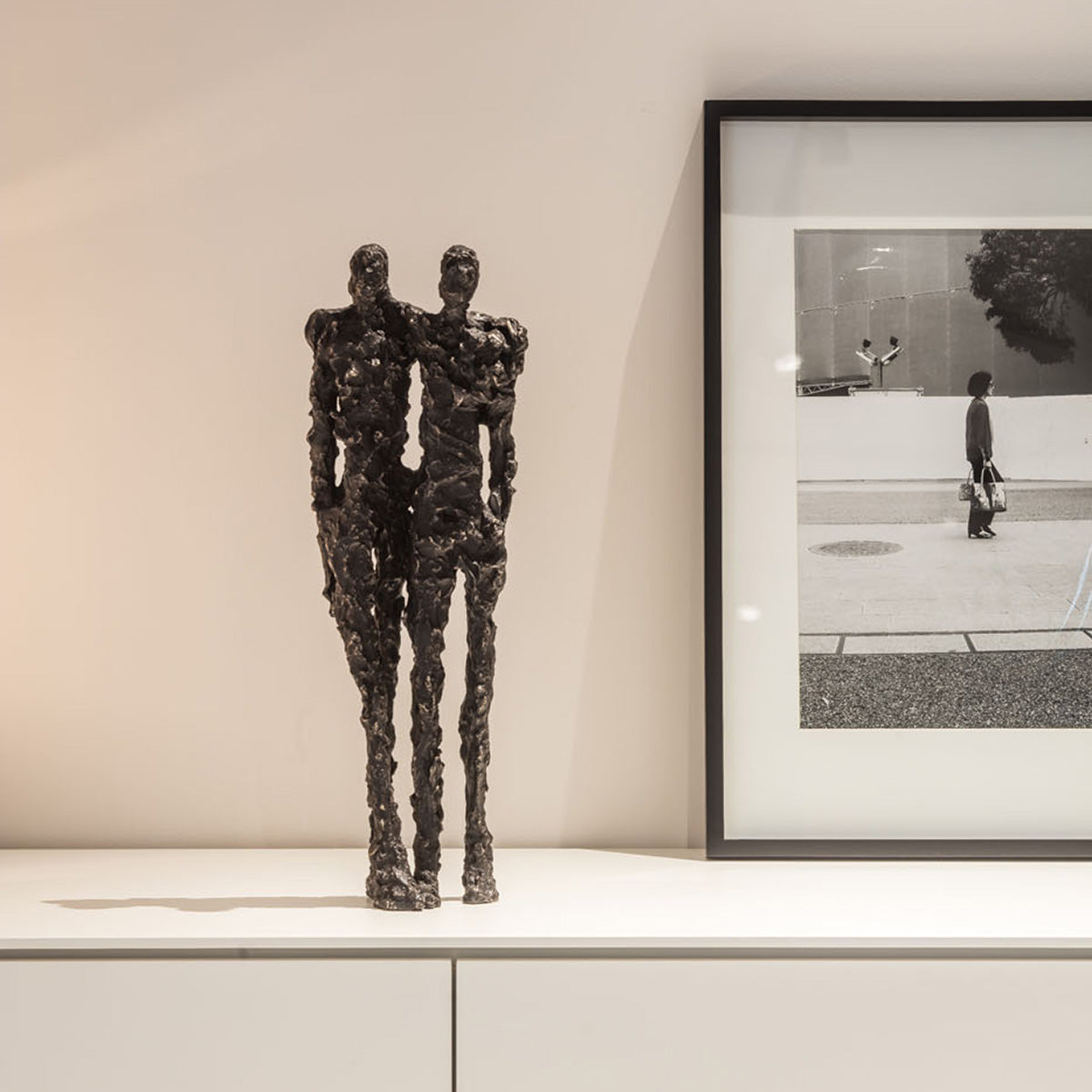
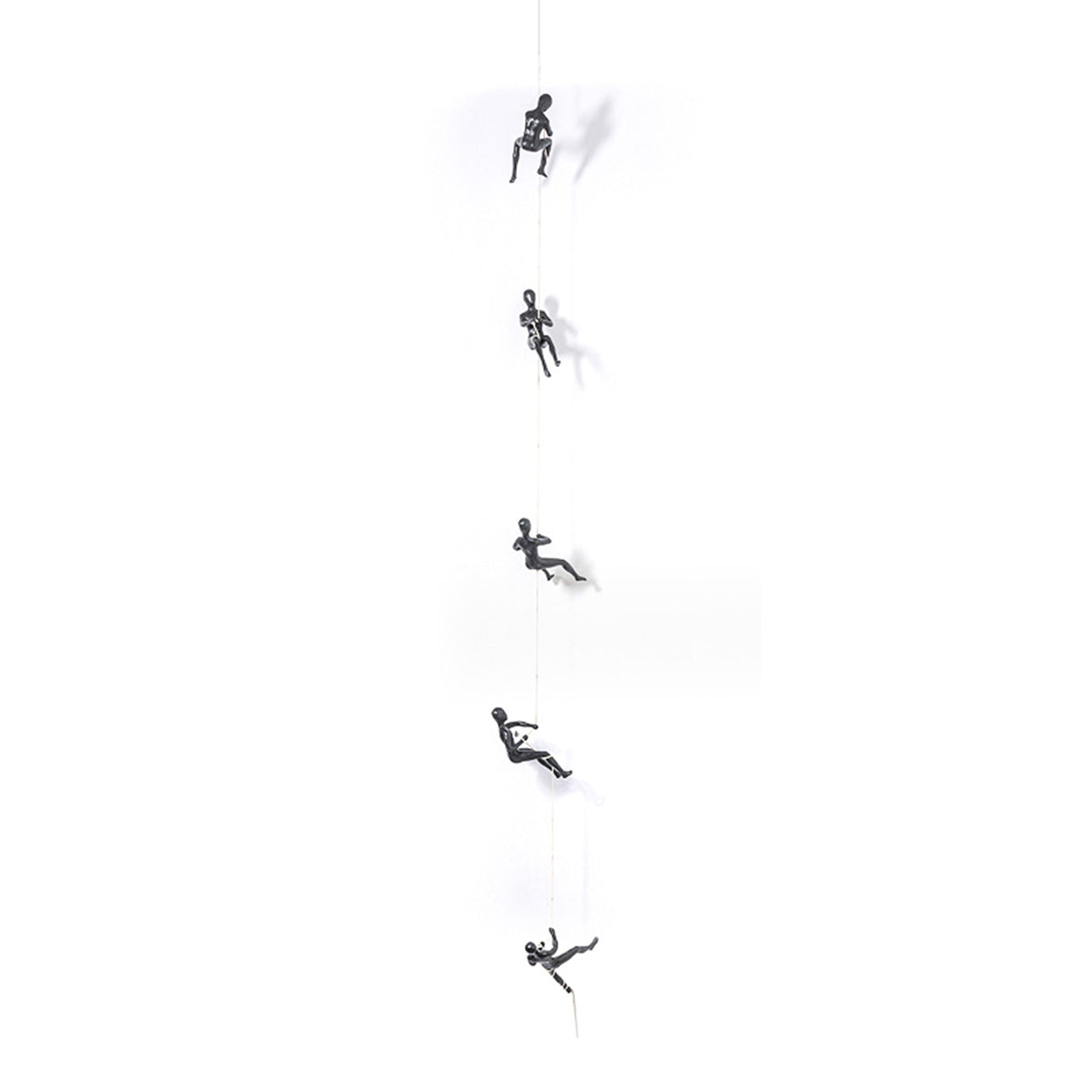
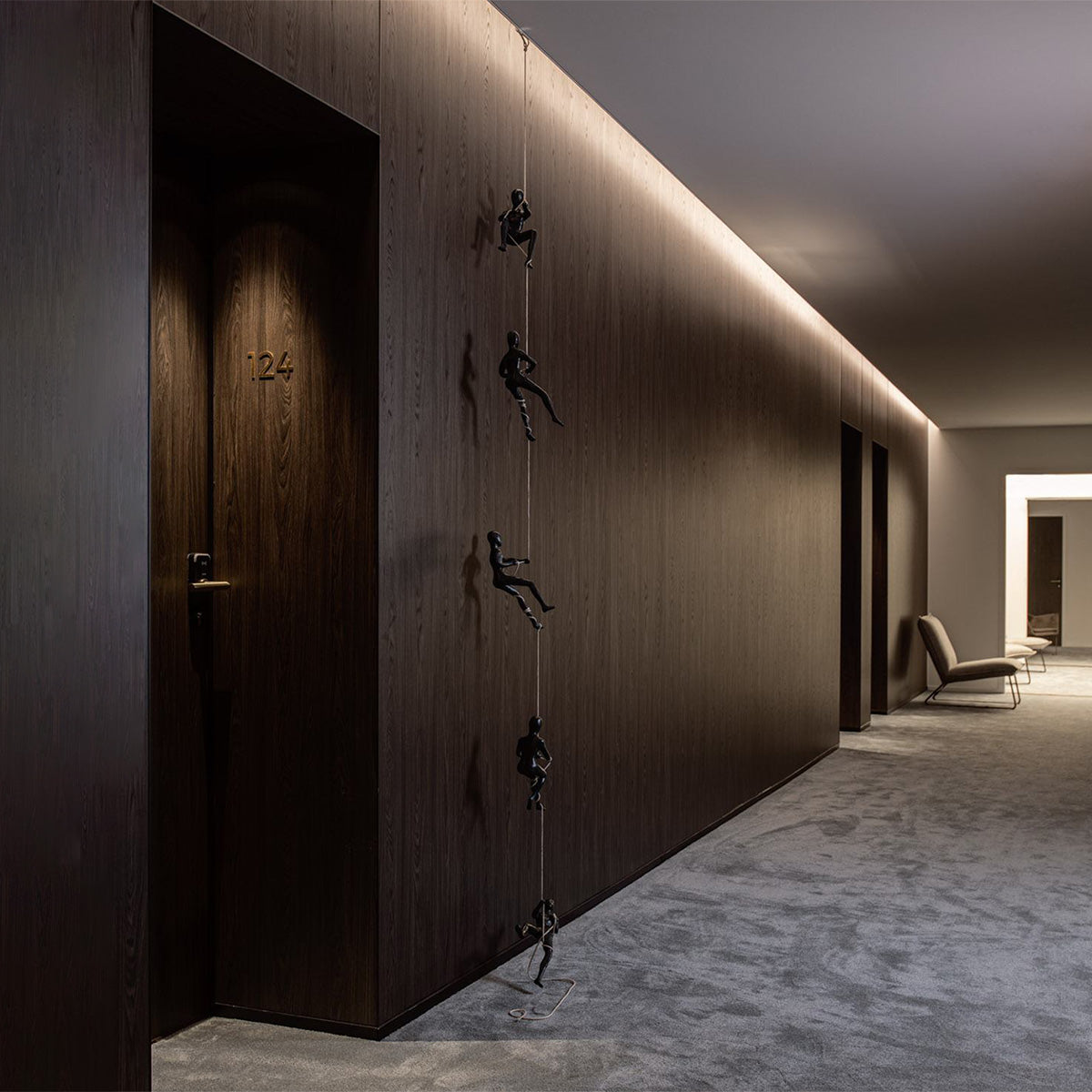
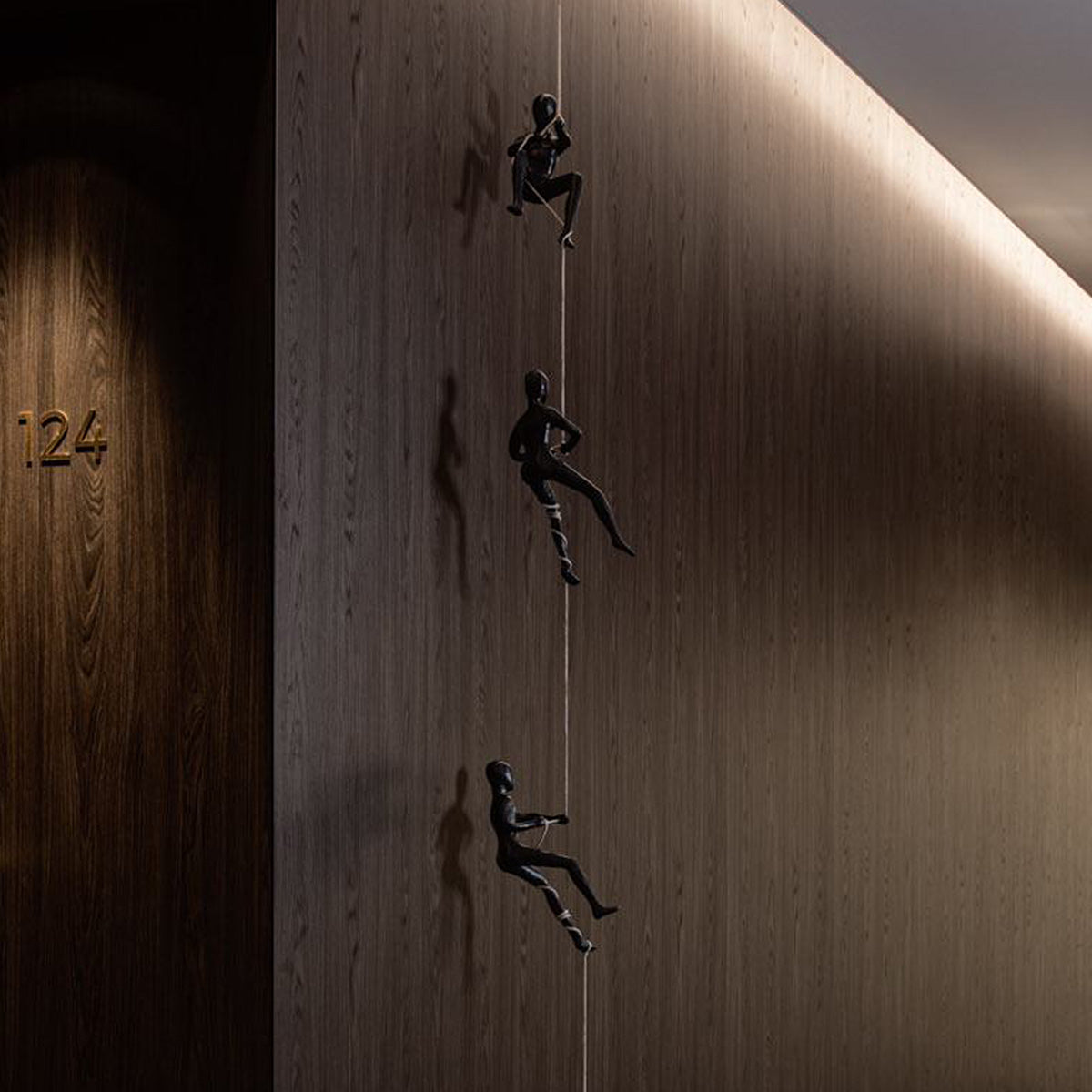
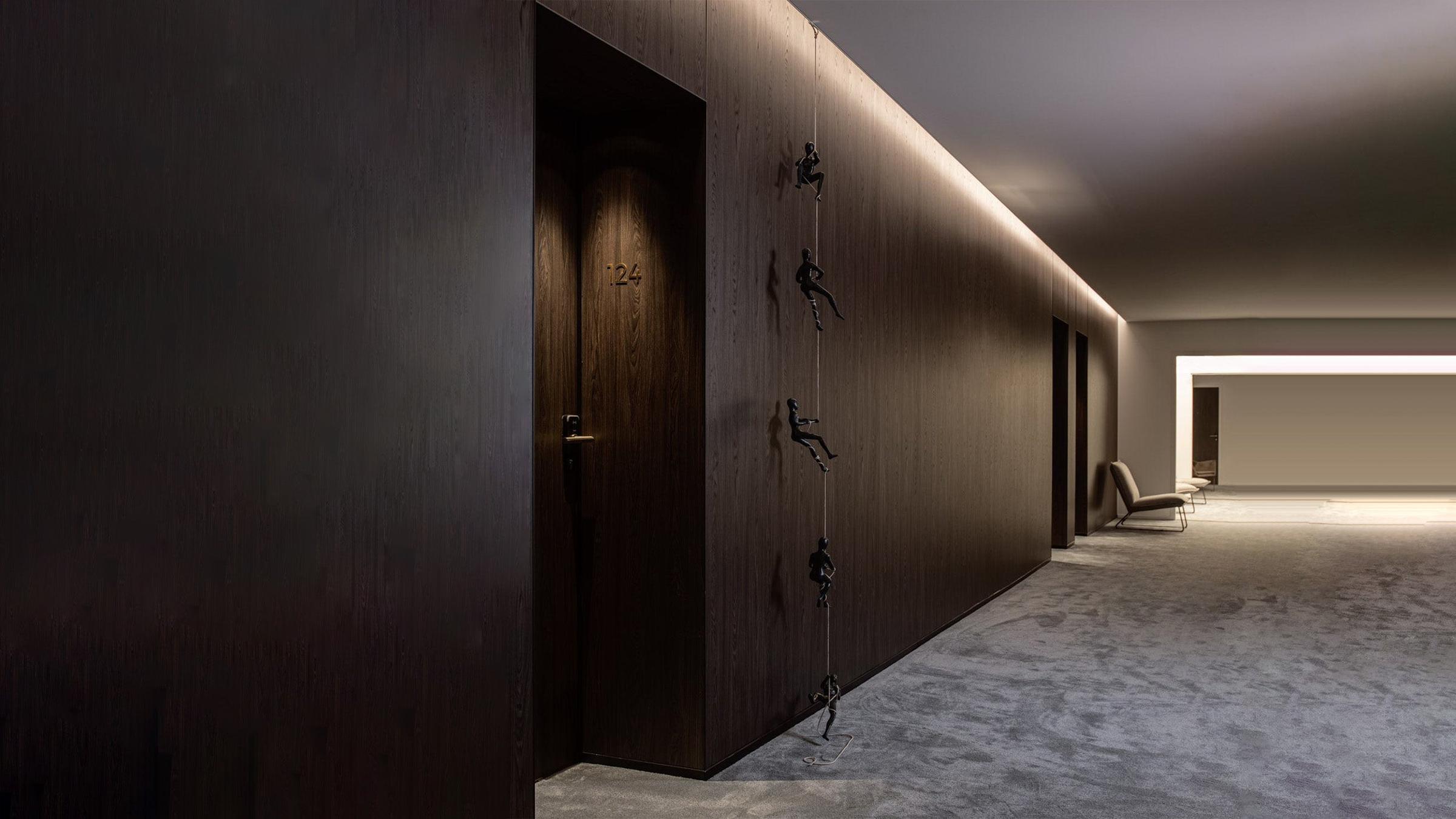
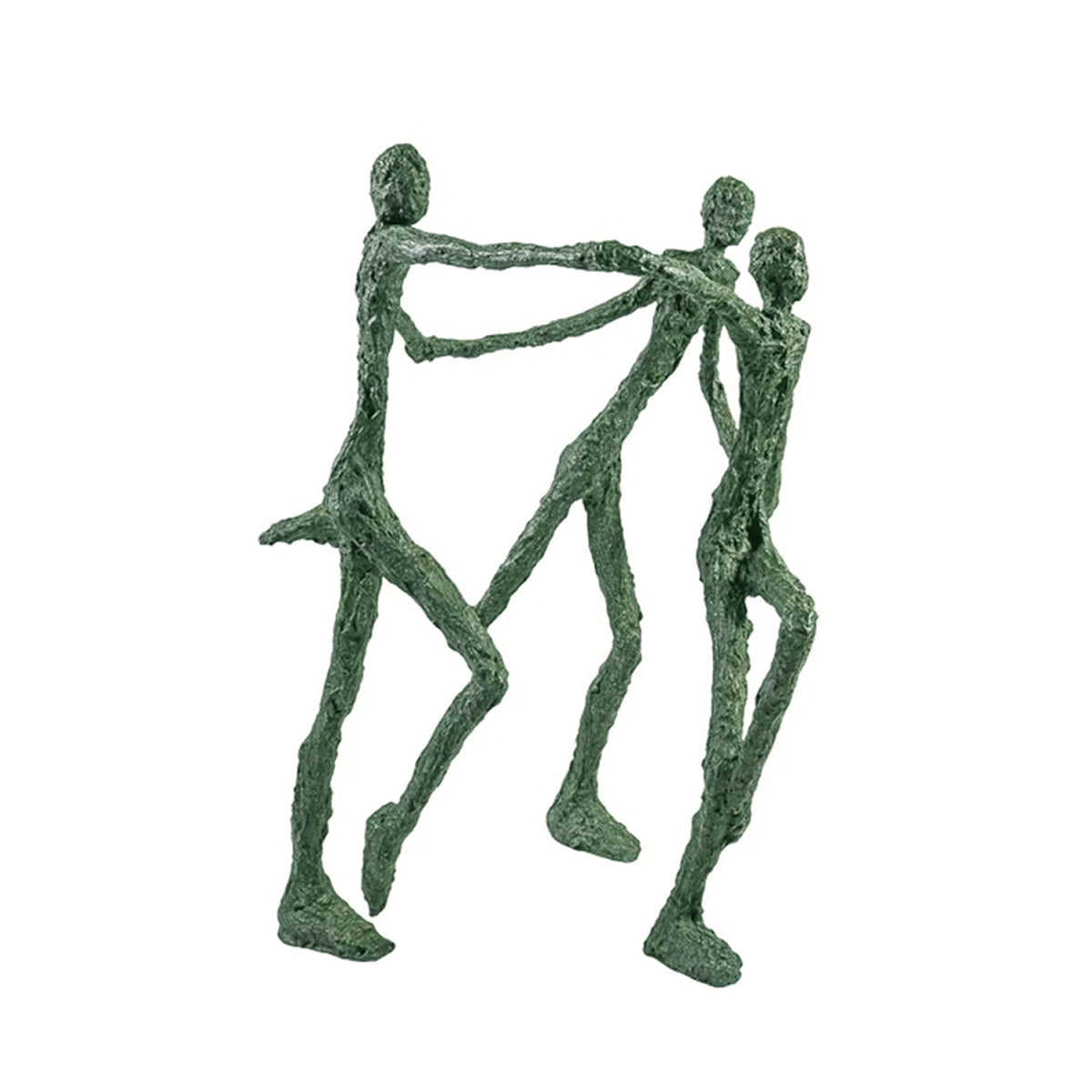
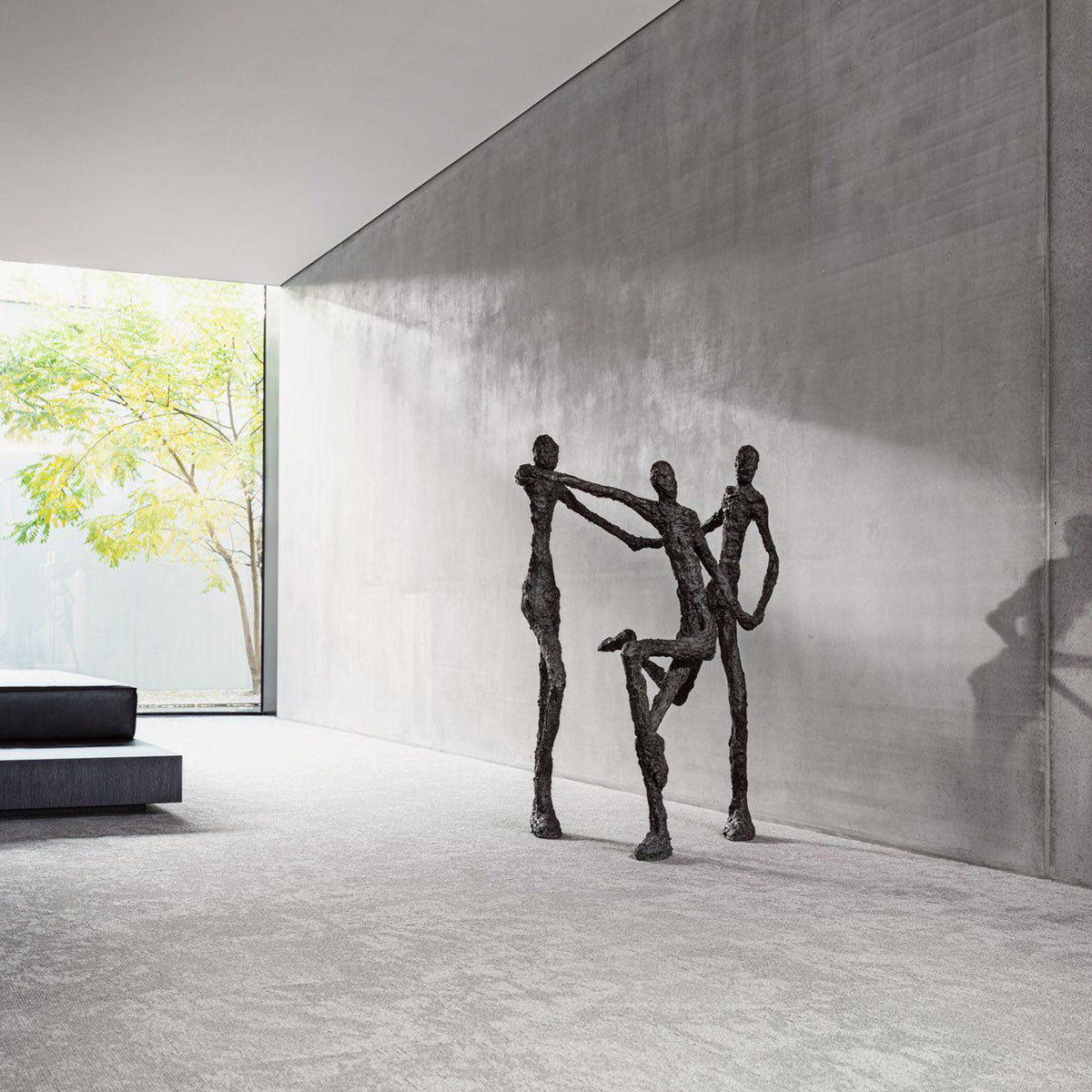
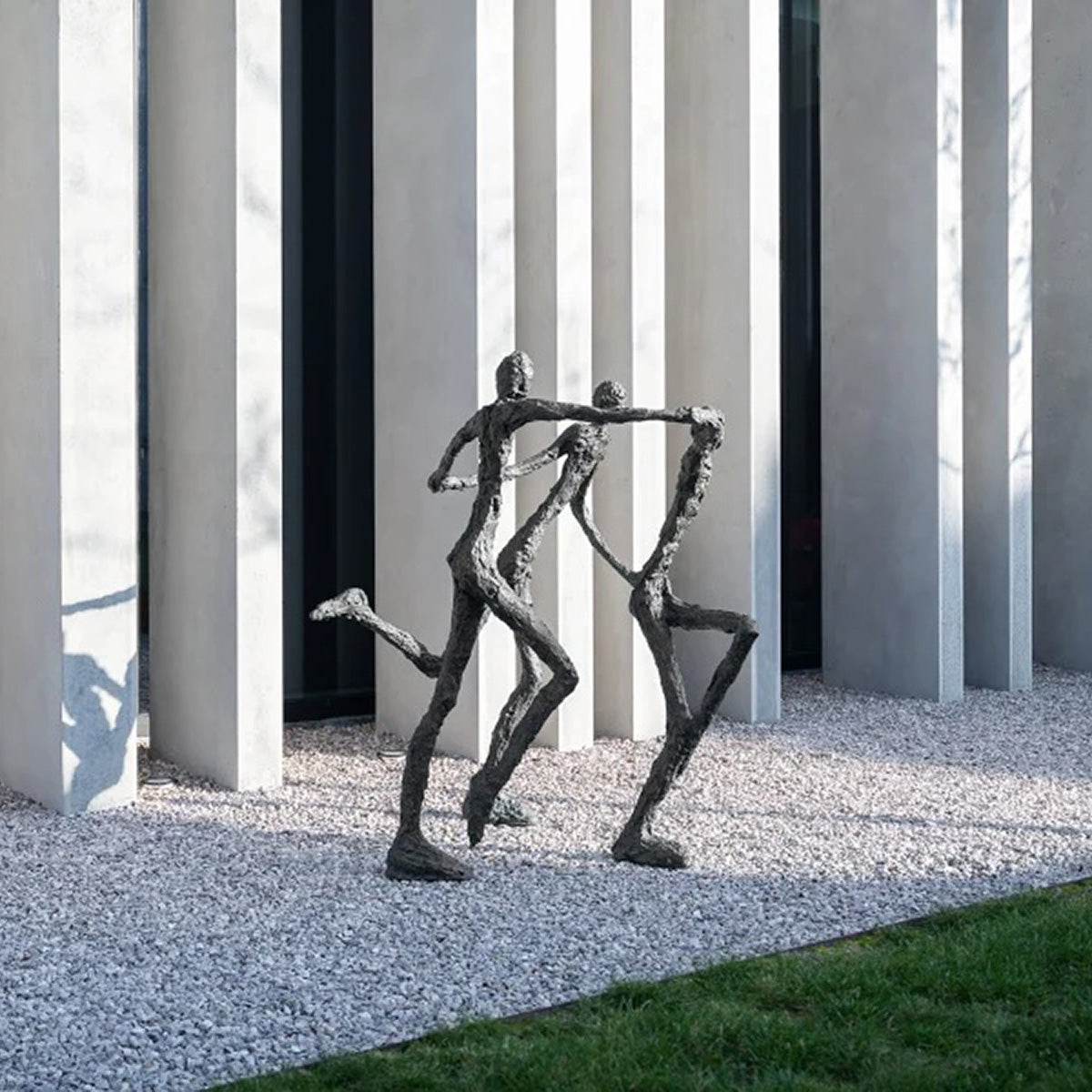
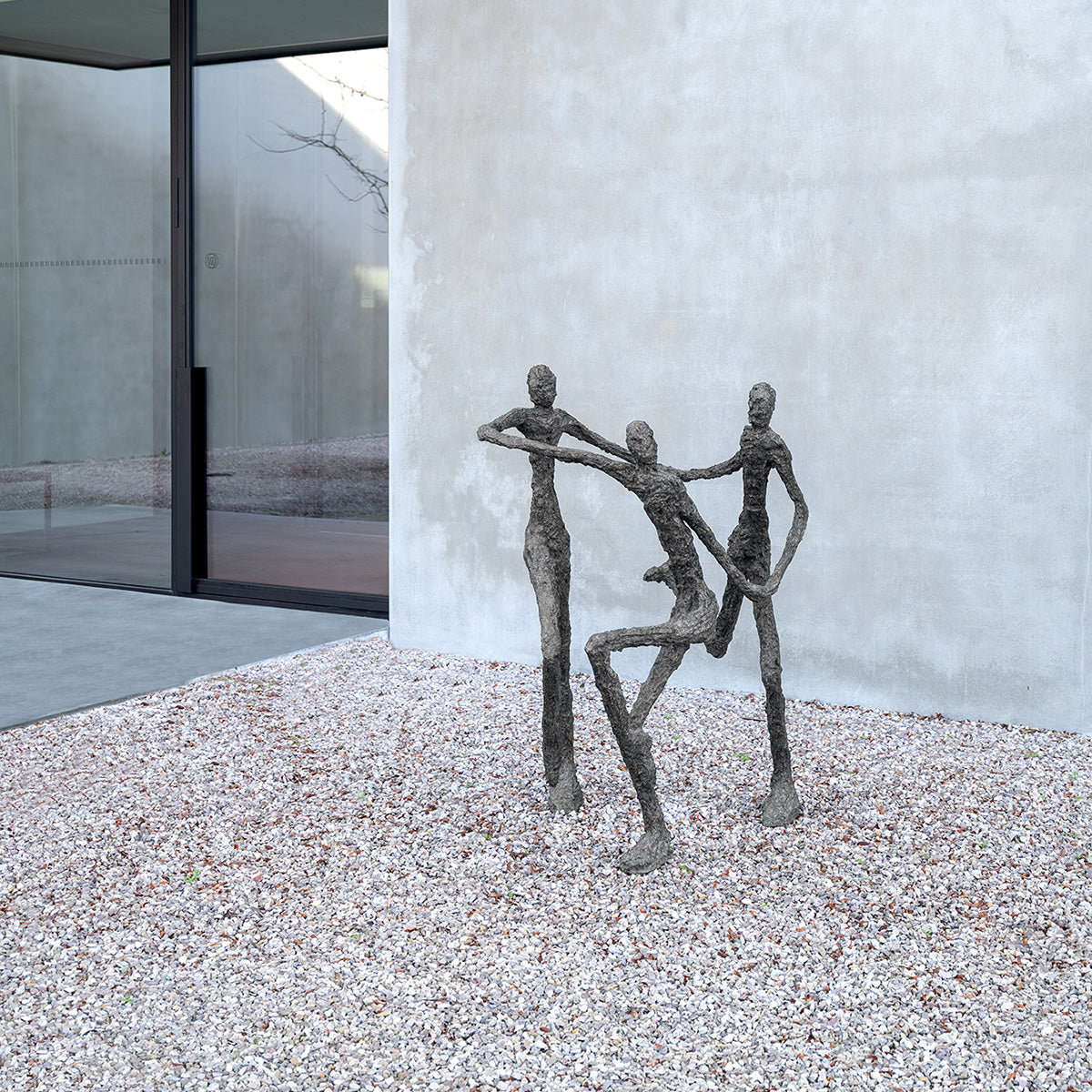
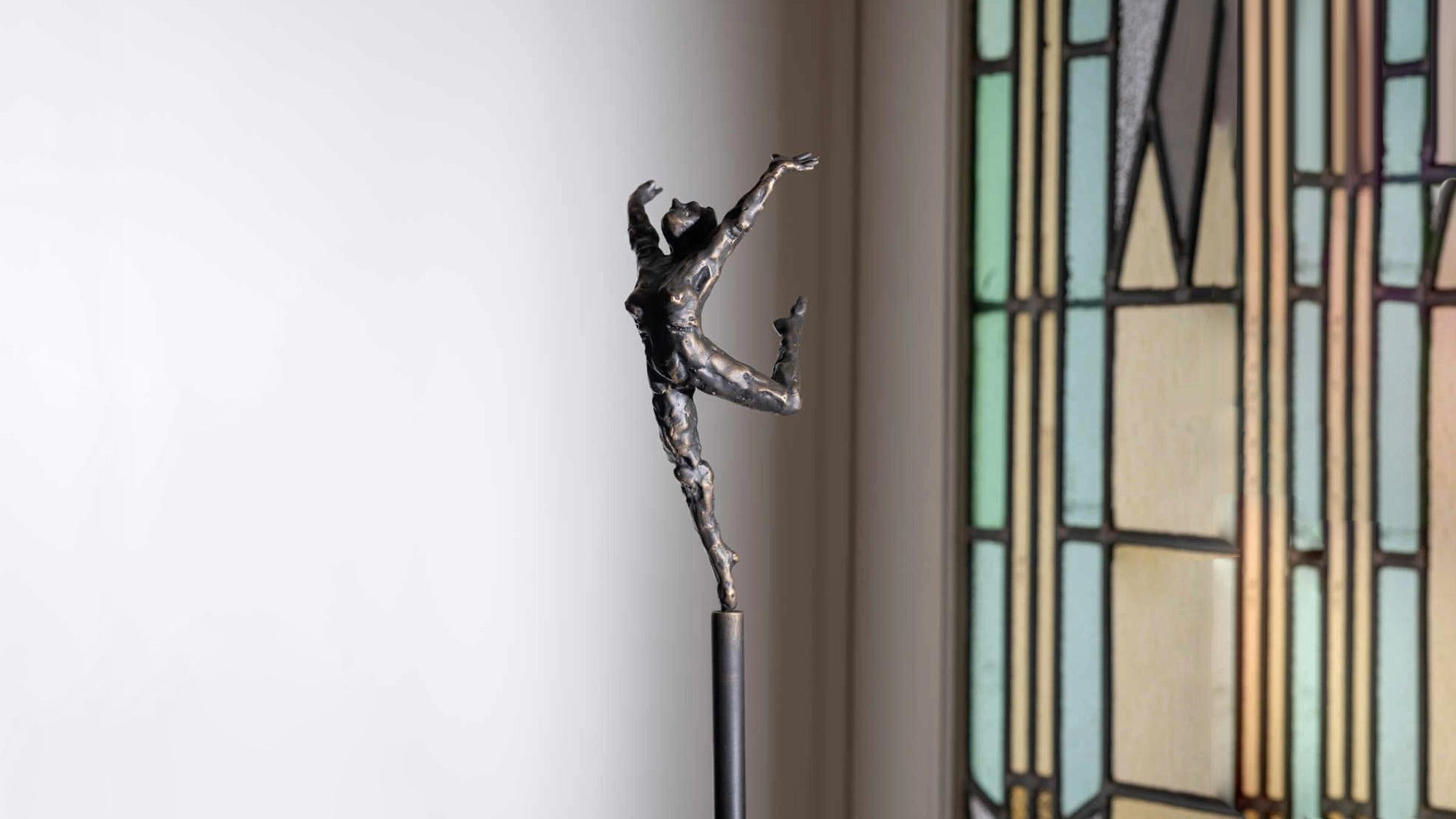
The Visitor Sculpture (Medium)
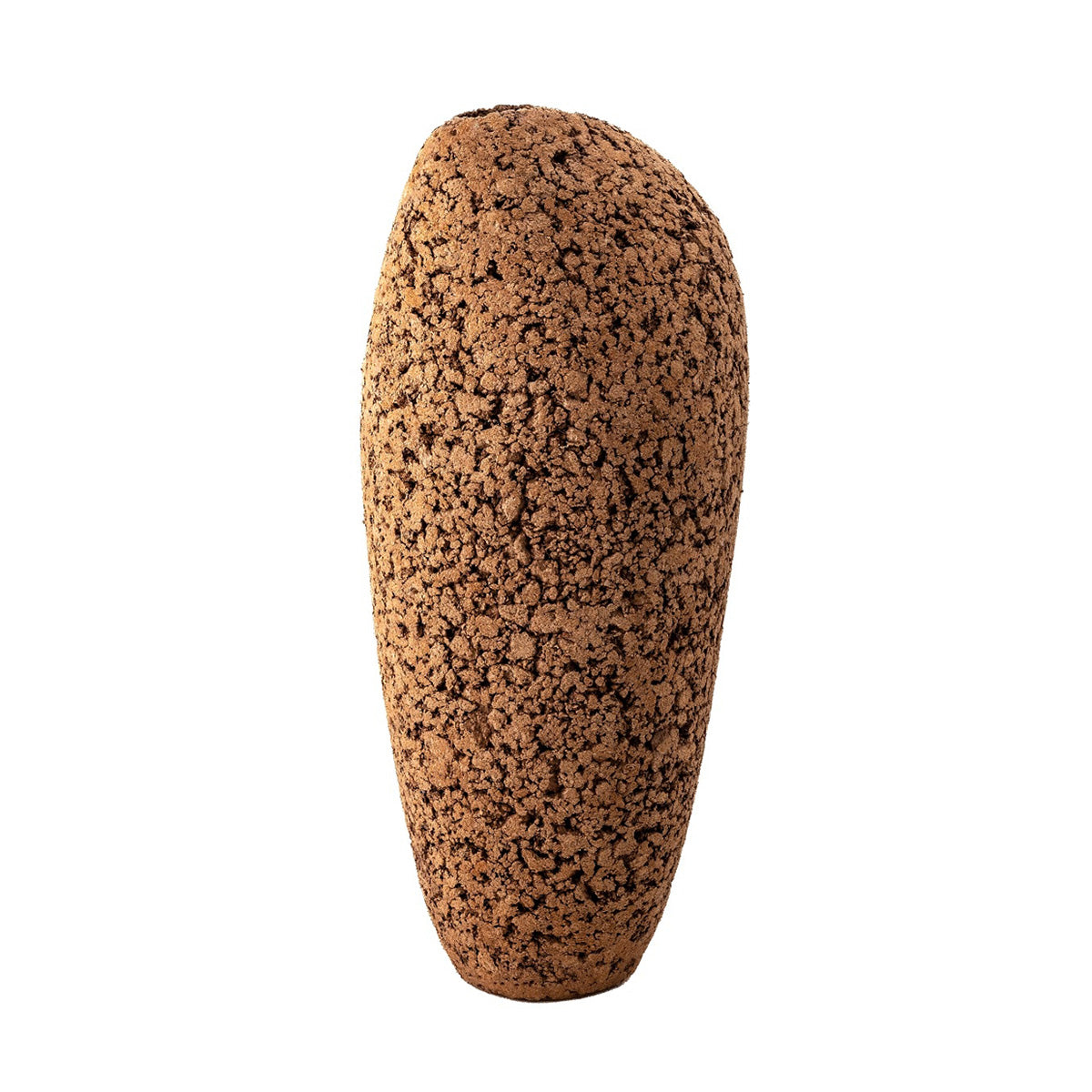




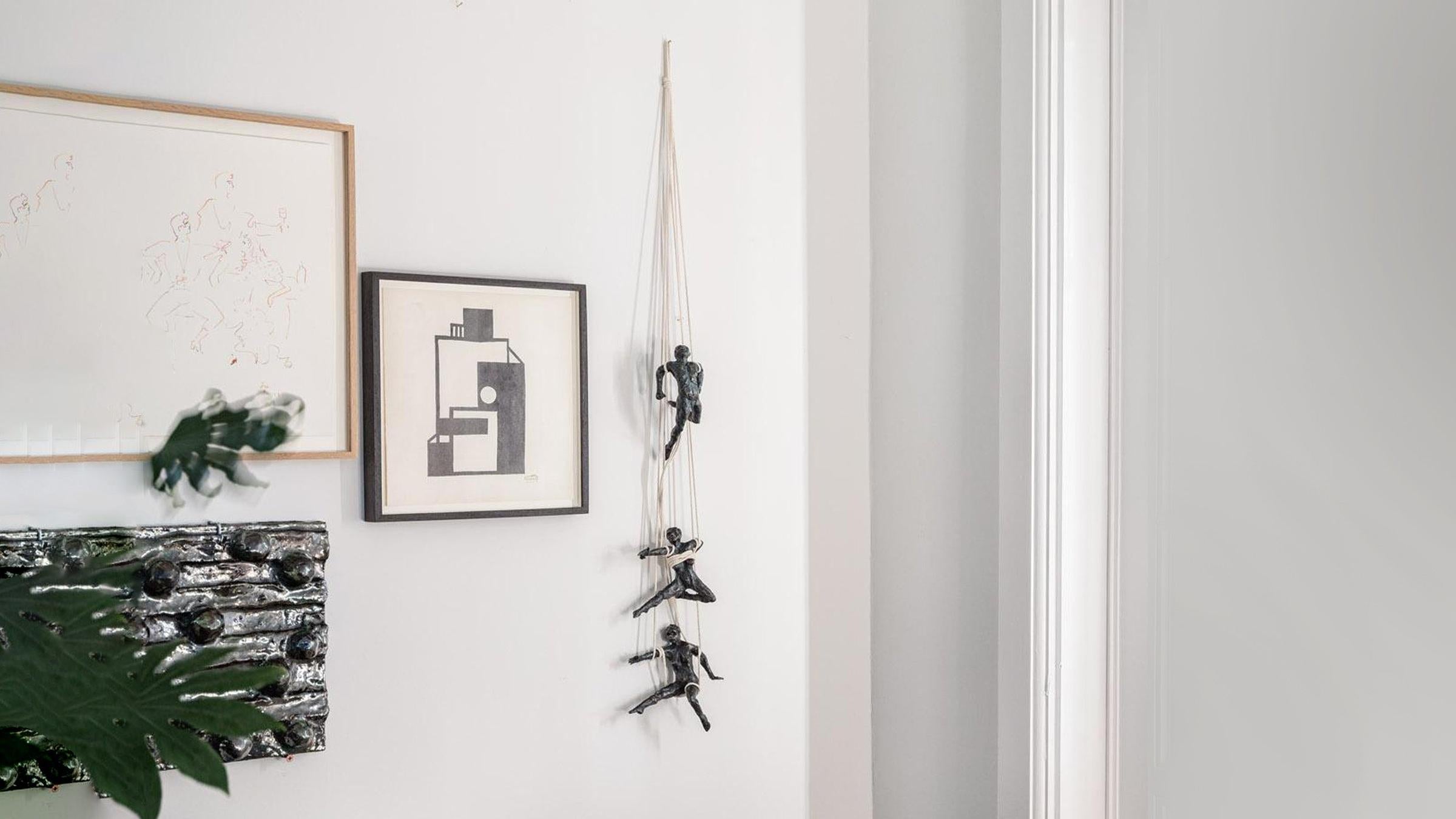
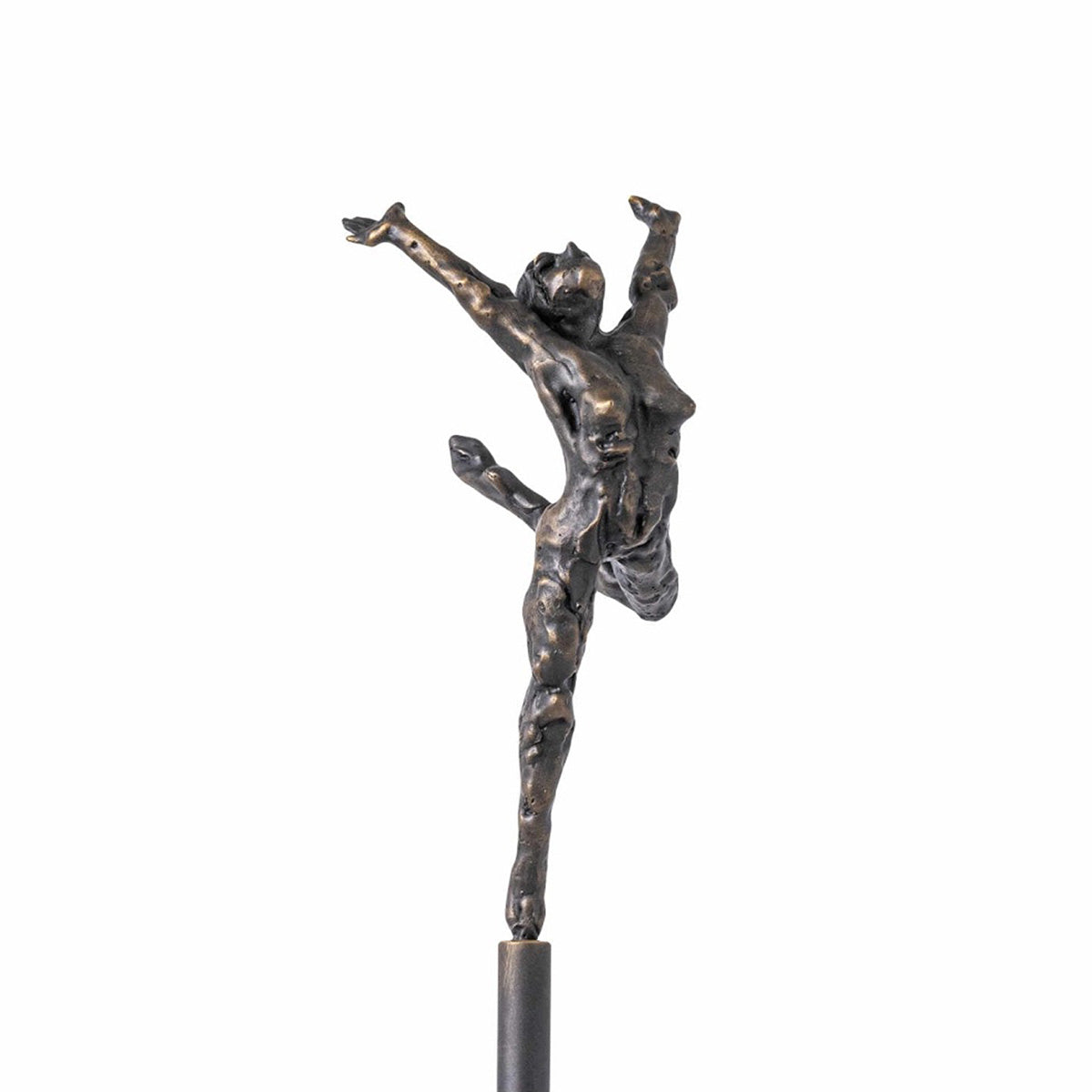
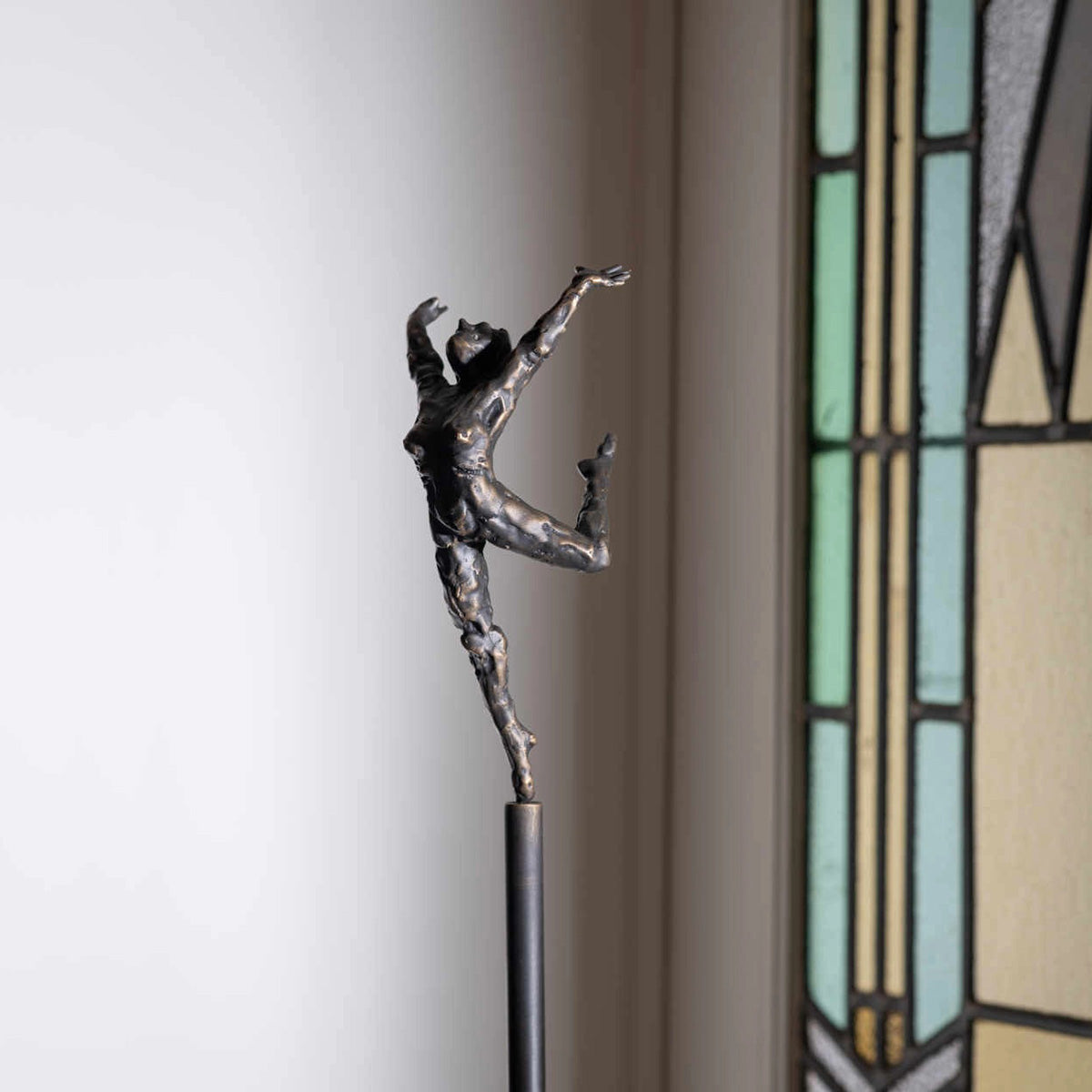
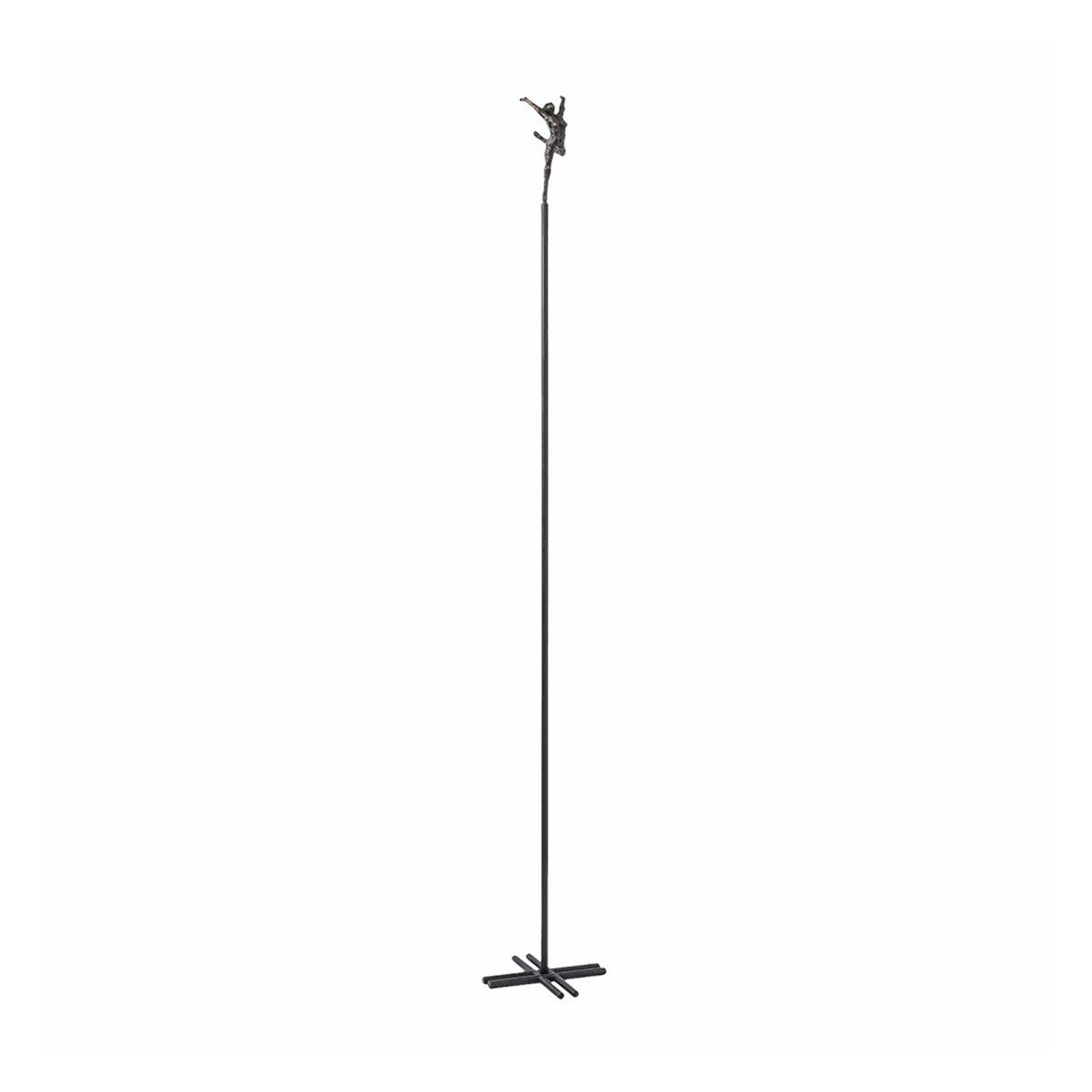
Design Without Boundaries
Beyond our curated collections lies a world of over 400 iconic brands.
For specific pieces, finishes, or bespoke solutions, our design team is at your disposal.
Frequently Asked Questions
What distinguishes sculptural decorative objects from conventional home decor?
Sculptural objects are conceived by artists working within defined practices, not styled for trend cycles. The distinction shows in the process: hand-cast metal, wheel-thrown or hand-pressed clay, and pulp formed from reclaimed materials each carry the marks of the maker. These are objects with a point of view. They hold a room through proportion and materiality rather than through color coordination or surface novelty. Collecting them is closer to acquiring art than furnishing a space.
How do I place and scale figurative sculptures in an interior?
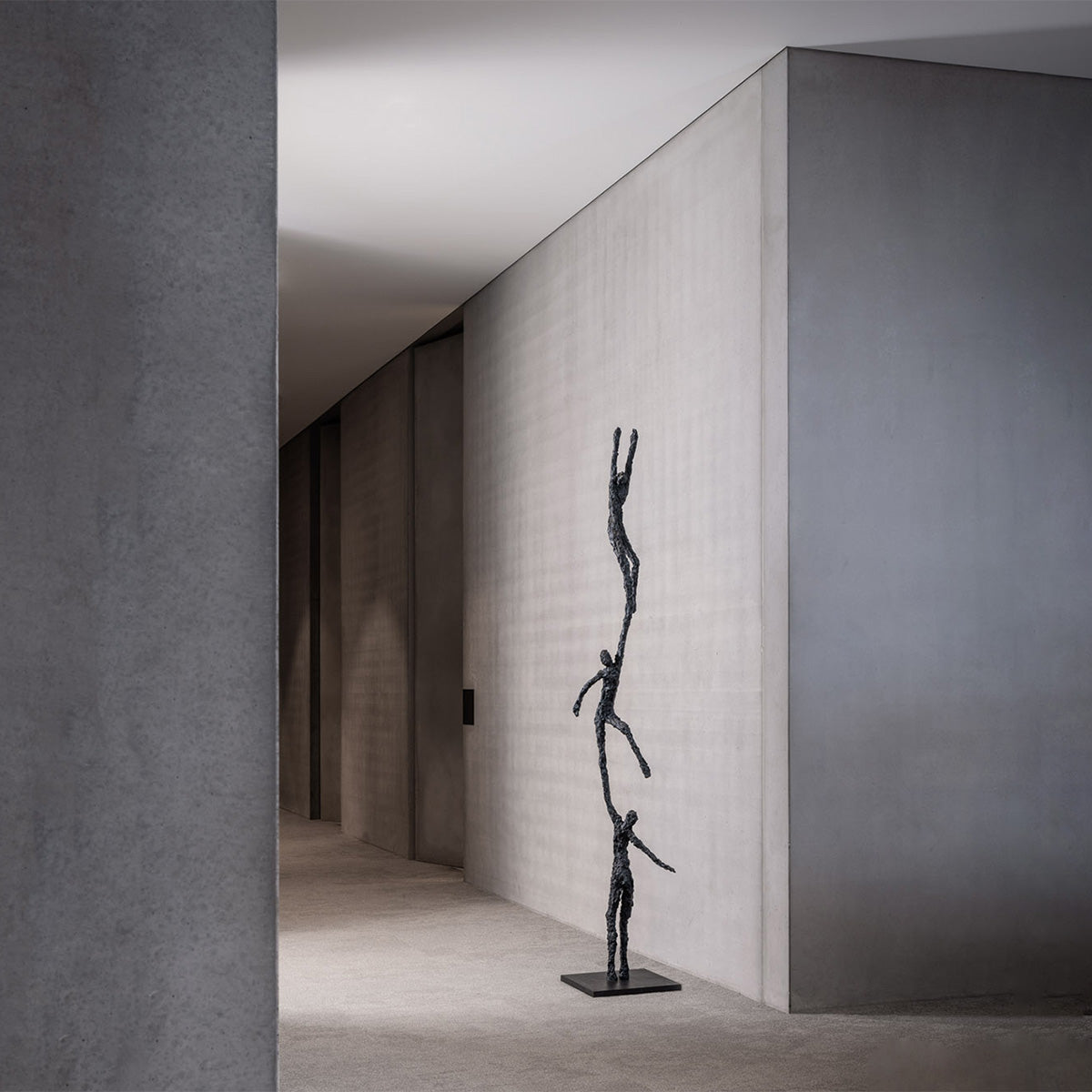
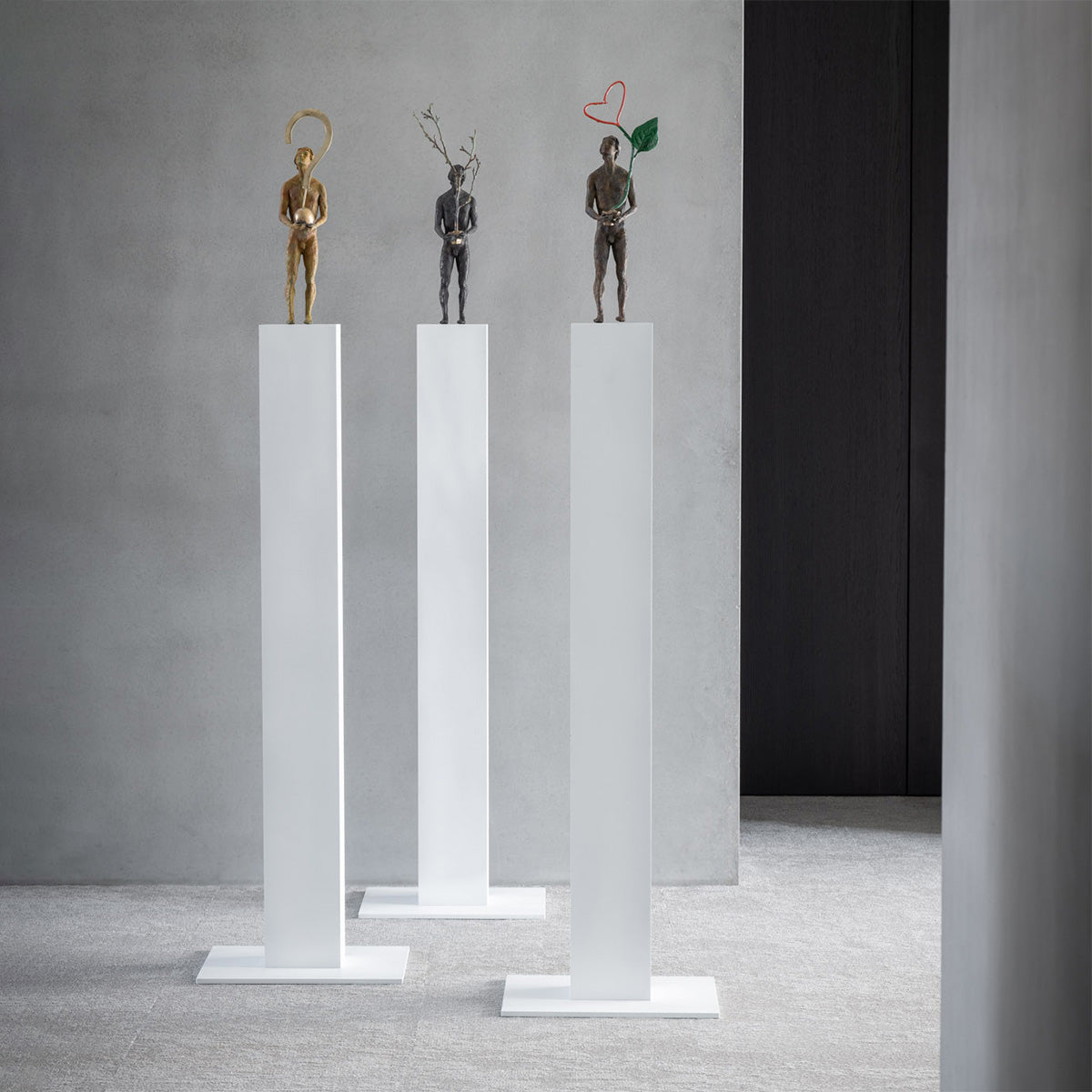
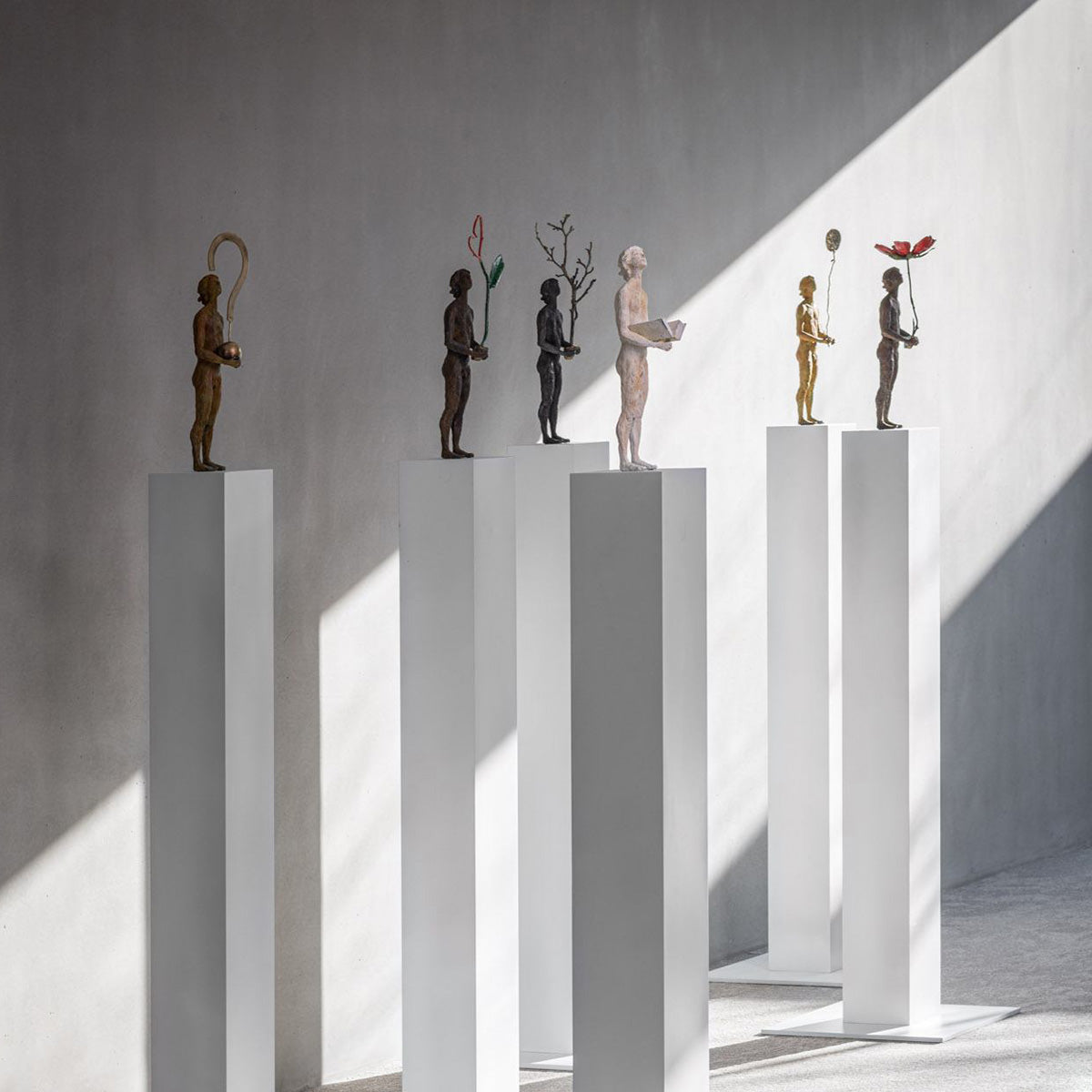
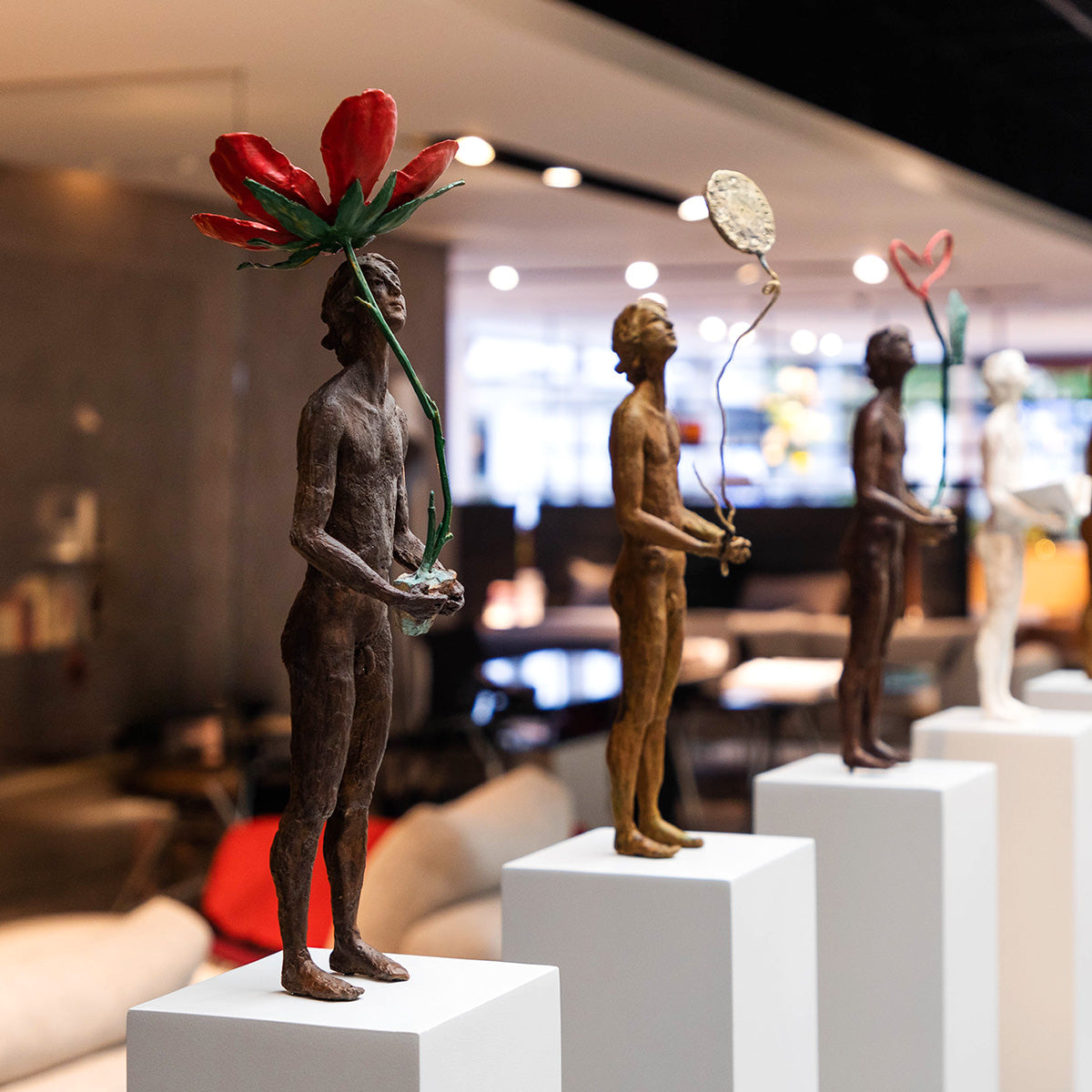
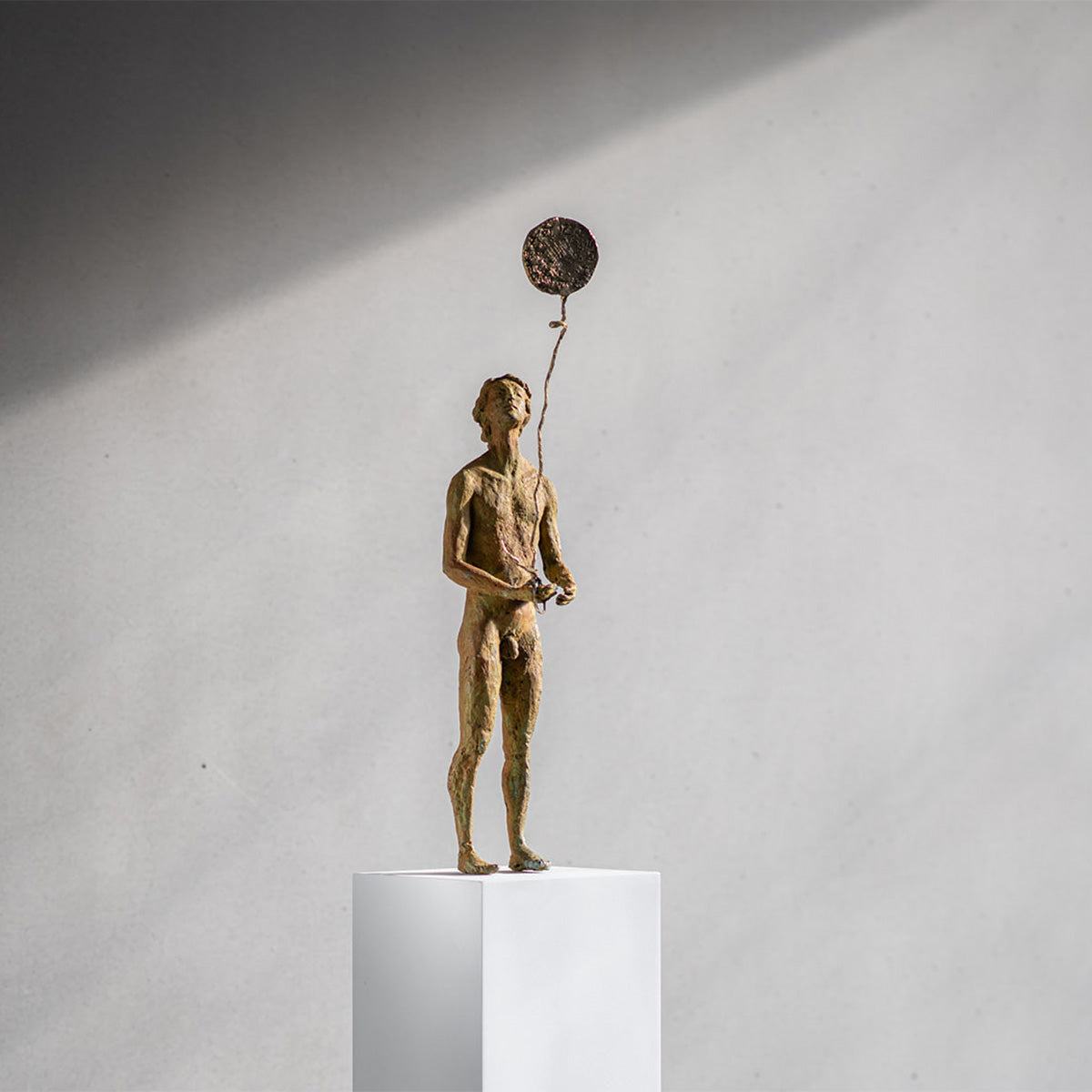
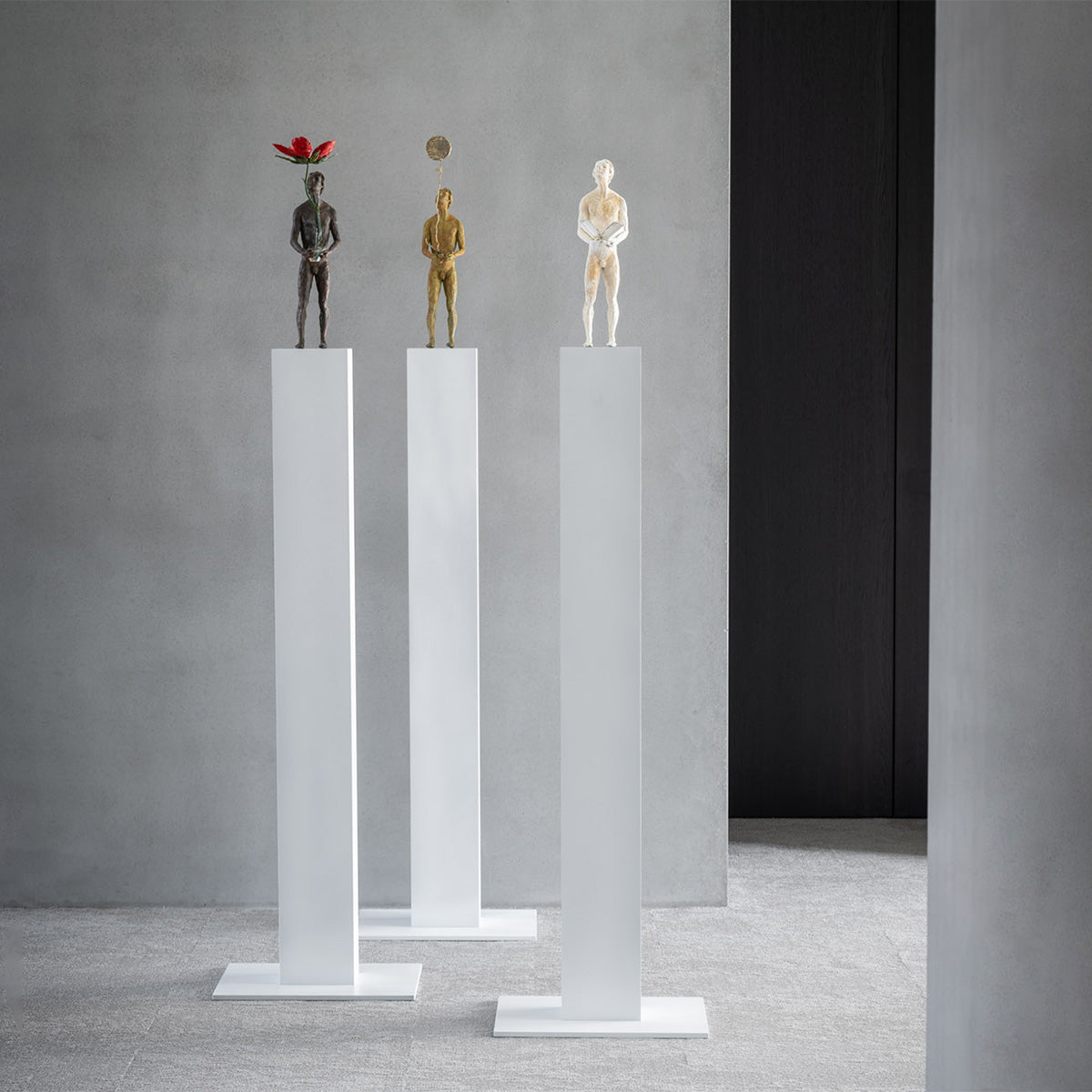
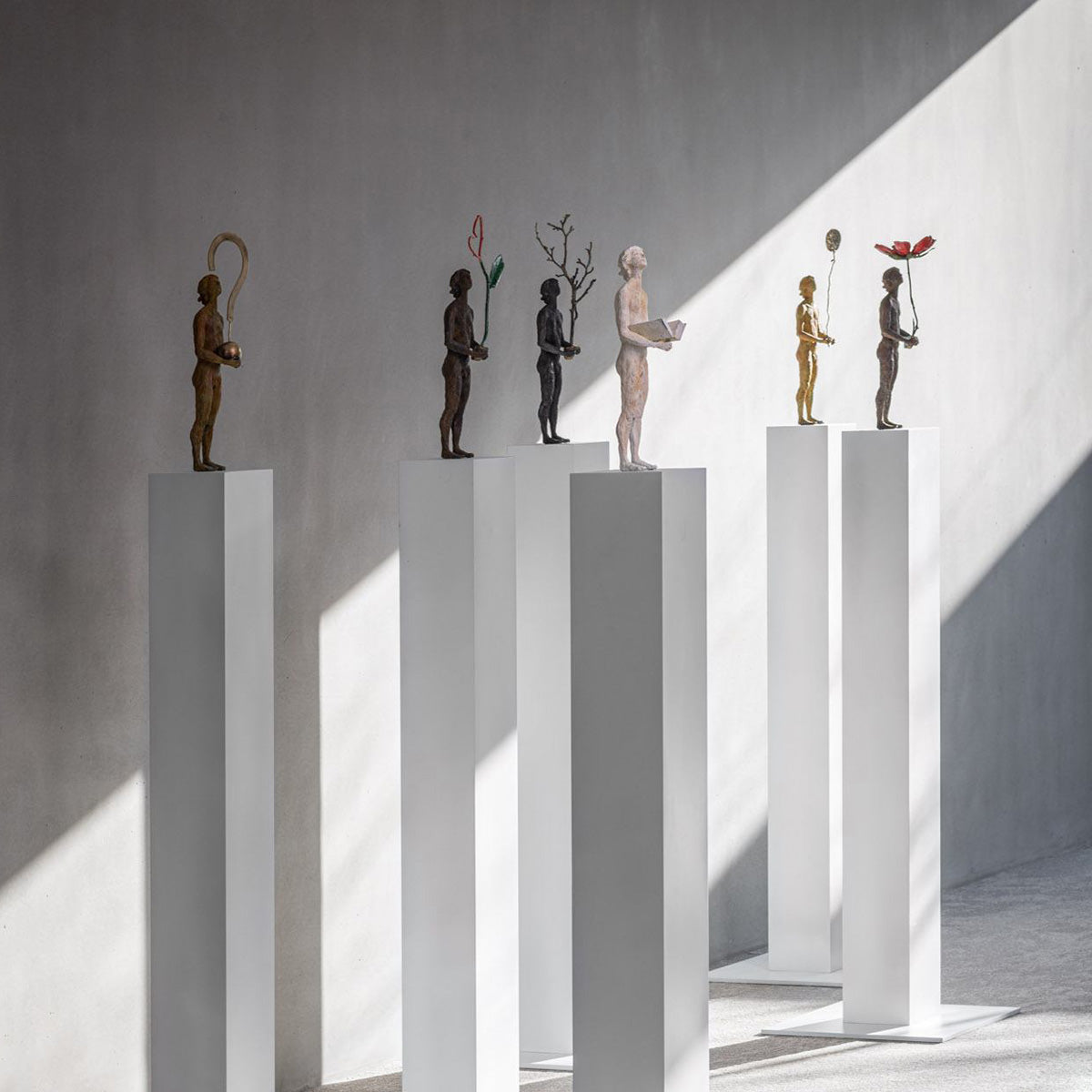
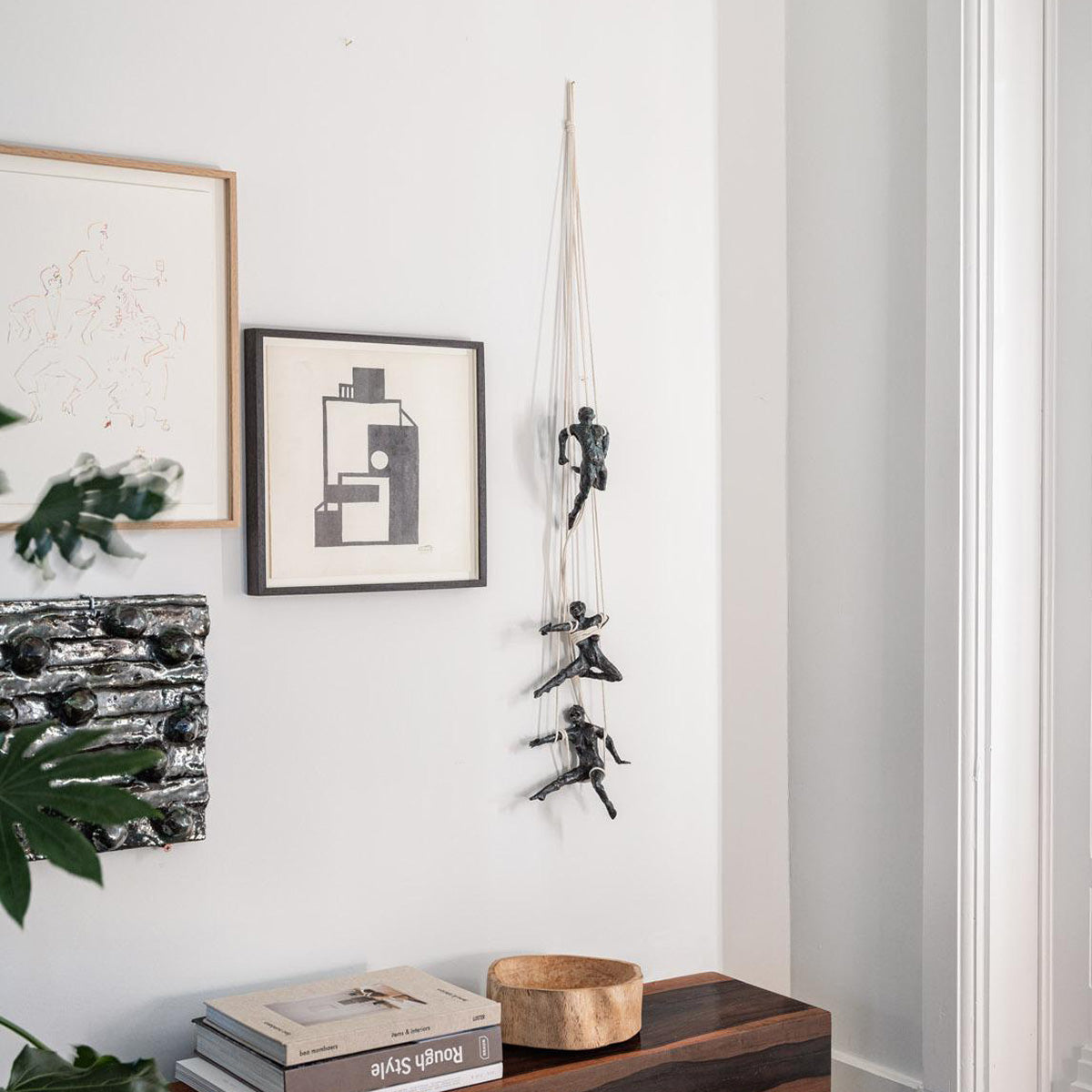
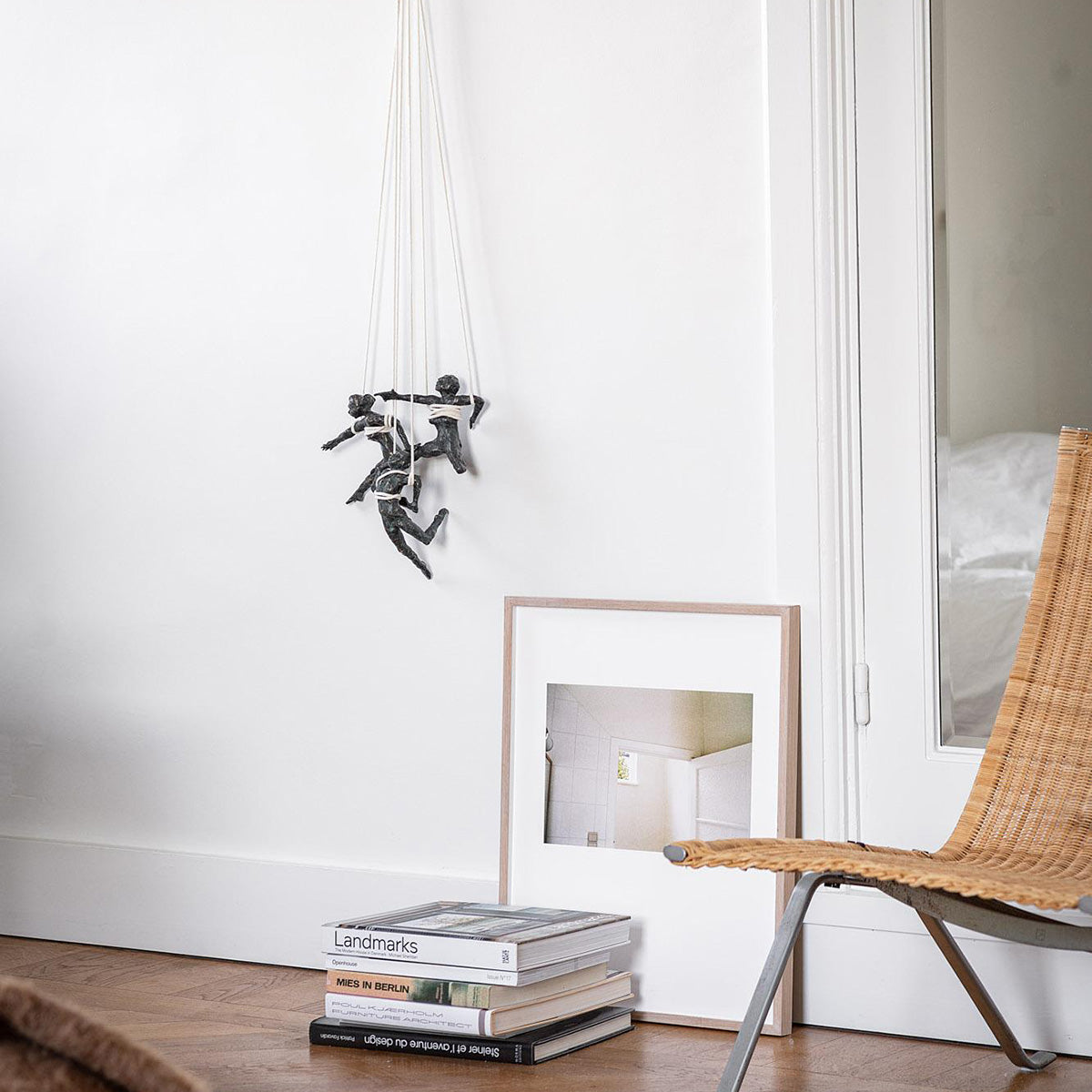
Scale determines whether a figurative piece reads as a focal point or a detail. Smaller figures work best at eye level when seated, on a low console, shelf, or side table, where their proportions can be appreciated closely. Larger floor-standing sculptures need clear space around them; crowding reduces their psychological presence. Groups of related figures can be composed to suggest dialogue. When in doubt, give a single strong piece more room than feels necessary. The empty space around sculpture is part of the work. Scale and surface character are also genuinely difficult to judge from photographs alone. If works from this collection are on display at a showroom near you, confirm what is currently showing before making the trip, as displays rotate.
What is lost-wax casting and why does it matter for bronze sculpture?
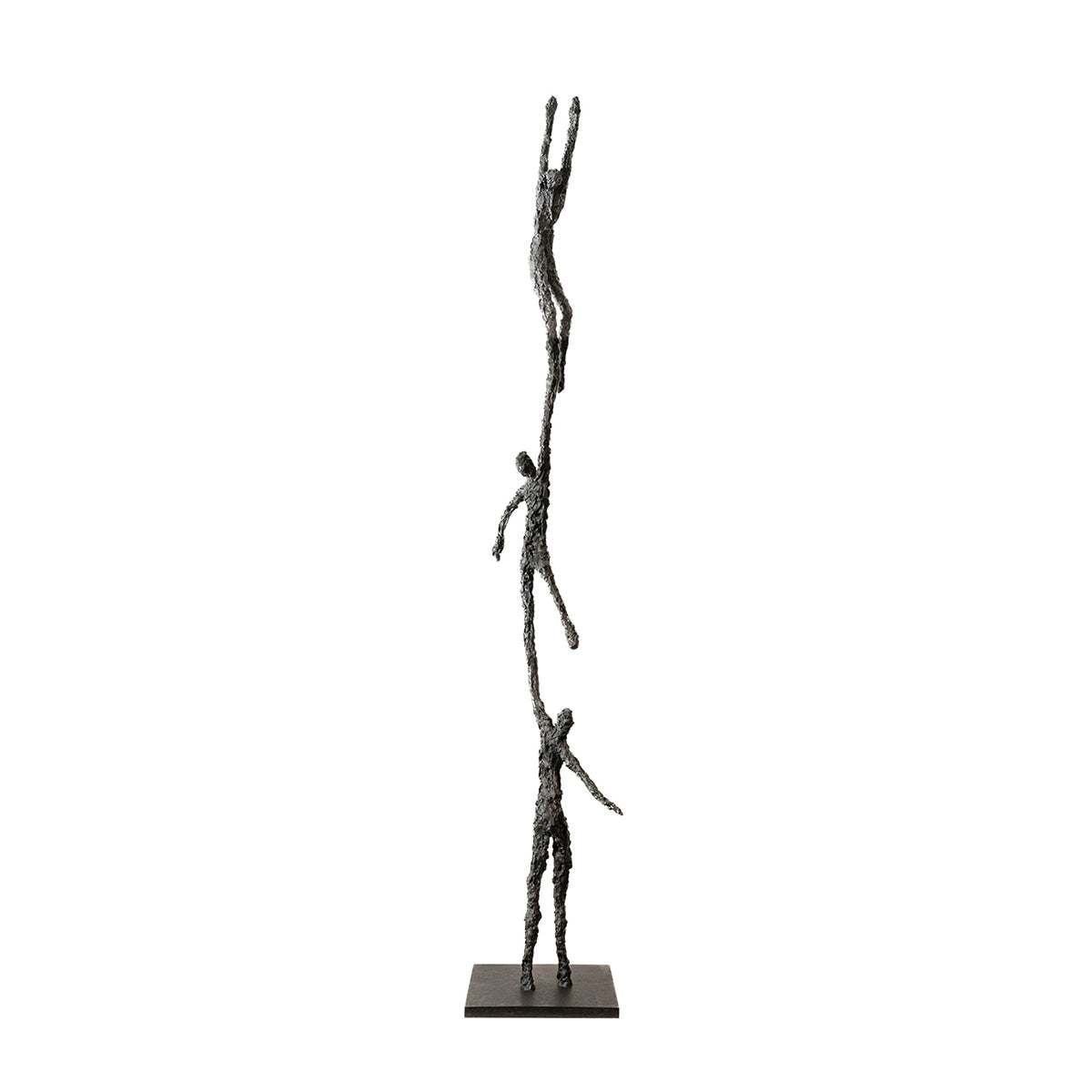
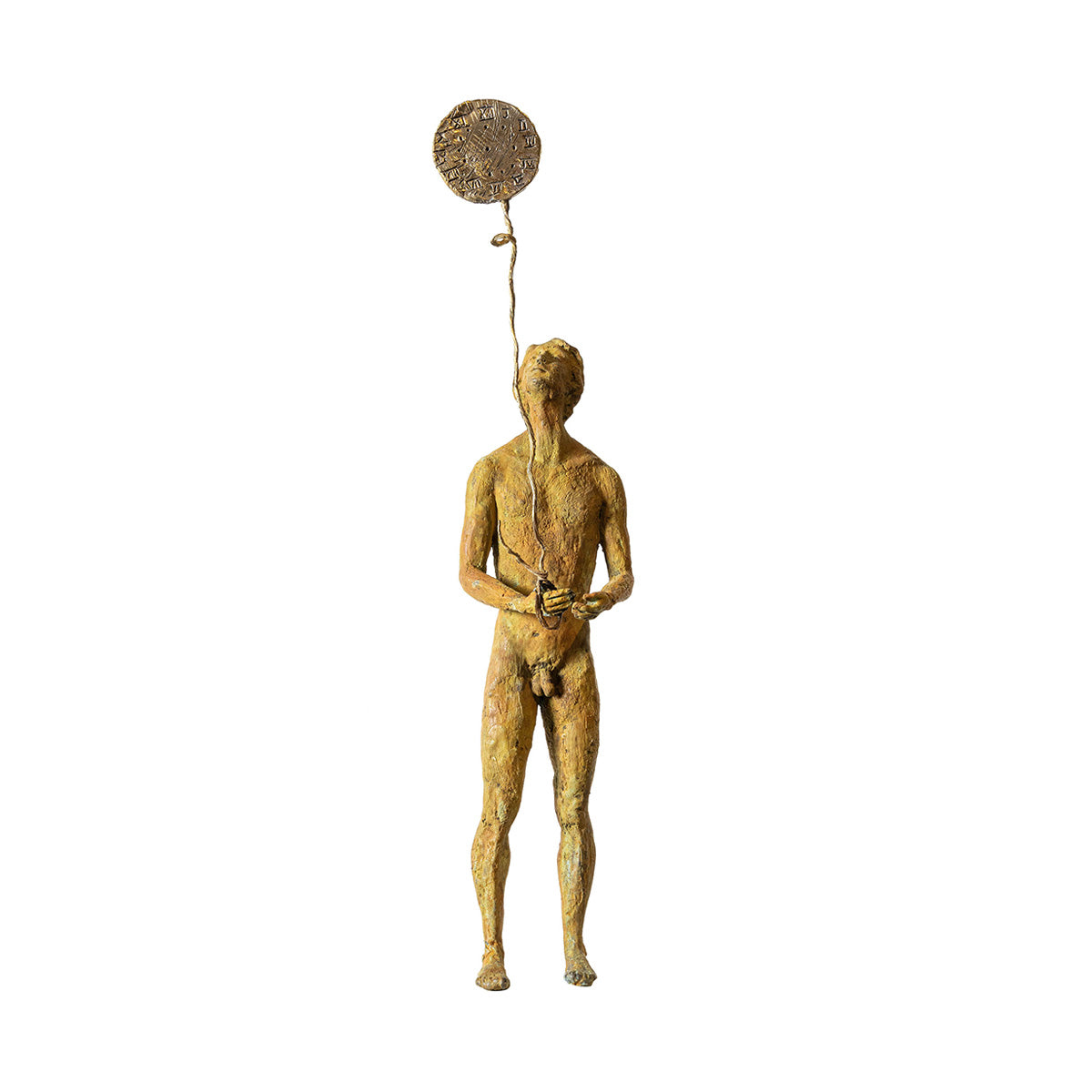
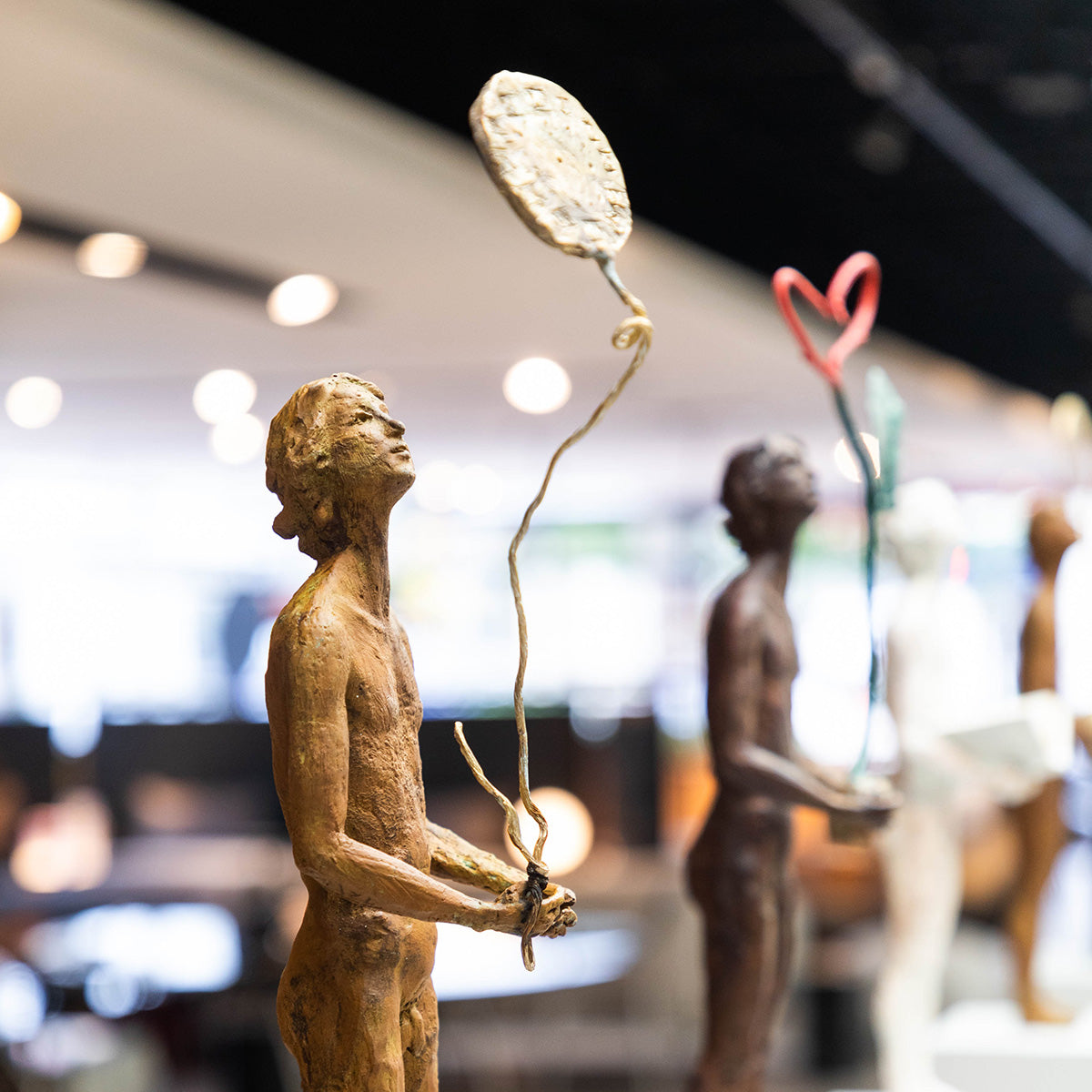
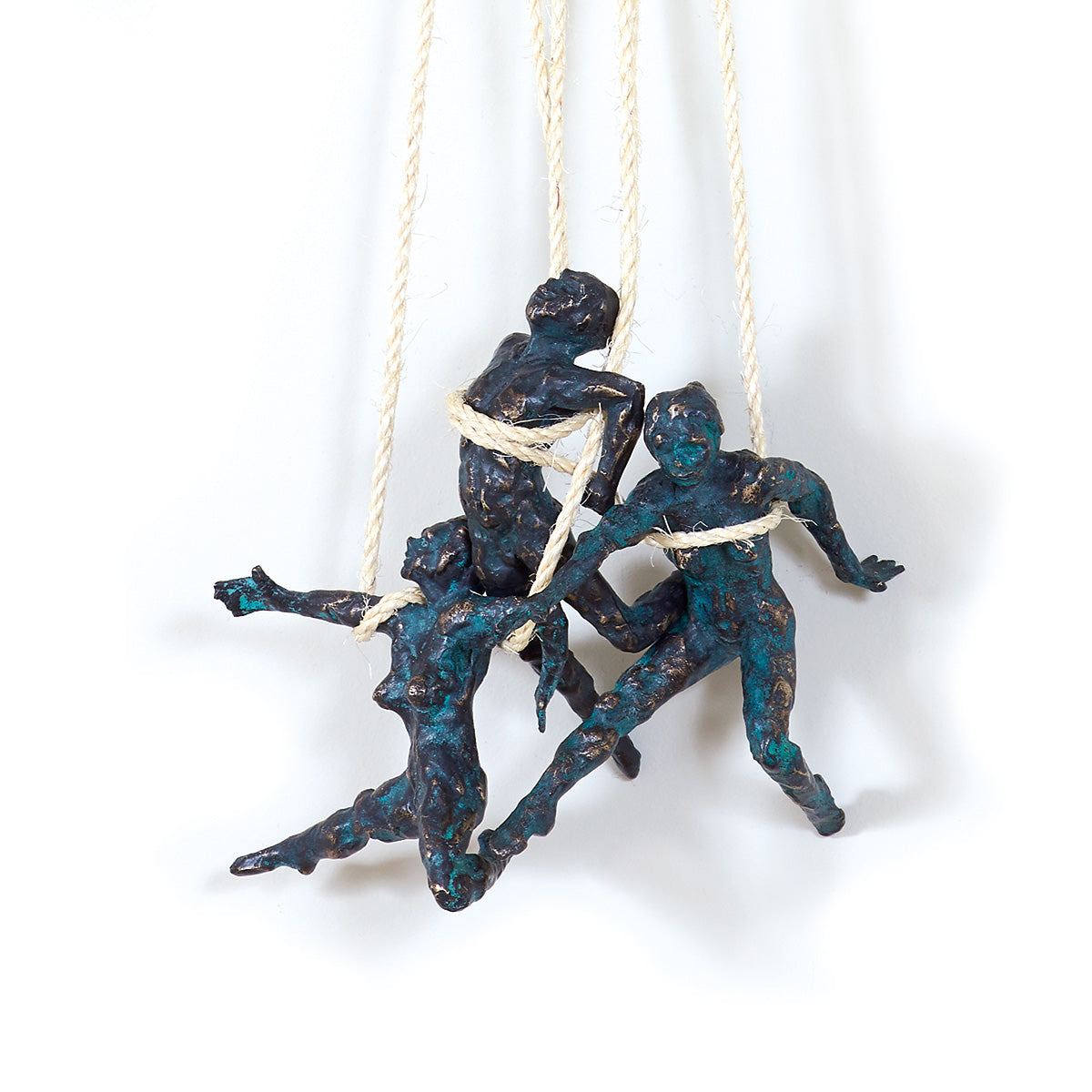
Lost-wax casting is one of the oldest metal-forming processes still in use. A wax model is encased in ceramic mold material, the wax is burned out, and molten bronze is poured into the void. Because each wax original is destroyed in the process, every cast carries slight variation. The patina applied afterward deepens with age and light exposure, giving the surface a character that develops over time. For collectors, this means no two pieces are identical, and the object changes slowly with its environment. Ann Vrielinck is among the sculptors whose bronze work demonstrates how the process informs the finished object.
What makes recycled pulp and cardboard a credible sculptural medium?
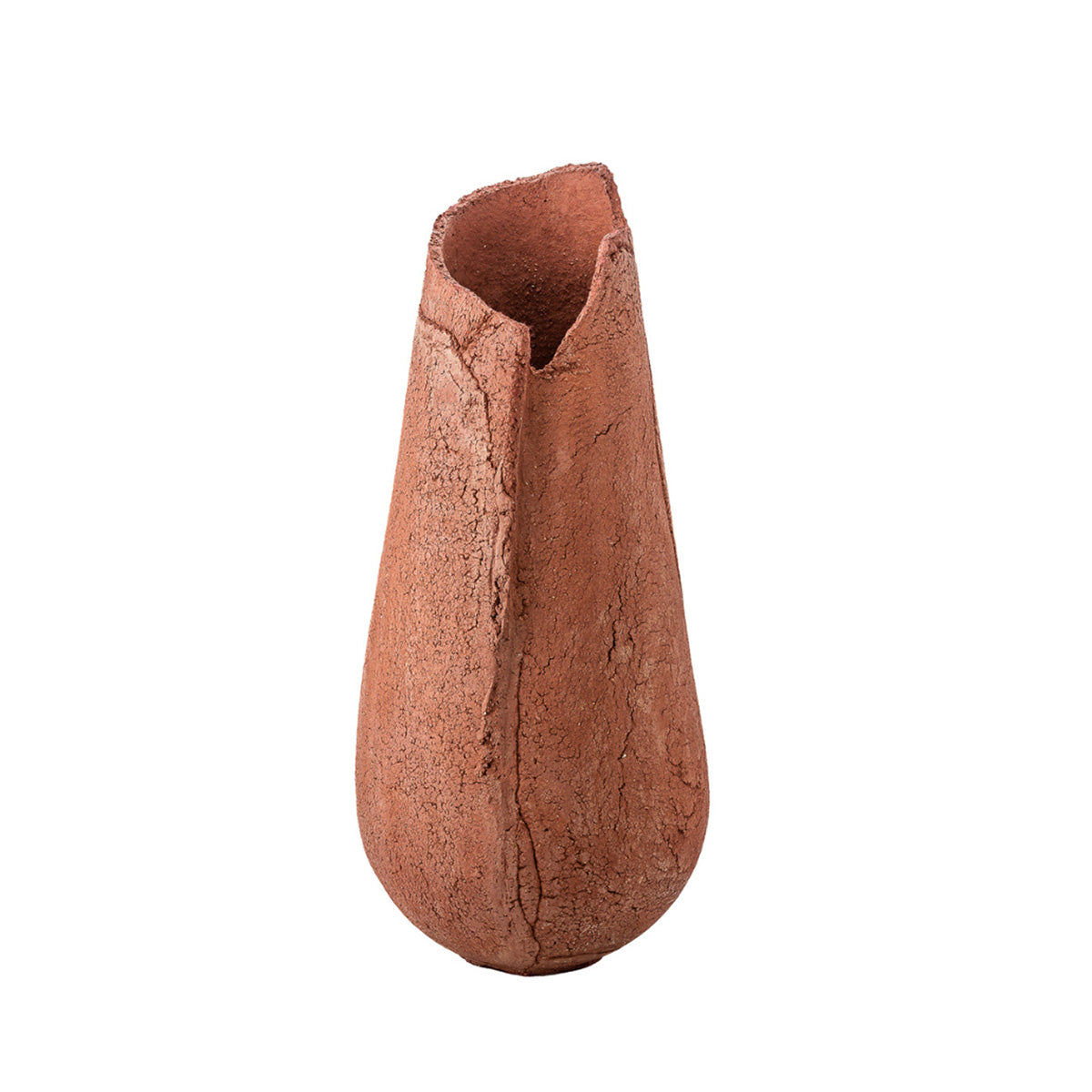
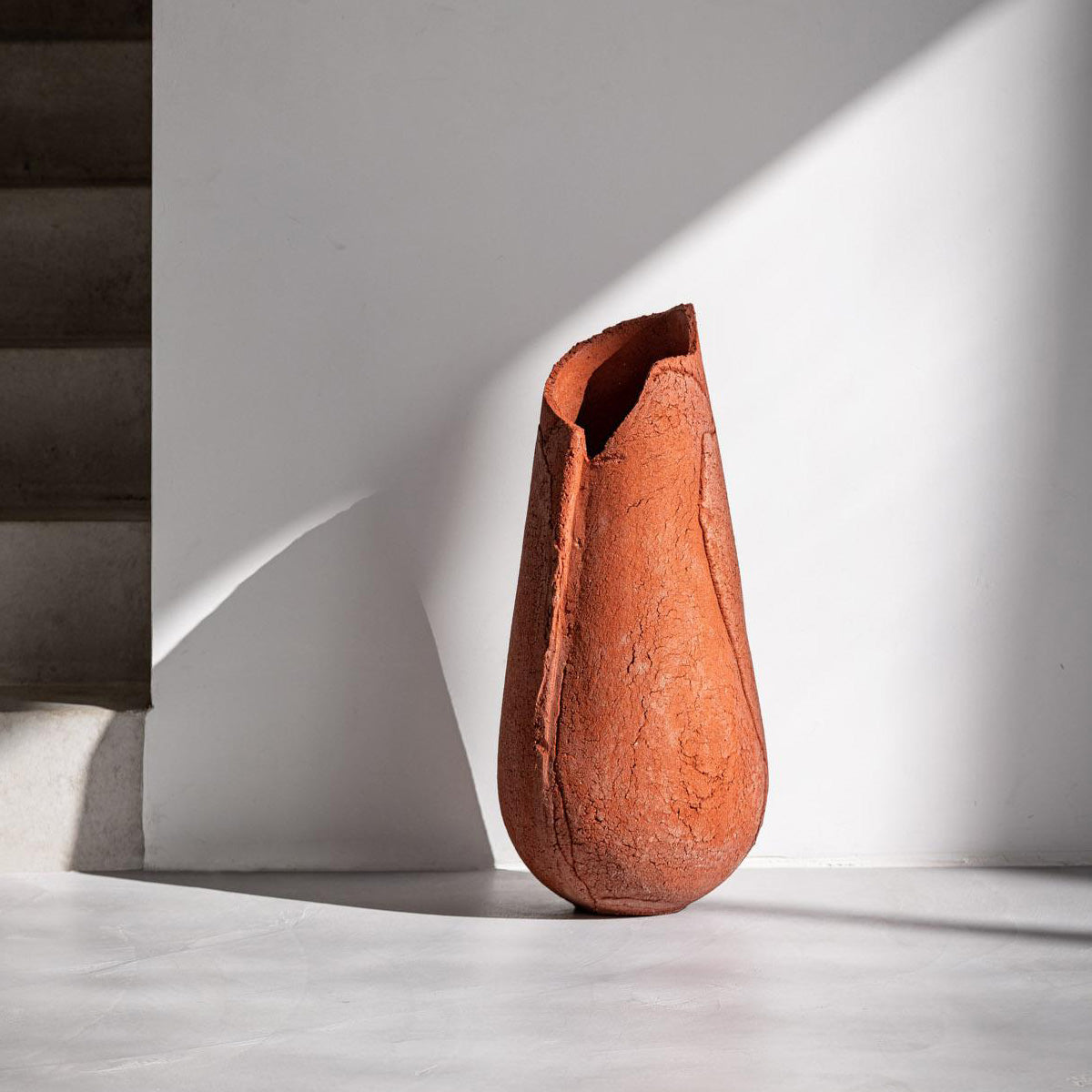
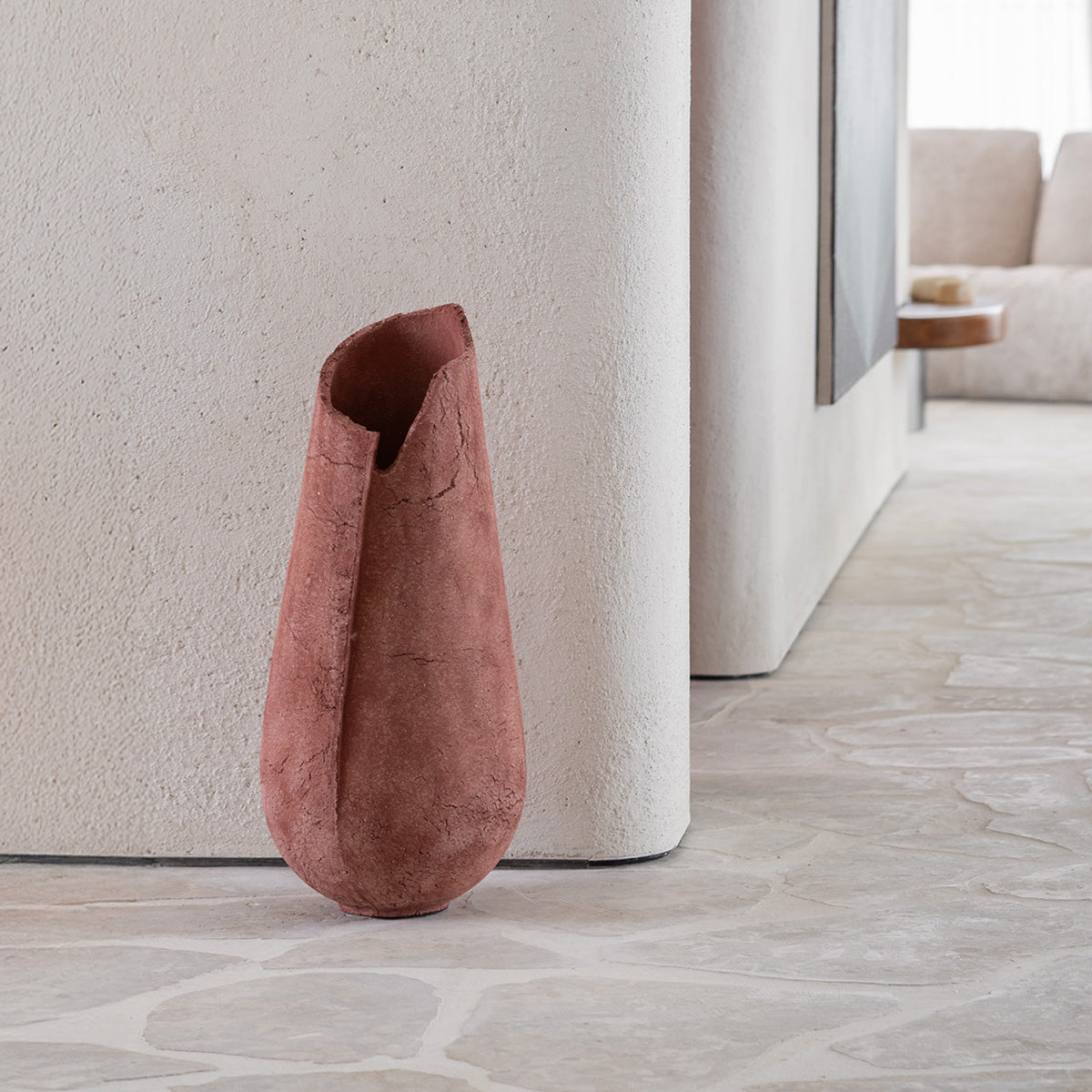
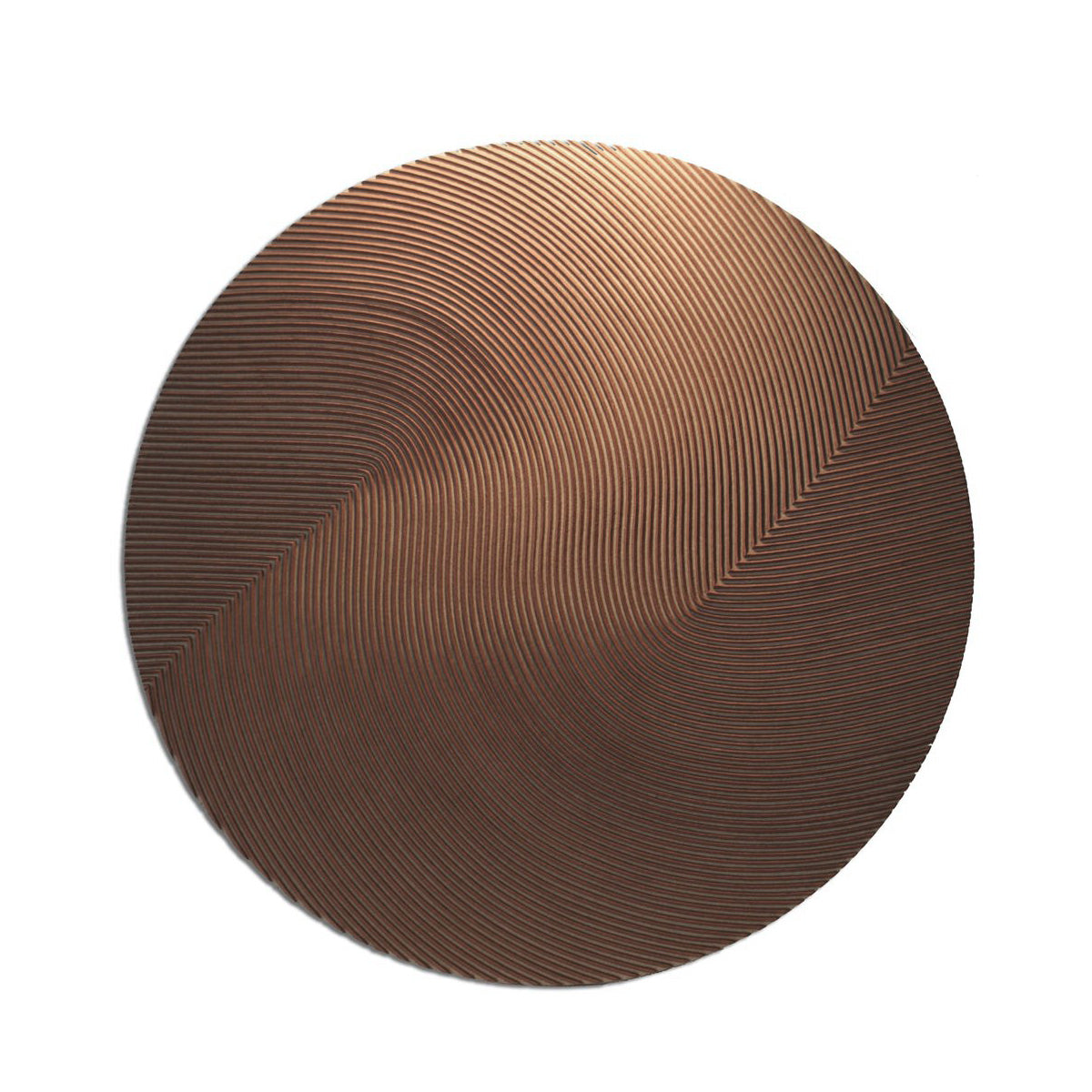
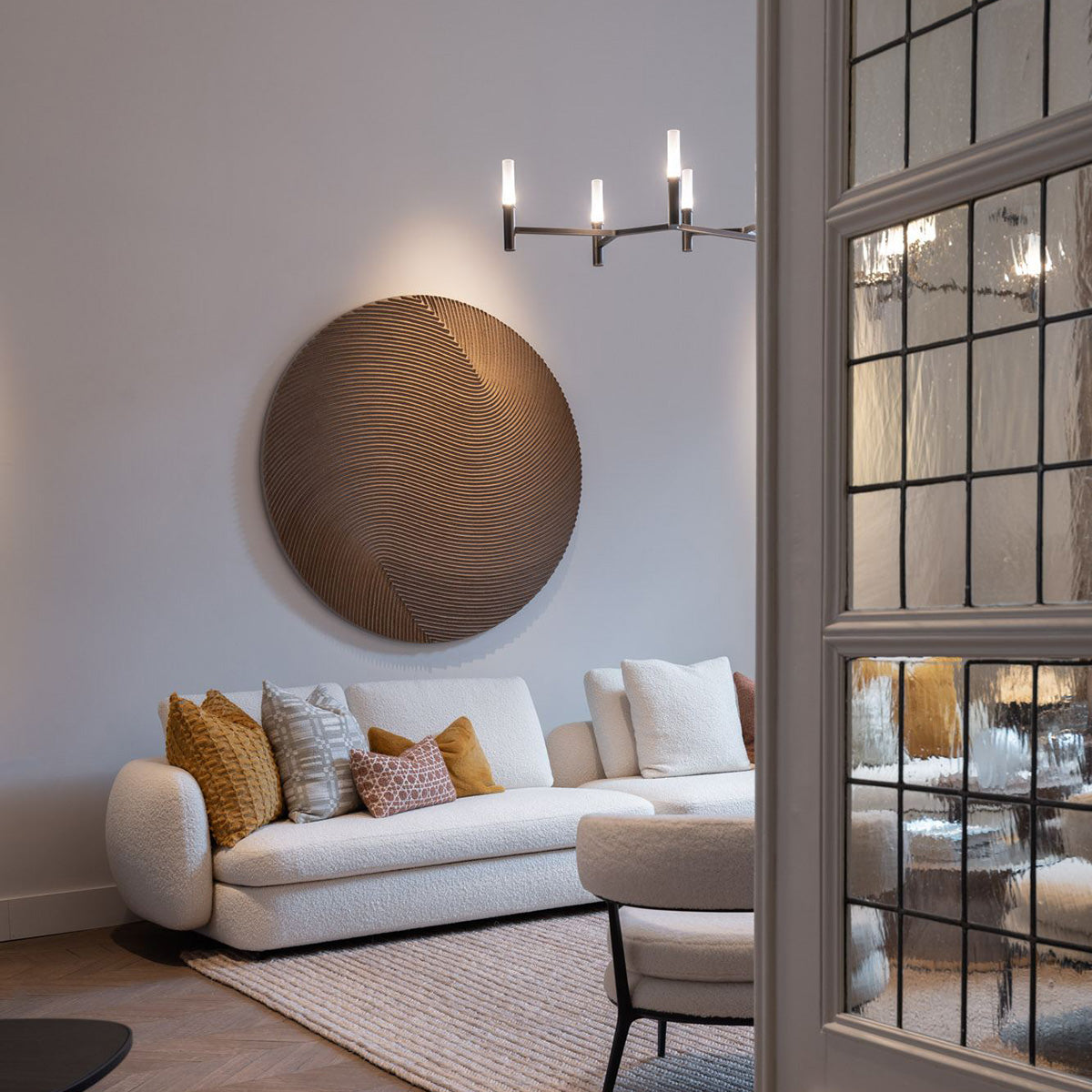
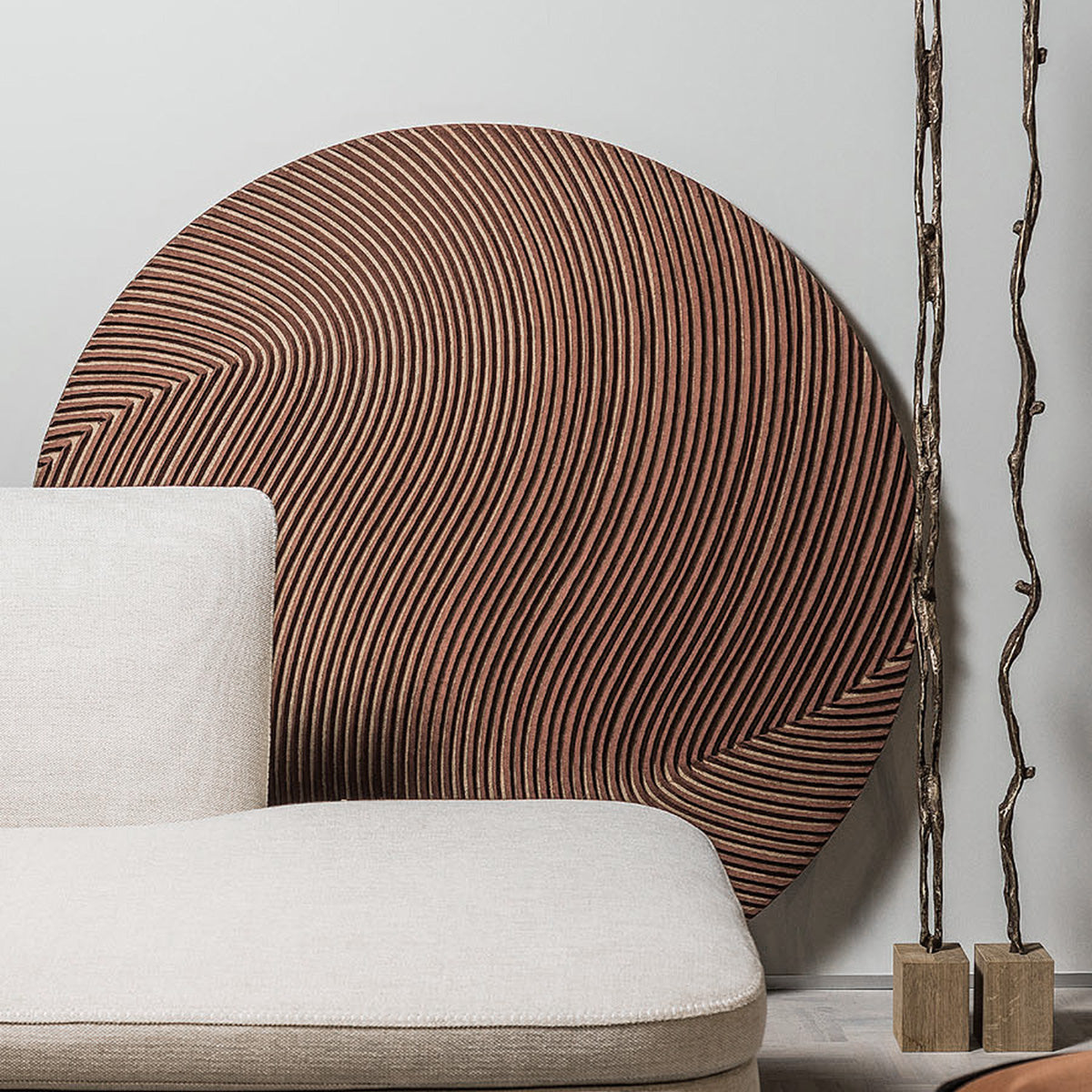
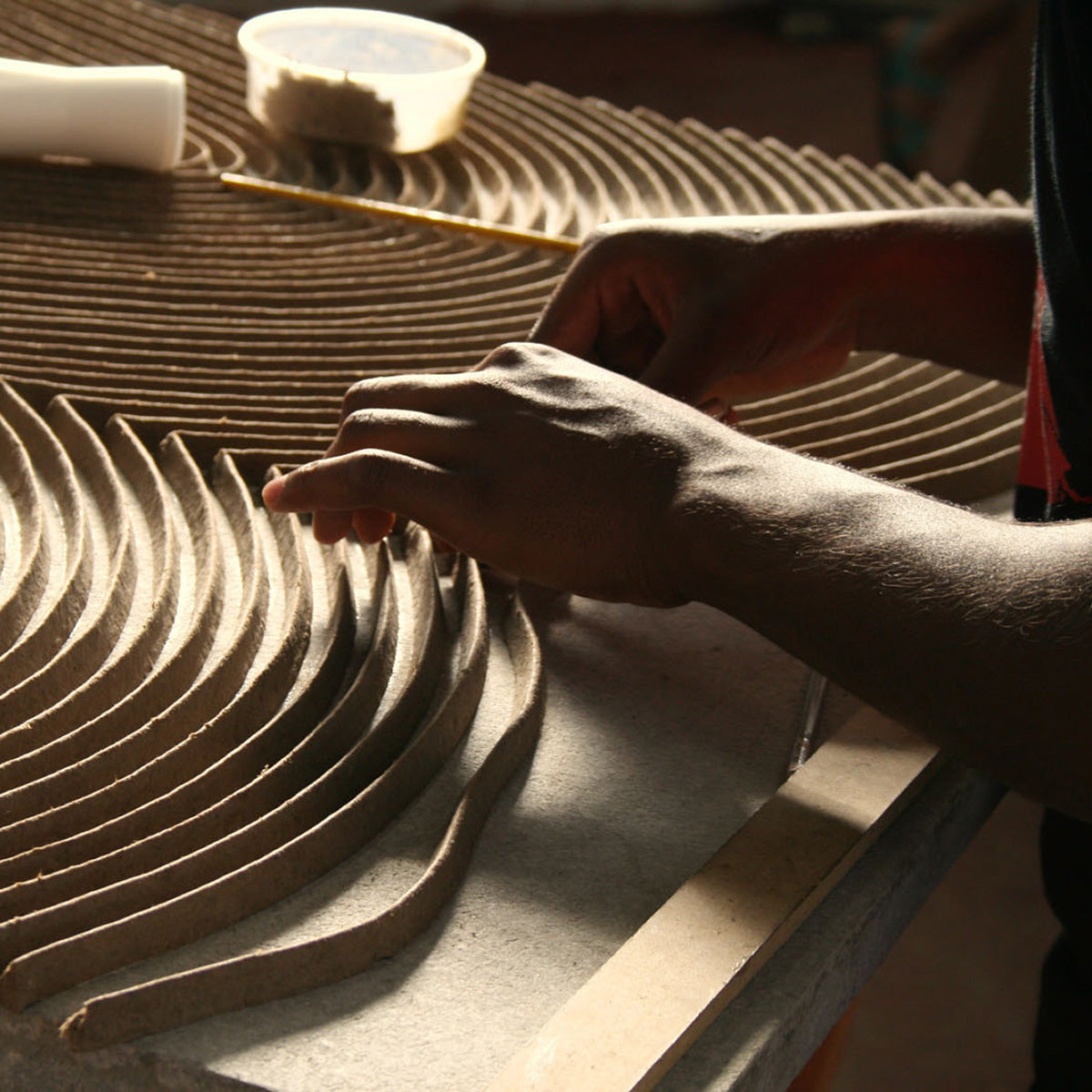
The credibility is in the process. Discarded cardboard broken down into dense pulp, blended with natural soil and binders, then hand-formed and sun-dried, produces a surface with the texture and tonal depth of fired earth. Natural pigments applied by hand mean each piece carries its own palette. The medium is inseparable from the place and practice it comes from: the landscape, the light, and the specific material logic of the studio where it is made. Function and origin are the same thing.
Can hand-formed ceramic sculptures vary significantly between pieces?
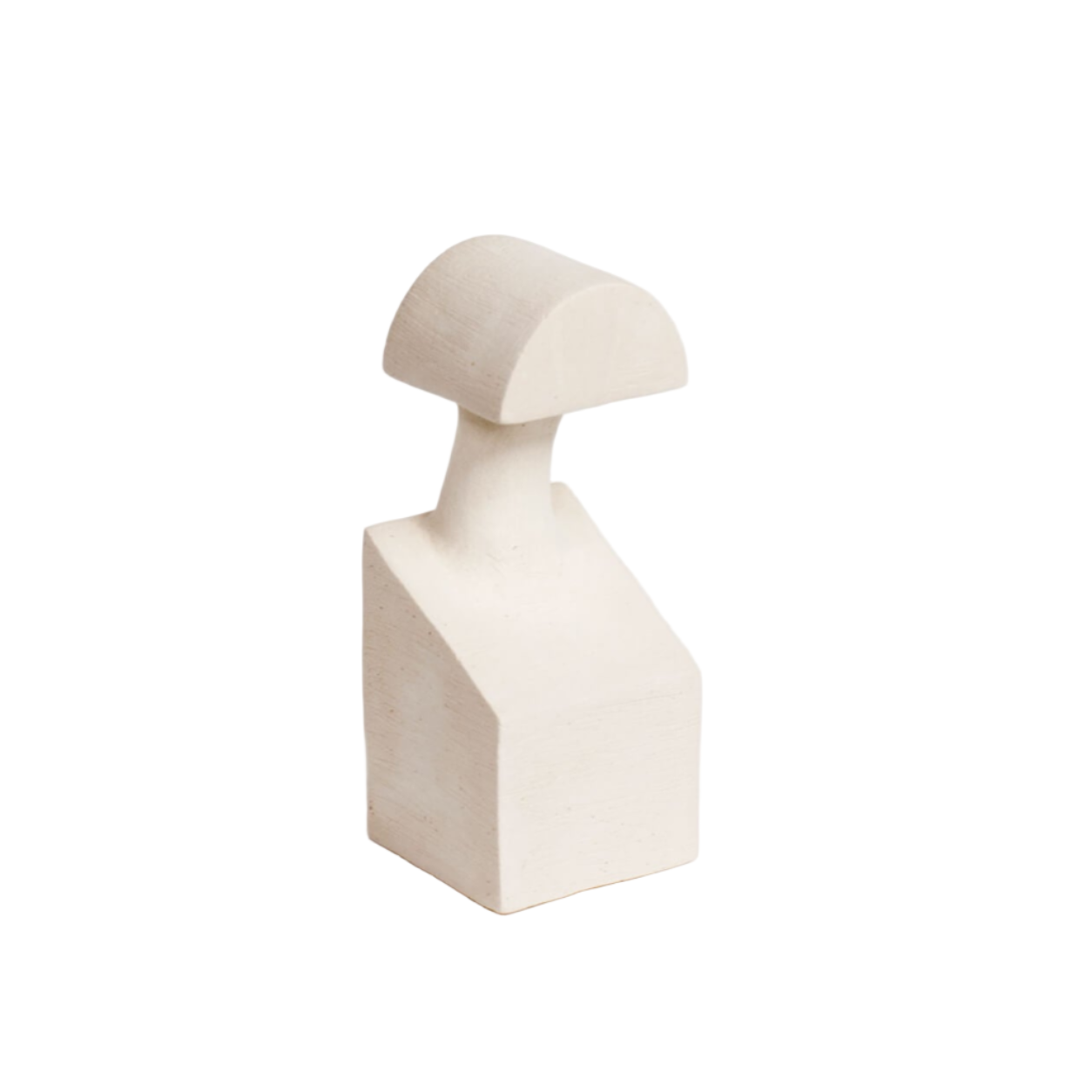
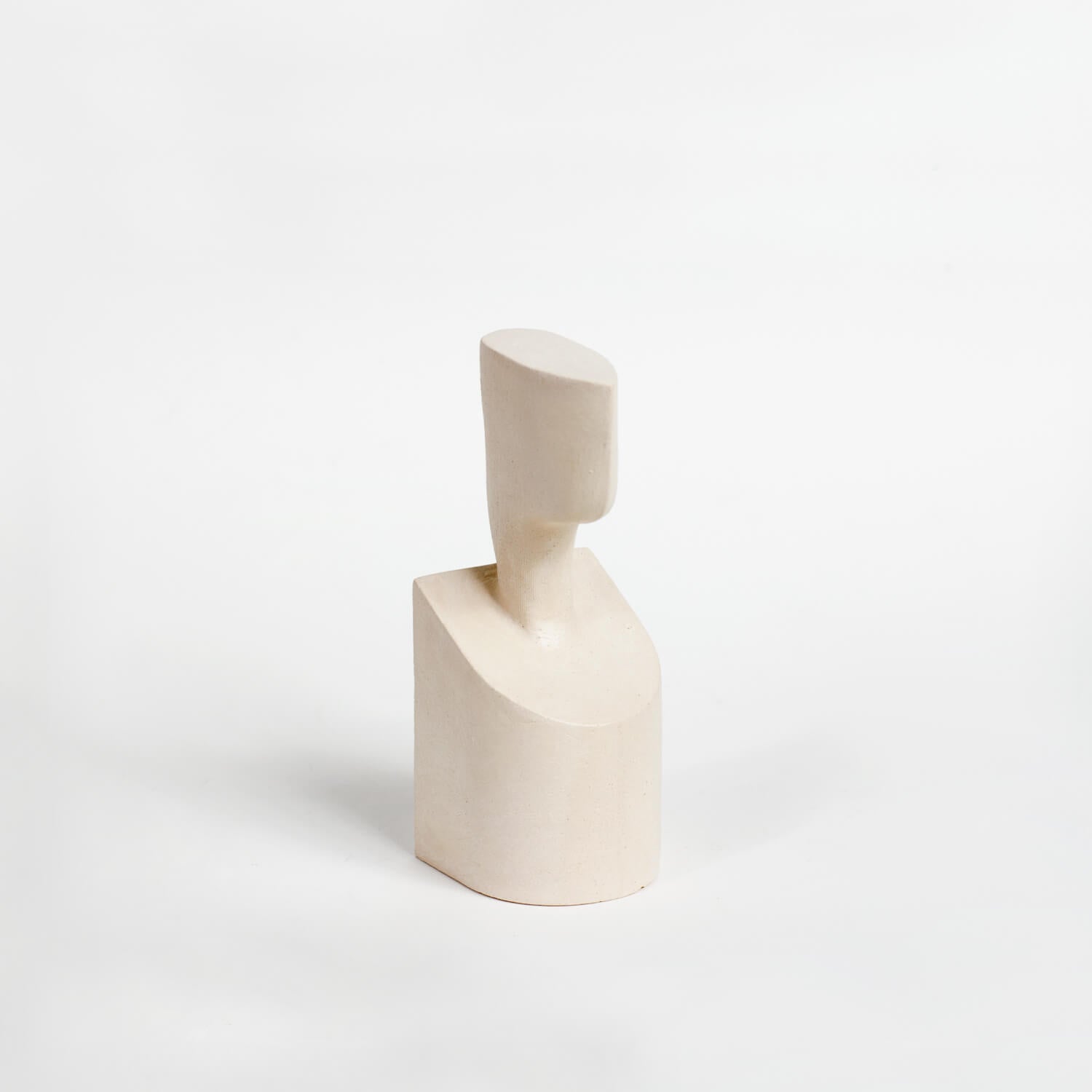
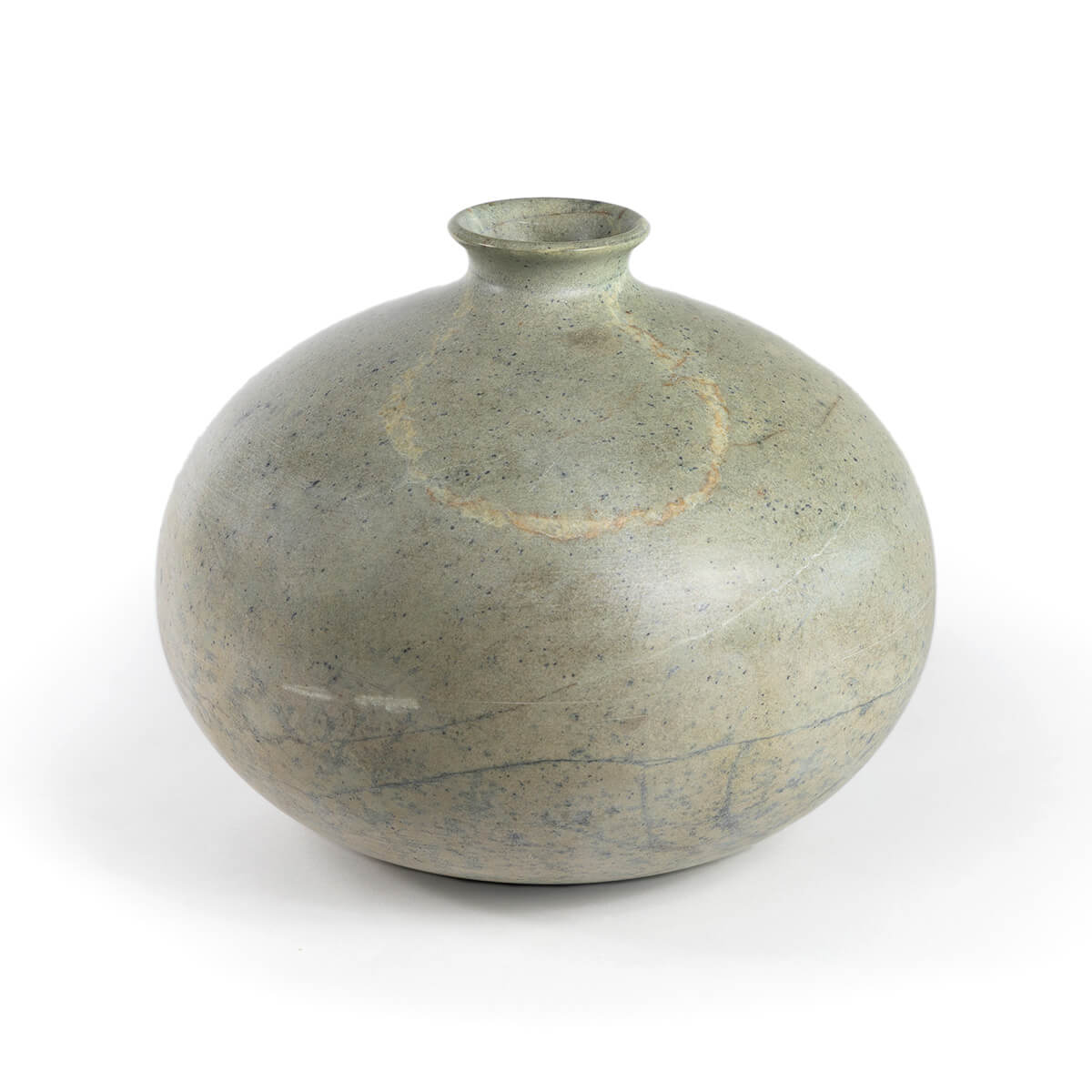
Yes, and that variation is intentional. When natural clay and raw color pigments are the only materials, no two firings produce the same result. Slight tonal shifts, surface texture differences, and minor variations in form are the direct consequence of working by hand without industrial intervention. For collectors, this is a feature rather than a flaw: it is the record of a specific making, carried in the object permanently. Guido Deleu's ceramic figures are a clear example: each is shaped and finished by hand, with no industrial color or surface treatment to standardize the outcome. If exact uniformity matters for a project, it is worth discussing expectations with a design consultant before ordering.
How do I approach collecting a series of related sculptures as a group?
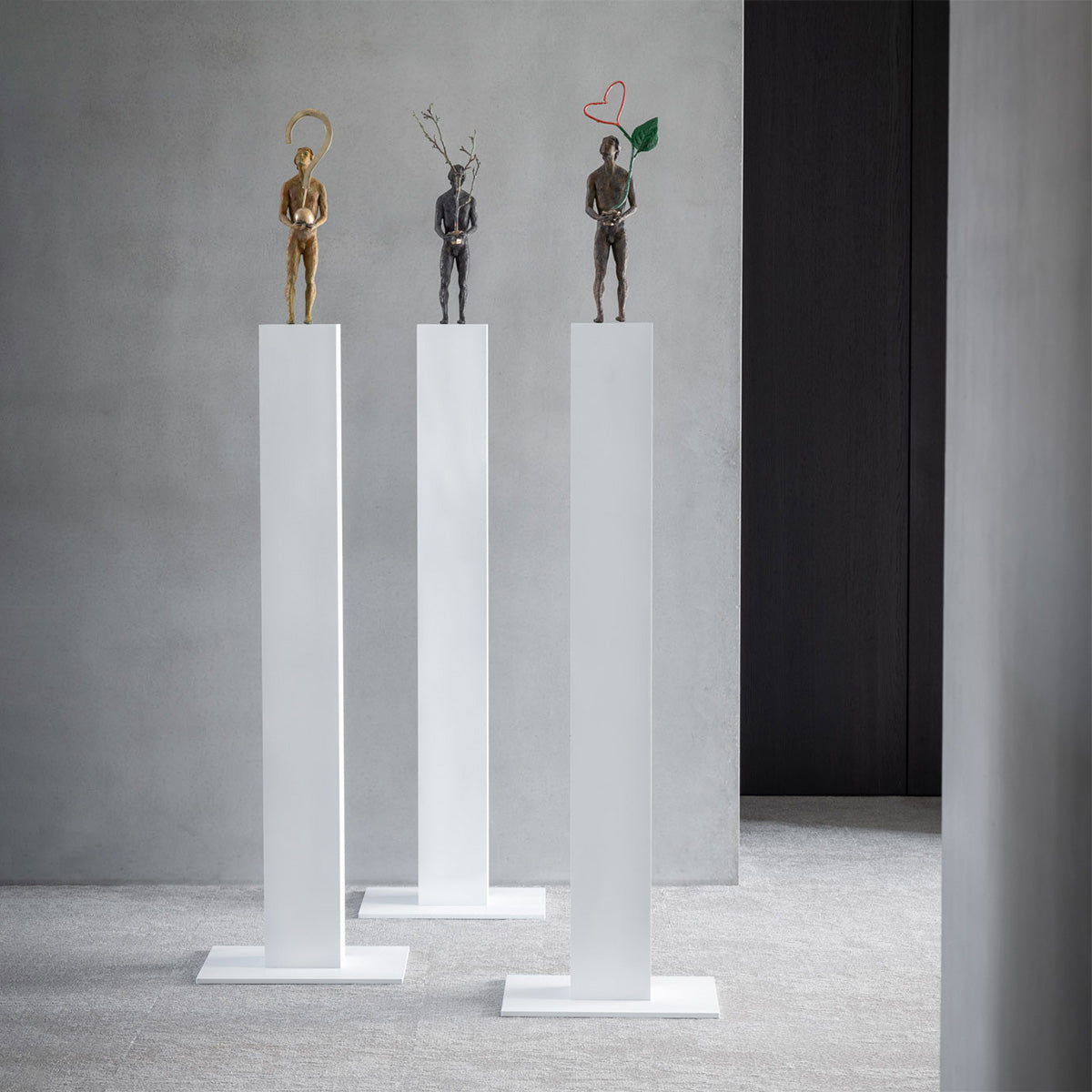
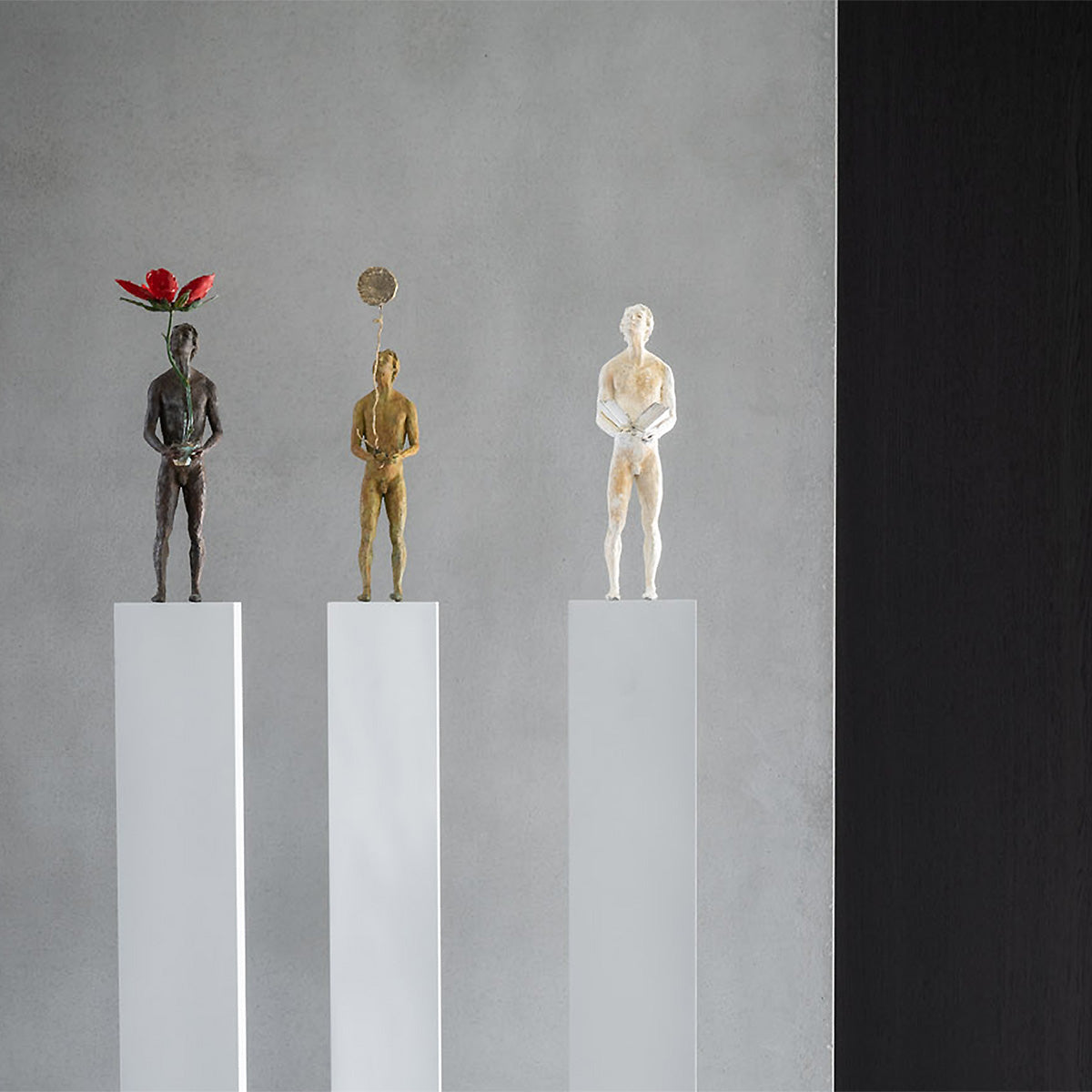
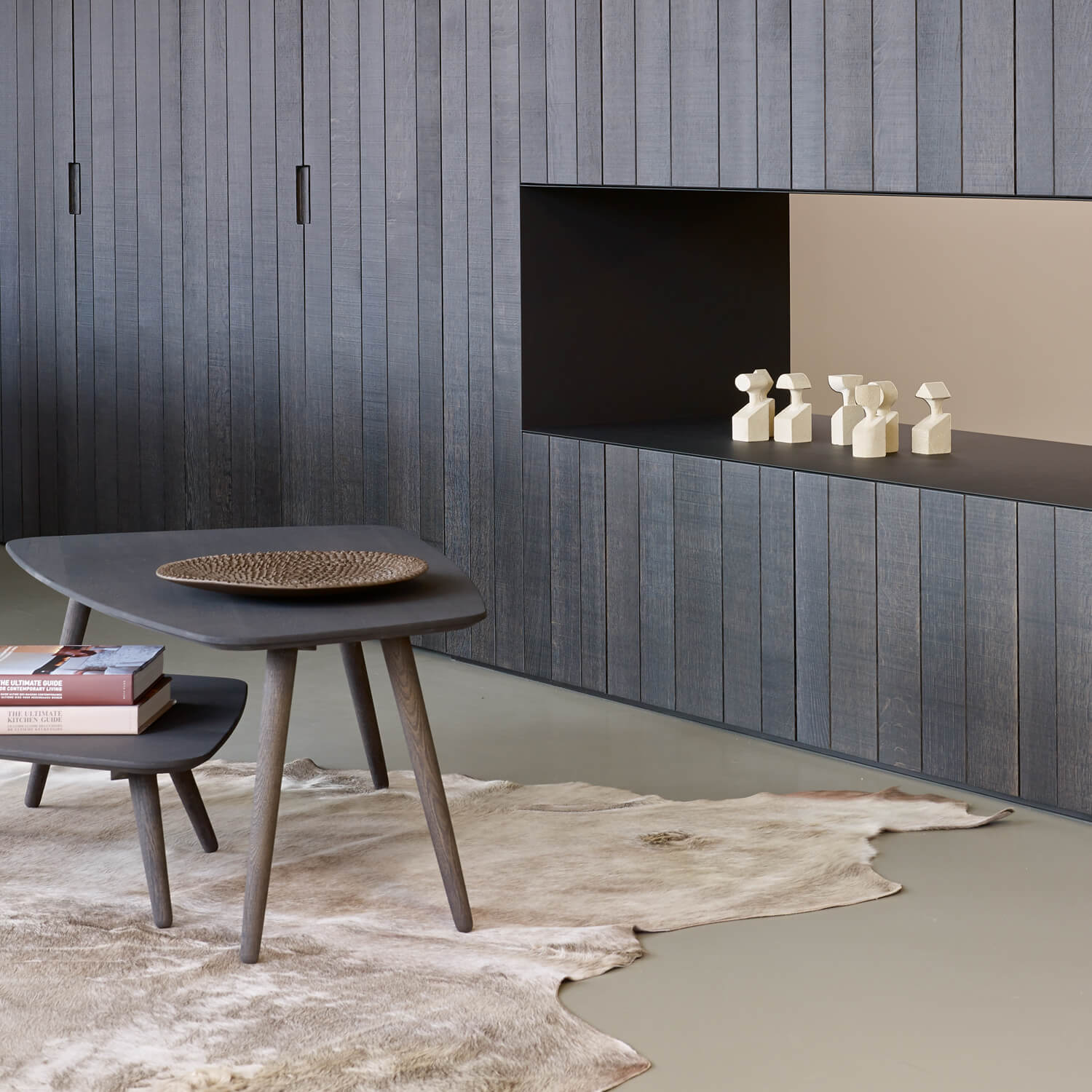
Series work is designed to function both alone and in composition. A single piece makes a complete statement. Grouped, the figures or forms enter into a dialogue with one another and with the space between them. When assembling a series, consider proximity and rhythm: too tightly packed, the individual pieces lose their presence; too spread apart, the relationship disappears. A consistent surface or pedestal height helps the eye read them as a family. Starting with two or three pieces and building gradually allows the composition to evolve.
Is it worth experiencing sculptural objects in person before purchasing?
For sculpture, the in-person encounter matters more than for most categories. Scale is consistently misjudged from photographs. The way a patinated or raw surface responds to a room's specific light, the actual weight suggested by a form, and the grain of a hand-worked finish are all things a screen cannot communicate. If works from this collection are on display in a showroom near you, visiting before deciding is worthwhile. Confirm what is currently showing before making the trip, as displays rotate. A showroom appointment gives you dedicated time with a consultant to assess the pieces that interest you most.
What interior settings suit raw, earth-toned ceramic and pulp sculpture best?
Works in natural clay, earth pigment, or recycled pulp carry a visual weight that reads best against neutral or textured backdrops. Raw plaster, linen, pale stone, and warm wood all allow the object's own tonality to come forward. Against high-gloss or very cool surfaces, the earthen character can feel diminished. These pieces tend to anchor rather than accent, so they work in spaces with room to breathe: a wide console, a low shelf with clear surroundings, or a plinth with open space on all sides.
Elevate Your Space
Since 1974, we have been at the forefront of innovation in the design sphere, revolutionizing perceptions of good design.