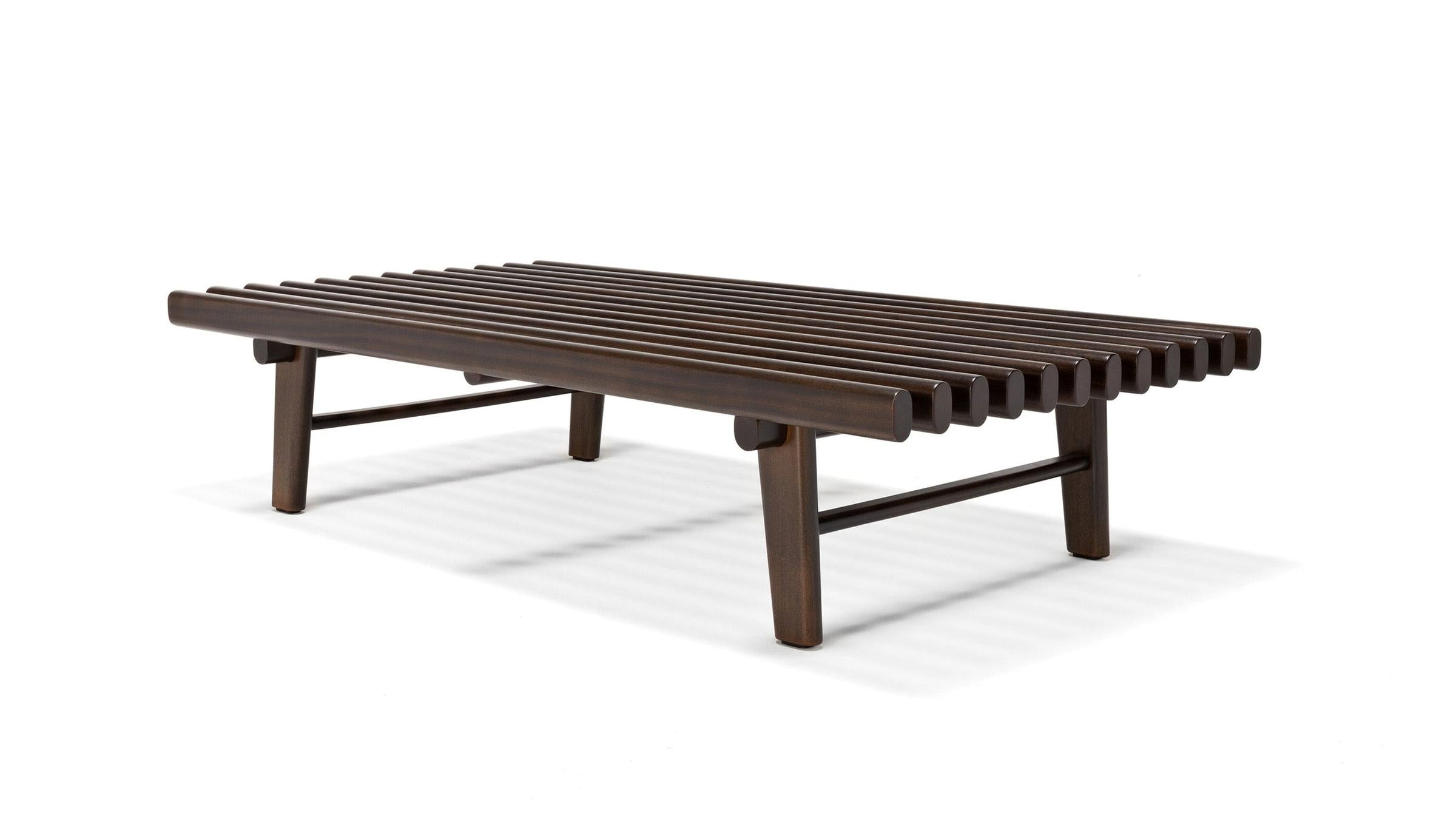
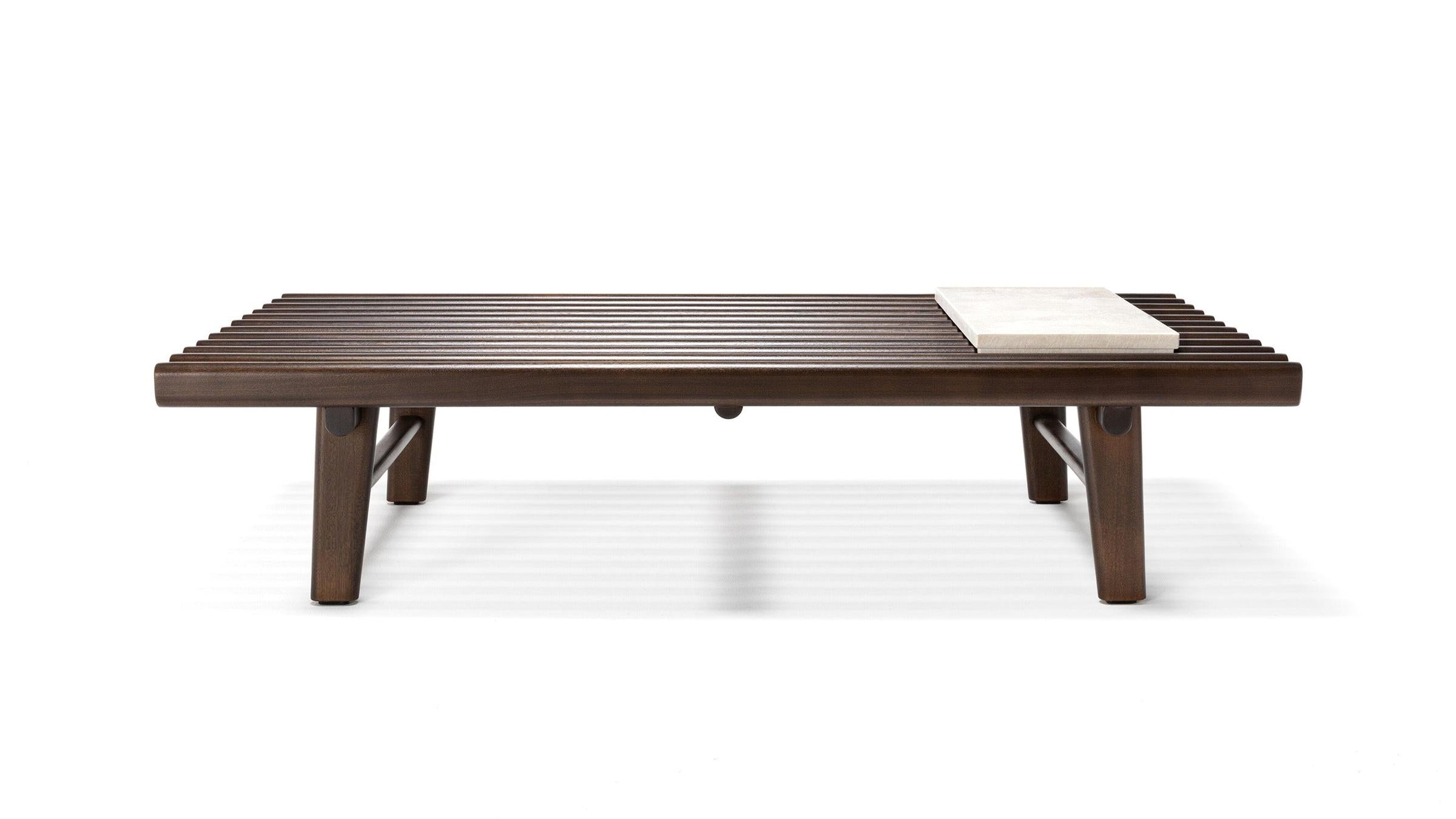
Tavolino Elba
Made by Exteta
Designed by Massimo Castagna
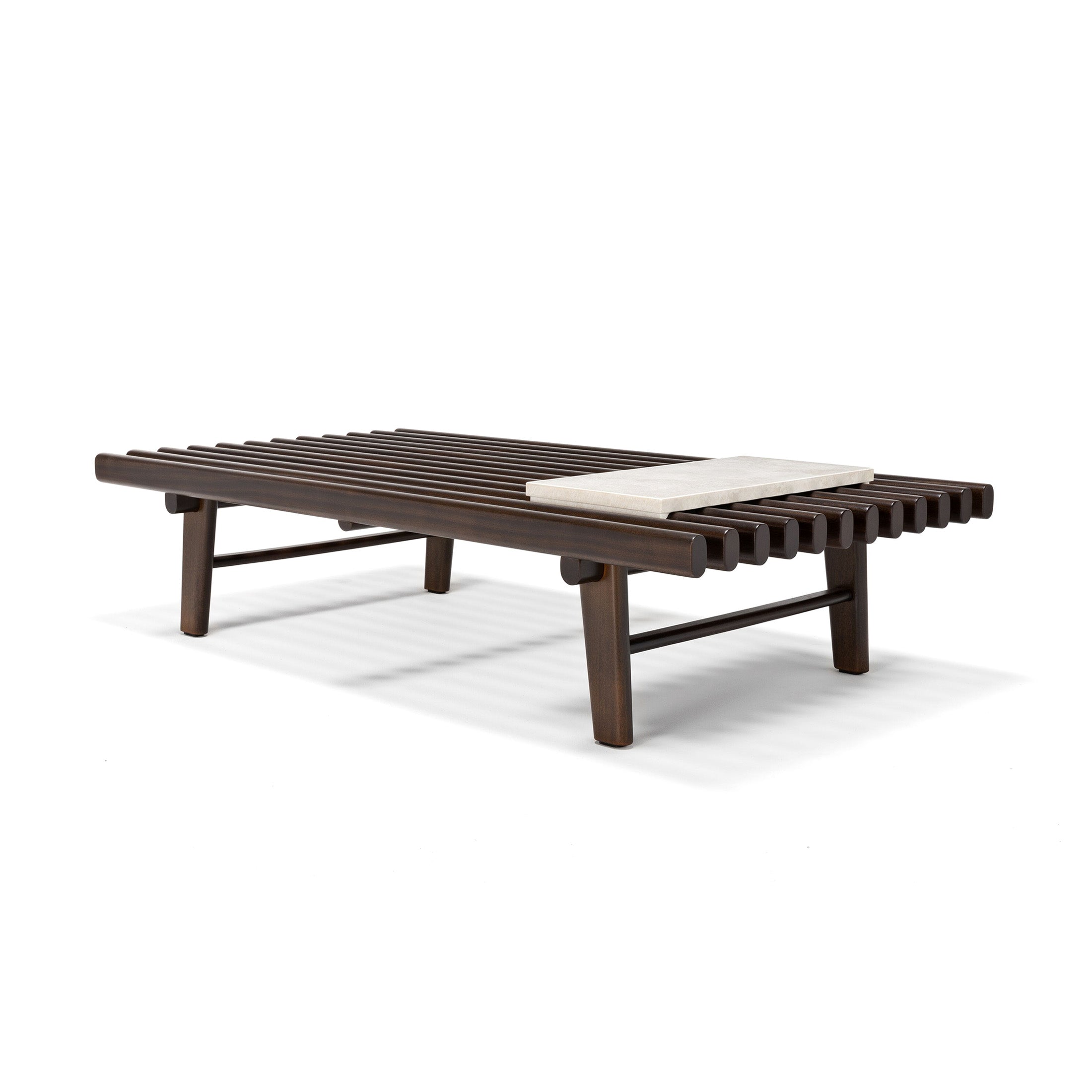
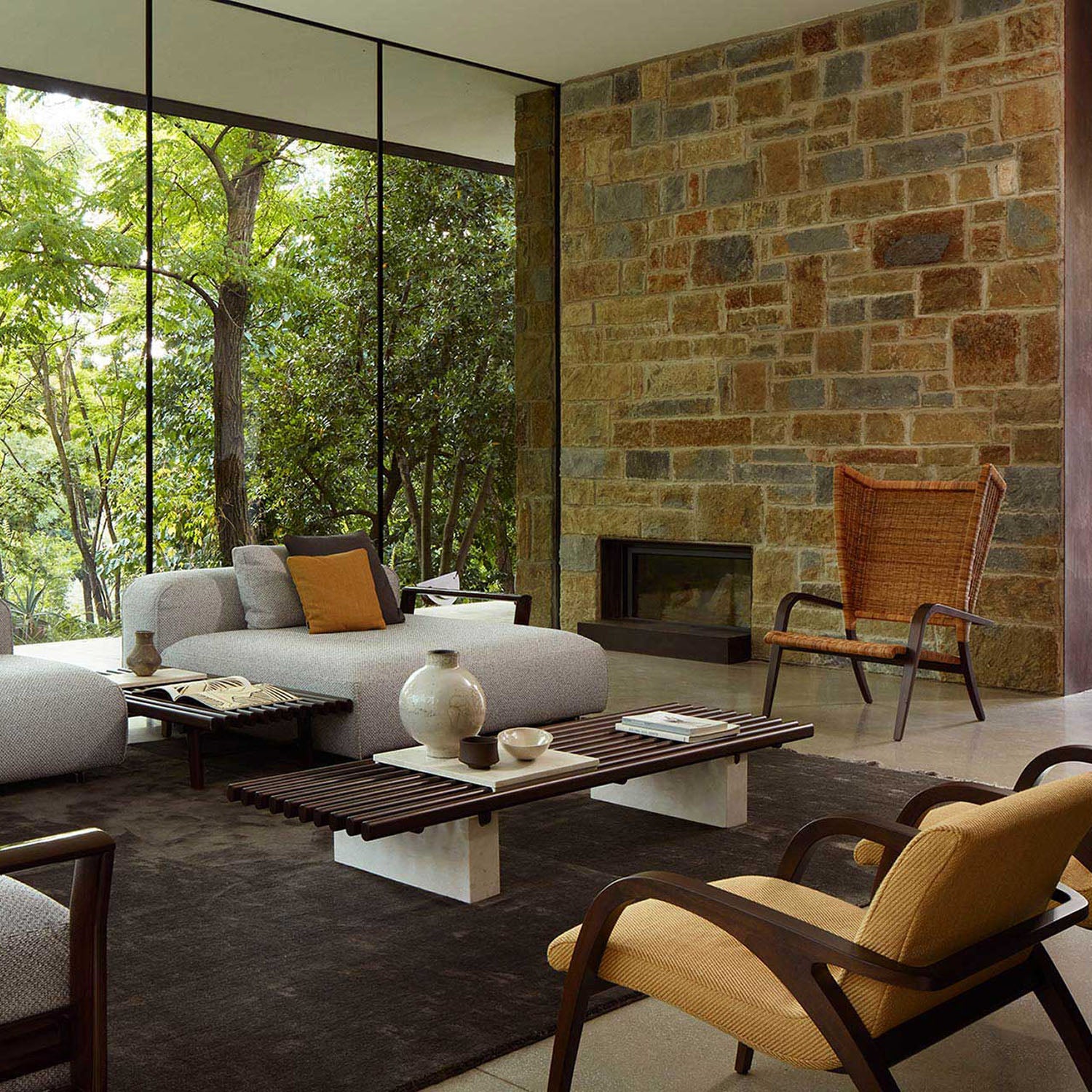
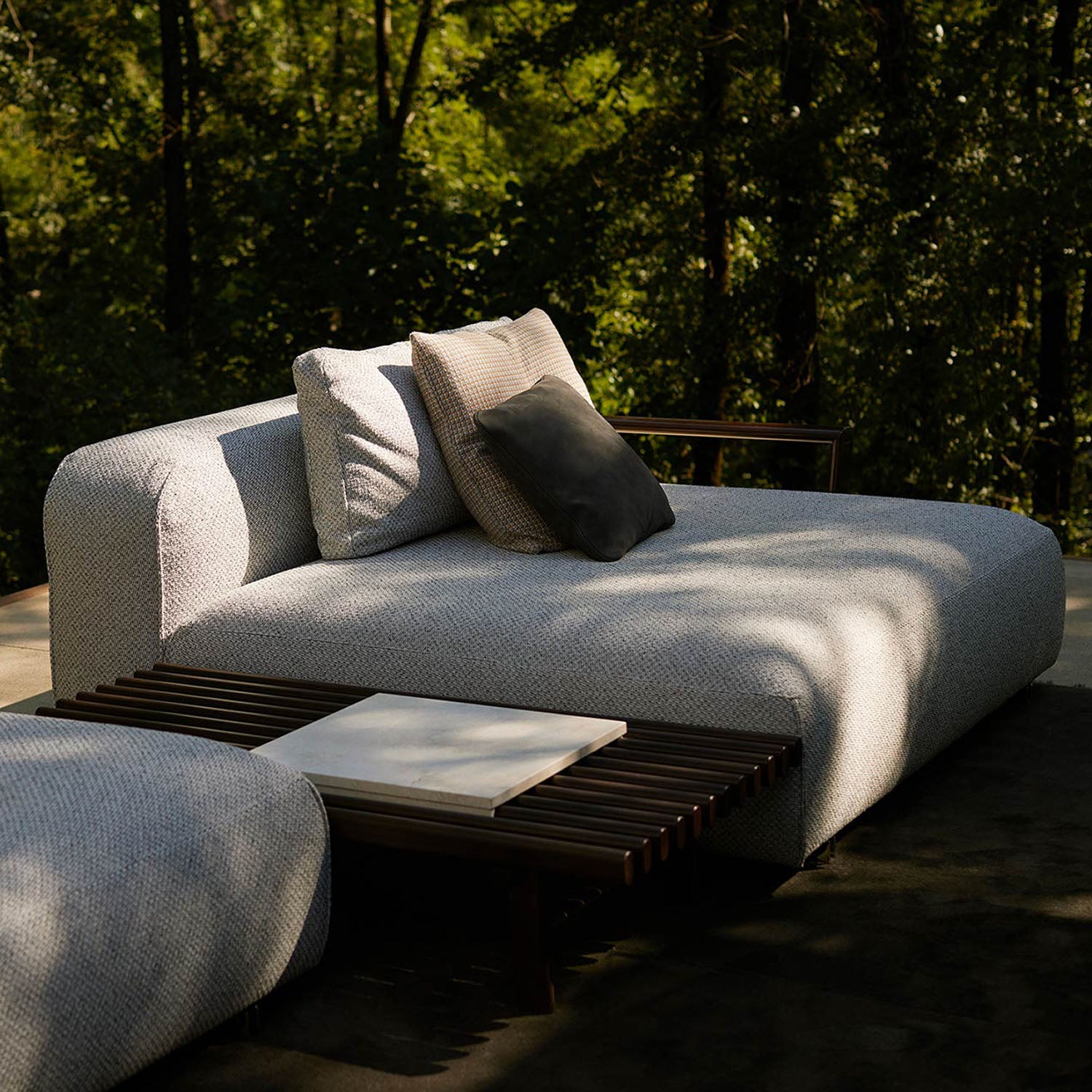
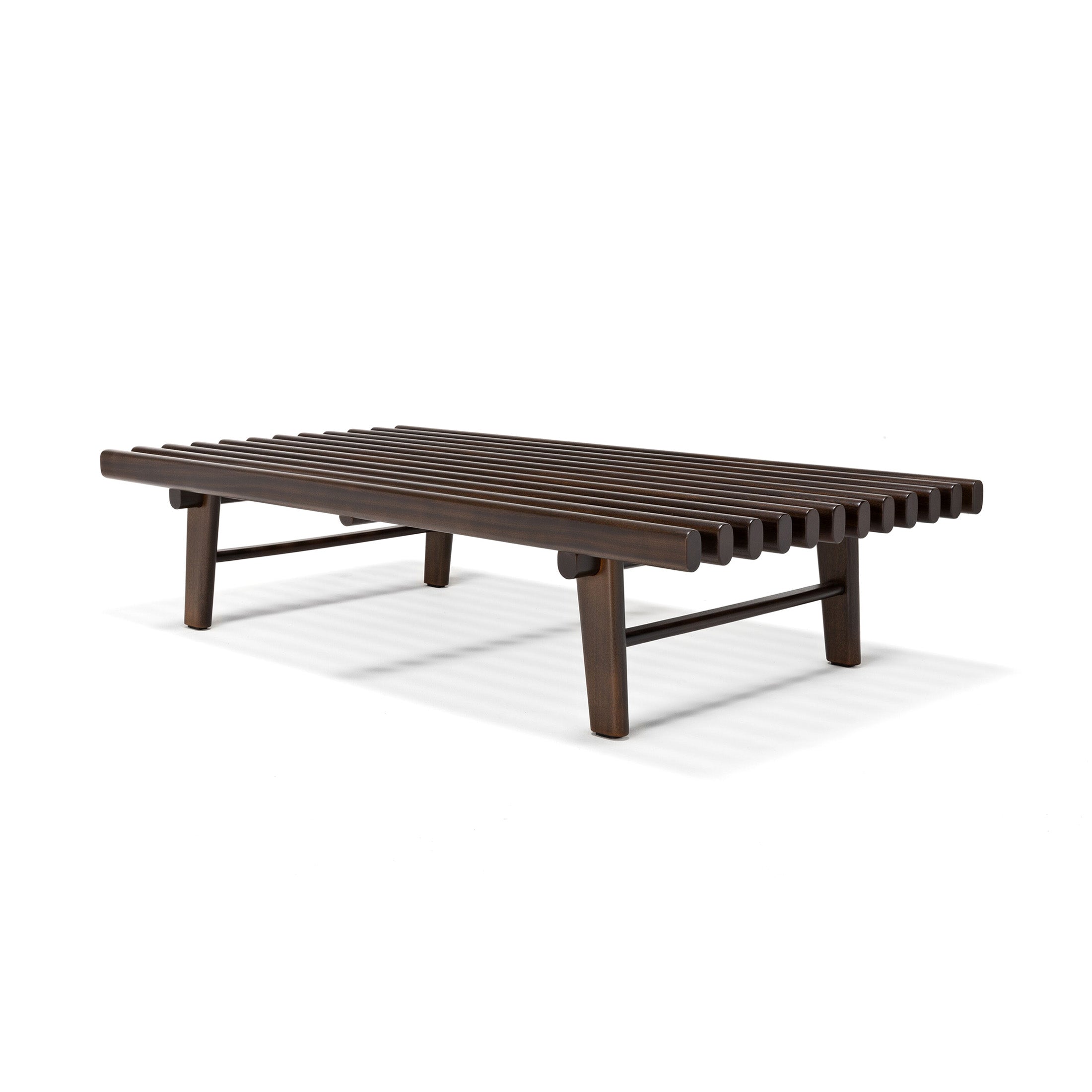
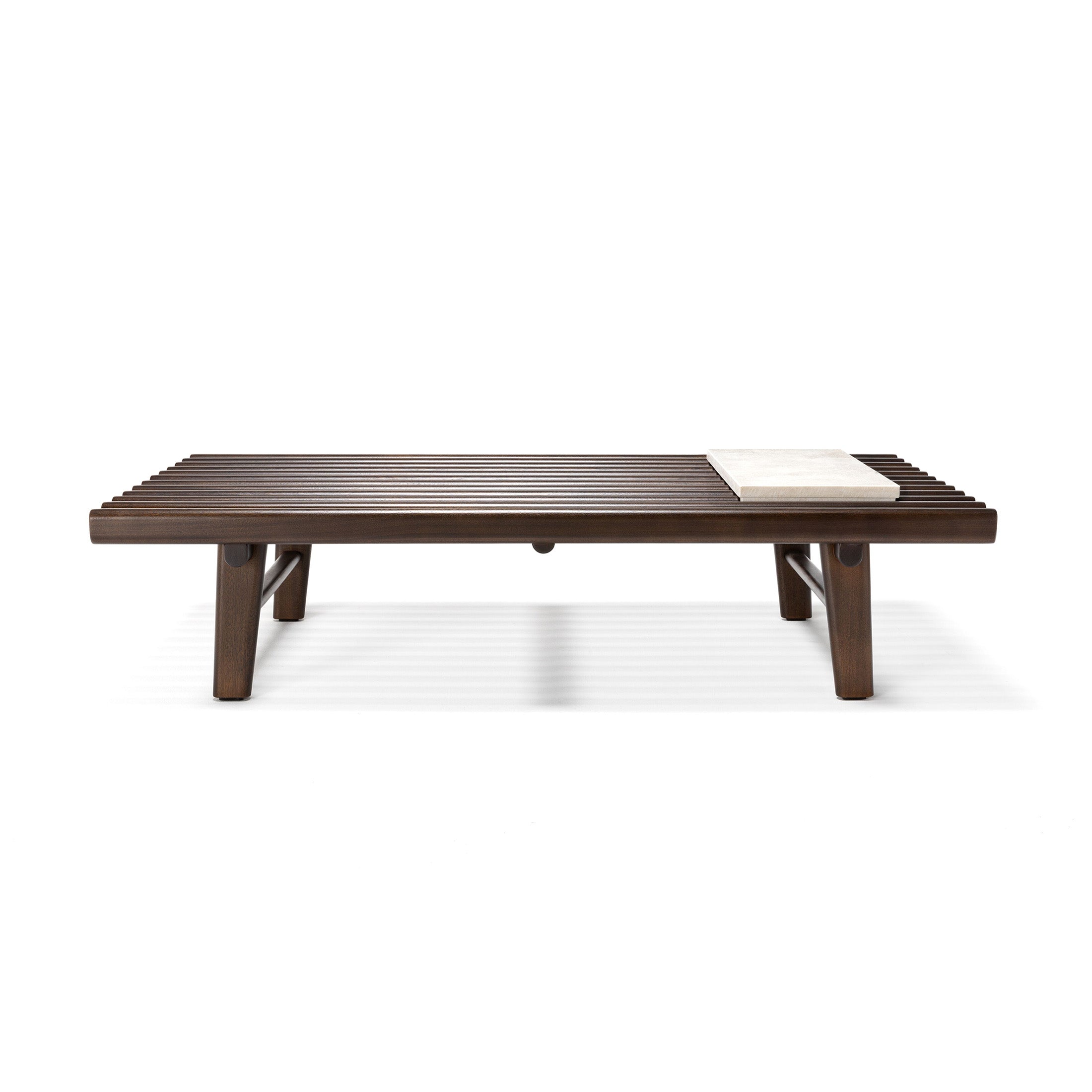
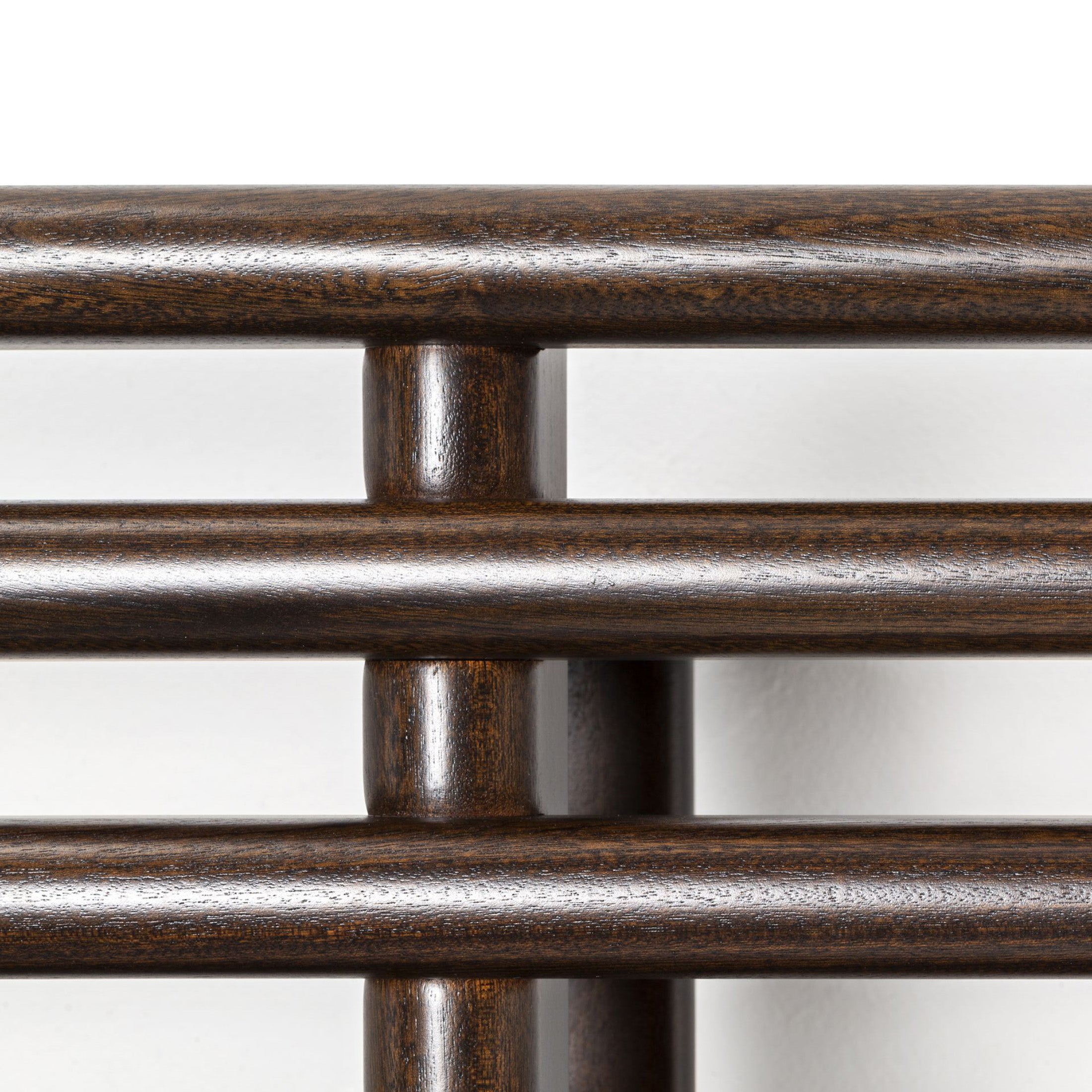
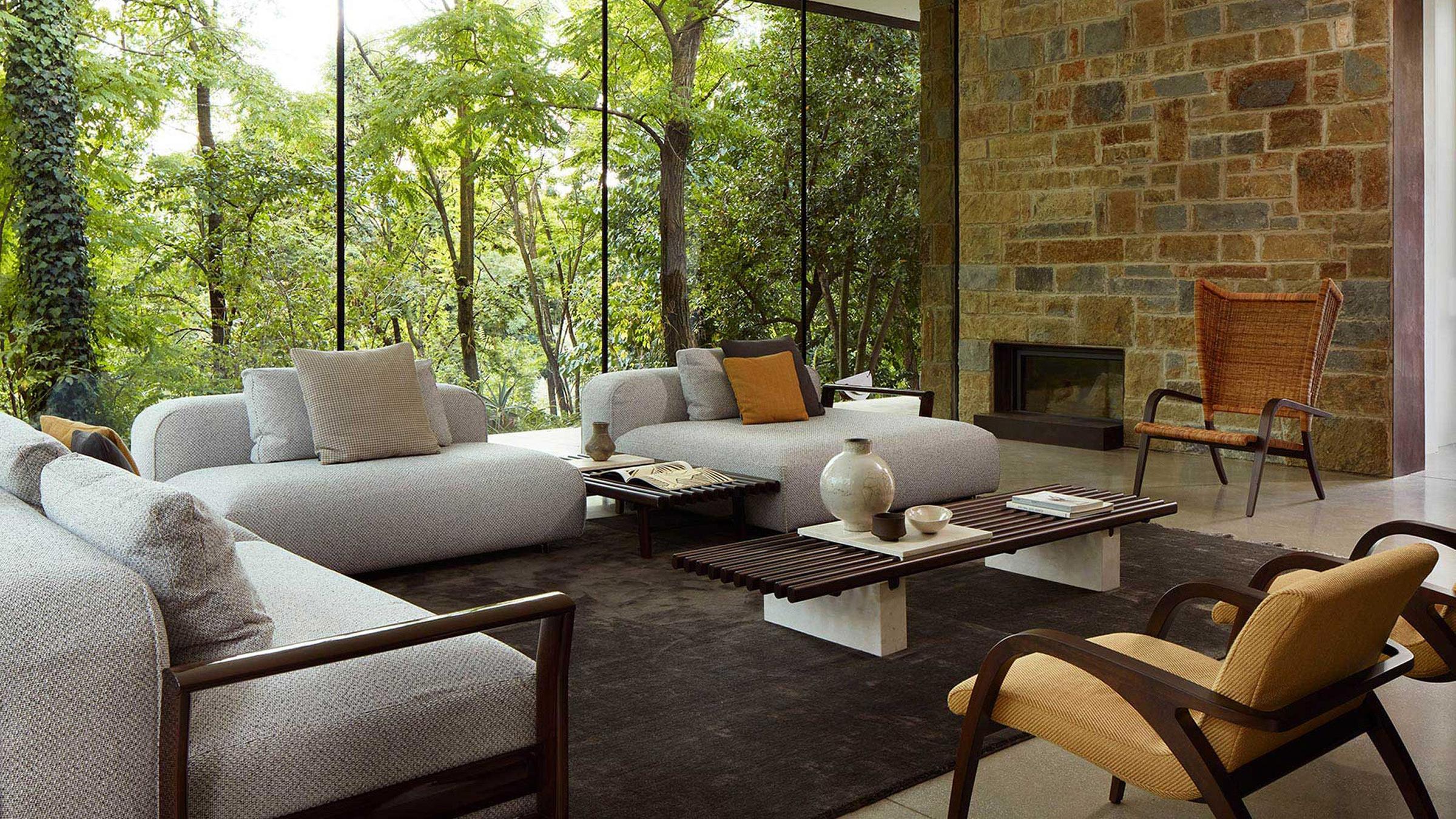
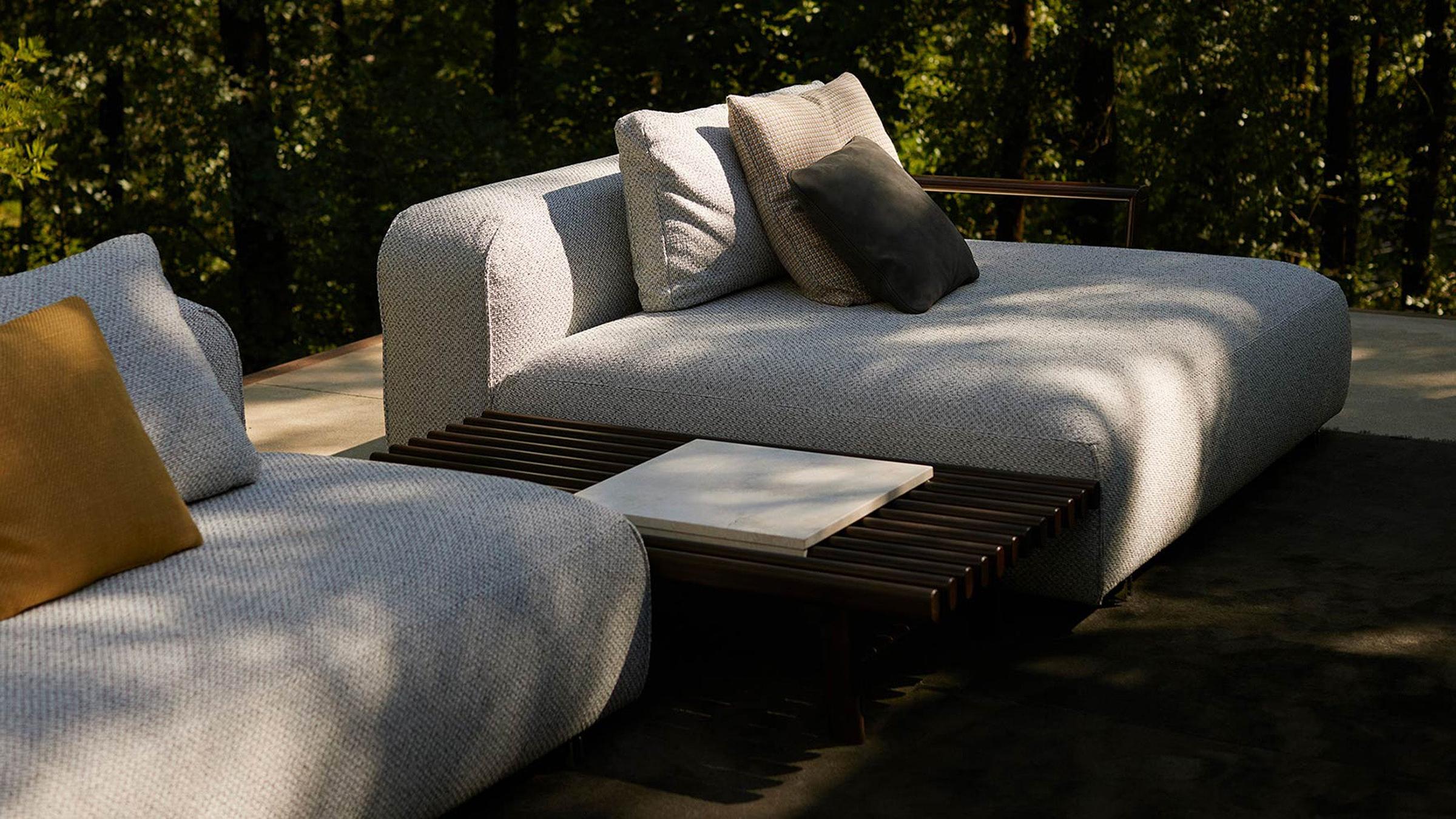
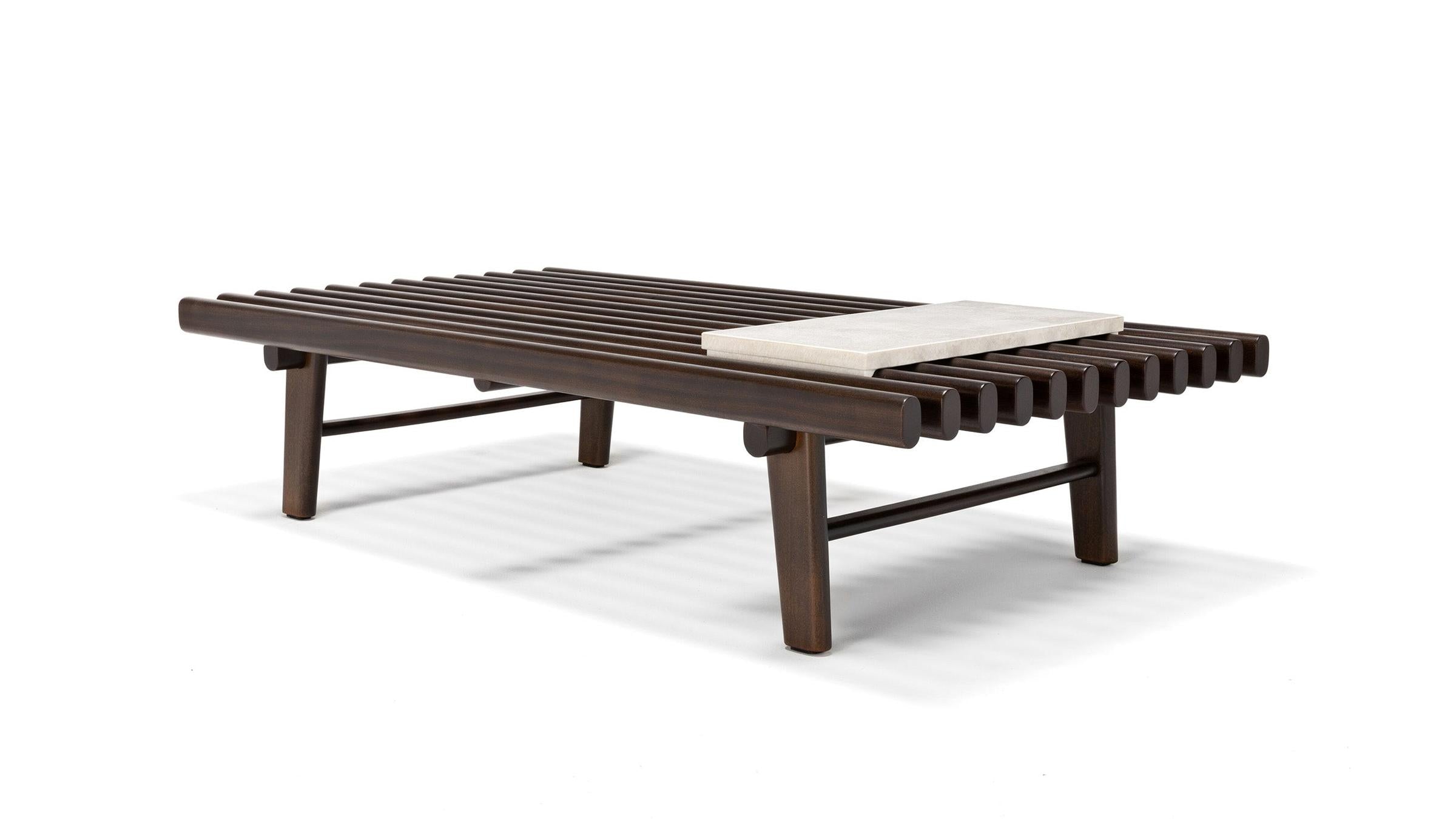
Il tavolino Elba di Massimo Castagna per Exteta è uno studio sulla vita all'aperto spogliato di ogni eccesso. La sua geometria è precisa, le sue proporzioni risolte, e la sua presenza in una composizione lounge all'aperto è quella di un segno di punteggiatura piuttosto che un vezzo.
Exteta ha da tempo occupato una posizione distintiva nel design italiano per esterni, costruendo un vocabolario in cui le sensibilità artigianali da interni migrano naturalmente negli ambienti esterni. Il tavolino Elba appartiene a questa tradizione. Si presenta come un oggetto di architettura tanto quanto un mobile, la sua silhouette si afferma sia che sia posizionato al centro di una generosa disposizione di sedute, sia che sia lasciato ad abitare un angolo del terrazzo da solo.
- Progettato da Massimo Castagna
- Prodotto da Exteta, Italia
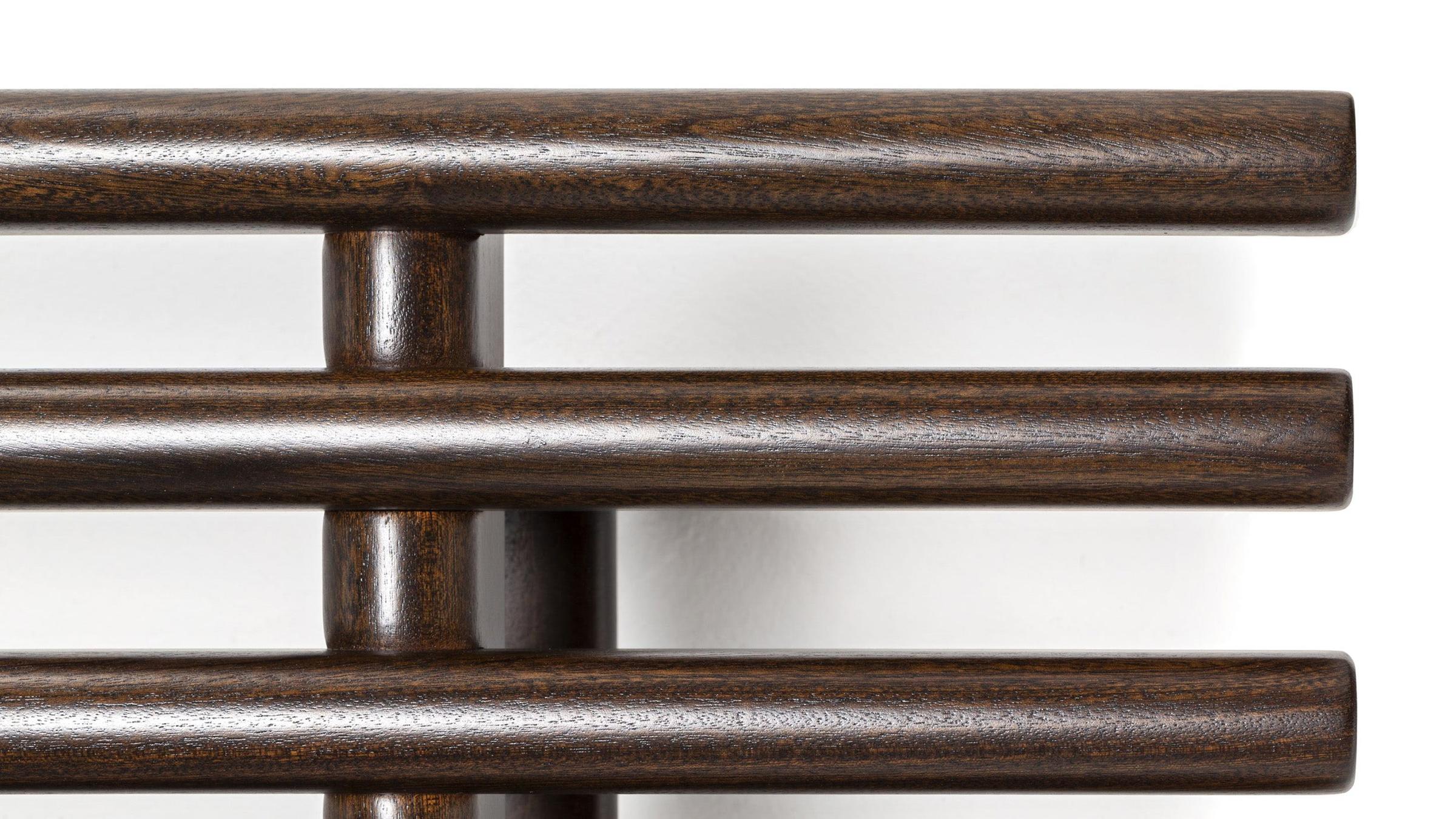
- Progettato per uso esterno con finiture superficiali raffinate
- Disponibile su ordinazione
Made to order by Exteta, tailored to you.
Get customization options, swatch samples and pricing for your project.
Si abbina bene a
Tavolino Elba
Product Details
Resources
Pricing & Warranty
Pricing for made-to-order items varies based on configuration, finishes, and customization options. Please contact one of our design consultants or visit a showroom near you for current pricing and personalized assistance.
Luminaire is an authorized retailer of Exteta. The product comes with a full manufacturer warranty.
Authenticity guaranteed. Genuine product, authenticated and sourced directly from the manufacturer.
Domande Frequenti
Who designed the Exteta Elba Coffee Table?
The Elba Coffee Table was designed by Massimo Castagna, a Milan-based architect and designer known for his disciplined approach to form, his sensitivity to materiality, and a long creative partnership with Exteta.
Is the Elba Coffee Table suitable for outdoor use?
Yes. The Elba is engineered specifically for exterior environments, with finishes and materials selected to withstand outdoor conditions while maintaining the refined appearance expected of Italian design at this level.
What is Exteta's design philosophy?
Exteta approaches outdoor furniture as an extension of interior design culture, prioritizing craft, precision, and material coherence over purely utilitarian concerns. The result is a body of work that erases the conventional boundary between inside and outside.
Can the Elba Coffee Table be specified for a contract or hospitality project?
The Elba is available made to order, which makes it well suited for specification in residential and contract contexts. Architects and designers working on hospitality or high-end residential projects typically engage directly with a design expert for lead times and configuration guidance.
How does the Elba Table work within a broader outdoor seating composition?
Its restrained geometry and neutral presence allow it to anchor varied seating configurations without competing with them. It functions both as a practical surface and as an independent design object that gives a composition its visual center.