

The Panton Chair arrived in 1967 as a provocation. A single continuous form, no joints, no legs, no seams: just a cantilevered S pressed from one piece of plastic. Verner Panton had spent years searching for a manufacturer willing to take on the tooling challenge. When Vitra agreed to produce it, the result rewrote what furniture manufacturing was capable of. Critics recognized it immediately. The chair was not just new in shape, it was new in logic.
Over the following five-and-a-half decades, the Panton Chair would be made in at least four distinct material configurations, each carrying different surface characteristics, structural properties, and price implications. That evolution is worth understanding in detail, because it is genuinely interesting, and because it determines which version belongs in a given room.
Panton's concept preceded any available manufacturing solution. The chair he wanted, cantilevered, monolithic, stackable, required a material that could be shaped into a complex three-dimensional curve, hold the weight of a seated person through the flex of an unsupported span, and emerge from the mold as a finished object requiring no secondary assembly.
The first production runs in the late 1960s used fiberglass-reinforced polyester, the same material then being explored in boat hulls and automotive body panels. It was labor-intensive. Layers of glass fiber matting were hand-laid into molds, saturated with resin, and cured. Each chair required skilled finishing. The surface had a depth to it, slightly uneven, warm, almost hand-made in character, that later iterations would not replicate. Production was limited and costs were high, which is why early examples now appear in permanent museum collections. The Museum of Modern Art holds one. So does the Vitra Design Museum.
When production was discontinued in the 1970s and then restarted in 1983, the material shifted to rigid polyurethane foam. This allowed for faster cycle times and a more consistent surface, though the chair remained relatively expensive and carried a specific weight. The polyurethane version, now known as the Panton Chair Classic, is what the Classic edition preserves today: a high-gloss lacquer finish that catches light with a theatrical confidence that flatter, matte surfaces cannot approach.

The distinction between the Classic and the standard Panton Chair is not cosmetic in the casual sense. It is a fundamentally different reading of the same form.
The Classic's lacquered surface pools light along its curves in a way that emphasizes the chair's sculptural geometry. Placed in a room with strong directional light, a west-facing window, a pendulum fixture hung low over a dining table, the form seems to shift as you move around it. Colors read as saturated and precise. The chair announces itself.
The current standard version, produced from dyed-through polypropylene, reads differently. The matte surface distributes light evenly, softening the silhouette rather than sharpening it. The polypropylene is also lighter, which matters for stacking and moving, the chair was always intended to stack, and the current material makes that practical rather than merely theoretical. Polypropylene is also UV-stable and resistant to moisture, which extends the chair's use to covered outdoor settings without any finish modification.
The color palettes of each version are calibrated to their respective surfaces. Glossy colors carry a clarity on lacquer that polypropylene's matte finish would absorb. Conversely, the softer tones available in the standard version read better in matte, where they do not compete with reflections. Neither version is a compromise, they are different instruments playing recognizably from the same score.

Among the furniture objects that occupy the space between museum artifact and daily-use piece, the Panton Chair occupies a particular position. It is among the most accessible entry points to authored design, that is, to furniture where a named designer's distinct sensibility is the point of the object, not an incidental attribute of it.
This accessibility is structural, not accidental. The polypropylene version is produced at a scale that keeps it within reach of buyers who might otherwise consider authored design out of range. And because the form is so specific, so immediately identifiable, even a single example in a room carries the full weight of its lineage. You do not need four Panton Chairs to make the argument. One, placed at the head of an oak dining table surrounded by more conventional seating, makes a cleaner statement than six.
That contrast is worth leaning into. The Panton Chair does not require a matching universe to function well. It reads as a deliberate counterpoint: its continuous plastic curve in dialogue with the grain and joint-lines of a solid wood table; its single-piece logic in conversation with upholstered chairs that are visibly assembled from parts. The friction between forms is productive. Interior designers have used this pairing consistently since at least the 1990s, and it has not dated because the underlying formal argument remains sound.
Placed as an accent, a reading chair, a corner seat, a desk chair in a space defined by natural materials, the Panton Chair operates equally well. Its scale is generous enough for adult use without overwhelming a modest room. The Junior edition scales the form for children without altering the proportions in any way that diminishes the design, making it one of the few authored pieces that genuinely works at two scales within the same household.
The chair asks little of its surroundings in terms of style period. It does not demand a mid-century interior, though it belongs to that era by birth. It sits with equal conviction in a room of contemporary Scandinavian furniture, in a maximalist space loaded with pattern and color, or in a stripped concrete loft where it becomes the only curve in the room.
Color selection, however, is not neutral. A Panton Chair in red is a very different gesture than a Panton Chair in black or white. Red reads as period-specific, Pop, optimistic, slightly confrontational. Black reads as architectural. White approaches the clinical unless the surrounding room has enough warmth to absorb it. The softer tones in the standard matte palette, certain warm greys, dusty greens, mid-range blues, allow the chair to participate rather than dominate, which is the right choice in rooms where the chair is one of several strong objects rather than the single focal point.
Stacking is a practical consideration that affects how the chair is stored and moved, particularly in dining rooms where the table is cleared frequently. The polypropylene version stacks without tools, and the stack itself is visually coherent, a column of interlocking S-curves that reads as an object in its own right when chairs are not in use.
For outdoor use, the standard polypropylene version holds up well under exposure to UV and moisture in covered or semi-sheltered settings. The lacquered Classic is an interior piece and should be kept away from direct sun and rain, where the finish will eventually chalk and crack. This is not a flaw, it is simply a material truth worth knowing before specifying.

The Panton Chair has been in continuous production under Verner Panton's collaboration with Vitra since its 1967 debut, a span that now includes more than fifty years of documented production under a single authorized manufacturer. That continuity is significant in two ways.
First, it means provenance is clear. There are many imitations of this form in the market, some of them sold as tributes, some as outright counterfeits. The authorized version has a documented lineage: specific tooling, material specifications reviewed by the Panton estate, and quality controls that affect the structural integrity of the cantilever over years of use. A chair that looks identical on a product page may differ substantially in wall thickness, material grade, and the precision of the cantilever geometry, which determines whether the chair flexes comfortably or creaks under load after a year of regular use.
Second, continuous production means the chair is not a collectible object held at a remove from daily life. It is an object that can be replaced if damaged, that can be added to if a new room requires it, and that will not be discontinued before the next project is complete. For a piece so frequently used as a dining or accent chair, that stability is part of what makes it a sound long-term choice rather than a one-time acquisition.
For trade professionals building interiors around authored design, the Design Concierge is available to assist with specification, color selection, and material matching across the full Vitra collection. The Trade Program extends access to pricing and project support for architects and interior designers working at any scale.
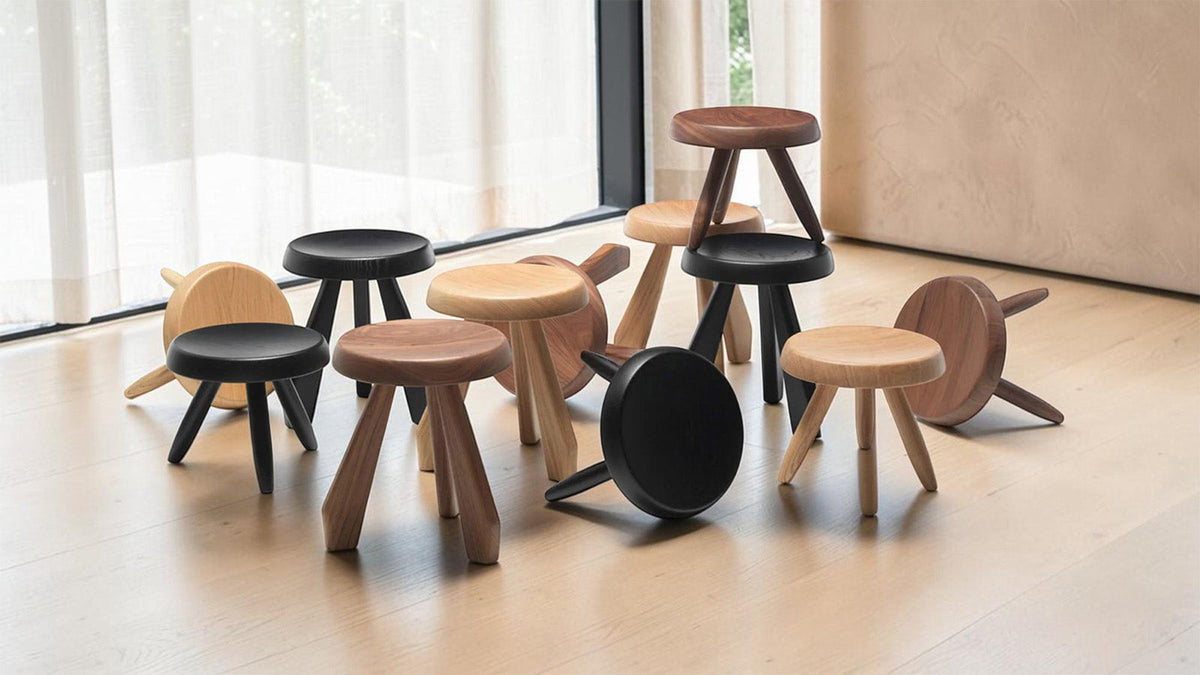
Charlotte Perriand's Tabouret Stools: Alpine Form, Modern Use
Continua a leggeresu Charlotte Perriand's Tabouret Stools: Alpine Form, Modern Use
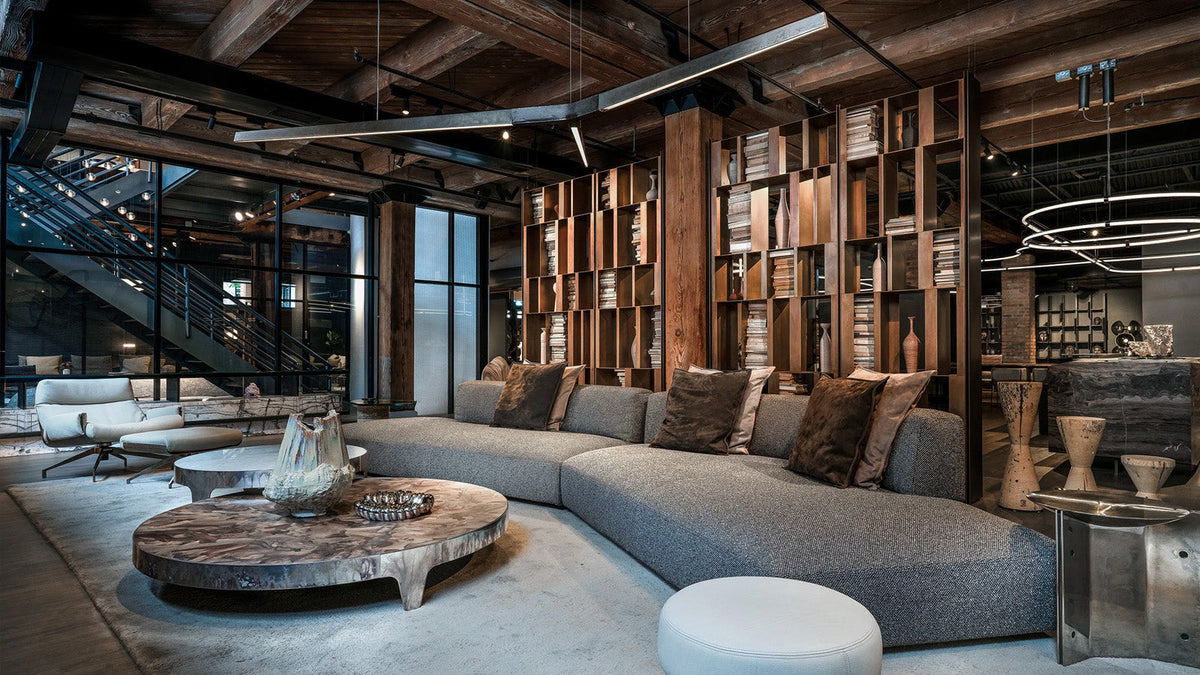
Inside Luminaire Chicago: Italian Design in River North Since 1989
Continua a leggeresu Inside Luminaire Chicago: Italian Design in River North Since 1989
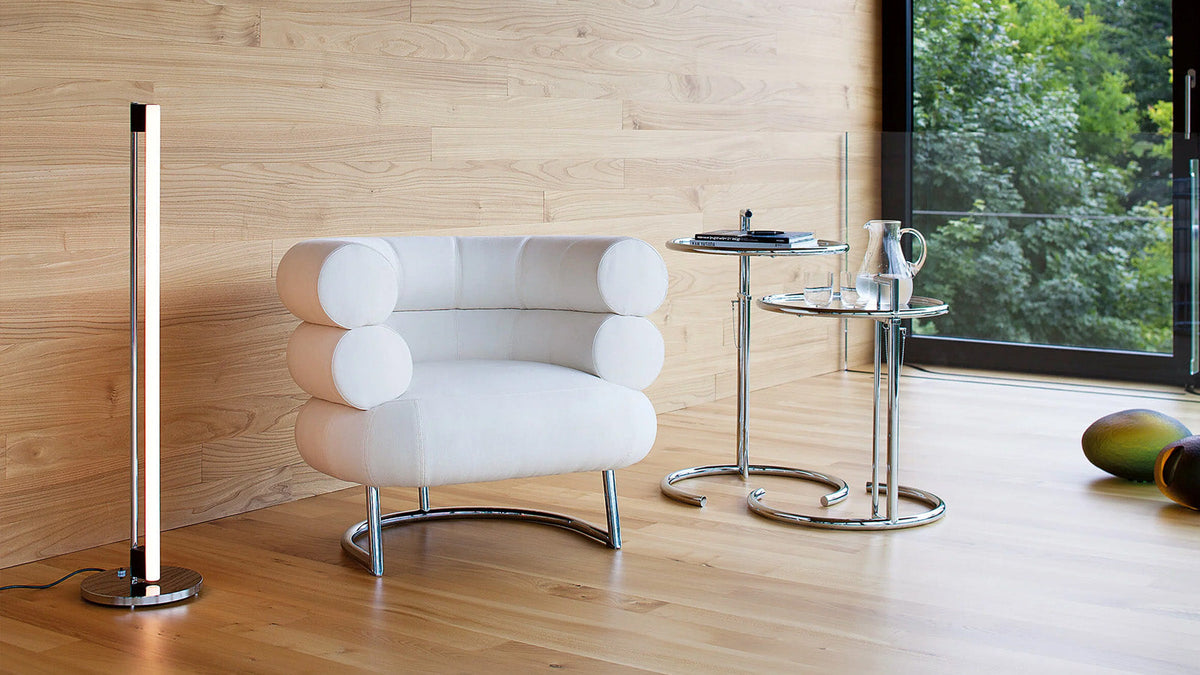
Eileen Gray's E 1027 Table: A Design Conceived for Living
Continua a leggeresu Eileen Gray's E 1027 Table: A Design Conceived for Living
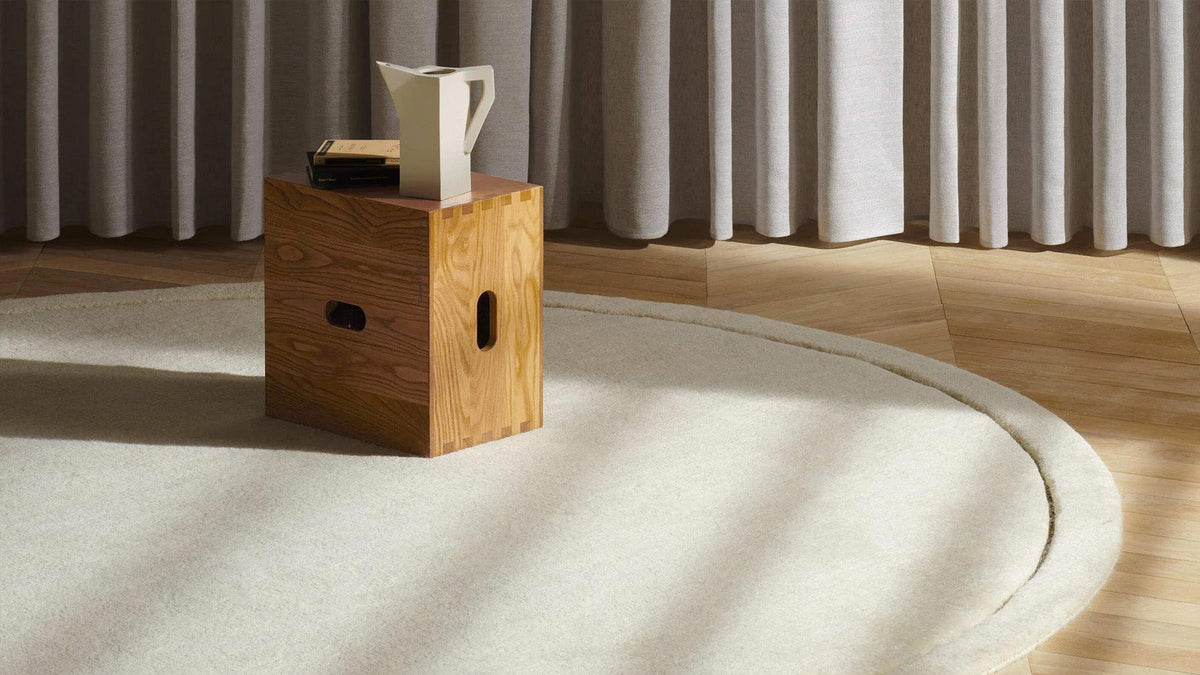
LC14 Tabouret Cabanon: Le Corbusier's Smallest Architecture
Continua a leggeresu LC14 Tabouret Cabanon: Le Corbusier's Smallest Architecture
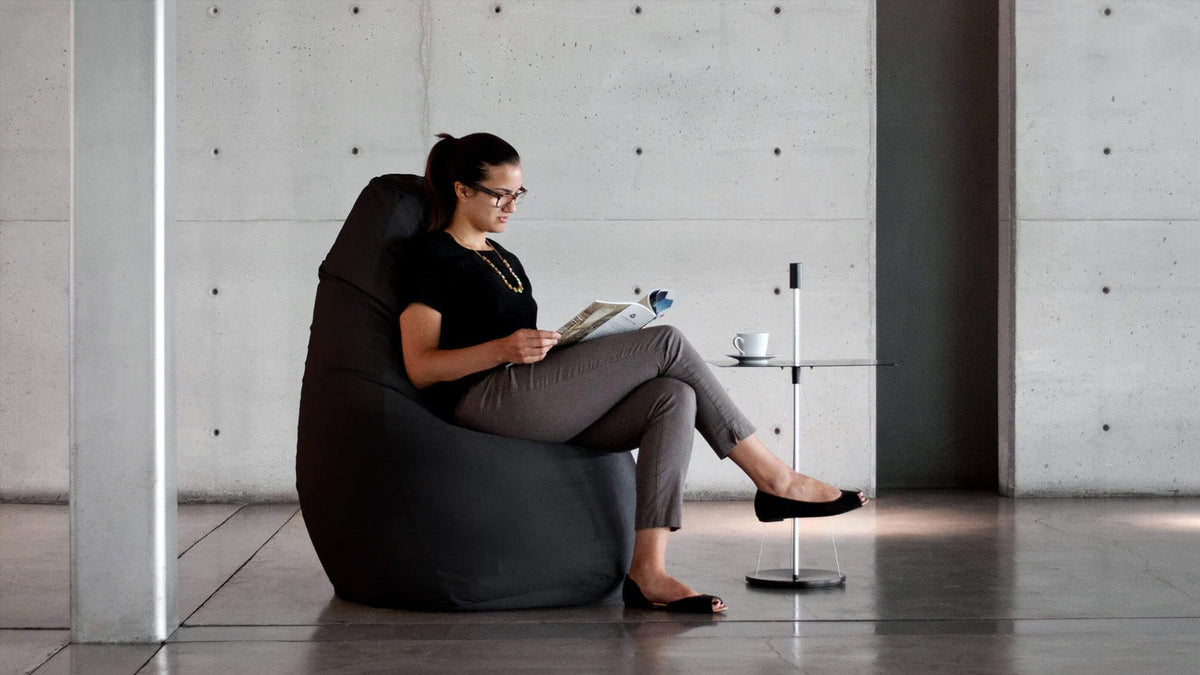
Sacco Chair by Zanotta: The 1968 Object That Refused to Be Furniture
Continua a leggeresu Sacco Chair by Zanotta: The 1968 Object That Refused to Be Furniture
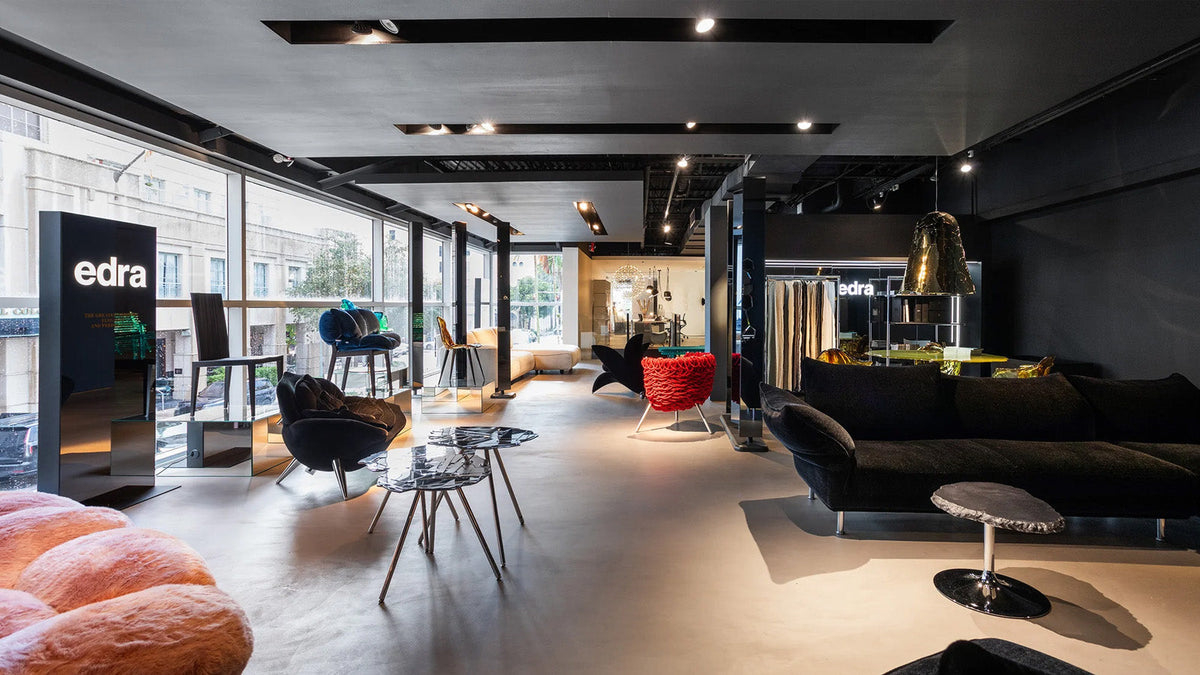
Inside Luminaire Coral Gables: The Showroom and Its Design Services
Continua a leggeresu Inside Luminaire Coral Gables: The Showroom and Its Design Services
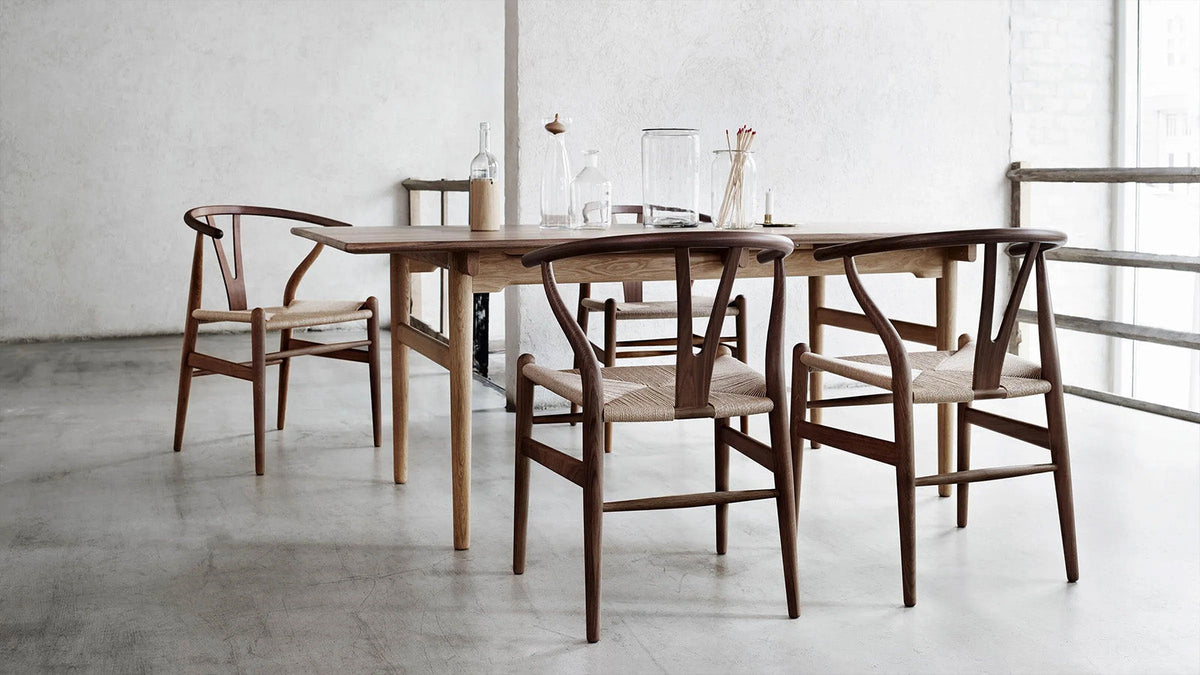
The Wishbone Chair: Hans Wegner's CH24 and the Art of Making
Continua a leggeresu The Wishbone Chair: Hans Wegner's CH24 and the Art of Making
Cassina Chairs - The Collectors' Guide
Few furniture makers have shaped the chair as a cultural object the way Cassina has. From their earliest collaborations with the European avant-garde to their ongoing stewardship of the twentieth century's most consequential seating designs, the Meda-based manufacturer remains the standard against which Italian furniture brands are measured. This guide surveys the Cassina chairs we carry and the ideas embedded in each one.
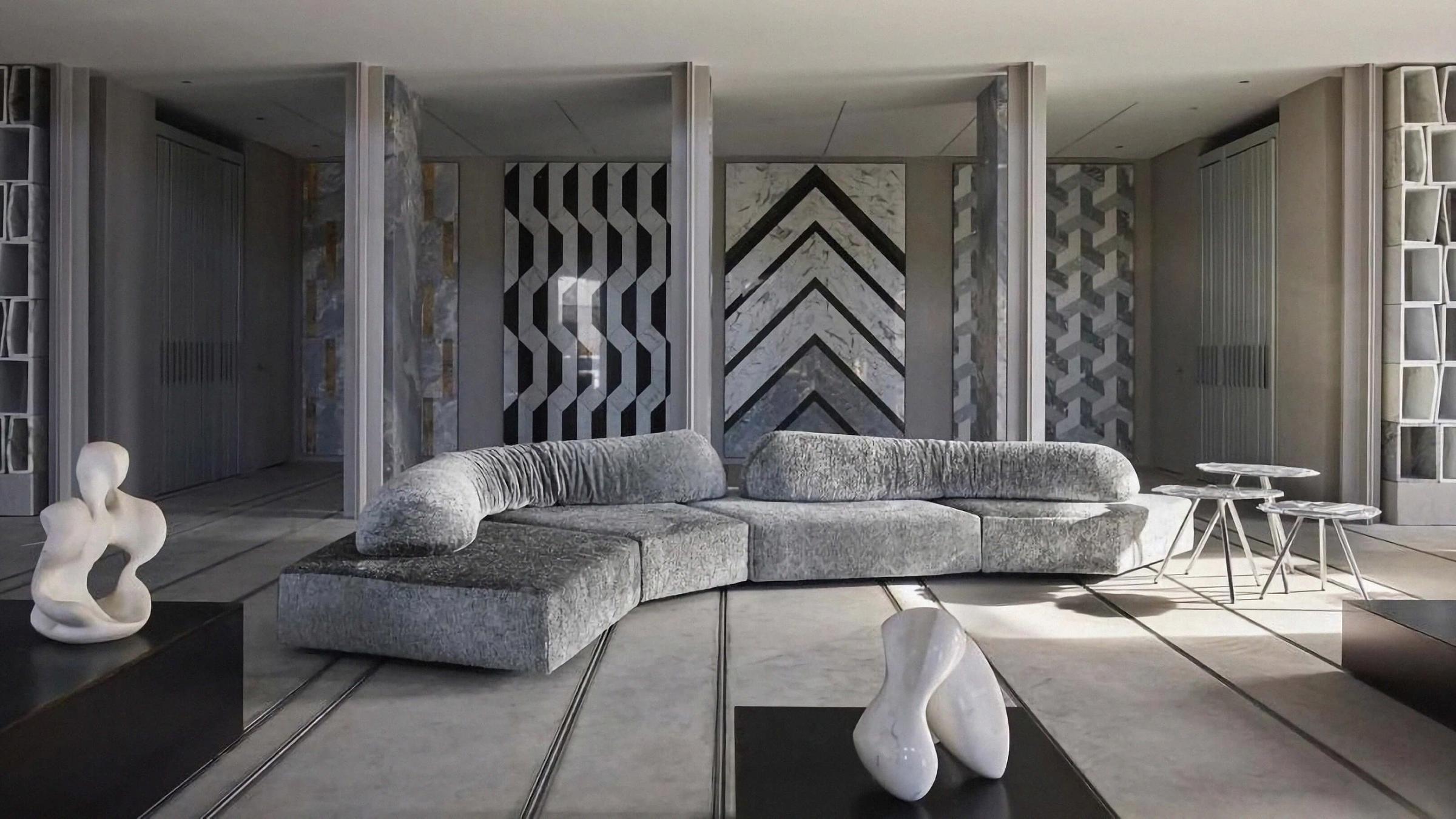
On the Rocks di Edra: la geologia del riposo di Francesco Binfaré
Continua a leggeresu On the Rocks di Edra: la geologia del riposo di Francesco Binfaré
The 14p Portable Lamp: Bocci's Cast-Glass Sphere, Untethered
Continua a leggeresu The 14p Portable Lamp: Bocci's Cast-Glass Sphere, Untethered
The Arco Lamp: Achille Castiglioni's Arc Over Sixty Years
Continua a leggeresu The Arco Lamp: Achille Castiglioni's Arc Over Sixty Years
Henge trova una nuova casa a Chicago presso Luminaire
Durante NeoCon 2026, abbiamo accolto Henge nel nostro showroom di Chicago, segnando un nuovo capitolo nella crescente presenza del marchio negli Stati Uniti.
Continua a leggeresu Henge trova una nuova casa a Chicago presso Luminaire
I nostri specialisti vi assisteranno con informazioni sui prodotti, selezione dei materiali, configurazioni personalizzate, prezzi e tempi di consegna.
Parla con un consulente di design
Assistenza in tempo reale durante l'orario d'ufficio. Chiama il numero 855-341-3620
Ricevi una risposta entro un giorno lavorativo.
We've received your inquiry!
We appreciate your interest. One of our staff members will be in touch with you soon.
In the meantime, feel free to explore more of what Luminaire has to offer.
If you require immediate assistance, please call (855) 341-3620
To ensure that you receive communications from us to your Inbox, please add Luminaire to your contacts.
Have a great day!
Iscriviti per accedere a privilegi esclusivi in termini di design iconico, nuove tendenze, eventi esclusivi e offerte accuratamente selezionate.


Condividi:
Arclinea Los Angeles: Una Presenza in Evoluzione
The LC3 Sofa: Le Corbusier, Jeanneret, and Perriand's Grand Confort