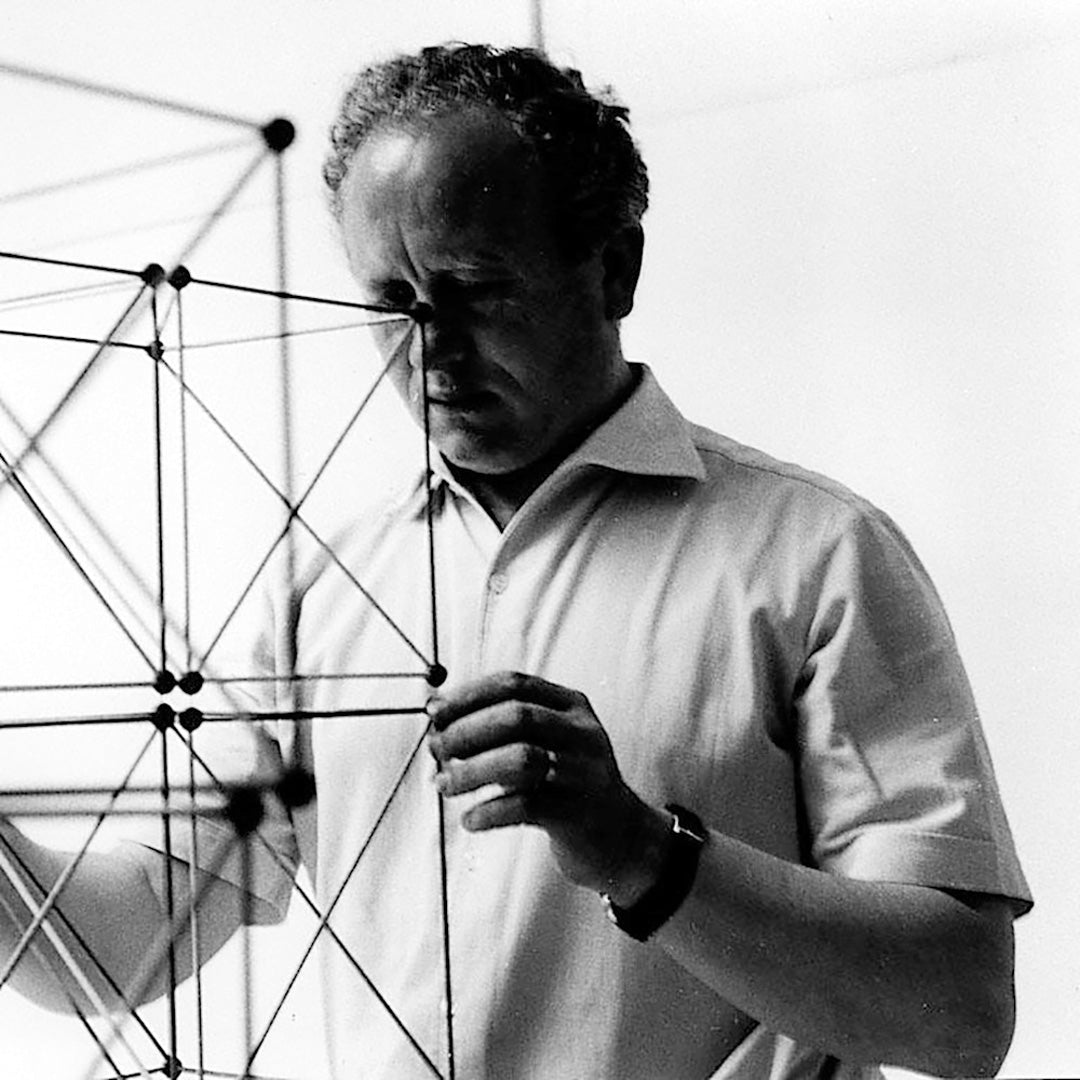
Fritz Haller was a Swiss architect, researcher, and furniture designer whose work helped redefine postwar modernism through systems thinking, industrial construction, and modular design. He was born in Solothurn, Switzerland, on October 23, 1924, trained first through a vocational apprenticeship, worked for architects in Switzerland and in Rotterdam, and established his own practice in Solothurn in 1949. He later taught at the University of Karlsruhe, where he continued developing his ideas around industrialized building and design.
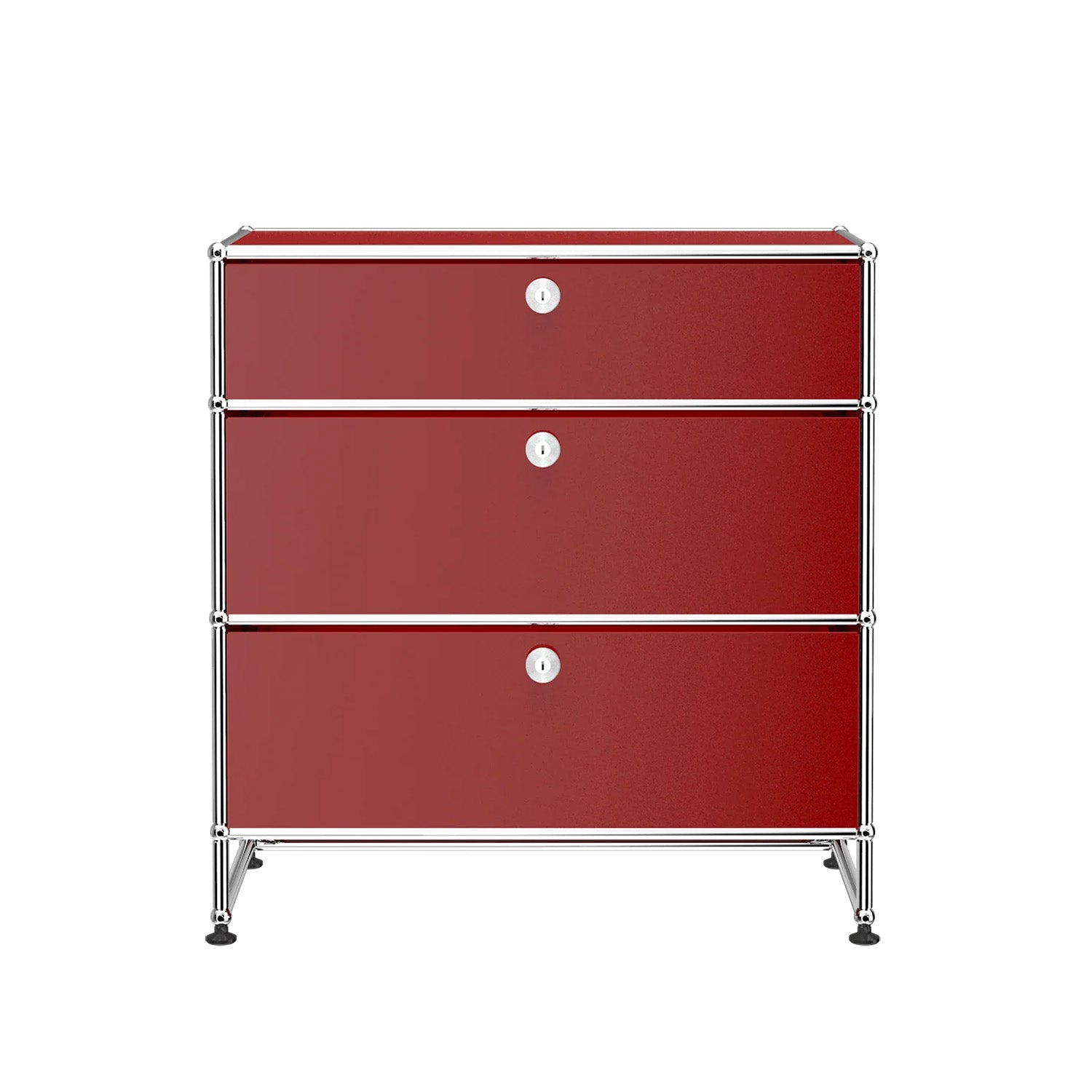
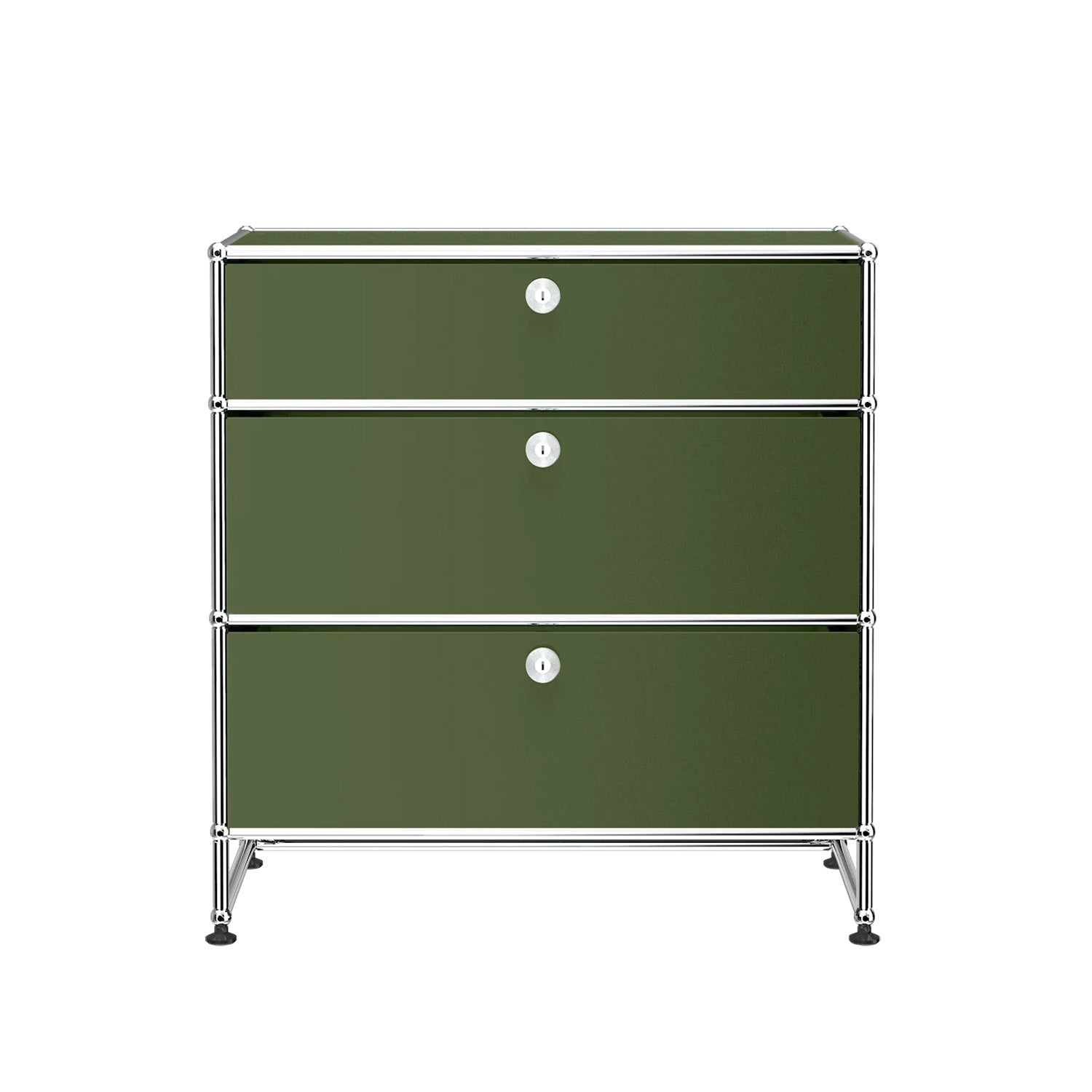
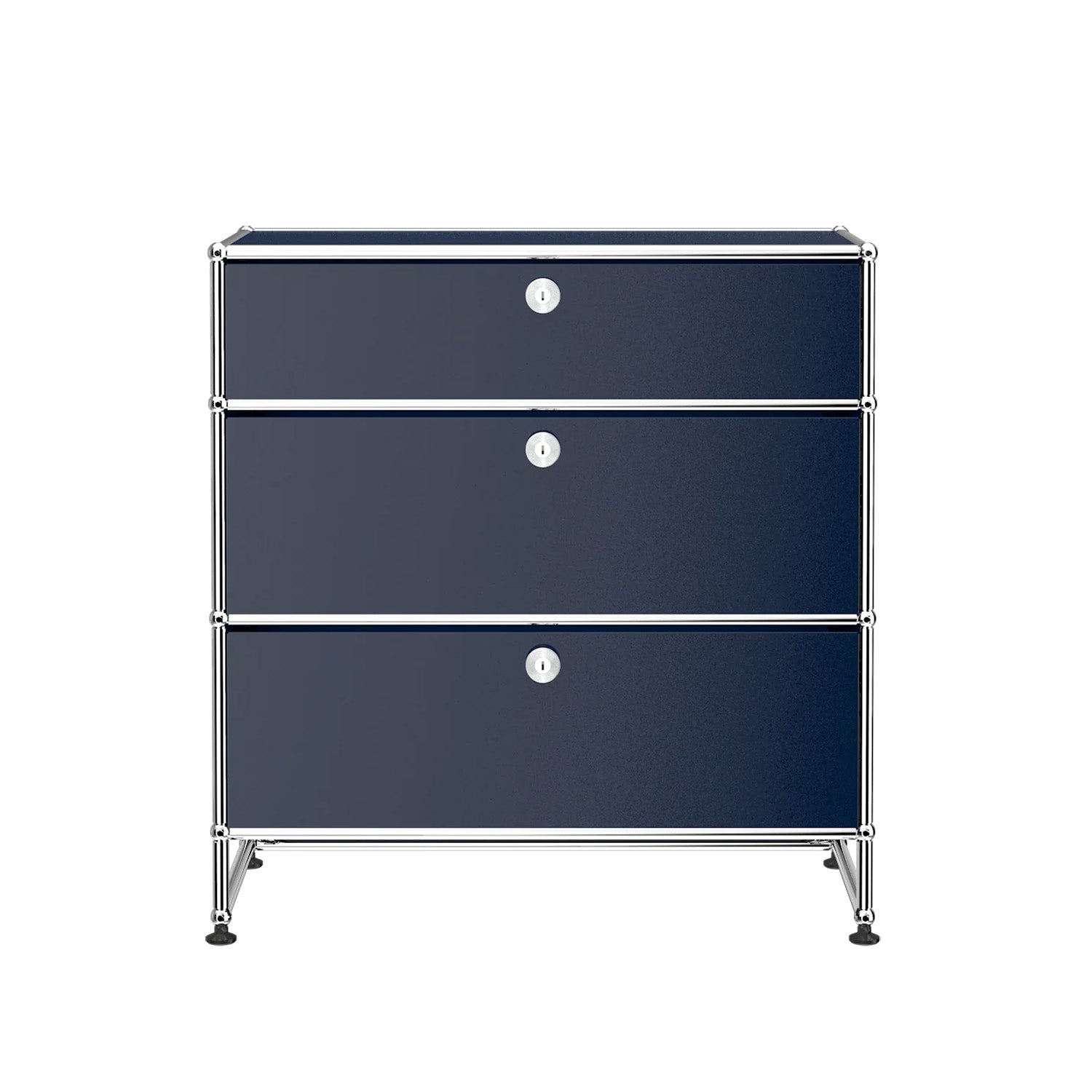
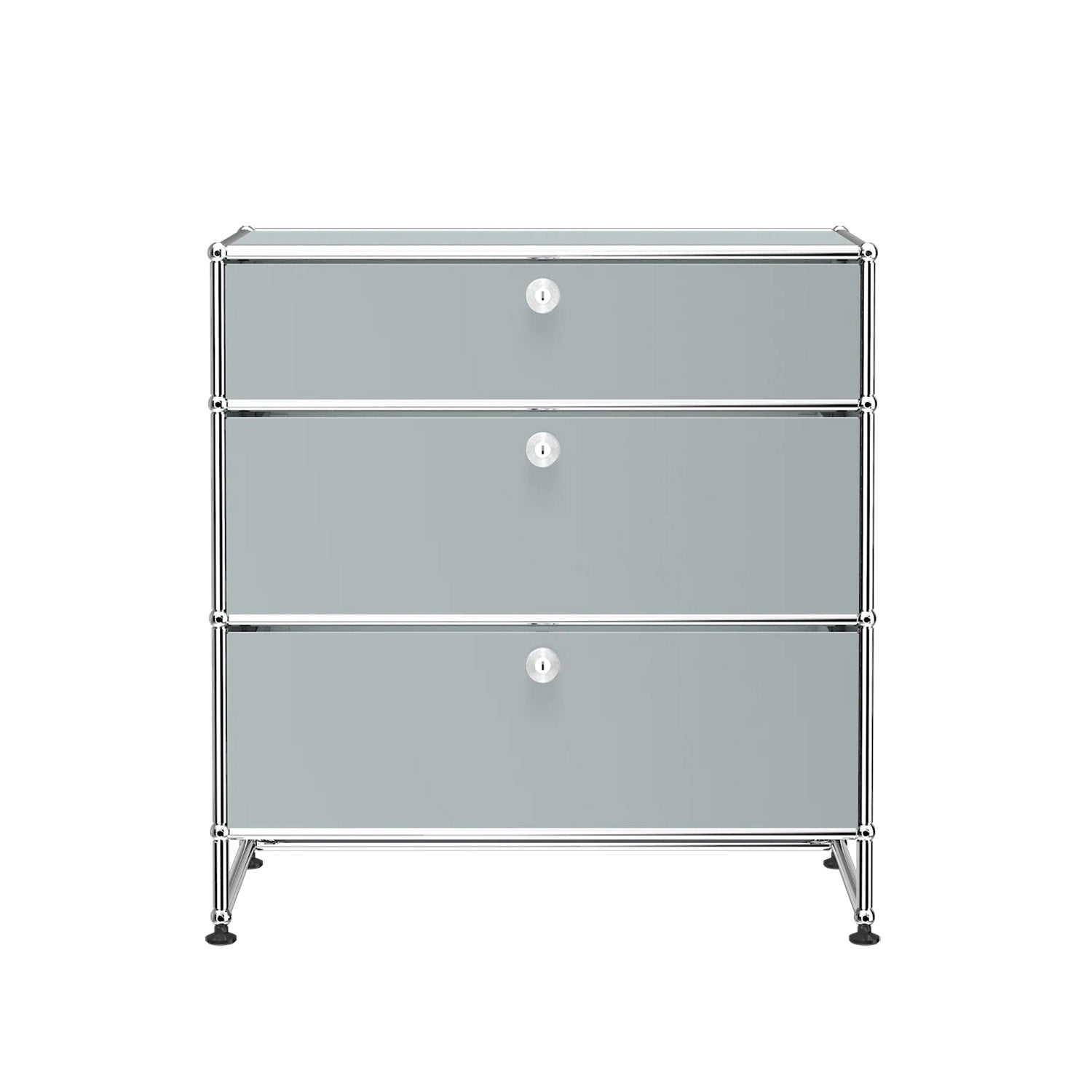
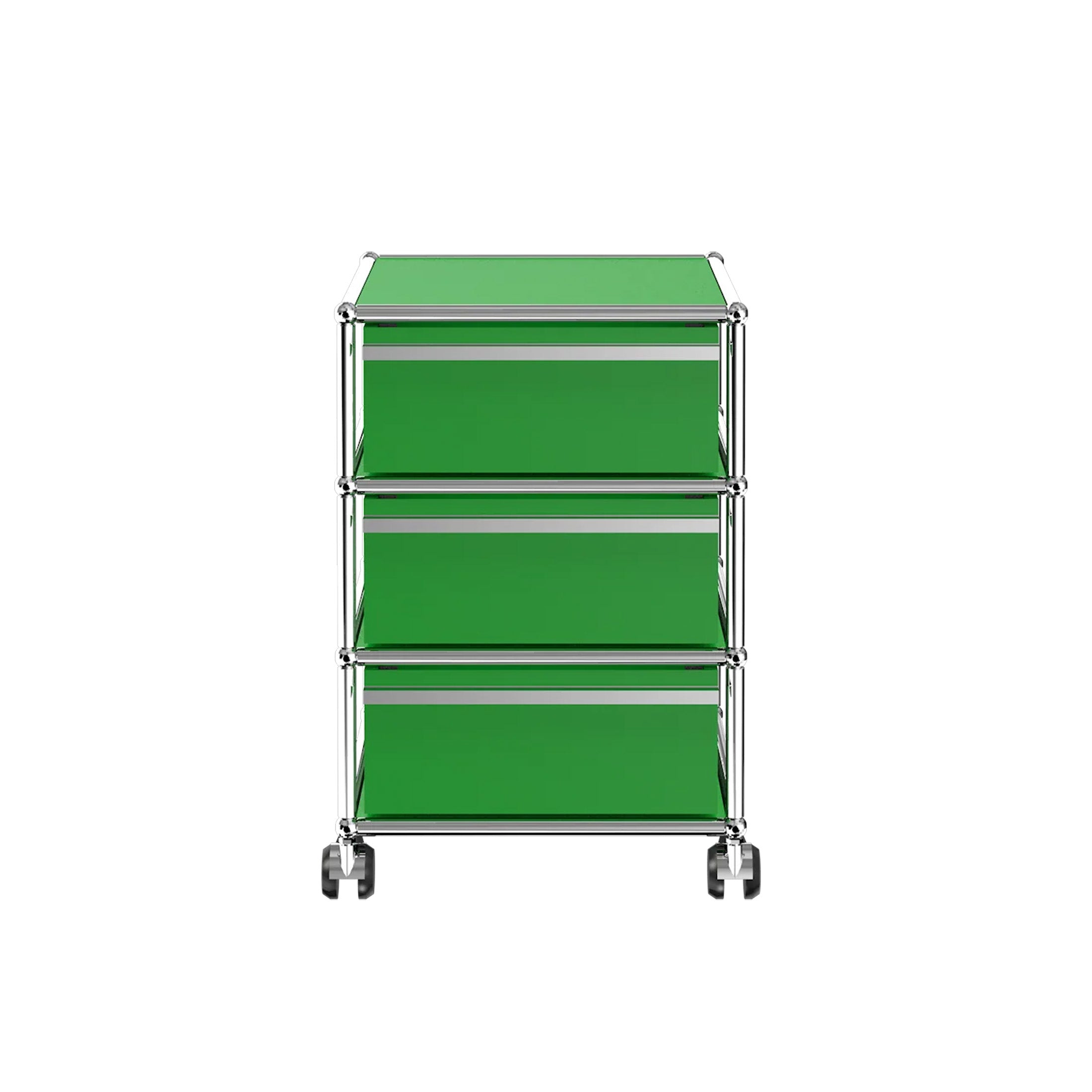
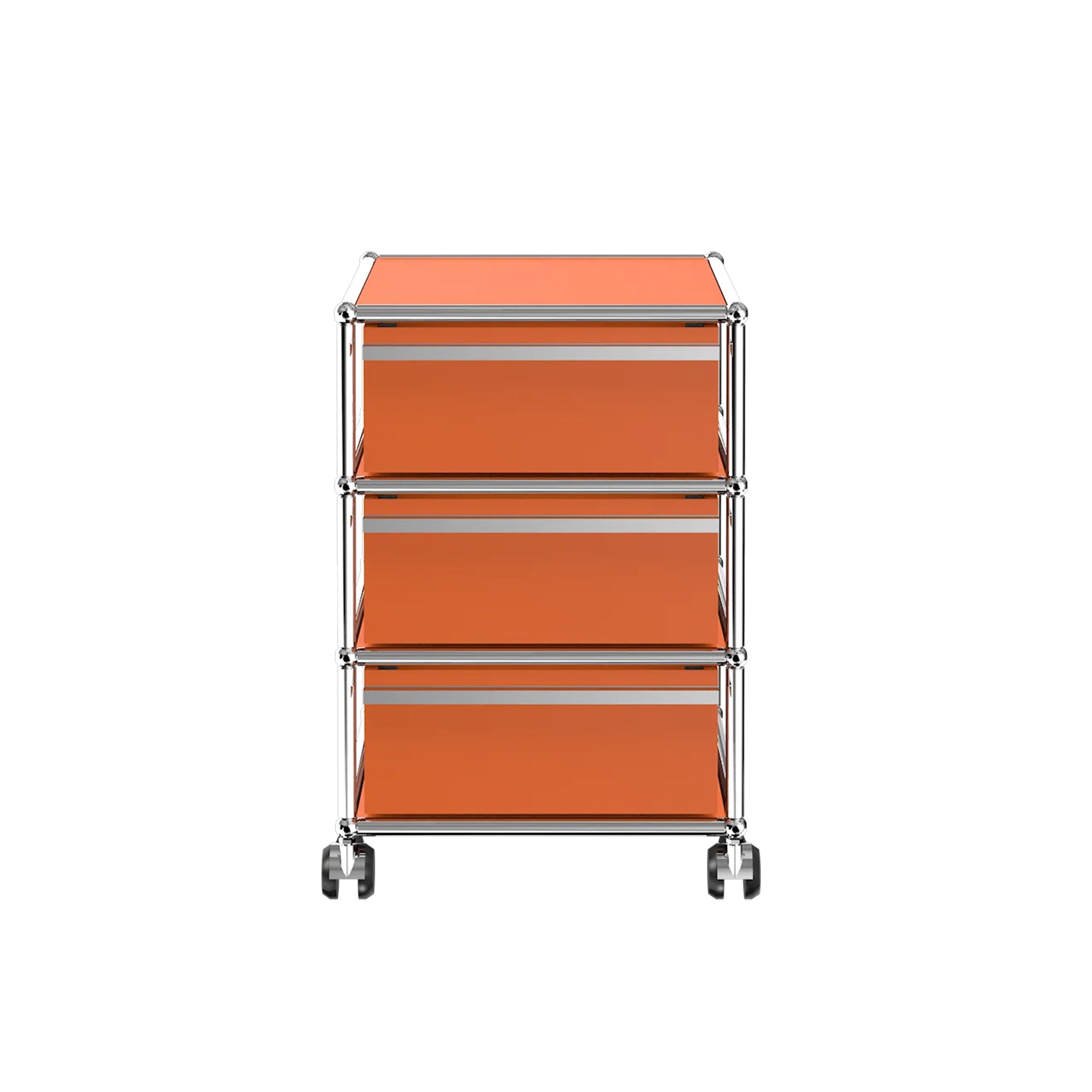
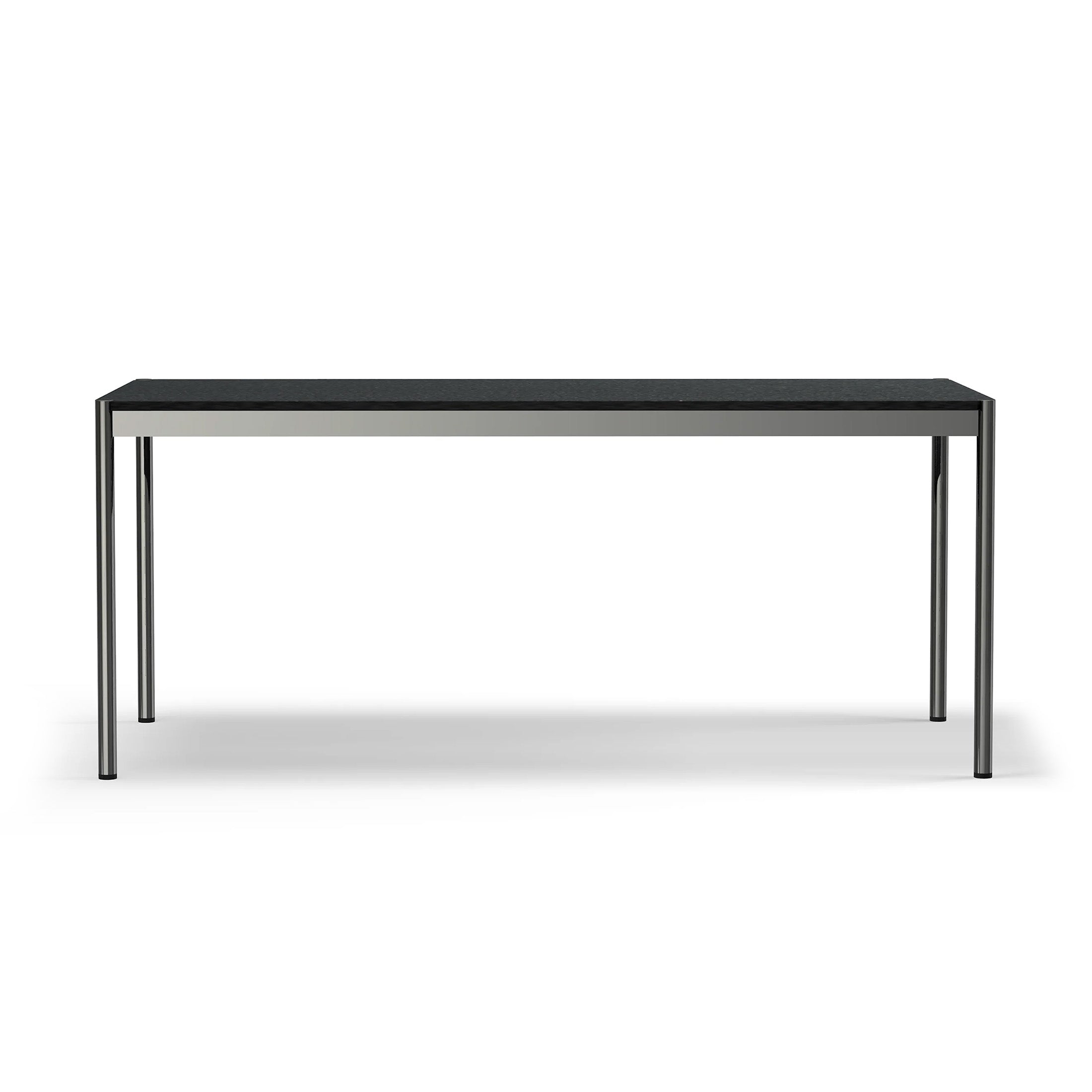
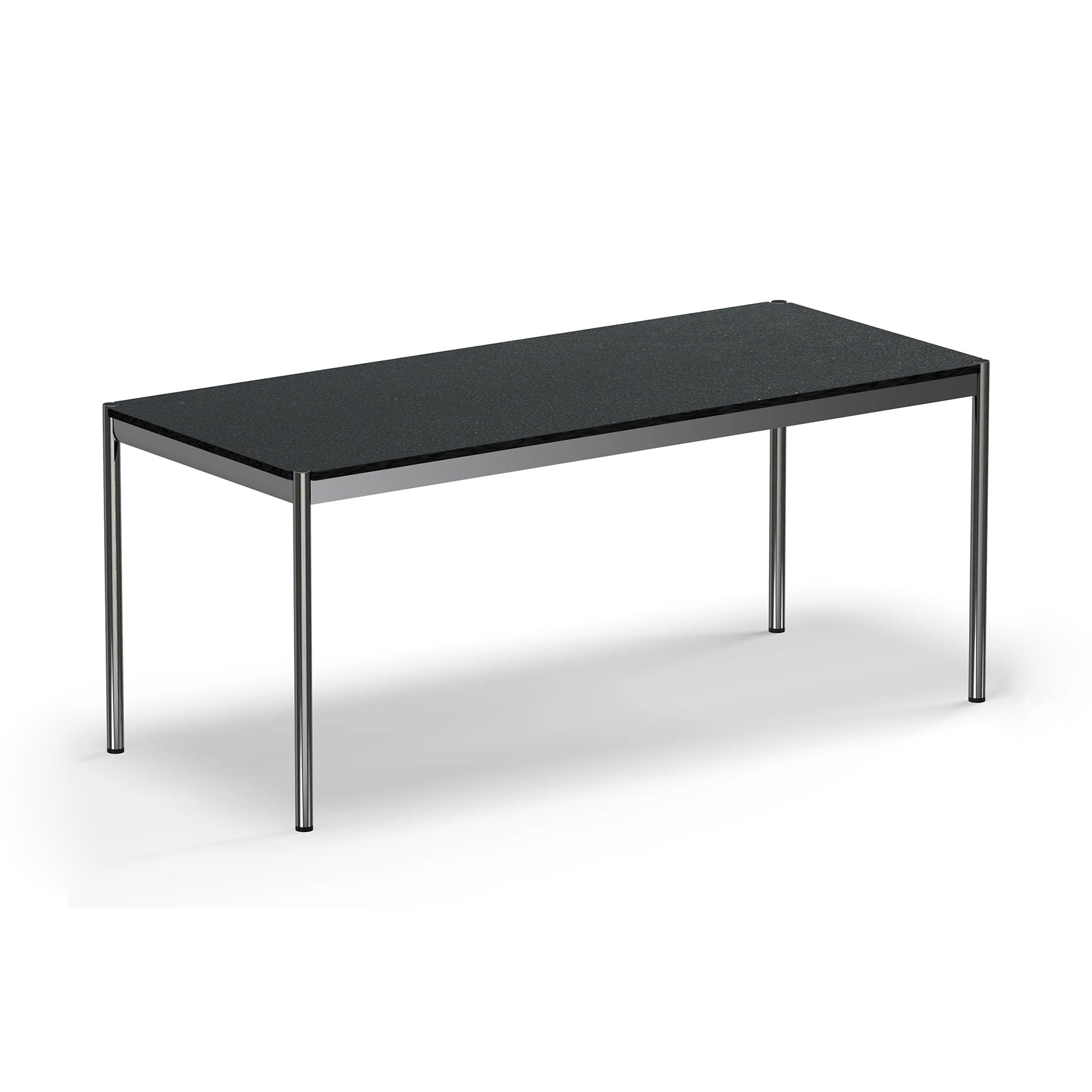
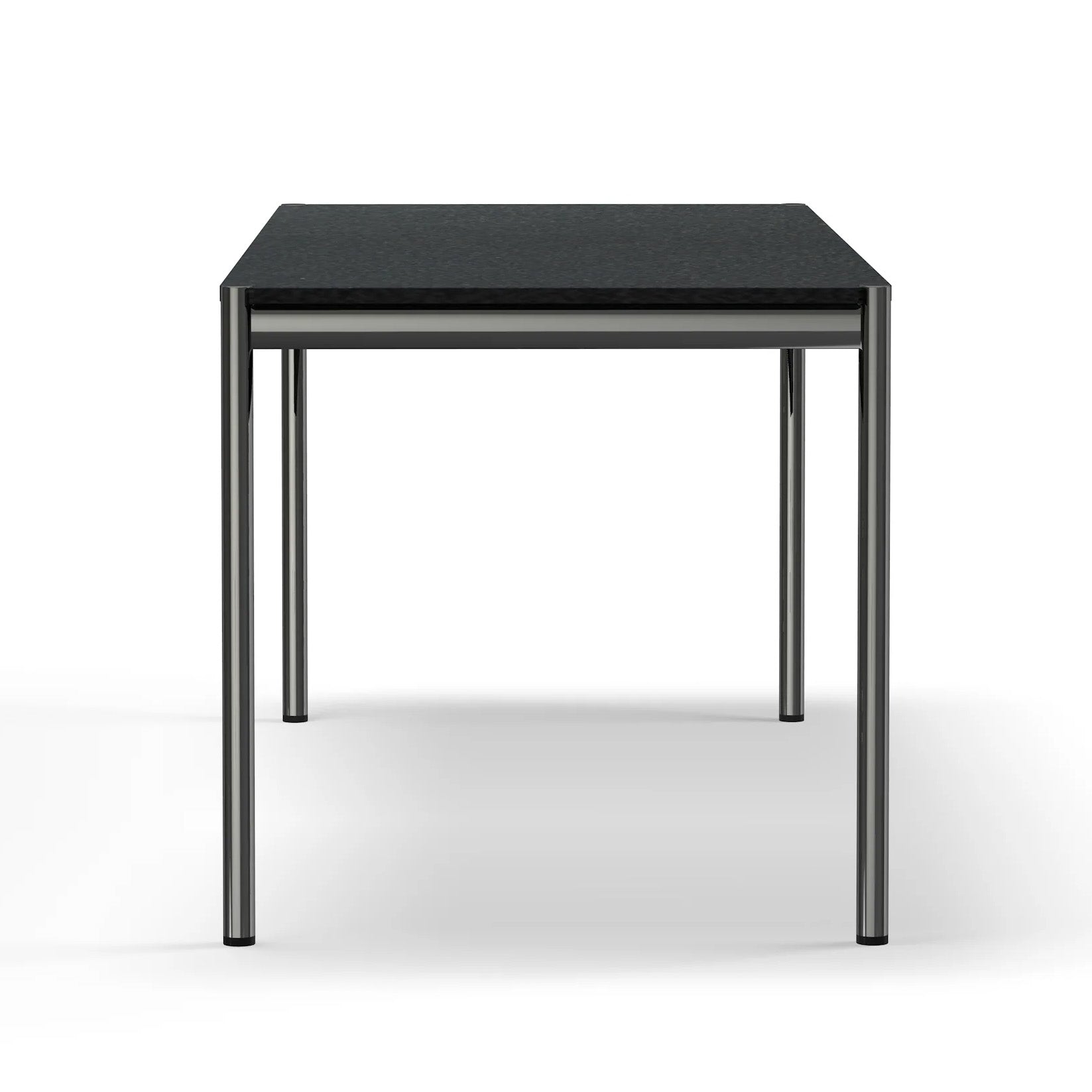
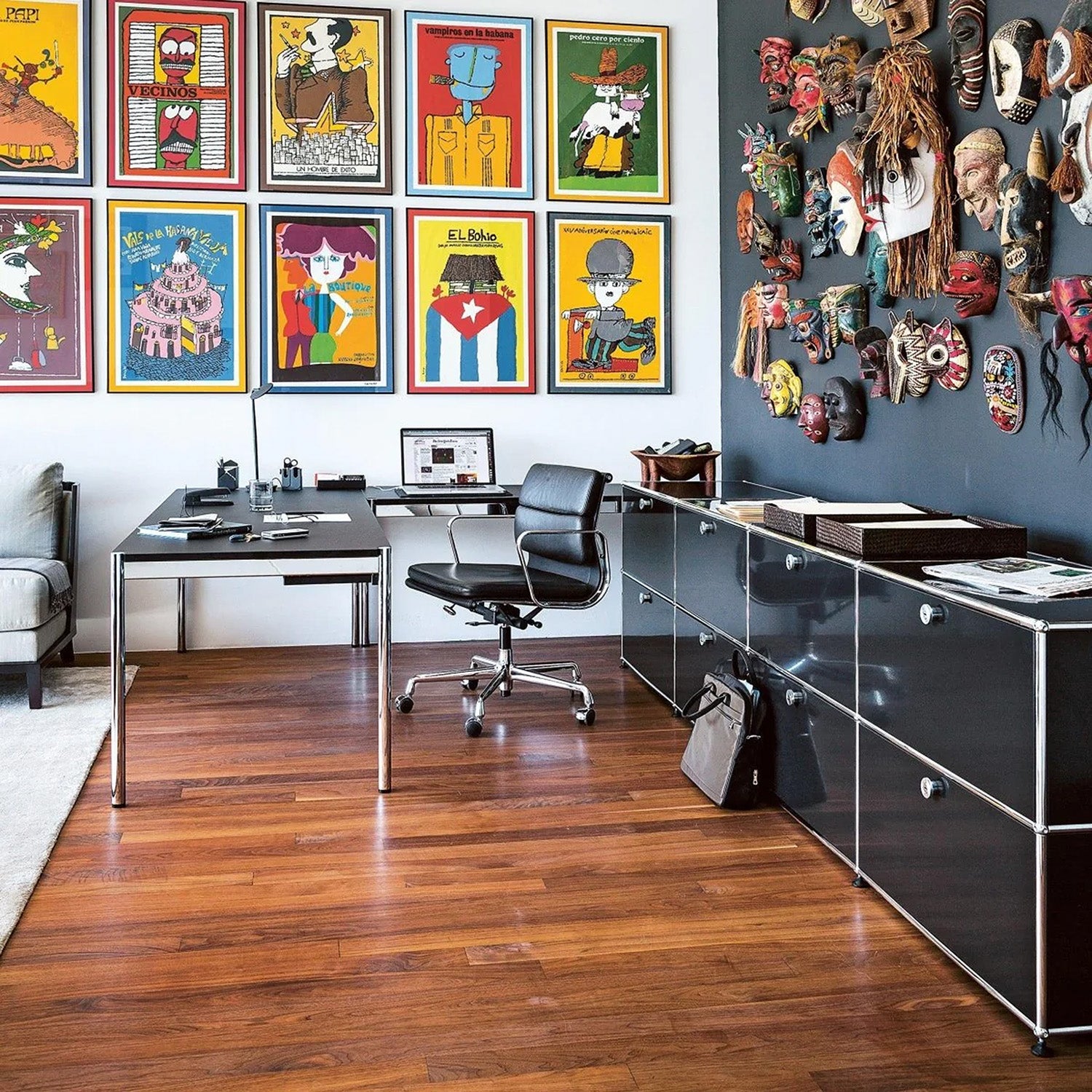
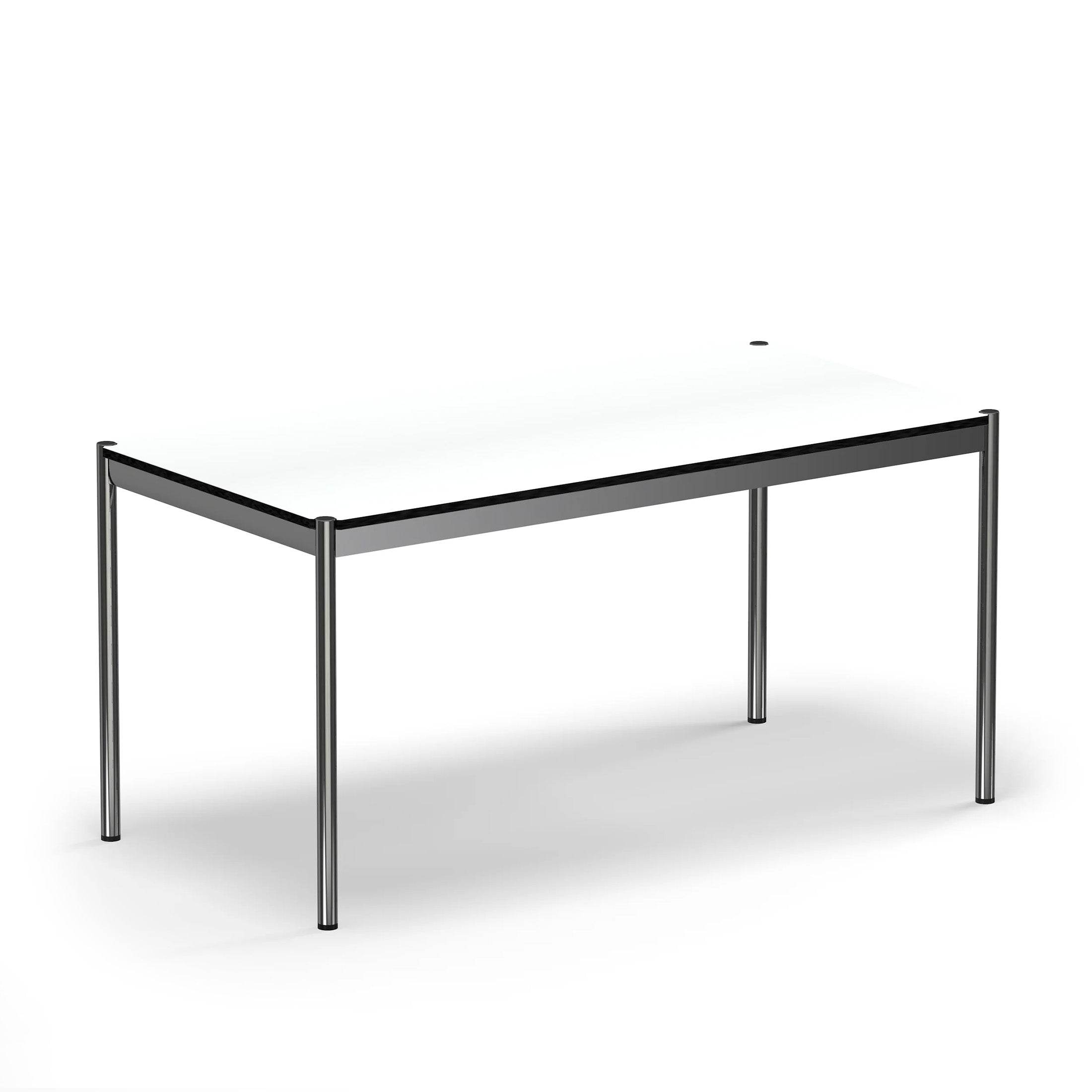
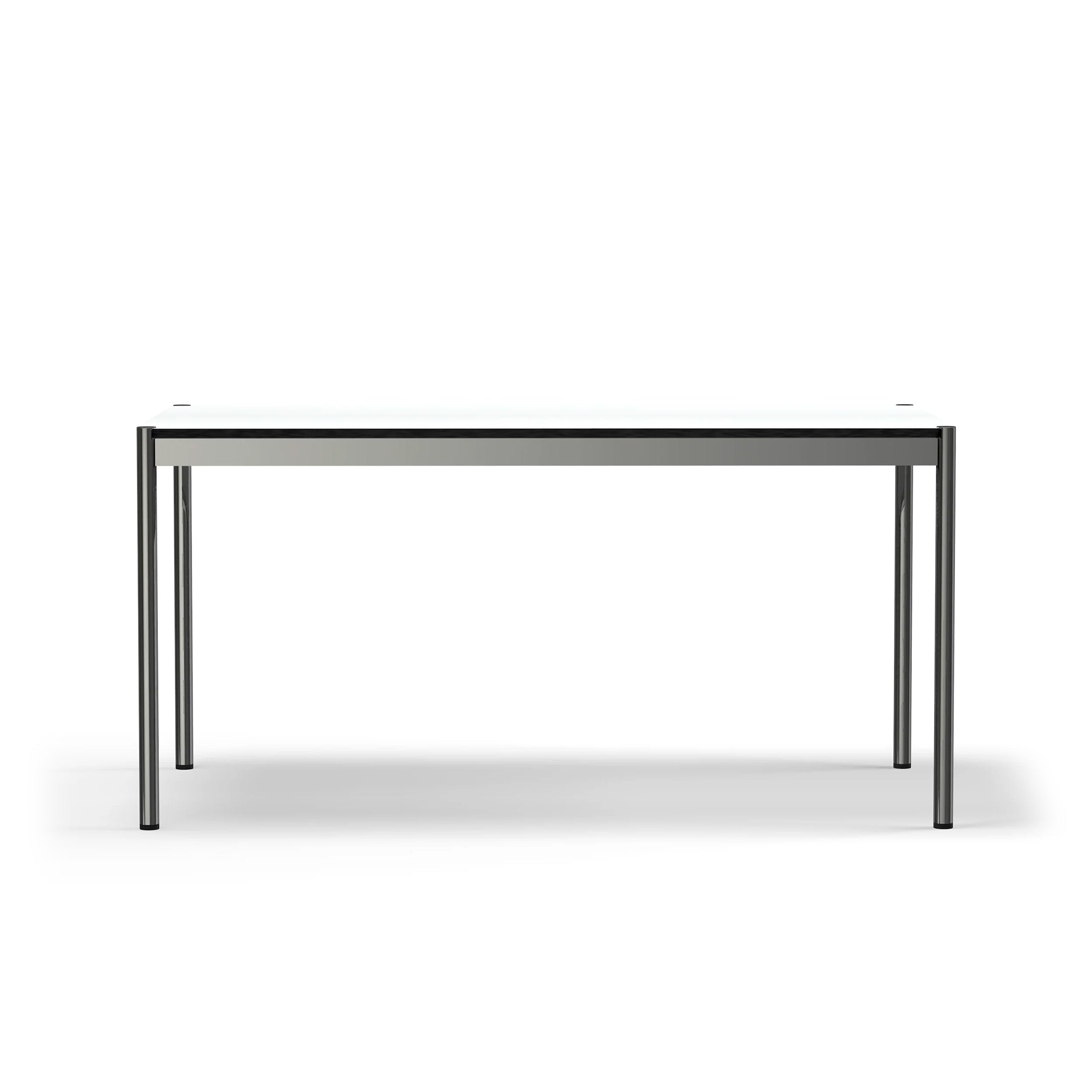
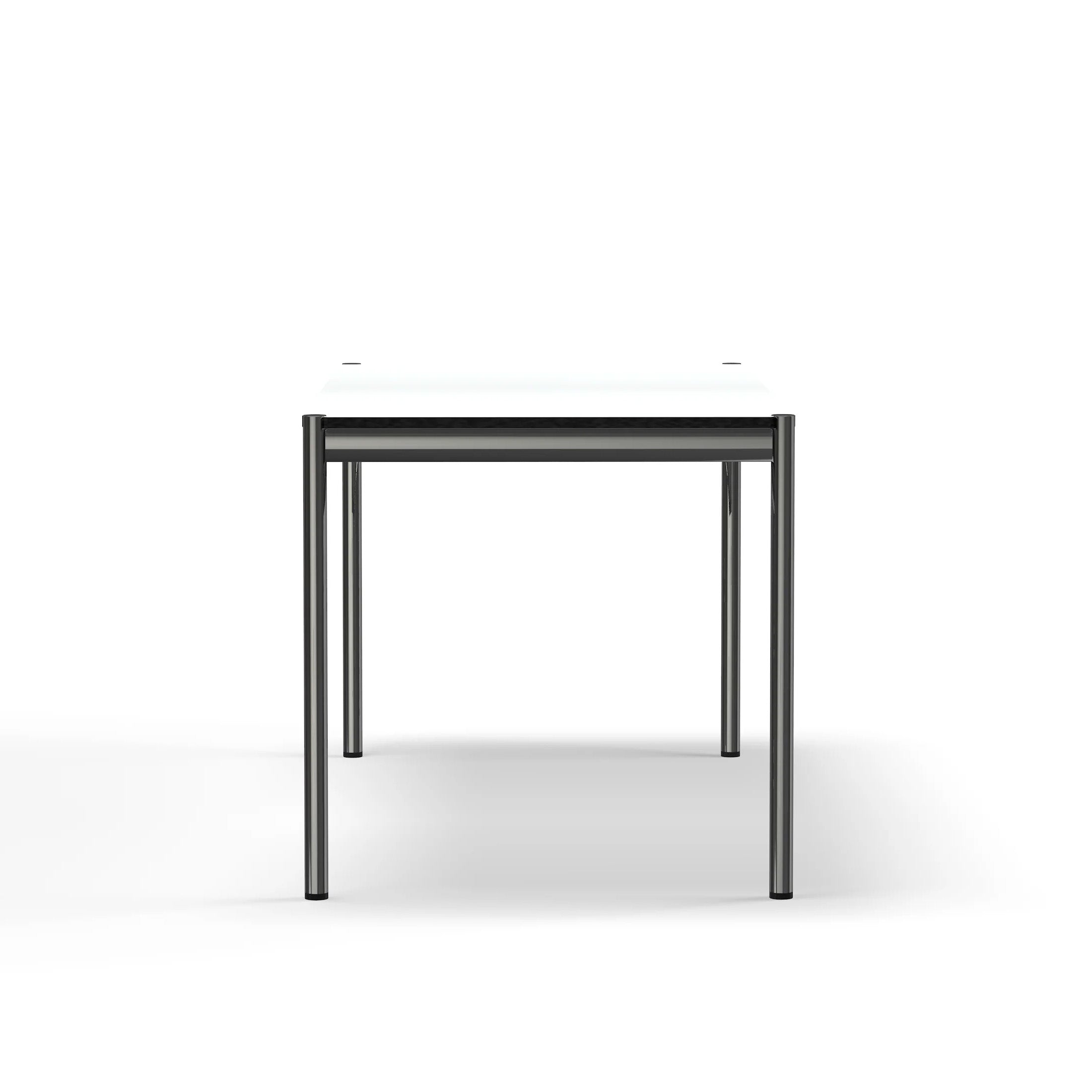
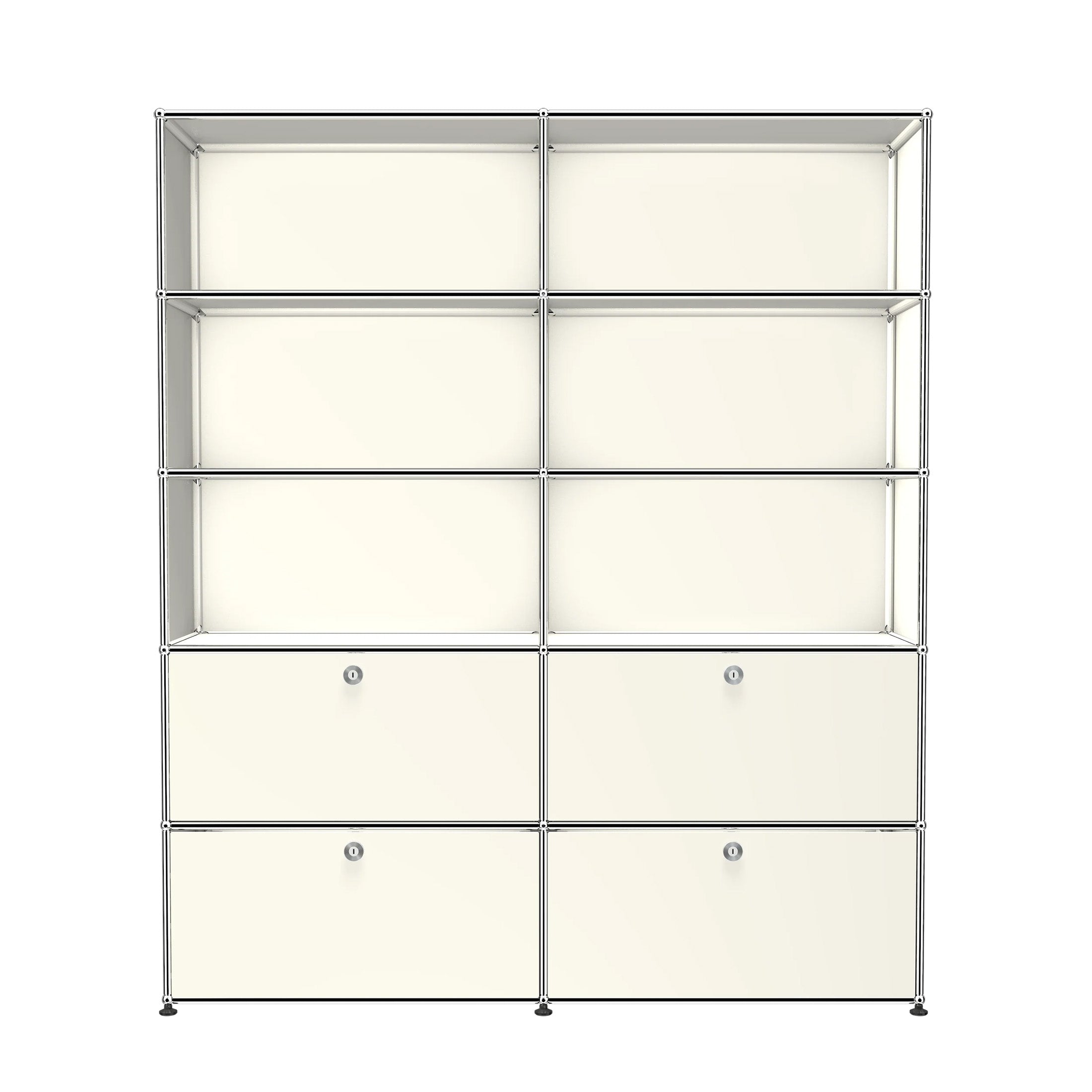
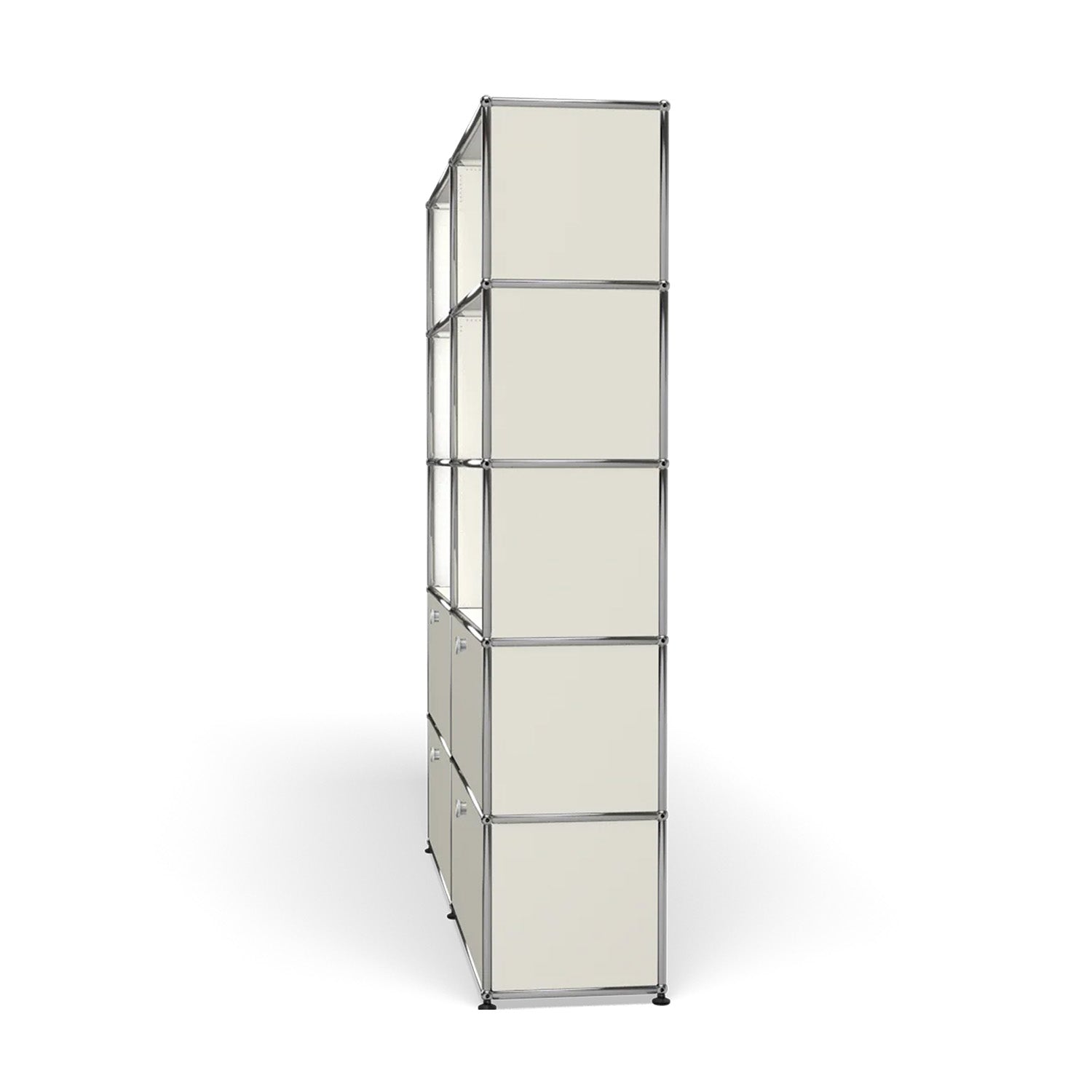
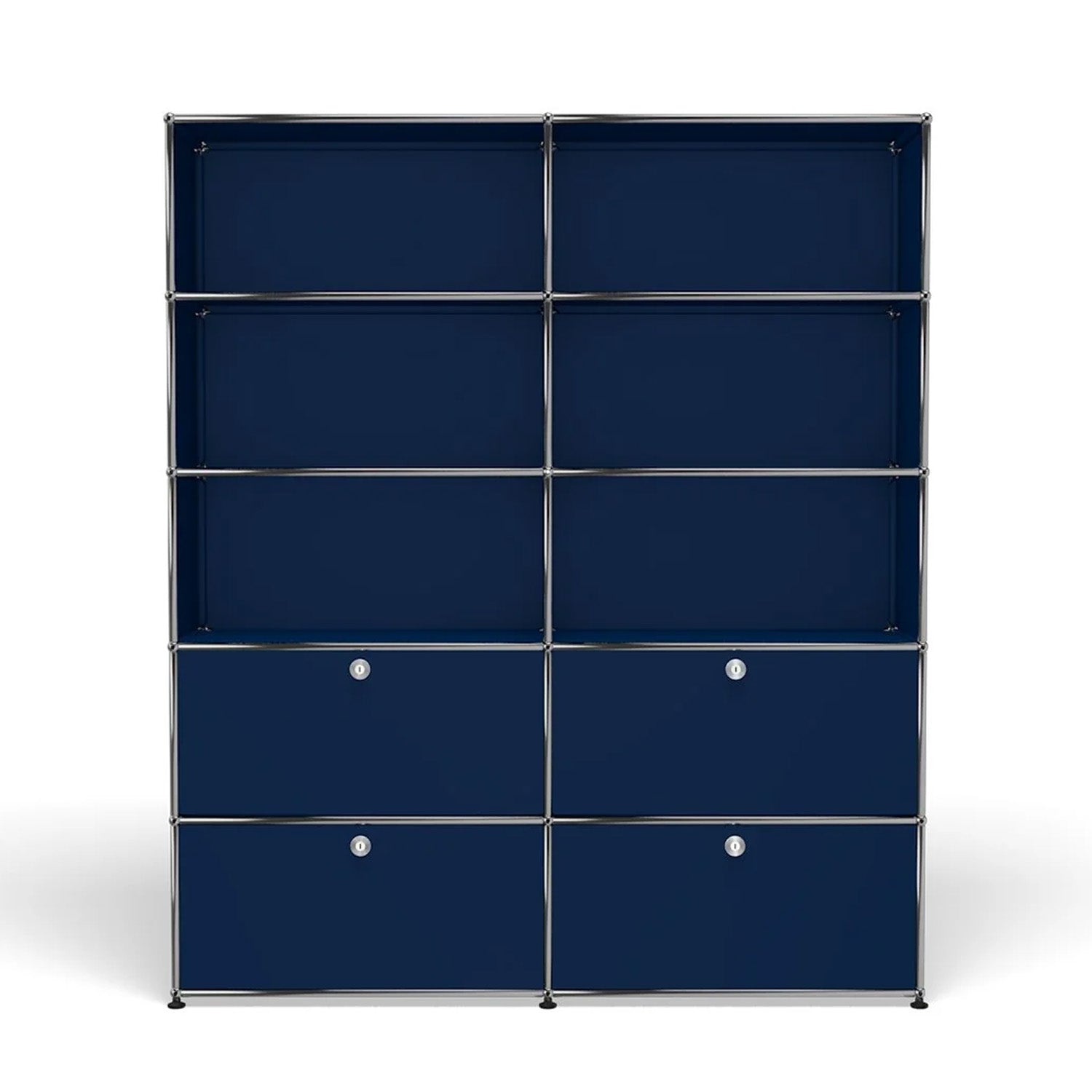
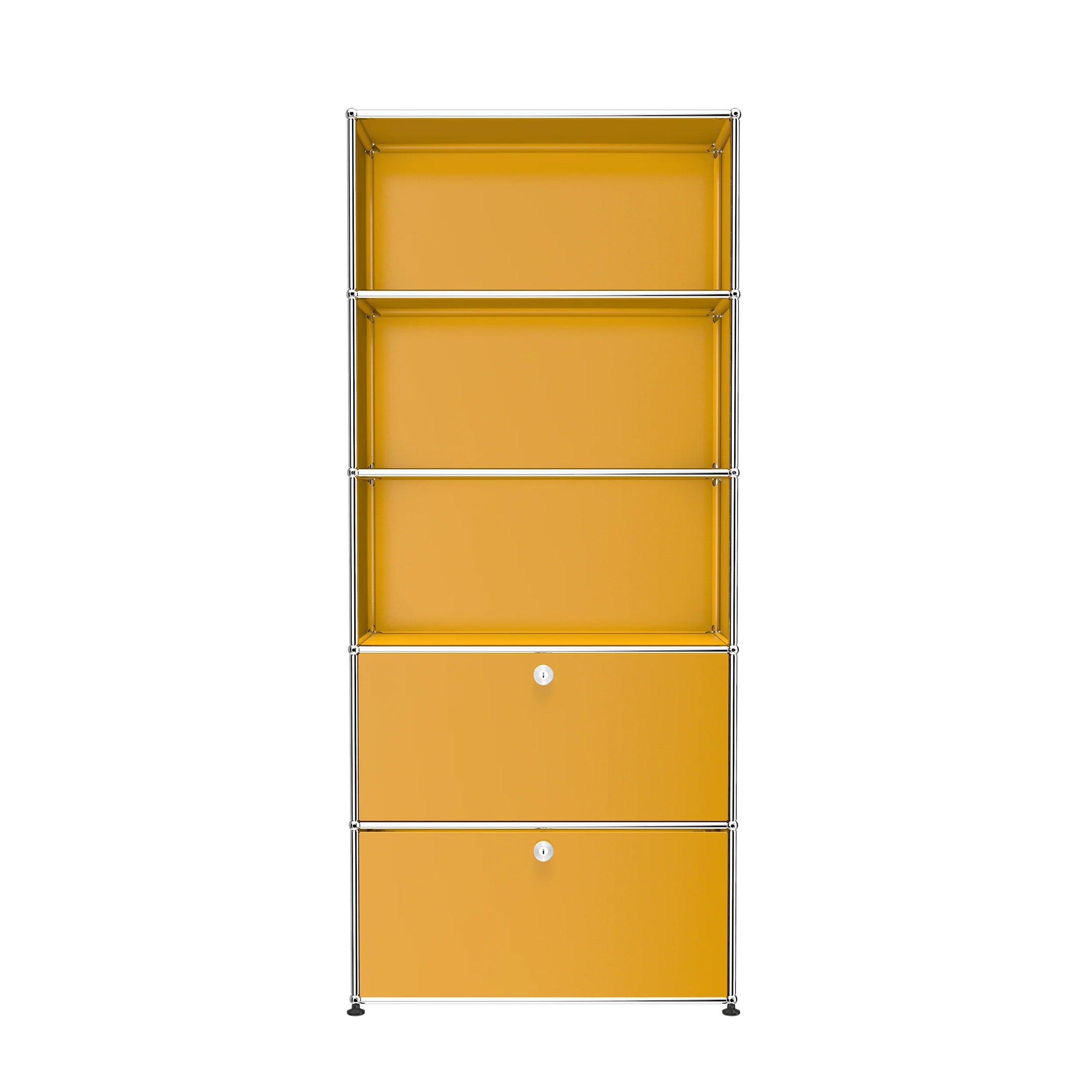
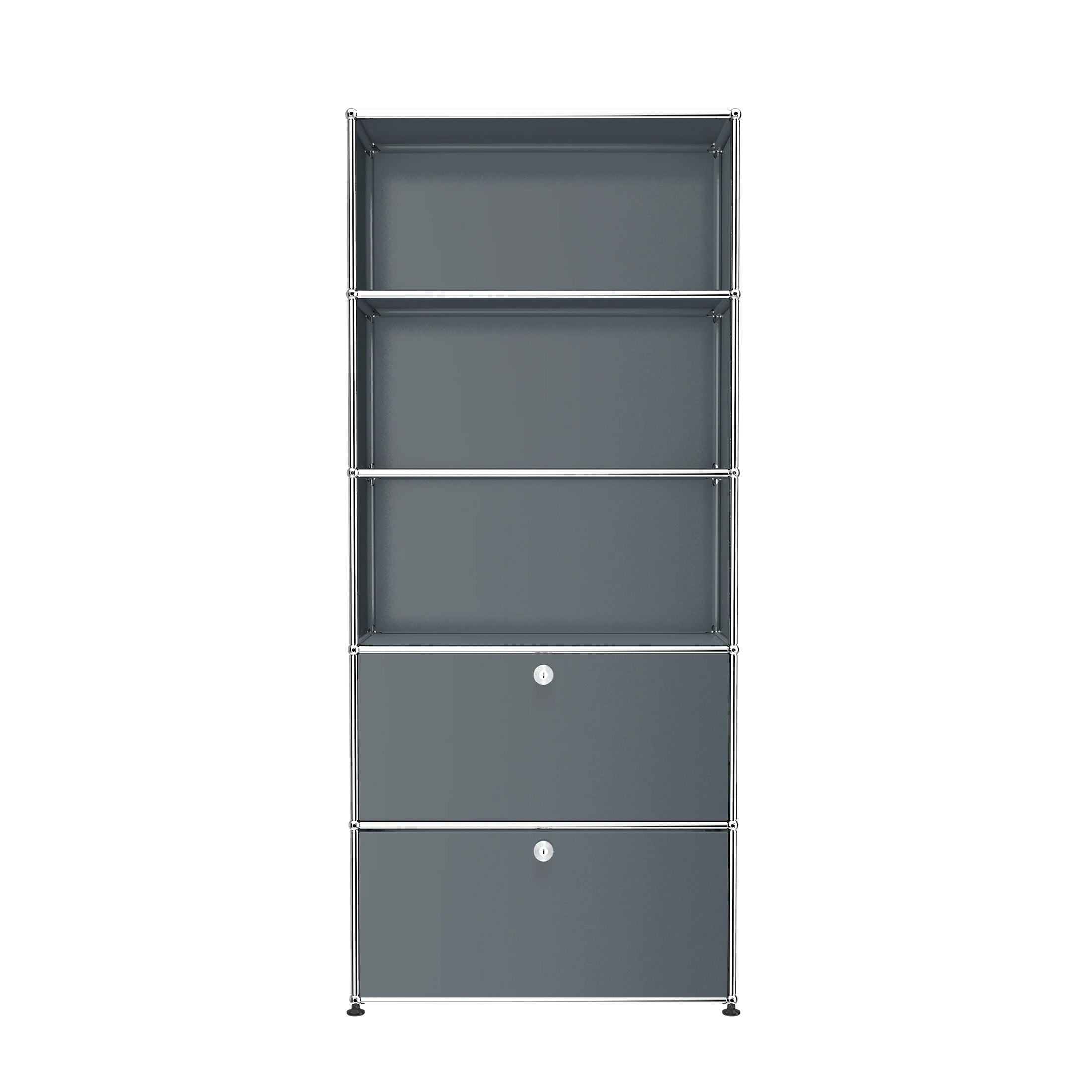
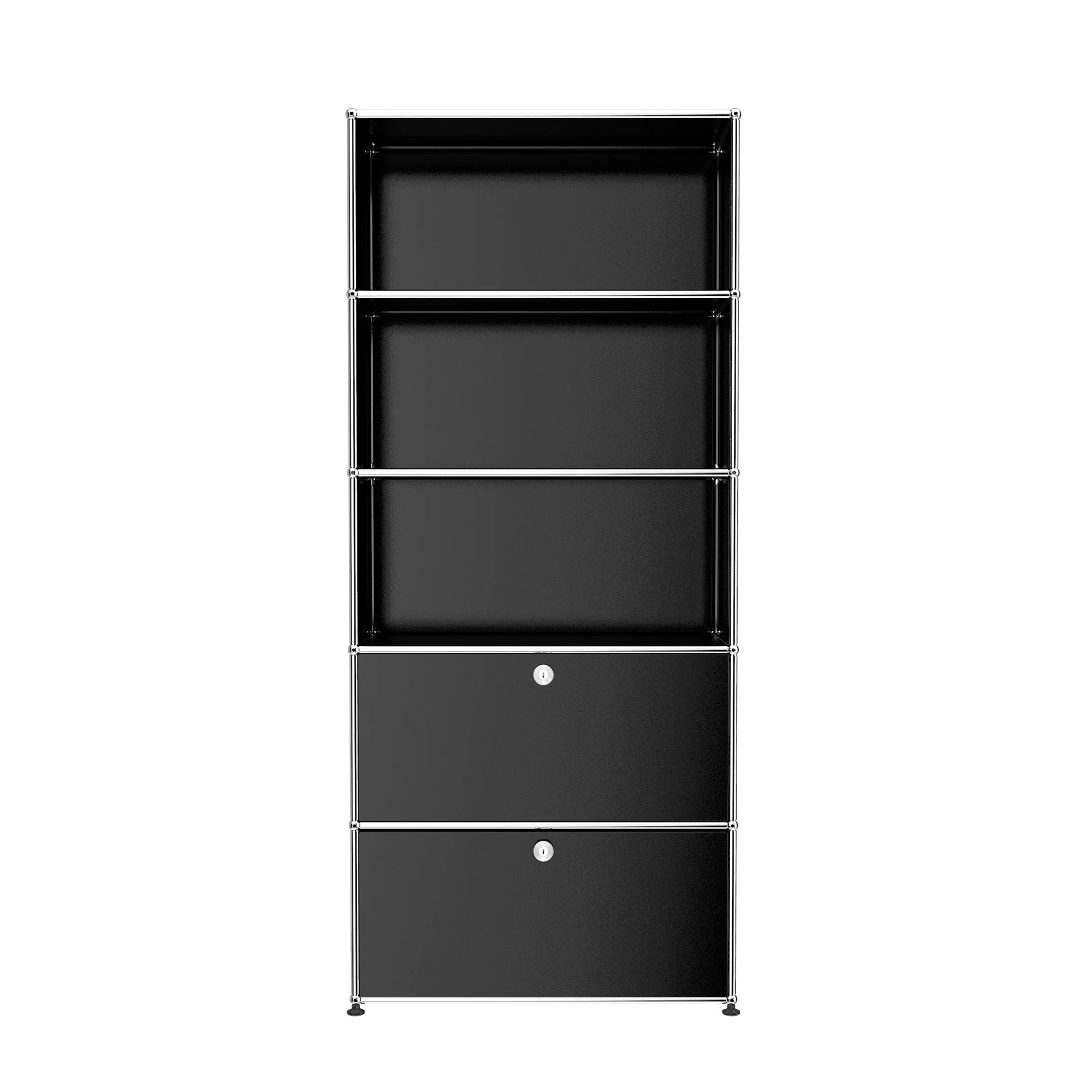
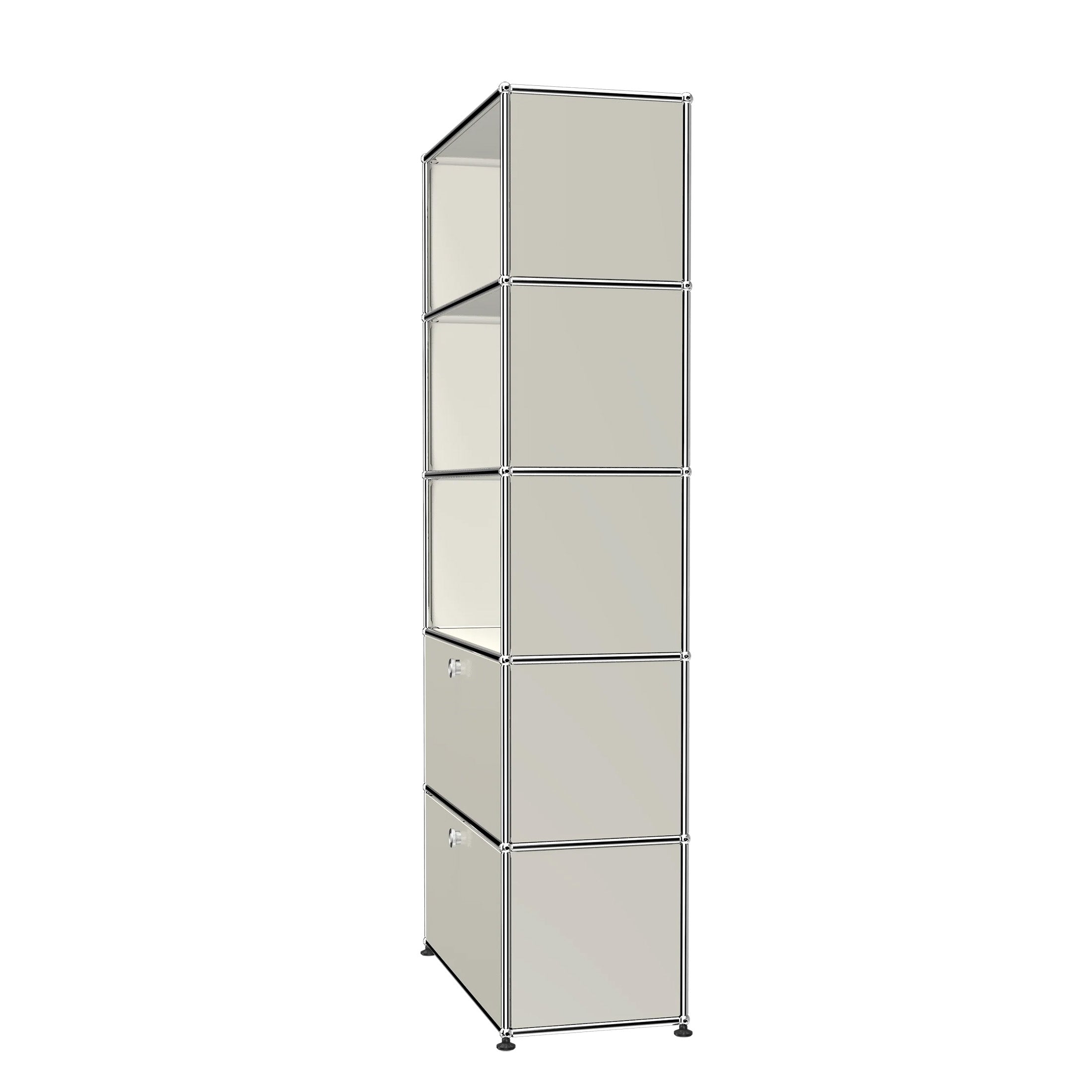
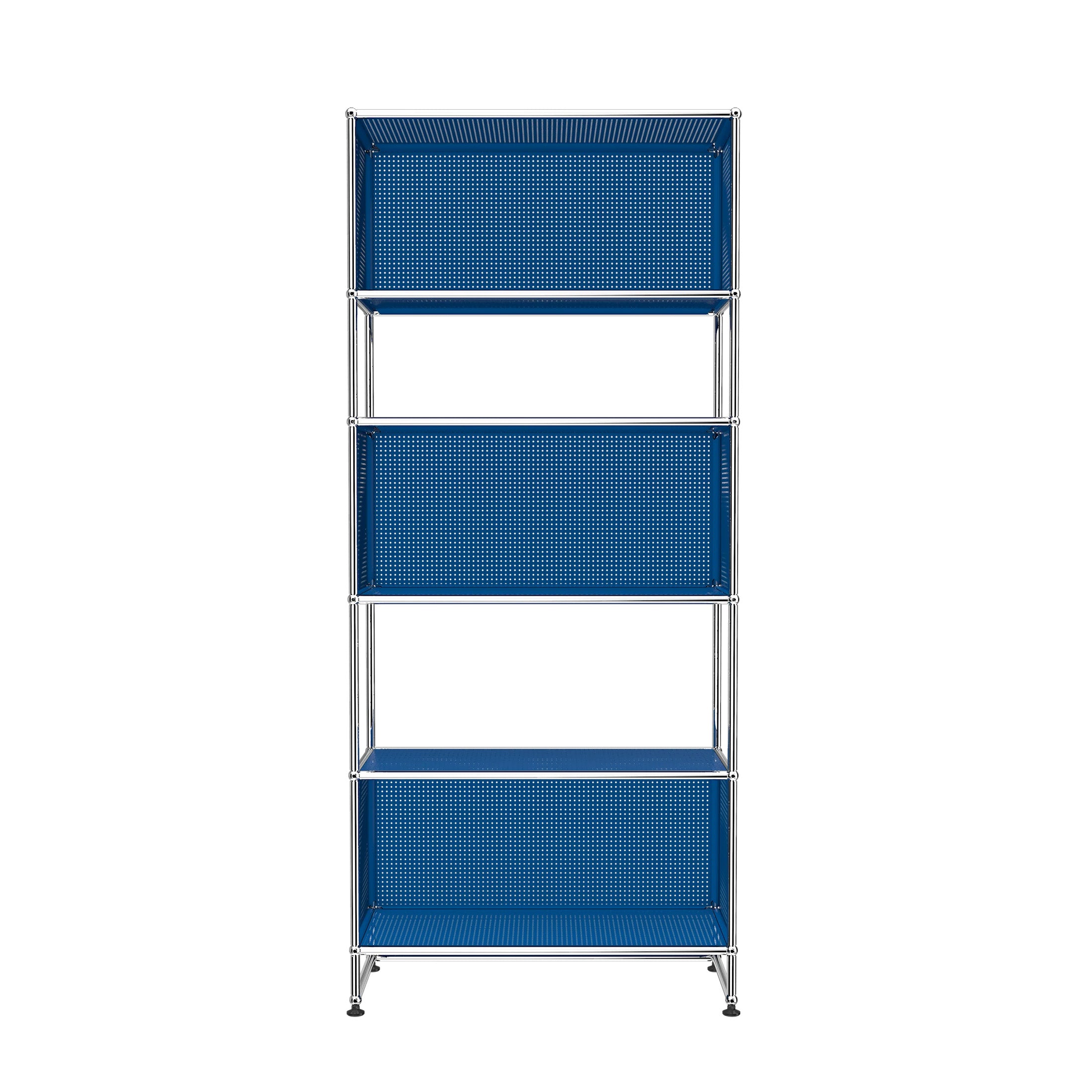
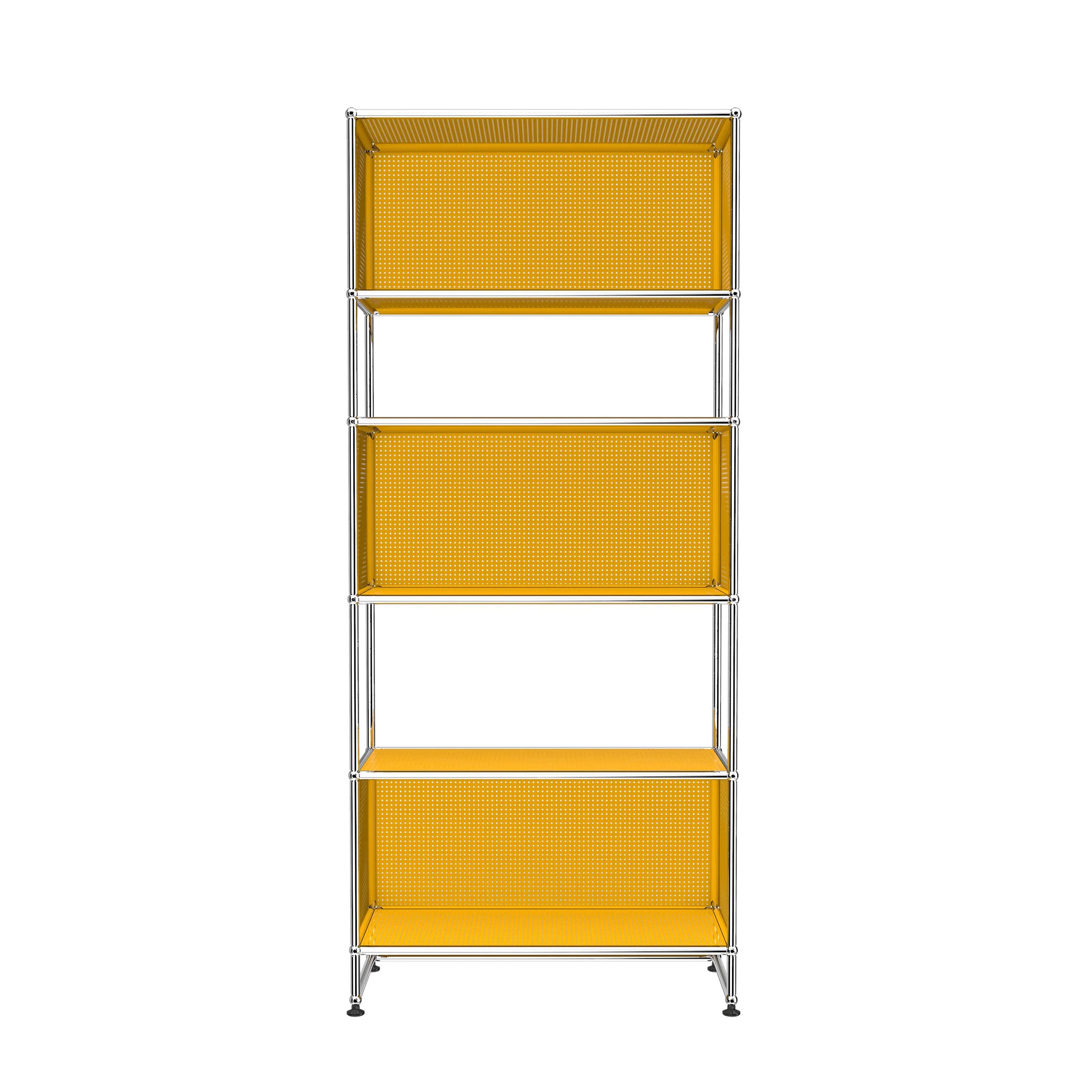
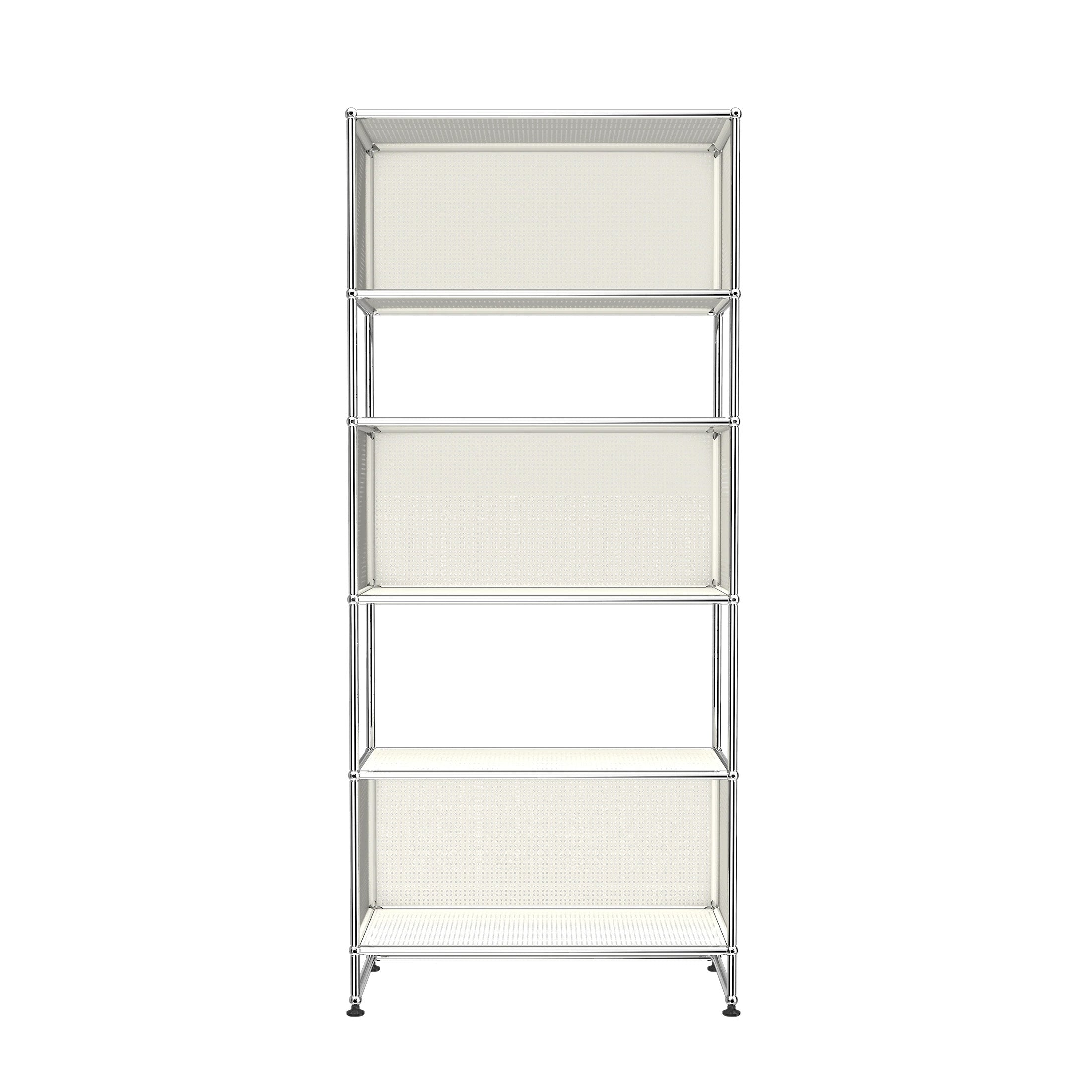
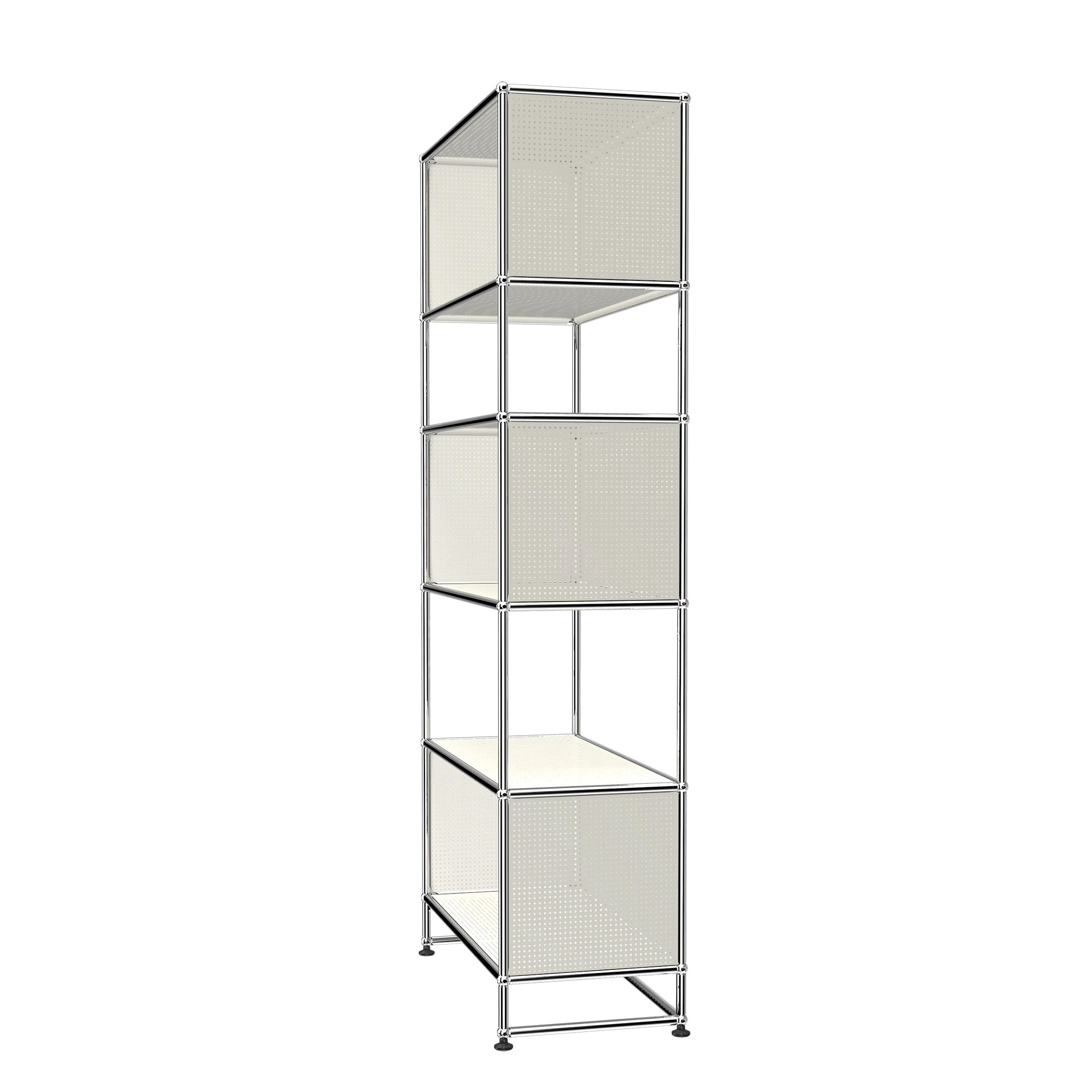
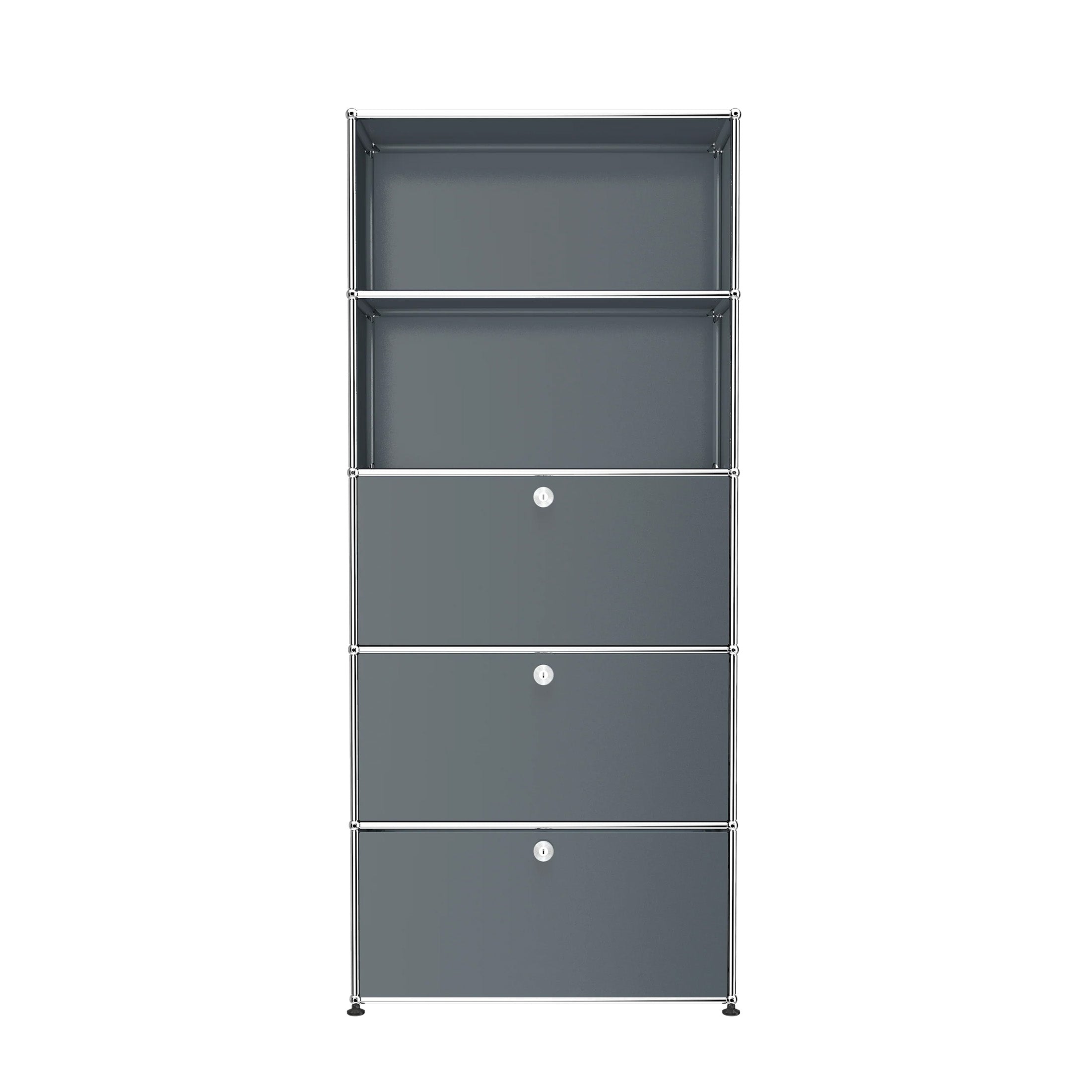
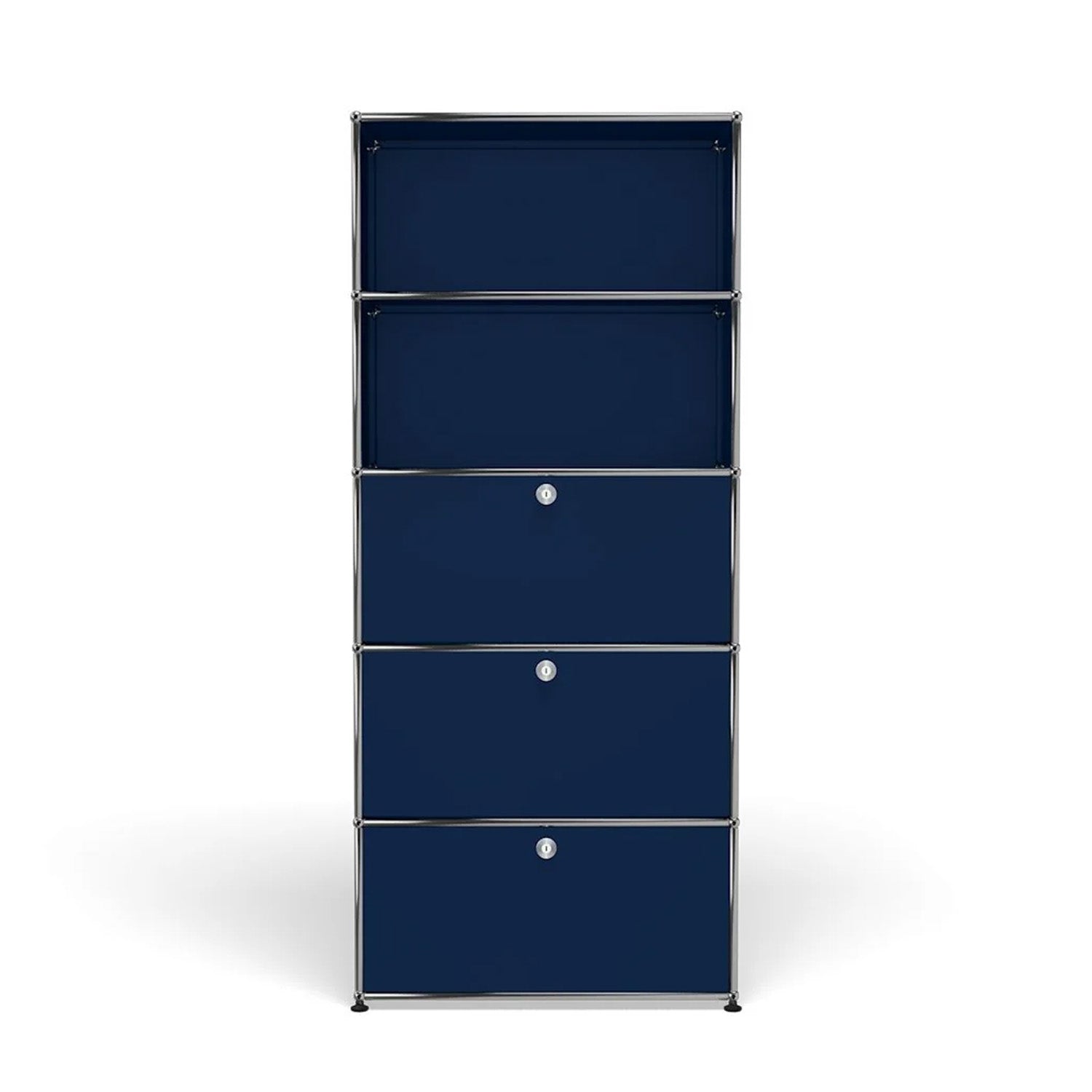
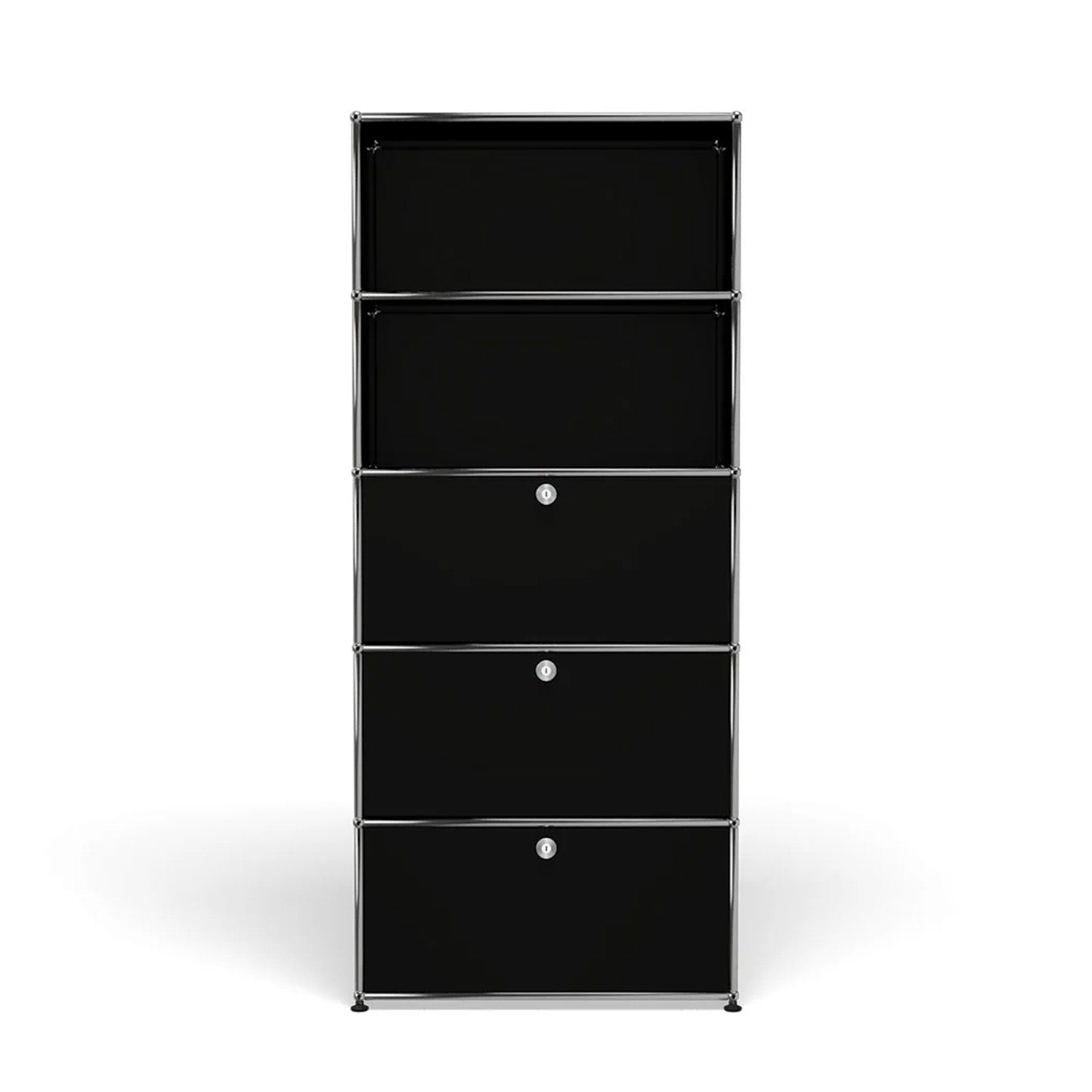
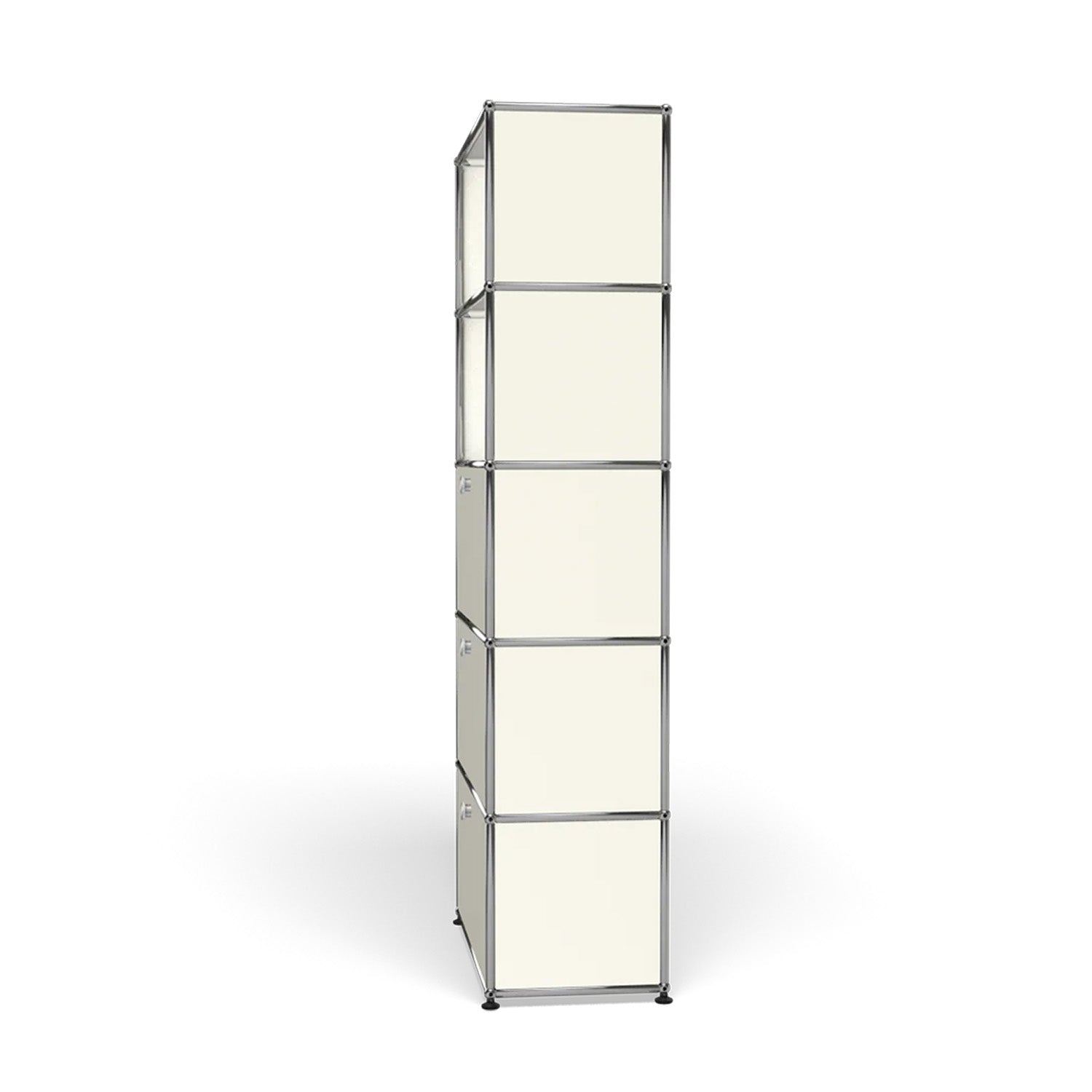
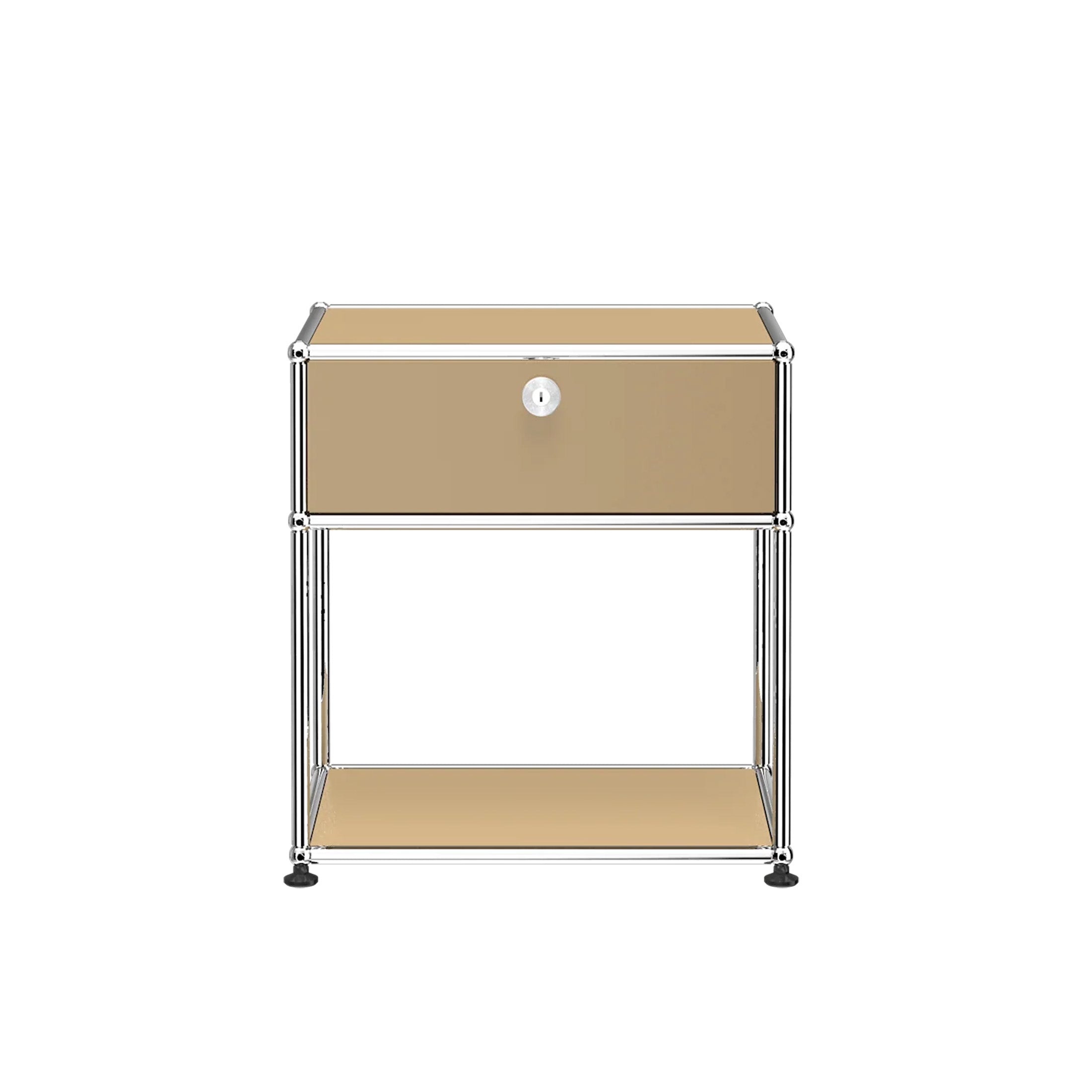
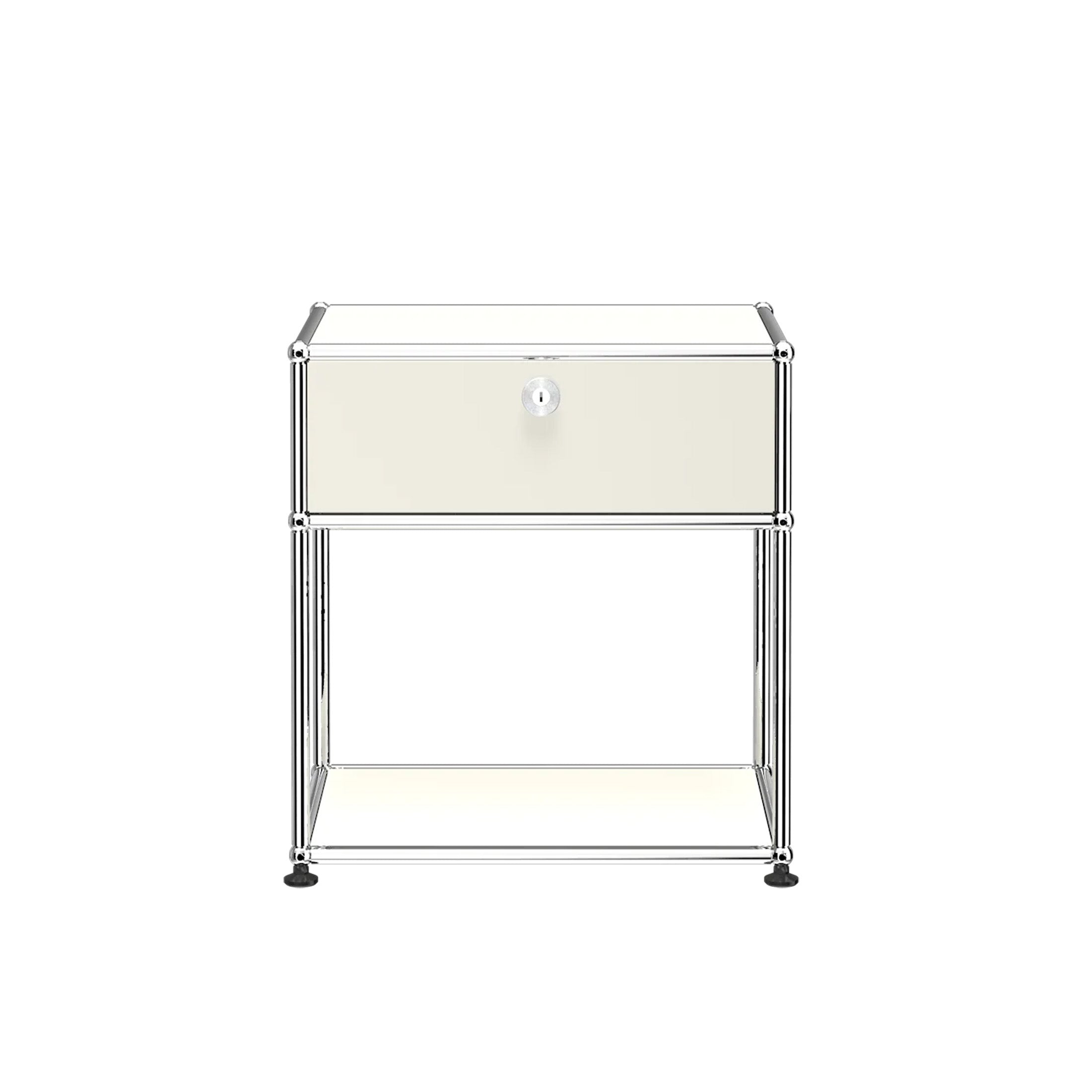
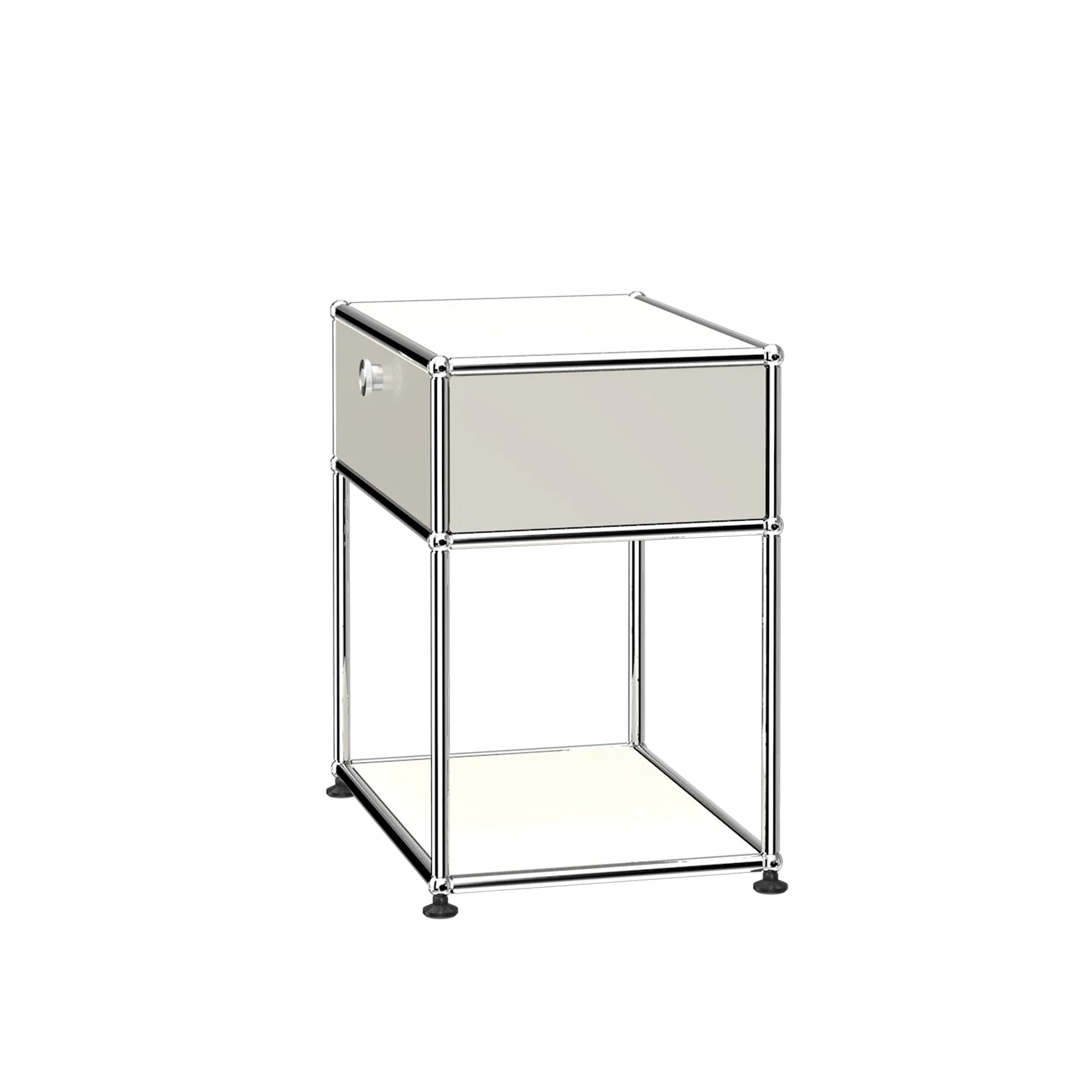
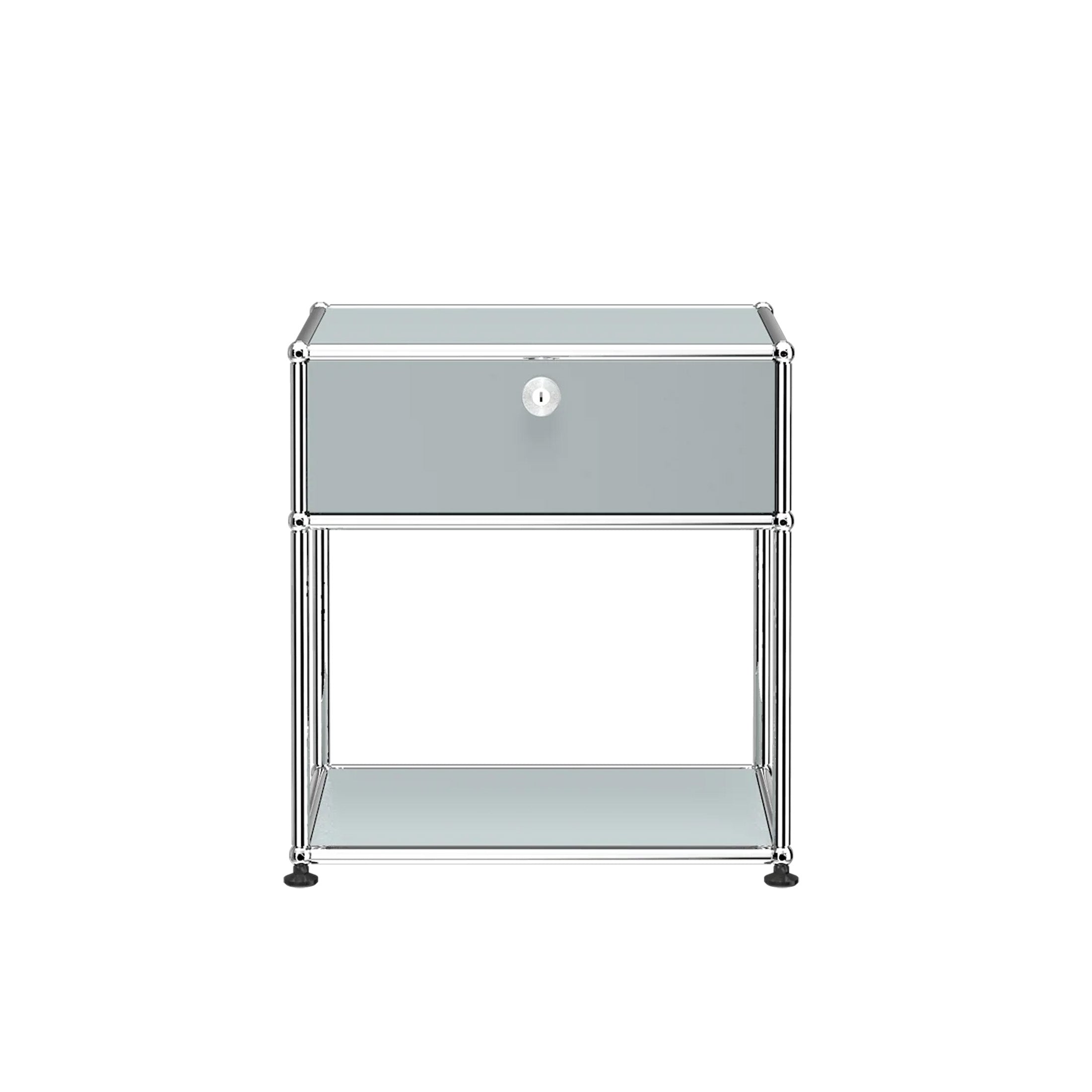
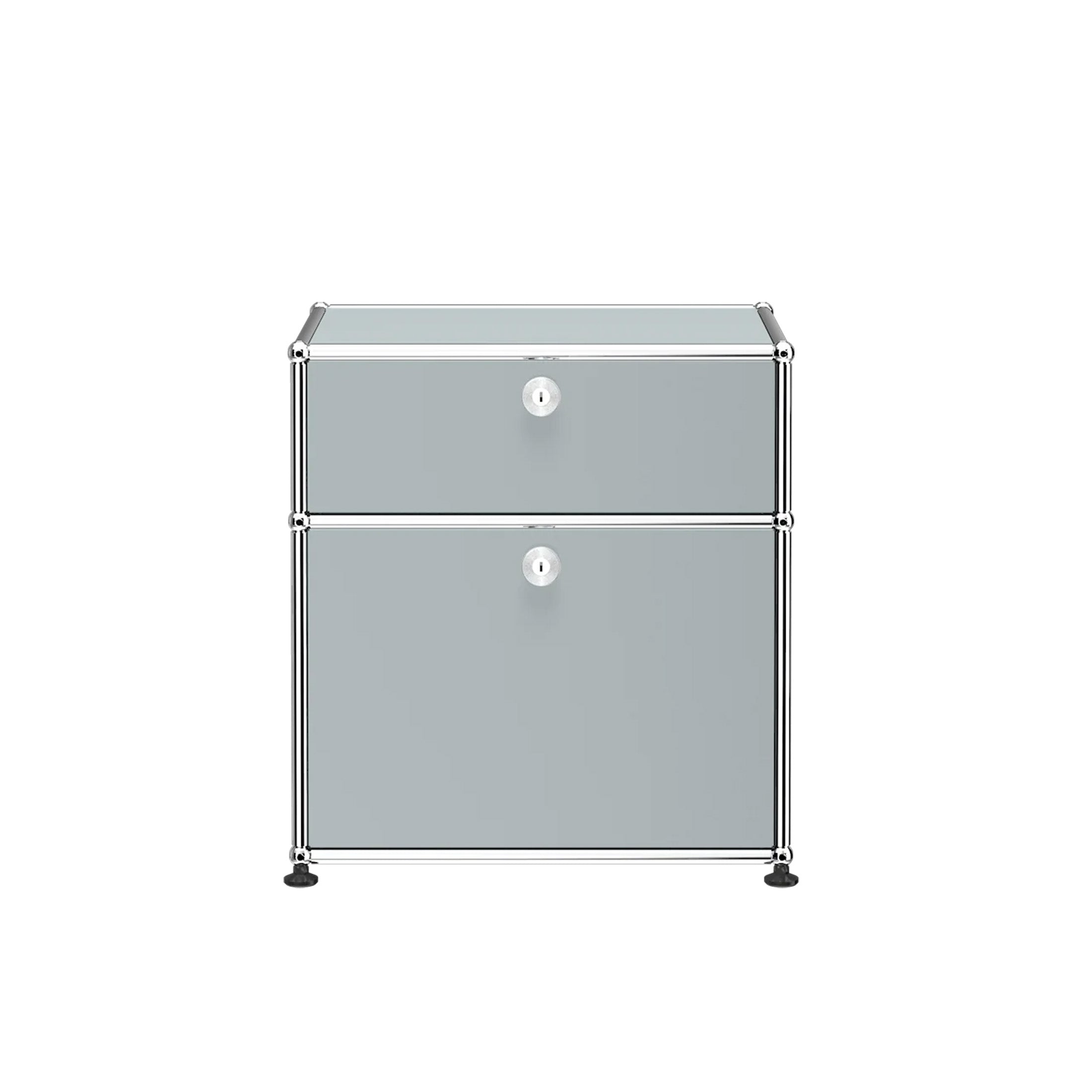
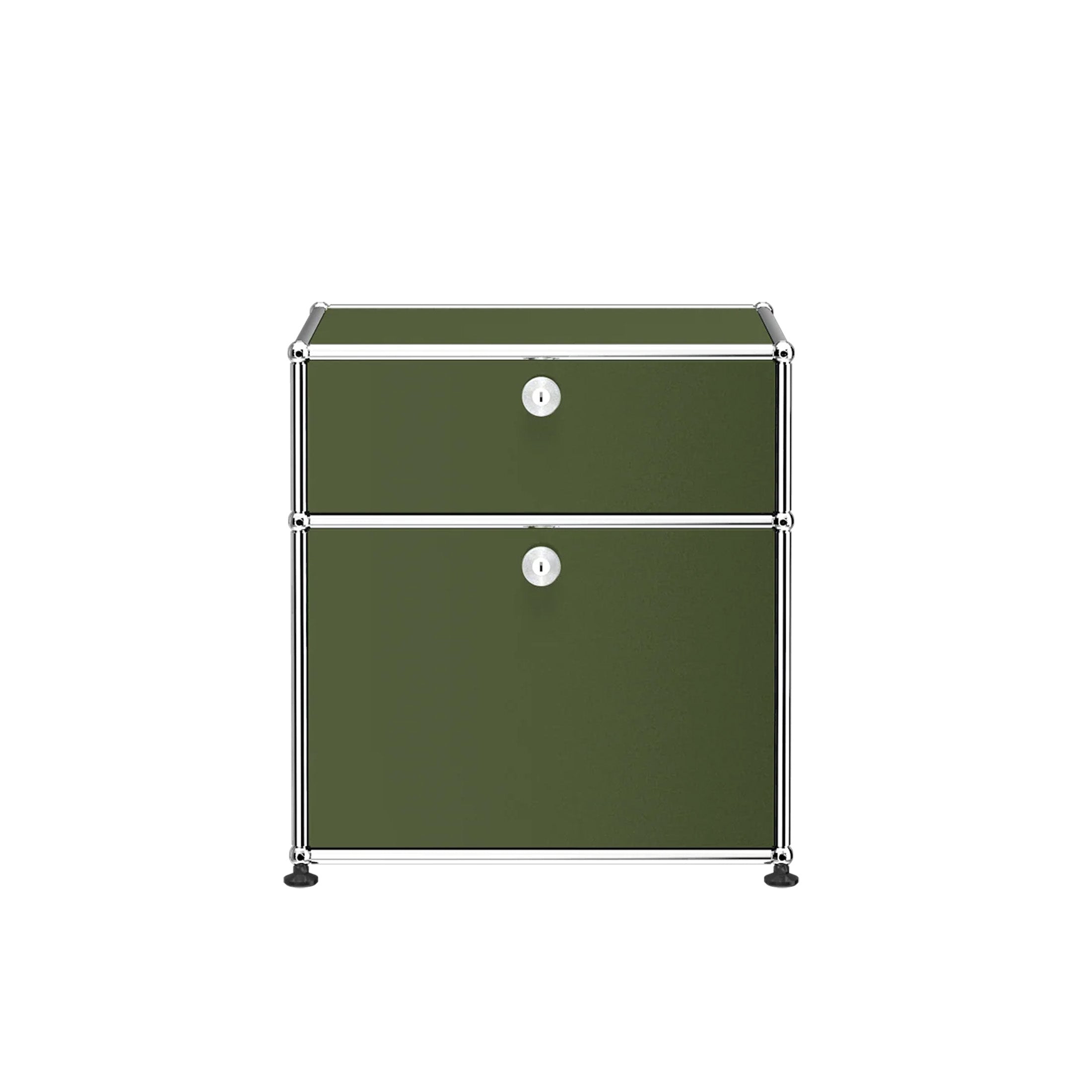
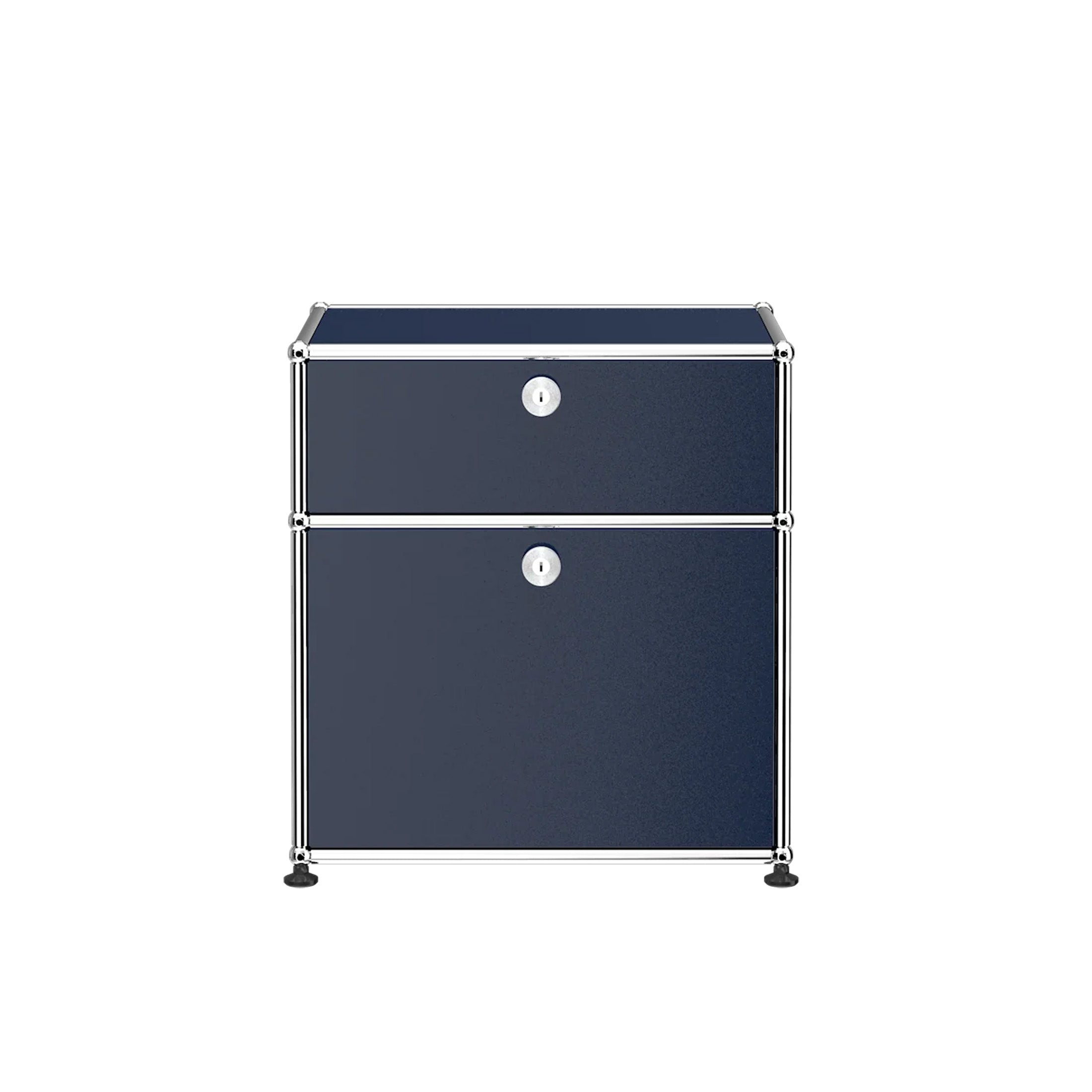
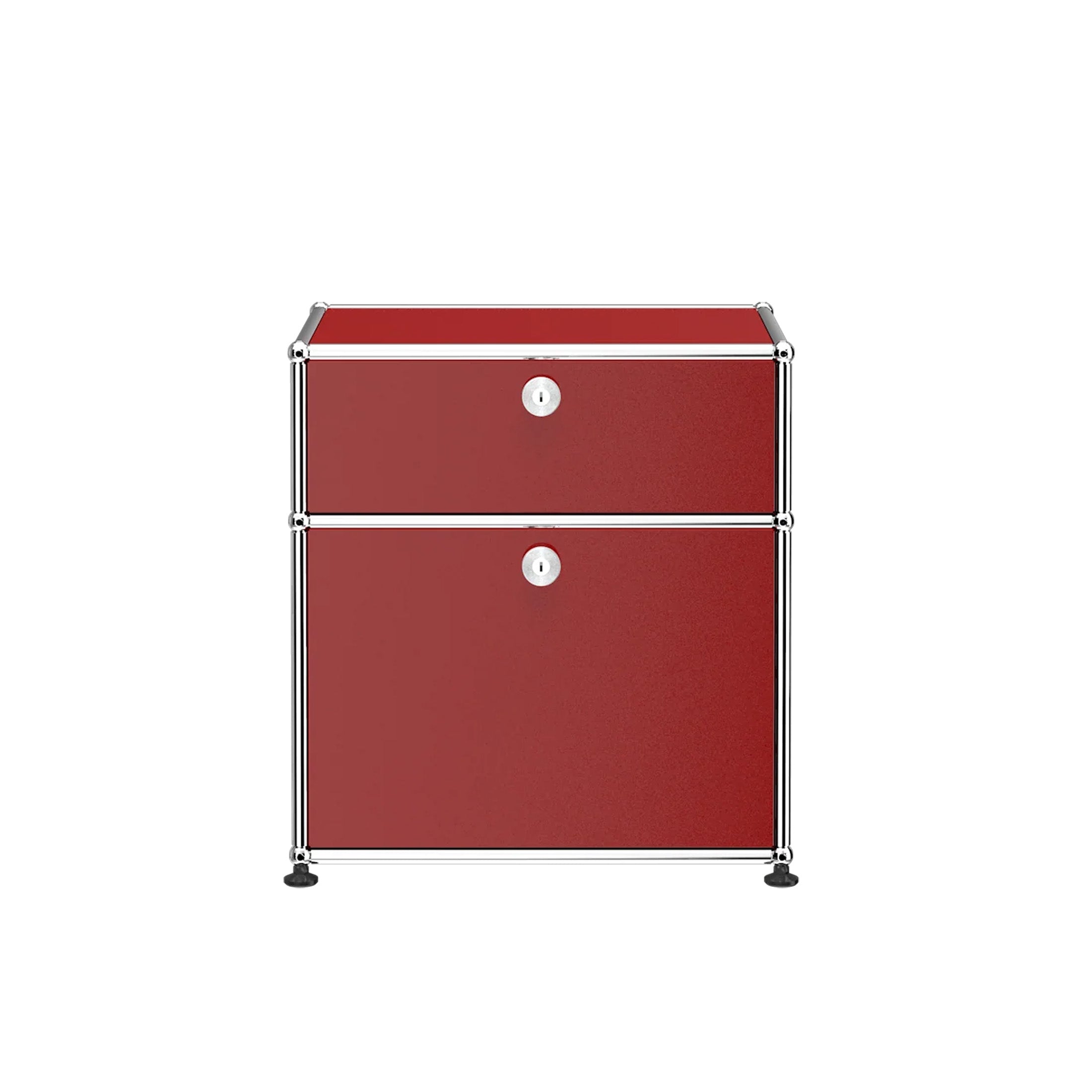
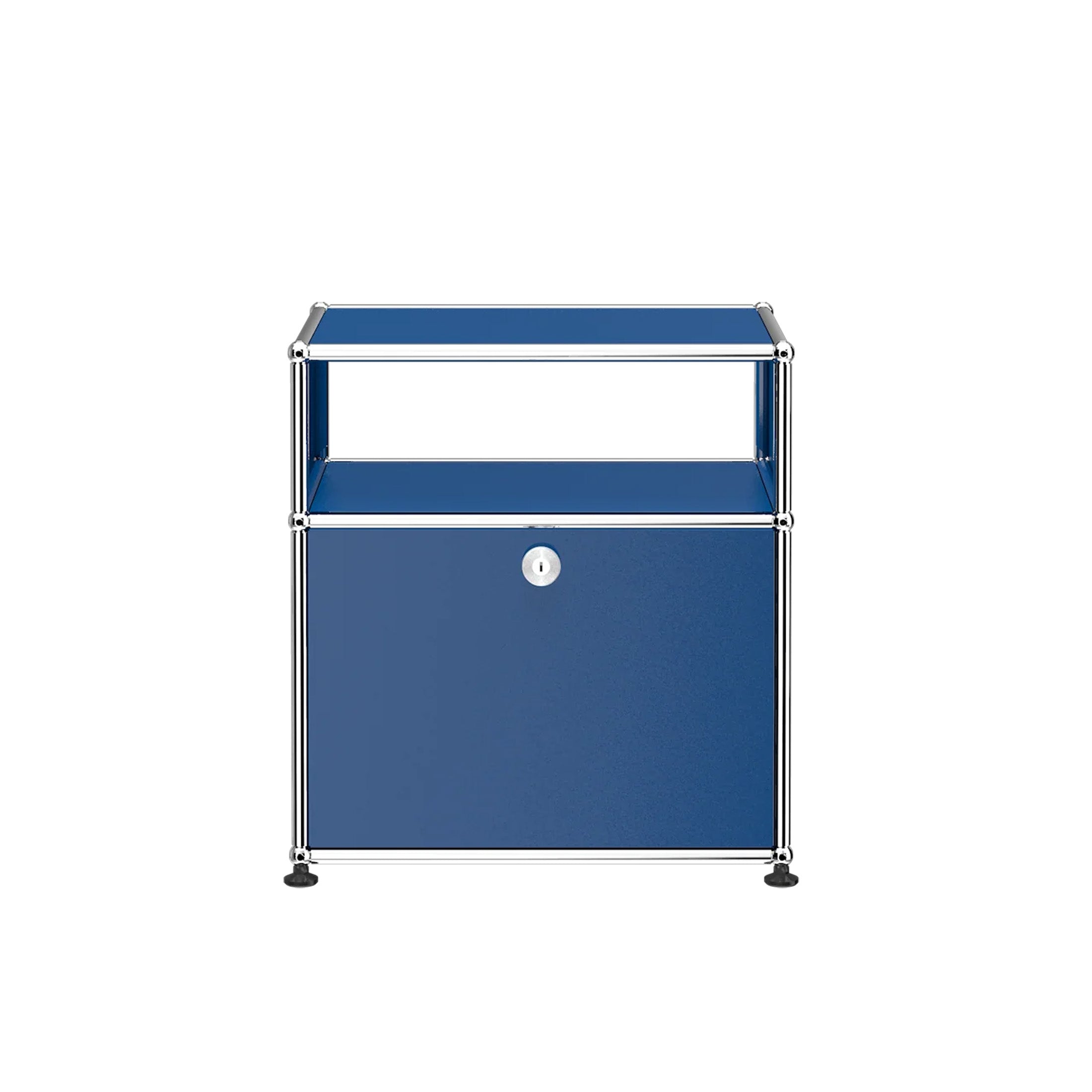
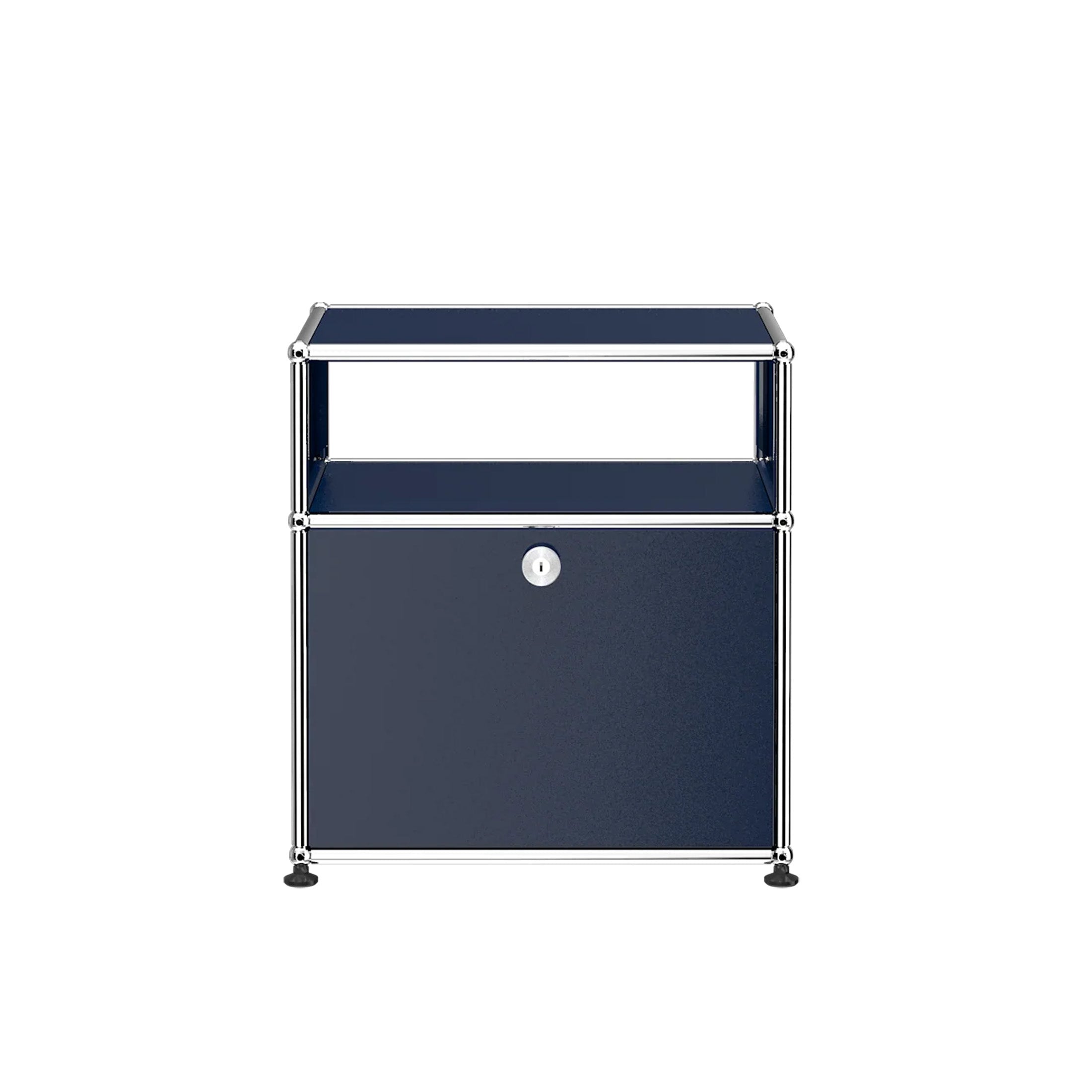
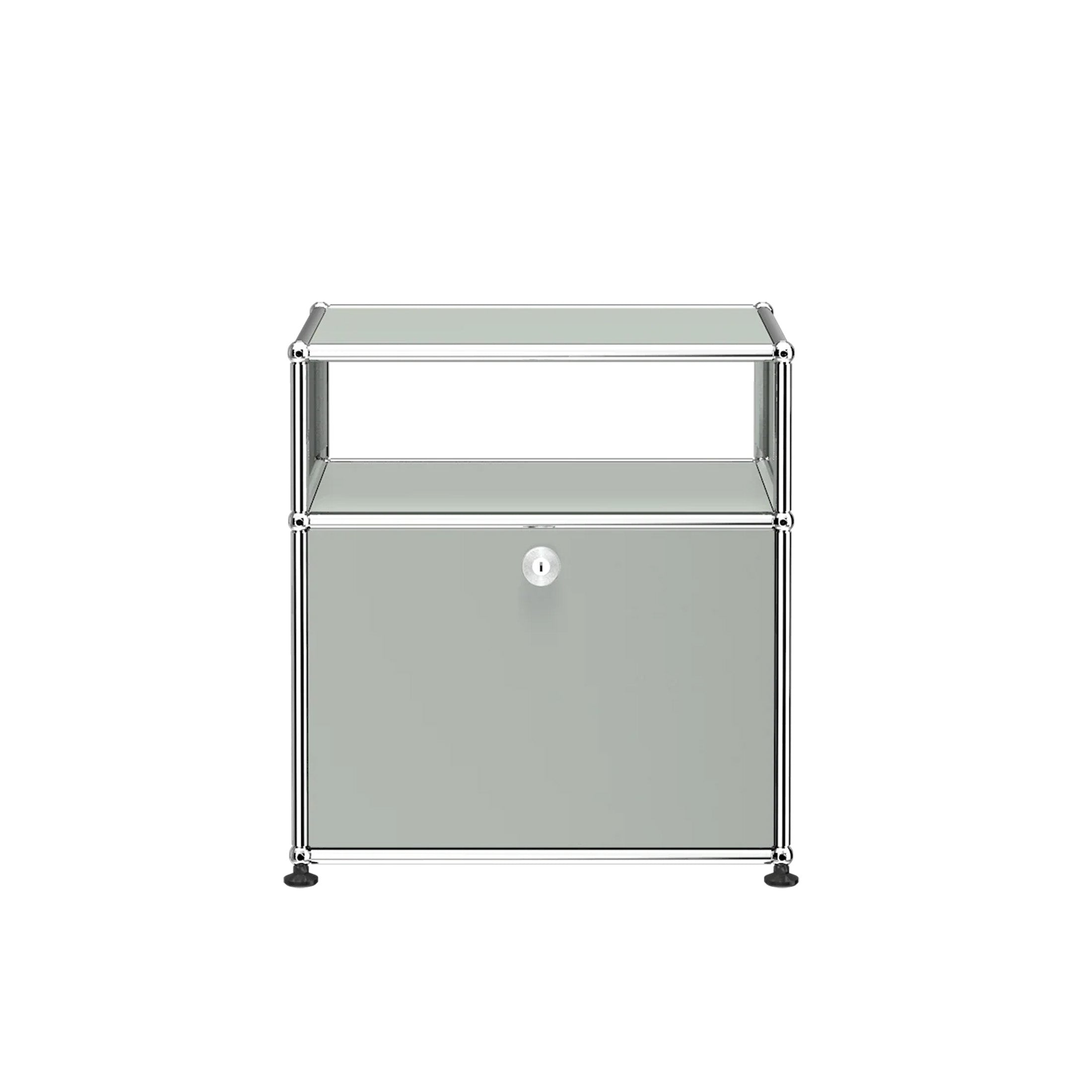
Haller is best known internationally for the USM Haller furniture system, developed with Paul Schärer Jr. from the early 1960s onward. Rooted in architectural logic, the system translated structural principles into furniture that could be adapted, expanded, and reconfigured over time, making flexibility itself part of the design. That vision gave USM Haller lasting relevance across homes, offices, and public spaces, and helped secure its status as one of the icons of modern design. Public sources also identify Haller as one of the leading representatives of the Solothurn School and as an influential figure in Swiss industrialized building. He died on October 15, 2012, in Bern.