Side Table (O118)
Made by USM Haller
Designed by Fritz Haller
The O118 emerges from one of the most disciplined modular systems in twentieth-century design. Conceived by architect Fritz Haller and businessman Paul Schärer in the 1960s, the USM Haller system was originally developed as office infrastructure for the USM factory in Münsingen, Switzerland. Its internal logic proved so coherent that the Museum of Modern Art in New York acquired it as an object of cultural significance.
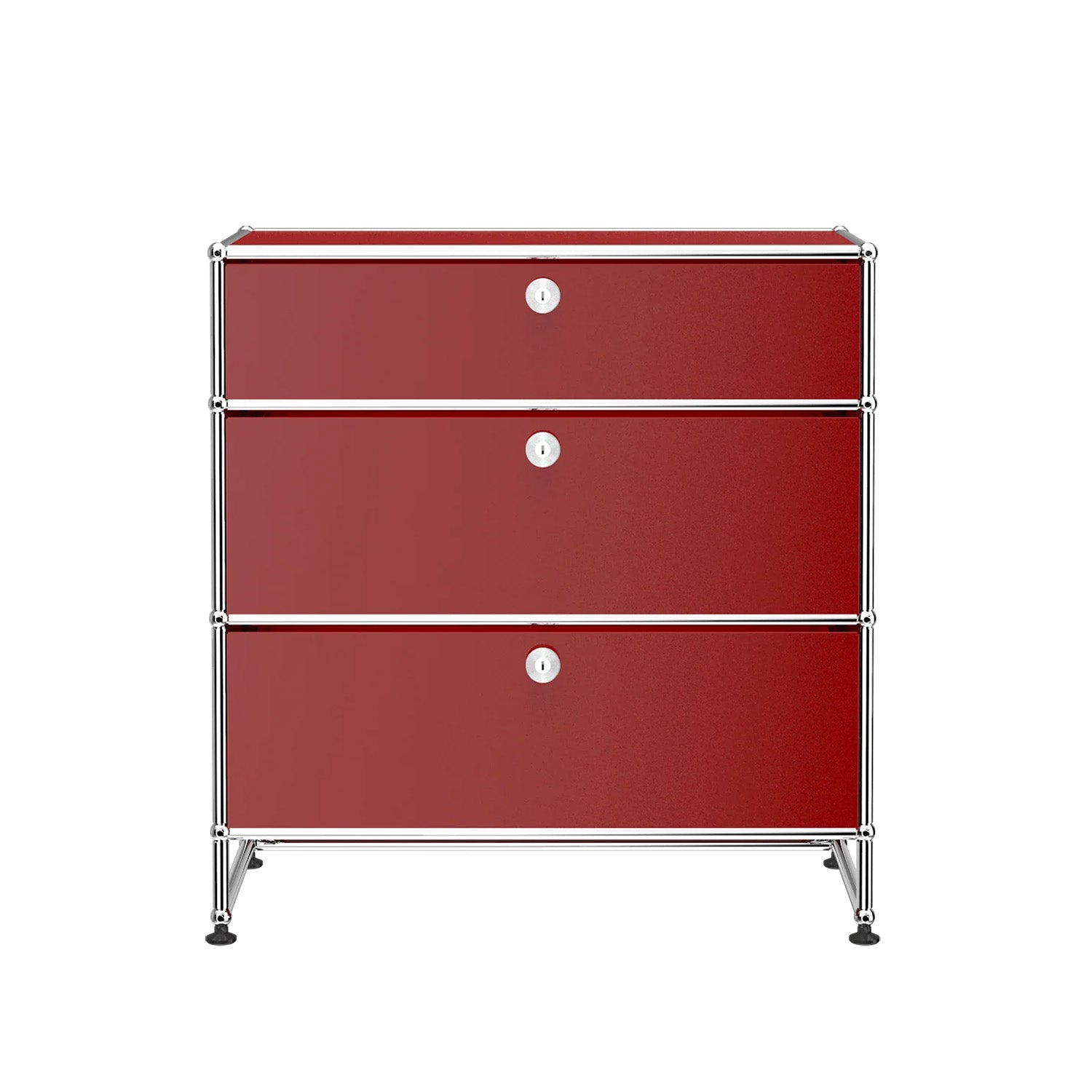
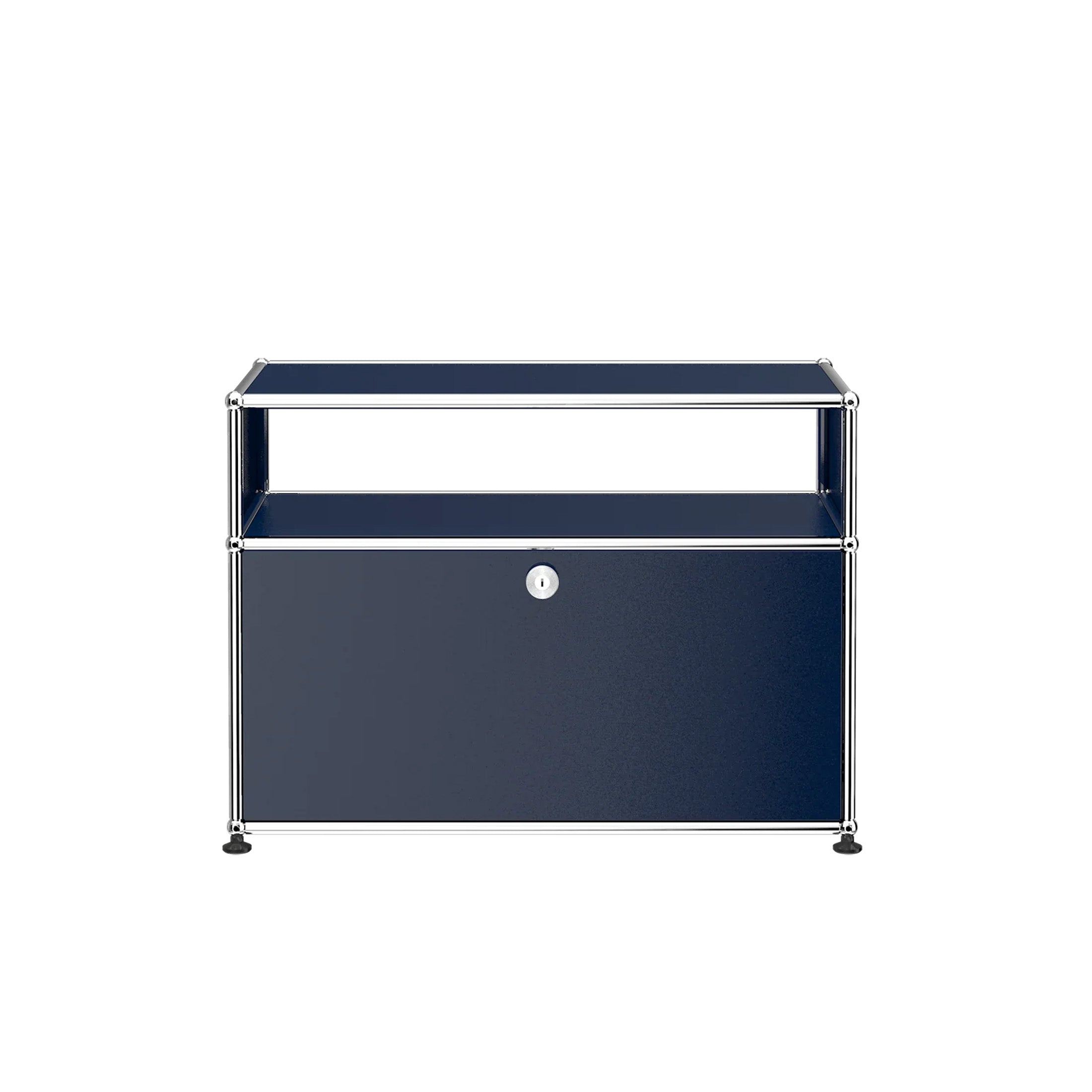
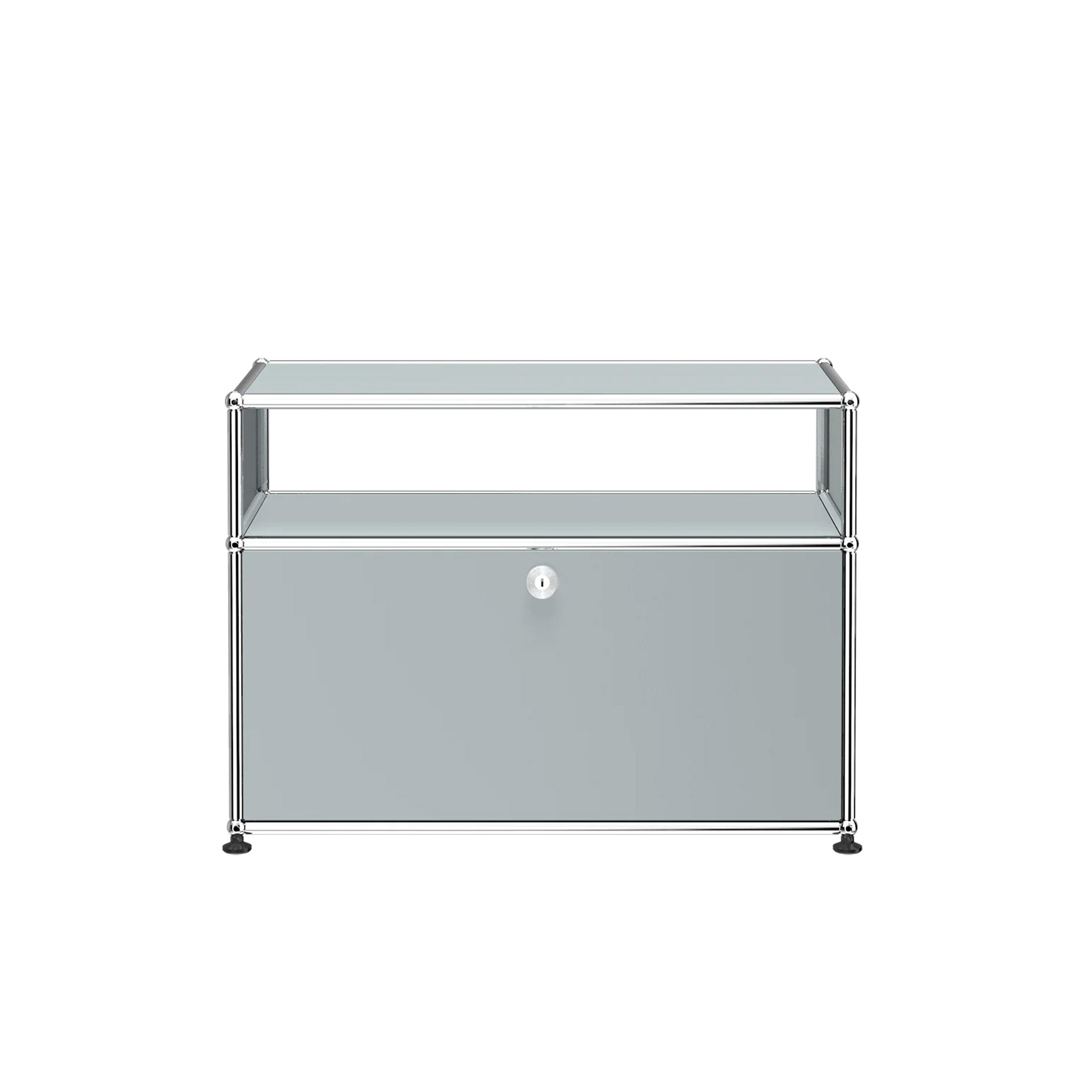
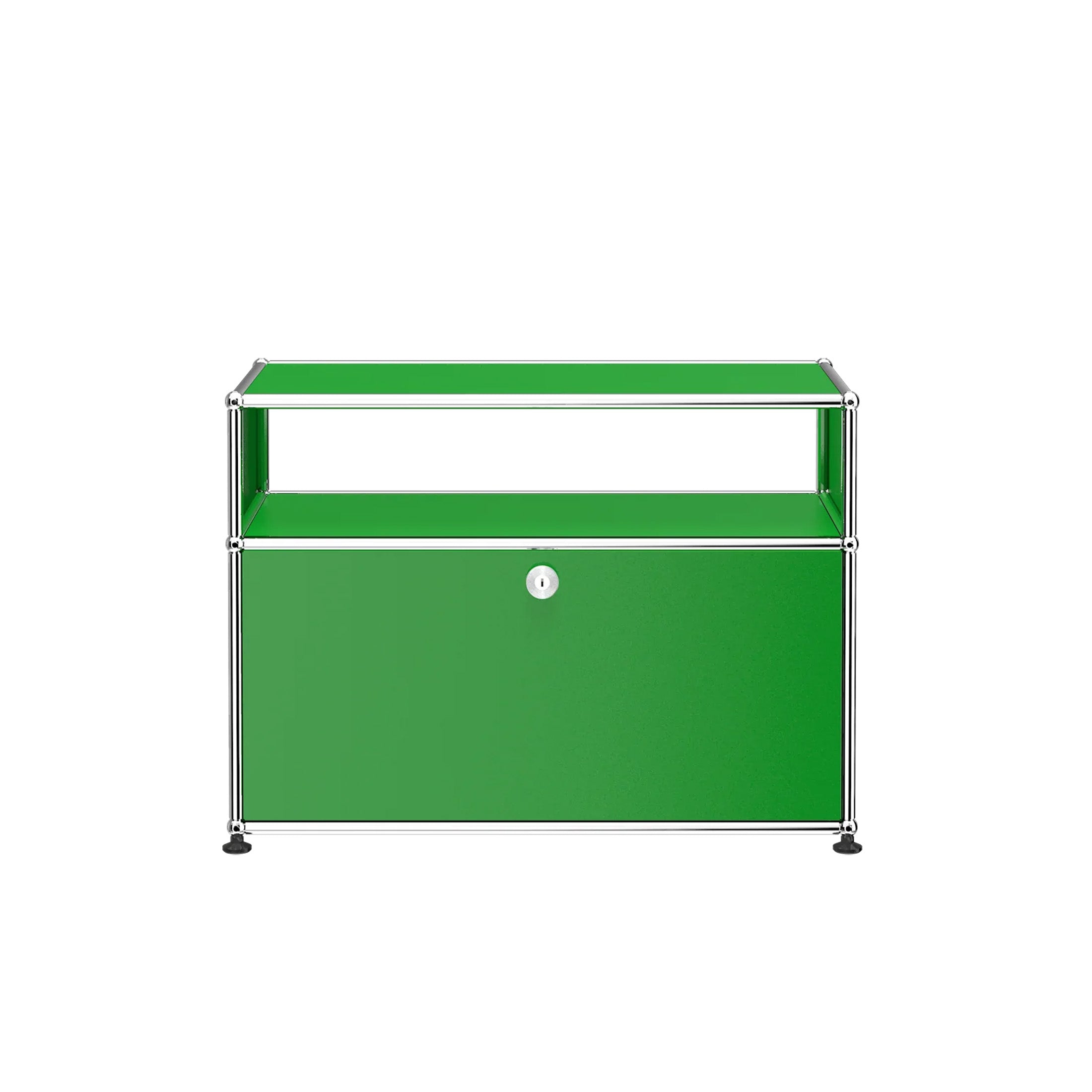
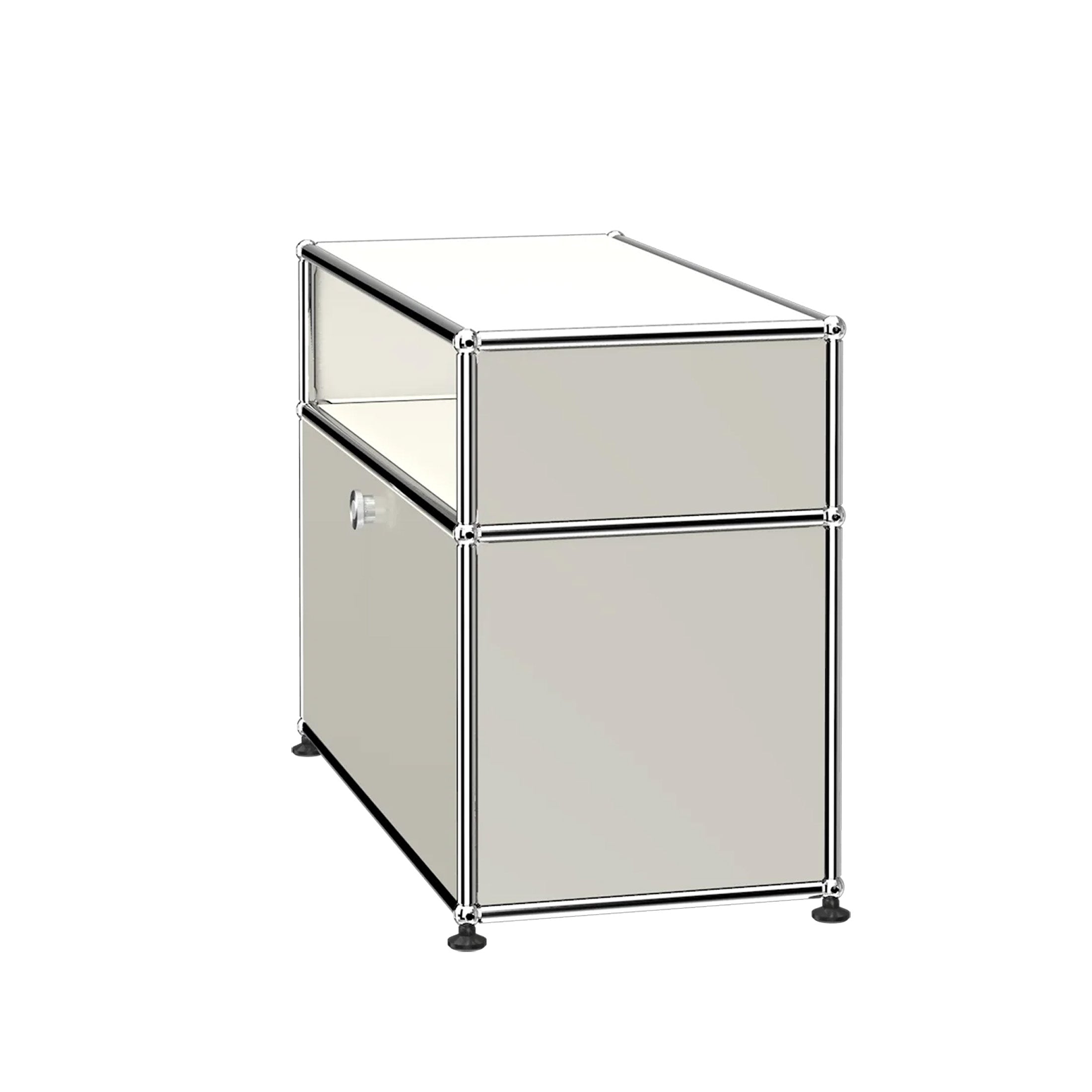
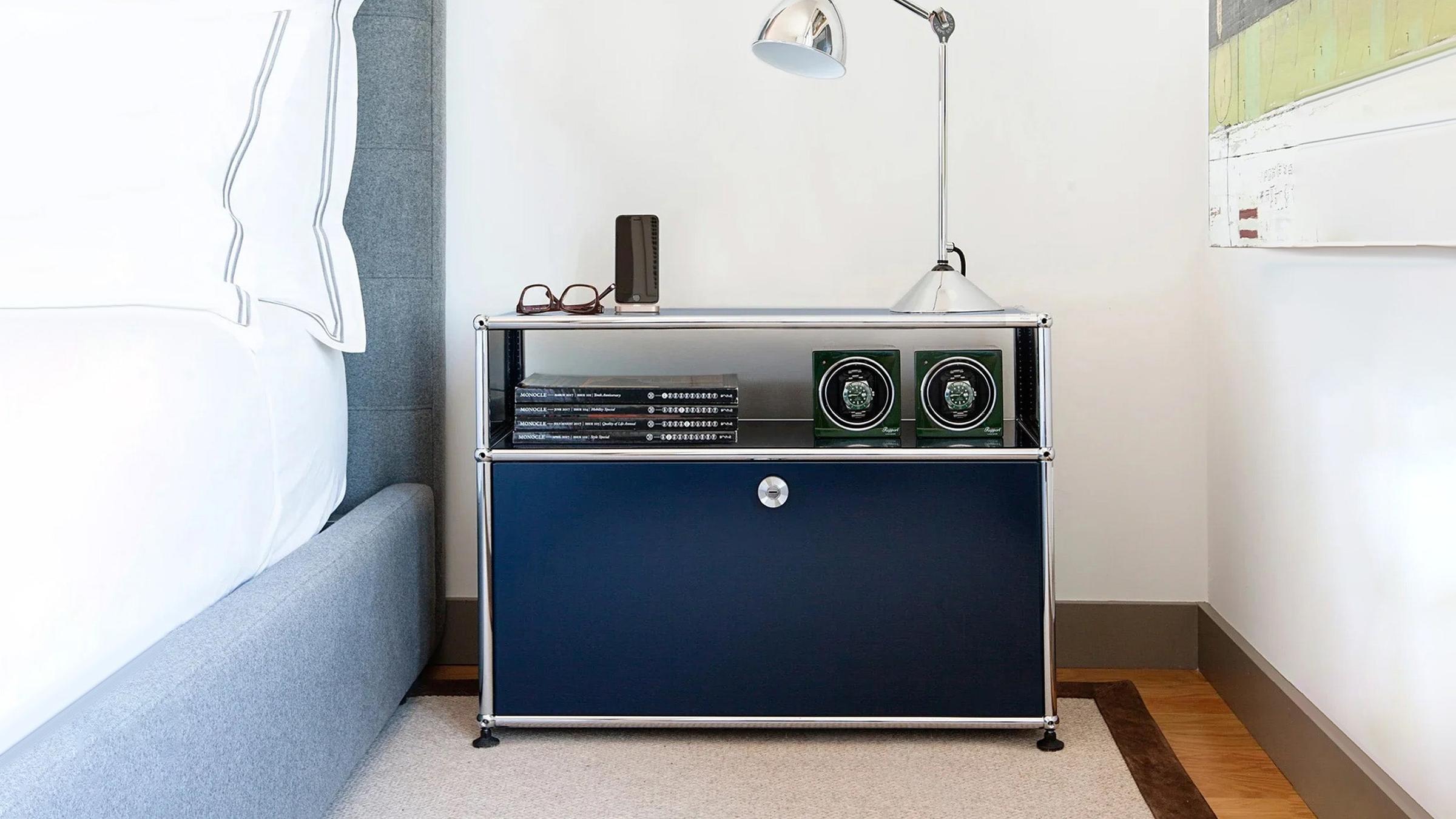
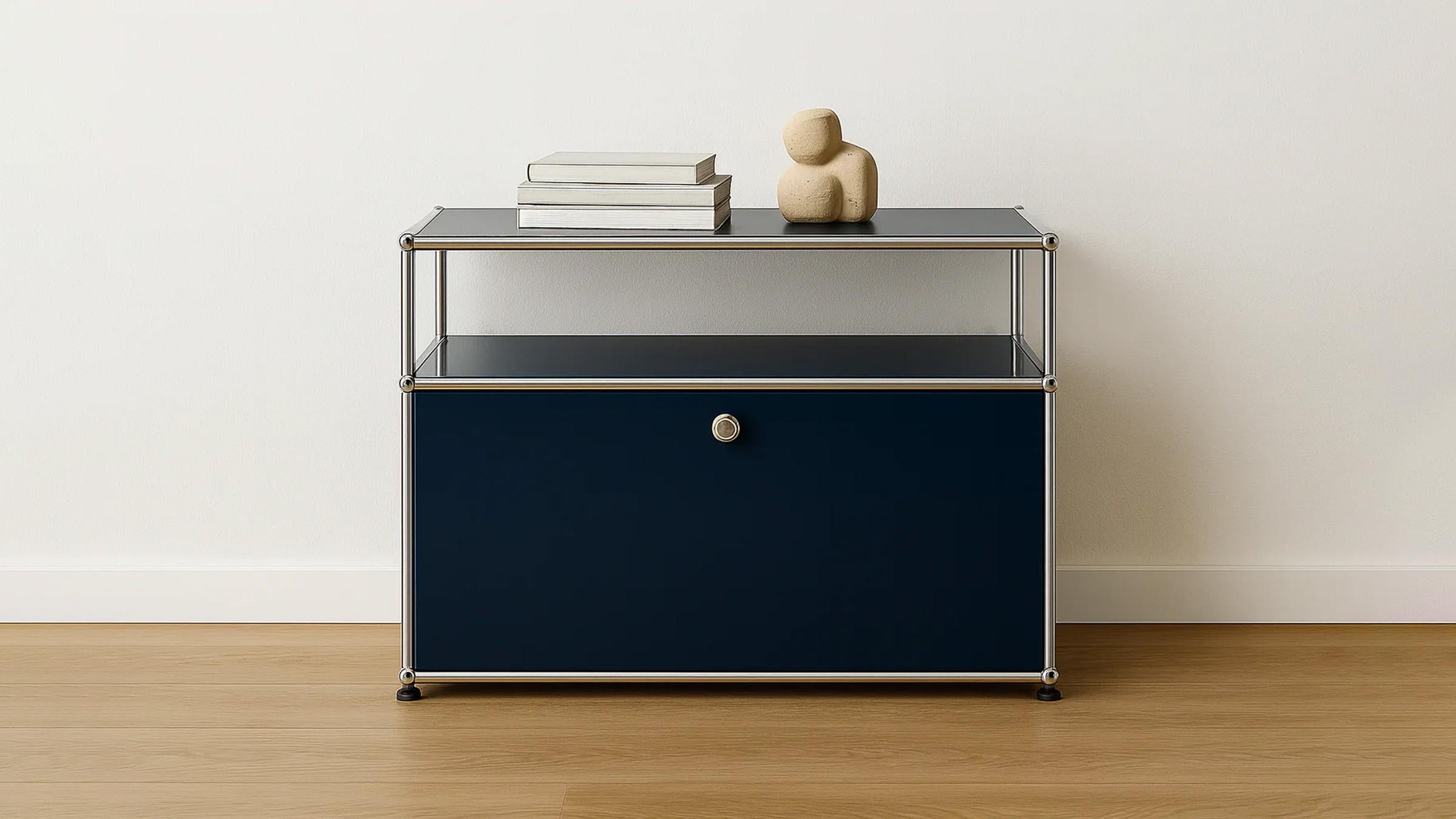
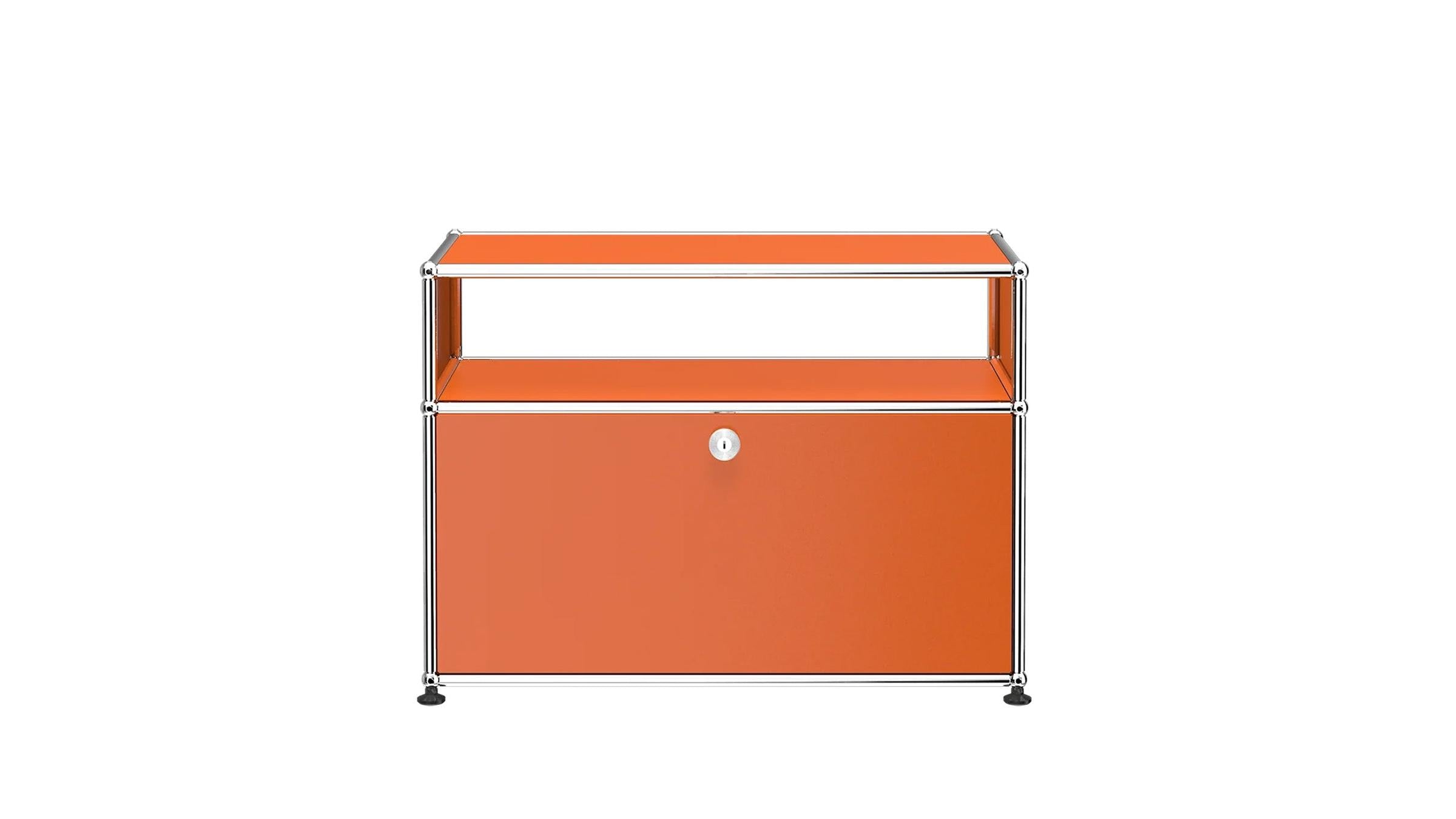
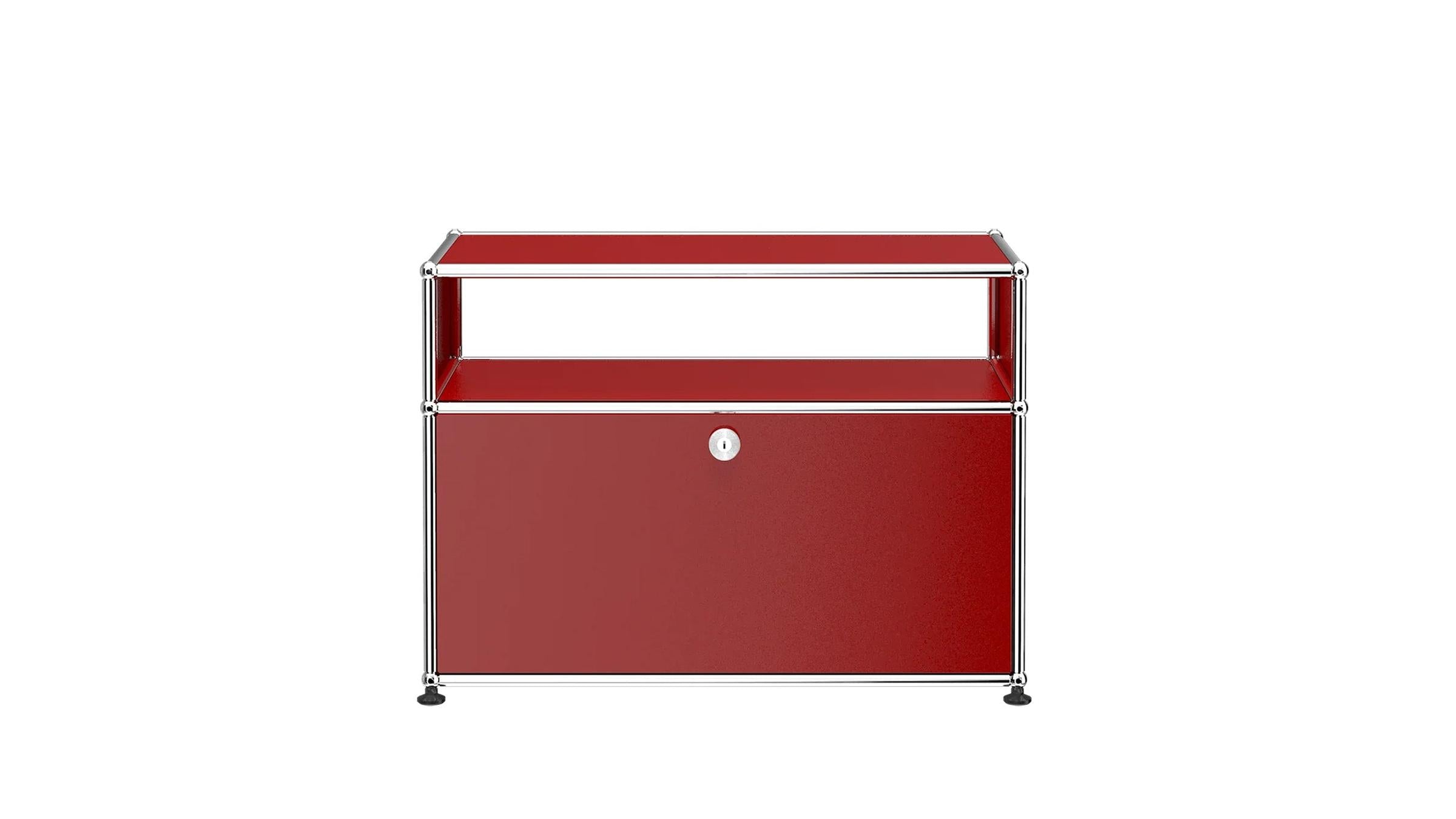
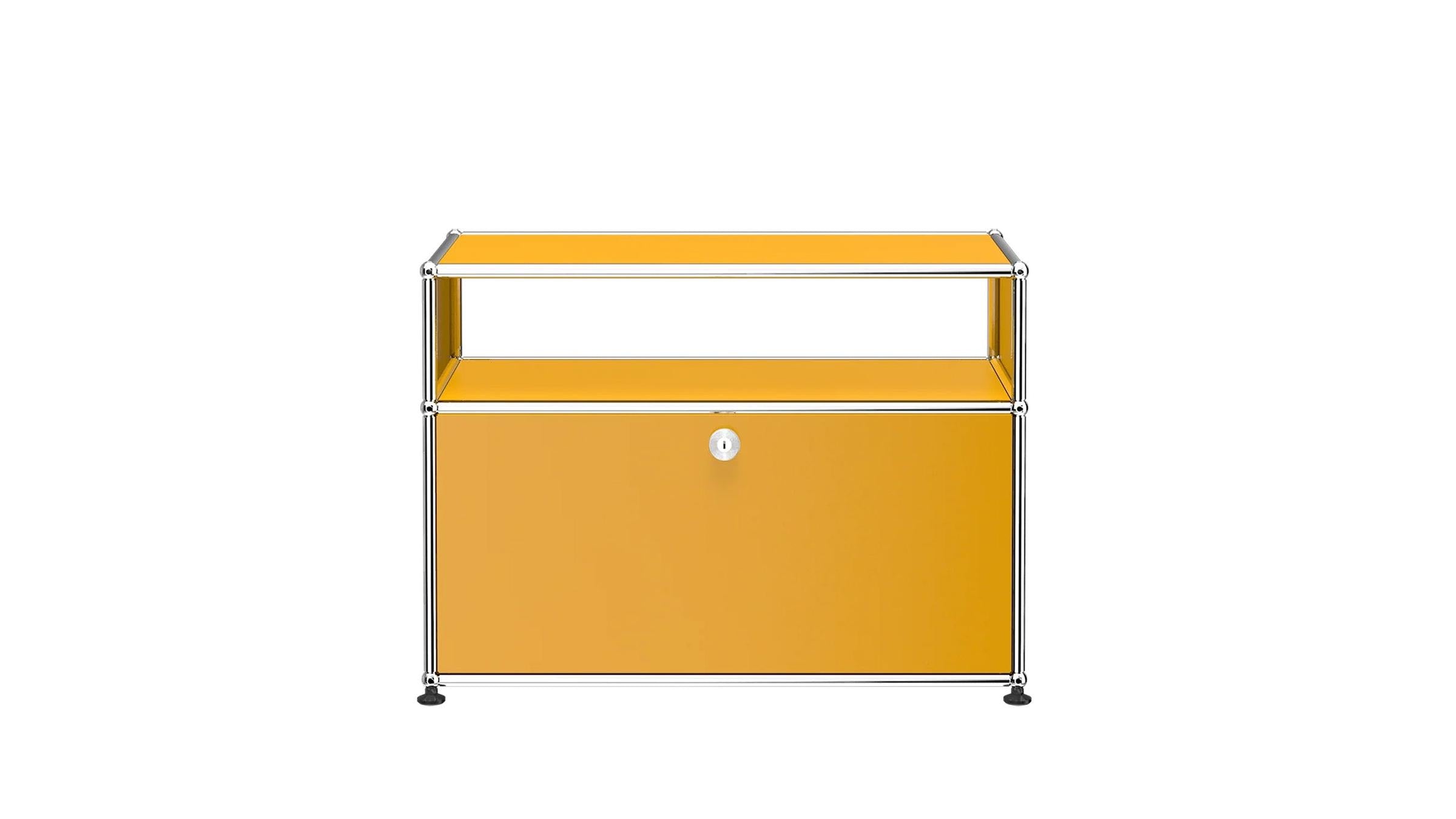
The Side Table O118 distills that system to its most intimate scale. Chrome-plated tubular steel connects through USM's signature ball-joint connectors, producing the characteristic geometry the system is known for. A single lockable drop-down door conceals a discreet storage compartment, keeping the surface clear and the silhouette compact.
- Architect-designed modular system, originally conceived for the USM factory in Münsingen, Switzerland
- Chrome-plated tubular steel frame with ball-joint connectors
- Single lockable drop-down door with concealed storage compartment
- Available in USM's range of powder-coated panel colors
- Part of a fully modular system, designed to integrate with other USM Haller configurations
Because every component is standardized and replaceable, the O118 is a piece that endures, adapting to new contexts rather than requiring replacement.
Made to order by USM Haller, tailored to you.
Get customization options, swatch samples and pricing for your project.
Pairs Well With
Side Table (O118)
Product Details
Tear Sheet
Pricing & Warranty
Pricing for made-to-order items varies based on configuration, finishes, and customization options. Please contact one of our design consultants or visit a showroom near you for current pricing and personalized assistance.
Luminaire is an authorized retailer of USM Haller. The product comes with a full manufacturer warranty.
Authenticity guaranteed. Genuine product, authenticated and sourced directly from the manufacturer.
Frequently Asked Questions
What is the USM Haller modular system?
The USM Haller system is a modular furniture architecture developed by Swiss architect Fritz Haller and Paul Schärer in the 1960s for USM's corporate headquarters in Münsingen, Switzerland. Built around chrome-plated steel tubes and signature ball-joint connectors, the system allows components to be reconfigured, expanded, or repurposed over a lifetime, and has been collected by institutions including MoMA New York.
Can the O118 side table be integrated with other USM Haller pieces?
Yes. Because the O118 is part of the broader USM Haller system, it shares the same structural connectors and proportional logic as larger cabinets, shelving units, and credenzas. Components can be combined or added to over time, which is central to the system's design philosophy.
What powder-coat colors are available for the O118?
The O118 is offered in seven standard USM Haller surface colors, which include both neutral tones and more saturated options. Because the finish is applied by powder-coating, the color is durable and consistent across panels.
Is the USM Haller system made to order?
USM Haller furniture is produced to order, reflecting the system's commitment to configuration and longevity rather than off-the-shelf standardization. Lead times vary by specification, and components can typically be added or reconfigured after the initial purchase.
Who designed the USM Haller system?
The system was designed through a collaboration between Fritz Haller, a Swiss architect known for his structural and modular approach to architecture, and Paul Schärer, the owner of USM who commissioned a flexible furniture solution for the company's facilities. The partnership began in the early 1960s and produced a system that has remained in continuous production.