

Piantana IC
Made by Flos
Designed by Michael Anastassiades
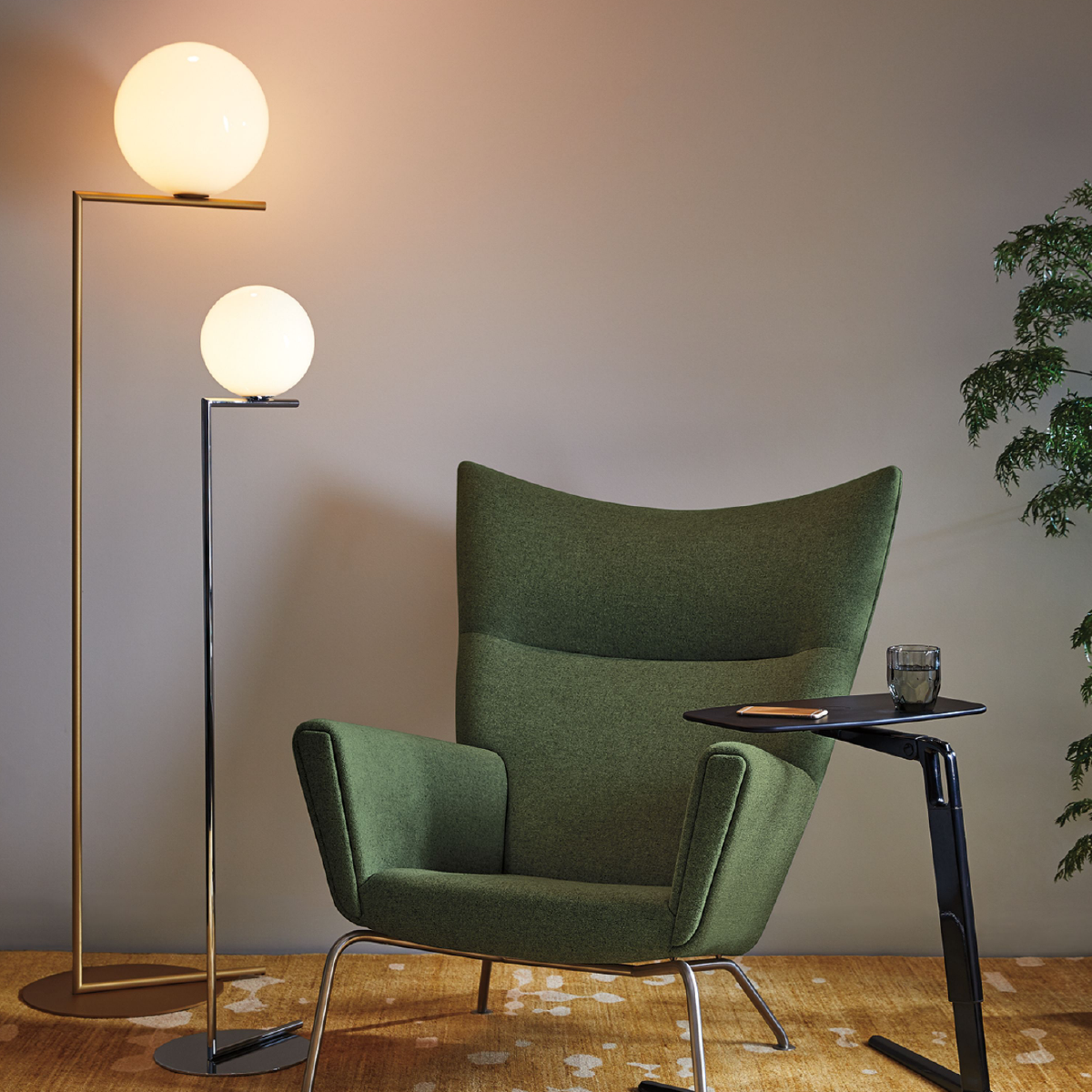
Michael Anastassiades ha concepito la collezione IC nel 2014 da un'unica, precisa osservazione: il momento sospeso del contact juggling in cui una sfera sembra fluttuare, senza peso, tra le mani. Quella quiete carica, la tensione tra riposo e movimento, conferisce alla lampada da terra IC la sua sobria autorevolezza.
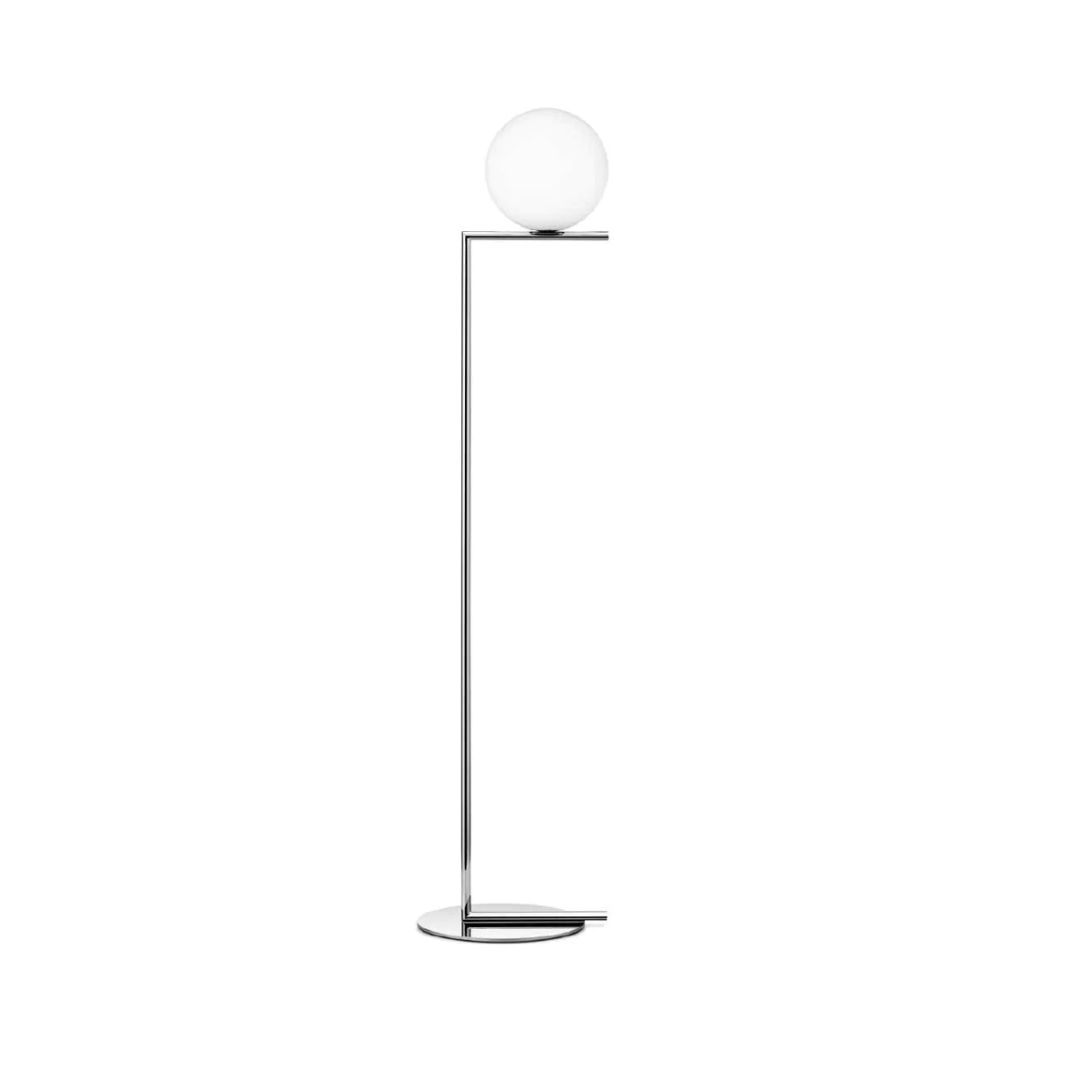
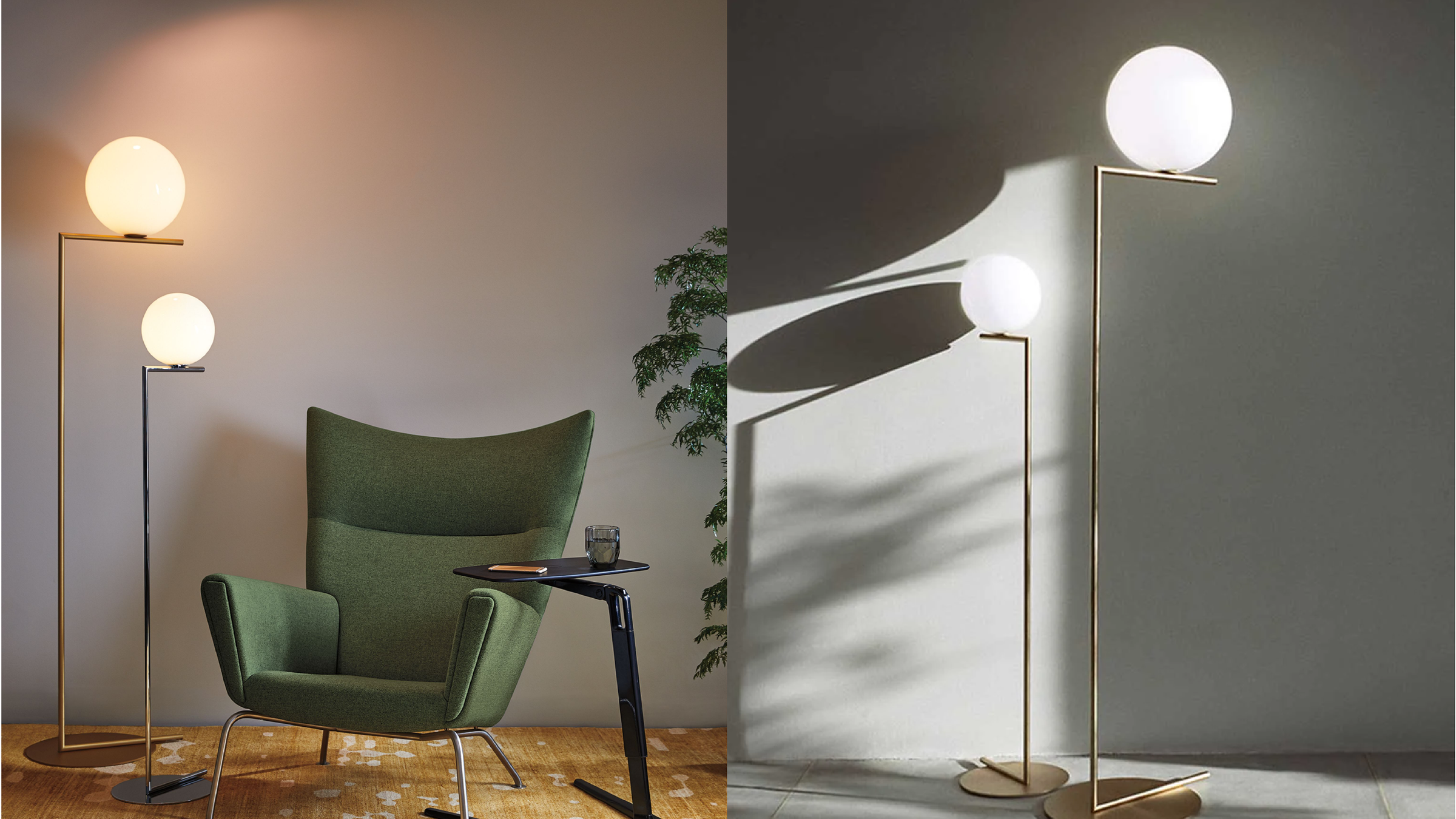
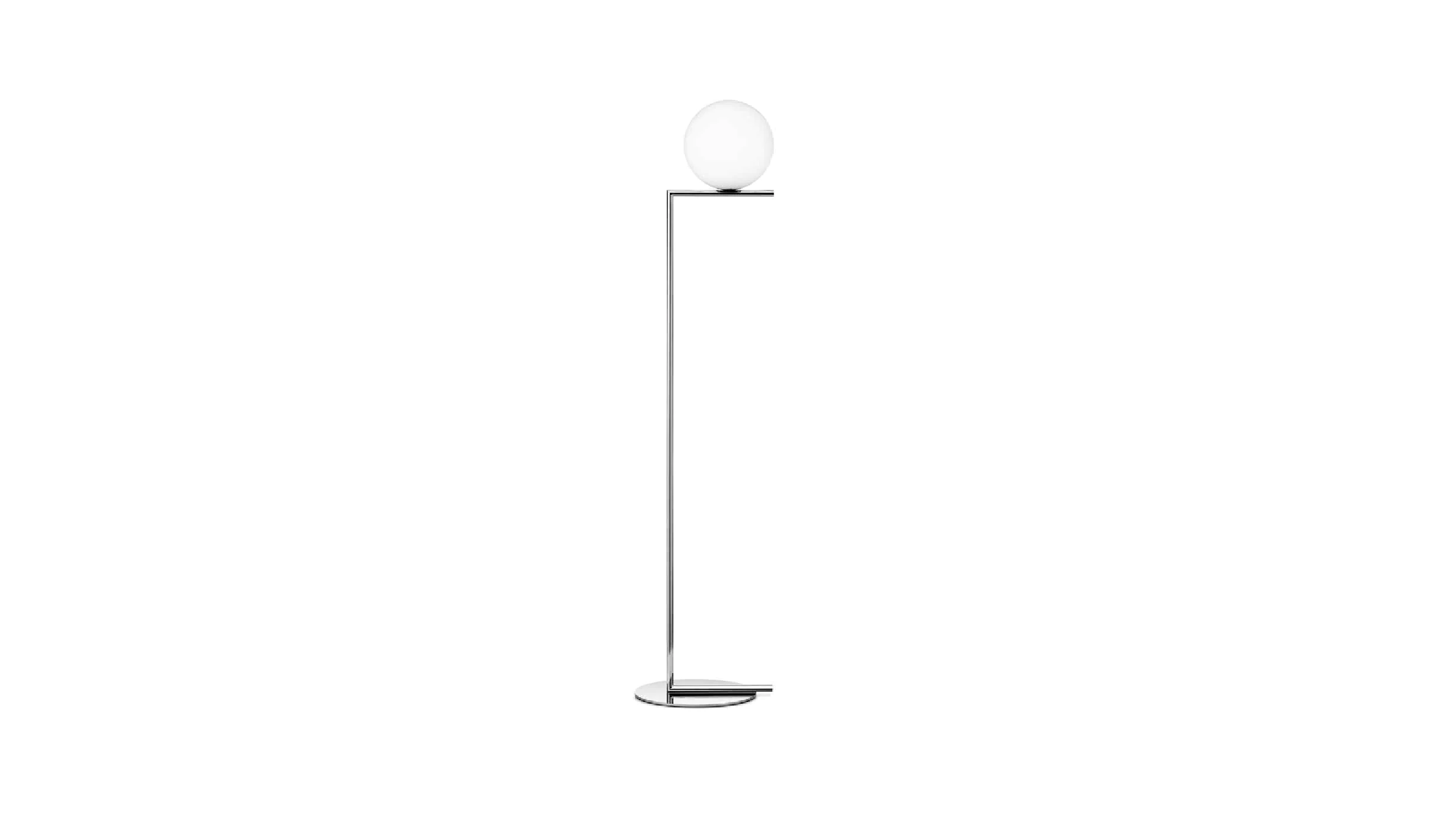
Una sfera di vetro opalino soffiato a bocca poggia all'estremità di un sottile braccio in acciaio, ogni elemento proporzionato in modo che nessuno dei due prevalga sull'altro. La relazione è intenzionale. Questo è uno studio sull'equilibrio piuttosto che sulla decorazione, la forma ridotta alla sua espressione più ponderata.
La sfera opalina diffonde la luce in modo uniforme e senza drammaticità, emanando un bagliore caldo e discreto che si integra nell'atmosfera. La struttura in acciaio è disponibile nelle finiture nera, ottonata o cromata, permettendo al pezzo di assumere un registro diverso in ogni contesto senza alterare il suo carattere essenziale.
- Sfera in vetro opalino soffiato a mano
- Struttura in acciaio con finitura nera, ottonata o cromata
- Disegnata da Michael Anastassiades, 2014
- Prodotta da Flos, Italia
Anastassiades, nato a Cipro e residente a Londra, affronta ogni oggetto come una domanda sulla percezione e la presenza. Il suo lavoro con Flos produce costantemente pezzi che appaiono sia inevitabili che discretamente sorprendenti, oggetti che si guadagnano il loro posto attraverso la moderazione piuttosto che il gesto.
Made to order by Flos, tailored to you.
Get customization options, swatch samples and pricing for your project.
Si abbina bene a
Product Details
Tear Sheet
Pricing & Warranty
Pricing for made-to-order items varies based on configuration, finishes, and customization options. Please contact one of our design consultants or visit a showroom near you for current pricing and personalized assistance.
Luminaire is an authorized retailer of Flos. The product comes with a full manufacturer warranty.
Authenticity guaranteed. Genuine product, authenticated and sourced directly from the manufacturer.
Domande Frequenti
What is the inspiration behind the Flos IC collection?
Michael Anastassiades drew from the practice of contact juggling, specifically the moment when a sphere appears perfectly still despite being in motion. That sense of arrested equilibrium is the conceptual foundation of the IC series.
What type of glass is used in the IC Floor Lamp?
The shade is a hand-blown opaline glass sphere, chosen for its ability to diffuse light softly and evenly without visible hot spots. The opaline finish gives the sphere a luminous, almost weightless quality.
What finish options are available for the IC Floor Lamp?
The steel structure is available in three finishes: matte black, brass-plated, and chrome-plated. Each finish shifts the lamp's presence in a space, from understated to reflective.
Who is Michael Anastassiades?
Michael Anastassiades is a Cyprus-born, London-based designer known for objects of precise geometric form and quiet conceptual depth. His long-standing collaboration with Flos has produced some of the most recognized lighting designs of the past two decades.
Is the Flos IC Floor Lamp suitable for contract or hospitality projects?
Yes. The IC Floor Lamp's considered proportions and neutral finish options have made it a frequent choice for high-end residential, hospitality, and cultural interiors. Flos produces it to commercial standards, and made-to-order availability supports specification projects.