




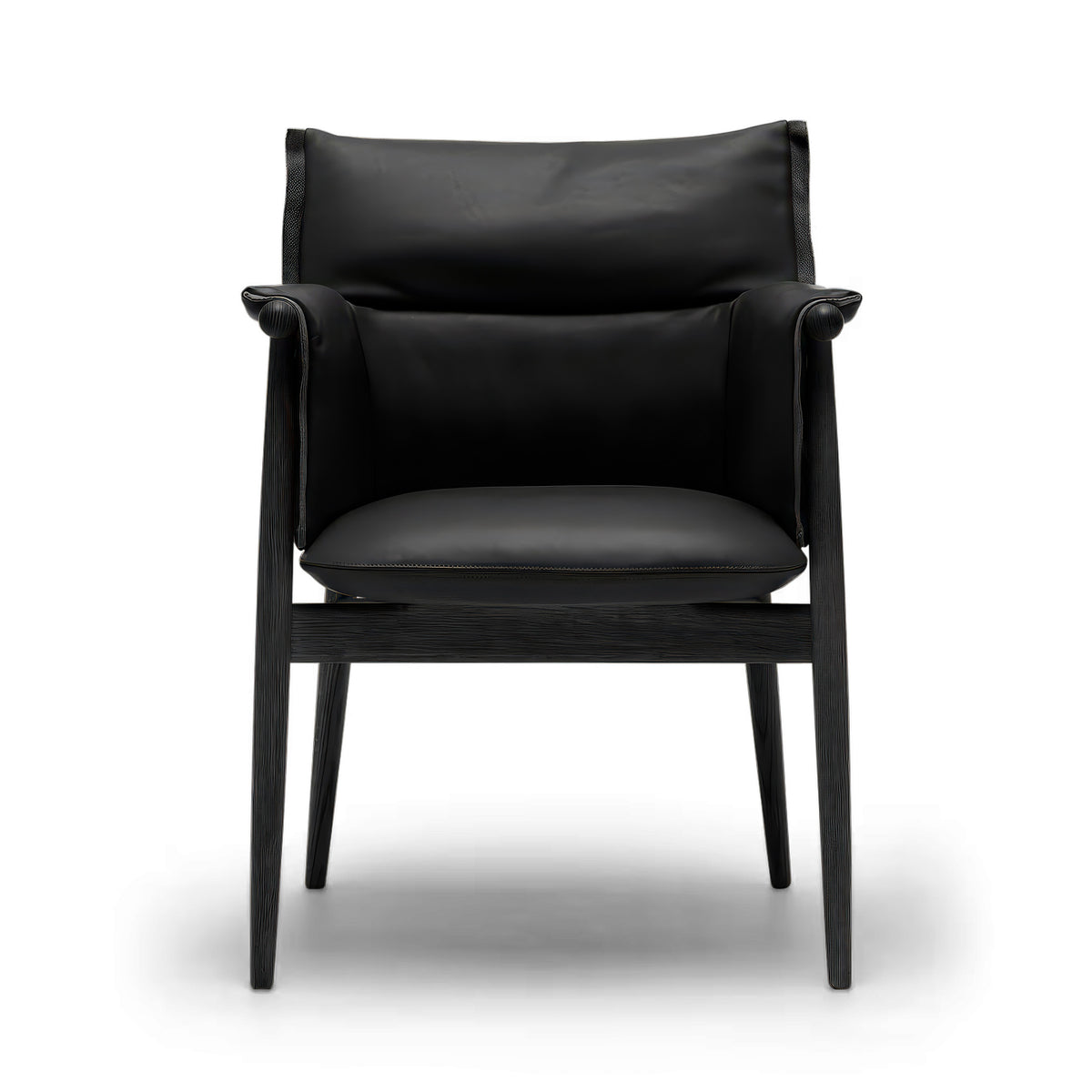
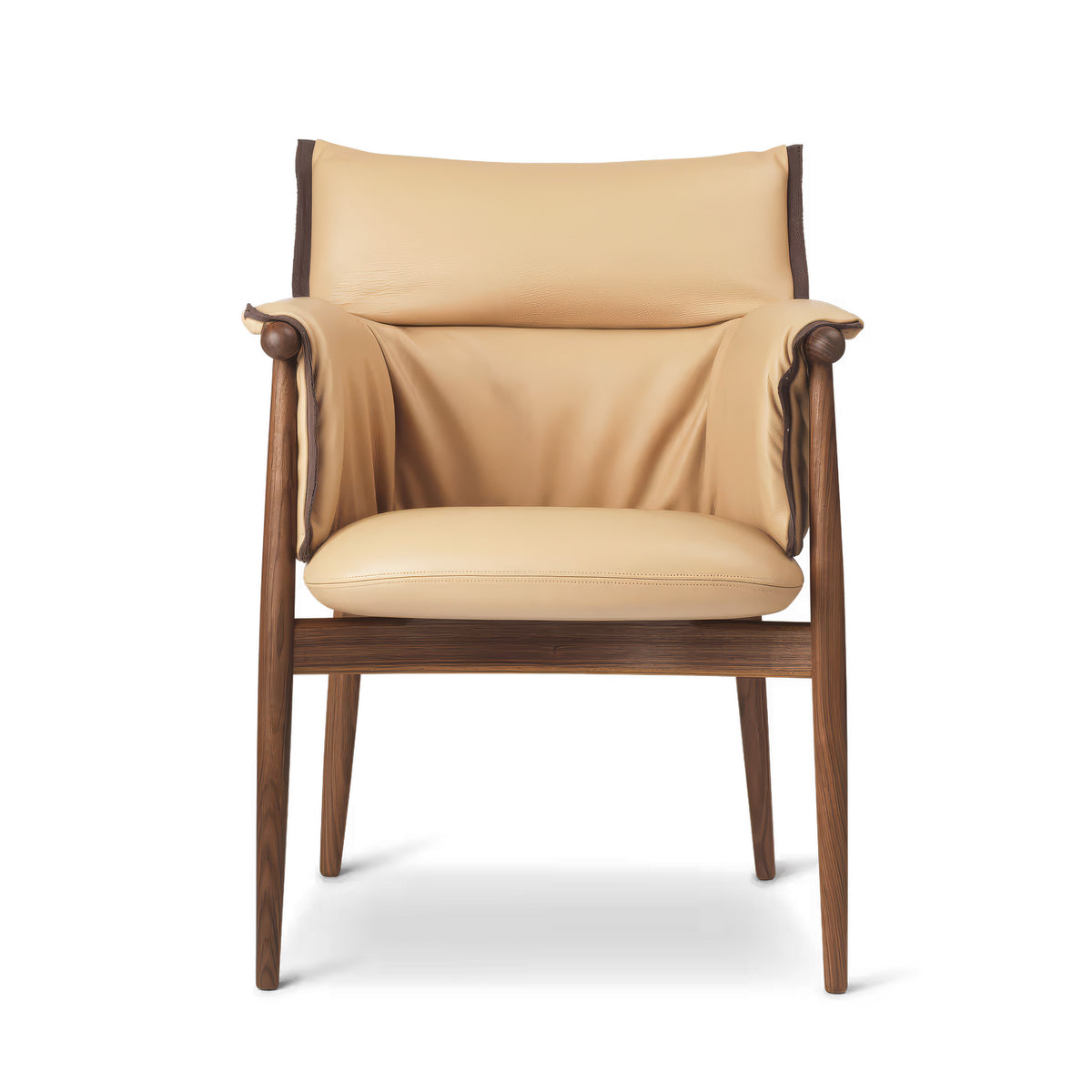
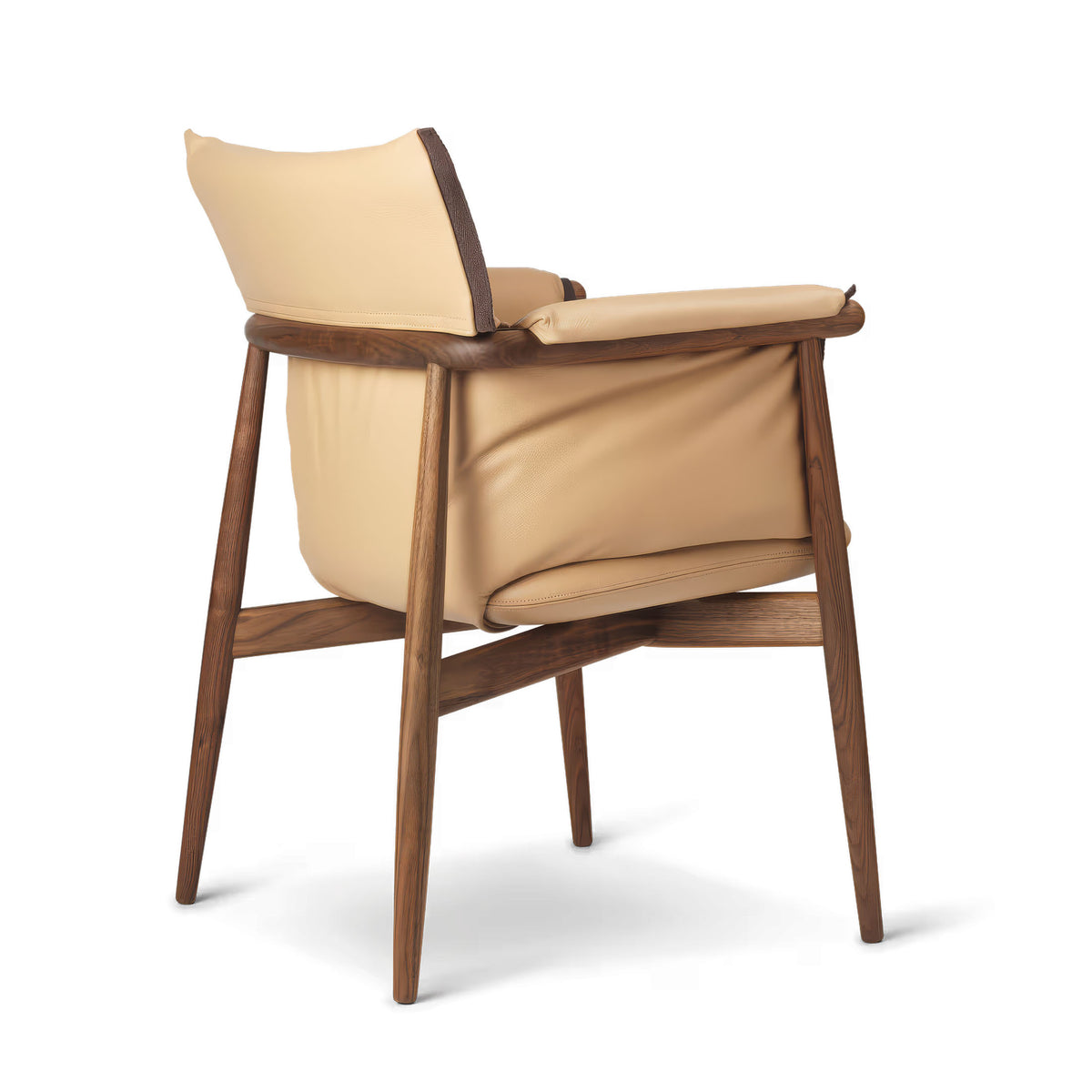

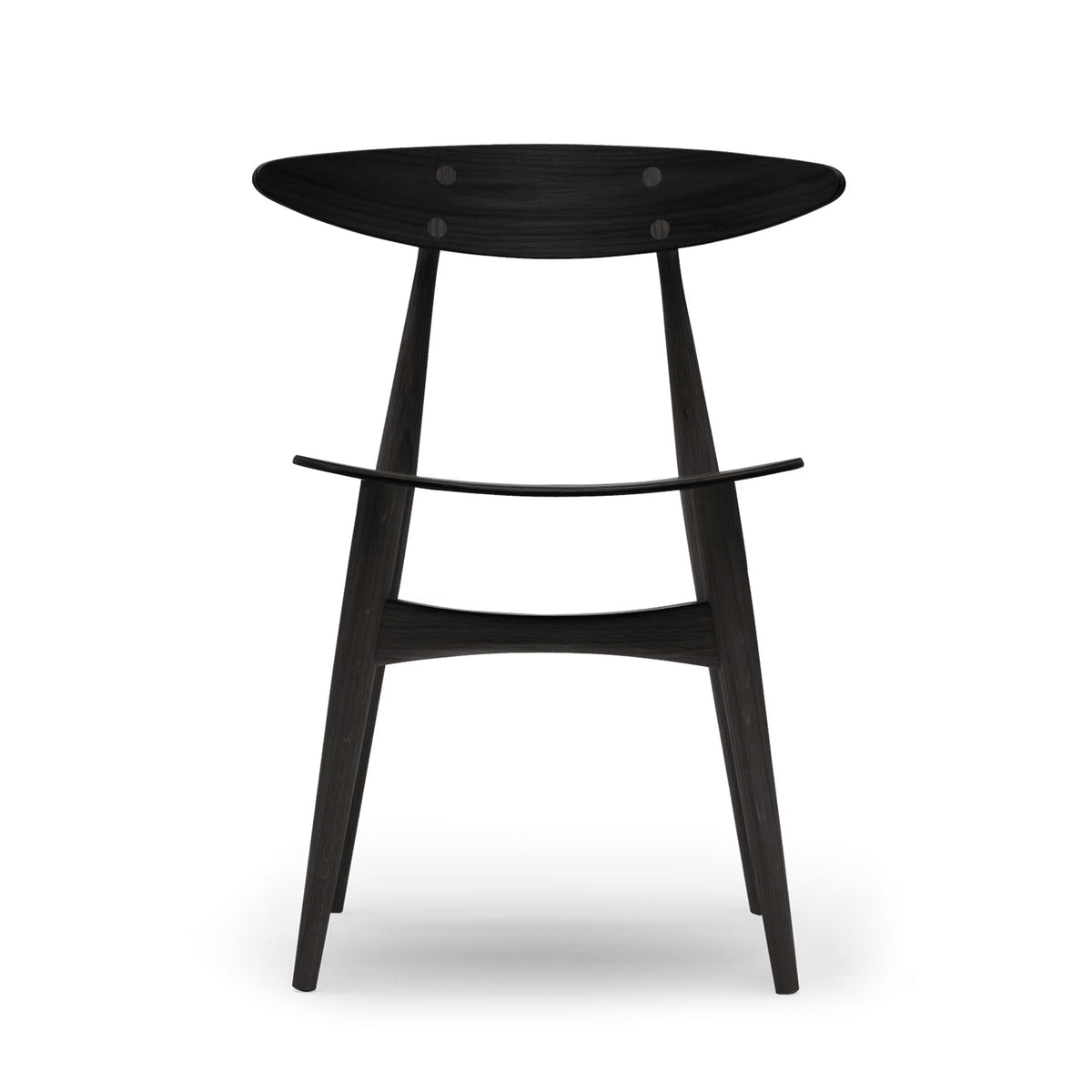
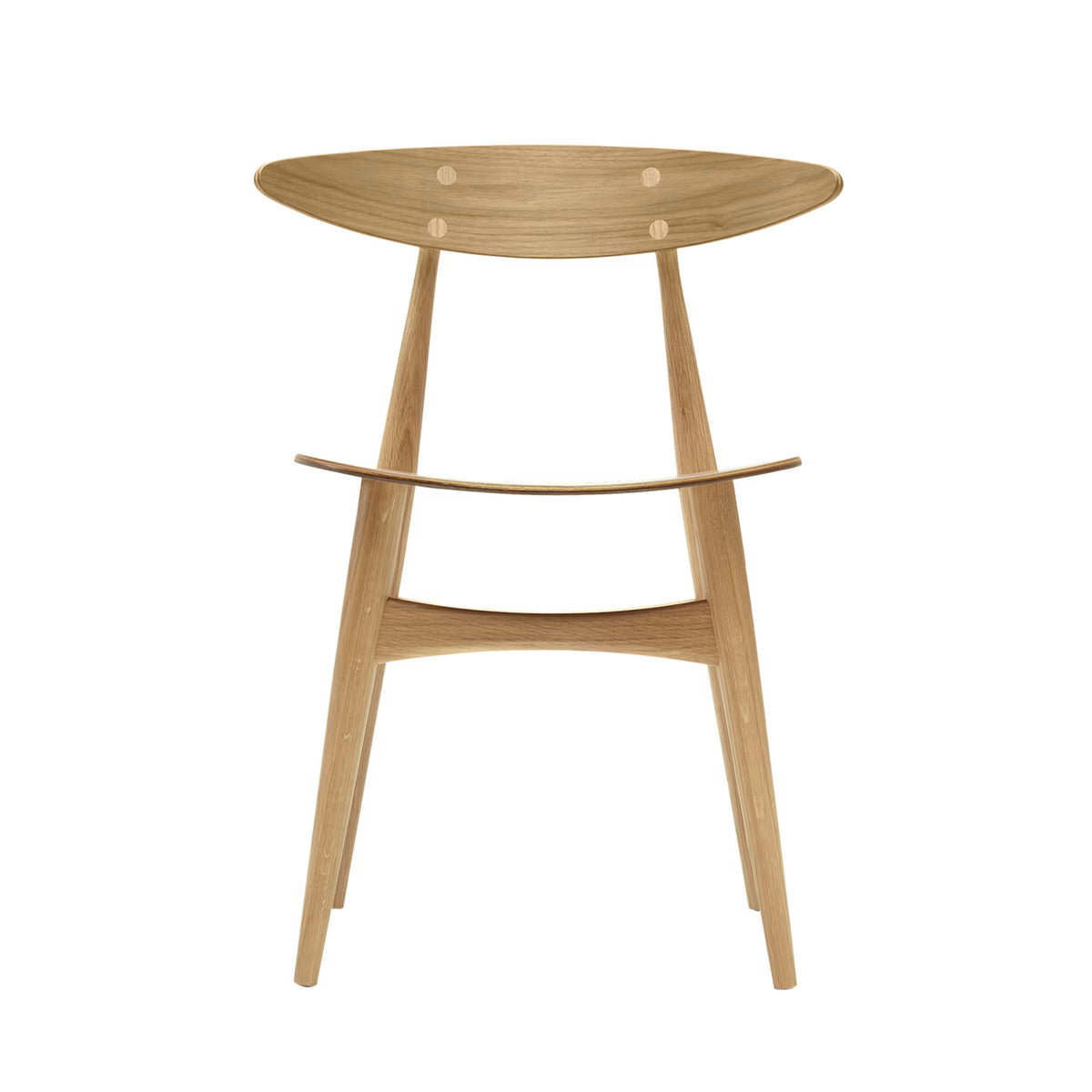
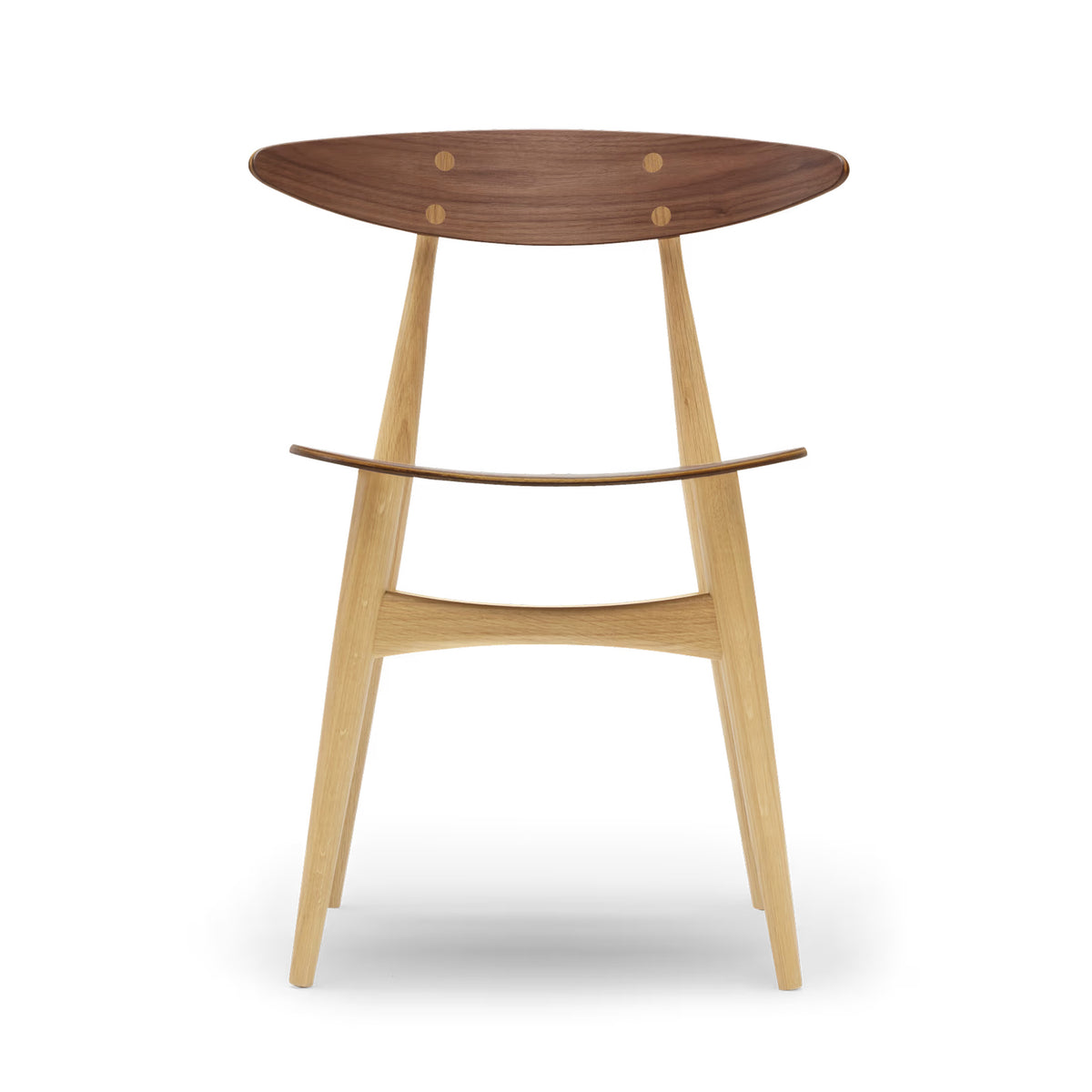


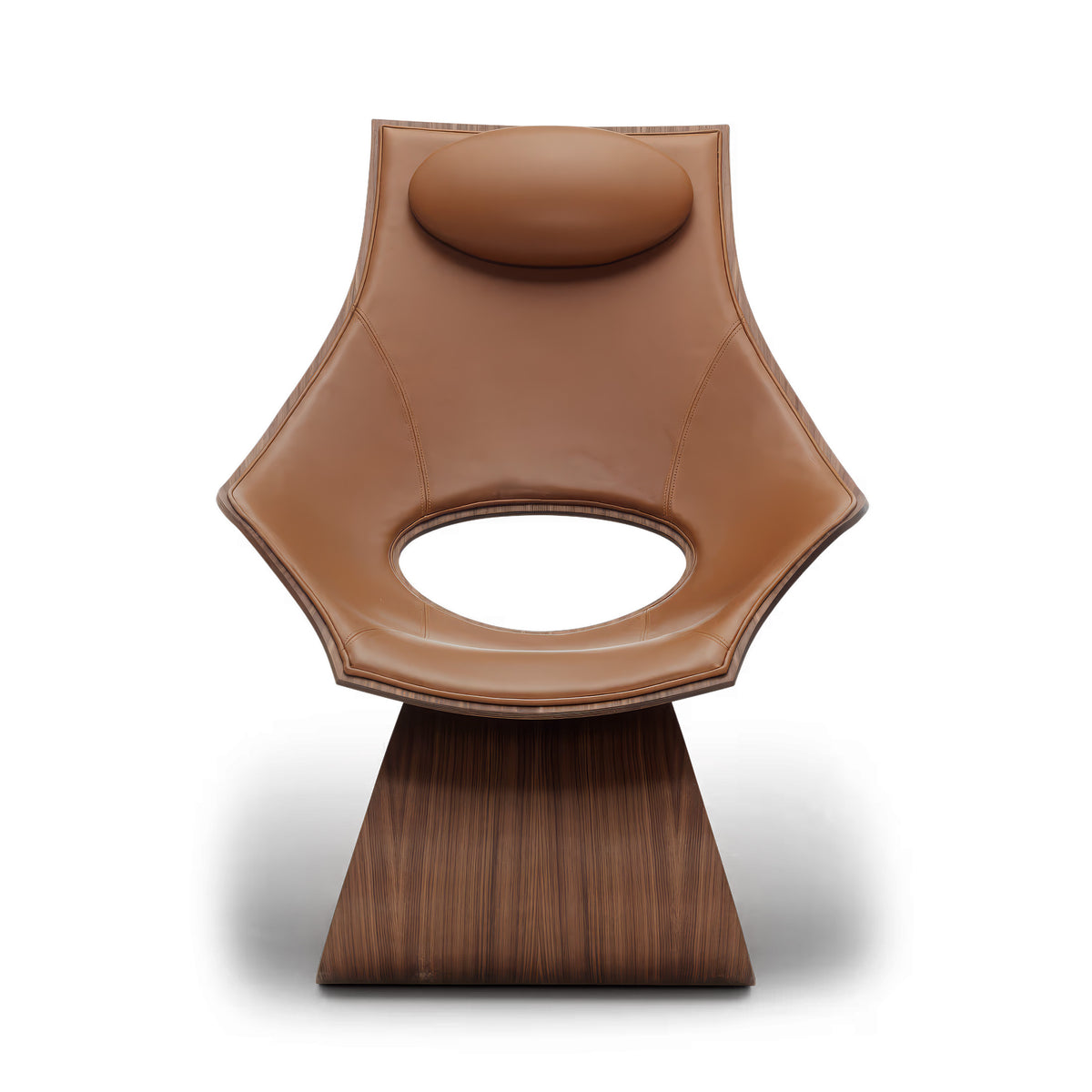
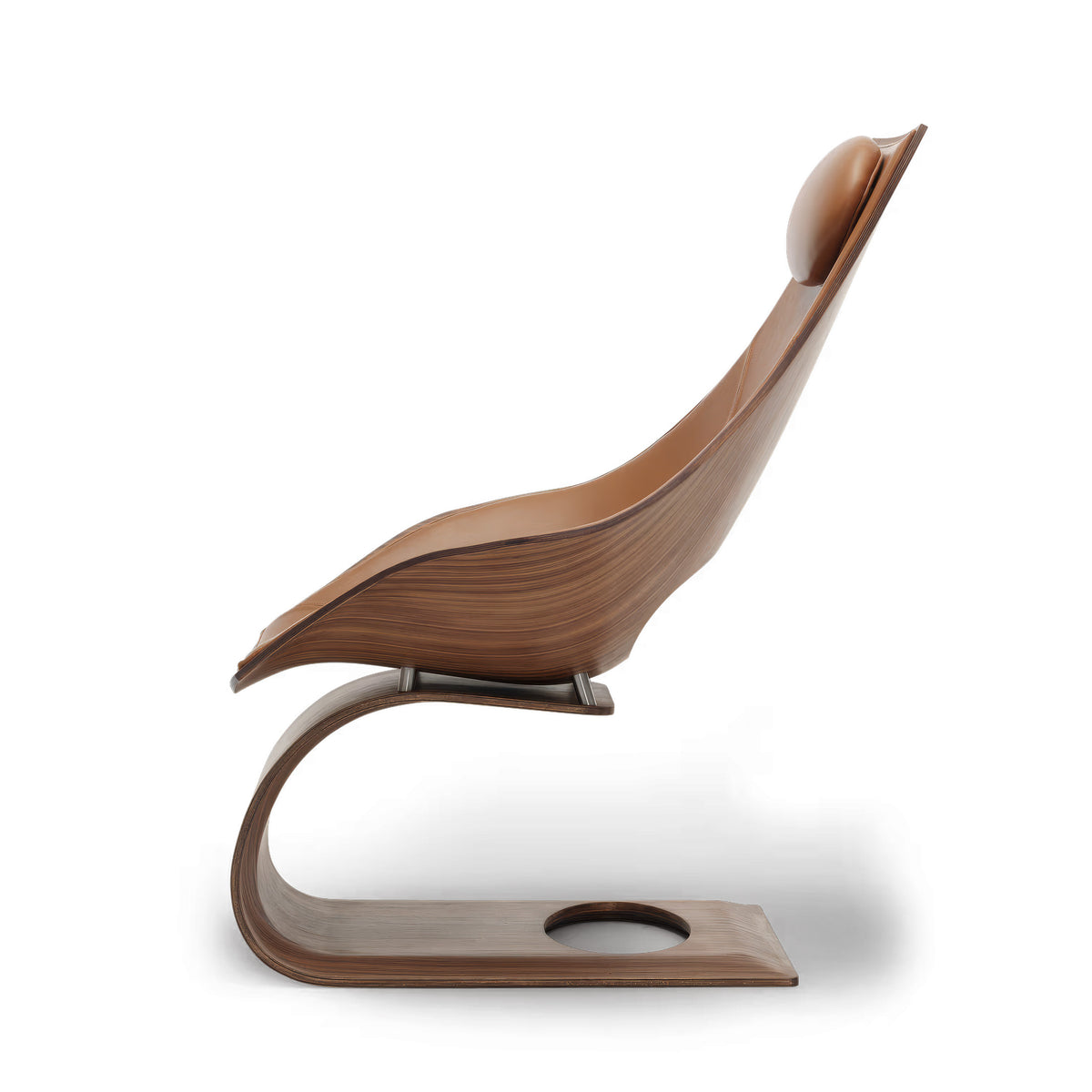
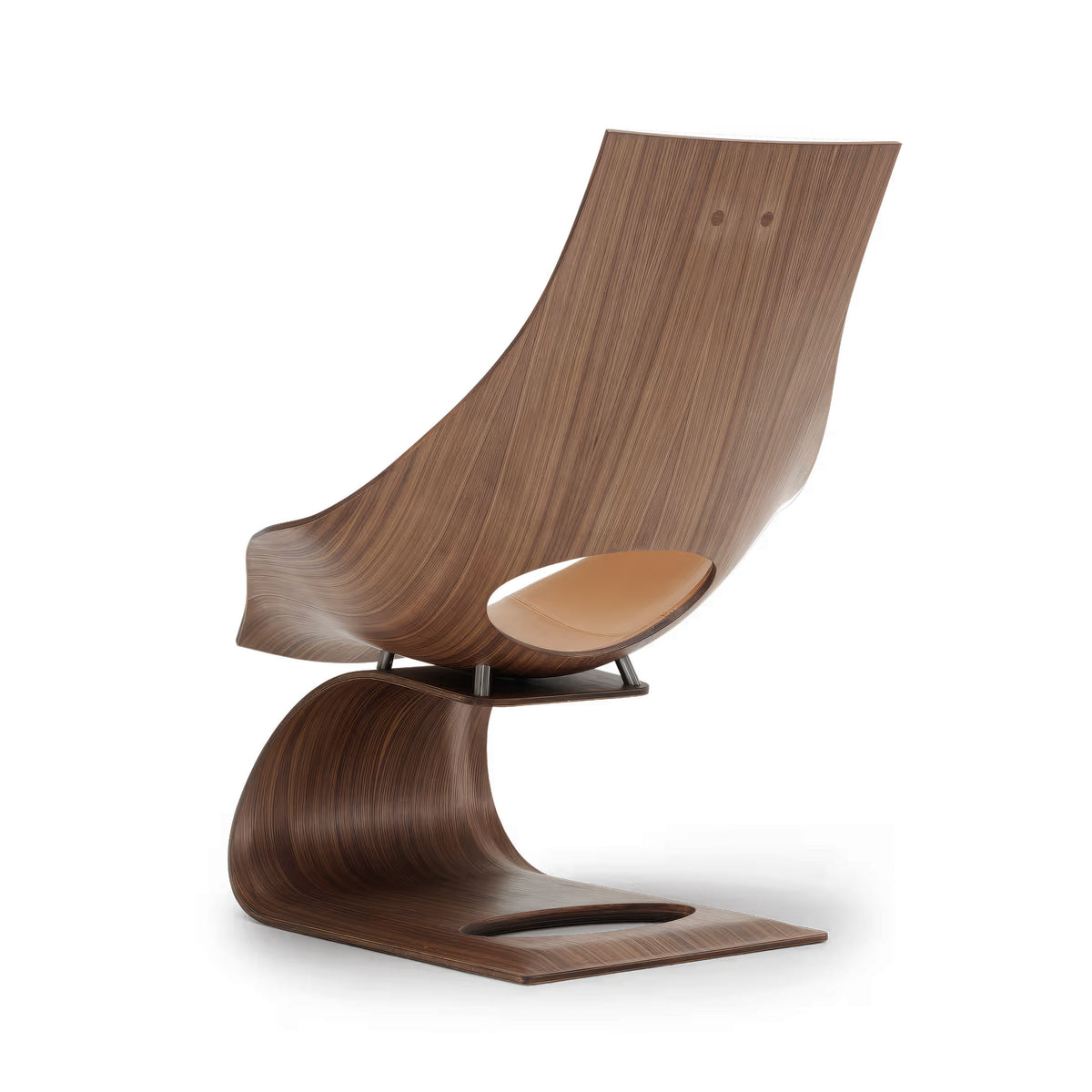
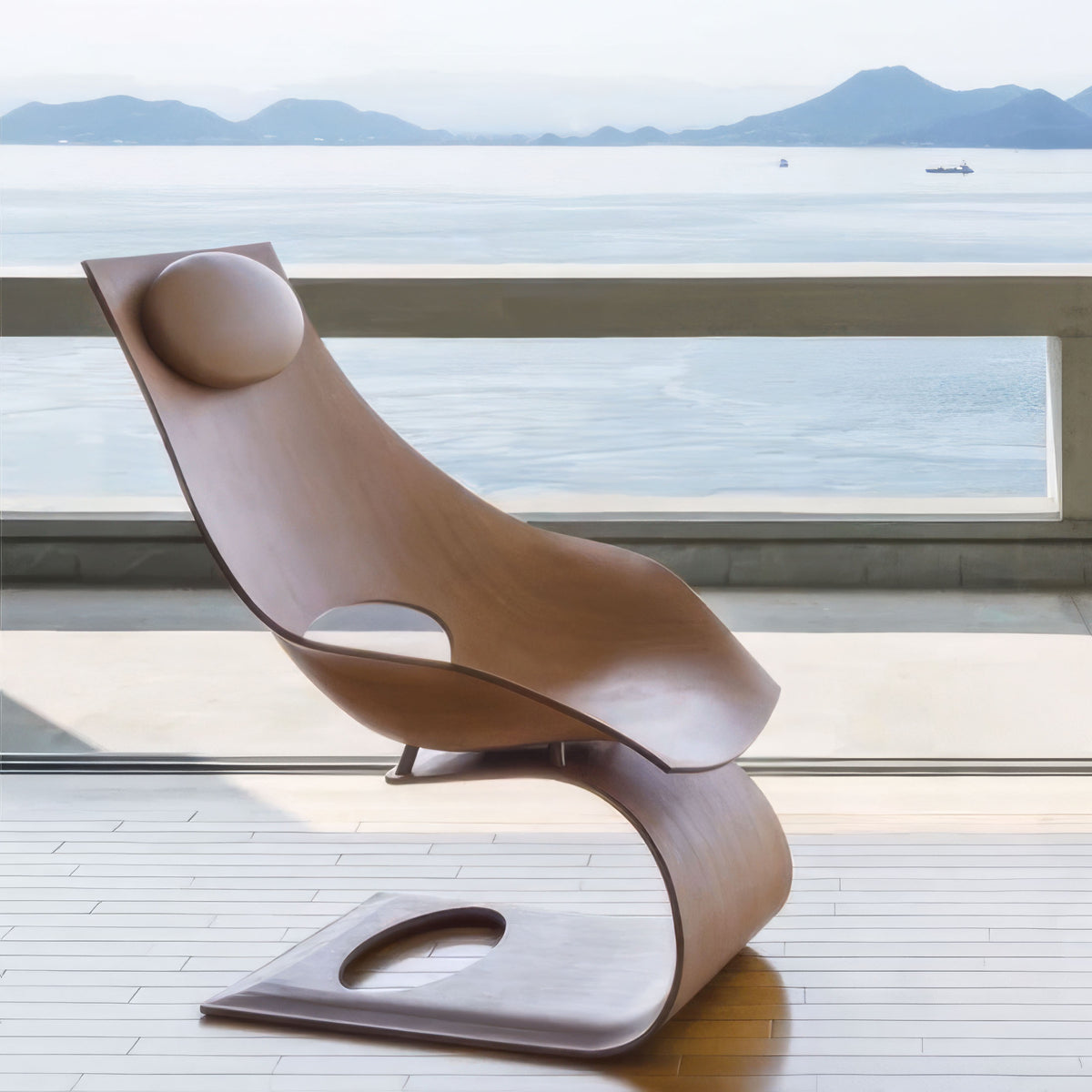


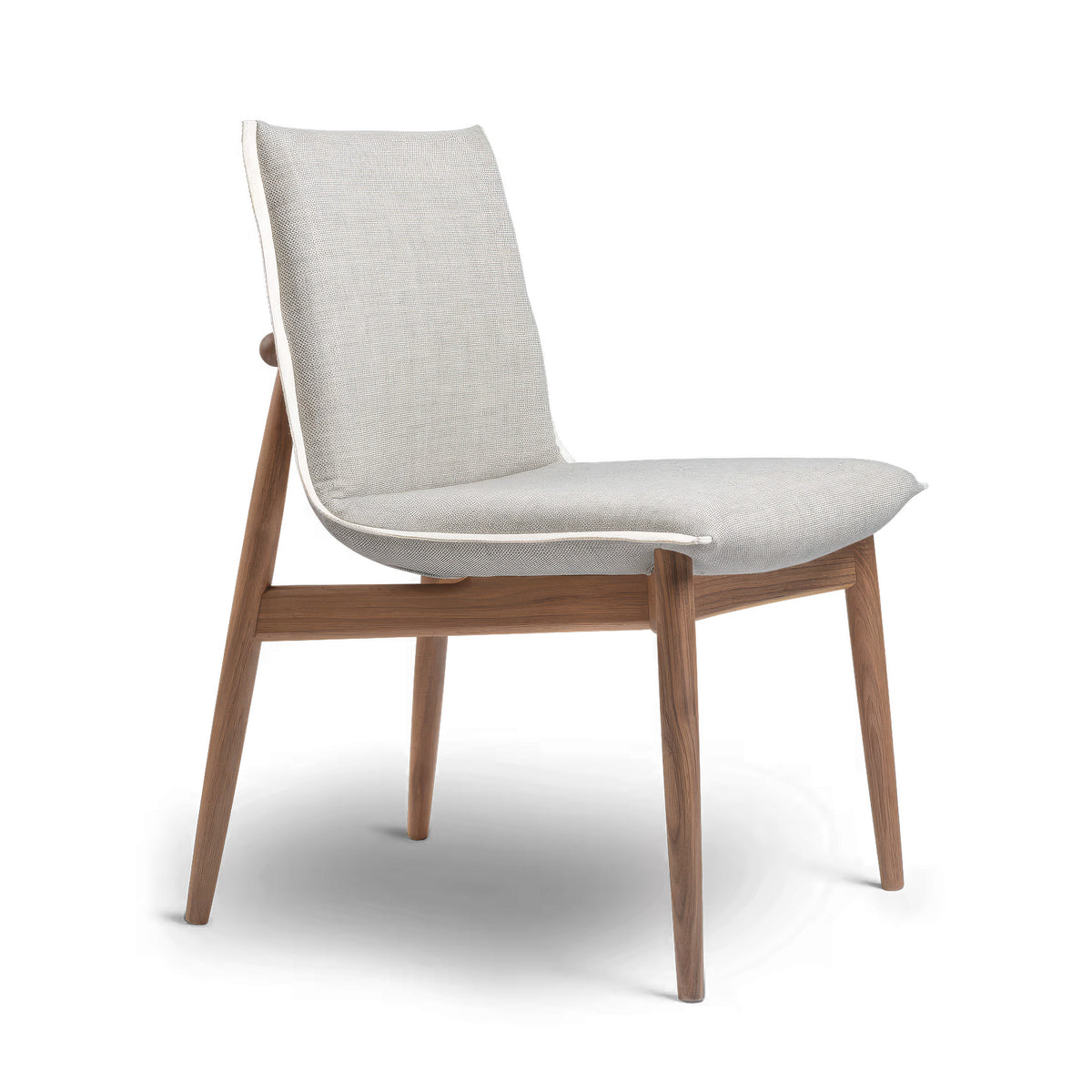
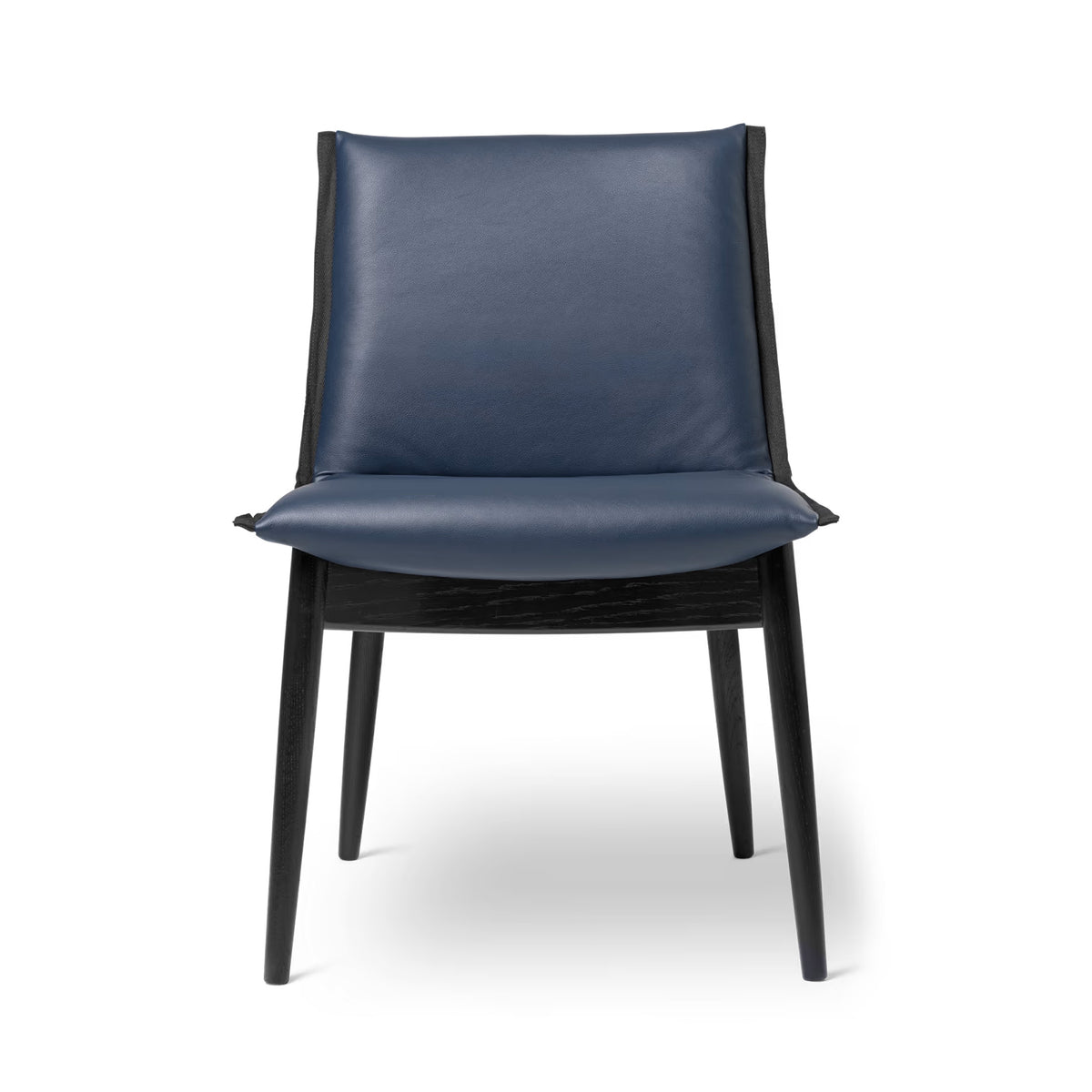
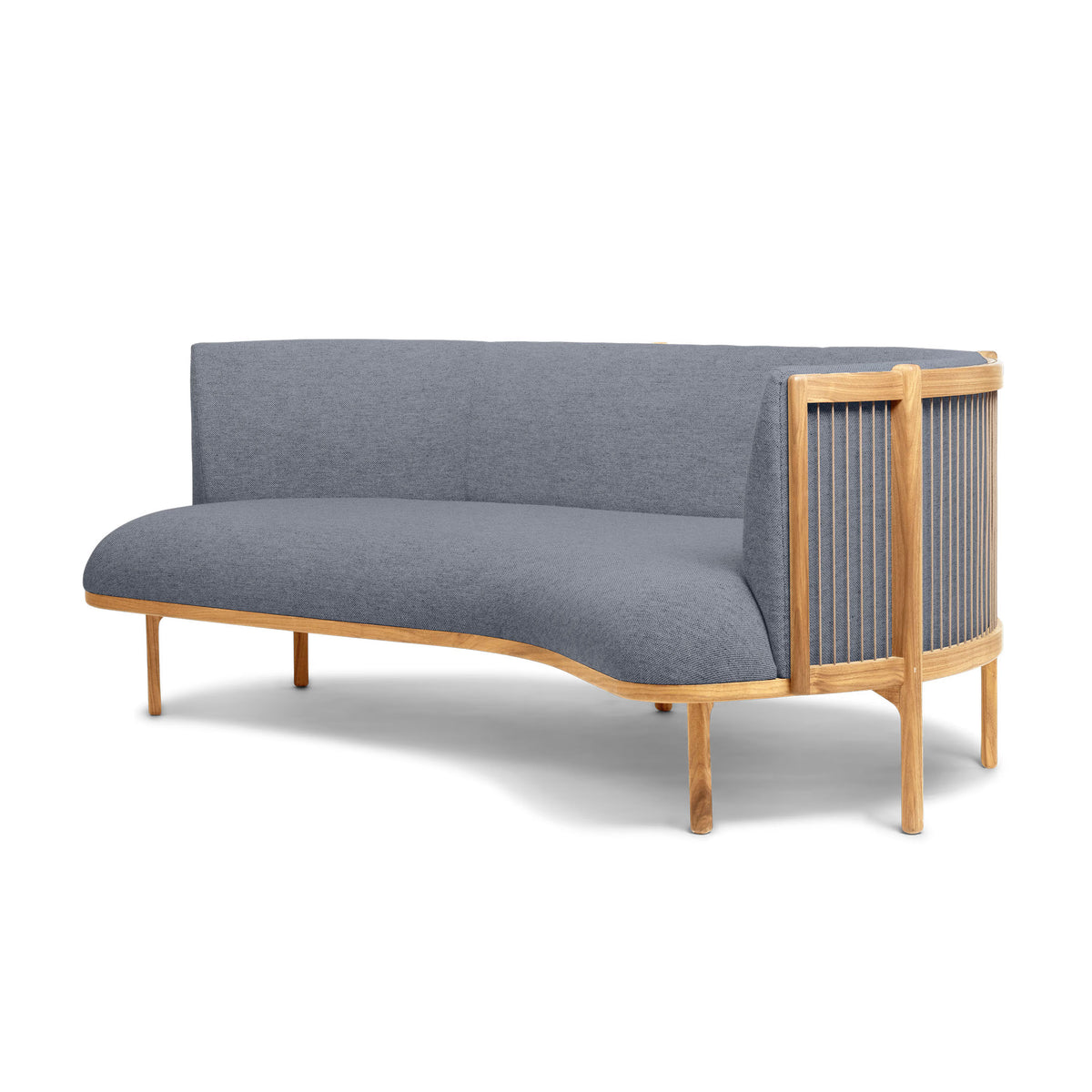
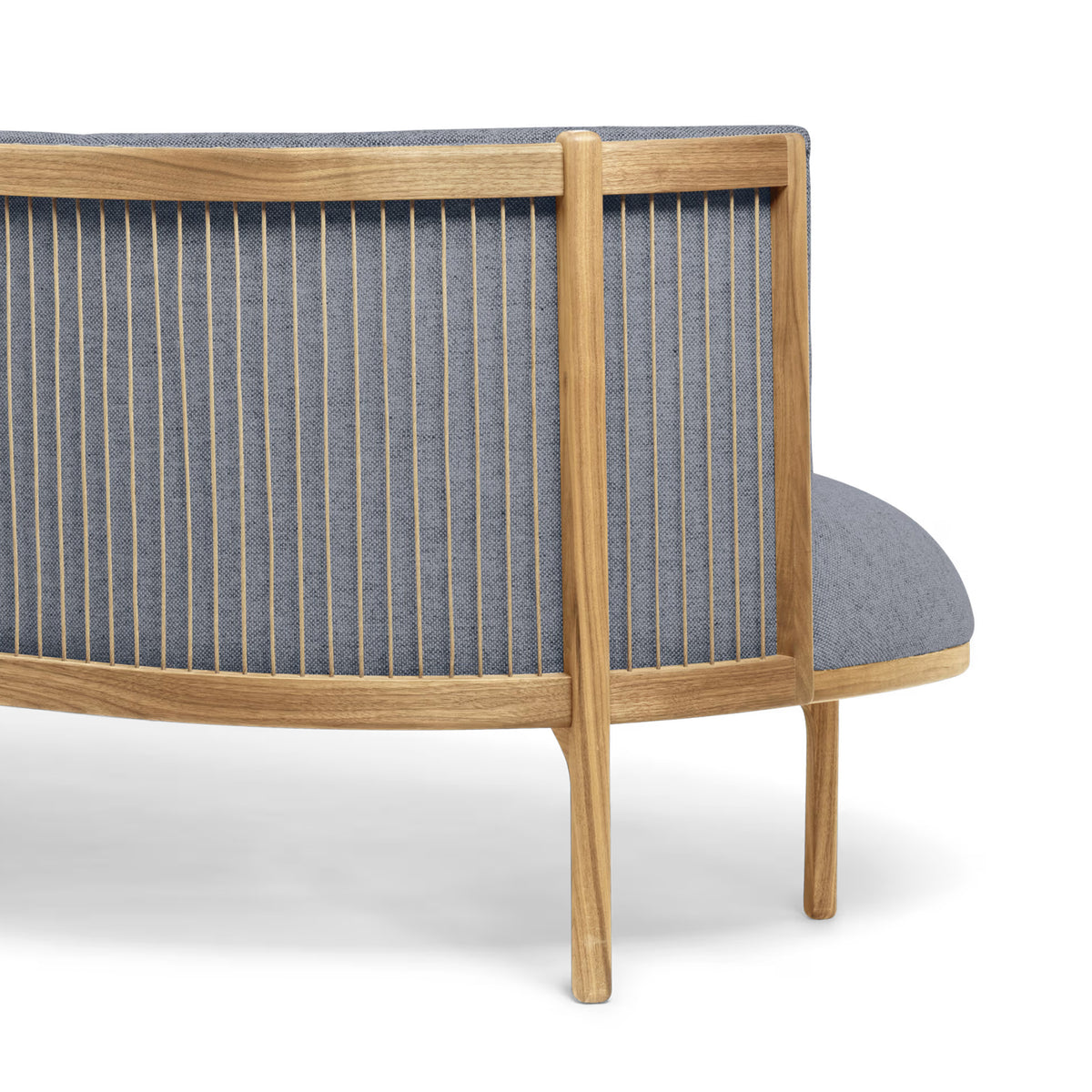


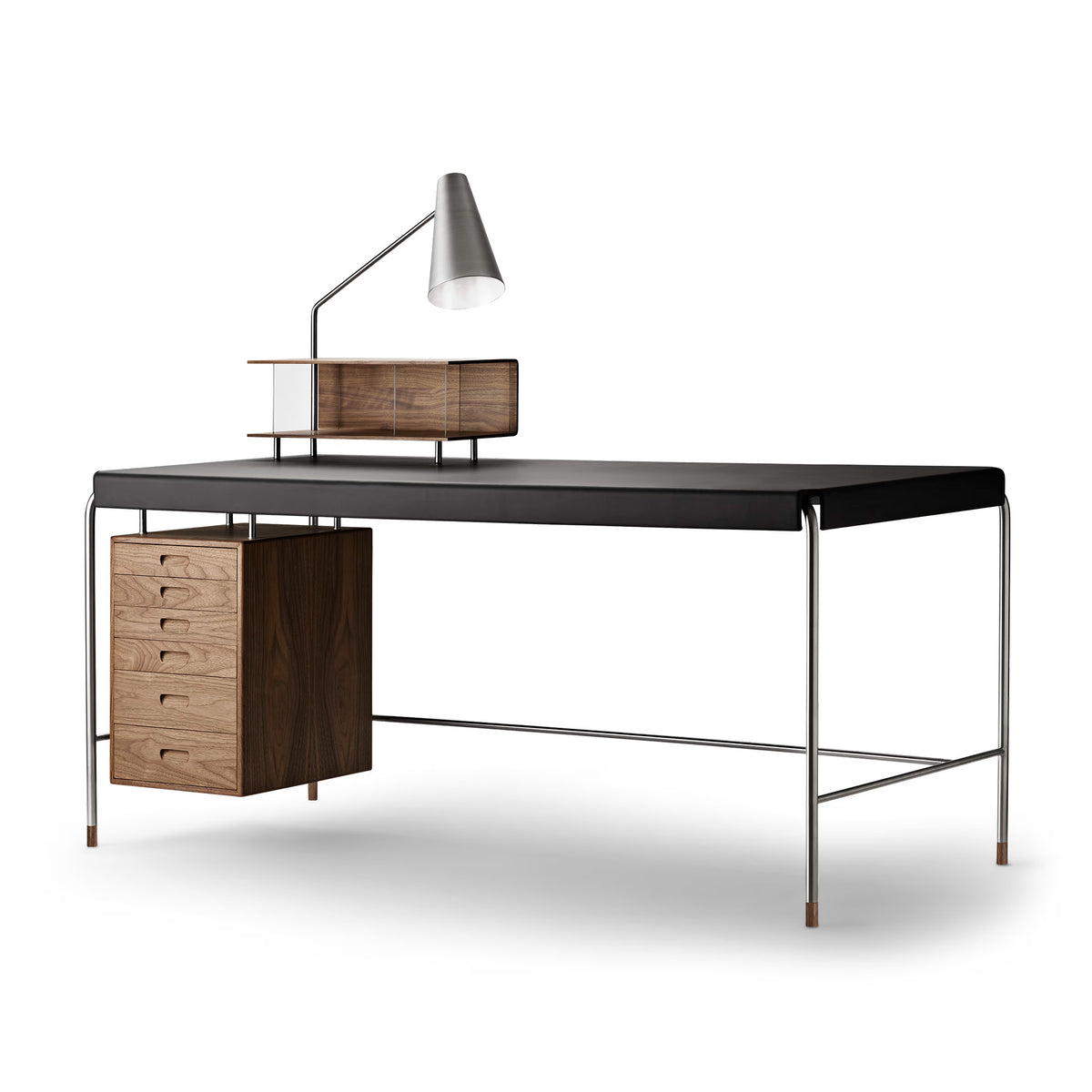
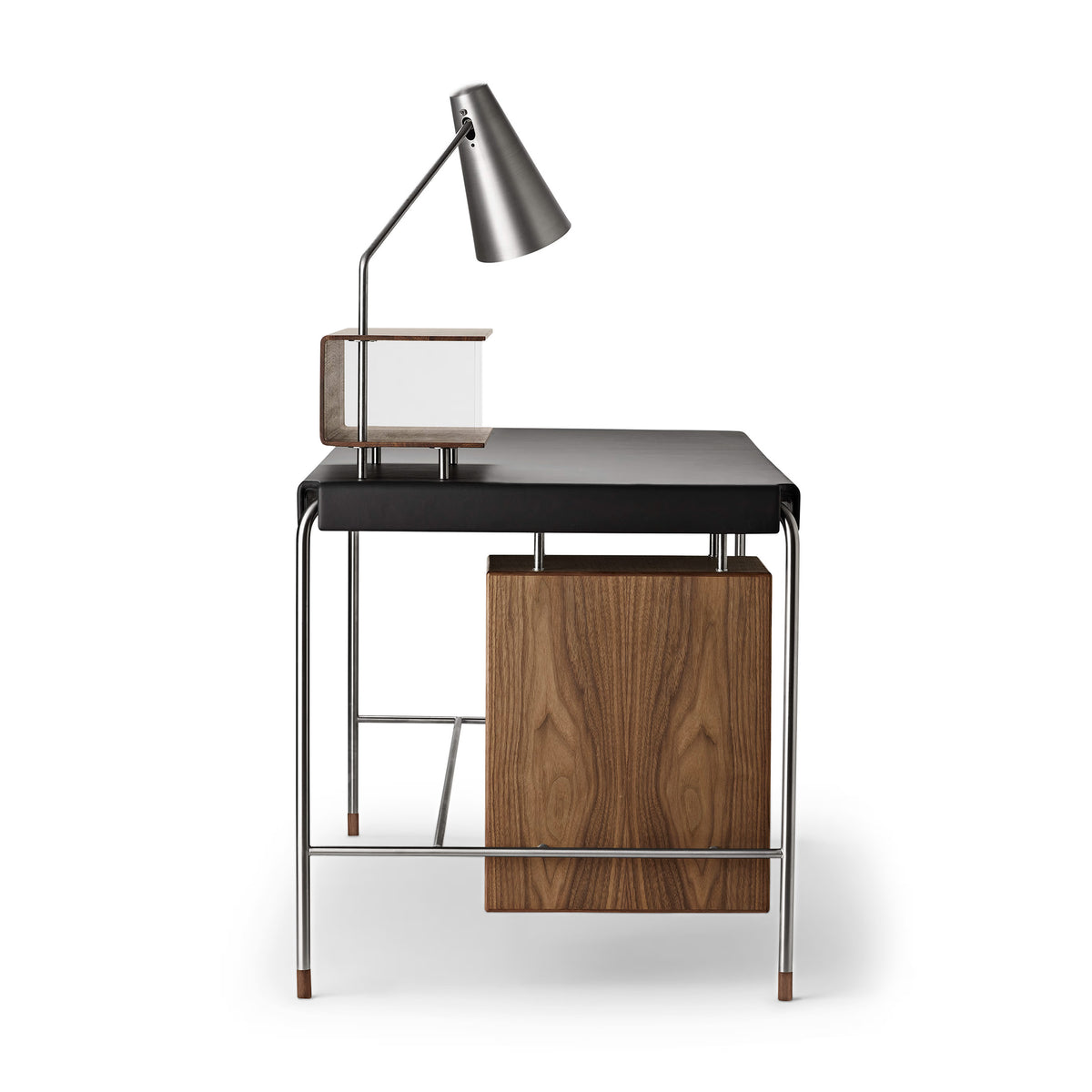



Experience Luminaire in Person
Visit a showroom near you.


Design Without Boundaries
Beyond our curated collections lies a world of over 400 iconic brands.
For specific pieces, finishes, or bespoke solutions, our design team is at your disposal.
Frequently Asked Questions
What design tradition defines Carl Hansen & Son furniture?
Carl Hansen & Son sits within the Danish Modern tradition, a mid-twentieth-century movement that held proportion, structural clarity, and the integrity of materials as the primary design virtues. Its furniture draws on the Scandinavian workshop ethos, where form is resolved through making rather than through styling. Pieces from this tradition are not defined by decoration but by the precision of their geometry and the quality of the wood from which they are built.
Which wood species and finishes appear most often in this collection?
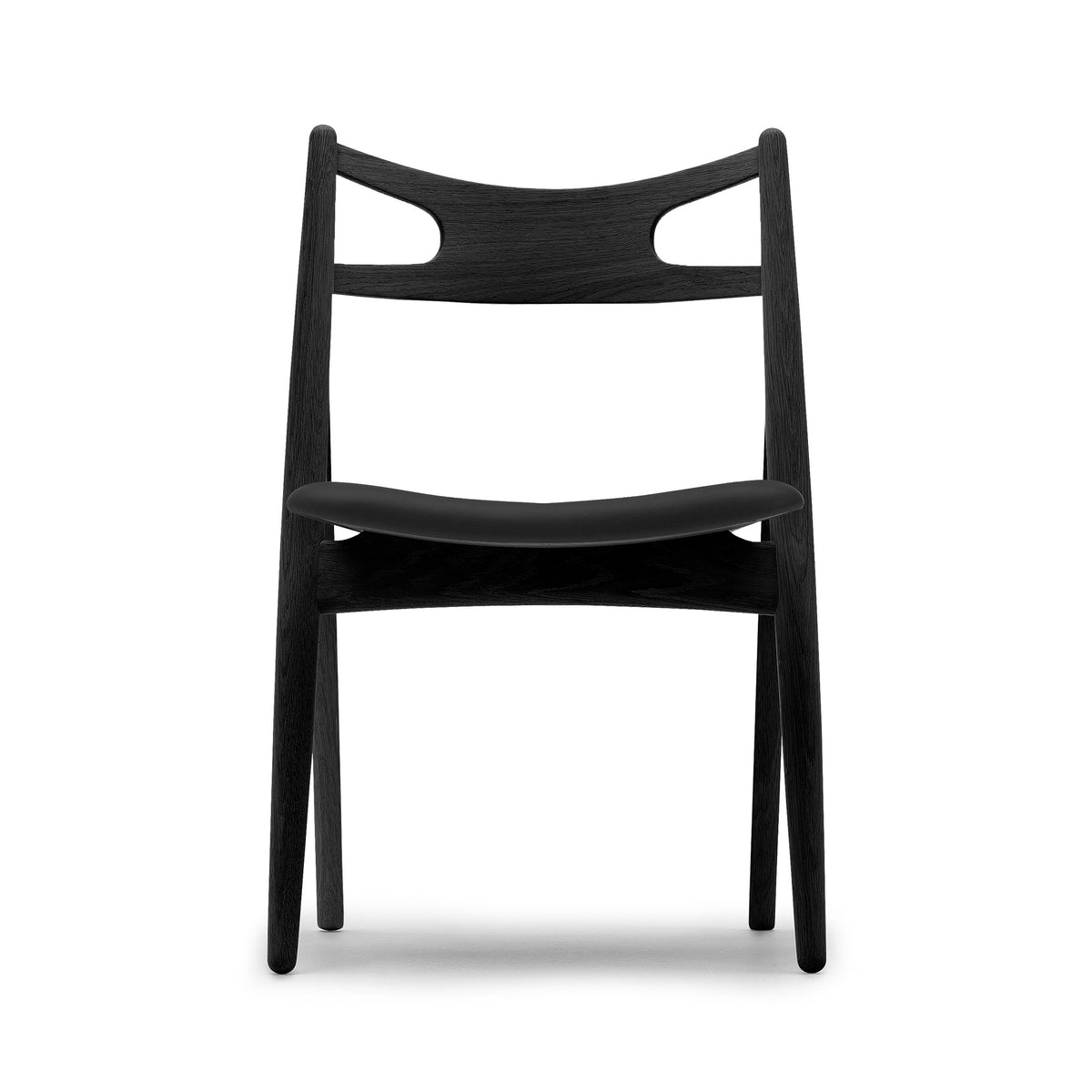
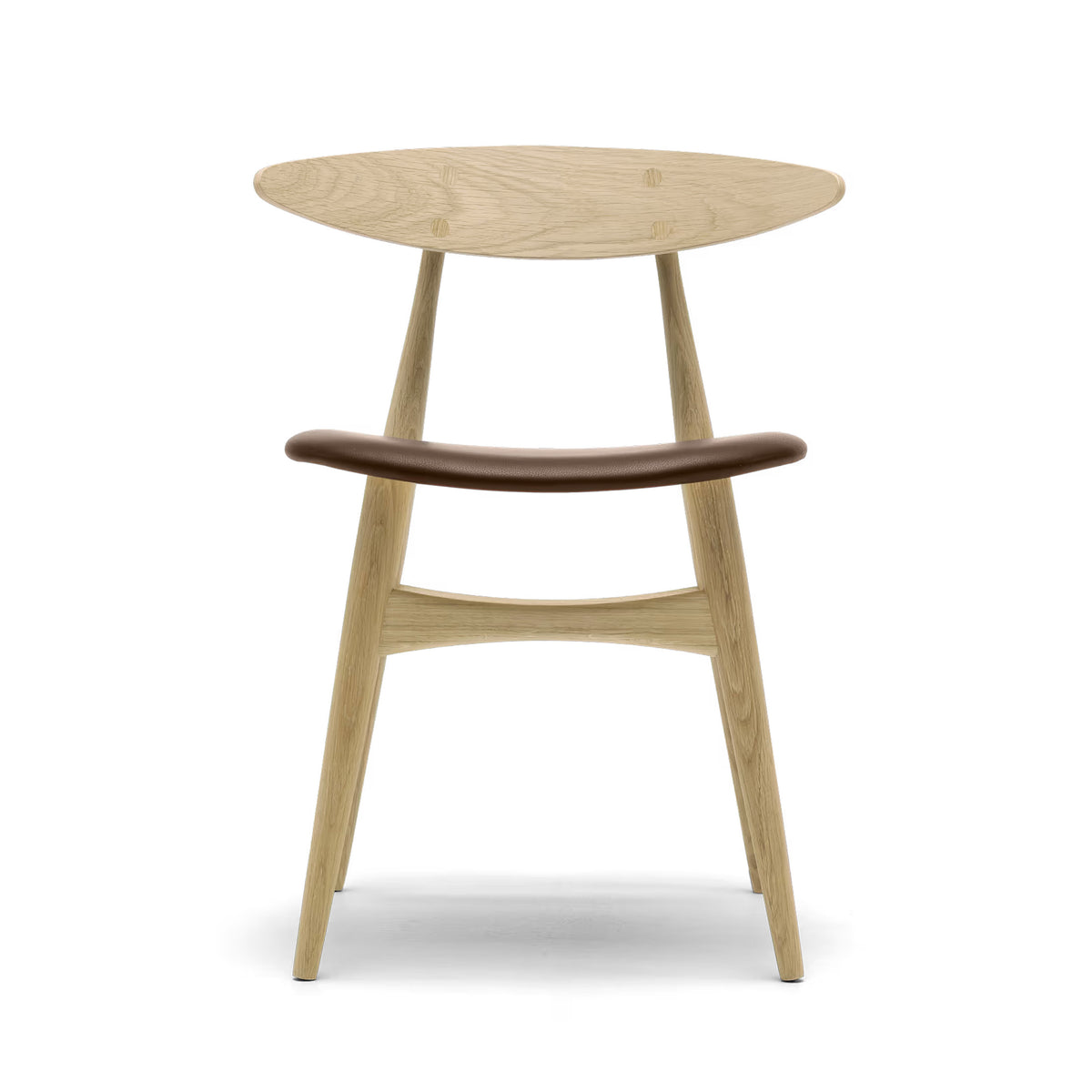
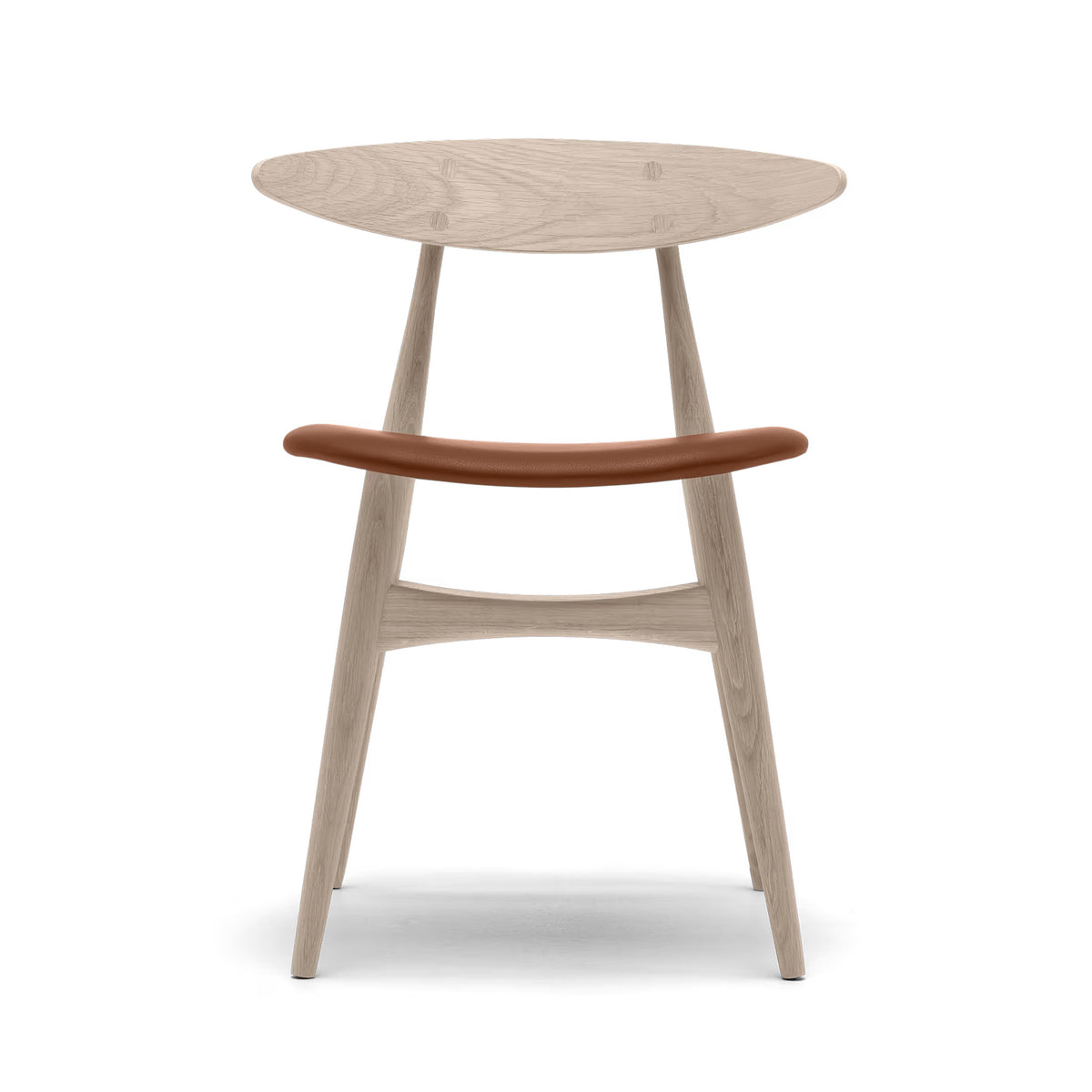
Oak is the most prevalent species, offered in soap, oil, and lacquer finishes that each respond to light and age differently. Walnut appears in pieces where a warmer, denser grain is part of the design intention. Ash and teak feature in select lounge and outdoor forms. Soap finishes tend toward a pale, matte surface that accentuates grain; oil finishes deepen the wood's natural color and allow patina to develop gradually over years of use. The differences between these finishes, and between species, are most legible in person. Visiting a showroom is the most reliable way to compare them under real light. Confirm which pieces are currently on display before making the trip.
How does Carl Hansen & Son approach sustainability and responsible sourcing?
A meaningful portion of the collection is produced using FSC-certified timber, a certification that ensures wood originates from responsibly managed forests. Untreated teak pieces are designed to weather naturally without chemical surface treatments, reducing ongoing maintenance impact. The brand's commitment to longevity is itself a sustainability position: furniture built to outlast generations reduces the cycle of replacement that characterizes lower-quality production.
What makes Danish modern dining chairs different from other design traditions?
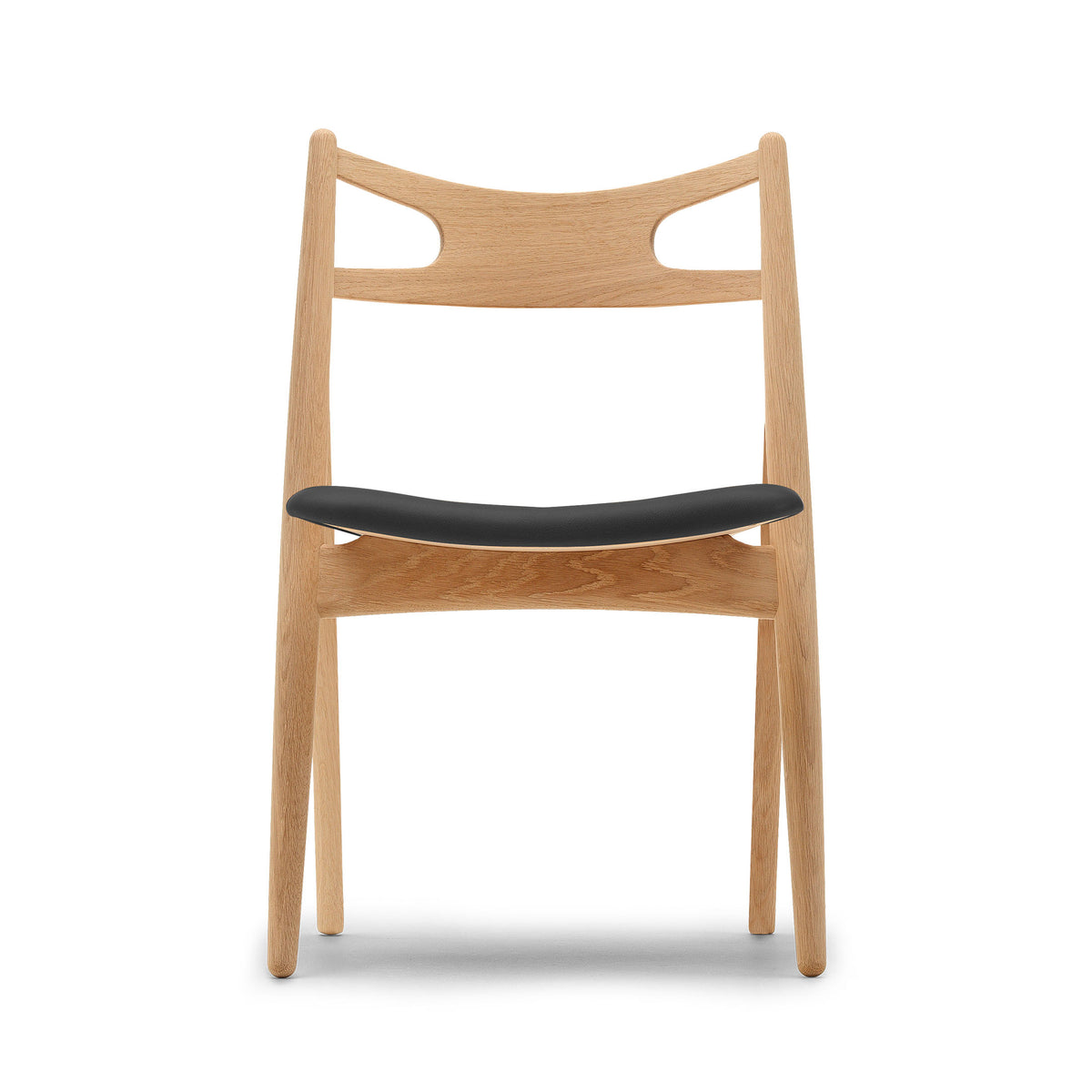
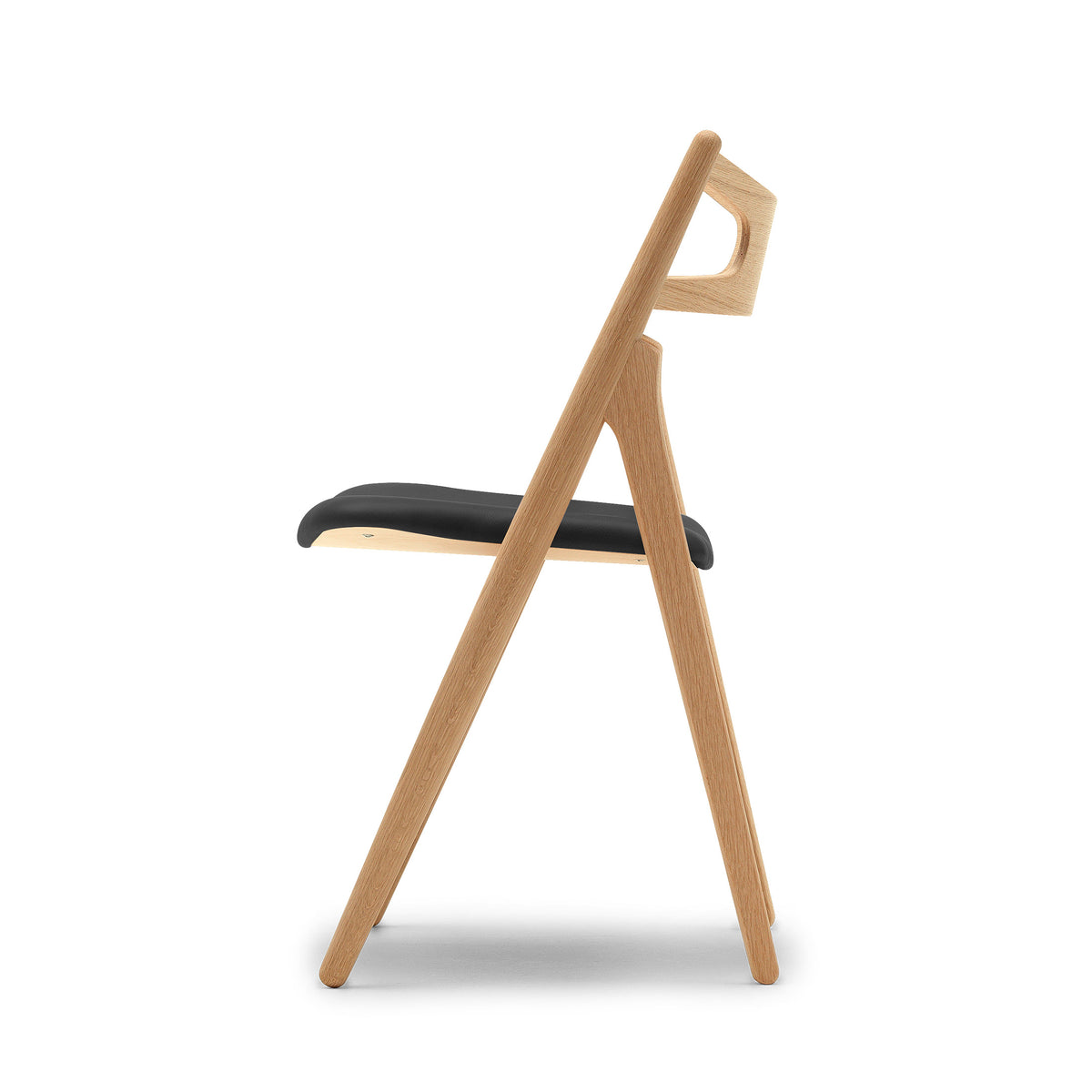
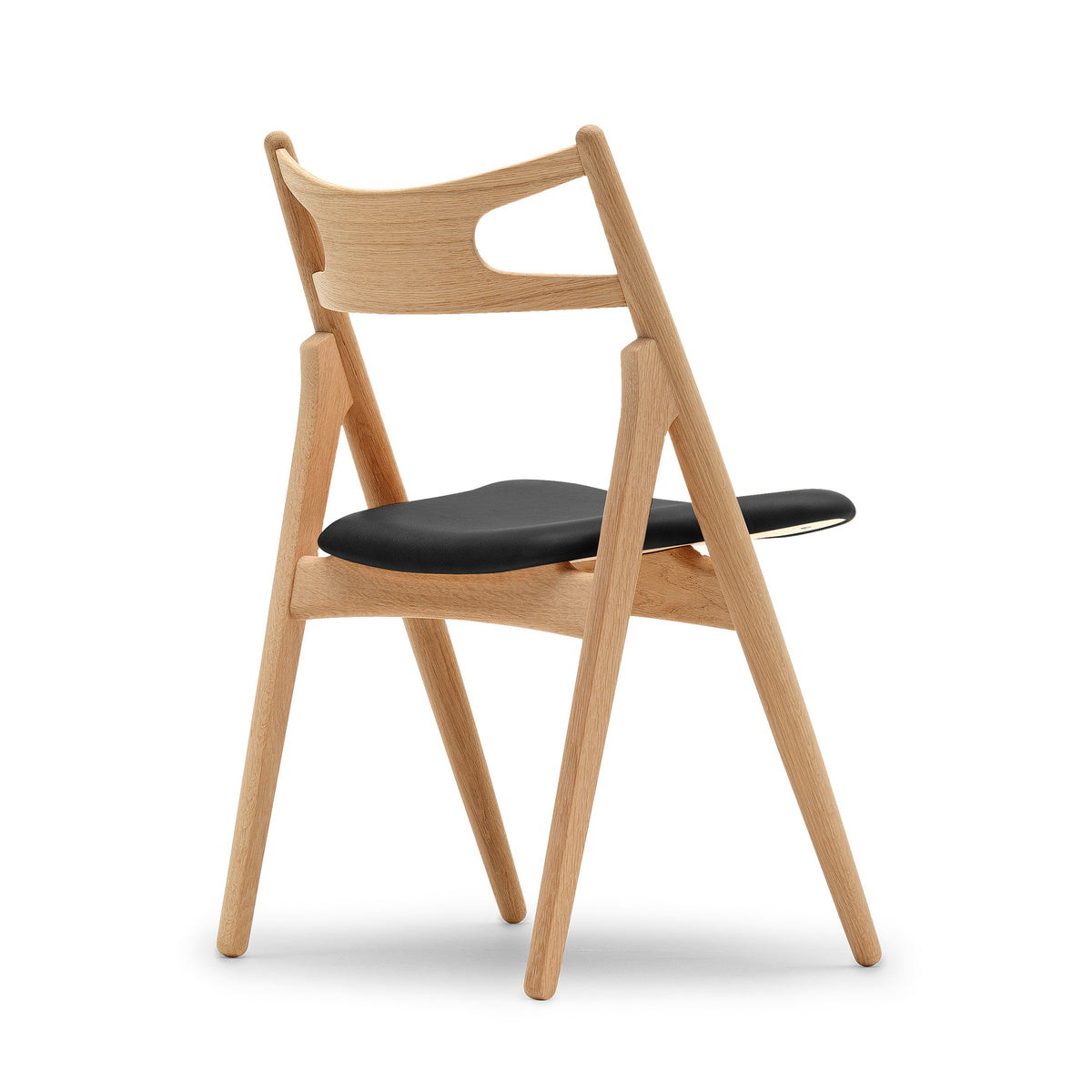
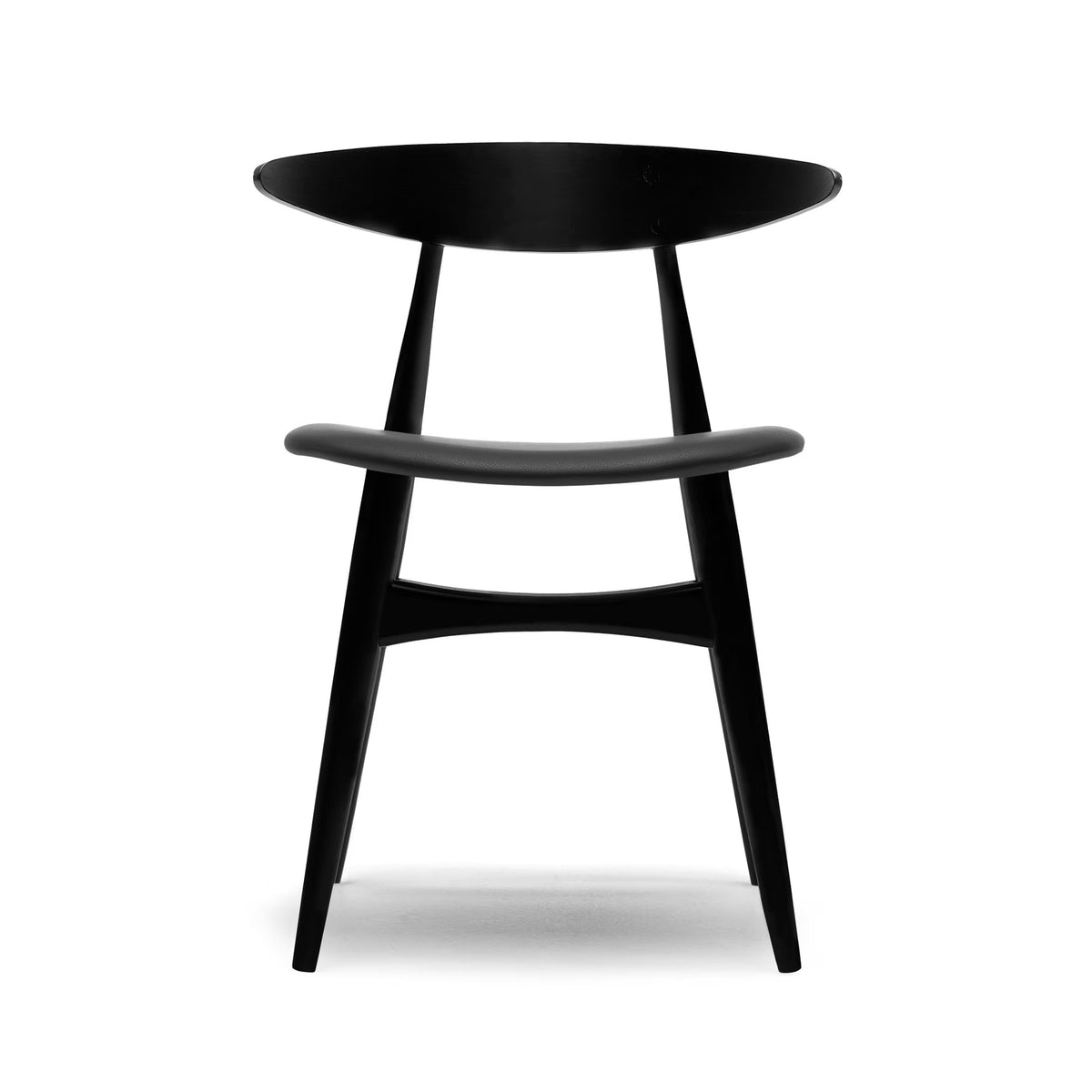
Danish modern chairs were shaped by designers who studied the body with uncommon rigor. Seat height, depth, back angle, and the curvature of the backrest were not aesthetic choices alone. They were calculated responses to how weight distributes and how posture shifts during a long meal. The result is chairs that support the body without padding, relying instead on the geometry of solid wood. This approach produces pieces that are visually spare but physically generous. Hans J. Wegner remains the most studied figure within this lineage, his chair forms measuring comfort through geometry rather than cushion.
How do I care for solid wood Carl Hansen & Son furniture over time?
Soap-finished oak should be cleaned with a mild soap solution and re-soaped periodically to maintain its pale, open surface. Oil-finished pieces benefit from an occasional application of a compatible furniture oil to replenish what use and cleaning remove. Teak left untreated will transition from its warm honey tone to a silver-grey patina, a natural process that requires no intervention. Avoid prolonged direct sunlight and large fluctuations in humidity, which can cause solid wood to move.
Can Carl Hansen & Son pieces work across both dining and living spaces?
Several chairs and tables in the collection are scaled and proportioned for dual use. Some dining chairs carry enough visual weight to anchor a living room reading corner, while certain lounge chairs are light enough in frame to sit beside a dining table without visual conflict. The collection's consistency of material palette, predominantly oak, walnut, and natural cord, makes it easier to compose across rooms without the pieces working against one another. For help planning a room or coordinating pieces across zones, design services can help resolve layout, scale, and material decisions before committing to a full scheme.
Is it worth seeing Carl Hansen & Son furniture in person before buying?
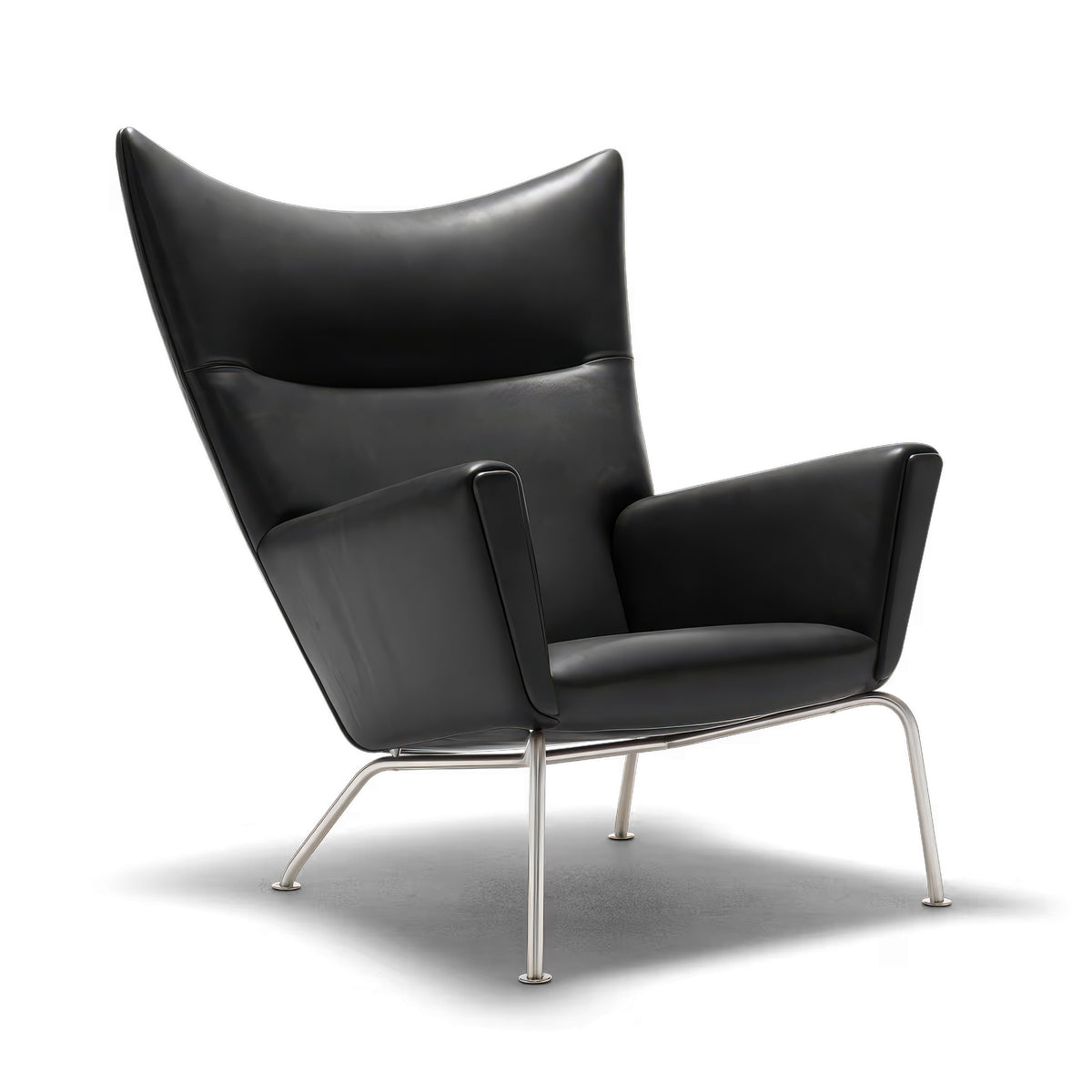
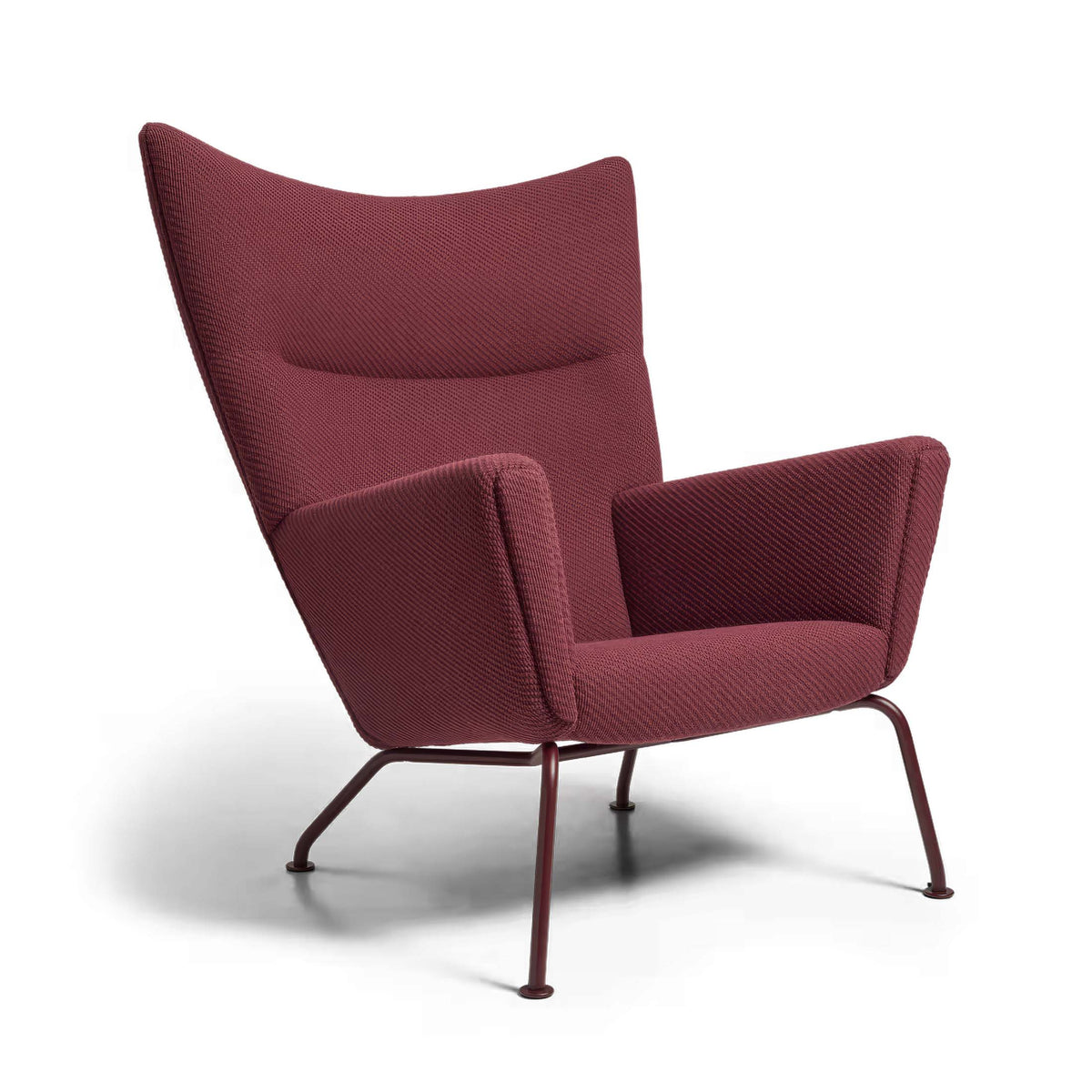
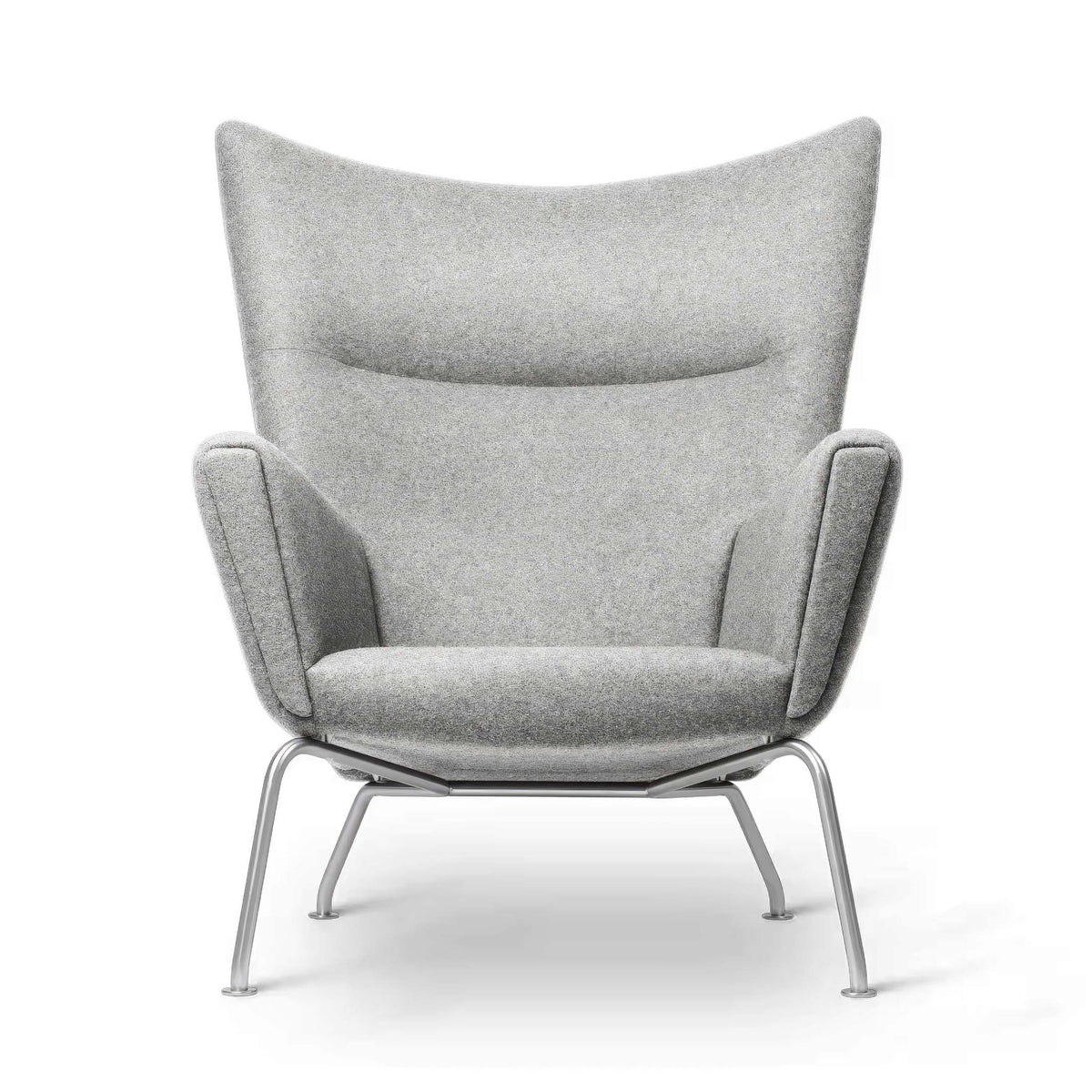
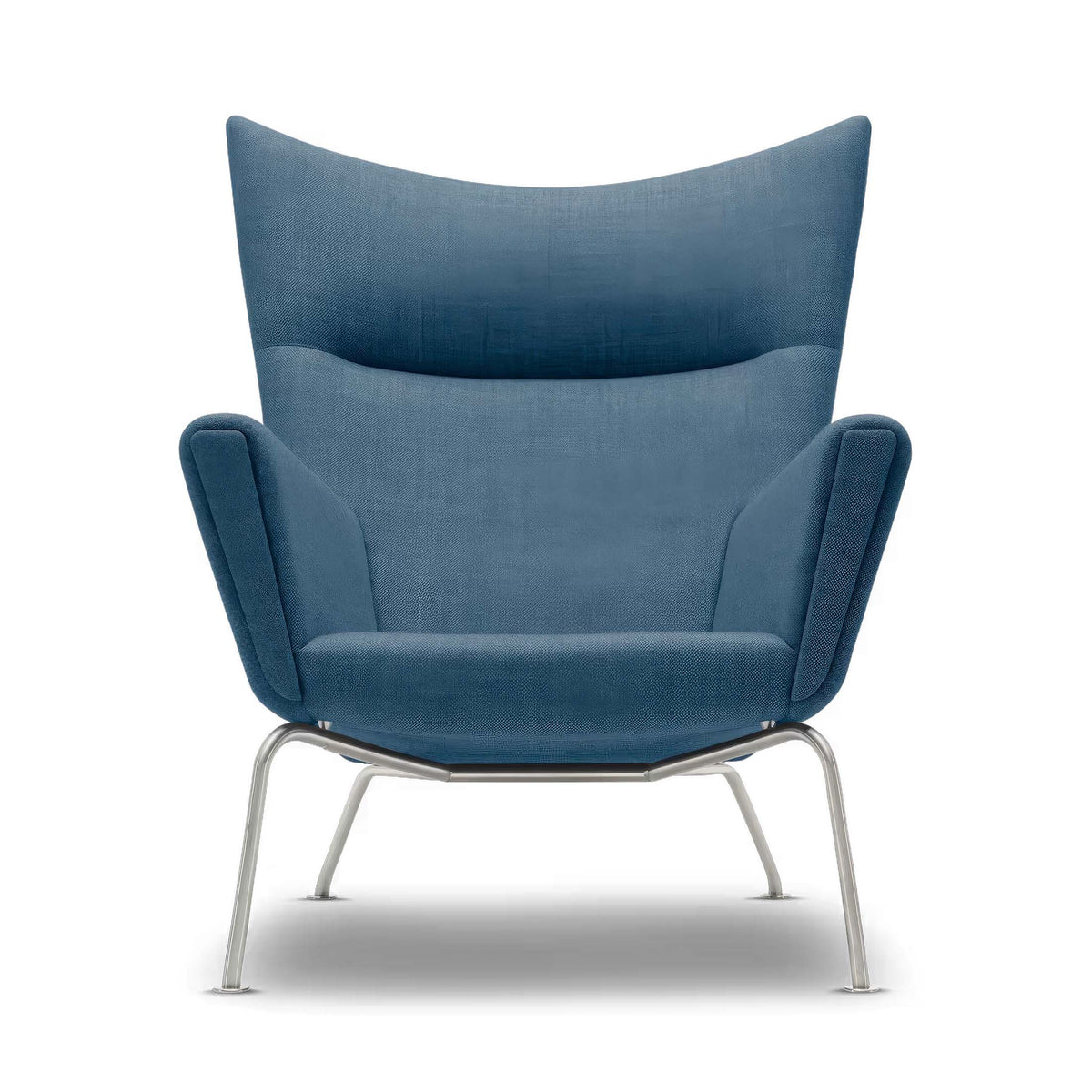
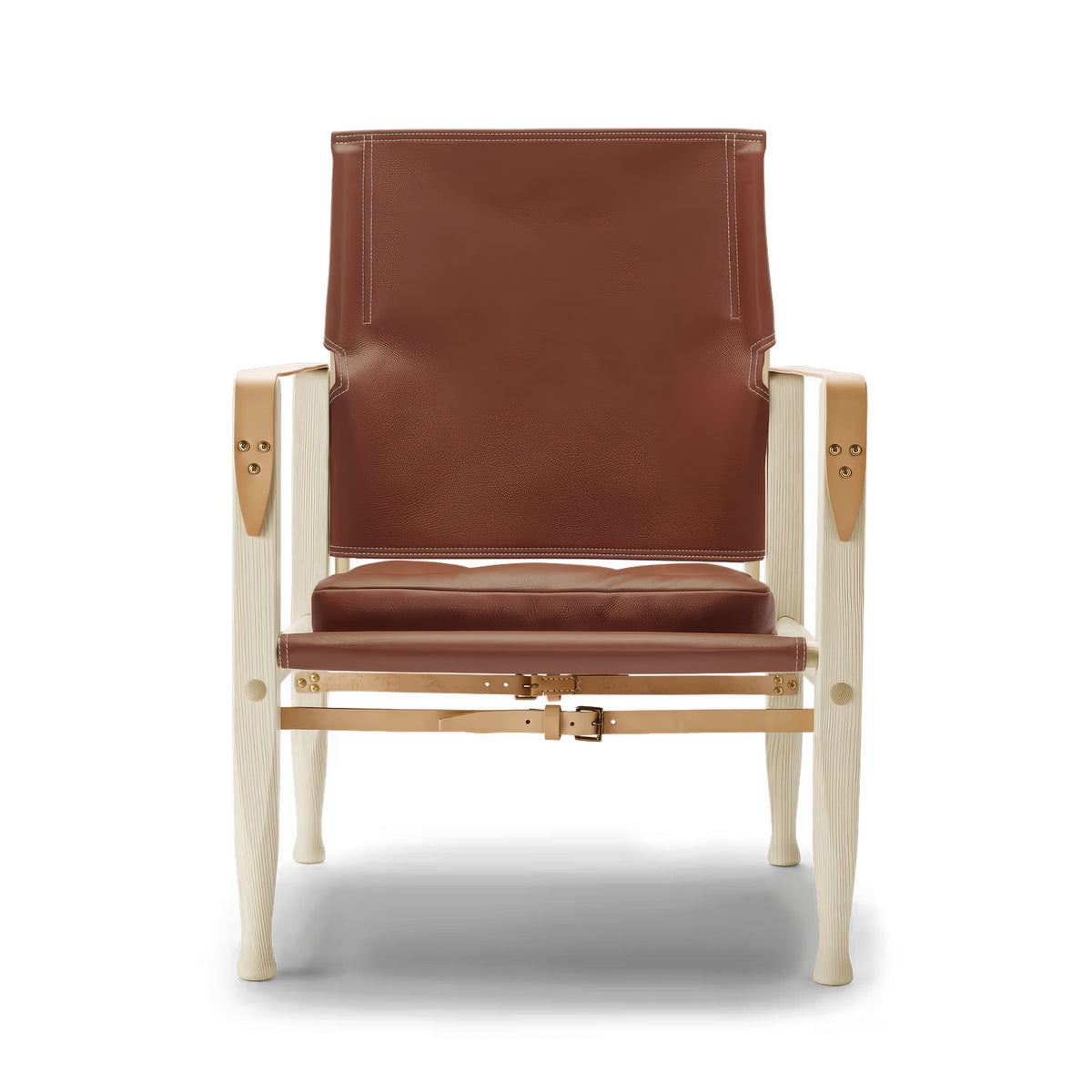
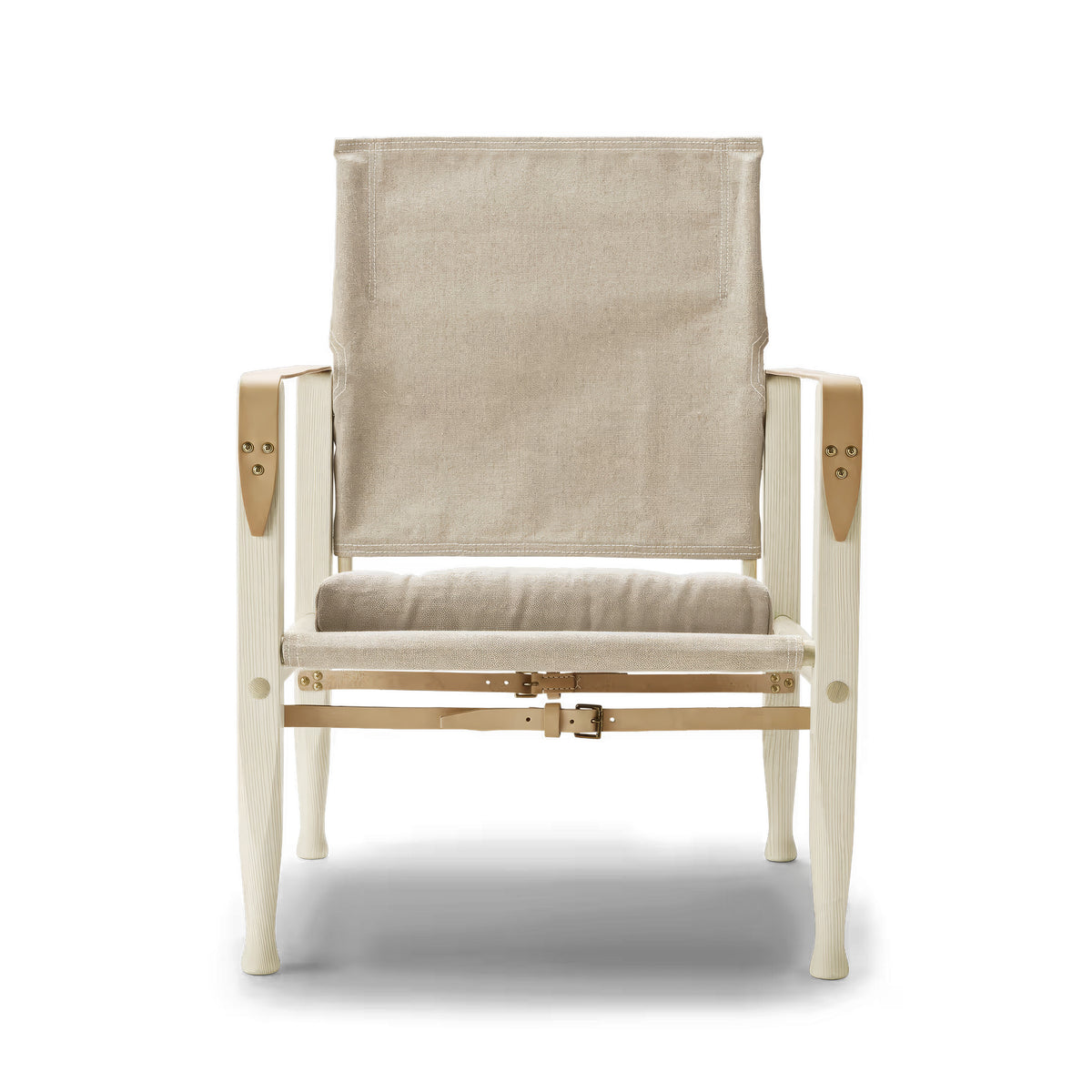
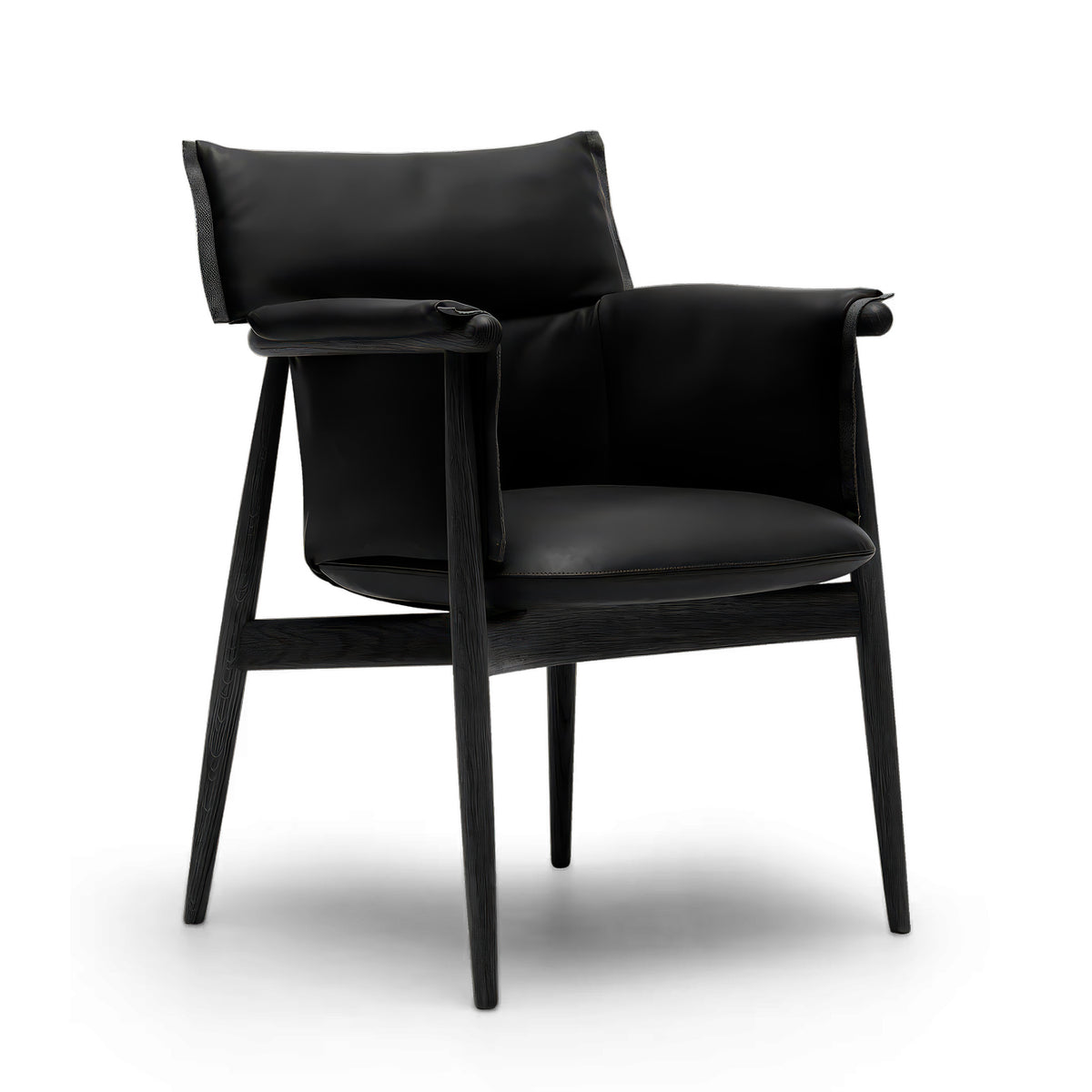
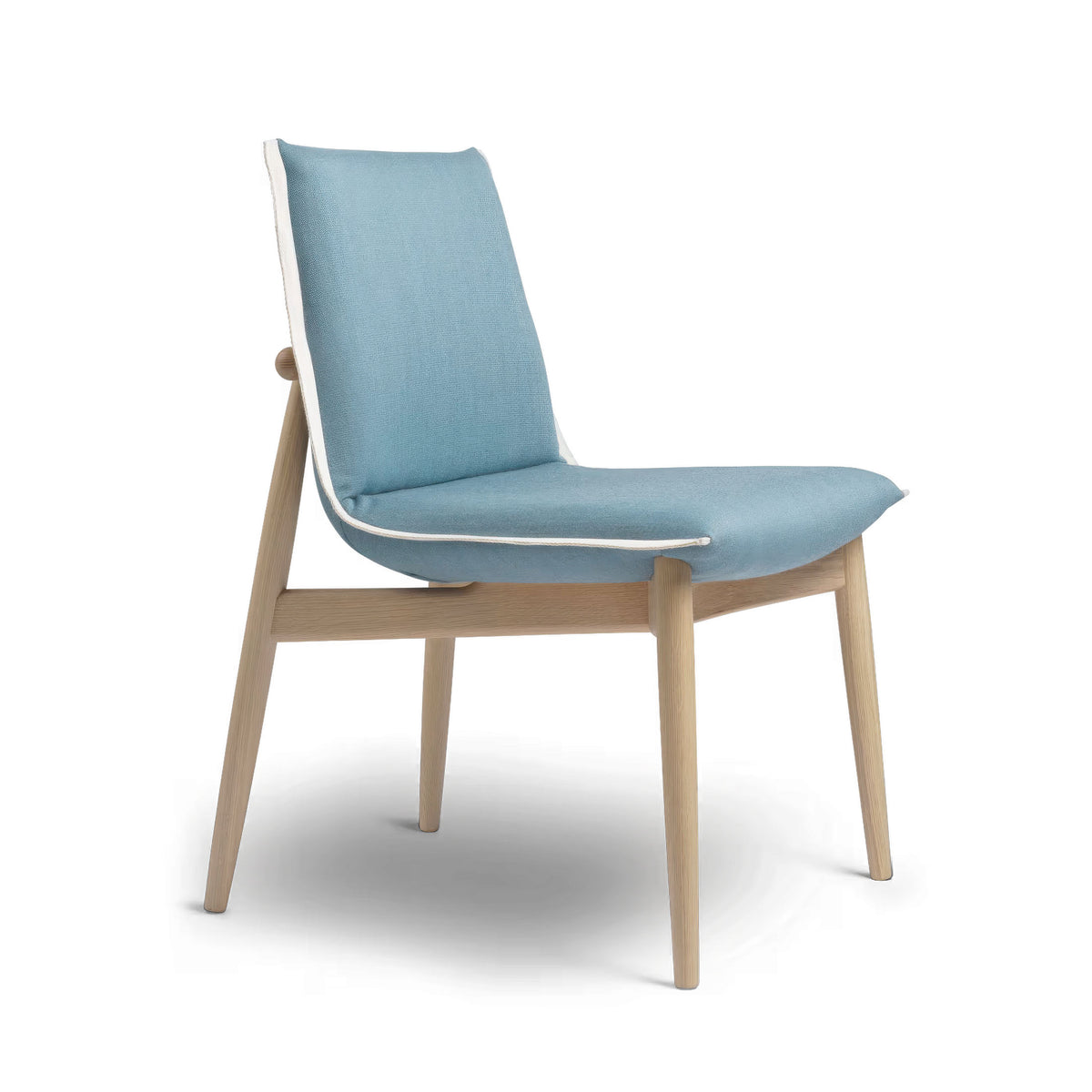
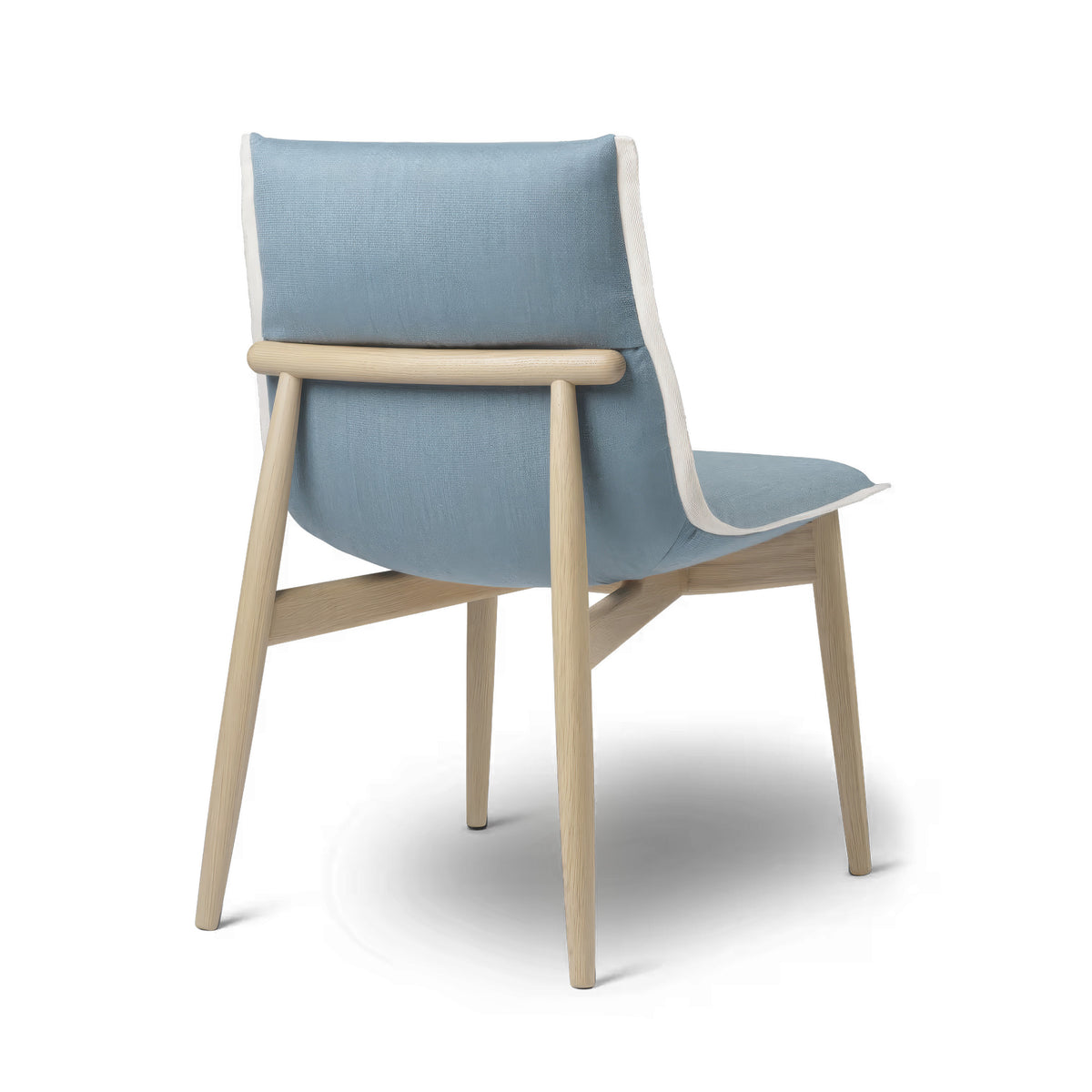
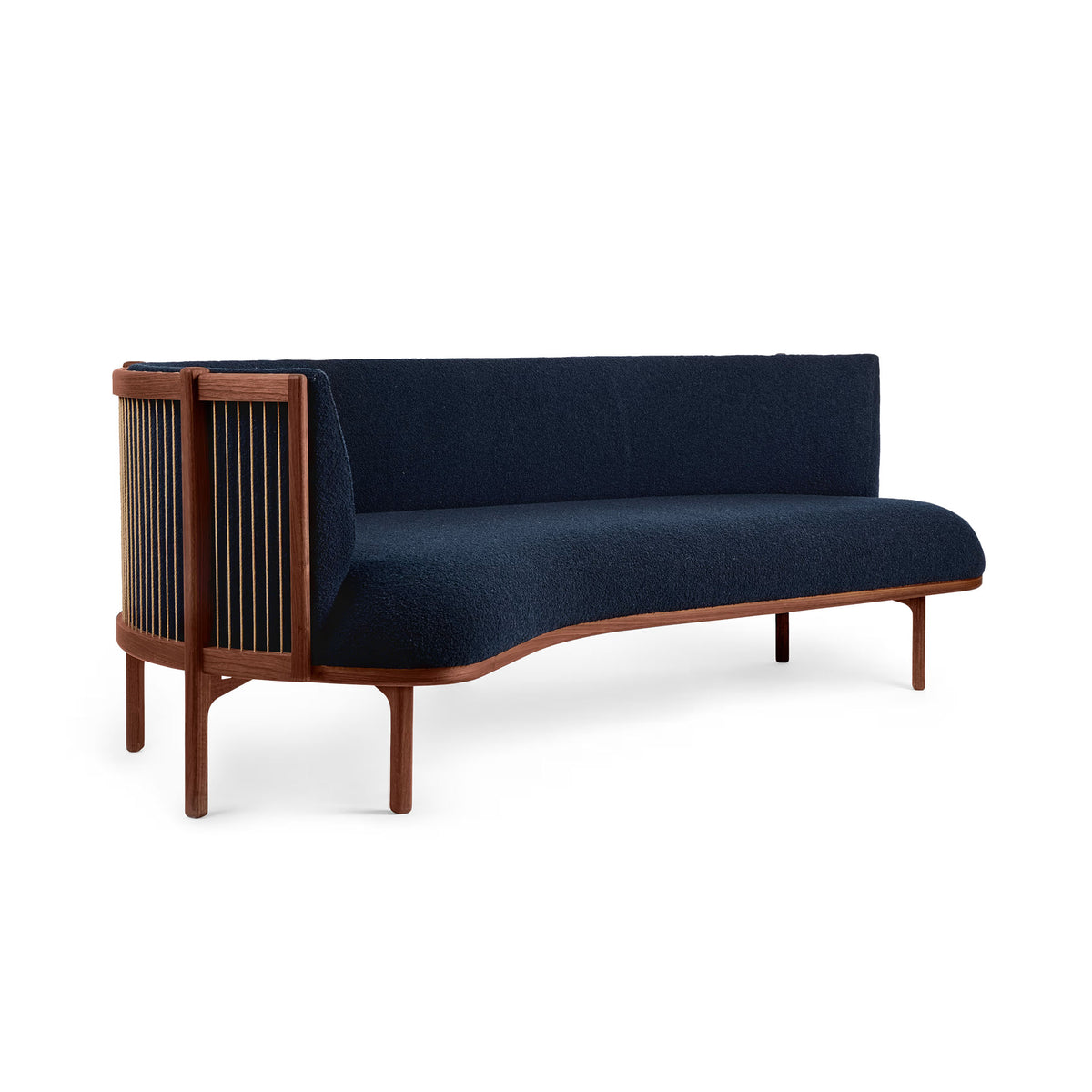
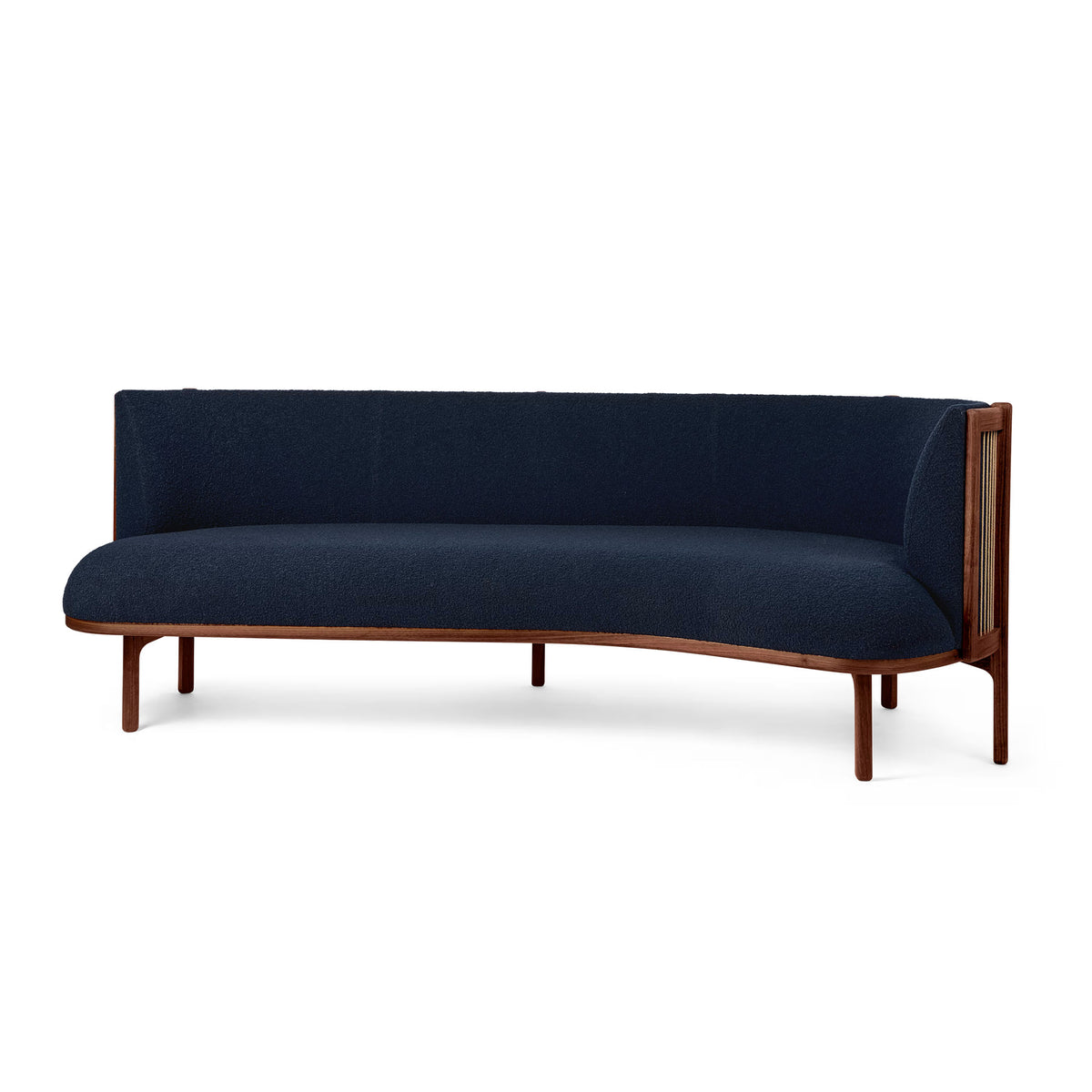
For upholstered pieces, seat depth, back angle, and cushion density are difficult to assess from photographs alone. The difference between fabric and leather upholstery, or between soap and oil on oak, is also most legible in person under natural light. Visiting a showroom is the most reliable way to understand how scale reads in a room and how materials feel to the touch. Confirm which pieces are currently on display before visiting, as installations rotate.
How does paper cord seating compare to upholstery in Danish modern chairs?
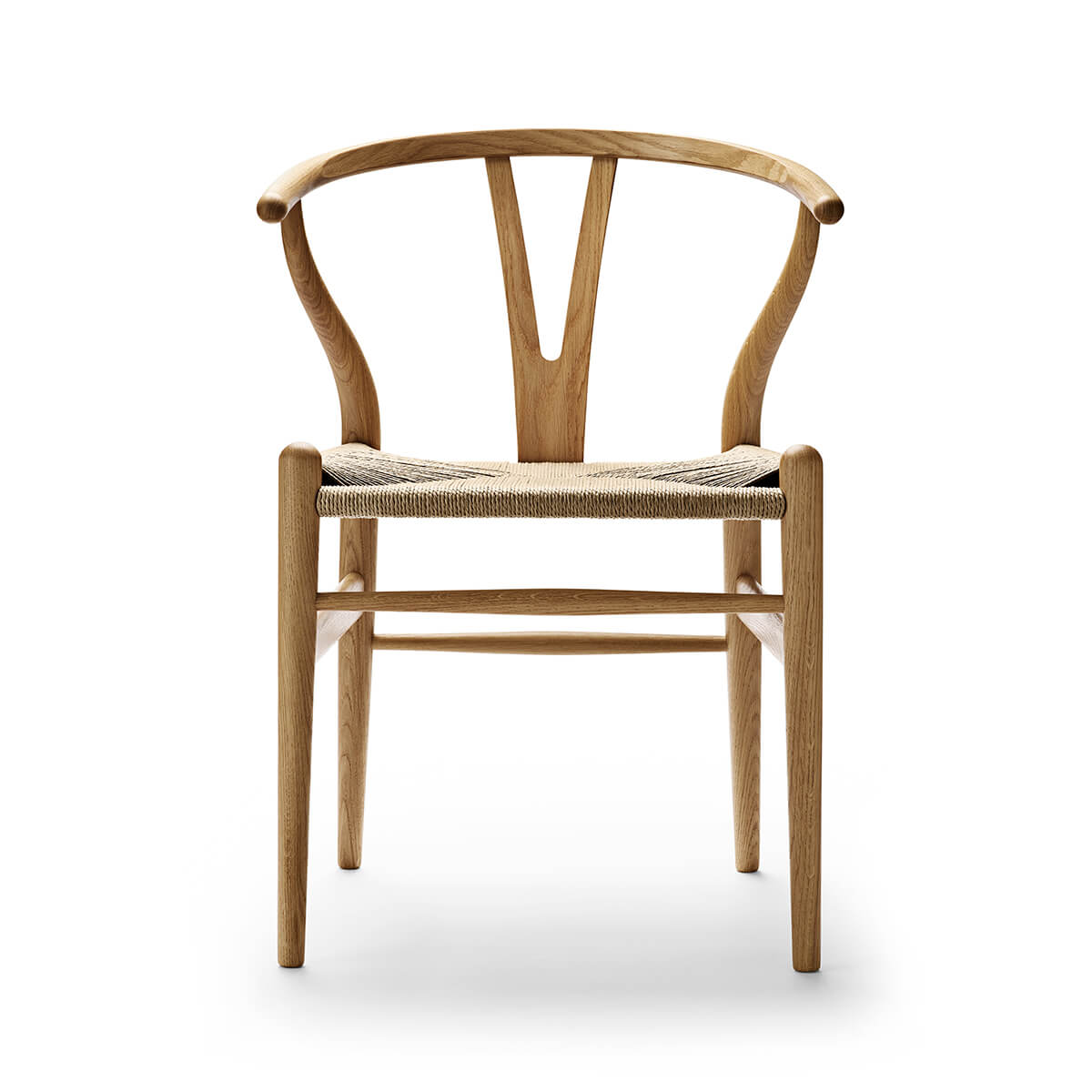
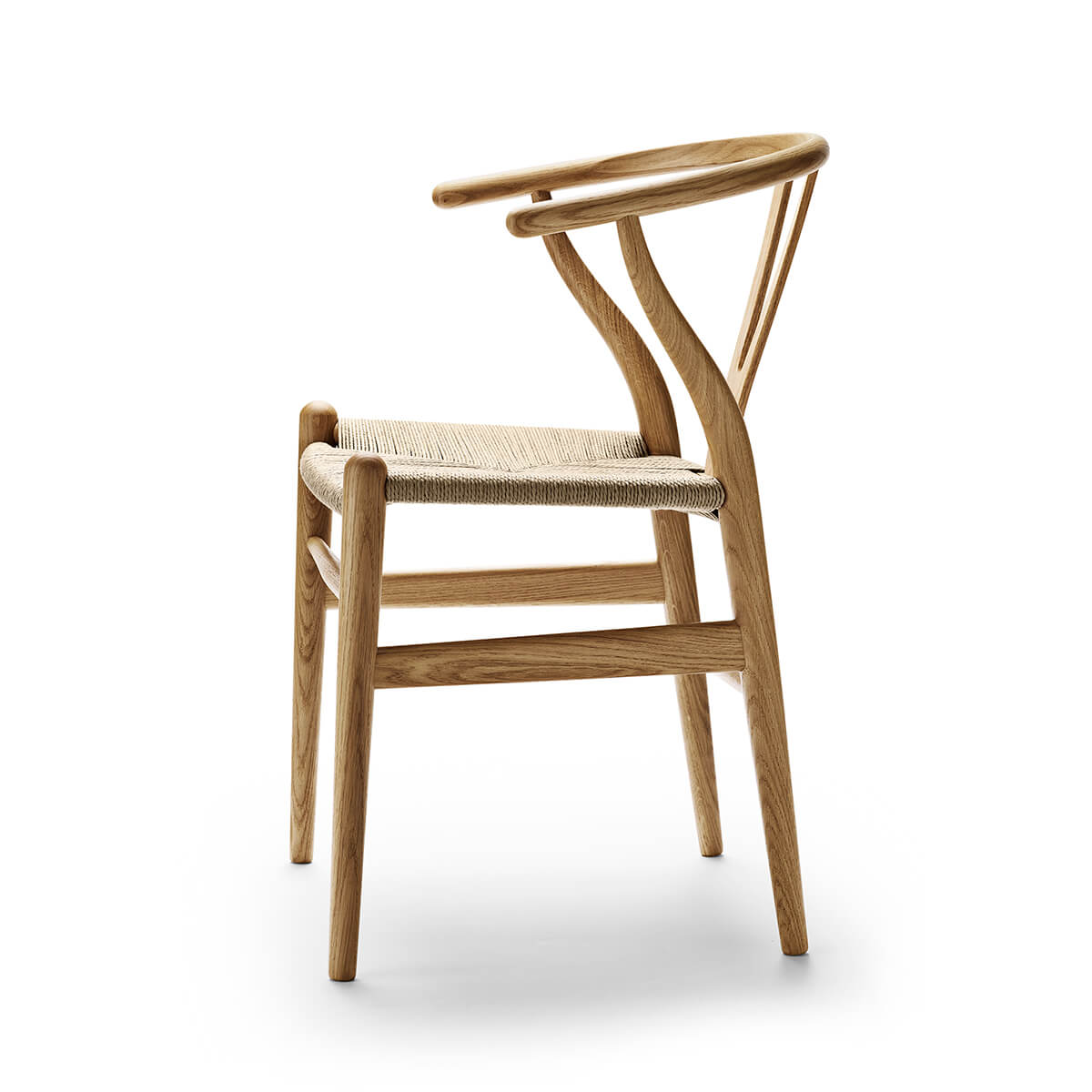
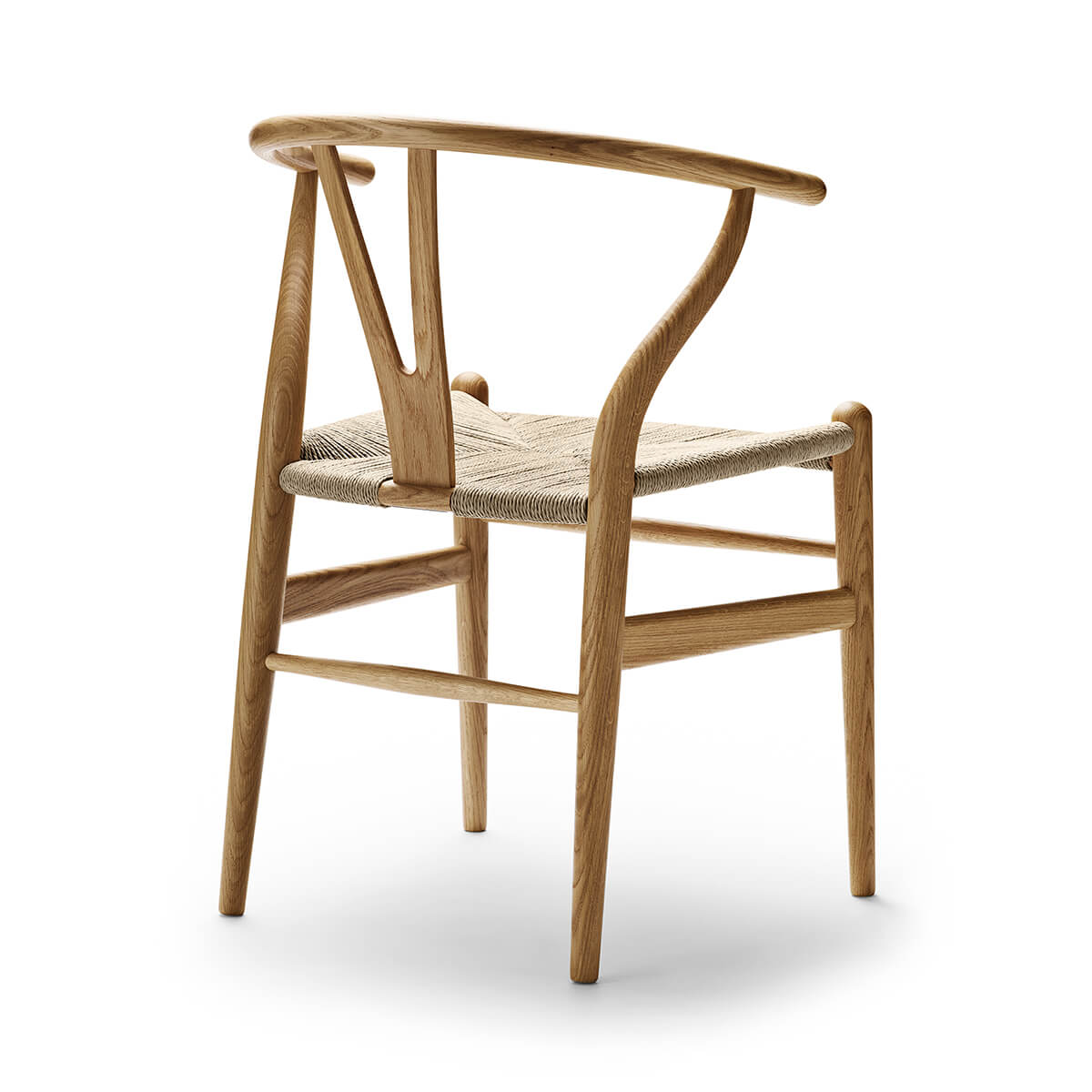
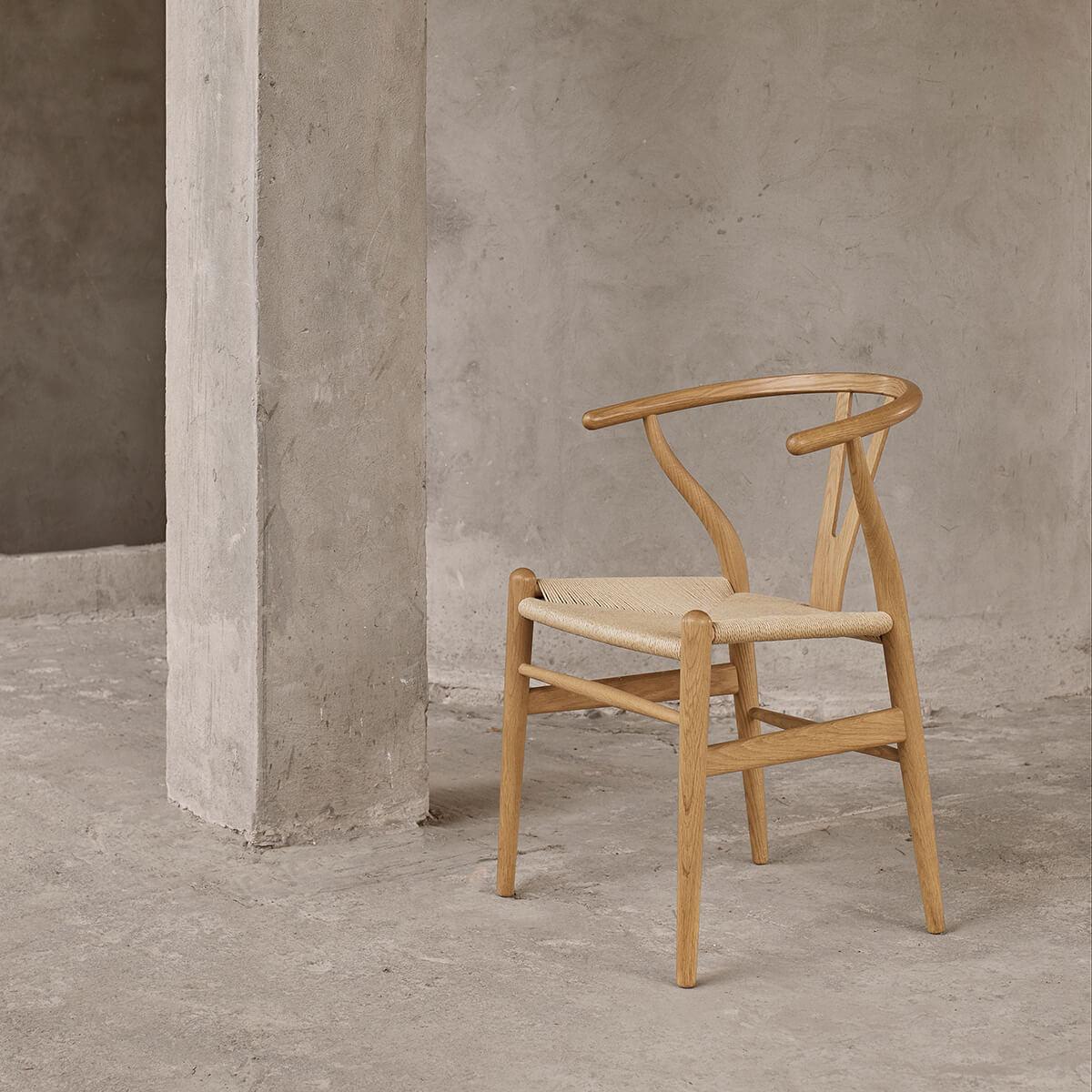
Paper cord is a material rooted in Scandinavian folk tradition, adapted for furniture with precision and economy. It produces a seat that is breathable, firm without being hard, and visually open in a way that upholstery cannot replicate. Over time, cord develops a gentle patina and may require re-weaving, a service offered by specialist workshops. Upholstered seats offer more immediate softness and a broader range of surface colors, but they cover the structural frame that cord reveals. For a closer reading of how cord and its making define a specific form, the CH24 Wishbone Chair article traces the process in detail, from the 120 metres of hand-woven cord to the steam-bent top rail.
Elevate Your Space
Since 1974, we have been at the forefront of innovation in the design sphere, revolutionizing perceptions of good design.


