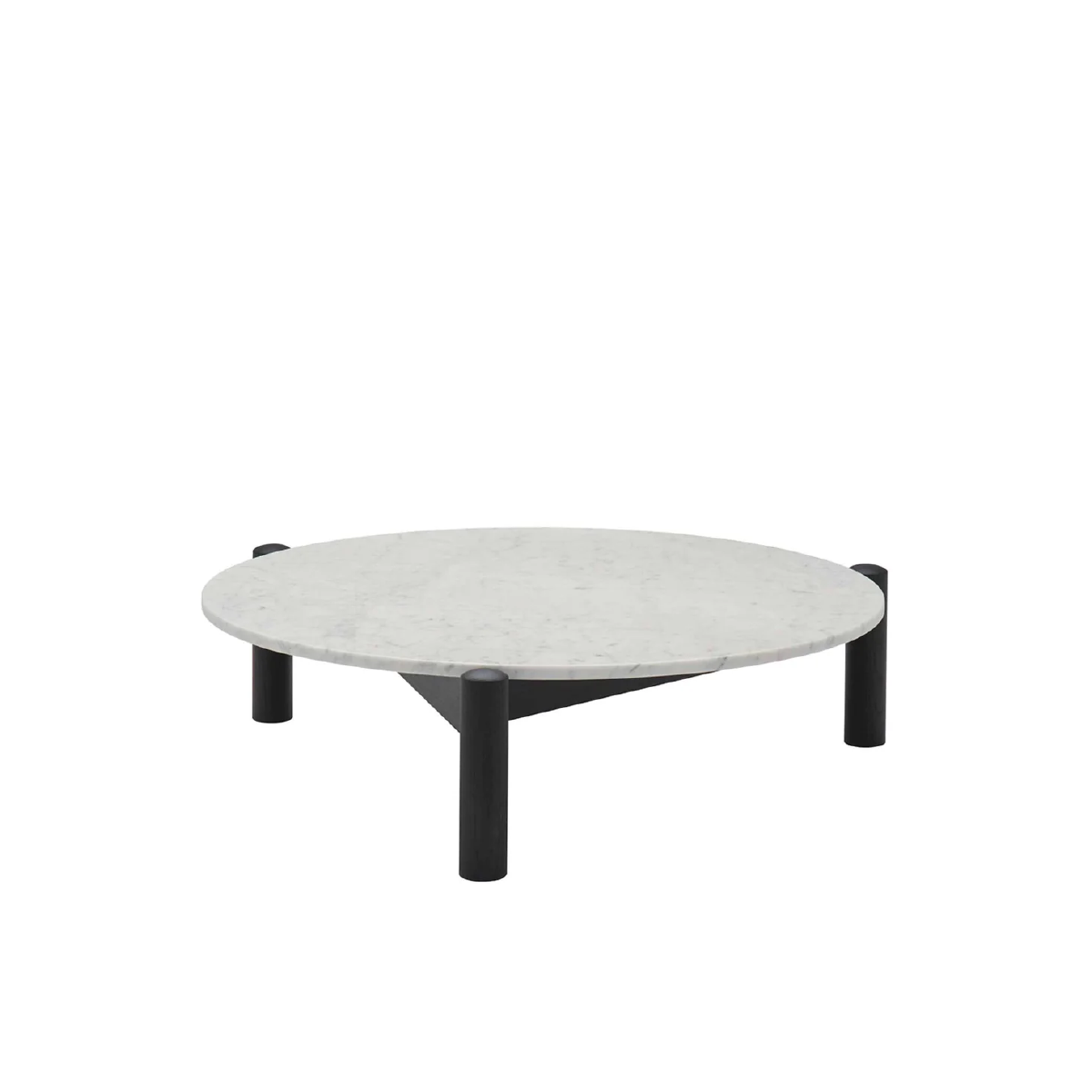
Table a Plateau
Made by Cassina
Designed by Charlotte Perriand
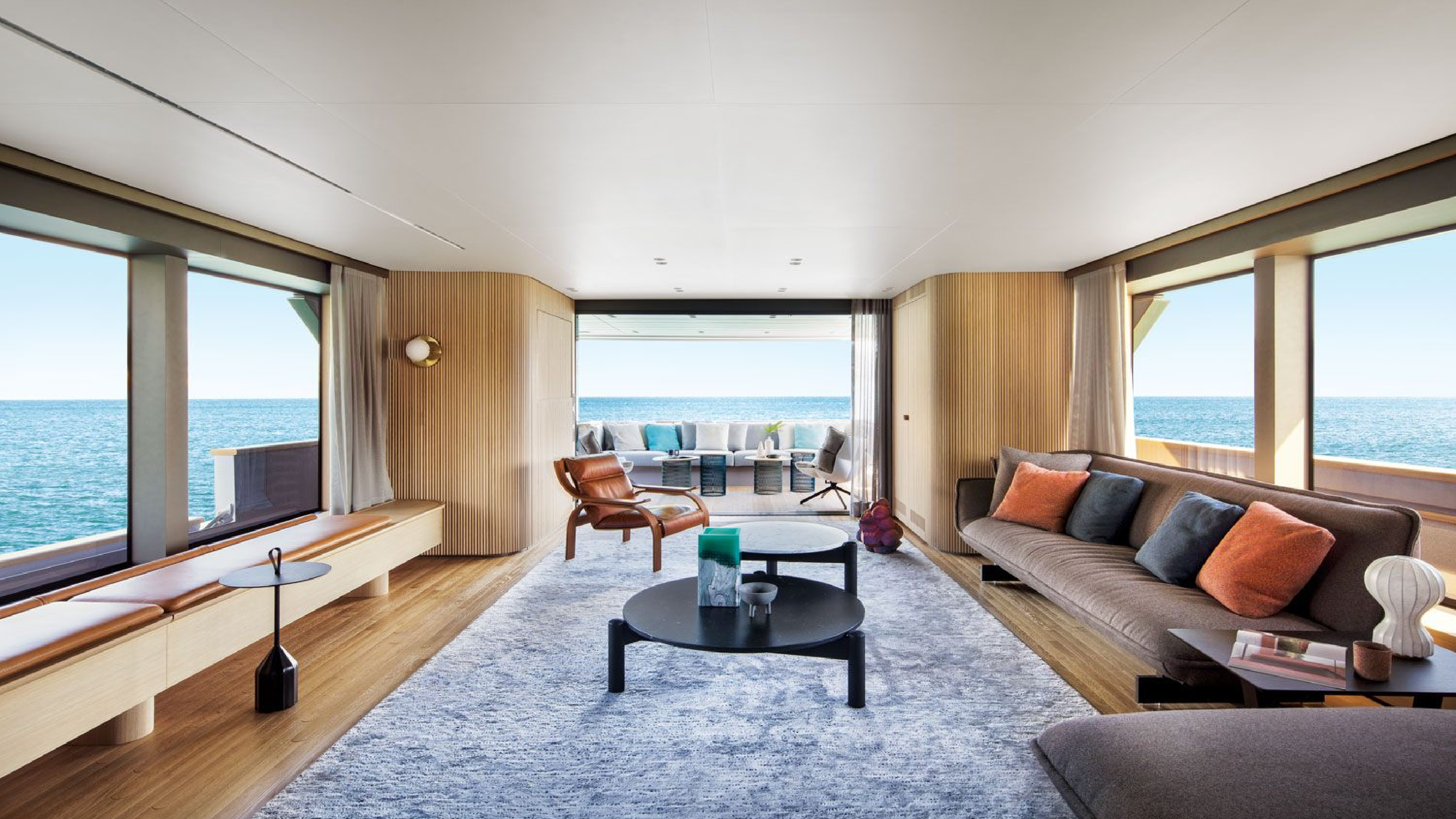
Charlotte Perriand conceived the Table à Plateau Interchangeable in 1937, first placing it in her Paris studio on the Rue Nungesser-et-Coli. From that beginning, the design became a quiet constant across decades of her practice.
It reappeared in her Japanese-influenced work of the 1940s, where tops were rendered in woven natural materials, and later furnished the communal living rooms of Le Corbusier's Unité d'Habitation in Marseille. Few objects can claim such a range of cultural contexts without revision.
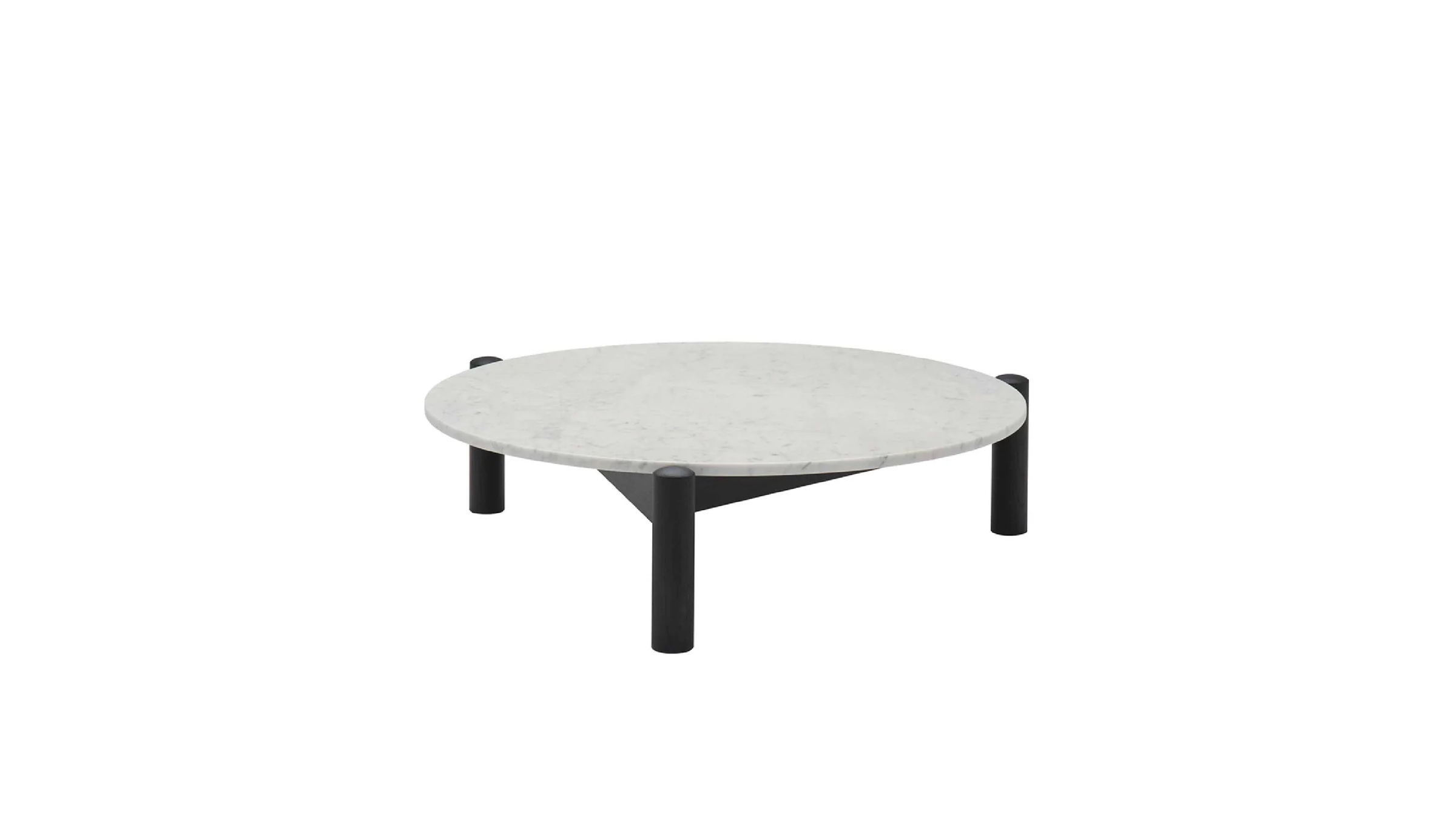
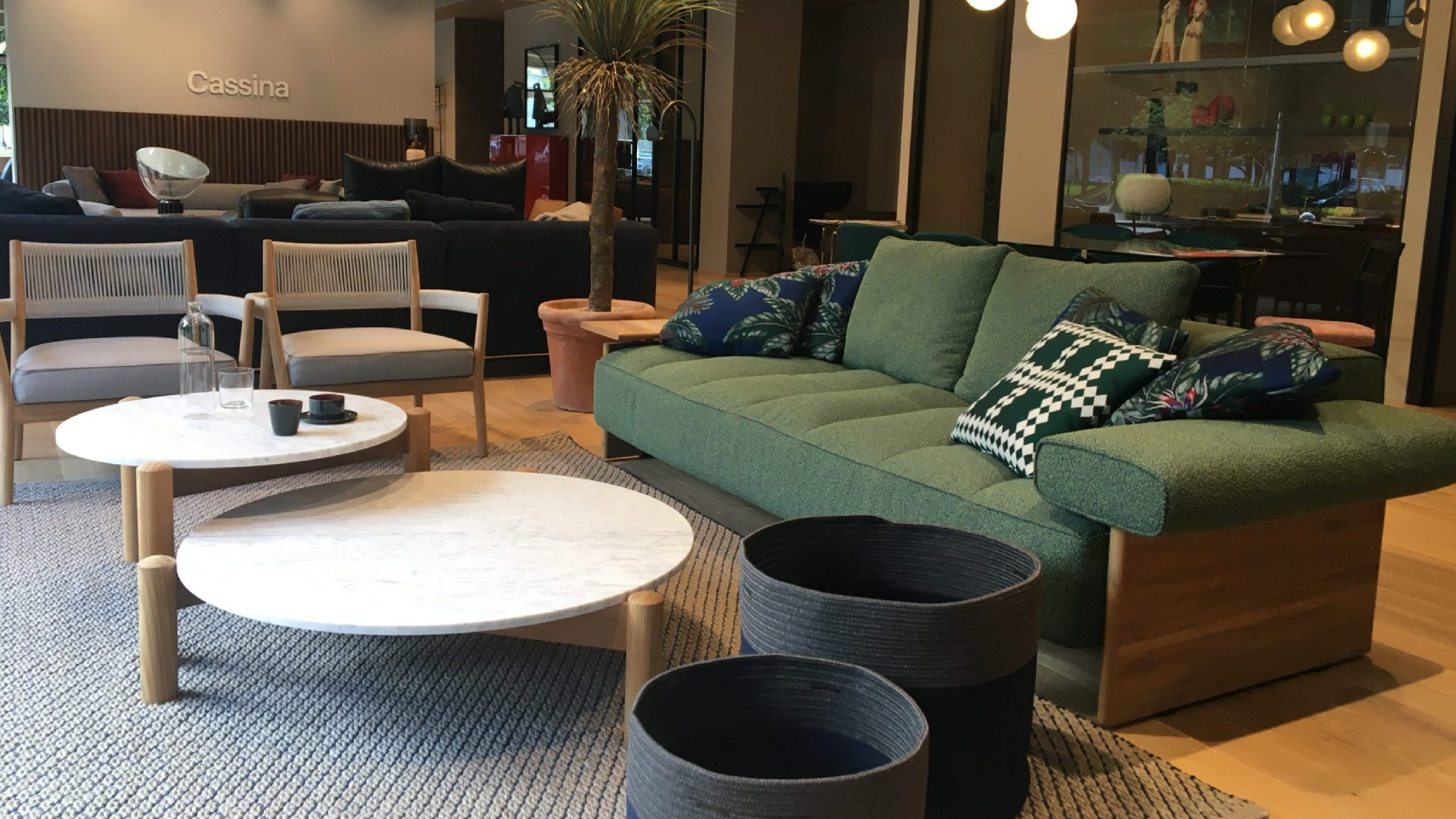
Three cylindrical legs in solid teak, braced by precise crosspieces, support a top conceived for interchangeability. That structural decision was never merely practical. It allowed the table to adapt across climates, cultures, and programs while holding its formal identity intact.
Reissued as part of Cassina's I Maestri collection and adapted for outdoor use, the table arrives today much as Perriand left it: resolved, unhurried, and indifferent to trend.
Made to order by Cassina, tailored to you.
Get customization options, swatch samples and pricing for your project.
Pairs Well With
Product Details
Tear Sheet
Pricing & Warranty
Pricing for made-to-order items varies based on configuration, finishes, and customization options. Please contact one of our design consultants or visit a showroom near you for current pricing and personalized assistance.
Luminaire is an authorized retailer of Cassina. The product comes with a full manufacturer warranty.
Authenticity guaranteed. Genuine product, authenticated and sourced directly from the manufacturer.
Frequently Asked Questions
When did Charlotte Perriand design the Table à Plateau?
Perriand designed the Table à Plateau Interchangeable in 1937. It first appeared in her Paris studio and became a recurring element throughout her career, informing later projects in Japan and at Le Corbusier's Unité d'Habitation in Marseille.
What does 'interchangeable' mean in the Table à Plateau design?
The interchangeable designation refers to the table's top, which was conceived to be swapped out - a structural and philosophical choice that allowed the piece to adapt across different cultural contexts, from Modernist European interiors to Japanese-influenced settings with woven natural-material tops.
What is the Cassina I Maestri collection?
Cassina's I Maestri collection is a curated group of reissued works by defining figures of twentieth-century architecture and design - including Le Corbusier, Charlotte Perriand, and Gerrit Rietveld - produced under license and in close dialogue with the designers' archives or estates.
Is the Table à Plateau suitable for outdoor use?
Yes. The current Cassina reissue of the Table à Plateau has been adapted for outdoor use, with solid teak chosen for its natural resistance to the elements and its ability to develop a distinguished silver-grey patina over time when left untreated.
How does Charlotte Perriand's work relate to Japanese design?
Following an advisory role with the Japanese Ministry of Trade in the early 1940s, Perriand spent time in Japan, where she developed a deep appreciation for natural materials and craft traditions. This influence is visible in her use of woven tops and locally sourced materials in pieces from that period, including variations of the Table à Plateau.