


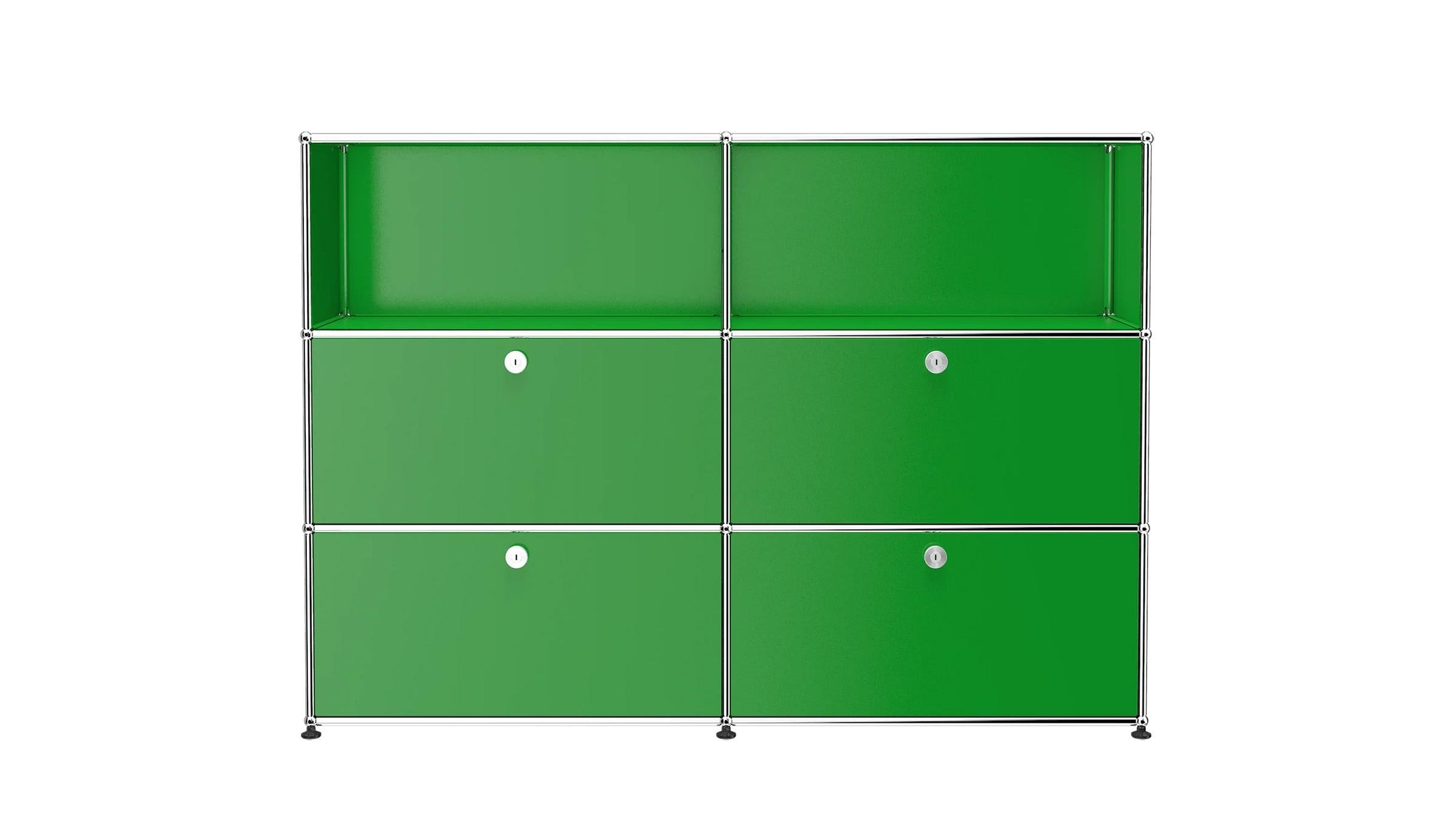
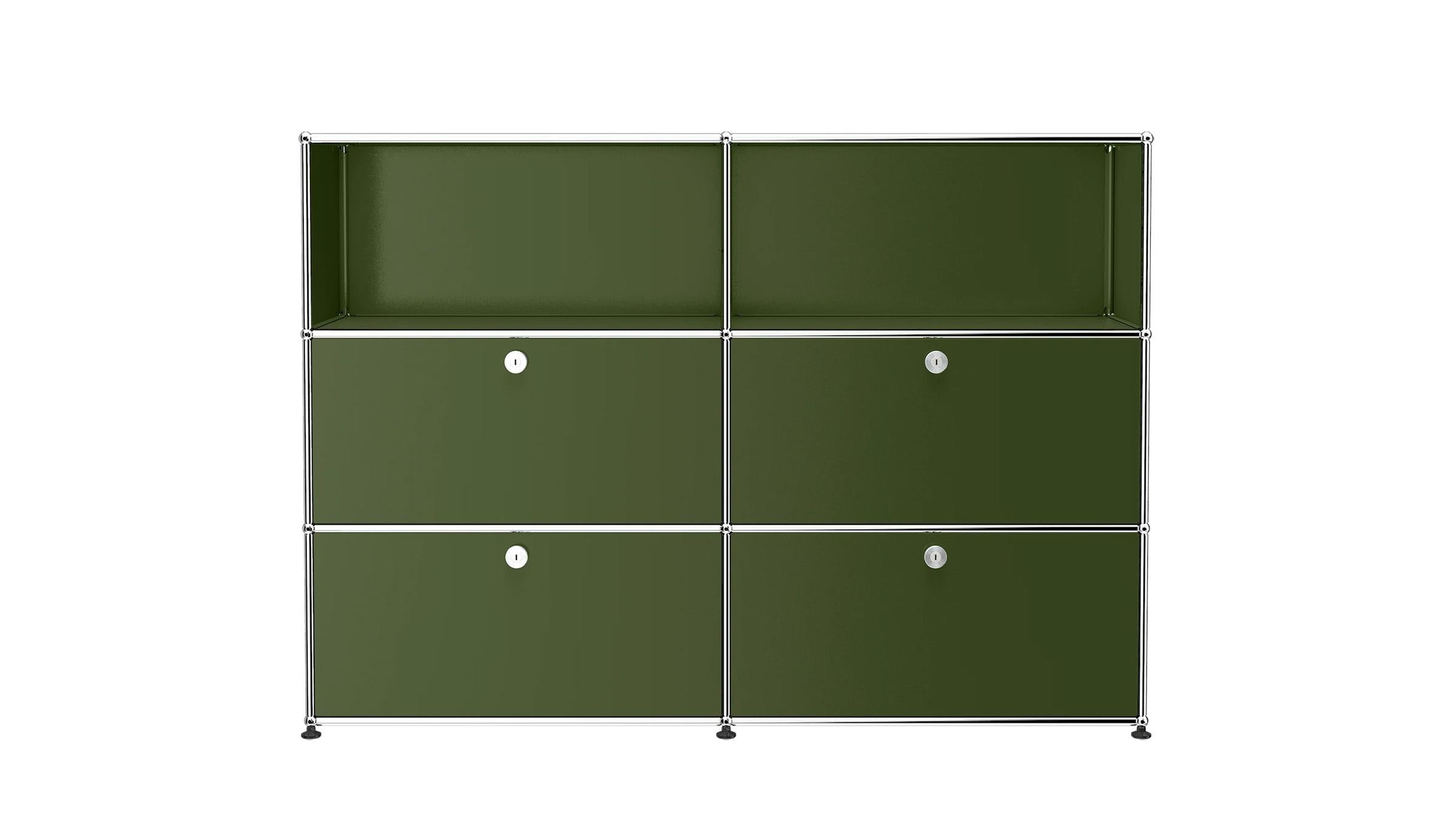
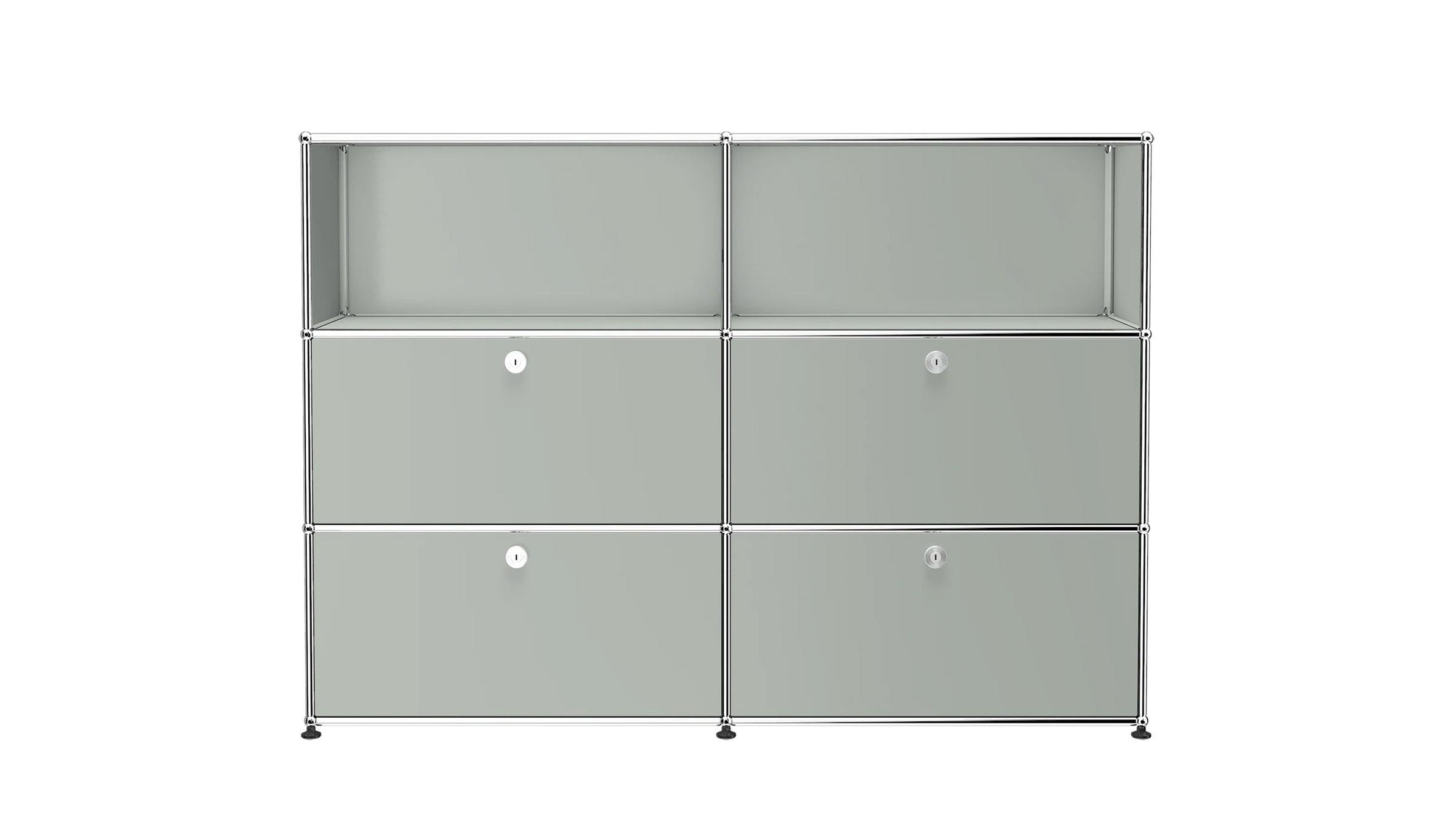
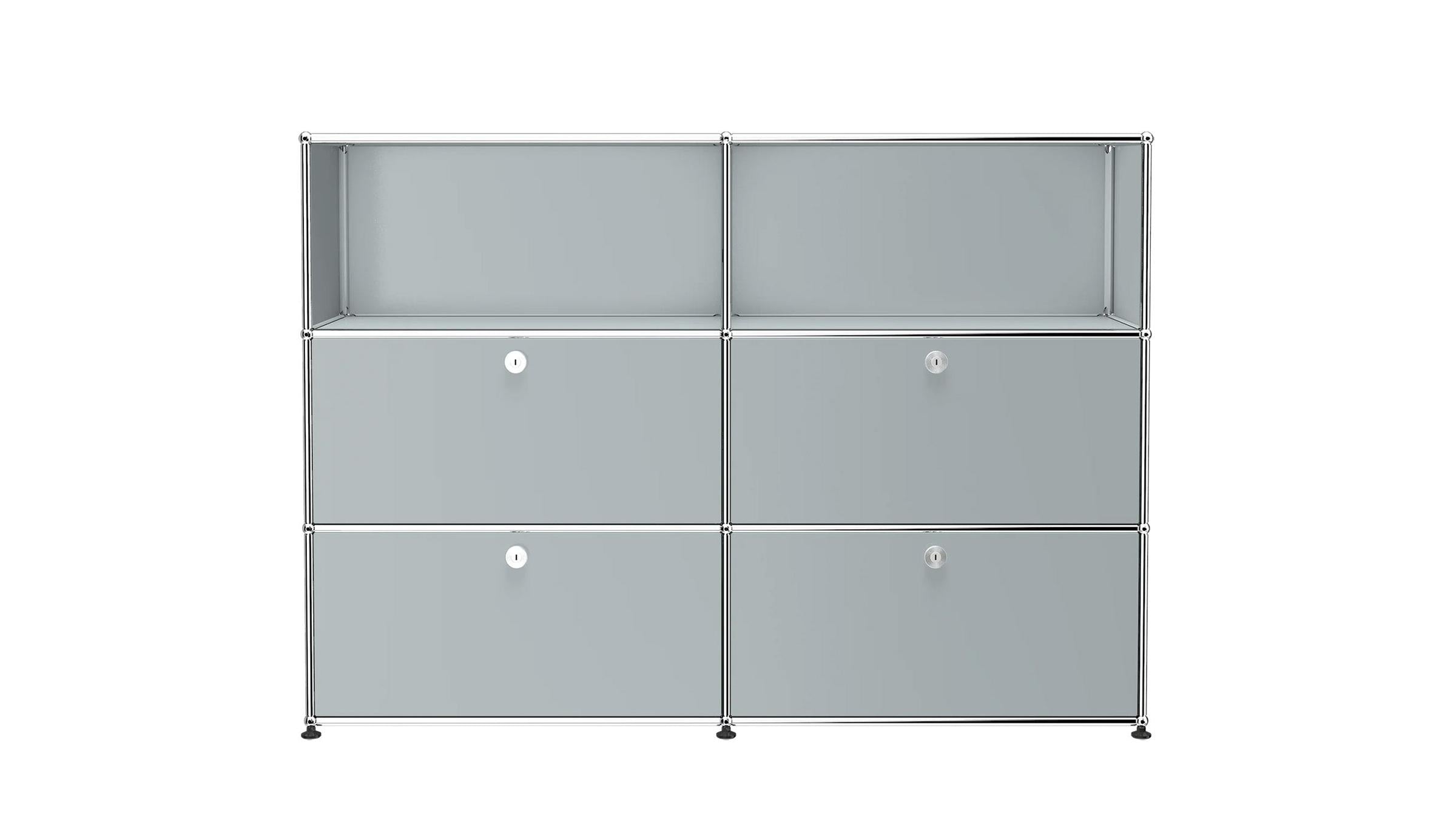
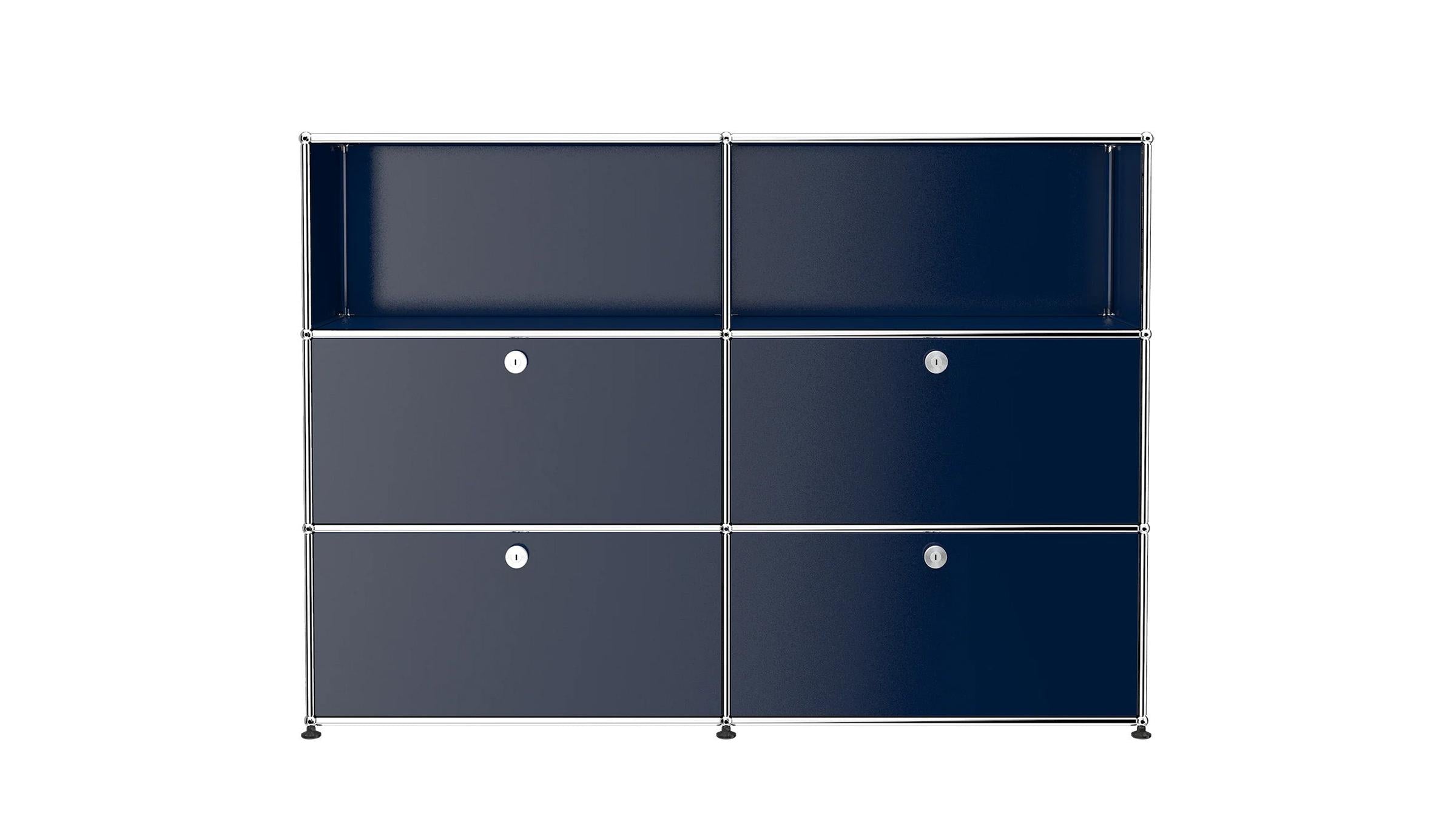
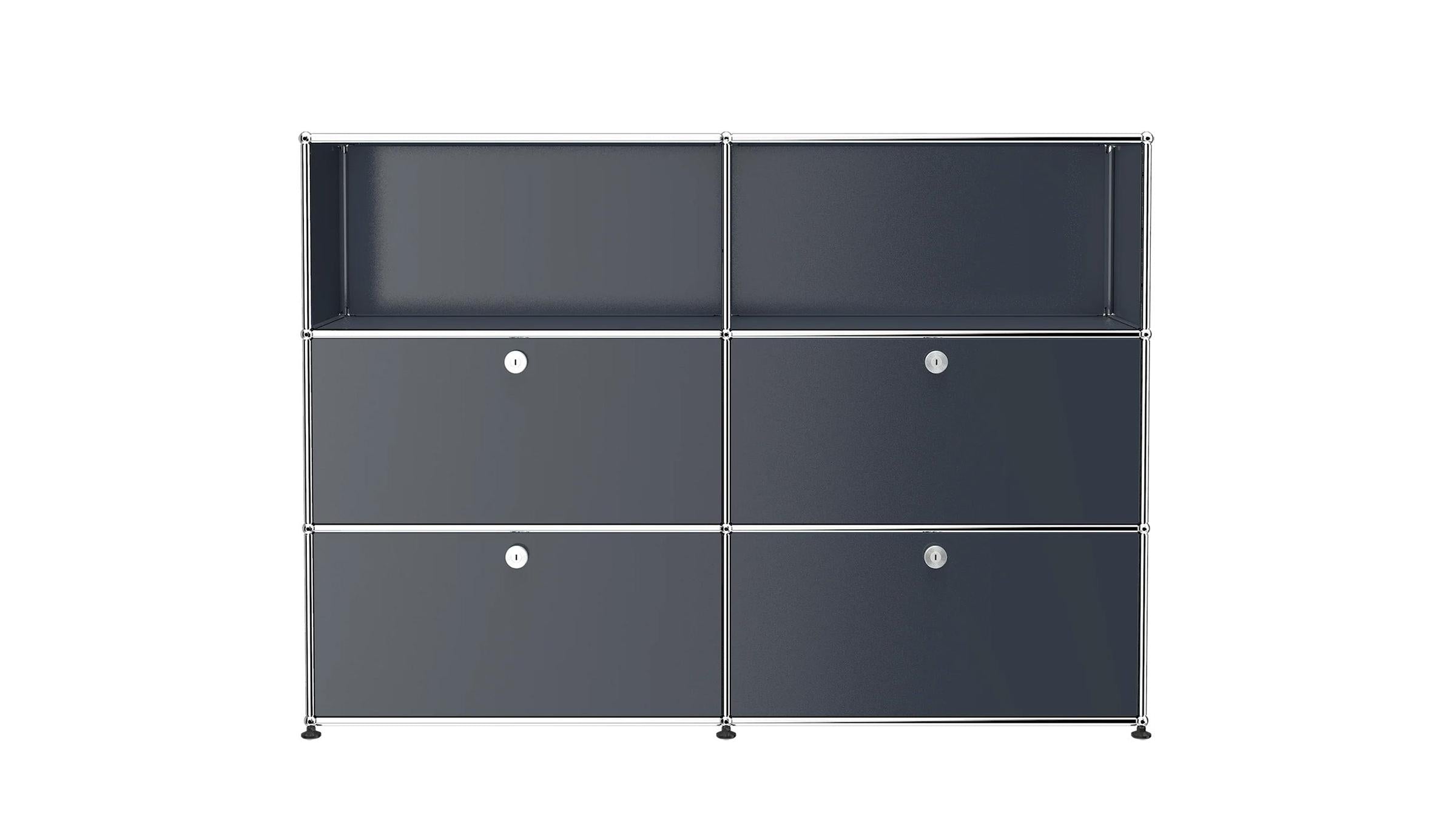
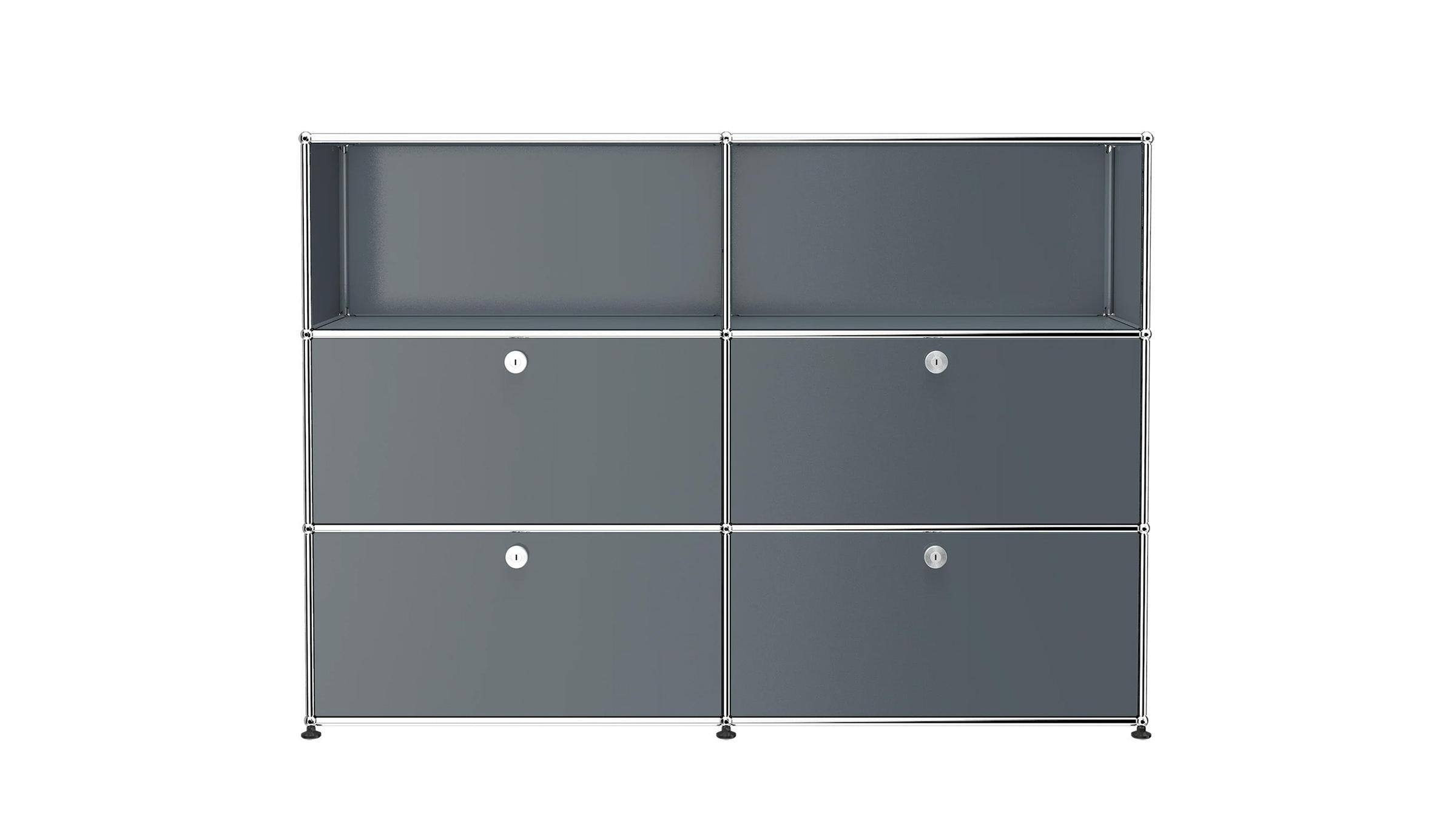
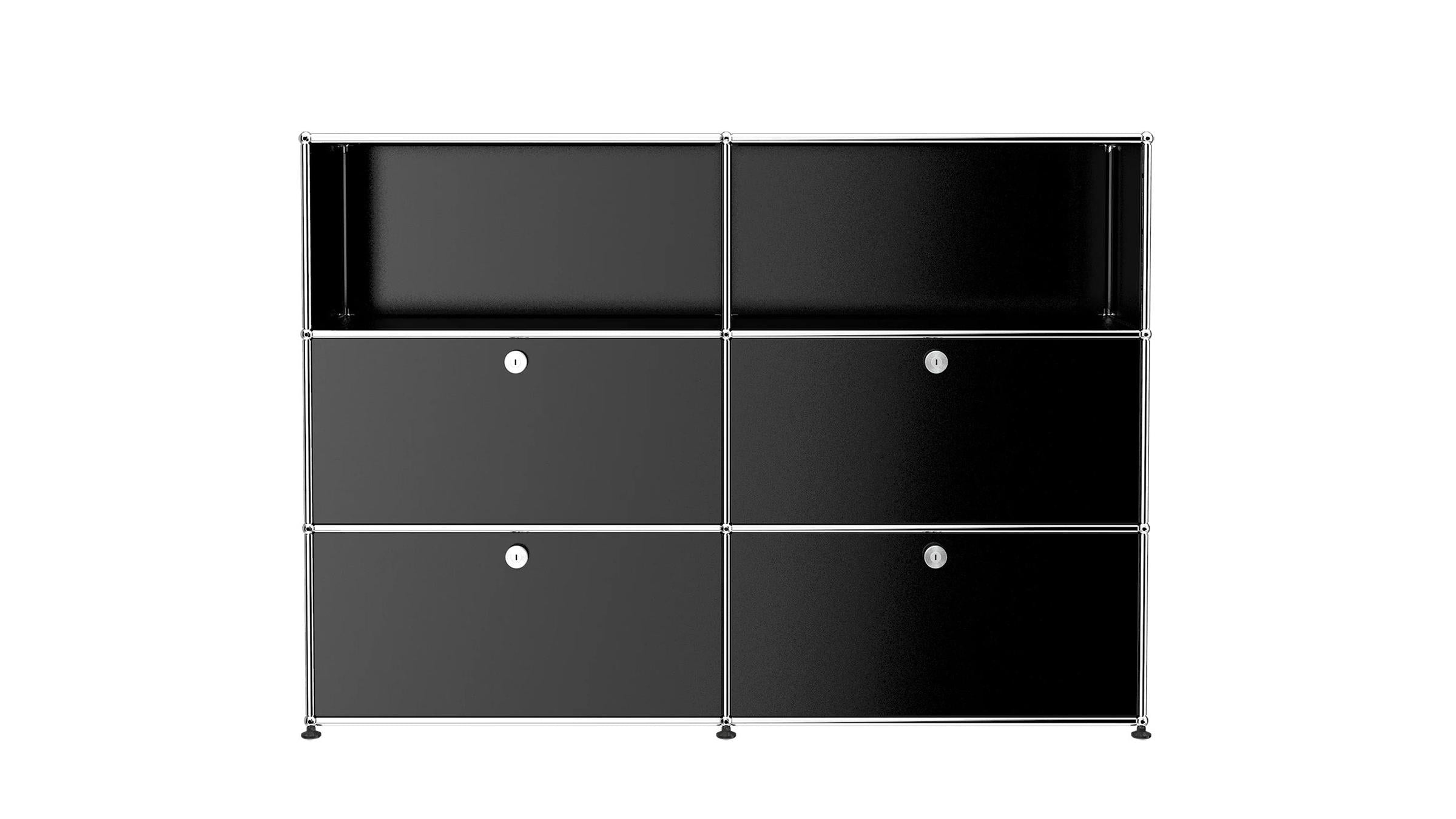
Archiviazione (G2A)
Made by USM Haller
Designed by Fritz Haller
Negli anni Sessanta, l'architetto svizzero Fritz Haller e il produttore di hardware Paul Schärer si posero l'obiettivo di risolvere un problema architettonico: come deve adattarsi un interno all'evoluzione dei suoi occupanti? La loro risposta fu un sistema modulare costruito su una griglia a sfere e tubi in acciaio cromato, governato interamente dalla geometria e dalla logica. Decenni dopo, quel sistema rimane uno dei framework più citati nel design moderno.
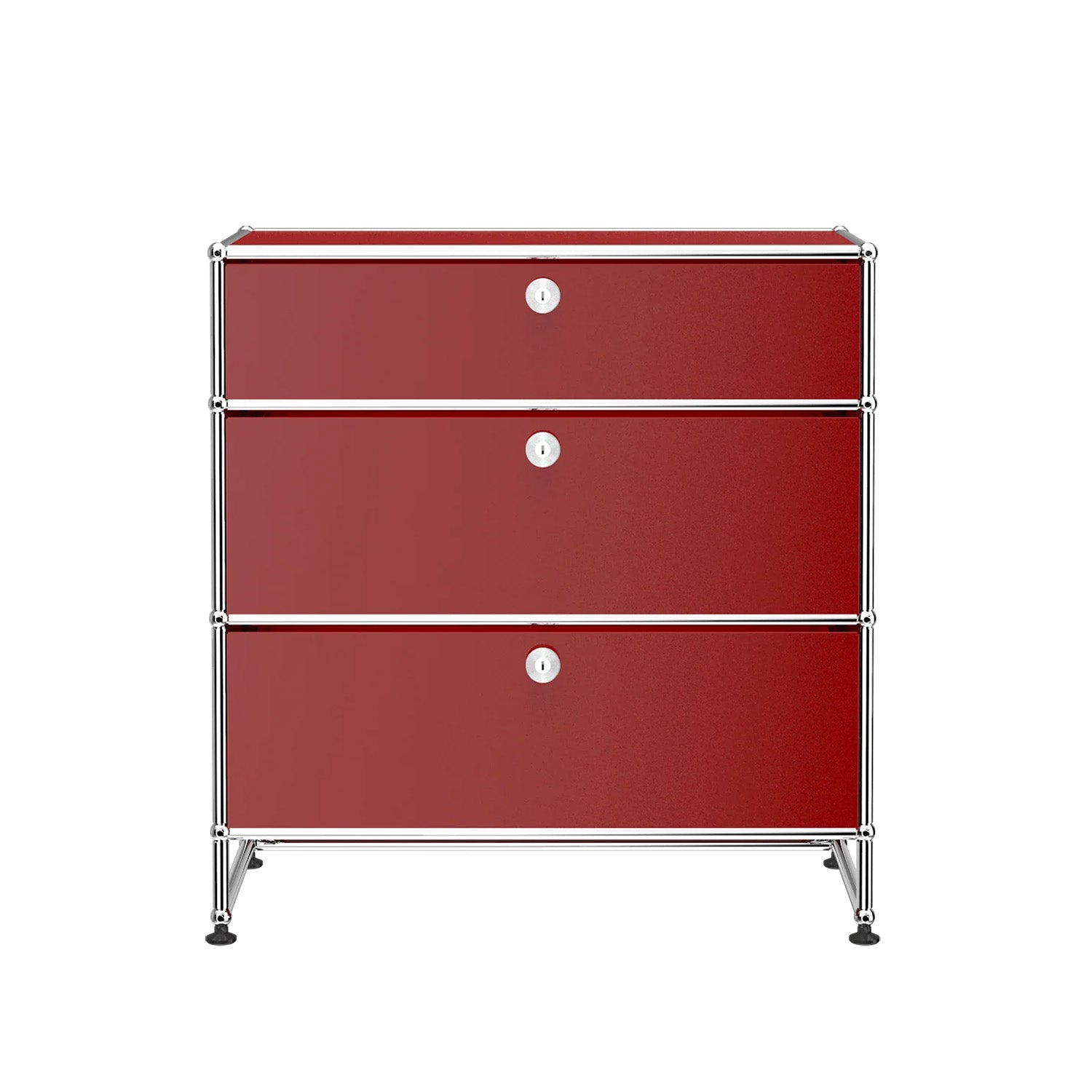
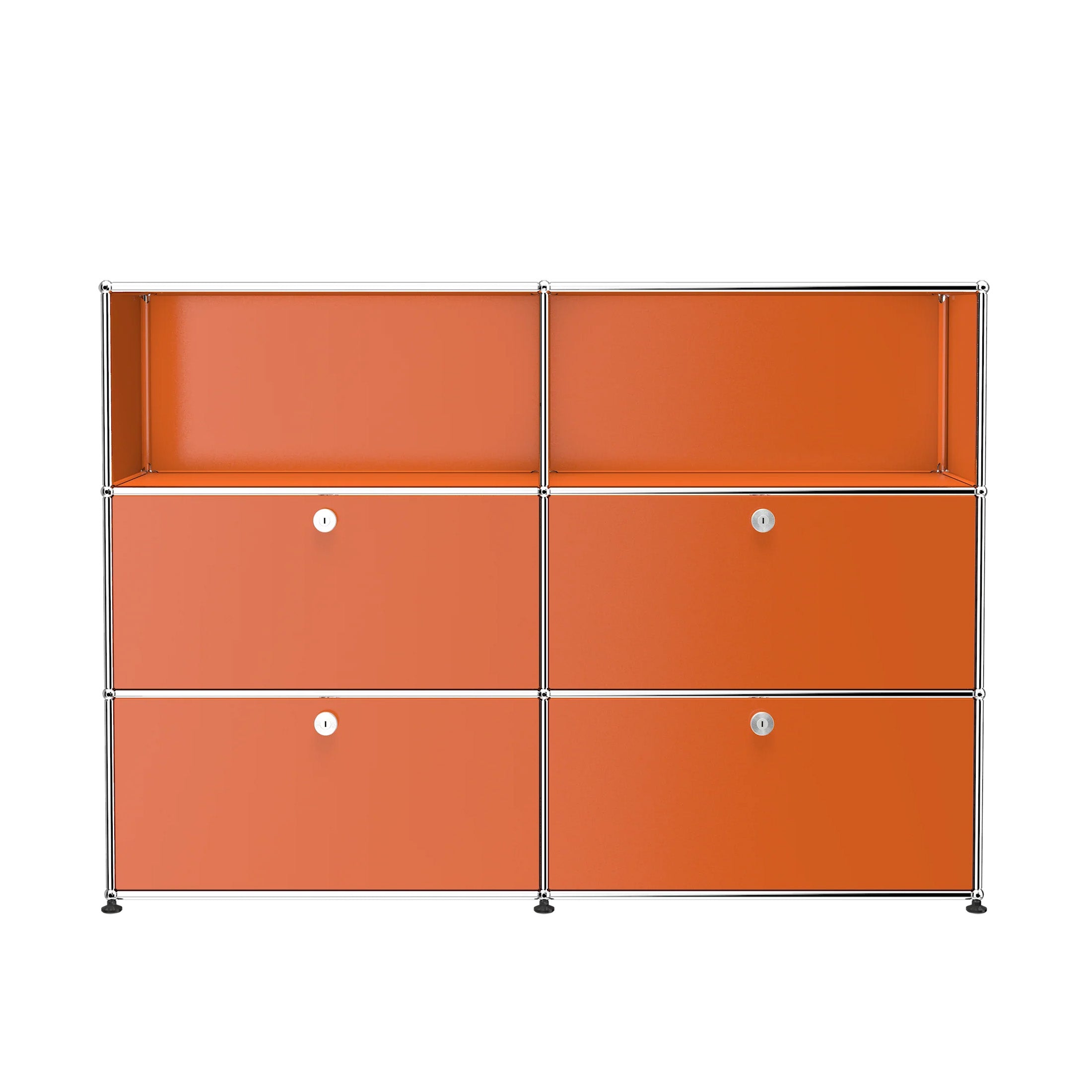
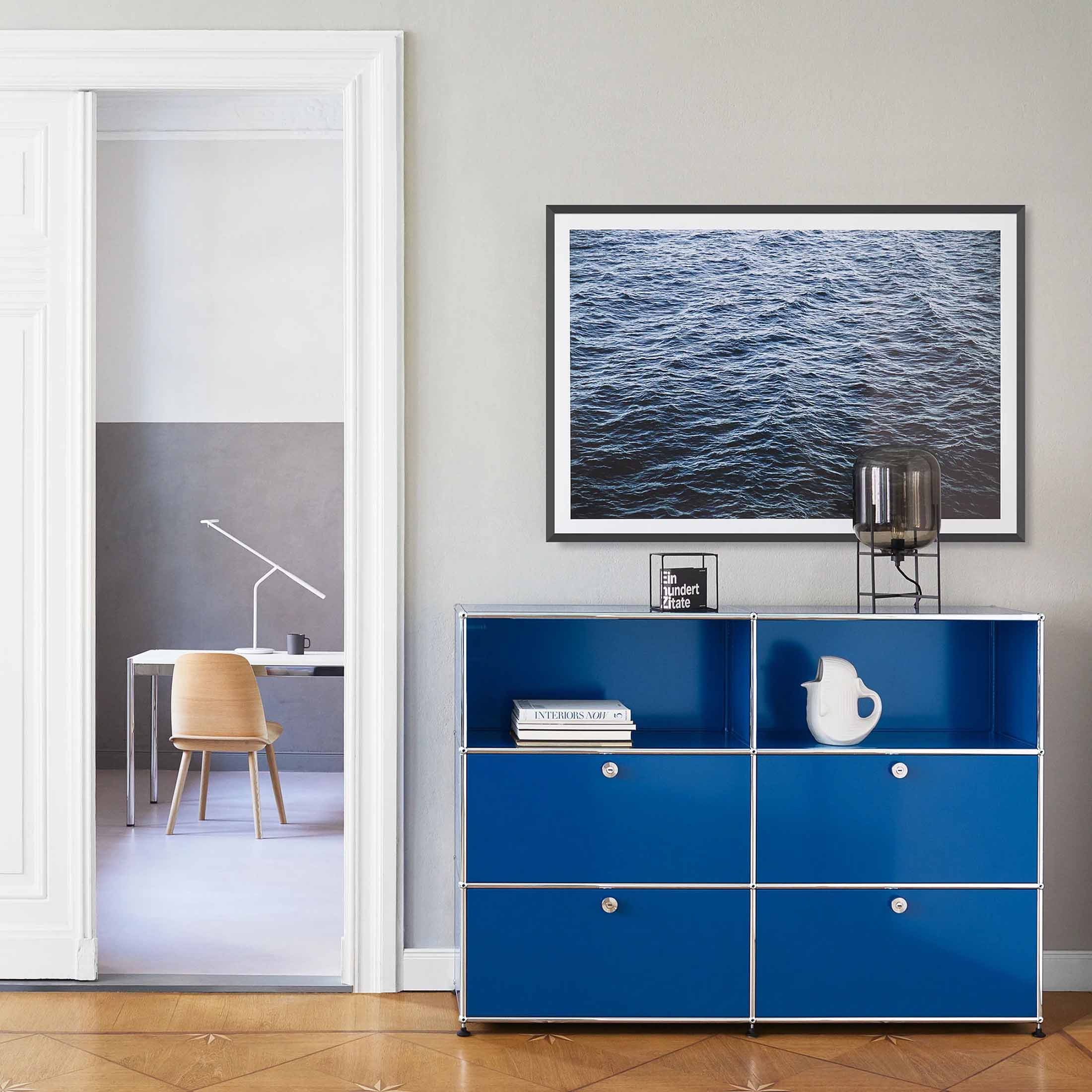
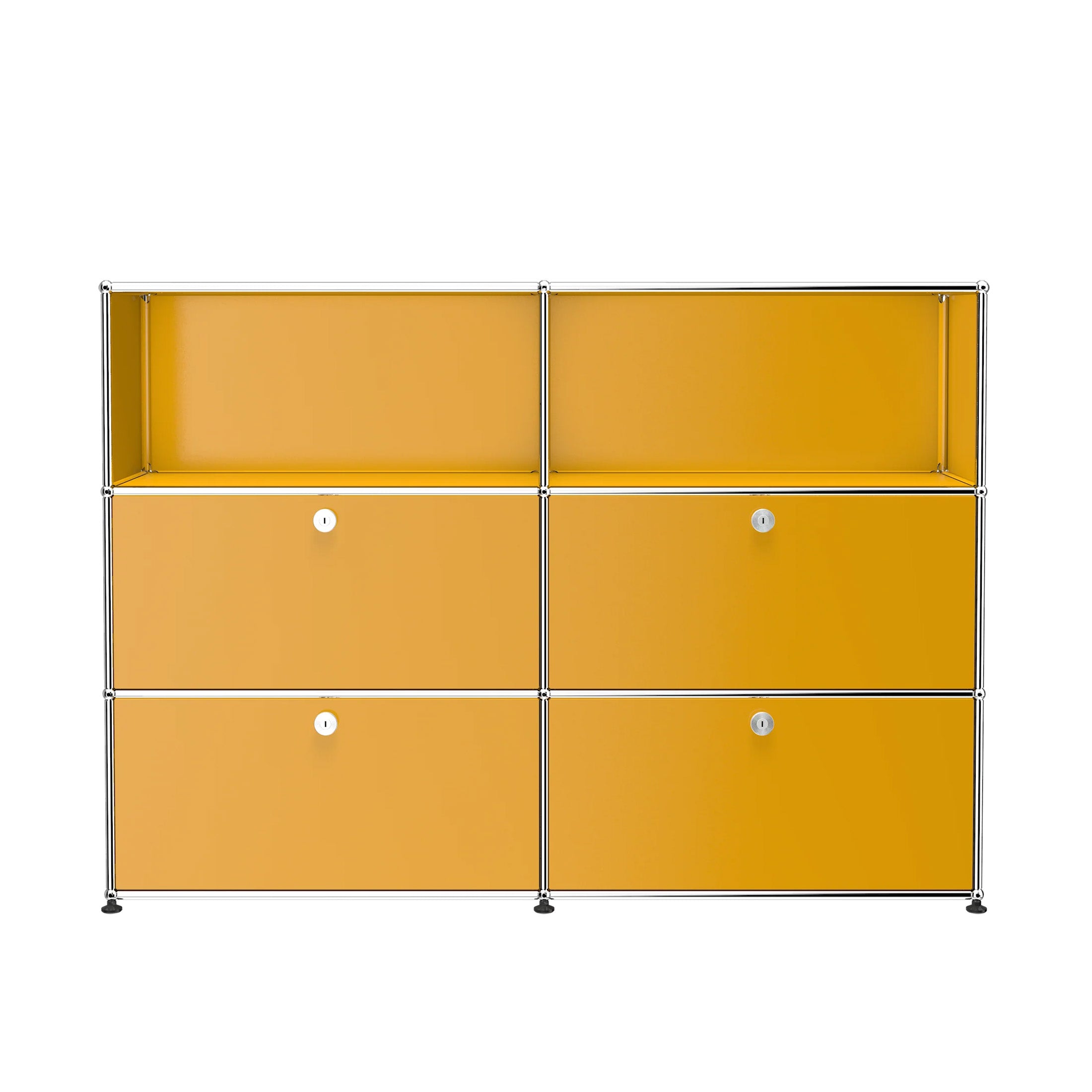
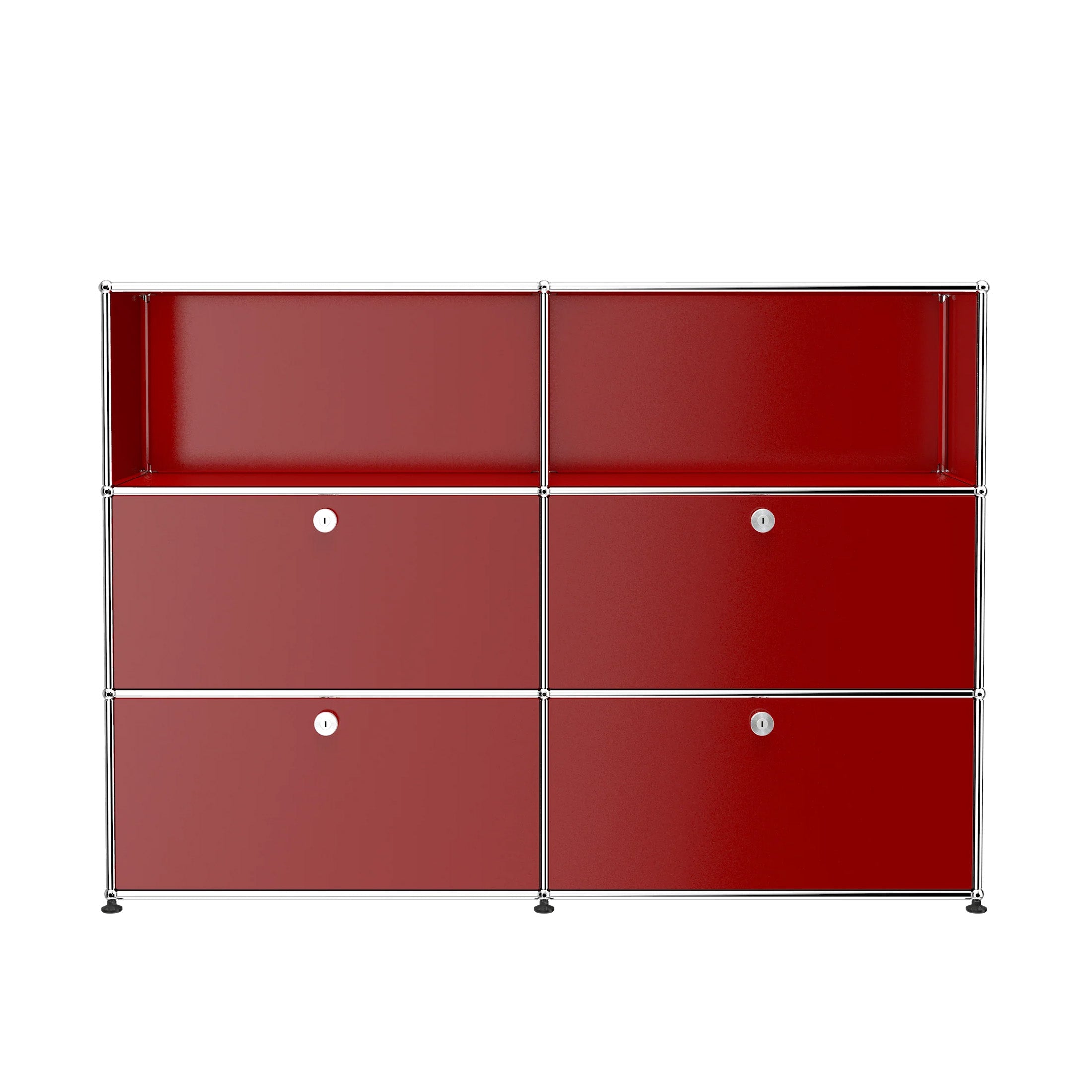
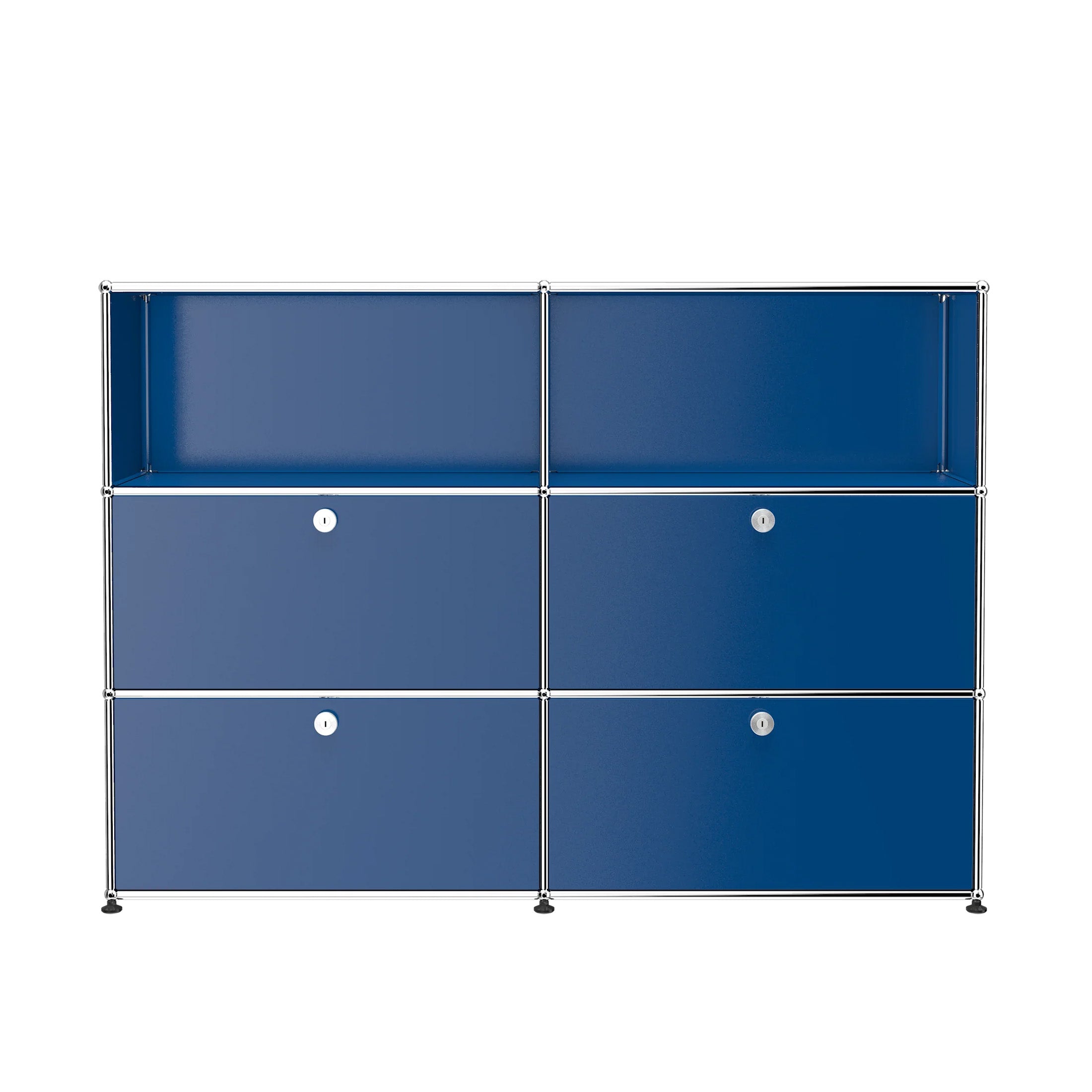
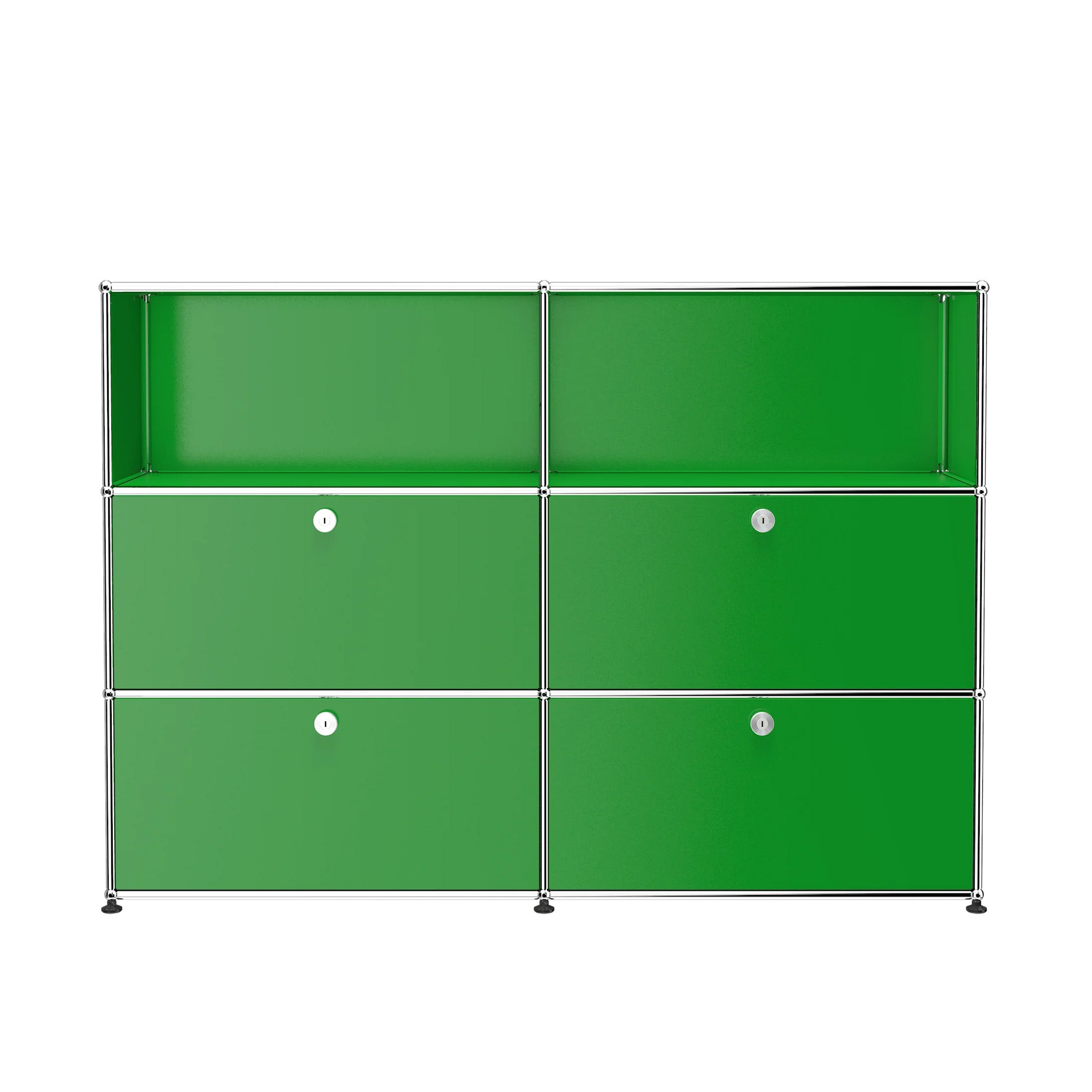
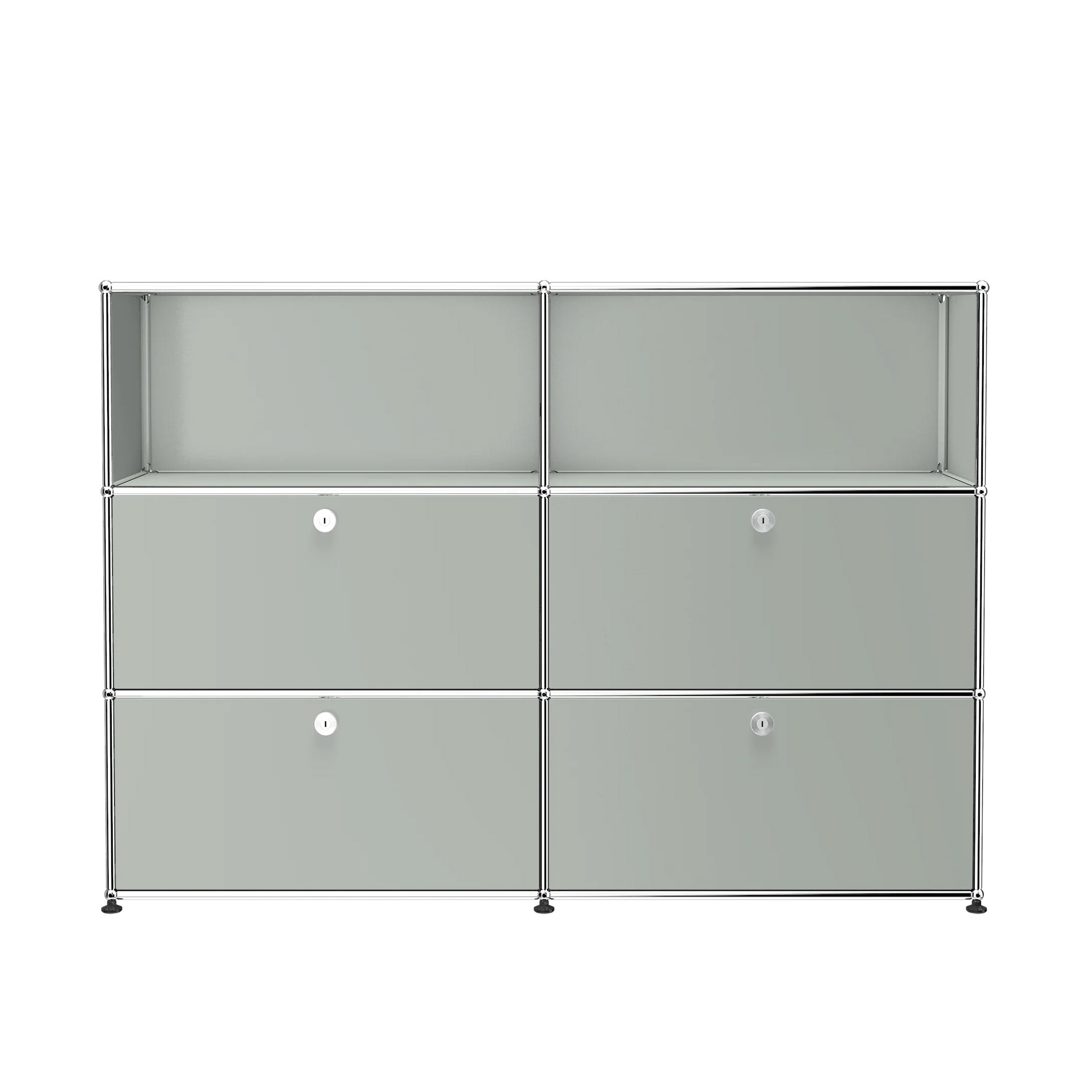
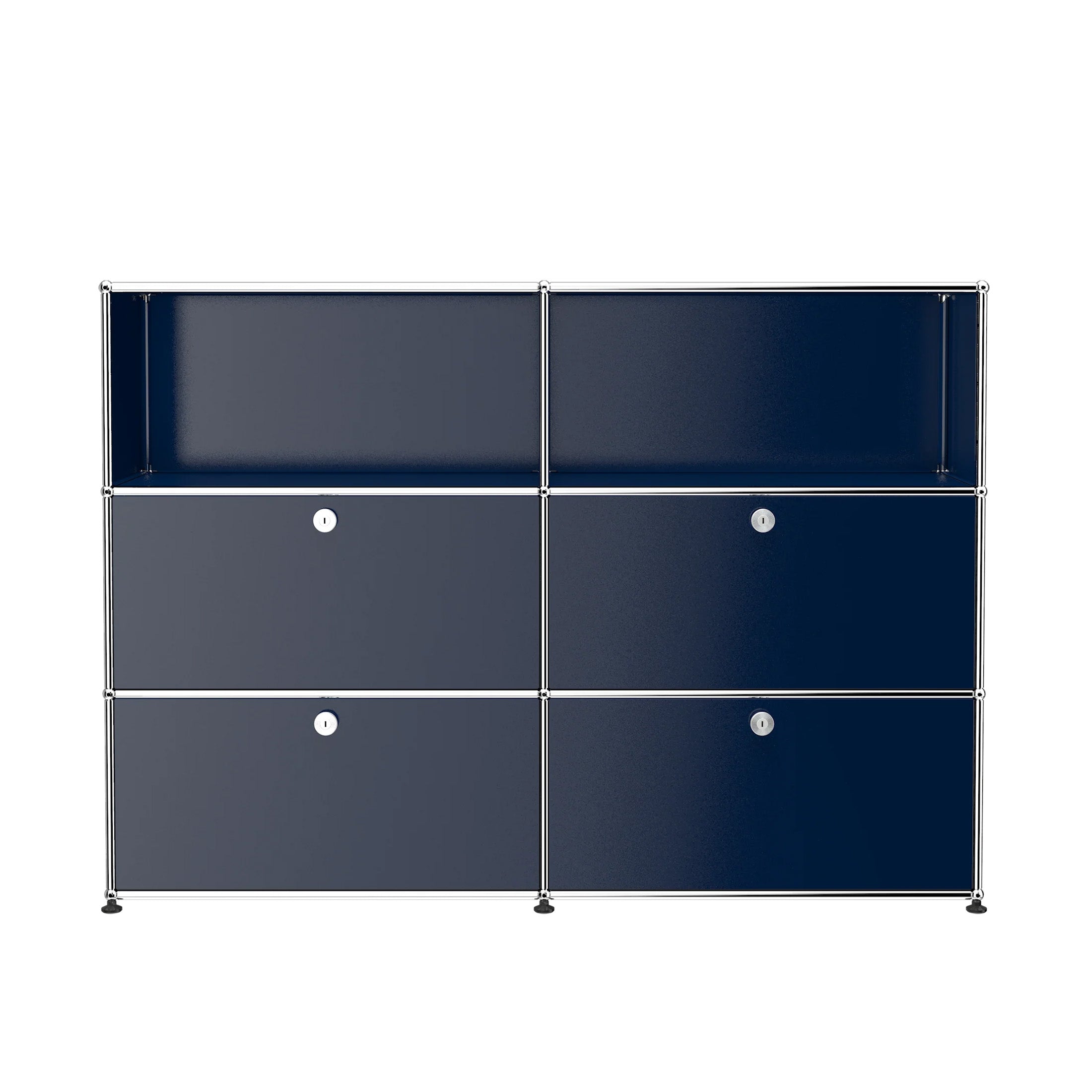
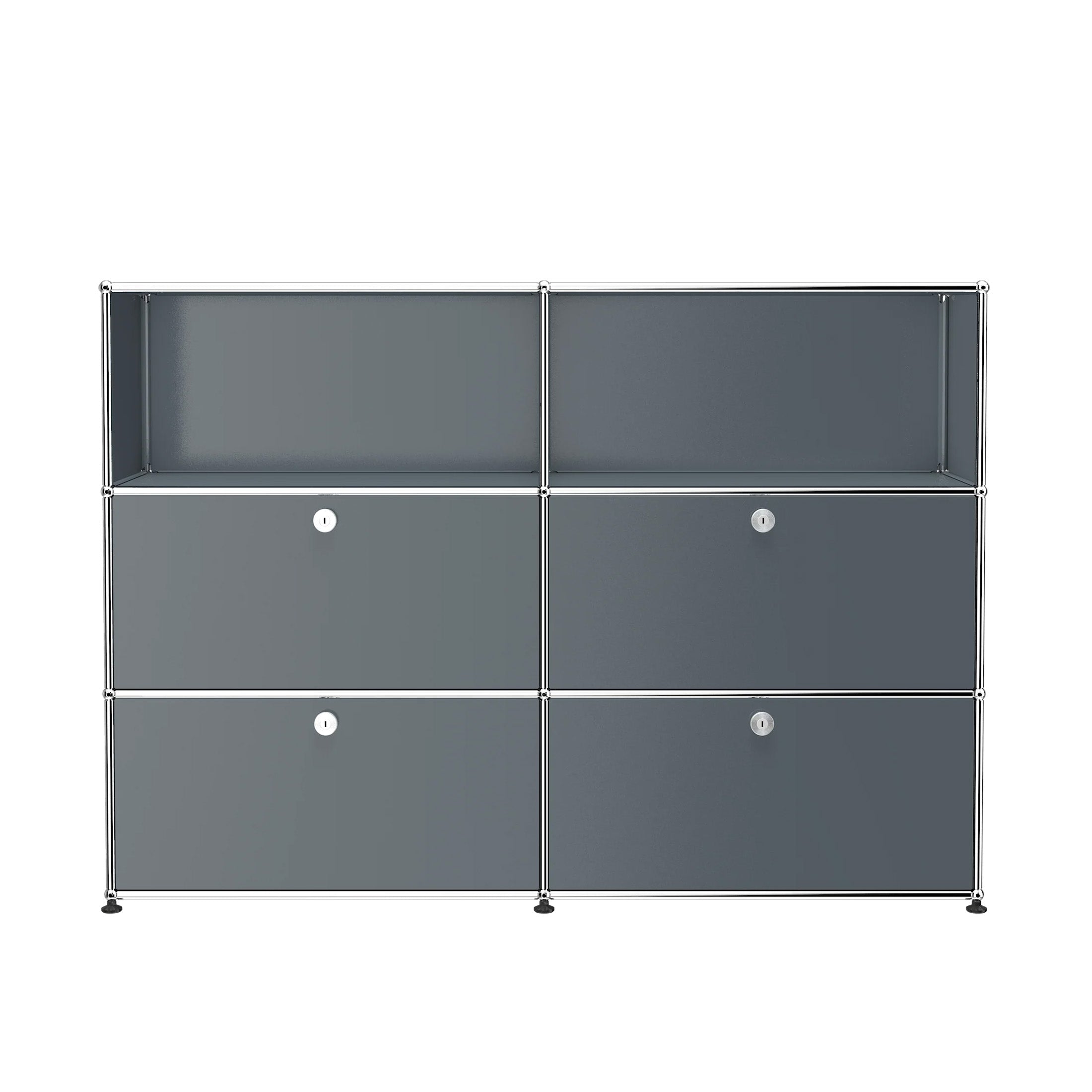
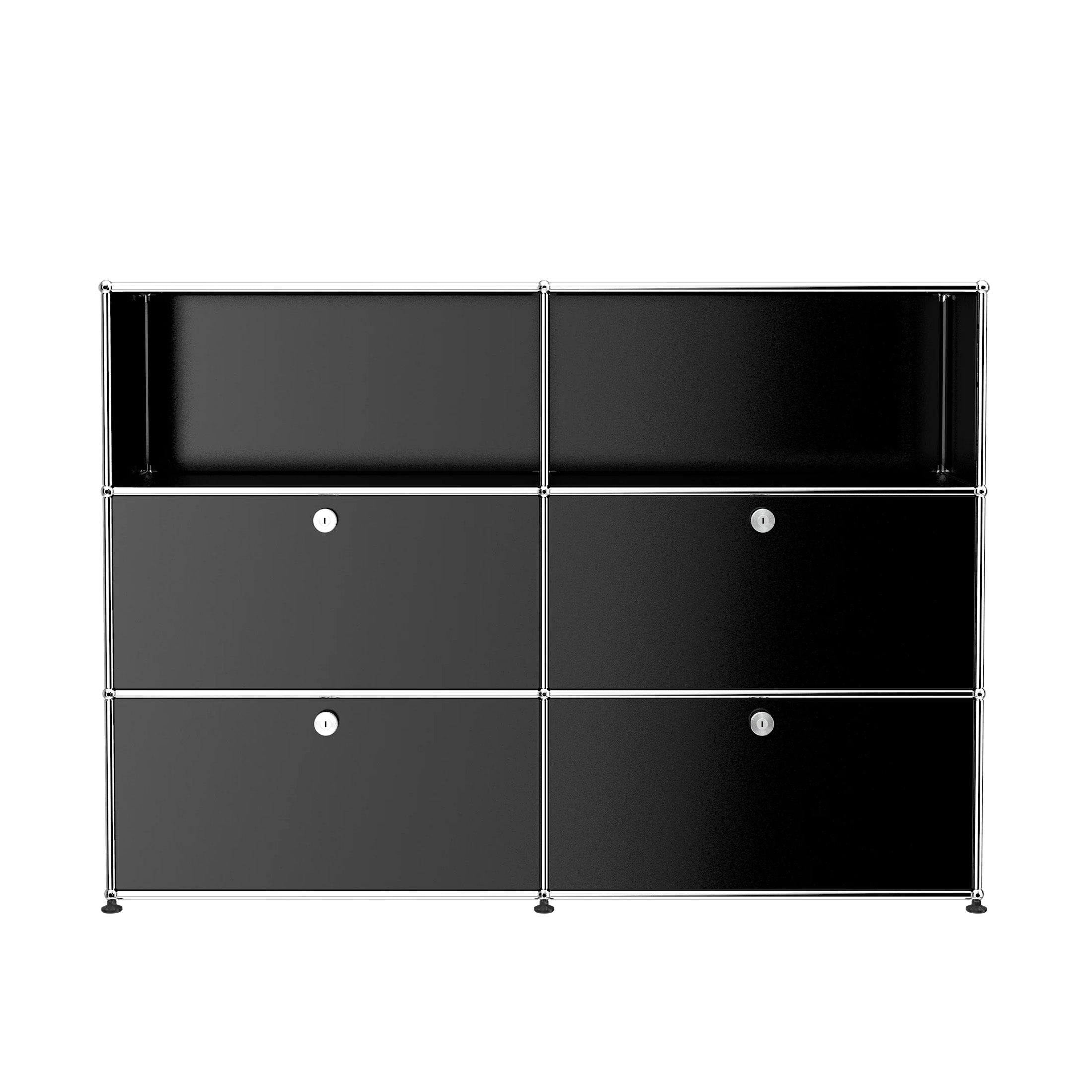
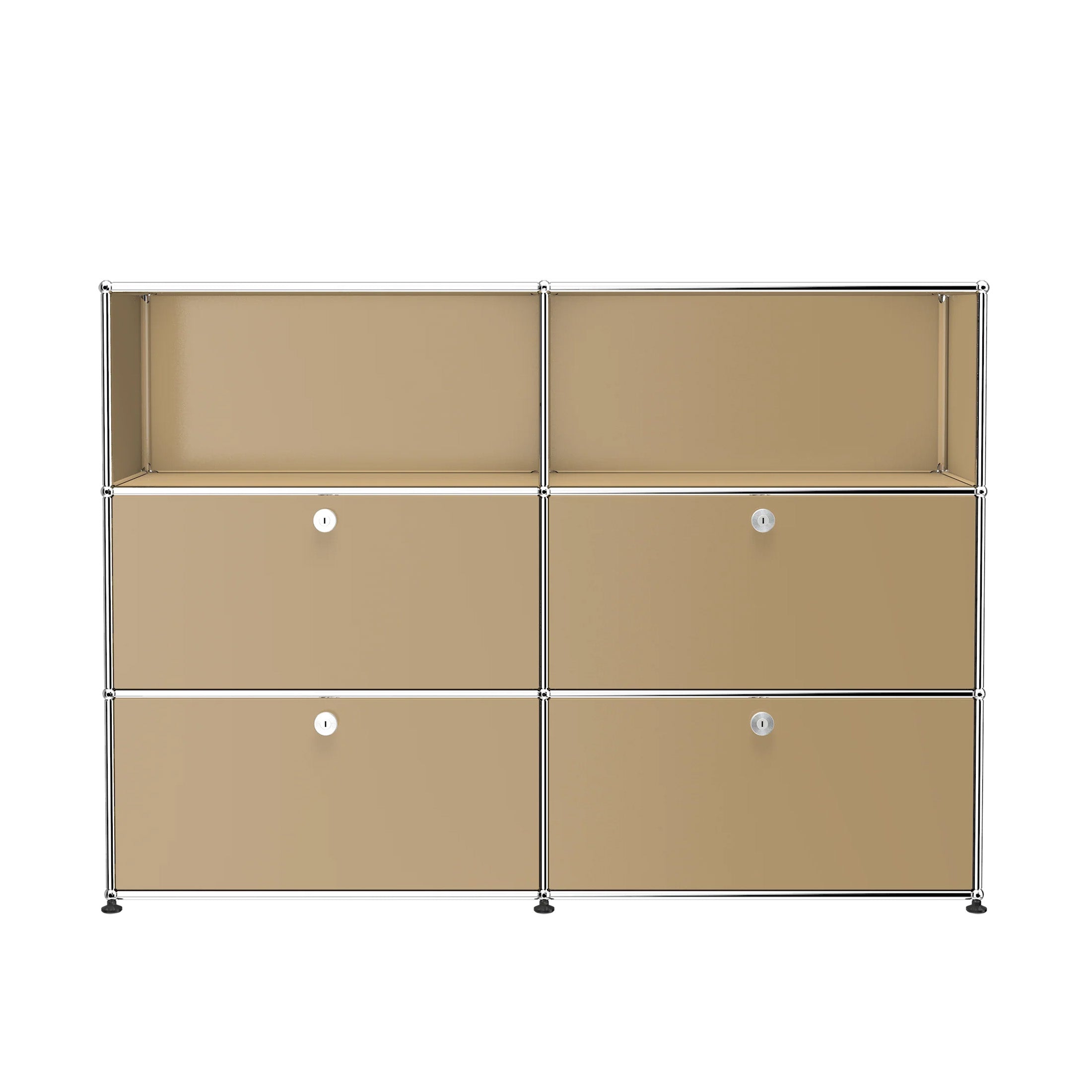
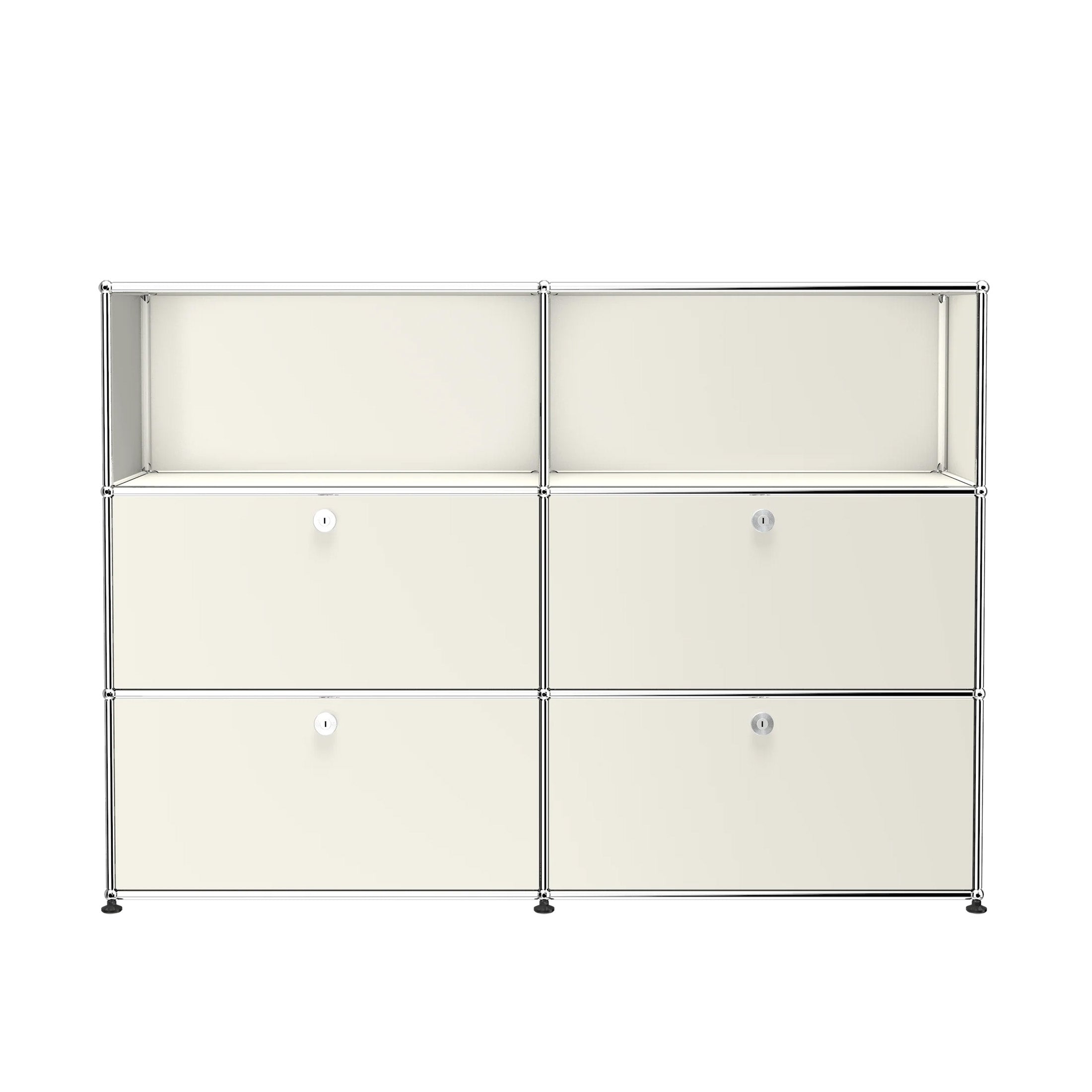
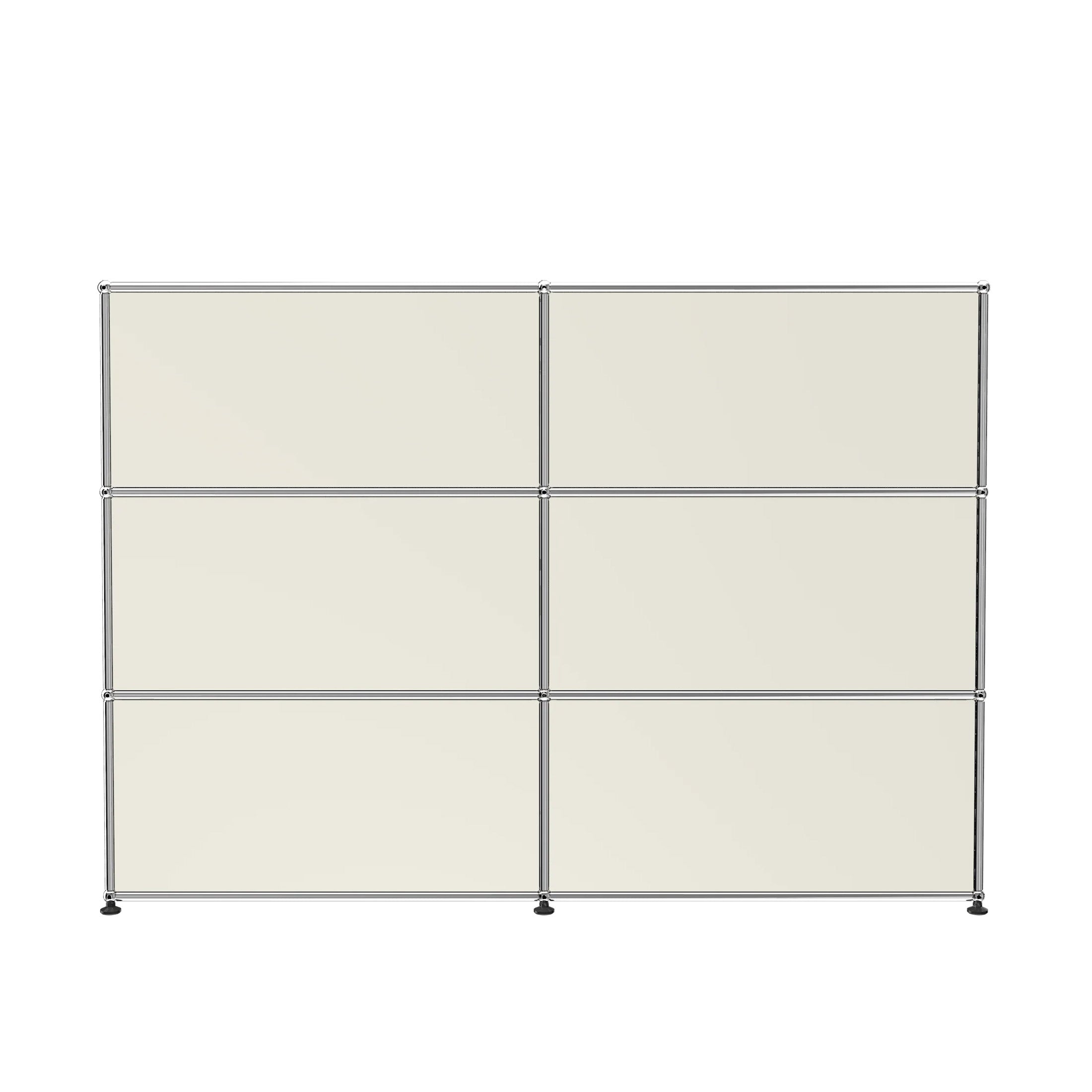
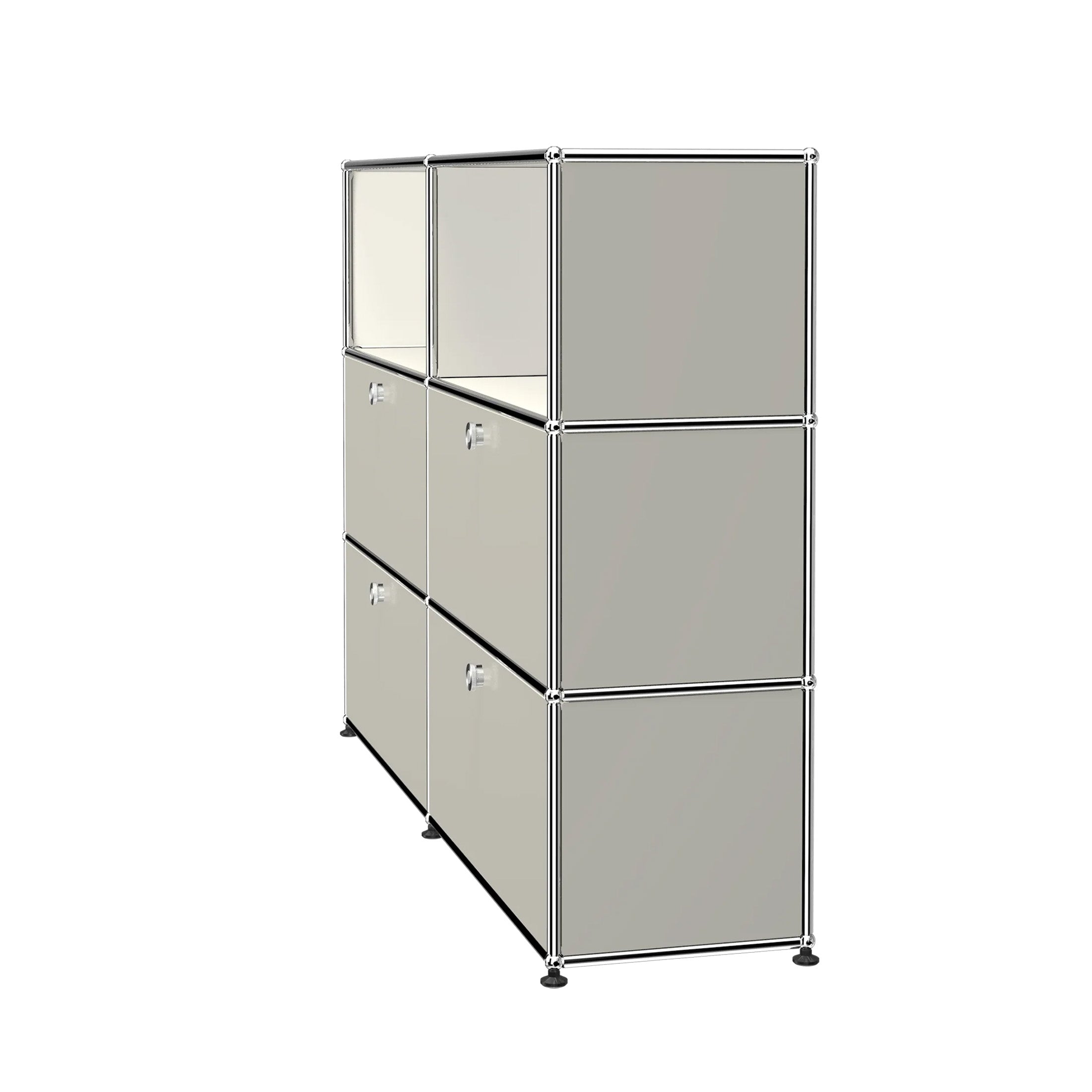
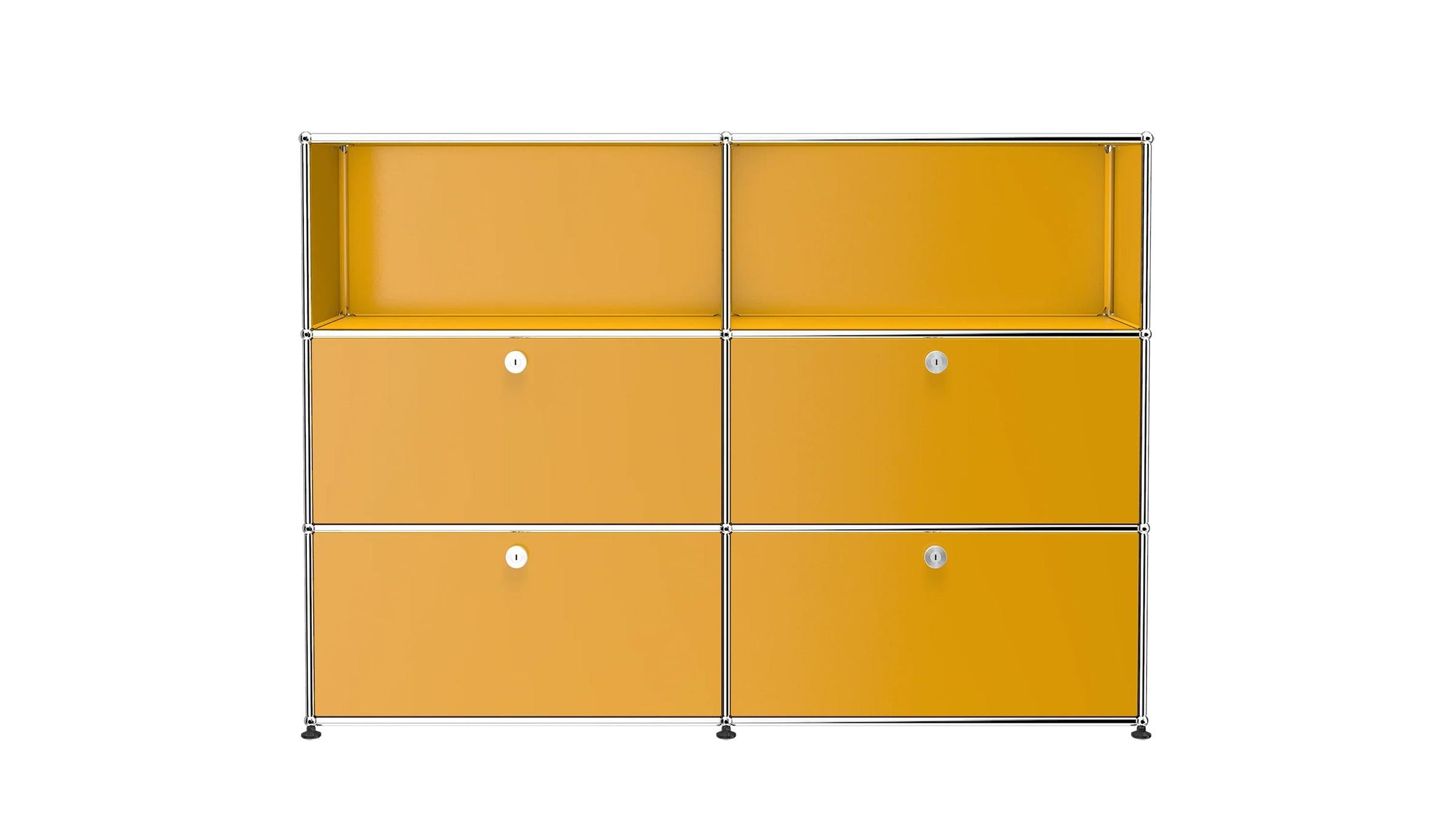
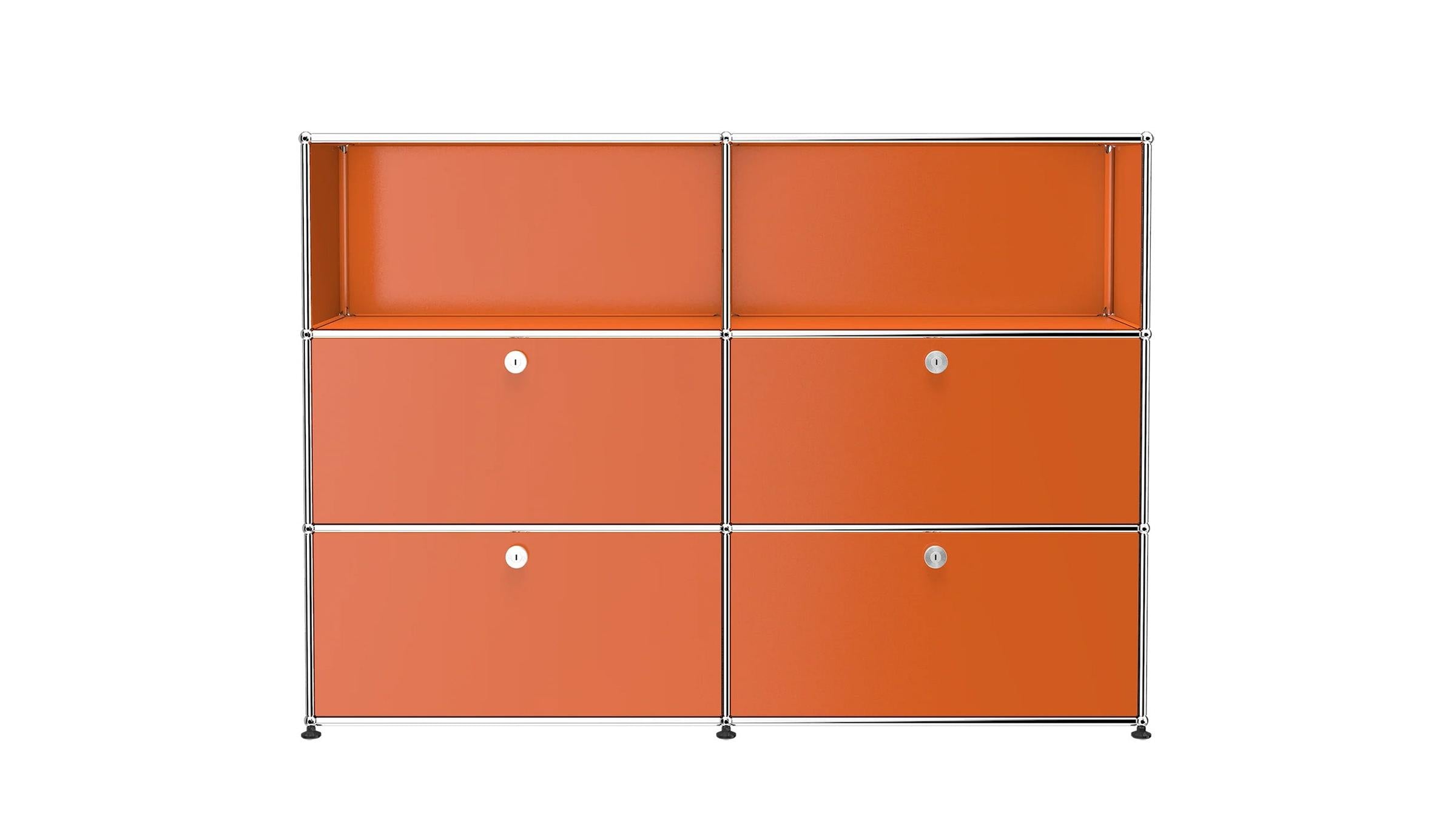
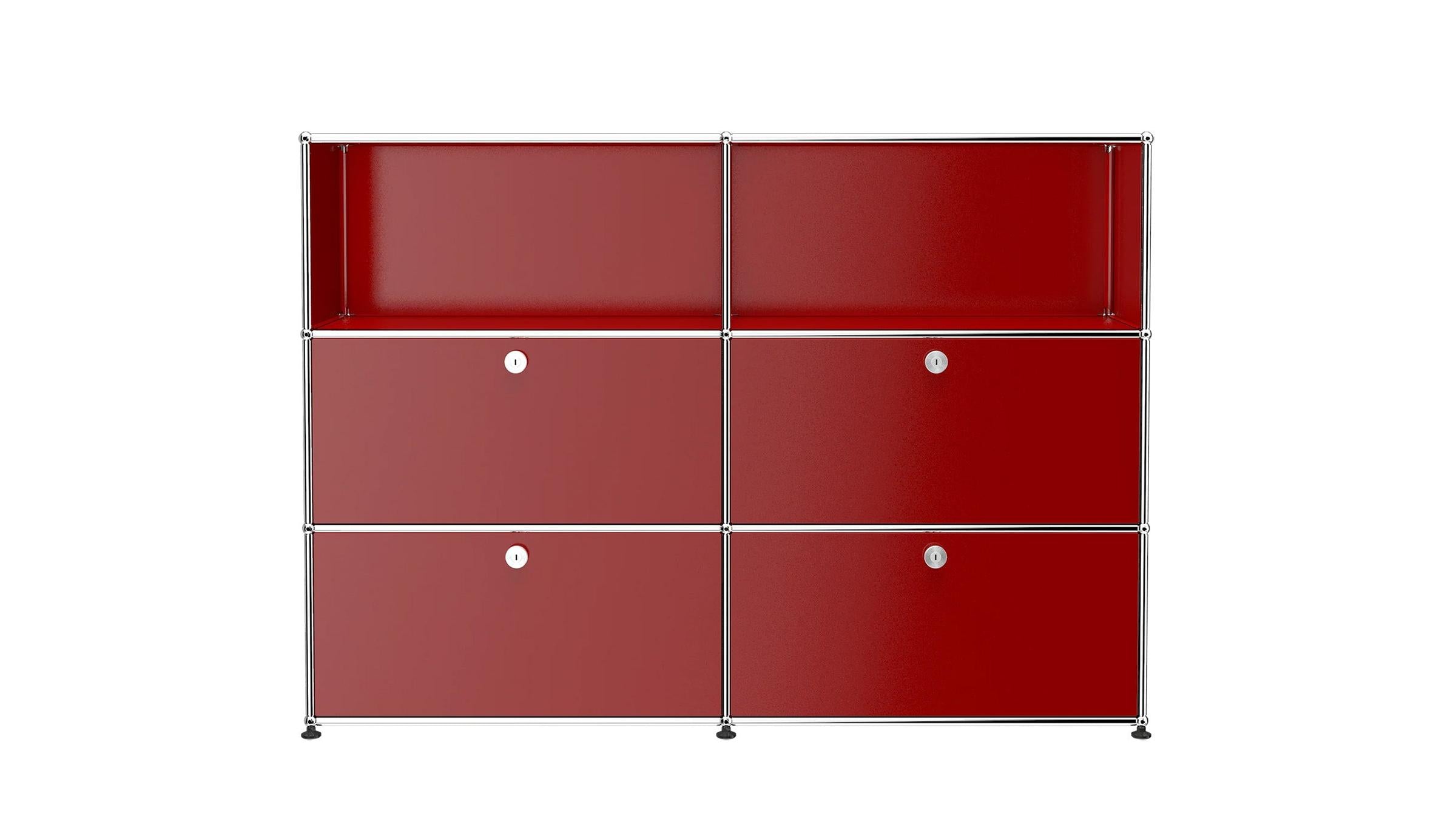
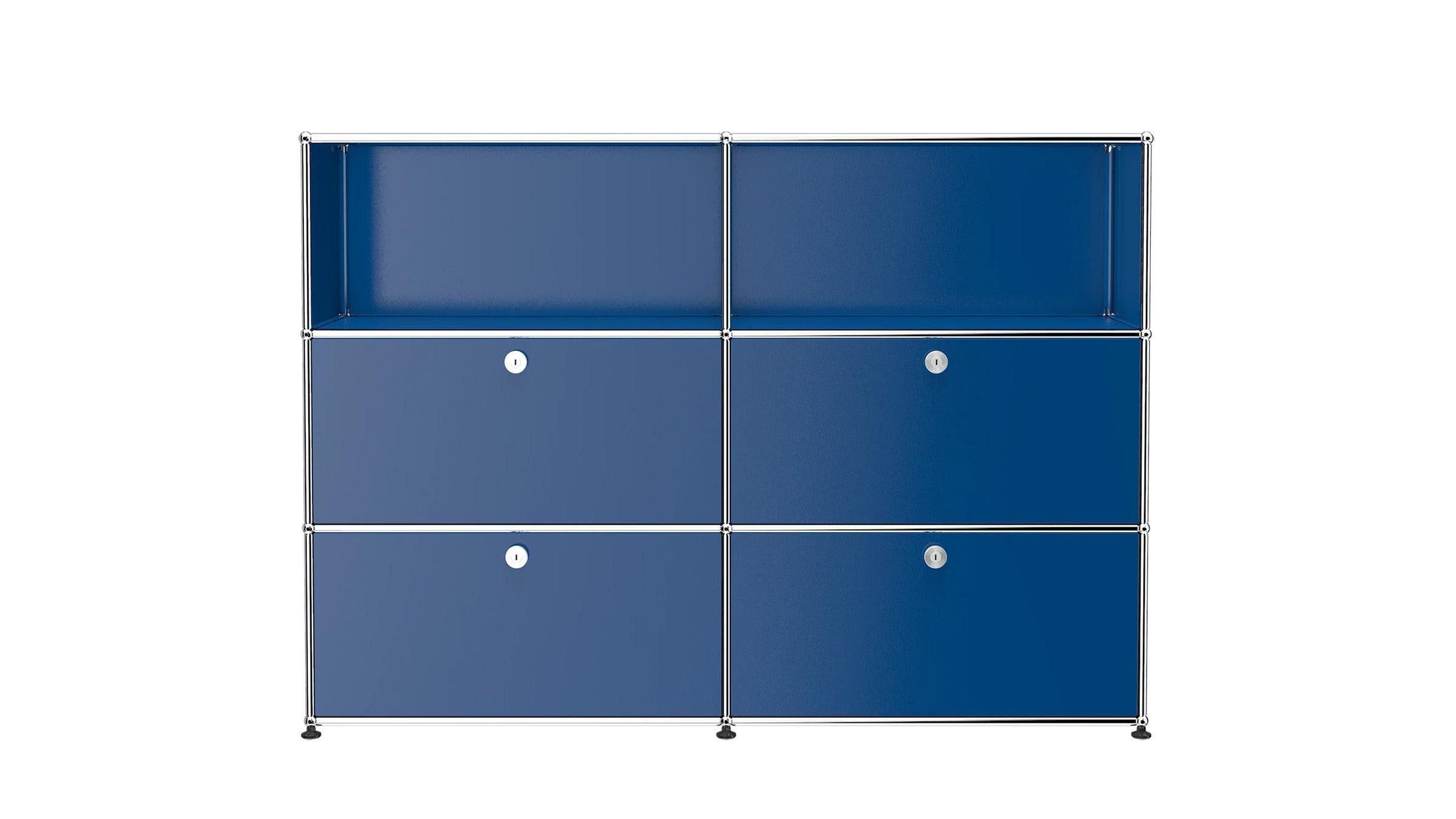
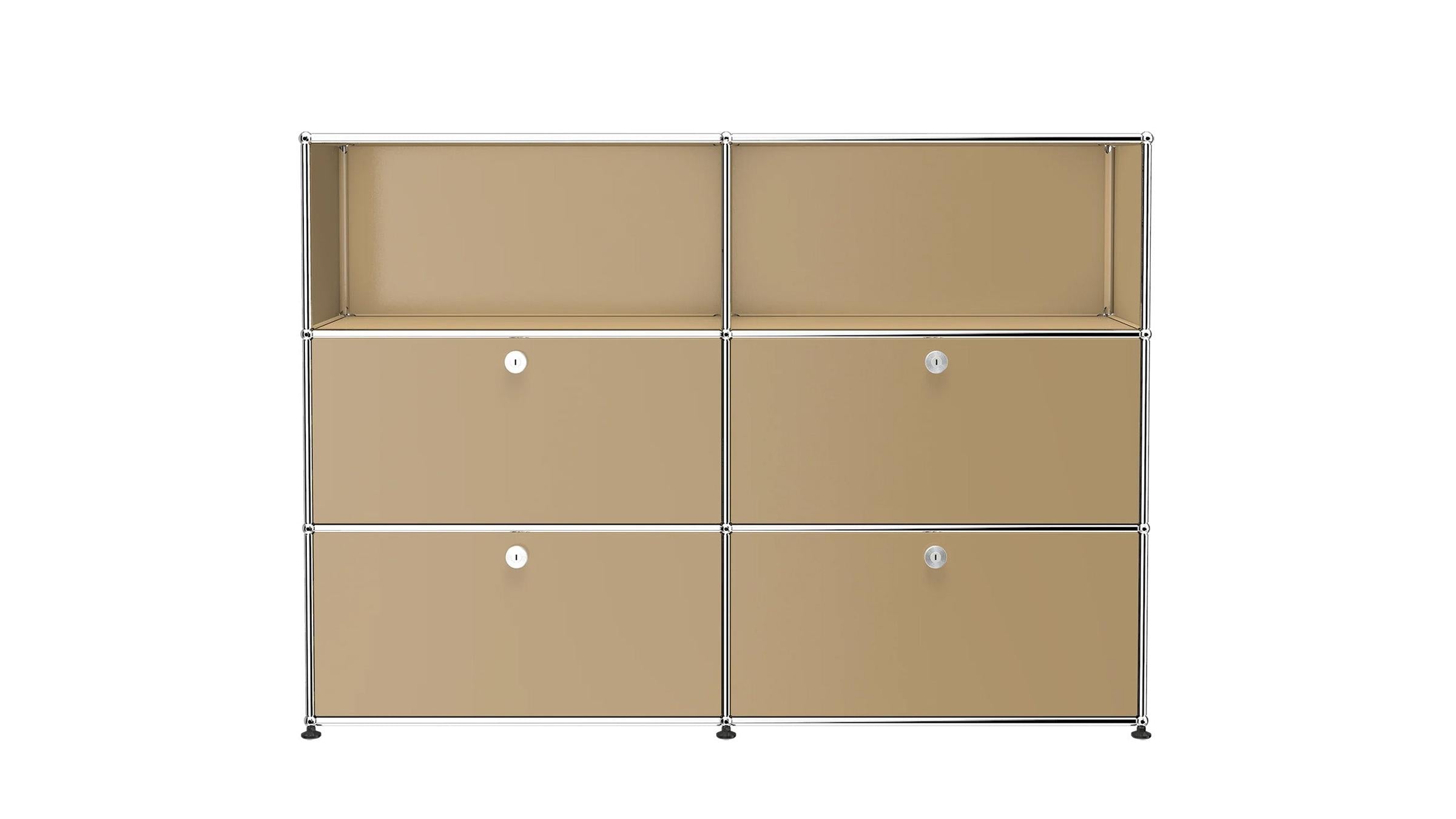
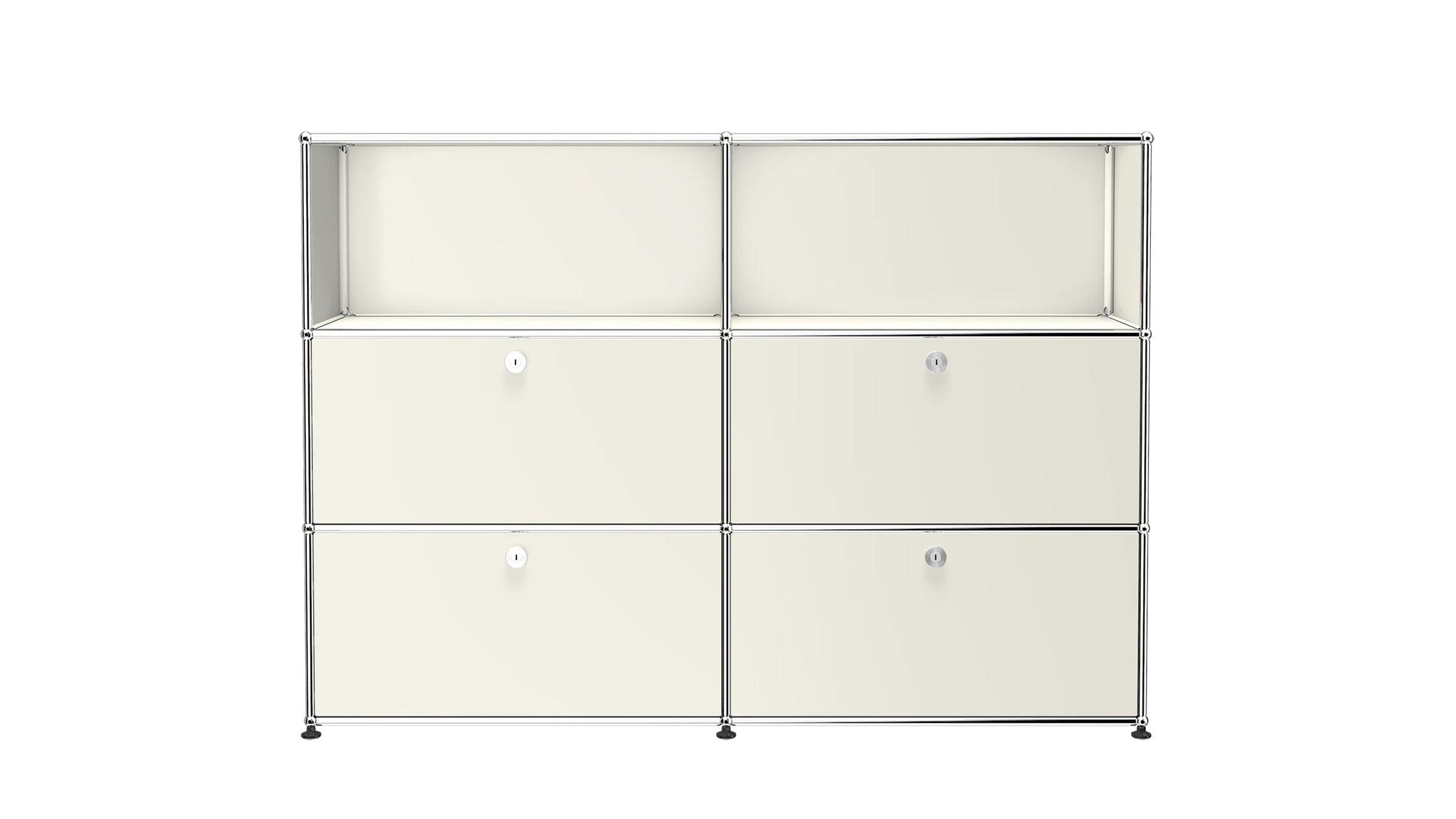
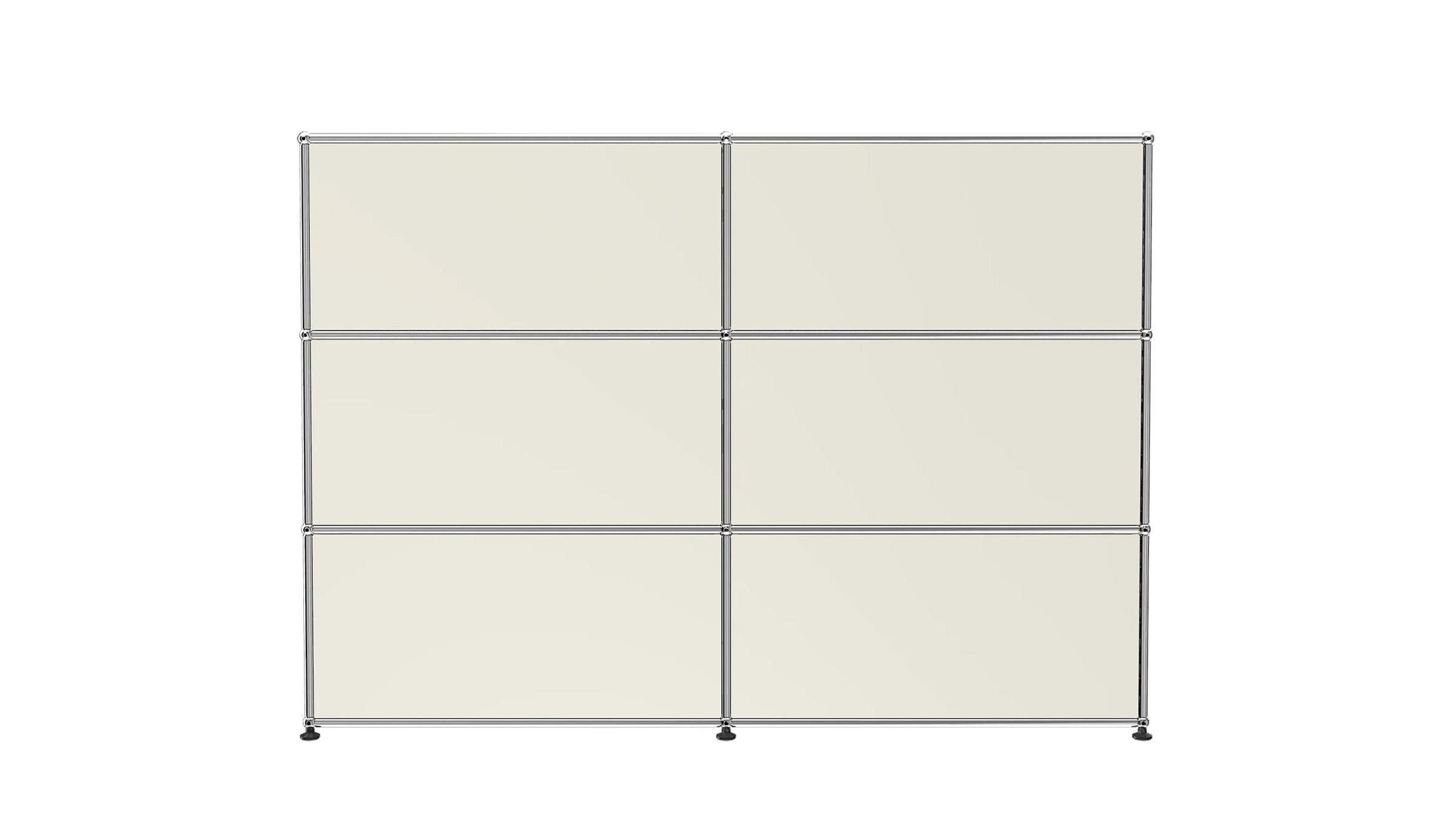
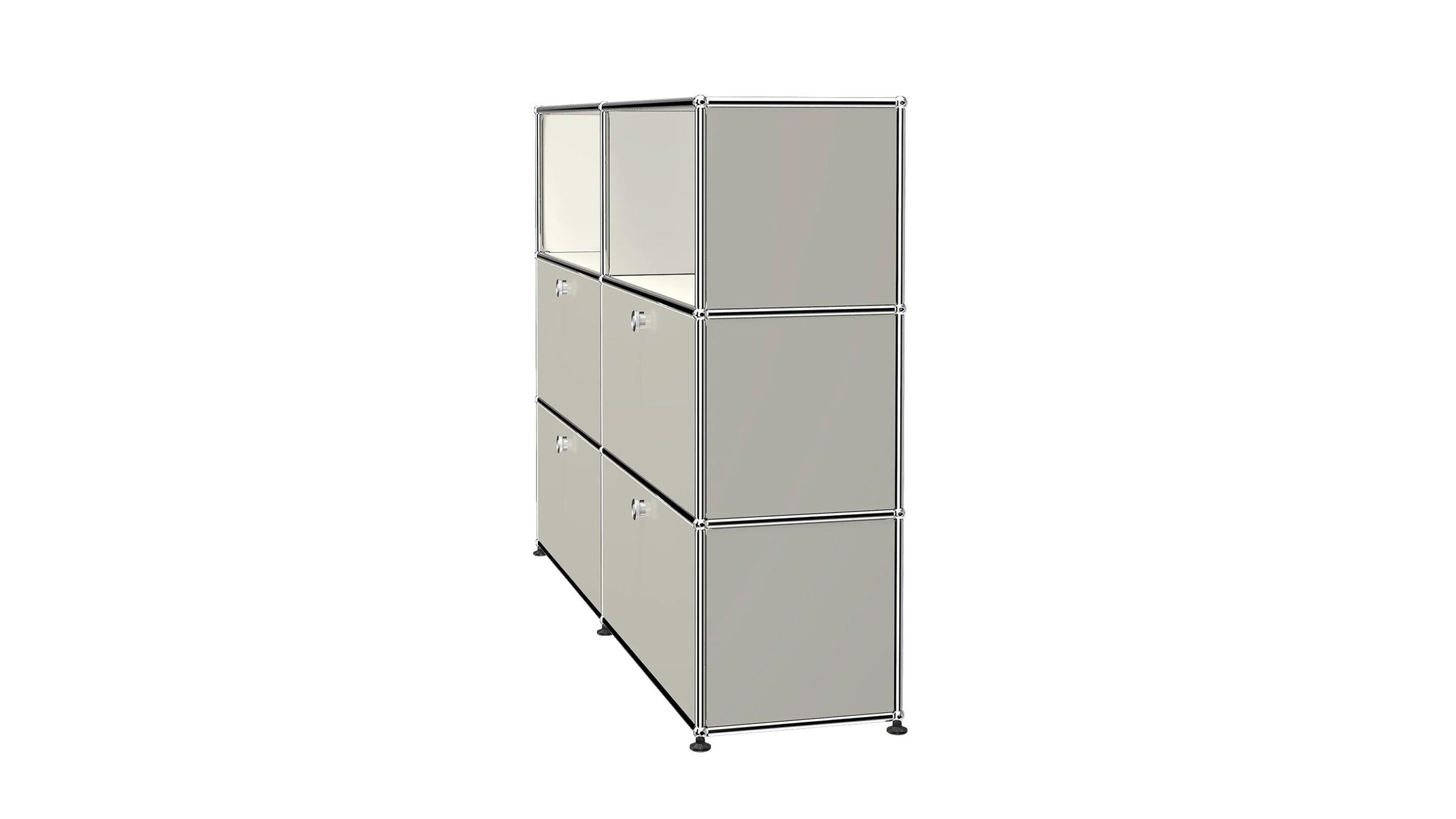
Il Storage G2A condensa questo pensiero in un armadio compatto e autonomo. Quattro ante a ribalta con serratura, ciascuna di quattordici pollici, sono disposte all'interno della caratteristica griglia, le loro proporzioni sono discretamente autorevoli. Nulla è applicato per effetto. Ogni elemento è strutturale, ogni decisione è deliberata.
- Costruzione modulare a sfere e tubi in acciaio cromato
- Quattro ante a ribalta con serratura da quattordici pollici
- Disponibile in sette colori standard per la superficie
- Progettato da Fritz Haller e Paul Schärer, Svizzera, anni '60
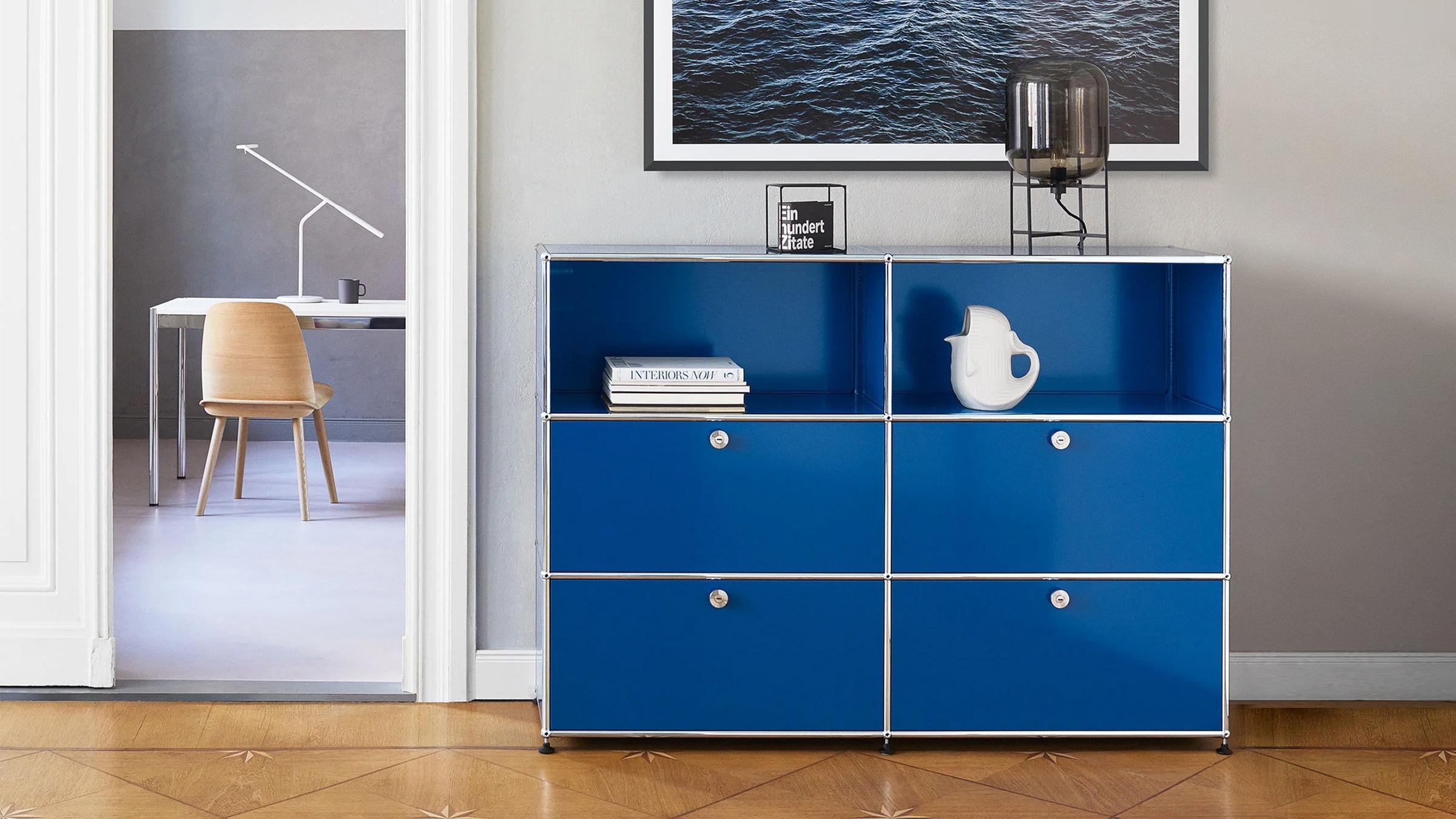
Sette colori standard per la superficie consentono al G2A di adattarsi a una vasta gamma di sensibilità interne, dal razionalismo essenziale di un ufficio domestico all'atmosfera curata dello studio di un collezionista, senza intaccare il rigore del sistema originale.
Made to order by USM Haller, tailored to you.
Get customization options, swatch samples and pricing for your project.
Si abbina bene a
Archiviazione (G2A)
Product Details
Resources
Pricing & Warranty
Pricing for made-to-order items varies based on configuration, finishes, and customization options. Please contact one of our design consultants or visit a showroom near you for current pricing and personalized assistance.
Luminaire is an authorized retailer of USM Haller. The product comes with a full manufacturer warranty.
Authenticity guaranteed. Genuine product, authenticated and sourced directly from the manufacturer.
Domande Frequenti
What is the USM Haller ball-and-tube system?
The USM Haller system is a modular furniture architecture built around chrome-steel tubes connected by spherical ball joints. Designed by Fritz Haller and Paul Schärer in the 1960s, it allows configurations to be assembled, reconfigured, or expanded over time without tools, making it one of the most adaptable systems in modern furniture design.
Can USM Haller pieces be reconfigured after purchase?
Yes. The USM Haller system is engineered for reconfiguration. Individual modules, panels, and doors can be added, removed, or repositioned as spatial needs change, which is precisely the adaptability Haller and Schärer originally set out to achieve.
What colors are available for the USM Haller Storage G2A?
The Storage G2A is offered in seven standard USM surface colors, a palette developed to complement the chrome-steel frame across a range of architectural contexts, from neutral whites and grays to USM's signature red and yellow.
Is USM Haller furniture made to order?
USM Haller pieces are configured to order, as the system's modular nature means each unit is assembled to the specifications requested. Lead times vary depending on configuration and color selection.
Who designed the USM Haller system?
The system was conceived in the 1960s by Swiss architect Fritz Haller and Paul Schärer, the owner of USM, originally as a solution for the interior architecture of USM's own factory building. Its success as a furniture system emerged organically from that architectural application.