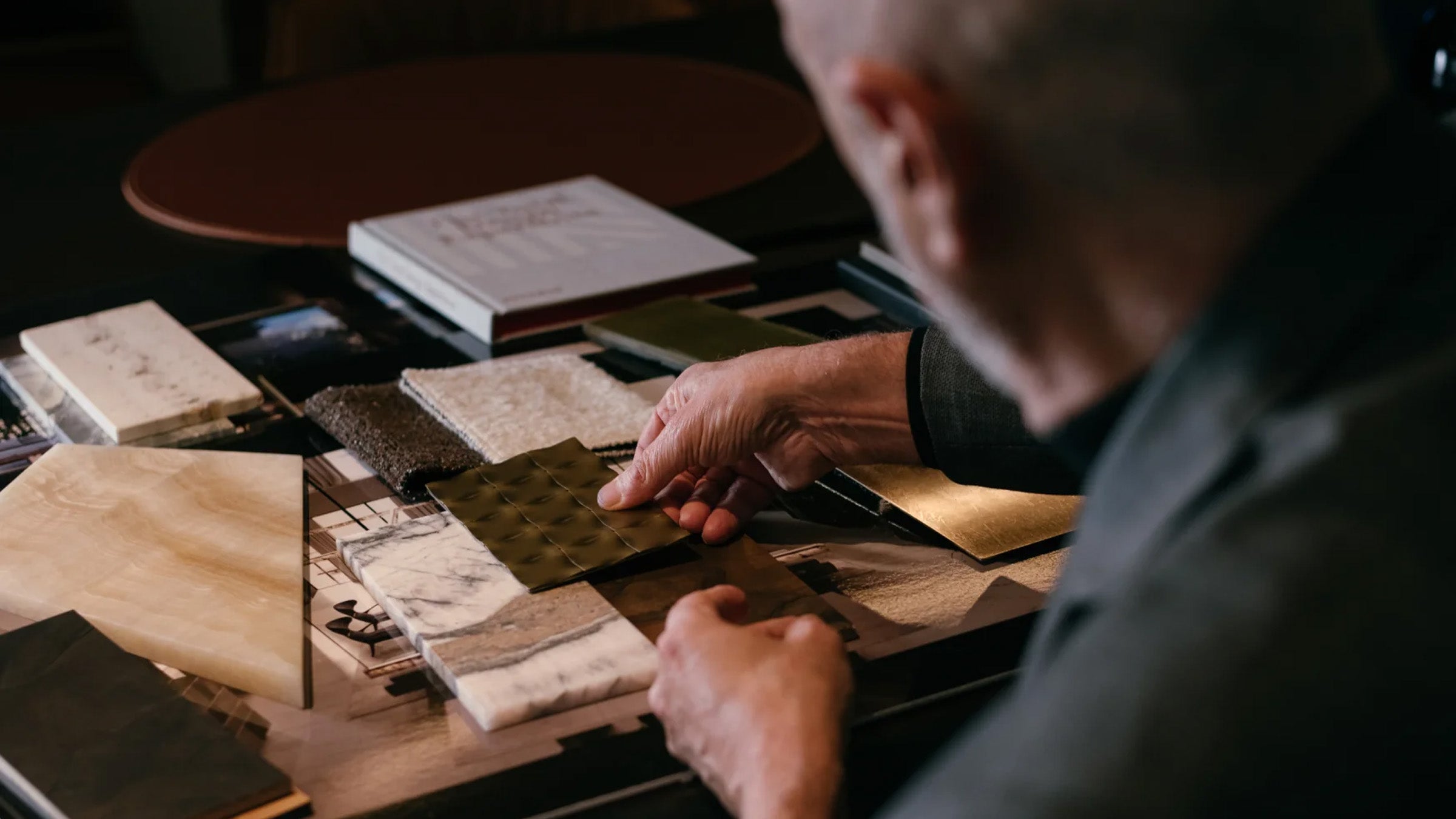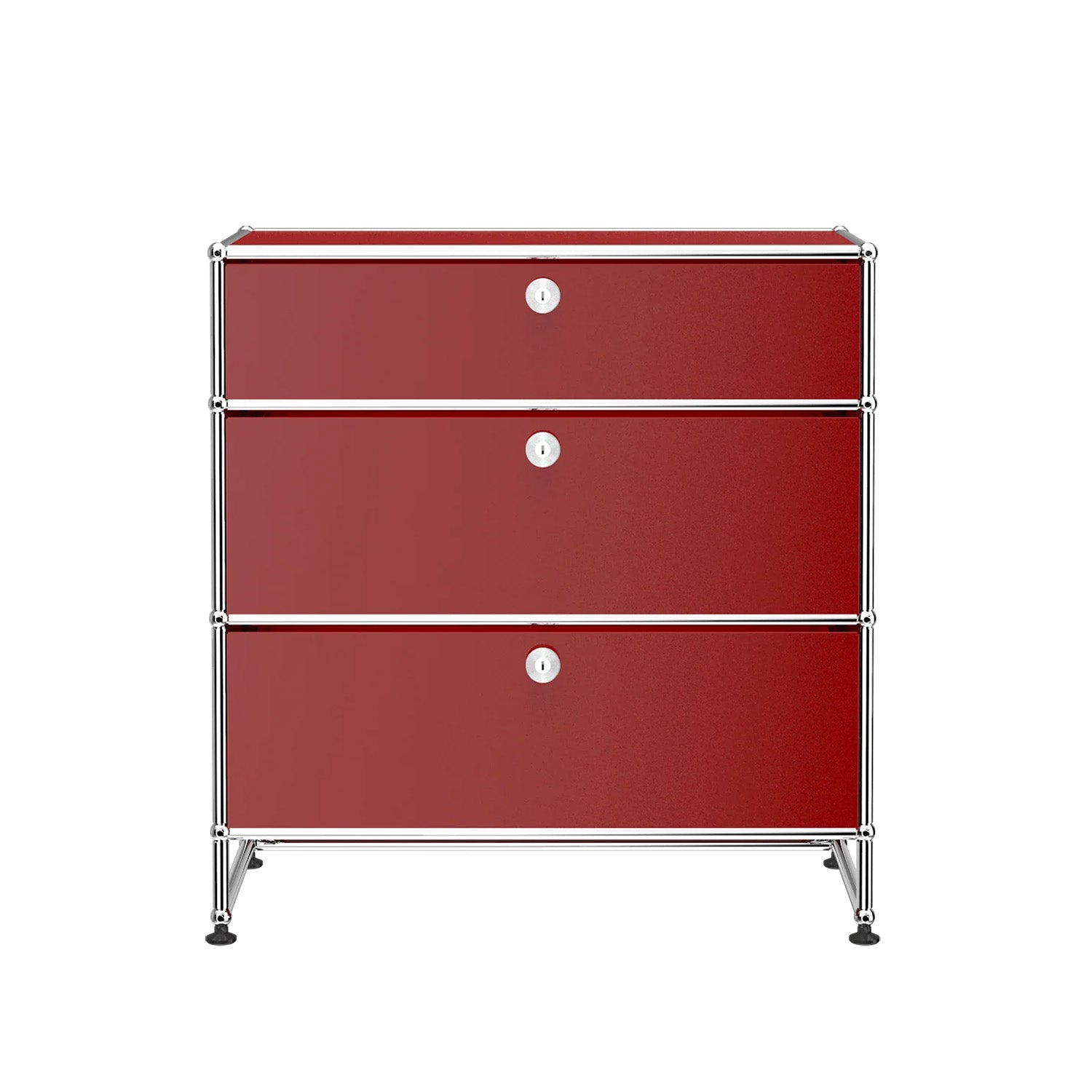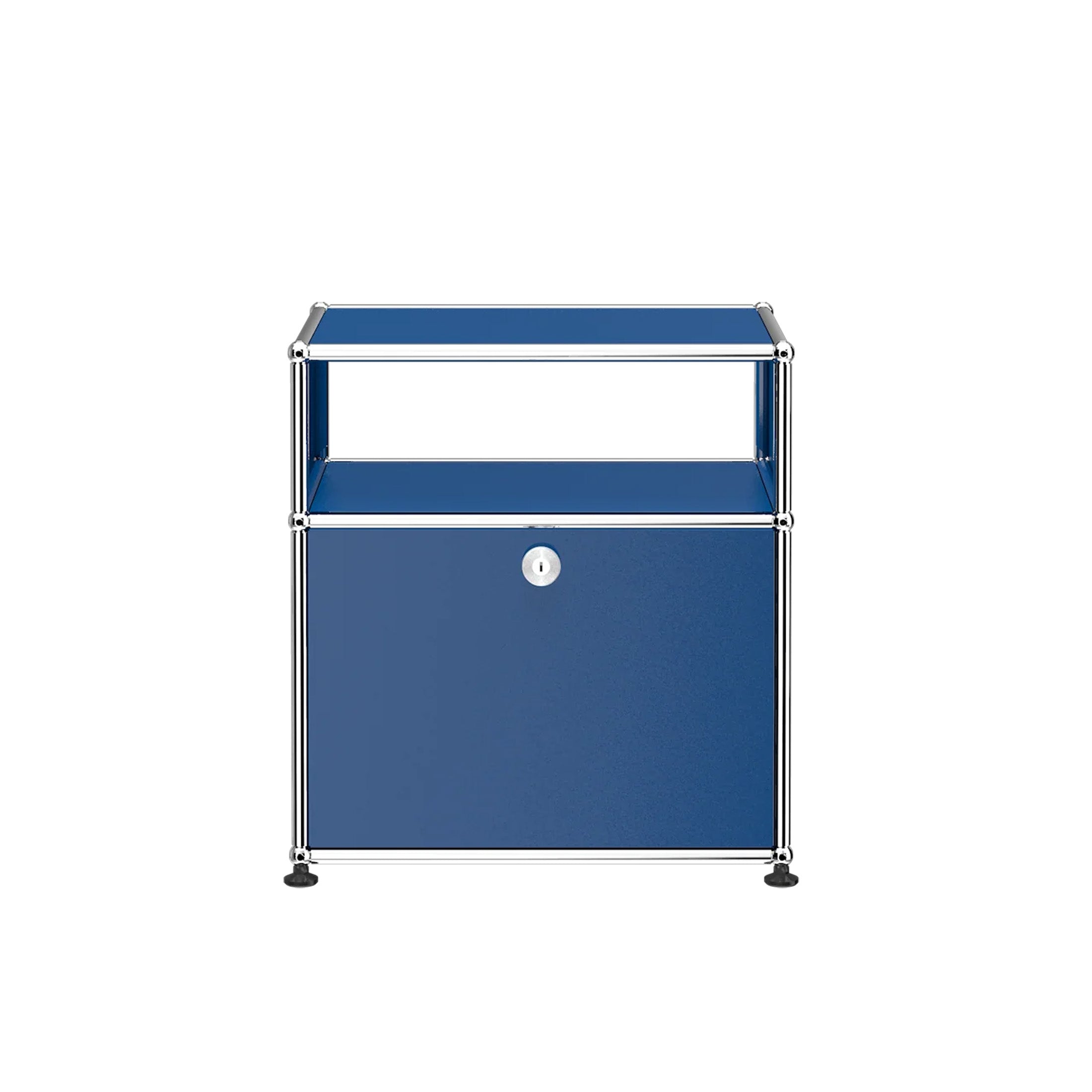
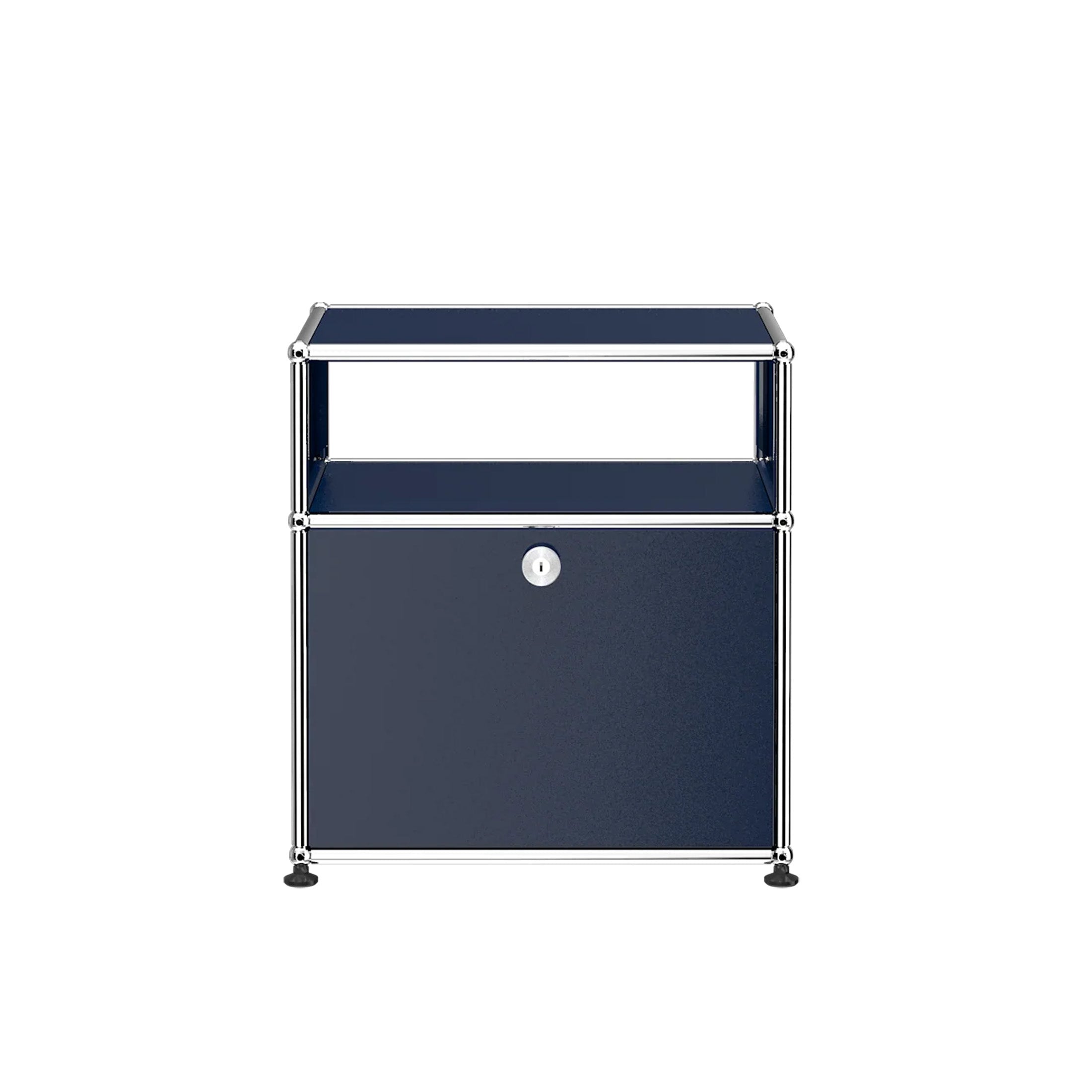
Comodino (P)
Made by USM Haller
Designed by Fritz Haller
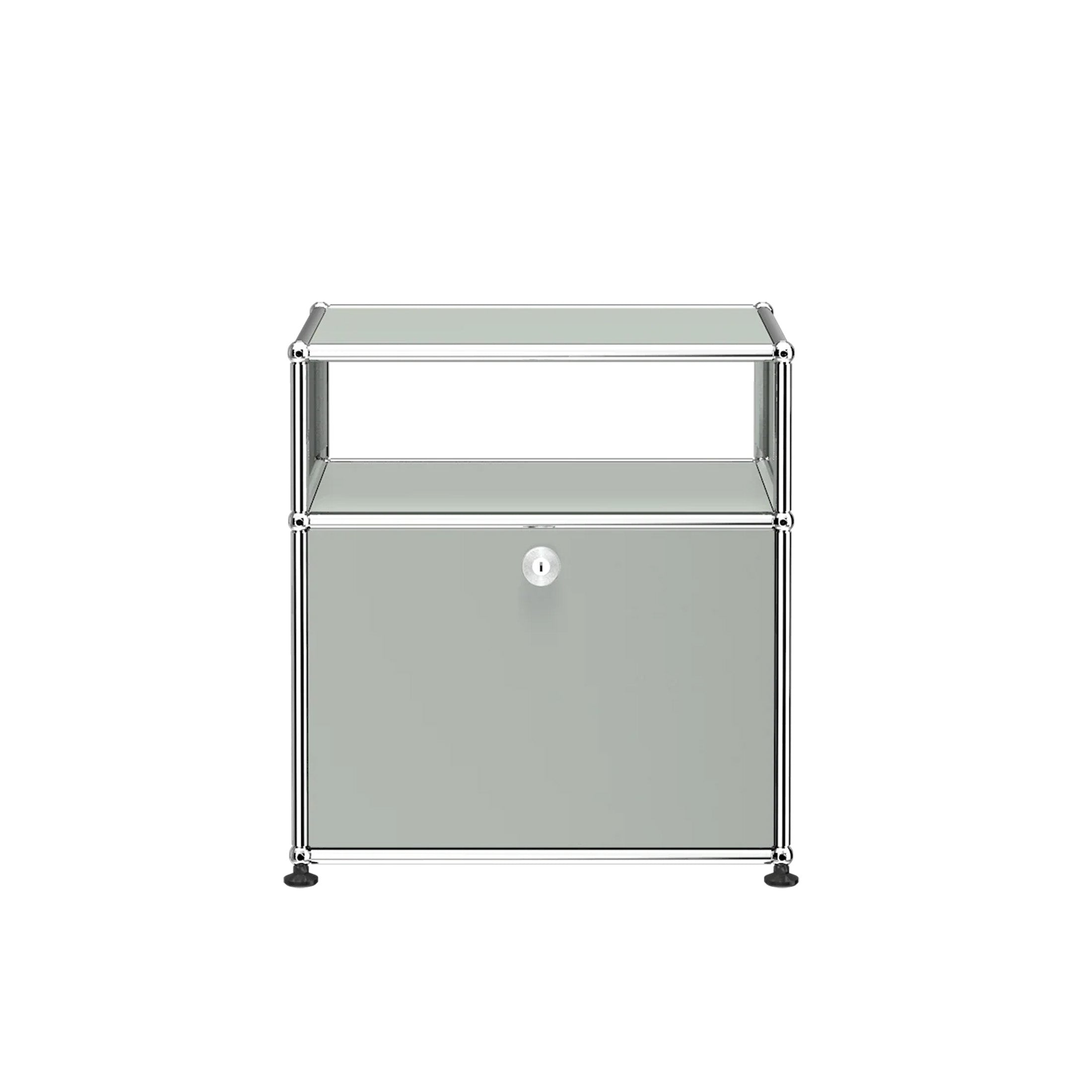
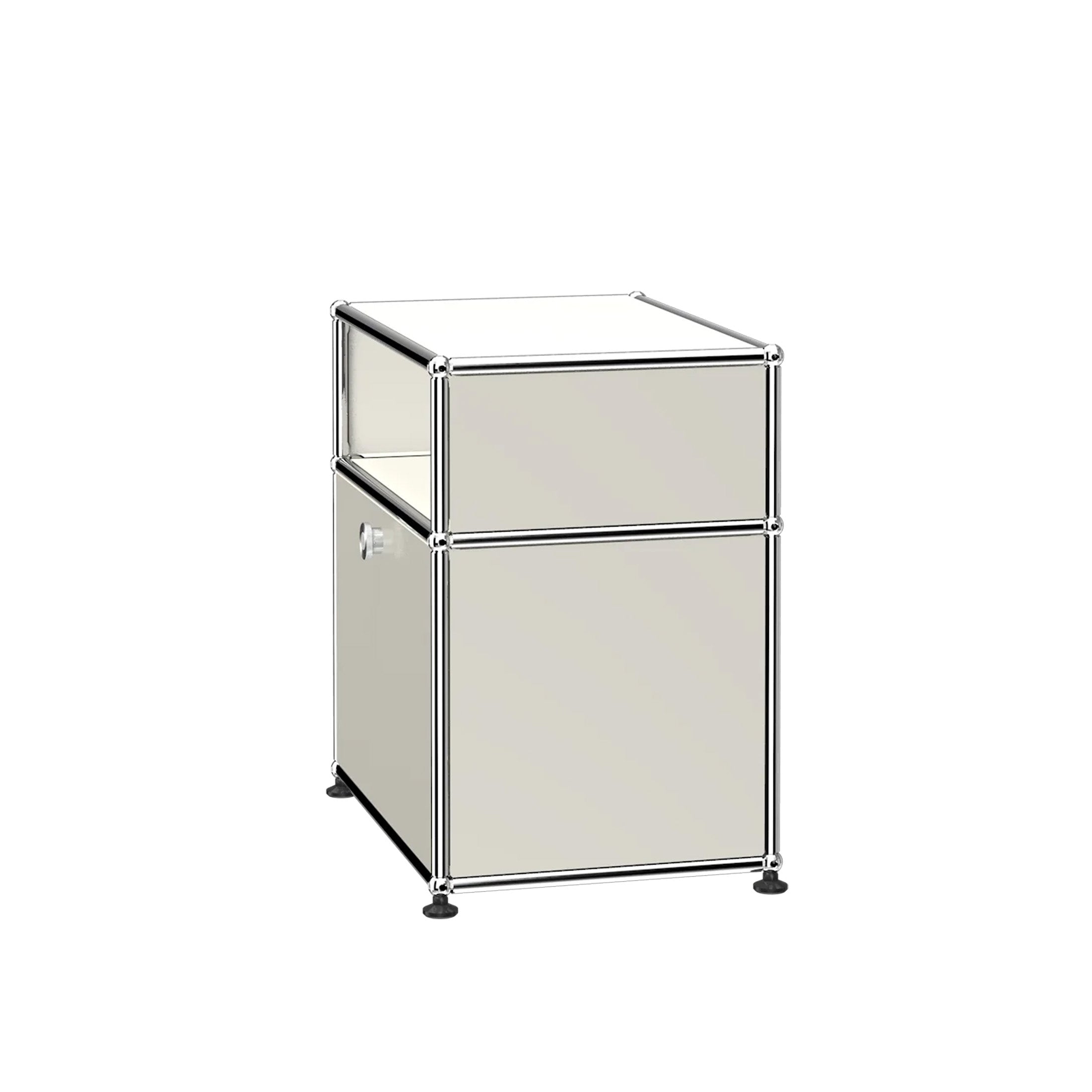
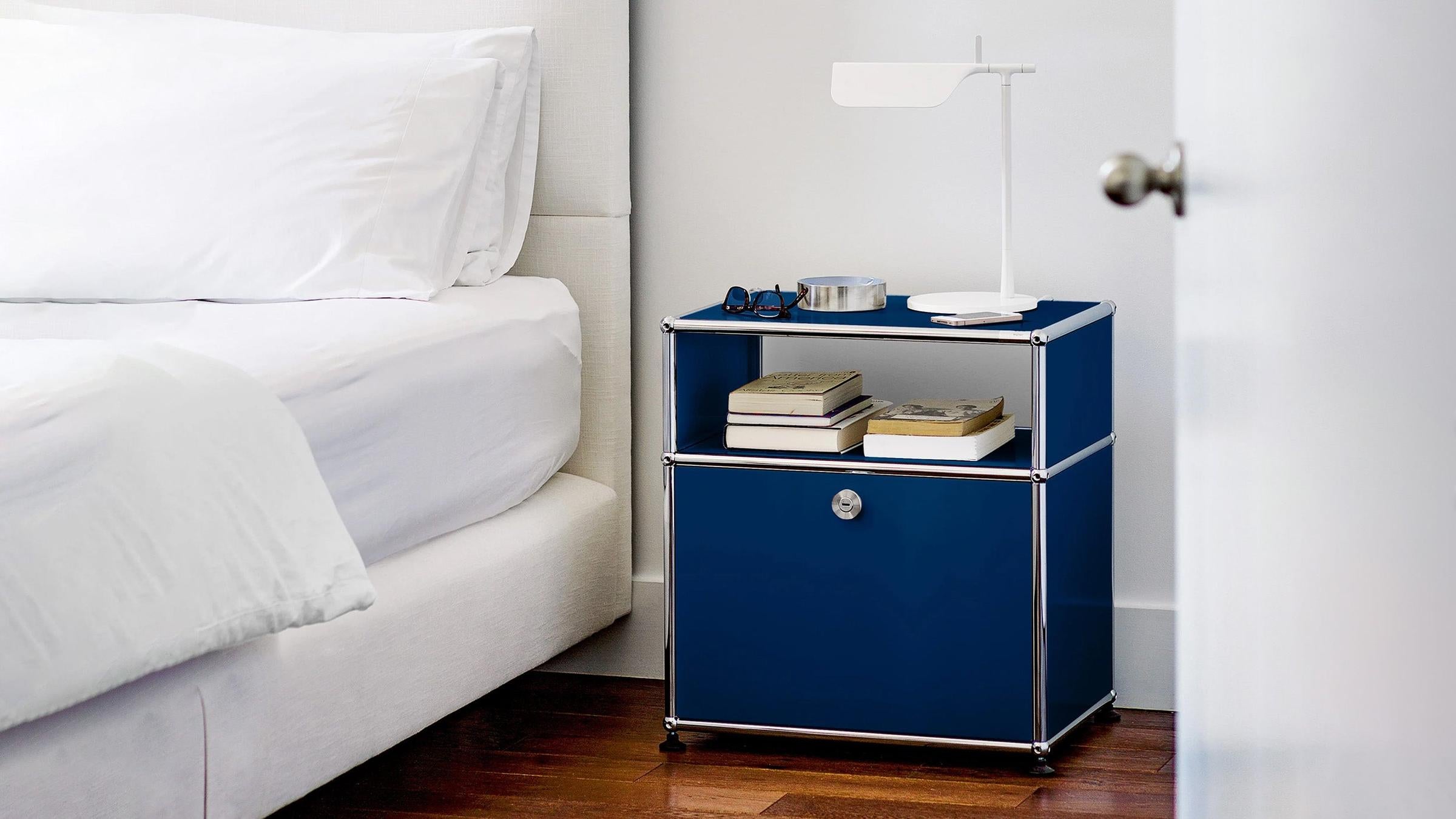
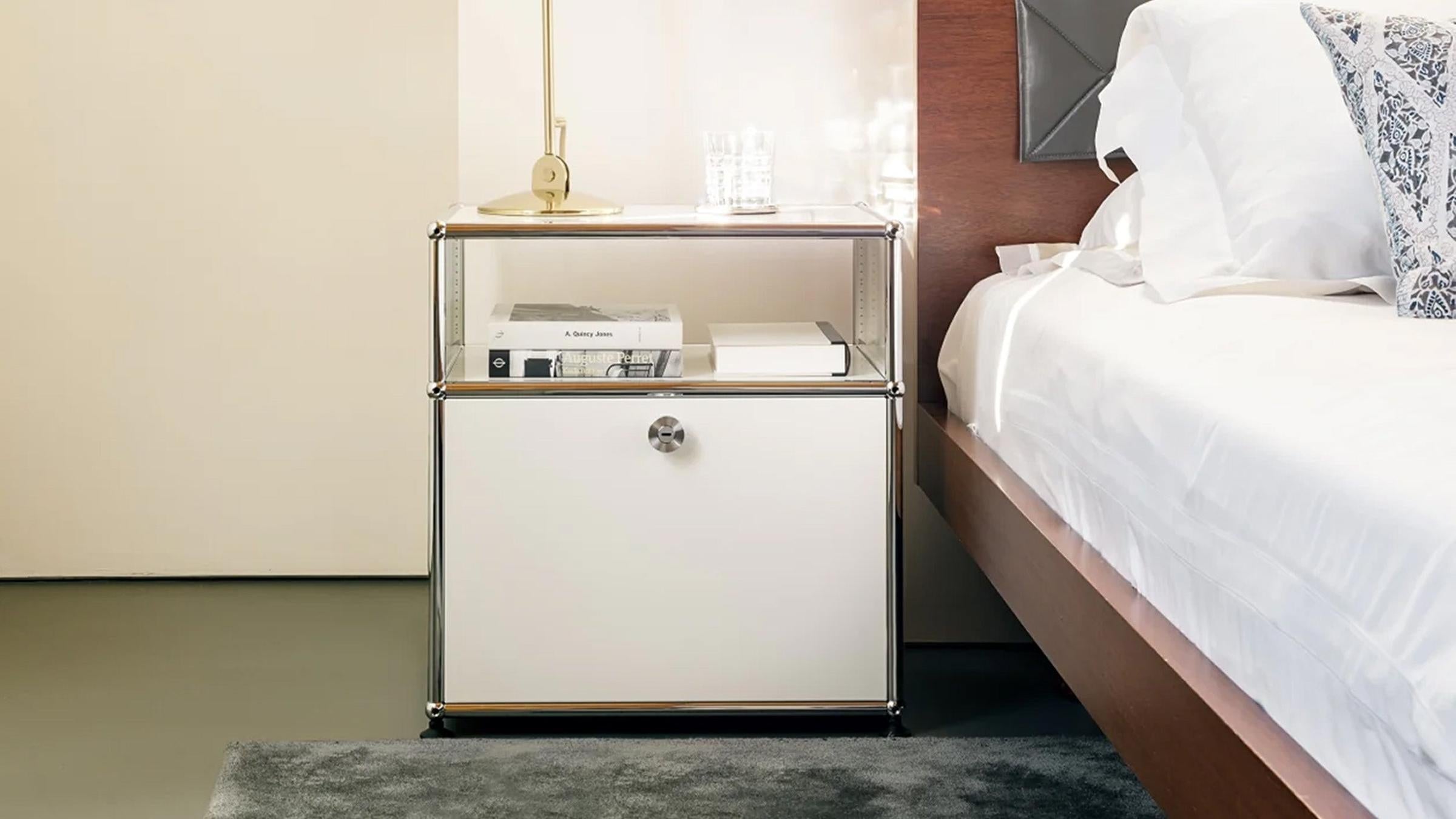
Il comodino (P) combina un ripiano aperto da 15 cm con un vano inferiore più profondo nascosto da un’anta a ribalta con serratura. Funzionale ma visivamente leggero, funziona bene come moderno comodino con spazio per libri, dispositivi ed elementi essenziali quotidiani. Disponibile in 7 colori standard, offre una soluzione personalizzabile dal fascino versatile.
Made to order by USM Haller, tailored to you.
Get customization options, swatch samples and pricing for your project.
Si abbina bene a
Comodino (P)
Product Details
Tear Sheet
Pricing & Warranty
Pricing for made-to-order items varies based on configuration, finishes, and customization options. Please contact one of our design consultants or visit a showroom near you for current pricing and personalized assistance.
Luminaire is an authorized retailer of USM Haller. The product comes with a full manufacturer warranty.
Authenticity guaranteed. Genuine product, authenticated and sourced directly from the manufacturer.
Domande Frequenti
What is the USM Haller ball-and-tube system?
The USM Haller system uses a chrome-plated steel ball connector as its structural node, joined by precision-welded tubular steel members. Designed by architect Fritz Haller in the 1960s, the system's geometry allows components to be reconfigured, extended, or repurposed over time without replacing the core structure.
Can the USM Haller Nightstand (P) be customized?
Yes. The Nightstand (P) is made to order and available in USM's full range of powder-coated colors, which spans from classic whites and grays to a broad selection of saturated tones. Configuration details can be specified at the time of order.
Is the USM Haller system in any museum collections?
The USM Haller Furniture System is held in the permanent collections of the Museum of Modern Art in New York and the Centre Pompidou in Paris, recognized for its architectural rigor and the enduring relevance of its modular logic.
How durable is the USM Haller construction?
All USM Haller pieces are constructed from precision-welded, powder-coated steel with chrome-plated ball connectors. The system was originally developed for an industrial facility, and that structural integrity carries through to every residential and commercial piece produced.
Who designed the USM Haller furniture system?
The system was conceived by Swiss architect Fritz Haller and USM company director Paul Schärer. Their collaboration began with the design of the USM factory in Münsingen, Switzerland, where the modular connector system was first developed as a structural framework before being refined into furniture.