
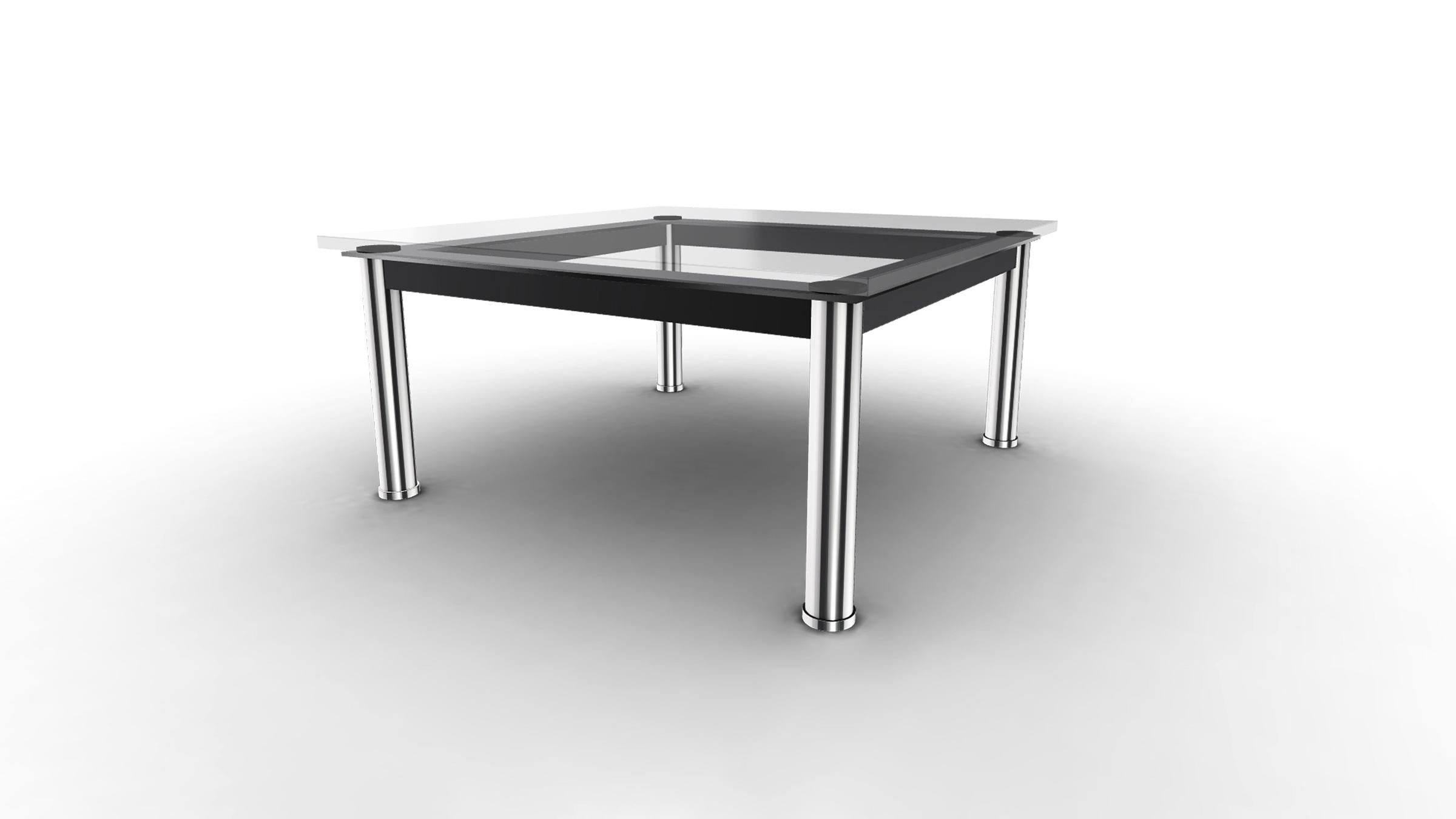
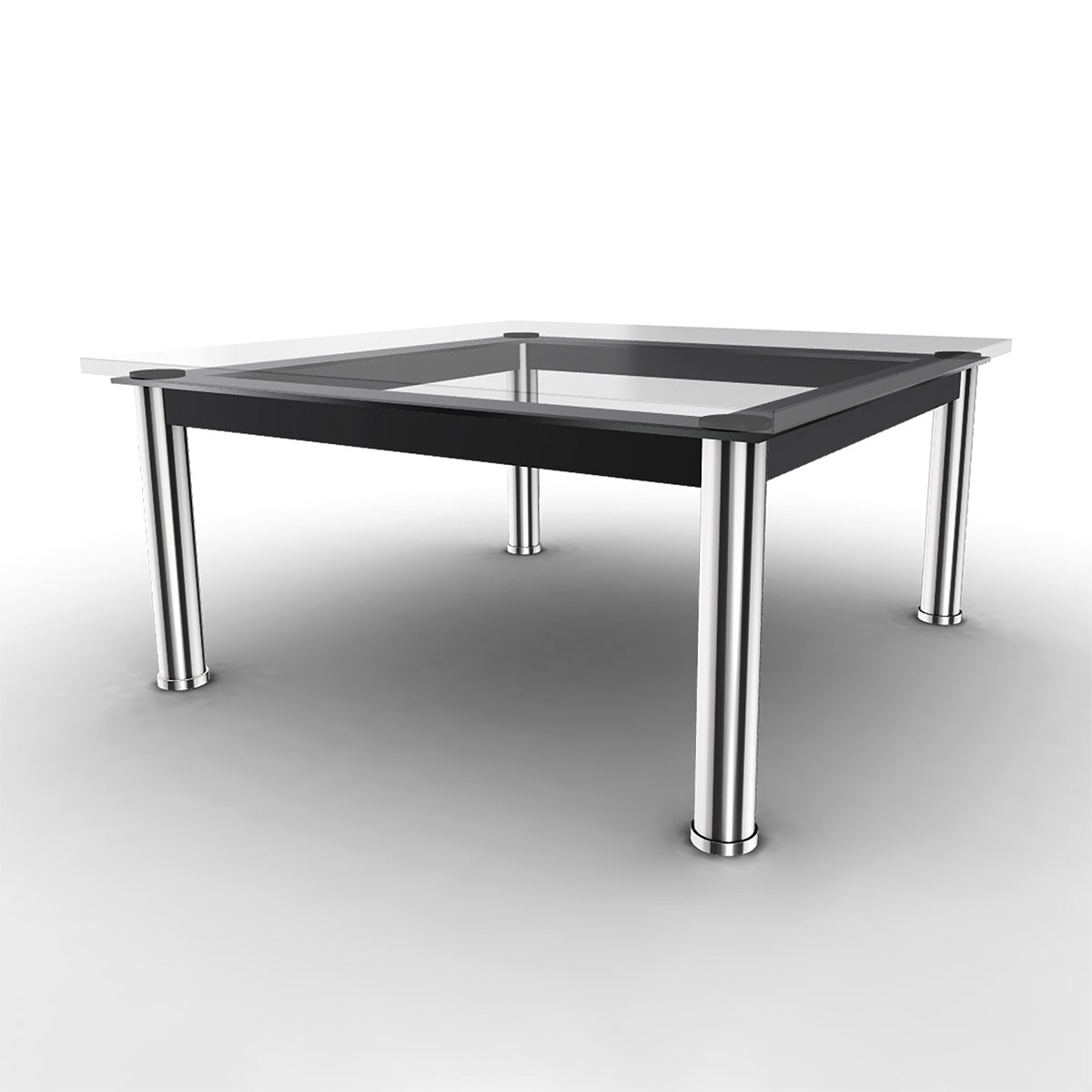
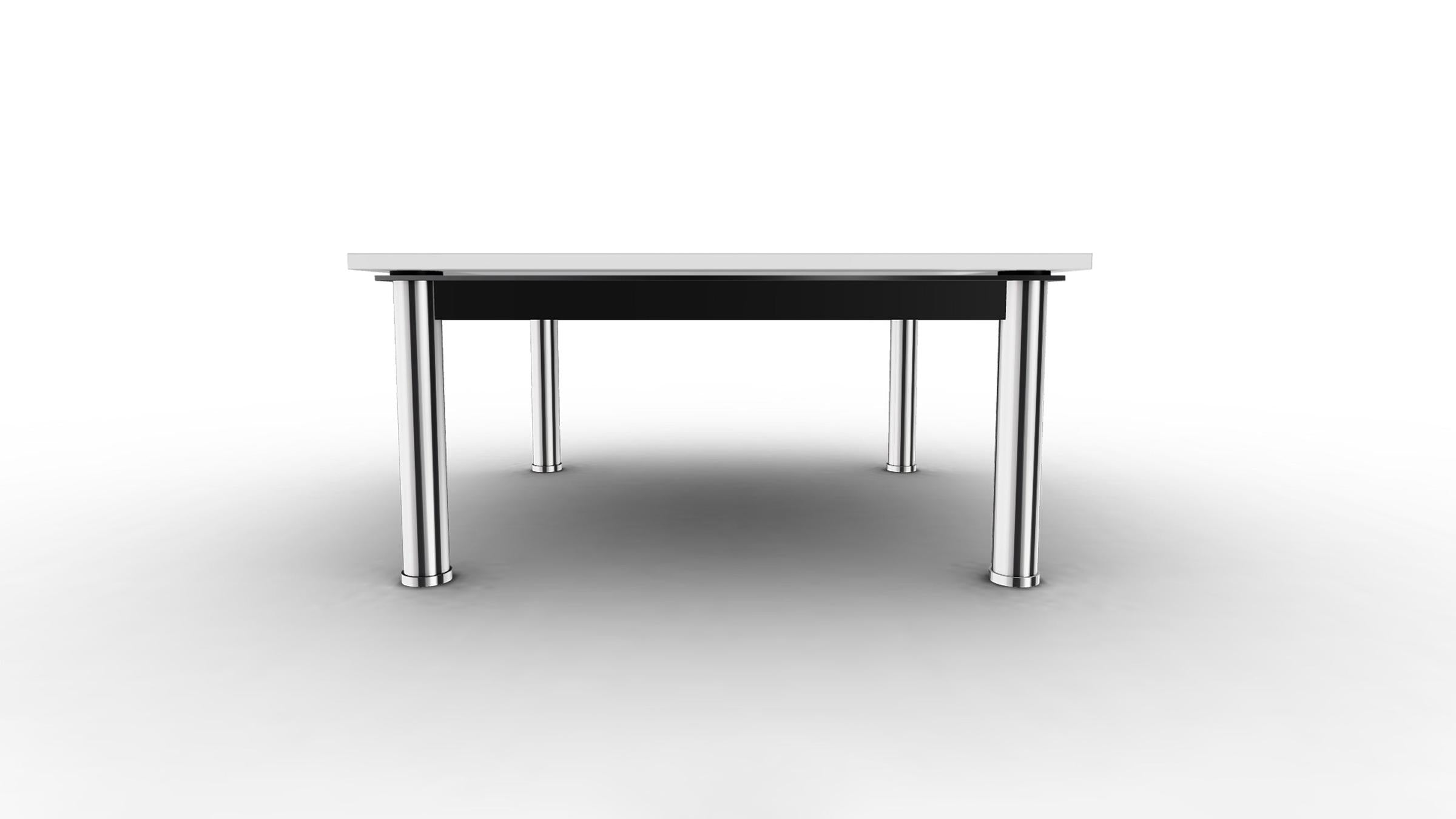
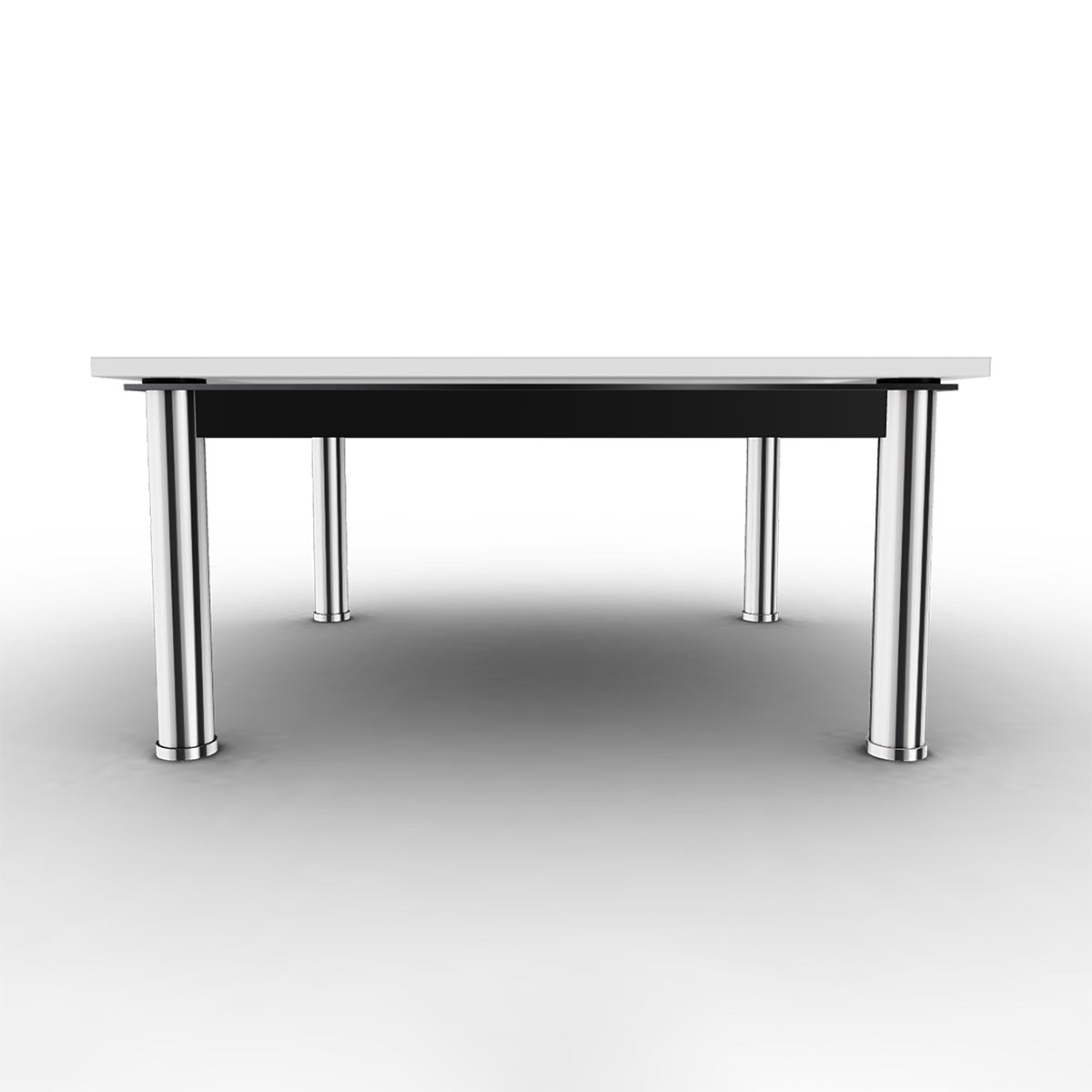
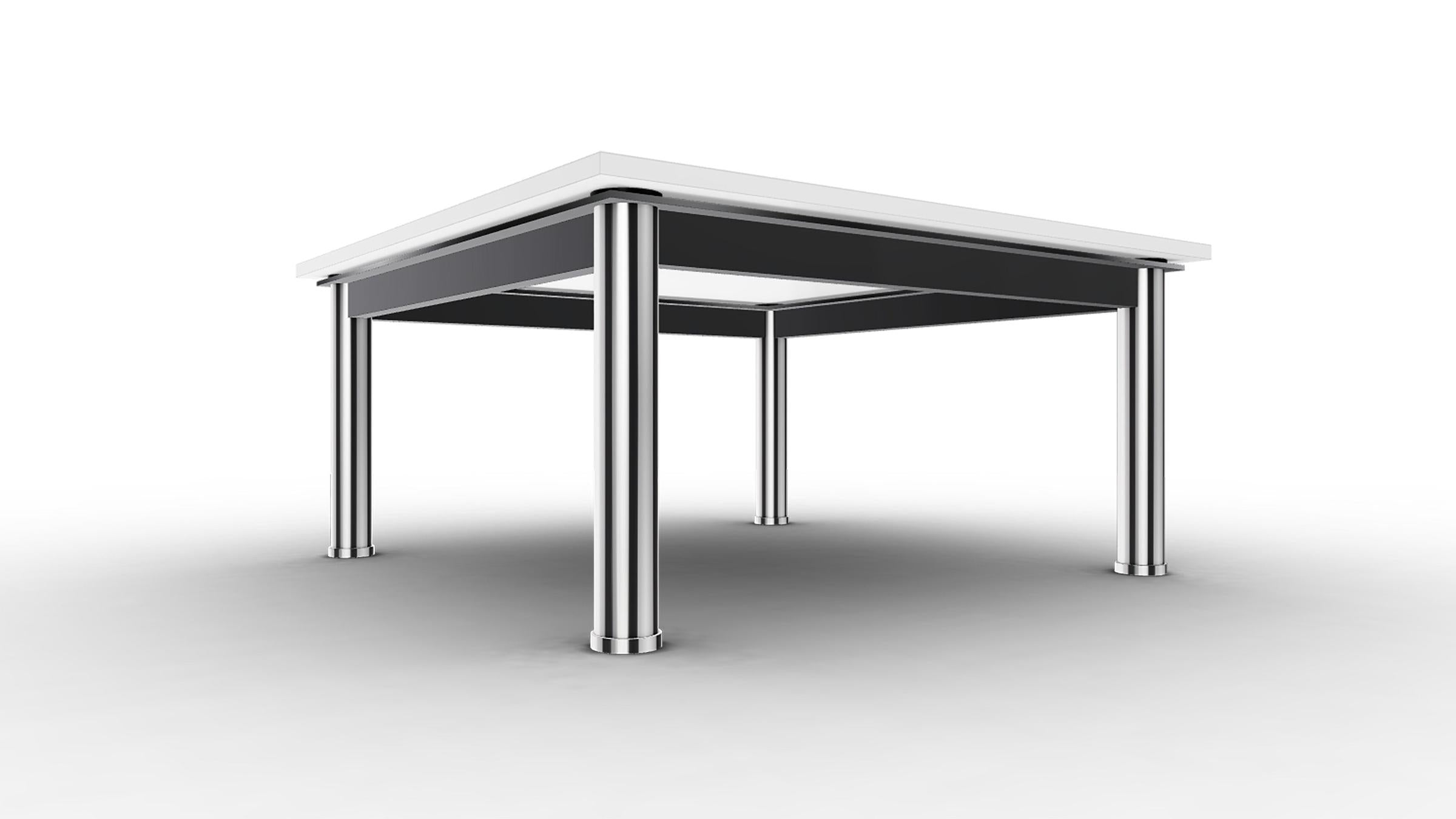
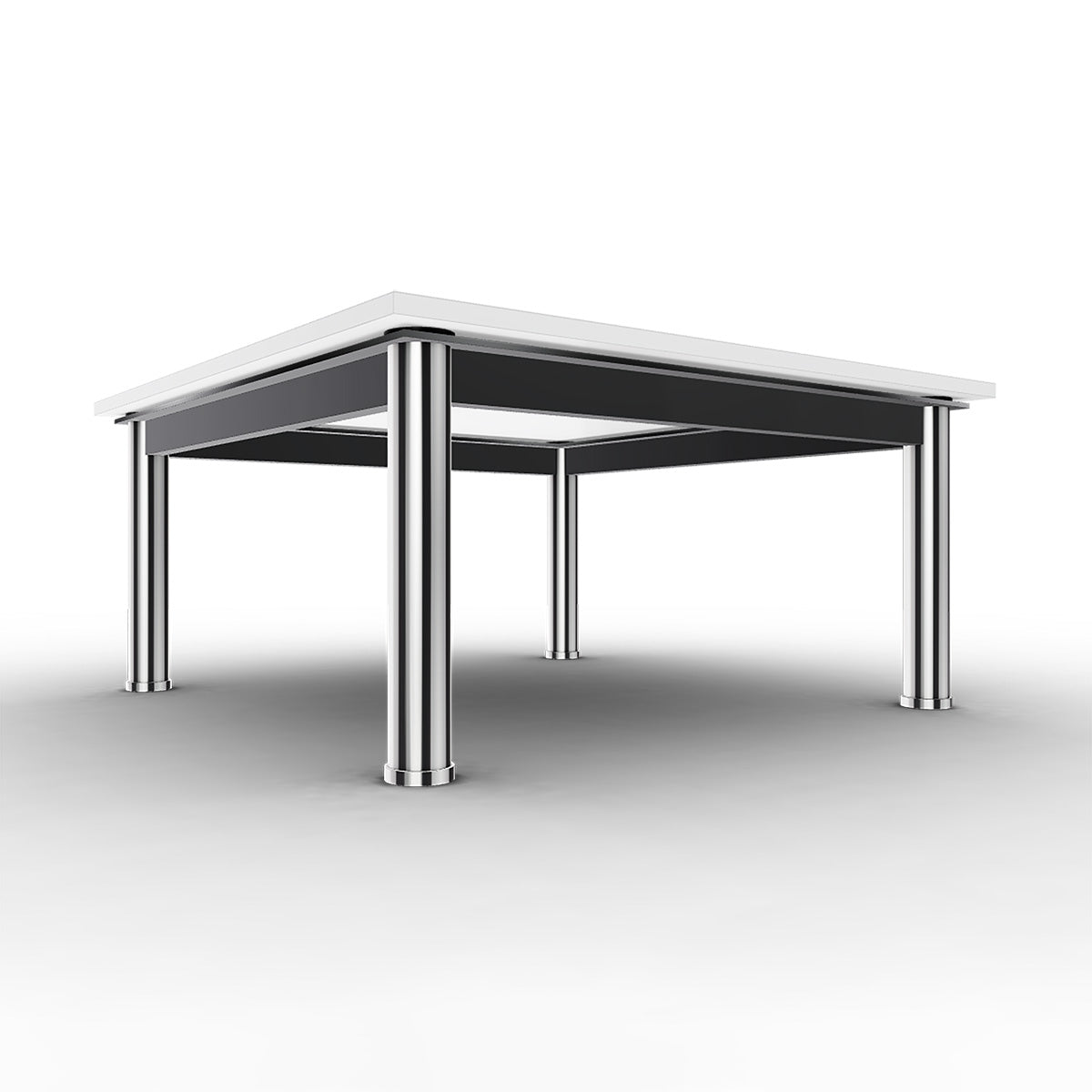
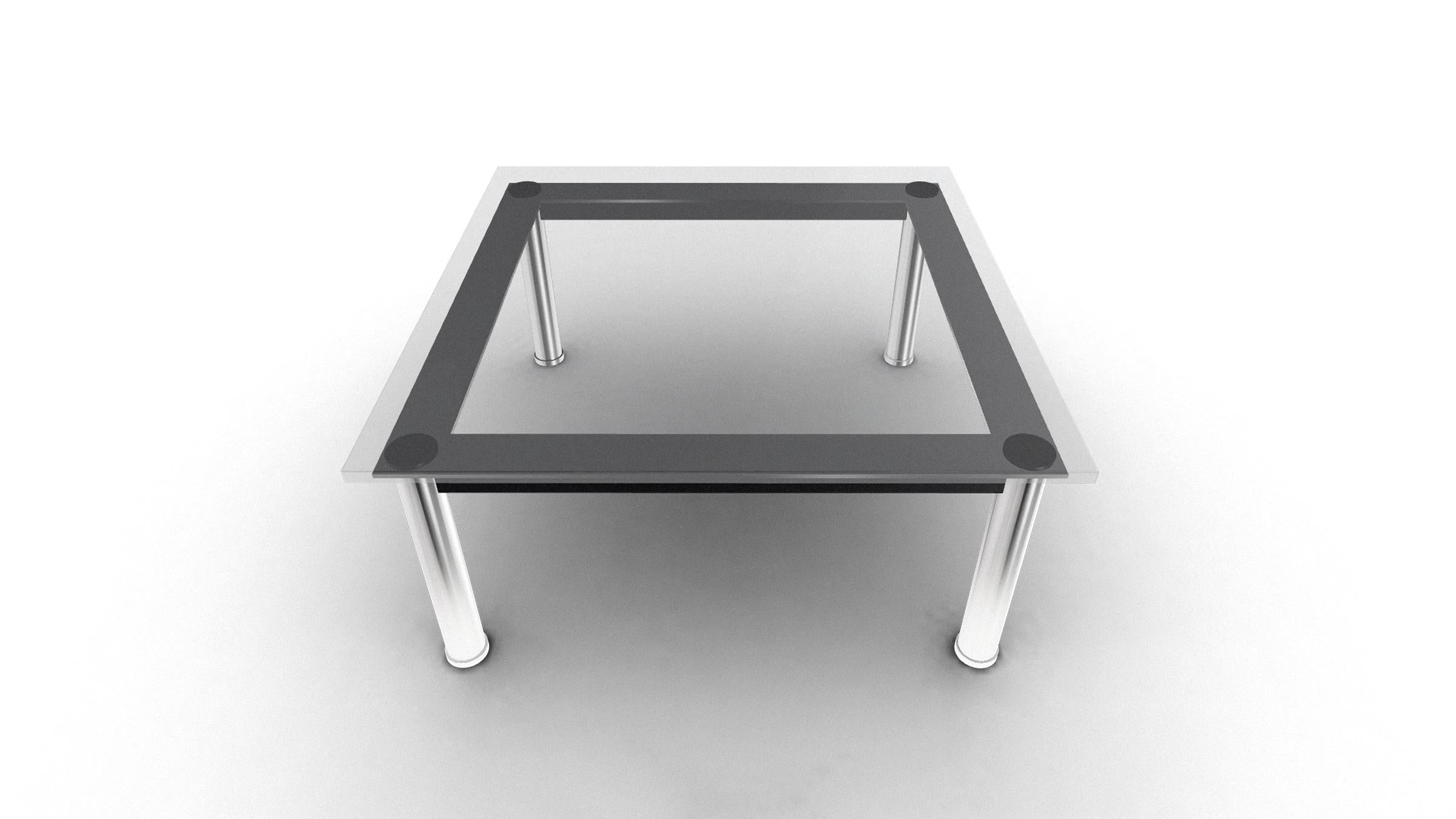
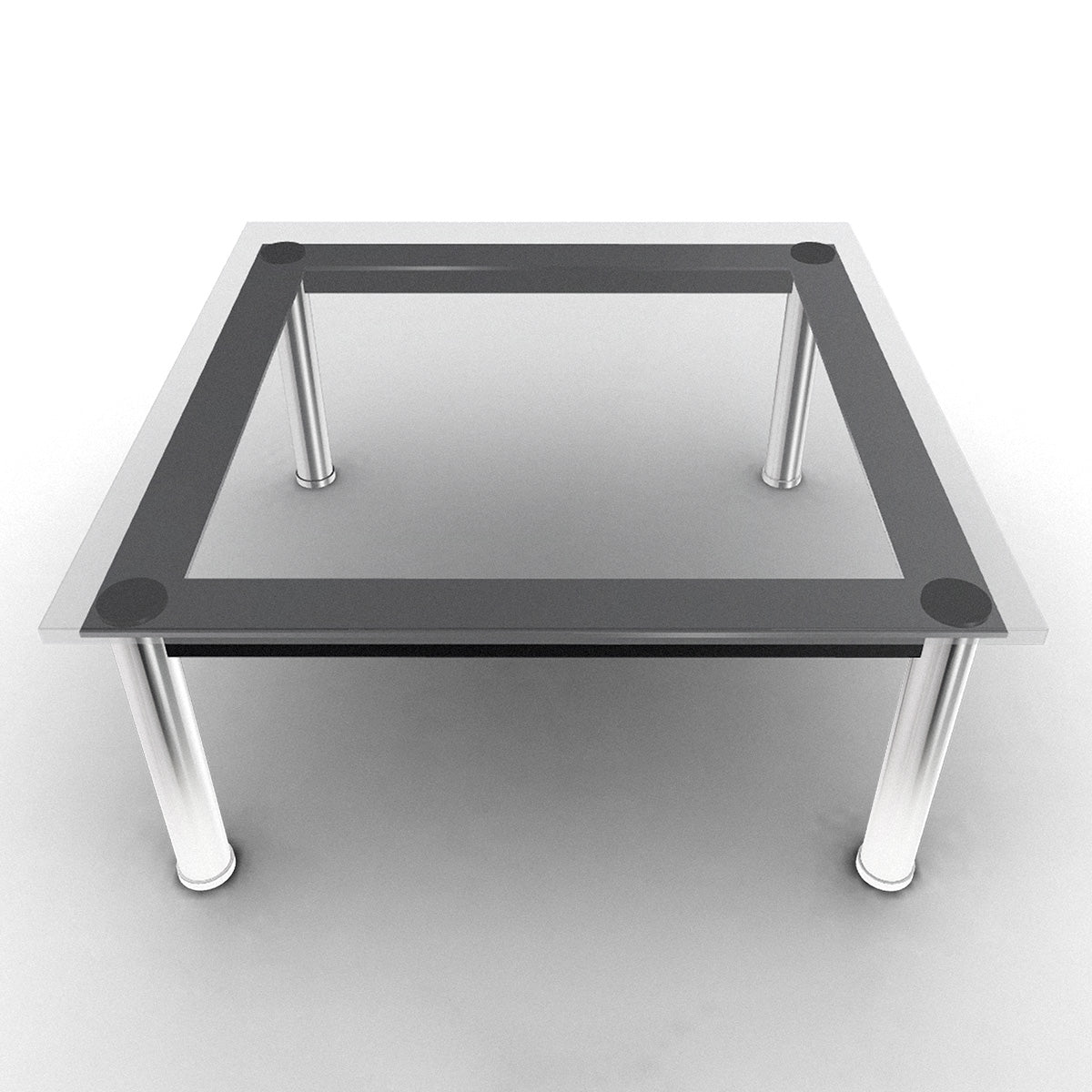
Tavolino basso quadrato LC10-p
Made by Cassina
Designed by Le Corbusier, Pierre Jeanneret, and Charlotte Perriand
Concepito nel 1929 come parte di uno studio sistematico del mobile inteso come architettura costruita, il tavolino quadrato basso LC10-p distilla la convinzione modernista in un'unica forma risolta. Le Corbusier, Pierre Jeanneret e Charlotte Perriand si sono avvicinati a ogni pezzo del loro programma di mobili nello stesso modo in cui si sono avvicinati a un edificio: attraverso la proporzione, l'onestà strutturale e l'eliminazione di qualsiasi elemento accidentale.
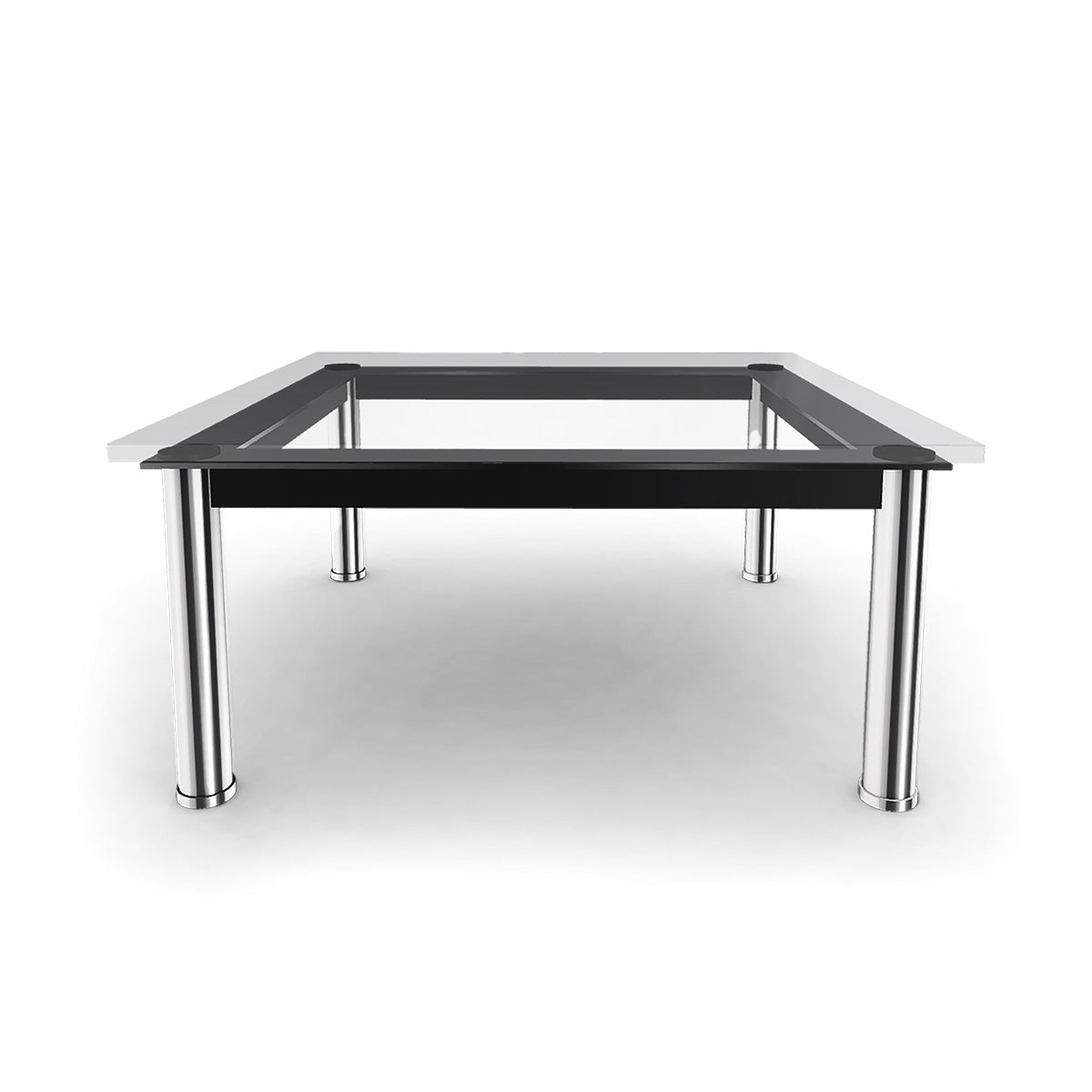
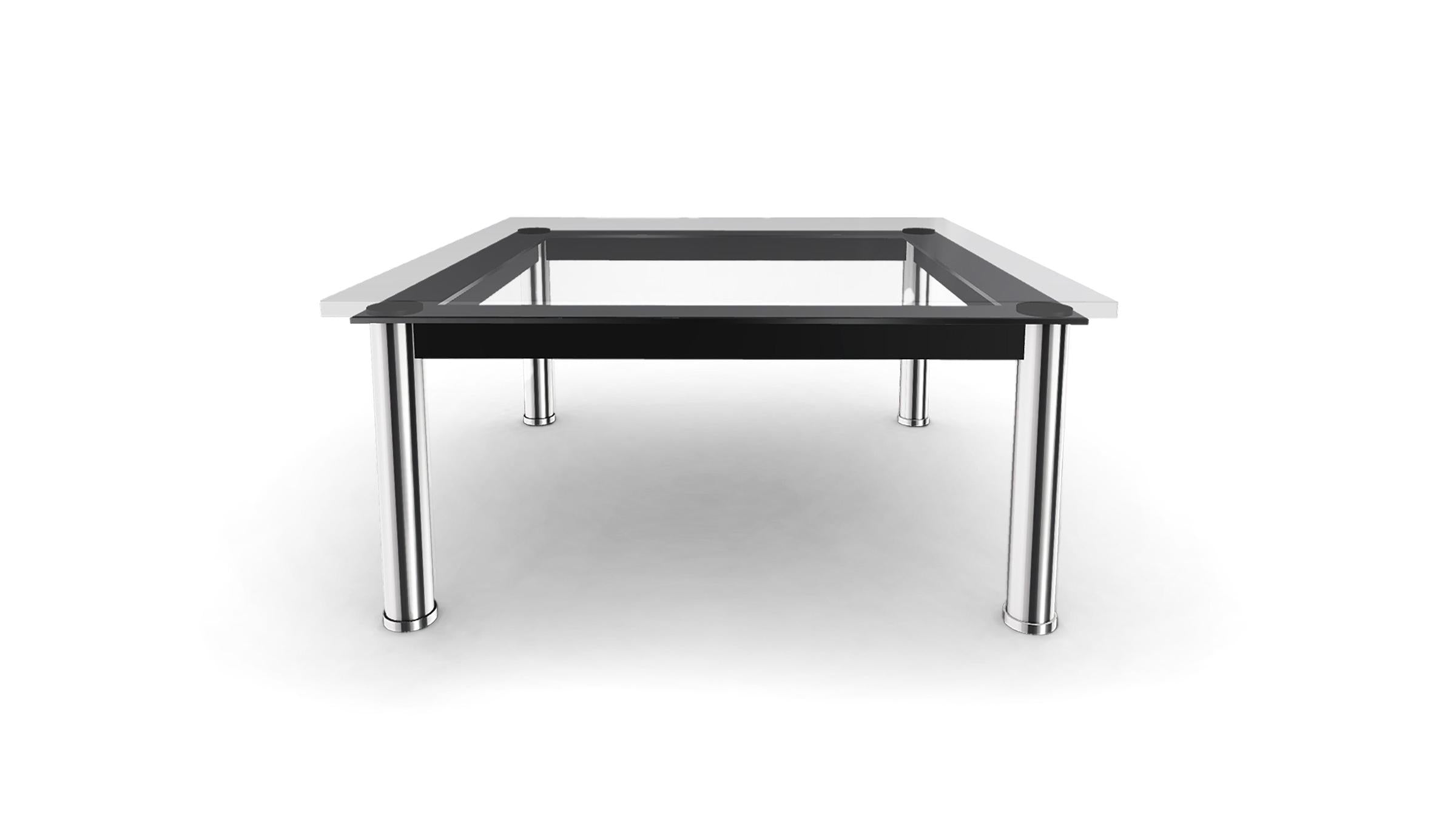
Un piano in vetro cristallino poggia su una struttura in sottile acciaio tubolare smaltato. Il rapporto tra trasparenza e precisione è il gesto centrale del design. Nulla media tra i due materiali. Nulla decora il giunto. La geometria è assoluta.
- Progettato nel 1929, rieditato nella collezione i Maestri di Cassina
- Piano in vetro cristallo su base in acciaio tubolare smaltato
- Formato quadrato concepito per la flessibilità spaziale all'interno di un rigoroso linguaggio geometrico
- Cassina detiene la licenza di produzione esclusiva per questa collezione dal 1964, in collaborazione con la Fondation Le Corbusier
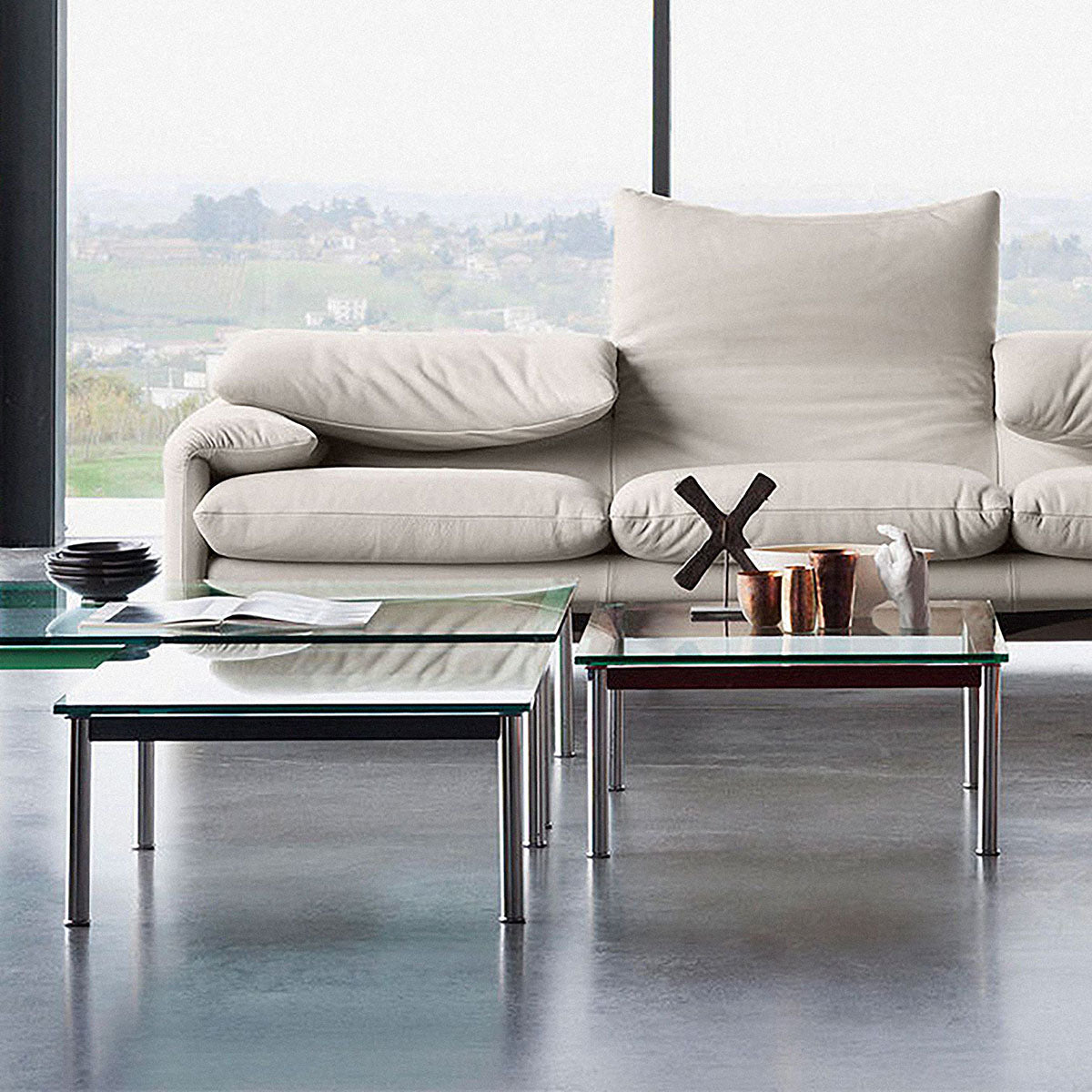
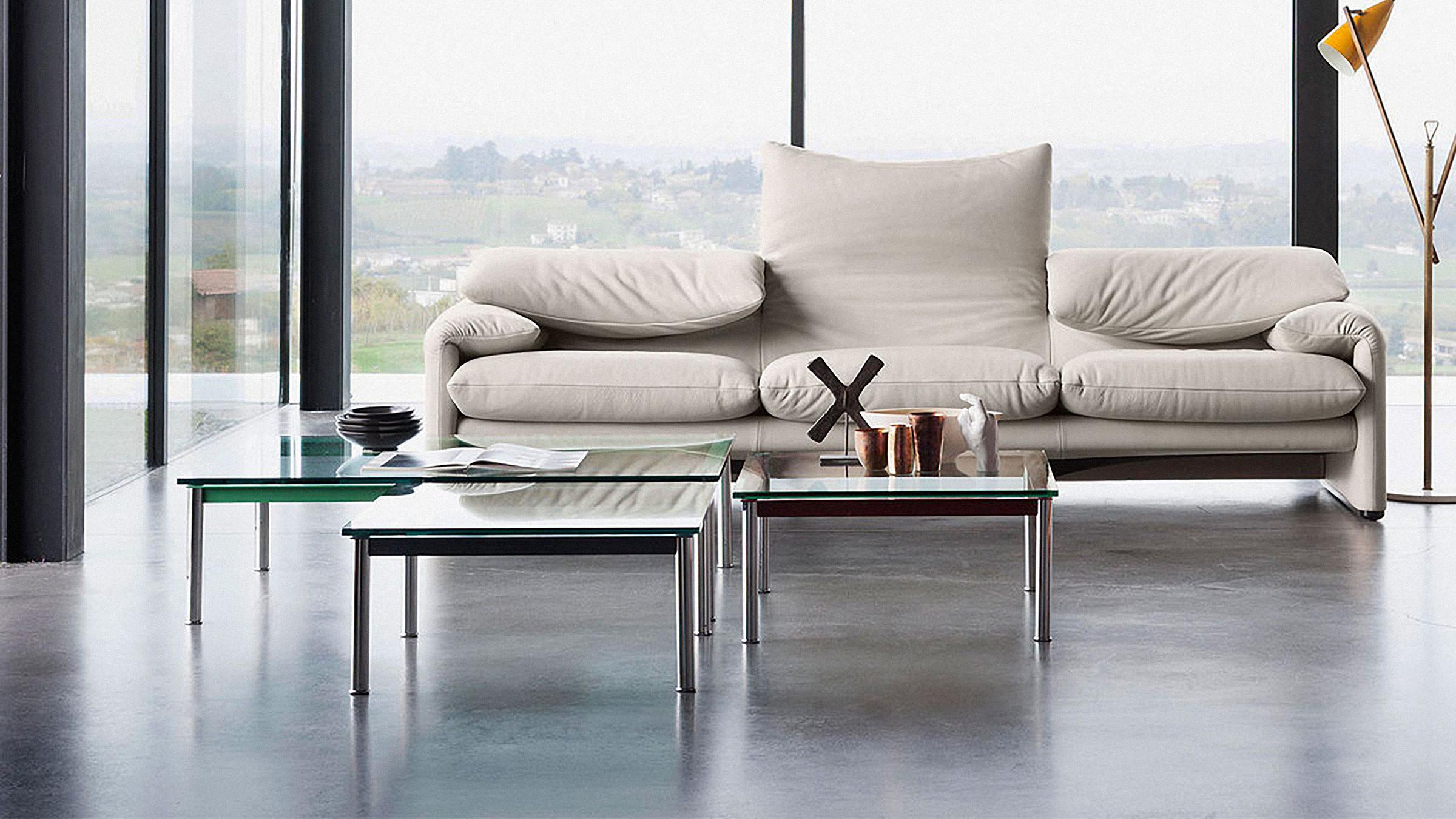
La pianta quadrata, anziché il più comune rettangolo, impone una particolare disciplina in una stanza. Resiste al posizionamento casuale. Chiede ai mobili circostanti di rispondere ad essa, rendendola tanto uno strumento compositivo quanto una superficie funzionale.
Contact us for availability and lead time.
Si abbina bene con
Dettagli del prodotto
Dettagli
Misure
Spedizione, Resi e Garanzia
Si prega di fare riferimento alla nostra politica di spedizione e di reso e cambio.
Luminaire è un rivenditore autorizzato di Cassina. Il prodotto è coperto da una garanzia completa del produttore.
Domande Frequenti
Who designed the Cassina LC10-p table?
The LC10-p was designed in 1929 by the trio of Le Corbusier, Pierre Jeanneret, and Charlotte Perriand, whose collaboration produced some of the most enduring works of the modernist canon.
What is the LC10-p table made of?
The LC10-p features a tempered crystal glass top supported by a tubular steel frame finished in enamel, a material pairing chosen to express lightness and structural clarity.
What is Cassina's relationship to the Le Corbusier furniture collection?
Cassina has held the exclusive worldwide license to produce Le Corbusier, Jeanneret, and Perriand furniture since 1964, collaborating with the Fondation Le Corbusier to maintain the integrity of original designs.
How does the LC10-p differ from the LC10 rectangular table?
The LC10-p is the square-format variant, offering a more compact and symmetrical footprint that works equally well as a central coffee table or a paired side element within a larger seating arrangement.
Is the LC10-p suitable for use alongside other Le Corbusier pieces?
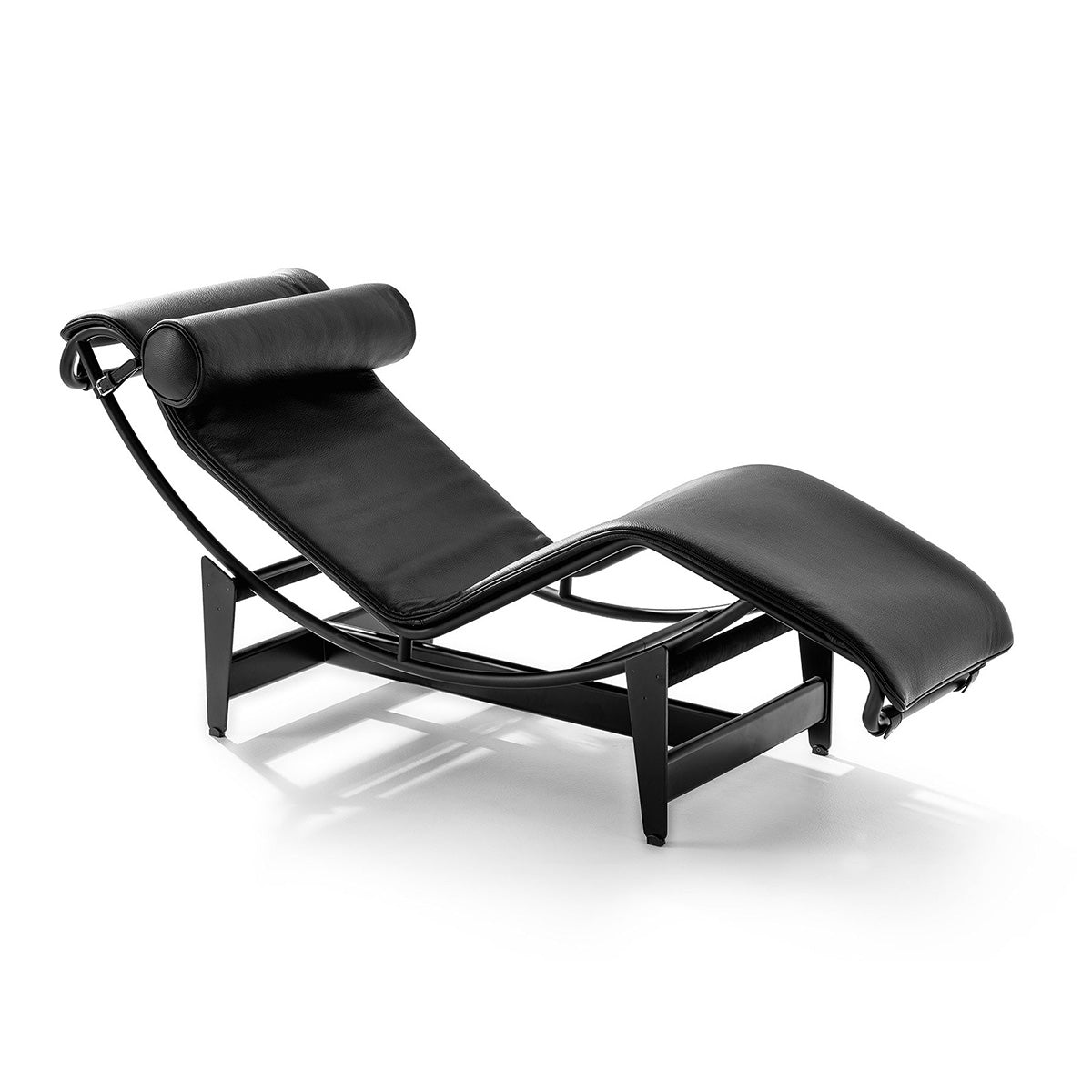
The LC10-p was conceived as part of a cohesive furniture system and pairs naturally with pieces such as the LC2 or LC3 seating units, sharing the same tubular steel vocabulary and modernist sensibility.


Adoriamo anche noi Cassina!
Hai domande su questo prodotto o su qualsiasi altro prodotto di Cassina? Contattaci! Siamo qui per aiutarti.