
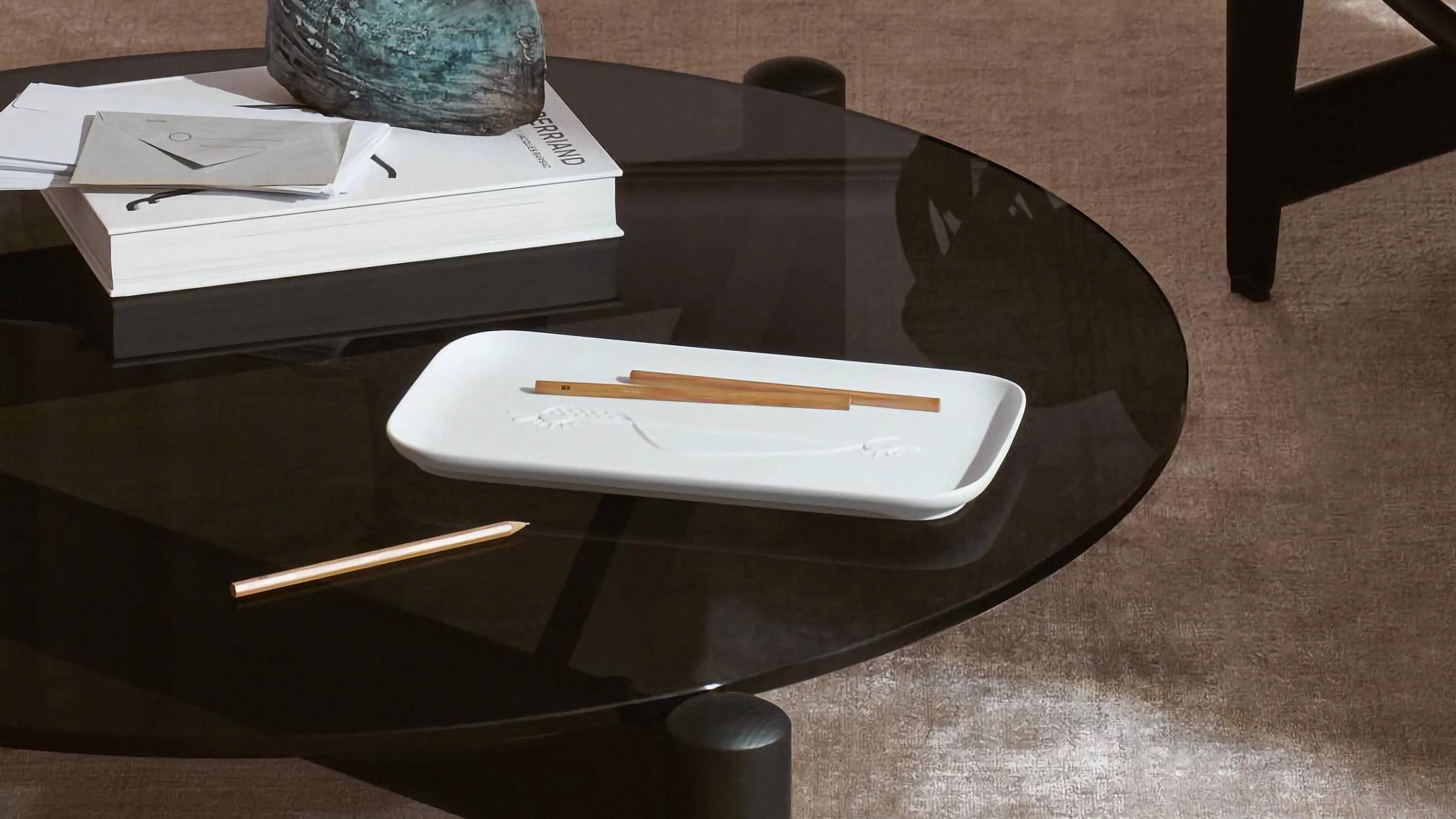
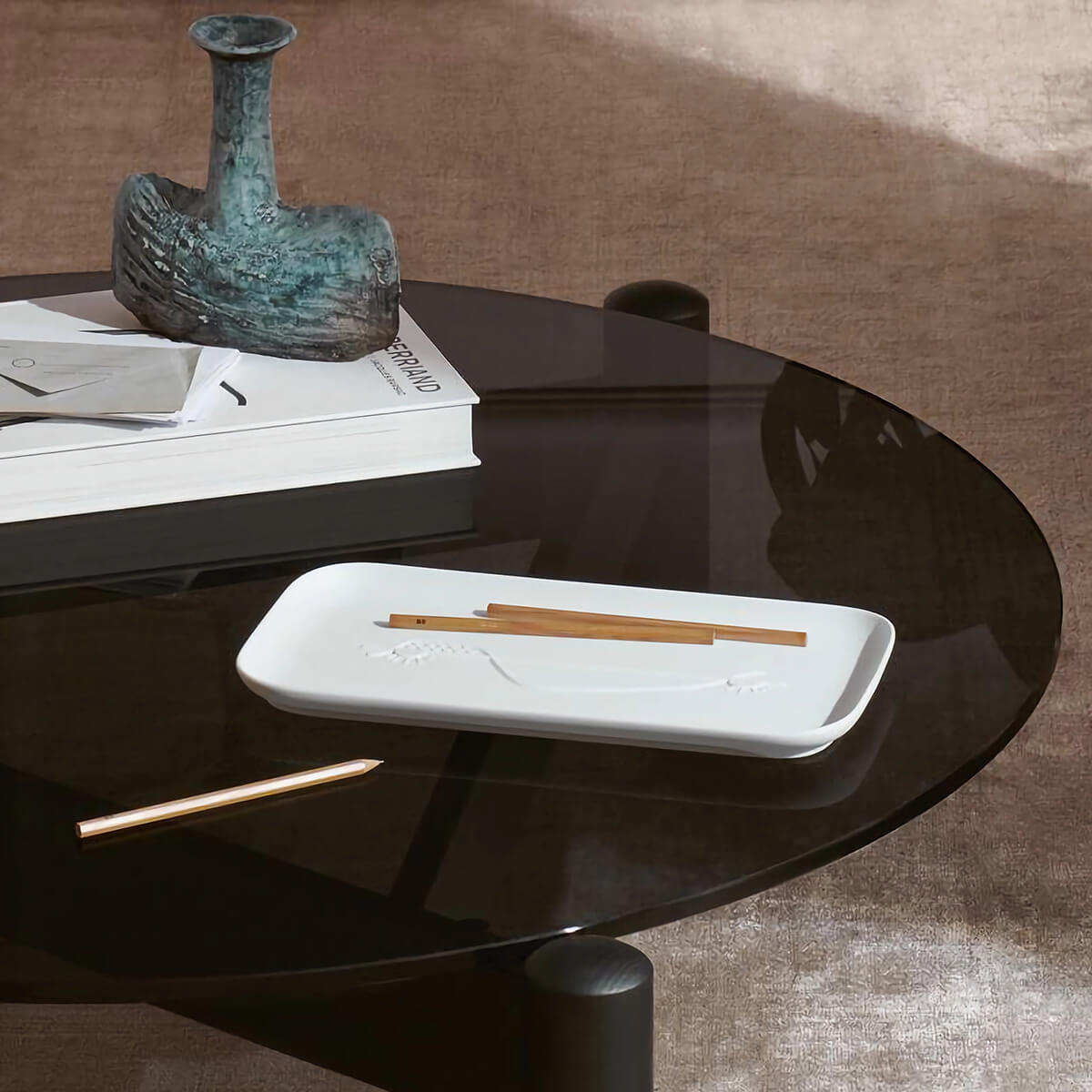
Collezione Vassoi Chandigarh
Made by Cassina
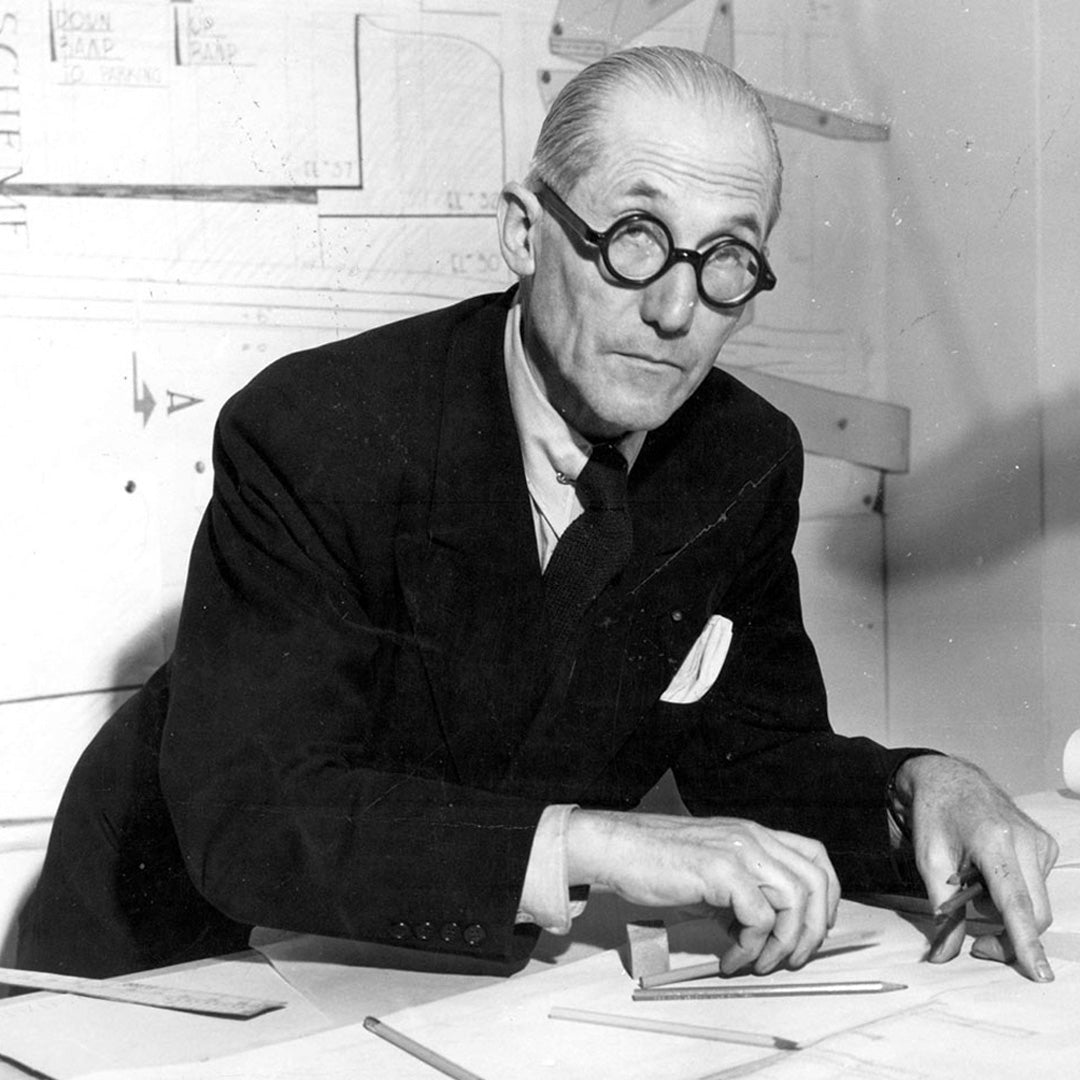
Designed by Le Corbusier
Negli anni '50, Le Corbusier ha impresso bassorilievi simbolici nelle pareti di cemento di Chandigarh, la città da lui progettata nel nord dell'India e ora patrimonio dell'UNESCO. Tre di questi simboli, ciascuno abbozzato dall'architetto nel 1956, esistono ora in una nuova forma: porcellana pura, non smaltata, lavorata a mano da Richard Ginori.
La mano aperta, emblema di pace, appare sul vassoio quadrato con angoli arrotondati. Il pesce abita il vassoio rotondo. L'arco del sole definisce la forma rettangolare. Lo stesso vocabolario iconografico appare nell'Unité d'Habitation di Marsiglia, impresso nel béton brut come sculptures moulées, segni figurativi tratti dal linguaggio simbolico profondamente personale di Le Corbusier.
Prodotto in collaborazione con la Fondazione Le Corbusier, ogni vassoio porta il peso di quell'archivio architettonico. La superficie in porcellana non smaltata trattiene il rilievo con una qualità quasi geologica, più vicina al cemento colato che alla ceramica convenzionale.
- Vassoio quadrato con angoli arrotondati: la mano aperta
- Vassoio rotondo: il pesce
- Vassoio rettangolare: il movimento del sole
- Realizzato a mano da Richard Ginori in porcellana non smaltata
- Prodotto su licenza della Fondazione Le Corbusier
In stock, ready to ship.
More than 10 available. Now at a special price, for a limited time.
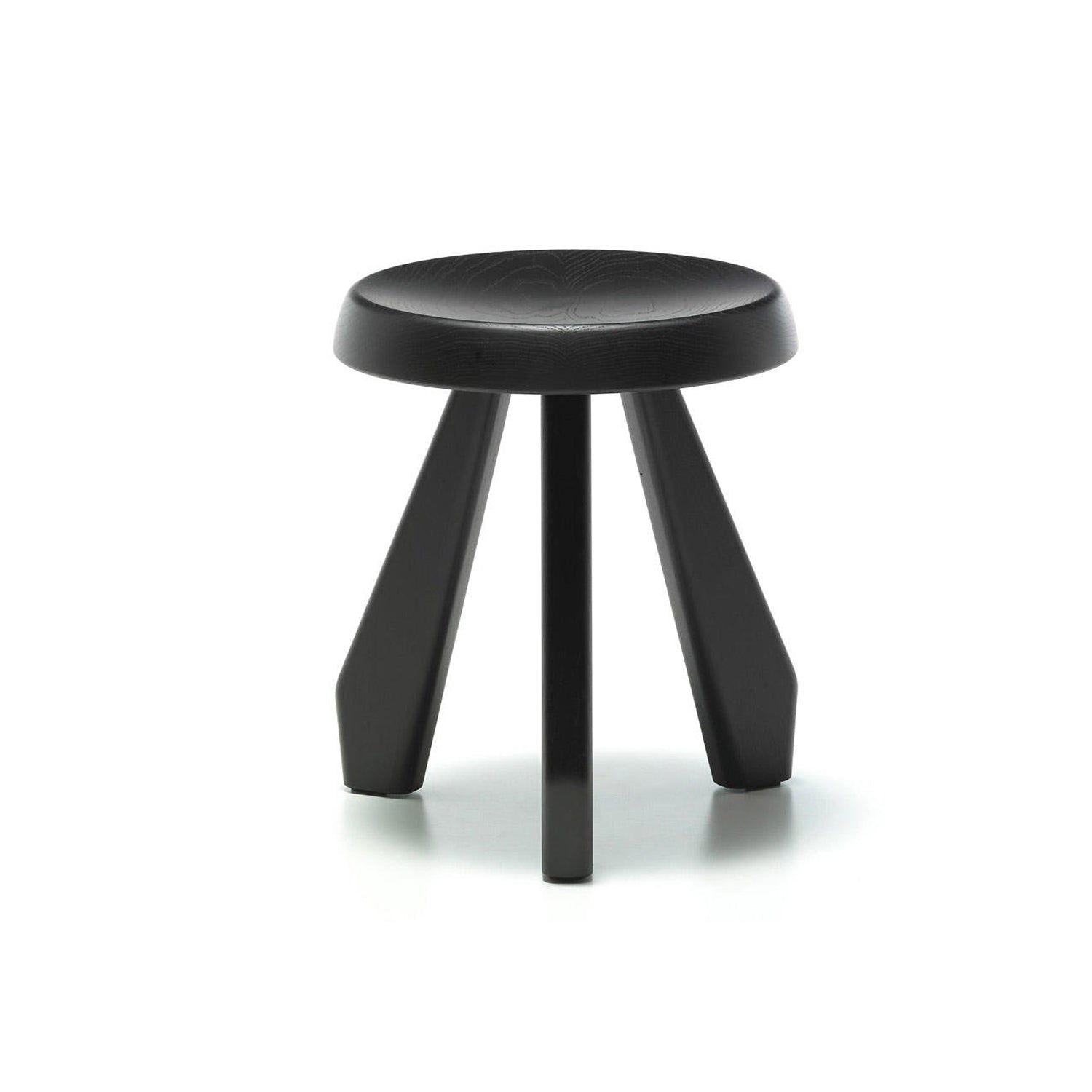
Si abbina bene con
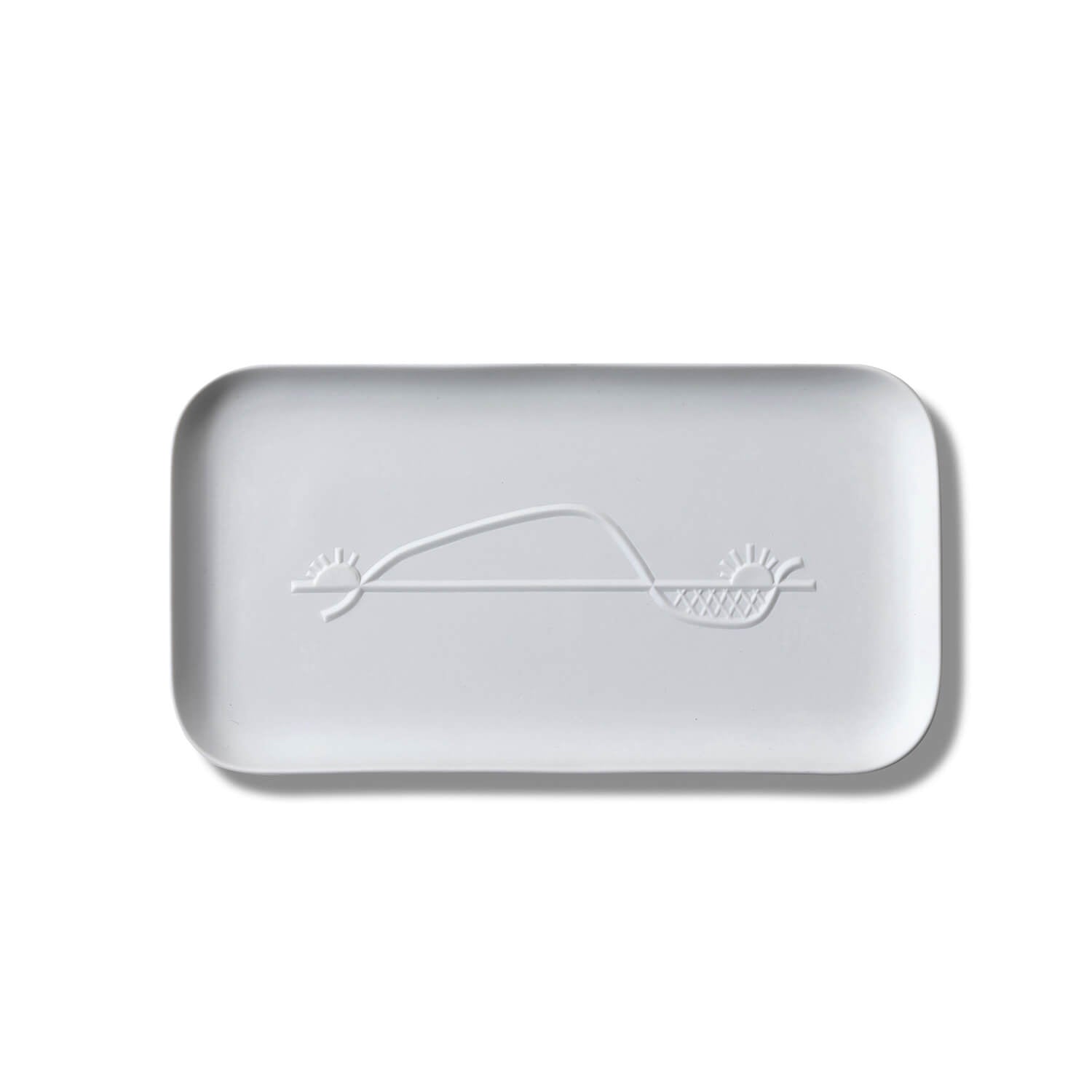
Collezione Vassoi Chandigarh
Dettagli del prodotto
Spedizione, Resi e Garanzia
Si prega di fare riferimento alla nostra politica di spedizione e di reso e cambio.
Luminaire è un rivenditore autorizzato di Cassina. Il prodotto è coperto da una garanzia completa del produttore.
Domande Frequenti
What do the symbols on the Chandigarh trays represent?
The three symbols, the open hand, the fish, and the arc of the sun, were sketched by Le Corbusier in 1956 as part of a personal iconographic language he developed over decades. The open hand in particular became one of his most enduring emblems, representing peace and the act of giving and receiving. The same symbols appear as bas-reliefs in the concrete walls of Chandigarh and at the Unité d'Habitation in Marseille.
Who is Richard Ginori and why were they chosen for this collaboration?
Richard Ginori is one of Italy's oldest and most distinguished porcelain manufacturers, founded in 1735 near Florence. Their mastery of ceramic craft and their history of working with significant design and architectural commissions made them a natural partner for translating Le Corbusier's architectural reliefs into the precision of unglazed porcelain.
Why is the porcelain unglazed on these trays?
The unglazed finish is a deliberate material choice that echoes the raw, tactile quality of béton brut, the exposed concrete Le Corbusier used at Chandigarh and the Unité d'Habitation. Left without glaze, the porcelain surface reads as closer to cast stone than conventional ceramics, preserving the architectural character of the original bas-reliefs.
Is this collection officially authorized by the Le Corbusier Foundation?
Yes. The Chandigarh Tray Collection is produced by Cassina in direct collaboration with the Fondation Le Corbusier, which oversees the licensing and integrity of all objects bearing Le Corbusier's designs and iconography.
What is the significance of Chandigarh as a UNESCO World Heritage Site?
Chandigarh, the planned city Le Corbusier designed for the Indian state of Punjab in the early 1950s, was inscribed as a UNESCO World Heritage Site in 2016 as part of a transnational listing of seventeen Le Corbusier works. The Capitol Complex at its center is considered one of the most complete expressions of his urban and architectural vision, and the symbolic bas-reliefs embedded in its walls are integral to that legacy.

Adoriamo anche noi Cassina!
Hai domande su questo prodotto o su qualsiasi altro prodotto di Cassina? Contattaci! Siamo qui per aiutarti.