



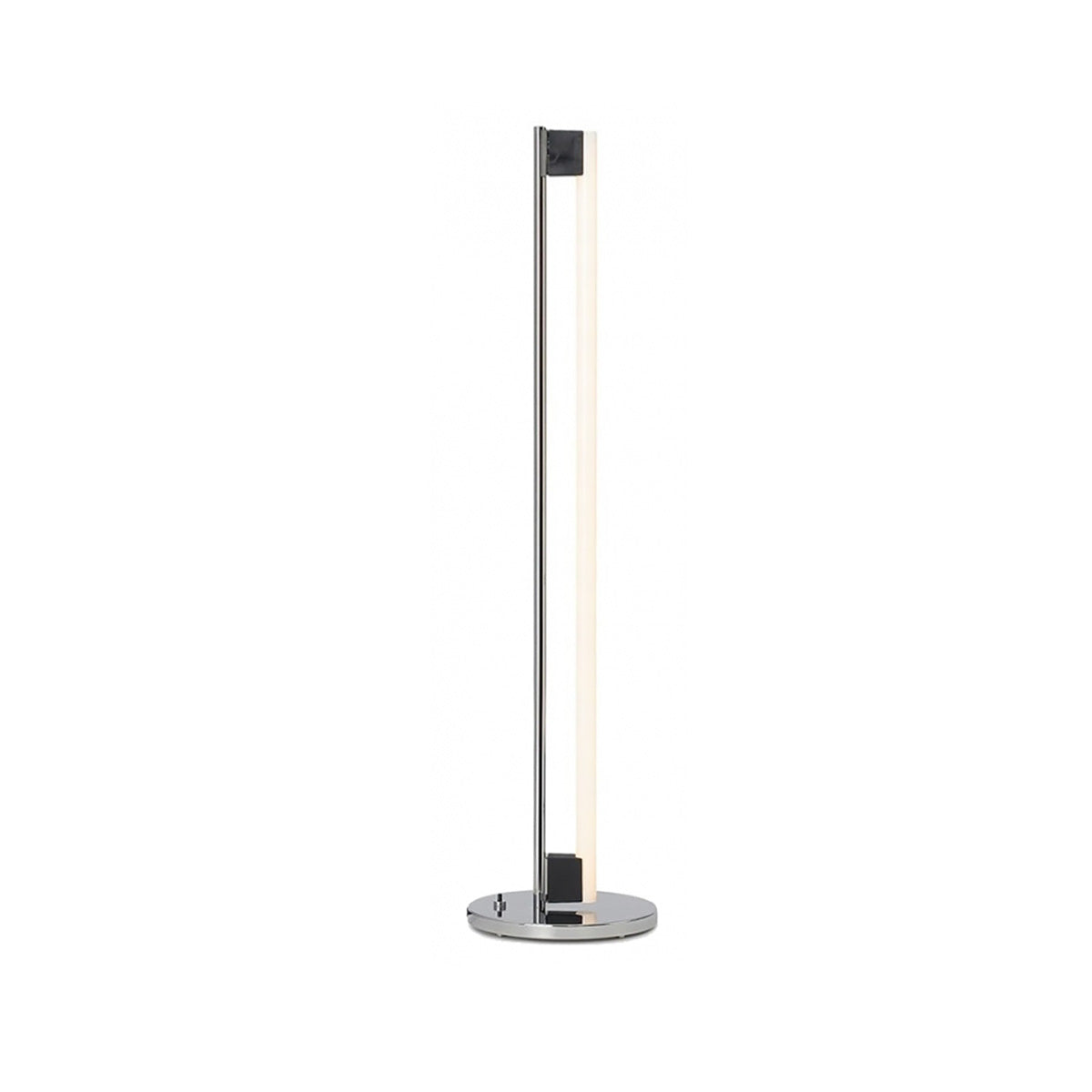


Lampada da terra con tubo a luce


Progettare senza confini
Oltre alle nostre collezioni curate, ti aspetta un mondo di oltre 400 marchi iconici.
Per pezzi specifici, finiture o soluzioni su misura, il nostro team di progettazione è a tua disposizione.
Frequently Asked Questions
What design philosophy defines ClassiCon's furniture and lighting?
ClassiCon operates at the convergence of Modernist heritage and precise contemporary making. The atelier draws on the European avant-garde tradition, producing authorized reissues of canonical designs alongside new work by contemporary designers. The unifying sensibility is formal rigor: every piece is shaped by reduction, by attention to proportion, and by a conviction that function and sculptural presence are inseparable.
Are ClassiCon's Eileen Gray reissues officially authorized?
ClassiCon produces its Eileen Gray pieces as officially licensed reissues, authorized by Aram Designs Ltd, London, which holds the rights to Gray's furniture designs. This authorization matters both for provenance and for the integrity of the production specifications. The forms are held to the original design intent, including materials, proportions, and mechanisms, rather than being interpretive adaptations.
What materials are most common across ClassiCon's collection?
Chrome-plated and powder-coated tubular steel appear throughout the collection, reflecting the Bauhaus-adjacent vocabulary of many of the founding designs. Hand-blown glass, in borosilicate and crystal varieties, is used both structurally and as tabletop surfaces. Solid brass, copper, lacquered wood, and mirror-polished stainless steel appear across specific pieces. Material choice is rarely decorative; it tends to be the formal argument of the object itself.
Which contemporary designers have worked with ClassiCon alongside the historic reissues?
ClassiCon has collaborated with a range of significant contemporary designers whose practices share the atelier's commitment to formal clarity over ornamentation. The roster includes Konstantin Grcic, whose analytical rigour in German industrial design has shaped some of the collection's most considered pieces, alongside Victoria Wilmotte, whose folded geometries bring a distinct French precision to the collection. Each contributor produces new work that holds a genuine dialogue with the collection's Modernist foundations rather than simply extending them.
How does ClassiCon approach made-to-order production?
Several pieces in the ClassiCon collection are produced to order rather than held as standard stock. This applies particularly to works involving hand-blown glass, hand-woven textiles, or finishes that require individual attention during production. Made-to-order pieces typically allow for a wider range of finish and material combinations. Because each is formed individually, minor variations in texture or color are inherent to the process and considered part of the object's character.
How do ClassiCon's side tables and occasional tables function in a designed interior?
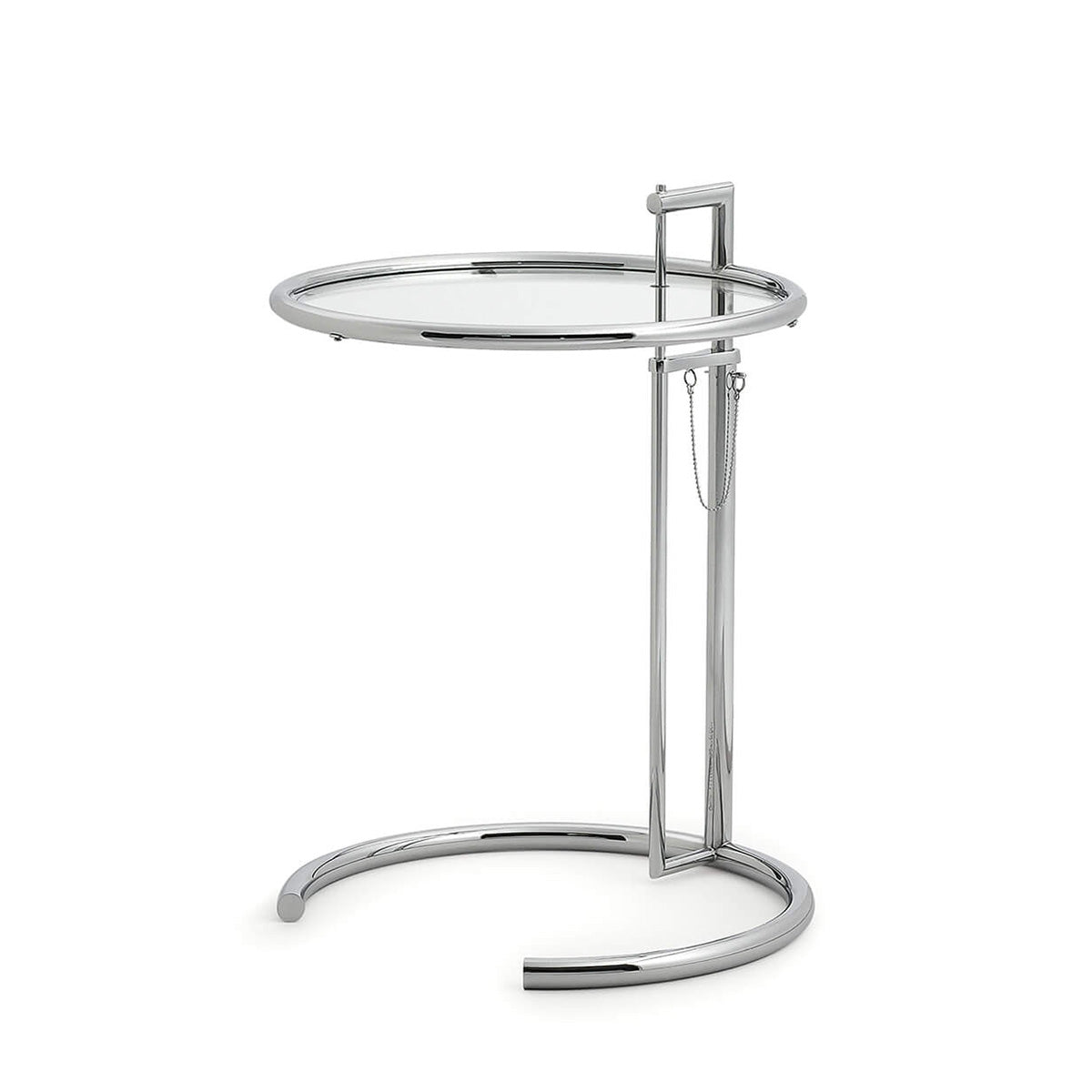
ClassiCon's table designs consistently prioritize adaptability over fixed placement. Several feature adjustable-height mechanisms, swiveling surfaces, or folding elements that allow the piece to respond to the user's position rather than dictating it. This functional intelligence was central to Eileen Gray's original intent and remains a thread through the contemporary additions to the collection. The Occasional Table is among the most direct expressions of that intent: a surface that rises and lowers, positioning beside a chair or over a bed without surrendering proportion. In practice, these pieces function equally well beside a sofa, over a bed, or as freestanding objects in a composition.
What is the Diana series, and how are the individual pieces intended to be used?
The Diana series is a family of side tables, each cut from a single sheet of steel and shaped through a studied reduction of positive and negative voids. Models span a range of proportions and silhouettes, each a distinct formal gesture. The Diana A and Diana B, among others, were conceived for combination: arranged together, they compose a personal visual grammar within a room, with each piece contributing a different height, scale, or outline. Powder-coated color is a formal decision in this series, shifting the atmosphere of any given configuration.
How should I care for hand-blown glass pieces in the ClassiCon collection?
Hand-blown glass components, whether used as table bases, lamp shades, or surfaces, should be cleaned with a soft, lint-free cloth and a mild, non-abrasive cleaner. Avoid solvents or abrasive pads that can dull polished surfaces or damage interior treatments such as white flashing or lacquered finishes. Because each hand-blown piece carries minor surface variations inherent to its making, these are part of the object's identity and do not require correction. For specific care guidance on a given piece, consult the manufacturer's documentation.
Valorizza il Tuo Spazio
Dal 1974, siamo all'avanguardia dell'innovazione nel campo del design, rivoluzionando le percezioni del buon design.


