
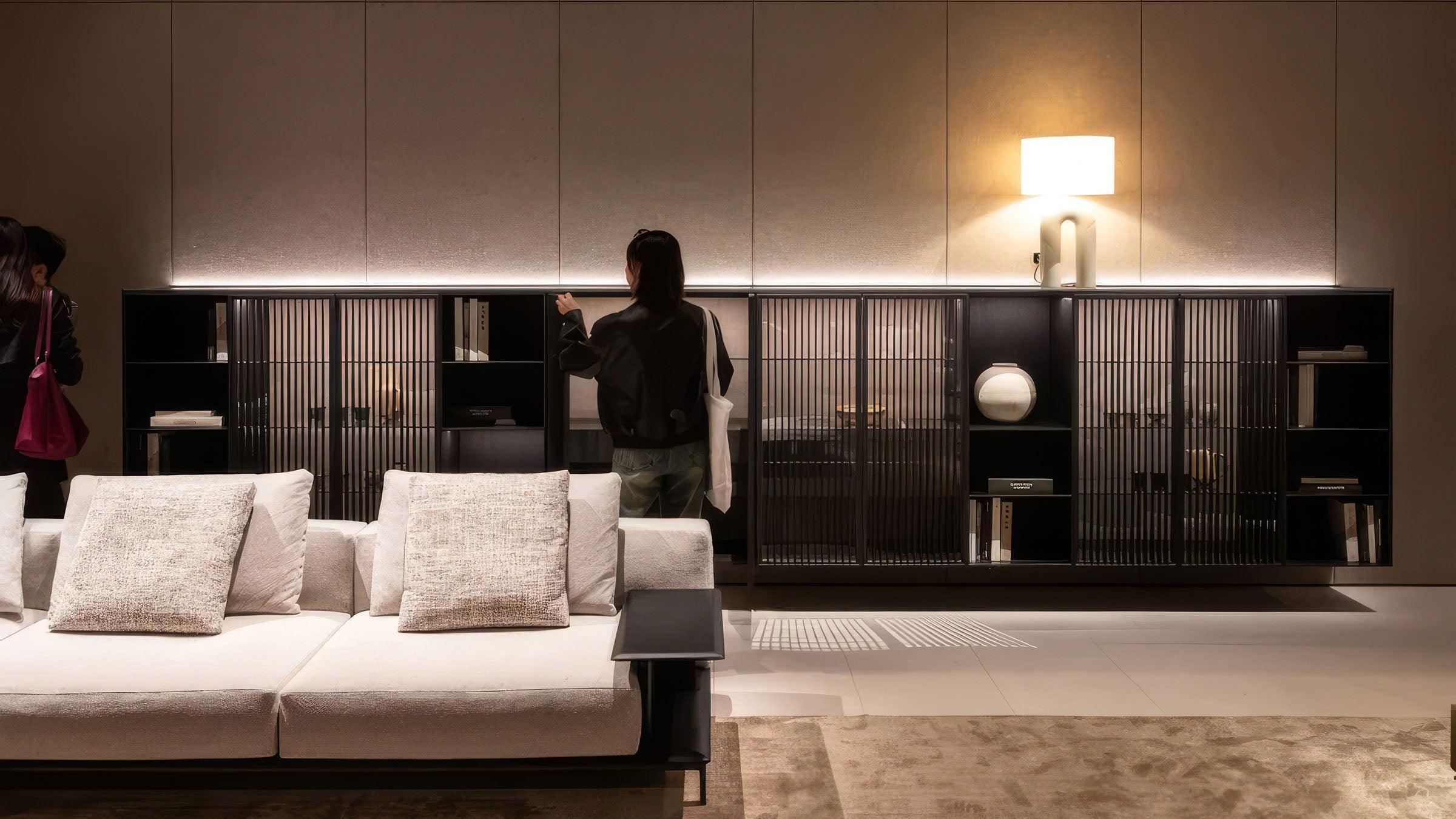
Infundendo Milano con l'energia sconfinata di forme dinamiche e concetti che aprono la mente, il Salone del Mobile 2025 è pronto a esplodere con un fervore molto atteso a Fiera Milano, Rho, dall'8 al 13 aprile.
Portando con sé una sinfonia di estetiche all'avanguardia fuse con esperienze accattivanti, centinaia di migliaia di appassionati di design e pubblico passeggiano lungo una planimetria circolare recentemente aggiornata. Incontrando opere che coinvolgono ed eccitano e interagendo con un robusto programma culturale, gli ospiti intraprendono un viaggio di atemporalità ed eventi multisensoriali che fungono da ponte invisibile tra il presente e il futuro.
Mentre ci prepariamo a intraprendere un viaggio di scoperta al Salone del Mobile di quest'anno, offriamo uno sguardo su cosa aspettarsi, quali design faranno da cornice e quali temi narreranno il nostro tour dell'innovativo e raffinato.

Attraverso la fiera principale, più di 2.000 espositori provenienti da 37 paesi presentano spazi che ridefiniscono il modo in cui il design vive negli ambienti che abitiamo. Non si tratta di esposizioni statiche, ma di espressioni accuratamente composte di materiale, forma e intenzione.
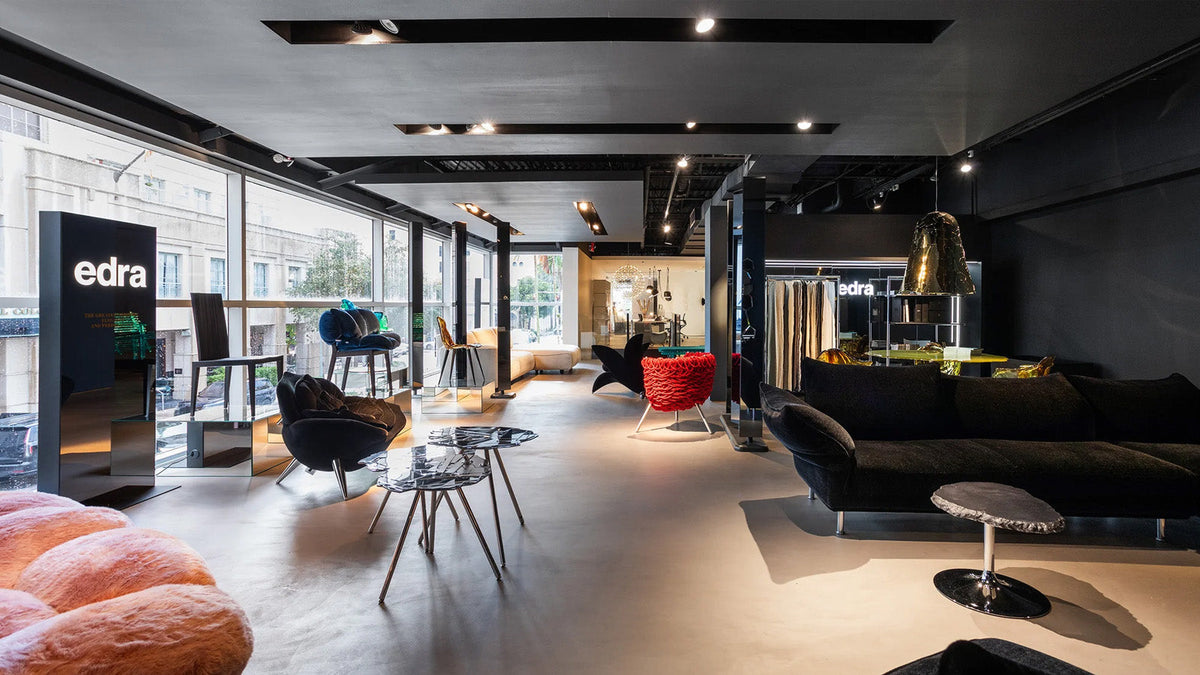
I partner di Luminaire sono profondamente radicati in questo panorama, tra cui Ambientec, Artemide, Atelier Vierkant, ClassiCon, Davide Groppi, Desalto, Edra, Flexform, Flos, Gardeco, Glas Italia, Kettal, Knoll, Living Divani, MDF Italia, Molteni & C, Porro, Santambrogio e Sollos. Insieme, queste voci illustrano come il design plasmi l'esperienza, rivelando oggetti che risuonano sia visivamente che emotivamente.
All'interno dei Padiglioni 13 e 15, la sezione nota come Luxury Way propone una sensibilità distintamente italiana. Artigianalità e raffinatezza convergono in oggetti che appaiono durevoli e contemporanei. Altrove, la mostra International Furnishing Accessories esplora il potenziale espressivo di oggetti che personalizzano uno spazio, dai tessuti agli accenti scultorei. Workplace 3.0 e S Project estendono questa visione all'ambiente di lavoro in evoluzione, presentando ambienti che rispondono ai ritmi della vita moderna.

Nel cuore della fiera di quest'anno, la Biennale Euroluce torna con un rinnovato focus sulla luce come mezzo tecnico e forza emotiva. Più di 300 espositori presentano illuminazione che modella la percezione, trasformando il modo in cui gli spazi vengono percepiti tanto quanto il modo in cui vengono visti.
Il forum Light for Life riunisce pensatori di spicco tra cui Marjan van Aubel, Stefano Mancuso, Robert Wilson, Patrick Rimoux, Lonneke Gordijn e Karou Mende. Le conversazioni si svolgono all'interno della Forest of Space Arena, un'installazione concepita da Sou Fujimoto, dove architettura e luce si fondono in un'esperienza singolare.
Nelle vicinanze, SaloneSatellite presenta "Nuovo Artigianato: Un Nuovo Mondo", riunendo 700 designer under 35. Qui, il linguaggio del fatto a mano viene reinventato attraverso una lente contemporanea, offrendo uno sguardo sul futuro dell'esplorazione dei materiali e del pensiero artigianale.

Oltre alle singole mostre, un filo conduttore più profondo attraversa la fiera. La relazione tra persone e oggetti si rivela in modi sottili e potenti, plasmando i rituali quotidiani e influenzando il modo in cui gli spazi sono abitati.
Installazioni come "La Dolce Attesa" del regista Paolo Sorrentino, "Villa Heritage" dell'architetto Pierre-Yves Rochon e "Mother" dell'artista Robert Wilson esplorano come memoria, atmosfera e design si intersechino.
In tutta la fiera, i temi della sostenibilità, dell'intelligenza emotiva e dell'atemporalità emergono attraverso le scelte dei materiali, la composizione spaziale e la profondità concettuale. Il design diventa un mezzo per comprendere come gli ambienti influenzano il benessere, creando spazi che si sentono intuitivi, ponderati e vivi.

Ciò che inizia a Milano non rimane lì. Le idee esplorate al Salone del Mobile continuano negli spazi che abitiamo, plasmando il modo in cui viviamo con il design quotidianamente.
Da Luminaire, queste prospettive globali si traducono in esperienze tangibili. Attraverso una selezione accuratamente curata di marchi e collezioni, insieme a un approccio progettuale completo, ogni concetto può essere realizzato con chiarezza e intenzione.
Vi invitiamo a continuare questo viaggio oltre la fiera. Esplorate queste collezioni nei nostri showroom, o contattate il nostro team di design per scoprire come queste idee possono prendere forma nel vostro ambiente.

Luminaire at Design West Hollywood 2026
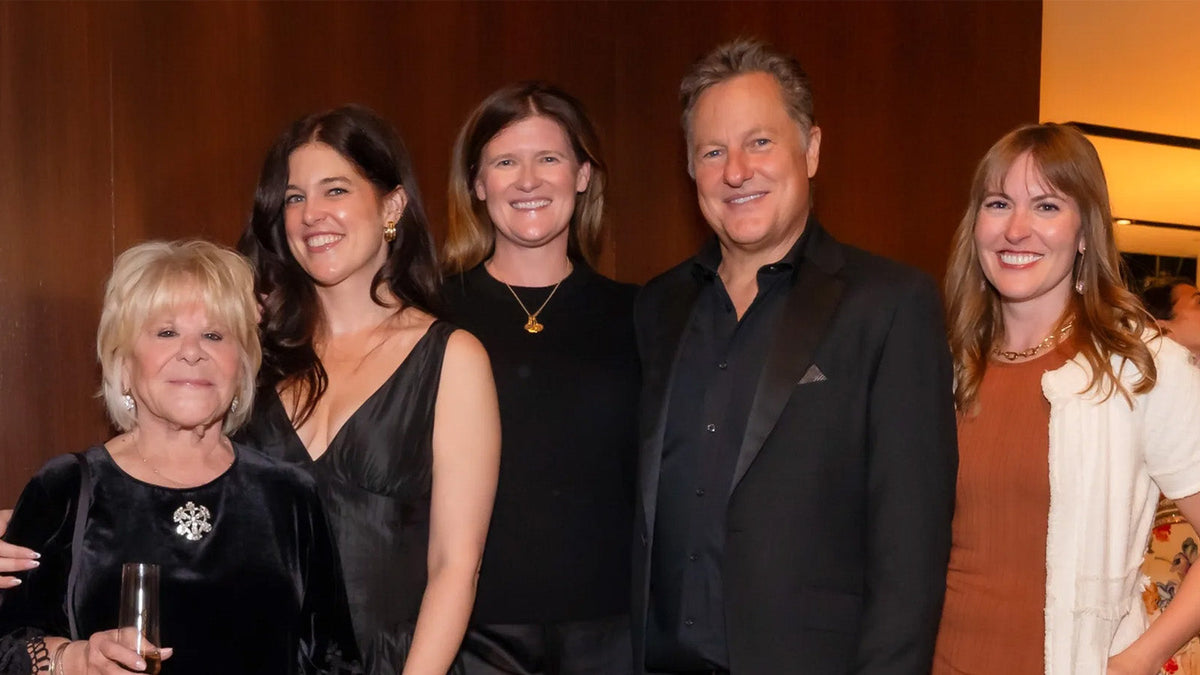
Design West Hollywood 2026 celebrated creativity, connection, and contemporary design, with Luminaire Los Angeles and Arclinea Los Angeles hosting memorable gatherings that brought the design community together.
Continua a leggeresu Luminaire at Design West Hollywood 2026
In Conversation with Sophie Goineau
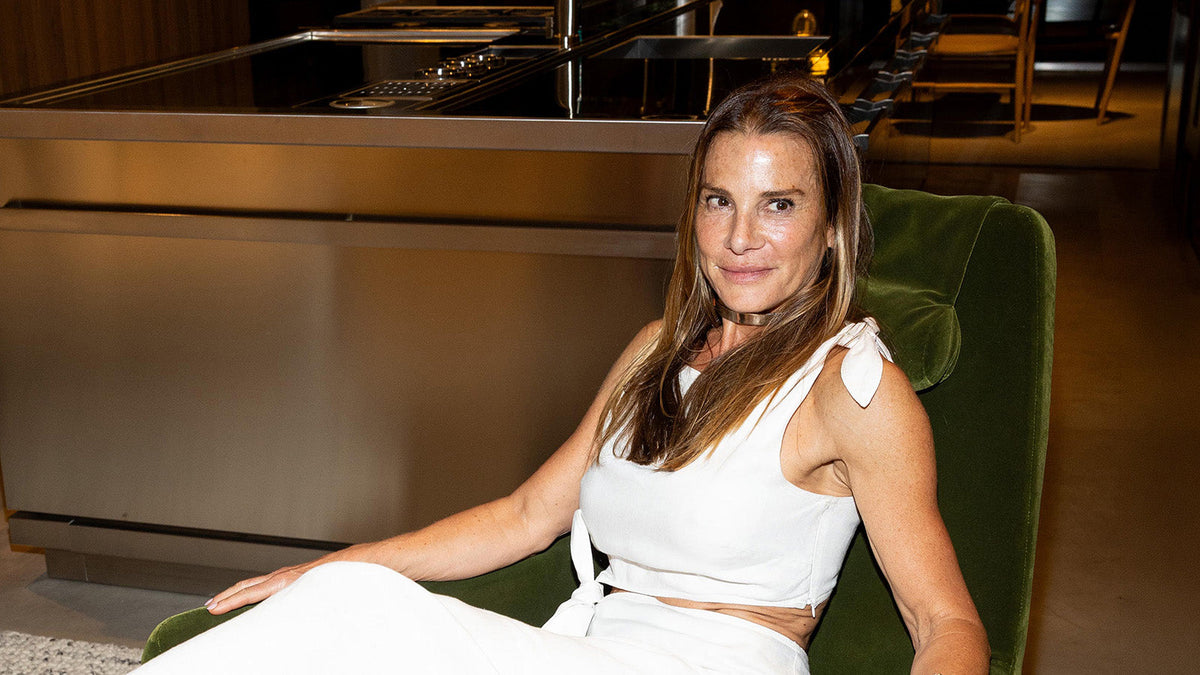
Interior architect Sophie Goineau designs across scales, from a single object to the architecture around it and the land beyond. She discusses composing interiors as one continuous experience, letting each place and its people shape a project's language, and her work on Selby Lane with the San Francisco team.
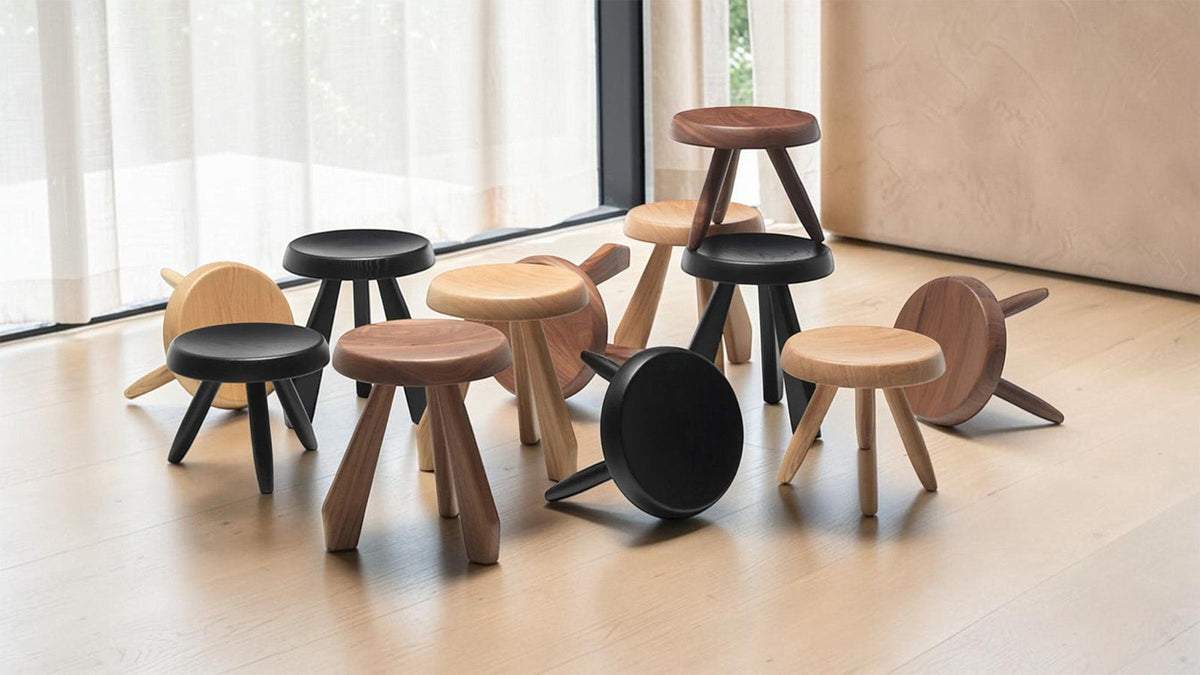
Charlotte Perriand's Tabouret Stools: Alpine Form, Modern Use
Continua a leggeresu Charlotte Perriand's Tabouret Stools: Alpine Form, Modern Use
Inside Luminaire Chicago: Italian Design in River North Since 1989
Continua a leggeresu Inside Luminaire Chicago: Italian Design in River North Since 1989
Eileen Gray's E 1027 Table: A Design Conceived for Living
Continua a leggeresu Eileen Gray's E 1027 Table: A Design Conceived for Living
LC14 Tabouret Cabanon: Le Corbusier's Smallest Architecture
Continua a leggeresu LC14 Tabouret Cabanon: Le Corbusier's Smallest Architecture
Sacco Chair by Zanotta: The 1968 Object That Refused to Be Furniture
Continua a leggeresu Sacco Chair by Zanotta: The 1968 Object That Refused to Be Furniture
Inside Luminaire Coral Gables: The Showroom and Its Design Services
Continua a leggeresu Inside Luminaire Coral Gables: The Showroom and Its Design Services
The Wishbone Chair: Hans Wegner's CH24 and the Art of Making
Continua a leggeresu The Wishbone Chair: Hans Wegner's CH24 and the Art of Making
Cassina Chairs - The Collectors' Guide
Few furniture makers have shaped the chair as a cultural object the way Cassina has. From their earliest collaborations with the European avant-garde to their ongoing stewardship of the twentieth century's most consequential seating designs, the Meda-based manufacturer remains the standard against which Italian furniture brands are measured. This guide surveys the Cassina chairs we carry and the ideas embedded in each one.
On the Rocks di Edra: la geologia del riposo di Francesco Binfaré
Continua a leggeresu On the Rocks di Edra: la geologia del riposo di Francesco Binfaré
The 14p Portable Lamp: Bocci's Cast-Glass Sphere, Untethered
Continua a leggeresu The 14p Portable Lamp: Bocci's Cast-Glass Sphere, Untethered
I nostri specialisti vi assisteranno con informazioni sui prodotti, selezione dei materiali, configurazioni personalizzate, prezzi e tempi di consegna.
Parla con un consulente di design
Assistenza in tempo reale durante l'orario d'ufficio. Chiama il numero 855-341-3620
Ricevi una risposta entro un giorno lavorativo.
We've received your inquiry!
We appreciate your interest. One of our staff members will be in touch with you soon.
In the meantime, feel free to explore more of what Luminaire has to offer.
If you require immediate assistance, please call (855) 341-3620
To ensure that you receive communications from us to your Inbox, please add Luminaire to your contacts.
Have a great day!
Iscriviti per accedere a privilegi esclusivi in termini di design iconico, nuove tendenze, eventi esclusivi e offerte accuratamente selezionate.

Condividi:
La tavola è pronta
La Danza del Su Misura