
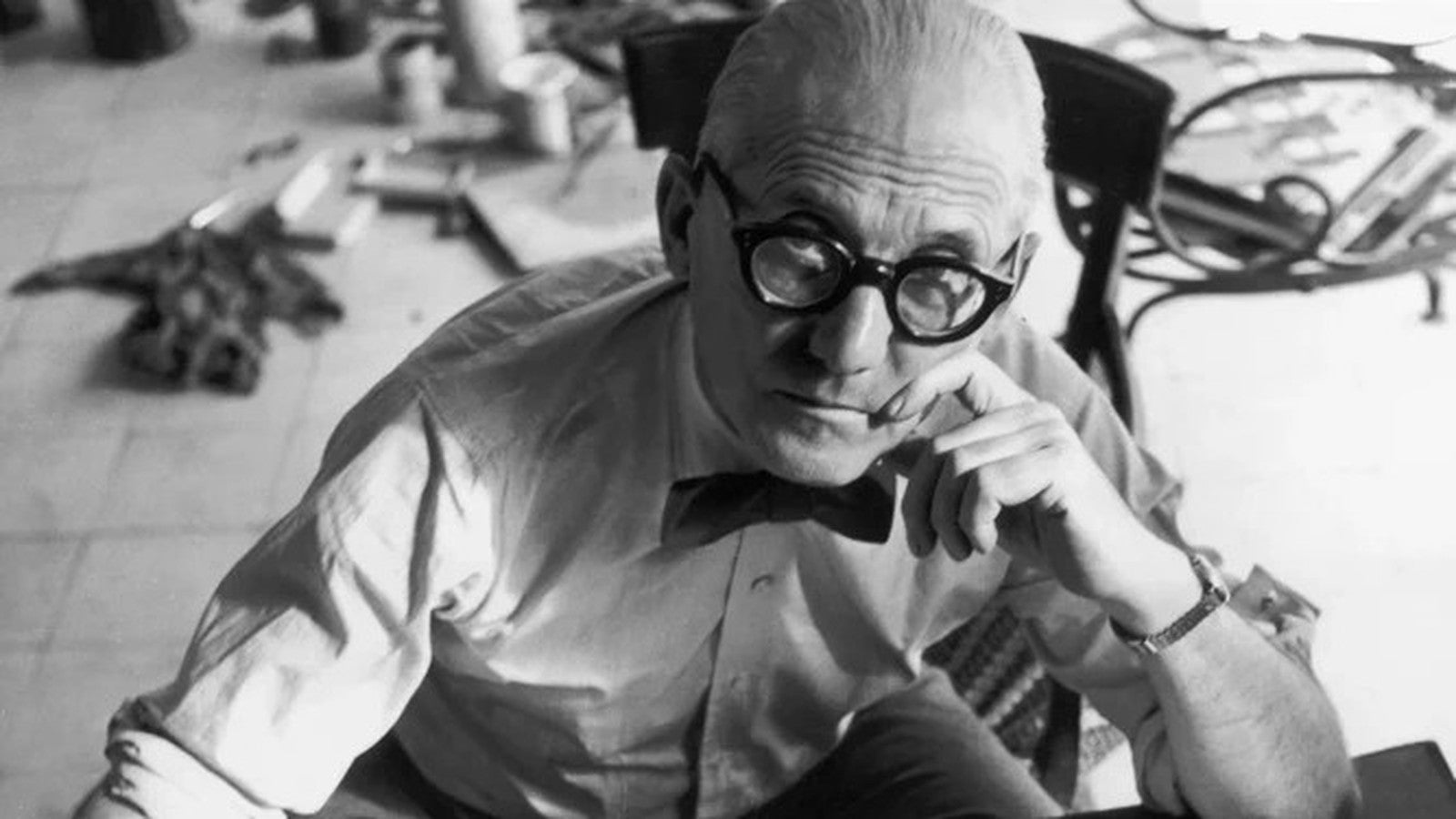
Architetto rivoluzionario e pensatore espansivo, Le Corbusier ha ridefinito il linguaggio del design moderno attraverso un approccio disciplinato ma fantasioso alla forma. Il suo lavoro continua a risuonare, offrendo una visione dell'abitare che appare allo stesso tempo strutturata ed espressiva, precisa eppure aperta all'interpretazione.
Quest'anno segna due importanti anniversari. Ricorre il 60° anniversario della sua linea di mobili introdotta da Cassina, e il 100° anniversario di Vers Une Architecture, il manifesto che ha contribuito a definire l'architettura moderna.
Questi momenti invitano a riflettere non solo sulla sua eredità, ma anche sulla continua rilevanza delle sue idee nel modellare il nostro modo di vivere oggi, e su come il design continui a tradurre queste idee in esperienze vissute.

Nato Charles-Édouard Jeanneret-Gris nel 1887, Le Corbusier adottò il suo nome ormai iconico dopo essere arrivato a Parigi, segnalando una fede nella reinvenzione. In questo periodo, co-fondò L'Esprit Nouveau con Amédée Ozenfant e Paul Dermée, sostenendo un nuovo linguaggio architettonico fondato sulla chiarezza e lo scopo.
Nel 1922, insieme a Pierre Jeanneret e Charlotte Perriand, iniziò a concepire la casa come un sistema completo, dove architettura ed elementi interni lavorano all'unisono.
Questa visione prese forma al Salon d'Automne di Parigi del 1929, dove la casa come macchina per abitare si materializzò. Gli arredi lì presentati non erano decorativi, ma integrali. Pezzi come la LC1 Sling Chair e il LC6 Table estendono le idee architettoniche nel corpo, traducendo la struttura in esperienza con precisione e facilità.
In linea con lo Stile Internazionale, queste opere possiedono una chiarezza che rimane sia disciplinata che invitante. Funzionano come oggetti e come idee, adattandosi senza sforzo agli interni contemporanei con una resistenza che risiede nella loro flessibilità.

Nel 1965, quattro dei design di mobili fondamentali dello studio sono passati dalla produzione artigianale a una più ampia circolazione attraverso Cassina. Questo ha segnato un momento cruciale, permettendo a queste opere di raggiungere un pubblico più vasto, pur preservando la loro integrità attraverso un attento processo di riedizione sviluppato con i loro creatori originali.
Oggi, Cassina celebra questa eredità con una reintroduzione di questi pezzi in finiture aggiornate. Telai lucidi in rosso, blu e verde sono abbinati a tappezzerie in velluto mohair tonale, estendendo i principi di Le Corbusier a una palette contemporanea. Il risultato appare sia familiare che di nuova energia, una continuazione piuttosto che una deviazione.

Presentata durante la Milano Design Week, Staging Modernity segna un nuovo capitolo avvincente nella continua eredità di Cassina e della sua gestione della Collezione Le Corbusier®, Pierre Jeanneret® e Charlotte Perriand®.
Concepita dallo studio orientato alla ricerca Formafantasma e realizzata attraverso una serie di performance dal vivo dirette da Fabio Cherstich, l'installazione apre le celebrazioni del 60° anniversario con un gesto che è sia riflessivo che proiettato verso il futuro. Qui, il modernismo non è preservato come un ideale fisso, ma riesaminato come un quadro vivente.
Attraverso una scenografia immersiva e performance in divenire, l'installazione invita a riconsiderare i binomi che hanno a lungo definito il design moderno. Razionalità e intuizione cominciano a confondersi. La prospettiva umana si espande per includere una più ampia consapevolezza ecologica e materiale.
Attingendo agli scritti di Emanuele Coccia, Andrés Jaque e Feifei Zhou, il lavoro si sviluppa come un dialogo stratificato tra design, filosofia e performance.

Engage with Le Corbusier’s work today means to step into a lineage of ideas that continue to shape how we think about space, form, and living.
Vi invitiamo a esplorare ulteriormente questa eredità attraverso pezzi selezionati disponibili da Luminaire, o a contattare il nostro team di design per comprendere meglio come questi principi duraturi possano essere tradotti in spazi che riflettono sia chiarezza che individualità.
La conversazione iniziata un secolo fa continua, plasmata da nuove prospettive e portata in vita attraverso il design.
Luminaire at Design West Hollywood 2026
Design West Hollywood 2026 celebrated creativity, connection, and contemporary design, with Luminaire Los Angeles and Arclinea Los Angeles hosting memorable gatherings that brought the design community together.
Continua a leggeresu Luminaire at Design West Hollywood 2026
In Conversation with Sophie Goineau
Interior architect Sophie Goineau designs across scales, from a single object to the architecture around it and the land beyond. She discusses composing interiors as one continuous experience, letting each place and its people shape a project's language, and her work on Selby Lane with the San Francisco team.
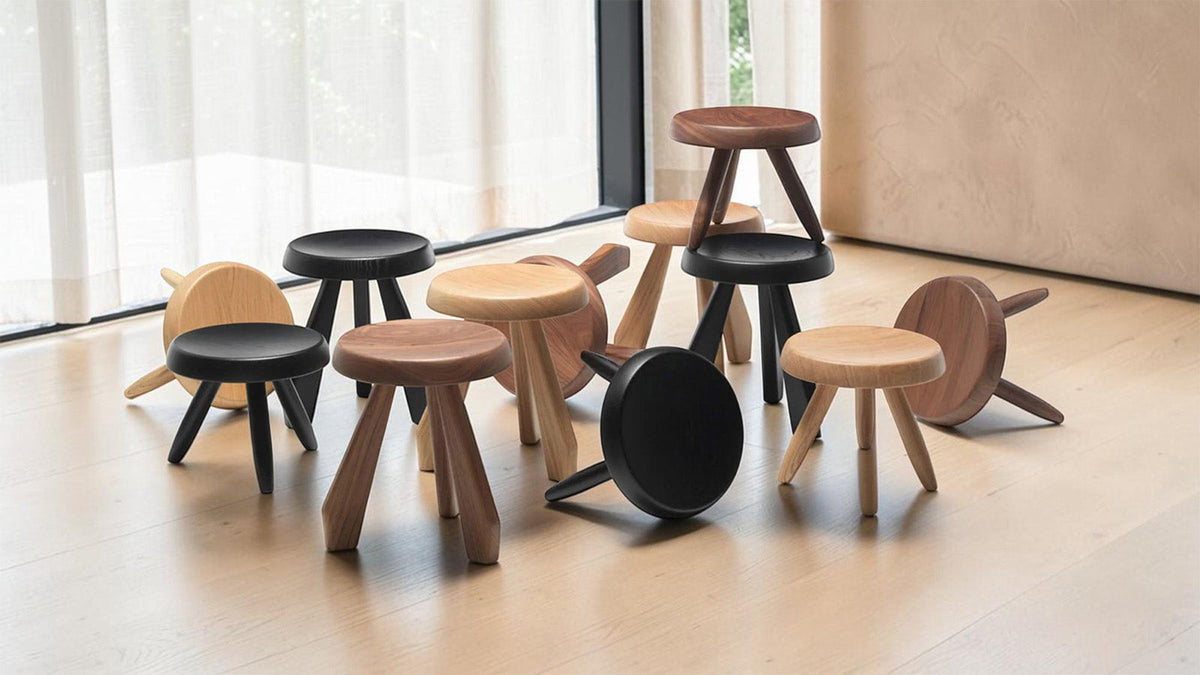
Charlotte Perriand's Tabouret Stools: Alpine Form, Modern Use
Continua a leggeresu Charlotte Perriand's Tabouret Stools: Alpine Form, Modern Use
Inside Luminaire Chicago: Italian Design in River North Since 1989
Continua a leggeresu Inside Luminaire Chicago: Italian Design in River North Since 1989
Eileen Gray's E 1027 Table: A Design Conceived for Living
Continua a leggeresu Eileen Gray's E 1027 Table: A Design Conceived for Living
LC14 Tabouret Cabanon: Le Corbusier's Smallest Architecture
Continua a leggeresu LC14 Tabouret Cabanon: Le Corbusier's Smallest Architecture
Sacco Chair by Zanotta: The 1968 Object That Refused to Be Furniture
Continua a leggeresu Sacco Chair by Zanotta: The 1968 Object That Refused to Be Furniture
Inside Luminaire Coral Gables: The Showroom and Its Design Services
Continua a leggeresu Inside Luminaire Coral Gables: The Showroom and Its Design Services
The Wishbone Chair: Hans Wegner's CH24 and the Art of Making
Continua a leggeresu The Wishbone Chair: Hans Wegner's CH24 and the Art of Making
Cassina Chairs - The Collectors' Guide
Few furniture makers have shaped the chair as a cultural object the way Cassina has. From their earliest collaborations with the European avant-garde to their ongoing stewardship of the twentieth century's most consequential seating designs, the Meda-based manufacturer remains the standard against which Italian furniture brands are measured. This guide surveys the Cassina chairs we carry and the ideas embedded in each one.
On the Rocks di Edra: la geologia del riposo di Francesco Binfaré
Continua a leggeresu On the Rocks di Edra: la geologia del riposo di Francesco Binfaré
The 14p Portable Lamp: Bocci's Cast-Glass Sphere, Untethered
Continua a leggeresu The 14p Portable Lamp: Bocci's Cast-Glass Sphere, Untethered
I nostri specialisti vi assisteranno con informazioni sui prodotti, selezione dei materiali, configurazioni personalizzate, prezzi e tempi di consegna.
Parla con un consulente di design
Assistenza in tempo reale durante l'orario d'ufficio. Chiama il numero 855-341-3620
Ricevi una risposta entro un giorno lavorativo.
We've received your inquiry!
We appreciate your interest. One of our staff members will be in touch with you soon.
In the meantime, feel free to explore more of what Luminaire has to offer.
If you require immediate assistance, please call (855) 341-3620
To ensure that you receive communications from us to your Inbox, please add Luminaire to your contacts.
Have a great day!
Iscriviti per accedere a privilegi esclusivi in termini di design iconico, nuove tendenze, eventi esclusivi e offerte accuratamente selezionate.

Condividi:
Edra alla Milan Design Week 2025: Un Nuovo Linguaggio di Comfort e Artigianalità
Il ritmo del modernismo al Commonwealth Promenade