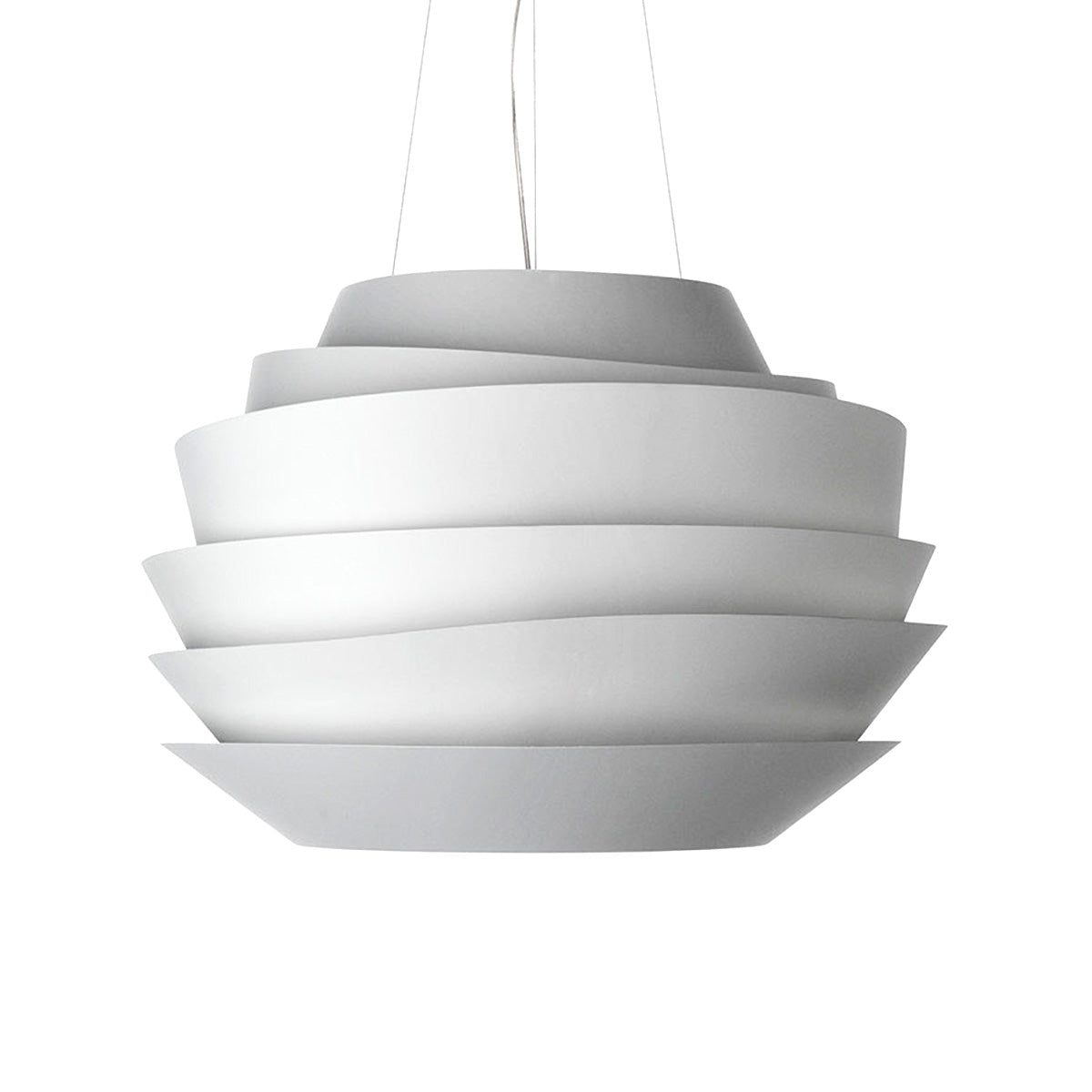
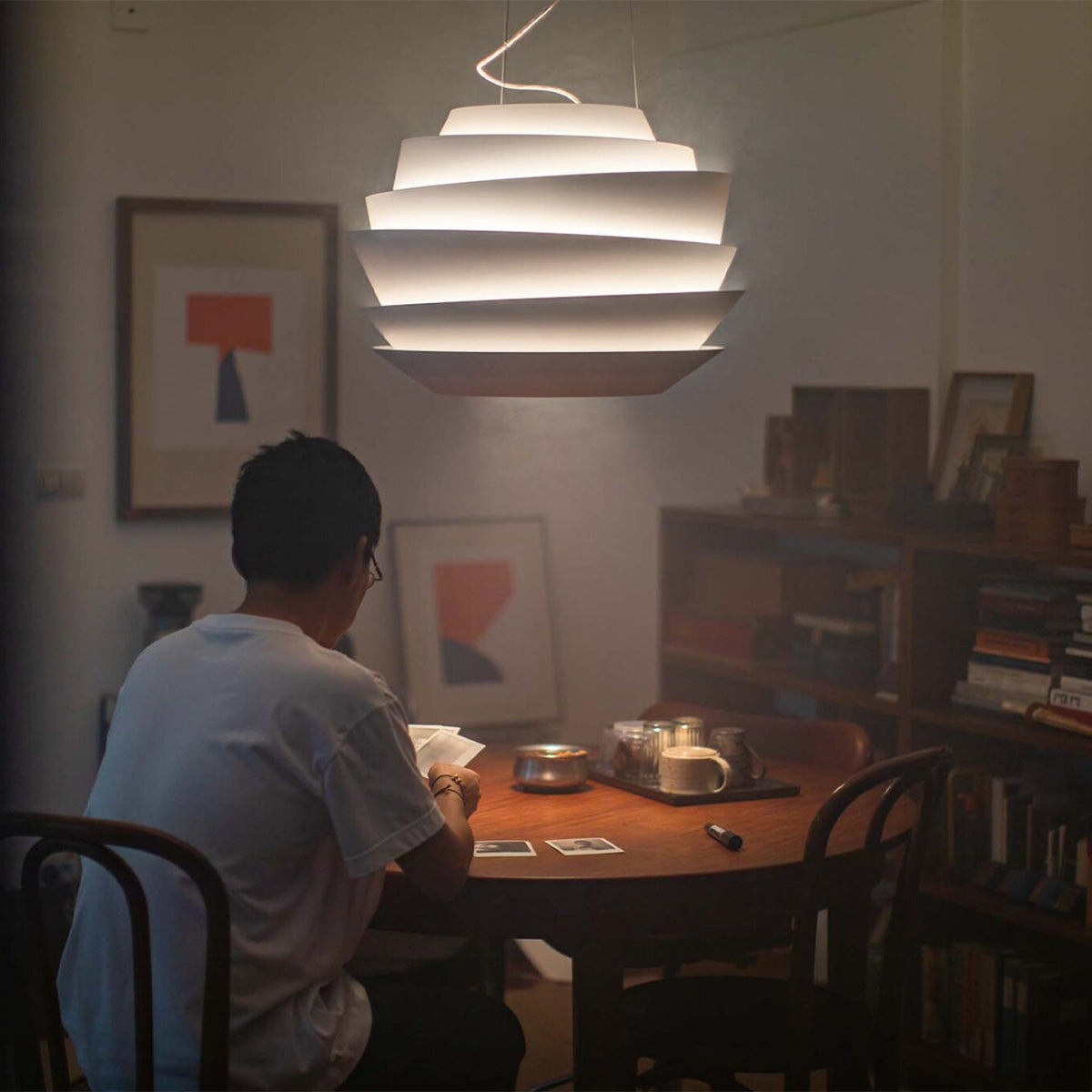
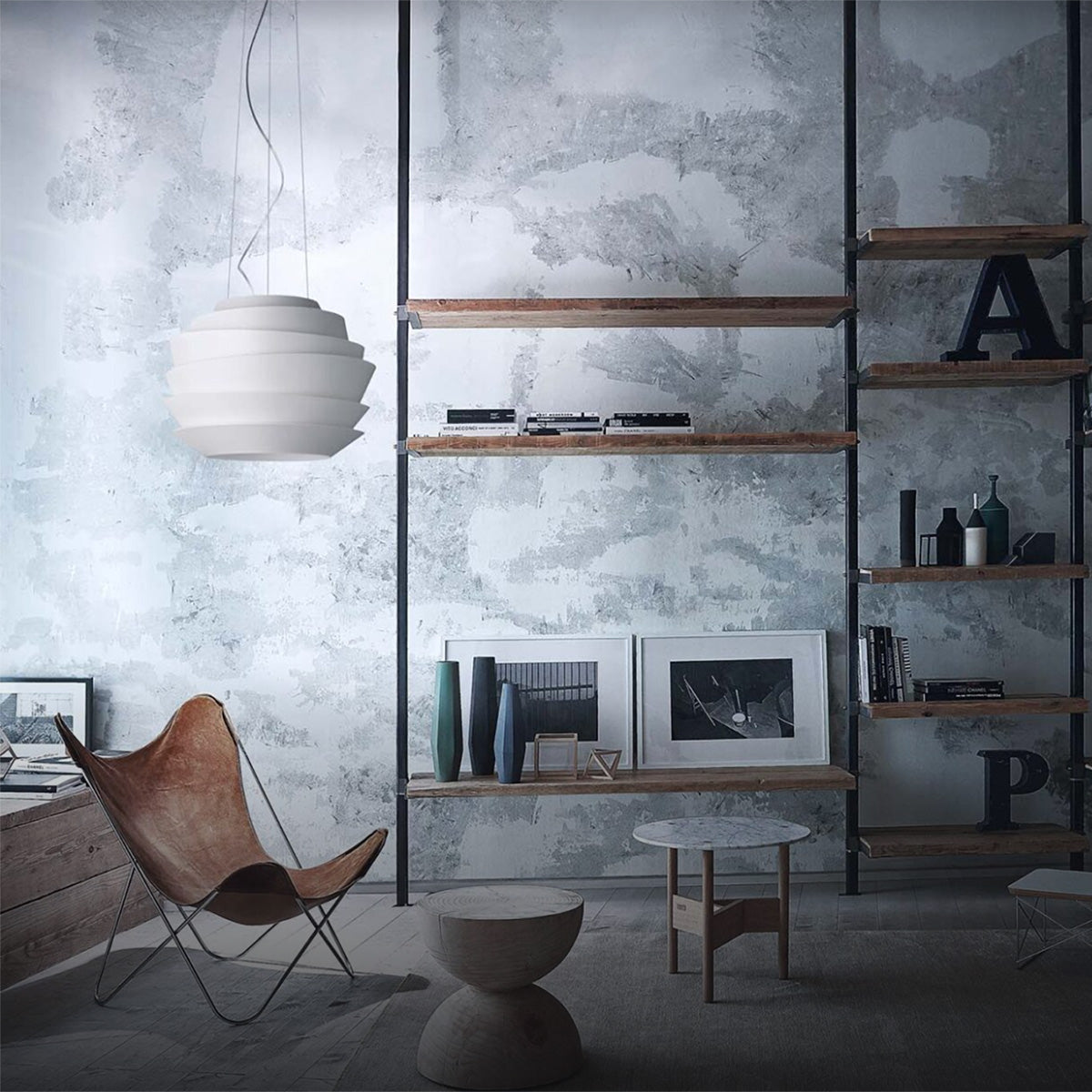
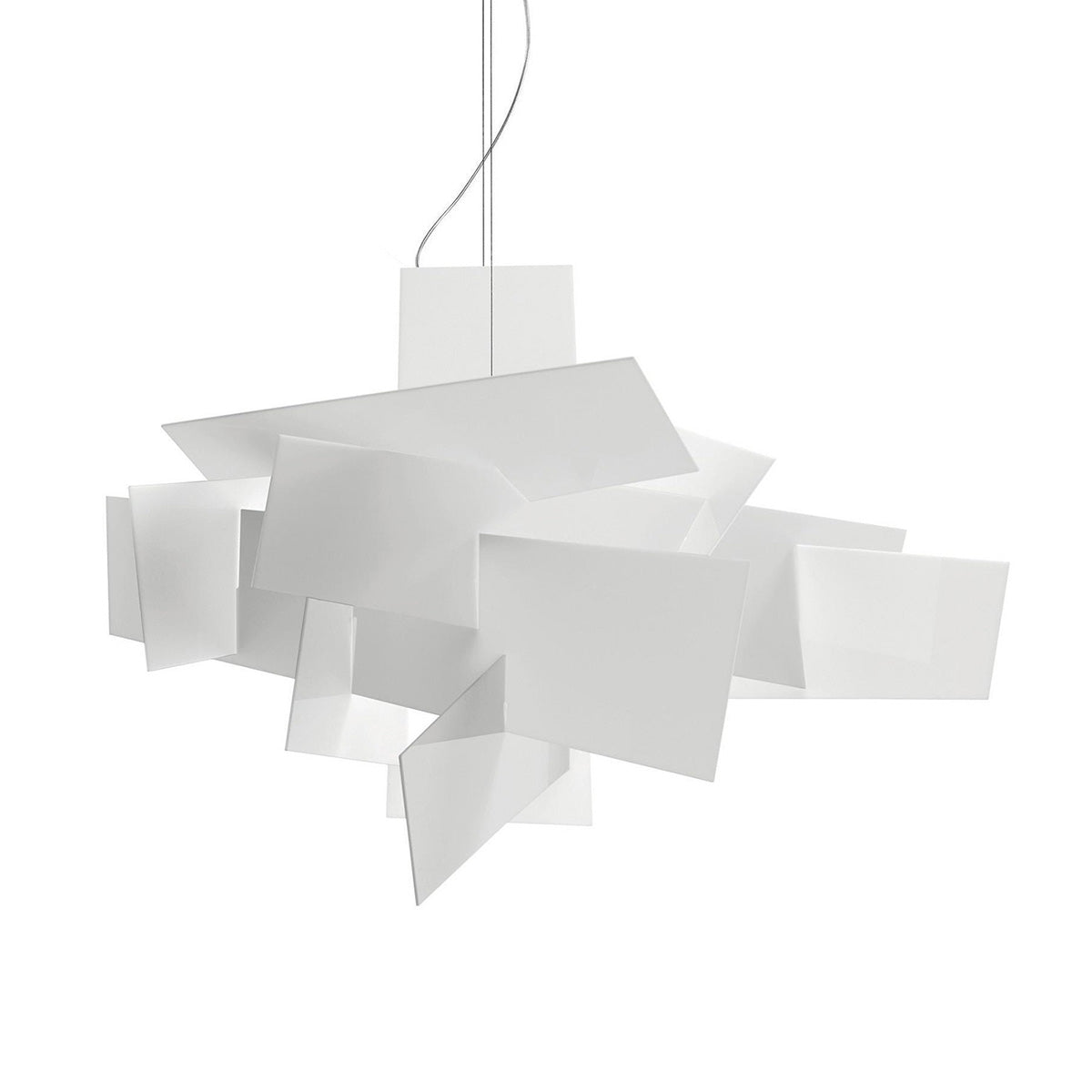
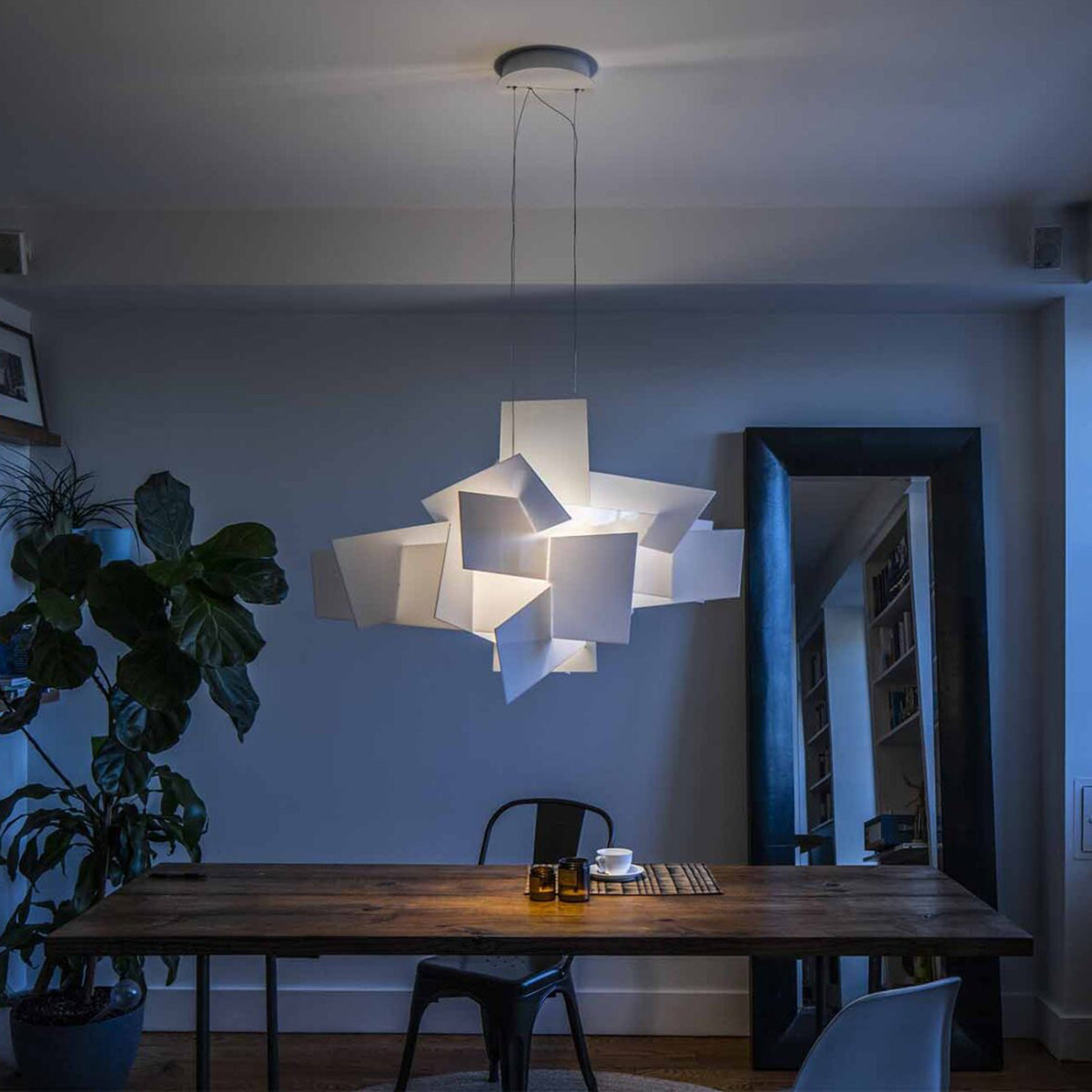
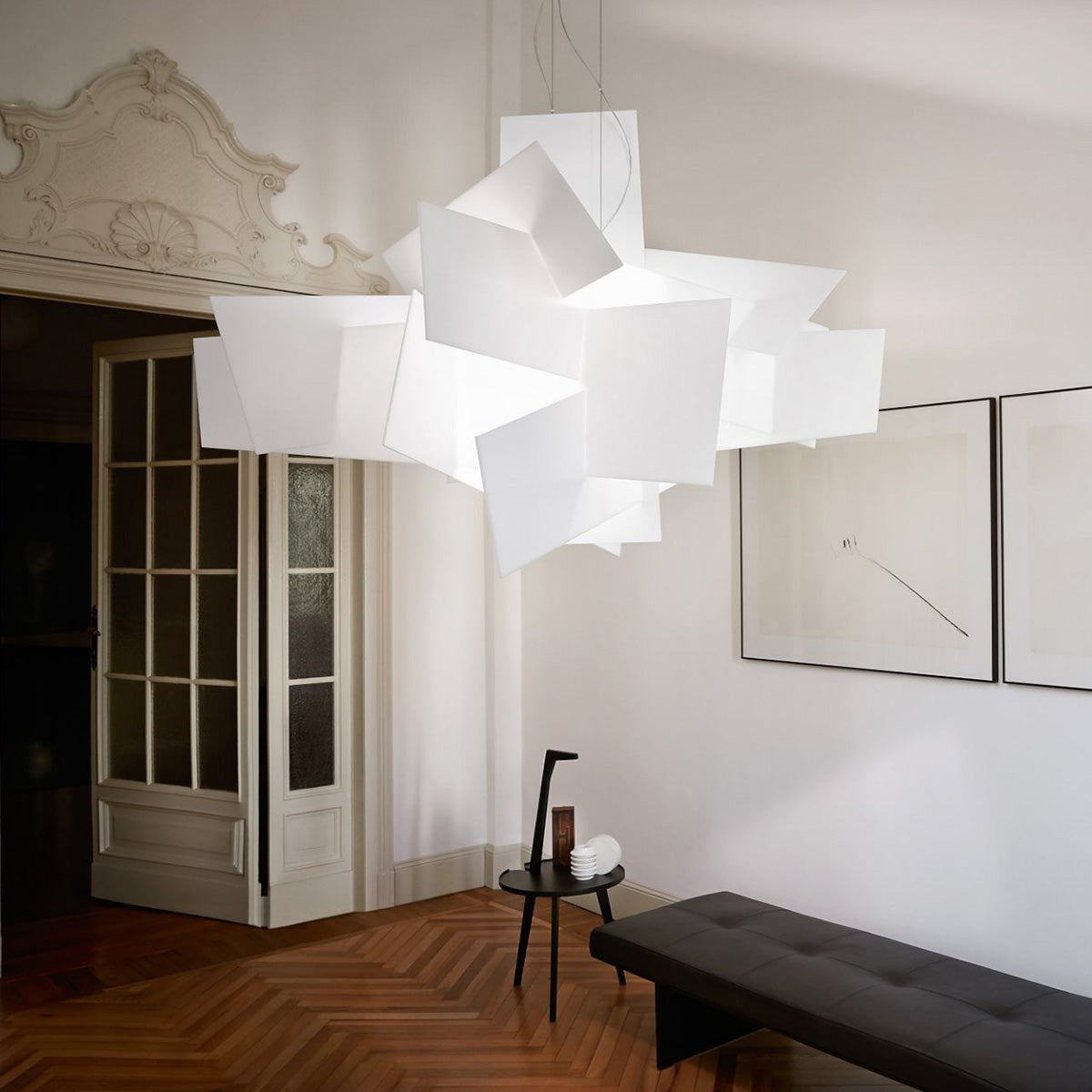
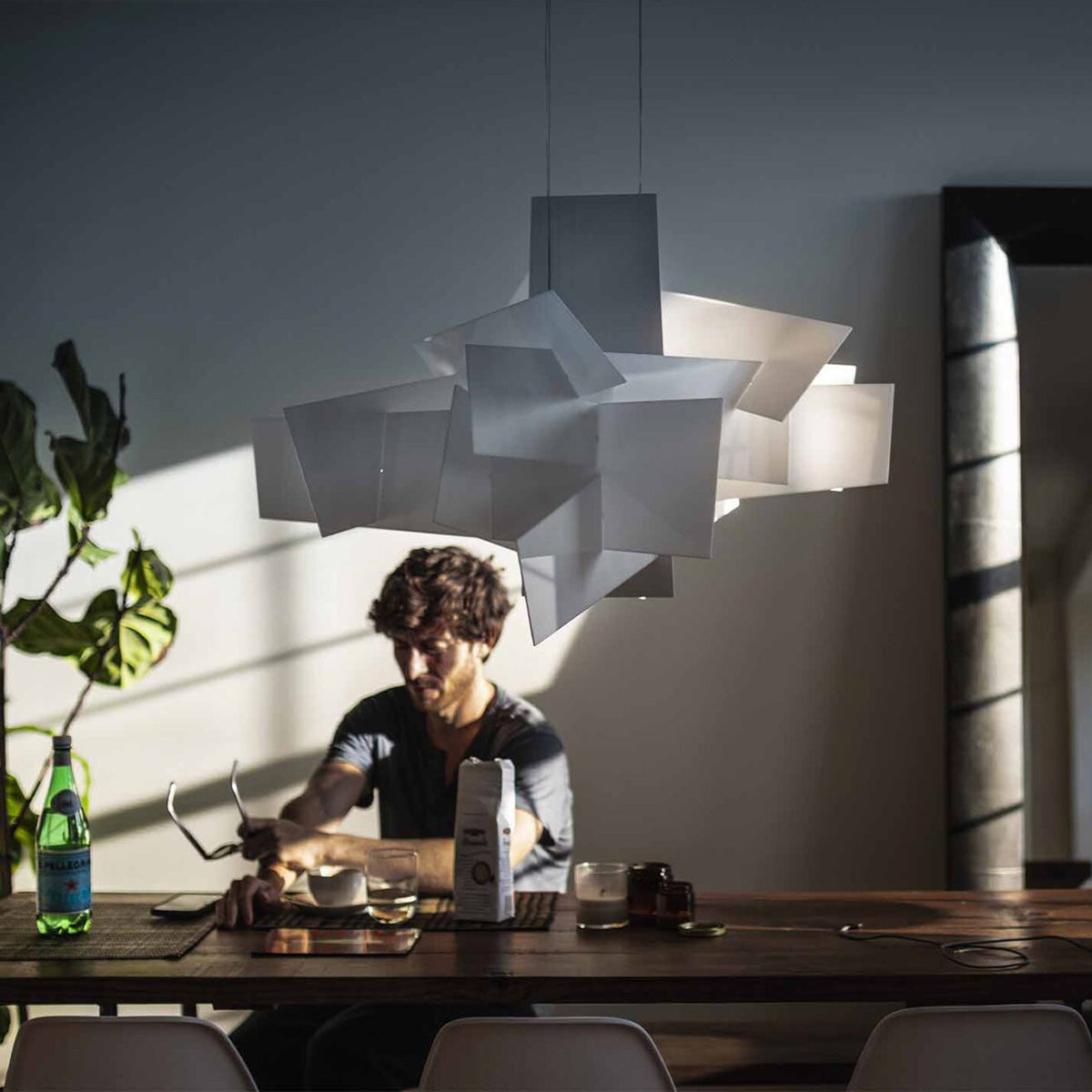
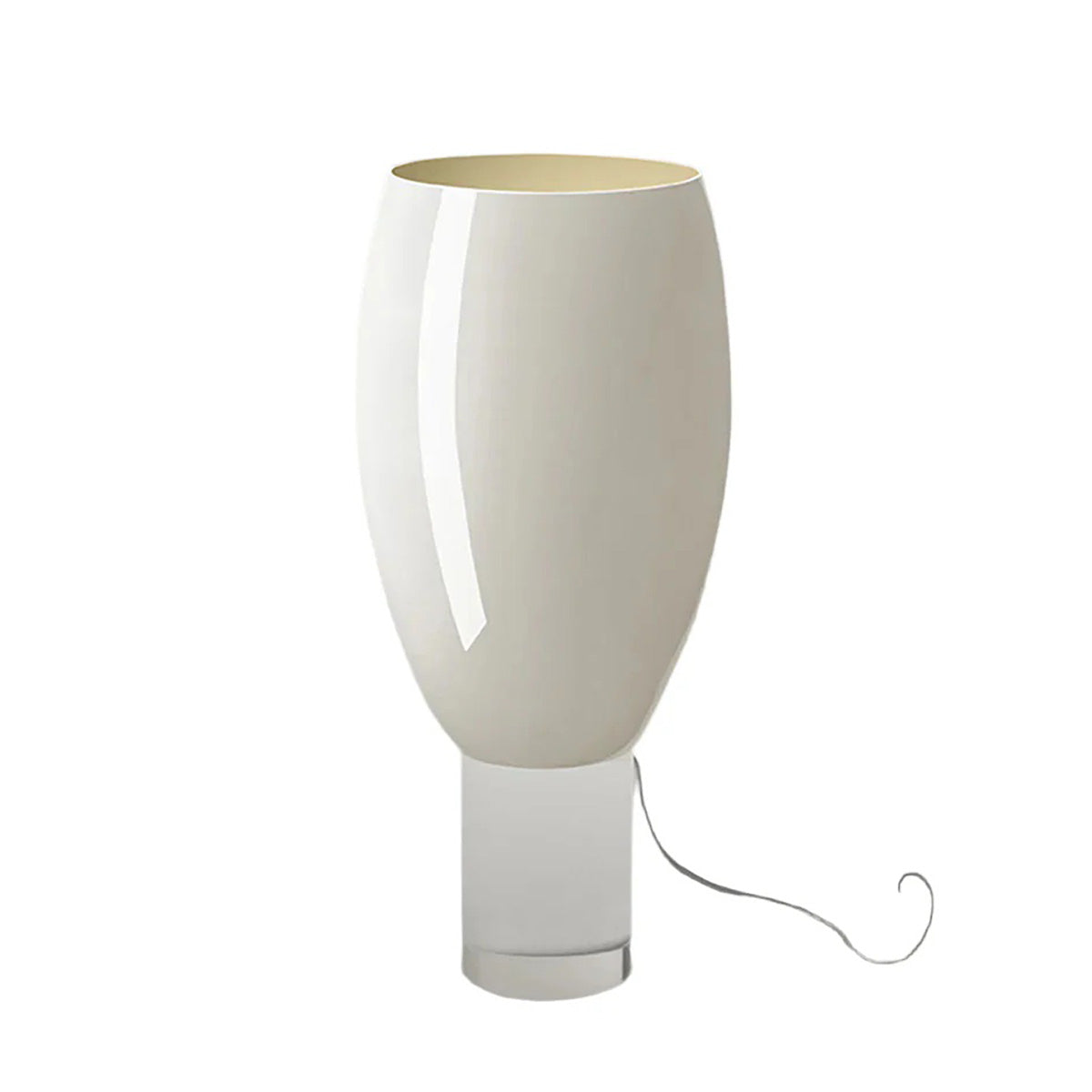
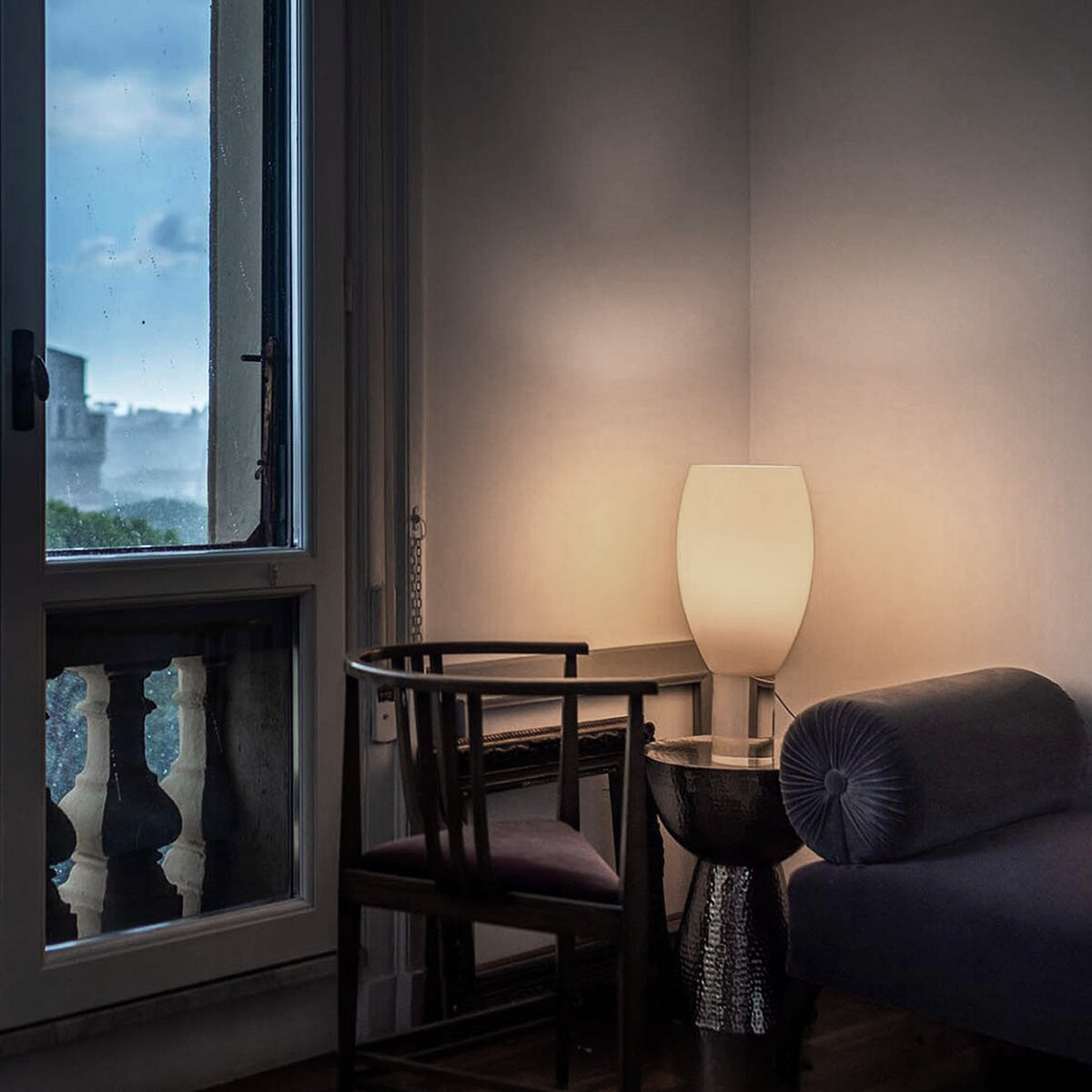
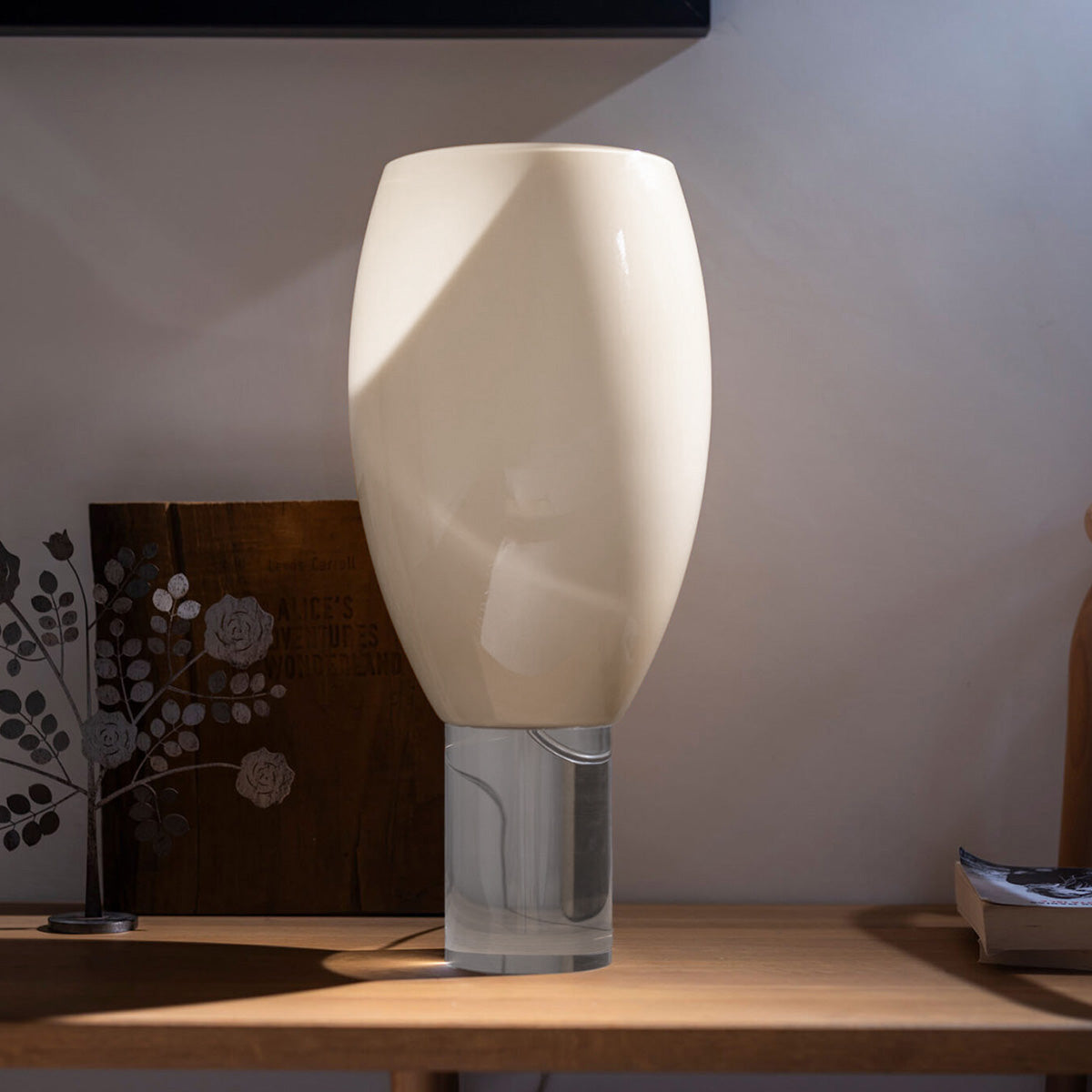
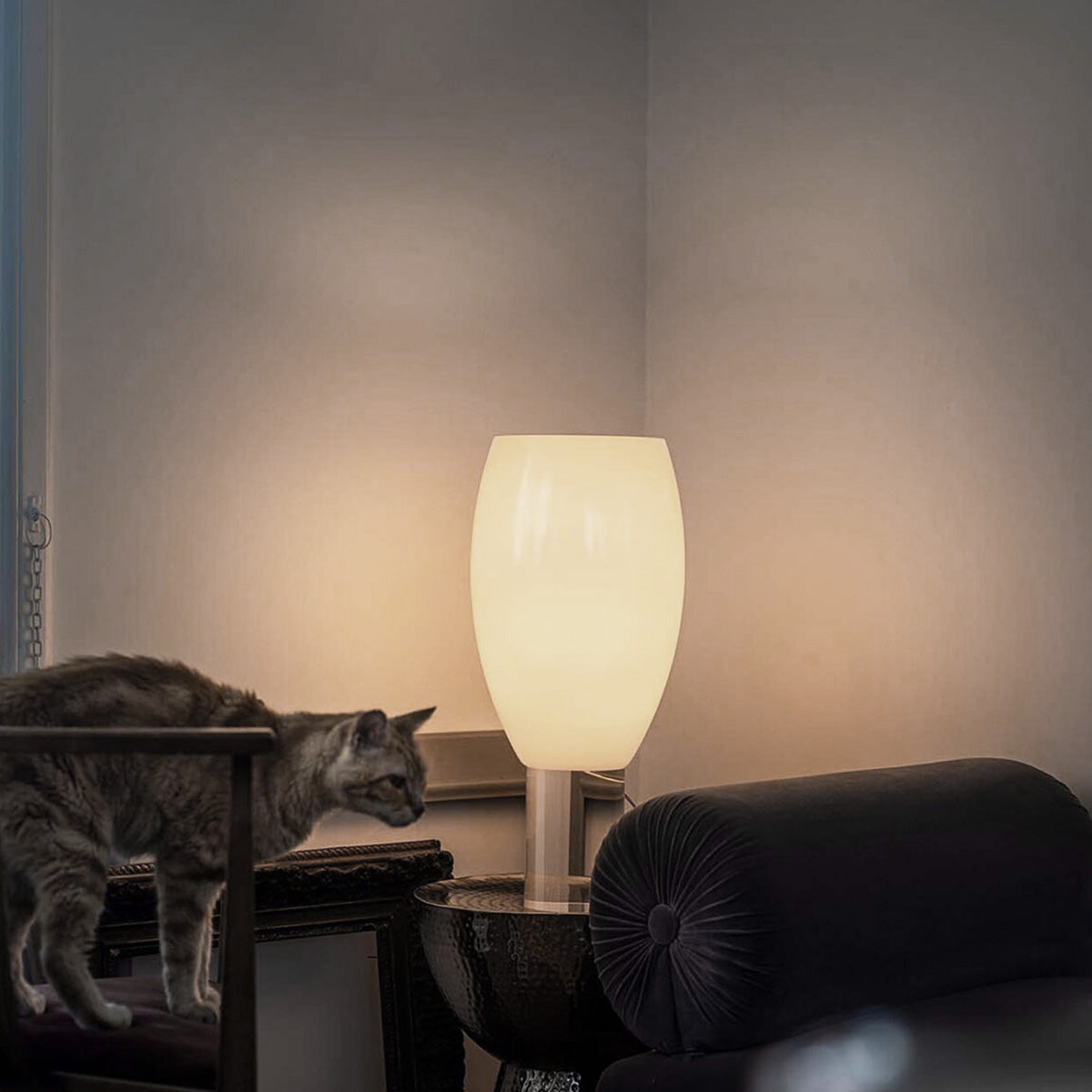
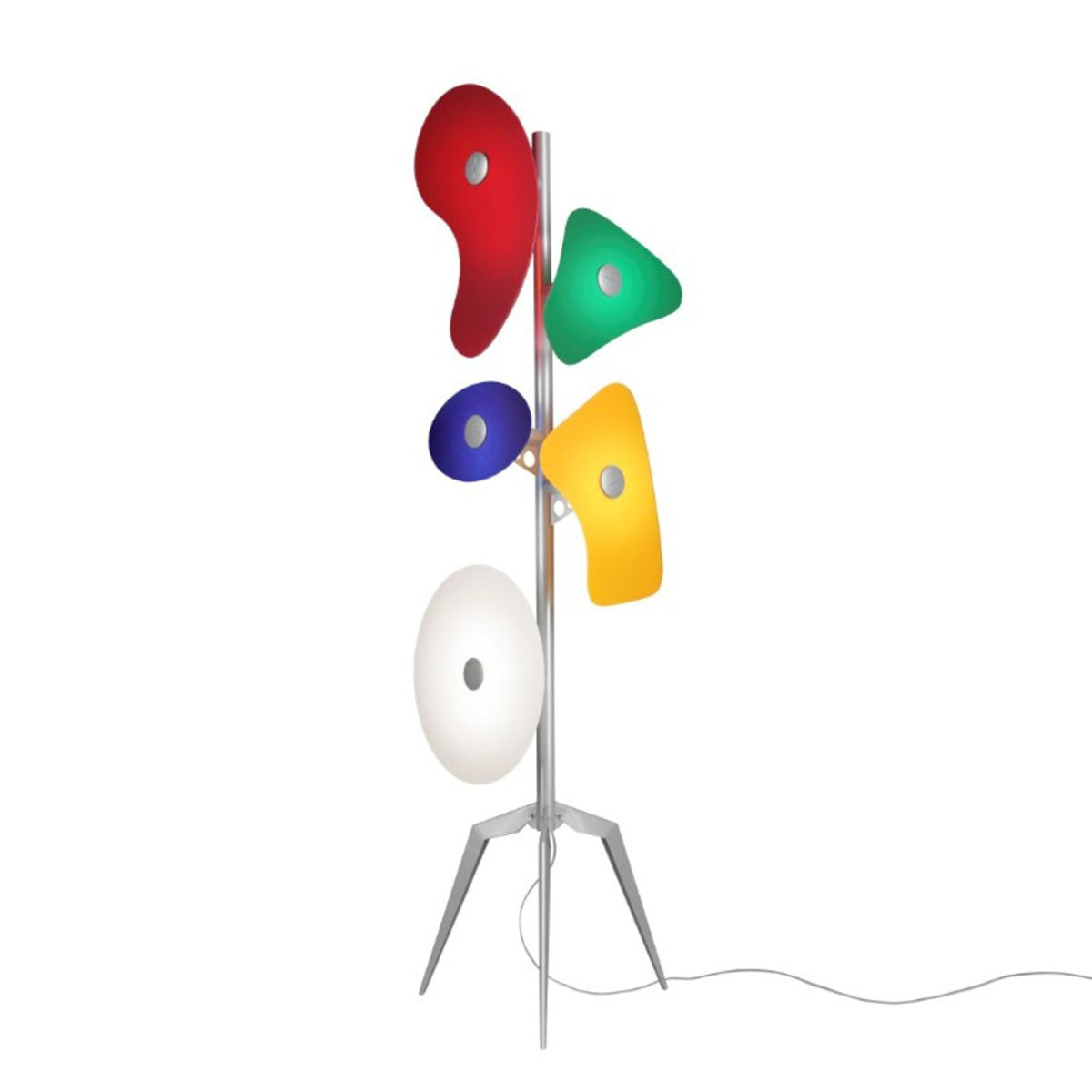
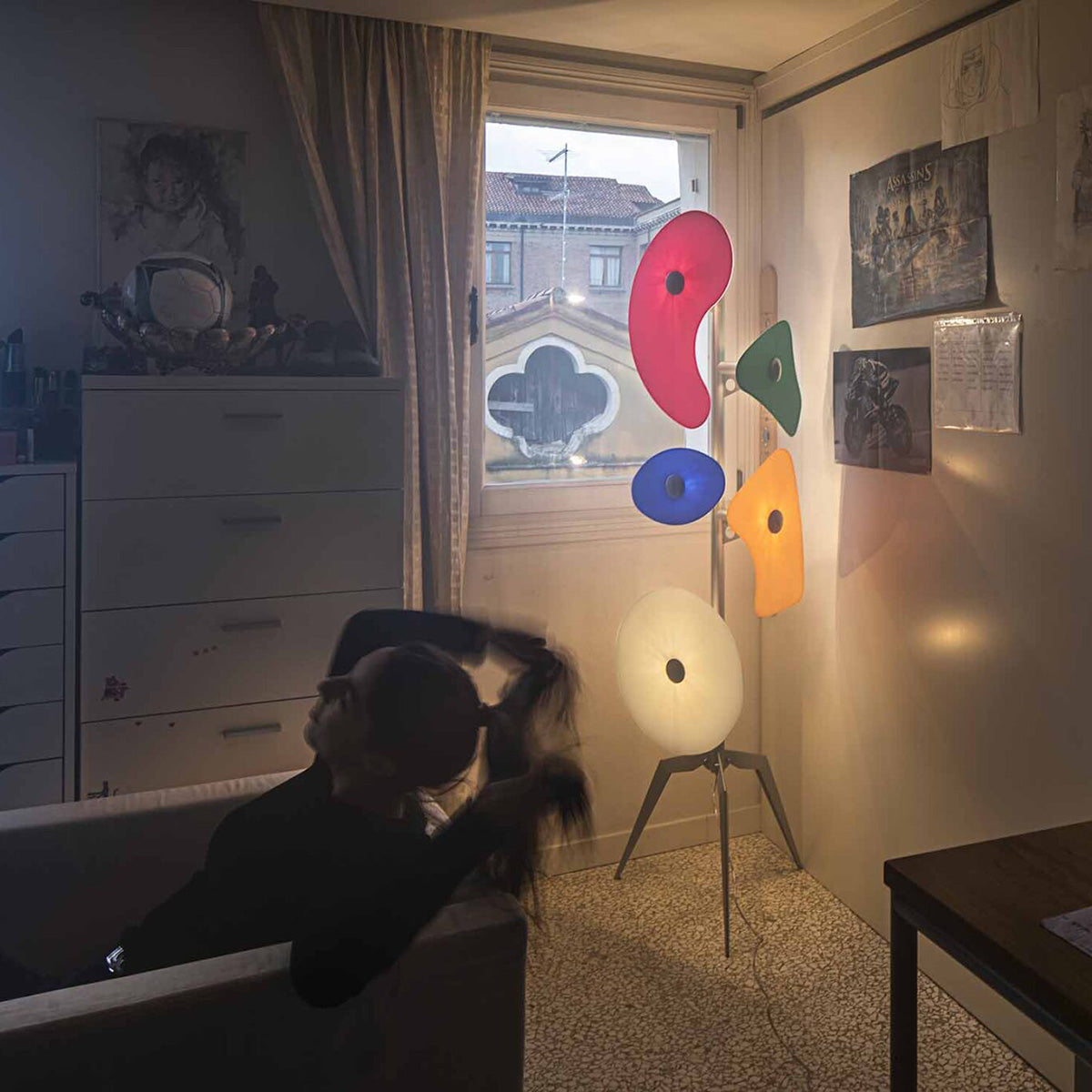
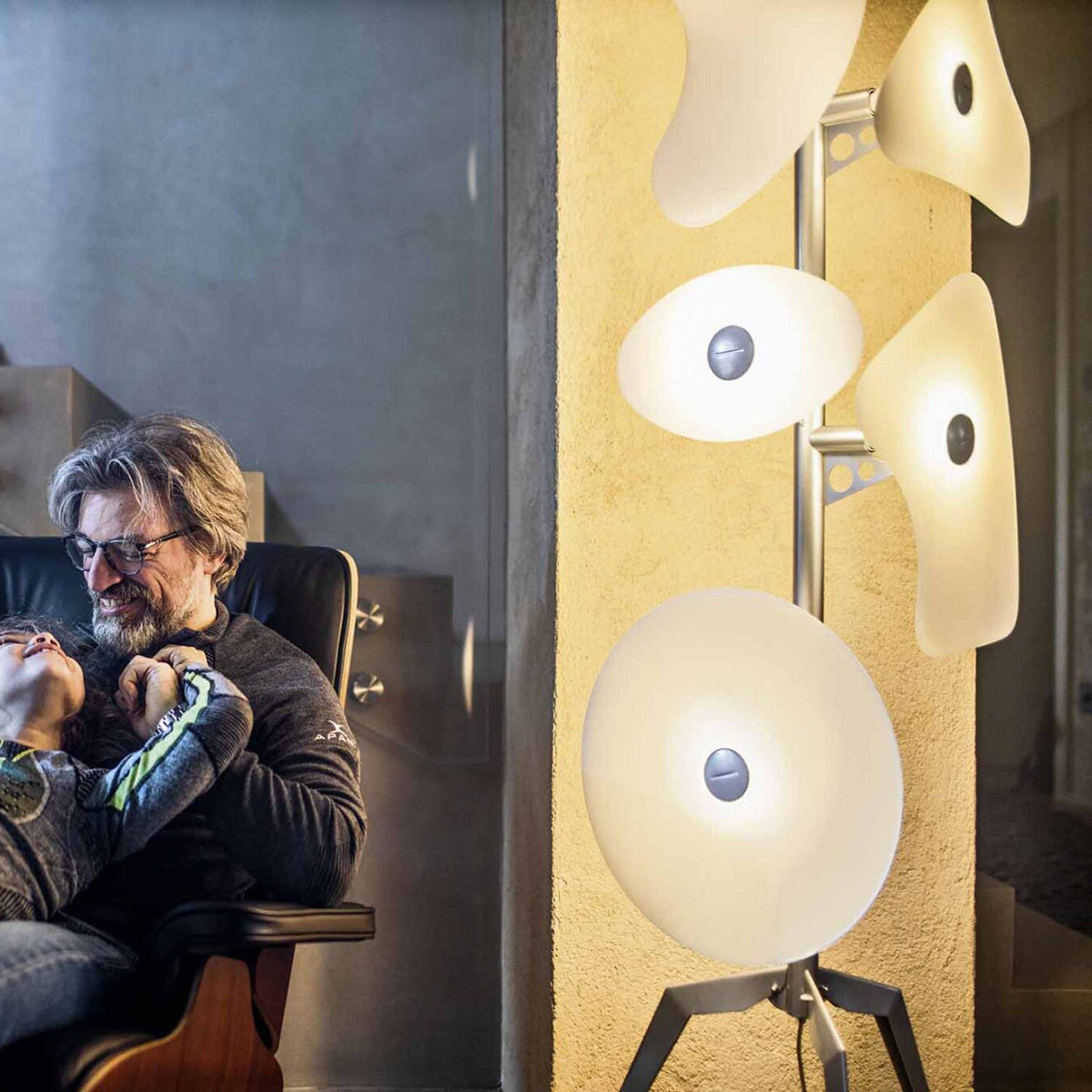
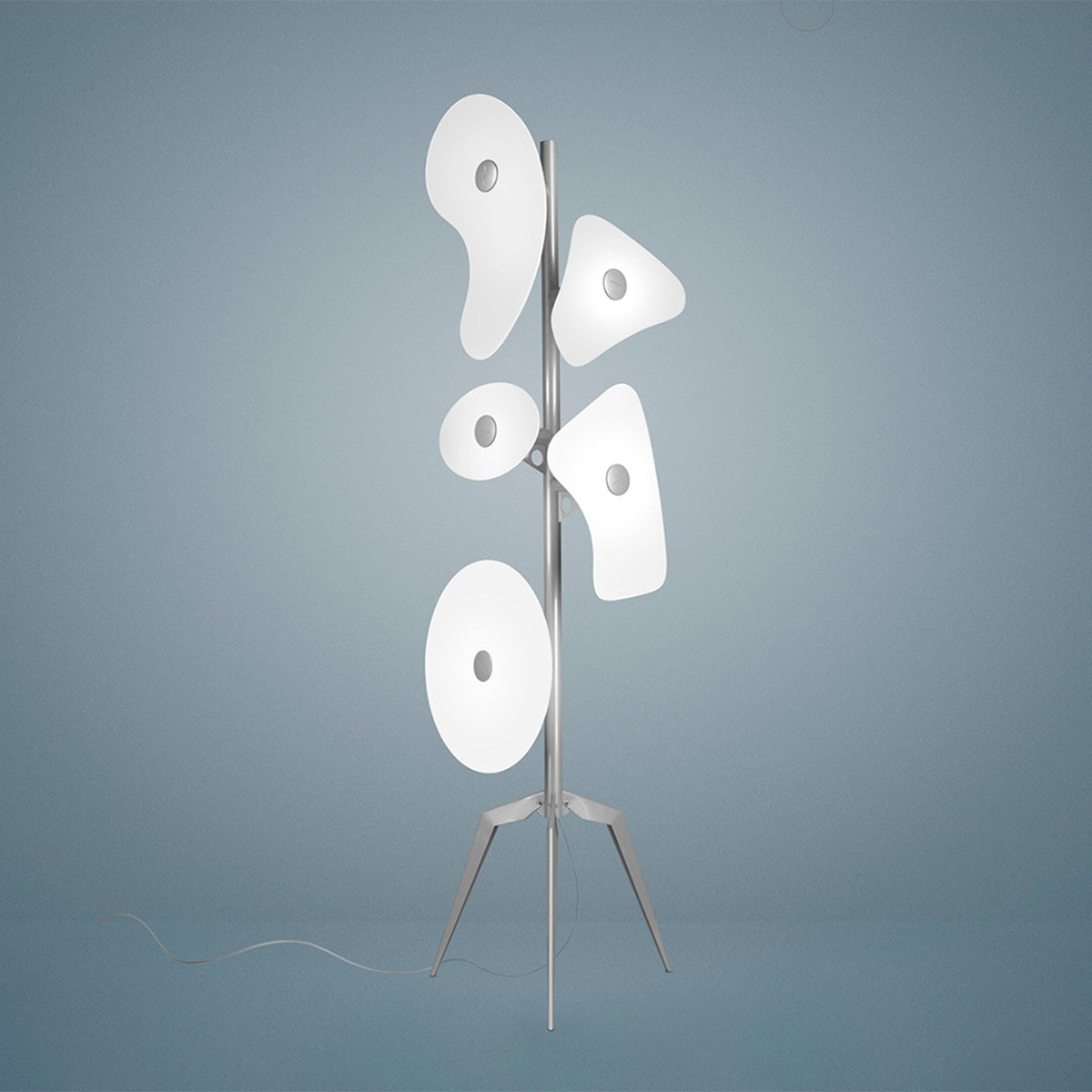

Design Without Boundaries
Beyond our curated collections lies a world of over 400 iconic brands.
For specific pieces, finishes, or bespoke solutions, our design team is at your disposal.
Frequently Asked Questions
What design philosophy defines Foscarini lighting?
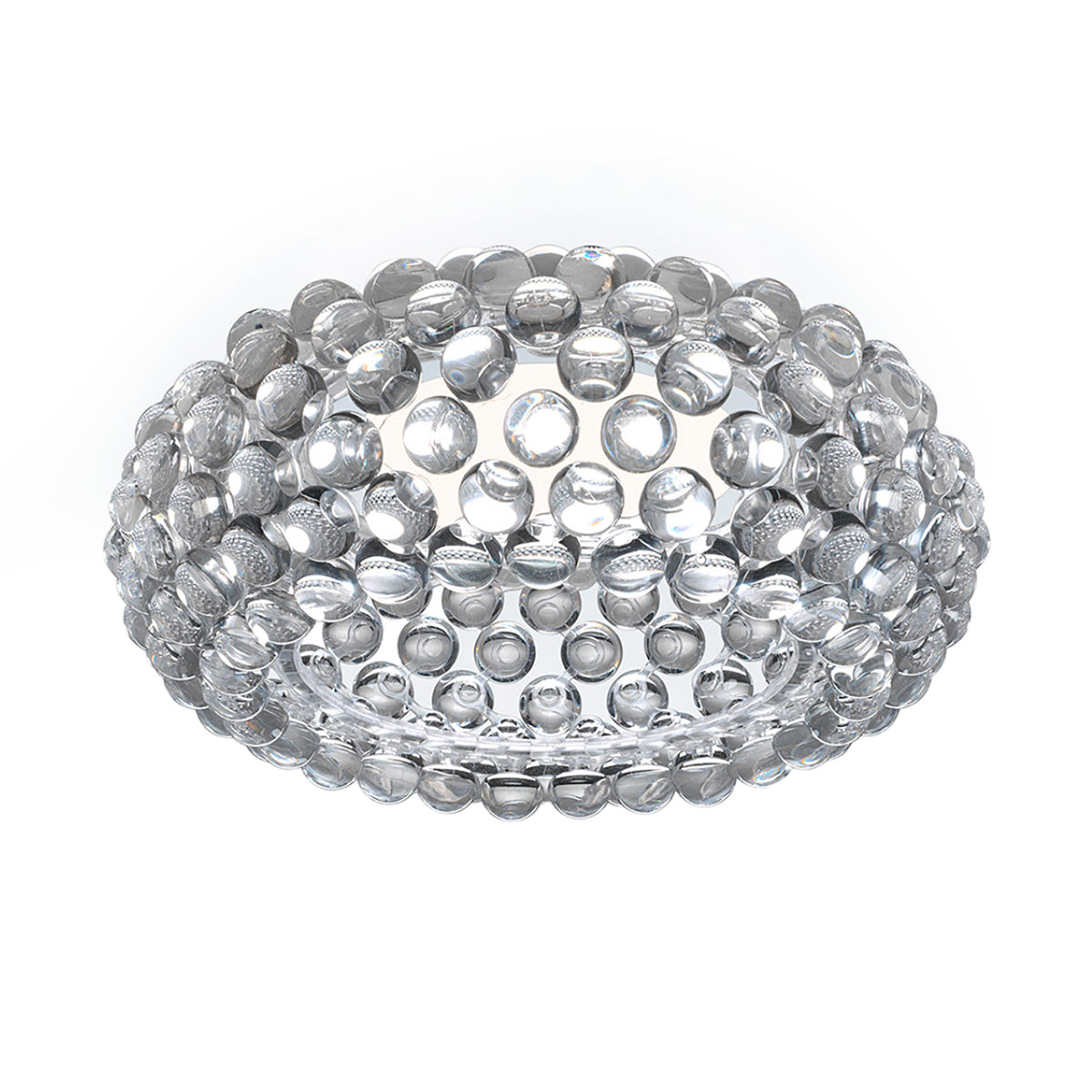
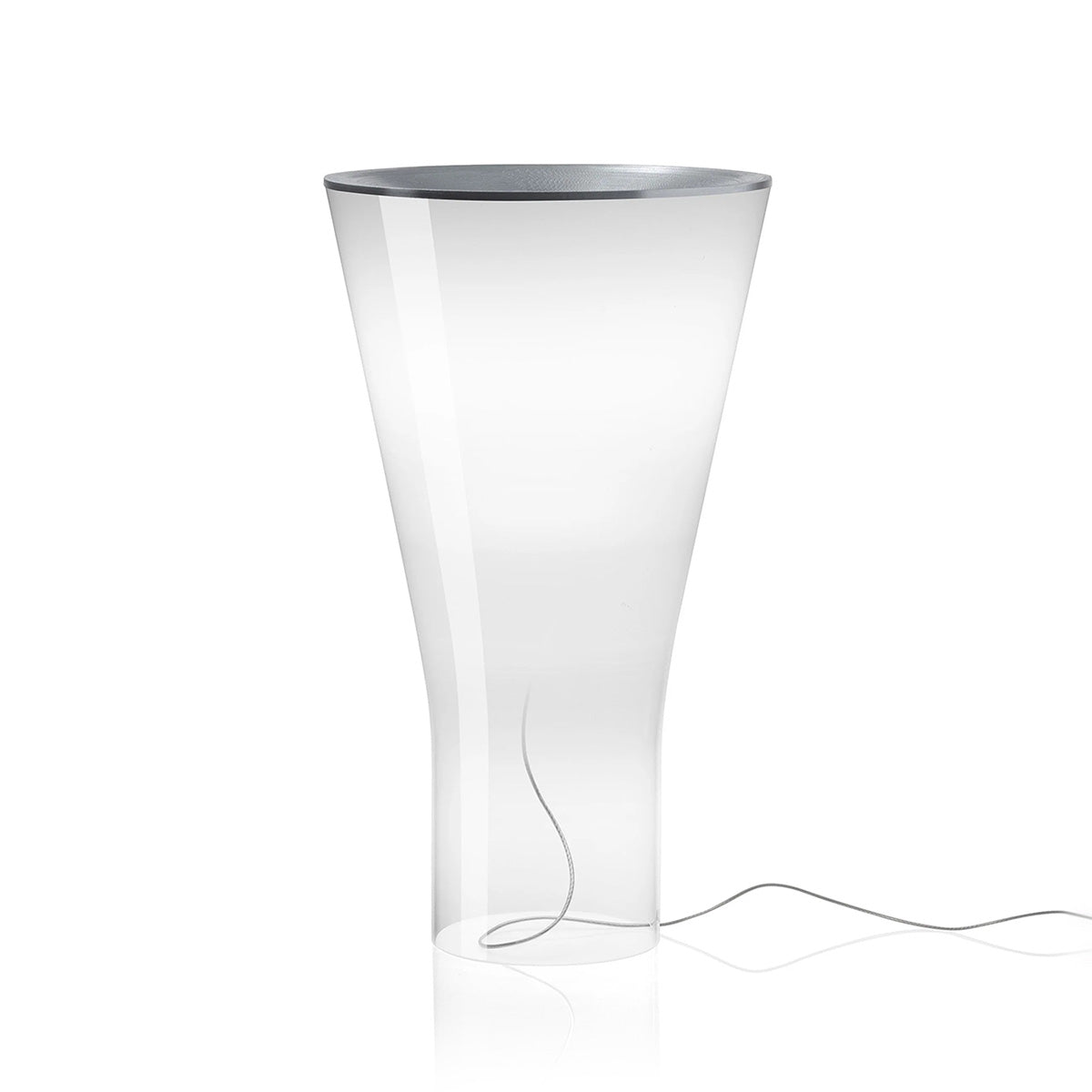
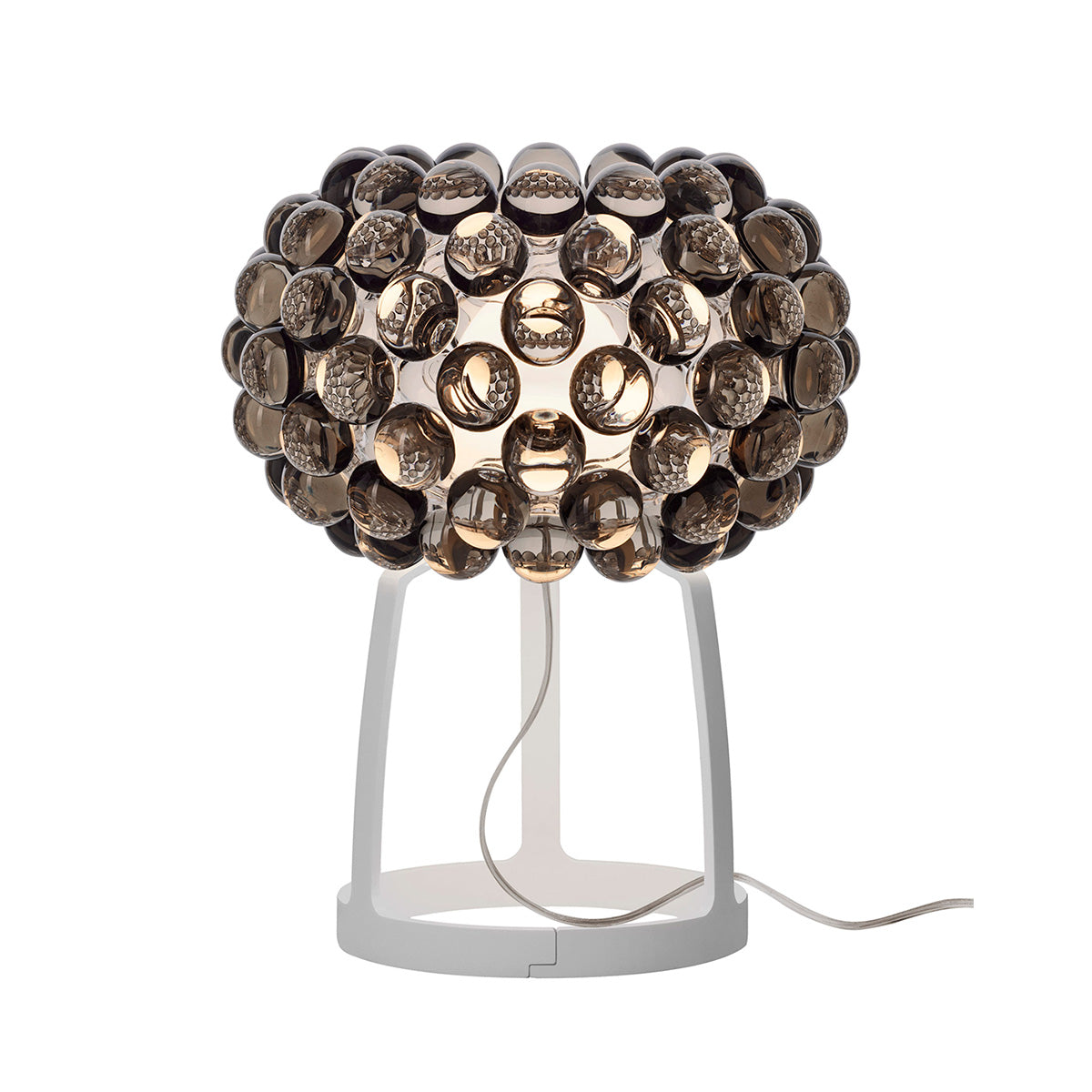
Foscarini, founded in Venice in 1981, approaches light as a medium for spatial and cultural expression rather than pure utility. The studio commissions independent designers and gives them significant creative latitude, which means each piece begins with a concept, a cosmic phenomenon, an architectural silhouette, the memory of a breath, and resolves into a lamp. The material choices follow that logic: hand-blown glass, cast concrete, woven fiberglass, clustered polycarbonate spheres. Form is never incidental.
Which designers collaborate with Foscarini?
Foscarini has built its catalogue through sustained relationships with designers from Italy and beyond, including Patricia Urquiola, Rodolfo Dordoni, Marc Sadler, Ferruccio Laviani, Ludovica and Roberto Palomba, Ionna Vautrin, and studio practices like Lievore Altherr Molina and Lucidi & Pevere. Each brings a distinct sensibility, so the collection spans formal restraint, playful geometry, and outright sculptural ambition. No single aesthetic defines the range, authorship does.
What materials does Foscarini use across its lamp collection?
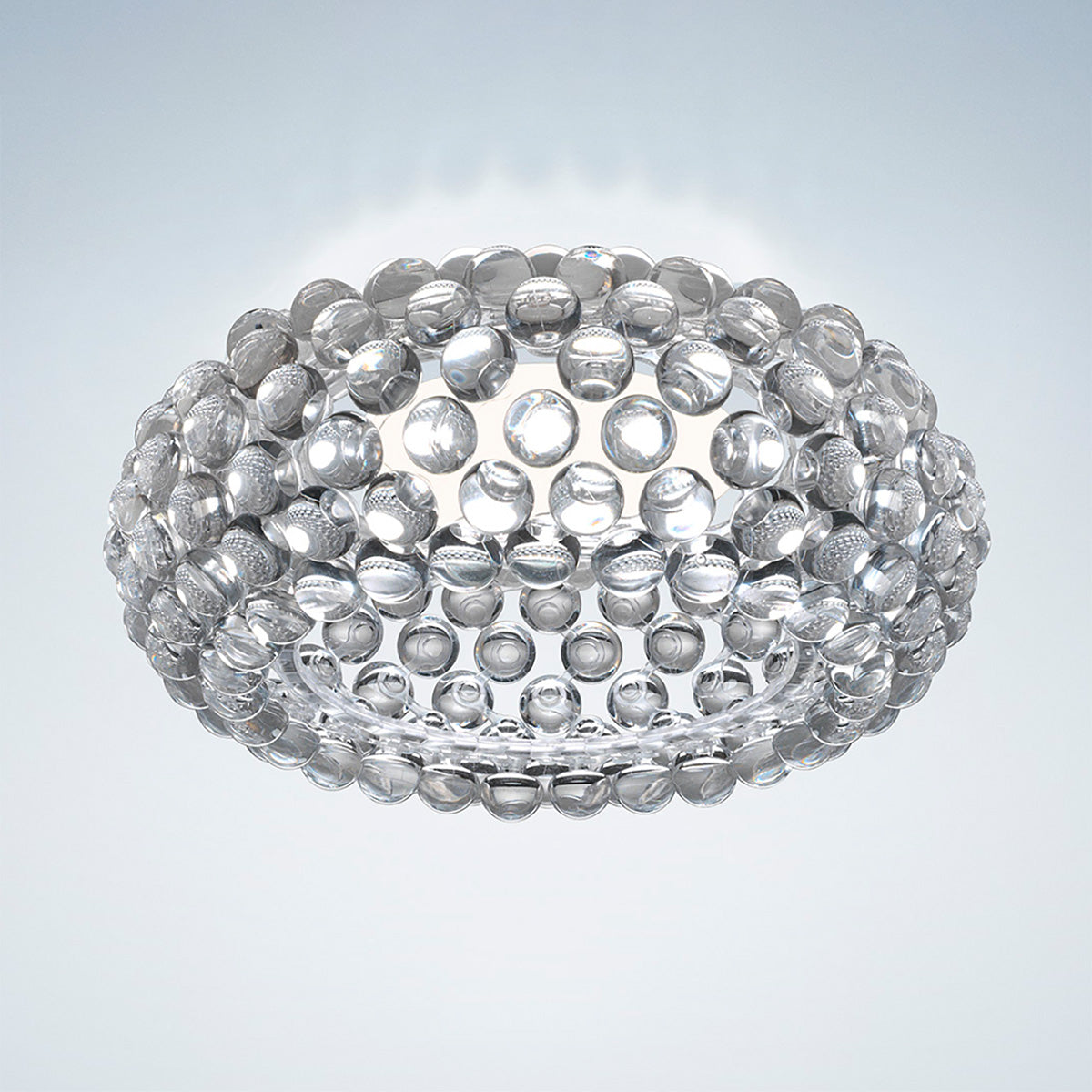
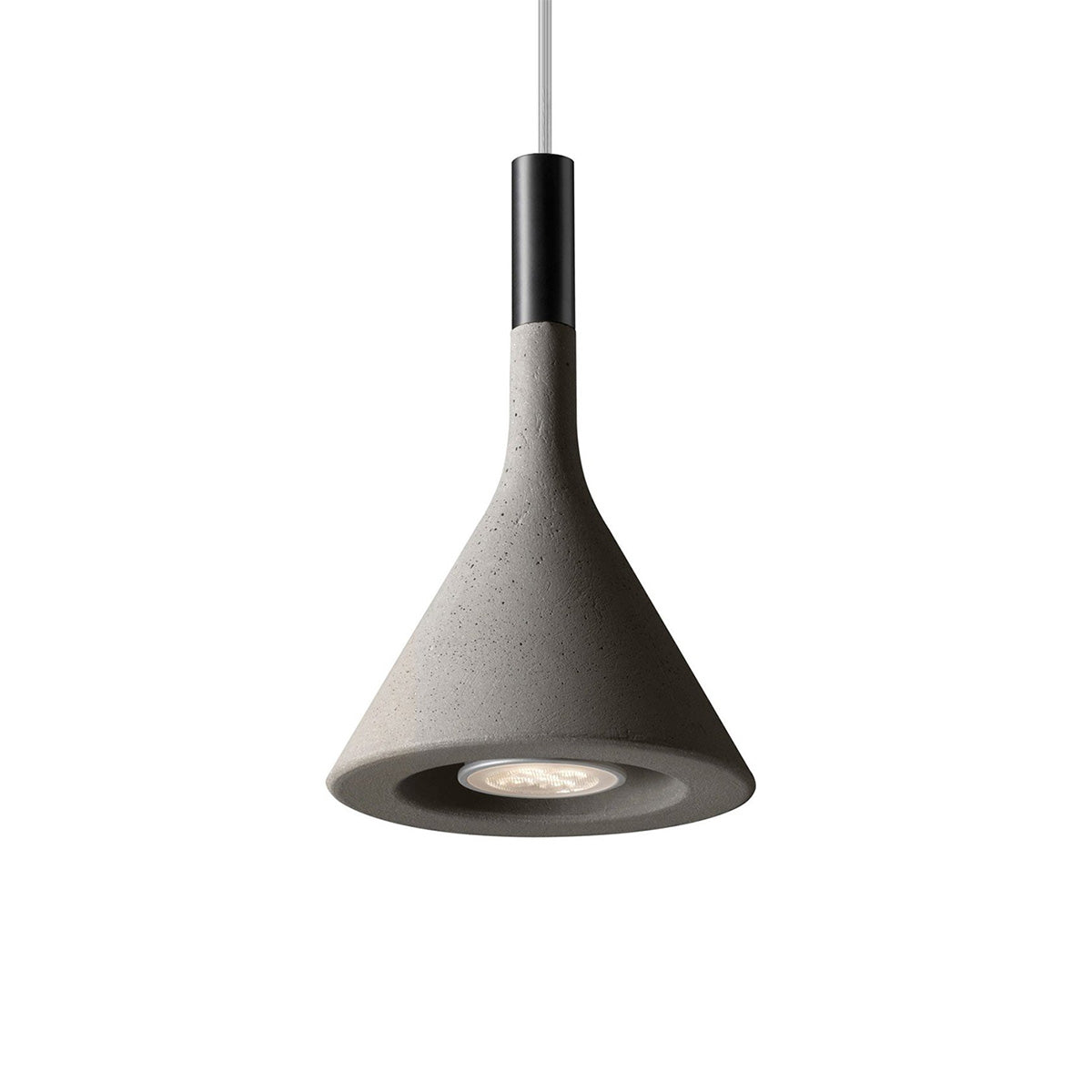
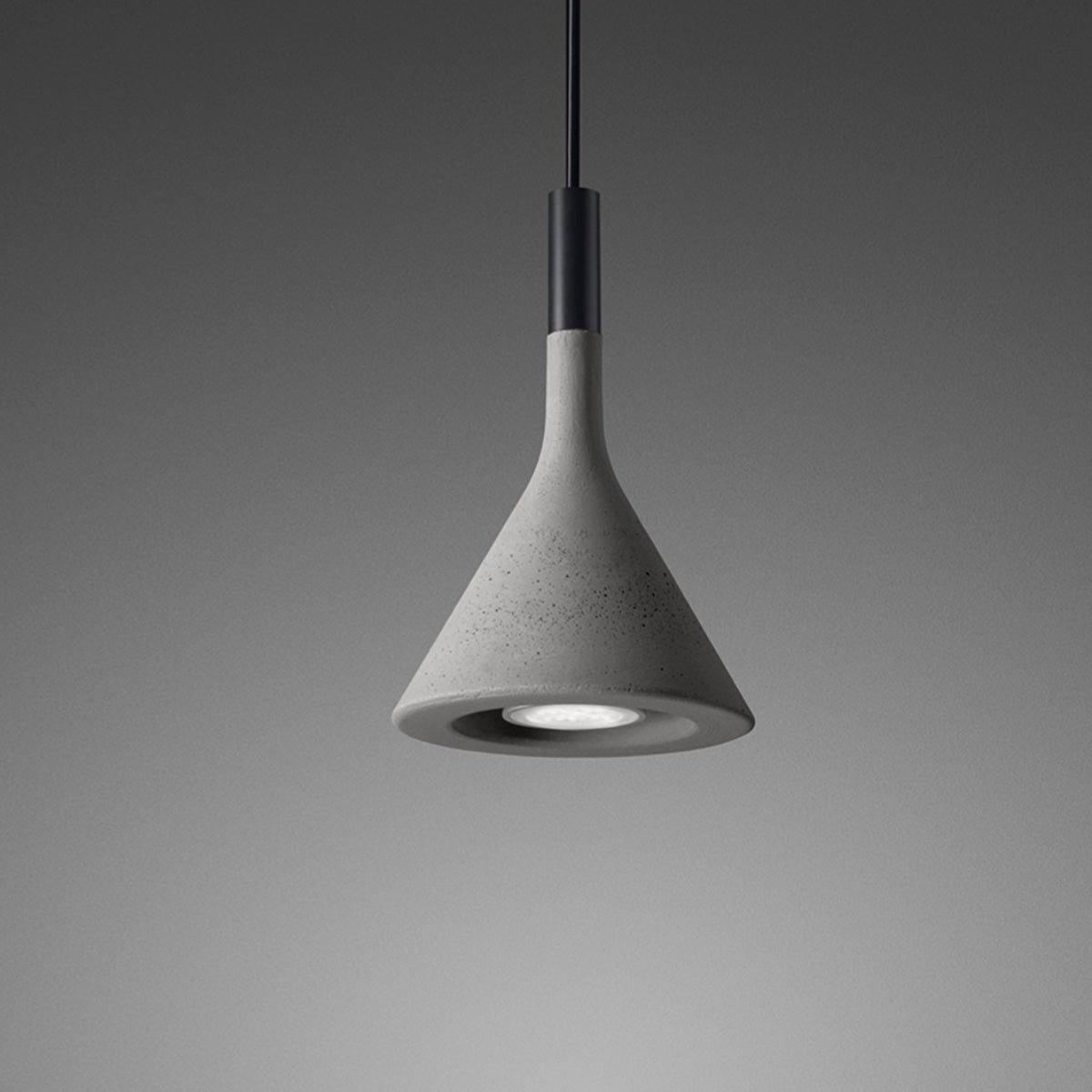
The material range is broad and deliberately chosen. Hand-blown glass appears in both cased and mouth-blown forms, valued for the depth and warmth it gives to diffused light. Cast and hand-poured concrete provides industrial weight and integral pigmentation. Fiberglass and resin composites enable the slender, tensioned forms found in arc floor lamps. Polycarbonate and methacrylate planes are used where refraction and light-scattering are the central design intention. ABS appears in pieces where graphic precision matters more than transparency.
How does Foscarini approach light diffusion - directed versus ambient?
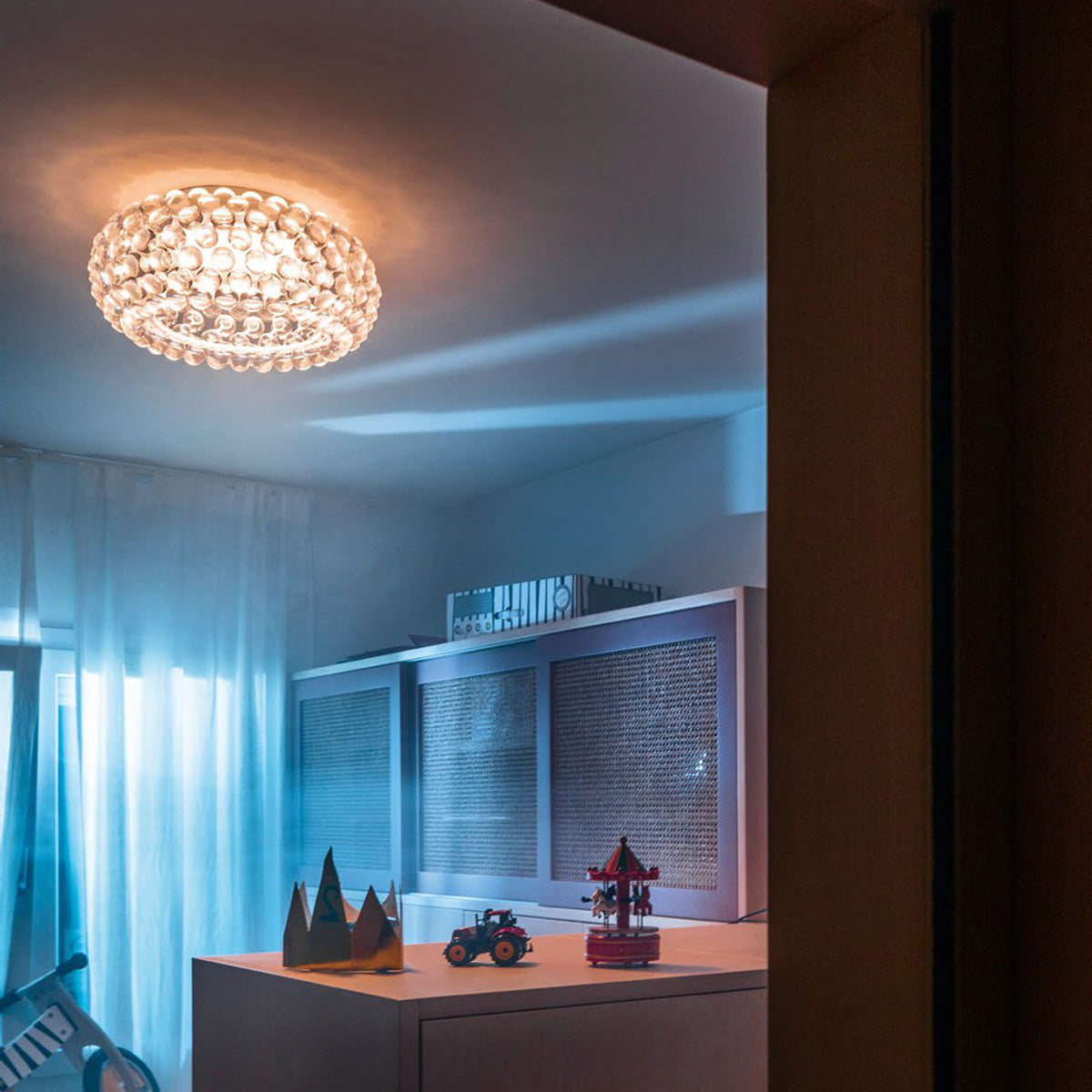
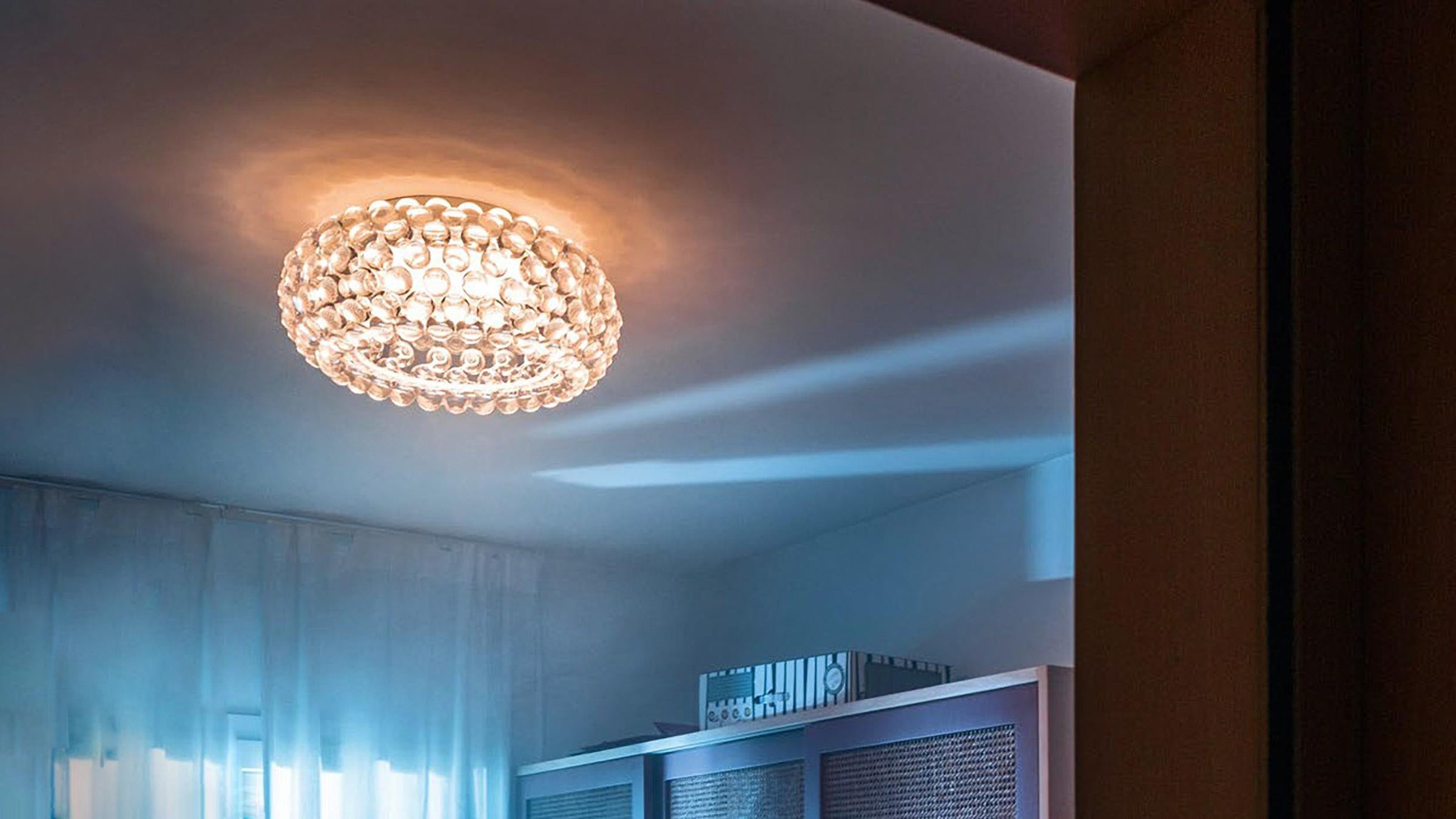
Foscarini pieces rarely do only one thing. Many are engineered for layered output: a focused downward beam for surface illumination paired with upward reflection that washes the ceiling and expands the perceived volume of a room. Others prioritize 360-degree diffusion, dissolving the lamp into atmosphere rather than directing attention. A few hold light internally, glowing as sculptural volumes rather than casting at all. Identifying which behavior a space requires, task clarity, ambient warmth, or pure presence, is the most useful starting point when choosing a piece.
Are Foscarini lamps handmade or produced industrially?
Production methods vary by piece and material, which is part of what makes the collection diverse. Several lamps involve significant hand processes: mouth-blown glass shades, hand-poured concrete diffusers with integral pigmentation, and fiberglass structures formed through original weaving techniques. Others are precision-engineered from polycarbonate or ABS, where industrial manufacture is appropriate to the design intention. Foscarini is Italian-made, and the distinction between hand and industrial process is typically disclosed in each product's documentation.
Can Foscarini lamps work in both residential and contract settings?
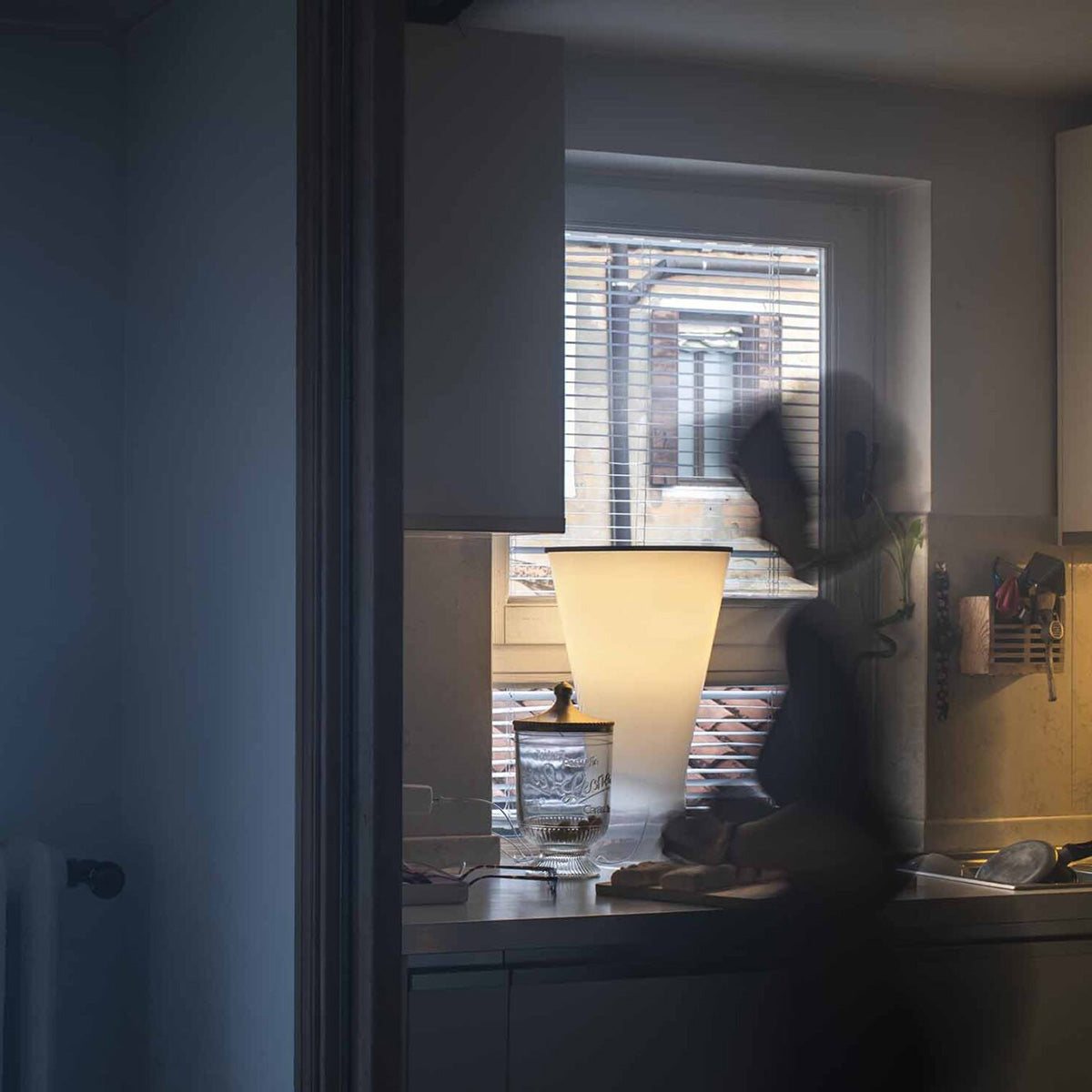
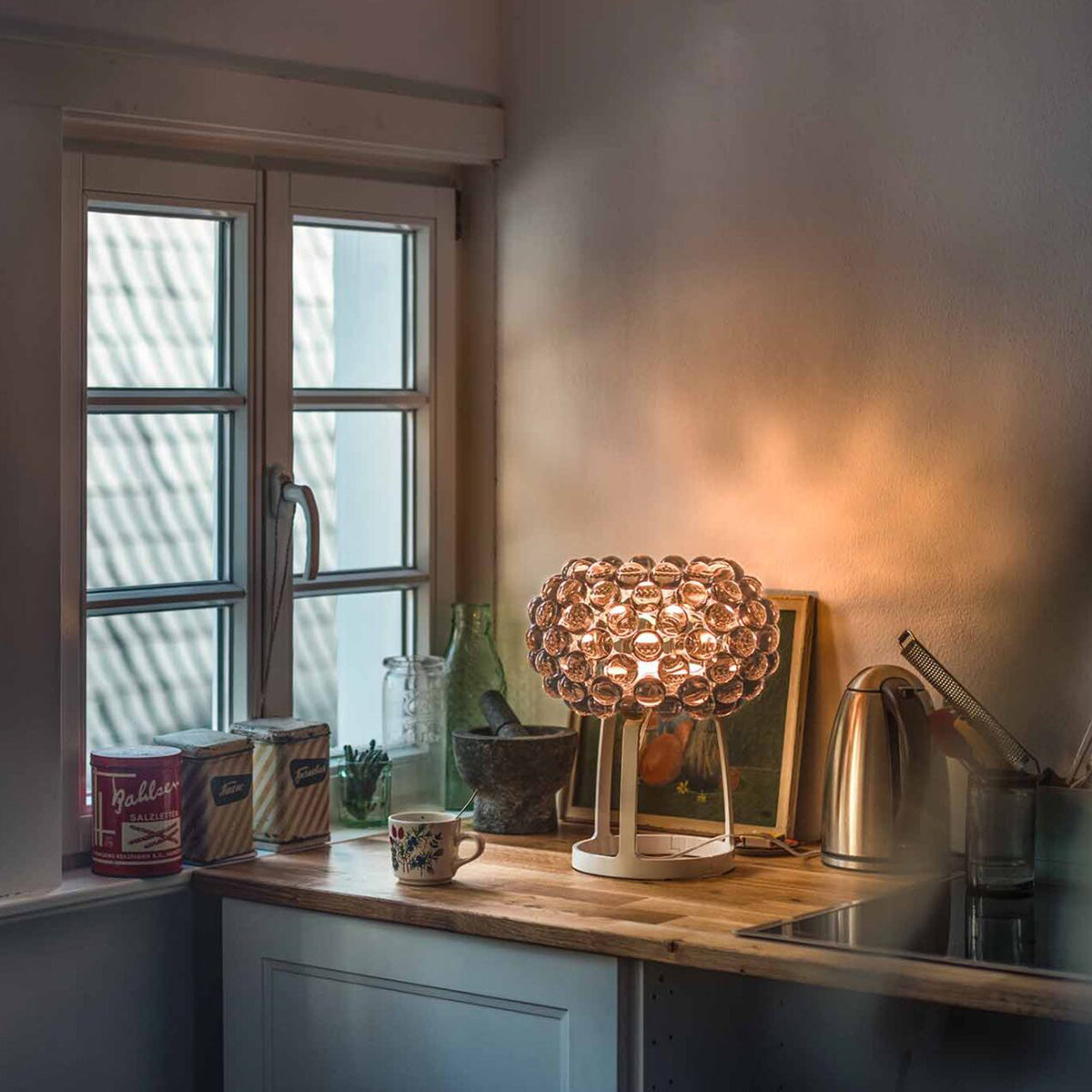
Many pieces in the collection scale well across both contexts. Pendant lamps designed for clustered or linear groupings transition naturally from residential dining spaces to hospitality environments. Floor lamps with strong sculptural presence serve equally as spatial anchors in a private living room or a designed public interior. The range also includes compact table lamps suited to desks, bedside surfaces, and shelving. Scale, output type, and finish all shift the reading of a piece considerably. Reviewing those factors against the specific spatial brief is worth the time. For projects requiring lighting coordination across multiple spaces, design services can help work through layout, scale, and finish decisions.
How do I choose between a Foscarini pendant, floor lamp, or table lamp for my project?
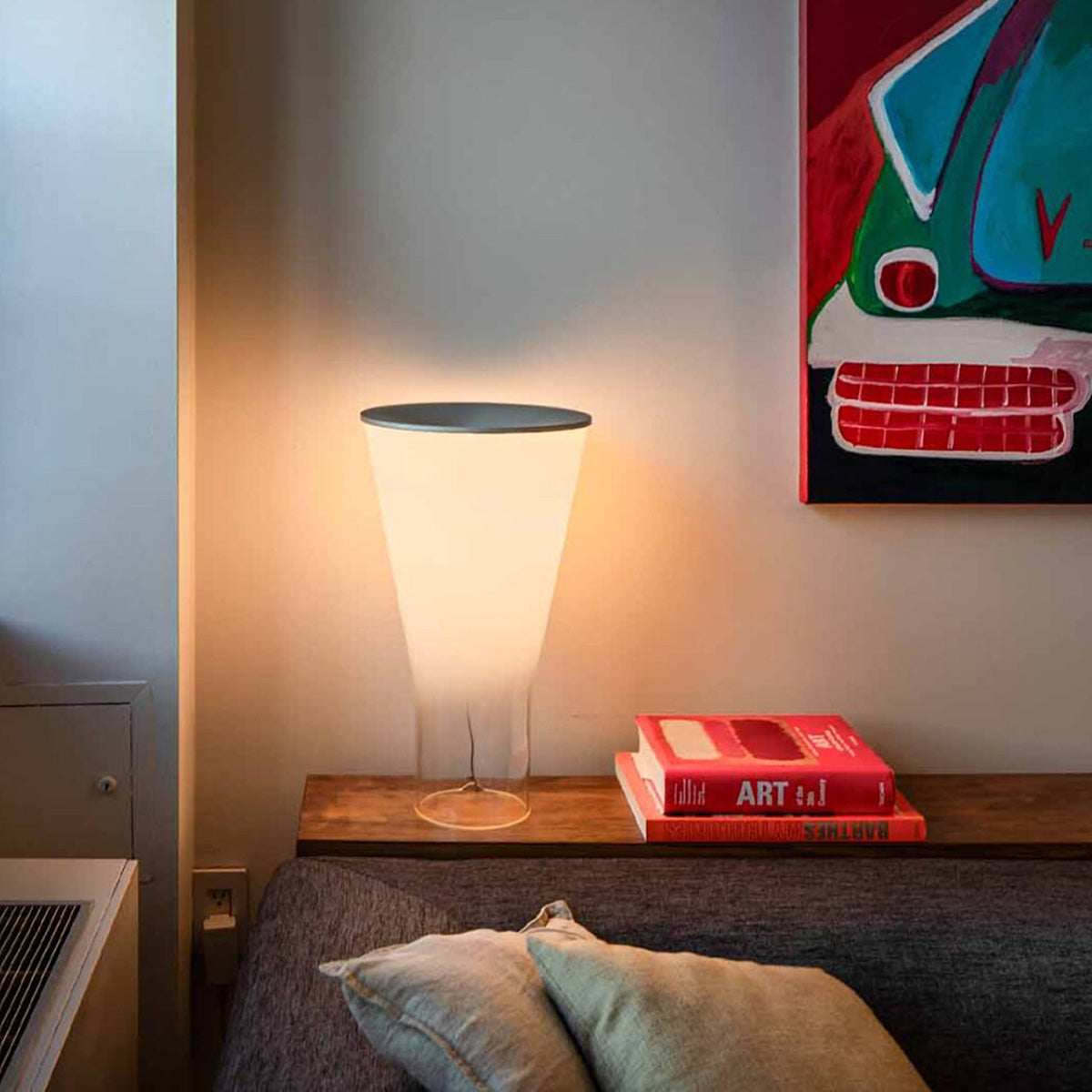
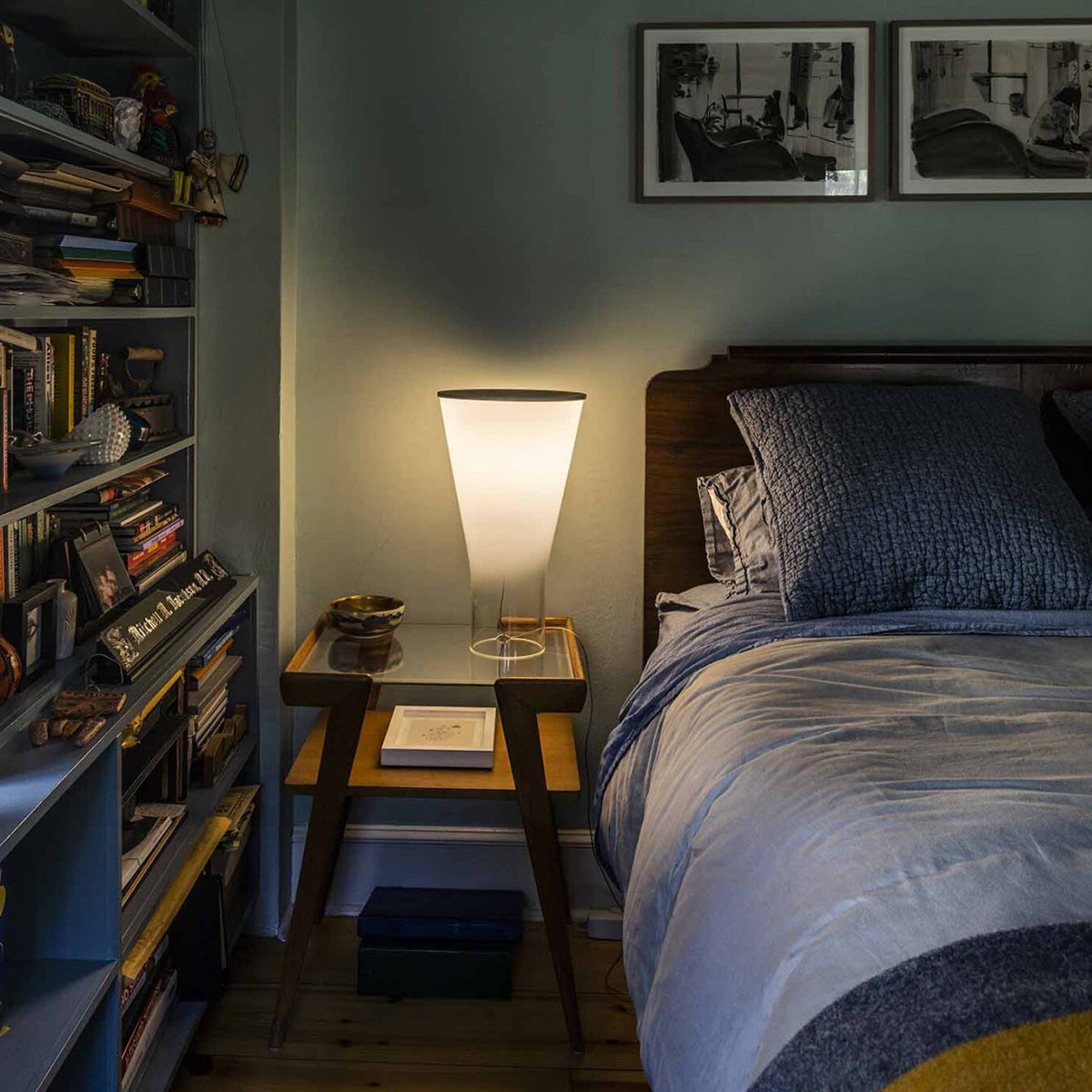
The format question is usually settled by where the light needs to work. Pendants address the mid-level of a space and are most effective over surfaces, dining tables, kitchen islands, or as a centered focal point in a double-height volume. Floor lamps function as self-contained spatial gestures, best where a sculptural vertical presence is needed without a ceiling anchor. Table and desk lamps handle intimacy: they work at eye level, define a corner or surface, and reward close attention. Visiting a showroom to assess scale, finish, and actual light output in person is worth considering before finalizing a choice. Confirm what is currently on display before your visit.
What color and finish options are typically available in the Foscarini collection?
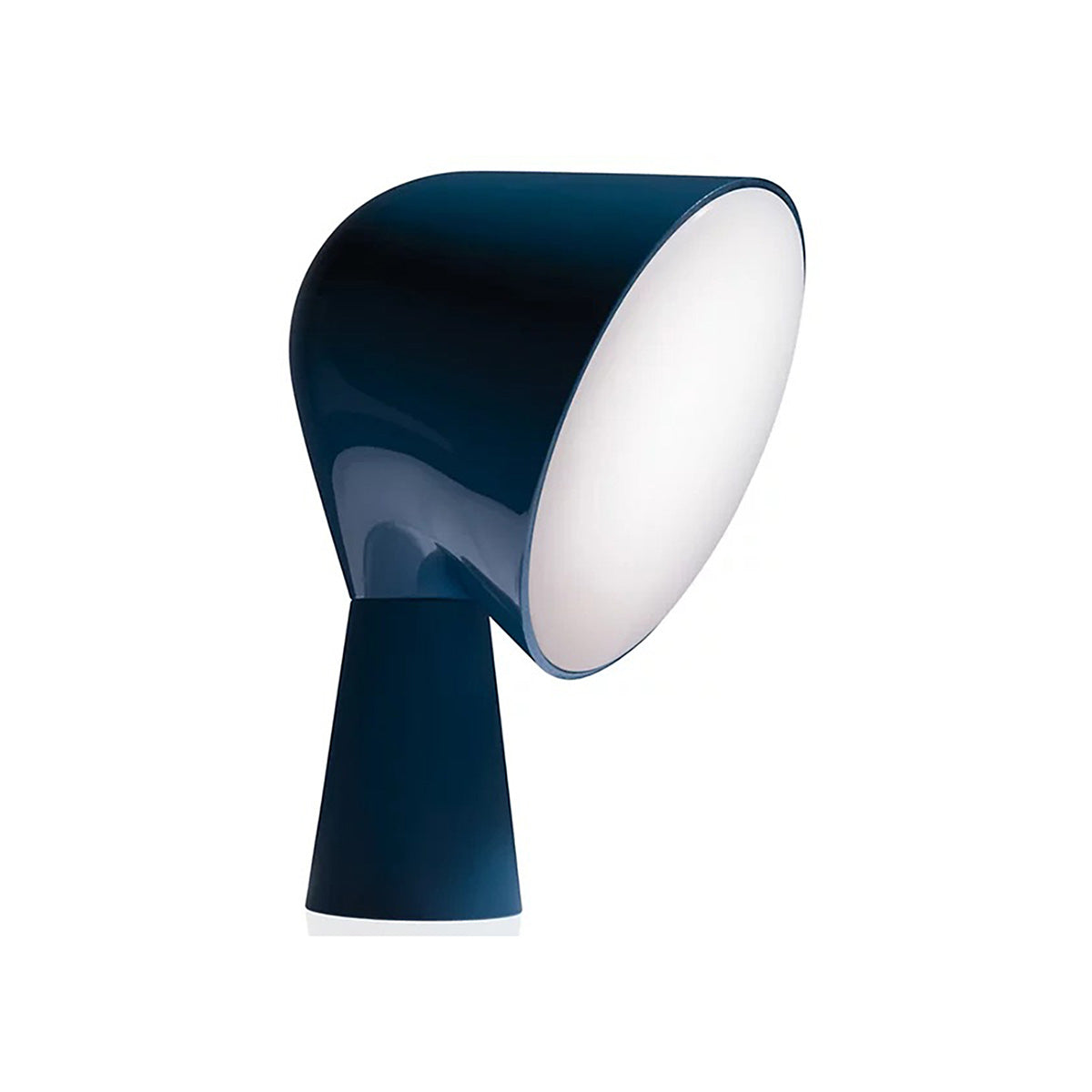
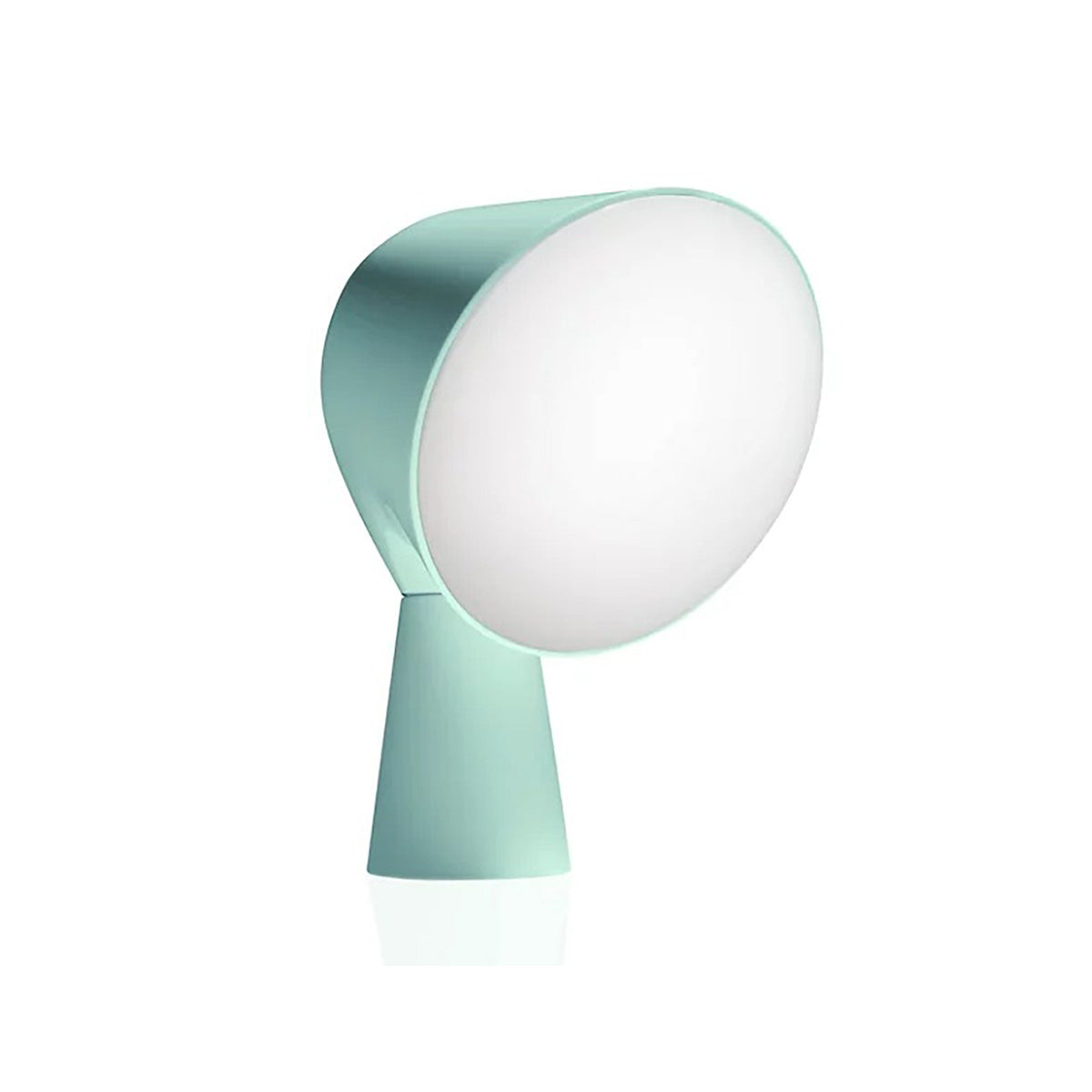
Foscarini's color approach varies by piece. Some lamps are available in a wide palette, up to six colors in certain table lamp families, where each finish shifts the object's character entirely. Others are offered in a restrained set of two or three options designed to complement specific interior palettes. Concrete pieces carry integral pigmentation rather than surface color, so the finish is structural. Glass pieces range from satin white and transparent to grey and graduated opaque-to-clear. Checking the specific product for its available configurations is always the reliable step, as options vary considerably across the range.
Elevate Your Space
Since 1974, we have been at the forefront of innovation in the design sphere, revolutionizing perceptions of good design.