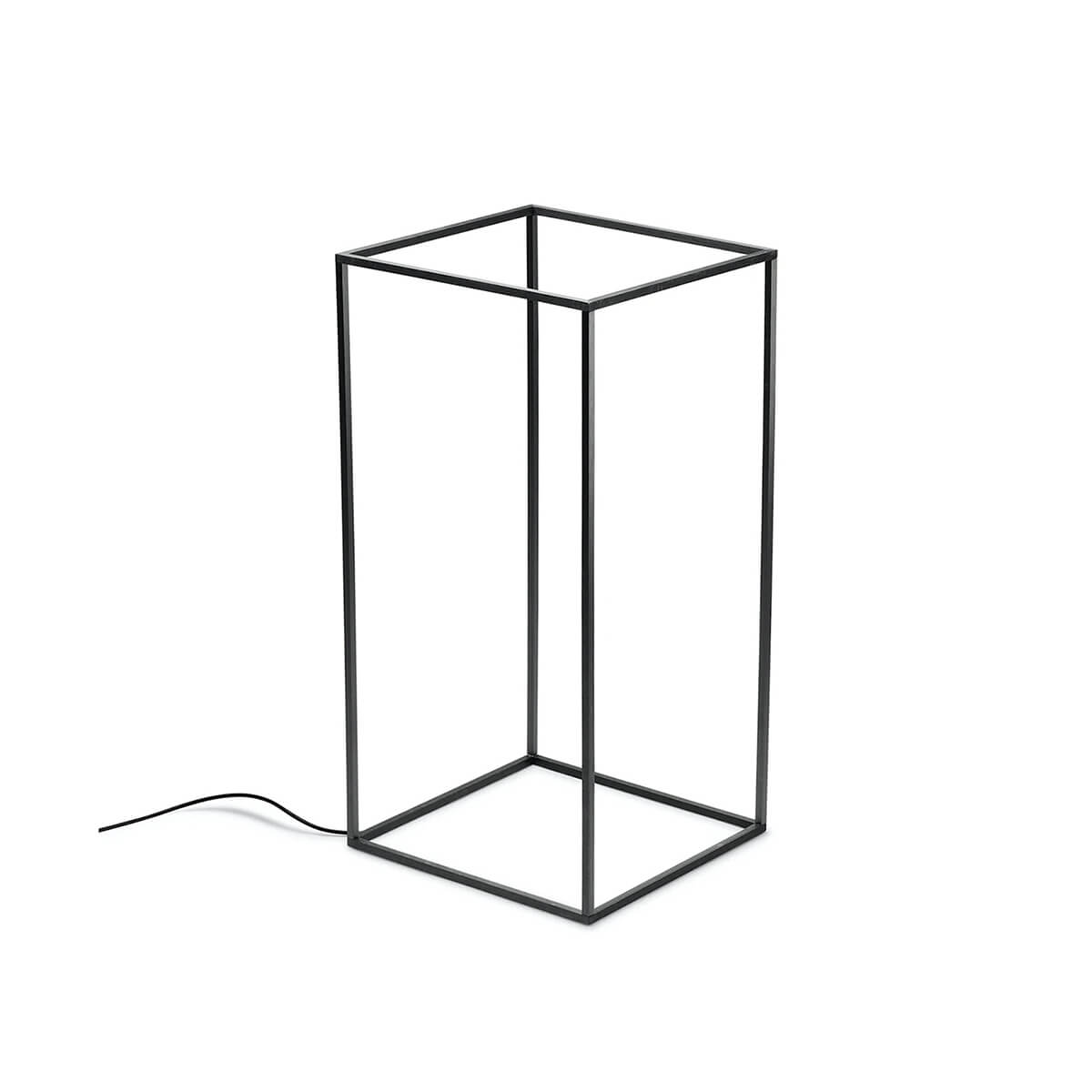

Ipnos Floor Lamp
Made by Flos
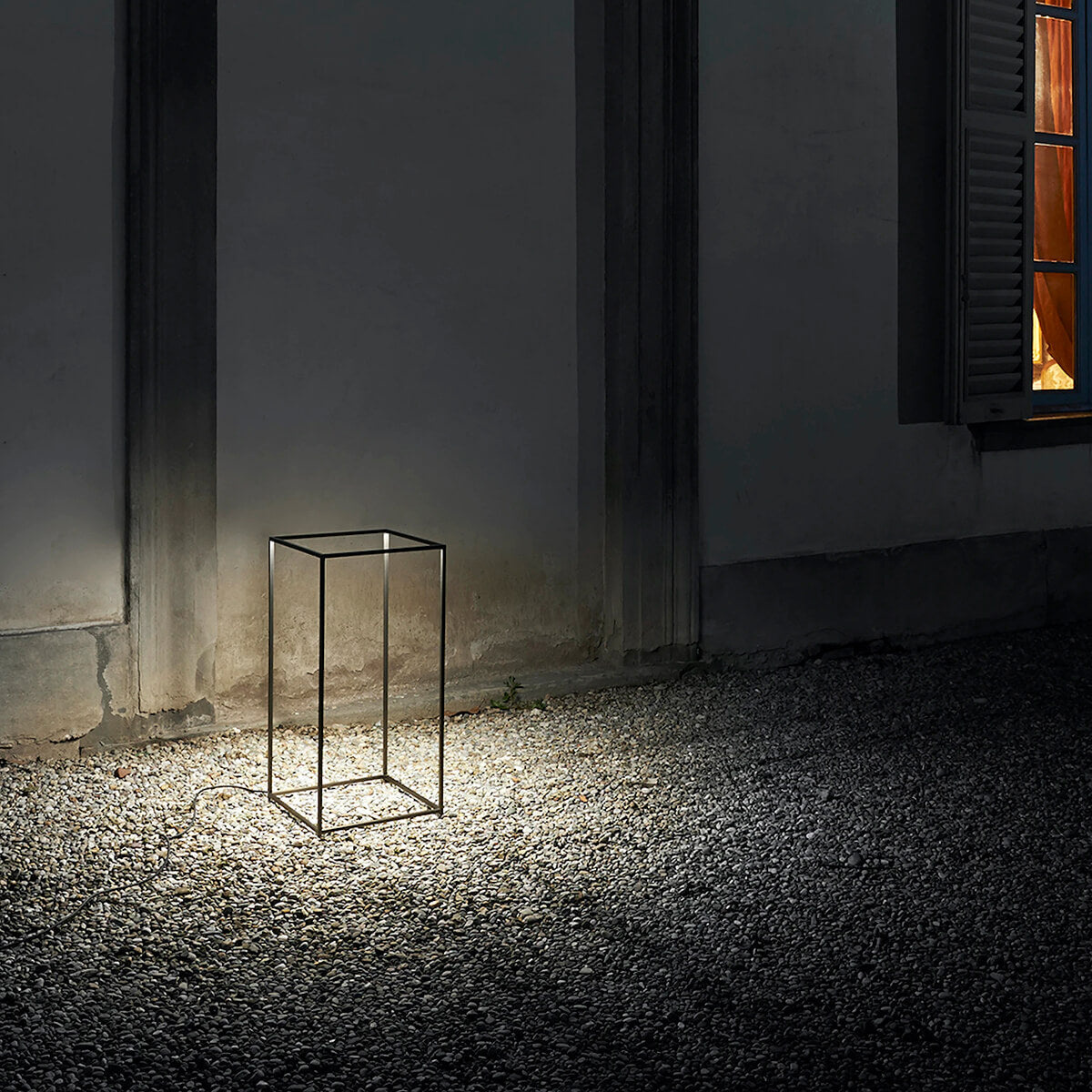
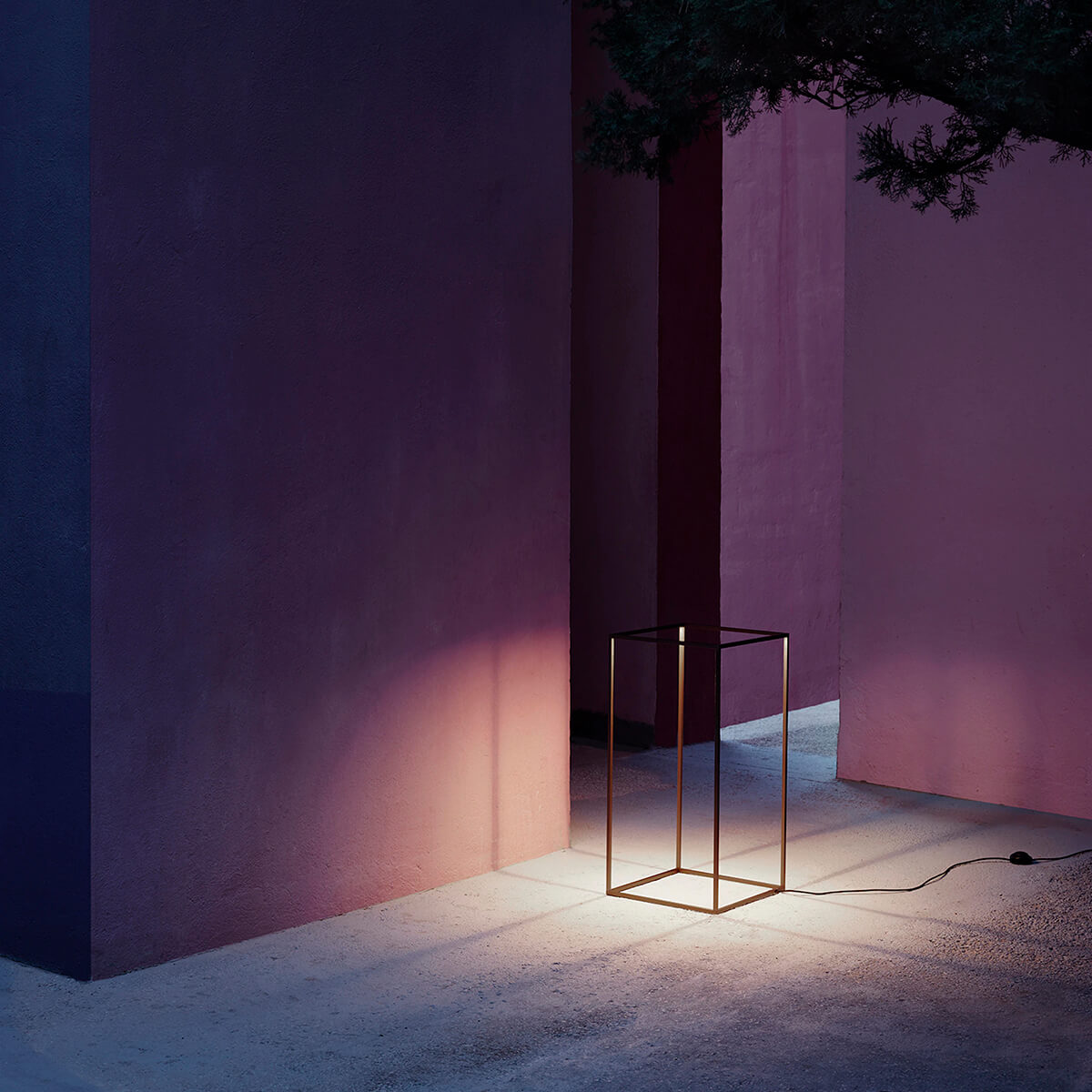
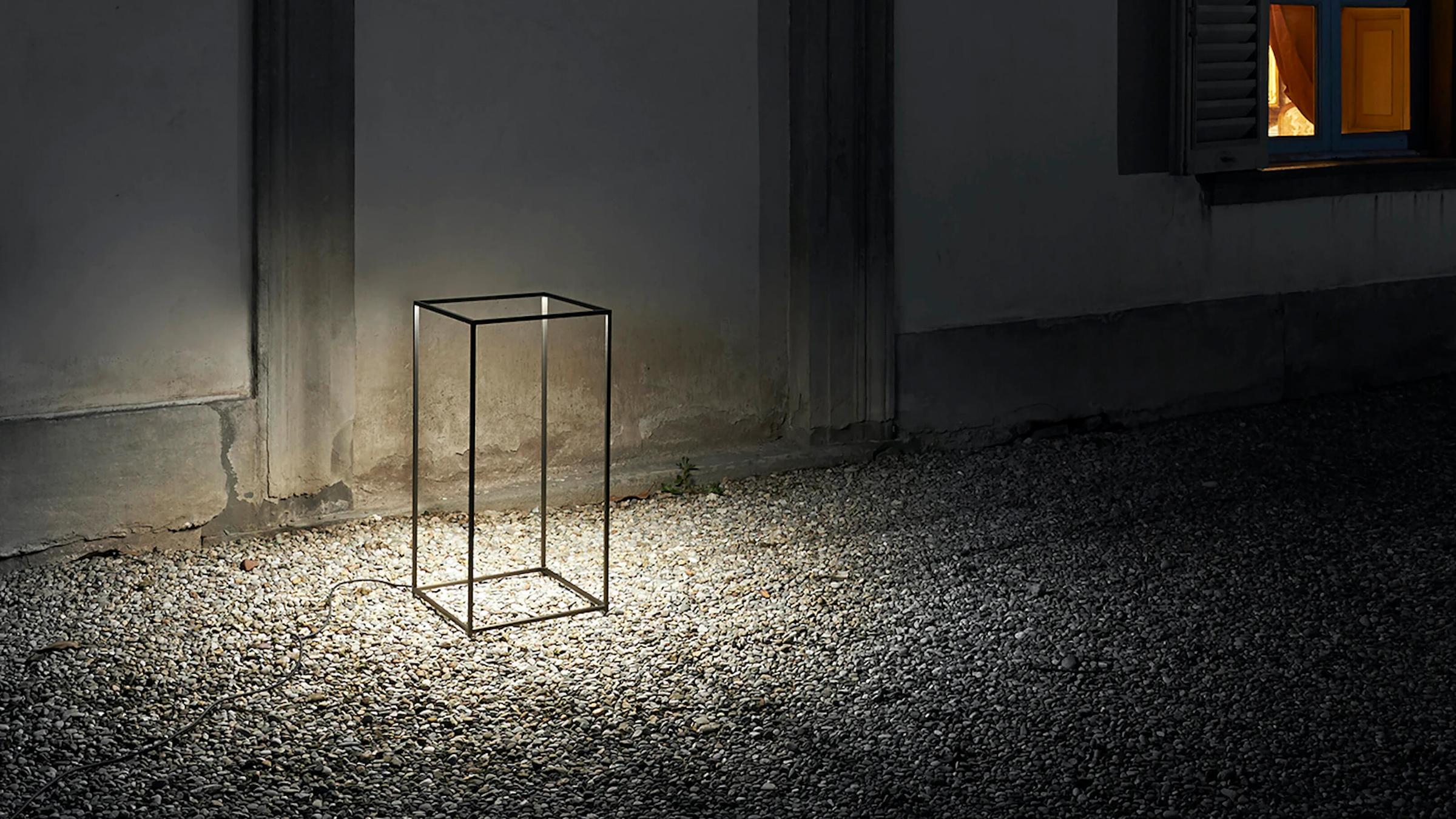
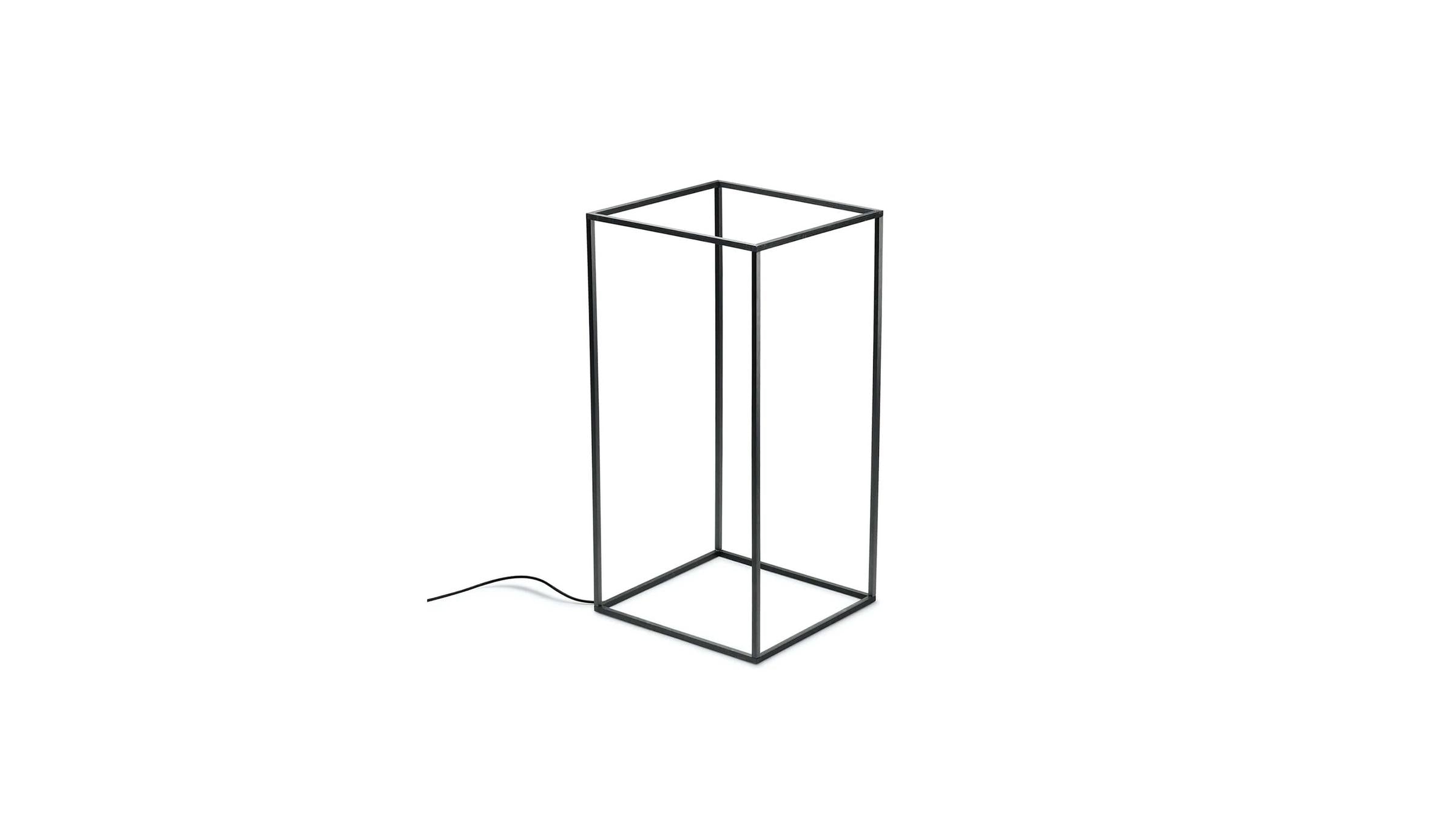
Designed by Nicoletta Rossi and Guido Bianche, the Ipnos floor lamp plays with the geometry of absence. Light appears to emerge from within a spare rectangular body, the source invisible, the effect quietly arresting.
Constructed from anodized aluminum, the fixture is engineered for outdoor environments without compromising its sculptural restraint. The anodized finish resists the elements while preserving the lamp's clean, architectural silhouette across seasons.
The Ipnos belongs to a particular tradition in Italian lighting design, one that treats illumination as atmosphere rather than utility. Shadows and gradients become part of the composition. The lamp does not announce itself. It simply changes the character of any space it inhabits.
Made to order by Flos, tailored to you.
Get customization options, swatch samples and pricing for your project.
Pairs Well With
Ipnos Floor Lamp
Product Details
Tear Sheet
Pricing & Warranty
Pricing for made-to-order items varies based on configuration, finishes, and customization options. Please contact one of our design consultants or visit a showroom near you for current pricing and personalized assistance.
Luminaire is an authorized retailer of Flos. The product comes with a full manufacturer warranty.
Authenticity guaranteed. Genuine product, authenticated and sourced directly from the manufacturer.
Frequently Asked Questions
Who designed the Flos Ipnos floor lamp?
The Ipnos was designed by Nicoletta Rossi and Guido Bianche, a design duo whose work explores geometric restraint and the expressive potential of concealed light sources.
Is the Ipnos floor lamp suitable for outdoor use?
Yes. The Ipnos is engineered specifically for outdoor environments, with an anodized aluminum construction that resists weathering while maintaining its precise architectural form.
What material is the Ipnos floor lamp made from?
The Ipnos is constructed from anodized aluminum, a finish chosen for its durability against the elements and its ability to hold a clean, consistent surface over time.
How does the Ipnos lamp create its lighting effect?
The light source is concealed within a spare rectangular body, so illumination appears to emanate from the form itself. The result is a composition of gradients and shadow rather than a conventional pool of directed light.
What design tradition does the Flos Ipnos belong to?
The Ipnos sits within the Italian lighting tradition that regards illumination as atmosphere, prioritizing the emotional and spatial quality of light over its functional output alone. Flos has been central to this design philosophy since its founding in 1962.