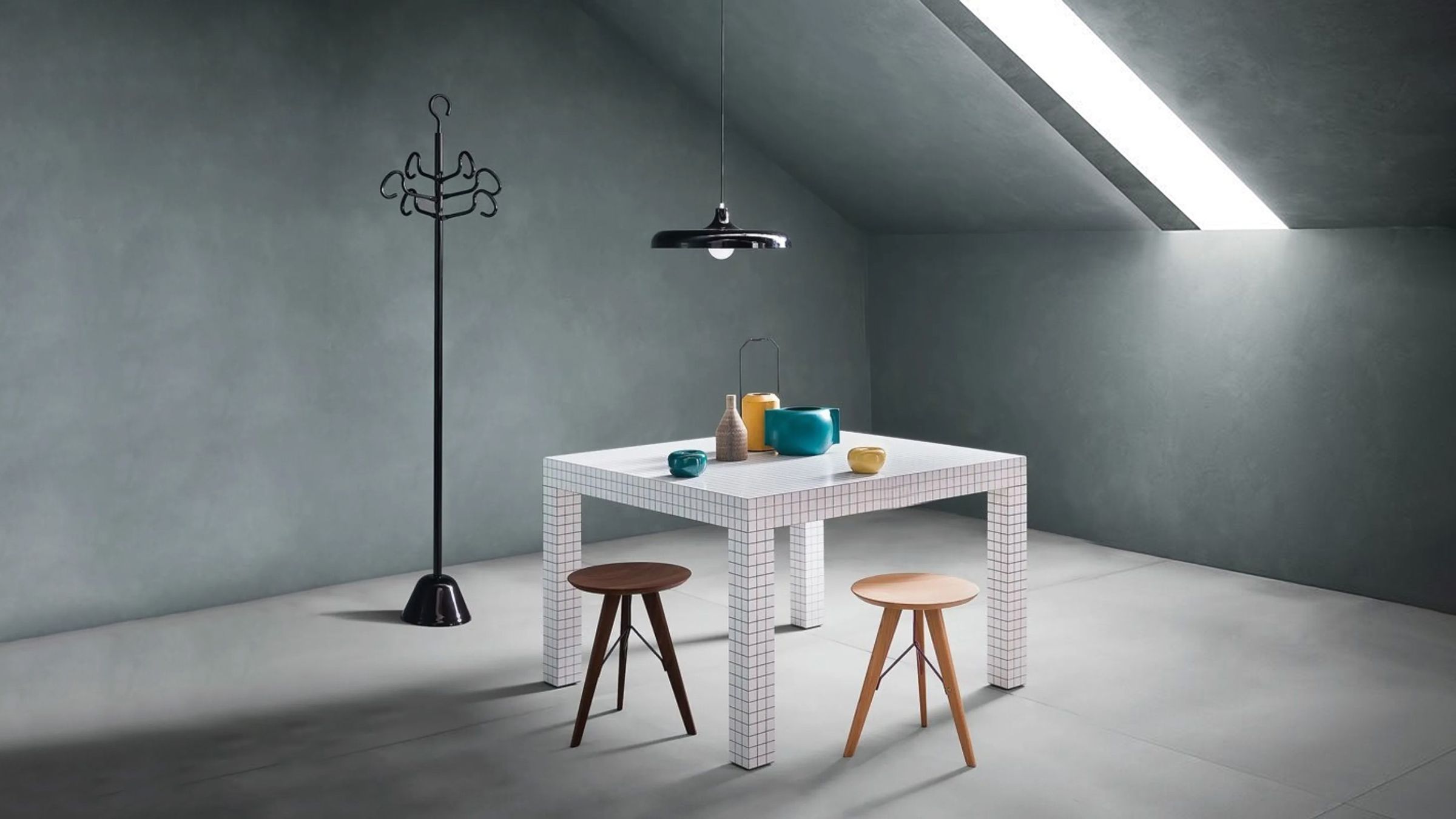
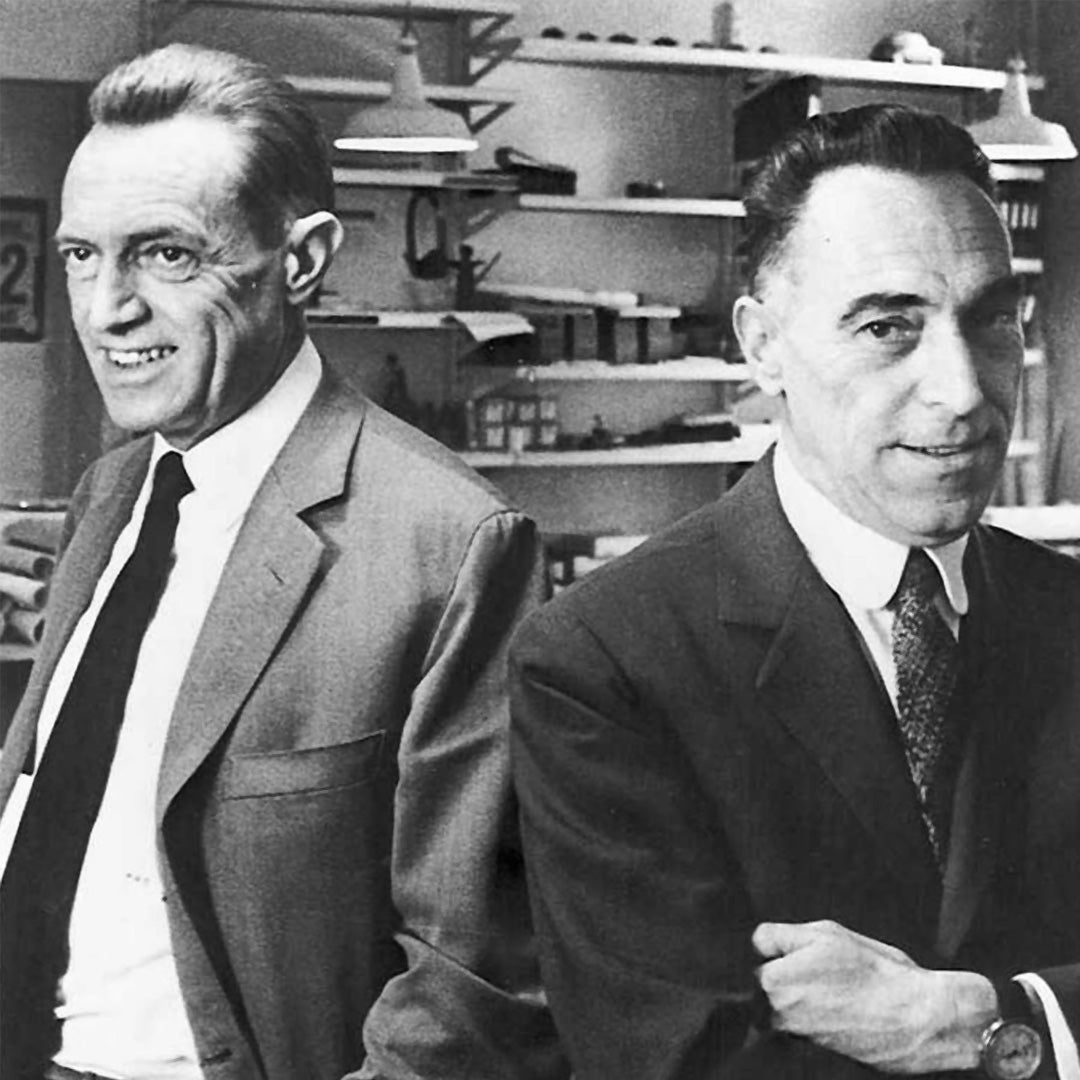
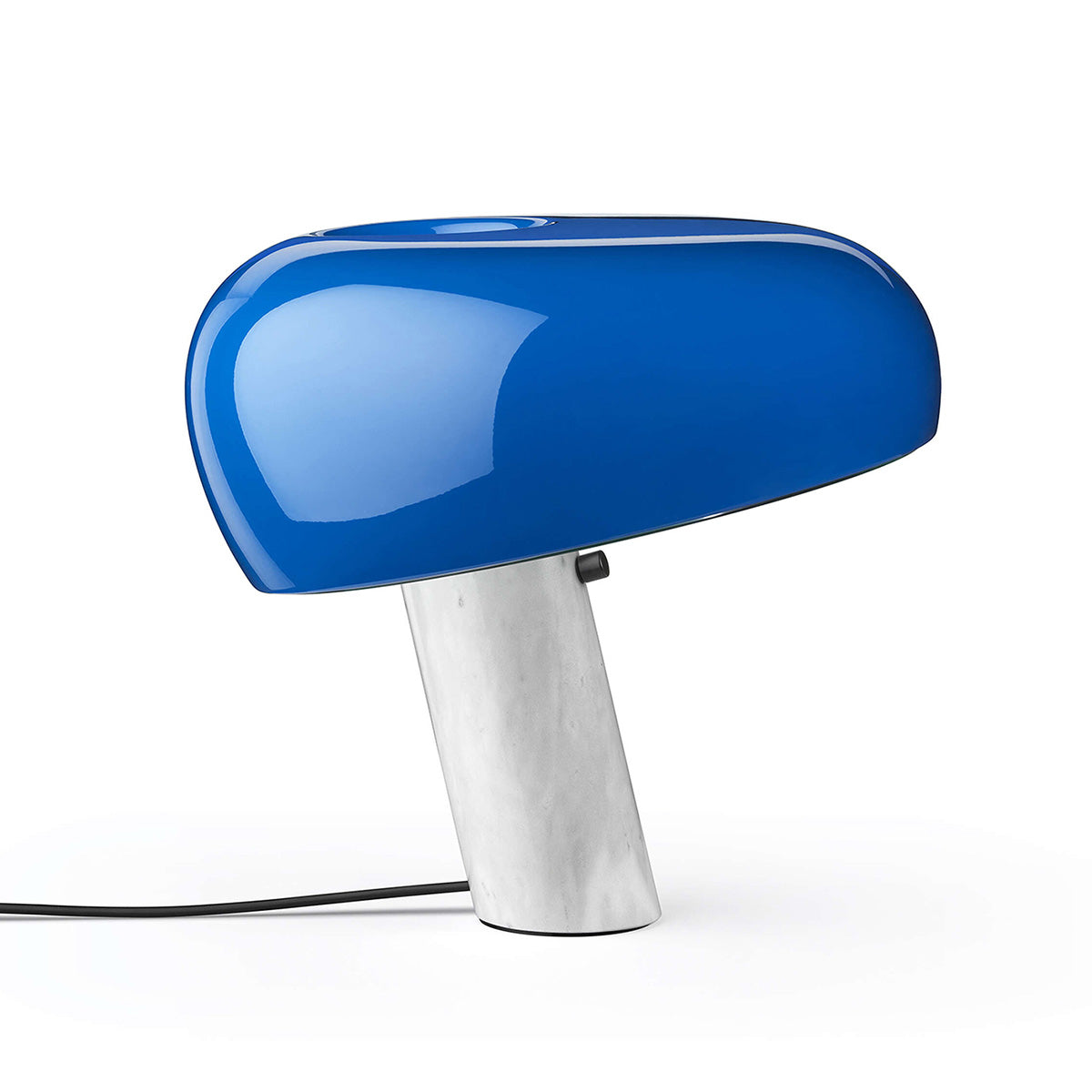
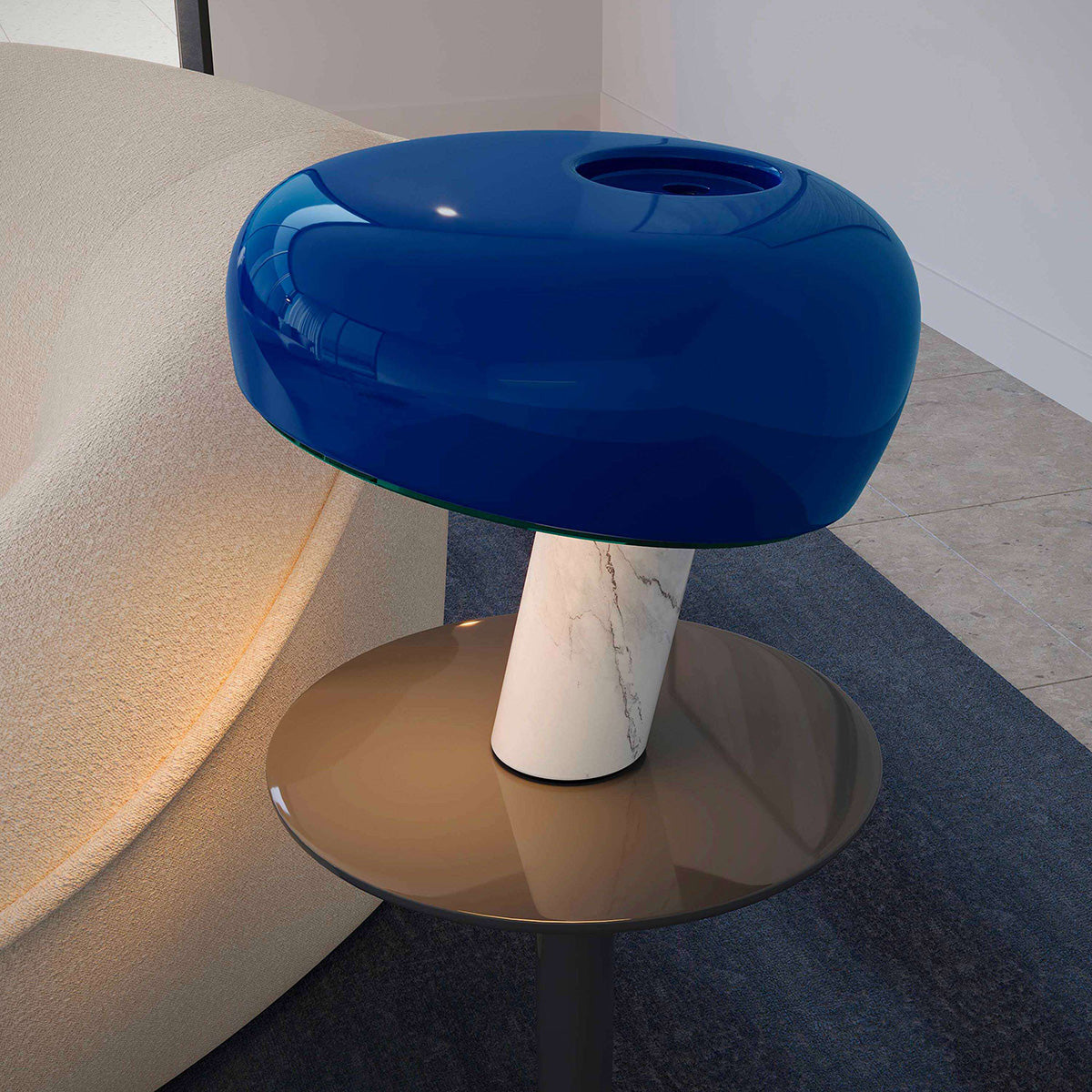
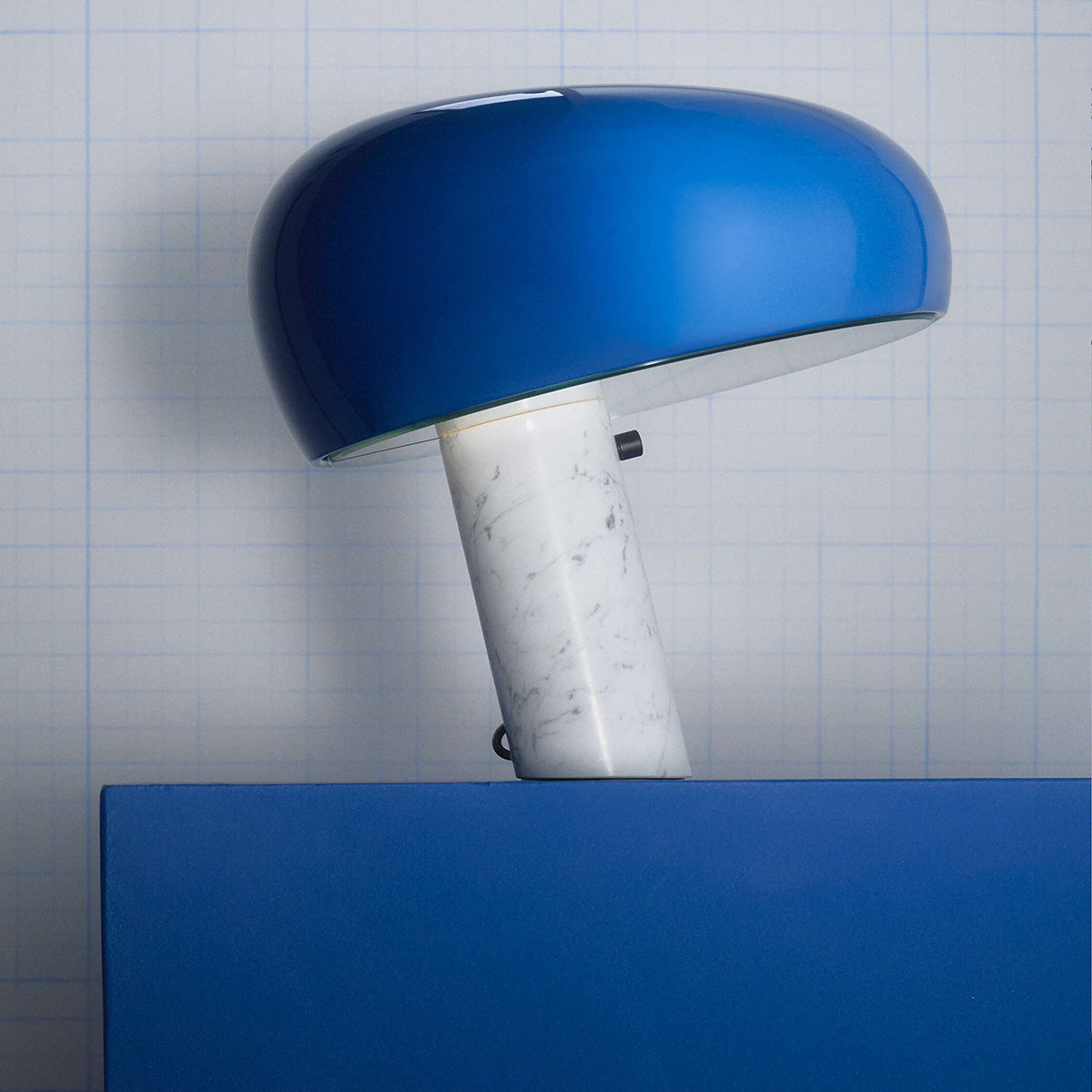
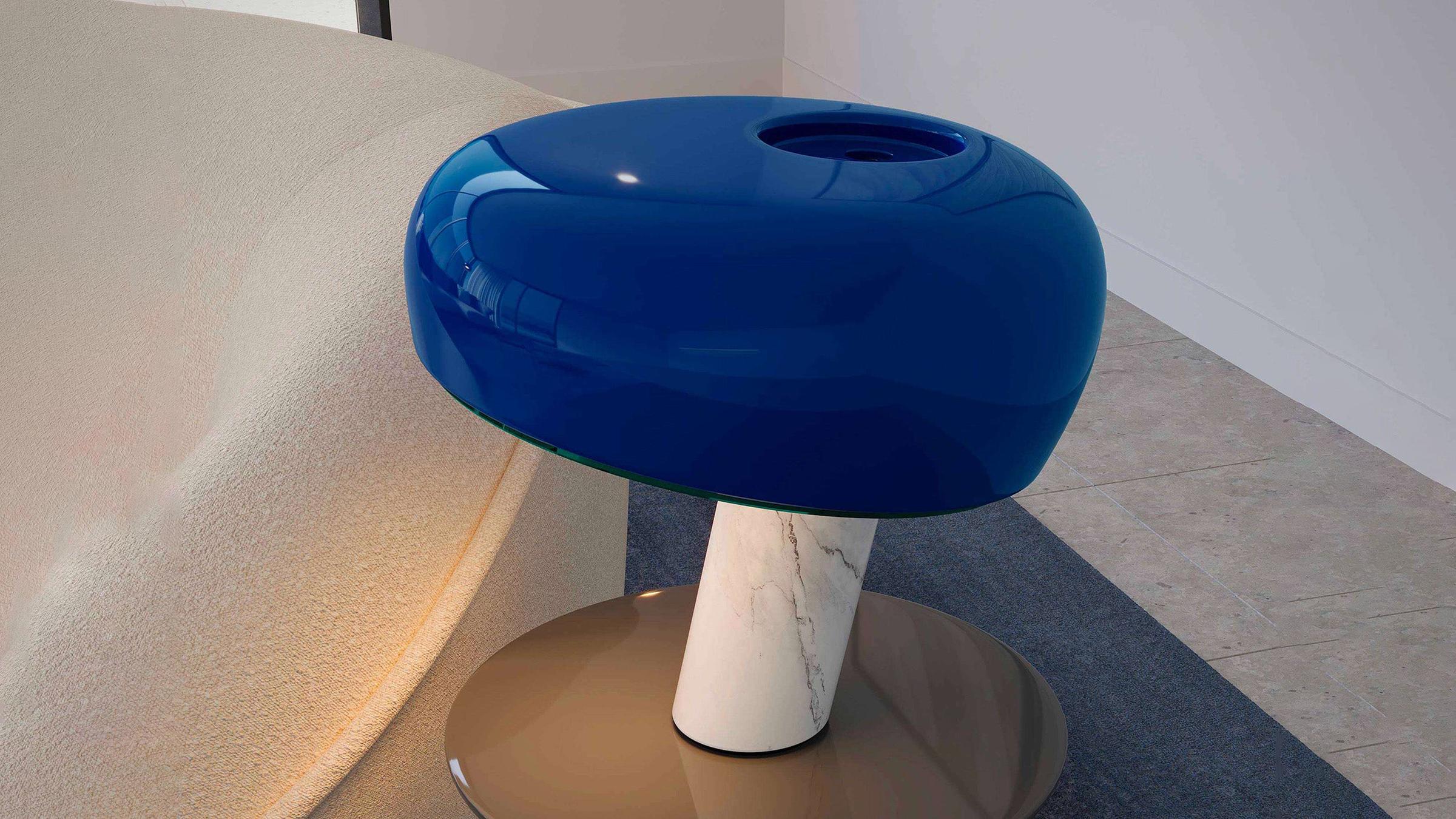
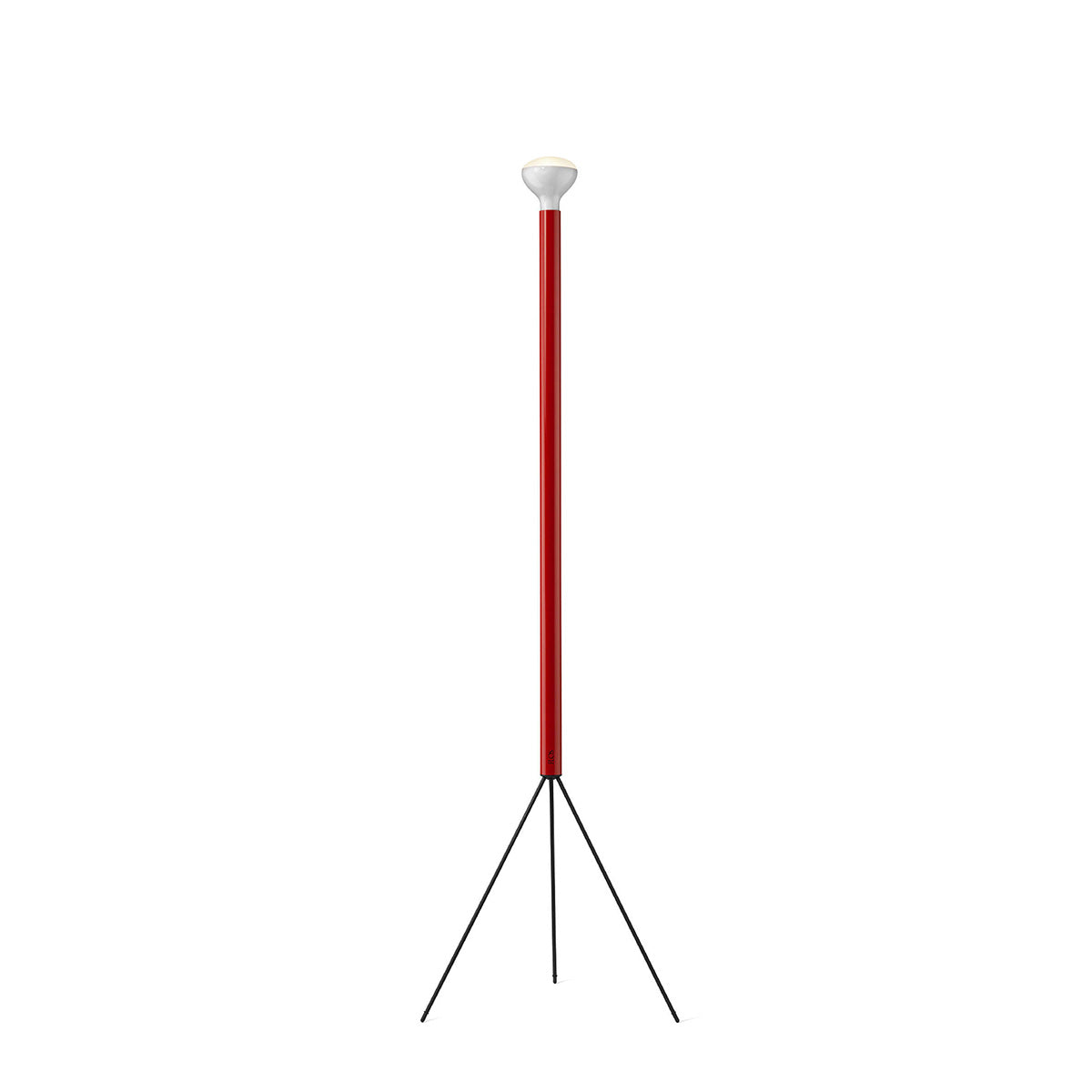
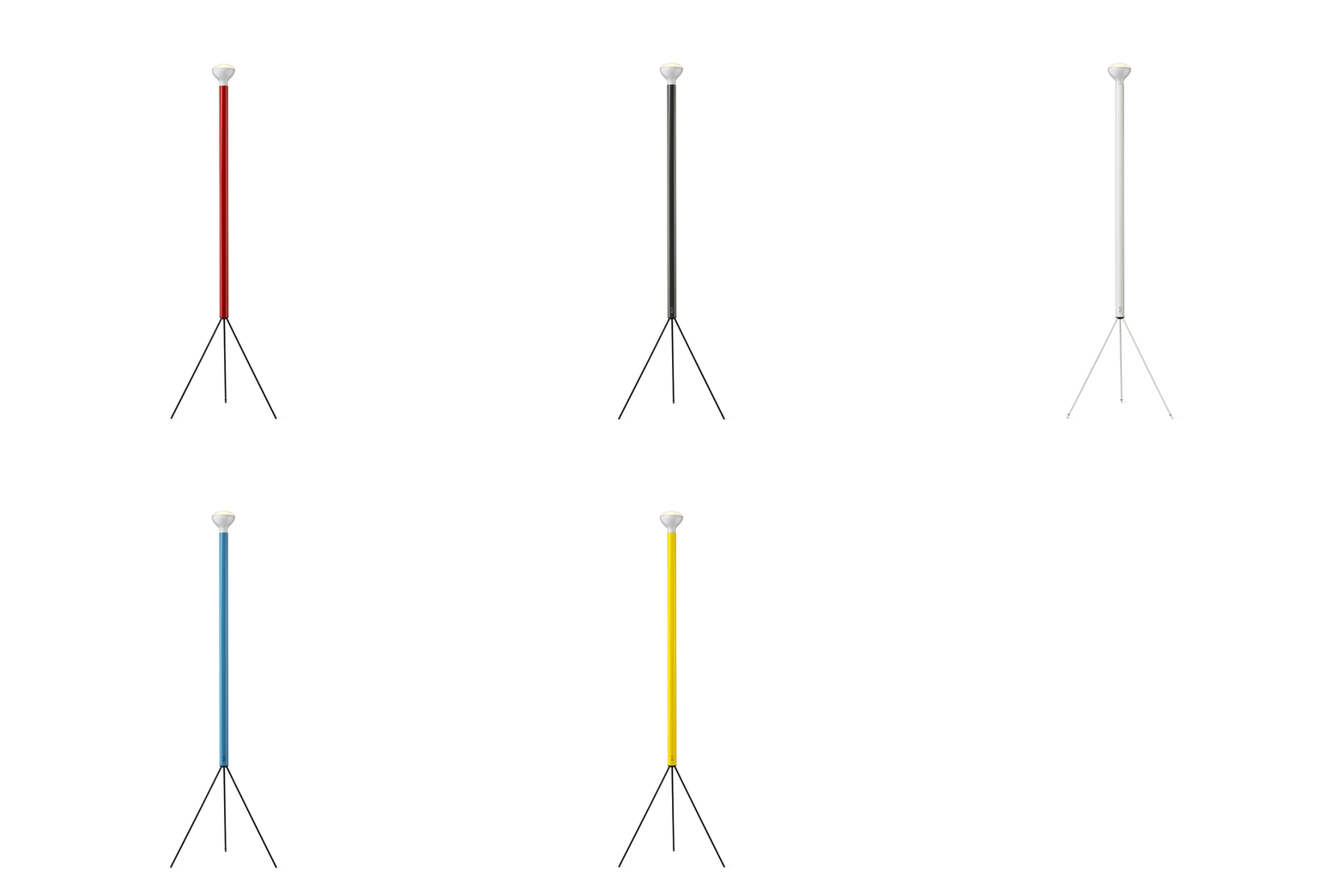
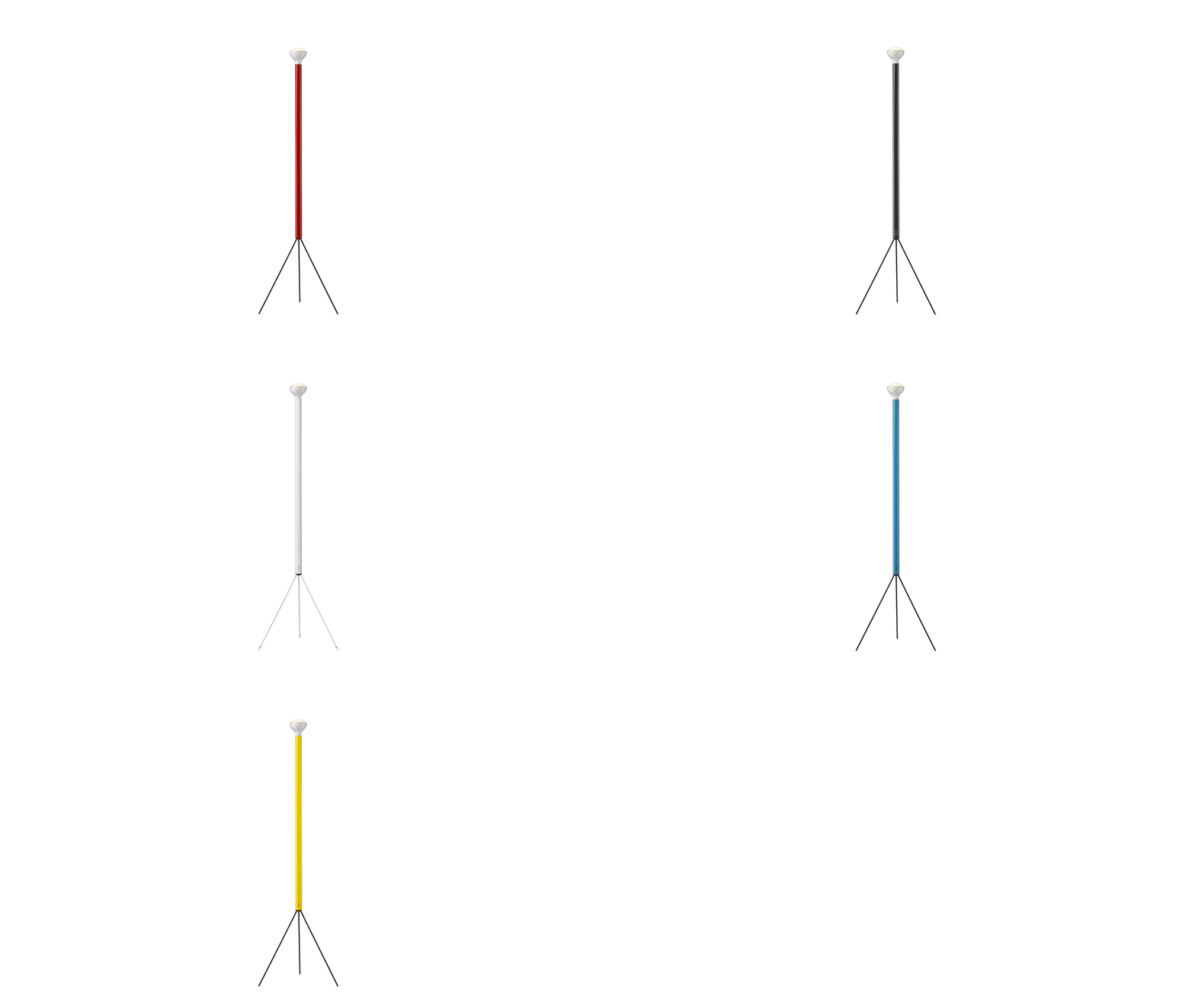
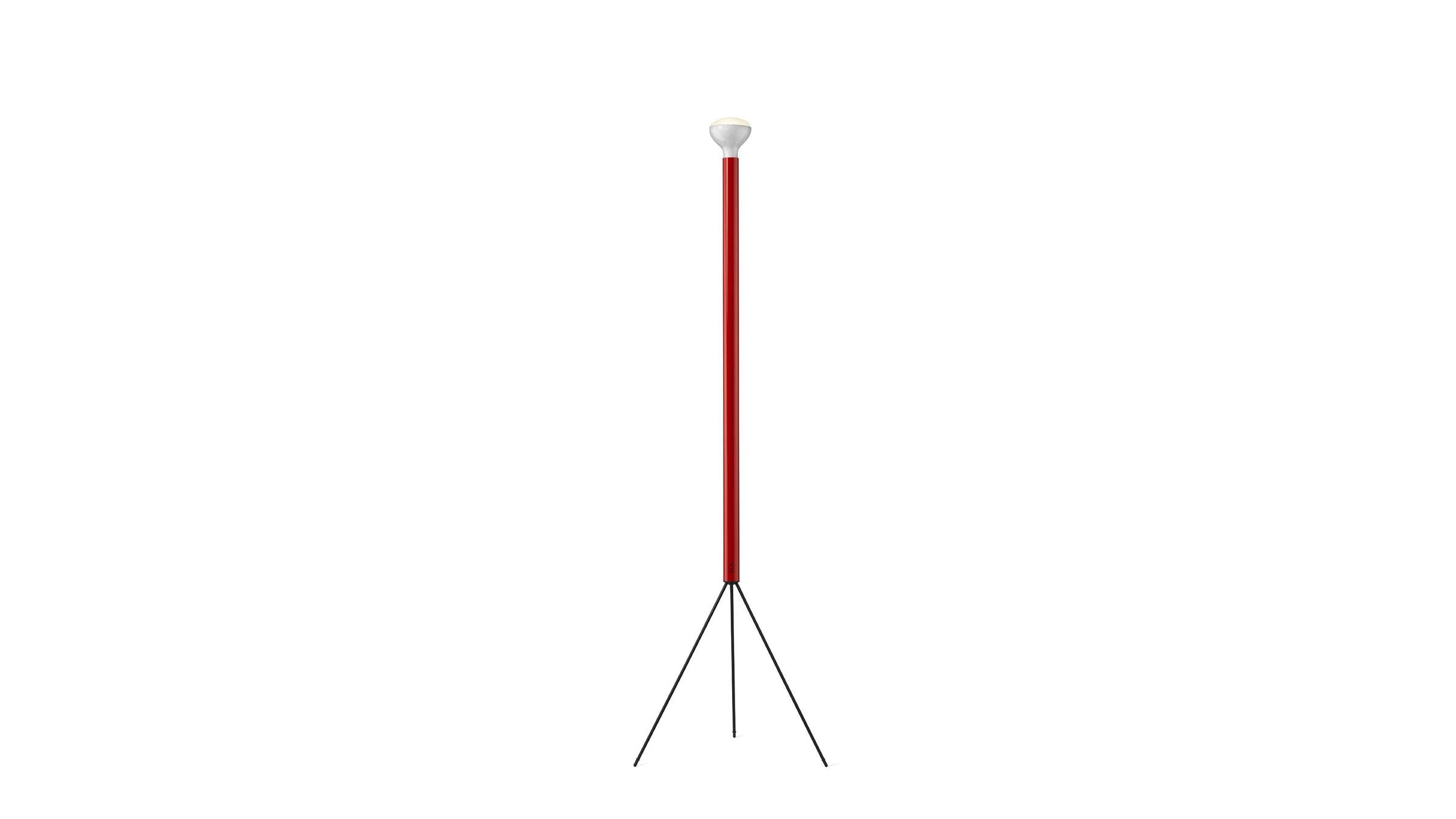
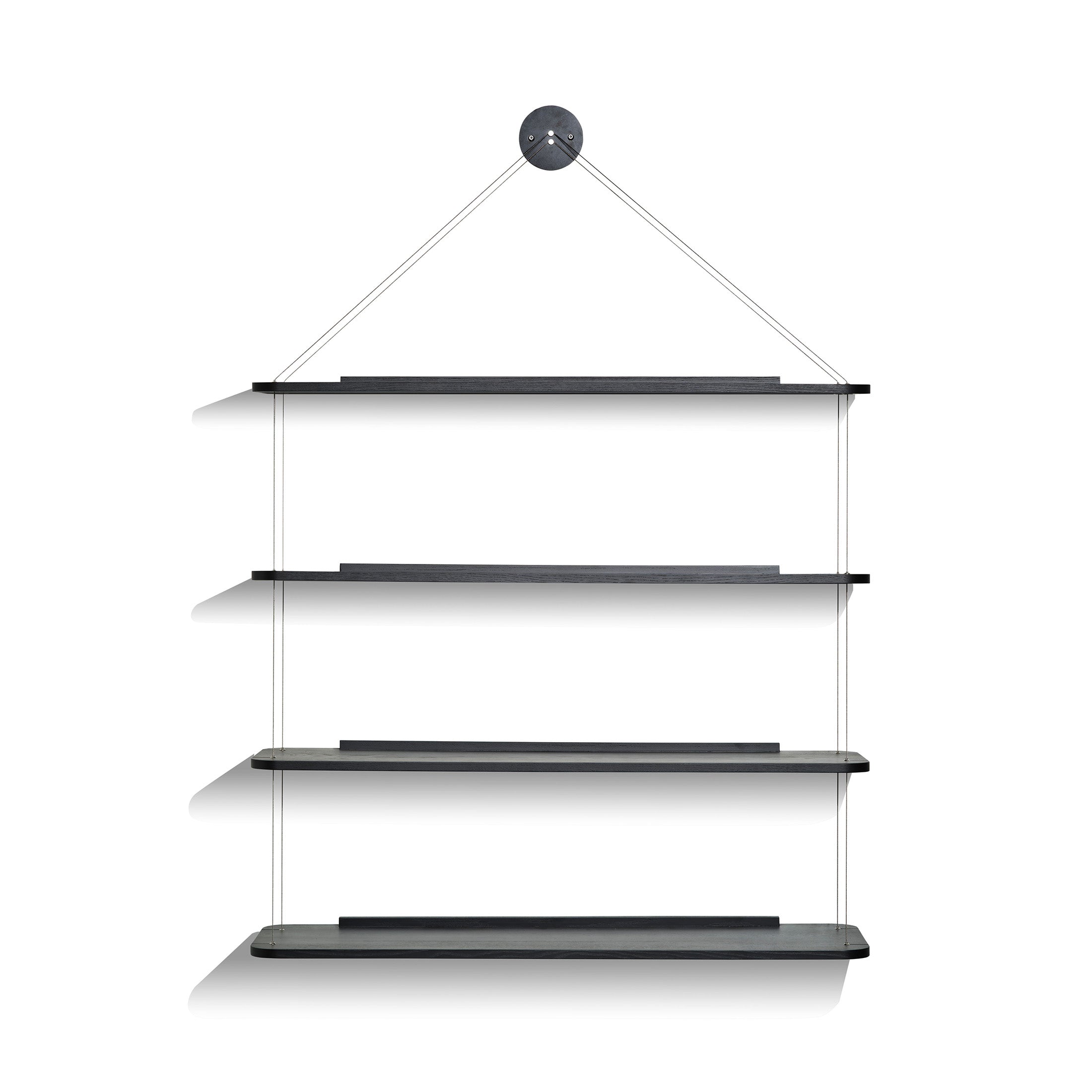
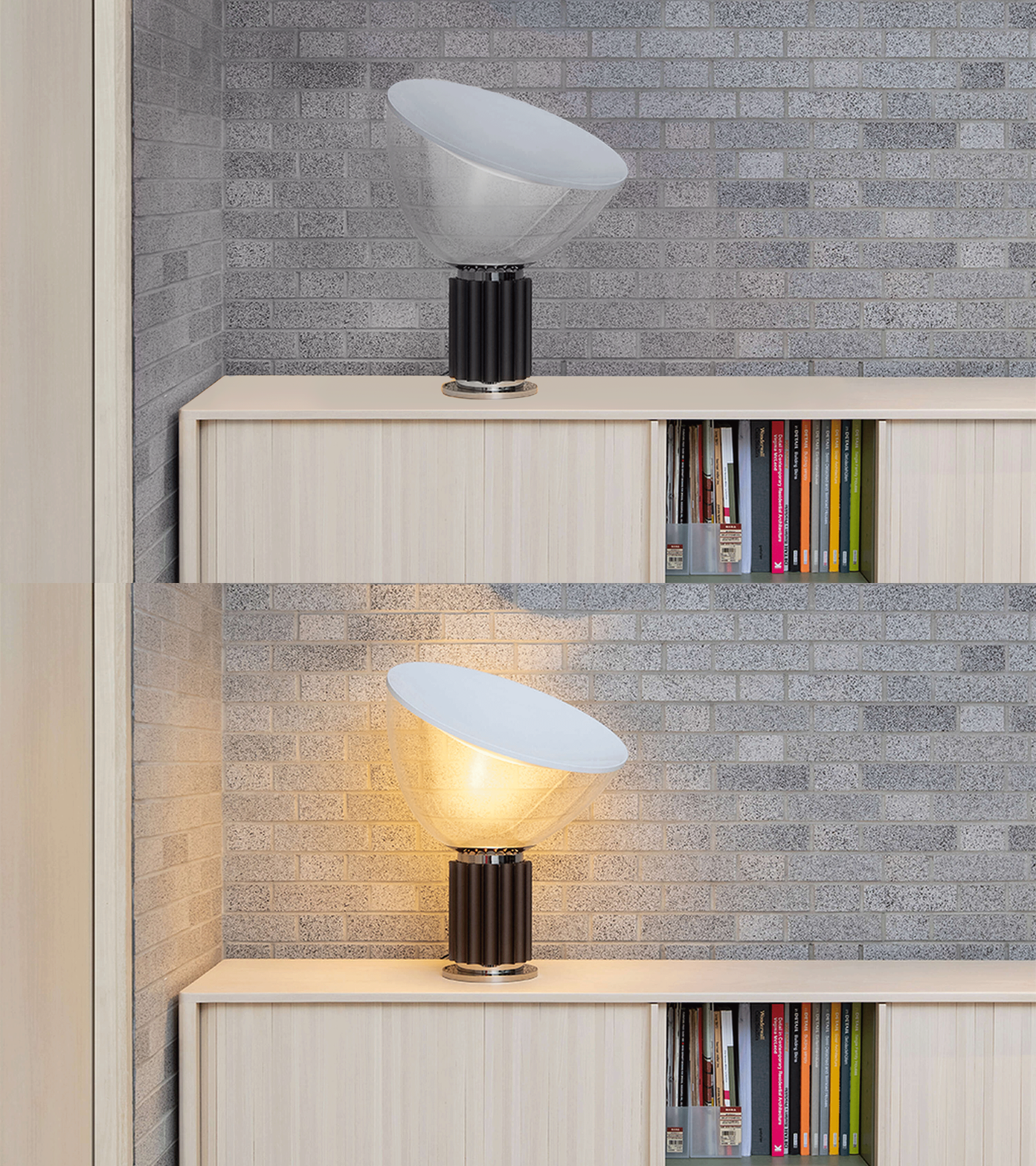
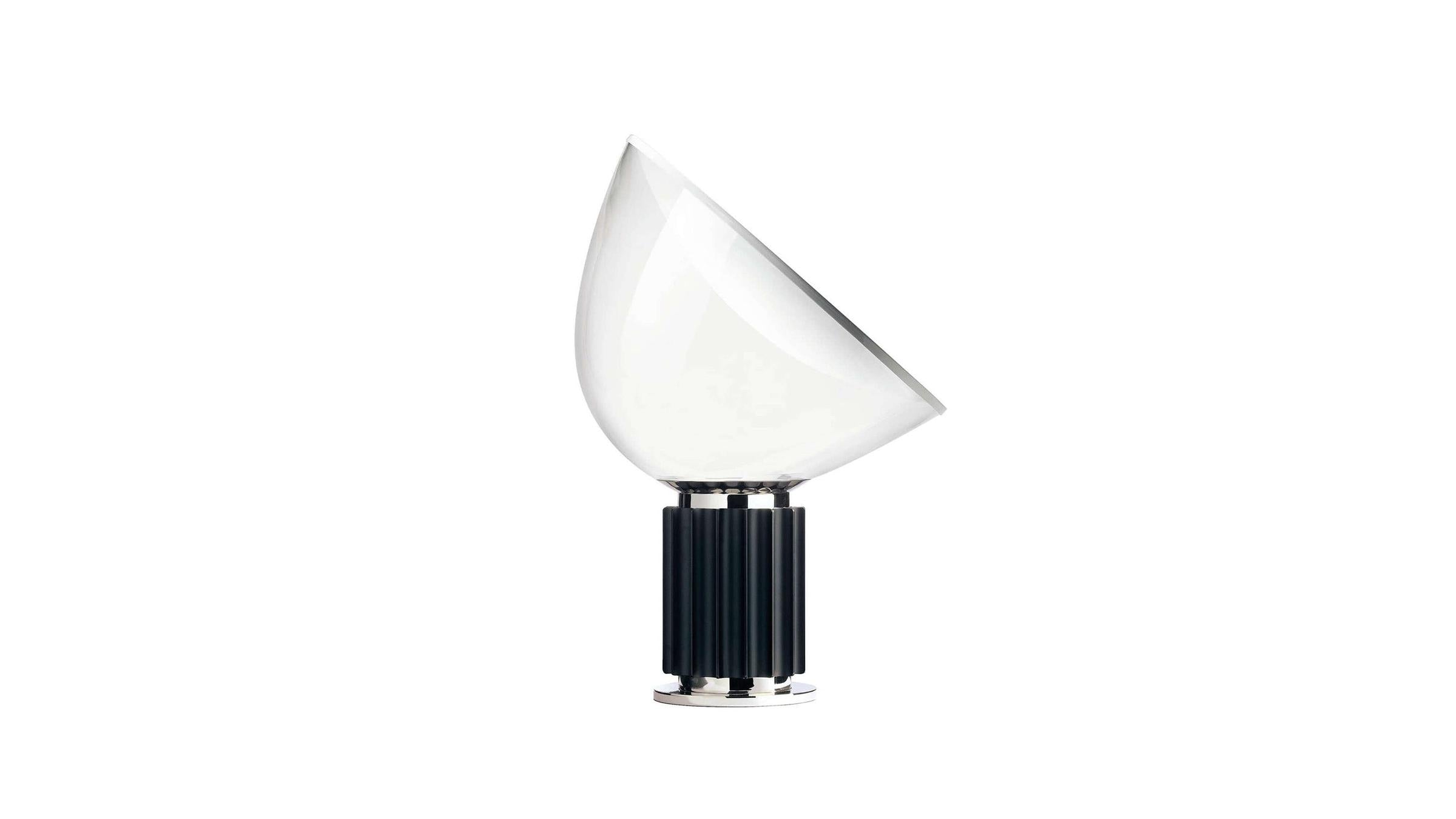
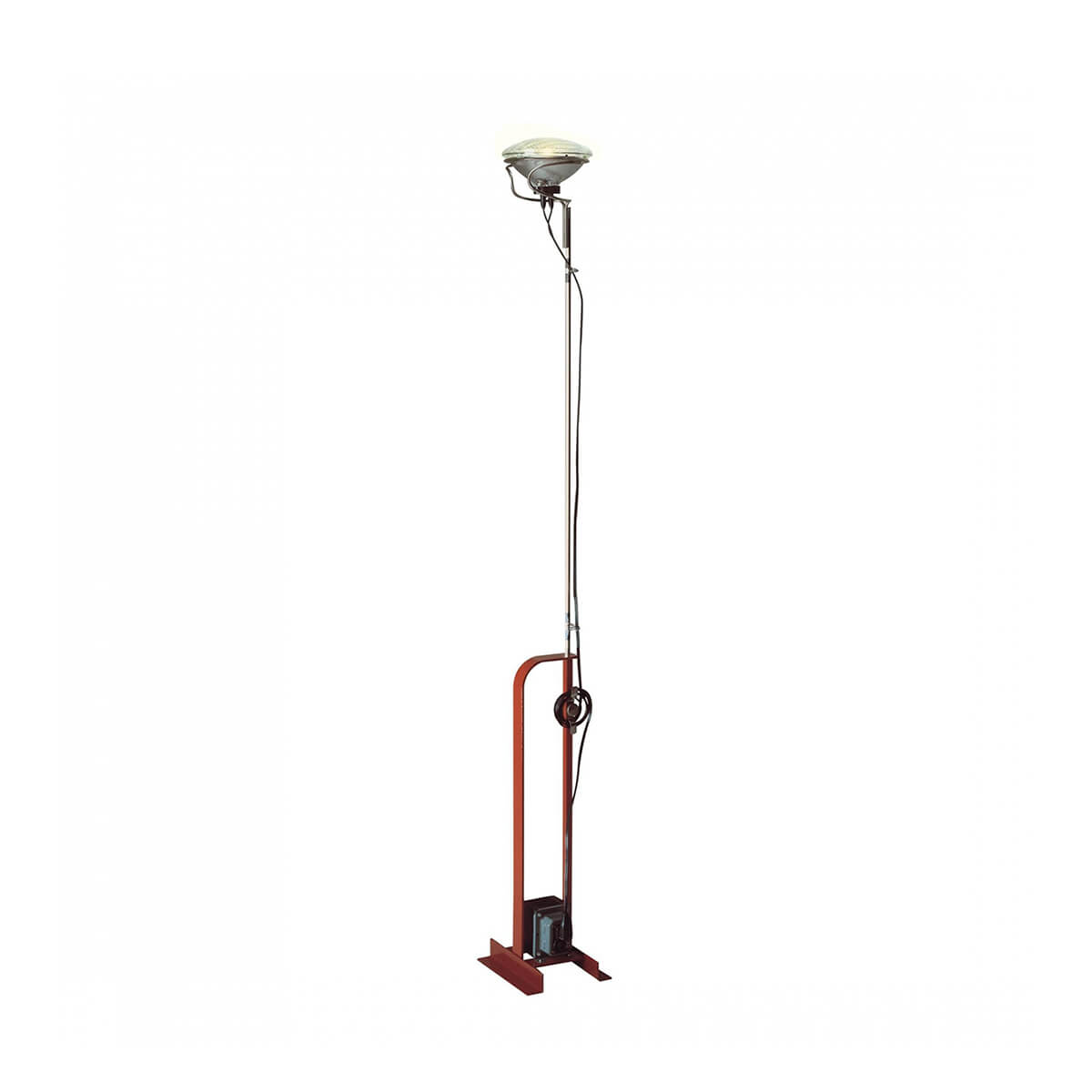
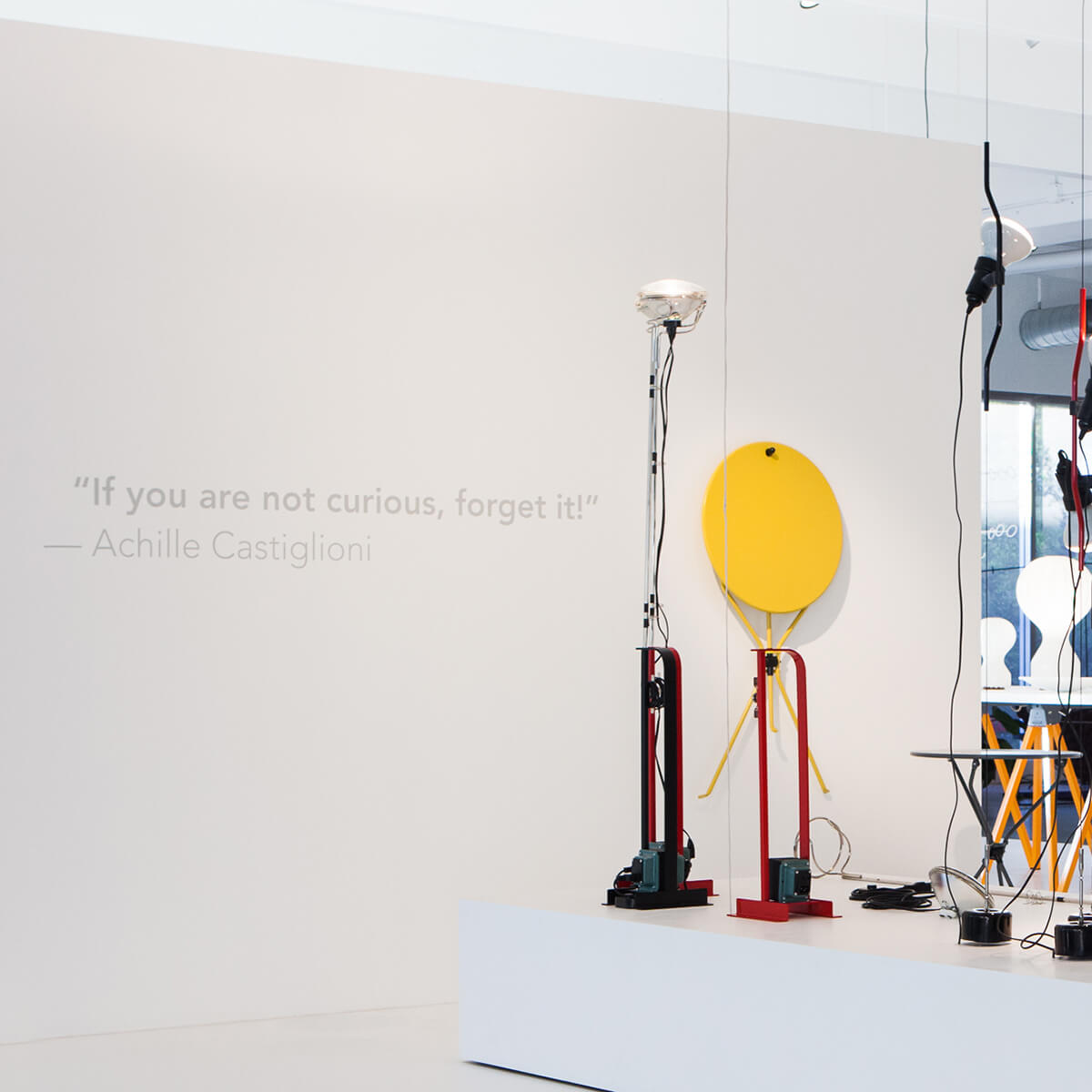
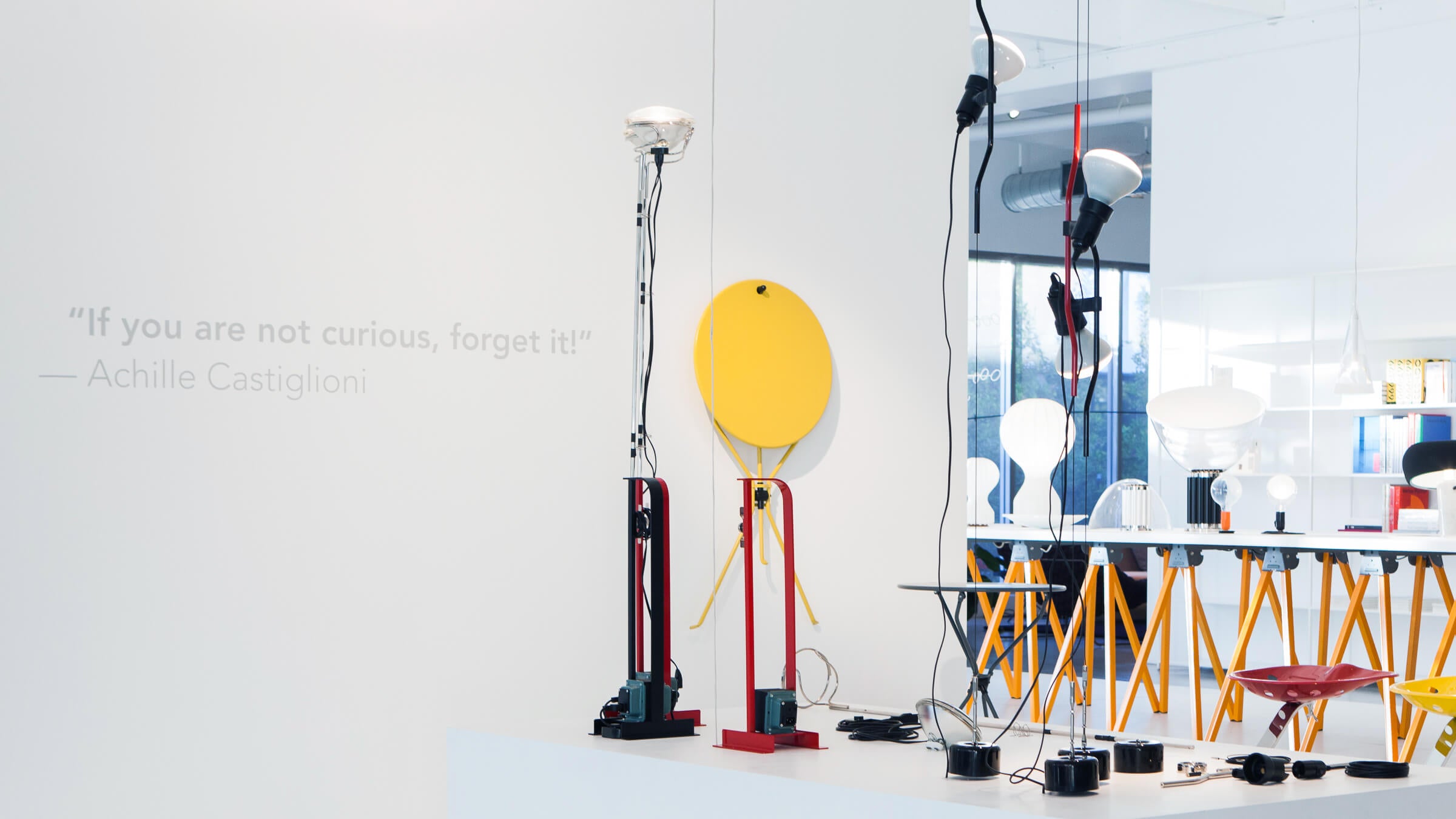
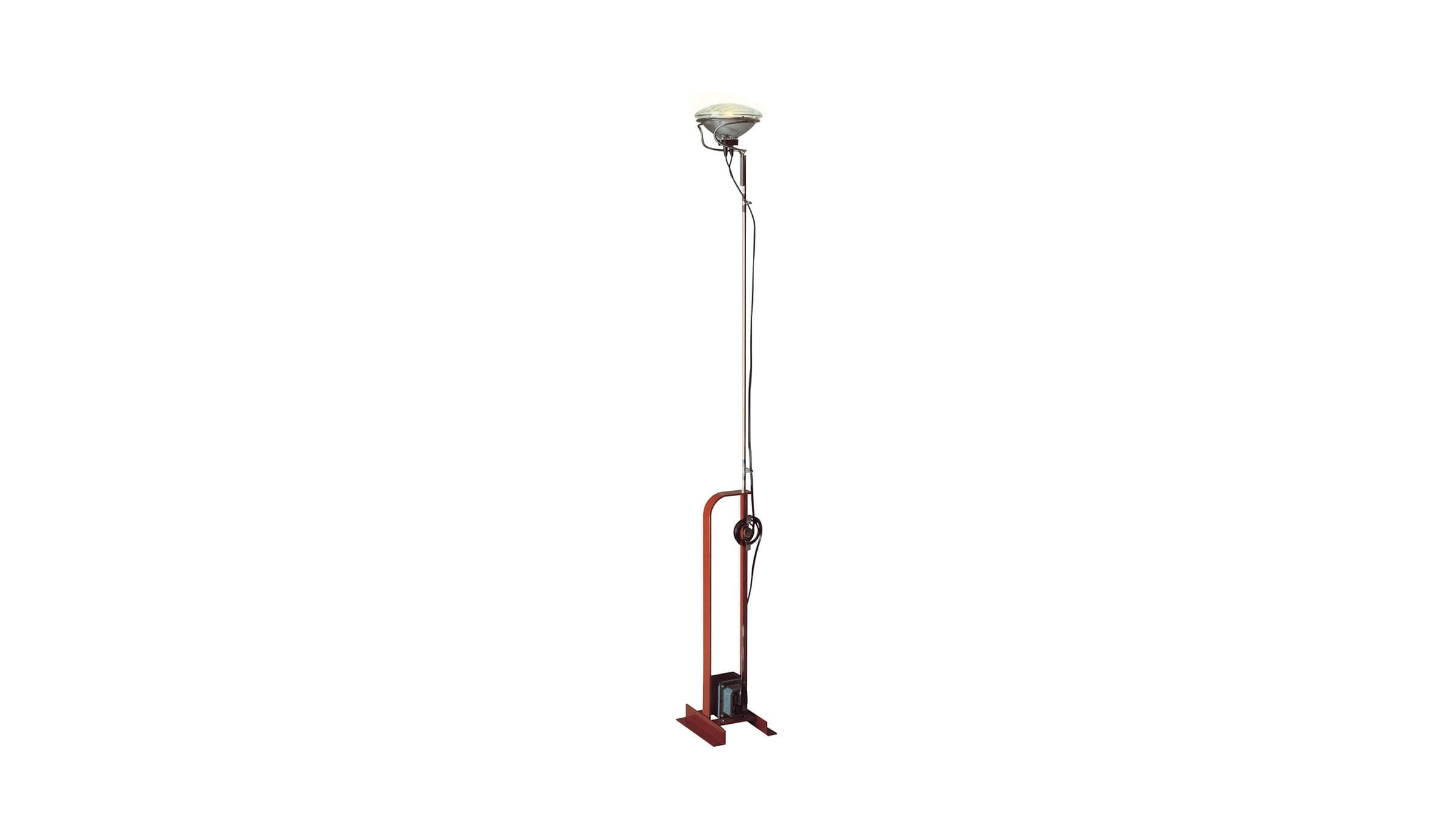
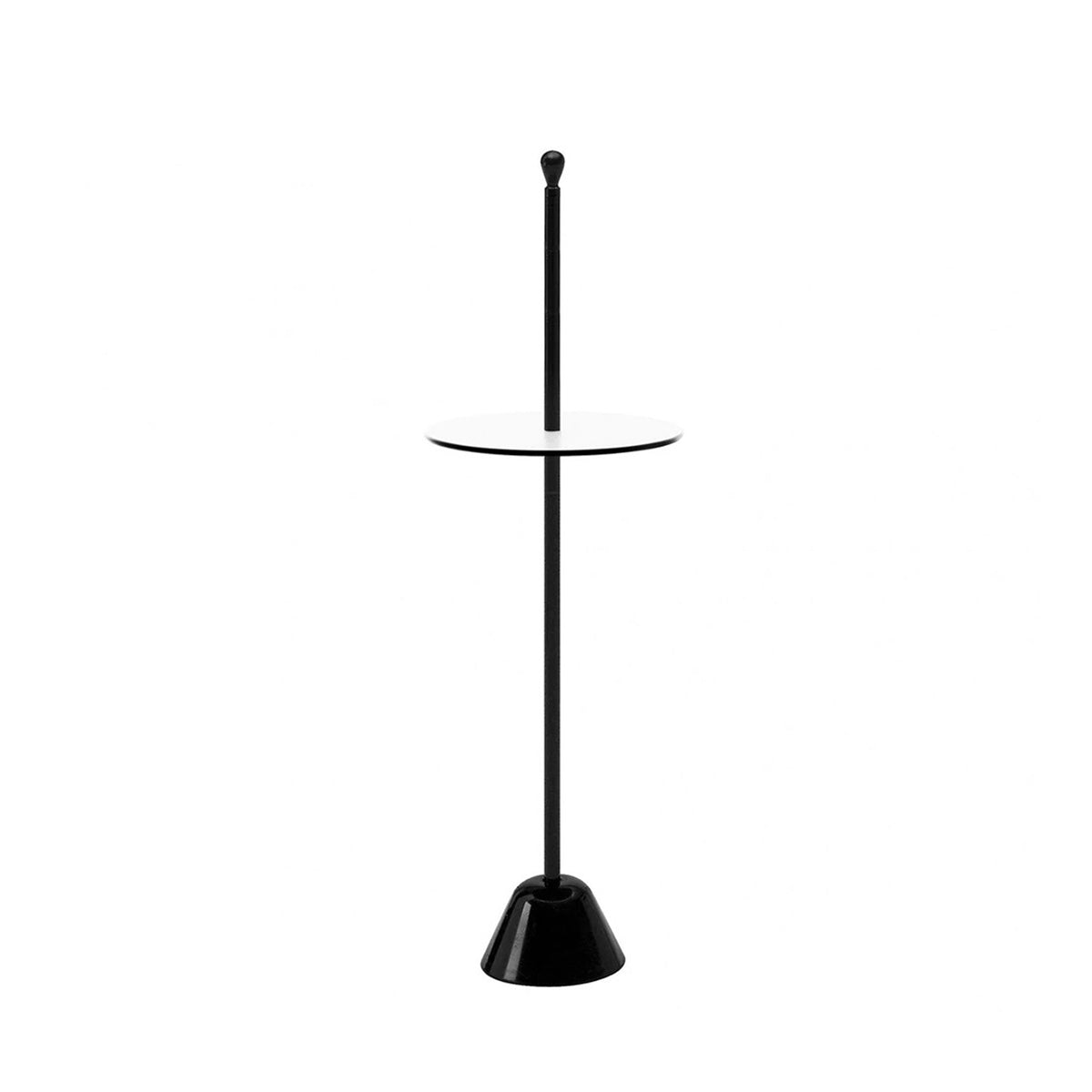
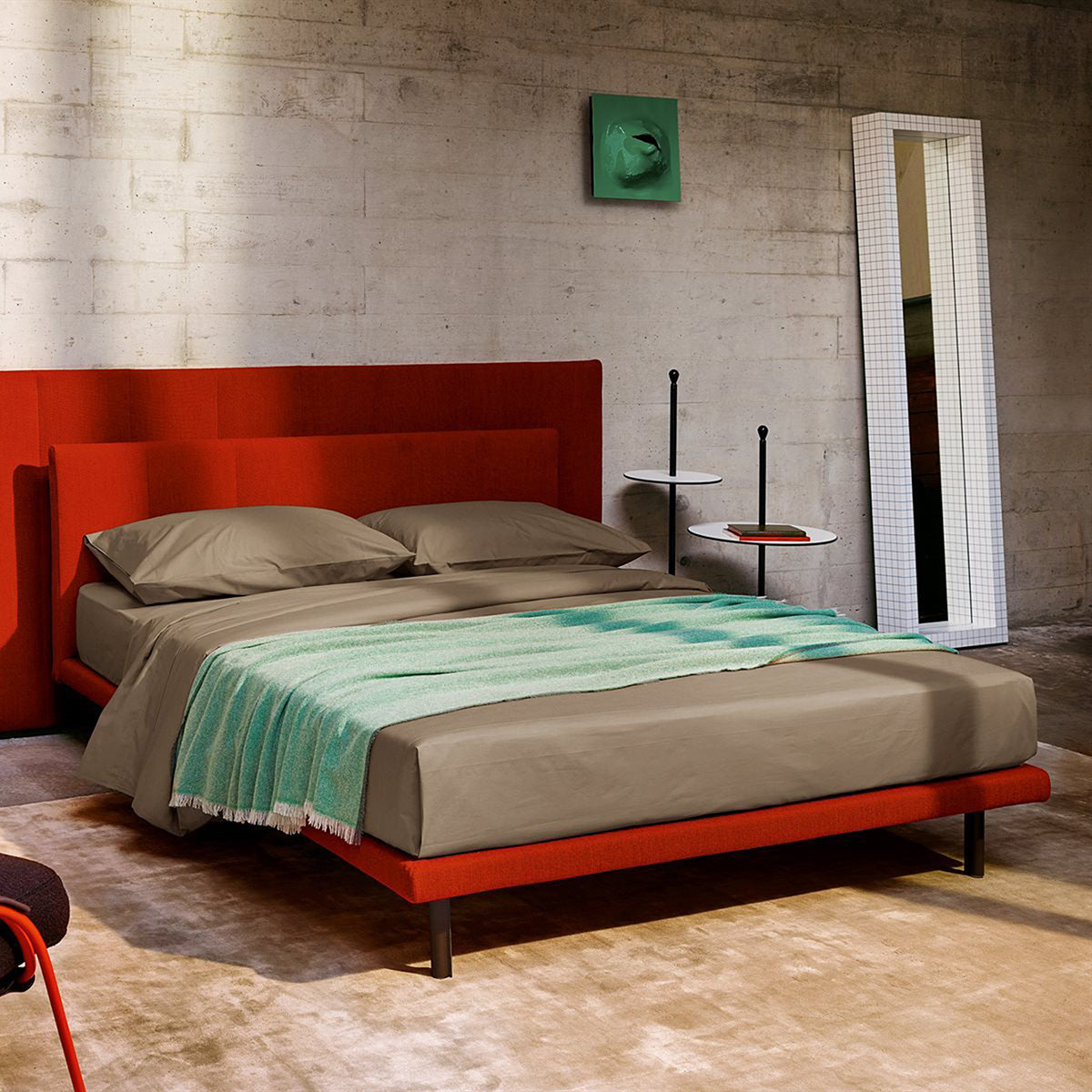
An Italian architect and designer whose work helped define postwar modernism through intelligent reduction, engineering-level clarity, and a quiet sense of humor. Best known for lighting and objects that feel inevitable, he turned everyday constraints into elegant, lasting icons.
Pier Giacomo Castiglioni was born in Milan in 1913 and trained as an architect at the Politecnico di Milano. Together with his brothers Livio and Achille, he developed a rigorous way of working that treated design as applied intelligence: observe real life, strip away the unnecessary, and solve the problem with precision. The result was a body of work where structure and function lead, but the final object still carries warmth and character.
Across the 1950s and 1960s, he collaborated closely with Italian manufacturers, especially in lighting, shaping a modern language that remains central to the history of industrial design. Many of the Castiglioni classics are defined by honest materials, clever engineering, and a sense of effortless balance. Pier Giacomo died in Milan in 1968, leaving a concentrated legacy that continues to influence how contemporary design thinks about function, form, and restraint.
Beyond our curated collections lies a world of Pier Giacomo Castiglioni products to discover. For specific pieces, finishes, or bespoke solutions, our design team is at your disposal.
Our design services cover everything from concept development to installation, including product guidance, material selection, custom configurations, pricing, and lead‑time coordination.
Speak with a Design Consultant
Call 855-341-3620 for assistance during business hours.
Message a Design Consultant
Get a reply within one business day.
We've received your inquiry!
We appreciate your interest. One of our staff members will be in touch with you soon.
In the meantime, feel free to explore more of what Luminaire has to offer.
If you require immediate assistance, please call (855) 341-3620