T-Bone
Made by Ceccotti Collezioni
Designed by Jaime Hayon
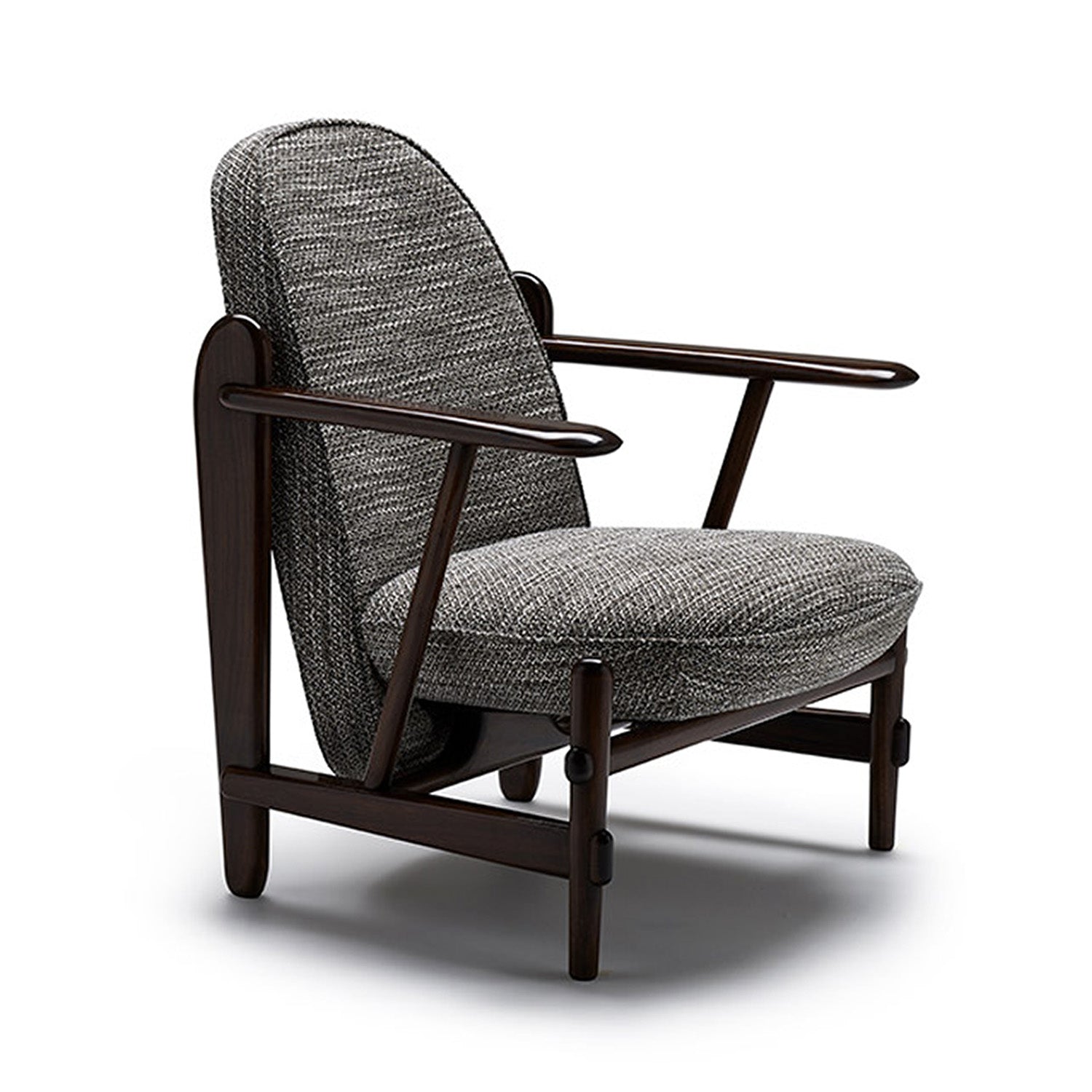
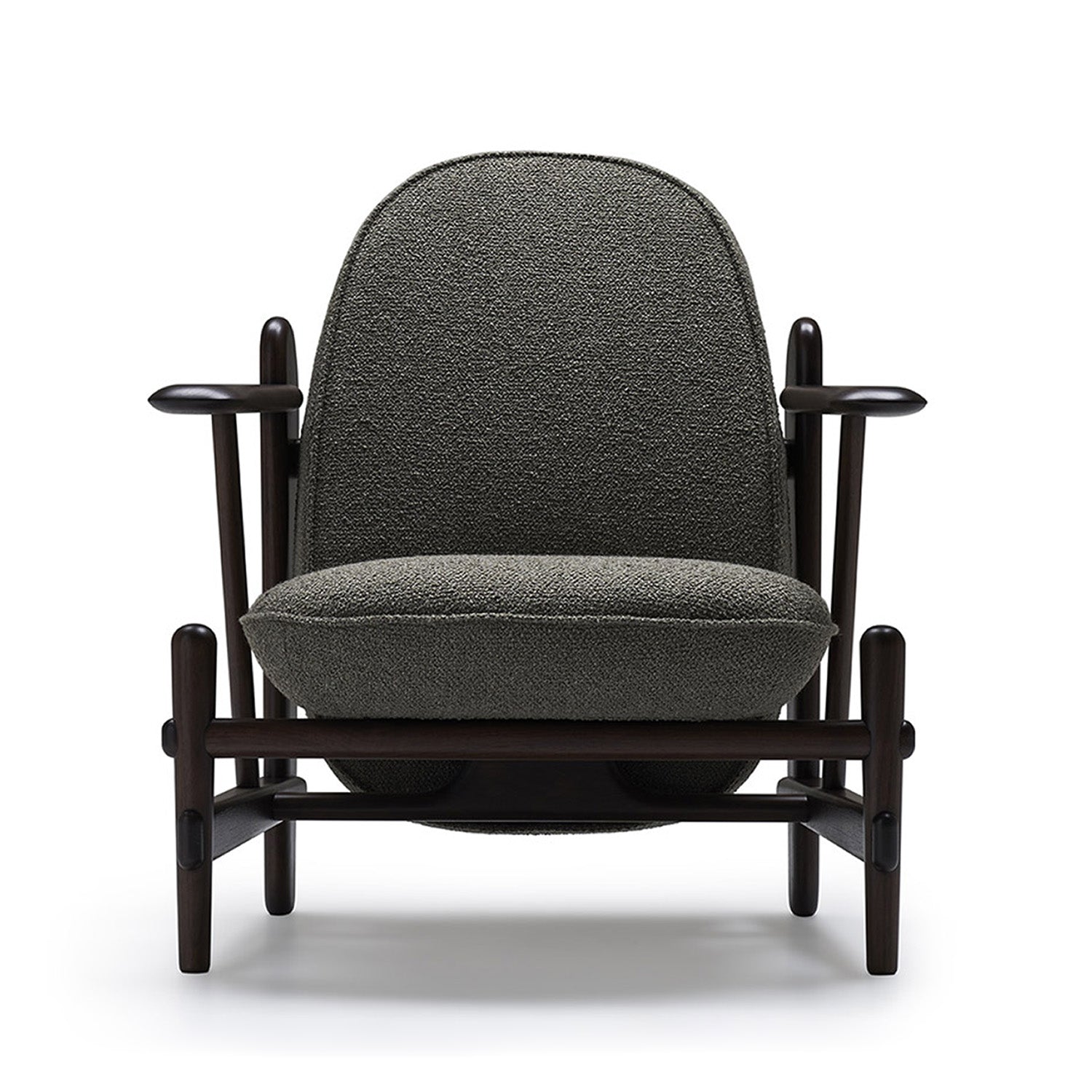
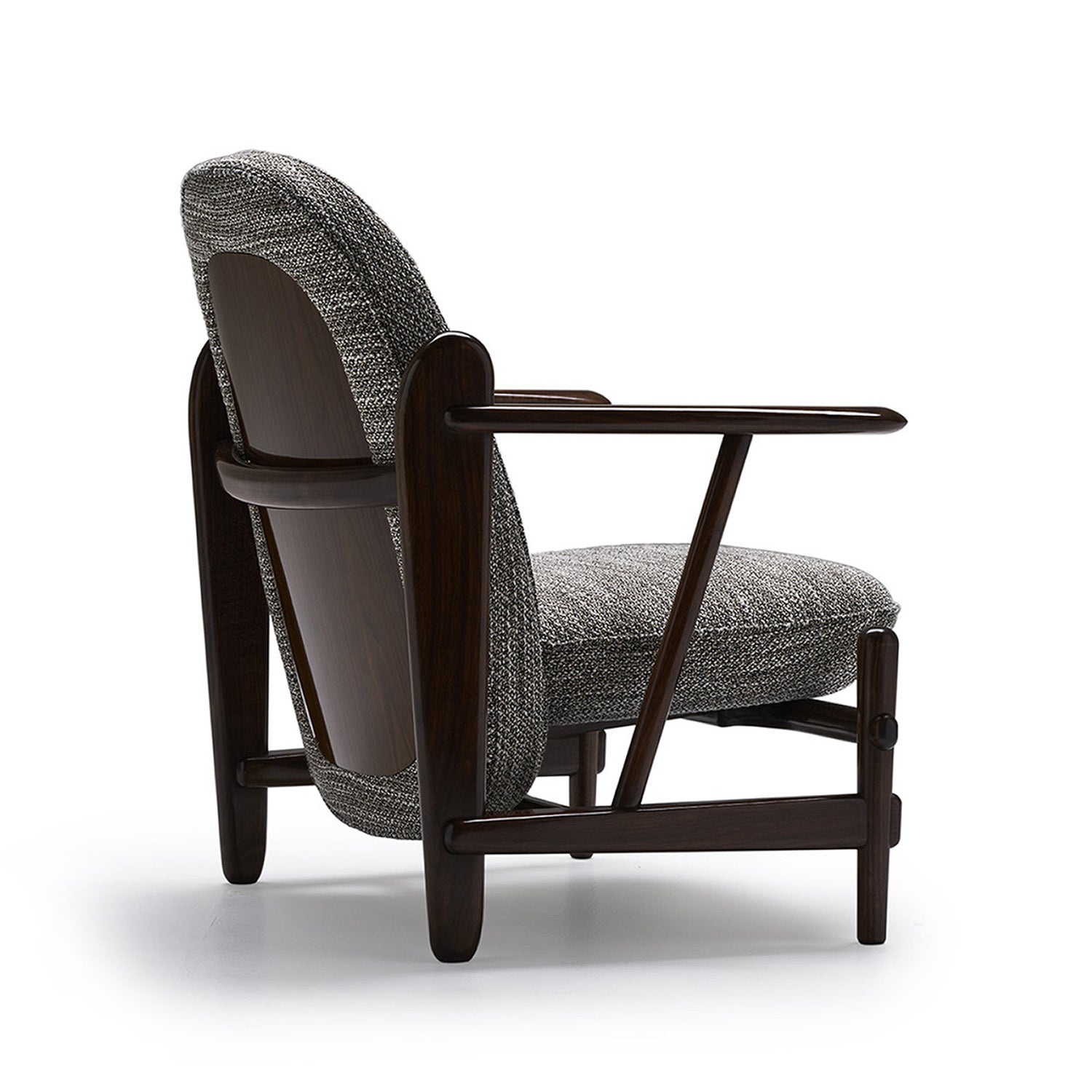
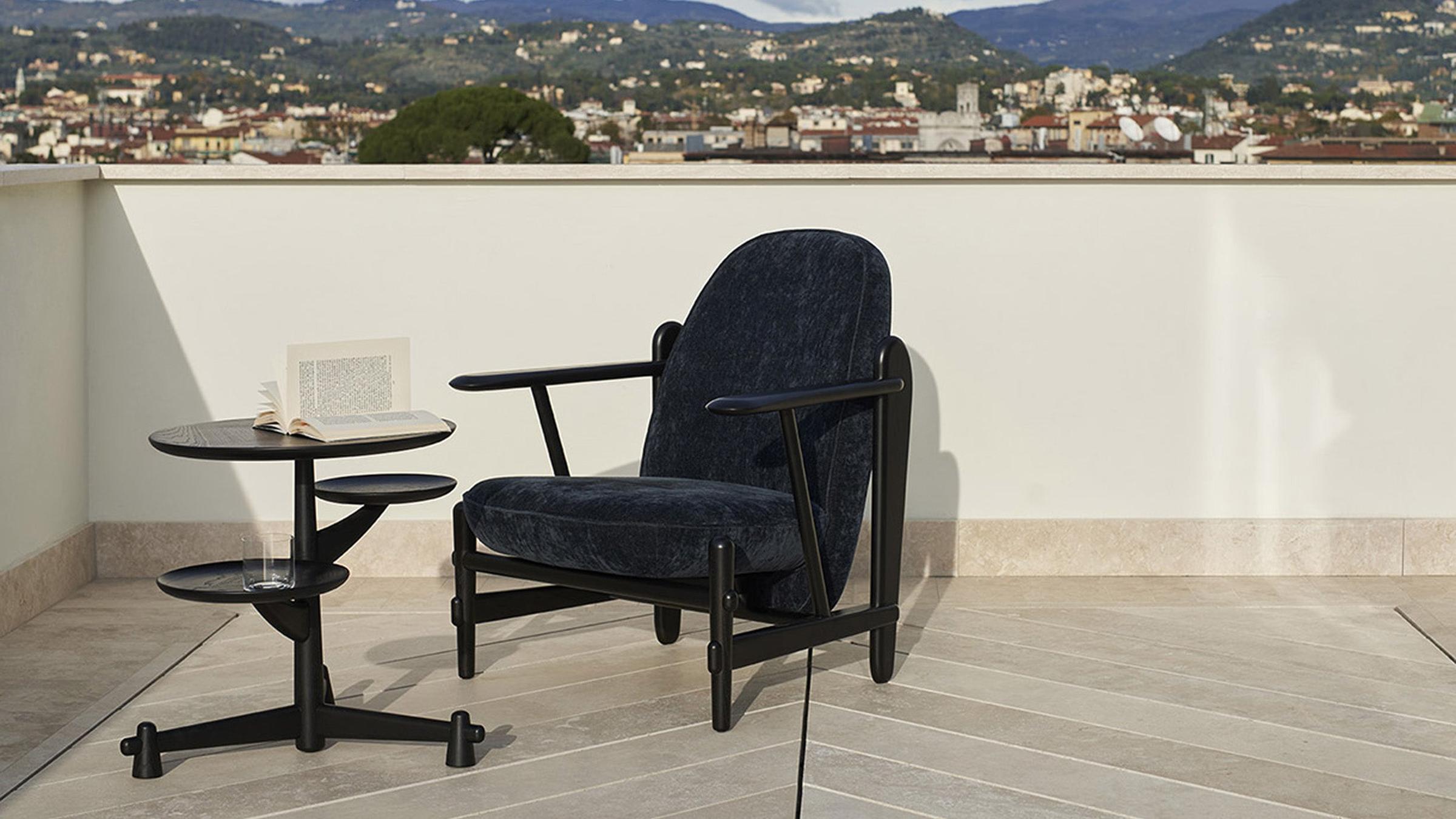
La sedia T-Bone di Jaime Hayon per Ceccotti Collezioni è una rottura, una composizione di elementi rifiniti individualmente che si risolvono in qualcosa di completamente coerente. Dove l'atelier fiorentino è noto per la sua maestria nella lavorazione del legno curvato, Hayon reindirizza questa arte verso una silhouette grafica e architettonica che si avvicina più alla scultura che all'arredamento.
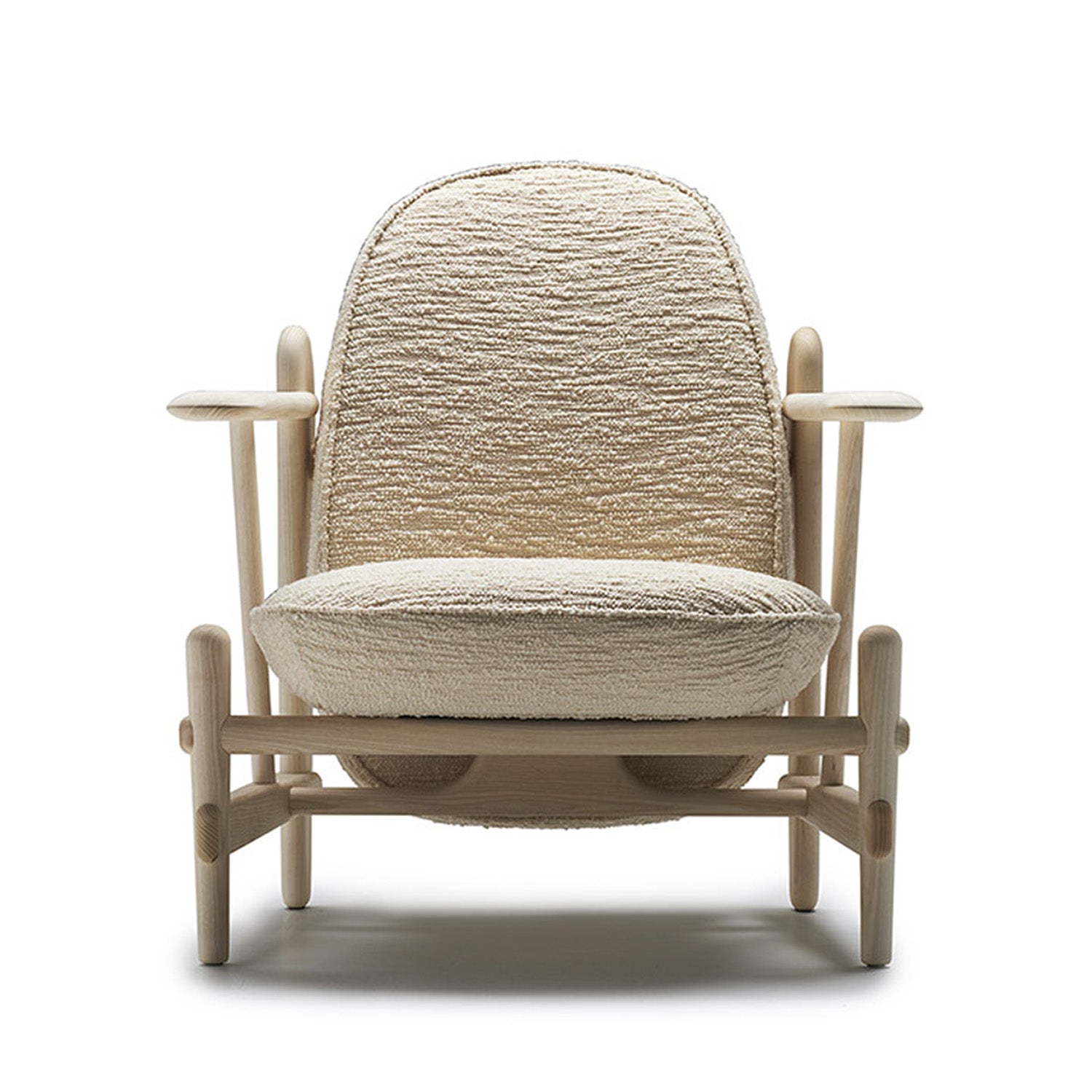
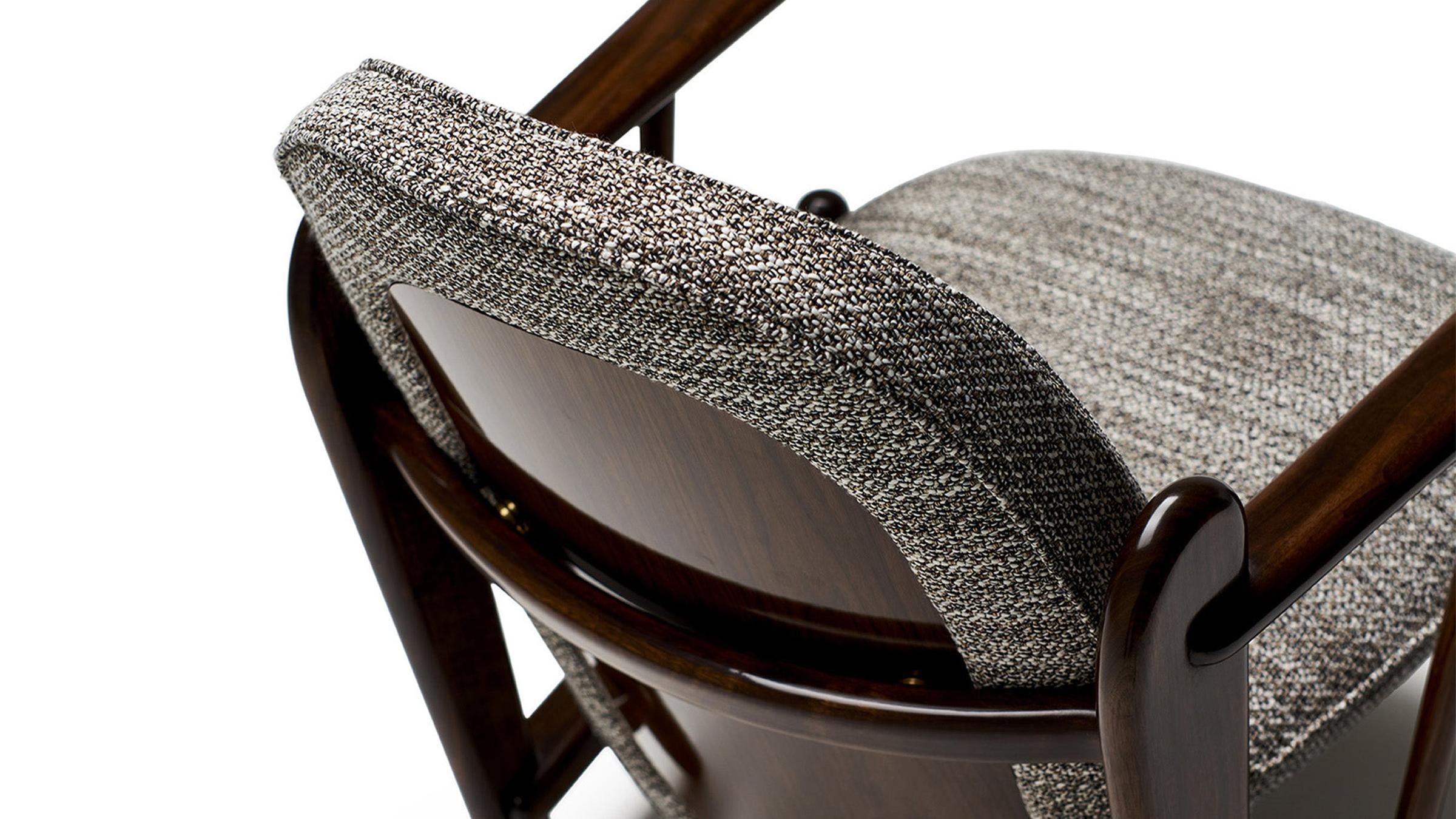
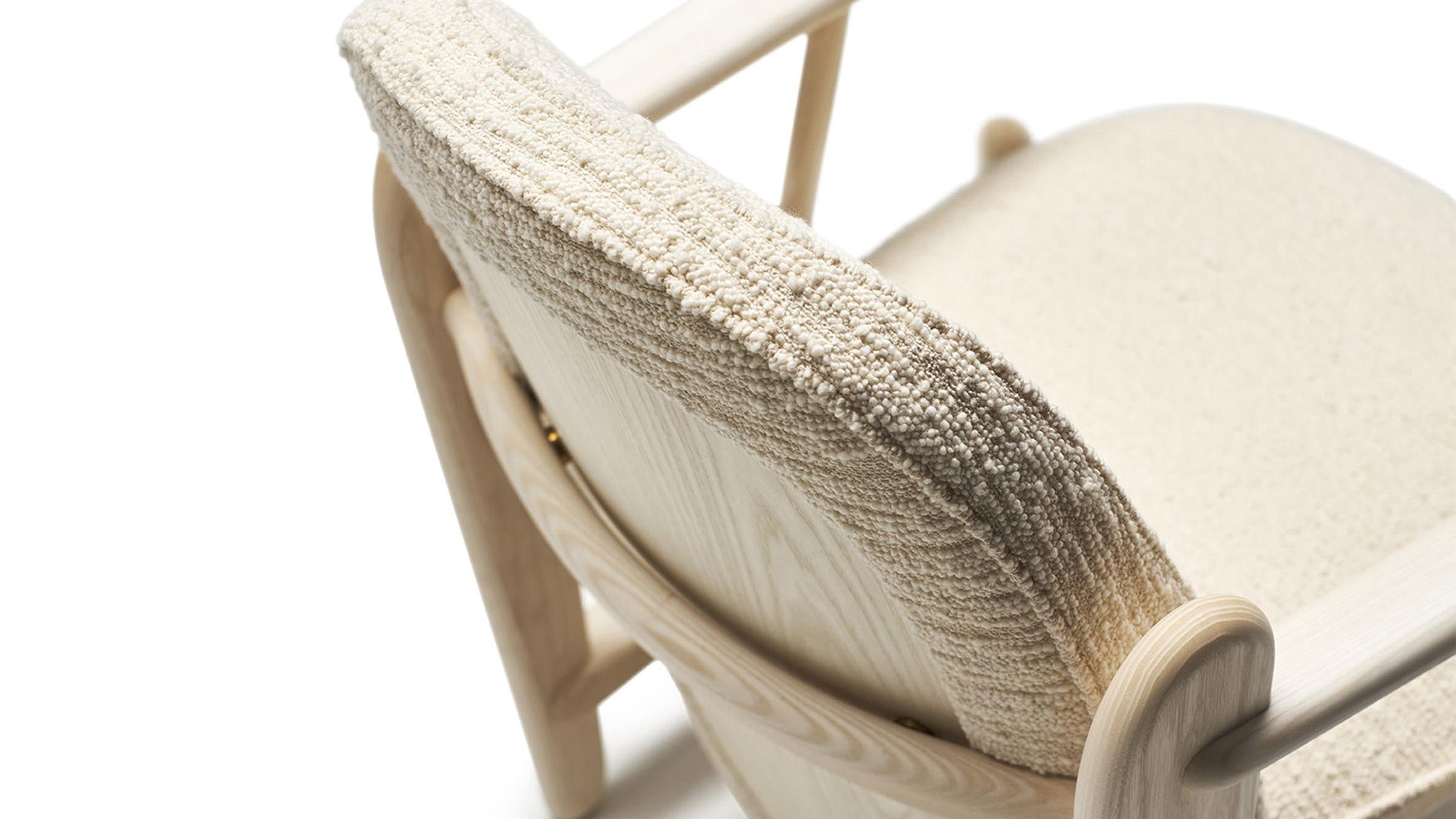
La struttura è disponibile in noce americano o frassino, con un'ampia gamma di finiture tra cui trattamenti a gommalacca che rivelano la venatura naturale del legno con particolare profondità. Ogni elemento viene rifinito indipendentemente prima dell'assemblaggio, un processo che conferisce alla sedia la sua presenza precisa e articolata.
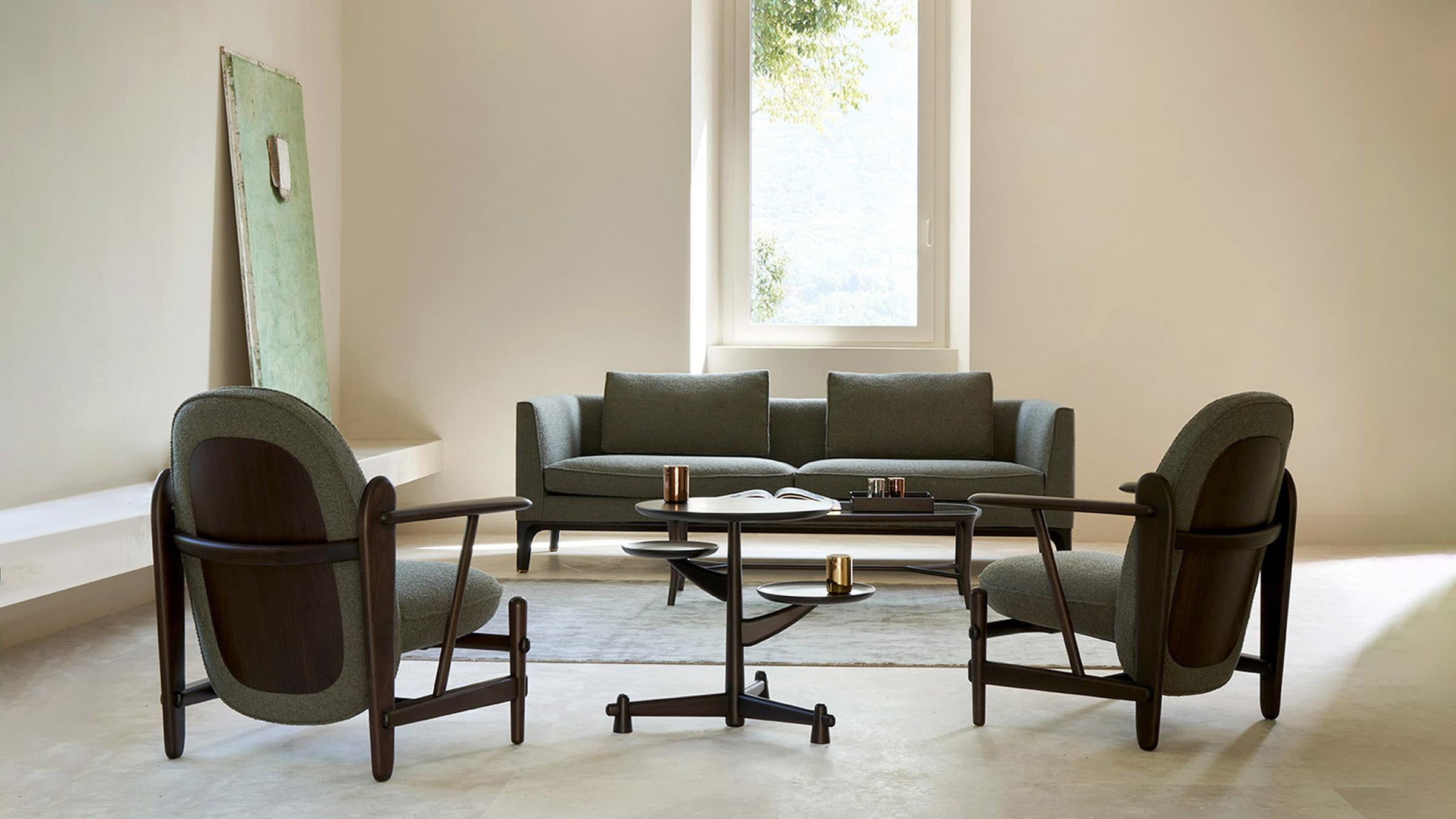
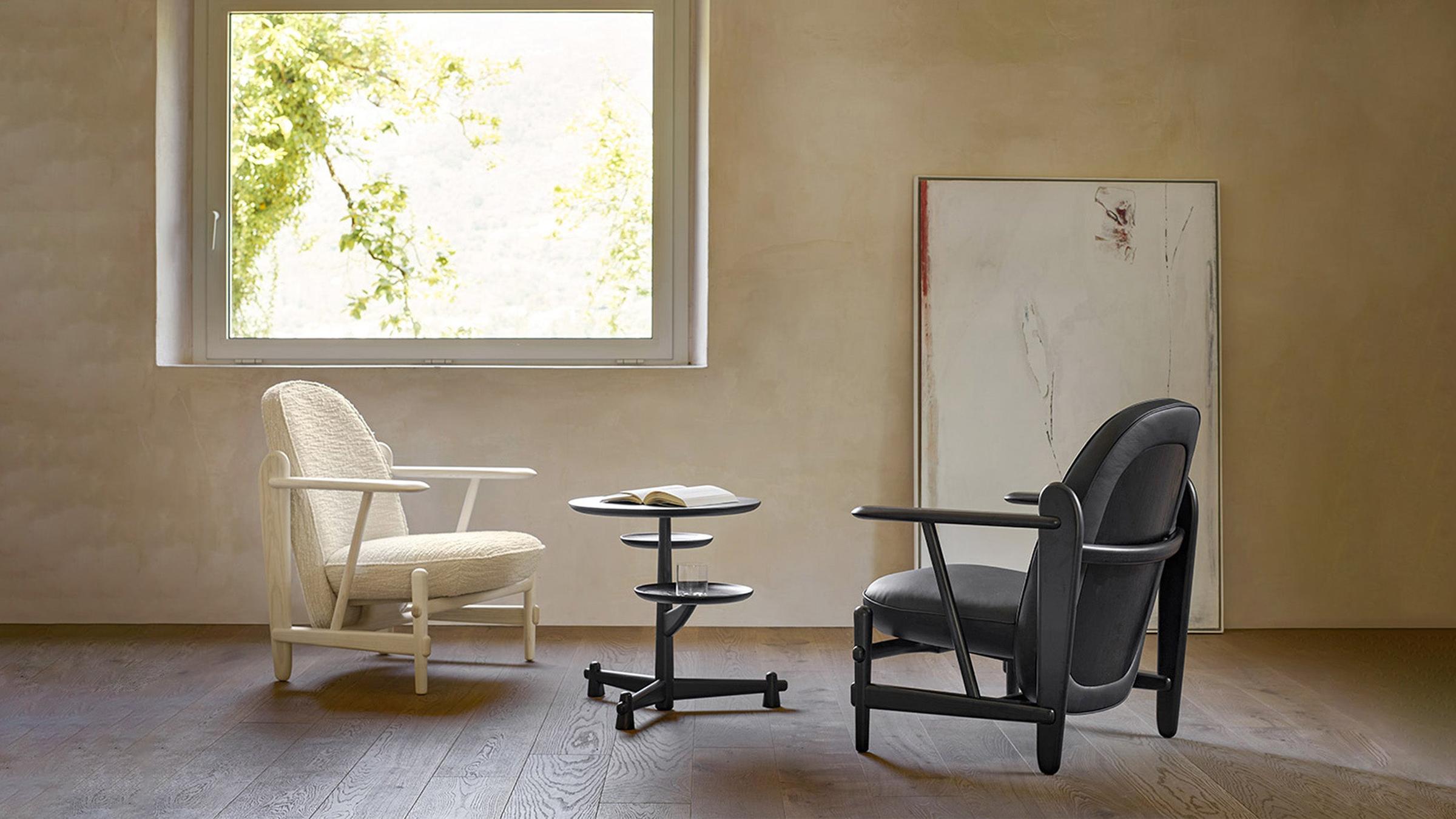
La seduta e lo schienale imbottiti ammorbidiscono la geometria senza comprometterla. Le opzioni di rivestimento comprendono tessuto, pelle e cuoio naturale, consentendo alla sedia di assumere un aspetto diverso a seconda del contesto interno in cui viene inserita.
- Struttura in noce americano o frassino
- Molteplici finiture del legno, incluse opzioni a gommalacca
- Seduta e schienale imbottiti
- Rivestimento in tessuto, pelle o cuoio naturale
- Adatto ad ambienti residenziali e contract
Made to order by Ceccotti Collezioni, tailored to you.
Get customization options, swatch samples and pricing for your project.
Si abbina bene a
T-Bone

Product Details
Tear Sheet
Pricing & Warranty
Pricing for made-to-order items varies based on configuration, finishes, and customization options. Please contact one of our design consultants or visit a showroom near you for current pricing and personalized assistance.
Luminaire is an authorized retailer of Ceccotti Collezioni. The product comes with a full manufacturer warranty.
Authenticity guaranteed. Genuine product, authenticated and sourced directly from the manufacturer.
Domande Frequenti
Who designed the T-Bone armchair?
The T-Bone was designed by Jaime Hayon, a Spanish designer known for bridging fine art, craft, and furniture with a distinctly playful yet rigorous sensibility. His collaboration with Ceccotti Collezioni brings a more graphic, architectural approach to the brand's woodworking tradition.
What wood options are available for the T-Bone?
The T-Bone frame is offered in American walnut or ash, with a broad selection of finishes including shellac treatments. Shellac finishing is a traditional technique that enriches the wood's natural grain and imparts a warm, luminous quality to the surface.
What upholstery materials can be specified for the T-Bone?
The seat and backrest can be upholstered in fabric, leather, or natural leather. The choice of material shifts the chair's character considerably, from a softer, more domestic warmth to a crisper, more architectural presence.
Is the T-Bone suitable for contract or commercial interiors?
Yes. The T-Bone's construction and material range make it appropriate for both residential and contract settings. Its strong visual identity and customization depth are particularly valued by designers specifying statement seating in hospitality or workplace environments.
How does Ceccotti Collezioni approach the construction of the T-Bone?
Each structural element of the T-Bone is finished individually before assembly, a method rooted in the Florentine atelier's longstanding woodcraft tradition. This approach gives the chair its precise, articulated quality and ensures that joins and transitions read as intentional compositional decisions.