Armadio Piuma
Made by Flexform
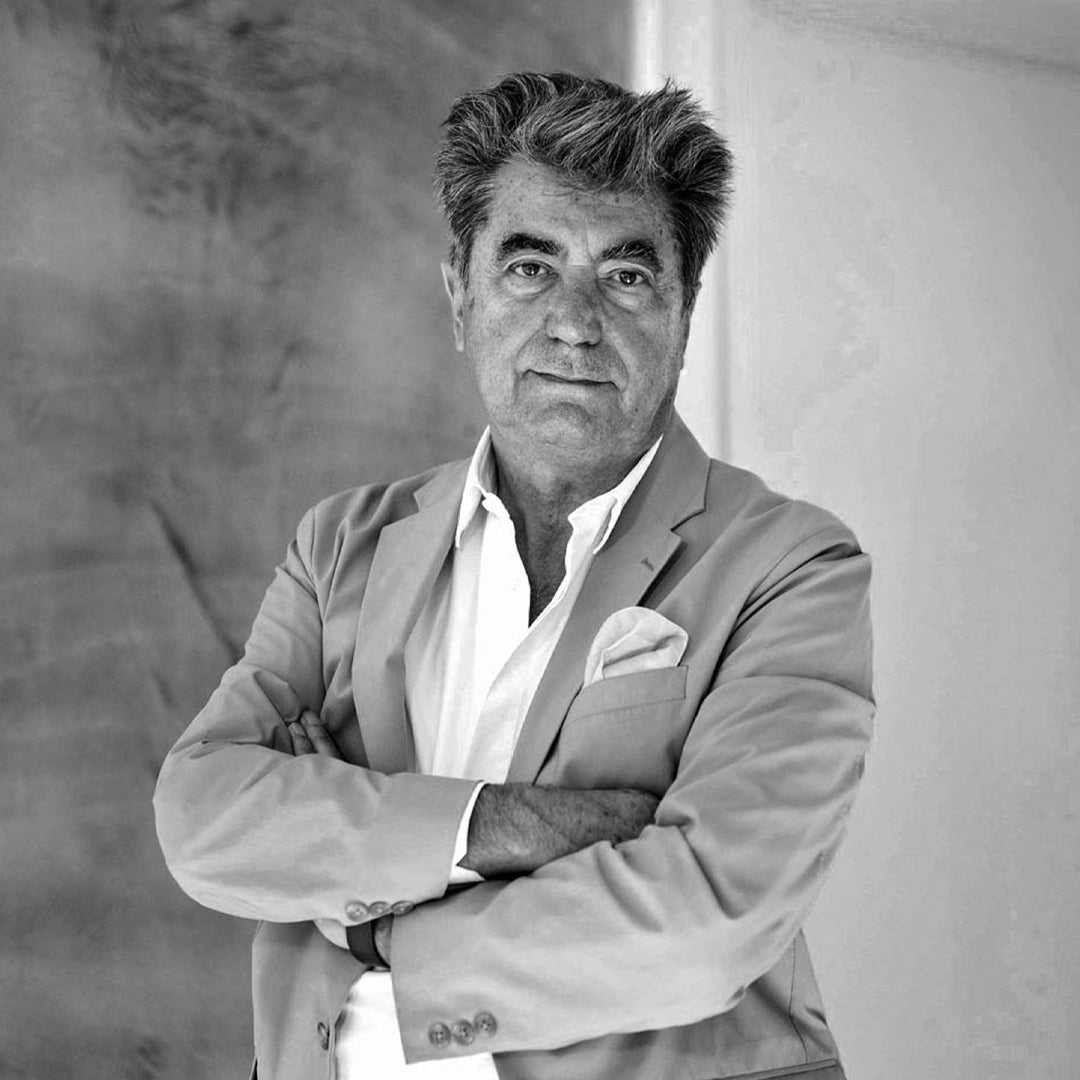
Designed by Antonio Citterio
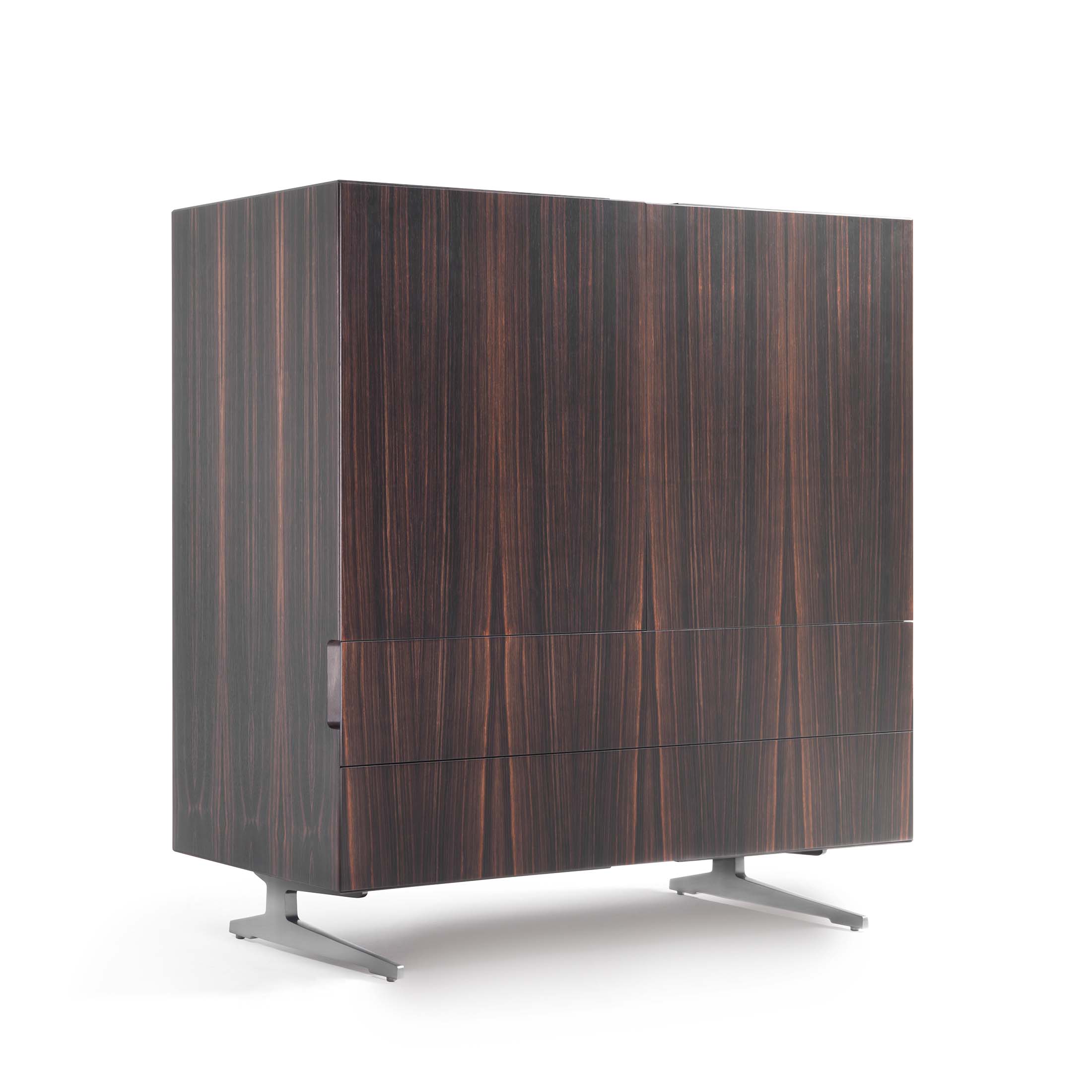
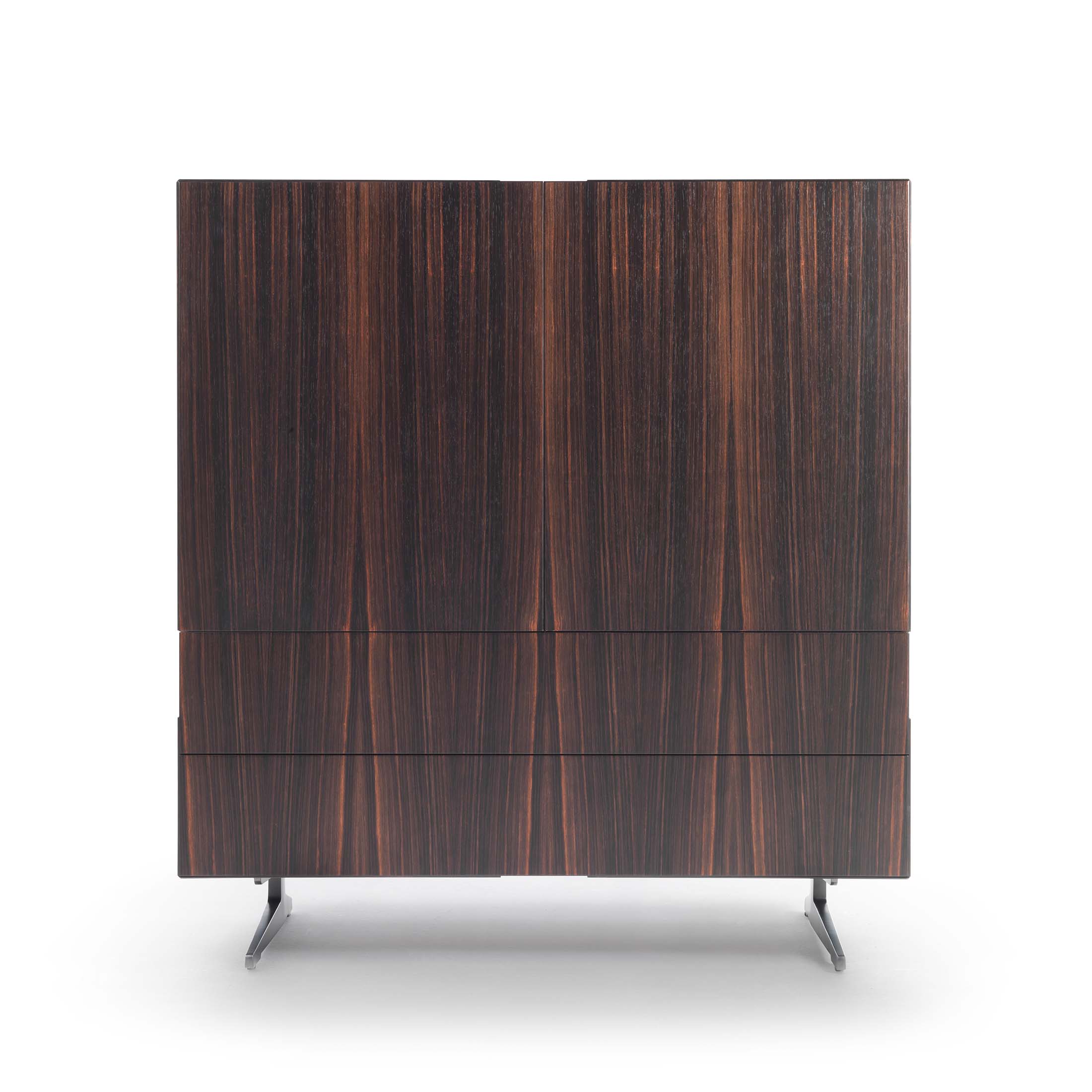
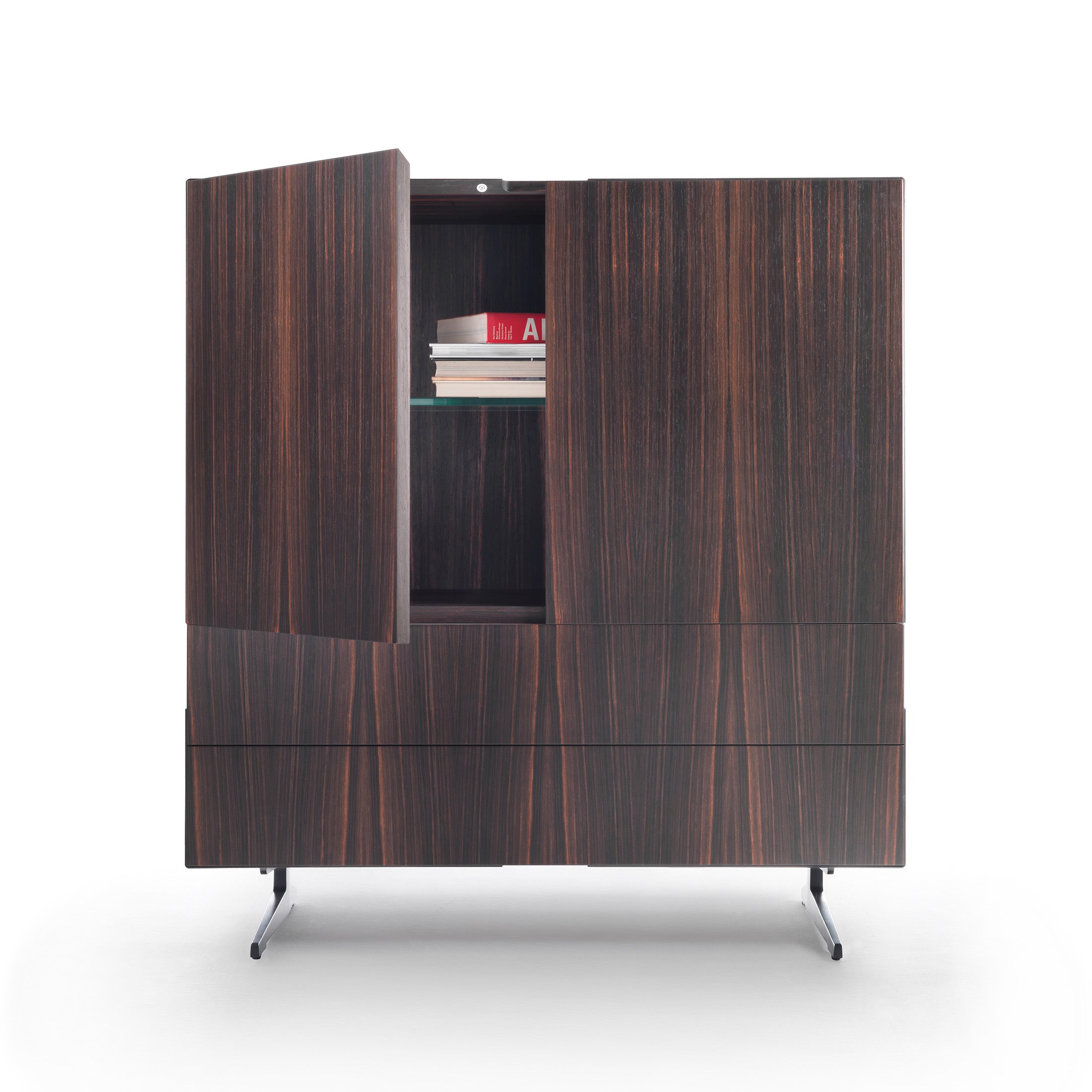
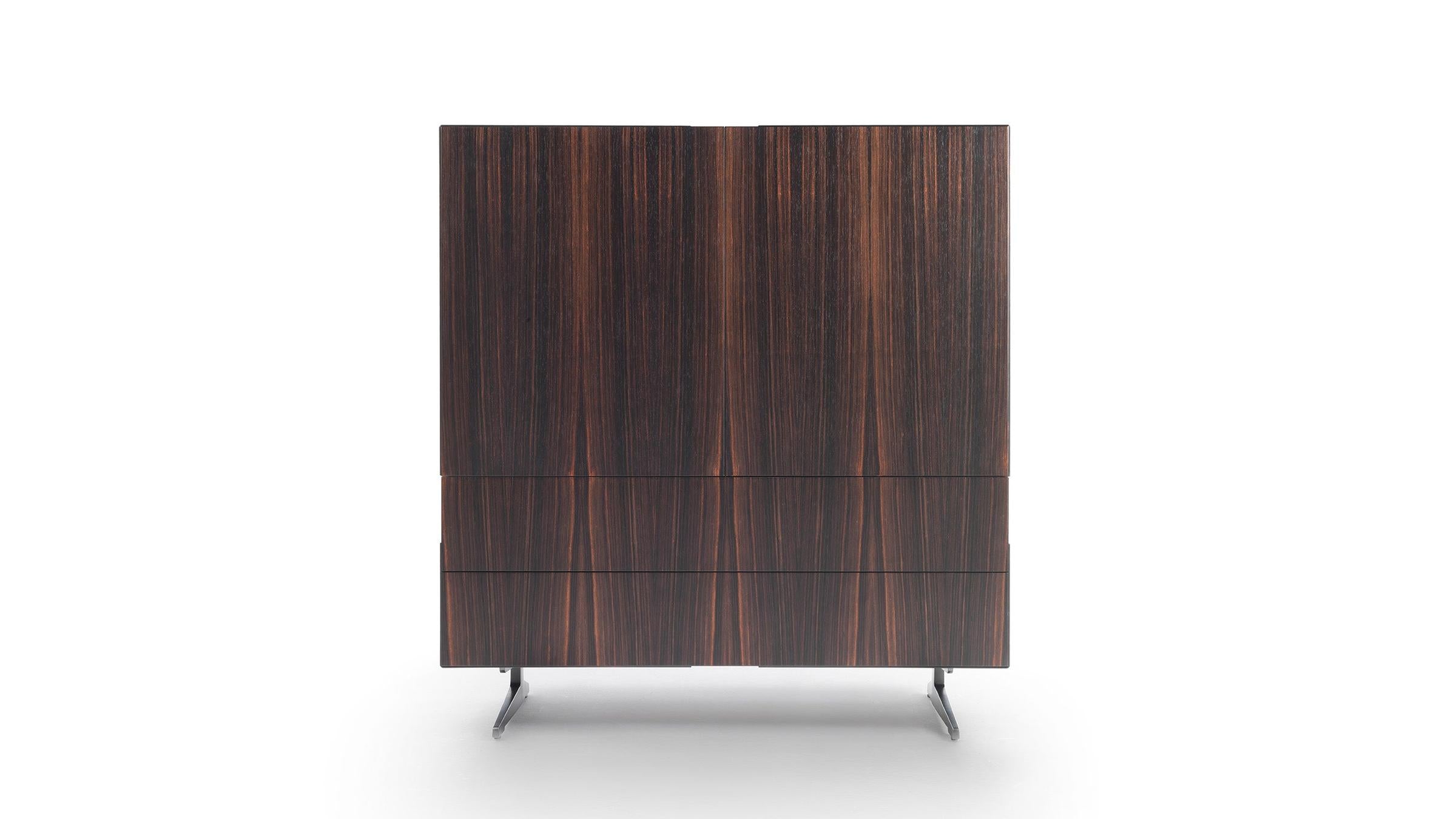
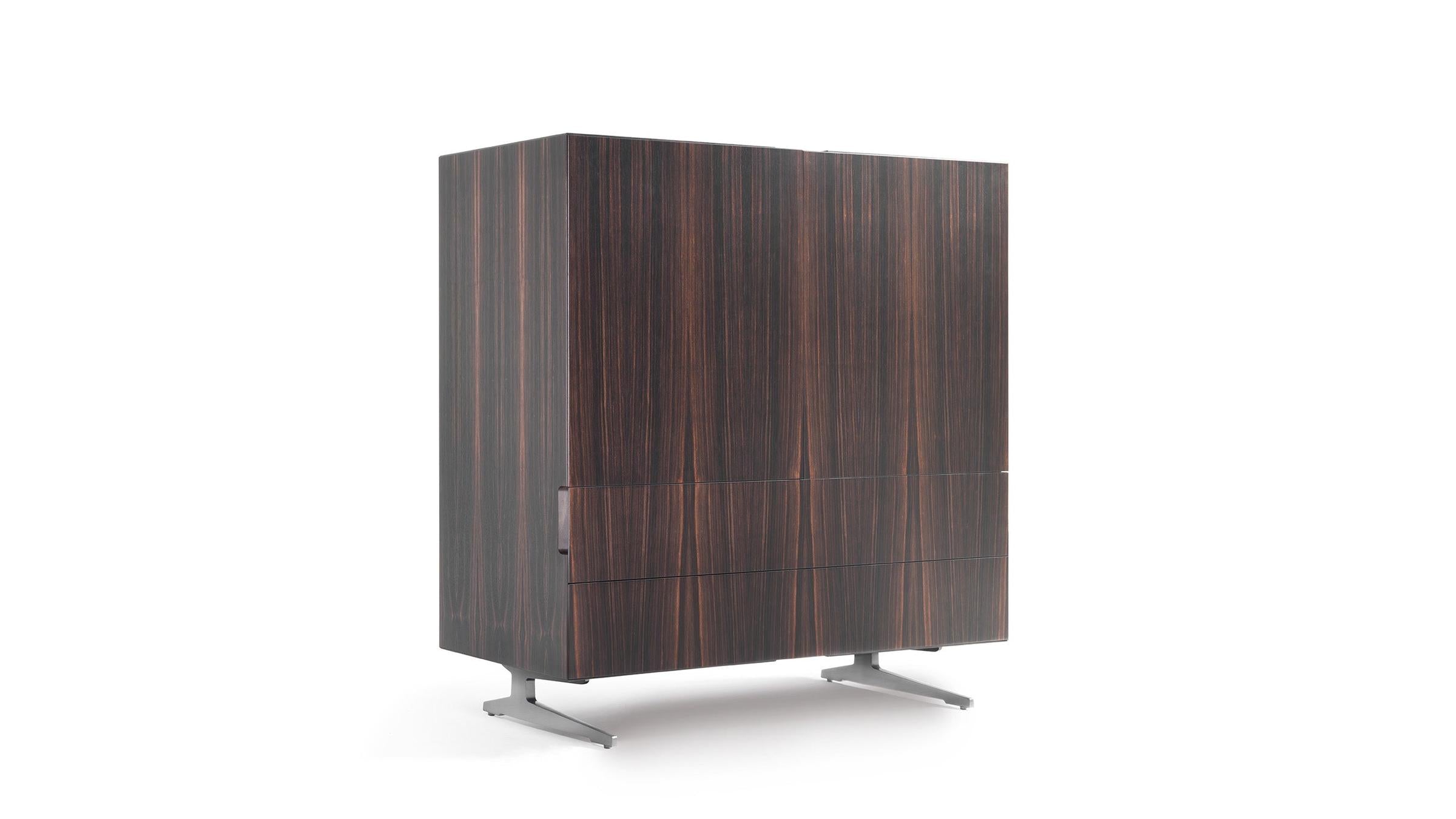
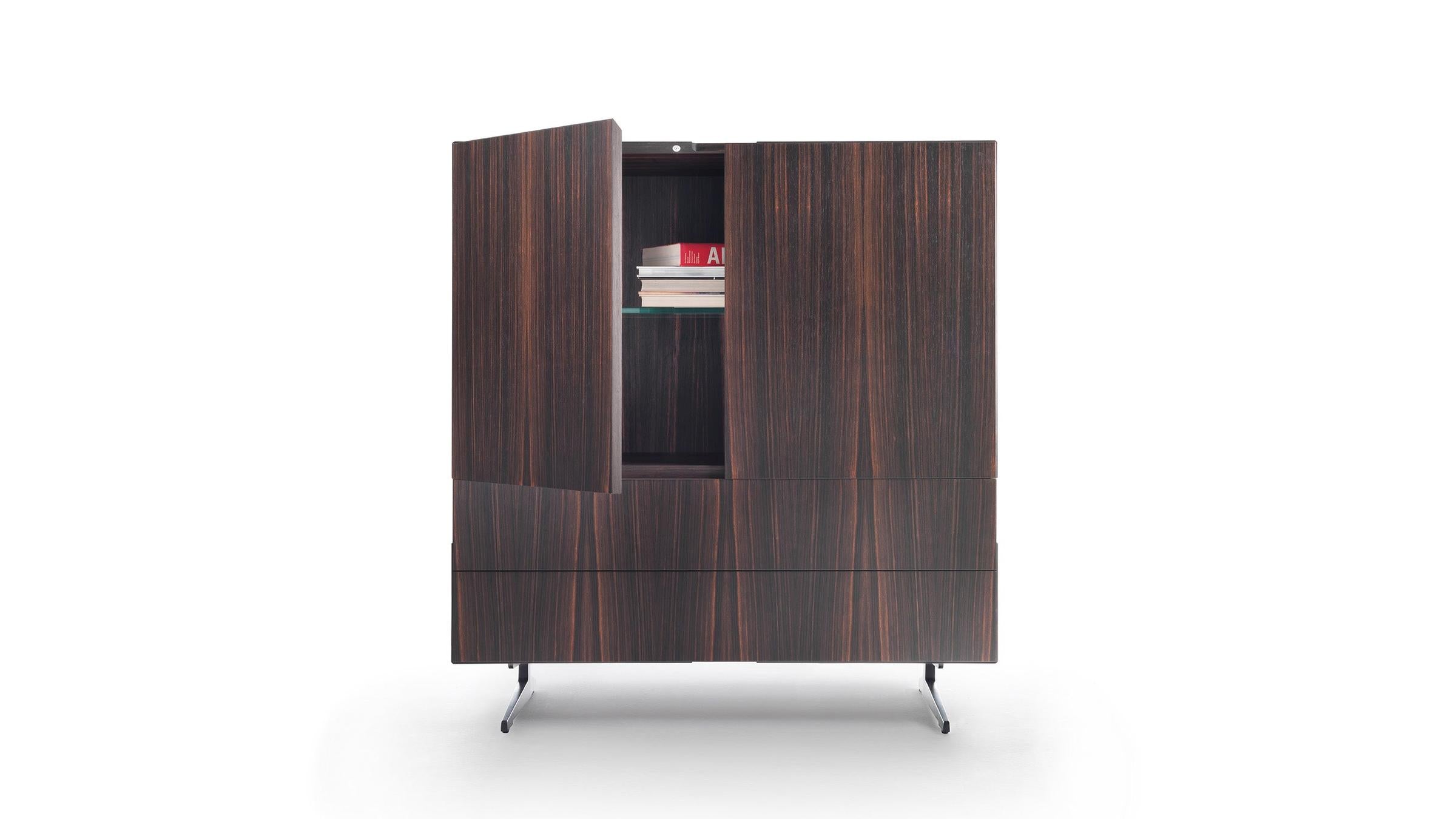
Antonio Citterio ha dedicato decenni a perfezionare la grammatica dell'arredamento italiano, e il mobile Piuma è una delle sue espressioni più ponderate nel campo dell'archiviazione. Ante e cassetti senza maniglie sono definiti da un preciso bordo smussato a 45 gradi, un dettaglio che, quando chiuso, appare come una singola linea ininterrotta e, una volta aperto, rivela la venatura espressiva delle rare impiallacciature di legno all'interno.
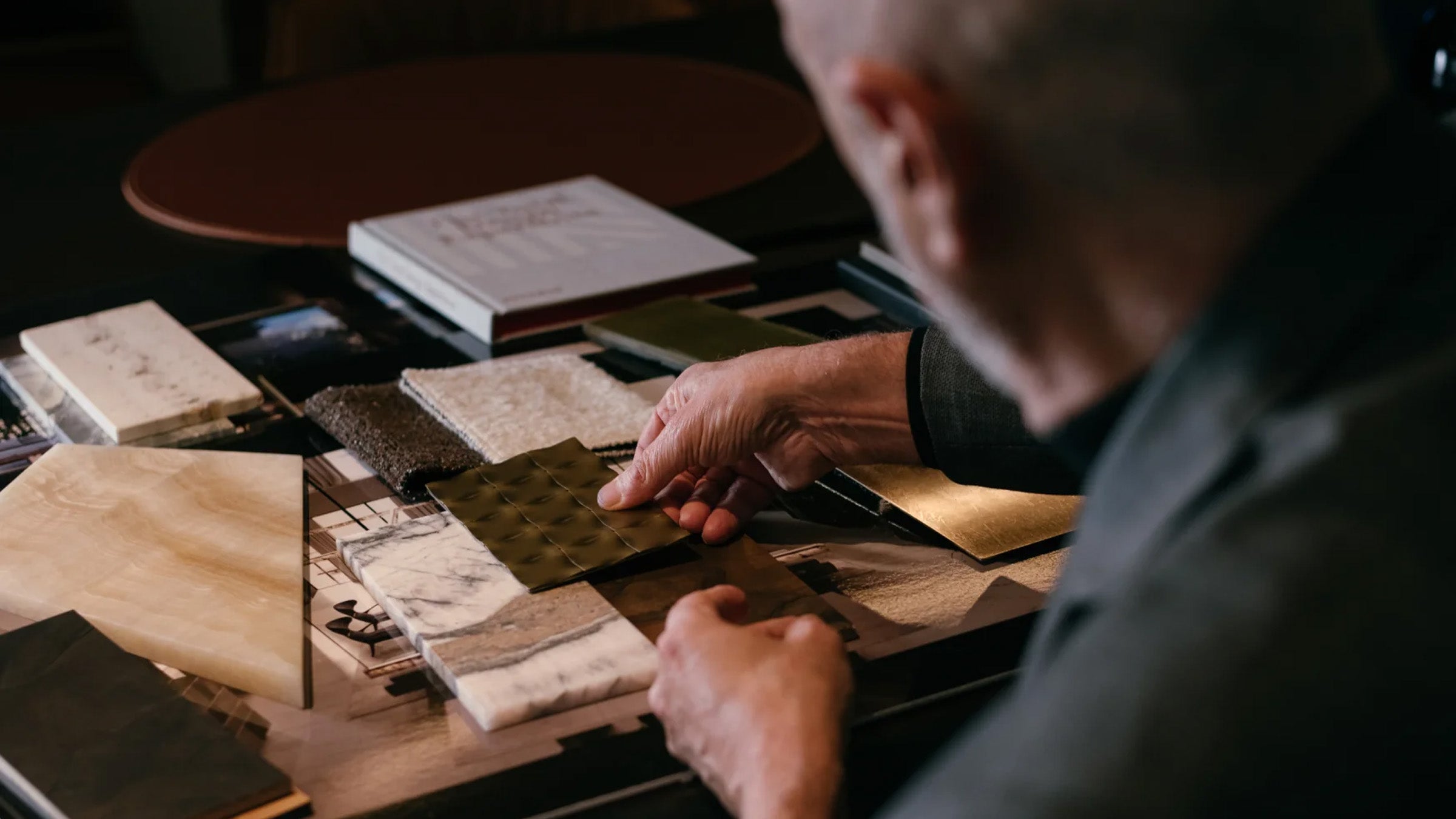
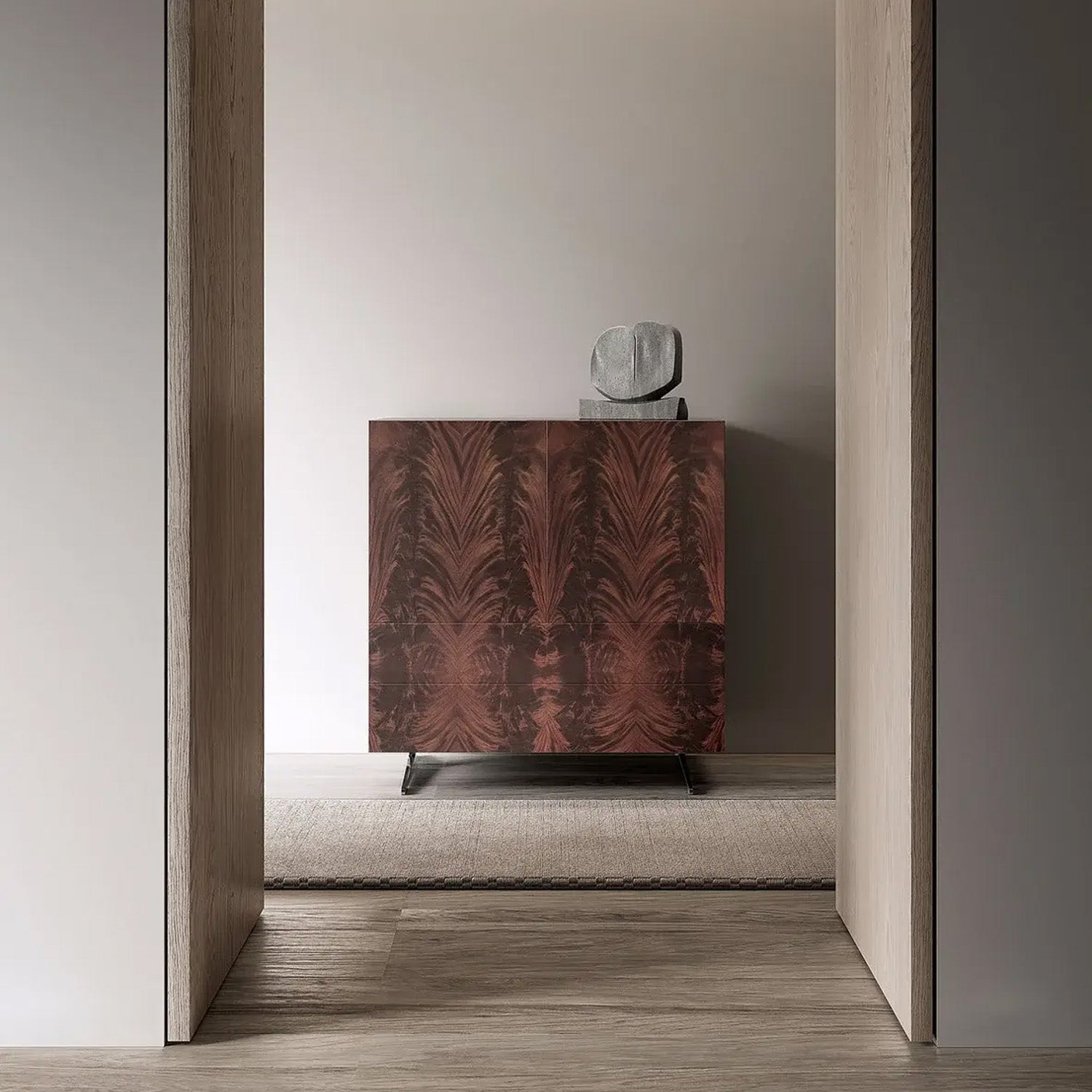
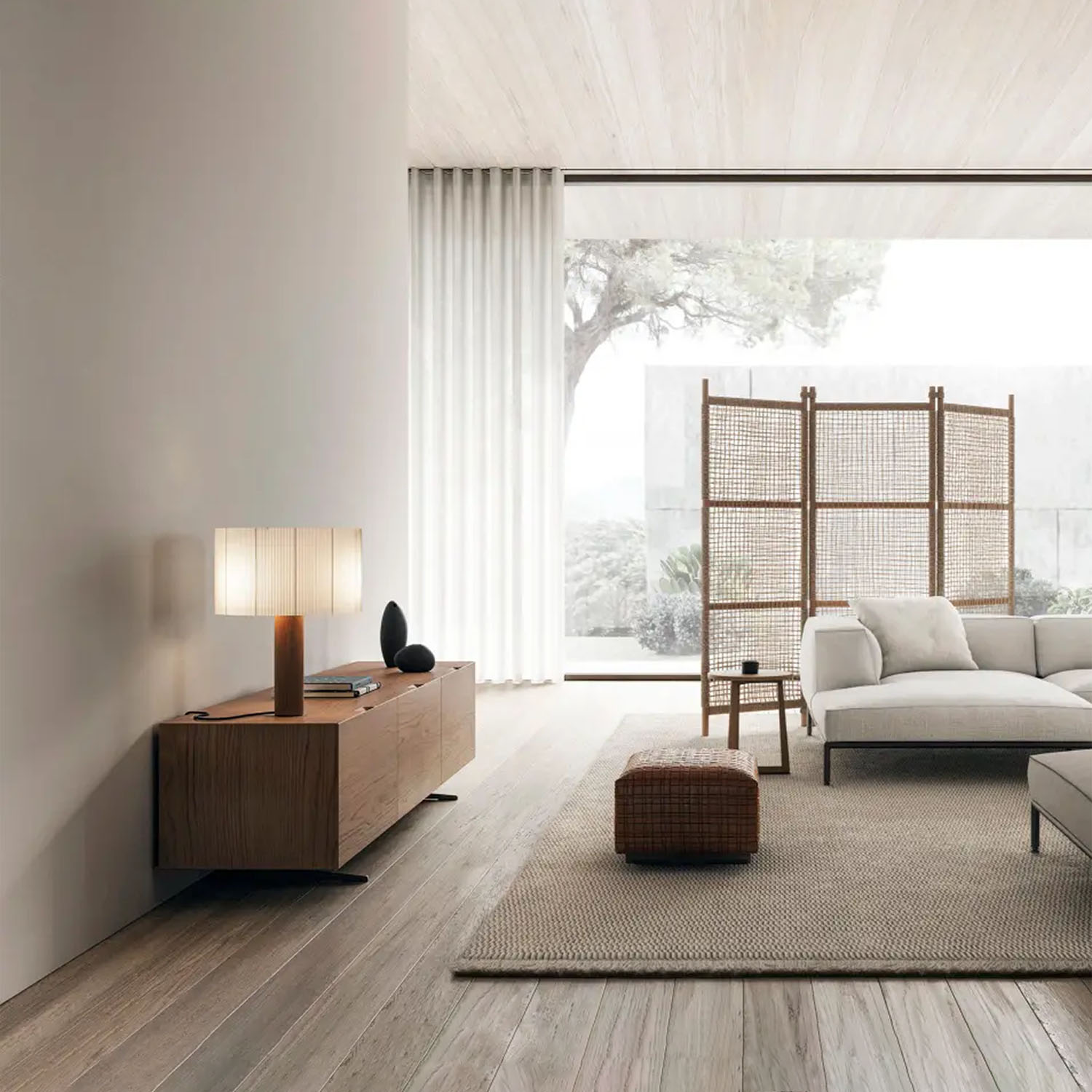
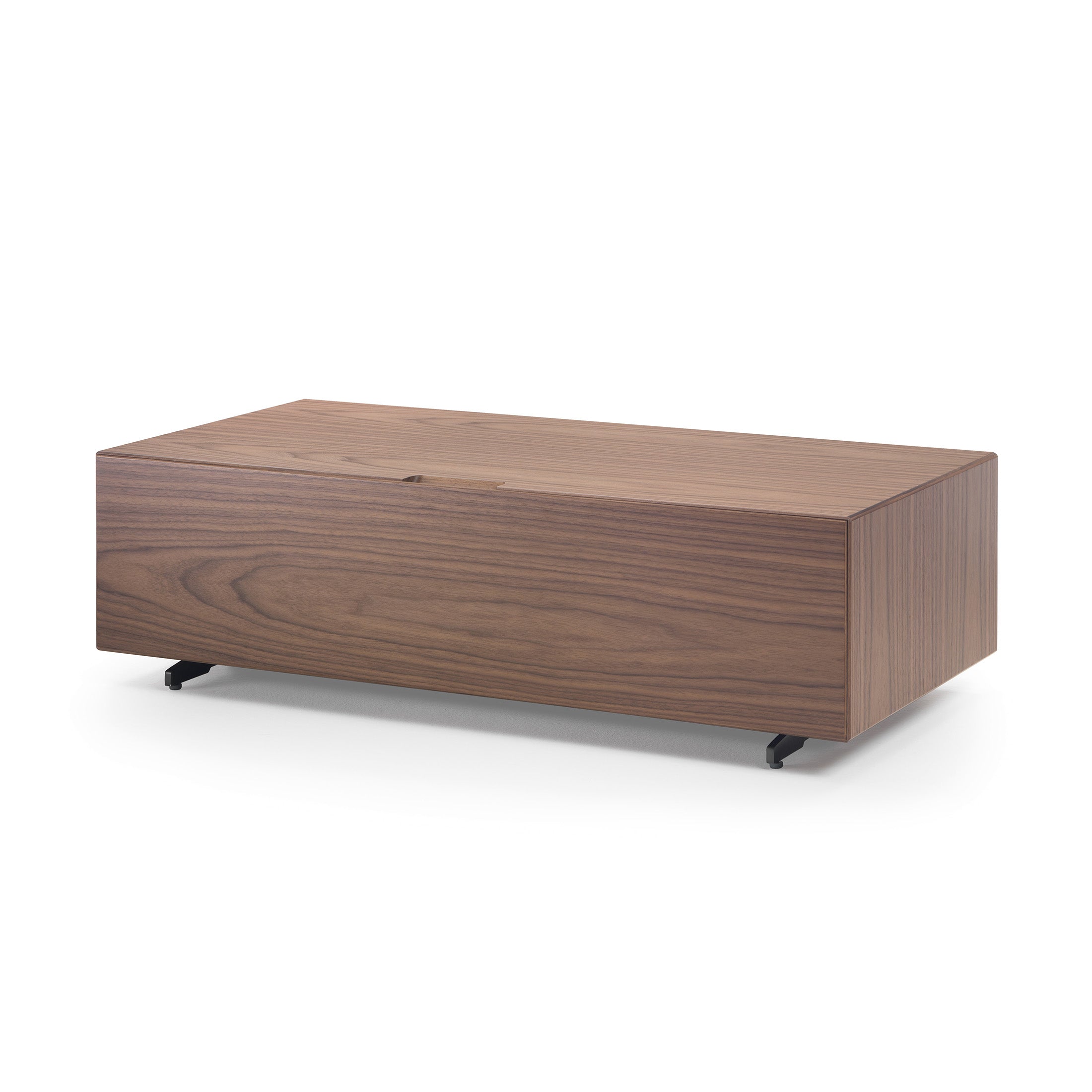
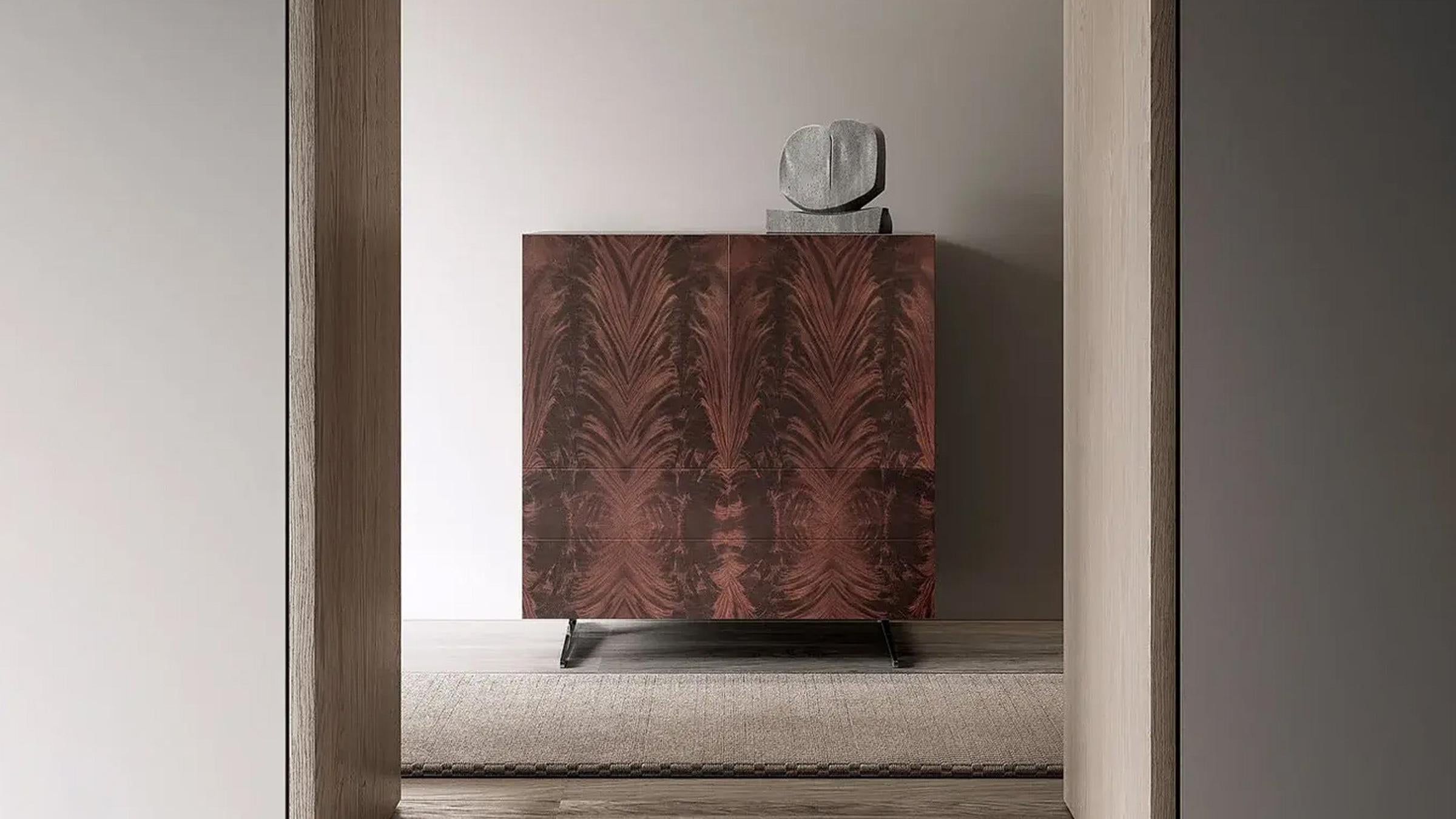
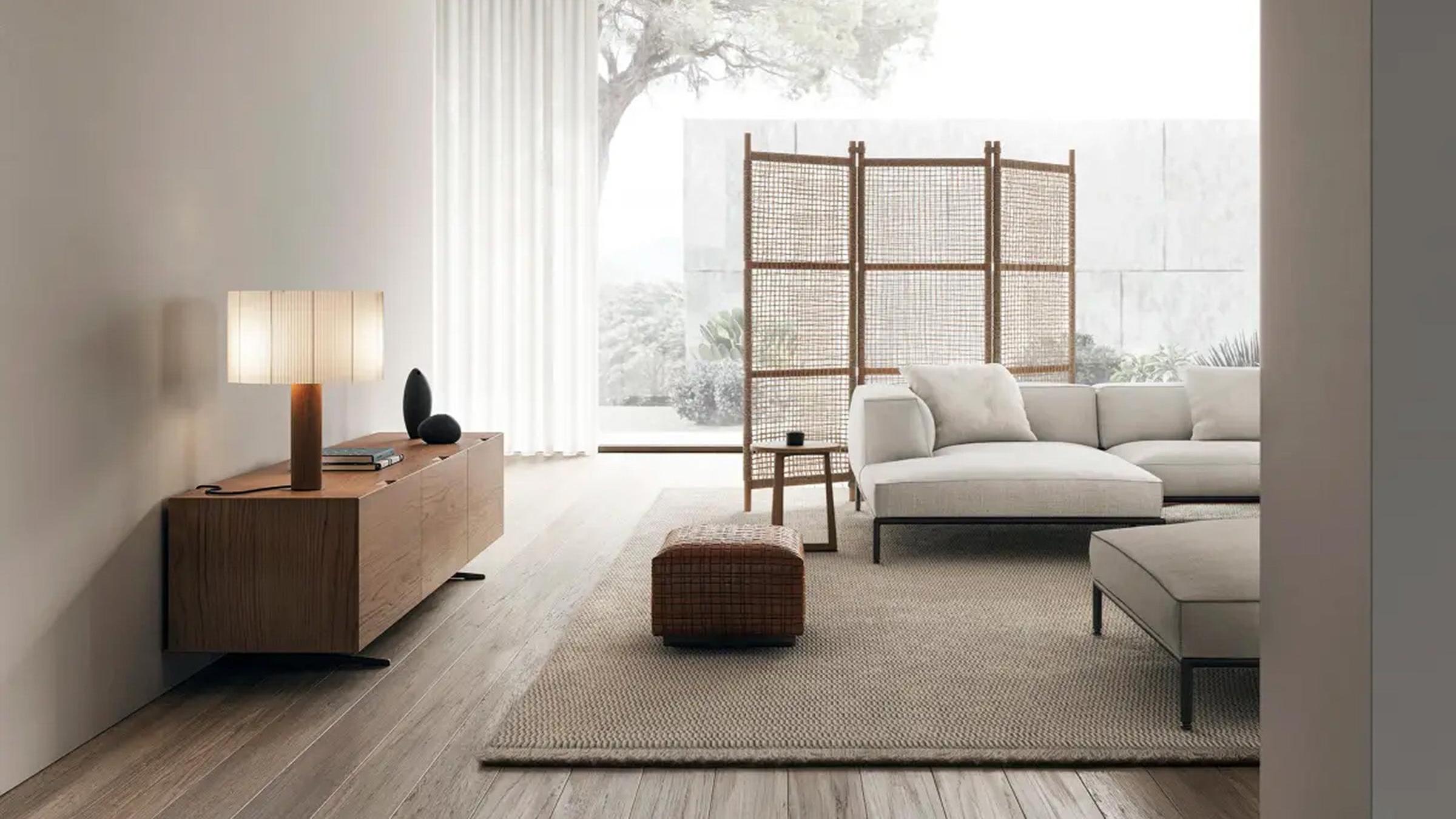
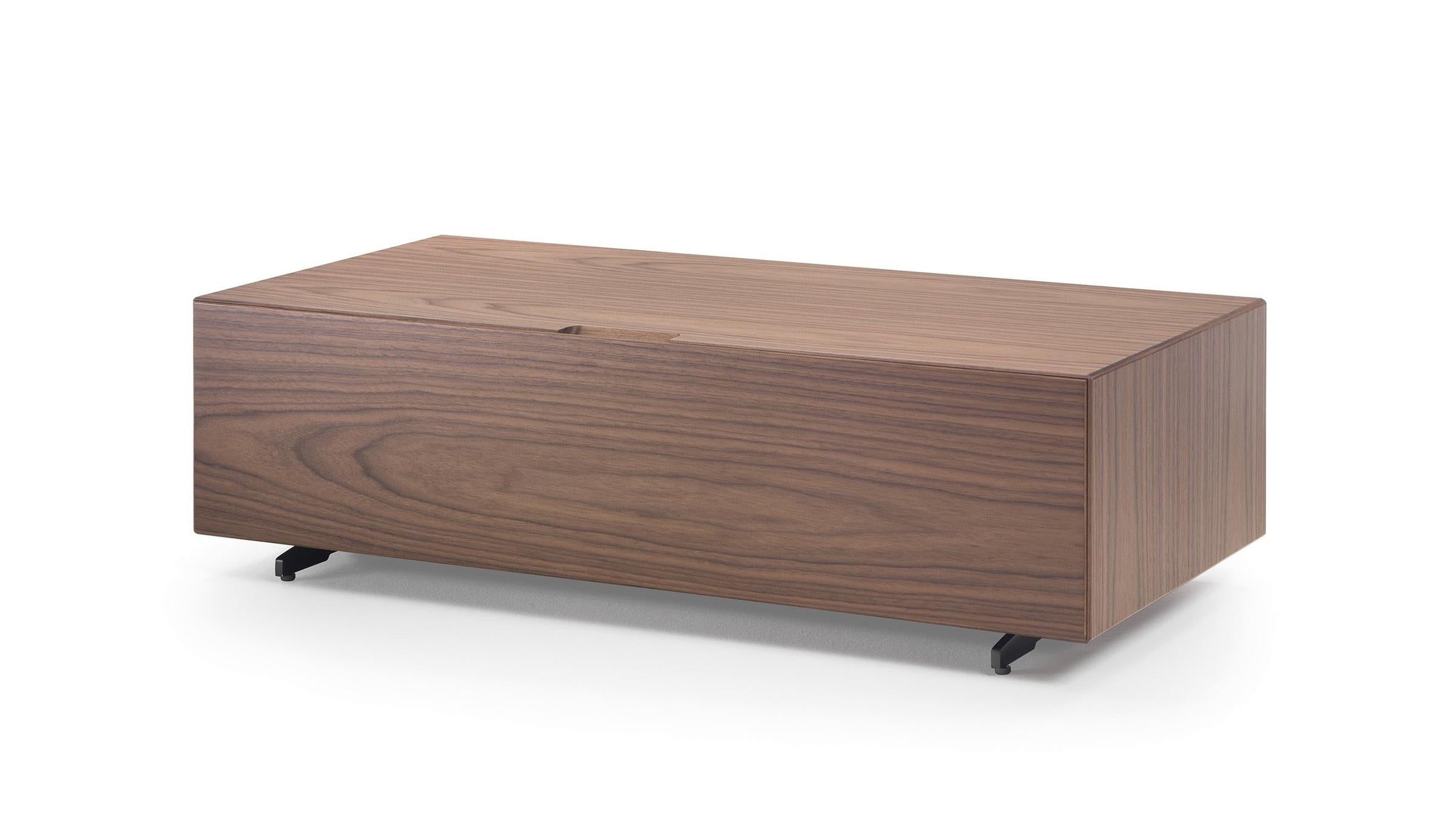
La collezione comprende molteplici configurazioni, ciascuna governata dalla stessa logica compositiva: proporzione plasmata dalla sobrietà, superficie animata dalla materialità. Le opzioni includono madie basse, credenze a forma di vetrinetta, mobili verticali, mobili TV e cassettiere. Le selezioni di impiallacciature in legno spaziano da venature architettoniche più discrete a specie con disegni profondi che portano il proprio peso visivo.
- Ante e cassetti senza maniglie con bordi smussati a 45 gradi
- Disponibile in configurazioni orizzontali e verticali
- Selezioni di impiallacciature in legno raro in molteplici specie e figure
- Realizzato su ordinazione per madie, credenze, mobili TV e mobili verticali
Made to order by Flexform, tailored to you.
Get customization options, swatch samples and pricing for your project.
Si abbina bene a
Armadio Piuma
Product Details
Tear Sheet
Pricing & Warranty
Pricing for made-to-order items varies based on configuration, finishes, and customization options. Please contact one of our design consultants or visit a showroom near you for current pricing and personalized assistance.
Luminaire is an authorized retailer of Flexform. The product comes with a full manufacturer warranty.
Authenticity guaranteed. Genuine product, authenticated and sourced directly from the manufacturer.
Domande Frequenti
What is the design concept behind the Piuma Cabinet?
Antonio Citterio designed Piuma around the idea of storage reduced to its quietest form. The defining detail is a 45-degree mitered edge on every door and drawer, which creates a continuous, uninterrupted line across the cabinet face when closed.
What wood veneer options are available for the Piuma Cabinet?
The Piuma collection offers a range of wood veneers, from subdued architectural grains suited to restrained interiors to deeply figured species with pronounced natural character. Specific veneer availability is confirmed at the time of order, as pieces are made to order.
What configurations does the Flexform Piuma collection include?
The Piuma family spans low sideboards, hutch forms with upper storage, vertical cabinets, TV units, and pure drawer pieces. Each configuration shares the same proportional logic and mitered-edge detailing.
Is the Flexform Piuma Cabinet made to order?
Yes, the Piuma Cabinet is produced to order, allowing for selection of configuration, dimensions, and veneer finish to suit a specific interior project.
How does Antonio Citterio's approach to cabinetry differ from conventional furniture design?
Citterio consistently works at the intersection of architecture and furniture, treating surface and proportion as a single problem rather than separate concerns. In Piuma, the absence of hardware is not a minimalist gesture for its own sake but a decision that foregrounds the quality and figure of the wood veneer itself.