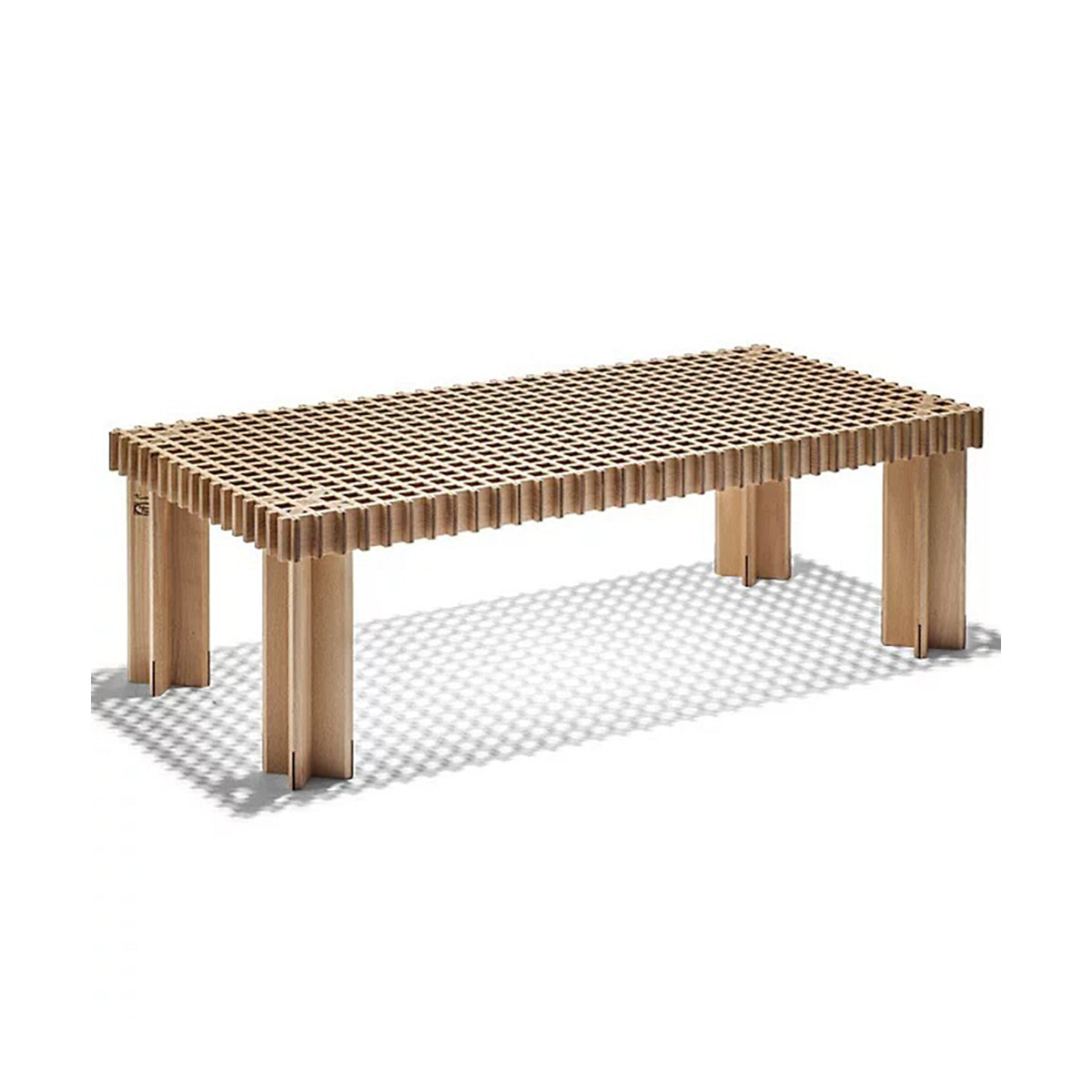
Tavolo Kyoto
Made by Poltrona Frau
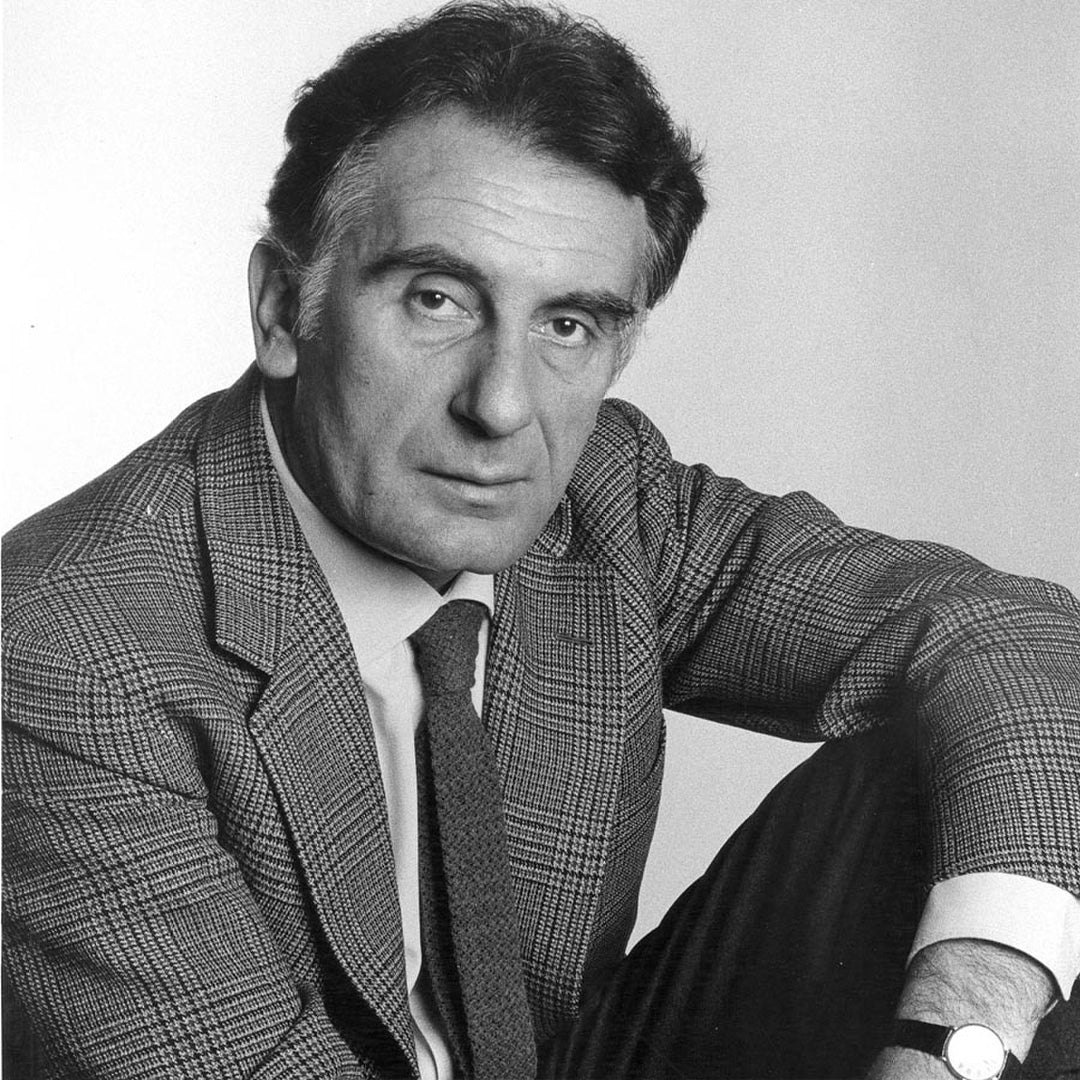
Designed by Gianfranco Frattini
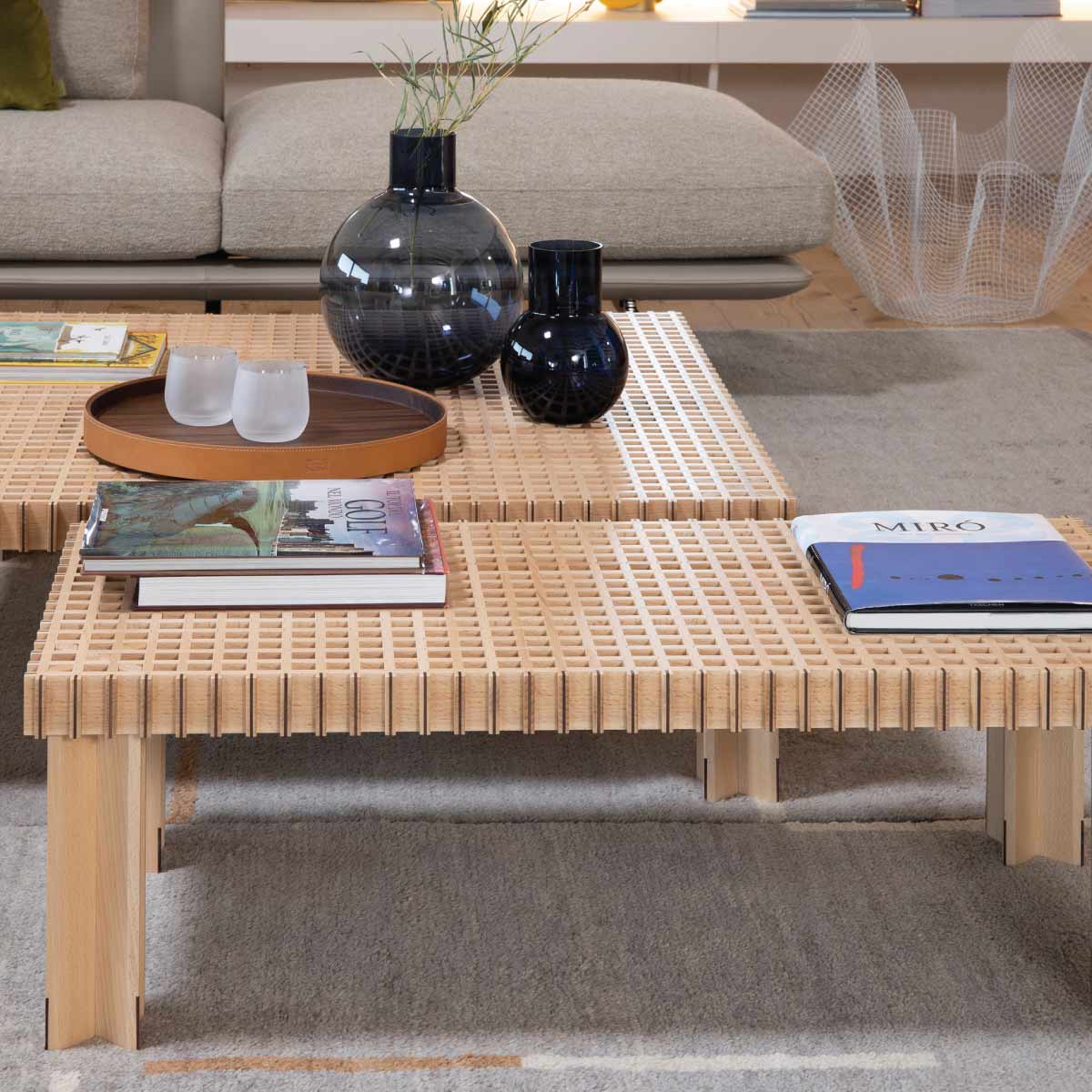
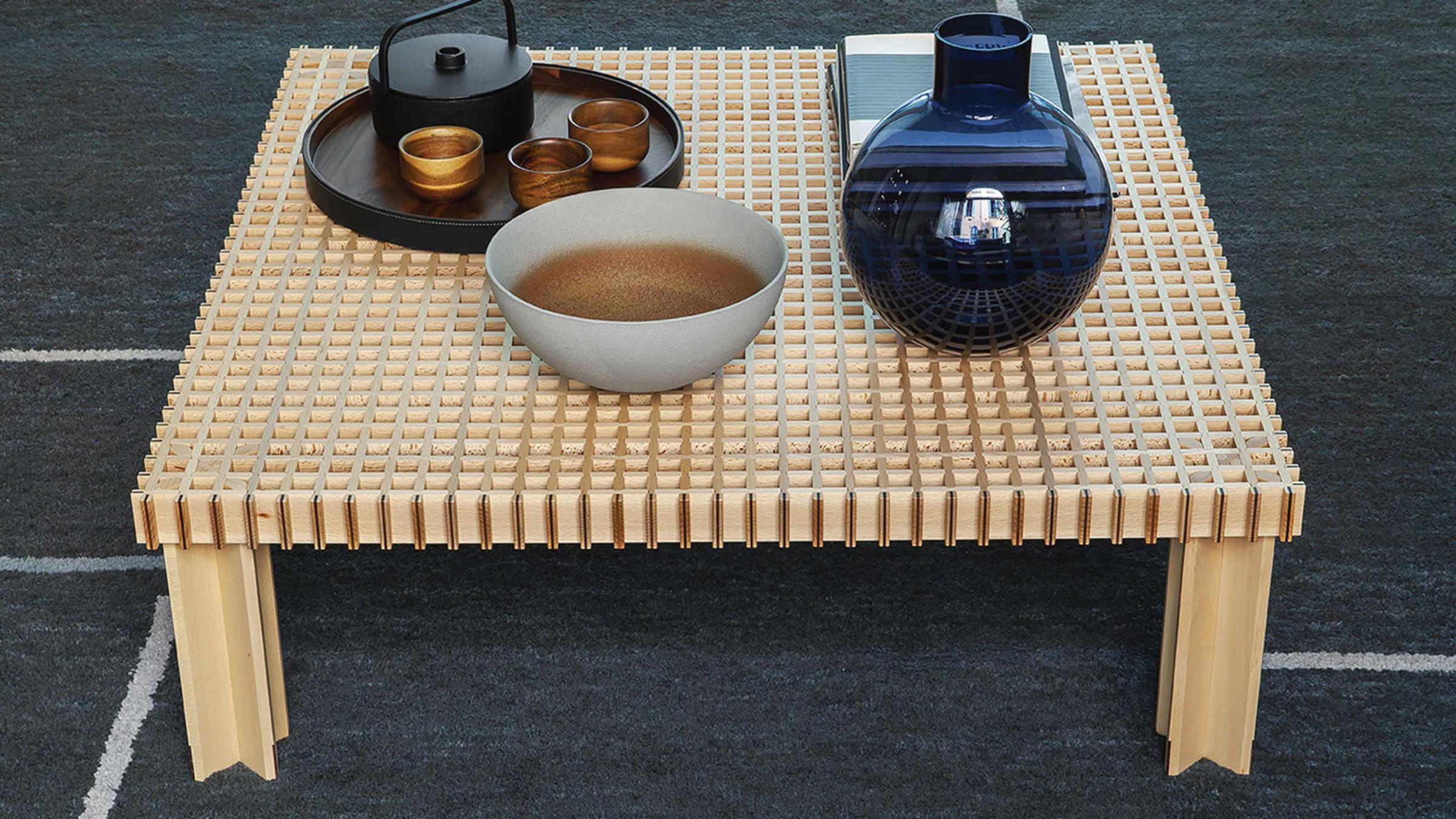
All'inizio degli anni Settanta, Gianfranco Frattini si recò a Kyoto con il maestro ebanista Pierluigi Ghianda. Ciò che incontrarono nei laboratori artigianali della città fu una filosofia costruttiva in cui processo e oggetto sono inseparabili, dove nulla è celato e nulla ornamentale senza ragione.
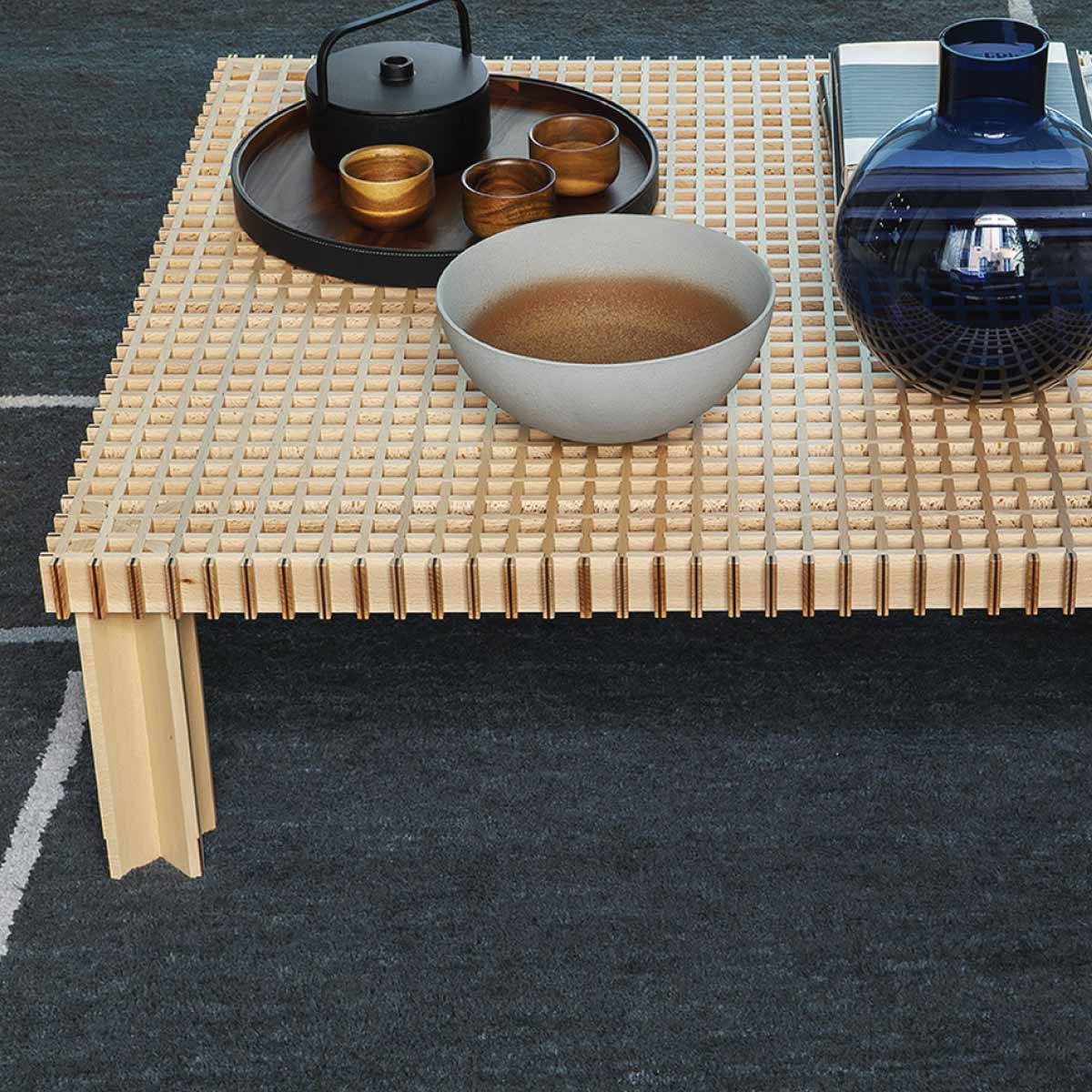
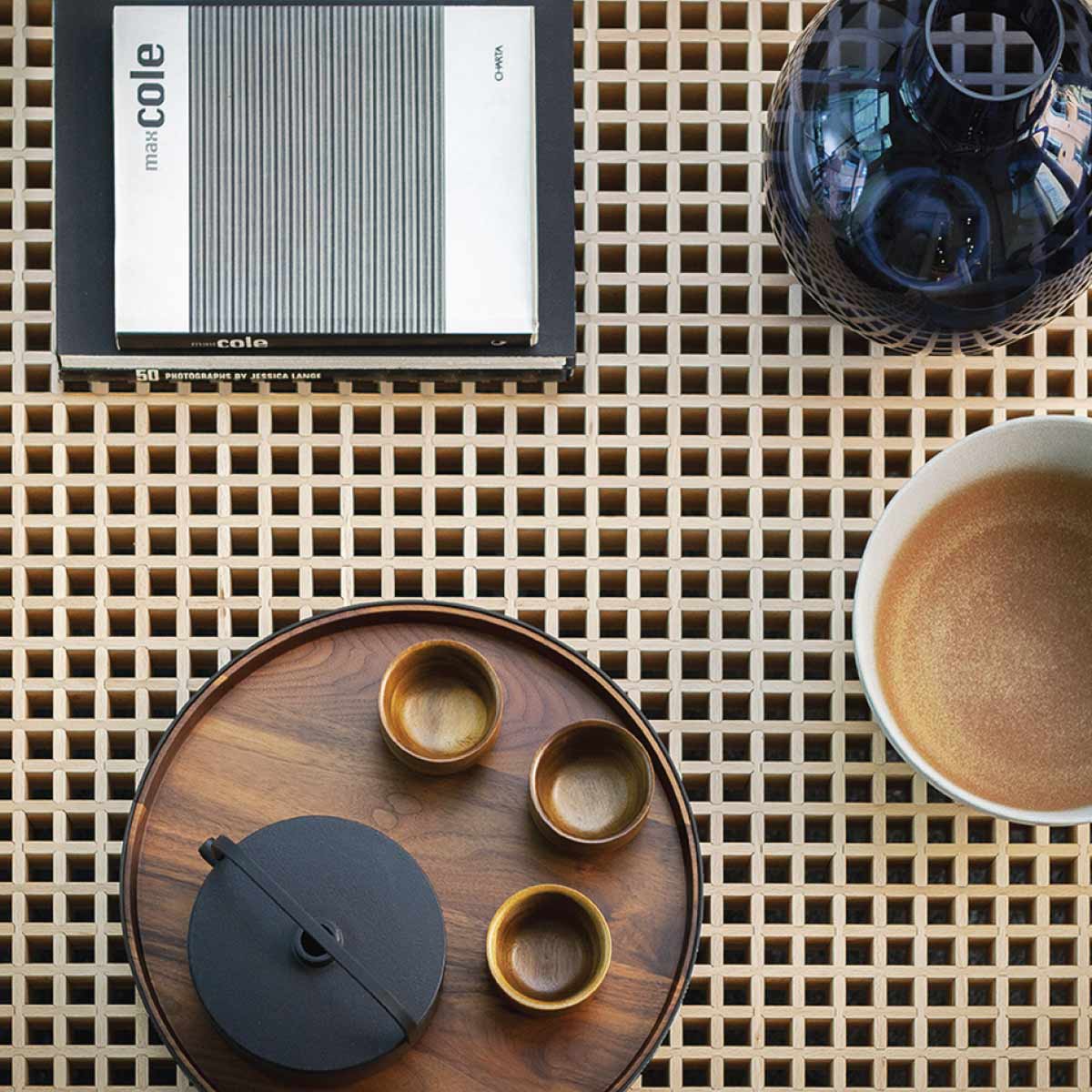
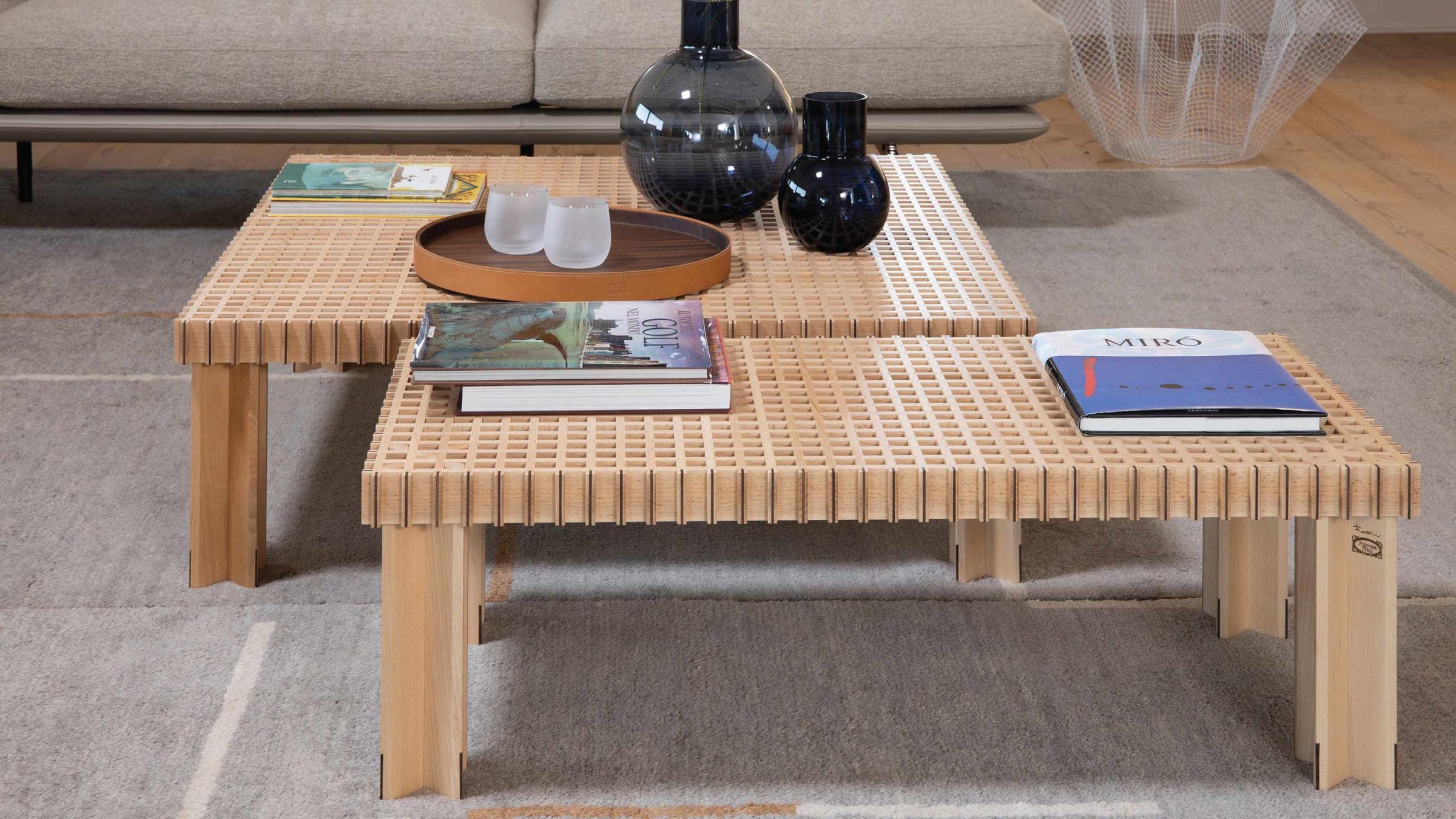
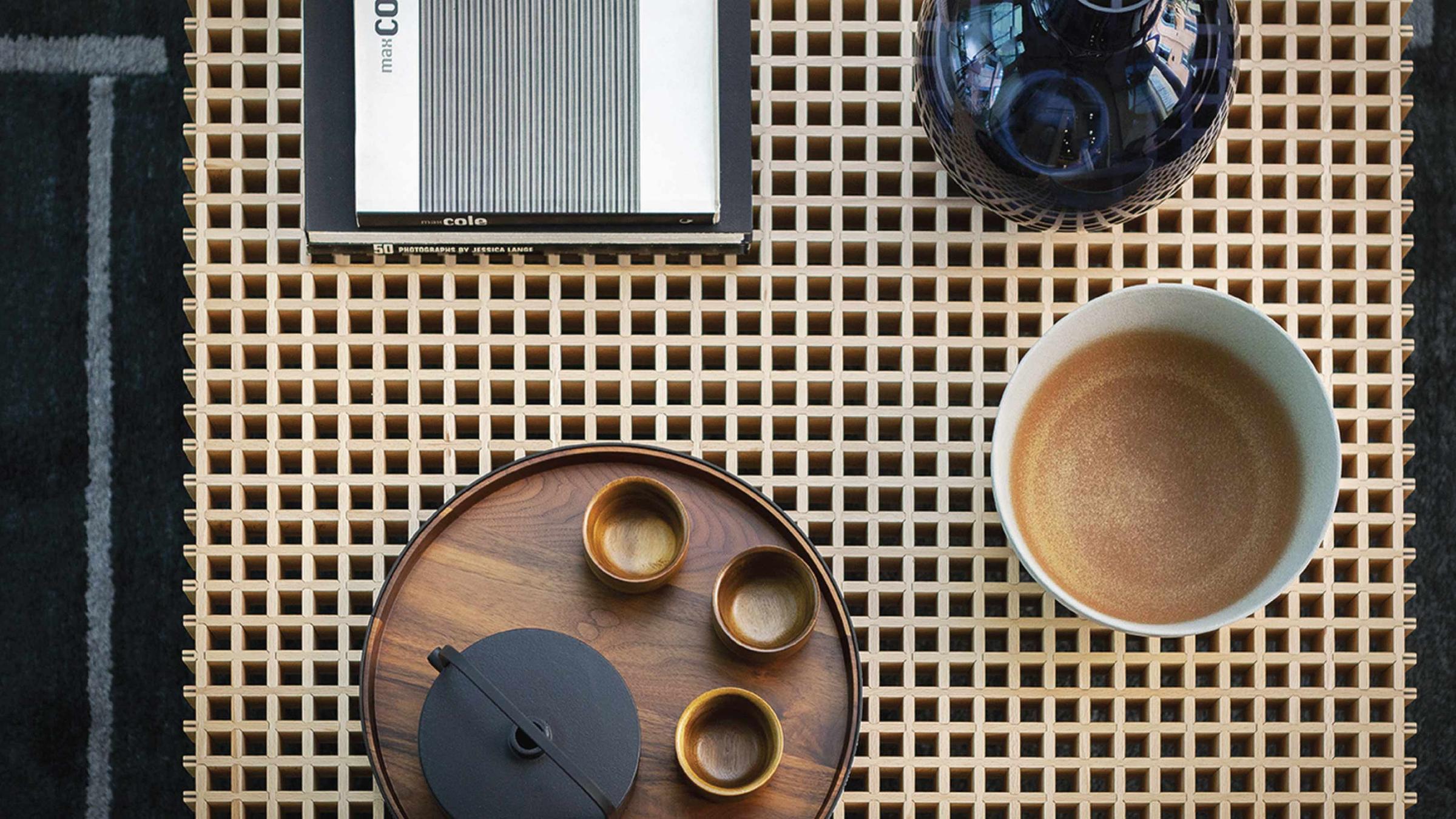
Il tavolo Kyoto è quella idea resa fisica. La sua struttura a griglia in massello di faggio è rifinita con una vernice nera a poro aperto, fedele alle specifiche originali di Frattini. Le estremità delle gambe sono laccate in un rosso vivido, un sottile richiamo alla cultura visiva giapponese che preserva la tensione grafica delle gambe inserite precisamente in una griglia.
Rieditato da Poltrona Frau con fedeltà all'originale, Kyoto porta l'impronta architettonica di un pezzo concepito all'intersezione tra artigianato italiano e sensibilità giapponese. La forma segue il metodo. Il metodo è la forma.
Made to order by Poltrona Frau, tailored to you.
Get customization options, swatch samples and pricing for your project.
Si abbina bene a
Product Details
Tear Sheet
Pricing & Warranty
Pricing for made-to-order items varies based on configuration, finishes, and customization options. Please contact one of our design consultants or visit a showroom near you for current pricing and personalized assistance.
Luminaire is an authorized retailer of Poltrona Frau. The product comes with a full manufacturer warranty.
Authenticity guaranteed. Genuine product, authenticated and sourced directly from the manufacturer.
Domande Frequenti
Who designed the Kyoto table and what inspired it?
Gianfranco Frattini designed the Kyoto table in the early 1970s following a trip to Japan with master cabinetmaker Pierluigi Ghianda. The design draws directly from the artisan workshop culture of Kyoto, where construction logic and aesthetic form are treated as one.
What materials is the Kyoto table made from?
The table is crafted in solid beech wood with a black open-pore varnish, consistent with Frattini's original design. The leg tops are finished in a lacquered red, referencing the visual language of Japanese craft traditions.
Is the Kyoto table a reissue or a contemporary design?
It is a faithful reissue by Poltrona Frau, produced with close respect for Frattini's original early-1970s project, including its materials and proportions.
Who was Gianfranco Frattini?
Gianfranco Frattini (1926-2004) was a Milanese architect and designer whose work spanned furniture, lighting, and interiors. He collaborated with leading Italian manufacturers including Cassina, Artemide, and Poltrona Frau, and was recognized for designs that balance structural rigor with humanist warmth.
What role did Pierluigi Ghianda play in the Kyoto table's development?
Pierluigi Ghianda, widely regarded as one of the greatest Italian cabinetmakers of the twentieth century, accompanied Frattini on the Kyoto journey. His deep knowledge of wood and joinery directly shaped the table's structural approach, where the construction logic becomes the visual identity of the piece.